Author: Mei Ling Tan

  • How smaller retailers are thinking beyond Fashion Week for #fashion to compete

    How smaller retailers are thinking beyond Fashion Week for #fashion to compete

    Increasingly easy-to-use technology has enabled smaller retailers to speak and deliver to their niche customer sets across all channels with the same voice as they would in a shop in Hong Kong. So what is driving their success?

    This vendor-written piece has been edited by Executive Networks Media to eliminate product promotion, but readers should note it will likely favour the submitter’s approach.

    Like many reading this, I’m always intrigued by the small business owners I meet across the world, many running generations-old boutiques selling one-of-a-kind treasures. These shop owners, with their warm welcomes and time-honored craftsmanship, can quickly endear themselves to even the most casual shopper. A storefront with a history or an intriguing story can quickly turn a browser into a loyal customer, as has been my experience time and time again.

    This sort of personalized experience has always been the key to success for small retailers in the fashion and luxury goods sector.

    However, as the worlds of fashion, luxury and media descend upon Paris for Fashion Week, these experiences and transactions seem increasingly quaint and inconsequential. Amid all the dazzle, glitz and glamor, one can be forgiven for thinking that high fashion continues to be the realm of global retailers and big-name luxury brands.

    Yet remarkably, more and more fashion retailers are starting to embrace being ‘small’ as a strategy for success and growth. Increasingly easy-to-use technology has enabled smaller retailers to speak and deliver to their niche customer sets across all channels with the same voice as they would in a shop in Hong Kong. So what is driving their success?

    They’re tech-savvy

    With e-commerce growth projected to double the retail industry average at least until 2017, half of all shoppers discovering new products when searching with smartphones, 82 percent of smartphone owners looking online for product information when shopping, and smartphones already accounting for over 40 percent of ecommerce transactions in Japan and South Korea it is no wonder that small retailers are realizing that they need to be as tech-savvy and flexible as their customers. That means engaging and delighting shoppers on mobiles, social media and online channels. 

    They’re highly personal

    Technological advancements and the democratizing power of the Internet have allowed retailers to scale up without sacrificing intimacy and personal service. As customers no longer think about retailers’ brands in a silo, neither does the small retailer. They analyze insights from website visitor traffic, social media interactions, and newsletter click-through rates to better understand their customers. Any retailer with a Facebook page can now easily discover that their average customer is, for example, female, aged between 16 and 24, and listens to One Direction, and by using this data to precisely tailor their sales and marketing strategy, they can more effectively engage and delight their customers.

    They look for ways to cultivate and engage a community

    It is much more profitable to sell to loyal customers than to constantly look for new ones. A Bain study showed that just a five percent growth in customer retention could boost profitability by 75 percent.

    Small retailers are starting to use this insight to build loyal online communities, which do the selling for them. No wonder a brief Google search on the words ‘e-commerce’ and ‘social media’ turns out 101 million results, with articles such as ’12 Social Media Tactics to Drive Traffic to your E-commerce Site’ being the most visited. Another way is through loyalty programs, which 30 percent of independent retailers are planning to implement in 2016. This is on top of the quarter of independent retailers who already have a loyalty program in place.

    They find the right support 

    Finally, one cannot ‘grow small’ without a reliable network of business partners, whether it’s like-minded companies to cross-sell services and expand the product offering, or other companies to provide operational support in areas where expertise is lacking.

    One example of this is logistics. According to a recent FedEx study, about 70 percent of consumers surveyed listed shipping-related factors as the most influential in their decision to buy from online retailers in other markets. That is why small retailers look to third-parties for their expertise and capabilities in potentially complex areas, such as the implementation of a policy that allows customers the option to return items purchased online to a physical store.

    #fashion is a game changer

    As global product availability is almost a non-issue these days, smart small retailers in the fashion and luxury sector need to constantly rethink their strategies, find ways to stand out, grow, and engage their customers without compromising the essence of their appeal.

  • AB InBev sells SABMiller’s stake in Chinese brewer

    AB InBev sells SABMiller’s stake in Chinese brewer

    The world’s top brewer, Anheuser-Busch InBev, has agreed to sell SABMiller’s stake in China’s leading beer maker to the local partner for $1.6bn, as part of a mega-merger between the giants.

    China Resources Beer (Holdings) Co will buy the 49% stake in Snow Breweries, its joint venture with SABMiller, it said in a statement to the Hong Kong stock exchange, where it is listed.

    It said the deal would go through “as soon as practicable” after AB InBev, a Belgian-Brazilian company, takes over SABMiller.

    AB InBev announced in November last year that it would buy SABMiller for $121bn — the third-largest acquisition in history — creating a juggernaut that brews three times as much beer as its nearest rival.

    Analysts said the sale appeared aimed at persuading Chinese regulators to sign off on the deal.

    AB InBev aims to complete the SABMiller takeover by the end of this year, and said last month the plans were on track.

    “After the acquisition deal between AB InBev and SABMiller, their market share in China would have exceeded 40%. This may not pass the antitrust survey by the ministry of commerce, so AB InBev had to sell the stake,” Guotai Junan Securities analyst Song Tao said.

    The Snow Breweries venture, set up in 1994, has a market share of about 24% in China and operates 98 plants across the country, according to SABMiller, which describes the venture’s Snow product as the world’s biggest beer brand.

    AB InBev already has a presence in China with a 15.9% domestic market share and 39 beverage plants as of 2014, according to the company.

    But analysts said that shedding the Snow Breweries holding was a setback for the newly formed entity in the world’s biggest beer market, while China Resources Beer — part of the massive conglomerate China Resources — loses a strong foreign partner, leaving it weak in the premium segment.

    “Losing the Snow Breweries stake has a huge impact on the foreign brand because it will lose the price negotiation advantage it used to have with raw material suppliers and the scale-of-production advantage from the factories,” said Stacey Yu, an analyst at consultancy Business Connect China.

    Analysts said competition was expected to intensify in the Chinese beer market, where growth was slowing in the face of economic headwinds.

    “Without one company dominating the market and enjoying increased pricing power, the beer market will remain fiercely competitive,” Mr Song said.

    AB InBev has acquired or formed partnerships with a number of leading Chinese brewers and doubled its China business in 2006 by acquiring Fujian Sedrin Brewery.

    At 10.10am,

    SABMiller shares were up 0.49% at R925.74 at 10.10am on the JSE, valuing the company at about R1.8-trillion, while AB InBev had added 1.26% to R1,792.31, valuing the company at about R2.8-trillion.

    In Hong Kong, shares in China Resources Beer jumped 25% to their highest level in five years, regaining ground lost so far this year after the stock was dropped from the main constituents in the Hang Seng index.


  • ANZ wealth chief Joyce Phillips leaves after restructure

    ANZ wealth chief Joyce Phillips leaves after restructure

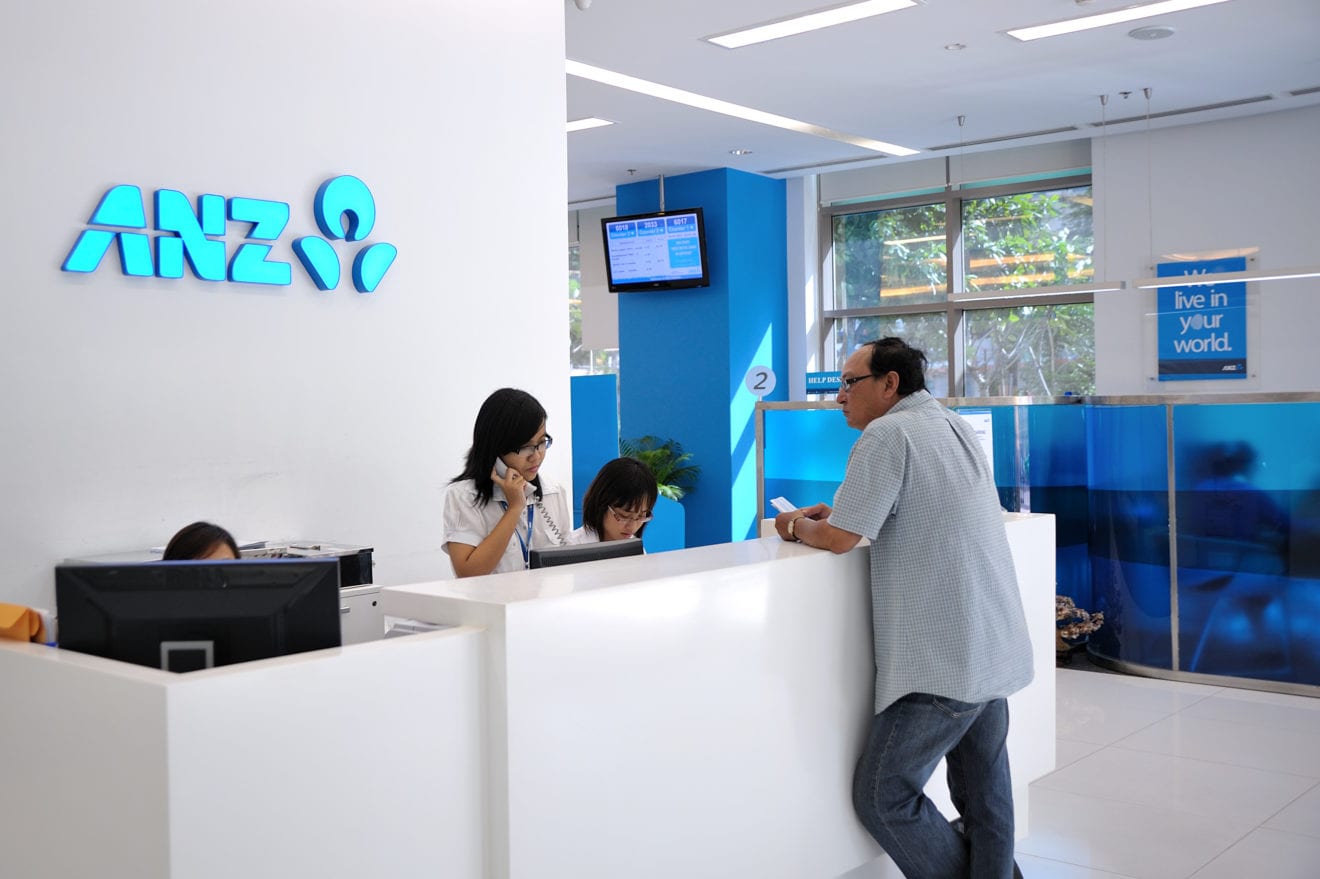
    ANZ Bank’s wealth chief, Joyce Phillips, is departing the banking giant following a restructure of the $67 billion institution’s wealth management arm.

    Chief executive Shayne Elliott said the group was simplifying its approach to wealth management, which includes the bank’s insurance, superannuation and investments products.

    As a result of the changes, Ms Phillips, who led ANZ’s wealth, marketing and innovation divisions, will leave.

    ANZ Bank's wealth chief, Joyce Phillips, is departing the banking giant following a restructure of the $67 billion ...ANZ Bank’s wealth chief, Joyce Phillips

    “The simplified approach also provides the opportunity to focus on improving returns and capital efficiency from our insurance, superannuation and investments product business given higher regulatory capital requirements,” Mr Elliott said.

    The moves, foreshadowed by Street Talk, comes after ANZ appointed Google’s Australian boss, Maile Carnegie, to the newly created position of group executive for digital banking.

    Reporting to Mr Elliott, Ms Carnegie will have responsibility for digital projects, innovation and “strategic relationships” with the fintech sector that is seeking to challenge the power of the big four banks.

    Mr Elliott said the wealth division had achieved a “significant amount” under Ms Phillips’ watch since it was formed in 2012.

    ANZ’s global wealth arm posted a net profit of $601 million during the last financial year – an 11 per cent increase from 2014. The division contributed less than 10 per cent of ANZ’s profits.

    In an internal company interview, Mr Elliott said the bank wanted to “really maximise” the 10 per cent of group capital that was currently locked in the wealth division.

    “It is going to be material in the terms of the impact on the wealth business but for shareholders, given that it’s only 10 per cent, it will be a good thing but it’s unlikely that it’s going to be a dramatic outcome for shareholders,” he said.

    The restructure will see wealth effectively move into ANZ’s retail business. ANZ’s private bank division will report to Fred Ohlsson, group executive Australia and ANZ Financial Planning will transition to be part of the retail distribution arm.

    The group’s New Zealand wealth business will fall into the expanded retail, business banking and wealth division.

    Wealth in Asia will join Retail Asia, while the group’s remaining insurance, superannuation and investments activities in Australia will be rebranded Australia Wealth. Alexis George, ANZ’s managing director of insurance, will head the business and report to Mr Elliott.

    Sources said the break-up of the wealth division could be seen as a precursor to a potential sale in the next 12 months.

    ANZ has looked at stepping up a process of divestments. Last year, the bank sold its Esanda dealer finance unit to Macquarie Group for $8.2 billion. It is also reviewing its non-controlling interests in Asia.

    ANZ shares have fallen 35 per cent in the past 12 months to $23.07, compared with the 17 per cent fall of the benchmark S&P/ASX200.

  • China’s Retail Sector Emerged as a Bright Spot in Slowing Economy

    China’s Retail Sector Emerged as a Bright Spot in Slowing Economy

    China’s retail sector shines

    China is facing an economic downturn, but Chinese consumers are hopeful about its economy. According to Boston Consulting Group, China’s total retail sales are forecasted to grow by 50% to $6.5 trillion by 2020 with online transactions growing by nearly 25%.

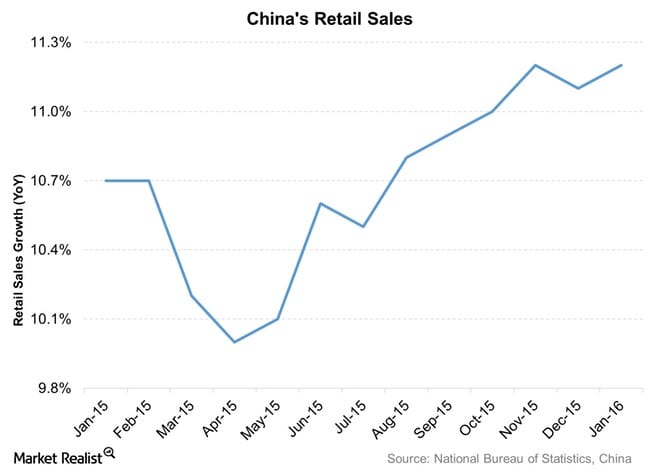
    Retail sales were up by 11.2% in January 2016 due to Lunar New Year holiday shopping. In 2015, retail sales grew by 10.7% YoY to 30.09 trillion yuan, slower than the 12.0% increase recorded in 2014. Urban retail sales of consumer goods were up by 10.5% YoY to 25.9 trillion yuan.

    Rural areas have become a major source of retail sales growth. Retailers are focusing on rural China to increase the penetration of e-commerce. In 2015, rural retail sales were up by 11.8% to 4.19 trillion yuan.

    Chinas Retail Sales 2016-02-28Enlarge Graph

    E-commerce played a major role in driving up retail sales. In 2015, the national online retail sales of goods and services grew 33.3% YoY to 3.88 trillion yuan, according to the National Bureau of Statistics of China. Some of the leading players in China’s e-commerce segment are Alibaba Group Holdings (BABA), Baidu (BIDU), JD.com (JD), NetEase (NTES), and 58.Com Inc. (WUBA).

    According to Fortune Character, a luxury product consulting firm, Chinese consumers accounted for 46% of global sales of luxury products in 2015.

    Transition from export-oriented economy to consumer-driven economy

    After a slowdown in demand and rising debt levels in the manufacturing sector and reduced dependence in the export business, China is shifting its focus to a consumption-driven economy. Although this transition would be painful in the near-term, it has the potential to deliver robust growth to China in the long term.

    Mutual funds such as the Templeton China World Fund (TCWAX) and the Fidelity Advisor China Region Fund – Class A (FHKAX) have exposures of 31.3% and 21.5%, respectively, to the consumer discretionary and consumer staples sector combined. These funds stand to gain immensely due to positive performance in the retail sector.

    After having a brief overview of China’s macroeconomic indicators, let’s begin our assessment of China-focused mutual funds.

  • DFS launches new Spring Galleria campaign

    DFS launches new Spring Galleria campaign

    DFS Group has announced its new Spring 2016 campaign tie up with three international influencers and global travellers to support and celebrate the launch of its new travel #mustpack concept – aimed at equipping travellers with the essentials ‘for wherever your journey takes you’.

    The new campaign features Ethiopian philanthropist and model Liya Kebede, Chinese model Zhao Lei and Chinese actress Chen Ran and is designed to provide DFS’ customers with a photographic inside track on these celebrities’ #mustpack journey choices, using photos and stories from their personal travels.

    DFS says that the campaign will run between March, April and May, allowing its customer to interact with the campaign in-store, online and through its social media channels.

    T Galleria

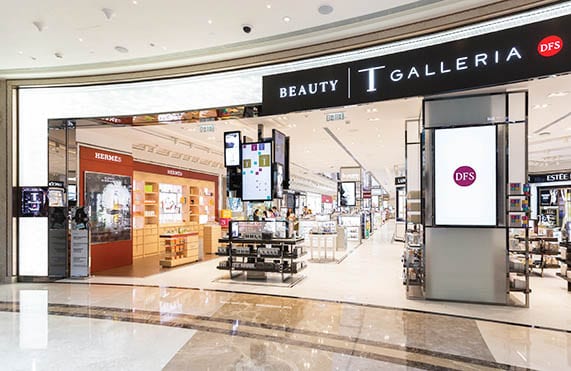
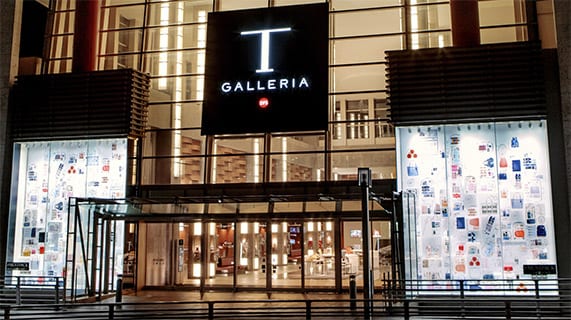
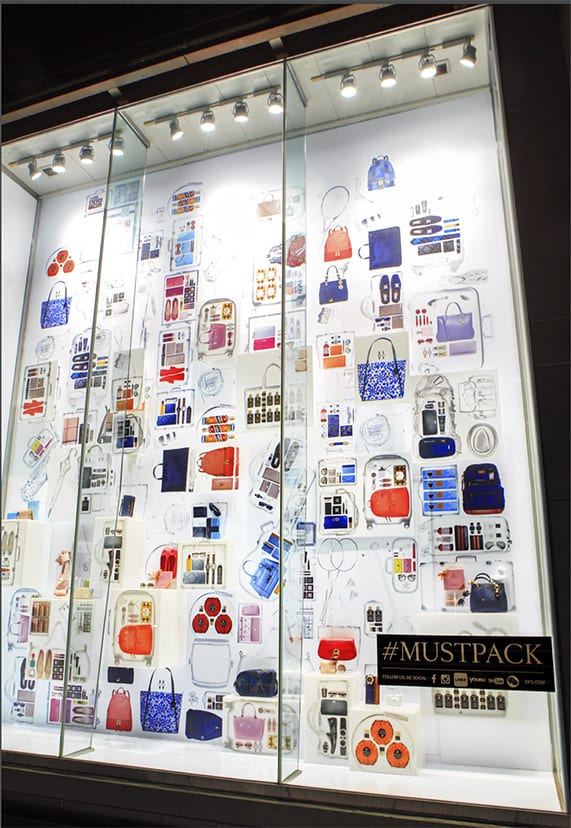
    How the new T Galleria front window displays look in Hong Kong.

    Mustpack window close up

    A close up of the #mustpack store window display.

    Customers will also be able to connect with each influencer, as well as their travel destinations, plus the selected #mustpack products that will be available for sale at T Galleria by DFS stores

    Commenting on the campaign, John Gerhardt, Senior Vice President, Creative Branding Direction, DFS Group said: “This season we were particularly inspired by those #mustpack items you have to have with you throughout your journey.

    “We wanted to bring that story to life by showcasing Liya, Zhao and Chen’s love of travel through their own personal travel photos, as well their true travel #mustpacks.”

    ‘IMMERSIVE’ DIGITAL EXPERIENCE…

    The retailer says that the new campaign is being shown utilising three videos featuring Liya, Zhao and Chen, plus ‘an immersive digital experience’ at TGalleria.com where customers can discover the videos and travel guides as well as the season’s #mustpack products.

    DFS’ customers in Hong Kong will also be able to meet the influencers, with Zhao Lei set to host a shopping night at T Galleria by DFS, Hong Kong, Canton Road on March 17 and Chen Ren attending the T Galleria Beauty by DFS, Hong Kong at Causeway Bay on April 14.

    The campaign brands feature #mustpack products from 15 of DFS’ most popular brands, including Estée Lauder, Givenchy, Prada, Bulgari, Rémy Martin and others and DFS says this is ‘just a sample’ of the from the 700 brands across its ‘five pillars of luxury’.

    Adding her comments, Sibylle Scherer, DFS Group President Merchandising and Consumer Marketing said: “Our Spring 2016 campaign’s celebration of travel as well those essential items you have to bring with you along the way, truly brings to life everything our customers love about DFS.

    Big 2 T Galleria by DFS Spring 2016 Campaign Featuring Liya Kebede_verticalSTORES ‘PACKED’ WITH #MUSTPACK PRODUCTS

    “From fashion and beauty to watches and wines, our stores are packed with the #mustpack products that complete your journey and we’re thrilled that Liya, Zhao and Chen have joined with us to share that story this season.”

    DFS adds that its store windows now show “x-ray” views into the various suitcases displaying this season’s collection, while in-store customers encounter highlighted #mustpack products at multi-category display tables.

    These are designed to simulate the experience of unveiling products through an airport security x-ray machine.

    DFS concludes that this campaign will also run on social media, with T Galleria by DFS teaming up with various influencers in key DFS locations, such as Gaile Lok in Hong Kong, Halley Elefante in Hawaii and Andrea Chong in Singapore. They will also be giving away the season’s best #mustpack products for dedicated followers of @DFSOfficial.


  • China court jails 24 people over $1.5-bln financial fraud

    China court jails 24 people over $1.5-bln financial fraud


    A court in southern China has jailed 24 people for fraudulently raising nearly 10 billion yuan ($1.5 billion) in one of the country’s biggest financial scams, the official Xinhua news agency said.

    The group was convicted of illegally raising funds during the decade to 2012 from more than 230,000 investors, mainly senior citizens who put in their life savings, it said, citing the court.

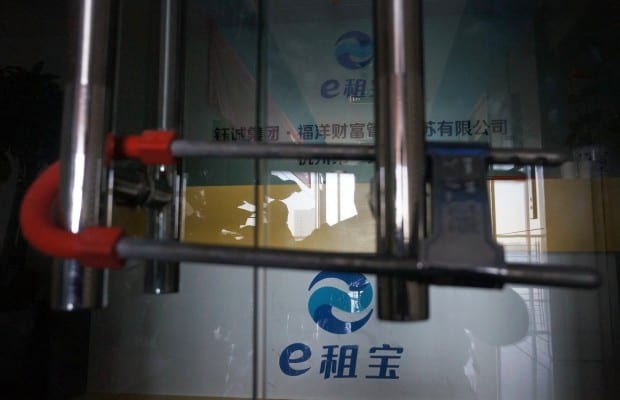
    Guangdong Bangjia Leasing Co set up four firms in the southern province and many branches and subsidiaries across China, luring retail investors to buy memberships and fund nonexistent loans by promising returns of as much as 47 percent.

    The case spotlights growing risks in a loosely regulated wealth management products industry, which lures millions of unsophisticated retail investors to high-yield products offered by opaque online finance firms and privately run exchanges.

    In February, authorities arrested 21 officials of Ezubao, once China’s biggest peer-to-peer lending platform, which collected $7.6 billion in less than two years from more than 900,000 investors.

    Ezubao used savvy marketing, authorities said, to fund “a complete Ponzi scheme”, that used investor funds to support a lavish lifestyle for company executives.

    Last year, hundreds of angry investors also hit the streets in Beijing and Shanghai after losing $6 billion from the Fanya Metals Exchange, which offered investment products promising an annual return of up to 14 percent.

    The Guangzhou Intermediate People’s Court on Monday sentenced the main suspect in the Guangdong fraud, Jiang Hongwei, to life in prison, while the others received terms ranging from 3 years to 14 years, Xinhua said.

    The court has frozen and seized their assets, including 127 vehicles and 43 villas, but prosecutors said few victims might get their money back, since Jiang had squandered millions on luxuries, the agency added.

    Some older investors who lost money in the Guangdong fraud said they were attracted by its fancy branding.

    “Their grand exhibition occupied six halls,” Xinhua quoted one elderly woman from Jiangsu province as saying.

    “After attending it, I felt assured and decided to invest 700,000 yuan,” she added. “It was all the savings my husband and I had.”

    ($1=6.5397 Chinese yuan)


  • Pomelo founders squeezed out

    Pomelo founders squeezed out

    Competing visions for the future of Pomelo have seen several founders forced out of the company in recent months amid allegations of physical intimidation, threatening emails and defamatory public statements. The Myanmar Times‘ RJ Vogt investigates what went wrong at Yangon’s best-loved social enterprise.

    One of Yangon’s most popular social enterprises, Pomelo, is being torn apart by an ownership dispute built on fundamental questions over how it should develop in the future.

    The founder, general manager and lead designer say they have been forced out of the business, locked out of the store and even physically intimidated in recent weeks as the dispute has escalated.

    According to the original Myanmar partner, however, the recent registration of the business as Pomelo Company Limited (PCL) and subsequent changes in management were necessary to protect its local partners from the business being placed “under a foreign entity”.

    In an interview with The Myanmar Times, Daw Thea Thea said she registered PCL in order to preserve what she believed was Pomelo’s original purpose: to create a producer-focused marketplace.

    “The worst part during the process of reforming governance was when they decided to register as a foreign company,” she said. “It felt like foreign people were taking over the shop. A lot of people raised the question – why does a foreigner want to be the owner of the shop?”

    But Pomelo co-founder Rachael Storaas says Pomelo was never going to be solely foreign-owned. She and her team had planned to set up a joint-venture in order to expand the company so it could provide more training and profits to a growing number of producers. It was always going to be a non-profit, Myanmar-focused business, she insists.

    “Pomelo is not about foreigners against Myanmar nationals,” she said. “It is about working together. It is to show that Myanmar products are successful, well-made, ethically produced products. And we helped to design, develop and sell these products.”

    During a messy and tumultuous February, both sides have sought legal counsel. The Myanmar Times was provided with threatening emails from a PCL adviser, in which the person suggested the recipient could face a protracted court case and deportation. Surveillance cameras at the store also showed the PCL adviser pushing Ulla Kroeber, the former lead designer, during an altercation on February 17.

    The store remains open, but the website notes that those running it are not the ones who directed its growth for the last four years.

    The store remains open, but the website notes that those running it are not the ones who directed its growth for the last four years.

    Amid the dispute, the 50-plus producer groups who sell goods at Pomelo have been largely relegated to the sidelines, waiting to find out the future of the business that offered them an opportunity to sell their goods.

    Pau Son, from the upcycling group Shin Thant, said he was not consulted about the recent personnel changes. Other producer groups he has contact with were also in the dark, he said.

    “It’s really rude … It’s horrifying,” he said in an interview on February 24. “This is not Myanmar people’s style. The one thing I’m disappointed in is that they should have met with us before they did this.”

    Seeds of contention

    The struggle has roots dating back to the company’s establishment as a souvenir shop in 2013. Rachael Storaas and Annie Bell, the co-founders, envisioned Pomelo as a social enterprise that would offer Myanmar people a marketplace for sustainably sourced goods, such as recycled notebooks and decorative art. But because Myanmar lacked – and still lacks – the legal infrastructure to licence a social enterprise, Storaas and Bell teamed up with Daw Thea Thea to register the company as a souvenir shop with Yangon City Development Committee.

    Pomelo needed to be registered to a local because foreigners are not allowed to conduct retail operation in Myanmar, so the shop was set up under Daw Thea Thea’s name only.

    Daw Thea Thea says she had been considering setting up Pomelo as far back as 2008. She also organised the early discussions in 2012 that led to its registration the following year, she said.

    “This is a dream we all started together,” she said.

    In just two years, Pomelo rapidly grew from one producer group to more than 50. Ulla Kroeber, an architect from Germany, joined the team as the lead designer. Paula Camba served as a general manager before stepping down to be a volunteer, with Natalie Ortiz as her replacement. The company began to offer training in product design to its producer groups, as well as English lessons and other services. A location within, and then later next to, the popular Monsoon restaurant ensured a steady flow of tourist foot traffic. The shop was soon featured in The New York Times, Lonely Planet and TripAdvisor.

    It appears that producer groups may soon have a choice between Pomelo Company Limited and a new store, to be created by the ousted foreigners.

    It appears that producer groups may soon have a choice between Pomelo Company Limited and a new store, to be created by the ousted foreigners.

    By 2015, Pomelo was clearly outgrowing its souvenir shop status. Filling bulk orders from the United Nations proved near-impossible when the business bank account was technically that of a private individual. Exporting goods overseas required an export licence, which souvenir shops cannot apply for. The souvenir shop had only an unofficial board, comprising Ms Storaas, Ms Bell, Daw Thea Thea and other volunteers, that was often split on issues such as exclusivity agreements with producers. Ms Storaas even admits to harbouring concerns that Pomelo was not paying the appropriate amount of taxes because it was technically just a souvenir shop.

    Ms Storaas and her team began consulting with international law firm Baker & McKenzie for advice on changing the company’s structure.

    “I approached the law firm for assistance so that Pomelo could be, as properly as possible in Myanmar today, registered correctly with myself, Ulla Kroeber, Paula Camba and of course Daw Thea Thea as shared owners,” she said on February 25.

    British Council adviser Don MacDonald told the Pomelo leadership to consider starting two new companies in tandem. One would be a foreign-domestic joint venture, to handle all of Pomelo’s product development, producer training and expansion; the other, purely domestically owned, would handle the retail shop.

    “The aim of our work was to produce a draft constitution, which would involve local producers, along with a marketing plan and a plan for sharing ‘profits’ with local producers,” Mr McDonald said.

    But this proposal did not sit well with Daw Thea Thea and some others involved in Pomelo. She says she was not involved in the process – something that Ms Storaas refutes – and felt excluded from decision making. Bringing foreign ownership to Pomelo, in her mind, was a step away from the original purpose of serving local Myanmar people. She advocated splitting power three ways, between producer groups, Myanmar owners and foreign advisers. That’s when she says the foreign side increasingly began to freeze her out.

    But Ms Storaas says that the proposed changes came with several key stipulations to preserve local producers’ interests, including that the company would only benefit locals, that profits would always be channelled to develop production and that the new arrangement would be temporary until Myanmar laws allowed a better way to register a social business.

    She says Daw Thea Thea was explicitly promised at a December 11 meeting that “all profits would be reinvested back into the company” and given a week to think it over. The follow-up meeting never occurred, and by mid-January a new version of Pomelo had been registered with the Directorate of Investment and Company Administration. According to the DICA website, PCL was registered to the address of Helping Hands, a producer group run by Ms Bell, and had two board members: Daw Thea Thea and Daw Htar Htar of Akhaya Women’s Association.

    A hostile transition

    Two weeks later, Daw Thea Thea and Daw Htar Htar delivered letters of notice to Ms Kroeber, Ms Camba, Ms Bell and Ms Storaas, thanking them for their time and informing them that their expertise was no longer needed.

    Ms Kroeber described her firing at the store on February 4 as “aggressive”. Daw Thea Thea and Daw Htar Htar were accompanied by Ms Bell and Neil MacIntyre, who is listed online as the founder of a children’s nutrition drink company but had not previously been involved with Pomelo.

    The letter Ms Kroeber received gave her just four hours to hand over all company information, passwords and keys. Having been living in the Pomelo office while on extended work visits in Yangon, she was also forced out of her accommodation. Ms Ortiz – Pomelo’s only full-time, salaried foreign employee – received a similar letter, though her position was not terminated. Instead, she was instructed to report directly to the PCL board on all PCL-related matters.

    Pomelo’s iconic vinyl bags owe design influence to Ulla Kroeber, one of several foreign members of Pomelo’s team who has been forced out of the company.

    The first many people heard about the dispute was when Ms Storaas sent a mass email on February 7 giving her side of the dispute and explaining there had been a “difference of opinion” over the future direction of the store.

    The email said that the formation of PCL and the terminations were “in no way originating from the current Pomelo team. The team was furthermore not in any way consulted, nor were the community of producers.

    “There is a great risk of harm to Pomelo, a great risk to undo what has been achieved and at the end of the day a great risk to the income generated for an increasing number of vulnerable groups of producers,” she wrote.

    Shortly afterward, the threats began, Ms Storaas said. She received an email, signed as the “Pomelo Board”, telling her she could expect to face legal action, including defamation and charges under the Electronic Transactions Act.

    Mr MacIntyre followed up with an email on February 15, written in Norwegian, which Storaas speaks.

    “We are determined to ensure that you are kept in this country so that we can have a court case against you to reinstate our reputation,” he wrote. “This will be a slow process. Today, while you still can, you might want to get yourself out of the country.”

    Mr MacIntyre refused to confirm whether defamation charges had been filed.

    The Myanmar Times was also shown security camera footage of Mr MacIntyre pushing Ms Kroeber as well as her husband, Mr Hans ten Feld, in the Pomelo store on February 17.

    Asked for comment, Mr MacIntyre wrote in an email, “There are provisions in the Myanmar Penal Code where a person is allowed to use non-excessive force to prevent a crime against, or to safeguard the damage to property or person; himself or another.”

    He also explained that drawing distinction between “former management” and the “new Pomelo Company Limited” is incorrect.

    “There is no new Pomelo Company Limited. Let me emphasise that there was never a former management. There were usurpers who, by criminal use of force, took over illegal possession of the premises. This required the rightful entity to legally take repossession,” he wrote.

    A few days after the alleged altercation, local police contacted the shop staff, instructing them to hand over the keys to the store to the PCL board members. The lease to the shop was in the name of a Myanmar employee, rather than Daw Thea Thea or Pomelo. On February 20, this person was called to a meeting at Botahtaung police station, so she brought Ms Kroeber and Ms Storaas with her. They refused to give the keys without a written explanation from the police as to why PCL had the right to take over the premises.

    The police refused to put anything in writing and Daw Thea Thea and Daw Htar Htar left without the keys. By Monday, February 22, the shop’s locks had been removed and changed, according to the ousted foreign sides.

    Daw Thea Thea, Ms Storaas and an independent local lawyer confirmed the meeting with police took place. But multiple police officers at Botahtaung police station said they knew nothing about any dispute at Pomelo.

    What’s next?

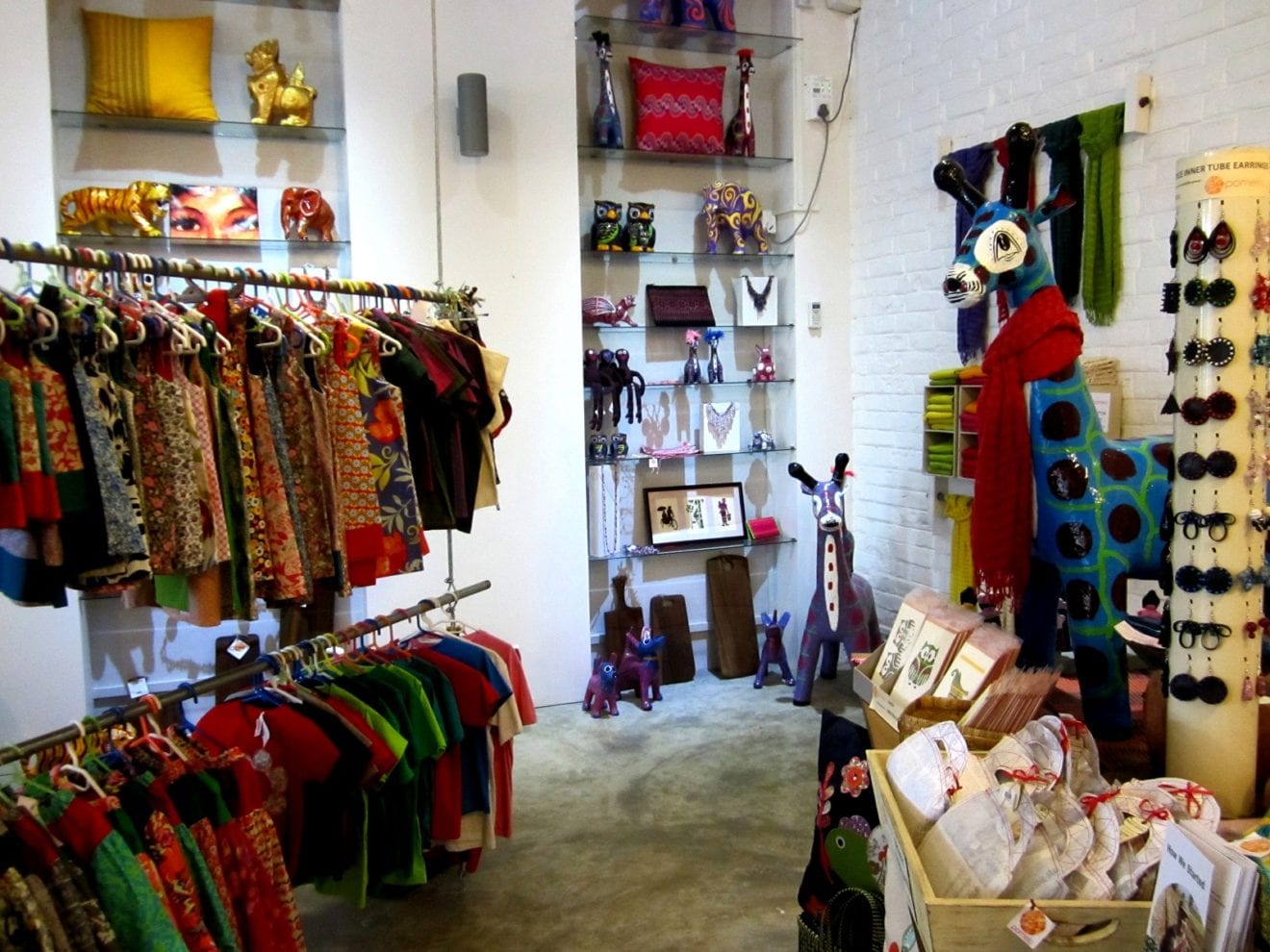
    For Pomelo Company Limited, it looked like business as usual yesterday afternoon. Tourists browsed papier mâché giraffes and trendy seat cushions, oblivious to the recent turmoil. Only the website shows signs of change, with a note pinned to the top stating that emails coming from “pomelopartnerships” are not from the group who ran the day-to-day operation for the past four years.

    Daw Thea Thea describes the past year as “a nightmare” and insists she does not “want to be in this situation”. She is sad that the foreigners have left their former roles, but feels it is necessary to preserve the mission of Pomelo.

    “No one is right or wrong but this is what has happened,” she said.

    In an earlier press statement, the PCL board said, “At this time when Myanmar transitions to a more open and just society, Pomelo can act as a strong example for Myanmar social business across the country.

    “Pomelo is in good hands and the Board wishes to thank its staff and producer groups for their great work, and the community for its ongoing support.”

    Ms Storaas, Ms Ortiz and Ms Kroeber have no legal claims to the Pomelo store, the products in the shop or the money that had been accumulated.

    Because Pomelo was always registered as a souvenir shop under Daw Thea Thea’s name, they have been advised by legal counsel to give up on Pomelo and start over with a different business.

    Ms Storaas, who says she never took a salary from Pomelo and did not get back the US$6000 she originally invested, said that K119 million ($95,967) is now under the control of PCL.

    But she insists that the “services, the ideas, the designs, the support and the training provided by the Pomelo team are no longer part of the shop” that is run by PCL.

    This Pomelo team is already laying plans for a new social business and is looking for partners and support. Some of that support may come from their producers, 24 of whom penned a letter on February 22 objecting to recent changes at the business.

    “We rely on the expertise of Pomelo foreign members in developing new items … This is what made Pomelo successful and we wish not to jeopardise this success through relying on local expertise only,” it states. “We wish to propose that the shop will be run again in the same manner as it was done before the 4th of February.”

    Pau Son reiterated that support in an interview with The Myanmar Times on February 24.

    “I will definitely not join these new Burmese guys,” he said. “You see, Ulla [Kroeber] is like a mother to us all. She is so kind and so sweet. She really does care about us. And what they did to her is really unacceptable. I would rather keep working with Ulla.”


  • New 4K Version of Kodak PixPro SP360 Action Cam available in SE Asia

    New 4K Version of Kodak PixPro SP360 Action Cam available in SE Asia

    JK Imaging Europe Ltd., the worldwide licensee for KODAK PIXPRO Digital Devices, has unveiled the extraordinary, evolutionary new KODAK PIXPRO SP360-4K Camera, the world first and most complete 4K recording device to capture stunning 360° immersive videos and still images without the need for multiple cameras.

    With so much excitement over the KODAK PIXPRO SP360 Action Camera and with countless gleaming reviews and praises by tech and lifestyles editors, it is no surprise that the SP360 is on the forefront of leading technology helping YouTube content creators to share their world with 360-degree videos.

    Indeed the creator of the world’s first 360-degrees cameras was also recognized by Google for being one of only a handful of devices to support YouTube’s recently launched support for 360-degree videos. Using the Pixpro free PC and Mac desktop editing software for the SP360, video enthusiasts can now transcribe any video created with a press of a single button to the YouTube 360-degree format and upload content seamlessly to their YouTube Channel creating Virtual Reality movies. YouTube channel is abundant of 360-degree videos taken with the KODAK PIXPRO SP360.

    The SP360-4K Camera captures 360-degree field of view in multiple directions via its dome-shaped lens design and can be panned not only 360-degrees horizontally, but also up and down with a host of different vantage points and views for playback post-capture. It is easy-to-use and small enough to fit in the palm of a hand or pocket for extreme portability.

    ‘The KODAK PIXPRO SP360-4K revolutionises video recording and how you see and experience the World All Around You. This is the next step to Evolution for 360-degrees Cameras,’ said Mariame Cisse, marketing manager of JK Imaging Ltd. ‘You can now create the most pristine videos and photos in 4K and Direct and Act your own Virtual Reality movie,’ she continued.

    KODAK PIXPRO SP360-4K is a magical piece of lens that captures 360 degrees angle All AROUND YOU, YOU ARE PART OF THE ACTION. The KODAK PIXPRO SP360-4K no doubts BRINGS YOU CLOSER.

    Previously, 360° panoramic photography required users to possess advanced technique, specialized equipment and multiple cameras until JK Imaging released last year the SP360 Action Cam and changed the way we view the world, with this new SP360-4K designed for professionals it has Evolved into another dimension.

    Last year release of the first KODAK PIXPRO SP360 was received with great acclaimed by the press and especially by the sport/action people as it was designed for them in mind to answer the challenge of recording themselves and the action at the same time without the use of several devices.

    Engineered for unmatched portability and ease of use, the new KODAK PIXPRO 360-4K has been designed with the professionals in mind, and is full packed with technology that opens it to endless applications.

    Innovations to the Quad Mode makes it a true partner as a Security devices and the flat magic mode allows Estate agents’ customers to virtually visit a property. The KODAK PIXPRO SP360-4K comes with a video conference feature and LiveView which enables participants to see in real time the world around them and be part of it. The SP360-4K Brings You Closer. Distance is no longer a limit.

    The KODAK PIXPRO SP360- 4K has been designed and engineered to solve day to day challenges presented by professionals with the use of its split viewing 180-180 degrees as it can be used as a dashboard camera to record the subject and all around you.

    With its stylish and sleek black design, it is NFC and Wi-Fi enabled so it can be used everywhere and anywhere. It features 10 different viewing modes that bring images and content closer to the user’s fingertips, resulting in a very personal and professional experience.

    A custom-design LiveView allow users to participate in events on the other side of the planet and still keep the data extremely secure. With its motion detection feature users will never miss an action.

    Powered with BSI Image sensor, high quality and high speed ensures better videos, with 12MP BSICMOS sensor and advanced optics the device help capture rich, detailed images now in 4K (2880:2880), and added features including time-lapse video, burst mode as well as 4K photos.

    Like its predecessor, the KODAK PIXPRO SP360-4K comes with a wide range of attachments (over 12) from waterproof housing (up to 60m) to flat adhesive suction mount and remote control.

    JK Imaging Europe is very pleased to be at the forefront of this technology with a 360-degree camera that action lovers, professionals and content developers are asking for.

    Our new SP360 4K enables you to enrich your communication with your friend, family, and co-workers. It just “BRINGS YOU CLOSER.”

    The KODAK PIXPRO SP360-4K will be sold with varying accessory bundles depending on geographical region. It will be available in October this year in Europe.

  • Pincon Spirit acquires Singapore-based Orbitol Solutions

    Pincon Spirit acquires Singapore-based Orbitol Solutions

    Pincon Spirit Ltd today said it has acquired Singapore-based Orbitol Solutions, engaged in merchant trading and agriculture business.

    The company’s business is dispersed through Southeast Asia.

    Pincon Spirit did not disclose financial details of the transaction, but plans to make Orbitol Solutions its subsidiary.

    It has also signed a pact for taking over of three operational bottling units in West Bengal for Indian Made Indian Liquor (IMIL).

    This strategic transaction would enable Pincon Spirit to export own liqour brands to the Southeast Asian market.

    Simultaneously, PSL would be importing foreign made liquor and pulses of foreign produce for marketing the same in India, the company said.

  • Dairy Farm exits Starmart Indonesia

    Dairy Farm exits Starmart Indonesia


    Convenience store and grocery retailer Hero Supermarket is to exit the troubled Starmart Indonesia business.

    Hero, a subsidiary of Hong Kong-headquartered Dairy Farm International, has announced the sale of 80 stores to Fajar Mitra Indah, a subsidiary of Wings Group, an Indonesian food conglomerate which owns the FamilyMart franchise in the country. The networks will be merged by the year’s end under the FamilyMart banner, taking that network to 80.

    The sale follows the closure of 50 poorly performing stores in the network last September after a long-running strategic review. The balance of the stores – the number of which is undisclosed – will be shuttered.

    The Starmart business had effectively been kneecapped by rapidly implemented Indonesian government policies, most significantly a ban on convenience stores selling alcohol which took effect last April. A general economic slowdown has not helped sales of other goods.

    In a statement, Hero said it would withdraw entirely from the convenience stores business in Indonesia. No transactional details were revealed but the company said the closure would have no material impact on its trading figures this year.

    Both Starmart and FamilyMart are relative minnows in the Indonesian convenience store sector – local chains Alfamart and Indomart – each about 10,000 outlets strong – dominate.

    According to a report in the Nikkei Asian Review, Hero’s profit fell 90 per cent in 2014 and slipped into the red in 2015. Its supermarket business is under pressure from discounters and the company has also shuttered a number of unprofitable Guardian drugstores.

  • Global duty free retailing to hit US$98 billion

    Global duty free retailing to hit US$98 billion

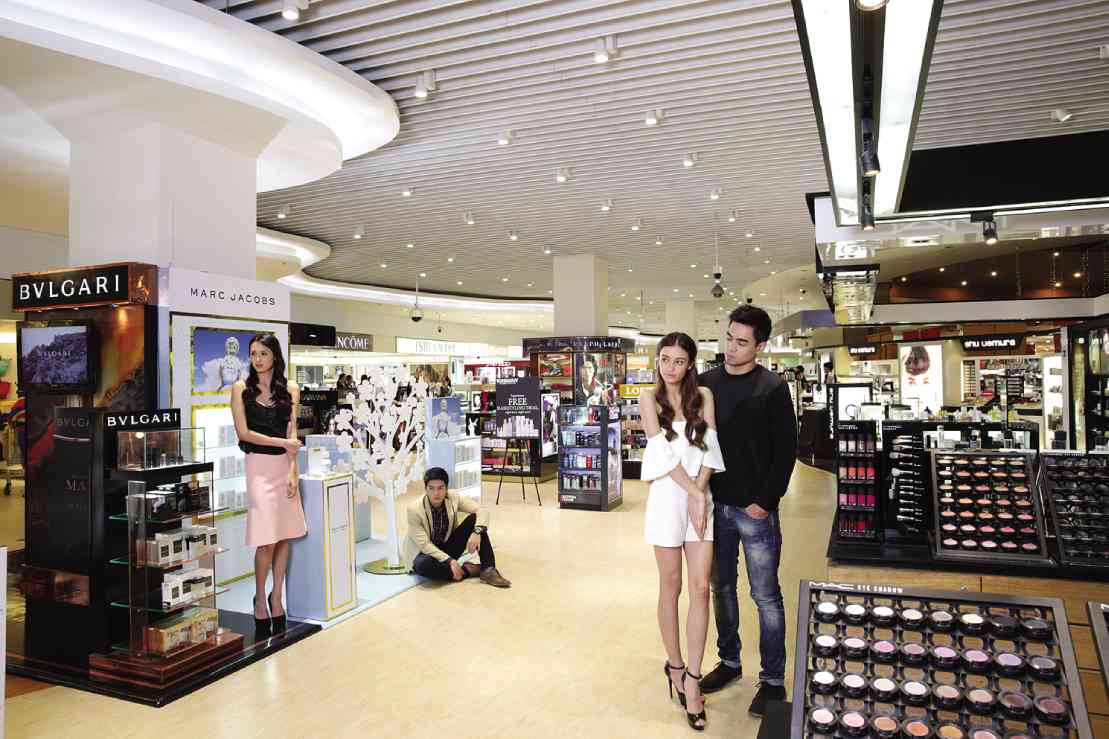
    Global duty-free retailing is expected to reach nearly US$98 billion in revenue by 2019, according to a new study by global technology research and advisory company Technavio.

    With the expansion of low-cost airlines, many middle-class travellers are taking inexpensive holidays, a trend that has helped the Asia Pacific and Middle East emerge as the fastest-growing regions for duty-free retail marketing, says Technavio analyst Vijay Sarathi.

    He says China, India, Indonesia, South Korea and Sri Lanka were among some of the most-desired inexpensive destinations in 2014.

    “During the same period, it is estimated that international tourist inflow in APAC increased to almost 263 million travellers, and it has largely helped the market grow until 2019.”

    Just released in London, Technavio’s report, Global Duty-Free Retailing Market 2015-2019, provides an in-depth analysis of market growth in terms of revenue and emerging market trends.

    By products, the global duty-free retailing market for 2014 comprised fashion accessories and hard luxury (32.1 per cent), perfume and cosmetics (29.21 per cent), wines and spirits (16.02 per cent), tobacco (12.43 cent), and confectionery and fine food (10.25 per cent), says the report.
    It says the fashion, accessories and hard luxury segment was valued at close to $20.81 billion, with the most in-demand products including precious jewellery, briefcases, handbags and shoes. The more popular brands include Armani, Burberry, Fossil, Gucci and Michael Kors.
    Technavio researchers say Chinese travellers emerged as the largest consumers of luxury brands last year, contributing nearly 25 per cent of global revenue.
    The perfumes and cosmetics segment is one of the fastest-growing categories in the global duty-free retailing market. APAC and the Middle East are the key regions for this category, with some of the top-selling brands including Chanel, Christian Dior, Estee Lauder and Guerlain.

    With close to 21.5 per cent of revenue share in the category, L’Oreal created a division especially for duty-free stores in 2013, describing the division as “the sixth continent”. In 2014, L’Oréal launched theVichy and Kerastase brands in the duty-free retail segment in Asia, and also launched the Three-Minute Beauty program to engage with potential luxury product buyers at airports.
    The liquor category is expected to grow to $13.47 billion in 2019. In 2014, Diageo opened two Johnnie Walker Houses in duty-free shops in India and Taiwan.

  • Tom Tailor Launches Its First Online-Shop in China on JD.com

    Tom Tailor Launches Its First Online-Shop in China on JD.com

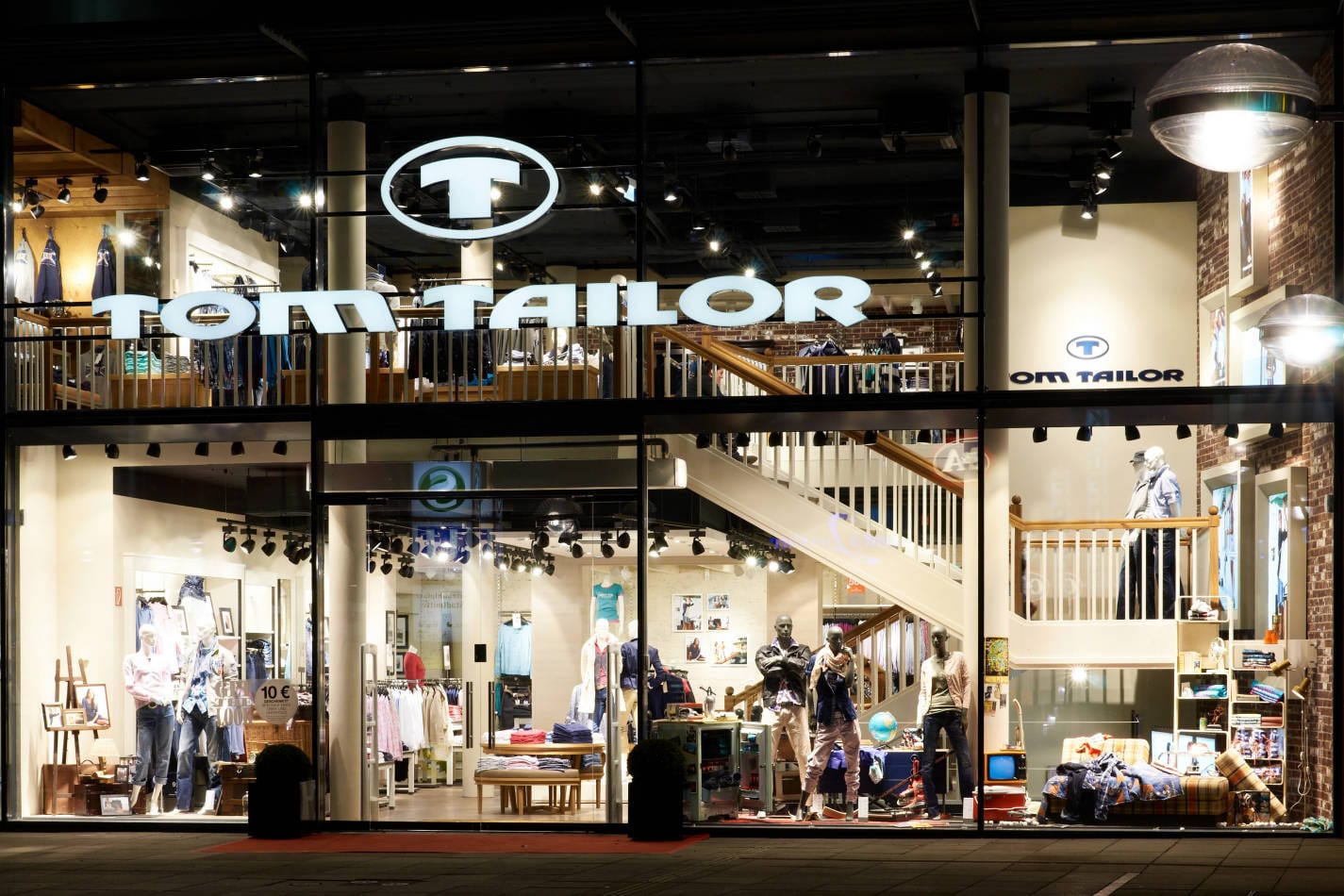
    Tom Tailor has launched its first online shop in China on the e-commerce platform JD.com, China’s largest online direct sales company. The launch marks another important milestone inTom Tailor’s expansion in China, following the opening of the firstTom Tailor retail store in Shanghai in November 2015.

    TheTom Tailor online shop on JD Worldwide features products from across theTom Tailor Denim and Tom Tailor CONTEMPORARY ranges. Building on JD.com’s brand marketing, payment, logistics and after-sales support,Tom Tailor will ensure that the brand’s customers across China enjoy a world-class online shopping experience.”In order to expand our online presence with the umbrella brandTom Tailor in China, JD.com, as China’s largest e-tailer, is an excellent partner,” said Erika Kirsten,Tom Tailor’s Manager of Corporate Communications.

    “JD.com has a high-value user base. With 155 million active consumers across the country who appreciate its versatile product range and superior customer service, JD.com provides the optimal platform for launchingTom Tailor in the Chinese online market.”“We’re delighted to welcomeTom Tailor to JD.com, and look forward to supporting their growth in China,” said Josh Gartner, JD.com’s Senior Director of International Communications. “Apparel is one of the fastest growing categories on our platform because customers know that only JD.com can provide reliable and convenient access to the latest fashions from local and international brands with a 100% guarantee of product quality and authenticity.

    We are excited to expand our portfolio of brands to includeTom Tailor’s stylish designs and we’re confident that customers will respond very positively.”Tom Tailor is represented in China currently with a retail store and 14 shop-in-shops.

  • Rakuten quits Thailand

    Rakuten quits Thailand

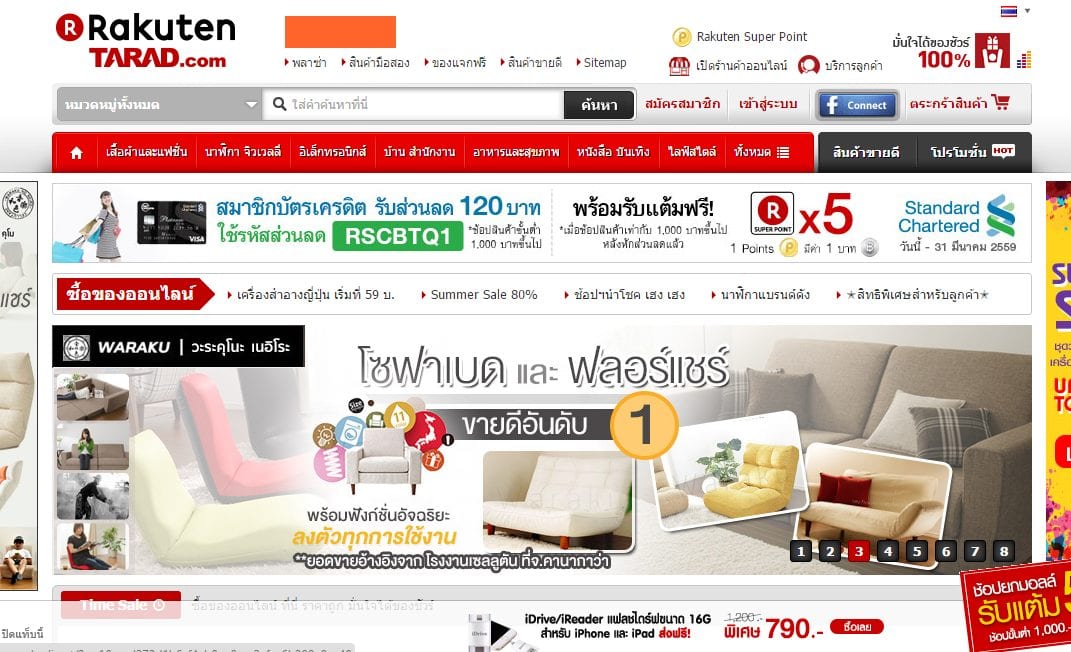
    Japanese eCommerce giant Rakuten is negotiating to sell its stake in Thailand’s largest eCommerce company Tarad.com to an undisclosed Thai company.

    Rakuten Tarad.com founder and MD Pawoot Pongvitayapanu has told the Bangkok Post the deal is expected to be sealed within a few days. Rakuten has a 67 per cent stake in Tarad.com since acquiring it in 2009 for US$35 million, and Pongvitayapanu holds the balance.
    Rakuten’s move follows a strategic overhaul of its business in Southeast Asia, Deal Street Asiareports. It had previously focused on business-to-business and business-to-consumer models, but now plans a shift to consumer-to-consumer (C2C) by launching a mobile app, Rakuma.
    Shopee, which already has a foothold in Thailand, is one of the main competitors for C2C apps in the region, along with Carousell.
    Tarad.com had an accumulated loss of 117 million baht ($3.2 million) in 2013, rising from losses of 35 million baht in 2010 and 5.6 million baht in 2009. Pongvitayapanu says business will continue business as usual as it prepares to implement a strategic shift following the new shareholding structure.
    Rakuten earlier announced it is shutting down its eCommerce marketplaces in Indonesia, Malaysia and Singapore from March 1, laying off about 150 employees. It plans to focus on eCommerce in Japan, where it is a market leader. It will also keep a presence in east Asia, Taiwan and the US.

  • Jollibee Foods takes over processing unit

    Jollibee Foods takes over processing unit

    Asia’s largest fast food player -Philippines-based Jollibee Foods, is seeking to take full control of China’s Happy Bee Foods Processing.

    The Manila company will buy an extra 30 per cent stake for US$10.4 million.

    Jollibee, which now has a 70 per cent stake in Happy Bee, acquired a 40 per cent share of US-based restaurant brand Smashburger for $99 million last October. It is continuing to scour the region for acquisition targets, with as it pursues its goal of becoming one of the world’s top 10 fast-food brands.

    Jollibee VP Valerie Amante has told the stock exchange its wholly-owned subsidiary Jollibee Worldwide (JWPL) entered into an agreement with Hua Xia Harvest Holdings to acquire its 30 per cent equity shareholding in Happy Bee, which is their joint venture entity.
    Hua Xia will be selling its 3,518,018 shares in Happy Bee at $2.96 a share. Jollibee will acquire the remaining 30 per cent of Happy Bee for about $10.4 million in the form of assets related to the production of food products intended for institutions outside of Jollibee brands in China.
    It is expected the deal, which does not include any cash outlay, will be closed this year.
    “The objectives of the acquisition – essentially an equity share and asset swap – are for Jollibee to concentrate on supporting the growth of its Yonghe King business, and on further improving its food quality and increasing assurance on food safety,” says Amante.

  • VIPshop revenue grows 65 per cent

    VIPshop revenue grows 65 per cent

    Bolstered by more customers and orders, Chinese online discount retailer VIPshop Holdings (VIPS) has seen its net revenue grow by 65 per cent to RMB13.9 billion ($2.15 billion) in the latest quarter to December 31.

    During the period, its number of active customers rose to 19.8 million (a 58 per cent year-over-year increase) and total order grew 67 per cent to 64.9 million. This boosted gross profit by 60 per cent to RMB3.35 billion.

    For the year, total net revenue rose 74 per cent to RMB40.2 billion.

    “We topped RMB40 billion in annual sales and attracted nearly 37 million active customers as at the end of the year,” said chairman and CEO Eric Shen.

    “We also continued to enhance the user experience by optimising our platform for mobile interaction and purchasing, as well as expanding our product categories.”

    Founded in August 2008, the company offers quality and popular branded products online throughout China at significant discounts.