Author: Mei Ling Tan

  • China’s ‘explosive shopping’ sprees bring chaos to Tokyo roads

    China’s ‘explosive shopping’ sprees bring chaos to Tokyo roads

    Tensions between Japan and China are not confined to remote islands and historical disputes it seems – now an unlikely activity is causing tension between the two Asian powerhouses. Shopping.

    Japanese police are reportedly receiving increasing numbers of complaints about the surge in buses carrying Chinese shoppers who are causing parking chaos in Tokyo’s retail districts.

    The issue taps into the booming number of Chinese tourists indulging in intense shopping sprees in Tokyo, whose surge in prevalence has prompted the creation of the new Japanese buzzword “bakugai” (“explosive shopping”).

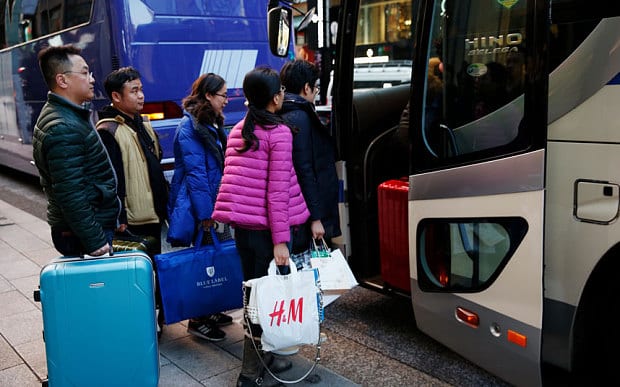
    Chinese tourists pack their shopping into a suitcase at a department store in Tokyo  Photo: Reuters

    From Ginza’s upmarket boulevards lined with department stores to the historic lanes of the old Asakusa area, large buses ferrying retail therapy-loving Chinese shoppers have apparently been causing parking chaos across the capital.

    On one recent occasion in the run up to Chinese New Year, a total of eight tour buses reportedly caused mayhem after blocking the left traffic lane on one of the main streets in Ginza, according to Kyodo News.

    Store security on the Ginza street also reportedly became involved in the retail chaos, asking Chinese shoppers laden down with bags outside the buses to step aside to allow other pedestrians to pass.

    One of the bus drivers said: “I usually stop here because there aren’t any other places. If we are lucky, we can leave here around 15 minutes behind schedule but a 30-minute delay is not unusual.”

    Japan’s economy received a welcome bolster from a surge in overseas visitors in 2015, with a record 19.73 million overseas tourists arriving in the country, many of whom were intent on shopping.

    Fuelled by a then-weakened yen, foreign tourists visiting Japan last year spent around 3.08 trillion yen – an increase of one trillion from the previous year, according to finance ministry figures.
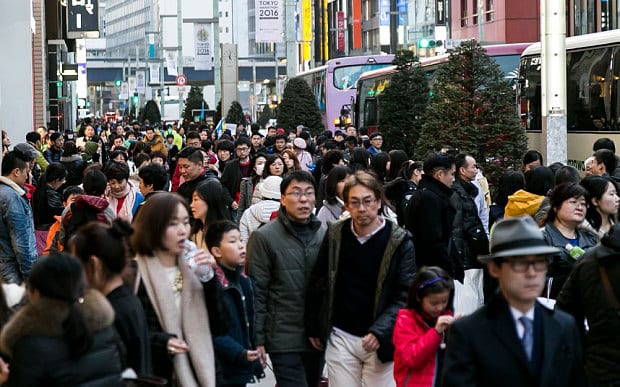
    Chinese tourists shopping during the Lunar New Year Holiday at Tokyo's Ginza shopping district in Japan

    However, the rise of shoppers – in particular groups of voraciously-consuming Chinese shoppers – has gone hand in hand with increasingly complex parking problems across the capital, according to Kyodo News.

    Japanese items coveted by Chinese shoppers range eclectically from swishy Japanese techno lavatories and rice cookers to designer handbags and green tea-flavoured KitKats.

    As the city braces itself for further increases in visitors in the run-up to the Olympics, retail associations are urging local authorities to help find long-term solutions to the problem.

    “The central and the Tokyo metropolitan governments need to take the initiative to provide more parking spaces if they are going to promote tourism,” one leader of a local business association for the Ginza shopping area told Kyodo.

    An official for the metropolitan police department added: “Instead of tightening regulations, we would like to unite with municipalities and stores to decide on appropriate rules to welcome tourists together.”
     

  • China’s trade slumps in January

    China’s trade slumps in January

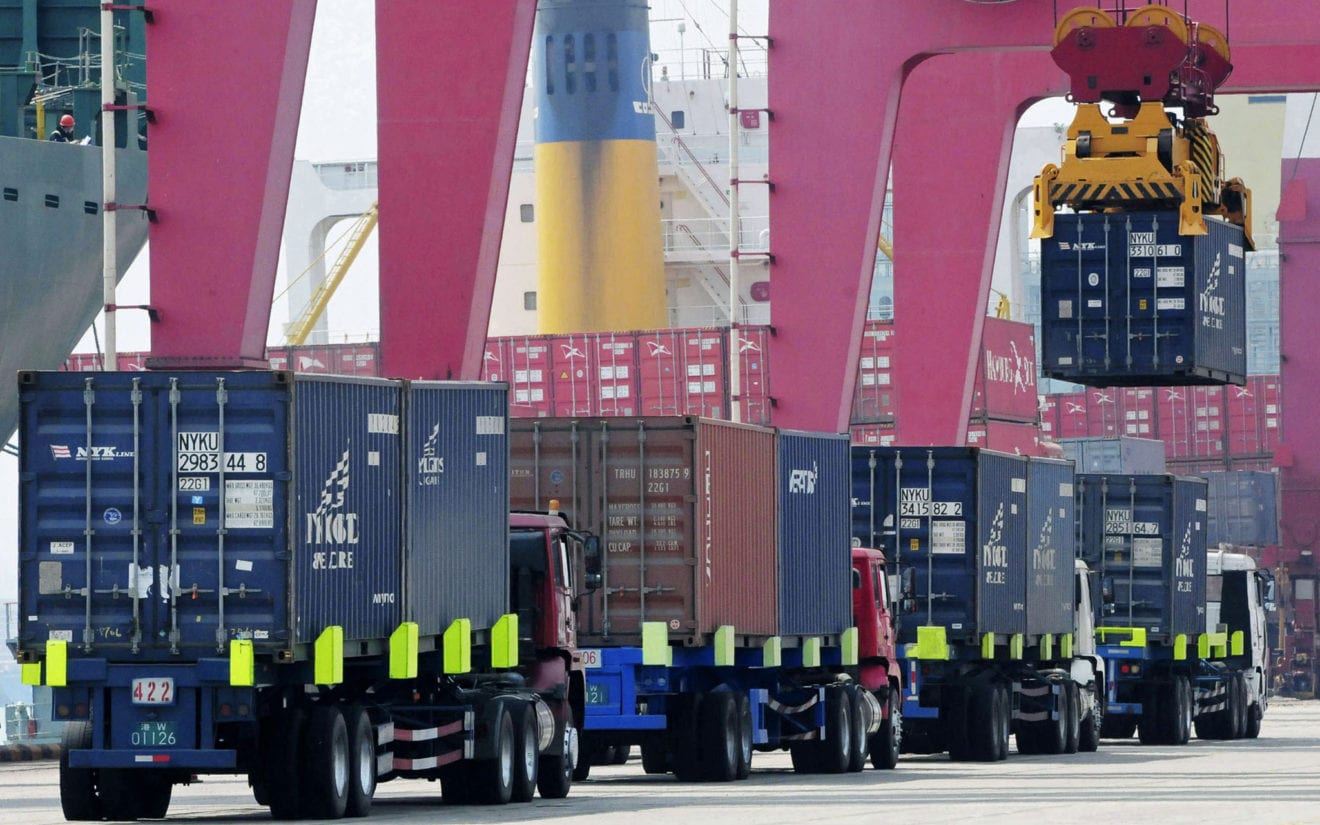
    China’s trade slumped in January due to weak global demand and holiday effects, casting new shadow over the outlook of the world’s second-largest economy, data from the General Administration of Customs showed yesterday.

    Exports shrank 6.6 percent from a year earlier to 1.14 trillion yuan (US$174.6 billion) in January, ending a one-month-long growth stream of 2.3 percent in December. Imports contracted 14.4 percent to 737.5 billion yuan, much widening from the loss of 4 percent a month earlier.

    As a result, January’s trade surplus shot to 406.2 billion yuan, a record high that was up 12.2 percent year on year and more than December’s surplus of 382.1 billion yuan.

    “China’s exports fell sharply, suggesting weak global demand,” said Liu Ligang, chief economist at Australia & New Zealand Banking Group. “The decrease of imports was in part due to still low commodity prices.”

    Liu noted the earlier timing of the Chinese New Year in 2016 compared with 2015 has also distorted the annual growth rates as traders tended to frontload their shipments in December when exports staged a remarkable rebound.

    Wendy Chen, a research analyst at Nomura, said the trade data, together with other indicators, suggested growth momentum in China weakened further in January.

    “As China’s retail sales remained stable, the trade slump mainly reflected weakening investment demand, possibly from weaker property investment and measures to reduce overcapacity,” Chen said.

    China’s economy had a “bumpy start” this year as data for January stayed weak due to the holiday effects and the extremely cold weather. Factories continued to report contracted activities while service providers also saw their business less robust.

    China’s growth momentum has kept slowing as the country entered the state of “new normal,” illustrated by moderating growth rate but better growth quality.

    China’s gross domestic product grew 6.8 percent in the fourth quarter of last year, and ended 2015 with a rate of 6.9 percent, the slowest annual expansion in a quarter of a century.

    In January, China’s trade decreased 9.8 percent to 1.88 trillion yuan, the Customs data showed. It deteriorated further from last year’s contraction of 7 percent, when China missed its government target of a 6-percent increase.

    The European Union remained China’s largest trading partner last month, although its trade with China declined 9.9 percent to 290.3 billion yuan. It was followed by the United States and the ASEAN countries, which shipped goods worth 269.8 billion yuan and 234.2 billion yuan respectively, down 9.9 percent and 10.8 percent.

    Foreign trade involving China’s private firms delivered the best performance by increasing 1.1 percent during the period, while foreign traders said their business lost 14.3percent and state-owned traders reported a contraction of 21.9 percent.

    Shanghai’s trade retreated 6.1 percent to 219.4 billion yuan last month.

  • China’s Central Bank says no reason for yuan to slide further

    China’s Central Bank says no reason for yuan to slide further

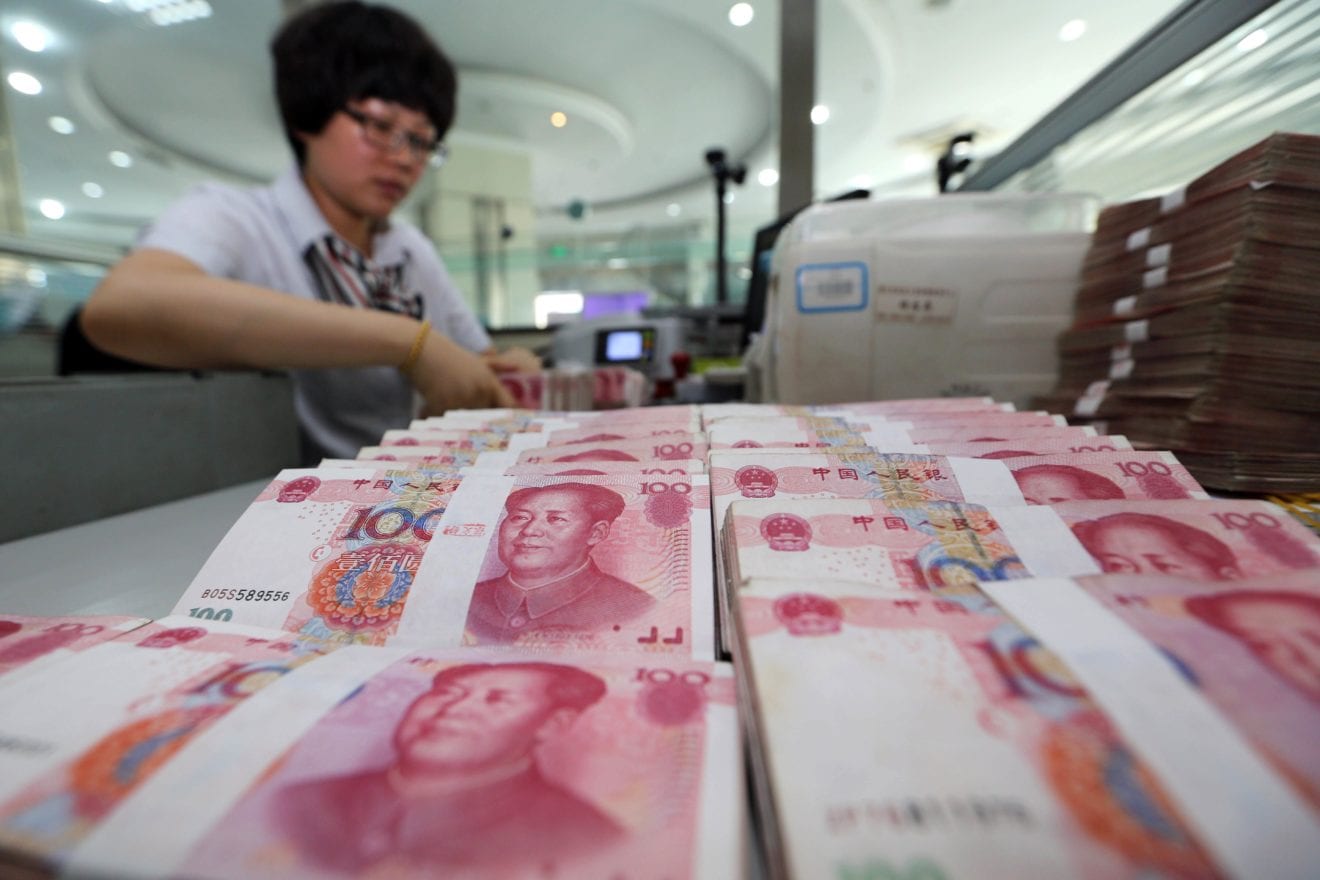
    China’s central bank governor said there was no basis for continued depreciation of the yuan as the balance of payments is good, capital outflows are normal and the exchange rate is basically stable against a basket of currencies, according to an interview published Saturday in Caixin magazine.

    Zhou Xiaochuan dismissed speculation that China planned to tighten capital controls and said there was no need to worry about a short-term decline in foreign-exchange reserves, adding that the country had ample holdings for payments and to defend stability.

    The comments come as Chinese financial markets prepare to reopen Monday after the week-long Lunar New Year holiday.

    The country’s foreign-exchange reserves shrank to the smallest since 2012 in January, signalling that the central bank sold dollars as the yuan fell to a five-year low. The weakening exchange rate and declining share markets in China have fuelled global turmoil and helped send world stocks to their lowest level in more than two years.

    The bank will not let “speculative forces dominate market sentiment,” Zhou said, adding that a flexible exchange rate should help efforts to combat speculation by effectively using “our ammunition while minimising costs.”

    Policy makers seeking to support the yuan amid slower growth and increasing outflows have been using up reserves. The draw-down has continued since the devaluation of the currency in August and holdings fell by $US99.5 billion in January to $US3.23 trillion, according to the central bank on February 7. The stockpile slumped by more than half a trillion US dollars in 2015.

    China has no incentive to depreciate the currency to boost net exports and there’s no direct link between the nation’s gross domestic product and its exchange rate, Zhou said. Capital outflows need not be capital flight and tighter controls would be hard to implement because of the size of global trade, the movement of people and the number of Chinese living abroad, he added.

    The country will not peg the yuan to a basket of currencies but rather seek to rely more on a basket for reference and try to manage daily volatility versus the dollar, Zhou said. The bank will also use a wider range of macro-economic data to determine the exchange rate, he said.

    Meanwhile China’s retail sales grew 11.2 per cent during the week-long Lunar New Year vacation compared with the same holiday period last year, Ministry of Commerce data showed on Saturday.

    Revenues of retailers and catering firms grew to about 754 billion yuan ($US115 billion) during the Feb 7-13 “Golden Week” holiday, a ministry statement said.

    The holiday is especially important for retailers, which vie for customers by launching promotions and discounts. Millions of people take time off work to travel and generally spend more than usual during the break.

  • Indonesia’s Garuda to Choose Between A350 and 787 This Year

    Indonesia’s Garuda to Choose Between A350 and 787 This Year

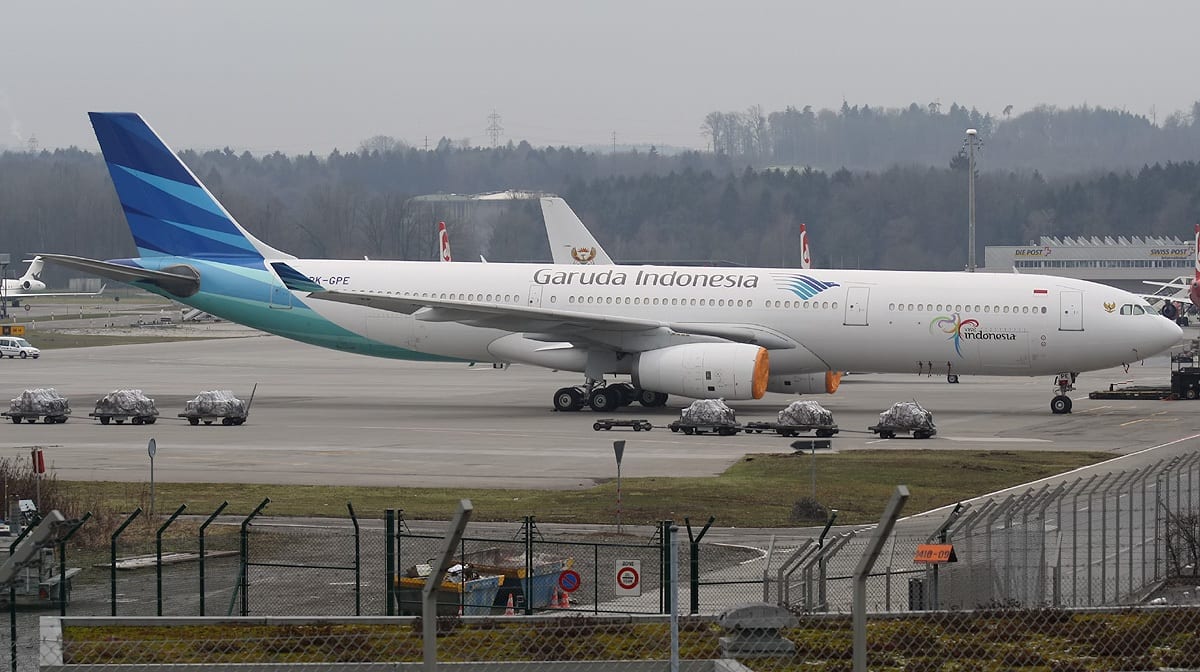
    Garuda Indonesia Persero PT expects to decide between Airbus Group SE’s A350 and Boeing Co.’s 787 models this year as it prepares to order at least 20 of the large aircraft, the airline’s president director said.

    The Indonesian flag carrier forecasts growth to pick up significantly in 2019 and will need the new planes to handle expected capacity, Arif Wibowo said Wednesday at the Singapore Airshow. The airline has no plan to use Airbus’s A380 superjumbo, he told Bloomberg TV earlier in the day.

    Garuda returned to profitability last year with net income of $76.5 million, compared to a $370 million loss the year before, according to data compiled by Bloomberg. Still, its shares tumbled 44 percent in 2015, nearly four times as much as the 12 percent decline in the benchmark Jakarta Composite Index and far below the 19 percent gain in the Bloomberg Asia Pacific Airlines Index.

    Shares were down 2.4 percent Wednesday at 449 rupiah as of 10:14 a.m. in Jakarta. The stock is trading near eight-month highs and has risen 45 percent so far this year, making it the seventh-best performer on the local index.

    Trimming Hedges

    The company expects oil prices to remain low and is reducing its fuel hedges, Wibowo said. The carrier forecasts passenger numbers to rise 10 percent this year and is seeking to capture 50 percent of the domestic market, up from 44 percent currently, he told reporters earlier this month.

    If the U.S. Federal Aviation Administration upgrades Indonesia’s safety rating to Category 1, Garuda hopes to launch non-stop service to the U.S. West Coast, giving it an advantage over competitors who make the trip with one stop, Wibowo said. He said the FAA is currently evaluating Garuda itself, with the results due out in the second half of the year.

    The carrier also hopes to start non-stop service to London but is limited by the runways at Jakarta’s international airport, which Wibowo said can not yet handle a fully loaded 777.

    Garuda plans to have a two-class cabin configuration on planes serving the Middle East, Southeast Asia and North Asia, with a similar configuration on any new planes they order, Wibowo said. Only four of the carrier’s 777s, used on flights to Amsterdam and London, will offer first-class seating, he said.

  • LG Claims No Layoff Plan in Indonesia

    LG Claims No Layoff Plan in Indonesia

    President Director of PT LG Electronics Indonesia Jaeyoung Lee has confirmed that there is no plan for layoff (PHK) at its two factories in Indonesia. “The economy is stabilizing and has shown signs of improvements and we will survive,” he said on Tuesday evening during the 2016 LG InnoFest Asia, at Grand Hyatt Hotel, Seoul.

    Lee’s statement was made in response to the decision of two Japanese electronic manufacturers, Panasonic and Toshiba who recently have been restructuring and merging their factories in Indonesia. “We have other strategies, one of them is by strengthening our brand and entering non-conventional markets, such as ultra premium market.”

    Lee is also optimistic that, to date, the company is still dominating the domestic market of electronic sales. “LG Indonesia’s contribution to global market is around 4-5 percent. It’s substantial,” he said.

    In Indonesia, LG produced refrigerators, washing machines, air conditioner, televisions and audio-video devices as well as monitors. “Products from the factory are exported,” Lee noted.

    Toto, one of the sales representatives of LG products in Medan, is optimistic that the phenomena occurred in Panasonic and Toshiba would not happen in LG. “See, we can hold an event [LG InnoFest] of this magnitude,” he said to Tempo.

    Toto added that, LG’s step to make innovation by launching new products which targets ultra premium consumers also shows that the company’s performance is good. “The logic is that layoffs would not happen if the company is still performing.”

  • Indonesia bans Tumblr over porn

    Indonesia bans Tumblr over porn

    Indonesia has banned the blogging platform Tumblr, saying that the site distributes pornographic content.

    Azhar Hasyim, e-business director at Indonesia’s Information Ministry, told the BBC the decision had been made without consultation with the New York-based company, which is owned by Yahoo.

    “We must ban the site first, and tell them later,” Mr Hasyim said.

    Earlier this month, Indonesia ordered social networking sites to remove any emojis representing same-sex couples.

    Unlike Facebook and some other social networks, Tumblr allows adult content on its site.

    The closure was part of a wider crackdown, with nearly 500 sites shut down by authorities, according to Indonesian media.

    Earlier this month, Netflix was blocked by Indonesia’s biggest internet service provider, which said it had concerns about the content the platform was offering.

    And last May, video-hosting site Vimeo was blocked in the country for alleged carrying pornographic content.

    Indonesia has in the past asked social media companies such as Twitter to put in place a special filter for pornographic content.

    Companies that don’t comply can be charged according to Indonesian law.

    Tumblr has been approached for comment.

  • Indonesia to ban 477 websites over adult-rated content

    Indonesia to ban 477 websites over adult-rated content

    Indonesia will block 477 websites, including social network and microblog Tumblr, over alleged “pornographic contents”, a top official said on Wednesday.”I have signed off the letter and sent it to the internet service provider. These websites should be blocked in the next two or three days,” Xinhua quoted Azhar Hasyim, e-business director at the Communication and Information Ministry in Jakarta, as saying.

    He said that these websites have violated the country’s information and electronic law which prohibits sharing posts that contain vulgarity.Azhar said that his office had not warned the owners of the websites in advance but would communicate later on.”Once they have agreed to clean up their websites from pornographic content, then we will immediately reopen the access,” said Azhar.The Indonesian government has in the past banned access to websites with adult-rated and pro-terrorism content.

  • First Metro Securities sees mobile technology driving up retail investing in the Philippines

    First Metro Securities sees mobile technology driving up retail investing in the Philippines

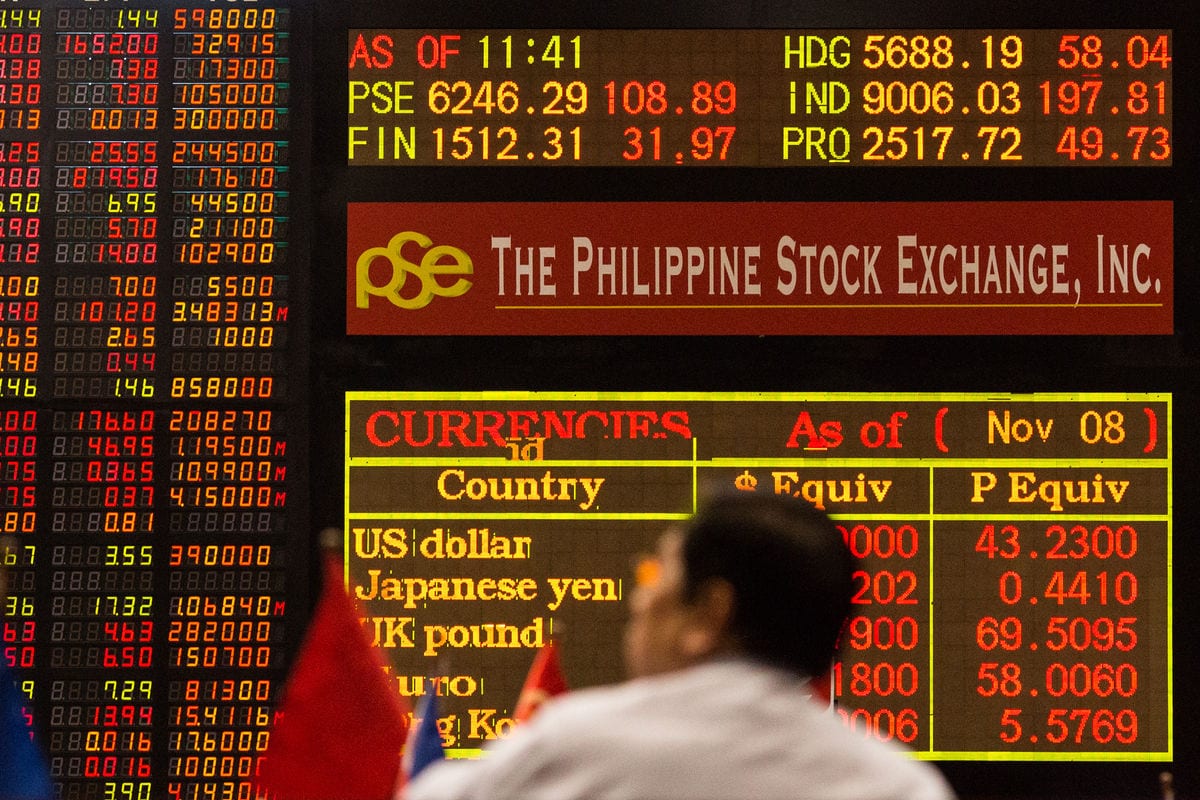
    Stock broker First Metro Securities Brokerage Corp. said the number of individual investors will increase on rising income of Filipinos, growing awareness of opportunities in the stock market and the emergence of online and mobile platforms that make investing easier and more convenient.

    Gonzalo Ordoñez, the company’s president, said the market for retail investing is still young as the Philippine economy is only starting to expand.

    “As we see the growing trend of more retail investors participating in the stock market, we also see the volume increasing over the coming years. With this in mind, we will continue to move forward to help change the way people invest and save money,” Ordoñez said.

    According to the 2014 data of the Philippine Stock Exchange (PSE), less than 1 percent of the estimated 100 million Filipinos invested in the stock market.

    The Philippines still has a long way to go before achieving widespread domestic investor participation in the stock market, the broker said.

    It said, however, the number of online investor accounts, which are mainly individuals, are increasing.

    Based on the PSE’s 2014 Stock Market Investor Profile reports, online investor accounts registered a five-year compounded annual growth rate of 44 percent, compared to the overall investor base, which grew by an average of 6 percent in the past five years.

    Online investors already constitute 27 percent of the total investor accounts base, coming from just 7 percent in 2010.

    With the trend of more retail investors participating in the stock market, the broker earlier launched a service that enables clients to borrow funds to buy stocks online using eligible securities as collateral. This provides clients with the ability to take on more risk in order to take advantage of emerging trends or build a larger portfolio.

    In 2013 the company launched the country’s first exchange-traded fund (ETF), which acts as a mutual fund that mirrors the performance of the benchmark Philippine Stock Exchange index and trades like a stock on the PSE.

    First Metro Securities is the market maker and an authorized participant of the said ETF.

  • Grana, Online Retailer Offering Luxury Apparel at Disruptive Prices

    Grana, Online Retailer Offering Luxury Apparel at Disruptive Prices

    Grana (grana.com), an online clothing retailer creating luxury fabrics and wardrobe essentials at guilt-free prices, announced today it has secured an additional $3.5 million U.S. dollars in seed funding. The lead investor is Golden Gate Ventures, along with investments from MindWorks Ventures and Bluebell Group, bringing their total funding to date to $6 million U.S. dollars, with additional Series A funding pending. Grana recently launched in the U.S. market, and the additional funding will help the brand continue its international growth and expansion.

    Grana offers timeless wardrobe essentials created from fabrics found around the world, including Chinese Silk, Mongolian Cashmere, Irish Linen, Japanese Denim, Peruvian Pima Cotton, French Poplin, Chinese Cotton Twill, Italian Merino Wool and Japanese Chambray. Grana designs its merchandise in-house and works directly with fabric mills in order to bring the highest quality clothing to customers at the best possible prices.

    Grana has grown extensively since its March 2014 beta launch, during which the brand sold 2,000 Peruvian Pima Cotton t-shirts in three weeks, shipping to eight countries directly from Hong Kong. Month-over-month sales are currently increasing by 40 percent since Grana launched in October of 2014.

    The new round of funding will expand Grana’s shipping to new markets as well as aid the entry into the U.S. and China markets. The funds will play a critical role in new product category launches such as leather goods, undergarments and activewear.

    “We’re pleased to receive financial backing from Golden Gate Ventures and MindWorks Ventures,” said Luke Grana, CEO and co-founder of Grana. “The support is critical to our U.S. expansion, a priority market that already represents 20 percent of our global sales. This new investment allows us to further disrupt the online clothing market and provide consumers with luxury-quality wardrobe essentials without the luxury price point.”

    Since launching, Grana has brought a number of “Fitting Rooms” to consumers across Sydney, Singapore, and Hong Kong, and mostly recently opened a U.S. location in San Francisco in December 2015. Designed as a showroom instead of a retail shop, customers can experience the brand personality in the space, interact with Grana Cheetahs (customer service representatives), and discover the website. Retail showroom spaces are increasing in popularity, and Grana’s Fitting Room model is helping to lead this global trend. The new funding will also allow Grana to open additional Fitting Room locations in the U.S. and provide support for a technological upgrade to the shops, reinventing the way people buy clothes in-store.

    “In a world were startups are disrupting established industries, Grana is disrupting how to build a global brand with bottom-up marketing from their biggest fans, city by city,” said Vinnie Lauria, Managing Partner at Golden Gate Ventures.

    “We envision Grana’s model of providing the highest-quality modern essentials at revolutionary price points as the future of retail,” said David Chang, Partner at MindWorks Ventures. “This investment round provides Grana with greater capacity to expand its growing Fitting Room network, and product range and develop its omnichannel strategy.”

    As part of its international expansion and growth in existing markets, Grana will also use the newly acquired funds to build out a global world-class team. Currently, Grana has more than 40 employees in Hong Kong, and most recently has added team members in San Francisco.

    ABOUT GRANA

    Grana is a global ecommerce brand delivering luxury-quality wardrobe essentials made from the world’s best fabrics at guilt-free prices. Grana operates online and deals directly with their fabric mills, cutting traditional middlemen costs. Once the fabrics have been selected, Grana’s in-house product team designs the collections. With a focus on the perfect fit, Grana’s wardrobe essentials are designed to last far beyond the season.

  • Rakuten Closes Marketplaces in South-East Asia

    Rakuten Closes Marketplaces in South-East Asia

    Japanese e-commerce platform Rakuten has announced plans to close a number of global operations as part of a new strategic focus.

    As of March 2016, the company will shutter its marketplaces in Singapore, Malaysia and Indonesia. It is also looking to sell off its Thailand-based platform Tarad.com, which it acquired in 2010.

    The closures will mean the loss of about 150 jobs, although the company said it will provide redundancy compensation above the legal requirements and will help to find new jobs for those affected.

    Rakuten’s regional Asian headquarters in Singapore will remain operational, as will its e-commerce business in Thailand, which is reportedly performing well.

    According to Rakuten’s Vision 2020 statement, the closures are part of a strategy that will see the company focusing more on its stronger markets in Japan and Taiwan.

    In place of the South-East Asia marketplaces, Rakuten is looking to focus on a consumer-to-consumer app called Rakuma — a marketplace app that enables transactions between individuals (similar to Carousell).

    Rakuten is also an investor in Singapore-based C2C marketplace Carousell. It’s unclear at this stage how the company will integrate the competing Rakuma into the region. Rakuten has not yet commented on this rollout.

    As part of its strategy realignment, Rakuten’s operations in Brazil will shift from a marketplace model to a SaaS model.

    Rakuten’s Vision 2020 is focused on three core principles: strong, smart and speed. The decision to refocus the company’s strategy in the emerging markets of Brazil and South-East Asia may represent the still-evolving nature of e-commerce in these markets. By focusing on mobile apps and SaaS in emerging markets, the company looks to be shoring up its future in these uncertain markets.

  • China’s Monkey Week Boost Demand as Retail Sales Increased

    China’s Monkey Week Boost Demand as Retail Sales Increased

    The gloomy Chinese economy has shown a sign of stabilization during “Monkey,” the lunar New Year celebrations as retail sales have surged, suggesting an improvement in domestic demand.

    During spring festival last week, China’s retail sales recorded 11.2% year-over-year (YoY) growth, fueled by cinemas, according to the Chinese Ministry of Commerce on Saturday. The retail and restaurant sales surged to $115 billion (754 billion yuan), showing a strong potential of the food industry in the world’s most-populated country.

    The Chinese economy last year grew 6.9%, slowest GDP growth rate since 1990, owing to the soft domestic demand in the country. The Chinese authority to uplift domestic demand undertook several measures. Despite the initiatives by Beijing, the Chinese economy is still on a bumpy ride as depicted by recent gloomy economic indicators.

    However, the jump in retail sales during spring festival last week depicts that policymaker’s efforts have started paying off. From January, the People’s Bank of China (PBOC) performed massive open market operations to keep the market liquid. In January, it injected net liquidity worth about $188 billion (1.235 trillion yuan), to meet the cash demand during spring festival.

    The massive liquidity injections raised concerns among economists, who believe that this week would lead to tightening liquidity as the Chinese central bank has to mop liquidity from the economy. They also believe that increase in retail sales during the spring festival, which started on February 8-13, suggesting demand is picking up pace.

    Food demand remained strong during celebrations and medium-sized food retailers saw 10.6% YoY growth as Chinese families preferred to eat food from restaurants. Tourism also recorded modest demand during week-long holidays and nearly 1.62 million foreign tourists visited China in a week-long holiday. Mass catering services also posted record boom as Chinese families hosted reunion dinners.

    Analysts believe that the modest growth in demand shows the potential of Chinese consumers. However, they believe that the demand is seasonal and Beijing needs to devise an effective strategy to spur and sustain domestic demand in an attempt to streamline the world’s second largest economy.

  • New EU funding to help boost Myanmar garment exports

    New EU funding to help boost Myanmar garment exports

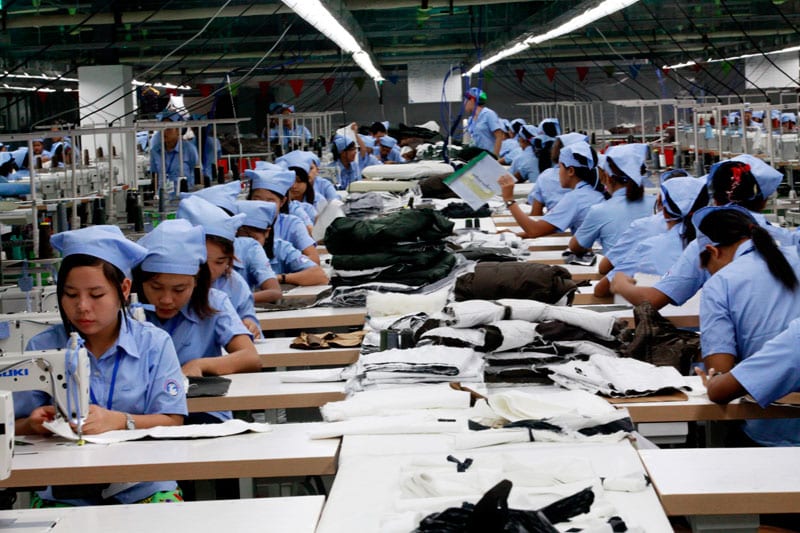
    Myanmar’s garment sector is targeting a 300% increase in garment exports to the European Union (EU) by end of 2019 thanks to a EUR2.8m (US$3m) funding boost as the second phase of the SMART Myanmar project gets underway.

    The EU-funded SMART Myanmar project – SMEs for Environmental Accountability, Responsibility and Transparency – aims to build the sustainable recovery of the Southeast Asian country’s garment industry.

    Phase two of the initiative launched last week, with the goal of boosting productivity and creating over 300,000 jobs for low-skilled workers during the next four years. It has been implemented by a consortium of partners including Germany’s Sequa, the Foreign Trade Association of German Retail Trade (AVE), sustainable fashion group Made-by, the Myanmar Garment Manufacturers Association (MGMA), and the Association of Development Financing Institutions in Asia and the Pacific (ADFIAP).

    More specifically, Jacob Clere, team leader with SMART Myanmar II, told just-style: “The project focus is on improving social and environmental compliance in garment factories, in particular, upscaling and mainstreaming some of the activities piloted and launched during the first project phase from 2013-2015. We’re targeting social compliance improvements in 100 factories during the next four years, as well as delivering HR management to 400 factory managers. As well, we plan to continue capacity building activities with the MGMA and with the training of local technical staff on compliance issues.”

    Other activities will include educating factory workers on labour and OHS laws, working with the government on public procurement procedures, and educating local banks on financial products and services – including introducing the concept of green finance.

    The ultimate goal of the SMART project, which has been running for three years, is to help Myanmar’s garment industry compete in the global market. At its inception, EUR2m was invested in a bid to improve the production and consumption of sustainably manufactured garments in the country.

    Project partners hope other results will be achieved, such as a 20% reduction in waste production in 100 garment factories. Garment exports are also targeted for a 300% increase from 2015 to the end of 2019.

    The consortium is also expecting that at least 150 garment factories will improve their working conditions as a consequence of participating in the SMART Compliance Academies, and that up to 30 banks will take part in at least eight workshops on green finance. In addition, the programme is targeting the training of 15 Safer Consumer Products (SCP) consultants to advanced level to deliver factory improvement programmes. And it is hoping the initiative will create new business opportunities, such as joint ventures between factories in Myanmar and EU brands.

    Speaking at the launch ceremony, EU Ambassador Roland Kobia celebrated the achievements of Myanmar’s garment industry, noting that the value of garment exports has more than doubled in recent years, making it “a catalytic sector of Myanmar’s economic transition”.

    SMART Myanmar is an EU-funded SWITCH Asia project, which, while promoting and supporting the sustainable production of ‘Made in Myanmar’ garments, strives to increase the international competitiveness of small and medium enterprises (SMEs) in the sector. It works alongside companies and business support organisations located in the country, helping build capacity and increase skills and knowledge in local partner organisations, facilitating the development of marketing and export strategies for the garment sector.

    From 2013-2015 the project engaged with dozens of local garment factories on social and environmental compliance issues, providing technical support and capacity building. The project also assisted in boosting the capacity of business associations, helping the Myanmar Garment Manufacturers Association (MGMA) draft a first-ever Code of Conduct for its members.

    Project director Simone Lehmann said at the press conference in Yangon that the focus of the next phase will be on “technical support and capacity building” through workshops engaging dozens of factory employers. She added that there will not be a focus on labour disputes in the sector, but instead, “developing the sector and providing professional support for MGMA”.

    She added: “The garment sector has quickly become Myanmar’s main export sector after oil and gas. The value of exports has more than doubled in less than two years and is projected to continue to grow almost exponentially for the next several years. The growth of the garment sector will contribute to the growth of the industrial sector and create many new jobs.”

  • Tesla Motors Wants Local Production in China

    Tesla Motors Wants Local Production in China

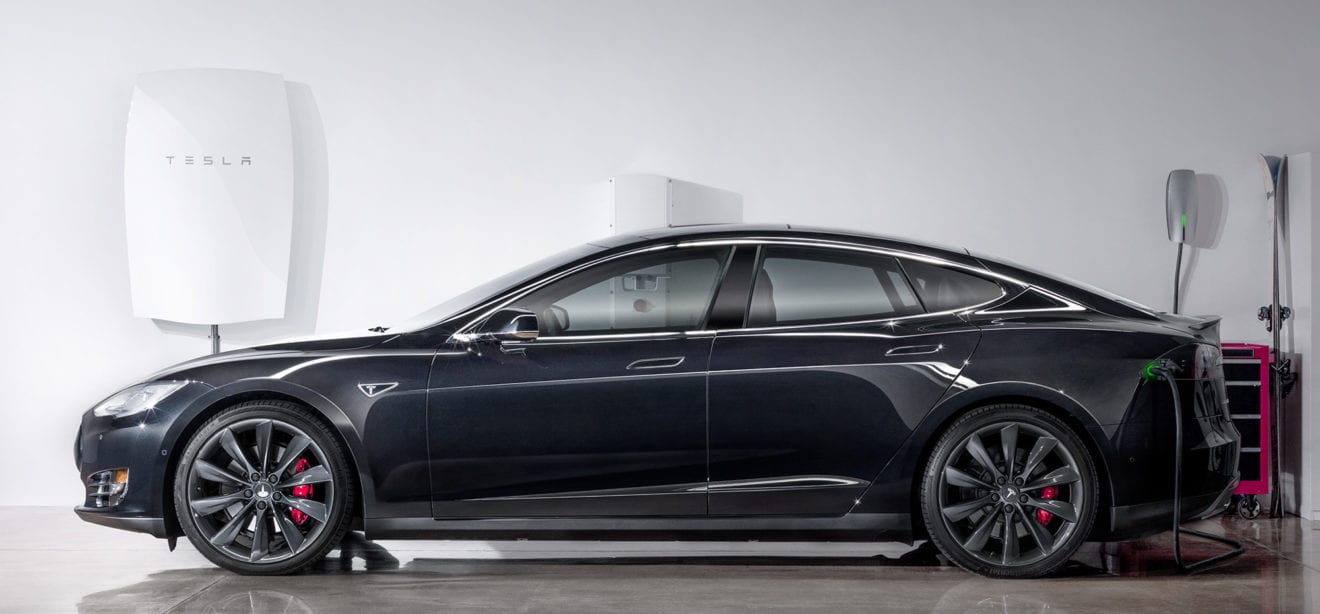
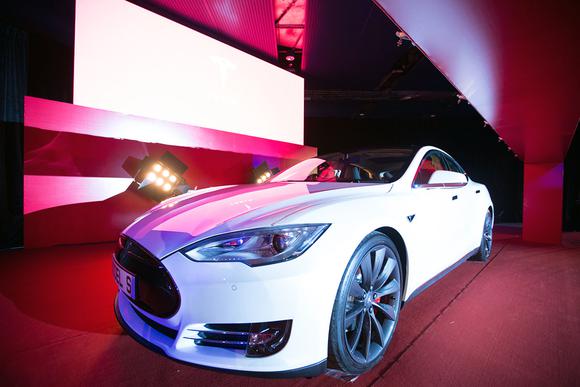
    It’s no secret that electric-car maker Tesla Motors is ramping up its efforts in China. Despite some initial challenges in the country when the company launched in the market in 2014, it still believes China could be one of its largest vehicle markets “within a few years,” according to its most recent 10-Q filing. And an update from Musk this week on Tesla’s plans in China, as well as a look at sales in Hong Kong, suggests it is as eager as ever to serve these important Asian markets.

    Tesla China

    Aiming to secure a factory location this year Tesla “aims to lock down manufacturing plans finding a local partner and a location for the plant — for the local market by the middle of this year,” wrote Engadget’s Richard Lai on Monday.

    The company plans to launch a factory in China “as soon as a year after” the Model 3 launch, which is set for late 2017, Musk said on Twitter last October. Securing a local partner and a location for its plant by the middle of this year would give Tesla plenty of time to meet this time frame.

    Musk hopes China will nix its “prohibitively high” auto import duties for the Model 3, making “a special category for EVs,” he explained last year on Twitter. Musk explained that these are natural moves for the company in order for it to “improve in-market affordability.”

    A China factory will be built to serve local Chinese demand and the company will continue to make cars and batteries in California and Nevada.

    Rising investments and rising demand
    Following its poor start in China in 2014, there was quite a bit of uncertainty about Tesla’s potential in the country last year. But a look at Tesla’s commentary on the market throughout 2015 suggests it experienced considerable growth in the market in terms of sales, demand, and investments.

    On a quarter-to-quarter basis, orders in Q2 “doubled” and orders in Q3 “increased substantially,” the company noted in its second- and third-quarter shareholder letters. Going forward, Tesla said in its third-quarter shareholder letter that it expected “order growth in China to remain strong.”

    Along with this rising demand, there are now over 340 Superchargers and 1,600 Destination Chargers in the country.

    One area of investment for the company in China has been with its retail stores. In August 2015, Tesla had just one retail store located in a high foot traffic area in the market and said it planned to have five by the end of the year. With 15 stores in the country now, the company appears to be exceeding its plans for a retail expansion there.

    Hong Kong First Tesla

    Tesla’s investments in Hong Kong, where it currently has three retail stores, are also surprising. Lai provides a glimpse of the company’s robust charging network in the market, along with a rare breakdown of sales for the region:

    Hong Kong in particular has 42 Superchargers, making it the city with the highest density of Tesla’s rapid charging stations; this is on top of the 75 destination chargers there. It’s no wonder that last year the company managed to sell 2,221 Model S in Hong Kong alone, which made up over 80 percent of the local electric vehicles that year. To put things into perspective, that’s also 4.39 percent of Tesla’s total global shipment in the same period.

    This is considerable progress considering the company didn’t launch in Hong Kong until the second half of 2014.

    China and Hong Kong both look poised to represent key catalysts for Tesla in 2016.

    The next billion-dollar iSecret
    The world’s biggest tech company forgot to show you something at its recent event, but a few Wall Street analysts and the Fool didn’t miss a beat: There’s a small company that’s powering their brand-new gadgets and the coming revolution in technology. And we think its stock price has nearly unlimited room to run for early in-the-know investors! To be one of them, just click here.

    Daniel Sparks owns shares of Tesla Motors. The Motley Fool owns shares of and recommends Tesla Motors. Try any of our Foolish newsletter services free for 30 days. We Fools may not all hold the same opinions, but we all believe that considering a diverse range of insights makes us better investors. The Motley Fool has a disclosure policy.

  • Korean beauty brands increasingly offering the interactive retail experience

    Korean beauty brands increasingly offering the interactive retail experience

    In a round-up of the immersive, hands-on retail offerings which beauty brands are increasingly offering in the country, the national paper highlighted the rise of smart technology and wearables as the key driver behind the trend.

    “Seeking to offer more interactive and tailored services to consumers, cosmetic brands in Korea are increasingly utilizing high technology and smart gadgets to satisfy diverse consumer needs at one of the largest, trend-sensitive beauty hubs in the world,” the newspaper notes.

    It highlights AmorePacific, Dior and SK-II as key examples of beauty players at the forefront of this retail trend.

    Magic Ring test

    SK-II’s Magic Ring test (a diagnostics testing process for consumers’ skin), uses a skin imaging machine that tracks details such as the direction and size of pores and wrinkles, offering consumers the personalised product recommendation service they increasingly demand.

    Amore Pacific and Dior are just two of several other major brands reportedly also offering interactive diagnostics services in Korea, and investing in developing bespoke technologies specifically for the immersive retail setting.

    Apps are another key channel boasting interactive opportunities for brands, with L’Oreal reportedly gearing up to launch its MakeUp Genius app (which allows consumers to virtually try on cosmetics) onto the Korean market in the coming months.

    A global trend

    Korea is just the latest in a string of countries in which the beauty industry is adopting the potential of interactive beauty with open arms, to meet the rising demand from young, tech-savvy consumers.

    The Korea Herald report comes hot on the heels of a recent study published by market research firm Euromontior International , which noted that younger generation consumers increasingly demand interactivity.

    Millennials seek out “a curated but interactive sales environment, whether retail or online”, the firm’s analysts confirmed, noting that cosmetics is a rare area in which the consumer group is willing to spend freely.

  • Nation gets first crowdfunding platform

    Nation gets first crowdfunding platform

    As of 6 p.m. on Monday, Marine Techno, a cosmetics company that specializes in products made from marine collagen, successfully gathered 76 million won ($64,000) from retail investors on the nation’s first crowdfunding portal, which had opened earlier in the day.

    A total of 13 investors, including angel investors, the government-led Creative Economy and Innovation Fund, and other retail investors contributed to the biotechnology firm based out of the Jeonnam Creative Innovation Center in Yeosu, South Jeolla.

    Created in 2014, the start-up produces cosmetics by recycling marine byproducts. It owns as many as 30 patents for collagen-producing technologies.

    The company’s success on the crowdfunding platform meant it reached 110 percent of its investment target.

    “I was wondering about this, but we unexpectedly ended up with a good result,” said Hwang Jae-ho, founder of Marine Techno. “We rolled out investor relations activities at many events, and that’s what has led to the good result today.”

    Hwang said the new funds will be used to expand production facilities to meet growing demand.

    Individuals who want to invest in new promising businesses can log in to www.crowdnet.or.kr, operated by the Korea Securities Depositary, to connect with one of the five intermediary firms registered with the Financial Services Commission, the nation’s top financial regulator.

    The five intermediaries that can broker deals with the start-ups online are Wadiz, Ucanstart, OpenTrade, Yinc and Wealth Funding Management.

    On the first day, 18 start-ups, including Marine Techno, attracted investments through the intermediaries.

    The FSC introduced the crowdfunding system as part of its efforts to support the creative economy and financial technology initiatives. The regulator revised the nation’s Capital Market Act in July to provide start-ups with better access to financial resources, hoping to boost the fintech industry and create more jobs for young people.

    Crowdfunding platforms have become increasingly popular, with the U.S.-based Kickstarter attracting as many as 270,000 online investors in just two hours to raise 10.9 billion won for Pebble, a smartwatch maker.

    If they have a crowd funding account with any of the 18 securities firms offering them, retail investors can invest up to 2 million won in a single firm, and up to 5 million won a year. Start-ups are allowed to receive up to 700 million won in total every year through the crowdfunding portal. If a company fails to reach 80 percent of its target by the deadline it has set, the funding will be nullified.

    “There is some concern that the investment limit is too small, but we plan to support the regulator’s move to heat up the mood,” said Kim Young-soo, an executive at Korea Venture Business Association.

    Marine Techno was the only company that surpassed its goal on Monday, with crowdfunding still a foreign concept to many. On the homepage for Yinc, a message reading, “Please be my first investor,” was still flickering at around 5 p.m.

    Still, large financial groups are joining the trend. KB Financial Group launched a matching service for investors and start-ups on Monday. It began to attract investors by using the crowdfunding platform of OpenTrade to help fund four promising start-ups chosen by the group.