Author: Mei Ling Tan

  • Why luxury sector woes could be a blessing in disguise

    Why luxury sector woes could be a blessing in disguise

    Hong Kong’s retail sector can bounce back from the current sluggish phase, as it did in the past in the wake of the 2003 SARS crisis and the 2008 global financial meltdown, an industry chief says.

    “Hong Kong retailers are smart; it might take time but the sector will definitely recover,” says Thomson Cheng, the new chairman of the Hong Kong Retail Management Association.

    “Tomorrow will be a better day,” he told the Hong Kong Economic Journal.

    To counter headwinds like a stronger local currency and fewer mainland visitors, Cheng urges retailers to upgrade their services and provide more unique products.

    Hong Kong should not focus too much on Chinese tourists, but should try to attract people from across the world, he said.

    As an executive director of Lane Crawford Joyce Group, Cheng has been involved in luxury retailing for years.

    The industry veteran expects the luxury segment to continue to be the worst performer in 2016.

    “I don’t see much of a rebound next year.”

    But one good thing about the shrinkage of luxury sales is that it will unlock retail space to other shops. During the heyday, high-end stores had crowded out the smaller brands and retailers of other products.

    Many major luxury brands have already announced downsizing plans in Hong Kong amid the current downturn in sales. Some firms are looking to cut their store number by as much as a fifth.

    Shopping malls should consider diversifying and bringing in more retailers that offer goods and services related to everyday living, Cheng said.

    The retail ecosystem will be healthier if there is wider variety and more brand diversity, rather than the present situation in which there are too many jewelry shops, cosmetics retailers and drug stores chasing mainland tourists, he said.


  • All about China and oil again as shares slip

    All about China and oil again as shares slip

    Shares in Europe and Asia fell on Monday in trade thinned by holidays in a number of financial centres, hit by slumping oil prices and concerns over Chinese growth and finances – two of the year’s major factors.

    Prices of both Brent and U.S. crude fell 1.8 percent LCOc1 CLc1, reversing a brief rebound that helped shares in the Middle East over the weekend, while Chinese stocks fell almost 3 percent after a weak batch of industrial profits data.

    While most bank dealing rooms in Europe were on skeleton staffing, and London shut, that had repercussions for a range of assets, driving the Australian and Canadian dollars down about a third of a percent and pushing bond yields lower.

    Profits at Chinese industrial companies in November fell 1.4 percent from a year earlier, the sixth consecutive month of decline and another sign that the world’s chief engine of growth for the past decade is sputtering.

    “Over-capacity and declines in producer prices are hurting the Chinese government efforts and if the government cannot come up with a solution to stop this, the picture will keep on becoming more worse,” retail brokerage AvaTrade chief market analyst, Naeem Aslam, said.

    MSCI’s broadest index of Asia-Pacific shares outside Japan .MIAPJ0000PUS gave up early modest gains to fall half a percent, putting it on track for an 11-percent loss this year.

    China’s two main share indexes .SSEC .CSI300 fell 2.6 and 2.9 percent respectively, with banking shares leading the fall. Hong Kong’s Hang Seng .HSI dropped 1 percent. South Korea’s KOSPI .KS11 fell 1.3 percent.

    Stocks affiliated with Samsung Group fell after the South Korean conglomerate said on Sunday its battery-making arm Samsung SDI will sell shares in sister firm Samsung C&T Corp to comply with regulatory requirements.

    Japan’s Nikkei .N225, however, rose 0.6 percent, with soft domestic production and retail data hinting at more pressure on the Bank of Japan to take further steps to stimulate growth.

    International Brent crude traded at $37.26 LCOc1 a barrel, just over a cent above 11-year lows hit before Christmas.

    The fall in oil prices has depressed inflation globally, in turn reducing long-term expectations for price growth that drive longer-dated bond yields. That tends to draw investors back into bond markets at the expense of stocks and pushes up the price of longer-dated government bonds.

    German 10-year Bund yields DE10YT=TWEB, which set the standard for euro zone borrowing costs, fell 2 basis points to 0.60 percent.

    “Oil prices could be part of this but it’s probably just minor trades that we’re seeing here, we shouldn’t read too much into it,” Rabobank fixed income analyst, Bas van Geffen, said. “Most market participants have already closed their books and small…(trades) can move markets quite a lot.”

  • Retail suffers in HK Christmas season

    Retail suffers in HK Christmas season

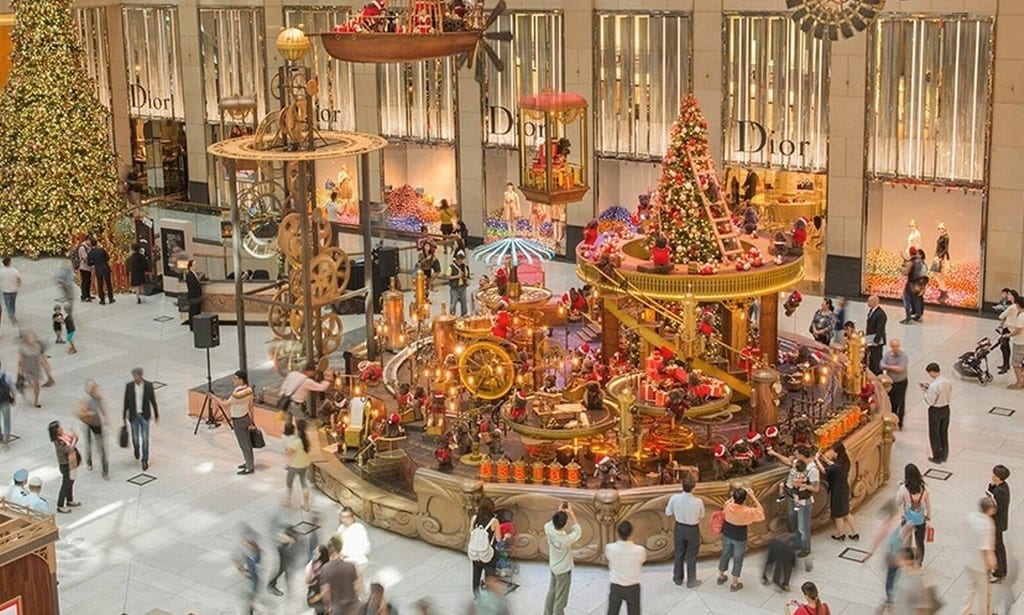
    Christmas is all around, but this holiday season, Hong Kong is expected to suffer as both locals and tourists are reining in their spending.

    Christmas is in the air!

    Usually, this time marks the peak of consumption but NOT this year.

    Retailers are expecting a grimmer picture.

    A study shows that Hong Kong shoppers are cutting their Christmas budget, with 64 percent saying they won’t spend more than HK$1,000 on Christmas shopping and 52 percent saying they won’t buy any Christmas gifts this year.

    The survey, conducted by Hong Kong Research Association, found Hong Kong citizens are rather cautious about this year’s Christmas consumption, as only 16 percent of 1,084 interviewees expect to spend more money than last year, while 23 percent said they would reduce spending.

    “Even Hong Kong residents prefer to buy overseas, consumer products are much cheaper in Japan and South Korea.”, Hong Hao, the chief strategist of Becom International said.

    Luxury stores are feeling the crunch as shoppers minimize their spending.

    “In this popular shopping district, you would usually see customers waiting in lines for purchases but not this year. Some shops have fewer customers, while others have closed their doors due to high rents. The traditional shopping season is also challenged by the declining tourist arrivals in last six months. ”

    The Travel Industry Council of Hong Kong says, the number of Chinese mainland tourist groups traveling to Hong Kong has dropped 20 percent so far this year.

    “The sharp decrease is partly because the anti-parallel trading protests earlier this year, and the death of a mainland tourist in HK in October, and also some anti-mainland China sentiment.”Jason Wong Chun Tat, the chairman of Travel Industry Council of HK said.

    In October, a Chinese mainland tourist died after he was allegedly beaten unconscious by four men while trying to mediate a dispute between a fellow visitor and the tour group leader.

    “That gives people the perception of HK doesn’t welcome tourists.”,Hao said.

    “We are calling for the diversification of Hong Kong’s tourism development.” Wong said.

    Wong said the travel industry council was trying to attract more overseas tourists by regulating market operations.

    Despite their efforts, it appears a gloomy picture for the retail and travel business industry is expected to continue.

  • Tourism Slows Hong Kong Retail

    Tourism Slows Hong Kong Retail

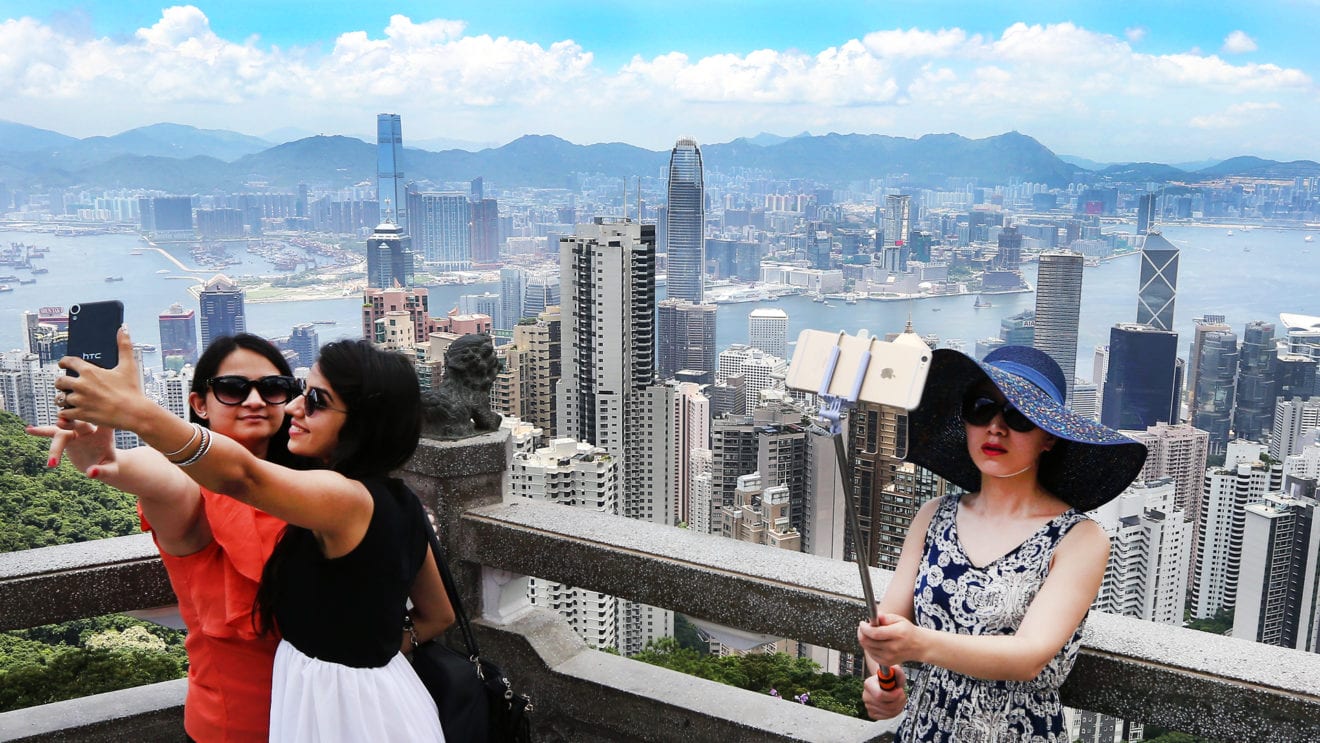
    While Hong Kong has traditionally been the favored shopping destination of Chinese mainland consumers looking to grab up luxury items, it looks like 2015 may see the biggest drop in retail sales since 2003.

    The drop 12 years ago was an outgrowth of the SARS outbreak that cause a global health scare. This year’s issue seems to be tamer and tourism based. This year saw the first annual decline in tourists from mainland China since 2003. The number of Chinese tourists in Hong Kong decline 15.4 percent between November of 2014 and November of 2015 — the biggest drop in a year where falling figures have been a norm.

    Hong Kong has drawn high rolling consumers for some time with its luxury good shops with Gucci, Louis Vuitton and Chanel on sale for 40 percent less than is the norm in China.

    For the last eight months, however, retail sales have been in decline — down 2.7 percent year-to-year — a bigger drop off than even SARS managed in 2003.

    “There is an urgent need for a new marketing campaign to rebrand Hong Kong as a dynamic, exciting and relevant modern city,” Kwok said.

    There is also the reality that China’s affluent middle class is increasingly likely to search further abroad for luxury goods — aided by several nations that have relaxed visa requirements for visiting Chinese tourists. Hong Kong, on the other hand, has strengthened its visa requirements and disallowed visitors from the neighboring Shenzhen province to visit Hong Kong more than once a week.

    In an attempt to turn things around, Hong Kong is looking to develop more experiential attractions including a second Disney theme park, sporting events and dining venues. But those ventures will take time. The more immediate challenge for local merchants is to fill the hole left by distracted mainland Chinese consumers in the meantime.

  • Thai Government Raises Age to Purchase Cigarettes From 18 to 20

    Thai Government Raises Age to Purchase Cigarettes From 18 to 20

    Deputy Prime Minister YongyutnYuthawong reported on Wednesday that cabinet approved the tobacco draft act which will prohibit the sale of cigarettes to those under 20 years of age and raises the level of punishment for offenders.

    Deputy Prime Minister YongyutnYuthawong said the draft act increased the minimum legal age for cigarette purchases from 18 to 20 years and prohibits the sale of individual cigarettes. The draft act also prohibits cigarette sales in some public places such as temples, public health facilities, schools and public parks, the deputy PM added.

    The draft act bans cigarette companies from advertising their products as sponsors of contests and competitions. Cigarette advertising is banned in print and online media, TV and movies.The penalty of imprisonment for those who sell cigarettes to people under 20 years of age is increased from one month to one year and the fine for smokers in non-smoking areas is raised from 2,000 to 5,000 baht.

  • South Korea Industrial Production On Tap For Wednesday

    South Korea Industrial Production On Tap For Wednesday

    South Korea will on Wednesday release November figures for industrial production and retail sales, setting the pace for a light day in Asia-Pacific activity.

    In October, industrial production slipped 1.4 percent on month and gained 1.5 percent on year, while retail sales climbed 3.1 percent on month and 8.3 percent on year.

    Thailand will see November numbers for imports, exports, trade balance and current account. In October, imports were worth $13.96 billion, while exports were at $18.29 billion for a trade surplus of $4.33 billion. The current account surplus was $5.18 billion.


  • Zalora Takes a Look Back to 2015

    Zalora Takes a Look Back to 2015

    With less than a few days until 2015 comes to an end, ZALORA, Asia’s Online Fashion Destination, is proud to unveil its significant milestones achieved this year that changed the online fashion retail landscape in Southeast Asia. Initiated in 2012 with a mission to redefine high-street fashion accessibility in this part of the world, ZALORA has managed to run faster, play smarter and grow bigger in less than four years. Having fostered a strong presence in eight markets, and with more than 6 million followers on social media, ZALORA will continue to grow in its product offering, brand proposition, and customer experience.

    2015 was a remarkable year for ZALORA. As a leading fashion e-commerce player in the region, innovations in mobile engagement were introduced to keep up with changing fashion consumer behaviour towards mobile shopping. In recognition of this shift, ZALORA will sustain its dedication to an ever-improving and meaningful mobile shopping experience in the markets we cover.

    The Year of Mobile for ZALORA

    In an effort to boost online retail consumption expenditure while providing reassurances about the e- commerce sector and building trust with customers in Asia, ZALORA launched the region’s version of Cyber Monday, 12.12 Online Fever, in 2014. Together with more than 300 partners across the region covering different industries from food, home, entertainment, travel, to beauty, 12.12 Online Fever grew bigger on its second run in 2015.

    On 12 December this year, ZALORA enjoyed over six times the volume of any previous day, also sparking a rise in mobile shoppers. With 78.5% of 12.12 Online Fever customers shopping on their

    mobile devices, the number of mobile customers saw a 250% increase from last year. This is in line with the growing trend of consumers within the region shopping heavily on their mobile devices.

    As a retailer, it is important that ZALORA provides a seamless mobile experience for its partners. With utmost convenience in mind, the Marketplace Seller App was launched, allowing independent sellers to run their ZALORA shop while on the move. Developed to expedite transactions and the evaluation of business performance, the app is available in five languages, catering to the culturally- diverse Southeast Asian markets.

    Winning prestigious regionally-recognised awards is a testament to ZALORA’s continued success in mobile innovation. This year, ZALORA clinched the Silver award for the MBEA Best M-commerce Mobile Application of the Year and came out on top as finalist for Mob-Ex (Mobile Excellence) Awards in the categories Best Brand Awareness Campaign, Best use of QR Code and Best Integration of Mobile.

    Fashion Consumer Insights

    ZALORA understands that consumers today are seeking more options and a wide assortment of quality products. To meet this demand, ZALORA carries over 6,000 global and local fashion brands on one single site, carefully curated to provide the best fashion offering for its customers.

    Over the year, we have noticed certain significant purchasing trends. The top three most-purchased fashion items for 2015 are: Quilted wallets, flip-flops and V-neck tees. Aside from apparel, ZALORA also offers beauty products to its customers. Lipsticks topped the list as the most purchased beauty item, followed by mascara and foundation. Aligned with the goal of filling the online fashion gap in Southeast Asia, ZALORA remains a dominant player in enabling accessibility to high-street fashion for consumers in the region,

    ZALORA Milestones

    As the company grew in the last three years, ZALORA has achieved several milestones in 2015, including entering the Taiwan’s fashion e-commerce market. Growing at a significantly rapid pace, the Taiwanese consumers are driven by high internet penetration and widespread smartphone use. With close to 100 brands initially offered, ZALORA gives fashion consumers in Taiwan the best high-street fashion brands, such as Burton Menswear, Finery London, New Look, River Island, and Miss Selfridge, in addition to ZALORA’s eponymous label, exclusively distributed in Taiwan by ZALORA on one website.

    To further strengthen its position as the fashion authority in this part of the world, ZALORA is committed to continually coming up with innovative large-scale events by pioneering omni-channel consumer engagement, through working with top partners across channels (from TV to media).

    ZALORA supports Asia’s diverse forms of beauty and talent, seeking to empower men and women through fashion. By giving them the confidence to own every moment they find themselves in, they are encouraged to be the best version of themselves. ZALORA also plays a critical role in discovering and celebrating the next fashion talent in Asia through partnerships with highly anticipated television series, namely Asia’s Next Top Model, How Do I Look? Asia, and Fit for Fashion, which will air on January 7, 2016.

    Where fashion meets e-commerce, the inaugural ZALORA Scholarship was also debuted this year to attract and nurture young talent in the tertiary student crowd, providing them with valuable industry experience and a partial grant for tuition fees.

    Furthermore, designed to increase awareness of the brand among consumers in Southeast Asia, ZALORA launched The ZALORA Shop, the first click-and-mortar shop in Asia that gives consumers a physical ZALORA experience. Following the success of the first pop-up store in Singapore launched in 2014, ZALORA launched more pop-up stores around the region this year in Hong Kong and the

    Philippines. Due to popular demand, ZALORA Hong Kong opened a second pop-up store, while ZALORA Singapore is now on its third store

    ZALORA prides itself on its commitment to provide relevant fashion choices to consumers in Asia. This is channelled through the ‘Lunar New Year’ collection and ZALIA – an exclusive label created specially for women seeking trendy, conservative styles. Designed for the fashion-conscious consumer, ZALORA launched the Lunar New Year and ZALIA collections for the third year running in 2015. Both collections successfully enable fashion fans to transform their festive wardrobe into something contemporary and fashion-forward without forgetting their local roots and Asian authenticity.

    ZALORA Looks Forward to 2016

    ZALORA celebrates a successful 2015 and its incredible achievements. Entering its fourth year, the young online fashion company aims to maintain its dominant position as market leader in the online fashion sphere. ZALORA will continue to dream big and explore new opportunities and possibilities for the future to build an e-commerce friendly environment in the region.

  • Burberry Hong Kong deep discounts for Christmas

    Burberry Hong Kong deep discounts for Christmas

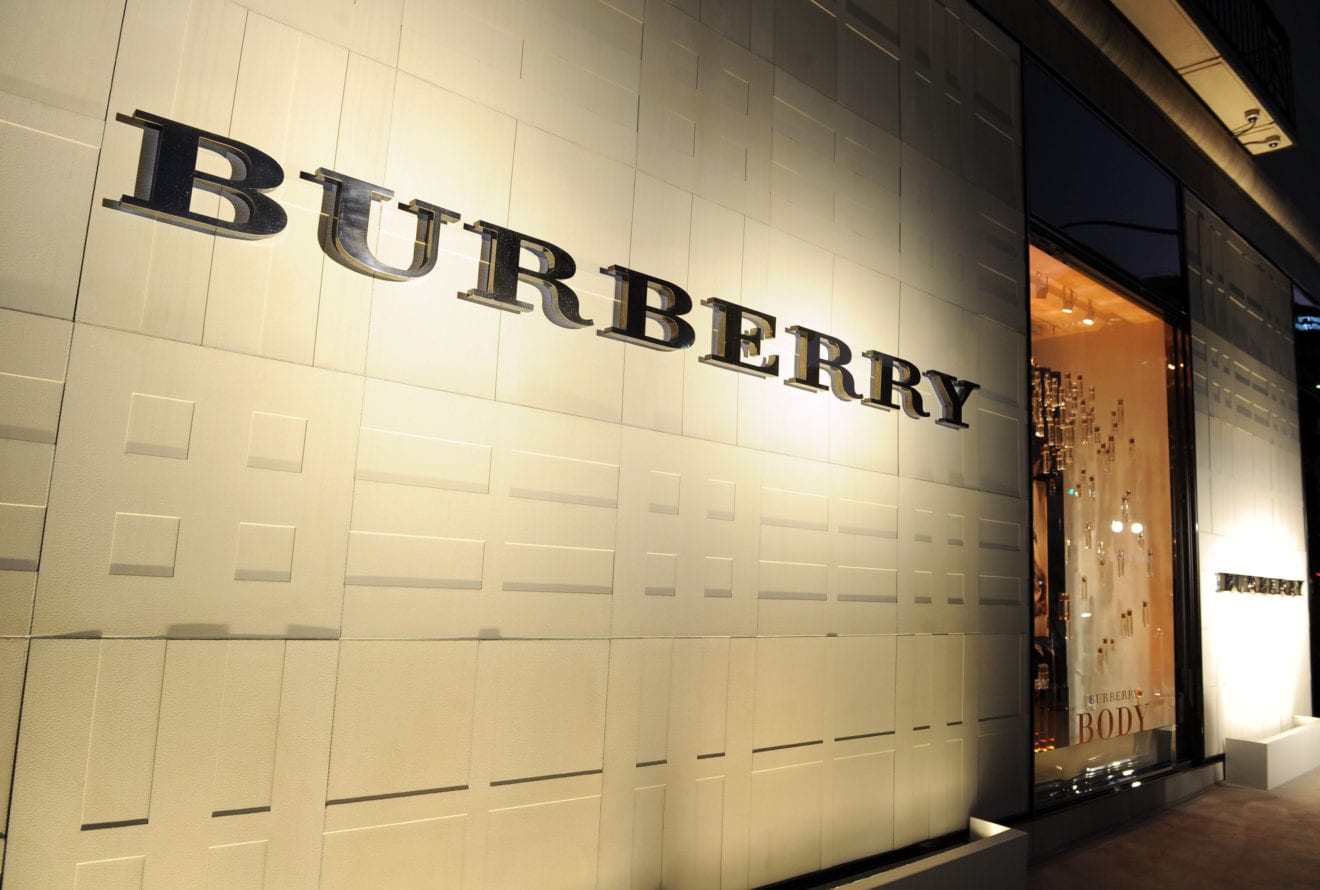
    Luxury fashion retailer Burberry Hong Kong has launched an unprecedented deep discounting campaign to move stock in the peak Christmas retail period.

    The British brand has reduced the prices on some lines by 50 per cent, the biggest reductions since the Individual Visit Scheme for Mainland Chinese tourists was launched in 2003.

    Typically, the highest discounts in the pre-Christmas sale is 30 per cent on limited lines.

    It is rare for high end brands like Burberry to offer such large discounts – but rivals Gucci and Prada have already discounted lines by similar amounts in Hong Kong, where such retailers lack an outlet channel for surplus or end of line stock.

    Industry observers say the level of discounting in such a peak retail period reflects the serious challenge faced by luxury retailers since the clampdown on gift giving in the Mainland took effect and the exchange rate fluctuations made it affordable for big spending Chinese travellers to travel to Japan and Europe to shop instead of Hong Kong and Macau.

    “A 50 per cent discount is unusual for big luxury brands like Burberry” Hayman Chiu, associate director at Cinda International, told the South China Morning Post.

    “The whole luxury industry is doing the same thing right now.”

    Burberry’s discounts apply only to a limited proportion of its stock, specifically about 10 styles of handbags and some clothing.

  • Leak suggests Galaxy A9 will retail for just under $500 in China

    Leak suggests Galaxy A9 will retail for just under $500 in China

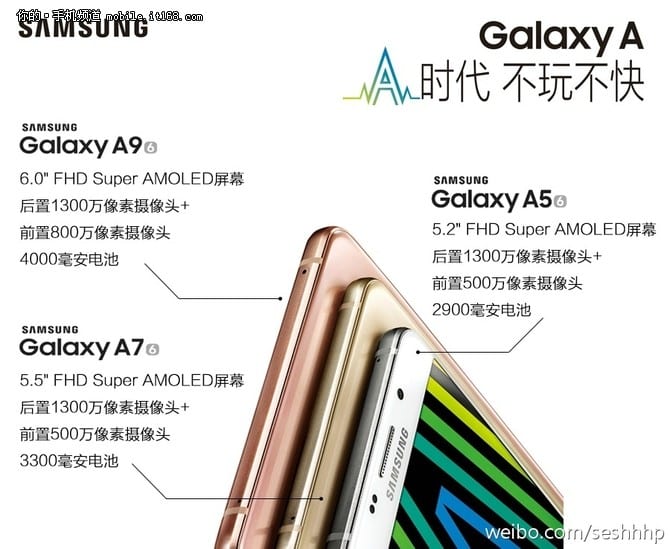
    Samsung’s latest phablet has come as a surprise for some: unlike the other members of the Galaxy A 2016 family, the Galaxy A9 has no such “subtitle” for it is the first of its kind. Sporting a 6-inch Full HD Super AMOLED display and with a metal unibody frame, the device is perfect for those who wanted a truly large phone from Samsung yet had to make do with a Plus 5. Today, a new leak out of China has added a possible price point as well: 3199 yuan (about $490).

    Given the device’s prime positioning as an upper mid-range phone, the cost would appear to be a fair price, all the more considering how expensive the Galaxy A8 was in some territories.

    Those in need of a spec recap will be happy to note that the Galaxy A9 comes with the aforementioned 6-inch Full HD Super AMOLED display (complete with 2.5D glass), a 64-bit Octa Core Qualcomm Snapdragon 652 SoC, 3GB of RAM, 32GB of on-board storage, a 13-megapixel rear camera and 8-megapixel front camera, an integrated fingerprint sensor, Dual SIM support, a 4,000mAh battery, microSD support, and Android 5.1.1.

    Samsung Galaxy A9

    While the exact release date for the extra-large phone is still unknown, it is possible Samsung will announce its plans in the next few weeks given the decision to launch it prior to CES 2016. At the same time, the phone has currently only been announced for China and is therefore operating on a slightly different release schedule. Perhaps it will hit stores just before Chinese New Year.

    What do you think of the cost? Assuming the leak is legitimate, would you pay around $500 for such a device? Is it too expensive given the competition? Leave us your thoughts in the comments below!

  • Shortage of warehouse space in Hong Kong likely to continue

    Shortage of warehouse space in Hong Kong likely to continue

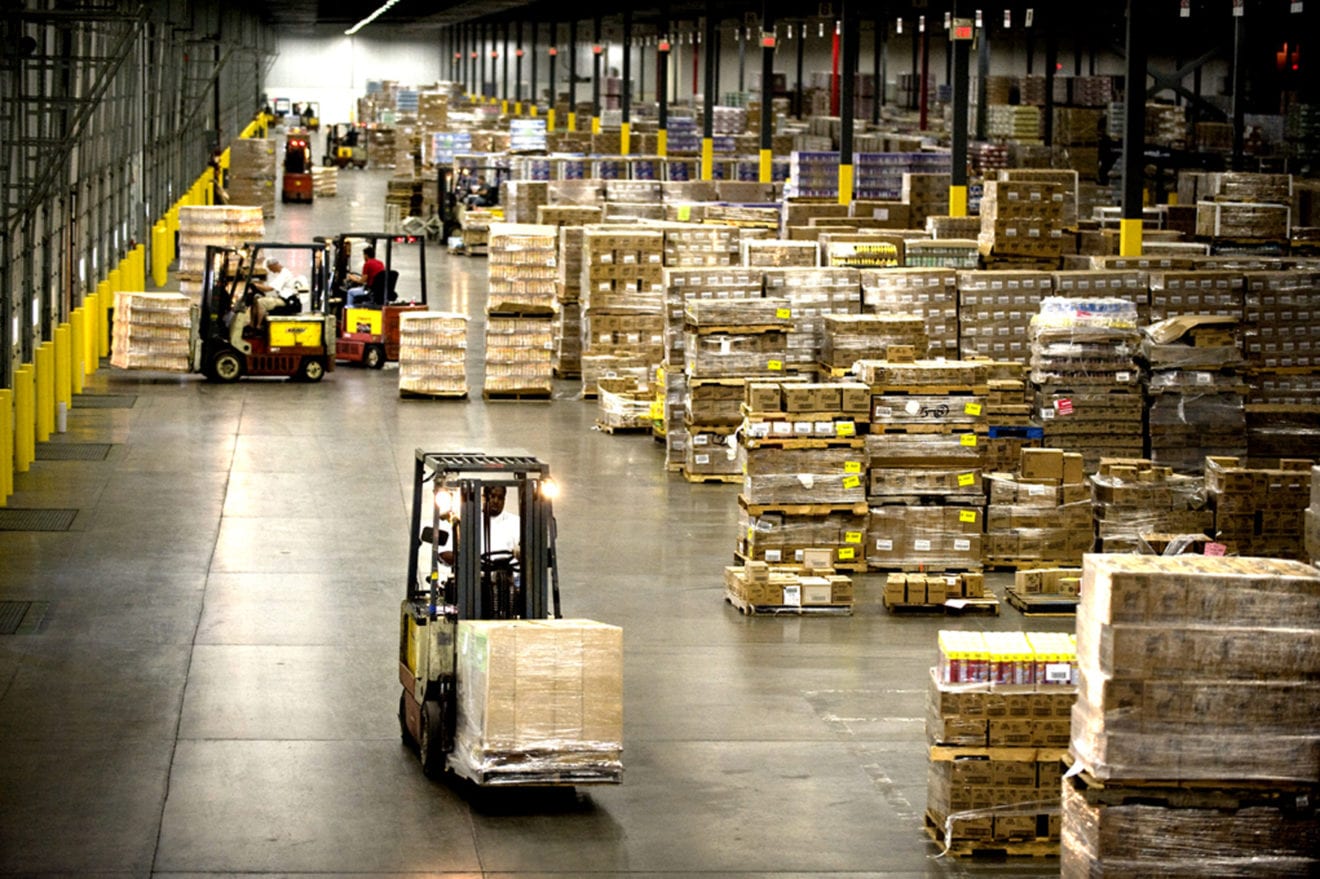
    Despite its position as a regional logistics hub, Hong Kong’s lack of industrial land and a resulting warehouse shortage have long been headaches, with the warehouse vacancy rate remaining below 2 per cent and unlikely to improve much next year.

    A slowdown in retail sales led to a slight easing in demand for warehouse space this year, but new supply is extremely limited.

    Warehouse vacancy ratesdeclined to 1.7 per cent in the third quarter of this year, from 1.9 per cent in the second, according to property consultancy Savills, picking up from near zero last year.

    No industrial site is listed for auction or tender on Hong Kong government’s 2015-16 land sale programme and only one of the 36 plots sold in 2014-2015 was industrial land.

    “There will be no large supply of industrial land in the next two to three years; the shortage will continue,” said Thomas Lam, head of valuation and consultancy at Knight Frank.

    Lam said a softening in retail sales due to a decline in demand from mainland visitors had only had a limited impact on the demand for storage space.

    There will be no large supply of industrial land in the next two to three years; the shortage will continue

    Thomas Lam, Knight Frank

    “Luxury brands are closing stores but others such as fast fashion brands are opening new shops, and the latter is a heavier user of stock space,” he said.

    Modern warehouses in prime locations are eagerly sought after and close to full occupancy.

    Goodman, a leading modern warehouse operator and Hong Kong’s largest industrial landlord, owning 14 properties, recorded a 99.6 per cent occupancy by the end of September.

    Although trading and logistics is one of Hong Kong’s four pillar industries and accounts for roughly 26 per cent of gross domestic product, the government has been less motivated to turn over land for logistics use because its main focus is to increase the supply of land for housing.

    Meanwhile, vast amounts of industrial stock have been replaced by residential and commercial developments under the government’s industrial revitalisation scheme since 2010, further depleting the options available to industrial occupiers.

    The authorities have noticed the problem in recent years and have earmarked 10 hectares of land in Tuen Mun for industrial use, but researchers said it was unlikely to come onto the market by the end of 2020.

    Hong Kong Logistics Association president Stephan Chan said he expected the vacancy rate would remain flat in 2016, but rents could be cheaper.

    Chan said two new warehouse projects in Tsing Yi were scheduled to be launched in the first quarter of next year, but demand would be solid because more cross-border e-commerce operators were looking for industrial space in Hong Kong to build up distribution centres.

    “The rent is already too expensive so there is room to decline a bit,” Chan said, adding that some older warehouses in the New Territories had cut monthly rents from HK$13.50 to HK$10 per square foot.

    Hong Kong’s warehouse rents have surged 59 per cent since 2010, according to data from global real estate adviser CBRE.

  • First Monica Vinader Singapore store opens

    First Monica Vinader Singapore store opens

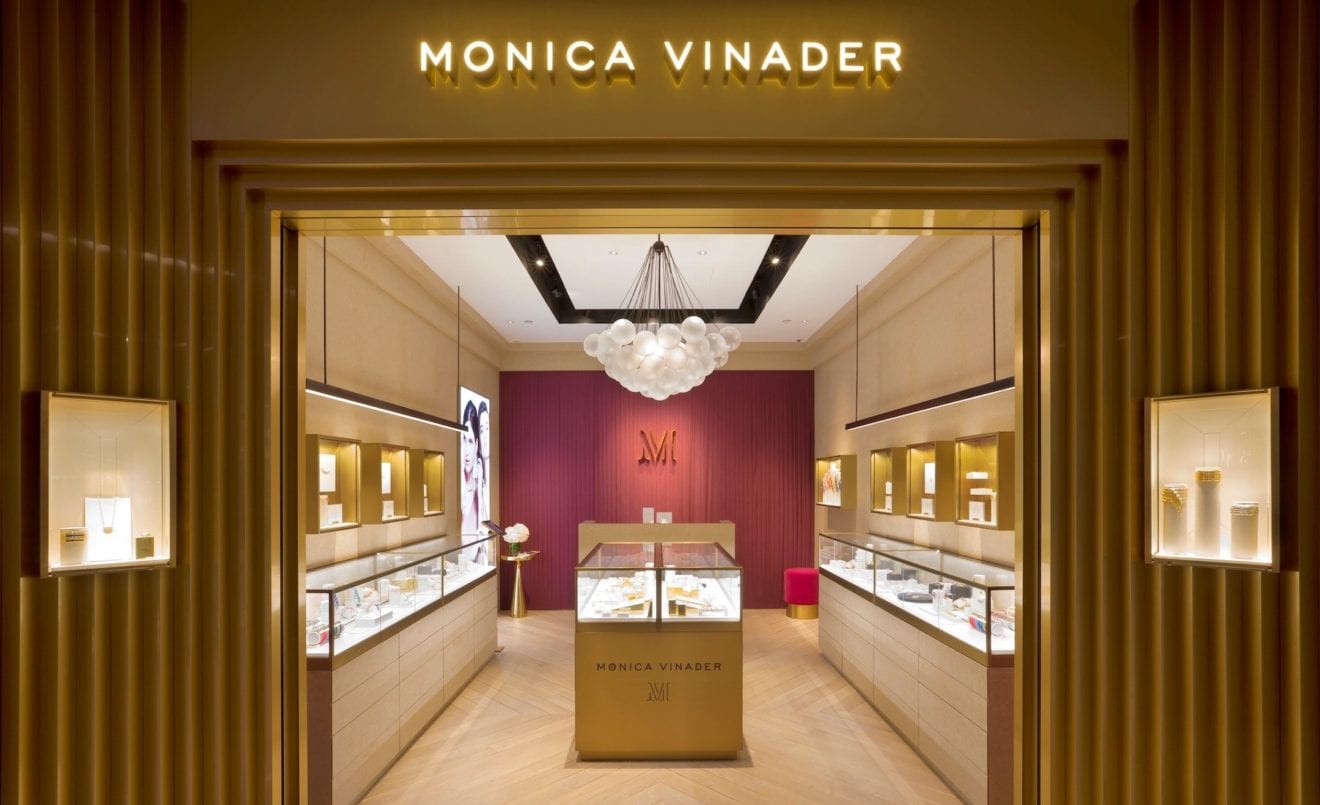
    British luxury jewellery brand, Monica Vinader has opened the doors to its first Singapore boutique.

    The Monica Vinader Singapore store is located inside the Ion Orchard shopping centre on Orchard Rd.

    “I am delighted to be opening our first store in Singapore, such an internationally vibrant city, and excited to be able to welcome our Singapore customers to our new boutique at Ion Orchard mall,” said Monica Vinader, CEO & founder of the namesake retail brand.

    The new store offers all the Monica Vinader collections from Friendship bracelets, to bespoke cut gemstone jewellery and contemporary diamond ranges. Customers will be encouraged to visit the Friendship bar where they can engrave personal messages, motifs or hand drawn doodles using the complimentary engraving service, or to layer and stack bracelets, pendants or rings to define their individual styles for any occasion.

    The store’s interior features marmorino walls and iconic gold vitrines which align with the brand’s philosophy, “using high specification materials, custom fixtures and fittings to create a welcoming and vibrant luxury shopping environment”.

    Monica Vinader has become globally renowned for its instantly wearable, contemporary designs, and is a favourite amongst A-list names such as Olivia Palermo, Emma Watson and HRH the Duchess of Cambridge.

    Monica Vinader was founded in 2002 after she began creating a jewellery collection while working in South America with her husband. Initially she focused on creating bespoke pieces for private clients, but demand soon grew to a larger audience. In 2006, the company began trading as Monica Vinader Ltd and went on to win Retail Jewellers’ Jewellery Brand of the Year award in 2009 before securing private equity investment for an international expansion.

  • Isetan Thailand unveils Washoku Gallery food concept

    Isetan Thailand unveils Washoku Gallery food concept

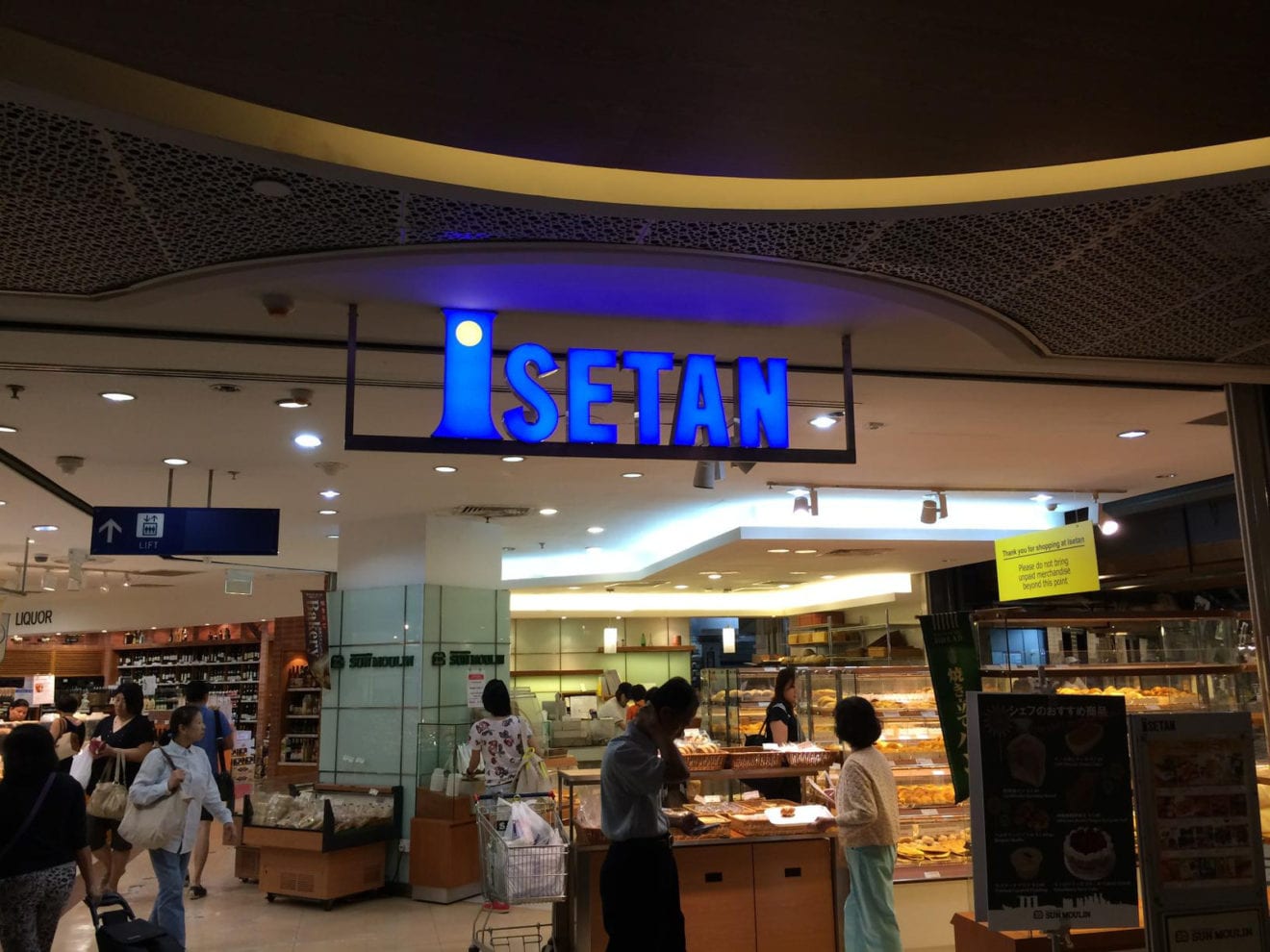
    Isetan Thailand has converted its fifth floor into a food concept called Washoku Gallery, which opens today (December 18).

    Washoku Gallery will, in keeping with the department store’s heritage, feature food products imported from Japan. Japanese food and culture are broadly liked by Thailand’s urban consumers and Isetan wants to tap into the growing demand.

    Isetan Washoku 4

    The Isetan Thailand department store is located in CentralWorld in downtown Bangkok.

    “The Thai retail market has undergone drastic changes since Isetan Thailand opened in 1992, and numerous Thai customers have said they want to see the same things at the store as at Isetan stores in Japan,” a spokesman for the retailer said in a statement.

    Isetan Washoku 1

    “At Washoku Gallery, Isetan offers goods and services so that customers can enjoy Japanese culinary culture. Isetan will also minimise price differences between products in Japan and those in Thailand as much as possible so that as many customers as possible can feel ‘this is Japan’.”

    Most of the products on sale have been introduced to Thailand for the first time. There are also nine Japanese-Western food brands, four Japanese bakery brands, 10 Western bakery brands and a Japanese Food Court with seven Japanese food brands.

    Isetan Washoku 2

    Isetan will work with Japanese food companies to bring experts to Bangkok to demonstrate their artisanship to customers. Tea masters will visit the store when newly harvested tea leaves are put on sale, and sake-brewing masters from rice wine breweries will be invited from all over Japan. Sashimi experts will slice freshly imported fish from Japan as customers look on.

    Isetan Washoku


    Said Isetan Thailand president Takaki Akune: “The newly remodelled floor, Washoku Gallery, is unique – only a Japanese department store can offer [it]. I’m confident that at Washoku Gallery, Thai customers will feel a sense of satisfaction they have never experienced. ‘This is Japan’ is a concept that Mitsukoshi Isetan Holdings recognises as part of its corporate strategy.

    “The whole group uses this concept to present the beauty of Japan to the world, from products to sales and services,” he said.

  • DJI opens futuristic drone shop in China

    DJI opens futuristic drone shop in China

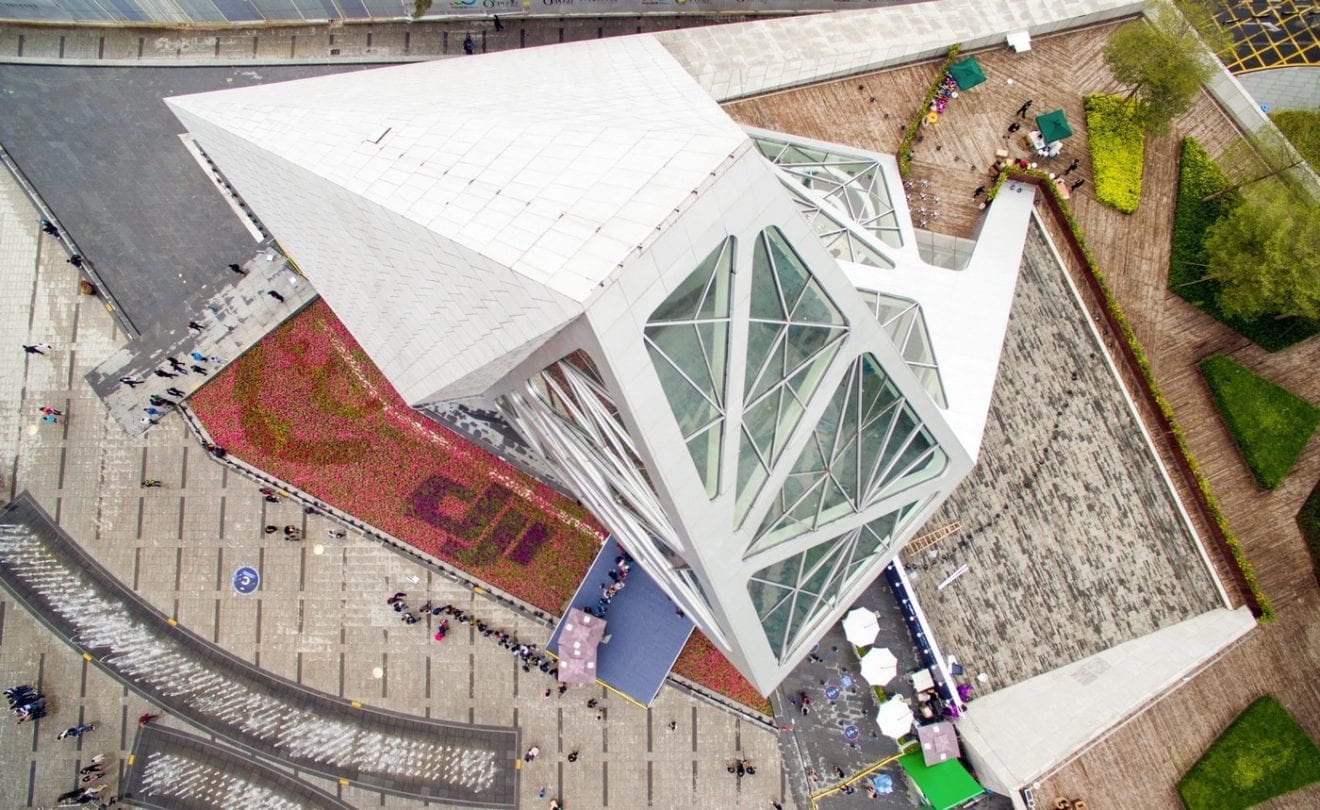
    DJI, one of the world’s leading manufacturers of unmanned aerial vehicle technology (drones) has opened its first flagship drone shop, in Shenzhen.

    As the photos demonstrate, the store is futuristic in its design and customer engagement let alone the sci-fi nature of the products the brand sells.

    The store, at OCT Harbour, features a full range of DJI’s consumer products and aims to let consumers see, touch and learn firsthand about the company’s innovative and creative platforms.

    “The DJI flagship experience is an important touchpoint to connect people with our cutting-edge technology and get a sneak peek into the future,” said Frank Wang, DJI founder and CEO.

    “Whether you are curious to learn how to fly or a professional looking for the latest aerial imaging technology to create your next big idea, the flagship store will provide you with the opportunity to really experience the DJI brand up close and in person. More importantly, it will allow us to engage our customers in a deeper and more meaningful way.”

    On display and for sale will be DJI’s Phantom 3 series, the Inspire 1 and Spreading Wings series, Matrice 100, Guidance, the Ronin handheld three-axis camera gimbal line, as well as the company’s latest integrated stabilized 4K handheld camera, the Osmo.

    Product Showcase 2

    The flagship’s interior architecture is based on the concept of yuan, the Chinese word for “circular.” It is symbolic of DJI’s drone propellers, which form a circular shape when in motion. This concept can be seen in various places around the store, including the SkyPixel Around the World interactive installation, which is featured on a cylinder-shaped map in the shop’s center. The flagship store also features a theatre, flight area, lounge area and repair counter.

    The OCT Harbour store features a stunning waterfront view and is surrounded by a vibrant culture of tourism, ecology and commerce.

    Highlights of the flagship store include:

    Theatre: Visitors can expect an immersive visual experience at the Theatre, where they can see stories captured from the sky and content from around the world.

    Theater

    SkyPixel Around the World: An interactive installation, where visitors can explore photo and video stories captured by aerial enthusiasts from the Skypixel community.

    Flight Area & SkyPixel

    Flight Area: DJI pilots will be there throughout the day to perform demos, and the LED screen will project different backgrounds to match the different flight experiences.

    Lounge Area: Visitors can sit back and relax in the lounge area, talk with staff and learn about DJI’s latest products.

    Product Showcase 3

    Repair Counter: A team of customer-support staff to provide technical assistance, help with firmware updates and make reservations for drop-off repair.

    Repair Counter

    The DJI flagship store is located at the Shenzhen Tourist Information Center, OCT Harbour, East No.8, Baishi Rd, Nanshan District, Shenzhen, China. Opening hours are Sun-Thu 10am to 10pm; Fri-Sat 10am to 10.30.

    DJI Flagship Store aerial shot 1

    DJI was founded and is run by people with a passion for remote-controlled helicopters and experts in flight-control technology and camera stabilisation. The company is dedicated to making aerial photography and filmmaking equipment and platforms more reliable and easier to use for creators and innovators around the world. DJI’s global operations currently span North America, Europe and Asia, and its products and solutions have been chosen by customers in over 100 countries; for applications in film, advertising, construction, fire fighting, farming, and many other industries.

    The company has a YouTube channel featuring its products in action.
  • Mujosh makes Australian debut

    Mujosh makes Australian debut

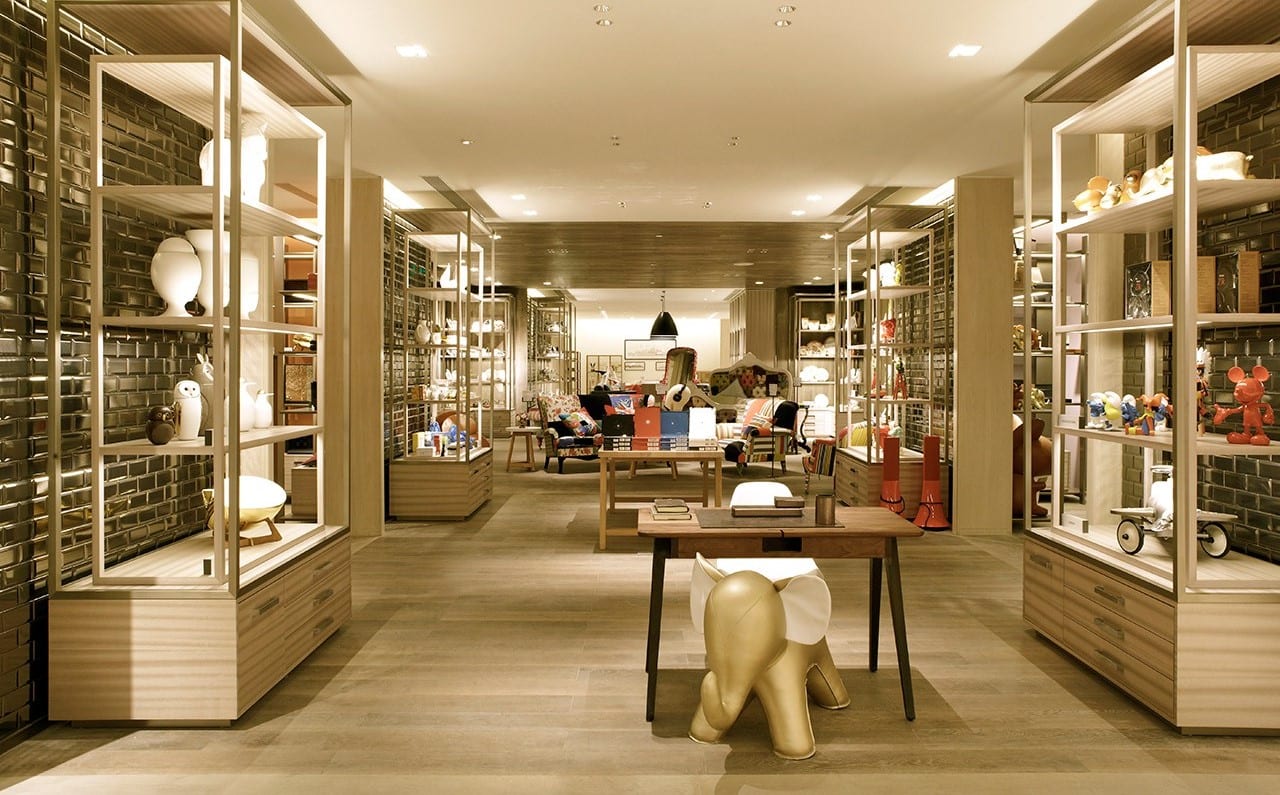
    Mujosh, the Hong Kong fashion eyewear brand, has opened its first store in Australia – at Melbourne Central mall in the city’s CBD.

    Just five years old, Mujosh has already opened stores in Thailand and Malaysia. Australia is its third overseas market entered with a specialty store, although it has distribution agreements in other markets, including Japan.

    “We hand picked a selection including our bestsellers and limited-edition designer series for our customers in Australia,” said Grace Zhang, director of international business division with Mujosh.

    “The latest Mujosh collections will also be unveiled in here at the same time as it will be in other territories.”

    “It is exciting that we can bring Mujosh to our customers in Australia,” said Alan Chen, the brand’s founder.

    “After five years of fast but solid development, Mujosh decided to expand into the international market at the beginning of 2015. Having our first store in Australia is an important milestone for our international business development.”

    Managed by GPT, Melbourne Central located in the heart of Melbourne, attracts a wide variety of customers from the inner suburbs of the city.

    Mujosh was founded by “a group of young creative rule-breakers who believe glasses are not only tools to improve eyesight, but also fashion accessories to differentiate wearers and make them stand out from the crowd,” the company explains.

  • Matahari Putra Smart Club concept debuts

    Matahari Putra Smart Club concept debuts

    Matahari Putra Prima, a multi-format modern retailer in Indonesia, has inaugurated its newest retail channel: a wholesale chain called Smart Club.

    The first store has opened at, Tangerang, Banten, with a gross selling area of  8800 sqm. It is designed to serve business customers, including hospitality enterprises (hotel, restaurant and catering), traders, manufacturers, institutions, offices and business professionals.

    “Smart Club has the concept of One Stop Buying, where all customers’ needs can be met in one place for greater efficiency,” explains Matahari.

    “All the products are available under one roof ranging from fresh products, packaged foods and beverage, electronic products, all household’s needs, to office stationery.”

    At the opening of the Smart Club outlet, MPPA also inaugurated the Foodmart Express (FMX) network under the company’s wholesale division, which is a minimarket concept. In the future FMX will be available through the franchise system and company’s internal expansion.

    Matahari Putra Smart Club


    The Foodmart Express (FMX) concept focuses on a wide selection of ready-to-eat products. With the store size of between 80 – 150 sqm , FMX is targeting the middle consumer segment to provide top-quality products locally.

    In the near future FMX will open three more outlets in Tangerang.

    Director of Smart Club operations, Emi Nuel, said the banner is expected to become the best choice of a modern wholesale center in Indonesia, with sustainable growth, to become a leader in B2B business and has a large market share in the hospitality sector.

    “From 2016 going forward, we will launch Smart Club centers in several key locations. In addition, we are also positive that FMX concept will be well received by consumers and could have a great step of expansion through franchise system or the company’s internal expansion” he concluded.