Author: Mei Ling Tan

  • Rakuten to open on JD.com

    Rakuten to open on JD.com

    Rakuten, Japan’s largest eCommerce company, is to open an online flagship on Chinese cross-border eCommerce platform JD.com.

    The Japanese company says it aims to take “the best Japanese products to Chinese consumers”. It launched a beta version of the new marketplace on JD Worldwide earlier this month. Plans are under way to expand the merchandise range over coming months, with an initial focus on categories such as cosmetics, snacks and health food products.

    Masato Takahashi, managing executive officer of Rakuten, said the partnership between Rakuten and JD.com will promote cross-border trade by connecting Chinese consumers with authentic and popular Japanese products from a top selection of Rakuten’s merchants from around Japan, both small and large.

    “Rakuten will continue to work to expand our offering to Chinese consumers.”

    Haoyu Shen, CEO of JD Mall, said imported Japanese products have proven popular in China to date.

    “Our focus remains on partnering with the most trusted retailers in key overseas markets to meet the growing demand for premium imported products.”

    Expansion of the product line-up will continue over the coming months.

  • Boom in teenage arrests for selling counterfeit goods online

    Boom in teenage arrests for selling counterfeit goods online

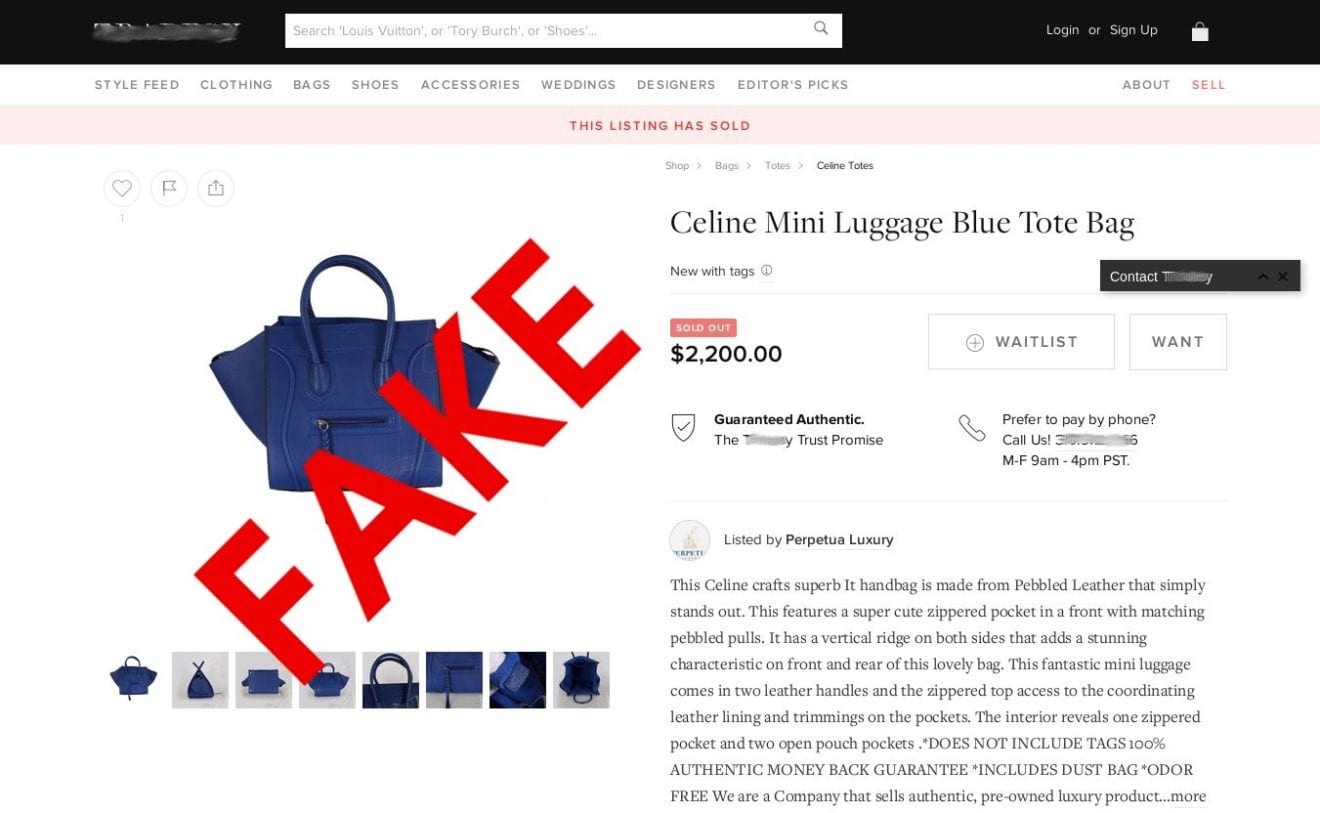
    Hong Kong Customs officials report they have arrested a record number of teenagers for selling counterfeit goods online via social media.

    According to a report in the South China Morning Post, officials have arrested double the number of teenagers in the first 11 months of 2015 as in the entire previous year.

    The majority of the arrested – 54 secondary school pupils and 28 university students – were allegedly selling fake goods on social media, with Facebook an especially popular channel.

    Last year, just 41 arrested were made, according to Louise Ho, head of the intellectual property investigation bureau of the Hong Kong Customs and Excise Department.

    The 82 arrests accounted for nearly 40 per cent of all the counterfeit arrests made by customs this year.

    Ho says students seem unaware of their legal responsibilities and the criminal nature of selling counterfeit goods online, and see the trade as easy money.

    They appear unaware it is insufficient defence legally to disclose the goods are counterfeit.

  • Estee Lauder settles Have & Be Korea deal

    Estee Lauder settles Have & Be Korea deal

    Estee Lauder has completed the acquisition of Have & Be Korea, the parent of skin care brands Dr Jart+ and Do The Right Thing.

    The New York-listed global beauty powerhouse has not revealed terms of the deal, which gives it an important brand in the fast-growing Korean beauty industry.

    Launched online in 2005 by ChinWook Lee, Dr Jart+ is a Seoul-based, global high-growth skin care brand featuring quality and innovative products designed to address specific skin care needs. The brand’s unique fusion of dermatological science and art – as reflected in the

    brand name, which is inspired by the phrase “Doctor Joins Art” – appeals to a broad range of consumers, especially millennials. Dr Jart+ is sold in many countries around the world, primarily in Asia and the US, through various department stores, specialty-multi and eCommerce channels including Sephora.

    The Estee Lauder Companies’ investment also includes an interest in Do The Right Thing (DTRT), a men’s-focused skin care brand that fuses Korean innovation with a bold New York style. Founded by Mr Lee in 2012, DTRT’s line of cleansers, lotions, moisturisers and serums are sold in Korea through various channels and in the US through Sephora and Birchbox Man.

    Estee Lauder is one of the world’s leading manufacturers and marketers of quality skin care, makeup, fragrance and hair care products. The company’s products are sold in over 150

    countries and territories under brand names including: Estee Lauder, Aramis, Clinique, Prescriptives, Lab Series, Origins, Tommy Hilfiger, Mac, Kiton, La Mer, Bobbi Brown, Donna Karan New York, DKNY, Aveda, Jo Malone London, Bumble and bumble, Michael Kors, Darphin, Tom Ford, Smashbox, Ermenegildo Zegna, Aerin, Marni, Tory Burch, Le Labo, Editions de Parfums Frederic Malle and Glamglow.

  • Does arrival of Michelin Guide reflect a more mature dining scene in Singapore?

    Does arrival of Michelin Guide reflect a more mature dining scene in Singapore?

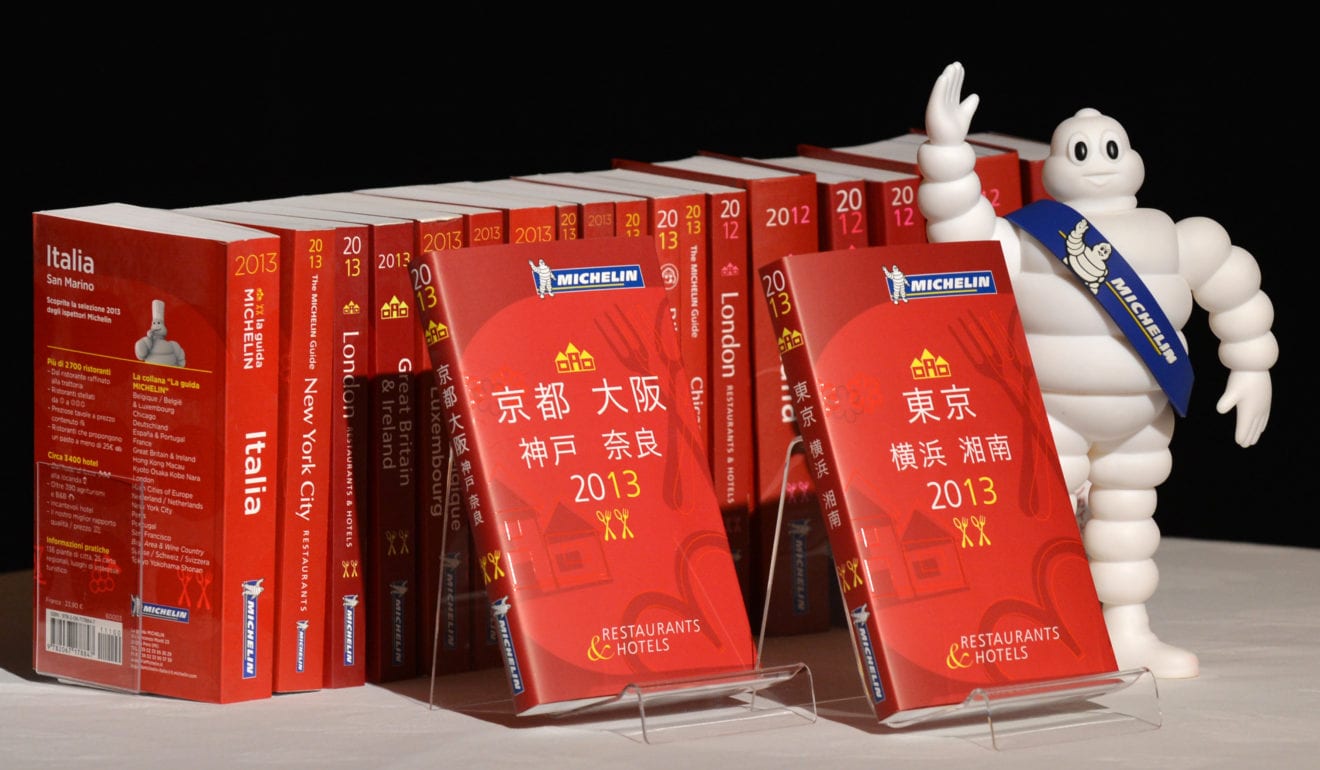
    The Singapore Michelin Guide will be launched next year. The confirmation of a Singapore Michelin Guide as early as next year topped what has been an exciting 2015 for a nation of food lovers.

    Local fare has never been more openly celebrated, both here and abroad (what with Anthony Bourdain’s plans to bring Asian street food to New York and the supposed new chicken rice war brewing in Shanghai); and local chefs and bartenders are continuing to rake in top honours on the global stage.

    So what’s cooking for next year? The warm reception to local start-ups this year could mean that we can see more permanent brick-and-mortar outlets emulating the likes of Bird Bird House of Thai Chicken, Park Bench Deli, Paper Crane and L’eclair Patisserie. More independent restaurants are expected to woo people in the heartlands next year — even if these will be of a smaller scale, thanks to the ongoing labour crunch, said Konstantino Blokbergen, director of Singapore-based hospitality and lifestyle consulting company Gastro-Sense.

    But the arrival of the world’s most recognised dining guide is on everyone’s lips, although, whether its presence marks a coming of age for the local dining scene is up for discussion.

    “To see… Michelin penetrate the Singapore market before any other country in South-east Asia is definitely a sign of achievement in recognition and proof of our local dining scene’s maturity,” said Blokbergen.

    It will further reinforce Singapore’s standing as the regional hub for culinary excellence, added Ranita Sundramoorthy, director, Attractions, Dining and Retail, Singapore Tourism Board, who said the guide’s arrival will “encourage continuous culinary innovation and excellence among Singapore players” as well as the growth of gastro-tourism.

    While Mod-Sin cuisine pioneer Willin Low said that the Singaporean diner is far from naive when it comes to the best places to dine, other players adopted a more cautious stance.

    Said Edina Hong-Stroobant, marketing director of Emmanuel Stroobant Group: “I think it’s a budding scene. The Michelin Guide will hopefully reinforce the fact that Rome was not built in a day. One of the reasons the Japanese have a higher number of Michelin restaurants is their culture — it is all about discipline and in-depth knowledge; I think Michelin will help us achieve this maturity … but not yet.”

    Les Amis Group’s Raymond Lim predicted only four restaurants earning a coveted three-star rating. “Maturity doesn’t happen overnight, it will take at least five to 10 years. Yes, Singapore is ready (for the guide) but a market doesn’t transform so much within a year,” he said, adding that the Michelin Guide is not an award but a guidebook to the best restaurants with the best value.

    And while we’ve grown more appreciative of the value our dining scene purveys, there is clearly quite a bit of growing up left to do, before, as Low put it, “the day consumers are willing to pay the same price for a hand made soon kueh as they would for a macaron or cupcake”.

  • Low petrol prices here to stay

    Low petrol prices here to stay

    Weekly petrol prices

    Unleaded petrol: The Australian Institute of Petroleum will not release the weekly national average petrol price data until next Monday.

    Wholesale petrol: Today the terminal gate (wholesale) price of unleaded petrol stands at a near 11-month low of 107.1 cents per litre (lowest since February 4).

    Diesel: The terminal gate (wholesale) price of diesel fuel stands at 97.1 cents a litre, down 1.2 cents in the past week to fresh 11-year lows.

    What does it all mean?

    There are no signs of an end to low global oil prices. Saudi Arabia is determined to shore up its market share and force the higher-cost oil and – broader – energy producers out of the market. While low oil prices are taking their toll on budgets and foreign exchange reserves in the Middle East, the OPEC oil cartel is content with producing more oil than is required on the global market.

    While the low global oil price is putting pressure on the profitability of producers, it is clearly good news for consumers. The issue for Australian motorists is getting some consistency on price. MotorMouth records a difference of around 25 cents a litre across Australian capital cities. Adelaide and Sydney motorists can fill up at near the cost price of the petrol marketing groups but gross retail pricing margins are higher and more diverse across other capital cities.

    Low petrol prices will keep inflation low, and thus serve as a cap on interest rates. But retailers also benefit fromconsumers having extra spending power. Filling up the car with petrol is the single biggest weekly purchase for most families.

    What do the figures show?

    Today the national average wholesale (terminal gate) unleaded petrol price stands at 107.1 cents per litre, down 1.1 cents per litre on a week ago. The terminal gate diesel price stands at 97.1 cents a litre, down 1.2 cents over the week.

    Last week the key Singapore gasoline price fell by US90c or 1.6 per cent to US$55.50 a barrel. In Australian dollar terms the Singapore gasoline price fell by $2.56 a barrel or 3.2 per cent to $76.50 a barrel or 48.11 cents a litre. On Monday Singapore gasoline fell further to US$54.80 or A$75.53 a barrel.

    In Australian dollar terms, Singapore gasoline is trading at the lowest price since January 30.

    MotorMouth records the following retail prices for capital cities today: Sydney 109.1c; Melbourne 125.7c; Brisbane 118.6c; Adelaide 107.2c; Perth 130.3c; Canberra 128.4c; Darwin 125.8c; Hobart 132.5c

    What is the importance of the economic data?

    Weekly figures on petrol prices are compiled by ORIMA Research on behalf of the Australian Institute of Petroleum (AIP). National average retail prices are calculated as the weighted average of each State/Territory’s metropolitan and non-metropolitan retail petrol prices, with the weights based on the number of registered petrol vehicles in each of these regions. AIP data for retail petrol prices is based on available market data supplied by MotorMouth.

    What are the implications for interest rates and investors?

    The implications stated below haven’t changed from the report issued last week.

    Lower global oil prices have potential to boost economic activity provided that businesses and consumers spend the extra savings reaped at the petrol pump.

    Rising gross retail margins on fuel may be supporting revenues and profits for petrol marketing groups. The big unknown is whether the margins have lifted to cover higher costs in other parts of the business.

    The lower cost of fuel is potentially good news for retailers – that is, providing that the savings are spent, not saved.

  • Adidas Plans New Super Brand Center In Hong Kong In 2016

    Adidas Plans New Super Brand Center In Hong Kong In 2016

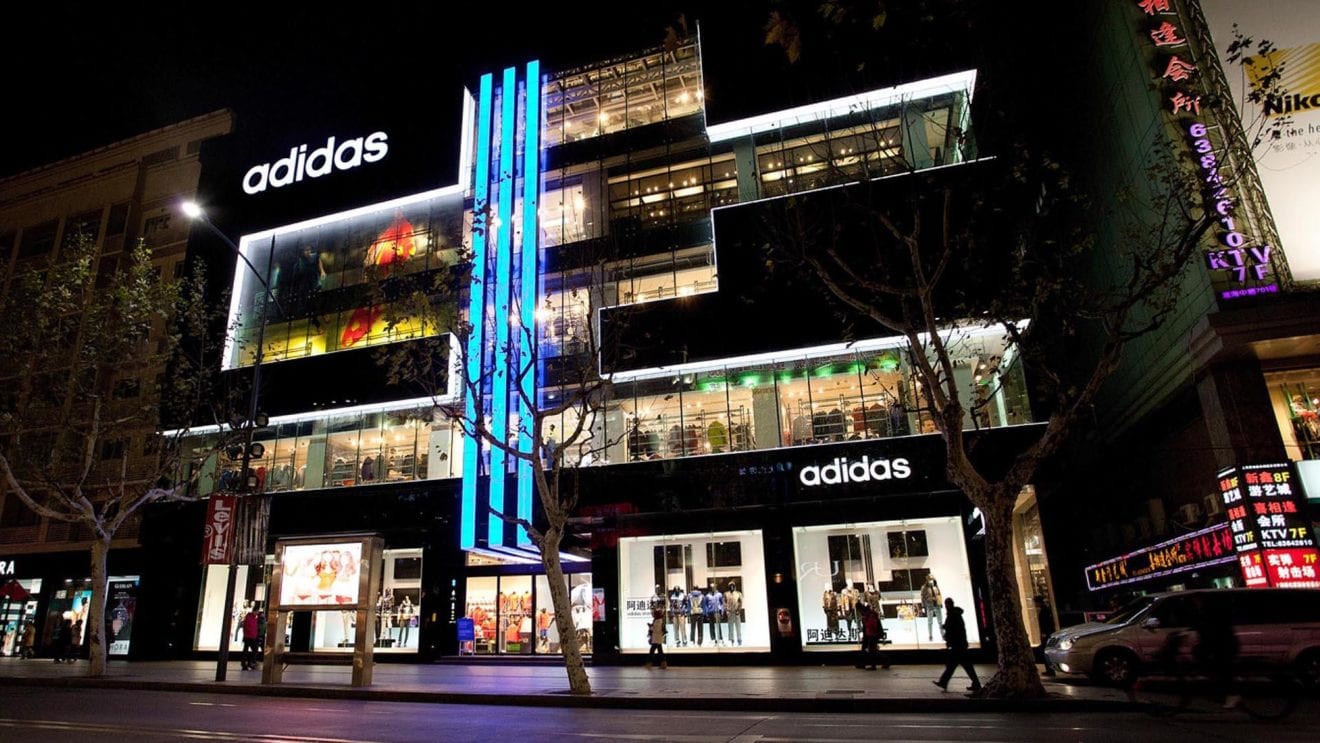
    International sportswear provider Adidas announced that they will open their sixth Adidas Brand Center in the world in Hong Kong’s Central district during the first half of 2016.

    In addition, the company will open their first Hong Kong Sport Performance flagship store in Causeway Bay and the second is expected to open in Tsim Sha Tsui.

    Located at No.36 Queen’s Road Central, the new Adidas Brand Center has an area of about 1,600 square meters. This site was formerly rented by Coach and closed due to the declining luxury market prospects in Hong Kong. However, Adidas said they are optimistic about Hong Kong’s sports fashion market and this location. The company hopes the new Adidas Brand Center, along with the two Sport Performance flagship stores, can be Hong Kong’s new vigorous sports landmarks.

    Prior to this, Adidas’ chief executive officer Herbert Hainer said the year of 2016 would become the brand’s record setting year.

    Financial details of Adidas’ investment in Hong Kong were not released.

  • Guinness goes alcohol-free in Indonesia

    Guinness goes alcohol-free in Indonesia

    Diageo is still selling its regular brew in large supermarkets and restaurants where sales have not been curbed, but has invested around $1m thus far to launch Guinness Zero and is planning a new facility to produce the drink locally.

    “We already had plans to enter the zero-alcohol beer market,” said Graeme Harlow, managing director of Diageo. “After the ban came in, essentially it made it even more important.”

    UK-based Diageo has around 15 per cent of the Indonesian beer market, which until last year was the world’s fifth-biggest market for Guinness with annual sales of around 400,000 hectolitres.

    Since the ban, sales of Guinness and Diageo’s other alcoholic beverages have fallen 40 per cent year-on-year, said Mr Harlow, as the number of outlets across the archipelago carrying the beer has shrunk from around 70,000 to just 40,000.

    The company blamed the new Indonesia restrictions as it reported a 28 per cent decline in net sales in Southeast Asia for the year that ended in June, even as Asia Pacific sales rose 64 per cent year on year to £2.2bn.

    Guinness Zero, marketed with the tagline, “bold taste, zero alcohol”, is aimed at much the same consumers as the regular Guinness brew — for instance, men looking for a “masculine” drink while avoiding alcohol in a society where drinking is often taboo, said Mr Harlow.

    Diageo has introduced alcohol-free drinks under other names elsewhere, as Kaliber in the UK and Malta in Nigeria, but its aim in Indonesia is to keep the Guinness label prominent in popular minimarkets.

    “We wanted it to be Guinness-branded and we wanted the product to be distinctively Guinness,” Mr Harlow said. He said there are no plans to roll out Guinness Zero beyond Indonesia.

    Diageo’s shift brings it into line with Indonesia’s other major beer producer, Multi Bintang — majority-owned by Dutch brewer Heineken — which already sells two popular alcohol-free drinks.

    The UK group is aiming to capture 10 per cent of Indonesia’s 150,000 hectolitre non-alcoholic beer market within two years, from around 7 per cent now, said Mr Harlow.

    The most immediate hurdle for the world’s largest distiller is the high production cost of the zero-alcohol alternative, which sells for half the price of a can of regular Guinness at Rp9,000 ($0.65).

    Diageo is importing Guinness Zero from Ireland, paying around 10 per cent in duties as well as expensive transportation costs, until it has its new production facility on the island of Bali up and running in a few months.

    But it also faces a hard sell countering Multi Bintang’s Bintang Zero, which with its light and lemony flavour is the country’s favoured zero-alcohol beer.

    Local consumers like Abi Dwi Natadipura, 20, say the distinctive bitter Guinness flavour of hops, malt and barley remain an acquired taste for Indonesians.

    “I have seen Guinness Zero in cans but I’ve never tried it,” he said, while shopping at the Circle K minimart in central Jakarta. “I guess the taste would be more or less the same as regular Guinness — and I’m not interested.”

  • Pavilion Real Estate Investment Trust is buying The Intermark Mall

    Pavilion Real Estate Investment Trust is buying The Intermark Mall

    Pavilion Real Estate Investment Trust (Pavilion REIT) is buying The Intermark Mall, which forms part of The Intermark mixed-use development located at the crossroads of Jalan Ampang and Jalan Tun Razak here, for RM160 million cash, which will be fully funded through debt.

    In a filing with Bursa Malaysia today, Pavilion REIT said its manager Pavilion REIT Management Sdn Bhd has signed a sale and purchase agreement with The Intermark Sdn Bhd for the acquisition of the six-storey retail building, together with 367 car par bays.

    The deal also entails The Intermark providing Pavilion REIT with a rental guarantee of RM15 million for three years to be held by a trustee, which will be jointly appointed by Pavilion REIT and The Intermark.

    With the rental guarantee, Pavilion REIT said the estimated net yield for The Intermark Mall comes to 6.1% per year, and 3% when discounting the rental guarantee.

    Occupancy rate at the three-year retail building with a net lettable area of 225,014 sq ft, stood at 74%, based on committed and/or commenced tenancies as at the valuation date of Sept 30, 2015.

    Pavilion REIT Management said the proposed acquisition is consistent with the investment objective and strategy of Pavilion REIT and is expected to be accretive to the trust’s distributable income, as the property is located on the fringe of the Golden Triangle of Kuala Lumpur.

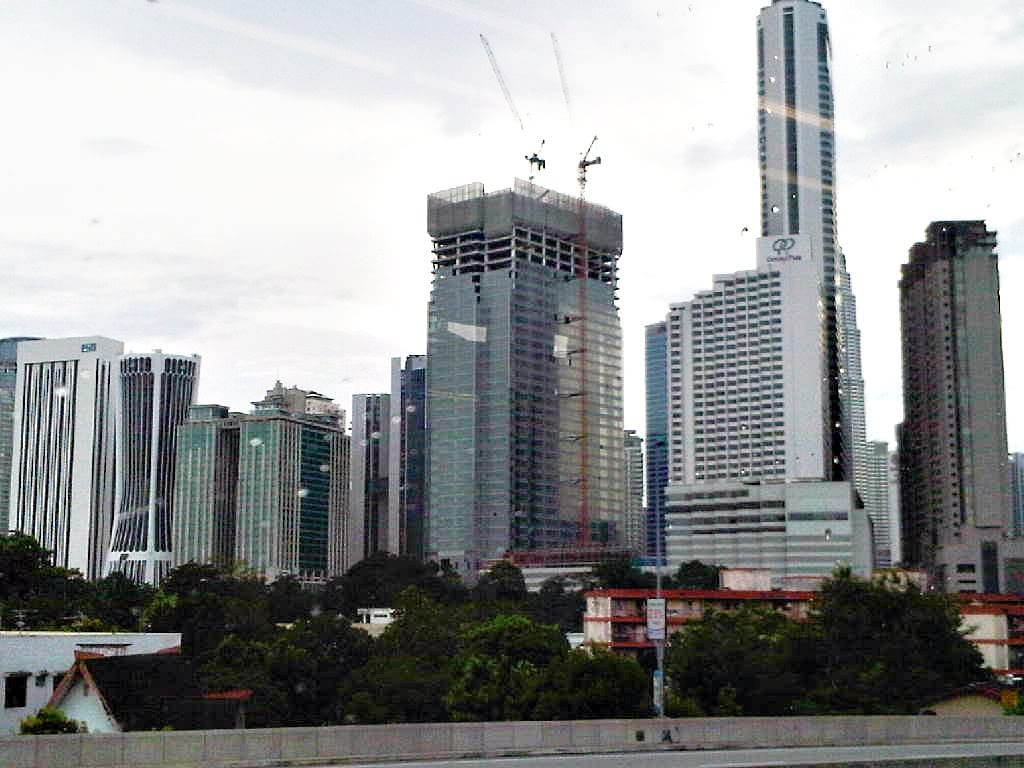
    “The area that the property is located at, consists of prime office buildings, prime retail centres and prestigious international class hotels, with the Kuala Lumpur City Centre development within its vicinity.

    “The property is easily accessible from various parts of the city, via various major highways interconnecting the enclave,” it added.

    Upon completion, the proposed acquisition will enlarge Pavilion REIT’s portfolio of investment properties from RM4.6 billion as at Sept 30, 2015 to RM4.8 billion.

    The trust expects for the purchase to be completed by the end of the first quarter of 2016.

    Pavilion REIT said the RM160 million price tag was derived from the market value appraised by independent registered valuer, Knight Frank Malaysia Sdn Bhd.

    “In view that the manager (Pavilion REIT Management) intends to fully fund the proposed acquisition through debt, the proposed acquisition is expected to increase the gearing of Pavilion REIT from 16% as at Sept 30, 2015 to 19%,” said Pavilion REIT.

    This is still below the gearing limit of 50%, as prescribed under Clause 8.37 of the Guidelines on Real Estate Investment Trusts issued by the Securities Commission Malaysia, it added.

    The Intermark mixed development is owned by Blackrock Inc. There have been reports that the investment fund was looking to hive off its investment in the upscale development, and it sold one of The Intermark’s office towers, Integra Tower, in April this year, to Kumpulan Wang Persaraan (Diperbadankan) (KWAP) for RM1.07 billion.

    The Intermark also houses DoubleTree by Hilton Hotel.

    “The Intermark Mall caters to the daily needs and convenience of corporate tenants and hotel guests within the integrated mixed-use development, as well as those working and/or staying in the immediate locality,” said Pavilion REIT.

    “The manager believes that with good and improving occupancy levels of its two corporate office towers and hotel, there will be opportunities for the Intermark Mall to improve its occupancy levels by offering a wider trade mix to cater to the needs of its corporate tenants, hotel guests and nearby residents.”

    Pavilion REIT shares shed one sen to close at RM1.53 per unit today, bringing its market value to RM4.65 billion.

  • Here’s Why All That Glitters Is Not Gold In China Jewelry Market

    Here’s Why All That Glitters Is Not Gold In China Jewelry Market

    Market reports on Wednesday claim that Jewelry manufacturing and retail industry are among the worst hit sectors in China due to a slowdown in the country’s economic growth. Shuibei, which was once the mecca for Jewelry retail and production in China, is now feeling the heat in terms of declining number of consumer visits due to the economic uncertainty in China.

    Among the most pertinent reasons for slumping gold demand in China are the economic slowdown as well as the government’s anti-corruption drive which has resulted in low demand for luxury items. However, the most worrisome sign for Chinese gold market is the fact that the consumers have started to become wary of the prevailing economic uncertainty. The shaken consumer confidence is likely to hit the Chinese gold market, which is also the largest market in world for the precious metal.

    Analysts say that China is entering the maturity phase of its economic cycle after growing exponentially for the last few decades. As the economic growth slows down, there may be uncertainty regarding how the government and certain sectors deal with it. This situation has been made worse by the devaluation of Chinese yuan by the People’s Bank Of China (PBOC) in August. The yuan has suffered a constant decline since and some analysts believe that this might be a deliberate step by the Chinese government.

    The gold prices are already languishing at a six-year low due to global economic uncertainty. Therefore, with China and India, the largest and second largest gold markets going soft, it would only mean more trouble for the global gold prices.

    Many of the businesses in the Shuibei district of Shenzhen have suffered a slump in trade due to the current gloomy economic growth forecast for China. This is happening due to a shift in customer confidence from being enthusiastic to wary.

    According to Wang Zhichang, regional manager of Glory Gold store, the demand for gold is unlikely to pick up anytime soon due to the fact that consumers have lost confidence in the precious metal. Therefore, it is quite possible that the revenue in the Chinese gold industry may fall in 2016 at least 10%. The revenue of Chinese gold market overall has seen a plunge of almost 20% in the current year.

    Mr. Wang also claims that due to the worsening gold market conditions in China, a number of factories had shut their operations in the last 12 months. The impact of the current slump in Chinese economy on local gold market is so widely spread that even the nationwide huge gold retail chains like Chow Tai Fook are forced to close outlets and cut down future store openings.Chow Tai Fook, the largest gold retailer in China in terms of market value, had to suffer a 42% plunge in net profit for the period from April to September 2015. This has forced the company to plan opening of only 60 stores in China in its current financial year which ends in March 2016, instead of the originally planned 150 outlets.

    A representative of Chow Tai Fook opined that the customers had become more rational with their choices and purchases in the recent times. This translates into the pressure under which the Chinese gold industry is at the moment.

    CBN opines that it was only a matter of time before the worse impacts of the economic slowdown in China began to reflect on the country’s booming gold market. With the prices of gold falling on a global level and the economic uncertainty in China, the gold market was always going to suffer. We believe that as the growth in Chinese economy slows down due to the country entering the maturity stage of its economic progression, the consumers are likely to become more wary of making bold acquisitions.

    We believe that Chinese customers are likely to want an added value for the transactions they make in the current circumstances. With the gold prices falling globally, the sense of security of holding on to a precious metal is no longer going to be the driving force for its purchase. Furthermore, doubts over economic growth are likely to force the hand of Chinese consumers towards basic necessities more than luxury acquisitions. Therefore, the struggle in the gold market in China is likely to continue at least for the coming couple of years.

  • Big C Vietnam revenue negligible, won’t be retained

    Big C Vietnam revenue negligible, won’t be retained

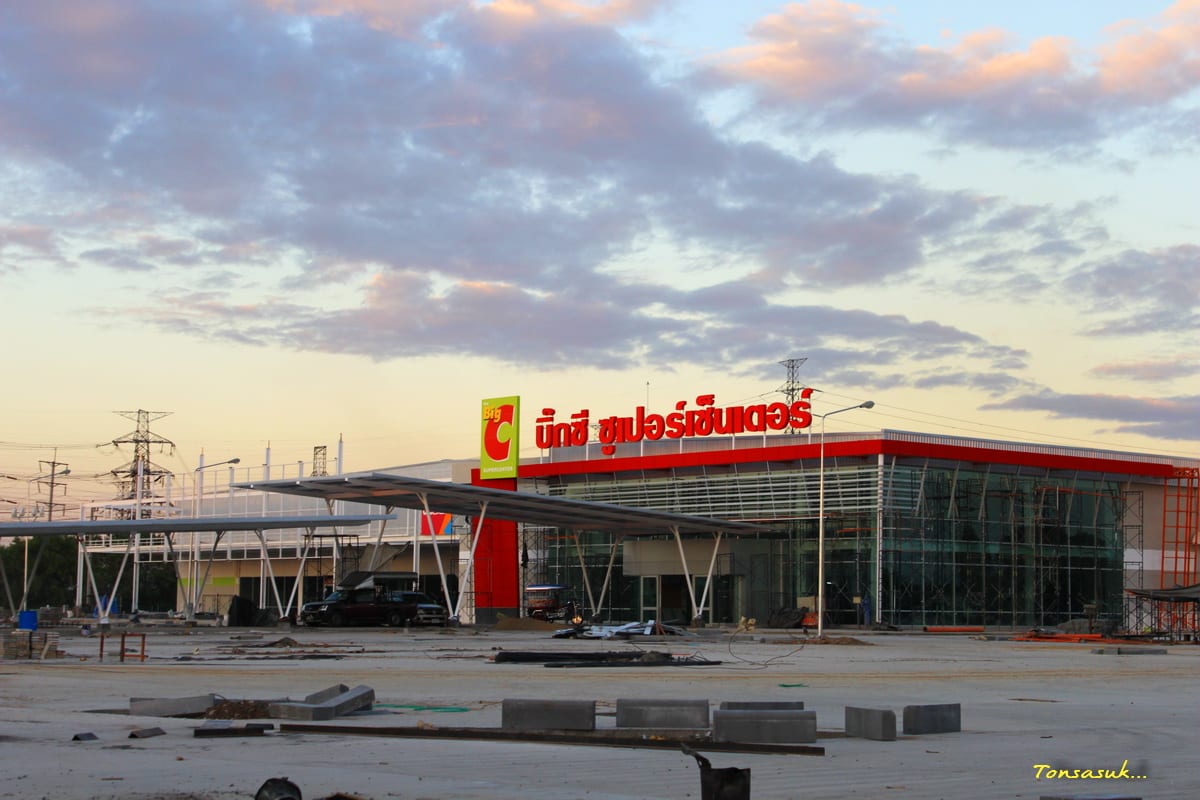
    Despite a sustainable growth rate, earnings from the Vietnamese arm are miniscule in comparison to other foreign businesses of the French retailing chain Big C, which is owned by Casino Group.

    On December 15 the French retailer issued a memorandum stating that it may seek a new owner for its supermarket chain Big C in Vietnam, as the company plans to strengthen its financial flexibility by selling assets in the country, as well as Thailand and Colombia.

    In 2016 Casino Group is expected to enact what it calls a ‘deleveraging plan’ of more than two billion euros (US$2.2 billion), mainly through real estate transactions and the disposal of non-core assets, according to the memo.

    The French group currently owns 10 retail brands across the globe, with a concentration in Asia. The Big C brand is used for the supermarket chain in Vietnam and Thailand.

    In multiple annual reports, Casino Group has assessed Vietnam as a market with high potential for growth in the future, once the economic slowdown is over and consumption begins to grow again.

    However, given the minor contribution of Big C Vietnam and the small market size, especially compared to neighboring country Thailand, the chain is now on the priority list to change hands.

    The contribution of Big C Vietnam in 2014 was just over one percent of the French parent company’s total revenue, much smaller than Big C Thailand during the same period.

    In 2014, revenue from the Asian operations of Casino Group reached 3.5 billion euros ($3.83 billion), accounting for seven percent of the total turnover of Casino Group. Breaking it down further, 98 percent of this figure was contributed by Big C Thailand, and less than two percent by Big C Vietnam.

    The revenue of Big C Vietnam last year was about $546 million, a seven percent year-on-year increase, according to data published by Retail Asia magazine using statistics compiled by London-based market research firm Euromonitor.

    In the first six months of this year, Big C Vietnam recorded a total turnover of 312 million euros ($340.66 million), up 26 percent over the same period last year, higher than the group’s total average growth rate in Asia, which was around 23 percent.

    Size that matters

    The revenue of the French retailer grossed from the Asian market is also small compared to other markets worldwide.

    Revenue from Asia accounted for less than 10 percent of its total global sales in the first six months, reaching more than 2 billion euros ($2.12 billion), 98 percent of which was generated by Big C Thailand, according to the group’s financial reports.

    In particular, revenues generated in Thailand in the first half of 2015 were 1.8 billion euros ($1.97 billion), nearly six times the earnings of Vietnam with 312 million euros ($341.46 million), a big gap between the two Southeast Asian neighbors that has been stable for the last five years.

    In terms of networks, through 2014, Big C Thailand had 123 large stores (Big C Supercenter, Extra, and Jumbo), 37 Big C markets, 324 Mini Big C convenience stores and 152 drug stores.

    Meanwhile, Big C Vietnam has 32 supermarkets and 10 convenience stores.

    In addition, the number of employees working at Big C Thailand was more than 26,600, three times the number of employees in Vietnam.

    In particular, Big C Supercenter Public Co. Ltd., the firm established to run Big C Thailand, was already listed on the stock exchange with a market capitalization of nearly 4.3 billion euros ($4.7 billion).

    On December 15, when Casino Group issued the memo in a document submitted to the Stock Exchange of Thailand, Big C Supercenter Public outlined its growth strategy next year, in which the emphasis will be on continuing to expand its network.

    In 2015, the company has opened 108 new stores, including two hypermarkets, and continues overhauling its supply chain. In 2016, it will keep enhancing its performance plan with the opening of six hypermarkets, three Big C Markets and 75 Mini Big C convenience stores.

    In addition, the global e-commerce segment, though newly developed, is yielding positive results with revenue equal to that of the Asian retail market.

    The sale of the Vietnam business could raise 750 million euros ($813.86 million), while setting up real estate investment trusts in Thailand and Colombia could net 550 million euros ($596.8 million) and 200 million euros ($216.98 million), respectively, Bloomberg reported on December 16, citing Bruno Monteyne, an analyst at Sanford C. Bernstein.

    The decision is consistent with what Casino Group shared in the memo, stating that the sale of Asian assets is a strategic move to help the French group focus on its core markets such as France with 18.8 billion euros ($20.57 billion) (38.76 percent) and Latin American with 22.6 billion euros ($24.73 billion) (46.6 percent).

    Casino Group, which is active in many other areas including e-commerce, finance and real estate, was founded in 1898 and is now one of the world’s leading retailers, with total assets of over 42 billion euros ($45.97 billion) at the end of June 2015.

    Like us on Facebook or follow us on Twitter to get the latest news about Vietnam!
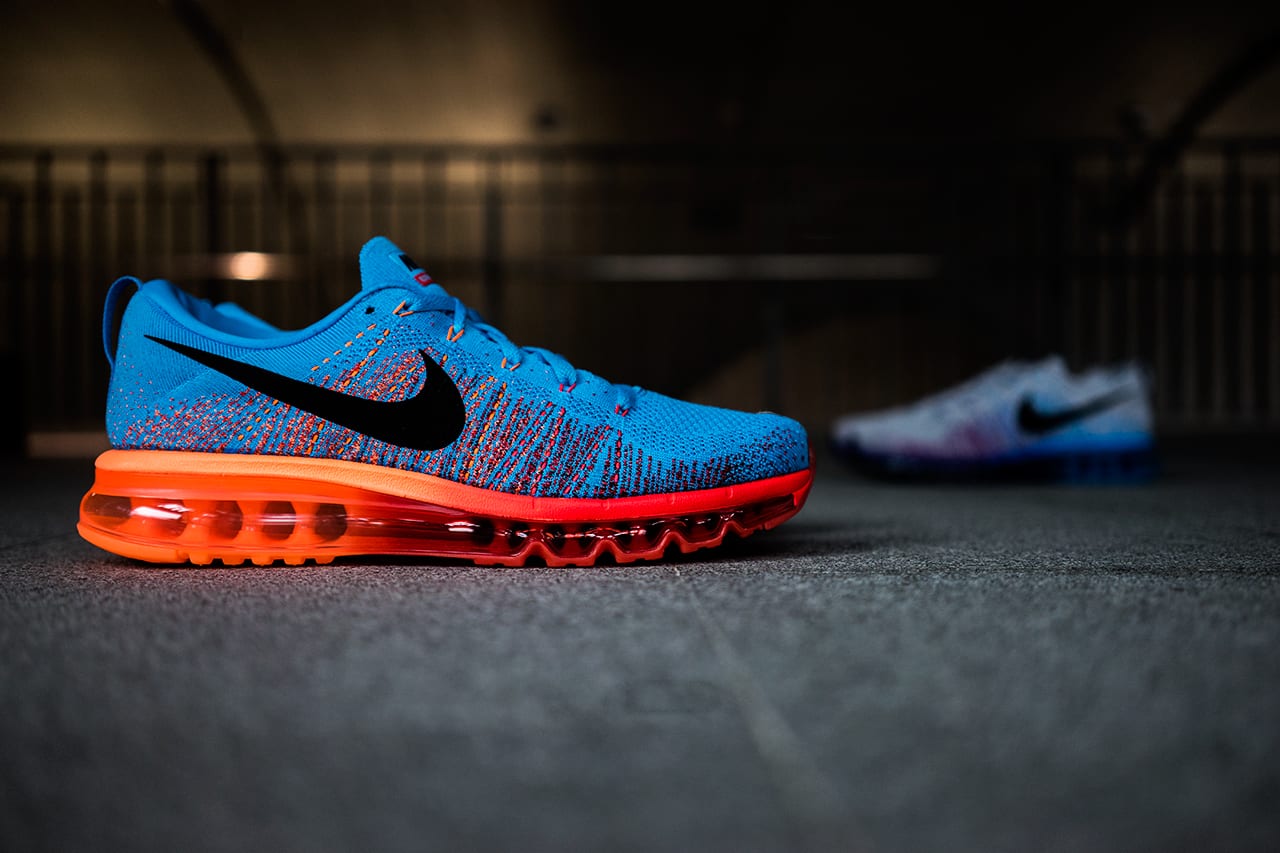
  • Nike Defies Stagnation in U.S. Retail, China as Orders Surge

    Nike Defies Stagnation in U.S. Retail, China as Orders Surge

    Nike Inc. posted second-quarter results that showed the footwear and athletic-apparel giant remains largely immune to the shopper malaise that’s plagued much of retail.

    The world’s largest sporting-goods maker posted profit of 90 cents a share, topping analysts’ average estimate of 86 cents, as it continued to reap the rewards of a dominant brand and the ongoing fashion shift toward casual, sporty attire. It also defied concerns about slowing economic growth in China, with revenue there gaining 24 percent to $938 million.

    • Orders for the Nike brand for the next four months rose 20 percent, excluding the effects of currency. Analysts expected a 13.6 percent gain.
    • Net income increased 20 percent to $785 million.
    • Sales rose 4.1 percent to $7.69 billion. Analysts estimated $7.81 billion.
    • Gross margin widened 0.5 percentage point to 45.6 percent.

    The shares rose as much as 4.1 percent to $137.31 in late trading in New York. Nike had gained 37 percent this year through the close on Tuesday.

    “Overseas markets have great potential,” for Nike, said Paul Swinand, an analyst at Morningstar Inc. “Investors should take a read on Chinese consumers from the futures orders: There’s room to purchase new Western goods in people’s budgets. That highlights the potential for the long-term middle-class growth there.“

    $50 Billion

    The earnings report is Nike’s first since it announced a goal of increasing annual sales to $50 billion by fiscal 2020, up from $30.6 billion in its most recent fiscal year. The target implies an annual growth rate of 10.3 percent, slightly higher than the past two years. The company expects about a third of those gains to come from its online business. That trend played out last quarter, with sales through its websites surging 49 percent.

    In the most recent quarter, Nike’s China unit was the standout. Footwear sales there gained 30 percent to $600 million, while apparel revenue climbed 15 percent to $306 million. The strength looks set to continue, with futures orders for the segment increasing 34 percent, excluding currency effects.

    Part of Nike’s success in China has been a plan started two years ago to revamp its distribution and merchandise — like the fit of its apparel — after a glut of inventory after the Olympics weighed on results. It also has been selling more products through its own stores and websites, which is part of a companywide strategy. Revenue from those segments in China rose 51 percent last quarter.

    North America also turned in a strong performance, with sales increasing 9.4 percent to $3.55 billion. Footwear led the gain, with a 12 percent increase. North American futures orders grew 14 percent.

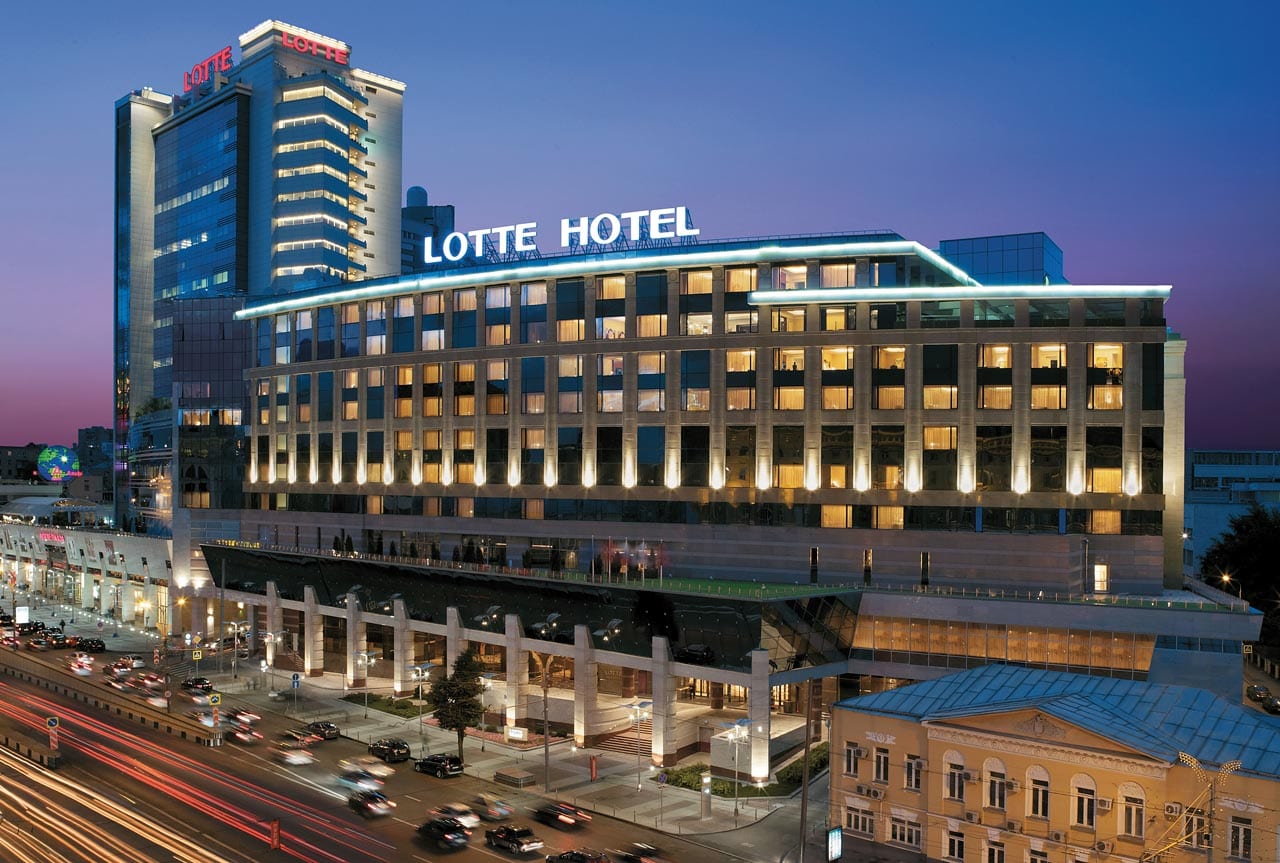
  • Lotte celebrates topping-out of Korea’s tallest building

    Lotte celebrates topping-out of Korea’s tallest building

    South Korea’s retail giant Lotte Group held a symbolic topping-out ceremony Tuesday afternoon to mark the approaching completion of the Lotte World Tower, the tallest building in the country located in Jamsil, southeastern Seoul.

    Lotte Corp. placed the last crossbeam on the top floor of the 123-story skyscraper amid much fanfare with some 200 high officials in attendance, including Lotte chairman Shin Dong-bin and Seoul City mayor Park Won-soon.

    The Lotte World Tower currently stands at 508 meters as the world’s fifth tallest building in the world. It will reach 555 meters in height once the spire is placed and the interior construction is concluded next year.

    “Offering panoramic views of Seoul, the Lotte World Tower will be able to attract some 2 million tourists every year,” said the Lotte chairman in his congratulatory speech.

    Mindful of public concerns about safety, Shin emphasized that Lotte would “work to ensure that the tower becomes a safe location that can welcome all visitors” and to “successfully wrap up the remaining construction procedures.”

    The supertall skyscraper stands at the center of Lotte’s 3.8 trillion won ($32 billion) project envisioned by Lotte founder Shin Kyuk-ho to build an unparalleled legacy for the company in Jamsil.

    Located adjacent to the tower is the Lotte World Mall, a mega shopping complex featuring shops, restaurants, a movie theater and aquarium. The tower is set to house a six-star hotel, office space and an observatory once it is completed next year.

    “The Lotte World Tower has been constructed in line with my father’s wish to establish a landmark building in Korea,” said the Lotte chairman, also the eldest son of the Lotte founder.

    “The tower will become a structure beloved by people from all over the world.”


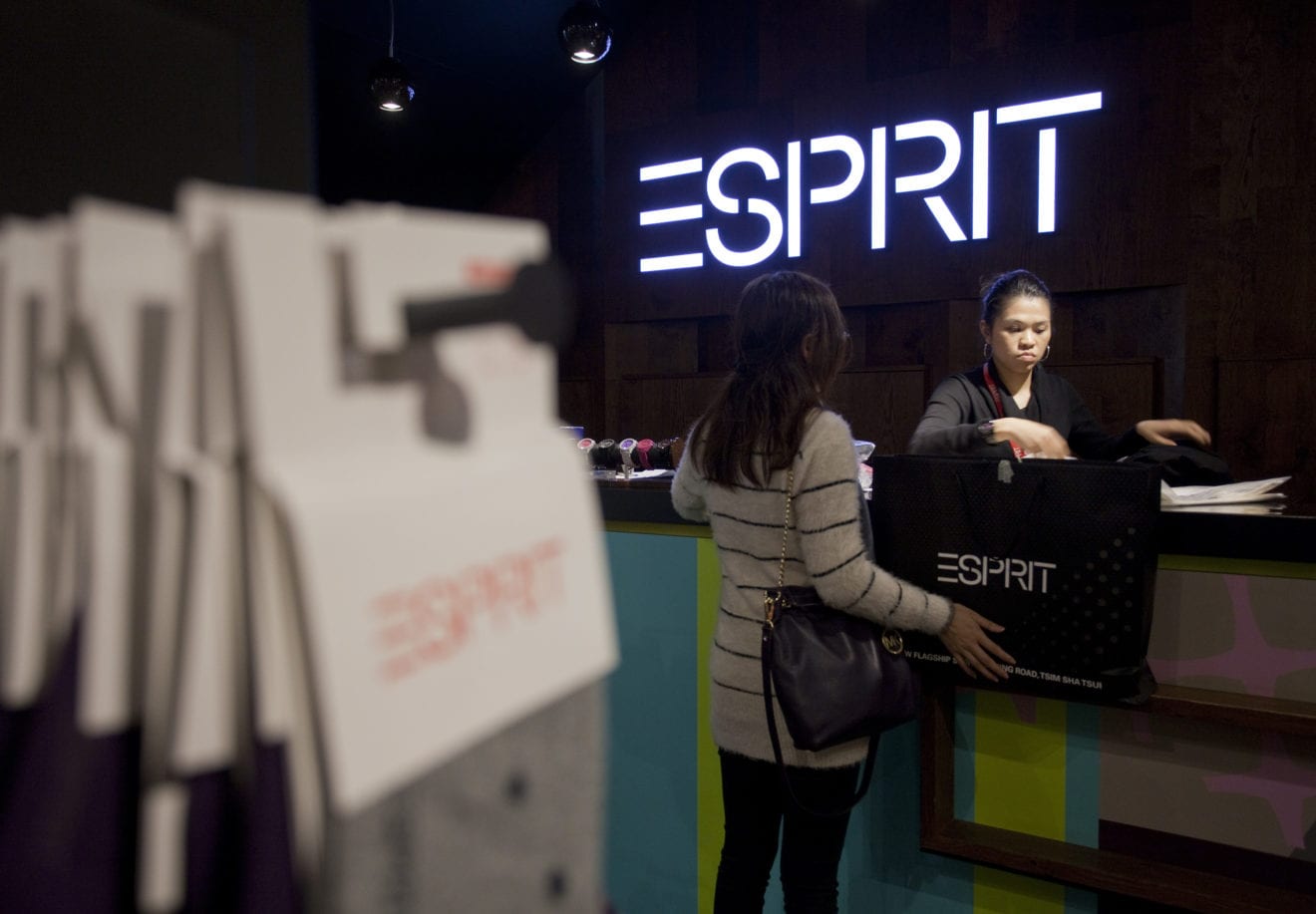
  • Esprit just made a lot of money? Look again

    Esprit just made a lot of money? Look again

    Fashion icon Esprit is making headlines again, this time for the profitable sale of its Hong Kong headquarters.

    The struggling retailer said it made a profit of HK$725 million (US$93.53 million) from the sale of the premises — five floors in Enterprise Square in Kowloon Bay — to Phoenix Property Investors for HK$918 million.

    The buyer plans to lease the space back to Esprit for HK$2.43 million a month. That’s equivalent to a gross yield of about 3 percent on the deal, or 4 percent, assuming the additional one floor will be leased to Esprit at the same rate.

    The lease, which starts after the deal closes in March, will be for three years, renewable at a 20 per cent premium after the third year.

    The money would have been nothing to Esprit, once owned by Michael Ying, in its heyday when it churned out HK$5 billion in profits. In the financial year to June 30, 2015, Esprit made a net loss of HK$3.7 billion, or HK$1.90 per share.

    Esprit bought the property in 2004 for HK$200 million during the so-called “golden decade of retail” as mainland tourists began arriving in Hong Kong in great numbers.

    At the end of the heady run, apparel retail sales were up 126 per cent, with the biggest chunk going to three global fast fashion retailers — Japan’s Uniqlo, Sweden’s H&M and the Spanish giant Zara.

    Apple Daily reports that the three retailers have more than 80 outlets in Hong Kong combined.

    Most of its rivals did not disclose their sales figures but H&M said it recorded HK$1.29 billion in the first three quarters ended August.

    Where was Esprit in all of this?

    The Hong Kong flagship was embroiled in one of the greatest collapses in the competitive fashion industry.

    Sales from Hong Kong were down 8.4 per cent to HK$386 million, with its store network shrinking to 15 shops from 46 in 2006.

    Among the big winners were small designers such as Bauhaus, I.T. and low-end retailers such as Bossini, although Giordano lost market share.

    Altogether, local brands had 460 shops last year, according to Apple Daily, but their market share fell to 14.5 per cent from 18 per cent in 2006. Now we know why Esprit had to sell its headquarters.

    Yet, this is only one chapter in a painful restructuring that has already lasted more than five years.


  • Thai CP Group unit True Money Myanmar to test money transfer service soon

    Thai CP Group unit True Money Myanmar to test money transfer service soon

    The firm is currently working in Myanmar as a mobile top-up service provider for Myanmar Post and Telecommunications (MPT) and MEC since September 2015.

    In Myanmar, the money transfer service will be through True Corporation Plc, a subsidiary of the CP Group.

    True Money Myanmar Company Limited has already recruited agents around the country to enable easy access to banks.

    “We want to help people who are not able to reach banks easily. For people who have to go to another township to use the bank,” said Amara, assistant marketing manager of True Money Myanmar Company Limited.

    The firm is also aiming to expand to other payment services like bill payments and international remittance.

    The money transfer service is looking at the possibility of offering safe and easy remittance facility for the Myanmar population working in south east Asian countries.

    True Money Myanmar is targeting the retail customers for the money transfer business. It is also in talks with Aeon credit service and Gold Bus online booking company for future partnerships.

    True Corporation Plc also operates internet services operator, data centres and pay TV business.

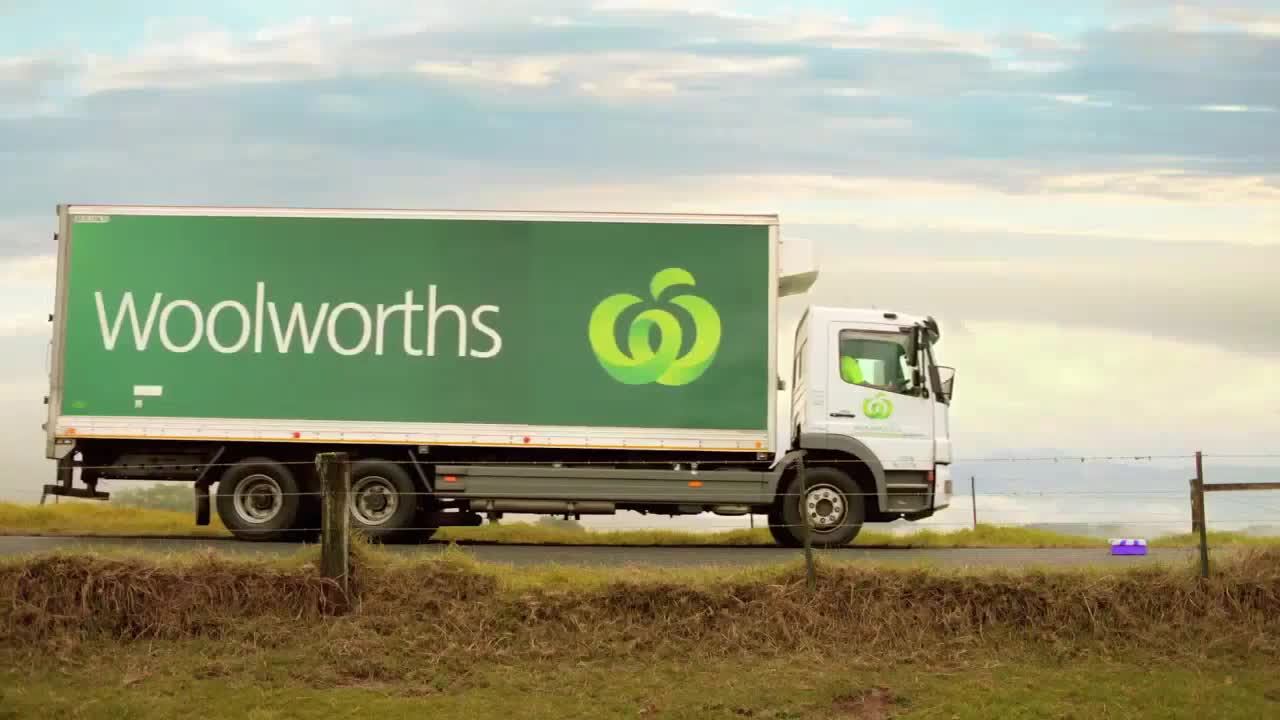
  • Woolworths plans to sell online in China

    Woolworths plans to sell online in China

    Supermarket titan Woolworths considers taking advantage of China’s voracious interest for Australian food and grocery items.  Australia’s biggest general store chain has connected with China-based eCargo Holdings to construct and operate a Woolworths storefront on Alibaba’s Tmall business-to-customer online marketplace.

    eCargo will likewise facilitate Woolworths’ stock, packing and dissemination requirements, counsel on brand strategy and embrace an extensive variety of online and social advertising exercises for the retailer. Woolworths has a vicinity in the Chinese market after obtaining alcoholic beverages merchant Summergate a year ago for $US25 million. Rising interest among China’s well-to-do white collar class in food and dairy items delivered from abroad has opened up a substantial business sector for Australian food and dairy items.

    eCargo Chairman John Lau said in an announcement that they trust the food and grocery market will encounter enormous development in the coming years in between Australia and China, as cross-outskirt exchange limitations ease and the China Australia FTA produces results.

    Woolworths online invasion into China takes after a comparative move by smaller local opponent Metcash, which set up shop on Tmall not long ago to sell items like Weet-Bix, Tim Tams, long-life milk and newborn child formula.

    As of late, a few well known worldwide brands including Amazon, Macy’s and Germany’s Metro have set up shop in the online market place operated by Alibaba and rival JD.com, with an end goal to take into account China’s growing interest for imported customer items. The Chinese e business sector is conjecture to more than twofold throughout the following three years to $US1.5 trillion, as indicated by New York based research firm eMarketer.

    Woolworths has struggled in the domestic market over the previous year in the wake of taking a profit hit from its price war with adversary grocery store titan Coles and German discounter Aldi.