Author: Mei Ling Tan

  • February launch for Samsung Galaxy S7

    February launch for Samsung Galaxy S7

    Samsung Electronics’ new flagship smartphone, presumably to be called the Samsung Galaxy S7, is set to be revealed at a tech exhibition in February, an industry source said Friday.

    And the new generation of the world’s second most famous smartphone is expected to put more emphasis on performance over design.

    The South Korean tech giant will reveal the new Galaxy at the Mobile World Congress 2016 in Barcelona, the source said, with the official release on sale slated for March.

    Industry watchers said the Galaxy S7 will look similar to its predecessor, the Galaxy S6, which went on sale in April, as the market cheered the design of the Galaxy S6 and its sister Galaxy S6 Edge. Thus, Samsung may utilise the design once again and instead focus its efforts on performance, they added.’

    The Galaxy S7 is expected to maintain the built-in battery adopted by the predecessor, which was considered as a deal breaker for some Samsung fans who opted for Galaxies over iPhones for detachable batteries.

    Users, however, may be allowed to insert memory cards to expend data capacity for the new Galaxy, a feature that also disappeared with the Galaxy S6.

    The Galaxy S7 is also forecast to come with new features, such as a new touch system that delivers different commands depending on how strong a user presses the screen, similar to that adopted by the iPhone 6S.

    The new Galaxy will also have a slightly larger screen at 5.2 inches, compared with its predecessor’s 5.1-inch display.

    As the Galaxy S6 Edge and the Galaxy S6 Edge+, which sparked an unexpected sensation in the market with their displays that bend at both ends, Samsung may also add another Edge model for the Galaxy S7.

    While no price details have been provided so far, industry watchers expect Samsung will have no choice but to cut costs amid the booming popularity of budget handsets in the market.

    During the initial release, the price tag on the 32GB Galaxy S6 was 858,000 won (US$726.81), while that of the 64GB edition stood at 924,000 won.

    Samsung said its handset shipments climbed 18 per cent on-quarter to 105 million units in the third quarter, with smartphones accounting for around 80 per cent, or 84 million units.

    Despite increased shipments, its IT and mobile business saw operating profits slip to 2.4 trillion won, from the previous quarter’s 2.7 trillion won, due mainly to the increased shipment of budget models that lacked profitability.

  • Mr Churro Singapore opens at Ion Orchard

    Mr Churro Singapore opens at Ion Orchard

    Mr Churro Singapore opens officially at Ion Orchard shopping mall today, (December 18).

    Churros are a fried-dough pastry based snack, usually sweet, popular in Spain, France, the Philippines, Portugal and the Southwestern US. In Spain, churros can either be thin (and sometimes knotted) or long and thick. They are normally eaten for breakfast dipped in champurrado, hot chocolate or cafe con leche.

    Mr Churro is a Korean-founded chain which describes itself as “an artisanal churros kiosk”. It describes the new Ion Orchard store as a “flagship outlet”.

    Mr Churro Singapore

    The kiosk has been trading for several weeks in preparation for its formal opening.

    Mr Churro is a franchised business and Singapore is believed to be one of its first markets outside Korea.

    Mr Churro

  • Dusit International Venerable Thai hotel chain expanding overseas operations

    Dusit International Venerable Thai hotel chain expanding overseas operations

    Dusit International, the venerable Thai hotel chain, is expanding its overseas operations in regions such as Africa and the Middle East, offering Asian tastes to compete with major American and European chains. While Dusit began to go abroad due to the instability of a domestic tourism industry shaken by frequent political upheavals, it now seeks to open up to 20 new hotels a year on the back of a strategy promoting the nurturing of local human resources. Dusit targets an overseas revenue ratio of 80%.

    A high-rise building in the heart of the business district in Dubai, a city in the United Arab Emirates and one of the Middle East’s main commercial hubs, is a prominent landmark because of its striking inverted Y-shaped design. It is the Dusit Thani Dubai hotel, opened by Dusit in 2001.

    The unique design represents the Thai greeting “wai,” in which the palms are pressed together in a prayer-like fashion.

    In the lobby of the hotel, staff members in Thai ethnic costumes play traditional Thai musical instruments. “I feel as if I were in Asia and relaxed,” said a businessman, 39, from Kuwait.

    Benjarong, a Thai restaurant in the hotel, is popular with local gourmets. Few hotels offer an Asian sensibility in the international market, said Chanin Donavanik, CEO of the hotel chain, also known as the Dusit Thani group.

    In Oman, which neighbors the state of Dubai, Dusit signed a deal in September to become a tenant in what is to be the country’s biggest commercial complex and has since been promoting a project to open a hotel in 2017. The complex is slated to have an aquarium and a snow park on its property. Dusit puts weight on the nurturing of human resources. In Thailand, it operates a cooking school in collaboration with a university, a vocational school and an outlet of Le Cordon Bleu, France’s cooking and hospitality education institute.

    In the Philippines, Dusit opened a class for future hotel workers at the Lyceum of the Philippines University in 2009. It has also announced a deal to open a school in Indonesia next year in a tie-up with a hospitality management school in Bali.

    Chanin is promoting plans to open universities and vocational schools in countries where Dusit operates. Dusit has agreed with Oman’s Al Jarwani Group to open a school after 2017. While the hotel industry is large, education tends to be downplayed, Chanin said in reference to his project of building schools where students can learn not only the ABCs of hotel management but also hospitality befitting Asian hotels, including manners, greetings and cooking.

    Dusit currently operates a total of 26 hotels in nine countries and half of them are outside Thailand. Principal targets for its overseas expansion are emerging markets such as the Middle East, Africa and China. It plans to open 15-20 hotels per year, mostly overseas, and raise the ratio of revenues abroad from the current 20% to 80% in 10 years’ time.

    In the business year ended in December 2014, Dusit logged 4.78 billion baht ($134 million) in revenue, down 4% from the previous year, and a net loss of 20 million baht, as it was hammered by the adverse effects of a military coup and the imposition of martial law. It is imperative for the group to expand overseas operations for the sake of risk dispersion.

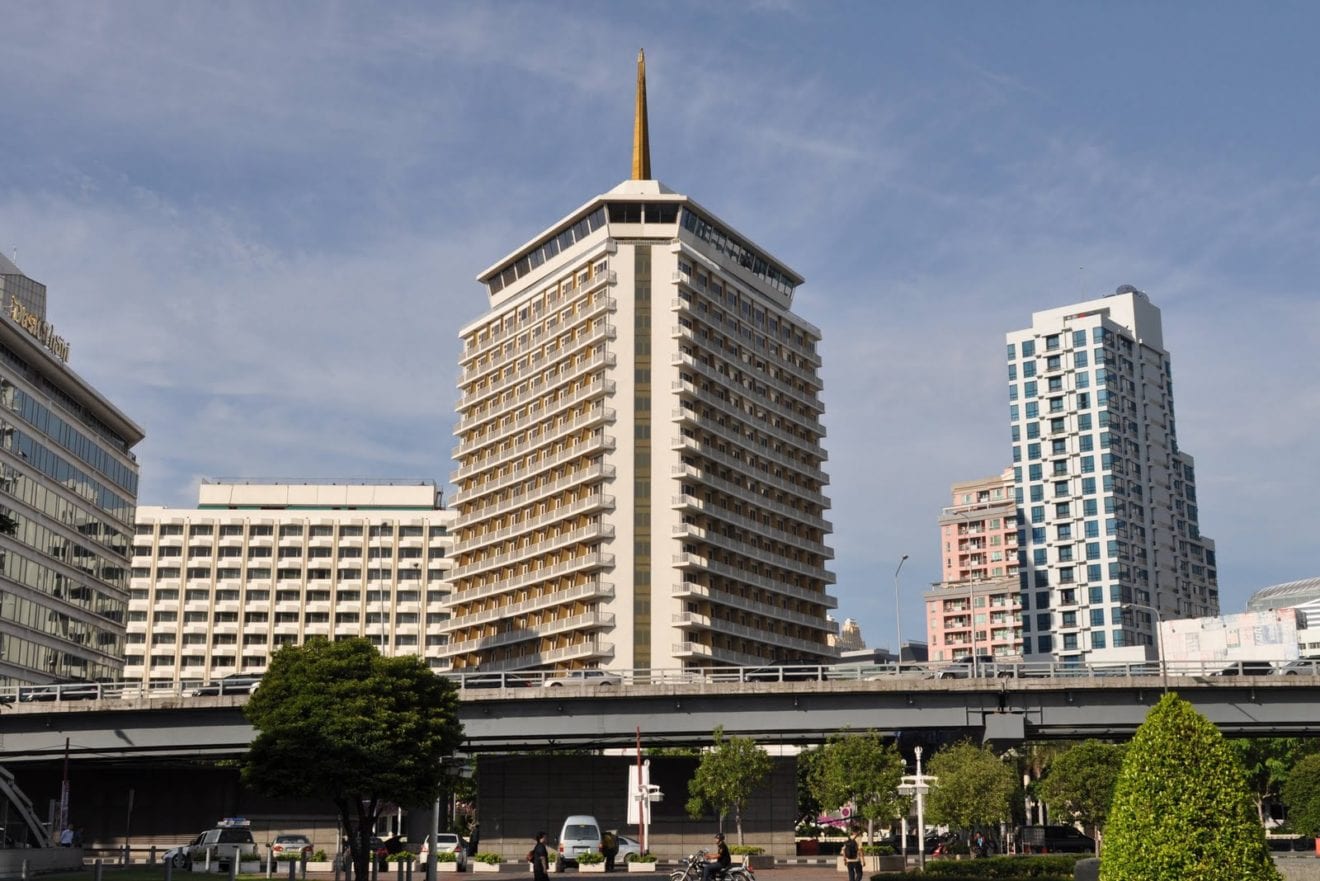
    Dusit was founded by Chanin’s mother, and its flagship hotel, Dusit Thani Bangkok, is known as a venerable hotel. Early next year, Dusit will install as its new group CEO Suphajee Suthumpun, who has held executive posts at such companies as IBM of the U.S. Suphajee will be the first top executive in the group from outside the founding family.

    To further expand its operation, Dusit should leave its helm to a professional manager who has been active in the global business arena, Chanin said.

    Dusit went abroad for the first time through a joint investment in Kempinksi Hotels of Germany in 1994 but relinquished its stake only five years later, partly because of the Asian currency crisis, which struck Thailand in 1997.

    The investment was unsuccessful because Dusit failed to communicate well with its European partners, who were located far away from Thailand, Chanin said.

    Dusit thus decided to go overseas under its own brand and promote locally oriented operations through the establishment of subsidiaries and tie-ups with major local businesses.

    The strategy combining Asian hospitality and local businesses has enabled Dusit to steadily expand its business overseas.

    Venturing abroad

    Major companies in Southeast Asia are increasingly venturing abroad ahead of the establishment of an economic community by the Association of Southeast Asian Nations at the end of 2015. While capturing markets in the U.S. and Europe, they need to make investments outside the region for the sake of acquiring know-how and brand power to compete with multinational companies in their own region.

    Thai retail giant Central Group placed three German department stores, including Kaufhaus des Westens, commonly known as KaDeWe, in Berlin under its wing earlier this year. The move followed the successive acquisitions of well-established European department stores such as the 2011 purchase of Italy’s La Rinascente.

    The acquisitions of upscale European retailers are highly valuable as historic deals and landmarks, said Vittorio Radice, who oversees Central’s European operations. The deals will help the Thai group improve its business and attract tourists, he said.

    According to the United Nations Conference on Trade and Development, Southeast Asian companies’ investments outside the region totaled $80 billion in 2014, a 20-fold increase from 1998, the year after the Asian currency crisis struck.

    As the economic slump in Europe has made European companies easier takeover targets, Southeast Asian companies’ mergers and acquisitions outside the region are increasing.

  • Is Orchard Road the Champs-Élysées of Asia?

    Is Orchard Road the Champs-Élysées of Asia?

    An aunt from my husband’s side, he’s not Singaporean, came to visit Singapore recently. She took her cohort of grandchildren to Universal Studios last week.

    They spent a weekend sightseeing, eating and — of course — shopping which included a stroll down Orchard Road.

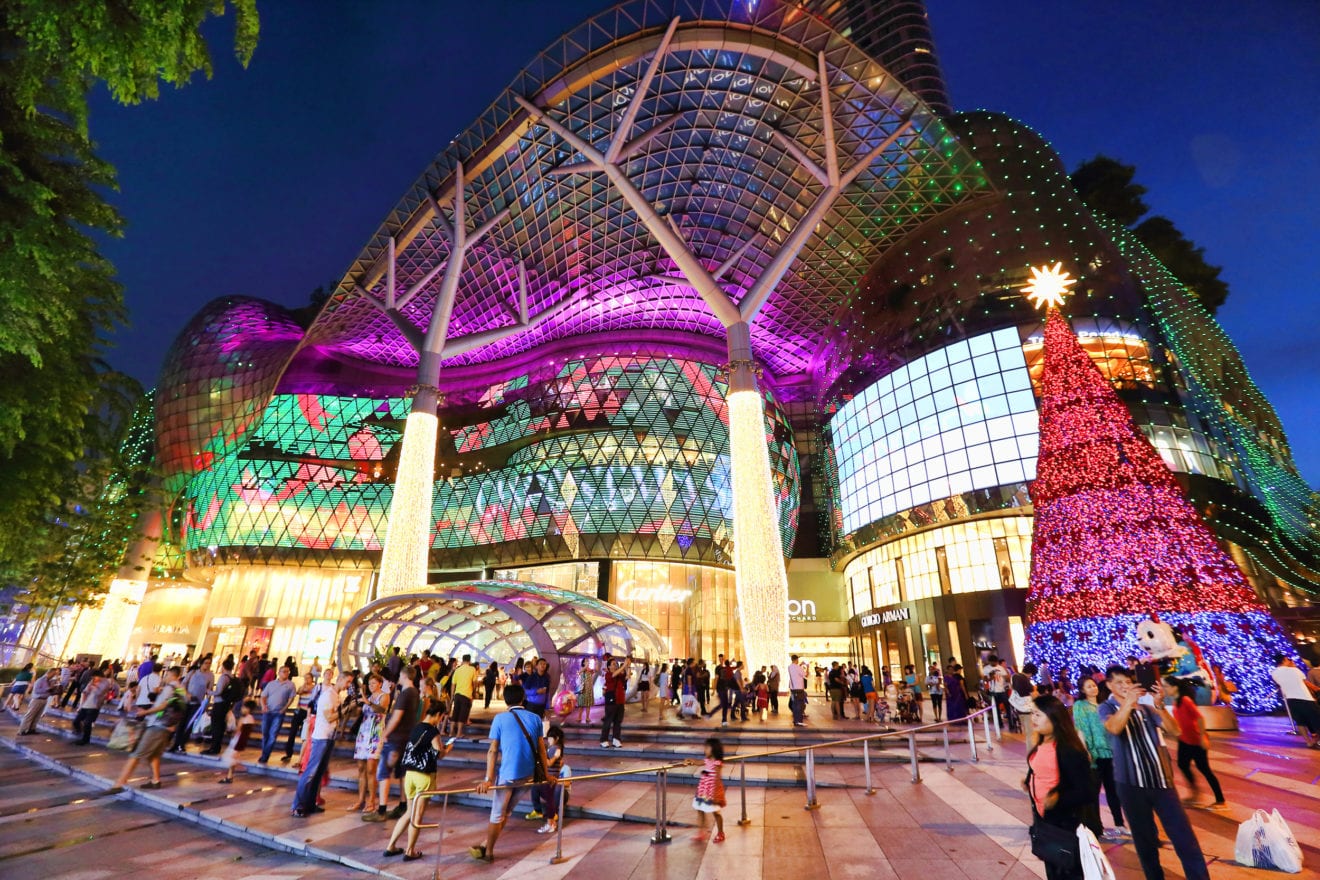
    Unfortunately her takeaway was less than favourable; all the Christmas lights gave her a headache and it was all just too much.

    Crowded, she said and tacky, she added… and ostentatious for good measure.

    Maybe I’m revealing myself to be tasteless but I have to say, I disagree with her humble assessment.

    I like it! I have always loved Orchard Road. When I was much younger — wandering to the concourse of Far East Plaza was a source of endless excitement.

    Perhaps youngsters these days will scoff at my naiveté but at 14 venturing beyond my housing estate mall to catch a movie at Lido or browse the stores at The Heeren were exceptionally exciting.

    Dozens of new malls, the addition of connectors in almost every direction makes the stroll seem that much more endless — shops in every direction bursting with people shopping, eating, laughing — living the big crowded city life.

    These days, our modest shopping street has grown up and is ready to rival any other contender on a global stage.

    I spent a few months in Paris — on exchange during university — some years ago and like a good starry-eyed South-east Asian I made frequent pilgrimages to the Champs Elyses for my dose of window shopping and it was always beautiful.

    But I yearned for the hustle and bustle of food-courts and fruit stalls in basement malls. Fifth Avenue at Christmas is magical but otherwise a little staid and Tokyo’s Chuo street is very elegant but I never saw anyone there selling potong ice cream and it doesn’t seem to house anything as frayed as my favourite Far East Shopping centre or the infamous Orchard Towers.

    And that’s the point: Orchard Road is actually rather diverse, from swanky Paragon and the Grand Hyatt down to Lucky Plaza and everything in between. It’s a living museum of Singapore’s retail history, which for a trading post is analogous with the nation’s history.

    Far Eat Plaza is the 80s, Ngee Ann City the 90s, ION the decade after and Orchard Gateway — the present.

    Despite refurbishment efforts, these retail meccas still carry the stamp of the era in which they were constructed.  Of course Orchard’s history stretches back beyond that – named for the plantations that lined it in 1800s and hosting a series of graveyards during the early 20th century, the road has been part of life (and death) on this island for over a century.

    Whether it’s the presence of the Istana on one end or the Botanic Gardens on the other, the fact that the very first hawker centre opened here, or maybe just the fact that this is where generations of Singaporeans have come to celebrate and shop, this is a place of national significance.

    It’s a strip of living history and personally I think that the road itself is more deserving of world heritage status than the now UNESCO listed Botanic Gardens.

    The Singapore Tourism Board seems to completely understand this. They’ve been busily branding and marketing the 2.2 kilometre strip for decades making it clear this is one of the nation’s principle attractions.

    Their efforts at marketing what, just a century ago was a stretch of canal and making it a draw for travellers from around the region and even the world have been relentless and successful.

    Tacky?  I wouldn’t say so – that’s just Singapore. Crowded, colourful, a little brash and full of business.

  • China to add 200 new international routes in 2016

    China to add 200 new international routes in 2016

    The Chinese Government has delivered an unexpected Christmas present by agreeing to add another 200 international air routes in 2016. Xinuanet, the Civil Administration of China is committed to the new programme, with China’s official news agency referring directly to The China Daily newspaper’s coverage of remarks made by Li Jiaxiang, head of the Civil Aviation Administration of China.

    Xinuanet reports that Jiaxiang told this month’s Beijing civil aviation industry conference that these new routes will be in addition to the existing 660-plus approved international bi-lateral agreements between China and its foreign partners.

    He said these new initiatives will be based around the highly strategic ‘One Belt, One Road’ (OBOR) initiative announced by Chinese President Xi Jinping in 2013.

    This consists of new preferred-status free-trade agreements with 65 countries (as opposed to the previous 12) on a line from China to Europe, linking multiple points in Asia and Africa.

    He also predicted that this new initiative should provide yet another strong stimulus to China’s civil aviation sector, although he also apparently warned that pressures on existing infrastructure and air traffic control congestion need to be addressed.

    It is hardly any secret that Chinese air space is already highly congested, with the Civil Administration of China routinely juggling its ability to expand new air corridors without encroaching on the automatic priority given to military-controlled air space corridors.

    As a result, delays at the country’s airports are now the norm rather the exception.

  • Latest products from China are better than ever

    Latest products from China are better than ever

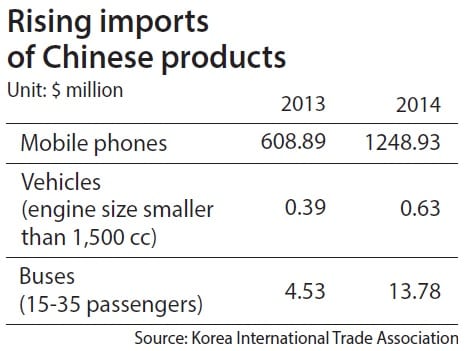
    Chung Chang-mook recently bought a Tunland pickup truck, made by Chinese automaker Foton. At 33 million won ($27,951), the Tunland is more expensive than local competitor Ssangyong’s Korando, which runs between 21 million won and 28 million won. But Chung liked the fact that Tunland can hold up to 9,000 kilograms (19,841 pounds), which is more than double the capacity of the Korando.

    Tunland entered the local market in October and has already received over 200 preorders, according to an auto industry insider. “We set the sales target at 3,000 in 2016,” said a spokesman for Daewoong Auto, which manages Tunland’s sales in Korea.

    The pickup is just one example of the way in which companies from China, which are making higher-quality consumer goods than ever before, are poised to succeed in Korea.

    Perhaps the most widely recognized case is electronics maker Xiaomi. Once dubbed the “mistake of China” for its ambition to change the negative perception of Chinese goods by offering top-tier products at rock-bottom prices, Xiaomi now has Korean retailers clambering to become official distributors of its popular smartphones when it sends representatives to Seoul next month. Currently, Xiaomi products are imported to Korea independently by small and medium-sized trading companies.

    “Whoever wins an official deal with Xiaomi will be able to make a huge profit,” a retail industry insider said. “We are just waiting for them to contact and choose us.”

    “Chinese manufacturers are spending more money on research and development and getting rid of pre-existing notions about the low quality of goods from the mainland,” said Cho Cheol, a director at the Korea Institute for Industrial Economics and Trade’s auto department. “A growing number of local consumers now thinks Chinese products are worth what they have paid for them.”

    Xiaomi is adding TVs to that list, with a local importing company recently receiving certification from the National Radio Research Agency to sell Xiaomi’s 40-inch model.

    Xiaomi’s TV is currently 50 percent cheaper than similar models by local manufacturers including Samsung and LG – and that’s worrying to some.

    “It’s significant because Xiaomi has expanded its market from accessory items to actual home appliances,” an employee of a local TV manufacturing company said. “We are discussing how to compete with its mid to low-priced products.”

    Other Chinese companies are making similarly expansionary moves. Most recently, Huawei began distributing its Y6 smartphone on the local market through LG U+ on Tuesday. The Y6 allows its customers to make free phone calls when connected to Wi-Fi, boasts a 360-degree panorama camera and includes face-recognition technology – all for 154,000 won, making it the cheapest smartphone in the local market.

    “More and more consumers are appreciating Huawei products’ low prices, and that’s why we’re doing business with the company,” a spokesman for LG U+ said. “This smartphone is actually free of charge when you take into account government subsidies.”

    Syma’s drones, Novelview’s Bluetooth speakers and UNIC’s micro-projectors are also very popular in Korea, and many Koreans have dubbed them “mistakes of China” as well.

    Chinese auto brands are growing in popularity, too. China’s Sunlong Bus entered the market in 2013 and sold 100 buses that year. Since then, it has sold about 550 in Korea. Other automakers are preparing to enter the Korean market as well.

    But this is just the beginning. The Chinese government have announced new initiatives to boost the economy, such as “China Manufacturing 2025” in May. The plans lay the groundwork for the nation to further develop as a global manufacturing superpower.

    But it’s not just advances in production that are worrying Korean companies – it’s also the narrowing of the technological gap in the IT industries of the two countries. Korean manufacturers had a 2.4-year lead over Chinese companies in 2012, but that has been narrowed to 1.8 years as of last year, according to the Korea Institute of S&T Evaluation and Planning. In the energy industry, the gap is only a year, and China now leads in the aerospace industry.

    “The government needs to ease regulations in order for industries to increase the amount they spend on R&D,” said Han Jae-jin, a researcher at Hyundai Research Institute. “Manufacturing companies also have to reform themselves [to compete].”


  • Chinese imports of UHT milk continue to grow

    Chinese imports of UHT milk continue to grow

    Imports of liquid milk into China are growing with European countries successfully tapping into the market, according to AHDB dairy.

    China is expected to import 350,000T of liquid milk in 2015, up nearly a tenth from last year and equalling its Whole Milk Powder imports, according to the USDA.

    The AHDB says two-thirds of China’s liquid imports came from the EU in January-September.

    “Prices appear to be supported by strong demand for imported liquid milk in China. Chinese retail prices for imported brands of ultra-heat treated milk (UHT) are nearly 50% higher than the average UK UHT price.

    “Consumer confidence in the safety of imports is reportedly helping drive growing UHT sales, which demonstrates the value of using branding to target consumer needs within the right markets.

    “Chinese retail prices for imported brands of ultra-heat treated milk (UHT) are nearly 50% higher than the average EU UHT price, it says.

    According to the AHDB, consumer confidence in the safety of imports is reportedly helping drive growing UHT sales, which demonstrates the value of using branding to target consumer needs within the right markets.

    The number of potential consumers is also increasing as UHT is becoming more widely available in China’s smaller cities.

    “Online sales platforms are performing strongly, providing easy access and home delivery to more shoppers at prices that are competitive against powdered milk alternatives,” it says.

    The AHDB says China’s imported UHT consumption is expected to continue to grow off the back of these trends.

    “From here the challenge is to stay in favour with Chinese consumers, which means being price competitive and continuing to build a reputation for quality and safety,” it says.

    Both Glanbia and Lakeland Dairies have confirmed sustained growth in UHT milk sales to China and South East Asia as a whole.

    “There is a strong market for both plain and unflavoured milks in China,” said Lakeland CEO Michael Hanley.

    And this demand will continue to grow at a steady rate. Our products have a shelf life of between six and nine months. We export directly from Ireland to China.

    “Lakeland has a strong presence on the ground in that market. This has allowed us develop a good working relationship with distributors.”

    Glanbia launched its Avonmore UHT brand in China 12 months ago with 1L packs reported to be selling for the equivalent of €3.50 in retail outlets.

    “Sales have taken off at a steady rate,” a company spokesman said.

    “Our aim is to target UHT sales growth in both China and South East Asia as a whole. This will be done on the back of the Avonmore brand and own-label contract arrangements with distributors.”

  • Philippine associations honor key professionals

    Philippine associations honor key professionals

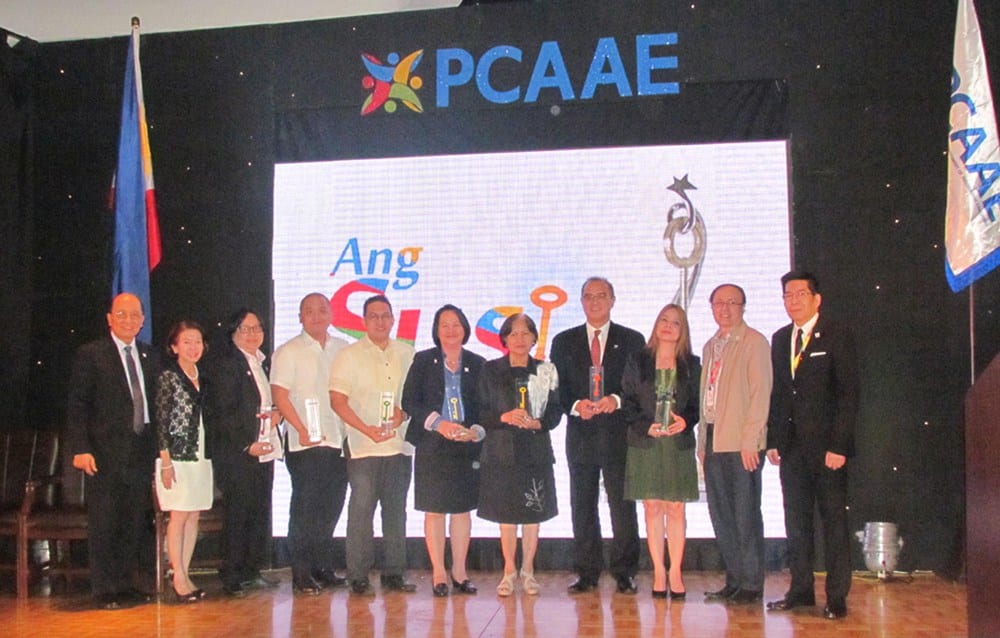
    The PCAAE’s inaugural Ang Susi awards open a new era for national organizations and the specialists who run them. PHILIPPINE association executives honored key members of their emerging profession at their inaugural Ang Susi Awards, this month. Organized by the 197-member Philippine Council for the Advancement of Association Executives (PCAAE), the awards recognized individials and institutions in seven categories at a beautifully catered gala at the Philippine International Convention Center.

    The highlight of the night was the warm applause for Evelyn Salire, when she was named Association Executive of the Year. She won the prize for her achievements as the Secretary-General of the Philippine Retailers Association. After decades of industry-building, behind-the-scenes event work, Salire is now a Philippine event industry role model.

    There were also six institutional categories, as follows;

    Environmental Impact Award Winner: Chamber of Furniture Industries of the Philippines (CFIP) Project entries: EU Due Diligence Guidebook and The Material Matters: A Sourcebook on Material Manipulation of the Homestyle Industry.

    The books show wood users are wood savers too, and provide the timber industry, (which supports one million households across the Philippines) with a concise and specific information on how to comply with the social, legal and environmental aspects for a sustainable timber industry. The EU Due Diligence Guidebook also came about in a time when international export markets demand, more than ever, verifiable standards of environmental compliance.

    In partnership with the Philippine Wood Producers’ Association, the Department of Environment and Natural Resources, the Department of Trade and Industry and the Global Forestry Services – and with funding from the EU and the UN’s Food and Agriculture Organization – the CFIP showed that it can make a difference in leading the timber industry and, in particular the furniture industry, in promoting good environmental governance and management practices.

    On the other hand, to repurpose and develop new applications of past raw materials used by the industry into new raw materials of mixed media, and to develop furniture products using innovations in the indigenous raw materials, CFIP has produced another publication entitled The Material Matters: A Sourcebook on Material Manipulation of the Homestyle Industry.

    The project brought about at least eight newly-manipulated raw materials undertaken by as many well-known designers in the country which were then used by small and medium enterprises to be applied in furniture design that consequently resulted in at least 16 furniture collections that are now being offered in the market.

    The project was conceptualized by CFIP and ably supported by the Design Center of the Philippines (DCP), a partnership that has led to fresh, durable and saleable designs and amplifies the world-renown talent and craftsmanship of the Filipinos.

    People Empowerment Award Winner: Girl Scouts of the Philippines (GSP) Project Entry: GSP Nationalization Scheme for Council Executives

    For 75 years, the Girl Scouts of the Philippines (GSP) continues to be the largest volunteer-led and girls-only movement in the country. With a complex governance structure, it has been a challenge for the GSP to promote and maintain responsible Council governance to ensure continuing relevance in achieving its organizational mission and vision.

    For instance, most Council Executives have been burdened with fund sourcing to pay for their own salaries, which distract their concentration in carrying out their functions. A further challenge is the need to further professionalize its CEs through capacity-building and granting of attractive remuneration. To meet these challenges, the GSP instituted the “Nationalization Scheme for Council Executives” with an aim to deliver both quality and quantity membership for the GSP. The scheme enables the Councils to focus more on effective program delivery by rationalizing the salaries of its CEs.

    Under the scheme, competent applicants and CEs are now starting to come in and join the GSP at the Council level as professional staff, due to the competitive salaries and better benefits being offered. As a result, GSP’s membership increased from 1.9 million to 2.5 million, a remarkable 24 per cent increase.

    Community Service Award Winner: National Federation of Women’s Clubs of the Philippines (NFWC) Project Entry: NFWC Learning Centers

    For the past 94 years, the National Federation of Women’s Clubs of the Philippines has believed that early childhood education is critical to people’s personal growth.

    From its beginning nursery classes initiative in a “learning while playing environment”, these educational support programs have expanded into full-blown learning centers in its own building and complemented by 91 other affiliated learning centers throughout the country, with teaching modules that are aligned with the K-to-12 program of the government.

    The NFWC Learning Centers nationwide were instrumental in the growth and development of pupils who were trained to become responsible citizens. The nursery classes in garages, living rooms and gardens of residences of NFWC leaders in 1935 are now housed in classroom-type pre-schools with complete teaching materials. At present, NFWC has continued to receive and assessing applications for accreditation of learning centers.

    Industry Development Award Winner: Philippine Retailers Association Project Entry: “Best Practices in Retailing Series”

    The Philippine Retailers Association (PRA) is the country’s recognized organization of retailers and suppliers to the retail industry.

    To assist and upgrade the capacities of its members and others in the industry, PRA embarked on a series of seminars that it provided to retailers outside Metro Manila, in the regions and provinces across the country, to level up their competitiveness and to update them with the latest trends and practices in the global retail system.

    PRA’s roadshow capacity-building project covered topics such as store operations, customer service, loss prevention and related subjects, and has helped more than 2,000 small and medium provincial retailers in Cebu, Pangasinan, Baguio, Cagayan de Oro and Davao.

    Technology Innovation Award Winner: Hewlett Packard Enterprise Project Entry: e-Health Center (Cloud-enabled Primary Healthcare Solutions)

    Hewlett Packard Enterprise (HP) leverages the power of the cloud to transform and transfer access to quality and affordable healthcare to the poor and underserved areas around the world.

    The fully functional mobile facility can be easily mounted and is quickly and cost-effectively customized with workstations equipped software networking capabilities, an open and accessible web-based electronic medical records system and an essential diagnostic equipment integrated into the cloud. These cloud-enabled technologies provide the tools for on-site staff to perform routine diagnostic tests and make results available online so physicians hundreds of miles away can provide a remote diagnosis, thus reducing the need fo highly-skilled medics onsite.

    The project serves communities that often lack doctors, functional clinics, internet access or even electricity. Deployed initially in 14 states in India, now in Bhutan and replicable in many countries, including the Philippines, the project is poised to have both local and global impact, especially now that it is being expanded in collaboration with the Manila-based Asian Development Bank (ADB).

    Change Catalyst Award Winner: Philippine Institute for Supply Management (PISM) Project Entry: “GAWAD SINOP”

    The Philippine Institute for Supply Management is a 300-membership national association of professionals in the purchasing and supply management field.

    The PISM has used an awards program as a change catalyst to impart to its members the value and importance of setting the standard to which outstanding achievements in supply management must adhere to. It also emphasizes the critical role that supply management plays in the success of an organization.

    The “Gawad Sinop” Awards delivers the message of the contribution of supply management and its four pillars, namely, purchasing, demand and replenishment, logistics and customer service, to organizational competitiveness.

    The PISM, through this awards programme, demonstrates the world-class nature of the supply management professionals in the Philippines and furthers the wealth of knowledge and best practices, not only of the award winners themselves but also other members and to the public-at-large.

    The “Gawad Sinop” award is considered the highest honor given to supply management professionals and organizations who have contributed to the upliftment of the sector.

  • KL office rental rates under pressure

    KL office rental rates under pressure

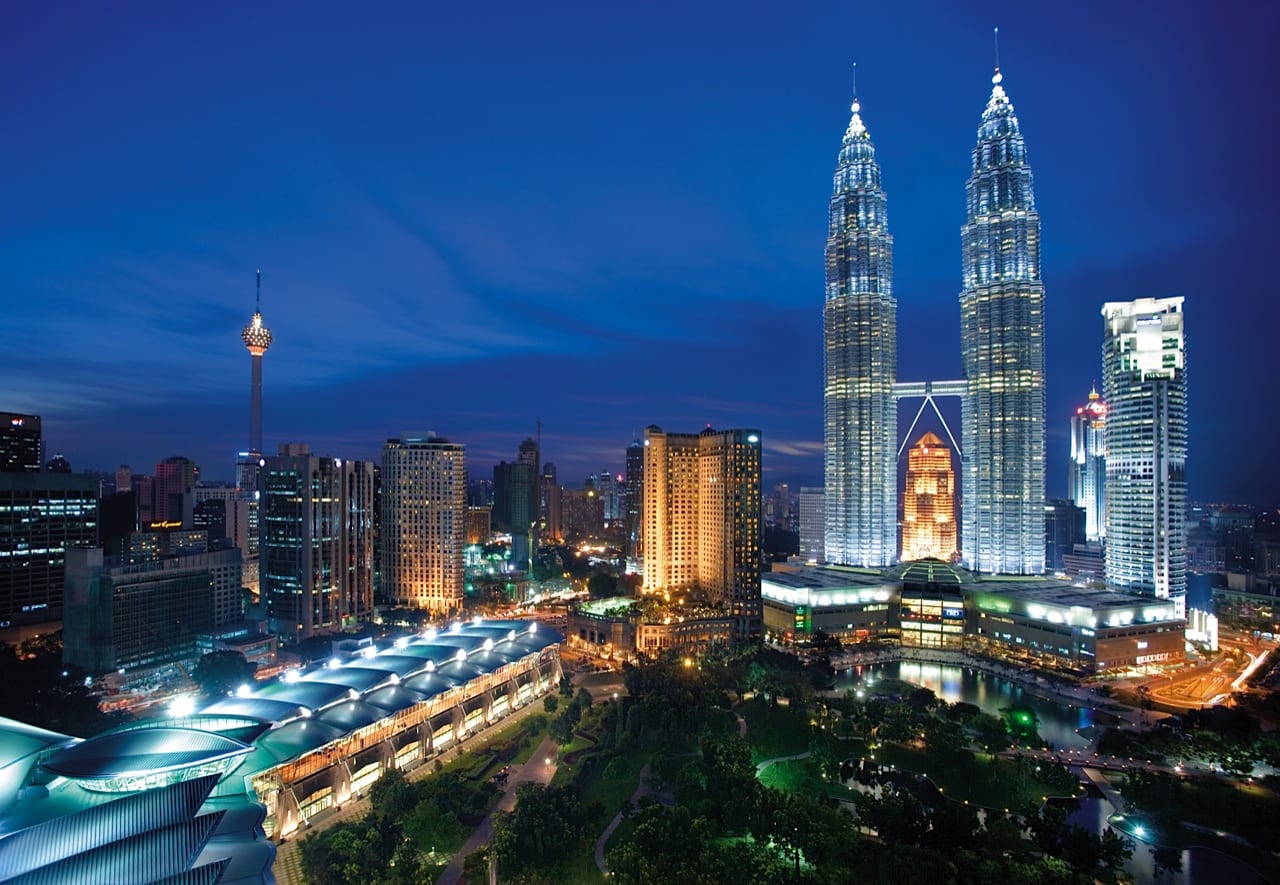
    A large supply of office space continued to weigh on rental rates in Kuala Lumpur, KL Fringe and Beyond KL (Selangor) in 3Q2015, while the overall market is expected to remain gloomy until year end.

    This quarter, the cumulative supply of office space for KL City and Beyond KL stood at 91.97 million sq ft, following the completion of Ilham Tower with 394,000 sq ft of net lettable area (NLA), Menara Bangkok Bank (475,000 sq ft NLA) in KL City and Q Sentral (one million sq ft NLA) and The Vertical 1 & 11 (830,000 sq ft NLA), based on The Edge/Knight Frank Klang Valley Office Monitor 3Q2015.

    The total cumulative office space under construction in KL City, KL Fringe and Beyond KL stood at 9.88 million sq ft. The supply of office space is expected to grow about 10.7% from 4Q2015 to 4Q2017.

    “Overall, rental rates may dip due to heightened competition in a tenant’s market. Coupled with a further slowdown in the country’s economy and low business confidence, many businesses are freezing recruitment, reducing investment in staff and consolidating their positions. This will inevitably impact take-up rates and overall occupancy levels,” says Knight Frank Malaysia managing director Sarkunan Subramaniam (pictured, right). “Nonetheless, rental rates of well-located, dual-compliant, good grade office space are expected to remain resilient.”

    In 3Q2015, demand for office space remained subdued, in line with a further slowdown in the country’s economic activities (lower gross domestic product growth of 4.7% in 3Q2015 versus 4.9% in 2Q).

    “The depreciation of the local currency and weaker commodity prices, coupled with domestic and external headwinds, do not bode well for the office market, which traditionally has been driven by the services and oil and gas (O&G) sectors. The contraction of the O&G sector is the significant trend from the fall of oil prices. The main lifeline of one of the leading sectors has dried up,” says Sarkunan.

    Overall, occupancy and rental rates are expected to decline in the coming quarter due to high levels of impending supply and competition among building owners.

    “The high level of existing and new supply, coupled with a weaker leasing market (fewer enquiries), which is seeing more consolidation/mergers and acquisitions amid an increasingly challenging business environment, will increase downward pressure on occupancy and rental rates moving forward,” he says.

    “It remains a tenant’s market with landlords embarking on aggressive marketing plans to achieve significant occupancy and to improve their occupancy levels. Tenants continue to be spoilt for choice, as there are many offering attractive rents, incentives and tenancy terms such as a longer free-rent period.

    “During construction, landlords and developers of office projects need to market their developments in newspapers, showcase their projects at property expositions, provide special incentives to agents to secure anchor or big tenants within the stipulated time period et cetera — these marketing plans and strategies will help to ensure that, upon completion, these office projects would have achieved significant occupancy levels.”

    Moreover, says Sarkunan, tenants will feel the pinch of the current economic situation. “It is best for landlords to embrace the situation by being flexible with tenants who need to contract, thereby retaining them and being the long-term space provider.”

    Sliding occupancy, stagnant rents

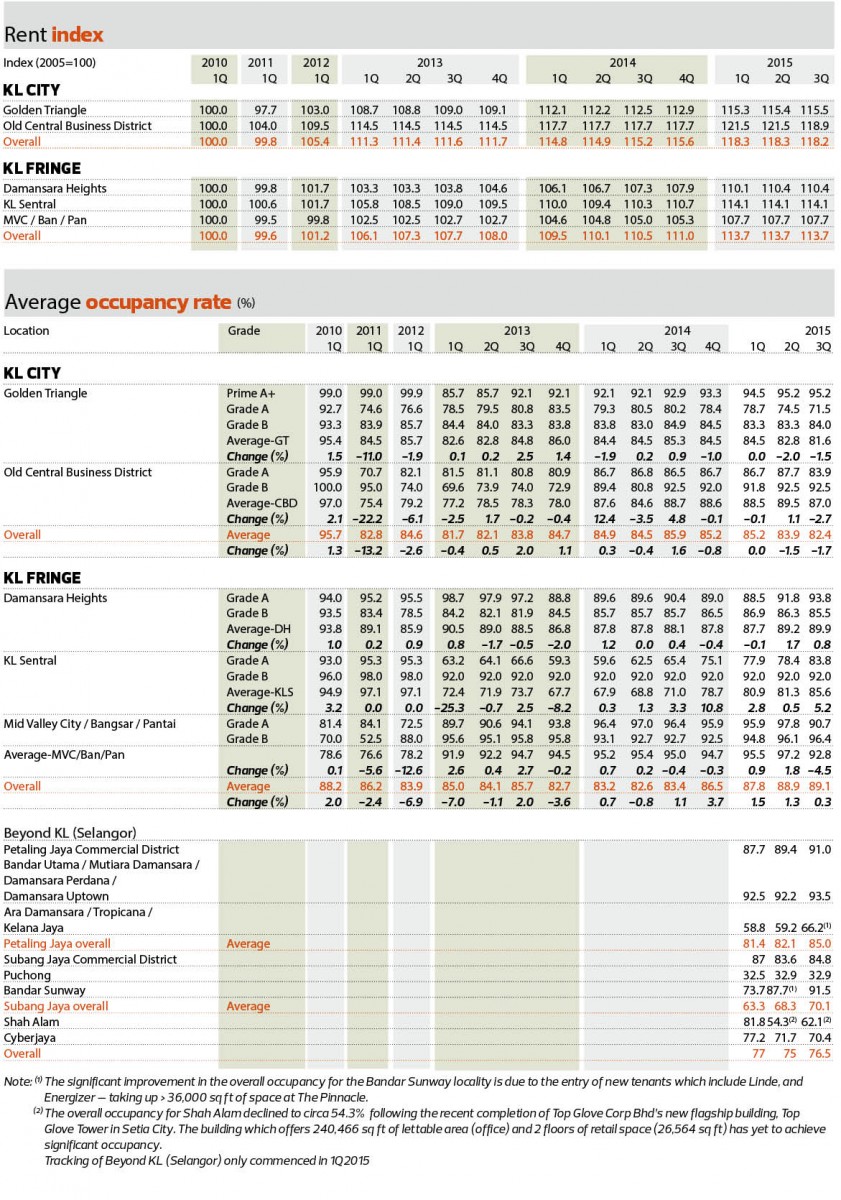
    The overall occupancy rate in KL City dipped 1.7% to 82.4% in the previous quarter. “[Since] the completion of Ilham Tower in 3Q2015, it has yet to achieve significant occupancy,” says Sarkunan.

    Occupancy in the central business district (CBD) has dropped 2.7% to 87%. The Golden Triangle also recorded a decline of 1.5% to 81.6%.

    On a more positive note, there has been an increase in almost all areas in the KL Fringe.

    Overall, KL Fringe occupancy rose 0.3% to 89.1%, propped up by higher occupancy in Damansara Heights (up 0.8%) and KL Sentral (up 5.2%).

    “In Damansara Heights, the ongoing rejuvenation of Damansara Heights with the mixed-use project Damansara City and the upcoming Pavilion Damansara Heights, is expected to revive demand for office space in the area. This will be supported by improved mobility via the MRT Line 1 with two stations nearby (Samantan and Pusat Bandar Damansara),” says Sarkunan.

    “Another reason for the rise of KL Fringe is KL Eco City. This ongoing integrated urban city development on about 25 acres in Bangsar may be seen as an extension to the established Mid Valley City (MVC) locality. Two office towers in Damansara City and several office components (strata office suites and The Pillars) in KL Eco City are expected to be completed next year.”

    Meanwhile, occupancy at MVC/Bangsar/Pantai dropped by 4.5% to 92.8%.

    The overall occupancy rate Beyond KL has increased to 76.5% from 75%. Petaling Jaya and Subang Jaya saw the rate rise to 66.2% and 91.5%, respectively, while Shah Alam has experienced a tremendous recovery to 62.1% from 54.3%. “The overall occupancy for Shah Alam has improved significantly, by 14.4%, following further take-ups at Top Glove Tower, which includes two floors by the landlord Top Glove Corp Bhd (34,800 sq ft) and Level 10 by Fitness Centre (17,400 sq ft),” says Sarkunan.

    Improved occupancy in several office buildings, which include The Ascent @ Paradigm, Oasis Square Block H and Wisma AmFirst in Damansara/Tropicana/Kelana Jaya, led to a 11.8% quarterly increase.

    Rental rates, meanwhile, remained steady in 3Q2015 despite downward pressure.

    Grade A rental rates in KL City — Golden Triangle Prime A+ (RM11.33 psf) — remained unchanged from the previous quarter. However, Golden Triangle Grade A and CBD Grade A experienced a decrease of 0.3%  (RM7.19 psf) and 3.6% (RM5.41 psf), respectively.

    Over at KL Fringe, overall rental rates remained unchanged from the previous quarter — Damansara Heights Grade A (RM5.43 psf), KL Sentral Grade A (RM6.78 psf) and MVC/Bangsar/Pantai Grade A (RM5.90 psf).

    Likewise for average rental rates for Beyond KL, with the overall rental rate at RM4.19 psf. Rental rates in Petaling Jaya (RM4.41 psf), Subang Jaya (RM3.91 psf), Shah Alam (RM3.50 psf) and Cyberjaya (RM4.17 psf) remained the same.
    Notable transactions and movements

    On Aug 10, Affin Bank Bhd announced that it will develop its own head office building on a 54,266 sq ft parcel at Tun Razak Exchange acquired for RM255 million, or about RM4,699 psf (plot ratio of 15.2 times).

    The proposed international class, Grade A, 35-storey office building development will have a gross floor area (GFA) of 823,439 sq ft and 830 parking bays.

    On July 3, Hong Leong Bank Bhd entered into a conditional share sale agreement with Hong Leong Real Estate Holdings Sdn Bhd (a unit of Guocoland [Malaysia] Bhd) to acquire the entire issued and paid-up share capital of DC Tower Sdn Bhd (DCT) for RM189.33 million cash.

    DCT is principally a property investment company, holding the development and ownership rights for a 33-storey purpose-built stratified office building (Office Tower A — 506,069 sq ft NLA) located within the ongoing integrated development project known as Damansara City Kuala Lumpur. The appraised value of Office Tower A is RM1,150 psf over its aggregate NLA.

    The review period also witnessed a few notable movements. In KL City, BAE Systems Detica (M) Sdn Bhd acquired a further 11,200 sq ft of Menara Binjai.

    Minat Megah Sdn Bhd moved into Etiqa Twins, taking up 14,400 sq ft. In KL Fringe, 1 Sentrum welcomed two new tenants (Novo Nordisk Pharma Malaysia Sdn Bhd and AmMetLife Insurance Bhd) while Google Malaysia expanded, taking up 103,000 sq ft and 51,000 sq ft, respectively.

    Meanwhile, Tricor Services Malaysia Sdn Bhd moved out of The Gardens North Tower, leaving 36,000 sq ft.

    PA Group, a US-based international insurance group, will establish its regional operations in Kuala Lumpur. Meanwhile, UK firm Needle Partners has opened a new marketing office in Kuala Lumpur that aims to promote its English law and white label service called Needle Network.

    CTBC Bank Co Ltd, the banking subsidiary of CTBC Financial Holding Co, has received permission from Malaysia’s financial supervisory institution to establish a representative office in Kuala Lumpur. CTBC Bank will be the first Taiwanese bank to set up an operational base in Malaysia in 17 years.

    Notable announcements

    KLCC Holdings Sdn Bhd and its partner Qatari Diar Real Estate Investment Co are understood to have invited interested parties for a pre-screening process for its RM5 billion project in the city centre called Cititower.

    Slated to come up in 1Q2016 on a 1.6ha plot between Suria KLCC and the Asy-Syakirin Mosque, Cititower’s proposed components are a 9-storey retail podium, a 59-storey hotel, an 80-storey office tower, a link way between Suria KLCC and the project, a ramp in Jalan Ampang and landscaping works.

    Pelaburan Hartanah Bhd is reportedly planning to develop a 6.8-acre site that used to house the office of the Kuala Lumpur Regional Centre for Arbitration in Jalan Conlay.

    Located directly opposite Kompleks Kraftangan, the proposed development will comprise a 50-storey serviced apartment building and two blocks of 37-storey office suites that will sit atop an 8-storey retail podium and a 3-storey basement car park.

    Meanwhile, IJM Corp Bhd’s unit IJM Construction Sdn Bhd has received a letter of award from GDP Architects Sdn Bhd on behalf of Hotel Equatorial (M) Sdn Bhd and Fenghuang Development Sdn Bhd to undertake stage two works for the redevelopment of the former Hotel Equatorial in Jalan Sultan Ismail into a 52-storey mixed-use development for RM455.5 million.

    At KL Fringe, Hong Leong Group will occupy Office Tower A (appraised based on RM1,150 per sq ft over its aggregate NLA) as its global headquarters.

    Concurrently, GuocoLand is finalising agreements with tenants for its Office Tower B — a 19-storey office tower with 240,000 sq ft NLA. It has reportedly secured 70% occupancy, with two global multinational corporations to date. The rental rate for Office Tower B is around RM7 psf. GuocoLand, which currently occupies three floors of Menara HP, will also move into this office block. Damansara City has a gross development value (GDV) of RM2.5 billion, and is expected to be fully operational by mid-2016.

    There were a few notable announcements for Beyond Kuala Lumpur. Mercu Mustapha Kamal at Damansara Perdana consists of a 27-storey Tower 1 and a 14-storey Tower 2 with net floor areas (NFA) of 285,091 sq ft and 213,719 sq ft, respectively.

    Tower 2 (183,000 sq ft NLA) is available for lease and en bloc sale and is scheduled to be completed by December. Tower 1 will be completed in October 2016 and will also be available for lease.

    Mercu Mustapha Kamal has a GDV of RM385 million. The MSC-status development is pre-certified Green Building Index (GBI) Gold with features such as automatic control of lighting and zoning, energy-efficient lights, waste management and sky gardens on multiple floors. Its developer, Emkay, has plans for three more office projects in Damansara Perdana, Cyberjaya and Kuala Lumpur city centre.

    In Kota Damansara, Menara Mitraland, the corporate tower that houses the headquarters of Mitraland Group, has officially opened. The 30-storey building — the tallest structure in the locality — is part of the new Cascades mixed-use development which includes residential, retail and office components. The retail and residential units have mostly been taken up while the office building is over 50% occupied.

    In Shah Alam, meanwhile, Naza TTDI Sdn Bhd recently opened its new head office, Menara Naza TTDI. Located in Section 13, the 20-storey office tower with 250 parking bays has a GFA of 306,000 sq ft and facilities such as a gymnasium, swimming pool and café.

    The Selangor State Development Corporation (PKNS) is spending about RM170 million on Laman PKNS, its new headquarters in Shah Alam. The building will sit on a 1.6ha plot in Section 14. Due to be completed by end-2015, the building is rated GBI Platinum.

    Electrical home appliance maker Khind Holdings Bhd is planning a mixed-use project on a 65,340 sq ft tract in Setia Alam, Shah Alam, as part of its diversification exercise.

    The RM150 million project will include an office building (to be partly occupied by Khind), a retail component and serviced apartments. Construction is targeted to start in 1Q2016 and is expected to be completed within 36 months.


  • Battle for young customers heats up in HSBC’s Asia stronghold

    Battle for young customers heats up in HSBC’s Asia stronghold

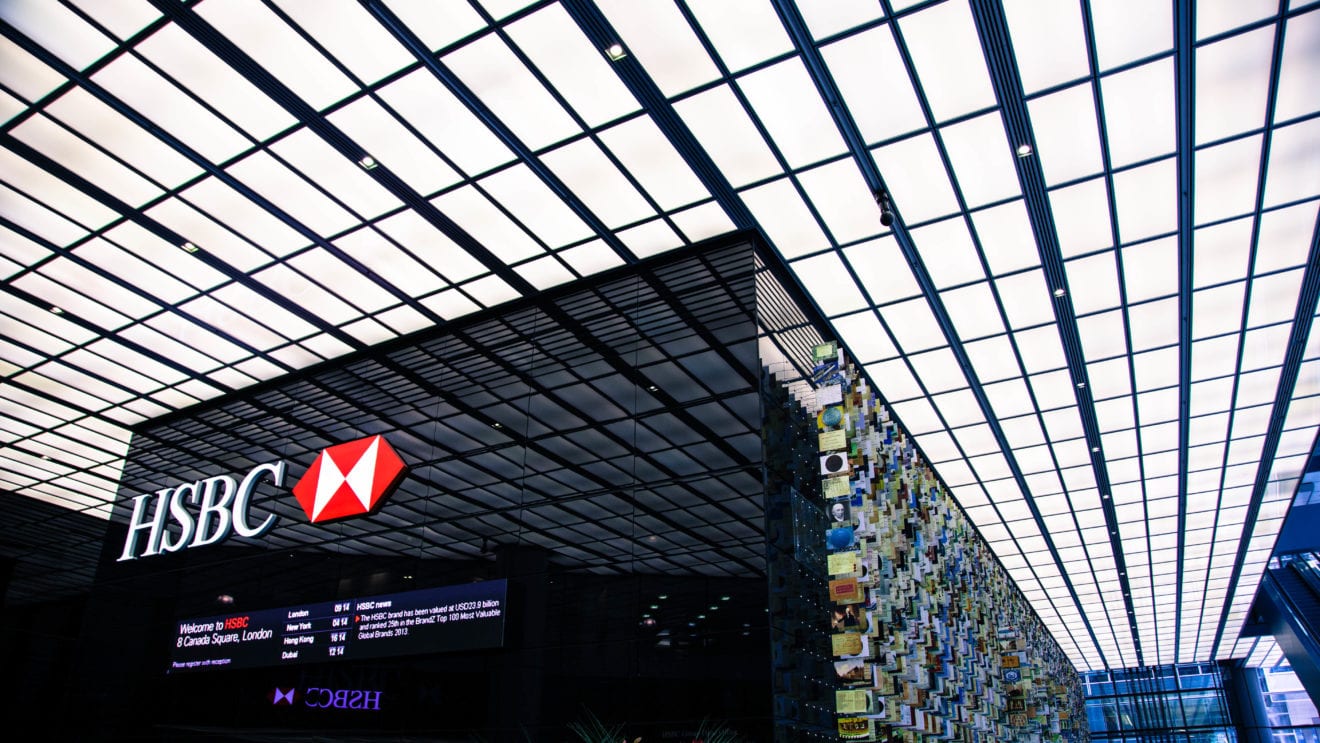
    HONG KONG Banks in Hong Kong are intensifying the battle for young customers key to their future retail profit, offering online perks and mobile banking products in a bid to erode the dominance of HSBC in its Asian stronghold.

    Like peers around the world, banks operating in Hong Kong including Bank of China Ltd (601988.SS) (3988.HK) and Citigroup Inc (C.N) are trying to improve their online banking products to lure tech-savvy students and young professionals as they are about to open their first bank account.

    For HSBC the battle to win the hearts of young Hong Kongers is particularly important as retail banking activity in the Asian financial centre helped drive its overall profit up 2 percent in the first half of this year.

    The London-based bank, which has put China at the centre of its global strategy, is also in the process of deciding whether to move its global headquarters to Hong Kong.

    A survey of 2,500 people conducted in November by specialised research firm RFI, gave Bank of China a bigger market share among bank customers aged 18-24 than HSBC, which dominates in all other categories.

    These customers loathe spending time at bank branches and seek a lender that can allow them to carry out multiple transactions from their smartphone. “I would rate both the online and mobile services offered by Bank of China as good as they allow me to pay my parking tickets instantly, and this is very important to me,” said Chun Hoi Lau, a 23-year-old student at the University of Hong Kong.

    Bank of China, which says the young generation is a key customer segment, allows clients to carry out cross-border payments through an app, uses the popular WeChat social media platform to handle customers’ queries and has introduced a popular virtual securities investment contest for students.

    “We have been developing a comprehensive strategy with a set of products and services delivered through their preferred channels to suit their life styles,” the bank told Reuters.

    BANK FOR LIFE

    The jury however is still out on which lender is making effective inroads among the young, a segment targeted because people often stick with a bank for life once they have made their choice, analysts said.

    In a detailed survey commissioned by HSBC, and conducted by Nielsen last year, the bank said its market share of 18-24 year olds was nearly double that of Bank of China. It said it was aware of the increasing need to offer more online services.

    “We are investing heavily in developing new capabilities to meet customers’ needs,” said Kevin Martin, HSBC’s head of retail banking and wealth management, Asia Pacific.

    HSBC will next year launch more products for smartphones and digital payments as well as new security features, Martin added.

    Citibank is also appealing to younger customers with 19 “smart” branches in Hong Kong that boast the sleek lines of Apple Inc’s retail stores, touch panels, video conferencing facilities and iPads to access a wide range of banking services. Hong Kong spokesman James Griffiths said Citibank was also offering customers discounted fees on stock and forex trading via digital platforms to encourage more transactions.

    The question now for HSBC’s challengers is whether they can convert young people lured by attractive rates or flashy online offerings into lifelong customers.

    “HSBC isn’t that popular among young people,” said John Pang, a 24-year-old civil servant who banks with the lender. “It hasn’t changed a lot in the past 5-10 years, the online interface still looks the same.”


  • China retail sales to increase 10.7 per cent

    China retail sales to increase 10.7 per cent

    China’s retail sales, a key gauge of domestic consumption, is likely to post slower growth this year compared with 2014, commerce ministry said.

    Retail sales may expand around 10.7 per cent in 2015, Shen Danyang, spokesman at the Ministry of Commerce, told a news conference in Beijing today, without giving a reason. Retail sales rose 12 per cent last year.

    In the first 11 months of 2015, retail sales grew 10.6 per cent from a year earlier. In November, retail sales increased by an annual 11.2 per cent — the strongest monthly expansion this year.

    China’s external outlook remains gloomy. Chinese firms said global demand this year was worse than that during 2008-09 financial crisis, as per a recent survey by commerce ministry of more than 6,000 firms in 70 key industries.

    Subdued external demand, rising costs, slowing investment growth and the yuan’s appreciation have all weighed on China’s trade performance this year, Shen said.

    “Feedback from firms showed foreign trade was extremely difficult this year.”

    China’s net exports are likely to contribute around 12.3 per cent to the increase in the country’s GDP this year, he said, citing data from a research unit under his ministry.

    China’s trade remained weak in November with exports falling a worse-than-expected 6.8 per cent from a year earlier and imports tumbling 8.7 per cent.

  • International passenger arrivals at Bali up 45 percent

    International passenger arrivals at Bali up 45 percent

    Balis Ngurah Rai Airport recorded a 45 percent increase in international passenger arrivals three days prior to the Christmas and New Years holidays.

    “The number of international passengers rose to 13,938, or 45 percent, compared to the same period last year,” Trikora Harjo, the general manager of PT Angkasa Pura I, the operator of the airport, stated here on Wednesday.

    The passengers from various countries arrived aboard 73 flights at the Goddess Island.

    Harjo has forecast that the number would continue to increase ahead of the New Years Eve celebrations.

    Domestic passenger arrivals also increased to 15,663, or almost two percent, compared to the same period last year and also in comparison to the 11,987 passengers who have departed from Bali.

    The number of both domestic and international passenger arrivals has already begun increasing two days ago.

    To anticipate the hike in passenger arrivals, the airport authorities have set up monitoring posts in cooperation with the police, the TNI (military), and other security agencies.

    In anticipation of the increase in arrivals, domestic airline companies Citilink and Lion Air have also applied to operate 180 additional flights to accommodate the departing passengers after the holidays.

  • Garuda Indonesia Wins Transportation Safety Award

    Garuda Indonesia Wins Transportation Safety Award

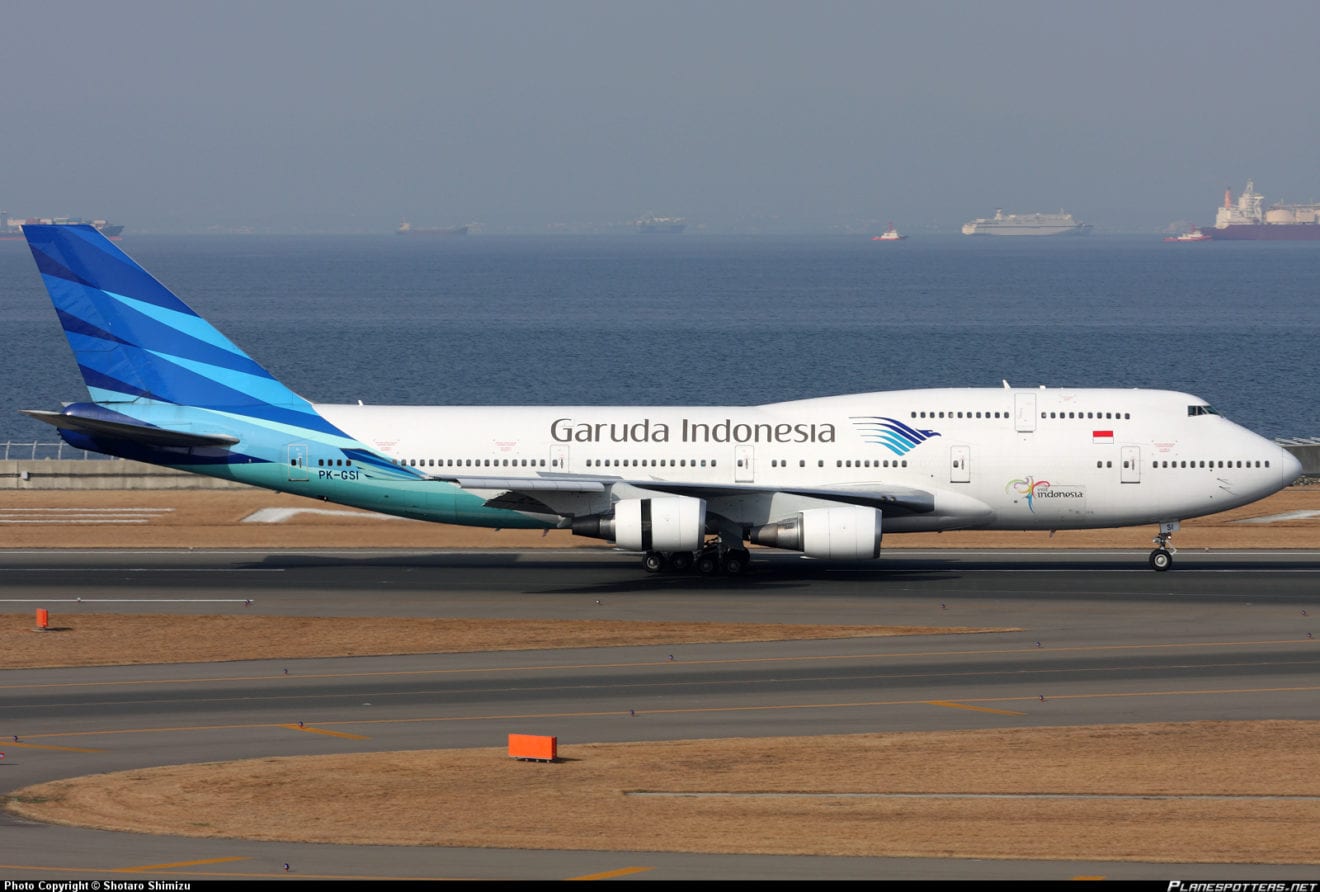
    Indonesian flag carrier Garuda Indonesia has received a Transportation Safety Award (TSA) from the Transportation Ministry. Transportation Minister Ignasius Jonan said that the award is given to encourage transportation companies to improve passenger safety.

    Jonan said that safety is an important issue in the transportation service business. “Transportation business sells two things: time and safety,” Jonan said on Tuesday, December 22, 2015.

    Punctuality, according to Jonan, mostly depends on natural factors including the weather. Meanwhile, safety is something that can be controlled by men. Therefore, Jonan encourages transport service operators to improve its safety aspects.

    In addition to Garuda Indonesia, the Transportation Ministry also awarded PT Kereta Api Indonesia Area Operation I Jakarta in second place, and state-owned bus operatir Damri in third place.

    Scoring process for the award was conducted by an independent team by considering several criteria, including organizational aspect, which contributes a 15 percent to the total score; Human Resource (40 percent); facility (35 percent); and safety management support (10 percent).

  • Internet Retailing Expo Indonesia

    Internet Retailing Expo Indonesia

    The 2-day conference and exhibition focuses on both learning and the evaluation of technologies, products and services to help retailers in establishing and growing their online strategies.

    Ever wonder why many would consider Indonesia as a good prospect to do business especially in online retailing? Interestingly, Indonesia has one of the highest number of Internet users. The number is expected to hit 3 billion users in 2015 and may possibly overtake Japan to be in the top five.

    In the retail business, the sales had amounted to USD $114.29 billion in which 0.6% (USD $2.6 billion) are online sales. It is predicted that in 2015, it will reach USD$3.56 billion. With that, Rudiantara, the Minister of Communications and Information, has expected for e-commerce to account for 8% of the country’s total retail business in the next 10 years.

    This is where Internet Retailing Expo (IRX) comes in. IRX is the leading multichannel event in the retail calendar and takes place every March in the UK. It welcomes retailers and technology providers from across multichannel landscape. In addition, it allows retailers to learn from the best on how to connect profitably with their customers and take lessons from case studies.

    startup_ecommerce_pixabayStartupStockPhotos

    Following the success of IRX in the UK, it will be launching its first edition in Asia; IRX Indonesia in 2016. The 2-day conference and exhibition focuses on both learning and the evaluation of technologies, products and services to help retailers in establishing and growing their online strategies.

    With an expected attendance of 500 delegates, retailers can look forward to meeting with many senior-level decision makers from various companies, and expanding their networking contacts. Also, there are 40+ confirmed speakers for the event, such as from Lazada Indonesia, GO-JEK, Indosat, PT Garuda Indonesia and The Body Shop, who will cover a range of topics during the event.

    A start-up pavilion will be set up which is dedicated to companies at the forefront of innovation. This allows companies to showcase their new products or services that may interest retailers; an excellent chance to meet with potential buyers. This platform is ideal for technical managers to explain how their products work to an audience of buyers and influencers. Technology categories include payment technologies, security, apps, LBS, embedded & in-store technologies.

    If you are a retailer, you can join our retailer partnership programme and attend the conference (+ expo) for free inclusive of networking breaks and lunch.  Or if you wish to be a sponsor/exhibitor, you can download our sponsorship prospectus to learn more about the business opportunities.

  • SMI secures five-year retail licence at Yangon airport

    SMI secures five-year retail licence at Yangon airport

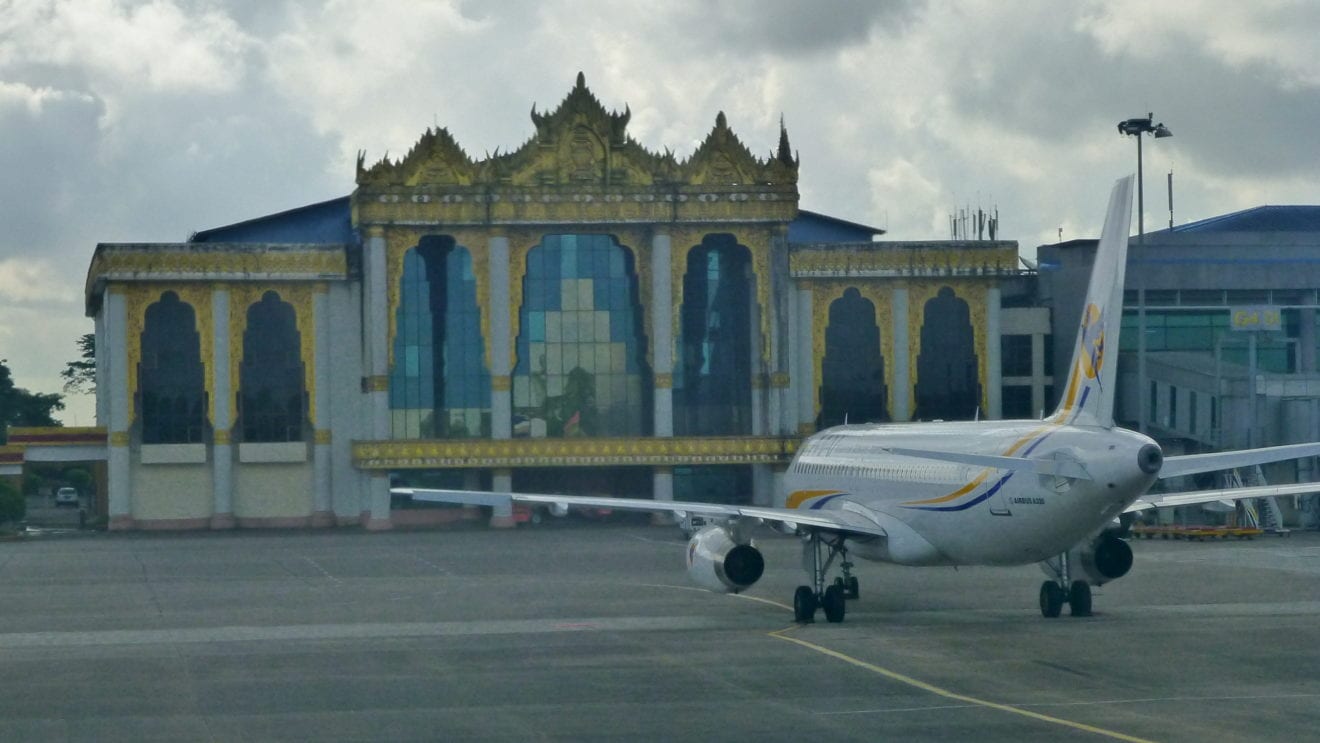
    Singapore Myanmar Investco (SMI) subsidiary SMI Retail is to operate duty-free, retail and food and beverage facilities at Yangon International airport (YIA) terminal two from April 1 2016. The retail operator has been awarded a five-year licence, with the option to extend for a further  five years.

    Comprising 6,725sq m of retail space, SMI will host 43 shop units across the ground, first and second levels in T2, where it is expected to welcome more than triple the amount of international passengers travelling to Yangon. It will also provide a merchandising, management and consultancy service to local distribution partner Royal Golden Sky (RGS) Company Limited for the T2 duty-free retail space. The agreement is for five years and begins on April 1 2016.

    RGS has also been appointed exclusive distributor of duty-free merchandise for sale in the airport, including the new terminal. The agreement also begins on April 1 2016 with the renewable contract expiring on March 31 2021.

    Meanwhile, the group’s exclusive 10-year supply agreement with DFS, announced last May, has been secured and forms an integral part of SMI’s travel-retail business model. According to the company, both initiatives will augment the group’s market position in the burgeoning travel industry and increase its business presence of consumer-related services in Myanmar.

    Operations of the duty-free, retail and food and beverage outlets will commence from March 2016 and be progressively rolled-out over the next few months. In addition, the group has reached  agreements with international fashion and lifestyle brands and food and beverage franchises.

    SMI president and CEO Mark Bedingham said: “SMI has been able to use the capabilities of its senior executives, many of whom have extensive experience in duty-free, retail and food and beverage management, to make a compelling offer, through our local partners, to YIA and its magnificent new terminal. We have  provided them with a unique and exceptional range of duty-free, luxury and lifestyle brands and  introduced for the first time some world class food and beverage concepts. This will allow SMI to have full exposure to the expected rapid growth in tourism and business travel.”