Author: Mei Ling Tan

  • Parkson Vietnam shutters store

    Parkson Vietnam shutters store

    Parkson Vietnam has closed another of its stores as it continues to struggle to make its business profitable.

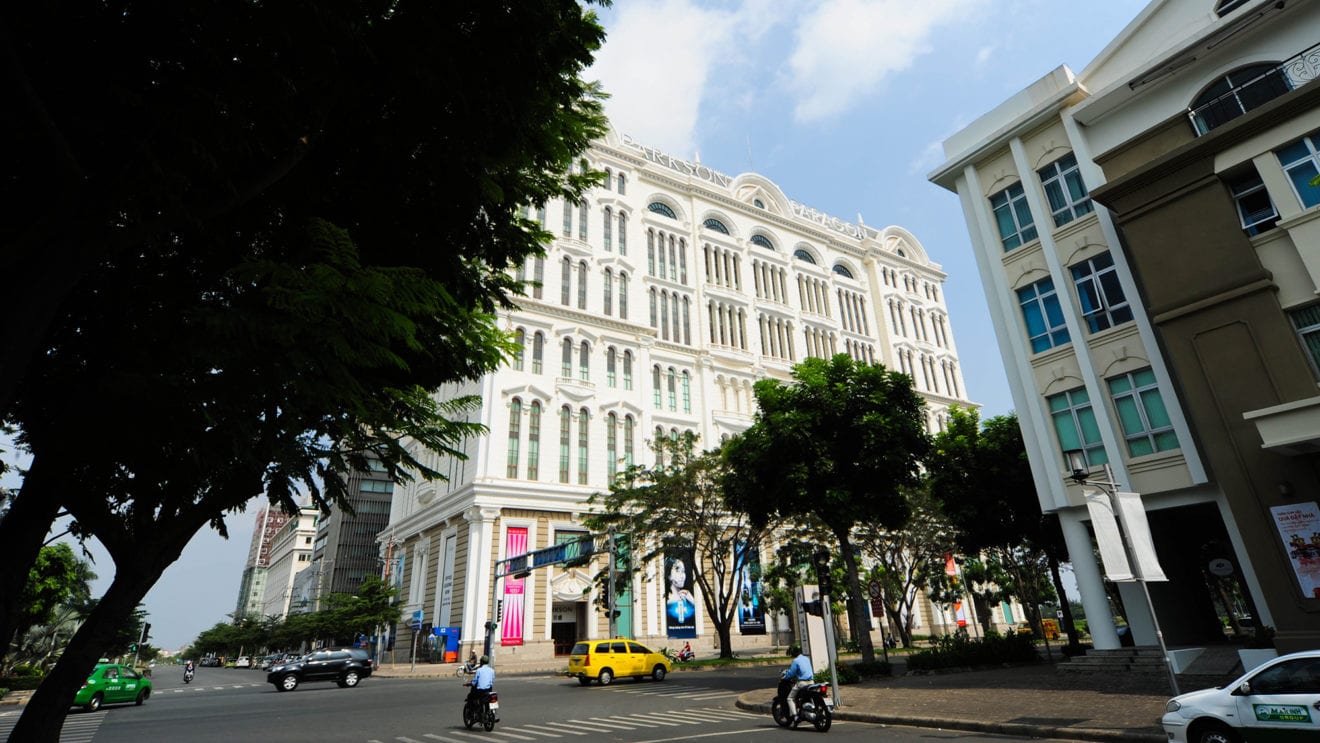
    The Malaysian department store operator has closed the 19,000 sqm District 7 outlet in Ho Chi Minh City, a multi-story department store beneath a commercial tower.

    The store opened in April 2011 after the company invested US$5 million in a new fitout of a small shopping mall bought from Kim Cuong Company.  But the store has never attracted sufficient customers to make it viable, despite a cinema on the top floor. The building is two blocks from the giant Crescent Mall shopping centre which opened in late 2011 in the largely expat-populated suburb some 20 minutes drive from downtown Ho Chi Minh City.

    The mall reportedly closed on Monday.

    Parkson did not give local news media an explanation for the decision – or why it persevered with the site for five years before pulling the plug. But the company did say the closure would not affect the other eight stores in its network, five of which are in Ho Chi Minh City.

    In January last year, Parkson closed another store opened in 2011, Hanoi’s Keangnam Hanoi Landmark Tower. That followed a dispute with the building’s owners over rent which Parkson said was set at a level sales could not sustain.

  • Robinsons Retail takes control of The Generics Pharmacy

    Robinsons Retail takes control of The Generics Pharmacy

    Robinsons Retail has acquired a 51 per cent controlling interest in The Generics Pharmacy (TGP), the Philippines’ largest and fastest growing generics drugstore chain.

    The acquisition of TGP’s over 1800 stores, combined with South Star Drug, will take the retail drugstore network of the group to nearly 2200 stores nationwide, more than Mercury Drugstore’s 1000+ network, making it the largest by store numbers.

    Robina Gokongwei‐Pe, president and COO of Robinsons Retail, said TGP strongly believes in its vision to offer quality products at very affordable prices and in convenient locations. “It is an honor to continue the company’s legacy and to further grow the business”.

    “As we profit from accomplishing this mission, we ensure our growth is shared among our franchisees, partners, suppliers and employees,” said Benjamin Liuson, founder and chairman of the board of TGP. “It is our hope to bring our business a step higher with our partnership with Robinsons Retail.”

    The Liuson family which founded TGP has been in the pharmaceutical business since 1959, initially as importer and wholesaler under the name Pacific Pharma. In 1983, Pacific Pharma shifted its focus to generic medicines after realizing the serious need of most Filipinos for quality medicine at affordable prices.

    In 2001, the Liuson family ventured into retail and set up The Generics Pharmacy (TGP). As demand grew, in 2007, TGP decided to bring affordable healthcare and medicines more accessible to far‐flung areas of the country through a franchising business model.

  • Pertamina to Build Hospital in Saudi Arabia

    Pertamina to Build Hospital in Saudi Arabia

    PT Pertamina through its subsidiary PT Pertamedika that manages Pertamina Central Hospital (RSPP) will soon build a hospital in Saudi Arabia.

    Energy and Mineral Resource Minister Sudirman Said, after the signing of Cilacap factory development contract with Saudi Aramco in Jakarta on Monday, May 23, 2016, said that the state-owned oil company has made a commitment to build a hospital in Saudi Arabia.

    “Indonesia has made a commitment to build an Indonesian hospital in Saudi Arabia,” said Sudirman.

    Sudirman, who facilitates connecting Indonesia and Saudi Arabia investments, admitted that he had partnered with Saudi Arabia’s Health Minister.

    “The plan has now progressed to the signing phase between Indonesia’s Health Minister and Saudi Arabia’s Health Minister,” Sudirman said.

    According to Sudirman, an Indonesian hospital is needed in order to serve Indonesian hajj pilgrims and accommodate the needs of Indonesian workers in Saudi Arabia.

    A day before, Saudi Arabian Prince Alwaleed Bin Talal Bin Abdulaziz Alsaud offered Indonesia a chance to open a hospital in Saudi Arabia during a meeting with President Jokowi.  The Saudi government has already allocated a land for the development.

    Saudi Arabia has also committed to expanding its investment, specifically in the tourism sector and Indonesian financial portfolio.

  • On the cusp of a Vietnam franchising boom

    On the cusp of a Vietnam franchising boom

    A Vietnam franchising boom is nearing with about 40 foreign brands reportedly seeking franchise partners in the nation.

    With the signing of several free-trade agreements and Vietnam’s involvement in the Asean Economic Community (AEC), the franchise industry is expected to boom, reports VietnamNet.

    Figures from the Ministry of Industry and Trade show that it has licensed more than 150 foreign-brand franchises since 2007.

    VF Franchise Consulting CEO Sean Ngo says the recent free trade agreement with the EU and, more importantly, the upcoming TPP, promise to be beneficial for Vietnam. He is also Southeast Asia MD for global franchise consultancy Edwards Global Services (EGS).

    While industries such as manufacturing, textiles, and food processing are sure to benefit, he says other franchised businesses that will also do well include equipment, furniture and fixtures and raw materials, as Vietnam drops import duties or lowers them to near zero under the new agreements.

    He says that when the AEC materialises it promises even more benefits, as the focus in franchising is to offer products and services that cater to the Asean consumer.

    “This will help many regional franchises successfully enter markets like Vietnam, and help Vietnamese franchises also expand further into the region,” says Ngo.

    Retail & Franchise Asia chairwoman Nguyen Phi Van says 90 per cent of the franchisors its represents in Vietnam are from the EU and the US, primarily in the fields of food, education and training, and gyms.

    “Although 90 per cent of franchise brands are in the food industry, as the market thrives over the next five years, the percentage of franchises in the service industry will increase substantially,” says Van.

    She says Vietnam has the three factors needed for developing franchising. Besides its large market size, the country’s stable macro-economic situation is also key to development.

    Meanwhile, Vietnamese enterprises have not really seized the opportunities from franchising. Van says the main drawbacks include inefficient operations, weak management and lack of finance.

    She says that devising the right pricing strategy will be critical to success, as consumers typically have lower disposable incomes than other Asean markets.

    Meanwhile, the Vietnam Retail & Franchise Show will be held in Ho Chi Minh City from June 8 to 10.

  • Myanmar consumers go on spending spree

    Myanmar consumers go on spending spree

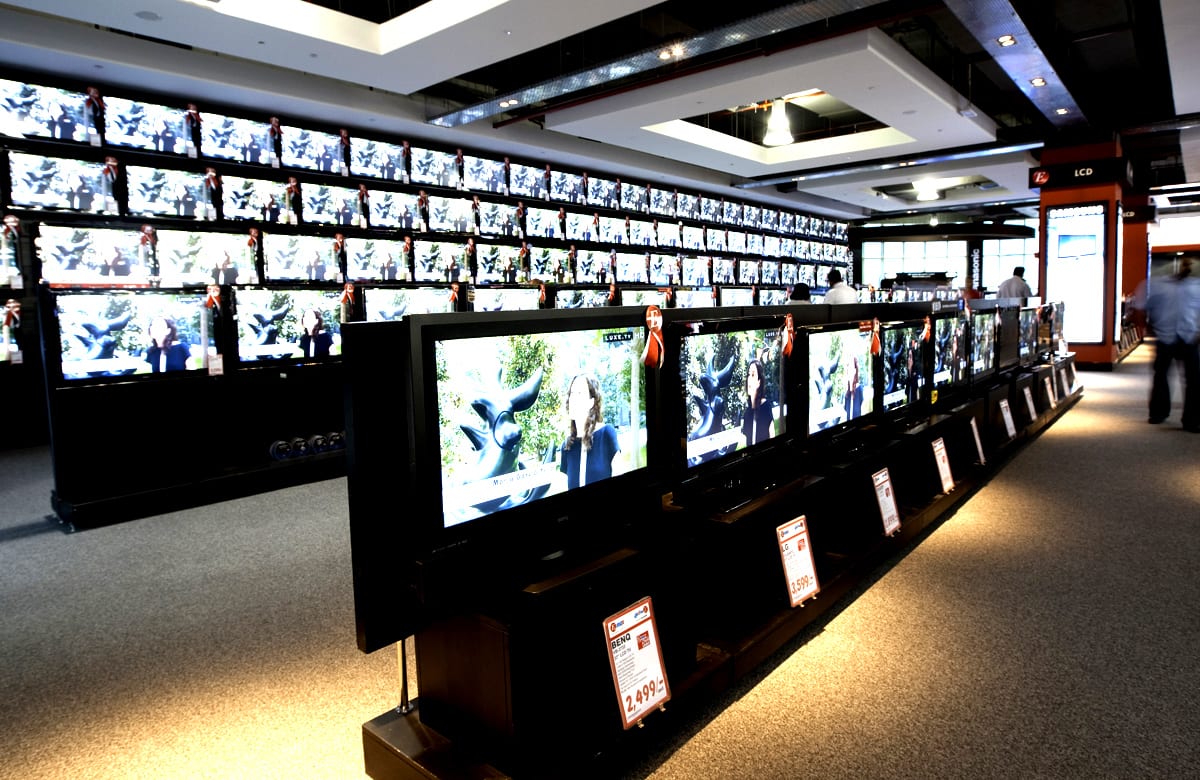
    Myanmar consumers are buying more and more flat-screen TVs, refrigerators and washing machines each month as the country’s economy strengthens following its liberalisation.

    In a study in the Mandalay and Yangon regions, commissioned by market information company GFK Asia, nearly 152,000 TVs were bought in the first quarter of 2016, generating sales totalling more than US$36 million.

    While 49 per cent of market demand was skewed toward 32” LED TV models in the quarter, the 40-43” segment grew from 12 per cent in January to 20 per cent of total sales in March. The trend was similar for the full-HD and UHD segments, in a market largely made up of HD ready-only models (55 per cent).

    GFK Southeast Asia MD Stanley Kee says there was “robust” buying in the months leading up to the Burmese new year last month. “This is an important period for retailers as aggressive efforts to drive sales are in full force.”

    While 38 per cent of TV units sold were in the $200-300 price range, GFK found a consecutive monthly incremental demand for TVs priced $400 and above, with the volume share nearly tripling from 5 per cent in January to 15 per cent in March. In value terms, the segment accounted for 36 per cent of entire TV sales that month alone. Overall, smart TVs made up less than 7 per cent of TV sets sold.

    In the refrigerator market, the number sold in March more than doubled the combined total sales in January and February, netting $6.9 million within a single month. One-door fridges dominated (65 per cent of sales volume), while 34 per cent were two-door, freezer-top models. Consumers spent $21.5 million on nearly 116,000 units in the quarter.

    Meanwhile, more than 59,000 washing machines worth nearly $10.5 million were bought in the period – 70 per cent single-tub washers and the rest double-tub models.

  • M&S, Debenhams stand most to gain from BHS breakup

    M&S, Debenhams stand most to gain from BHS breakup

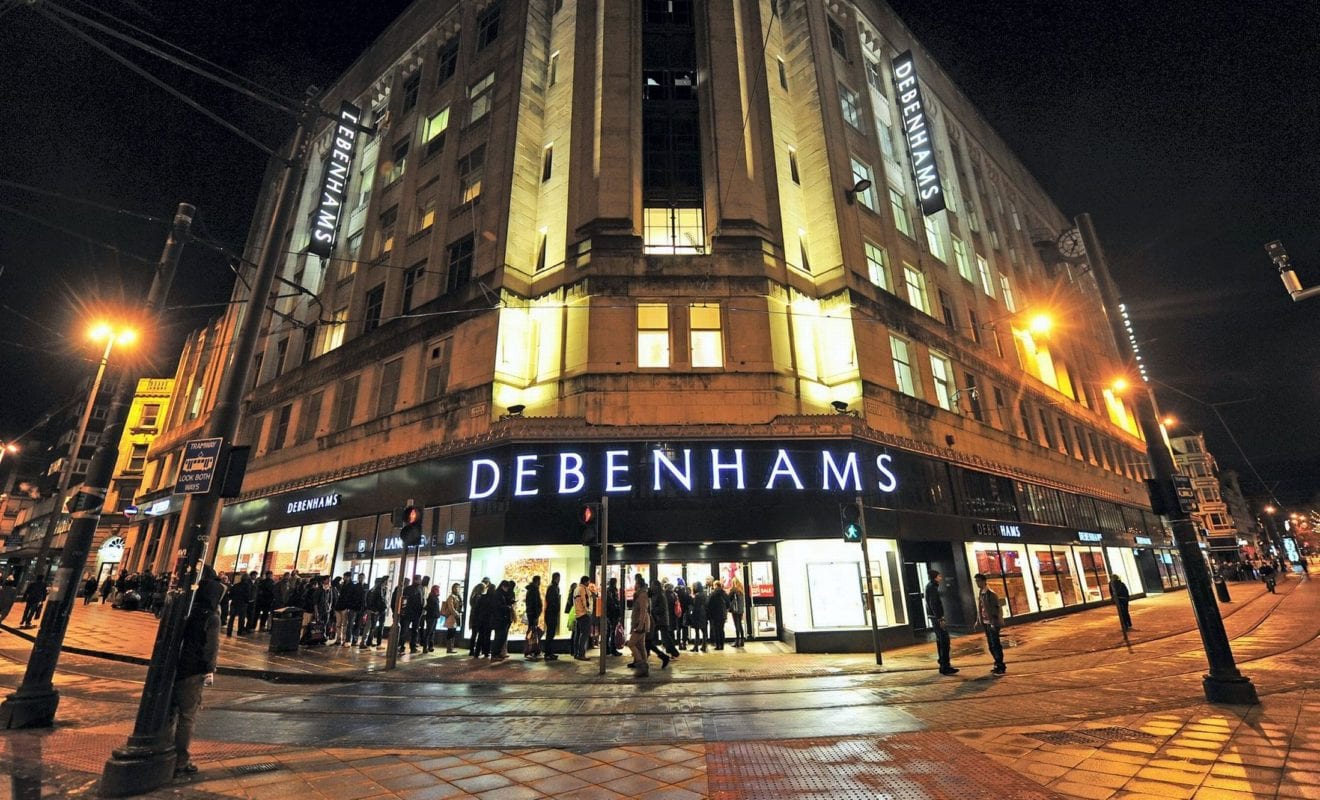
    Only the very bravest of investor should consider retaining BHS in its current dilapidated state. But if such a buyer cannot be found, and a BHS breakup ensues, with the store estate sold to other retailers, Marks & Spencer and Debenhams would be the main beneficiaries.

    As the deadline for bids for BHS looms, hopes are rising that a buyer can be found for the entire store estate and that its 11,000 employees can be protected. Even if such a buyer is found, it is likely to have to conduct major surgery to revive the moribund brand. Verdict data shows that it has consistently lost market share to its competitors in all its key sectors, and its weak multichannel offer, dated brand and underinvested store environment mean any buyer would have to think seriously about retaining the BHS name.

    BHS’ clothing proposition has become ever more irrelevant over the years, and many of its clothing shoppers have already defected to more agile competitors, leading to its market share more than halving in the 10 years to 2015.

    BHS clothing market share 2010-15

    BHS’ predominantly 45+ shopper base enjoy the convenience of shopping for a disparate variety of products under one roof, which means that department store rivals such as Debenhams and M&S would be first in line to benefit from its fallout. The grocers should also receive a much-needed boost given the similarity of their clothing proposition to BHS in terms of design and affordability.

    This is backed up by looking at where BHS clothing shoppers also tend to shop (from Verdict’s March 2016 How Britain Shops survey of 10,000 consumers) – M&S is the clear leader, and should be able to translate this into an increase in market share.

    Where BHS clothing shoppers also shop for clothing

    Clothing specialists at the value end of the market, such as Matalan, Primark and New Look are also likely to benefit; as are online pureplays such as Amazon – albeit to a lesser extent.  It is, however, those retailers that make a concerted effort to draw in BHS shoppers, through customer acquisition initiatives such as targeted promotions or local marketing campaigns that will see the maximum gains.

    BHS homewares market share 2010-15

    BHS’ unopposed trudge toward mediocrity has had a significant impact on where its remaining shoppers are likely to now go for homewares purchases. The retailer’s brand positioning means its shoppers will have also shopped at the ever growing homewares discounter set, like B&M and Home Bargains. However, it is Amazon and Argos, both value focused retailers with modern and extensive delivery/channel offers that have been the main beneficiaries of disaffected BHS shoppers in the past and will undoubtedly be so in the future.

    High street retailers M&S and Debenhams are also in line to see a marginal upswing as high street focused customers seek out alternatives. The former has the most similar customer profile to BHS and hence is more likely to be a first choice. However, M&S has made some strategic moves to appeal to younger, more fashion-conscious homewares shoppers in recent years, therefore BHS’ customers may be a little surprised about what is on offer when they visit, aside from its core bedding and bathroom offer.

    Living room textiles: Home Retail Series market share 2015

    BHS is currently strongest in softer, more aesthetic categories, such as living room textiles and lighting, as opposed to functional products such as cookware. Therefore its demise would be unlikely to have a significant impact on the grocers. Conversely, Dunelm and Next share a similar emphasis on textiles and design-led categories, and as such, their already strong performance in the homewares category is likely to be bolstered further should BHS disappear altogether.


  • Hong Kong Investors Eye Filling Station Business in Indonesia

    Hong Kong Investors Eye Filling Station Business in Indonesia

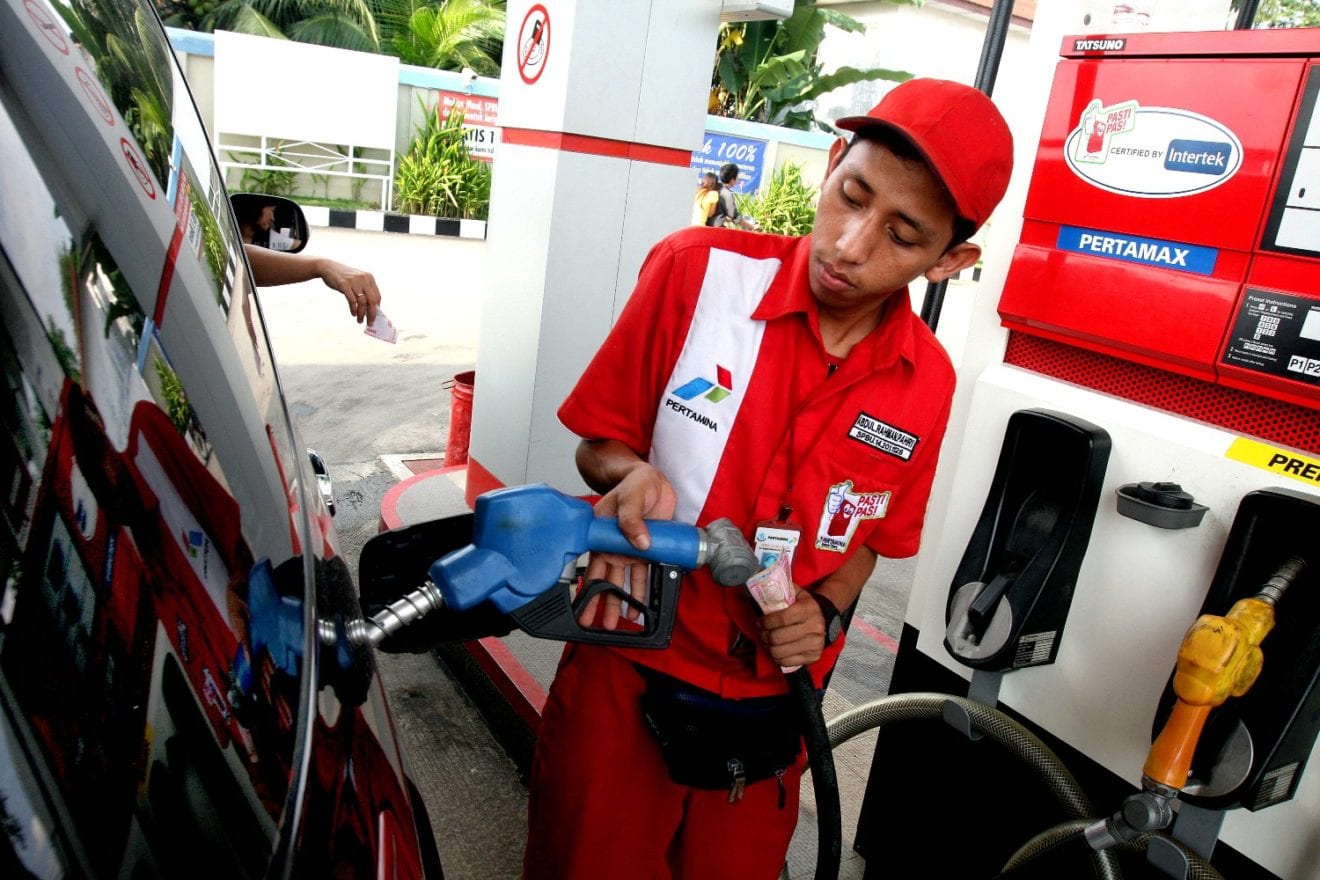
    Foreign investors have shown strong interest in the downstream oil and gas business in Indonesia. A leading Hong Kong-based company recently announced its interest in investing in the filling station business in Southeast Asia’s largest economy.

    The company’s investment interest was expressed during a business forum event that featured the Head of the Investment Coordinating Board (BKPM) Franky Sibarani as keynote speaker to 40 Hong Kong multi-sector investors, Wednesday (18/5). Franky said the investoris engaged in the trading of petrol, diesel, jet fuel and LPG in Hong Kong and overseas, and has business capability in the downstream oil and gas sector.

    Currently, the investor owns 42 petrol stations and two oil terminals with a storage capacity of 374,500 cubic metres. It also has a fleet of 16 vesselswith the capacity to transport 68,600 tons of oil. In addition, the company has a marketing network that covers almost the whole of Hong Kong.

    Franky added that the investor had visited Indonesia a number of times. They had met with Pertamina to share their investment plans in the general commercial fuel business in Indonesia. To ensure the plan goes ahead, a designated BKPM marketing team in Hong Kong will oversee the investment interest.

    BKPM has also received expressions of interest from other Hong Kong companies in investing in the infrastructure, maritime and fisheries sectors. “In fact there is one company operating in the electronics and property industries that will increase its investment in Sukabumi by US$ 5 million,” said Franky in a BKPM press release on Thursday (19/5).

    Franky hopes that in the future more Hong Kong companies will invest in Indonesia. He believes that as an investment destination, Indonesia has several competitive advantages,particularly its rich natural resources such as agricultural and mining commodities, including renewable energy sources.

    The government also has several infrastructure projects to promote investment and enhance the competitiveness of investment opportunities. These include 15 new airports, 163 ports, the 35 GW power project, and construction of 2,024miles of railway track and 621 miles of toll road and sea routes.

    BKPM has reformed its investment services by introducing One Stop Services and a 3-hour investment permit service, and easing direct investment in construction, as well as earmarking priority sectors for investment, which includes plans to develop 11 neweconomic zones and 20 National Strategic Tourism Areas.

    Franky added that Hong Kong is one of Indonesia’s main investment partners. Between 2010 and 2015, BKPM recorded actual investment from Hong Kong of US$ 3 billion. In the first quarter of 2016, actual investment from Hong Kong amounted to US$ 456 million, a significant increase on the US$ 75 million recorded the same period last year. The most popular sectors for Hong Kong investors were property including industrial estates, transport, warehousing and telecommunications.

  • Singapore-based Albizia Capital Raises Stake in Indonesian Building Material Supplier

    Singapore-based Albizia Capital Raises Stake in Indonesian Building Material Supplier

    Singapore-based investment firm Albizia Capital has increased its ownership in Catur Sentosa Adiprana to help fund business expansion at the Indonesia-listed building materials supplier.

    In a statement received by the Jakarta Globe on Thursday (19/05), Albizia announced that it has increased its stake in Catur by 9.7 percent to 14.61 percent. Albizia previously controlled a 4.91 percent stake in the Jakarta-based company.

    This investment changes the Singapore-based investment company’s position to that of a strategic investor.

    Catur president director Budyantu Totong said the investment from Albizia reflects high investor confidence in the prospects of the Jakarta-based building materials supplier, which operates the Mitra10 retail chain.

    Totong said Albizia has a reputation as an investor in the Association of Southeast Asian Nations region that seeks long-term growth potential and a competitive advantage in the companies it invests in.

    Other major investors of in the Jakarta-based building material supplier are the Totong family’s Buanatata Adisentosa (31.32 percent) and Bangkok-based investment company NT Assets (21 percent).

    For 2016, Catur Sentosa will take heed and focus on expanding and improving capital efficiency to maximize returns for shareholders, especially for Mitra10.

    The distribution company covers a wider range of materials, including chemicals and consumer goods, and operates a network of modern home improvement, building material and furniture showrooms.

    Catur Sentosa currently has a network of 42 building material supplier outlets in 40 cities; 21 Mitra10 outlets and 10 Atria furniture showrooms. The company has set target to open 50 Mitra10 outlets by 2020.

    Catur Sentosa booked Rp 1.93 trillion ($142.8 million) in sales in the first quarter of this year, 12 percent more than the corresponding period last year.

    This year’s sales target is set at Rp 8.5 trillion.

  • Singapore, Indonesia, Cambodia, Thailand Seek Free Trade Zone With EEU

    Singapore, Indonesia, Cambodia, Thailand Seek Free Trade Zone With EEU

    Singapore, Indonesia, Cambodia, and Thailand are interested in creating a free trade zone with the Eurasian Economic Union, Russian Deputy Foreign Minister Igor Morgulov said Thursday.

    “The desire to sign such an agreement has been expressed by a number of countries in southeastern Asia, including Cambodia, Singapore, Thailand, and Indonesia,” Morgulov said during a briefing at the Russia-ASEAN Summit in Sochi.

  • Tencent Holdings revenues grow 43 per cent

    Tencent Holdings revenues grow 43 per cent

    First-quarter Tencent Holdings revenues grew 43 per cent to RMB31,995 million (US$4893 million).

    The Chinese company’s subsidiaries provide media, entertainment, internet and mobile phone value-added services and online advertising services in Asia.

    Revenues from its value-added service increased by 34 per cent to RMB24,964 million, while its online games business achieved 28 per cent growth, primarily driven by new smartphone games and key PC titles.

    Tencent’s social networks attracted a 48 per cent rise in revenue to RMB7879 million, mainly through the growth of virtual item sales and also from digital content subscription services and QQ membership subscription services.

    Revenues from online advertising business ballooned 73 per cent to RMB4701 million, while performance-based advertising, mainly driven by its mobile social and media platforms, had 90 per cent growth to RMB2532 million.

    Brand display advertising revenues grew by 56 per cent to RMB2169 million, reflecting higher revenue contributions from Tencent’s mobile media platforms such as Tencent News and Tencent Video.

    Mobile QQ usage benefited from enhanced features in areas such as video messaging and virtual gift exchanging. User activity in Interest Tribes, the interest-based communities embedded in QQ, benefited from enriched content discovery features, such as targeted feed-displays.

    Tencent says the volume of commercial payments via Weixin Pay, such as eCommerce payments and O2O service transactions, grew significantly, while C2C transactions also increased in volume.

  • IKEA to sell 23 retail parks across Europe

    IKEA to sell 23 retail parks across Europe

  • Online shopping in China accounts for 13% of retail sales

    Online shopping in China accounts for 13% of retail sales

    China’s online shopping market expanded 36 per cent last year to CNY3.8 trillion ($586 billion) to account for 12.6 per cent of total retail sales of consumer goods.

    Mobile revenue of the country’s top two online retailers accounted for 72 per cent of total online turnover.online shopping

    Business-to-consumer (B2C) spending represented 52 per cent of the total online gross merchandising volume (GMV) in 2015 (up from 45.2 per cent in 2014), which is the first time it had a larger share of online shopping than C2C, according to Beijing-based iResearch. The B2C market grew 56.6 per cent last year, while the C2C market increased by 19.5 per cent.

    As the market matures, iResearch expects growth to fall to 25 per cent next year and 20 per cent in 2018 when GMV approaches CNY7.5 trillion. Next year the B2C segment is forecast to account for 64 per cent of total online retail shopping.


    Alibaba’s Tmall maintained its leading role in the B2C market (see chart, click to enlarge) with a 58 per cent share, followed by JD.com (23 per cent) and Suning (nearly 4 per cent).

    Alibaba’s retail marketplace revenue increased 42 per cent in Q1 to CNY18.3 billion, while mobile revenue surged 149 per cent to CNY13.1 billion, which represented nearly 72 per cent of total retail turnover, according to China Internet Watch.
    China Q1 e-commerce
    JD.com’s GMV for Q1 jumped 55 per cent to CNY129 billion, with mobile accounting for 72 per cent of the total.

  • JCB and Nets sign merchant acquiring deal in Singapore

    JCB and Nets sign merchant acquiring deal in Singapore

    JCB International Co., Ltd, (JCBI) the international operations subsidiary of JCB Co., Ltd., and Network For Electronic Transfers (Singapore) Pte Ltd (NETS) today announced a new partnership to accept JCB cards in Singapore.

    Receiving an average of 15 million visitors annually and with Singapore Changi Airport operating as a regional aviation hub for over 100 airlines that fly to over 300 cities, Singapore is undoubtedly a key destination for global travellers. In particular, there has been a notable increase in tourism arrivals from Asia and India due to the greater affordability of air travel.As JCBI builds its momentum in developing its issuing business in Asia, more emphasis will be placed on increasing its presence in Singapore through this strategic partnership with NETS. NETS is Singapore’s leading payment solutions provider and the largest acquirer with a merchant network of 91,000 acceptance points.

    This latest collaboration between JCBI and NETS will facilitate local and global issued JCB cards with more acceptance points for card usage, thereby aligning with the Singapore government’s vision of a Smart Financial Centre where the usage of cash and cheques are reduced.

    Jeffrey Goh, CEO of NETS said: “This strategic partnership aligns both NETS and JCBI’s interests to deliver greater benefits to Singapore merchants. With our latest offering, Unified POS, which is a single terminal that accepts different types of payments, our merchants will be able to offer more payment options as they tap on a sizeable pool of JCB cardmembers and the significant number of Japanese tourists in Singapore.”

    Vincent Ling, Managing Director of JCB International Asia Pacific Pte Ltd commented: “As Singapore continues to be a key tourist destination in Asia Pacific, a stronger JCB card acceptance will bring about enhanced conveniences to JCB cardmembers. JCBI is pleased to collaborate with NETS and we look forward to working closely together to serve our cardmembers, merchants and business partners better.”

  • Online Travel Booking Grows in China, But Traditional Agents Still Dominate

    Online Travel Booking Grows in China, But Traditional Agents Still Dominate

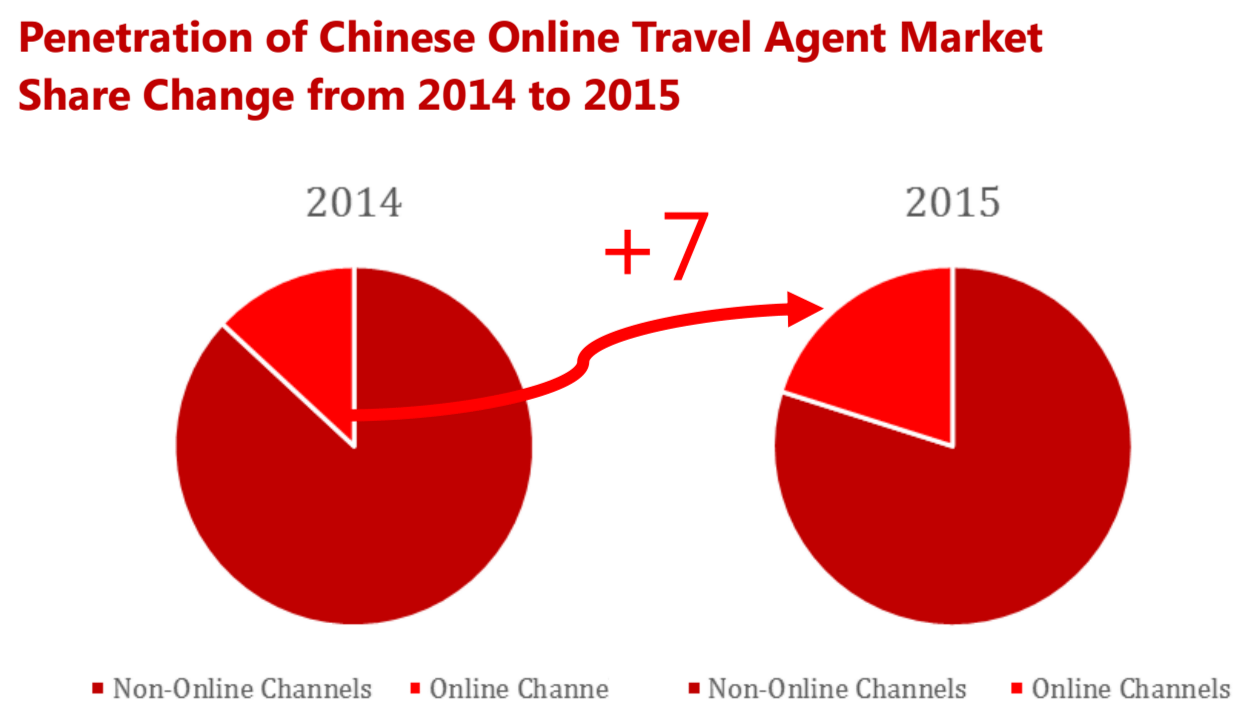
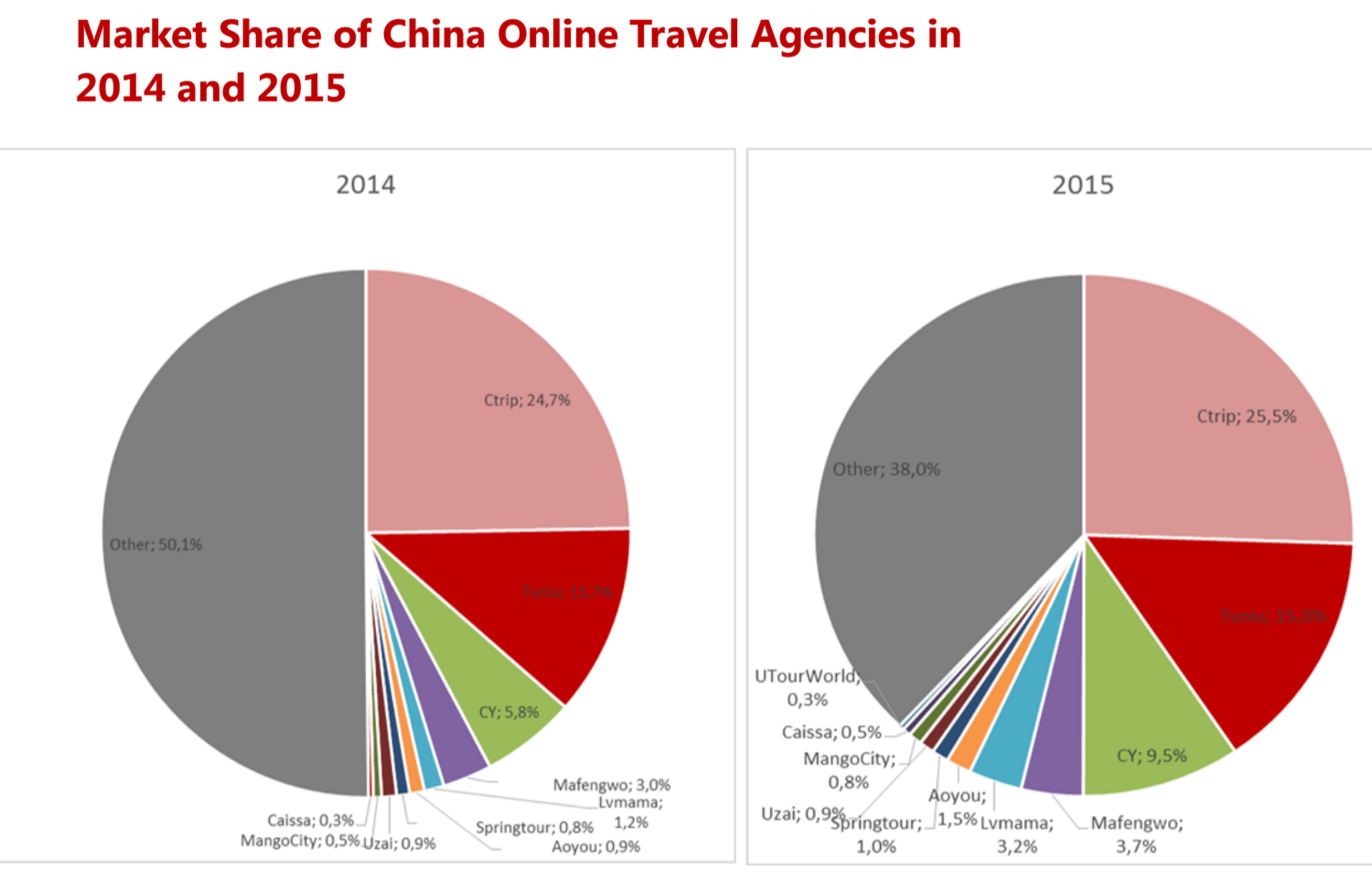
    Chinese travelers still trust and use traditional travel agencies more than online booking sites in 2016. But the percentage of online travel agency penetration in China reached a record high level last year.

    According to a Chinese outbound market report from the Chinese Outbound Tourism Research Institute (COTRI), 20 percent of the 120 million Chinese outbound travelers booked travel using an online travel agency in 2015. That’s a seven percent increase over 2014 and the strongest indicator that booking sites continue to be more accepted throughout China.

    Chinese consumers felt less pressure from pricing wars late last year when Ctrip took a stake in Qunar and began working together, a powerful alliance among two of China’s largest booking sites. That’s likely one factor swaying more consumers towards booking sites, COTRI said.

    Still, 80 percent of Chinese travelers booked offline and used one of the more than 27,000 brick and mortar travel agents in China last year. The number of travel agencies in China has increased by 50 percent since 2006 and shows little signs of slowing, and COTRI projects Chinese outbound travelers will spend nearly $80 billion at travel agents this year.

    Chinese consumers spent about $56 billion at travel agencies in 2015. They also booked $11 billion worth of travel through online travel agencies last year, a 70 percent increase over 2014.

    While offline travel agents in China have closer relationships to consumers than their foreign counterparts have with markets elsewhere, they also have competition besides the growing popularity of Chinese booking sites like Ctrip and Qunar.

    “In China, the line between retail travel agents and tour operators (also known as tourism wholesalers in other countries) is somewhat blurred. It is not uncommon for tourism wholesalers to not only create tour packages, but to also sell directly to customers through newspaper advertisements, websites and even their own retail shops,” the report states.

    Chinese travel agencies can contact and work with inbound tour operators directly without wholesalers, “which can be attributed to the mind-set of disliking intermediaries. In cases when a travel agency does not have enough customers for a specific trip, for example, it will pass on its customers to a larger wholesaler and gain from the associated commission,” according to the report.

    Many Chinese travel agencies operate illegally, which Wolfgang Arlt, director of COTRI, says is one of the greyest areas in the Chinese tourism industry. Around 10 percent of these travel agents have obtained outbound tour operation licenses in their own names, which allow them to sell various kinds of travel, and the rest use a license or sub-license from another company.

    Online travel agencies in China face barriers that offline travel agents don’t worry about. More than half of Chinese citizens (668 million people) don’t use the Internet. China’s Communist Party also exerts a lot of control over the web which leads most consumers to feel they can trust a brick and mortar travel agent more than an online one.

    And when traveling internationally for the first time–which describes a large swath of world’s largest outbound market–Chinese consumers often prefer to speak with a travel agent in person, the report points out.

    “In Chinese travel media, the exposure and discussion of online travel agencies can be compared to that of Hollywood stars. Almost every day, the industry’s e-newsletters and reports provide news on Chinese online travel agencies’ volatile relationships (price wars and partnerships), weight gains and losses (share sales and acquirements) and red carpet highlights (obtaining capital investment),” the report states.

    Screen Shot 2016-05-17 at 3.21.08 PM

    chinese travelers

    Source: Chinese Outbound Tourism Research Institute
  • Shoe manufacturer Le Saunda down at heel for fiscal year

    Shoe manufacturer Le Saunda down at heel for fiscal year

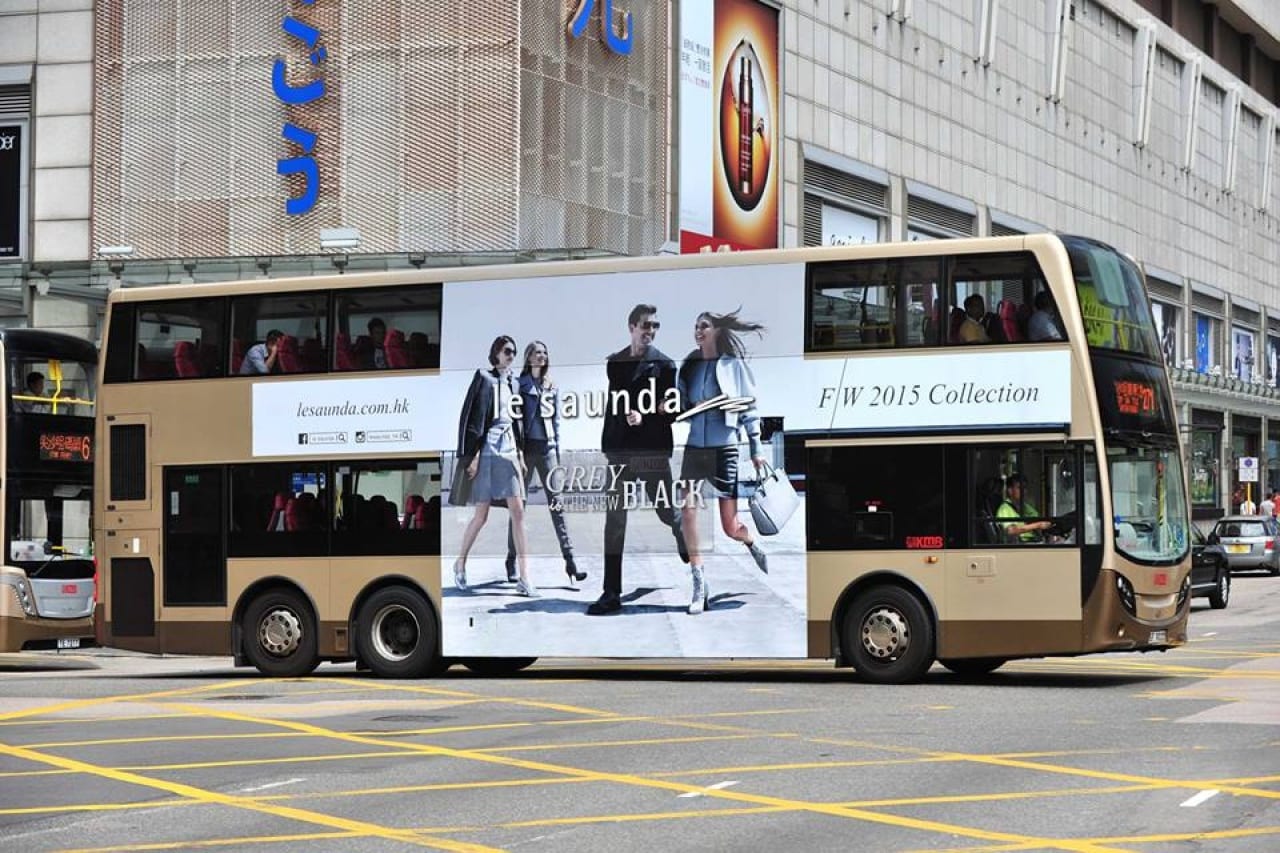
    Le Saunda Holdings Limited – a company primarily engaged in the manufacture and retail of Le Saunda ladies and men’s shoes, CNE footwear (an O2O brand) and Linea Rosa high-fashion footwear brand – announced a consolidated profit of RMB122.1 million (MOP149.42 million) for the fiscal year ending February 2016, in a filing on the Hong Kong Stock Exchange. This represents a 35.5 per cent year-on-year drop for the fiscal year compared to 2014/2015’s RMB189.3 million.

    The group has a total of 896 stores, located mostly in Mainland China, with 12 operating in Hong Kong and Macau.
    Sales in Hong Kong and Macau plunged 29.2 per cent year-on-year, at RMB110.7 million as compared to the RMB156.4 million seen in the previous fiscal year, causing a change in the Hong Kong and Macau business units ‘from profitable to making loss’ – a loss of RMB10.596 million – notes the filing. Over the fiscal year eight stores in the two SARs were phased out, noting that ‘after the shop rental in Hong Kong adjusts back to a normal level, the opportunities of opening new stores would appear again.’

    The group note opines that it is ‘the pattern of consumers’ behaviour that has been changing,’ despite the fact that ‘urban disposable income is actually on the rise […] ongoing weakness is noted in consumer spending.’

    For the fiscal year in question the group’s total revenue decreased by 3.7 per cent year-on-year to RMB1.621 billion. For the Macau segment total revenue amounted to MOP16.52 million, a 47.4 per cent drop compared to the MOP31.41 million registered in the previous fiscal year.

    A total drop of 0.9 per cent was seen in the group’s retail sales in Mainland China, amounting to RMB1.51 billion, which was noted as ‘better than the overall decline in the Group’s revenue,’ in the filing, attributable to a ‘stable loyal customer base brought by the Group’s reputation of products with “sophisticated styles with top quality”,’ as well as ‘consistent moves to close underperforming stores and open new ones to drive sales,’ complimented by the ‘launch of popular casual designs with elements favoured by young people to meet the market demands . . . [and] . . . a higher ratio of repeat purchases benefiting from innovative marketing approaches on both online and offline channels to facilitate close interaction with VIP customers.’

    Future predictions note that ‘the Group anticipates the lacklustre sentiments prevailing in the retail market will last for one to two years’ and that ‘retailers will still face enormous challenges ahead.’ To conquer this, the group will focus on: ‘formal footwear for the medium to high-end market’ as well as focusing on the product mix to ‘explore the young-line products with unique functional and fashionable items’. La Saunda also seeks to transform itself from a vertically integrated offline retailer to ‘an omni-channel operator which is highly data-oriented,’ as well as to ‘introduce a new retail model with swift O2O deployment,’ notes the filing.

    The group employs 5,286 people, of whom 150 are based in Hong Kong and Macau.