Author: Mei Ling Tan

  • MyNews parent plans 150 new stores

    MyNews parent plans 150 new stores

    Malaysian convenience store operator Bison Consolidated plans to use the proceeds of an IPO to fund 150 new store openings by 2017.

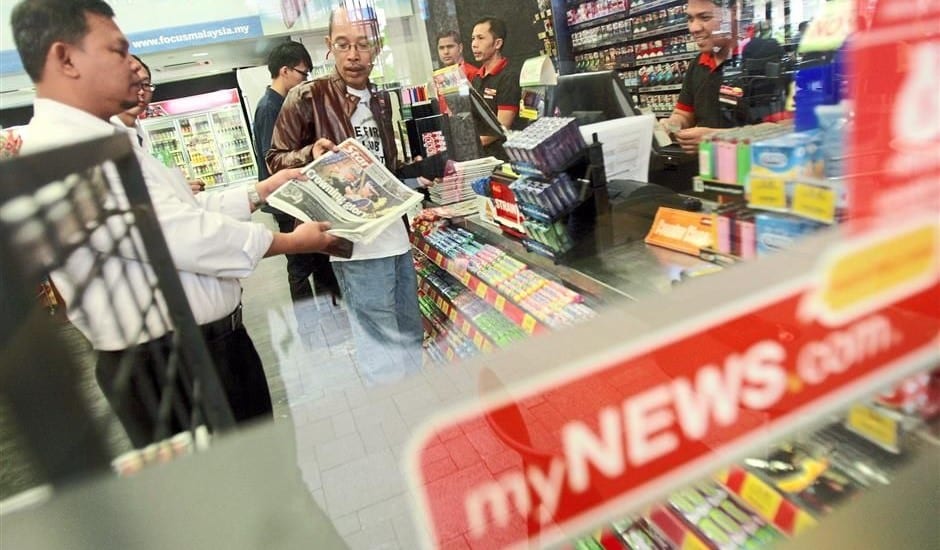
    Bison currently has 237 newsstands and convenience stores under its brands, which include myNews, Newsplus, MagBit and The Front Page. It also runs WHSmith outlets in Malaysia, in a joint venture with UK’s WH Smith Plc.

    “It has always been our plan to expand our network of stores. With the proceeds raised from the initial public offering (IPO), certainly we will make use of it to expedite our expansion plan,” Bison founder and MD Dang Tai Luk told The Edge Financial Daily.

    Bison recorded a 15.5 per cent revenue increase last financial year to RM182.41 million (US$42.17 million) as its store network continued to grow. It currently claims 8.6 per cent of the convenience store market by network numbers and 8.3 per cent by revenue. 7-Eleven is the dominant convenience store brand in Malaysia with 1900 franchised stores.

    In the company’s draft prospectus, Bison says it will invest 45 per cent of the proceeds of the float in network expansion, but has not yet put a price on its shares.

    The company owns all its own stores – it does not franchise.

  • Marks & Spencer Hong Kong plans giant new store

    Marks & Spencer Hong Kong plans giant new store

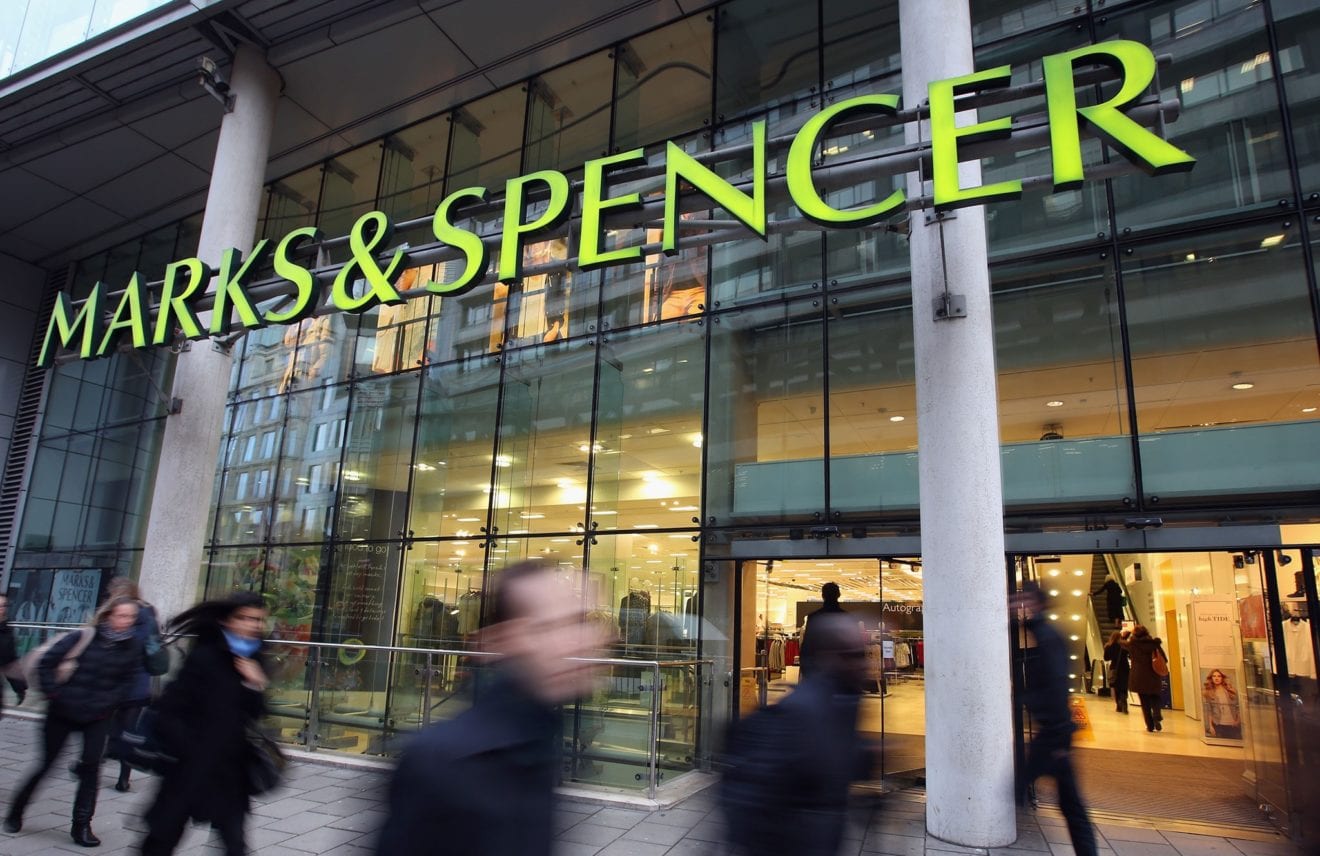
    UK department store Marks & Spencer is planning to open one of its largest stores in Hong Kong early next year in Cheung Kong Property’s Wonderful Worlds of Whampoa centre in Hung Hom.

    According to a report in the South China Morning Post, California Fitness is vacating its space in the centre to make way for the new Marks & Spencer Hong Kong store, which will take up at least 40,000 sqft (3700 sqm). Other smaller tenants will also be moved to make way for what will be M&S’ 24th store in the territory.

    Helen Mak, senior director of retail services at Colliers International, told the SCMP Whampoa has been “a missing district for international brands” in the past.

    “With the new MTR station in place very soon, the landlord sees more chances for retail business.

    “It is more of a consideration of adding diversity to the existing mall, from landlord’s point of view,” Mak said.

    The Whampoa MTR station, part of the Kwun Tong extension line from Yau Ma Tei, is currently under construction and scheduled to open late next year.

    Fast fashion brands Uniqlo and H&M recently opened in the Wonderful Worlds of Whampoa centre and Mak says she expects more international brands to follow as the mall morphs into more of a regional mall.

  • Why Alibaba bought the South China Morning Post

    Why Alibaba bought the South China Morning Post

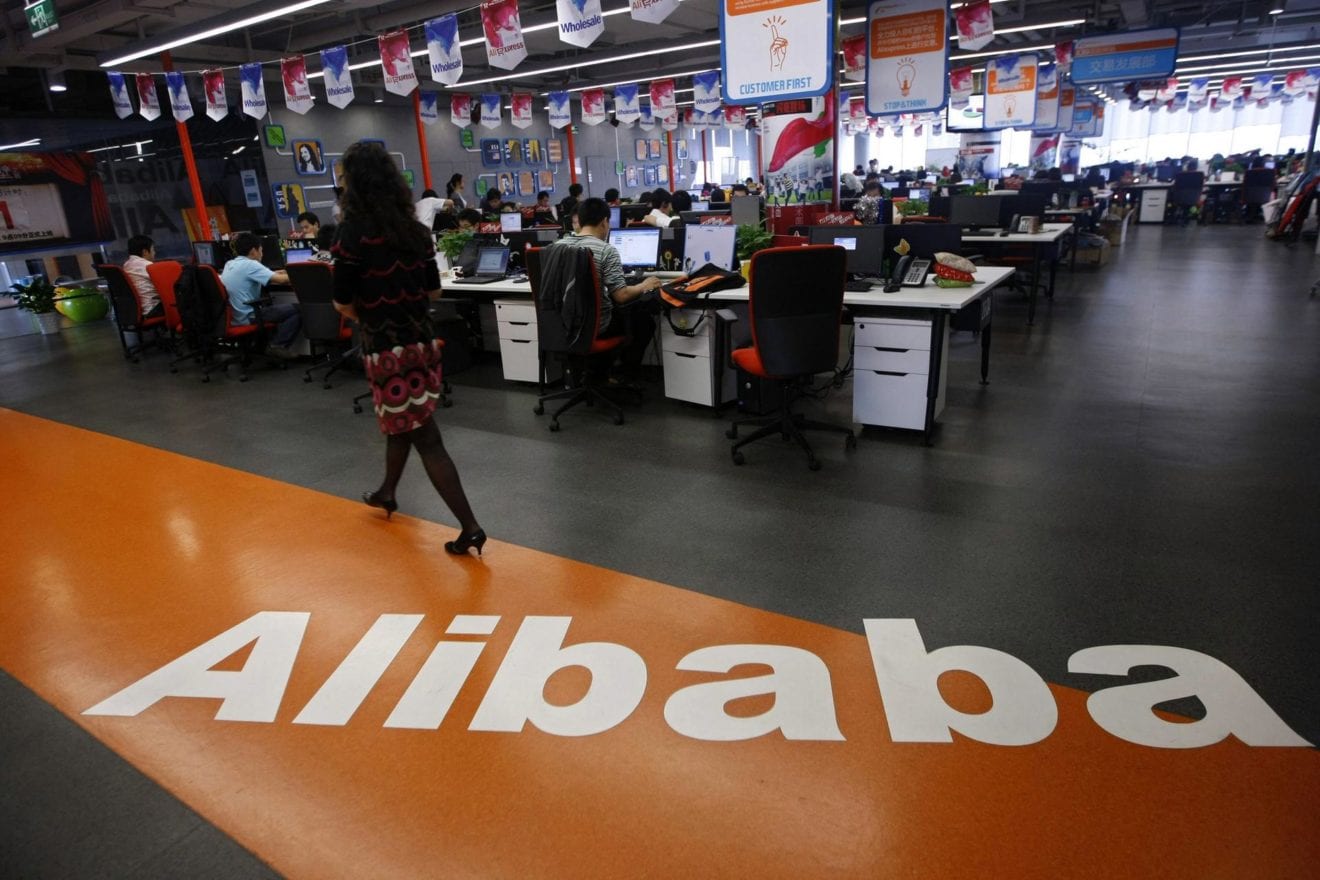
    Alibaba Group has struck a deal to buy Hong Kong’s venerable English-language newspaper, the South China Morning Post, adding a relatively small but influential content provider as the Chinese eCommerce giant expands into online entertainment and information.

    The agreement calls for Alibaba to purchase the media assets of Hong Kong-listed SCMP Group for an undisclosed amount. In addition to the daily newspaper, Alibaba is acquiring other SCMP operations including magazines, outdoor media, recruitment, events and conferences, and education and digital media businesses. Publications involved in the deal include the Sunday Morning Post; SCMP.com and related mobile apps; Chinese websites Nanzao.com and Nanzaozhinan.com; and a portfolio of magazine titles such as Esquire, Elle, Cosmopolitan, The PEAK and Harper’s Bazaar.

    Through the acquisition, Alibaba said it will “combine the heritage and editorial excellence” of the SCMP, which was founded in Hong Kong in 1903, with Alibaba’s digital capabilities “to provide comprehensive and insightful news and analysis of the big stories” in Hong Kong and China. The company plans to use technology to create content more efficiently, and provide resources to expand the SCMP’s audience beyond Hong Kong through digital distribution.

    “The South China Morning Post is unique because it focuses on coverage of China in the English language,” said Joe Tsai, executive vice chairman of Alibaba Group, in a statement. “This is a proposition that is in high demand by readers around the world who care to understand the world’s second-largest economy.”

    With the rise of the Internet, newspapers and magazines have suffered steep declines in readership and advertising revenue while struggling to make a profitable transition from print to digital distribution. In an open letter to the SCMP’s readers, Tsai said some may ask why Alibaba is buying into traditional media “considered by some (to be) a sunset industry.”

    “The simple answer is that we don’t see it that way,” Tsai wrote, calling the acquisition “the perfect opportunity to marry our technology with the deep heritage of the SCMP to create a vision of news for the digital age.”

    To enable greater access to SCMP content on computers and mobile devices anywhere in the world, Tsai said Alibaba intended to make all digital content available for free, eliminating the newspaper’s “pay wall” that requires readers to subscribe to get access to stories posted on the Internet. This change would occur “with enough preparation time after we take over operations,” Tsai wrote.

    SCMP CEO Robin Hu said Alibaba’s “proven expertise especially in mobile Internet” placed the company “in an excellent position to leverage technology to create content more efficiently and reach a global audience”.

    “We welcome Alibaba’s commitment to invest additional resources in its editorial and business operations to make the SCMP even stronger,” Hu said in a statement.

    Alibaba has been pursuing a media strategy that builds on its extensive eCommerce assets and consumer connections – the company’s China marketplaces have 386 million annual active buyers – to bring content to China’s entertainment-hungry masses. Alibaba has rapidly expanded in this area through investments in a variety of traditional and Internet businesses, including film production (Alibaba Pictures), sports (Alibaba Sports Group) and streaming video. Last month Alibaba agreed to buy Youku Tudou, A Chinese version of YouTube, in a multibillion-dollar deal.

    Tsai’s letter to SCMP readers:

    Marrying Heritage and New Technology: a Vision for the Digital Age

    Dear Readers,

    By the time you read this, you will have heard the news that Alibaba Group is acquiring the South China Morning Post.

    With an age difference between the two companies of nearly one hundred years, this is truly a mix of the old and the new. The SCMP is resonant with the history, heritage and culture of the region, just as Alibaba has its place in the new age of digital technology.

    We at Alibaba are both humbled and excited to be the new owner.

    Our Business Case

    So, you’re probably wondering why. Why is Alibaba buying into traditional media, considered by some a sunset industry? The simple answer is that we don’t see it that way.

    The SCMP has iconic status in the region, with a strong reputation internationally for the quality and credibility of its journalism over the years, thanks to its reporters and editors who have worked hard to build this heritage.  Like many print media, however, the SCMP faces challenges amid the dramatic changes in the way news is reported and distributed. But these changes play to Alibaba’s strengths, which is why we believe the two companies complement each other well.

    We see a compelling business case for the acquisition because we believe that Alibaba is best positioned to take the SCMP to the next level. The foundation for this work must be the quality of the content. And what underpins this will be editorial excellence: a clear prerequisite to maintaining readers’ trust and, ultimately, achieving commercial success. Be assured, we get that.

    Yet, the news business is in a state of flux. It has already gone digital and is now moving from online destination to other forms of distribution, in particular social media and mobile. Media now has a global audience and the challenge is to reach it in the most efficient and reader-friendly way. With proven expertise in digital distribution, especially on mobile devices, Alibaba is in an excellent position to leverage technology to create content more efficiently and expand distribution without borders.

    In other words, we see the perfect opportunity to marry our technology with the deep heritage of the SCMP to create a vision of news for the digital age.

    Our Vision

    Our vision is to grow the readership globally. We believe we can do this because the SCMP, from its base in Hong Kong, is uniquely positioned to report on China with objectivity, depth and insight, a proposition that is in high demand by readers around the English-speaking world – from New York to London to its home in Hong Kong – who care to better understand the world’s second largest economy.

    To help achieve our vision, we plan to make the SCMP more readily available. In this spirit, with enough preparation time after we take over operations, the pay wall on SCMP.com will come down, and you will be able to access its content for free on the Internet and on your mobile device.

    We will also invest to strengthen the foundation of editorial excellence. Only through additional resources will the SCMP be able to stay true to its core values of quality, integrity and trust. Further, the SCMP will stay close to its roots, with a strong China focus offering distinctive and informed analysis on trade, business, economy and society while maintaining its status as the paper of record for Hong Kong.

    Editorial Independence

    Some have suggested that ownership by Alibaba will compromise the SCMP’s editorial independence. This criticism reflects a bias of its own, as if to say newspaper owners must espouse certain views, while those that hold opposing views are “unfit.”

    In fact, that is exactly why we think the world needs a plurality of views when it comes to China coverage. China’s rise as an economic power and its importance to world stability is too important for there to be a singular thesis.

    In reporting the news, the SCMP will be objective, accurate and fair. This means having the courage to go against conventional wisdom, and taking care to verify stories, check sources and seek all viewpoints. These day-to-day editorial decisions will be driven by editors in the newsroom, not in the corporate boardroom.

    It’s humbling to assume the responsibility of ownership of such a storied newspaper. We thank the Kuok family who have been tremendous stewards of your trust; we hope Alibaba will have an opportunity to earn your trust.

    Sincerely,

    Joseph C. Tsai

    Executive Vice Chairman

    Alibaba Group Holding Limited
  • Philippines to launch new tourism campaign next year

    Philippines to launch new tourism campaign next year

    Following the success of the “Visit the Philippines Year (VPY) 2015” campaign, the country’s Department of Tourism (DoT) will launch a similar initiative again next year. The “Visit the Philippines Again (VPA) 2016” drive is part of DoT’s intensive marketing efforts to establish the Philippines both as a tourist and business destination.

    “Visit the Philippines Again 2016 is going to be a massive retail-focused effort. We are negotiating with tour operators and travel agents to give incentives to returning visitors to the Philippines,” DoT secretary Ramon R. Jimenez, Jr. said.

    Aside from the special packages for visitors, the DoT, together with its Tourism Promotions Board (TPB), has partnered with the private sector and local government units in promising a bigger, greater, and more exciting line up of events and tourism product offerings that showcase the country’s competitive advantage as a destination.

    Among these major events are the Asean Tourism Forum 2016, Routes Asia 2016, Madrid Fusion Manila 2016, 2016 Ironman 70.3 Asia Pacific Championship, MTV Music Evolution 2016, and the Travel Blog EXchange (TBEX).

    “Our VPA campaign will again highlight the Philippines as a multi-level experience destination with our warm Filipino people, exciting activities, and endless new discoveries in our award-winning destinations that are worth a repeat visit. We are also putting together packages and rewards, so that when a tourist returns to the Philippines for a second or fifth time, he will get discounts in several establishments,” the tourism chief added.

    Of particular note for the Middle East is the “Kids Stay Free Campaign”, which has been designed exclusively for families (both nationals and expatriates), living in the GCC and offers exceptional value.

    The campaign packages provide two children per family under the age of 11 with an exciting array of activities, food, accommodations and other experiences all on a complimentary basis. Additionally the packages allow families to twin the Philippines capital Manila with another exotic destination such as Cebu, Palawan, Boracay, Bohol, Davao or Bicol, allowing for both an urban and idyllic getaway experience.

    GCC nationals require no visa to visit the Philippines. The country’s many popular shopping experiences, tranquil beaches and numerous family-friendly attractions have resulted in an increasing number of GCC residents choosing to make the Philippines their holiday destination of choice, a statement said.

    A total of 65,642 visitors from the GCC visited the Philippines between January and September 2015, resulting in a 12 per cent increase compared to 2014 figures for the same period, data showed. Saudi Arabia accounted for the highest number at 40,453 travellers, an increase of 17 per cent compared to the year before.

  • Cafe de Coral Group plans 20 new restaurants

    Cafe de Coral Group plans 20 new restaurants

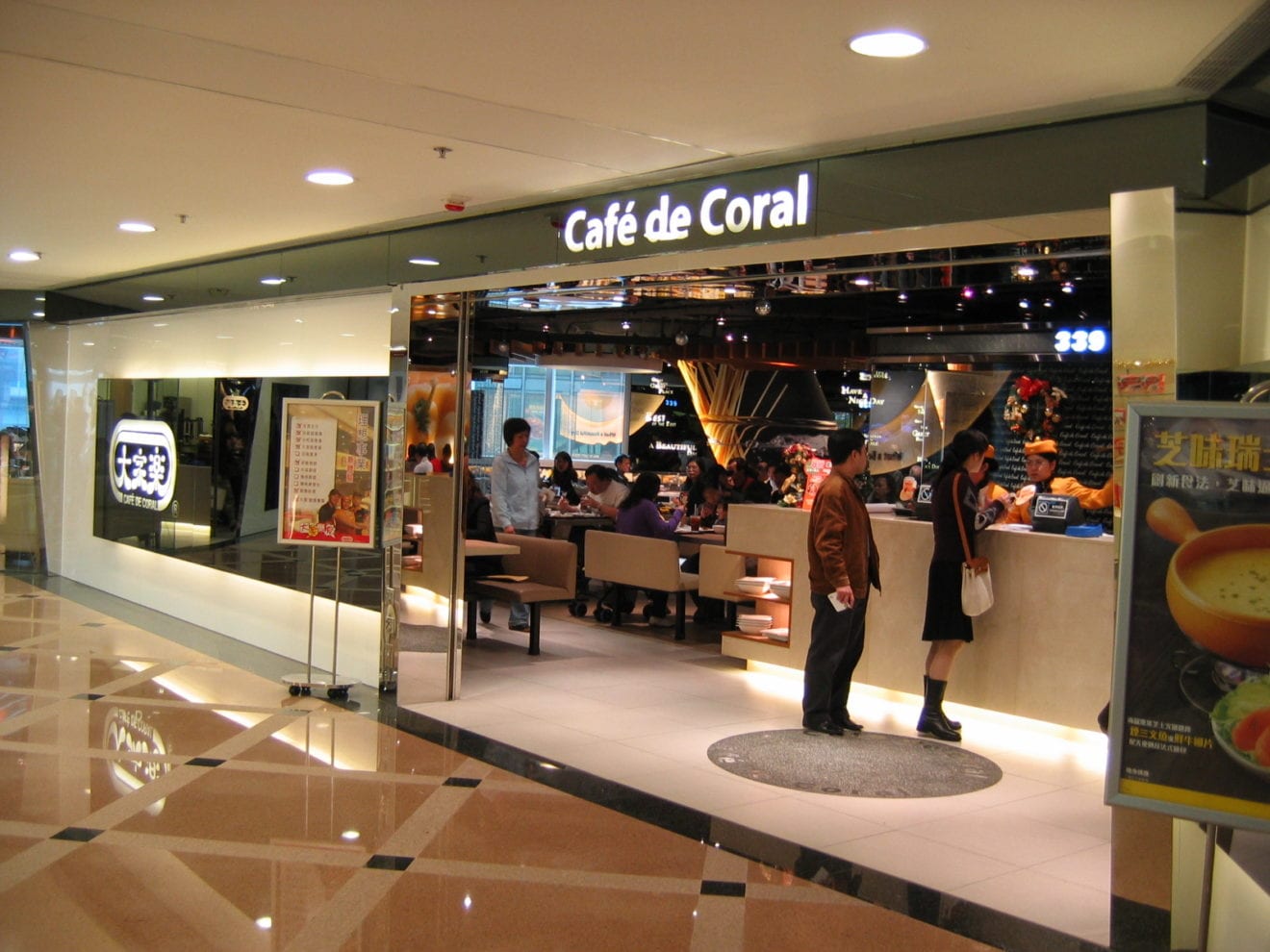
    Quick Service Restaurant giant Cafe de Coral Group says it plans to open at least 20 new outlets in Hong Kong in the current financial year as it seeks to revive profit growth.

    The company this week revealed a three per cent increase in sales to HK$3.73 billion in the first half of the year, but a 14.7 per cent decline in profit to $207 million.

    “Seizing the opportunity of a softer leasing market, our Cafe de Coral and Super Super Congee & Noodles chains will be more proactive in further expanding its network,” the company said in its stock exchange filing.

    “Our team has been working on building greater network for our QSR platform with opening more than 20 shops in FY2015/16. We will also steer our current and new QSR concepts to

    further drive a bigger market share in this segment. Lifestyle cafe kiosk Just About Food and new innovative take-away concepts in key commercial hubs are tailored to target the needs of busy working crowds. These new QSR concepts have also led us to higher efficiency in the backdrop of high rental cost and persistent labour shortage.”

    Cafe de Coral Group’s QSR business in Hong Kong recorded a healthy turnover growth during the first half.

    “Performance of our fast casual and casual dining business was, however, held back by the significant investment we ploughed in to support our continual expansion in this segment. The group’s overall performance for the period has, to some extent, reflected a downturn in retail sentiments, driven by the weakening economy. Some of the group’s restaurants in the major shopping precincts saw a slow recovery in the aftermath of the community disruptions since the last quarter of 2014.”

    Despite the prevailing challenges, the group’s Hong Kong operations recorded turnover growth of four per cent to $3.12 billion. The Café de Coral chain saw its sales from comparable stores increase four per cent from the same period last year. The Super Super Congee & Noodles chain’s sales grew three per cent.

    In the fast casual and casual dining sector, Oliver’s Super Sandwiches continued to generate positive comparable store sales growth.

    “The Spaghetti House and Spaghetti 360˚, despite being affected by the temporarily weakened customer spending during the period, seized the opportunity to rejuvenate and strengthen our presence in the Italian dining sub-sector with The Spaghetti House re-launching its flagship store in Cityplaza, Hong Kong.

    “Shanghai Lao Lao and Mixian Sense, our home-grown brands that underscore the group’s diversification strategy, reported an encouraging performance. During the period of review, both chains continued their trajectories of steady growth and reinforced our solid leap into the Chinese dining sub-sector.

    Leveraging on the franchising model in our Japanese and Korean dining sub-sector, The Cup and Don Don Tei restaurants have opened in Hong Kong.

    Mainland China ‘flat’

    In Mainland China, Cafe de Coral’s fast food business growth was flat compared with last year and its casual dining business saw a steeper decline, “due to the rising tide of consumer reluctance to spend on higher priced meals”.

    “We made the deliberate move to slow down our growth in scale and pace in the country.

    “A balanced business portfolio with the right mix of our QSR, fast casual and casual dining and Mainland platforms will provide us with a greater room for expansion – a cornerstone of sustainable growth for the Cafe de Coral Group,” the company said.

    “Business in Mainland China has remained stagnant and consumption patterns are changing. Aware of the market deteriorations, the group has carefully gauged local consumption behavior, with a prudent approach towards operating its business there, primarily the Cafe de Coral and The Spaghetti House chains. We have deliberately adjusted our expansion pace and consolidated our operations, closing underperforming stores as well as strengthening our infrastructures, systems and teams in pursuit of a viable, future-oriented growth strategy.”

  • Inditex Asia: the relentless push continues

    Inditex Asia: the relentless push continues

    As Spanish apparel giant Inditex continues its global expansion in earnest, the Inditex Asia business is accounting for a major share of the action.

    Inditex is committed to both multi-brand and multi-channel strategies as it builds it global dominance of the fast fashion market.

    During the first nine months of 2015 it opened 230 stores in 48 markets.

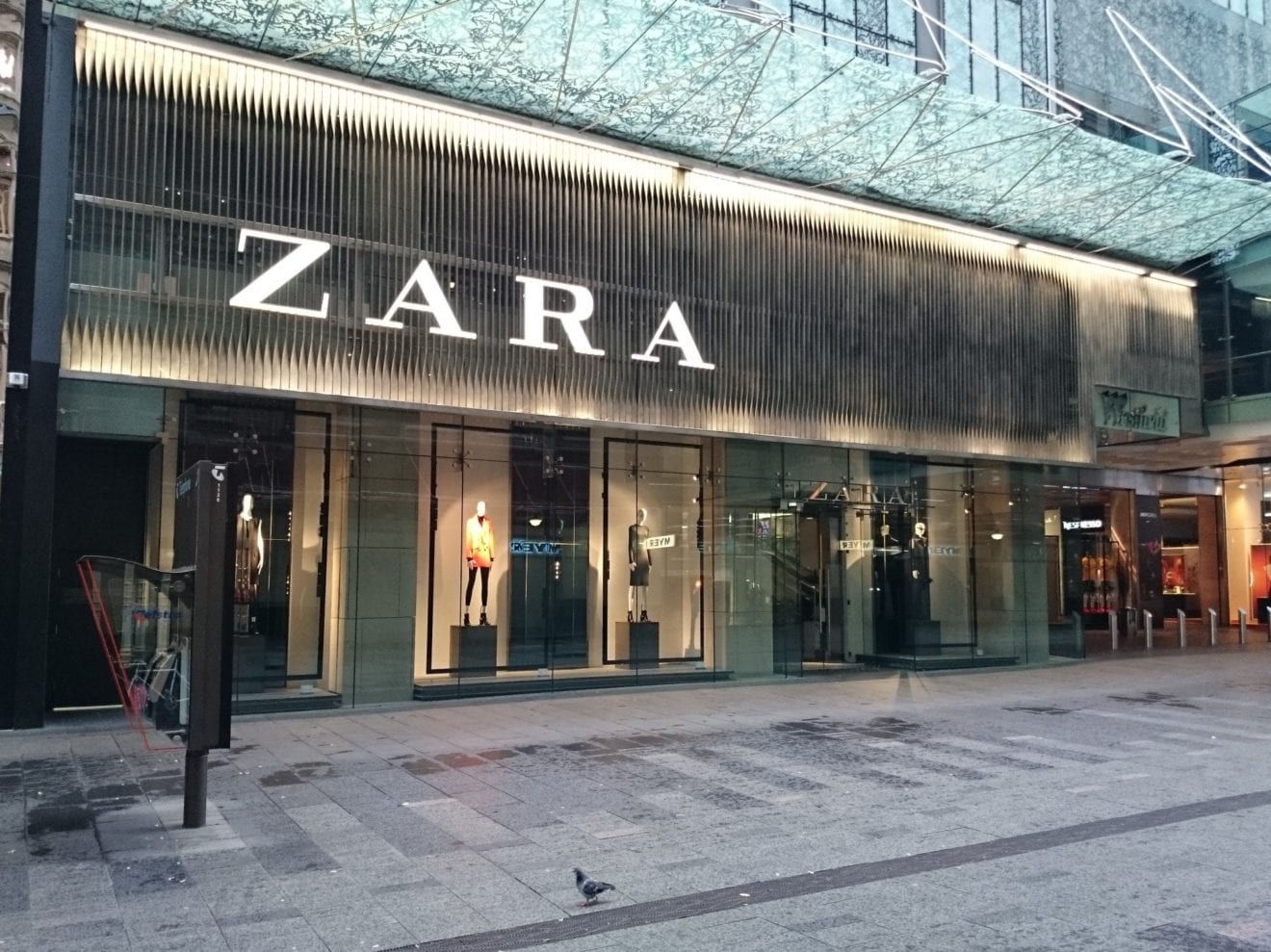
    Online, Zara extended its eCommerce presence to Taiwan, Hong Kong and Macao. Inditex also launched online operations in the southern hemisphere with the launch of Zarahome.com in Australia on December 3 – soon after the homewares brand opened online in Japan.

    Pull&Bear, Massimo Dutti, Stradivarius and Oysho all launched online in China.

    Inditex opened physical stores in all continents during the nine months to the end of October. The net number of stores across the group’s brands increased by 109 in Europe, by 47 in the Americas – and in Asia and the rest of the world, by a net 74, taking the group’s global store count to 6913.

    In Asia, these openings included new Zara stores in Osaka (Japan), Beijing, Harbin and Hong Kong (China) and in Singapore.

    Bershka opened its first store in Taiwan and a flagship store in Korea; and Stradivarius, with openings in the Chinese cities of Chengdu and Harbin.

    Oysho has opened its first store in Korea; Zara Home opened its flagship in Sydney (marking its 500th store worldwide).

    As at the end of October, Inditex had a presence in 88 markets, with online operations in 28 of these.

    Inditex said its net profit over the first nine months of the year was up 20 per cent to €2.020 billion. Net sales increased 16 per cent year on year to €14.74 billion.

  • Under Armour Singapore store largest yet

    Under Armour Singapore store largest yet

    The new Under Armour Singapore store at Bugis Junction is the fast-growing sportswear brand’s largest in the city, and second largest in Southeast Asia.

    The fashionable sportswear brand is growing rapidly, especially in Asia where it has 15 solo-brand retail stores and a presence in nine markets.

    The new Bugis Junction store is 2960 sqft (275 sqm), a fraction smaller than its largest, the 3000 sqft store at the Pavilion in Kuala Lumpur, Malaysia.

    An instantly recognisable statuesque Under Armour logo is proudly erected at the front of the new brand house, while the concept for it echoes the industrial and gym-inspired interiors displayed in existing Under Armour brand houses, retaining the signature accents consistent to all global Under Armour stores – including the use of metal and wood furnishings and the Under Armour Thrones, large black leather seats with the logo stitched in red built within the footwear zone.

    Under Armour says the Bugis Junction store “embodies a retail experience that awakens the fierce and high- intensity energy and signature philosophy of the Under Armour brand”.

    It is the first store to exclusively stock the basketball range and childrenswear, and will soon exclusively stock the Hunting, Tactical and Outdoor series.

    “Bugis Junction has been a key locale for entertainment, recreation and retail for both the youth and working professionals for decades. With many specialised gyms and fitness destinations in the area, Under Armour Bugis Junction is the ideal complement to kickstart or to maintain a fit and healthy lifestyle,” explains Michael Binger, CEO of Triple, the local licensee of the brand.

  • China’s internet giants investing in offline retail for growth

    China’s internet giants investing in offline retail for growth

    Alibaba’s purchase of certain media properties has dominated recent headlines, but China’s acquisition-hungry internet giants have moved on plenty of other targets lately, including brick-and-mortar retailers as they expand their commercial ecosystems.

    The triumvirate of Baidu, Alibaba and Tencent has made US$75 billion of investments in strategic partners since 2013, according to HSBC data, and analysts say China’s internet behemoths have the cash to keep on going.

    “Mergers and acquisitions will remain a main feature of China’s internet industry in 2016. We expect Alibaba’s and Tencent’s M&A spend to remain high,” wrote Fitch analyst Kelvin Ho in a recent note.

    The internet firms aren’t just gobbling up other online players. Some US$47 billion has been spent on physical retailers and another US$797 million on logistic providers. Analysts say this reflects the broad adoption of an online-to-offline, or “O2O”, strategy.

    “O2O has become the new growth driver for internet companies, especially e-commerce companies, which have been making efforts to broaden their services and product offerings and to enhance shopping experiences for online shoppers,” HSBC analysts wrote in a report last month.

    Physical distribution capabilities have been on Alibaba’s shopping list. Its partnership with Haier Electronics Group two years ago strengthened its ability to fulfil white goods, and its August investment in Suning Commerce Group is expected do likewise for consumer electronics.

    Competitor JD.com already has delivery capabilities, so its focus is on investing to broaden its product portfolio, by partnering with local supermarkets, convenience stores and pharmaceutical chains. In August it boosted its fresh food business by taking a stake in supermarket chain Yonghui Superstores.

    The impetus for these moves comes from surging online retail sales, which grew at a 57 per cent compound annual growth rate from 2010 to 2014, easily outpacing the 13.7 per cent rate for all retail, as sales from physical outlets were cannibalised.

    “The cashed up internet companies are definitely doing a land grab, in terms of O2O and other assets,” said Chi Tsang, head of Asia internet equity research at HSBC.

    But despite the growth of online retail, it contributed just 11 per cent of all retail sales in 2014. And although it’s expected to grow at a CAGR of 27 per cent up to 2018, according to iResearch, HSBC figures show year-on-year growth is actually decelerating, from 49 per cent in 2014 to 39 per cent in the first half of this year.

    In this context, analysts say it’s critical for the online and offline sides of an O2O partnership to see mutual benefit.

    “By tying up with internet companies, offline retailers can benefit from getting access to their partners’ large online user base, and can better utilise their retail infrastructure (logistics supply chain and store network) by helping online retailers to provide an omni-channel shopping experience to their customers,” HSBC analysts wrote.

    “Conversely, internet companies can further enlarge their market shares by digitalising offline partner’s product offerings and providing just-in-time services to users by utilising offline partners’ retail infrastructure.”

    As an example, Alibaba’s deal with department store operator Intime Retail Group has spawned the Girlfriend Circle programme, which promotes social spending among more than 100,000 members, and the Miao Jie app, which has boosted conversion rates by channelling department store activity for over half a million users.

    “I think of O2O as tapping into the other 90 per cent of retail sales that is not served via online shopping. Nine hundred million people have computers – smartphones – in their pockets so they are already enabled. Just need to supply them with services and payment options,” Tsang said.

    Some O2O strategies don’t involve physical infrastructure or retail premises. Baidu is focused on mobile marketing and services transactions, having invested in online travel agency Ctrip and transport provider Uber. It also targets high-frequency consumer transactions like food takeout and movie ticketing.

    Other players, like consumer electronics giant Gome and grocery retailer Sun Art, are taking a solo approach to combining physical retail and e-commerce. Future partnerships with those firms are possible, although smaller operators like Golden Eagle Retail Group, Wumart Stores or Lianhua Supermarket Holdings could be easier for the big three to swallow.

    “The pure O2O land grab is nearly over, with Meituan.com, Didi and even 58 Home spoken for. But might there might be more retailers or hypermarkets interested in cooperating,” Tsang said.

  • Singapore’s Challenger loses flagship store

    Singapore-listed Challenger Technologies, the state’s largest IT products and services provider says it will boost its push towards a digital retail ecosystem and advanced software development initiatives for continued growth.

    Its statement followed news revealed yesterday on Inside Retail Singapore that CapitaLand Mall Trust plans to demolish Funan DigitaLife Mall to build a new integrated development which will open three years later. The mall is home to Challenger’s 53,000 sqft (4924 sqm) flagship megastore.

    “The group is well-positioned to continue bringing value and relevance to its half a million members and established base of corporate customers,” Challenger said in a statement intended to reassure shareholders the store’s closure will not measurably impact on its trading.

    CEO Loo Leong Thye said that Funan’s redevelopment was first mooted by CMTL more than seven years ago. Challenger’s planning had also began then.

    “We relocated our entire back office operations from Funan to our Ubi Link corporate building in 2009,” he said. This was followed by rapid retail expansion, with a total store count at 47 as of 12 December 2015 and three new leases confirmed for the first half of 2016.

    Apart from restarting its retail eCommerce engine in 2014 with a mobile-first revamp coming in early 2016, the group also announced its foray into a digital lifestyle ecosystem by establishing Challenge Ventures earlier this year to invest in digital businesses and services.

    One such service is the group’s existing end-to-end integrated marketing solutions provider, inCall System, which has been injected into CVPL. Another business is eCommerce marketplace Andios, which provides customers a platform to buy or sell their smartphones online.

    “To create the next wave of business growth, CVPL will continue to invest in relevant businesses from outside of the group,” said Challenger.

    To cater for the rapid growth from its digital businesses, the group has plans to establish a logistics hub in Singapore for eCommerce warehousing and fulfilment.

    The group believes the impact from the closure of its megastore is significantly reduced due to the extensive planning efforts over the last seven years.

    “When we first listed on SGX in 2004, our Funan store contributed to 60 per cent of our total group revenue. As of the third quarter of 2015, this number is only about 20 per cent of our total group revenue,” Loo noted.

    “Over the last seven years, many of our members and even tourists have also begun shopping at our heartland mall stores because of proximity convenience. With our mobile-first revamp coming in early 2016, more Challenger customers will switch to shopping with us online. They will enjoy online-only member deals, always-on rebates credited to their eWallets and even same-day express delivery.”

    Loo says the concept of a destination specialist shopping mall is not as relevant as being able to provide a wider range of products for customers to browse on-the-go.

    “We can stock 10 times more products online than at our megastore, creating a mega mall effect for customers to browse and transact on their mobile devices. We need to go where the customers are,” he said.

    “Our physical retail stores will evolve to become more experiential, with our brand partners having better concepts to showcase their products’ capabilities. They will complement our online store, which will serve customers at their own time – not dictated by a mall’s operating hours.”

    The group will keep its physical store expansion options open.

    “Our retail strategy has always been and will continue to see us expanding at suitable locations with reasonable rentals,” Loo said. “We will continue to rationalise our retail store locations, including opening, closing and right-sizing our stores to improve operating performance.

    “I have a big sales target of $1 billion to be achieved in five years’ time,” Loo said. “This is entirely possible because we have scalable business plans to roll out progressively to regional markets.”


  • This Mickey Mouse-shaped streaming device will bring Disney to China

    This Mickey Mouse-shaped streaming device will bring Disney to China

    Call it a Trojan mouse if you like: this is the streaming device that will bring Disney content to China. The $125 Mickey Mouse-shaped gadget was unveiled this week as part of a multiyear licensing agreement between The Walt Disney Company and China’s retailing giant Alibaba, offering access to everything Disney, from films to e-books.

    The gadget is superficially similar to devices like Google’s Chromecast or Amazon’s Fire TV, plugging into customers’ TVs and streaming digital content from the internet. However, instead of offering TV shows and movies from a range of different publishers, it’s only connected to a single subscription service: DisneyLife. This on-demand digital library first launched in the UK in November, and offers access not only to Disney’s films, cartoons, games, e-books, and songs, but also lets customers buy Disney merchandise and plan trips to Disneyland theme parks.

    The devices will ship from December 28th, and the $125 retail price will include a year’s subscription to DisneyLife. Neither Alibaba nor Disney revealed how much subscriptions would cost after this initial period, but in the UK — where the service launched without a Mickey Mouse-shaped streaming box — the fee is $15 a month.

  • Rupiah strengthens to Rp13,774 against dollar

    Rupiah strengthens to Rp13,774 against dollar

    The Indonesian rupiah closed stronger at Rp13,774 per dollar in the Jakarta interbank market on Monday evening, up 143 points from the previous close of Rp13,917 per dollar.

    The rupiah strengthened against the US dollar as uncertainty about the money market eased following the Federal Reserves decision to raise its rate, Chief Researcher of NH Korindo Securities Indonesia, Reza Priyambada, said here on Monday.

    “The euphoria due to the US central banks decision has revived investors demand for assets of risky countries. The fact that Indonesia has regained its investment grade rating is one of the factors prompting investors to reinvest in the country and, accordingly, the rupiah is strengthening,” he said.

    Investors are also optimistic about Indonesias economic outlook in 2016 as a result of aggressive capital expenditure and monetary stimuli aimed at pushing economic growth, he said.

    Economist Leo Rinaldy of Mandiri Sekuritas, meanwhile, said the Federal Reserves plan to raise its rate gradually in 2016 has received positive responses from money market investors.

    He said the investors also believed that Indonesias macroeconomic fundamentals will be better next year.

    However, the domestic economic performance, which is far from expectation, and the Fed rate which may increase at a faster pace to more than 1.25 percent in 2016, may send out signals of a negative sentiment about the rupiahs exchange rate, he said.

    “The Fed rate hike will entail a risk if it does not meet market expectation,” he said.

  • Davao could be next retail hotspot

    Davao could be next retail hotspot

    With strong macroeconomic fundamentals driven by a burgeoning consumer market and supporting social infrastructure, Davao City is expected to be the Philippines’ next retail hotspot outside Metro Manila. A recent report by global real estate services group Cushman and Wakefield said such progressive environment has supported the recent expansion of retail space in the city and the influx of international brands.

    Cushman and Wakefield said Davao City exhibits the trends and qualities that make for a robust retail market.

    Some of these qualities are Davao’s increasing population, the city’s high income, massive regional consumer market, and strong tourism market.

    Cushman and Wakefield noted that the rapid influx of people into the city has turned it into the largest urbanized area in terms of population and land area outside Metro Manila. The city is estimated to have a population to date of about 1.63 million.

    It also said the uptrend in the city’s population is driven by the migration of people from other regions, mainly because of the incentives that Davao has to offer, such as good social
    infrastructure like easy access to quality schools, hospitals, and an international airport.

    The advent of the Information Technology-Business Process Outsourcing (IT-BPO) sector in the city has also served as a magnet for people to settle in Davao.

    “The outlook now is that we will be seeing retail integrated into workplaces and mixed-use township communities,” the report said.

    Citing the implementation of a stringent traffic management system, Cushman and Wakefield observed in Davao the absence of traffic and infrastructure woes that bug people in Metro Manila.

    “Further, complementing the population trend, we have seen housing subdivisions and residential options increase in urban Davao, encouraging people to choose to conveniently live in the city,” it added.

    Davao is also recognized as one of the top-five high-income cities in the country, according to data from the Bureau of Local Government Finance.

    The report said the economic gains of Davao City could also be gauged from the city’s transforming economic landscape, with buildings rising in every corner.

    “We see the emergence of infrastructure like high-rise residential buildings and mixed-use developments,” the report noted.

    Among the significant upcoming developments, it cited, are the mixed-township Davao Park District, Dusit’s luxury accommodations Dusit Thani Residences and DusitD2 Hotel, and the Lubi Plantation Resort.

    “Clearly, Davao City has proven and continues to prove to be an economically healthy emerging high-income city that offers the right incentives for business and investment,” Cushman and Wakefield said.

    The report cited that the city experienced a 16-percent increase in total capital from 2011 to 2014 alone.

    The report also said Davao City serves as the regional center of the entire Davao Region, which is known to be the fastest growing region in the country, exhibiting exceptional gross regional domestic product (GDRP) growth rate in 2014 at 9.4 percent from the 6.7 percent in 2013.

    The report said one of the main drivers of this growth is the region’s locational advantage as a financial and business hub in Southern Philippines, and with the emergence of IT-BPO parks in the region.

    “This motivated business expansion into the region, resulting in the increased demand for property in the form of offices and residential and retail spaces,” the report said.

    The report also pointed out Davao Region’s emerging signs of a maturing consumer market, even surpassing Metro Manila’s and the whole Philippines’ growth in terms of per capita spending.

    “Indicators show that purchasing power is increasing in the region and this presents ample opportunity for growth in retail,” the report said.

    It said the optimism toward Davao retail and developers’ consequent response of adding more retail spaces had ushered in an influx of retailers, including foreign brands.

    “We can now observe a very international mix of tenants, especially in the newer malls of Ayala and SM,” Cushman and Wakefield said. “This is a drastic departure from six years ago, when tenants were predominantly local brands.”

    The group noted that Davao’s biggest malls now have more international tenants, especially the established brands for general retail, 90 percent of which are fast fashion.

    Cushman and Wakefield said this is especially true for Ayala Abreeza and SM Lanang Premier, which post international tenant shares of 72 percent and 63 percent, respectively.

    Cushman and Wakefield said this is anticipated, as both Ayala Abreeza and SM Lanang Premier have always marketed themselves as the premier and upscale malls in Davao.

    The group said while there is no visible major shopping mall project in the city’s pipeline yet, future retail development is looking to take place in many of Davao’s mixed-use developments.

    “Major malls tend to evolve over time, more often not expanding retail space in the process,” Cushman and Wakefield stressed. “Many of the major mall developers in Davao, like SM and Ayala, have sizable land banks that allow for any form of expansion.”

    The group further noted that the rapid take-up of retail space in major malls is sure to keep occupancy rates at a high, with optimistic projections looking at close to 100-percent occupancy by 2016.

    A popular Philippine tourist spot, Davao breached the one-million tourist arrival benchmark in 2012, and has since been growing, even if 90 percent of the tourists were locals.

    “Domestic travelers have proven to be a strong market for retail tourism, as Filipino travelers tend to include shopping in malls in travel plans,” Cushman and Wakefield said.
    The firm said the past five years has been the most vibrant for Davao City in terms of retail, as retail developers see the opportunities for retail growth in the area.

    Some of the biggest shopping malls in Davao so far are: the Ayala Abreeza Mall by Ayala Land Inc.; Gaisano Mall of Davao by DSG Sons Group Inc; and SM City Davao and SM Premier Lanang both by SM Prime Holdings.

    “While Davao retail is already more dynamic, it will become even more vibrant, as new developers and retailers enter the market,” Cushman and Wakefield concluded. “With the right demographic fundamentals, the social infrastructure to support the demographic, and an energetic and fresh retail sector, Davao City is poised for further retail development and is surely a retail destination to look out for outside the capital.”

  • Scandal-hit Toshiba cuts 6800 jobs, sells Indonesia plant, sees annual loss of $4.5 billion

    Scandal-hit Toshiba cuts 6800 jobs, sells Indonesia plant, sees annual loss of $4.5 billion

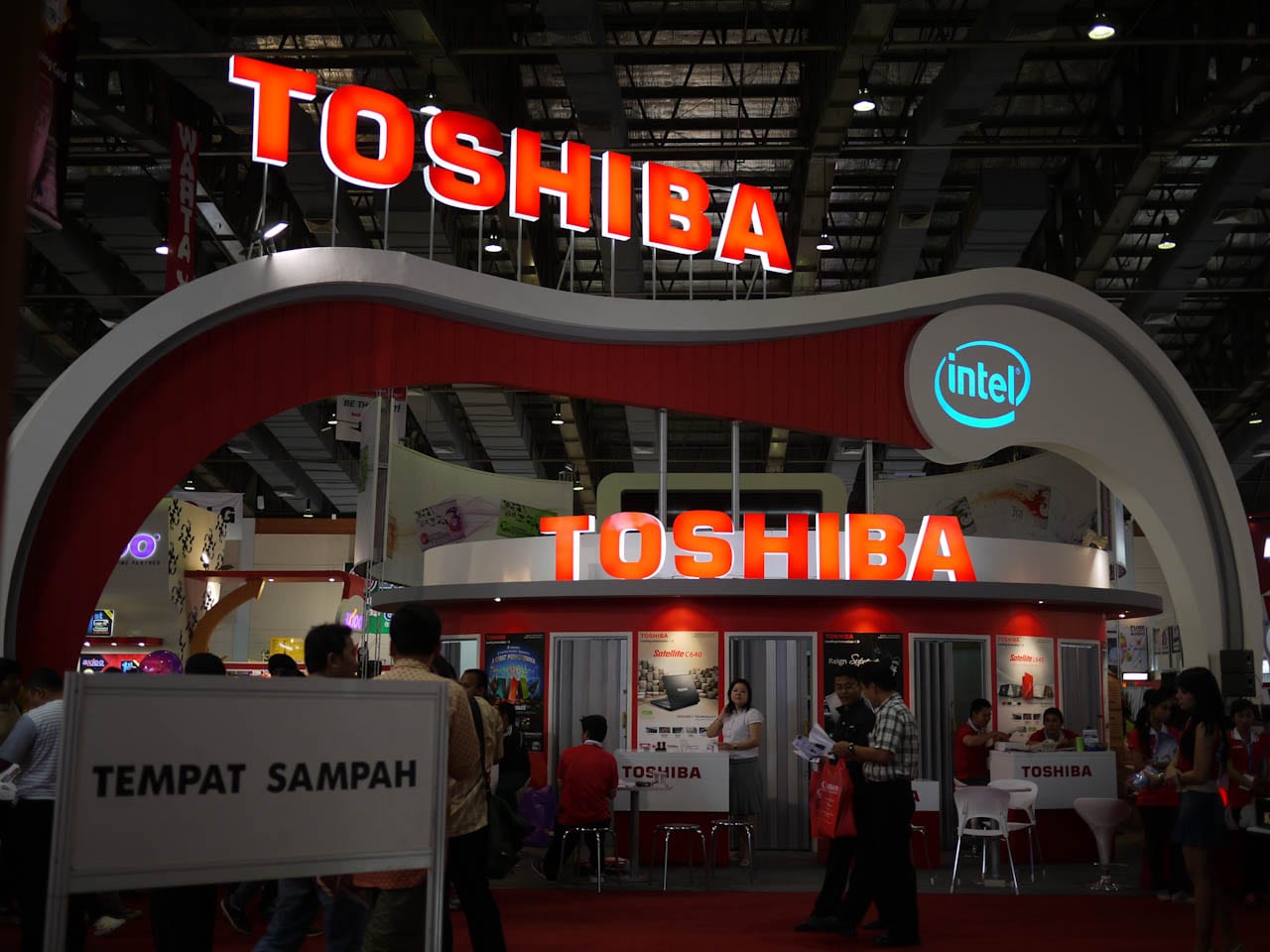
    Scandal-plagued Japanese manufacturer Toshiba Corp. is cutting 6,800 jobs after projecting a net loss of 550 billion yen ($4.5 billion) for the fiscal year through March 2016.Toshiba said Monday it will slash the jobs in its personal computer, video product and consumer electronic businesses.

    The job cuts equal about 3 per cent of Toshiba’s overall employees. It is also selling its TV plant in Indonesia.Toshiba, which also makes nuclear power plants, has repeatedly apologized after acknowledging it had systematically doctored its books over several years to inflate profits by 152 billion yen ($1.3 billion).Officials have said that mangers set unrealistic earnings targets, under the banner of creating a big “challenge,” and subordinates faked results.

    The scandal at one of the nation’s top brands highlights how Japan is still struggling to improve corporate governance, despite efforts to beef up independent oversight of companies.Toshiba said the job cuts in Japan will be by early retirement, but a significant number of overseas jobs will also be involved and steps will vary by each nation. It did not immediately have a detailed regional breakdown.Earlier this year, Toshiba said it is selling facilities for making computer chips related to image sensors to Sony Corp.Toshiba is also in trouble because it operates and is decommissioning, with Hitachi and other companies, the Fukushima Dai-ichi nuclear power plant, which went into meltdowns after the March 2011 tsunami.

    Toshiba said it had not yet fully calculated the impact of the nuclear disaster on its books.The latest earnings projection means Toshiba is sinking into its second straight year of red ink, after racking up a nearly 38 billion yen ($312 million) loss for the fiscal year that ended in March.Japanese media reports said the loss forecast for this fiscal year would be a record for Toshiba, surpassing the massive losses during the Lehman financial crisis.

  • Malaysia is Poised for E-commerce Growth through Better Mobility

    Malaysia is Poised for E-commerce Growth through Better Mobility

    Today, there are a total of 252.4 million Internet users around Southeast Asia, with Malaysia emerging as the third country that recorded the highest percentage of Internet users (67%) after Singapore and Brunei.

    The promising Internet penetration result indicates Malaysia’s enormous potential for e-commerce market growth. Leveraging on the rise of Internet usage, indeed 2015 have been a fruitful year for all online businesses and e-commerce as Malaysia recorded one of the highest online transactions per capita in Southeast Asia.

    Nevertheless, this only represents the tip of an iceberg – Malaysia’s e-commerce market owns approximately 2% of the total retail market and countless opportunities still remain untouched if we look at what has been accomplished by other advanced e-commerce markets such as Korea, which accounts for approximately 15% of the total retail market.

    Over the past five years (2010-2014), Malaysia’s e-commerce market size has seen 31% increase in CAGR. Viewing from a logical standpoint, we anticipate it will follow a similar growth rate and achieve USD 3.1 billion by 2018. As for 2016, we foresee mobility, better Internet and logistics, and security will be the three key drivers to push for the local e-commerce development.

    1) The ‘mobility’ trend will continue to grow

    The mobile penetration in Malaysia has reached 136% this year, and the growth of connected devices have paved the way for a positive increase in the e-commerce sector with 47% of Malaysians using their smartphones to shop online.

    Furthermore, Malaysia ranks third in the rate of growth of mobile shopping in Asia (over 20%; from 25.4% in 2012 to 45.6% in 2014) according to a Mobile Shopping Survey and with these results, it is not surprising to know that more than 50% of traffic to 11street is generated on mobile devices.

    What shoppers can expect next year

    This promising result has encouraged us to make a bigger commitment for mobile users. We believe the ‘mobility’ trend will continue to grow and next year, 11street will put a stronger focus to serve mobile shoppers through a two-pronged approach.

    Mobile shoppers can expect more curated content from 11street’s app, with an improved user interface and user experience designs (UI/UX). Additionally, we will lift it with additional personalized features, and introduce more mobile exclusive deals for an exciting mobile shopping experience.

    2) Internet penetration and improved logistics will further enhance local e-commerce activities

    While the government has allocated RM1.2 billion for Malaysian Communications and Multimedia Commission (MCMC) to offer High-Speed Broadband to rural areas starting next year, we are also pleased with the government’s initiative to improve the logistics – a crucial element to boost the e-commerce development in Malaysia.

    Driven by the progressive e-commerce landscape, the logistic industry, especially the courier segment has seen exponential growth over the past one year. For instance, courier service contributed 60% of POS Malaysia’s total earnings in FY15, as compared to 41% in FY14.

    In preparation to serve shoppers better in 2016, we believe these supportive initiatives suggested by the government will aid sellers to meet future demands, by providing shoppers a seamless online buying experience with more timely delivery service.

    What shoppers can expect next year

    Online marketplaces like 11street place high importance on offering pleasant shopping experiences from the moment a consumer start shopping online, all the way through to the delivery of purchased items. Several measures that the company has been implementing since its establishment include (i) Thoroughly brief and train sellers on product delivery management (ii) Provide shoppers with a tracking system to keep them informed on location, time of arrival, and delivery status of their purchased products.

    With a solid Internet and logistics infrastructure, 11street trusts that Malaysians will enjoy online shopping even more in the coming years.

    3) User confidence, especially safe and secure online shopping is a priority for shoppers

    Security issues discourage shoppers from heading online. Malaysia Computer Emergency Response Team (MyCERT), a department within CyberSecurity Malaysia, reported that the number of online scams in the country is on the rise. A total of 743 fraud cases were received in Q1 2015, of which is the second most reported incidents (25.54%) in total reports.

    Shoppers are always urged to make transactions with only trusted platform that offers product return policies, customer reviews on products, seller’s rate or scoreboard, as well as a trustworthy payment system. Online sellers and marketplaces have to bear this in mind and update their security measures from time to time in order to establish shoppers’ confidence.

    What shoppers can expect next year

    11street implemented the ESCROW system, which is a financial instrument of placing a buyer’s money on hold and releasing it to the seller only when the delivery of the purchased item is fulfilled, thus protecting buyers from frauds. The ESCROW system has helped to prevent many fraud cases and it will continue to be invested by 11street in the future.

    Our website is also strengthened with abilities to monitor all products, transactions from buyers and sellers to detect suspicious activities such as counterfeit product listing. Moreover, a number of other efforts include a stringent application process and regular product quality inspections will be enhanced to provide shoppers a safe & secure shopping experience.

    A budget-conscious year ahead

    2016 will be another budget-conscious year for Malaysians in view of the rising cost of living caused by GST implementation and the ringgit devaluation. To assist consumers to ‘shop smart’, we are gearing up to double our variety of product listings for ‘Shocking Deals’ with the lowest price guarantee by early 2016.

    It is also worth noting that cross-border trading (CBT) trends can be observed from the increasing searches for popular international products on the Internet in Malaysia. However, with the higher exchange rates and international shipping fees, today local shoppers might find it challenging to get their favorite overseas brands or items. In view of this, 11street is committed to bring in more popular overseas product, including cosmetic, fashion, and food items, especially from Korea in 2016. These products will be imported and affordably priced at the online marketplace in order to satisfy Malaysian shoppers’ needs.

    Undeniably, the overall e-commerce market in Malaysia is poised to flourish positively. The next step would be to sustain the market potential and all industry players need to work together to ensure this. As a market expert, 11street is delighted to work with close partners such as Multimedia Development Corporation (MDeC) and Google. We look forward to collaborating with even more industry leaders in the coming year. In closing, we would like to urge sellers to stay alert on the evolving mobile & purchasing trends in the market to give shoppers a satisfactory experience, as this will build upon Malaysia’s vibrancy as a profitable market for e-commerce.

  • Prada shares hit all-time low as China’s slowdown hits sales

    Prada shares hit all-time low as China’s slowdown hits sales

    Prada shares have fallen sharply in Hong Kong, after analysts reacted negatively to the fashion company’s latest financial results which came in well below expectations.

    The Italian fashion house, which specialises in leather fashion and fashion accessories, shoes, luggage, perfumes, and watches, reported third -quarter sales of €747.7 million, down 6% from €792.3 million a year earlier, as sales in China deteriorated further and US sales were hit by the strength of the dollar which crimped tourist spending.

    The sales were well below analysts’ expectations of about €816 million, while earnings before interest, tax, depreciation and amortisation of €155 million came in below expectations of €170 million. Prada’s efforts to improve the efficiency of its supply chain boosted gross margin, but this was then more than offset by higher operating costs associated with its retail expansion.

    Retail sales were down 4% overall, with wholesale sales down 26%. Retail sales fell 17% in China, which the company blamed on the volatility in the Chinese stock market in August and September, and were down 4% in the Americas, offsetting rises of 2% in Europe and 8% in Japan. Middle East sales were down 3%.

    Those sales were flattered by the weakness of the euro, and were even worse at constant exchange rates. Chinese sales were down 26%, Americas sales down 13%, and Middle East down 4%. Japanese sales were only up 4%.

    Prada’s growth in Europe was also a marked slowdown from the 10% and 12% growth reported in the first and second quarters of the year, respectively.

    “Prada also commented that the recent attacks in Paris have deterred tourist traffic from Europe. Some improvements in mainland China were noted, but trends are difficult to extrapolate at this point, while the US sees continued weakness, with a promotional market into the seasonal period a further headwind,” writes Nomura Analyst Christopher Walker.

    He notes that Prada has pledged to better harmonise its global prices, with a target of reducing the price gap between China and Europe to about 10% to 15%. Prices of some new products in Europe have already been raised, but Walker thinks Prada “may need to take more immediate action on Asia pricing”.

    Nomura is retaining a Reduce rating on the stock, and has lowered its target price for the stock to 26 Hong Kong dollars.

    Prada’s shares fell 6.6% to HKD24.85 a share in Hong Kong on Wednesday, marking a new all-time low for the stock and meaning they’re down 42.9% so far in 2015.

    J.P. Morgan Cazenove has cut its earnings estimates for the year as a whole by a further 6% on the back of Prada’s third quarter report, and has reduced its target price for the stock to HKD33. The broker has a Neutral rating on the stock.

    Its analysts think Prada is compounding a tough environment for the luxury sector with brand-specific issues and high operating expenditure that it’s only just getting under control.

    They also think that Prada’s warning of a further deterioration in European sales since the terrorist attacks in Paris bodes ill for the luxury sector as a whole, although Prada looks like being among the worst hit. Most of the sales luxury goods companies make in European cities like Paris and London come from tourists.

    “The further deterioration in the trend is not a surprise: tourists are critical to the luxury goods sector and the Paris tragic events dent tourist flows (note that Japan Airlines announced that it was stopping its Paris-Tokyo Narita routes today until March after a 60% slump in bookings),” they write. “Peers though seem to have noticed mainly an impact in Paris and Brussels and not in other European capital cities.”

    The analysts think the fourth quarter of 2015 will be weak for the whole luxury sector, as the Paris attacks weigh on European sales. They think sales will remain strong in Japan; improve in South Korea; be slightly improved in Asia Pacific due to weak comparative figures from a year earlier; and remain weak in the US.

    Nomura and J.P. Morgan Cazenove weren’t the only analysts to cut target prices for Prada’s stock on Wednesday. Bryan Garnier slashed its target price to HKD41, from HKD52, and Bernstein cut its price to HKD25 from HKD26.50. Bocom International Securities reduced its rating to Sell, from Neutral.