Author: Mei Ling Tan

  • Thailand’s Central Group cautious over 2016 expansion

    Thailand’s Central Group cautious over 2016 expansion

    Central Group sees 2016 as another year to be more conservative with expansion, as the country’s largest retail operator is still concerned about weak domestic consumption. Prin Chirathivat, deputy chief executive officer, said yesterday that both the global and domestic economies are expected to improve in the coming year. The only worry was moribund consumer spending, as the group is heavily involved in the retail business.

    Unlike the retail business, the group’s hotel business was still performing well this year.

    The group will continue to develop department stores as planned but with a cautious approach.

    “We have to be well prepared with a more flexible plan and put more focus on our core business,” he said.

    The company appears to be hedging its risk by focusing less on non-core businesses like warehousing.

    To support future growth of its hard-line business, which heavily relies on inventory management, Central Group’s CRC Power Retail is forming a 50:50 joint venture with WHA Corporation Plc.

    WHA Central Alliance was established with Bt850 million in registered capital to manage its Bt4-billion warehouse project in Ayutthaya’s Wang Noi district.

    Located on 320 rai (51.2 hectares) of land owned by Central Group, the new warehouse will offer a total of 250,000 square metres of space. As the first phase, Central Group has already built a 56,000sqm facility on 100 rai.

    The JV would take over both the land and warehouse under a sale-and-leaseback deal and carry out the next two phases to expand its capacity to 250,000sqm in three years. The Bt4-billion investment includes land.

    Jareeporn Jarukornsakul, vice chairman and chief executive officer of WHA, said that through the sale and leaseback of the first phase, the new JV will realise revenue of about Bt100 million from the beginning.

    The first phase was aimed at serving Central’s hard-line retail business consisting of Thai Watsadu, HomeWorks, Baan&Beyond and Power Buy.

    In preparation for continuing expansion, particularly of the new imported product line-up, the second phase is scheduled to be completed next year, adding 28,000sqm of rental space.

    The hard-line business has played an important role in the group accounting for 10 per cent of total revenue, with an average annual growth of at least 10 per cent in revenue.

    Somyos Anantaprayoon, chairman of WHA, said that after the completion of all phases, Central Group would lease 60 per cent of the total warehouse space for 10 years. The remaining areas would be available for new customers.

    With experience in the build-to-suit warehouse business, WHA could help clients to save about 30 per cent in costs incurred by constructing their own warehouse.

    WHA projects Bt400 million a year in income from the completed project, which would boost its rental, service and utilities income by 10 per cent.

    Jareeporn said the JV was the third collaboration with Central Group. The company already provides the group a 23,000sqm warehouse and distribution complex on Bang Na-Trad Road and a 20,000sqm cold storage facility on Rama II Road.
  • Duty Free Philippines targets $235m in 2015

    Duty Free Philippines targets $235m in 2015

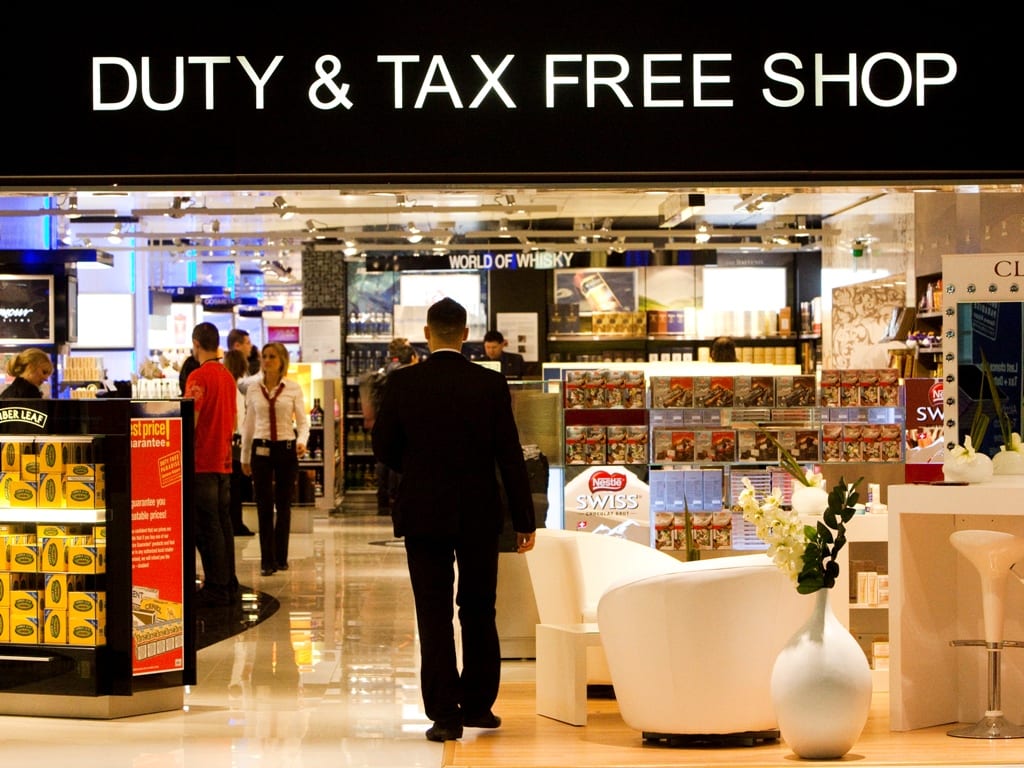
    State-owned Duty Free Philippines is targeting total sales of $235m in 2015 (+2.5%) after hitting $229m in 2014, with Manila Airport accounting for nearly 45% and the downtown Fiesta Mall just under 50% as DFP’s largest single outlet.

    While the expected sales increase is modest, it is regarded as a good performance considering Manila Airport Authority reduced the number of concessions in T1 from around 30 to less than 20 due to congestion and major airlines have also transferred operations to T3.

    “T1 work is not finished. It’s work in progress,” said Duty Free Philippines Merchandising Division Manager Jennifer Start, talking exclusively to TRBusiness recently.

    “There has been a remarkable change. We have renovated our departure stores, but we heard there is more work to be done by the airport authority in T1. It’s upgrading work. They have shown us plans to expand the facility.”

    NAIA T3 departure confectionery ©

    Duty Free Philippines’ biggest-selling product category remains confectionery, accounting for 37% of total sales. It is also the biggest selling category at Manila Airport, accounting for 44%. Above: Manila NAIA Terminal 3. ©.

    Further work is also in the pipeline for T3 (which accounts for 20% of Manila Airport sales) as DFP gets to work on renovating and increasing its shops and boutiques in the departure hall.

    Meanwhile, arrival shops sales account for more than half of DFP’s total sales revenue at Manila Airport, with Filipino passengers representing the majority of customers and the number one purchase being confectionery/chocolate.

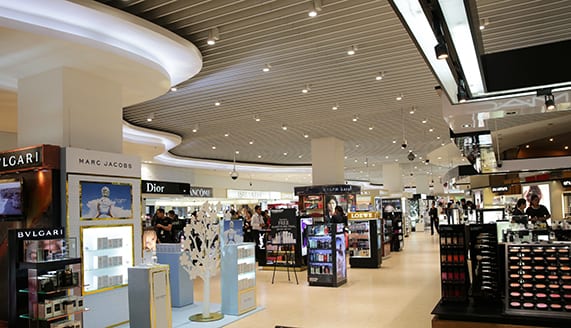
    NAIA T3 departure perfumery ©

    DFP’s perfume and cosmetics sales accounted for 11% of it total merchandise sales last year. Above: Manila NAIA Terminal 3. ©.

    By contrast, foreign passengers purchase a larger share of goods in DFP’s departure shops, with South Koreans and Mainland Chinese the highest spenders.

    Confectionery is the biggest selling category at Manila Airport, accounting for 44%, followed by liquor (26%), perfume and cosmetics (12%) and tobacco (7%). Fashion, watches and souvenirs take the remaining 11%.

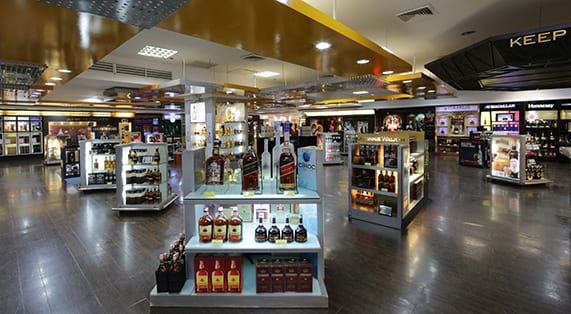
    DFP Fiesta Mall-liquor ©

    The liquor section within the Duty Free Philippines Fiesta Mall. ©.

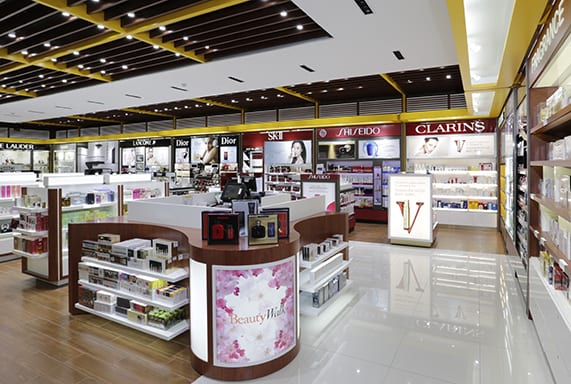
    The retailer’s downtown duty free Fiesta Mall has also undergone a total renovation and upgrade over the last two years, according to Start, and has received favourable comments from customers: “We have had a major transformation in Fiesta Mall, especially for perfume and cosmetics last year. The fashion area also has been renovated, along with liquor, tobacco and confectionery,” she said.

    “We have new Coach and Chloe boutiques, and a complete range of lingerie, bags and perfume and cosmetics in Victoria’s Secret. Another new outlet is our Bath & Bodyworks health and beauty products shop that opened here earlier in 2015.”

    Fiesta Mall Beauty Walk ©

    Wines and spirits is the second-largest product category in terms of sales across DFP’s outlets, accounting for 18% in total. ©.

    Including sales from all ten of its provincial airports, Manila Airport and the Fiesta Mall, DFP’s biggest selling product category remains confectionery, accounting for 37% of total sales, followed by liquor (18%); Perfume and cosmetics (11%); fashion (9%); and tobacco (5%).

  • Bank Simpanan Nasional and Cisco Digitise Banking in Malaysia

    Bank Simpanan Nasional and Cisco Digitise Banking in Malaysia

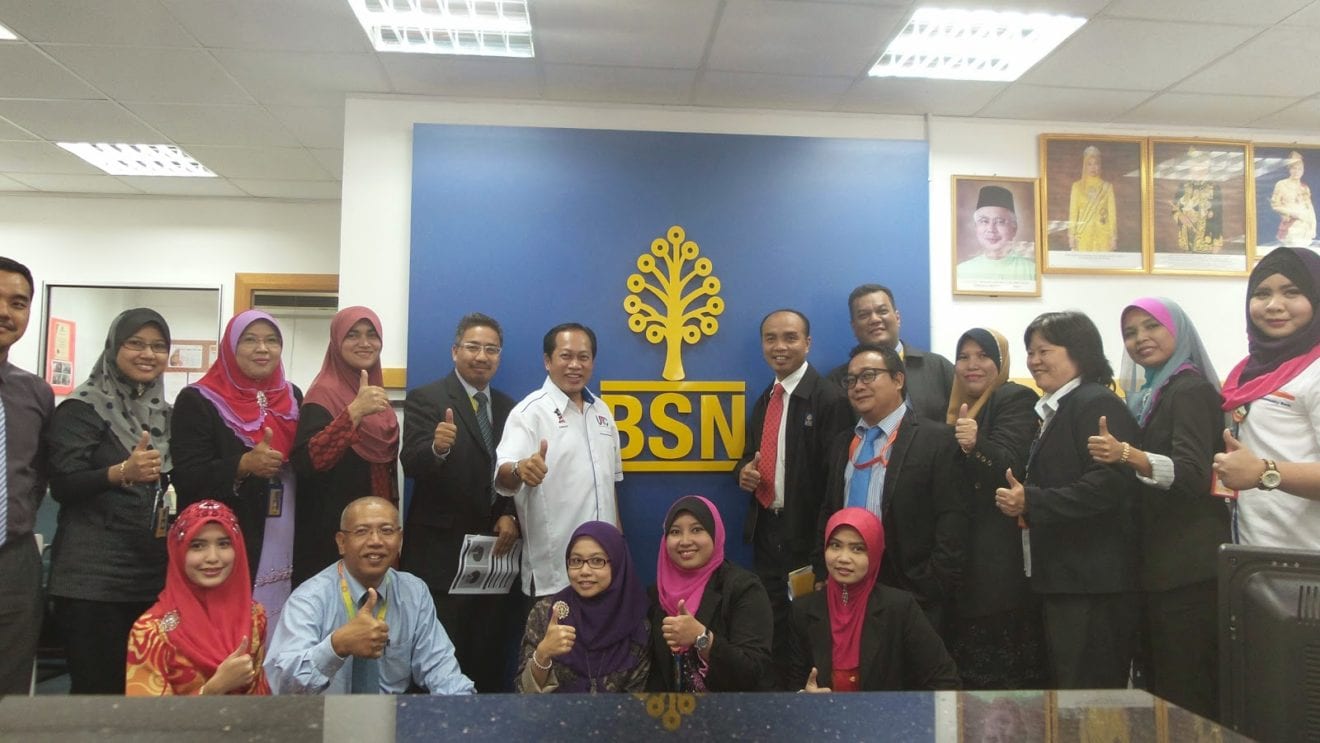
    Malaysia’s premier savings bank, Bank Simpanan Nasional (BSN), is transforming their products and services to appeal to a new generation of digital-enabled customers by deploying Virtual Teller Machines (VTM) across 31 branches. Built on Cisco® Unified Communication and Cisco Unified Computing platforms the VTM helps enable virtual, real-time engagement between customers and tellers in any of the branches, through a highly secure and immersive video platform.

    “The VTM balances the work load between branches, enabling customers in busy branches to perform transactions assisted by tellers in less busy branches nationwide. Customers can now enjoy counter transactions without geographical limitations and experience more comfortable and personalised professional financial services,” said Datuk Adinan Maning, Chief Executive of Bank Simpanan Nasional.

    Key Benefits to Digitised Teller Services

    Virtualising the services provided by in-bank tellers enables BSN to increase resources for the customer, increase bank productivity and most importantly, increase the efficiency of their organisation and the efficiency of service to their customers. Each BSN branch will have three VTM machines and these self-service kiosks that are supported by 450 virtual teller agents placed to assist their colleagues at branches that have higher customer traffic.

    The virtual tellers will be able to attend to customers’ needs, provide advice on banking products and services, and handle account inquiries as well as loan applications.

    The VTMs installed at BSN branches have highly secure features including encrypted electronic signature, thumb print verification, and card identification to ensure customers are protected.

    “The financial services industry is not immune to competition from market disruptors. Non-traditional financial institutions are delivering new digital services that are personal, customised and convenient. Malaysia is committed to transforming the economy through digitisation, and two critical aspects of the Eleventh Malaysia Plan — innovation to drive revenue and productivity acceleration for sectoral growth — are addressed with this implementation at BSN. By leveraging technologies from Cisco to drive a connected banking experience, BSN is leading the way in delivering greater value to their customers, appealing to the digital consumer, improving their productivity and efficiency, while increasing their revenue and customer base. The digitisation of bank branches is an important part of the Omni channel banking experience that transforms the customer’s transaction and increases their engagement with the bank,” said Albert Chai, Managing Director for Cisco in Malaysia.

    Built on the Cisco Business Edition 7000 unified communications platform that includes voice over Internet Protocol (IP), video through Telepresence with Cisco DX 650 and Cisco Jabber for chat functionality and presence, the VTM allows BSN employees to connect to their customers at any time during branch operation hours. The scalable, open and interoperable technologies are hosted on Cisco Unified Computing System foundation.

    “In total, BSN is investing RM30 million to roll out the VTM that provides more than 80 percent of counter services, and is an improvement over current automated teller machines (ATM) and cash deposit machines (CDM). In the near future, the VTMs will also be offering additional services including Account Opening and Debit Card, Customer Information Management and Bills Payment. The VTMs may also allow extended banking hours with the placement of VTMs at public locations,” continued Datuk Adinan.

    BSN customers will be able to use the new banking service in 31 branches, with 93 VTMs serving customers fromDecember 2, 2015.

    According to McKinsey, more than 700 million consumers currently use digital banking across Asia. With digital banking through desktops, smartphones, and tablets becoming much more common, consumers that prefer digital banking are more attractive to financial institutions as they tend to be more educated, have account balances that are two to three times higher, hold multiple banking products and are very active in online shopping. By digitising banking services through VTM machines, BSN is able to optimise technology to improve the customer experience and meet customer demand, while competing with emerging fin-tech start-ups.

  • Uber-hip Dover Street Market to open in Singapore’s Dempsey

    Uber-hip Dover Street Market to open in Singapore’s Dempsey

    The facade of Dover Street Market’s China outpost called IT Beijing Market. Dover Street Market is poised to open its first outlet in Southeast Asia in the hip Singapore neighbourhood of Dempsey. The edgy fashion retail and concept store conceived by Comme des Garçons’ Rei Kawakubo will be part of a new retail and F&B development by COMO Lifestyle.

    The Singapore branch will join an existing line-up of stores in London, Tokyo, New York and Beijing.

    Citing COMO Lifestyle’s bid, CNA added that the new concept will be known as “COMO Dempsey.”

    The facade of Dover Street Market’s China outpost called IT Beijing Market. — Picture via DoverStreetMarket.com

    It will integrate Dover Street Market with several F&B outlets, including a Jean-Georges Vongerichten restaurant and bar, new restaurant concept COMO Cuisine and local Peranakan restaurant Candlenut.

    No other details, such as projected opening date, were available at time of writing. COMO Lifestyle is part of Christina Ong’s luxury portfolio whose interests range from hotels to fashion. The Singapore businesswoman and her Malaysian-born husband Ong Beng Seng are valued at US$1.8 billion (RM7.7 billion) as of July 2014.

  • Hong Kong tourism industry better off as a vegetarian

    Hong Kong tourism industry better off as a vegetarian

    The influx of mainland visitors to Hong Kong has been easing in recent months with many preferring other destinations such as Japan and Korea where the exchange rate is more appealing.

    Still, some pro-Beijing loyalists and businessmen blame the localist campaign in Hong Kong for the decline in mainland tourist arrivals.

    The situation offers a chance for Hong Kong to reposition itself as an international tourist destination. It’s an opportunity to erase the image, built over the past decade, that the city is nothing more than a shopping mall for mainlanders in the past decade.

    We often hear leaders of our tourism industry, such as Hong Kong Tourism Board chairman Peter Lam Kin-ngok, blaming Hong Kong people’s unfriendly attitude toward mainlanders for the loss our competitive edge over other tourism destinations in the region.

    But what Lam seems to be forgetting is that Hong Kong shouldn’t rely on a single tourist market to contribute to the growth of our tourism sector.

    He also seems to be forgetting that the true value of Hong Kong as a tourist destination lies in its unique history as a former British colony, a community that melds the influences of western and eastern cultures, and an international gateway to China.

    In a press conference on Tuesday, Lam, who is also an entertainment and property tycoon, made these remarks about the tourism industry: “The China market is a fat meat. Other countries surrounding us are fighting for it. However, Hong Kong people don’t like to eat meat, they are vegetarians. [Hong Kong] will get slim if it just eats vegetables but no meat. Once Hong Kong gets thin, our pockets will also shrink. Mainlanders know Hong Kong people do not welcome them and so they turn to other destinations.”

    If that’s what he thinks, well and good. But let’s take another look at our tourism sector.

    Contrary to the gloom and doom scenarios painted by the industry captains, the situation is actually improving in recent months — at least from the point of view of the general public.

    Overall arrivals in November fell by 10.5 percent, mainly as a result of a 15 percent drop in the number of mainland visitors to 3.54 million.

    Surprisingly, however, the number of visitors from other overseas markets rose by 7.6 percent to 1.16 million, according to figures released last week by the Secretary for Commerce and Economic Development Gregory So Kam-leung.

    The government and the Tourism Board seem to have different goals as regards the city’s tourism sector.

    While Lam stressed the importance of the Chinese clientele, So is looking at a wider market.

    So said the tourist mix has been changing in the past two months, with the number of non-mainland Chinese visitors continuing to grow as Chinese visitors go to other destinations.

    He said this is becoming the “new norm” for industry, and the government will focus on the quality, not quantity, of Hong Kong’s tourism sector.

    It’s a fact that some Hong Kong people, especially the localists, took a hostile approach in dealing with mainlanders, specially with parallel traders, as their massive purchases of daily necessities are disrupting our normal life.

    But that couldn’t be the only reason for the decline in Chinese visitors. It is also partly due to the implementation of a “one trip per week” policy for Shenzhen residents, which has resulted in a 40 percent drop in the number of arrivals from the southern city.

    It’s good to hear that the number of non-Chinese visitors are growing over the past two months, although they are still behind the mainlanders by about two million.

    A balanced mix of tourists should be a key consideration in reviewing our current tourism policies and strategies.

    The tourism board, in fact, is already shifting its promotional activities toward attracting high-value-added overnight visitors, MICE (business meetings, incentives, conferences and exhibitions) and cruise tourists to offset the decline in the number of same-day visitors.

    Such a change in direction is a realistic move to drive quality growth for our tourism industry, especially since Hong Kong ignored other aspects of the business in the past decade as it focused its resources on welcoming mainland visitors.

    Several months ago, top Hong Kong officials including Chief Executive Leung Chun-ying and Secretary So blamed the localists’ anti-mainland campaign for the decline in Hong Kong tourism and retail industries.

    But now, So’s remarks indicate that the government is realizing that Hong Kong shouldn’t rely solely on China to support its economy.

    It seems that our officials are beginning to realize that the massive influx of mainland tourists made us fat quickly, but not in a healthy way.

    Perhaps, Peter Lam is right about his analogy. We have eaten too much fatty meat in the past 10 years. It’s about time we went vegetarian. It’s healthier.

  • Lessons of e-commerce explosion in China

    Lessons of e-commerce explosion in China

    The second World Internet Conference (WIC), also known as the Wuzhen Summit, will take place Dec 16 -18, in Wuzhen, Zhejiang. Chinese President Xi Jinping will attend the conference and address the opening ceremony. It takes place amid dramatic expansion of Chinese e-commerce, thanks to great market potential and the government’s supportive policies.

    In early spring, the State Council, China’s cabinet, announced it will boost e-commerce by cutting red tape and liberalizing investment regulation in the sector. Meanwhile, Premier Li Keqiang said that with the “Internet Plus” strategy China would back e-commerce development and guide the Chinese internet companies’ international expansion.

    In the mainland, e-commerce and other internet-based industries are supporting and accelerating the rebalancing of the Chinese economy toward consumption and innovation.

    In early November, transactions on the Singles Day — the Chinese version of the Valentine’s Day — morphed into a huge shopping extravaganza as the mainland consumers’ buying spree caused sales to soar almost 60 percent from last year. Although Alibaba, the e-commerce giant, started the online festival only seven years ago, its total sales alone climbed to 92 billion yuan (US$14.3 billion).

    To put the figure into an international perspective, it is more than quadruple the US earnings last year from its Black Friday and Cyber Monday sales events combined. Not surprisingly, Alibaba’s founder Jack Ma believes that Singles Day will go global.

    “In the next five years, I believe it may be in Tokyo, Paris or New York,” the e-commerce entrepreneur said.

    Chinese e-commerce is driven by heavy online buyers, younger demographics, and consumers in the relatively wealthier first-tier cities – although relative growth is even faster in many lower-tier cities and rural areas.

    These internet-based industries fuel the government’s 13th five-year plan that was officially outlined a month ago. Until recently, Chinese growth relied on investment and net exports, but that era ended with the global financial crisis. The new objective is to rebalance the Chinese economy toward consumption.

    Threat to traditional retailers

    Not everybody has benefited from Chinese e-commerce explosion, however. As the record sales on Single’s Day showed, online retailing poses an increasing threat to those brick-and-mortar retailers that continue to stay mainly offline.

    For the leading department store operators in China, online retailing remains limited and sales growth is weak. While Intime Retail may be best positioned to benefit from online retailing – not least because of its strategic cooperation with Alibaba – several other companies, including Golden Eagle Retail, Parkson Retail and Maoye International Holdings are only getting into the game.

    Golden Eagle and Maoye have collaborated with Tencent through the WeChat social platform, whereas Parkson has introduced an online shopping site.

    The explosion of Chinese e-commerce has caught off guard not just domestic retail leaders but international industry giants. Initially, these Western giants attributed their losses to China’s growth slowdown and the pullback by shoppers, which presumably accounted for their shrinking profit margins.

    However, the rapid explosion of e-commerce and the rising share of consumption in the Chinese economy cast doubt over such interpretations. Most importantly, a closer look at retailing trends in China suggests that it is not Chinese consumers or Chinese economy that accounts for the losses of these international industry giants – but competition.

    The famed Unilever, for instance, saw its sales fall off the cliff because it failed to go online fast enough. In June, Swiss food giant Nestle acknowledged that it failed to understand how retail was changing in China. The failure to move quickly and broadly into online retailing proved costly: the company had to burn instant coffee it could not sell in stores.

    The same goes for Colgate-Palmolive and Germany’s Beiersdorf, which have been suffering from offline overstocking, even as new online retailers have reaped enormous earnings.

    Intriguingly, some of these international giants have missed much of the Chinese e-commerce explosion, even though many have experienced two decades of e-commerce growth in the US, Europe and Japan. In these advanced economies, the e-commerce explosion took place differently, however.

    In the prosperous West, the Internet revolution initially relied on fixed-line personal computers and notebooks. In the emerging and developing East, such technologies remain relatively expensive. In these nations, the initial penetration has been fueled by mobile devices, particularly smartphones. In China, mobile drives retail sales growth and currently accounts for half of all e-commerce sales.

    The lessons are clear. First, business models that succeed in advanced economies may not work in emerging and developing economies. Second, advanced-economy lessons are vital but they must be adjusted to the Chinese business environment. Third, simple imitation of Western strategies does not ensure success in China. Only innovation can produce the desired results.

  • Yoma to distribute Mitsubishi cars in Myanmar

    Yoma to distribute Mitsubishi cars in Myanmar

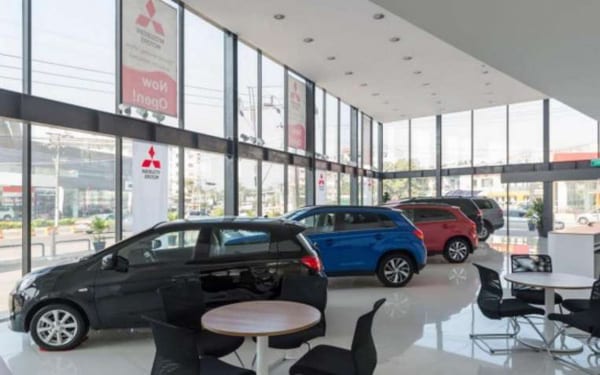
    Mainboard-listed Yoma Strategic Holdings announced on Wednesday a 50:50 joint venture with Mitsubishi Corp to distribute the Japanese cars in Myanmar.

    The joint venture company, MM Cars Myanmar Ltd, will be responsible for the distribution (wholesale), retail sales, after-sales services, and maintenance services of Mitsubishi cars and spare parts. It will also take over the running of two Mitsubishi Motors After-Sales Service Centres set up in 2013 and currently being operated by Yoma.

    The joint venture will also operate the first Mitsubishi Motors showroom in Yangon, which opened on Tuesday. Said Mr Melvyn Pun, Yoma Strategic CEO: “The joint venture with Mitsubishi Corporation formalizes our collaboration in developing the Mitsubishi Motor business in Myanmar over the past year.” “Our automotive segment is experiencing strong growth, and we are confident that the Mitsubishi Motors business will contribute meaningfully in the medium term.”

    Yoma said that since the Myanmar government announced a relaxation of vehicle import regulations in 2011 as a part of its “democratisation” policy, the number of used vehicles from Japan has seen a notable increase, making Myanmar the number one destination for used vehicles from Japan in 2014. Import regulations for new vehicles have also been gradually eased since 2012 with the Myanmar government announcing the approval of new vehicle imports and sales by joint ventures established between Myanmar and foreign companies, the company said.

    These developments are expected to generate further growth in the Myanmar vehicle market, it said. Yoma Strategic already has several partnerships with Mitsubishi Corporation, including an elevator related business, a tyre business and the operation of the Mandalay International Airport.

  • Korea’s jobless rate stays pat at 3.1% in November

    Korea’s jobless rate stays pat at 3.1% in November

    South Korea’s unemployment rate stayed pat in November compared with the month before as gains in the manufacturing and hospitality sectors were offset by losses in the agrofisheries and retail segments, a government report showed Wednesday.

    According to the report by Statistics Korea, the rate stood at 3.1 percent last month, unchanged from October and the year before. The seasonally adjusted unemployment rate for last month reached 3.4 percent, also flat from the 3.4 percent figure tallied for the previous month. The number of newly created jobs, however, dropped to 285,000 last month, from 348,000 new positions offered in October.

    “Manufacturing continued to fuel growth, along with the hospitality sector, and communication and information technology services, but sharp losses in agrofisheries and to a lesser extent retail affected the job market last month,” said Sim Won-bo, head of the agency’s employment statistics division.

    He said agrofisheries shed 168,000 positions last month from 124,000 jobs lost the month before, while sluggish economic conditions hurt small-time retailer jobs in the country. The official said the loss in agrofisheries was mainly due to rainy weather.

    The manufacturing sector created 190,000 more jobs, with the hospitality sector and communication and information technology services adding a combined 182,000 positions.

    The unemployment rate for people between the ages of 15 and 29 reached 8.1 percent in November, up from the 7.4 percent reading a month earlier, which was the lowest level reported since May 2013.

    The statistical office said the jobless rate for young people usually goes up toward the end of the year as there is a rush to seek employment. The jobless rate among young people has always been higher than the national average.

    The latest report then showed the employment rate for people between 15 and 64, which is used by the Organization for Economic Cooperation and Development to measure employment, stood at 66.3 percent last month, up from 66.2 percent the month before.

    The so-called labor underutilization indicator dipped to 10.3 percent last month from 10.5 percent in October, according to the report.

    The indicator is based on guidelines made by the International Labor Organization and reflects the number of people who are underemployed and those who currently hold part-time jobs but want full-time work. It also counts unemployed people who have given up looking for work not by choice but due to other circumstances.

    The finance ministry said unseasonable weather conditions adversely affected jobs created last month. “The amount of rainfall directly impacted hiring in certain sectors,” it said. “If agrofisheries are not calculated, more than 400,000 jobs were created.” Total precipitation hit 127.8 millimeters, the second highest reading since November 1973.

    The ministry added that while the jobless rate for young people rose, the employment rate edged up 1 percentage point on-year to 41.8 percent, which is a positive development. For the future, it said exports may remain weak but a rise in domestic demand will help create new positions in the coming months.

  • PTT firms up local expansion program

    PTT firms up local expansion program

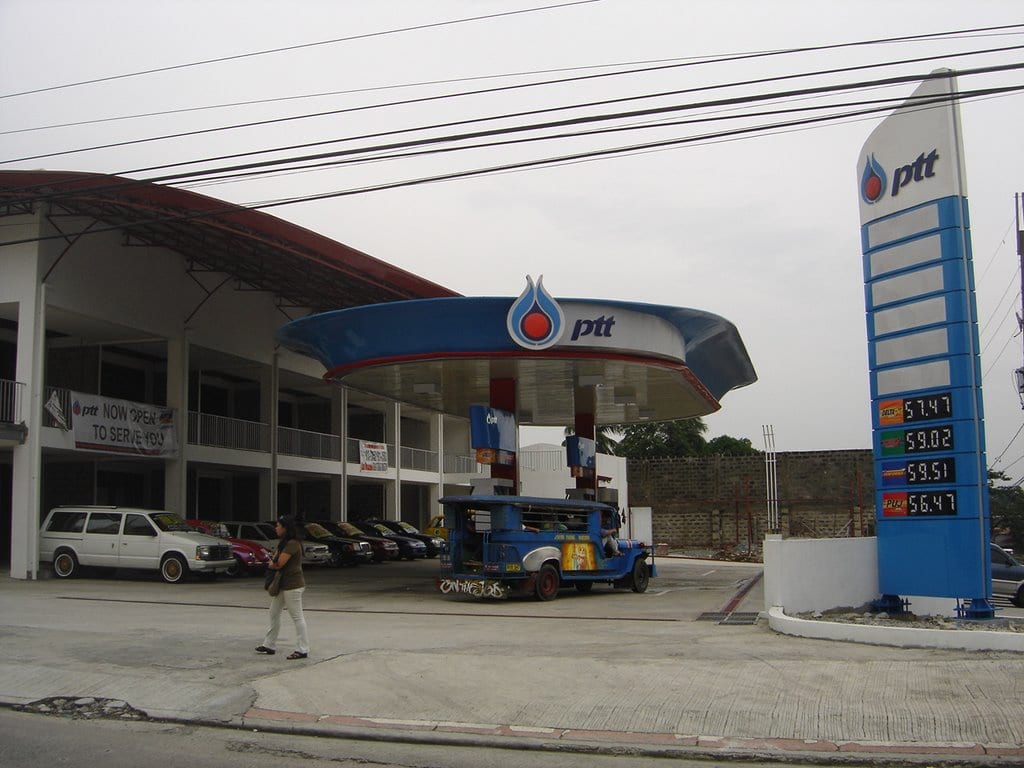
    PTT Philippines, a unit of PTT Public Co. Ltd. of Thailand, plans to invest P3 billion in the next five years to expand the company’s network here.

    The capital expenditure program includes investments in retail stations, oil depots and terminals in Luzon and Visayas.

    “In the next five years, PTT appropriated P3 billion for expansion plan, for laying down on infra,” general manager Danilo Alabado told reporters.

    PTT Philippines currently has 94 stations and plans to put up a total of 300 by 2020.

    “Right now we have the trading areas in Luzon and Cebu. In order for us to achieve our goal to be one of the top five oil companies in the next five years, we will expand into other trading areas, other islands,” Alabado said.

    He said the company needed the support of a stronger infrastructure network  for its expansion program.

    “We need depot, fuel terminal that could come in in Visayas and Mindanao which we have been looking at,” the official said.

    PTT president and chief executive Sukanya Seriyothin cited a strong growth projected growth in Luzon for the company’s planned expansion.

    “Visayas and Mindanao we still have to further expand. We’re still moving forward in Luzon, but aside from that, we move further in Visayas, Mindanao,” Sukanya said.

    Alabado, meanwhile, said the company performed “fairly well” in 2015 with sales volume likely to increase 5 percent to 6 percent.

    “We are confident we are going to meet our target,” Alabado said, adding revenues may reach P1.1 billion this year.

    “We are looking at 5 to 6 percent growth next year until 2017 because we are going to lay down our infra support for expansion for 2018 going into 2020, we are looking at growth of 60 percent compared to what we had in 2015,” he said.

    PTT Thailand is Thailand’s biggest oil player and ranked number 81 under Fortune 500’s List of world’s largest companies.

    The company, controlled by the Thai government, is engaged in downstream and upstream petroleum, natural gas, coal, and other related businesses.

    PTT Public Co. Ltd. of Thailand, the parent of PTT Philippines, earlier said it planned to increase the revenue share of its overseas retail oil business to 20 percent in the next five years.

    PTT Thailand vice president for international marketing Wisarn Chawalitanon noted that the share of the overseas retail oil business to the company’s revenues was still small.

    PTT Thailand, which owns around 1,200 to 1,300 retail stations in Thailand, is banking on its overseas presence in the Philippines and other countries to help propel the company’s growth.

    Wisarn said the Philippines remained PTT Thailand’s priority market.

    “The Philippines is the biggest operation that we have in other Asean countries. Our revenue in the Philippines is more than 20 billion baht [P26 billion] compared with the other countries which have around 5 billion baht [P6.5 billion]. That’s why we pay attention to the Philippines,” the official said.

  • Supermarkets, restaurants worldwide admit to using slave labour-processed seafood

    Supermarkets, restaurants worldwide admit to using slave labour-processed seafood

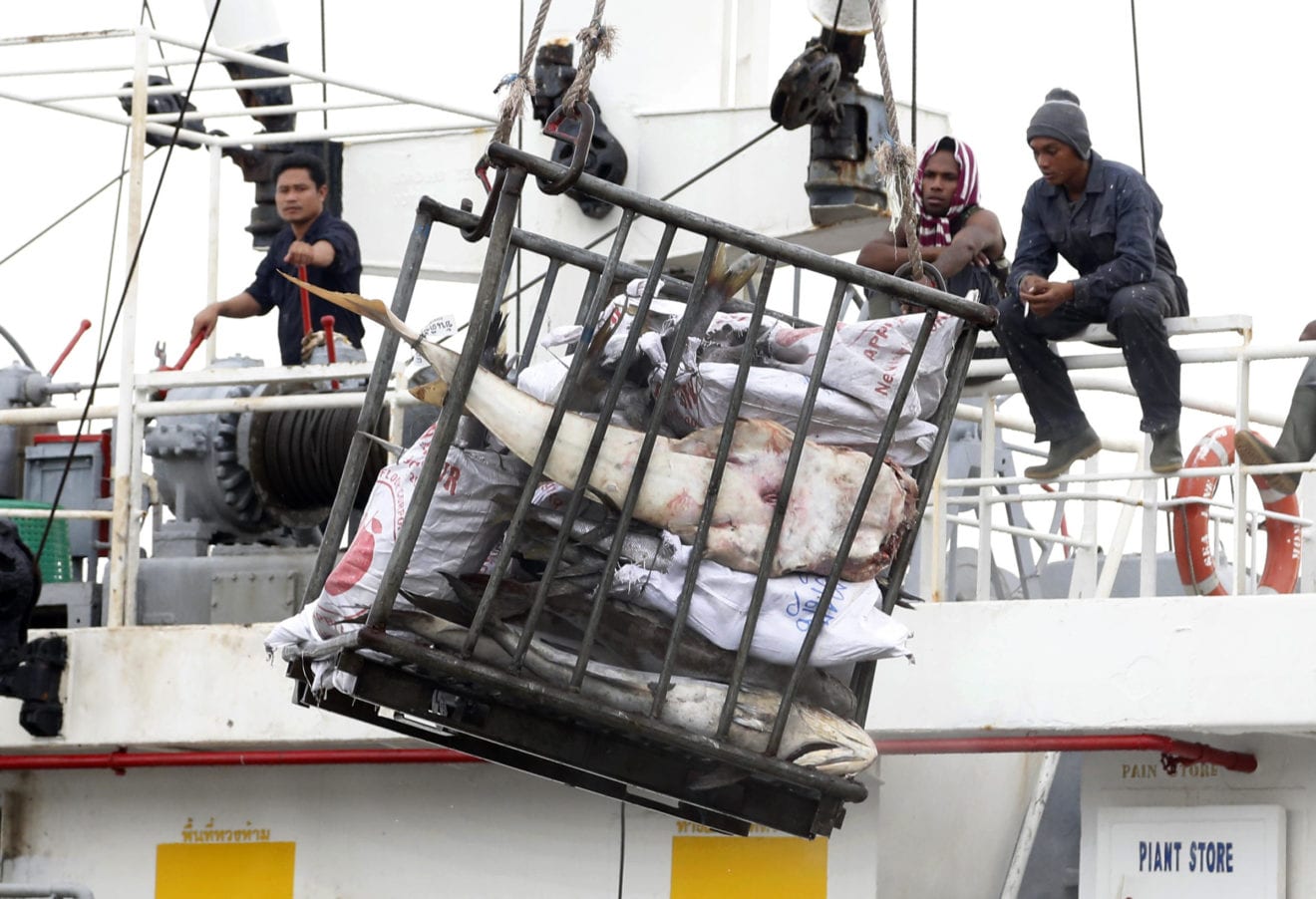
    A large-scale investigation spanning multiple continents has revealed that top seafood retailers and restaurants around the world were using products that were tainted with forced slave labour, originating from Thailand’s seafood peeling factories.

    The Gig Peeling Factory on the outskirts of Bangkok houses horrors made of nightmares. Here, the forced labourers work for 16 hours for little or no pay fearing violence from the overseers.

    An Associated Press investigation revealed that Thai Union, the largest seafood supplier, employs the Gig Peeling Factory where a hundred Burmese people, including children, are kept under lock and key and forced to work for hours without end with their hands in cold water, tearing and shedding at the heads and tails of the shrimps.

    Woolworths, Coles and Aldi, Australia’s top retail grocery chains, have all said that they use Thai Union as suppliers for their retail stores.

    “We will investigate this further with our supplier and seek advice from our NGO partners,” quoted Woolworths as saying.

    Australian retailer, IGA Supermarkets’s supplier Metcash confirmed that it uses Thai Union as well.

    “Some of our other locally based seafood suppliers may purchase prawns from Thai Union as they are one of the largest seafood suppliers in the world,” a Metcash spokesman said.

    In the US, the Red Lobster and Olive Garden, both restaurant chains as well as retail chains like Wal-Mart, Kroger, Whole Foods, Dollar General and Petco, have all confirmed using the Thai seafood supplier.

    The seafood produce from Gig Peeling Factory gets mixed with products from other suppliers making it impossible to tell between tainted and ethically produced farm products.

    According to UN and US standards, the whole produce then becomes tainted.

    “They didn’t let us rest,” said 16-year-old Eae Hpaw, 16, a labourer at the factory, whose arms were lacerated with shrimp-related infections and allergies. “We stopped working around seven in the evening. We would take a shower and sleep. Then we would start again around three in the morning.”

    “I was shocked after working there a while, and I realised there was no way out,” said Tin Nyo Win, 22. He and his wife were only paid US $4 per day for peeling 175 pounds of shrimp.

    Europe and Asia, has been similarly importing products from Thai Union, the AP investigation revealed. Germany, Italy, England and Ireland were able to find products from Thailand in grocery stores there.

    “As the world’s largest seafood restaurant, we know the important role we play in setting and ensuring compliance with seafood industry standards, and we’re committed to doing our part to make sure the seafood we buy and serve is sourced in a way that is ethical, responsible and sustainable,” Red Lobster said in a statement.

    In 2015, Thailand had passed laws to come down heavily on the abuses by the seafood industry in the country, and to register migrant workers without papers to ensure their safety.

  • Expats in Asia-Pacific, including Singapore, highest paid in the world

    Expats in Asia-Pacific, including Singapore, highest paid in the world

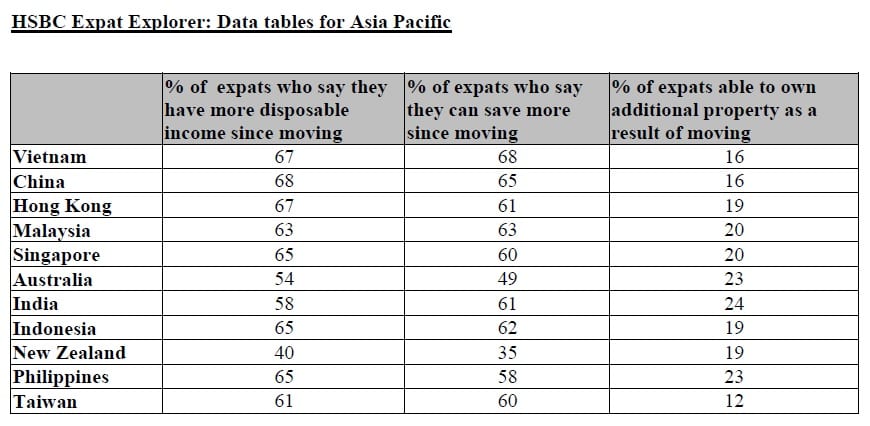
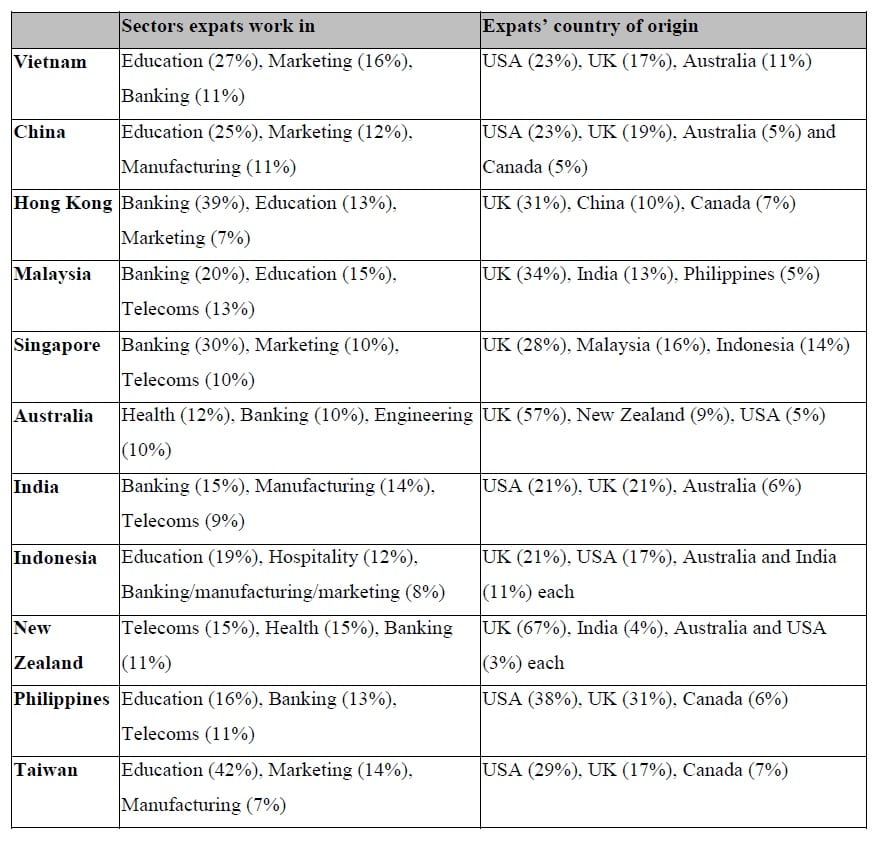
    Expatriates in the Asia-Pacific are among the highest paid in the world, with Singapore in the top five in the region for disposable income and savings, according to HSBC’s latest Expat Explorer survey.

    The region’s appeal for professionals is set to increase further with the formalisation of the Asean Economic Community (AEC). The eight edition of the Expat Explorer survey was completed by 21,950 expats from 198 countries through an online questionnaire in March, April and May 2015 and released on Monday (Dec 21).

    The study found that the annual average salary for expats across the Asia-Pacific is US$126,000 (S$178,000), the highest compared to the global average of US$104,000.

    South-east Asian countries – including Vietnam, Malaysia and Singapore – along with China and Hong Kong, stand out for offering expats the chance to save more money and enjoy greater disposable income.

    According to the survey, 65 per cent of expats in Singapore report greater levels of disposable income (compared to a global average of 57 per cent), 60 per cent are able to save more (global average is 52 per cent) and 20 per cent say they have been able to buy additional property as a result of moving (global average is 17 per cent).

    The ability to save more, enjoy greater disposable income or acquire real estate assets are all important considerations for expats moving to a new country.

    Said Mr Matthew Colebrook, HSBC Singapore’s head of retail banking and wealth management: “Managing finances is a key draw-card for living abroad, whether that be in helping to ascend the housing ladder or opening up lifestyle choices for later life. However, it does come with complexities and often means expats need to consider financial planning not in one, but two or more countries.”

    Apart from the financial incentives, South-east Asia’s appeal will be heightened as mobile professionals will be able to access a wider job market via the formalisation of the AEC.

    The AEC – which comes into effect on Dec 31 – aims to integrate South-east Asia as an economic region by reducing barriers to cross-border trade and investment, and allowing freer flow of professionals to work in other markets in the region.

    Said Mr Colebrook: “Asia offers some of the most rewarding job opportunities, allowing expats to experience and learn skills while at the same time, boost their standard of living and raise lifestyle aspirations. As the Asean countries move closer to economic cohesion, skilled workers will be needed to raise the region’s competitiveness and help companies and sectors to offset locational skill shortages or mismatches.”

    Singaporeans are one of the most globally mobile workforces in the region, with some 212,500 citizens living overseas as of June 2015, according to the Department of Statistics.

    Based on the sample of respondents surveyed in the latest edition of the Expat Explorer, expats in the Asia-Pacific originate from Australia, Canada, China, India, Indonesia, Malaysia, New Zealand, Philippines, United Kingdom and the United States. They work in industries such as education, marketing, banking, health, engineering, telecommunications, manufacturing and hospitality.

  • HKIA celebrates Xmas with shopping rewards

    HKIA celebrates Xmas with shopping rewards

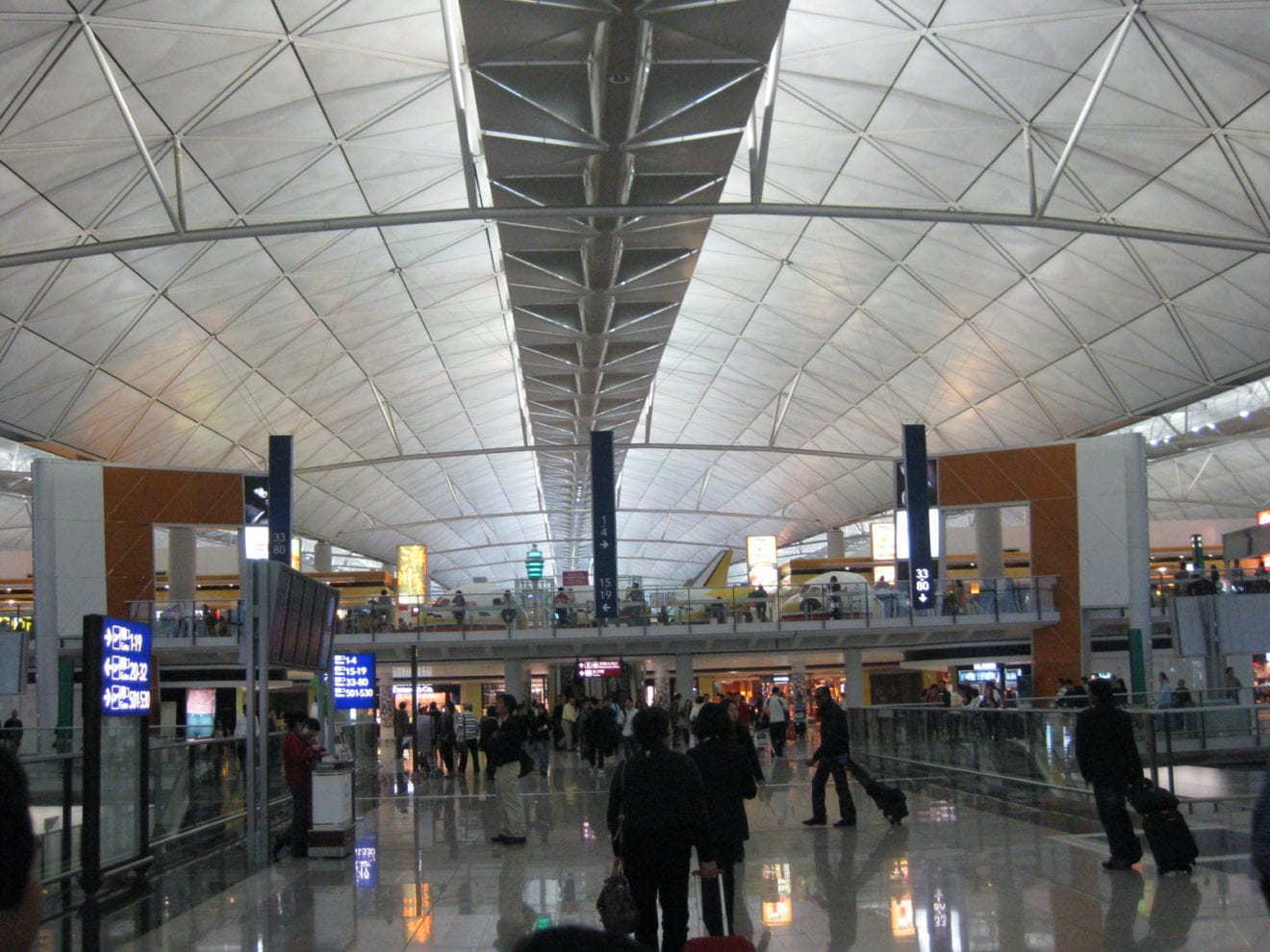
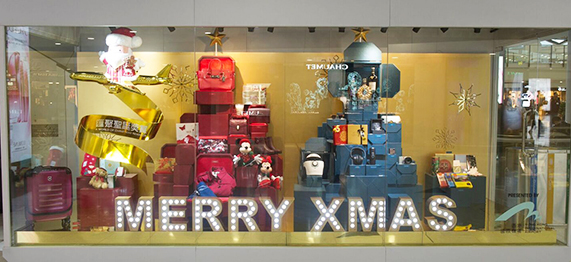
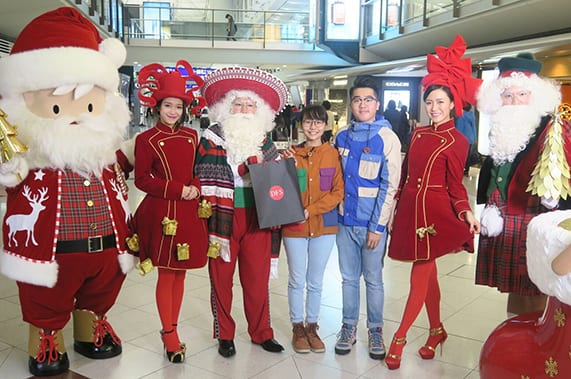
    Hong Kong International Airport (HKIA)is marking the Christmas run-up with series of festive special offers and promotions, including cash coupon redemptions up to HK$5,200 ($671) alongside more than 2,000 surprise gifts for travellers.

    The new promotion begins this Thursday (17 December) with travellers spending more than HK$2,000 ($258) by electronic payments qualifying for redemption coupons. HKIA adds that passengers using their UnionPay cards stand to reap even more rewards.

    HKIA Xmas od=ffers Dec 2015

    A ‘glamorous gift-themed exhibition’ will also be featured on Level 6 of the Departures East Hall allowing travellers to experience the spirit of Christmas, while prompting them with gifting ideas.

    Various music performances will also take place here and there will also be miniature installations on display showing how different countries around the world celebrate Christmas.

    Xmas at Hong Kong Dec 2015
    Travellers spending over HK$1,000 ($129) in a single transaction at HKIA can also enjoy free local delivery service. Free delivery service to Mainland China, Macau and Taiwan is also offered to travellers who spend over HK$2,500 ($322) on clothing, bags and accessories in a single transaction.

    At the same time, HKIA is partnering with its retailers to provide travellers with shopping and dining offers. More details are available at: https://www.hongkongairport.com/eng/shopping/special-offers.html

  • Myanmar central bank to grant new foreign bank licences

    Myanmar central bank to grant new foreign bank licences

    The Central Bank of Myanmar plans to initiate a second round of foreign bank licencing in early 2016, the monetary authority said.

    The aim is to licence banks from “additional neighbouring and important trading partner economies”, quoted the central bank as saying.

    “The main objective of the second round of licensing is to further promote existing economic cooperation.”

    Foreign banks headquartered in countries that successfully obtained a licence in the first round – namely Australia, China, Japan, Malaysia, Singapore and Thailand – will not be allowed to participate in the second round, the notice said.

    Foreign banks with representative offices in Myanmar or which are in the process of obtaining one will be permitted to participate.

    The licence will be for onshore wholesale banking through a branch, and a call for expressions of interest will be made in early 2016, the Central Bank said.

    In the last, hotly-contested bidding round, nine foreign banks won licences on October 1 last year, and winners were given a year to prepare operations to meet the approval of the Central Bank.

    All of the banks – Bangkok Bank, Australia’s ANZ, Japan’s the Bank of Tokyo-Mitsubishi UFJ, Mizuho Bank and Sumitomo Mitsui Banking Corporation, the Industrial and Commercial Bank of China (ICBC), Malaysia’s Maybank, and Singapore’s Oversea-Chinese Banking Corporation (OCBC) and United Overseas Bank (UOB) have now opened branches.

    The licences came with a number of restrictions – banks are only permitted to lend to foreign businesses and local banks. They may team up with local lenders to offer additional services, but are prohibited from involvement in retail operations.

    This marked the first time that foreign banks have operated in the country for more than 50 years – Myanmar had not allowed onshore banking by foreign institutions since 1963, when 14 foreign banks were nationalised.

  • Hong Kong Regulates Mobile and Contactless Payment Systems

    Hong Kong Regulates Mobile and Contactless Payment Systems

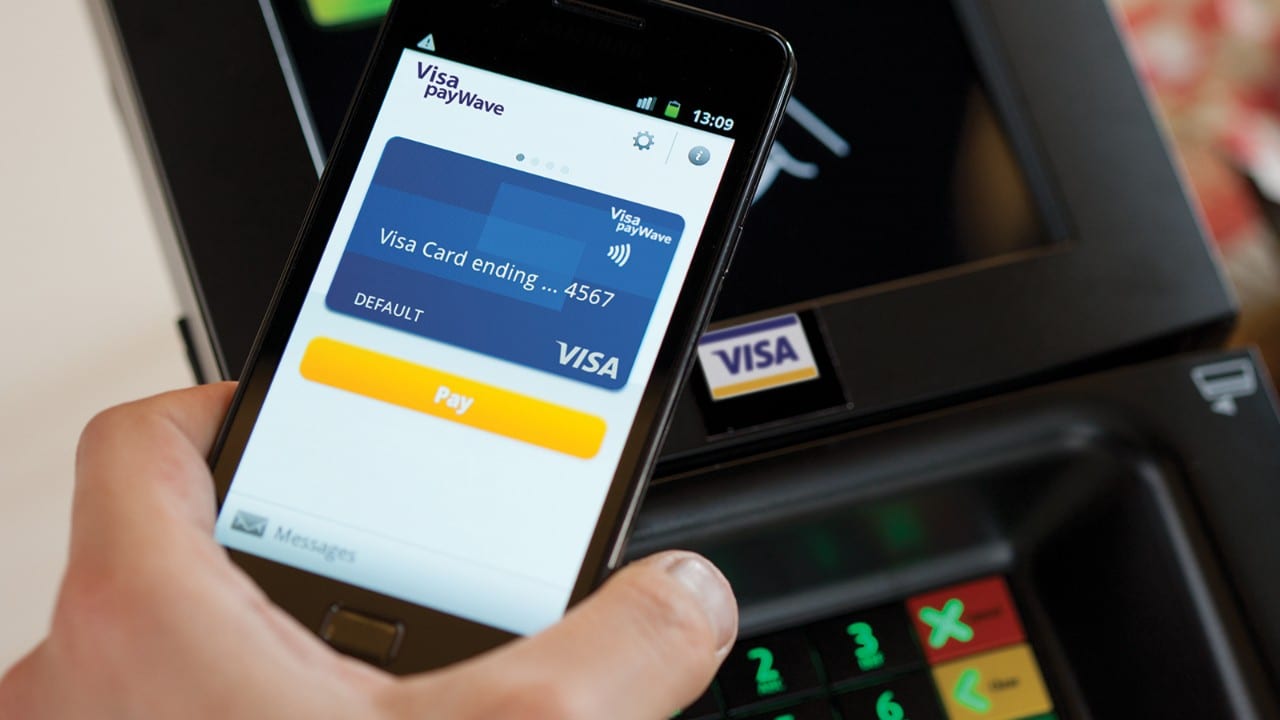
    Hong Kong recently introduced a new regime to regulate stored value facilities (SVFs) and retail payment systems (RPSs) offered by non-financial institutions. The primary new legislation is the Payment Systems and Stored Value Facilities Ordinance (“Ordinance”), which amends and replaces the previous Clearing and Settlements System Ordinance. The Hong Kong Monetary Authority (HKMA) is now responsible for supervising the activities of non-financial institutions operating in this area.

    Issuers of multiple purpose SVFs must now obtain a specific approval and license from HKMA for such SVFs, regardless of whether these are operated through a device or not. However, an SVF which is used only for purchases from a single retailer remain exempt from this requirement. In addition, while there is no automatic approval and license requirement for RPSs, HKMA is entitled to decide on which RPSs will be subject to its regulation.

    The new regime seems to track the increasing use and proliferation of such new payment systems, as well as the increased risk of data loss and theft and fears that unnecessary personal data may be embedded and accessible within the chips in contactless cards.

    Companies operating in this area should check whether the new requirements apply to them and commence applications for licenses if necessary. While there is a grace period until November 2016 before penalties can be imposed, it is unclear how long the administrative processes will take in practice and there is a risk of significant fines or suspension of business for failure to meet the deadline.

  • Mercedes-Benz to invest RM200m in retail network

    Mercedes-Benz to invest RM200m in retail network

    Mercedes-Benz Malaysia will be looking to invest a further RM200 million until end-2016 to enhance its retail network to deepen the group’s presence nationwide, as Malaysia currently represents the biggest market for Mercedes-Benz passenger cars in Southeast Asia, according to the company.

    The German automaker has invested over RM250 million here since 2012, and has been reaping the benefits of its investment as market development for its brand has grown significantly. Its annual passenger car sales grew from 5,809 units in 2012 to 6,932 units in 2014 — a record annual number for the company.

    As at early October this year, its passenger vehicle sales hit about 8,200 units, exceeding the total volume for 2014, and setting 2015 up as another record-breaking year in terms of sales.

    Its year-to-early-October sales were 70% higher over the same period last year, president and chief executive officer Dr Claus Weidner told The Edge Financial Daily in an interview recently.

    However, he was cautiously optimistic about going into 2016, given the rising cost of living and continued weakening of the ringgit against the US dollar.

    “To repeat that sort of growth … we can’t do it every year. Nevertheless, we are confident we can keep up with the expected high level of sales in 2016, and will look into the macroeconomic situation and plan accordingly,” Weidner said.

    He declined to disclose if the group will raise prices of its cars next year, saying that it is too early to tell if the group should.

    “We have several financial instruments in place, together with our group from Daimler. But at the current stage, I cannot say which way we will take,” Weidner explained.

    He added that the group’s investment in local production since 2012 will help counterbalance the carmaker’s exposure to foreign exchange to a certain extent.

    Together with its authorised dealer, Hap Seng Star Sdn Bhd, Mercedes-Benz Malaysia recently launched the seventh Autohaus, or Mercedes-Benz showroom, in Kota Kinabalu, Sabah.

    Known as Hap Seng Star Kota Kinabalu Autohaus, the showroom saw Hap Seng putting in an investment of RM2 million. The sum is part of the RM30 million that the dealer has put aside for its long-term expansion in East Malaysia, which includes an Autohaus in Miri, Sarawak, that opened in May, and a new one in Kuching, Sarawak, slated for launch by end-2016.

    Weidner: We are confident we can keep up with the expected high level of sales in 2016, and will look into the macroeconomic situation and plan accordingly.

    Hap Seng’s latest venture in East Malaysia will help grow Mercedes-Benz Malaysia’s customer base in the premium automotive segment. Mercedes-Benz Malaysia believes that a focused partner in the auto industry is what will help drive growth.

    “In this situation, we have good progress in terms of putting in good landmarks and strategic points for the main market in East Malaysia. We want to provide the same standard of service as we do in Peninsular [Malaysia] to our customers here.

    “Hence, having partners who are very focused on the automotive business and show their professionalism is crucial for us to expand because it is a really detailed set-up and we have to establish quite a lot of processes,” Weidner explained.

    He added that Mercedes-Benz Malaysia had been investing in its processes and talent, in addition to the hardware aspects of the business.

    “Our customers are very demanding, and this is one of the challenges that we face, and we train our front-liners to be able to cater to these customers and continuously improve our processes. Training and upgrading — these are where we invest in heavily,” Weidner said.

    Mercedes-Benz Malaysia and Hap Seng began their collaboration some 46 years ago in Sabah, where they started their commercial vehicle operations in East Malaysia.