Author: Mei Ling Tan

  • Burberry offering ‘biggest discounts ever’ in Hong Kong as brands try to pull back shoppers

    Burberry offering ‘biggest discounts ever’ in Hong Kong as brands try to pull back shoppers

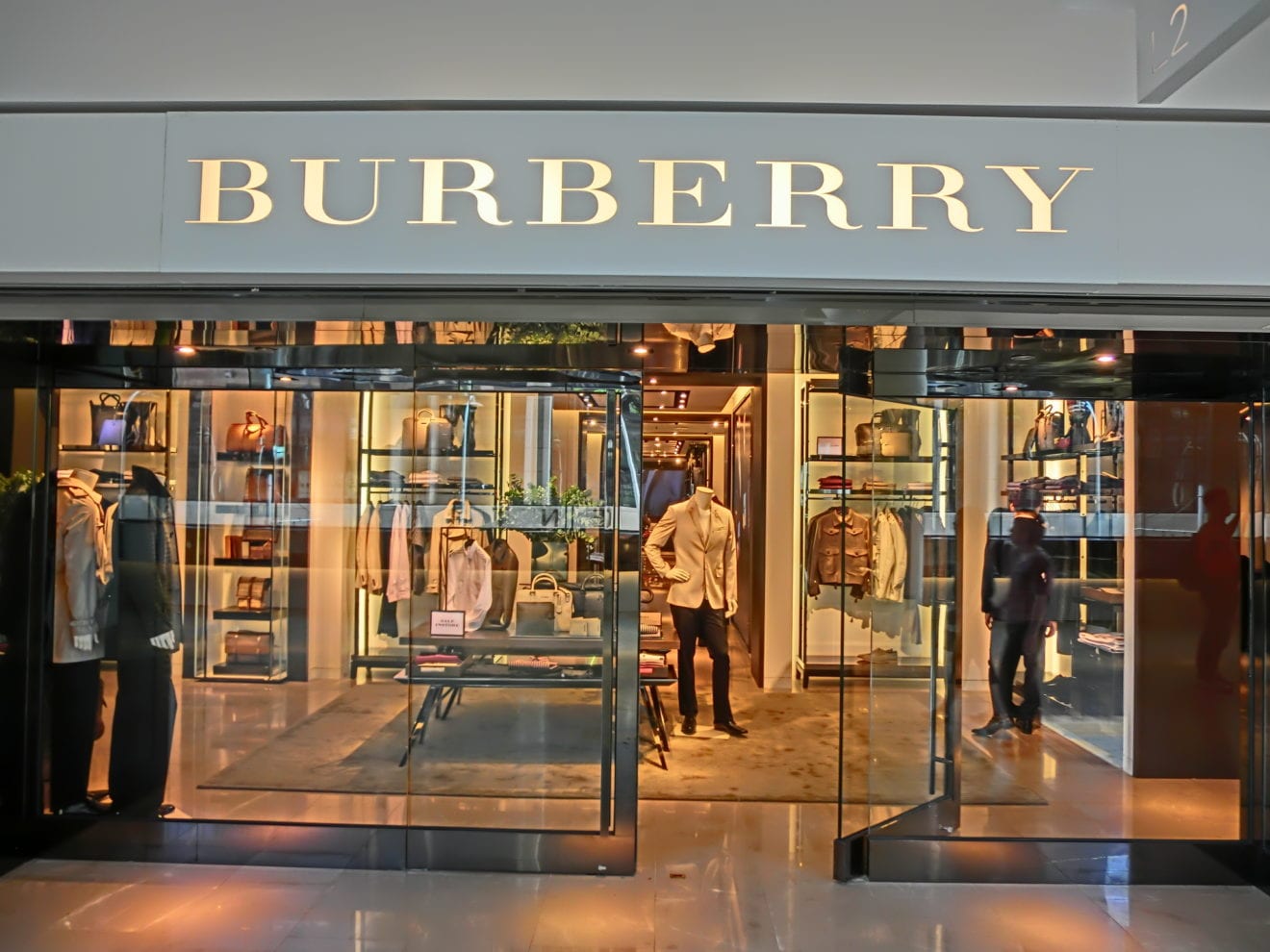
    British luxury brand Burberry has joined Prada and Gucci in offering discounts of as much as 50 per cent in its Christmas sales, the steepest reductions since the Individual Visit Scheme for mainland tourists was launched in 2003, underlining the depth of the retail slump in Hong Kong.

    The sales started two days ago, a staff member at Burberry’s Causeway Bay store told the Post. She said only around 10 types of handbag and some clothing items are carrying the discounts.

    “I haven’t seen such a deep discount since I started working here” she said , adding the biggest was 30 per cent in the past.

    Burberry launched its annual Christmas sales in late November with initial discounts of as much as 40 per cent on selected items, rising to 50 per cent this week. Its iconic small Orchard leather bag, which was priced at HK$16,000, is now selling for HK$8,000.

    “A 50 per cent discount is unusual for big luxury brands like Burberry” said Hayman Chiu, associate director at Cinda International, adding that it was the biggest price cut for Burberry that he could remember since the visitor scheme launched.

    “The whole luxury industry is doing the same thing right now,” he said, referring to the similar discounts by Prada and Gucci .

    Three American brands, Marc by Marc Jacobs, Michael Kors and Coach, are currently offering discounts of as much as 50 per cent. European brands such as agnès b, Longchamp and Balenciaga have reductions of 40 per cent.

    The discounts for most of those brands are deeper than last year, according to sales staff at the Sogo department store.

    Brands are also resorting to discounts after falls in the Japanese yen and euro this year prompted mainland shoppers to avoid Hong Kong.

    The strong Hong Kong dollar, which is pegged to the US dollar, has made luxury goods more expensive than in Japan and Europe, said Mariana Kou, retail analyst at brokerage CLSA.

    However, a deeper discount isn’t a always a draw.

    Louisa Cheung, a local shopper in the Burberry store in Causeway Bay yesterday, ended up buying nothing. “Deeper discounts only work for customers who are loyal to the brand,”she said.
  • Delhi’s Khan Market moves up two spots in global retail rank

    Delhi’s Khan Market moves up two spots in global retail rank

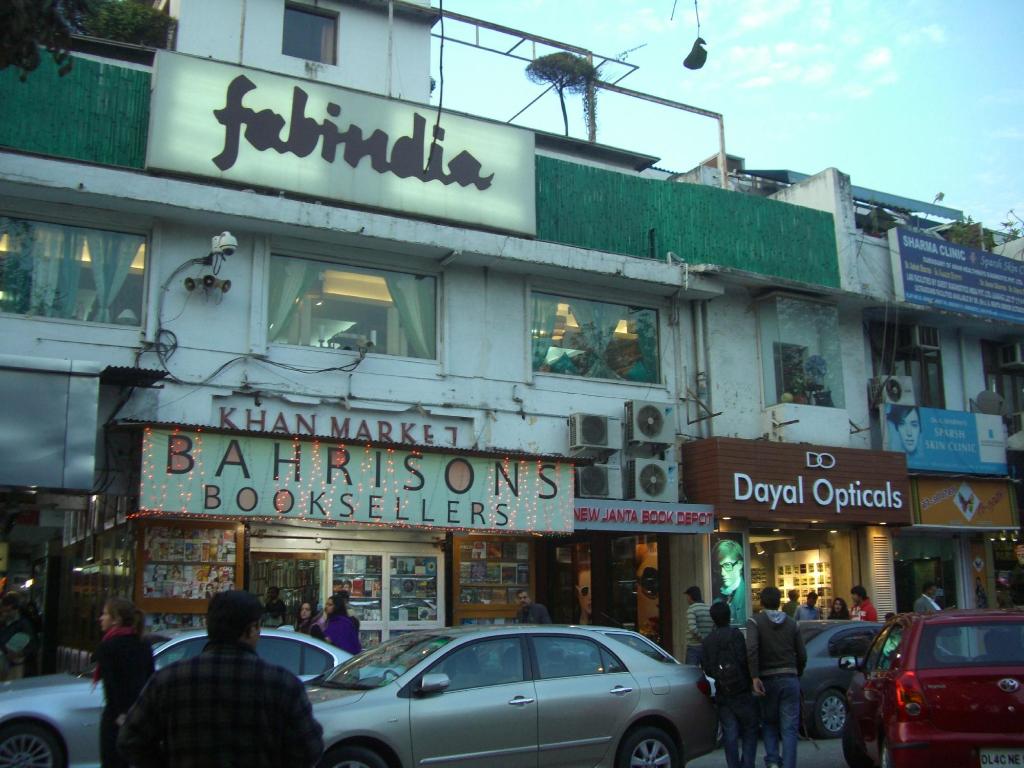
    With a rent of $ 235 per sq ft per year, New Delhi’s Khan Market moved up from twenty sixth place to twenty fourth place in the ‘Main Streets Across the World’ report by Cushman & Wakefield, which ranks world’s expensive retail locations.Within the APAC region, Khan Market was the 10th most expensive retail location.

    The top spot has been retained by New York’s Upper 5th Avenue followed by Hong Kong’s Causeway Bay on second spot and Avenue de Champs Elysess in Paris completing the top three.”Despite witnessing no change in the rental values of the location, Khan Market gained in rankings due to marginal changes in the rankings of other countries in the rankings,” Cushman & Wakefield said.

  • Hong Kong Central Bank Lifts Key Rates

    Hong Kong Central Bank Lifts Key Rates

    “Instead of going into the property market, (capital flows) could go out and ease the property market, and that could strike consumers’ confidence and I think the economy next year may not perform so well”, said Paul Tang, chief economist at Bank of East Asia in Hong Kong. As Hong Kong’s currency is pegged to the United States dollar, the city’s monetary policy typically moves in line with the Fed.

    “The normalization of Hong Kong’s interest rate will begin with the outflow of funds from the Hong Kong dollar trigger by high interest rates of the U.S. dollar”.

    A company logo is displayed inside the HSBC headquarters in Hong Kong November 3, 2015.

    The rate hike followed the U.S. Federal Reserve’s decision to raise the range of its benchmark federal funds rate by a quarter of a percentage point to between 0.25 percent and 0.50 percent on Wednesday, its first move in almost a decade.

    “We have seen a relatively slow economic growth this year, which is to a large extent attributed to the weak performance in our foreign trade”.

    Meanwhile, rampant deflationary pressure worldwide, volatilities in the global financial landscape, the growth of regional trade agreements, as well as lingering geopolitical threats and increased terrorist concerns, are the major risks and challenges facing Hong Kong exporters. Data from retail banks, which account for about 90% of the total customers’ deposits in the banking sector, are used in the calculation.It should be noted that the composite interest rate represents only average interest expenses.

  • Rising HK dollar expected to give locals the travel itch

    Rising HK dollar expected to give locals the travel itch

    Cash registers in Hong Kong won’t be ringing merrily next year after the US rate hike, with locals likely to scratch their travel itch with the appreciating Hong Kong dollar.

    The greenback reached a two-week high against a basket of major rivals yesterday after the US Federal Reserve raised interest rates for the first time in nearly a decade.

    The Hong Kong dollar, pegged to the US unit, also rose.

    Hong Kong Retail Management Association chairman Thomson Cheng Wai- hung said the interest hike’s immediate effect on the industry is limited, but further hikes next year would destabilize the market and make tourists further lose their appetite for the SAR.

    “No matter if it is accommodation in hotels or shopping, it would appear more expensive for tourists. Many of them are going to Japan, South Korea and Europe. The trend would worsen,” Cheng said.

    He expects retailers selling high-end products such as jewelry to take a hit.

    According to a survey last month of its members, a single- digit decline in sales this Christmas is expected year-on- year. Most members feel next year’s performance will be worse. Cheng predicted that retail sales this year would drop 3 percent from last year.

    As for local shoppers, some could be attracted to travel overseas due to the strong Hong Kong dollar. “It is not an advantage for local retailers,” Cheng said. The strong US dollar and hence HK dollar would encourage mainland tourists to explore other destinations, CLSA senior investment analyst Mariana Kou said.

    “We believe Japan, Korea and Europe would continue to be beneficiaries,” Kuo said.

    Safety concerns after recent terrorist attacks, however, may affect travel into Europe.

    Miramar Travel saw Christmas bookings jump by 20 percent from last year. But they reminded Hongkongers that despite cheaper shopping, other travel expenses do not necessarily go down.

    The rising popularity of Japan has led to a shortage of hotels and higher costs.

    Travel Industry Council chairman Jason Wong Chun-tat said the hike had been expected and would have limited impact on exchange rates.

    He remained optimistic for inbound tourism, saying hotel occupancy rates are expected to reach 80 to 90 percent during this holiday season.

  • HK braces for economic chill ahead of new rate hike cycle

    HK braces for economic chill ahead of new rate hike cycle

    Hong Kong is bracing for greater economic challenges as the prospect of a new cycle of interest rate rises drives fears of capital outflows that could put further pressure on the Asian financial hub.

    Hong Kong’s property market, which has seen prices more than double since 2008, had already slowed in anticipation of a local rate hike, and analysts say a further slowdown will depend on China, which is facing its weakest growth in 25 years.

    The city’s central bank on Thursday raised the base rate it charges through its overnight discount window to a seven-year high of 0.75%, tracking a decision by the US Federal Reserve to raise the range of its main rate by a quarter point, its first move in nearly a decade.

    The Hong Kong dollar’s peg to the US dollar means the city’s monetary policy follows that of the Fed, which said in its statement on Wednesday it expects a gradual tightening cycle.

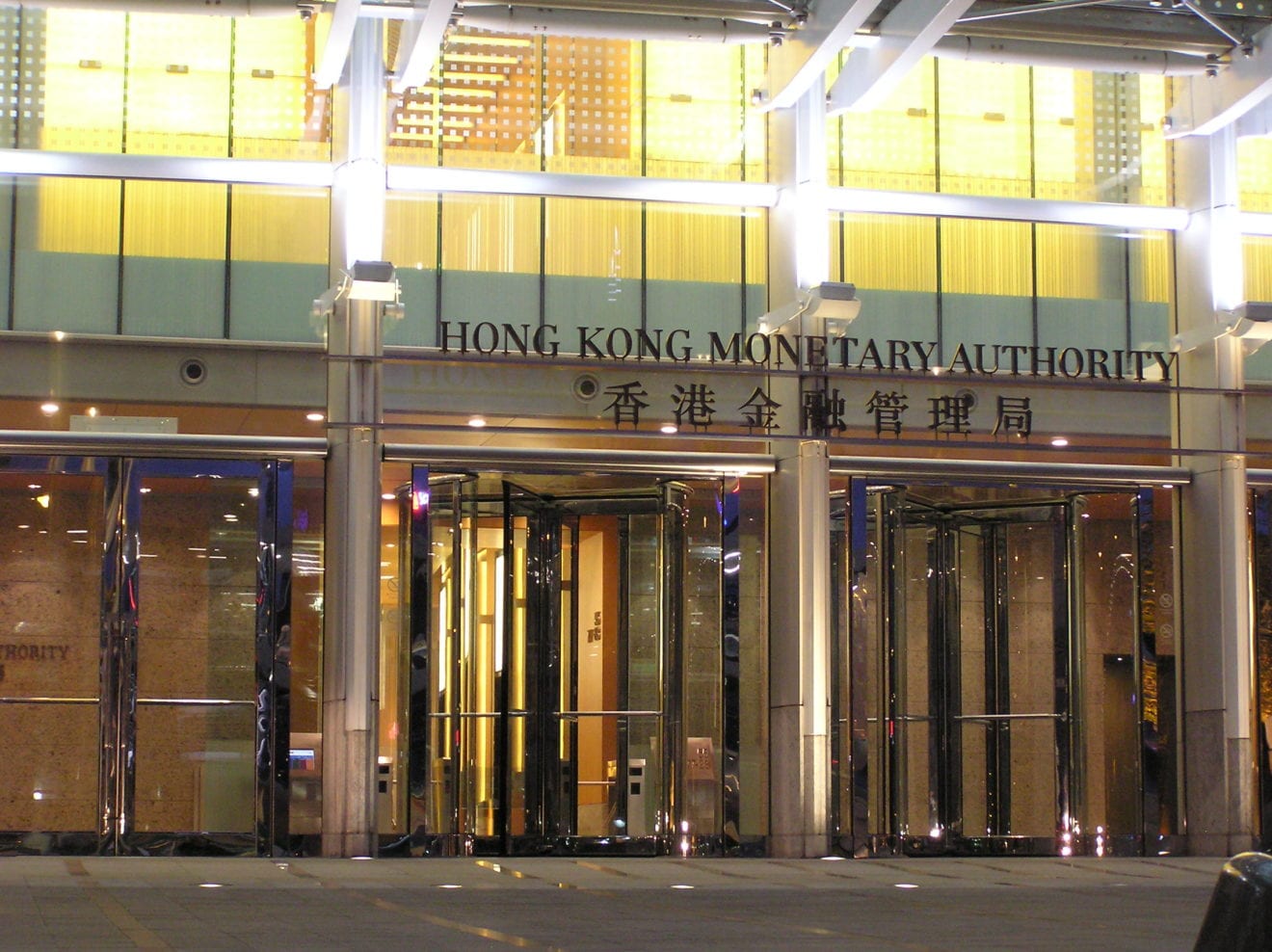
    Norman Chan, the chief executive of the Hong Kong Monetary Authority (HKMA), warned of gradual capital outflows as hot money that had flowed in due to loose monetary policy exits.

    “I would advise members of the public to make necessary preparations in terms of managing the credit, liquidity and other relevant risks in order to cope with possible shocks and adjustments that may arise from the normalisation of US and Hong Kong interest rates,” Chan said after the policy decision Thursday.

    And although the immediate impact of policy tightening is likely to be limited, it comes at an increasingly uncertain time for Hong Kong, which is grappling with sluggish economic growth on the back of a slump in tourism and retail spending, as well as a slowdown in China.

    About US$130 billion has flowed into Hong Kong dollar assets since 2008, when the Fed adopted its near-zero rate policy, according to the HKMA.

    Hong Kong property sales slid 41.7% in November year-on-year to a record low, while the city’s property stock sub-index has dropped about 20% from multi-year highs hit in June. The index was up 0.8% early on Thursday.

    Financial Secretary John Tsang, who last week flagged a rate hike as the biggest concern for the city’s economy, said Hong Kong had the ability to cope with large capital outflows, echoing a report from the International Monetary Fund this week that said risks were manageable.

    “Whether Hong Kong will experience capital outflows next year depends not only on the pace of rate hikes by the Fed, but also China’s economy,” said Raymond Yeung at ANZ in Hong Kong, adding the property market faces some pressure in the medium term.

    Commercial banks in Hong Kong will decide separately whether to increase their lending or deposit rates.

    Any increase in rates could add to the city’s household debt to gross domestic product (GDP) ratio, which is already at a record high of around 64%, as repayment obligations rise.

    For homeowners, it could also mean leaner times in a city where the average house price is 17 times household income, according to consultancy Demographia.

    While the city has successfully weathered previous US rate hikes, Hong Kong’s economy is now more vulnerable as it struggles with weaker retail sales as fewer cash-rich mainland tourists stream across the border on shopping sprees.

    Though policymakers have faced a growing chorus of criticism on the burden of holding a currency peg to the greenback, the government reiterated on Thursday that a peg is the best policy option for the city’s mercantile economy.

    Expectations are the city’s economy will expand at 2%-3% rates in the current year, far below the heady rates of nearly 8% seen in the first quarter of 2011.

    Some observers said the property market was still a concern.

    “The key problem with Hong Kong right now is that (property) prices are already well ahead of earnings power and the economic situation,” said Nicole Wong, property analyst at CLSA.

  • Metro Retail to tap P1.05-B loan facility

    Metro Retail to tap P1.05-B loan facility

    GAISANO-LED mall developer Metro Retail Stores Group Inc. (MRSGI) will be tapping a P1.05-billion loan facility for future projects.

    In a disclosure to the Philippine Stock Exchange on Friday, Metro Retail said its board of directors had allowed the company to use the facility, provided by Union Bank of the Philippines (UnionBank).

    “In the same resolution, the board approved the authorized signatories to transact with the UnionBank on behalf of the corporation for the availment of the said credit accommodation and facility,” the disclosure read.

    “It is in addition to our existing untouched loan facilities that we can tap,” Metro Retail Chief Finance Officer Aljim Jamandre told The Manila Times.

    The firm still has P9 billion worth of credit facilities from banks, which Metro Retail can tap in case of funding needs after pricing its initial public offering (IPO) at a steep discount from the original guidance.

    The 35 percent discount still yielded Metro Retail P3.62 billion from its IPO. The plan before the discount was to raise P6.17 billion.

    Joseph Conrad Balatbat, MRSGI vice president for business development, said the company “has more than adequate untapped credit facilities in addition to our IPO proceeds that can fund our current and immediate expansion plan.”

    The company is looking to build 60 to 70 stores mostly in the Visayas over the next five years to bring its store count to more than 100 by 2020 from 46 stores at present. The five year plan entails a budget of P10 billion to P15 billion.

  • Announcing iFX Expo Asia 2016

    Announcing iFX Expo Asia 2016

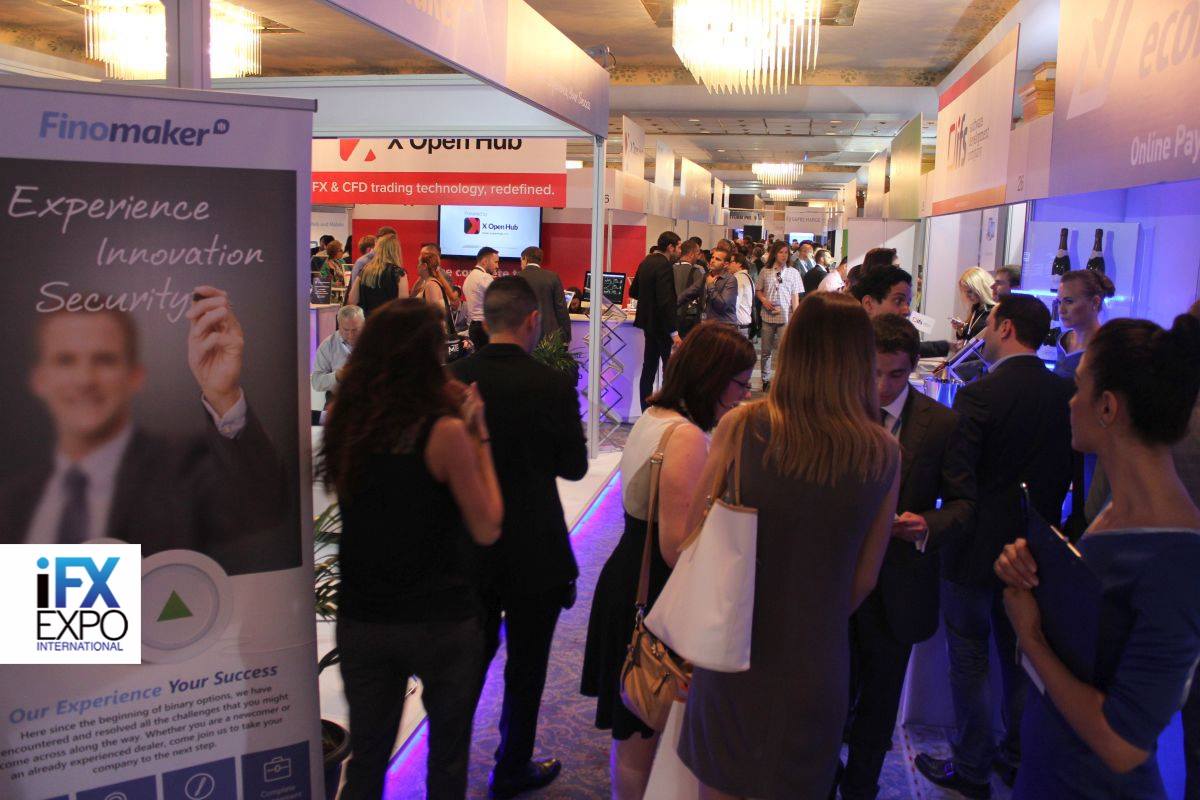
    Organizers for iFX Expo, the largest retail forex industry trade show, announced the launch of iFX Expo Asia 2016 which brings together leading professionals, thought leaders and executives from around the retail forex trading industry.

    iFX Expo 2016 is to be held at the Hong Kong Convention & Exhibition Center on January 26th – 28th, 2016 and registration is free.iFX Expo is a leading trade show for the retail forex industry bringing together over 2000+ attendees with over 80+ exhibitors and sponsors for the event.

    Attendees to the iFX Expo Asia 2016 will get the opportunity to network with likeminded individuals from the retail forex industry as well as conduct business with forex affiliate and forex IB partners.Attendees to the iFX Expo Asia 2016 can register for free as well to learn more about the venue and the agenda for the event.

    iFX Expo follows the tradition of being the first to host series of trade shows and networking events around the globe catering to the trading community at large. Since 2012, iFX Expo has held industry trade shows in Cyprus, Macao among other international destinations and has successfully helped connect consumers with business as well as helping other business build strong and long lasting partnerships with other businesses.

  • Spykar denim plans 250 new stores

    Spykar denim plans 250 new stores

    Spykar, an Indian-founded denim brand, is planning to open 250 stores over the next five years under a franchise program.

    According to Franchise India, Spykar currently operates 200 exclusive brand outlets across India targeting the youth market.

    Meanwhile, the company is also exploring opportunities for international expansion.

    Spykar COO Sanjay Vakharia told Franchise India the brand has operated stores in London and Melbourne, Australia, for three years.

    “The experience gained during these overseas ventures is invaluable and will help us for future propositions. We will explore more global markets.”

    Grounded in denim, the brand has expanded into casual clothing including t-shirts, shirts and winter clothing. Womenswear and accessories are likely to be added to the portfolio “in the near future”.

    Under its Indian franchising program, the brand will open new stores at a rate of about one a week, focusing on tier 1, 2 and 3 cities: Noida, Kolkata, Pune, Mumbai, Jamshedpur, Indore, Calicut, Kota, Bangalore, Hubli, Coimbatore, Vadodara, Lucknow, Ghaziabad, Ranchi, Jaipur, Alwar, Udaipur, Jalgaon, Chandrapur, Satara, Trivandrum, Thrissur, Kottayam, Kannur, Vizag, Vijaywada, Guntur, Nellore, Rajahmundry, Tirupati, Kakinada, Chennai, Madurai, Bilaspur, Ahmedabad and Hyderabad.

  • King Power opens downtown Phuket store

    King Power opens downtown Phuket store

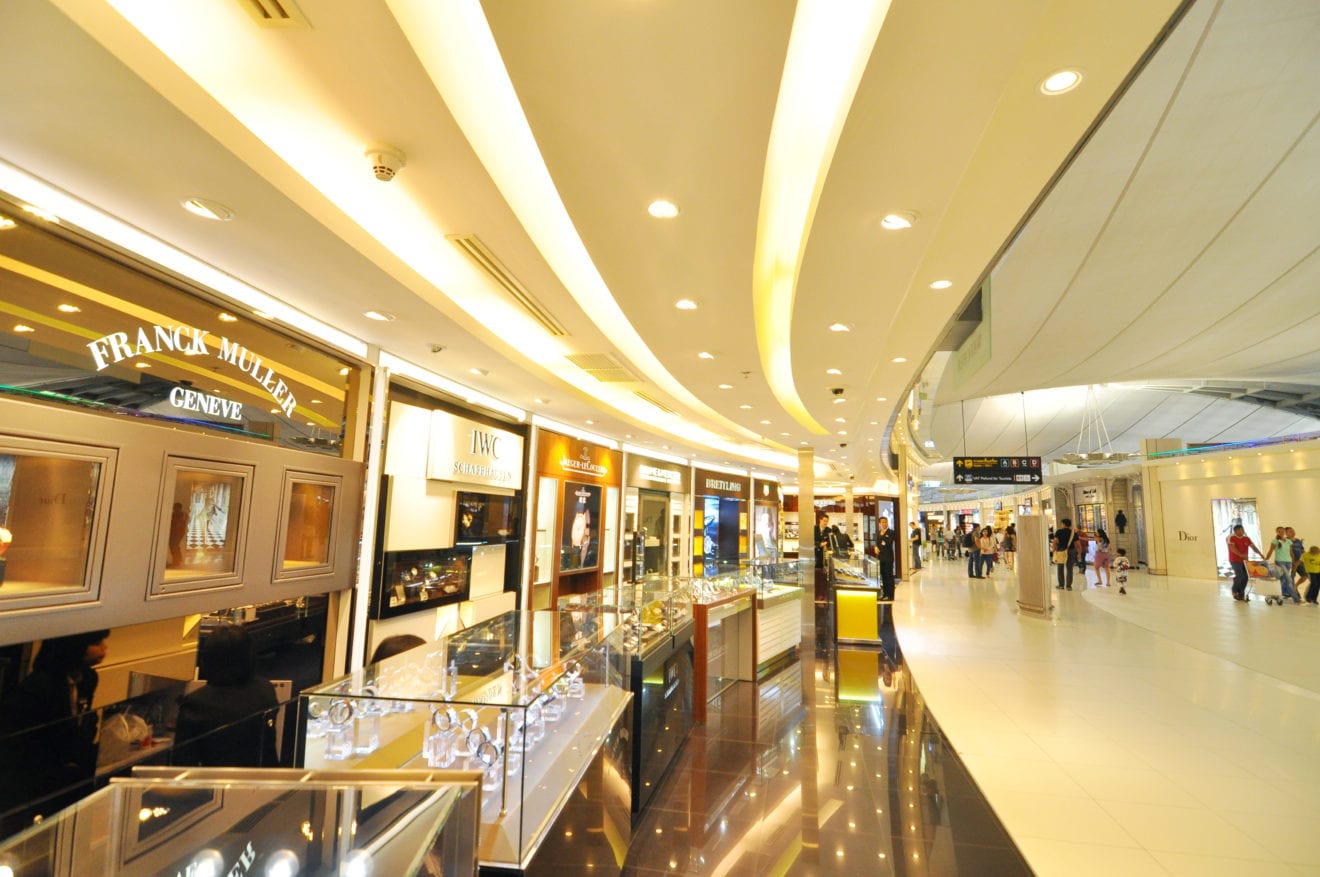
    Thai duty-free monopoly King Power mixes international brands with local products in its new downtown Phuket store opened this month.

    The new store’s design was inspired by the nearby Andaman Sea and uses dimensional depth and lighting to mirror the ocean.

    King Power Phuket stocks perfumes, cosmetics, and skincare from leading brands such as Bobbi Brown, Clinique, Dior, Estee Lauder, Lancome, L’Occitane, L’Oreal, Mac, SKII, and Shiseido; apparel, jewellery, and eyewear from brands including Emporio Armani, Bally, Coach, Longchamp, Furla, Hugo Boss, Kate Spade, Michael Kors, Calvin Klein, Dunhill, and Ray Ban; and watches from Omega, Rolex, Chopard, Tudor, IWC, Longines, and Breguet.

    A range of products from leading Thai brands, as well as local Phuket goods are on sale in a dedicated Thai Pavilion and the store also sells electronics and gadgets.

    The store’s interior is painted in pearl white contrasted by fluid lines simulating the movement of water. Additionally, the design incorporates Phuket’s unique Sino-Portuguese patterns.

    King Power Phukhet store 1

  • 180 flights added to Bali in anticipation of Christmas and New Year’s rush

    180 flights added to Bali in anticipation of Christmas and New Year’s rush

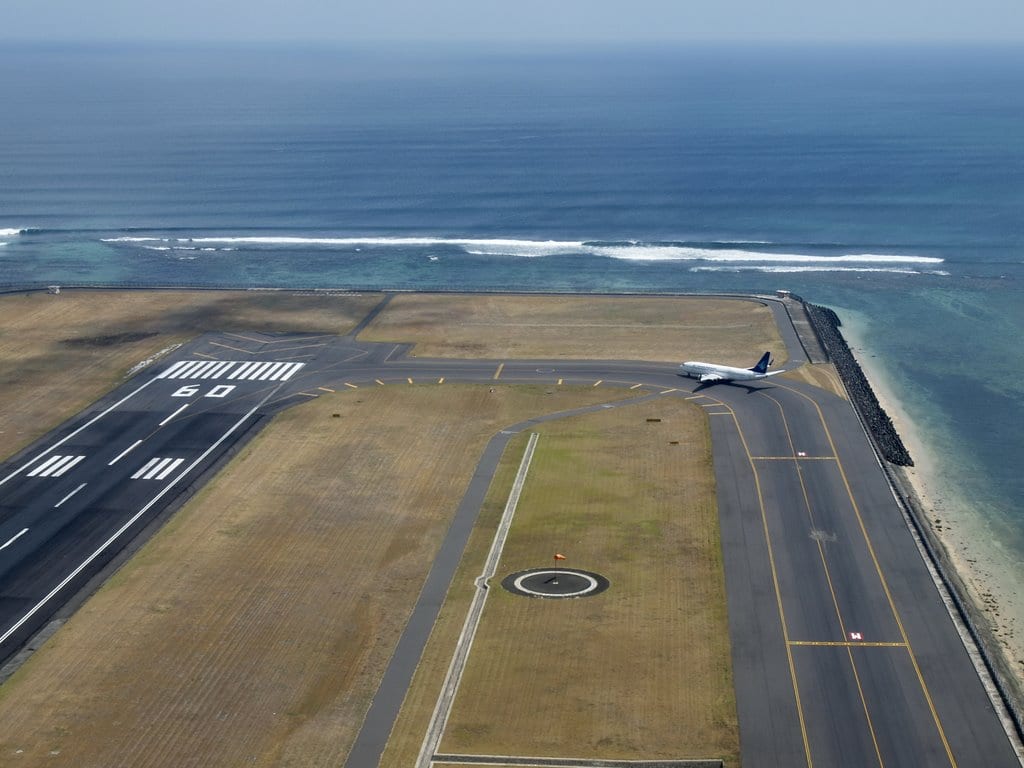
    With natal and tahun baru fast approaching, Bali’s Ngurah Rai Airport has received a list of 180 extra flights destined for Bali. 

    The statement was disclosed by the General Manager of Angkasa Pura I Ngurah Rai Airport, Trikora Harjo. 

    “The flights will account for 34,508 passengers in total. This figure is an increase of 55 percent compared to last year (2014). These extra flights include 88 from Citlink and 68 from Lion Air. All are Denpasar-Jakarta,” he explained on Friday, as quoted by Tribun Bali. 

    Besides the Citilink and Lion Air flights, Garuda Indonesia and Sriwijaya will also be offering extra flight services for the holidays, Harjo added. 

  • Phuket Airport expansion to double passenger capacity

    Phuket Airport expansion to double passenger capacity

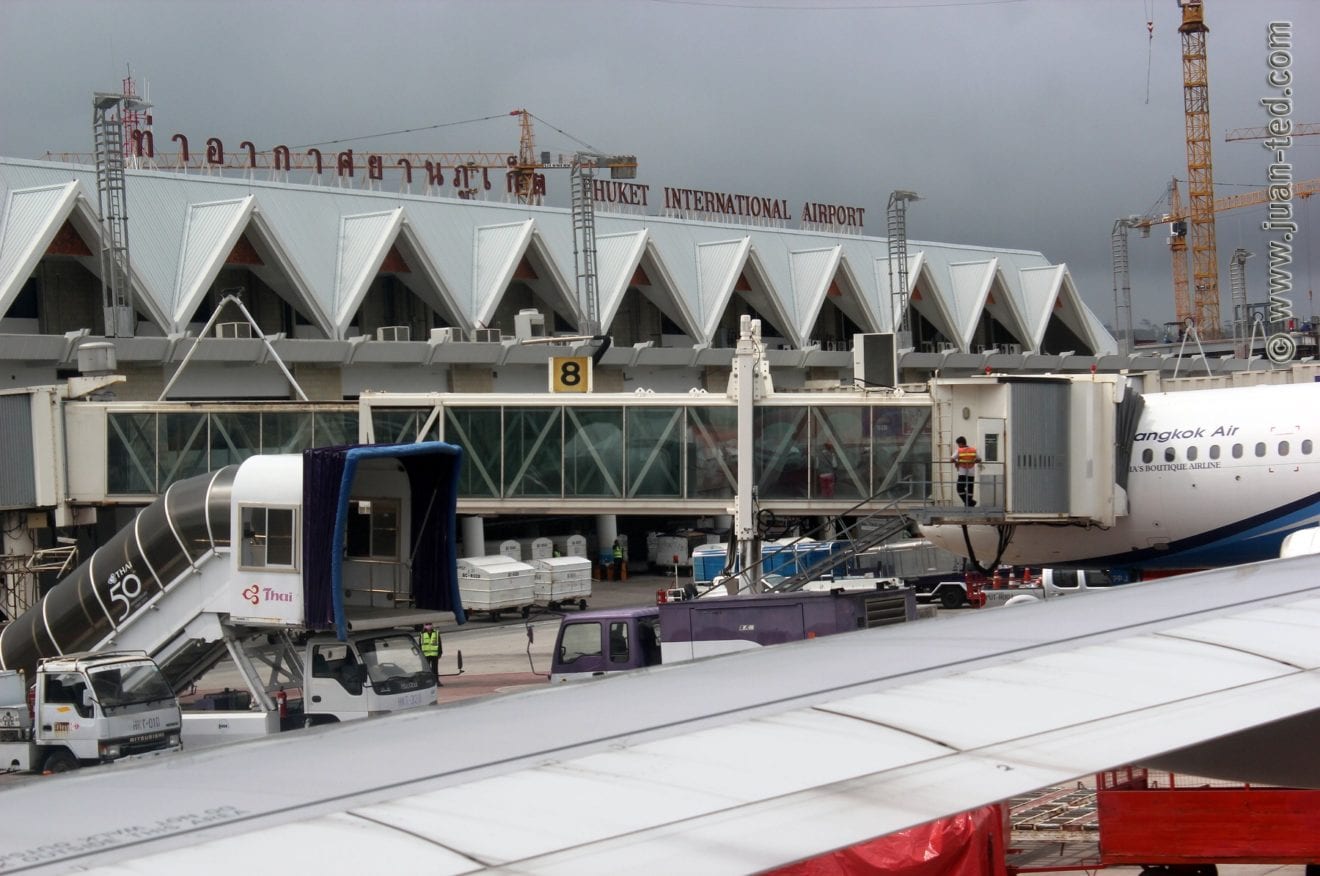
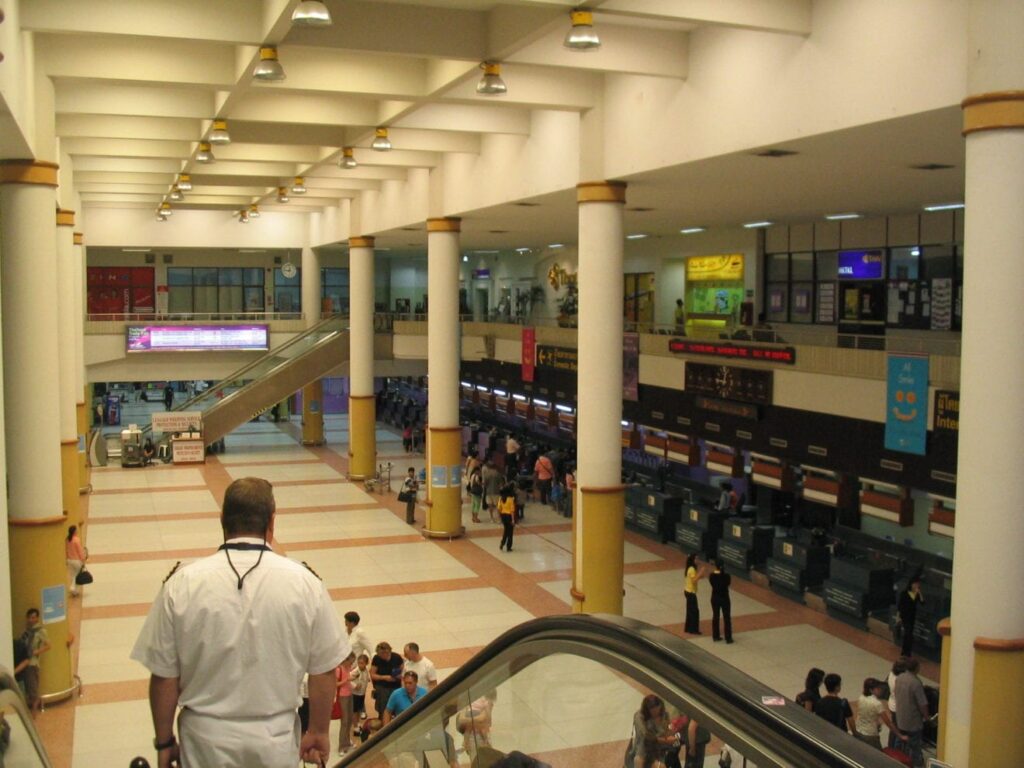
    Phuket Airport’s new international terminal is set to double its passenger capacity when it opens next May, according to airport director Monrudee Gettuphan.

    Construction of the terminal is more than 80 percent complete. It will undergo initial systems checks this month ahead of its soft opening on Feb. 14 and is on target to be fully operational by May, Monruidee said.

    “The new international terminal will be able to handle 12.5 million passengers annually, which is almost double the existing one, which can take only 6.5 million passengers per year,” Monrudee said.

    5868233

    The new terminal will include 10 aircraft parking bays, four gangways for passengers to embark and disembark from aircraft, and a brand-new shopping area with duty-free shops and restaurants.

    “But we are not only rushing the project to be done according to the plan, but also ensuring that the airport meets the standards by the Civil Aviation Authority of Thailand,” Monrudee added.

    The new terminal is part of a major THB5.7 billion overhaul of the airport, which began more than two years ago.

    phuket_airport_expansion

    Concerns have already been raised that Phuket Airport will be over-capacity soon after the expansion project is complete. A THB3 billion “upgrade of the upgrade” to raise passenger capacity to 18 million has already been tabled.

  • Bangkok Planetarium to reopen in January

    Bangkok Planetarium to reopen in January

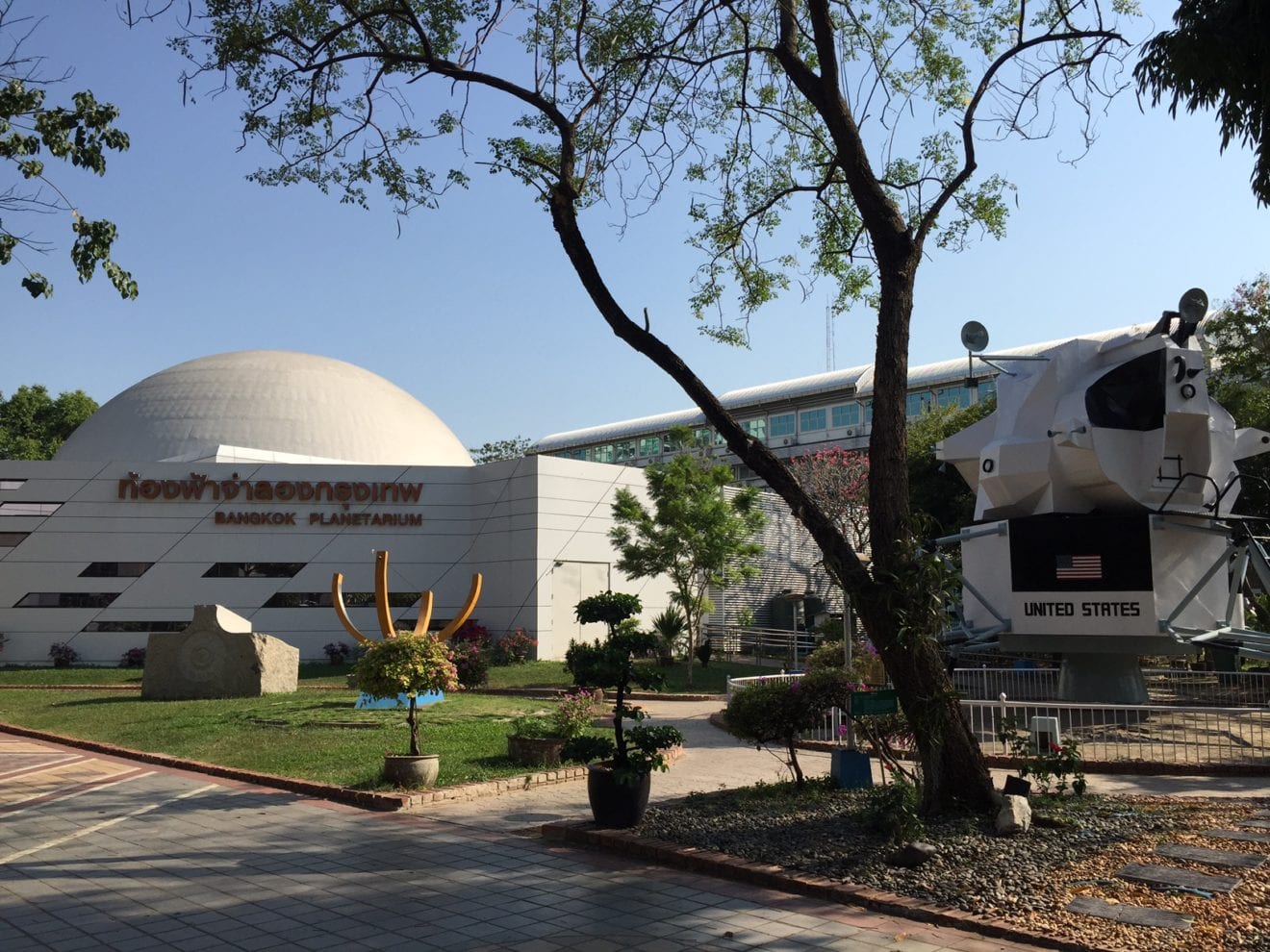
    After eight months of renovation, Thailand’s oldest planetarium will finally reopen its doors to the public on Jan. 5 at the same location on Sukhumvit Road.

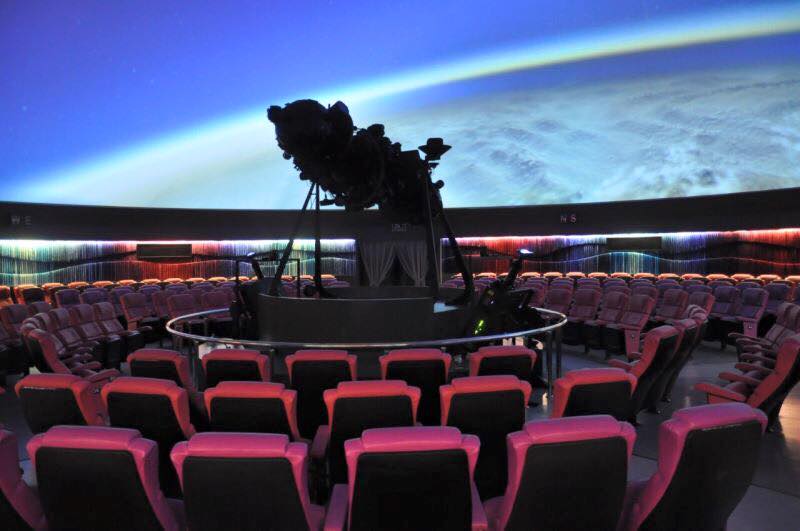
    The old-fashioned semi-dome planetarium, which first opened its doors in 1964, has undergone a THB92 million refurbishment and upgrade including new digital projects, digital theater system and aurora-themed decor.

    Viewers can enjoy stargazing with the planetarium’s new custom-built fish-eye lens, high-definition 360-degree visuals and 5.1 surround sound.

    1_44

    The opening ceremony will take place on Jan 5, and visitors (both Thais and foreigners) will get free admission until Jan. 9. After that, admission prices will be as before: THB20 for students and THB30 for adults.

    It’s unclear when English-language shows will be held for non-Thai speakers, although before the refurbishment they took place every Tuesday.

    The Bangkok Planetarium is located at the National Science Centre for Education, which is just a short walk from BTS Ekkamai.

  • Don Mueang to reopen terminal 2 on Christmas Eve

    Don Mueang to reopen terminal 2 on Christmas Eve

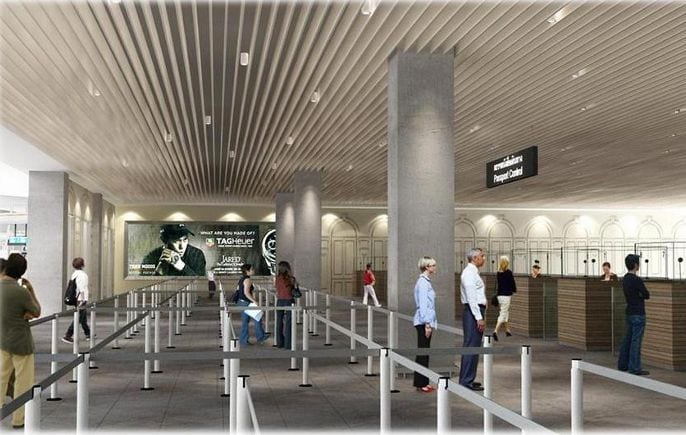
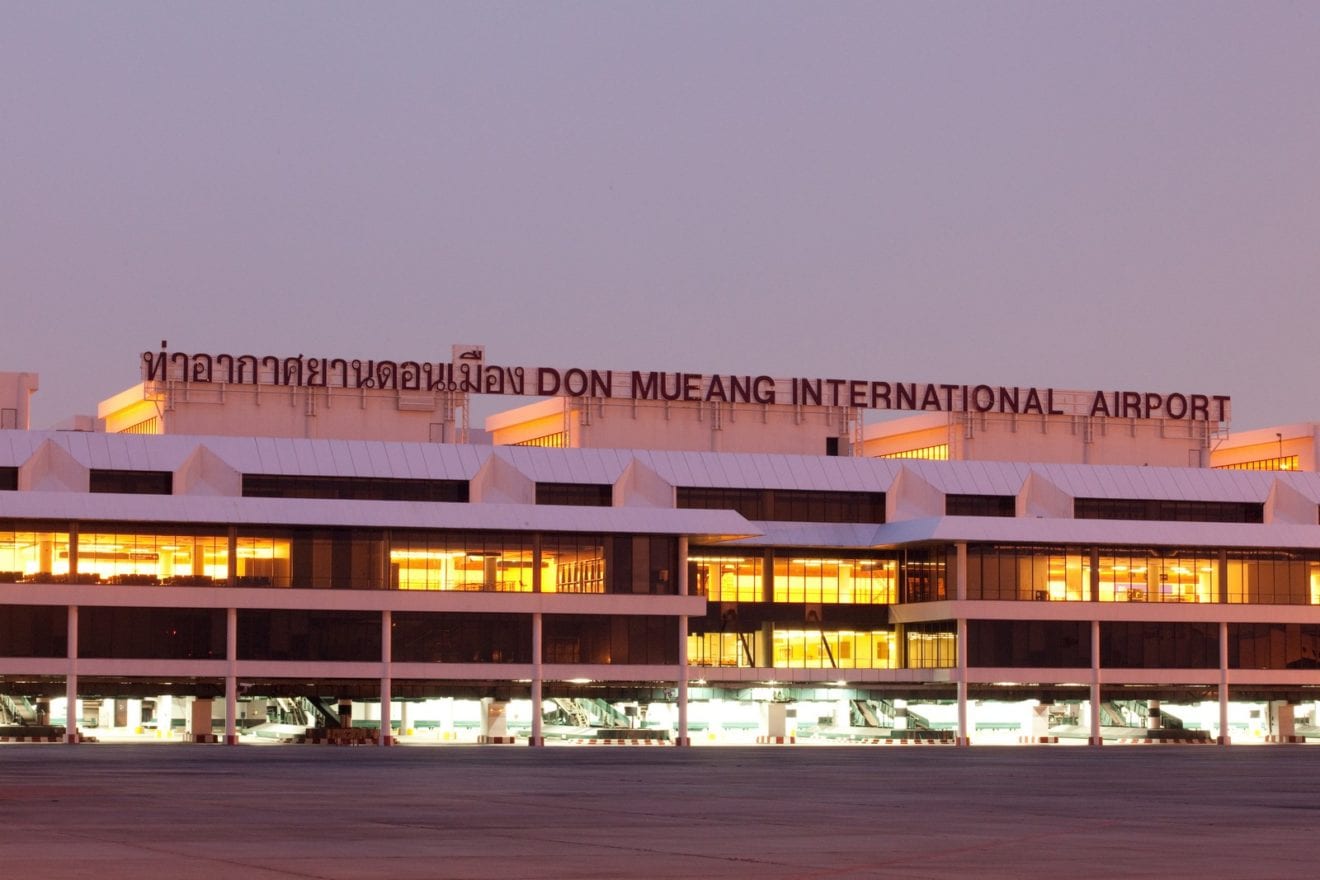
    Don Mueang International Airport, Bangkok’s hub for low-cost airlines, will reopen its newly renovated Terminal 2 for domestic flights on Christmas Eve.

    Due to the popularity of the budget airline service, Terminal 2 was put into renovation to improve the situation and to also ease the crunch on low-cost flyers. It is expected to serve up to 70% of domestic travel during the New Year holiday.

    Terminal 1 will continue to serve international flights but will soon undergo renovation as well.

    Don Mueang was initially closed down when Suvarnabhumi Airport was opened, but after Suvarnabhumi experienced overcrowding and service issues, Don Mueang was eventually put back into operation.

    1_45

    Don Mueang now accommodates between 80,000 and 110,000 passengers daily, and the newly added terminal will enlarge capacity from 18.5 million  to 30 million passengers annually.

    The airport has also recently launched a 33-seat Airport LimoBus Express on Nov. 27 which has free Wi-fi and takes travellers to the city center.

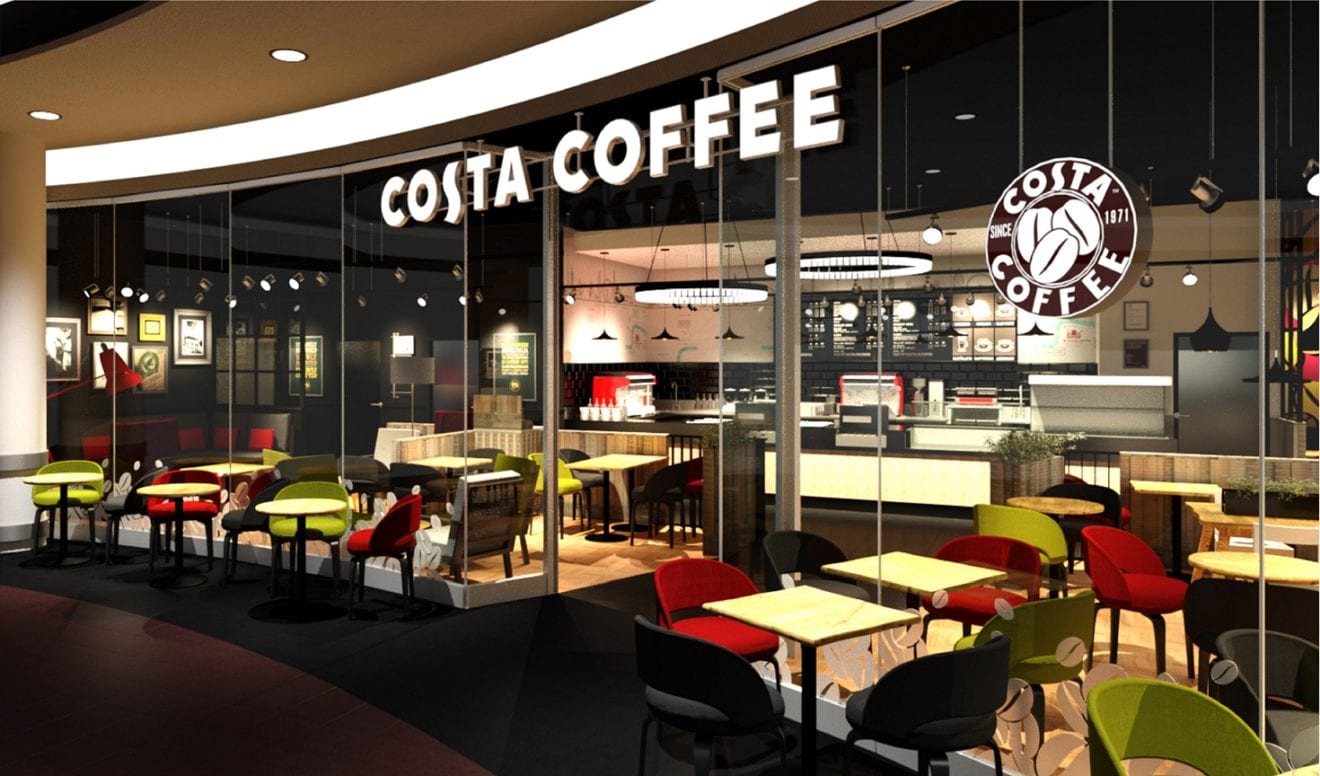
  • Costa Coffee unveils new concept

    Costa Coffee unveils new concept

    The UK’s largest coffee chain Costa Coffee has opened a new concept, Costa Fresco.

    A food-centric store, the first outlet has opened in central London, selling porridge, pastries, salads, quiches and cakes, as well as coffee.

    Costa says if the concept is a success it will open more across the UK.

    “We really want to bring something different to the food market in London,” said Carol Welch, Costa’s global director of brand & innovation.

    “The store will be similar to the traditional Costa stores, but will have much more of a food focus. All pastries, cakes and bread will be baked on site – our customers are telling us they want more, good quality food.”

    Costa, part of Whitbred for the last 20 years, has 1582 stores in the UK and more in overseas locations, including Asia.

    The move into food is in part an attempt to stand out from rival coffee chains like Starbucks, adding a point of difference to attract customers.

  • PetSmart opens Hong Kong global sourcing office

    PetSmart opens Hong Kong global sourcing office

    US pet provisions retailer PetSmart will open its global sourcing office in Hong Kong this month.

    The company says it chose Hong Kong to leverage the city’s strategic location to provide high-quality, innovative products for pet owners in North America.

    PetSmart is a renowned specialty pet retailer of services and solutions for the lifetime needs of pets in North America. The new Hong Kong office, located in Kwun Tong, will support the company’s global sourcing efforts in Asia and work closely with the US team to ensure all products sourced meet company objectives and customer needs.

    “As PetSmart continues to bring pet owners closer to their pets, we have an opportunity in Hong Kong to get closer to our supply chain controlling quality and costs, consolidate our non-food product assortment and develop innovative products in-house that our customers desire,” said Jim Persinger, director of PetSmart International Holdings.

    “Hong Kong is a fast-paced and growing market with close proximity to a significant Mainland factory base that develops high-quality, non-food pet products. Setting up an office in this strategic location will allow us to better serve our customers.”

    Dr Jimmy Chiang, associate director-general of Investment Promotion with Invest Hong Kong, said the establishment of PetSmart’s sourcing operations in Hong Kong reaffirms the territory’s status as an international trading and sourcing hub.”

    PetSmart operates 1444 pet stores in the US, Canada and Puerto Rico and approximately 202 in-store PetSmart PetsHotel dog and cat boarding facilities.