Author: Mei Ling Tan

  • First Visa token service launched in Asia-Pacific

    First Visa token service launched in Asia-Pacific

    Visa launched on Monday the first Visa Token Service in Asia-Pacific with the United Overseas Bank (UOB) as the first bank implement the service. 

    The service is a new security technology that replaces sensitive payment account information found on payment cards, such as the 16-digit account number, expiration date and security code, with a unique digital identifier or “tokens” that can be used to process payments without exposing actual account details.

    Visa cards that are tokenized are also domain controlled, meaning the tokenised card is linked to a consumer’s phone or wallet application and is validated in real-time by VisaNet, Visa’s global payment processing platform.

    Tokenisation was first introduced as a new global standard in October 2013 by Visa and other payment schemes to enhance security and simplify consumers’ purchasing experience.

    “We live in a connected world and with the rise of digitization, it is important the payments industry is focused on delivering a safe, secure, simple, and consistent consumer purchasing experience,” said T.S. Anil, Head of Product for Asia Pacific for Visa.

    “The Visa Token Service can help prevent fraud by offering financial institutions, merchants, and third party payment providers, such as digital wallet providers, a secure way to enable mobile and online payments without sharing sensitive account information,” he added.

    United Overseas Bank has implemented the Visa Token Service as part of its digital wallet UOB Mighty. The service allows its Visa credit or debit cardholders to make contactless payments with an NFC-enabled Android smartphone simply by launching the UOB Mighty app, selecting the “Pay” function, entering a PIN and tapping to pay at all NFC-enabled terminals in Singapore and overseas.

    “Consumers are increasingly attached to their smartphones which have become an indispensable lifestyle device. With the Visa Token Service, UOB is able to offer Singapore customers the option of making contactless payments, with tokenised security, through their smartphones at the point of sale – whether it is in a supermarket, coffee shop or at a petrol station,” said Mr Dennis Khoo , Head of Personal Financial Services, Singapore, UOB.

  • A New Air Jordan Store Has Just Opened Up In Hong Kong

    A New Air Jordan Store Has Just Opened Up In Hong Kong

    Jordan Brand has already shown us that they have huge plans of going international with their upcoming retail store in Toronto. So does that mean they’ll stop there? Nope.

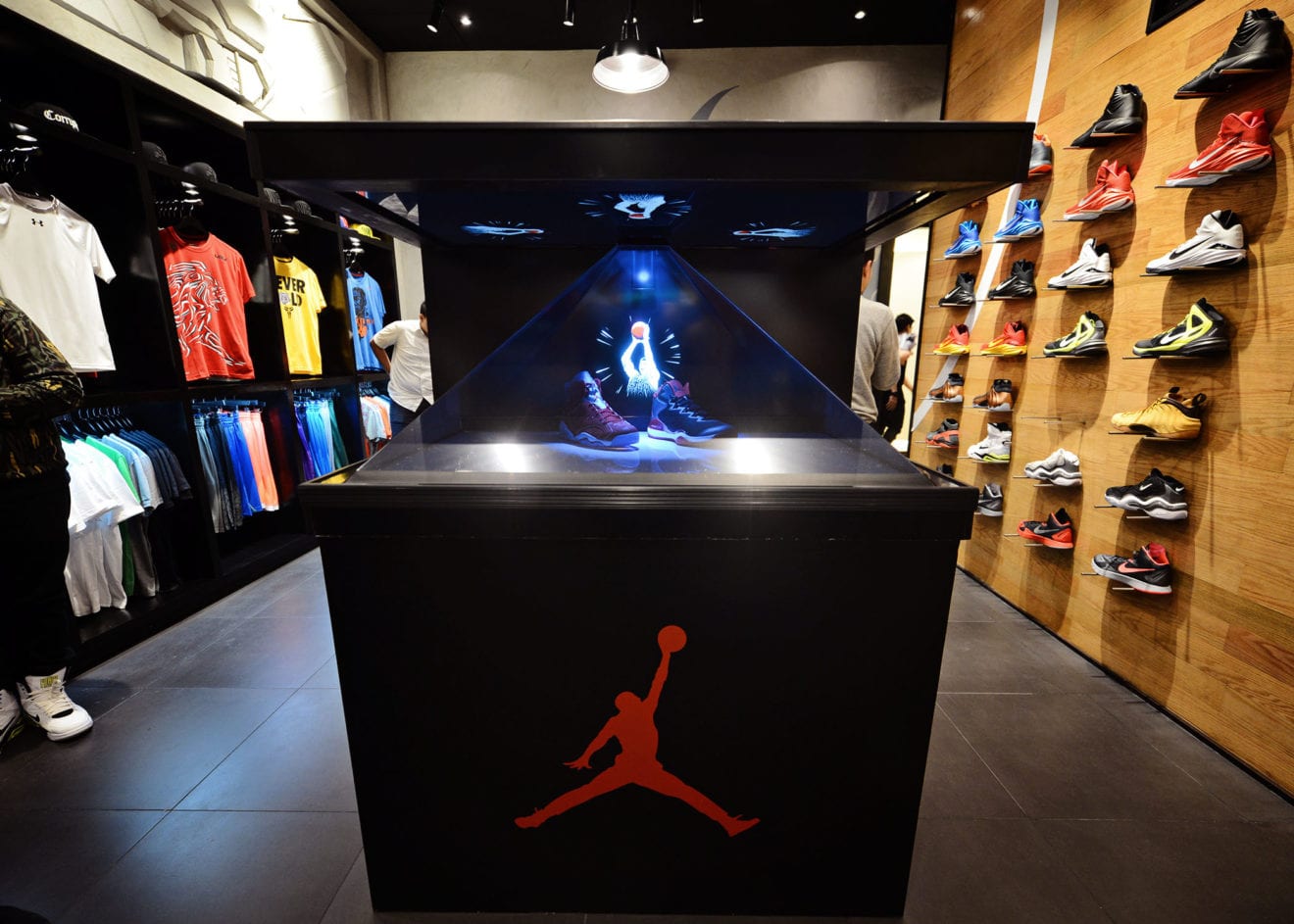
    The Jumpman is making its presence felt all around the world with their latest power move coming in Hong Kong. In the pictures above you can see the new Jordan Brand retail store that features a section with every silhouette from the Air Jordan 1 through the 29 draped in gold as well as something they’re calling the Jordan Flight Club which gives you access to The Draw, Jordan Breakfast Club, and Footwear Trial.

    From the outside of the store you can also see a massive recreation of the iconic “Wings” poster with Michael’s outstretched arms done in gold for that touch of luxury. Take a look at images of the retail space above and give us your thoughts.

    The Air Jordan 8 Wellington flagship store is located at Wellington Place, 2-8 Wellington St. in Hong Kong.

  • Japanese e-retail leader Rakuten doubles its online sales in China

    Japanese e-retail leader Rakuten doubles its online sales in China

    Rakuten’s Q3 growth from China jumps 101%. The Tokyo-based company plans to open a store soon on Chinese marketplace JD.com. The falling value of the Japanese yen and China’s relaxed cross-border e-commerce policies have helped Rakuten Inc., Japan’s dominant online marketplace operator, double its web sales in China in the third quarter.

    Founded in 2007, Rakuten says it now sells about 150 million products from over 41,000 merchants on its Japanese online marketplace, Rakuten.jp.

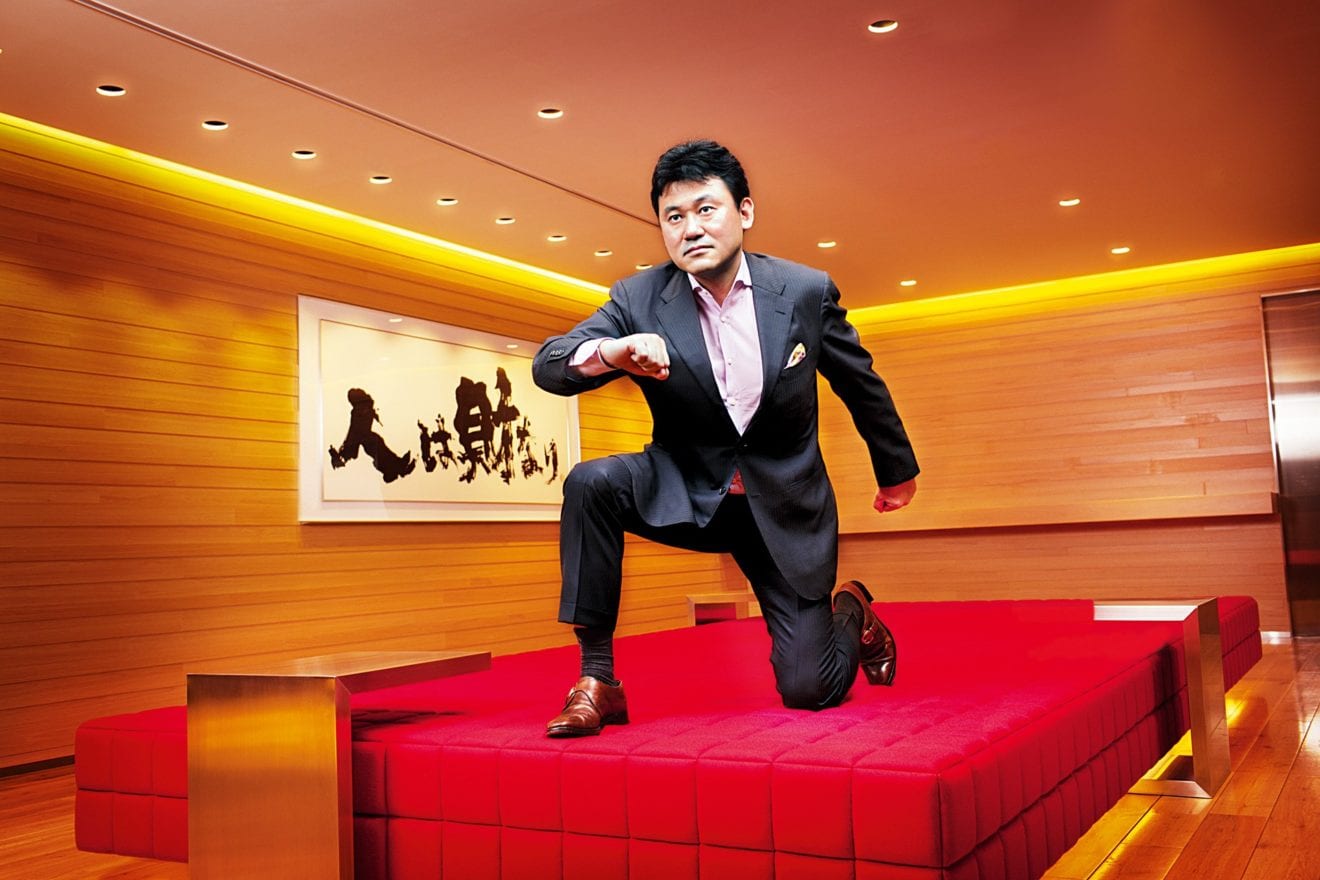
    Rakuten operates localized sites in 13 countries, including Japan, the United States, the United Kingdom, Spain, Brazil, Germany, France, Austria, Singapore, Thailand, Malaysia, Indonesia and Taiwan. CEO Hiroshi Mikitani has pursued a global strategy that has included several e-retail acquisitions, such as of Buy.com in the U.S. and PriceMinister in France.

    Rakuten also operates the Rakuten Global Market, an online marketplace offering 1.2 million Japanese products from 10,000 merchants to consumers outside of Japan. China represents the fastest-growing country in terms of purchases on the Rakuten Global Market, the Rakuten spokesman says. “Our Q3 total cross-border trading showed 50% growth year on year,” he says. “Our Q3 growth from China showed a significant increase of 101%.”

    Japanese products have become much cheaper to Chinese consumers as the Japanese yen has depreciate about 30% over the last few year.

    In addition, China has relaxed its policies on online imports, making it easier for Chinese consumers to buy from foreign e-commerce sites. For example, the duty charged on small online purchases from abroad is lower than the tax charged on domestic purchases in China, and China has created free-trade zones in nine cities where parcels from overseas move through customs faster than before.

    Rakuten says Chinese consumers are particularly interested in unique and high-quality Japanese-made goods. “We will also continue to explore new avenues to empower Rakuten merchants in expanding their businesses in China.” the spokesman says.

    This week, Rakuten announced it will open an online store to sell Japanese products on the e-commerce site of Chinese e-retailer and marketplace operator JD.com, No. 1 in the Internet Retailer 2015 China 500.

    This is not the first time Rakuten has entered China. In 2010, Rakuten and Chinese search engine company Baidu created a joint venture to operate Rakuten.cn, aiming to sell products in China to Chinese consumers. After only 18 months, the site was closed by Rakuten in 2012, reflecting the fierce e-commerce competition in China.

    In April 2015, Rakuten also announced it had invested in a Chinese cash-back shopping site, Fanli.com, but did not disclose the investment amount.

    Rakuten is No. 20 in the Internet Retailer Asia 500. JD.com is No.1 in the Internet Retailer 2015 China 500. Rakuten is the leading online retail site in Japan, accounting for about 20% of web sales in 2014, according to Euromonitor International.

  • Rental gap narrowing between suburban and Orchard malls

    Rental gap narrowing between suburban and Orchard malls

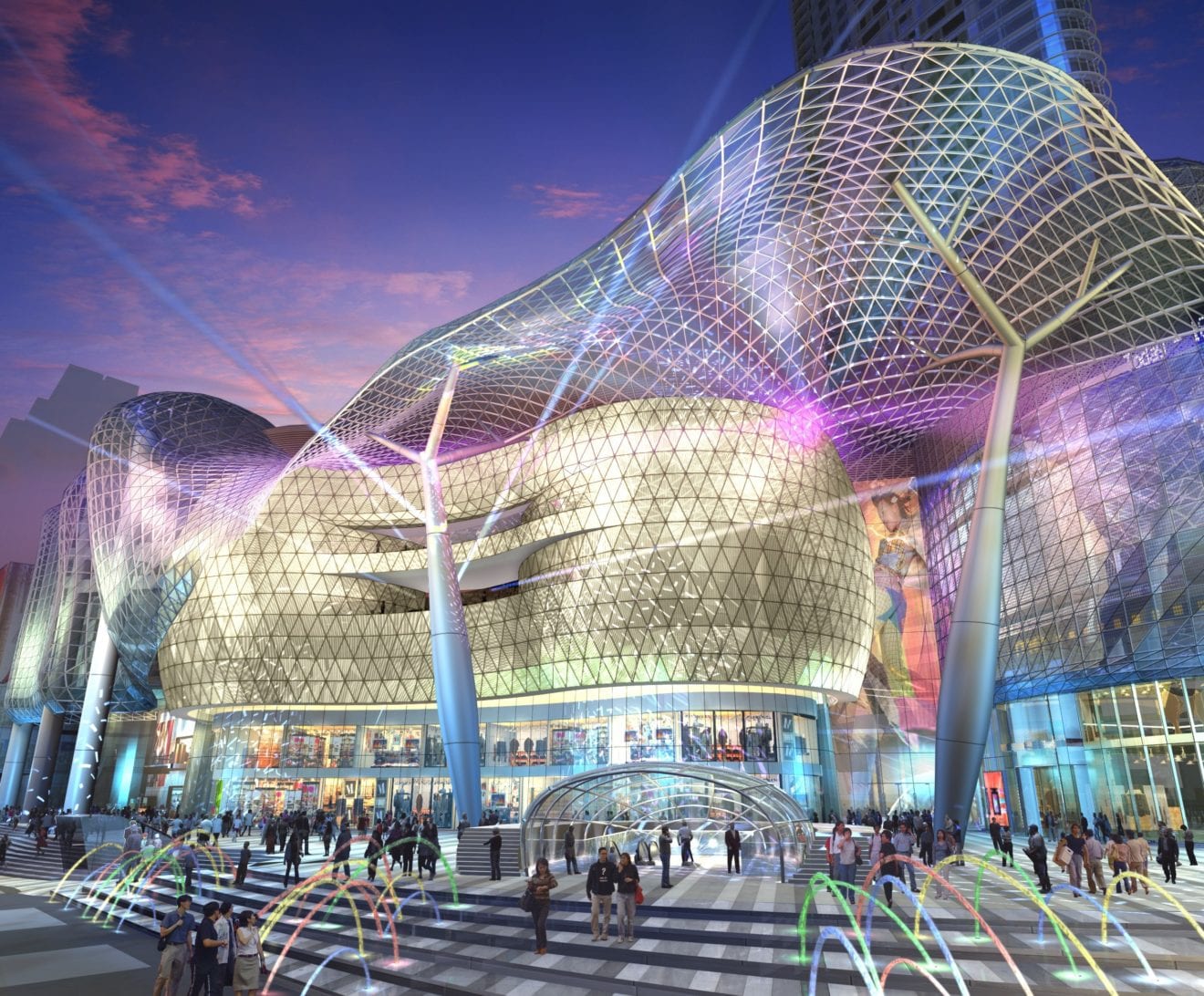
    The rental gap between prime spaces in suburban malls and Orchard malls has been narrowing – and this trend is slated to continue into 2016.

    Property consultants noted that the relative resilience of suburban malls stems from their larger local catchment and lower susceptibility to tourist spending, which has been dealt a blow from lacklustre tourist arrivals and competition from other global cities for their spending.

    While the retail rental index of the Urban Redevelopment Authority (URA) for the Central Region showed a 2.9 per cent drop in retail rents over the first three quarters of this year, the Central Area marked a bigger 3 per cent drop compared to a 2.4 per cent decline in the Fringe Area.

    URA’s retail rental indices do not track malls located in the far-flung areas of Jurong, Tampines and Yishun, though rental data by unit size, floor level and district is available on its website.

    Data from consultancy firm Savills shows that prime-facing spaces in Orchard malls have fallen by a bigger 4 per cent over the first three quarters of this year, compared to 2.9 per cent in suburban malls.

    “On the whole, we still haven’t seen any concrete plan to arrest the pilferage of sales from online retailers who are waging a guerrilla war against sitting targets,” said Savills research head Alan Cheong.

    He expects rents in suburban malls to dip by up to 2 per cent and those in Orchard malls to fall by a bigger 3-5 per cent next year.

    Based on Knight Frank’s computations, the rental premium of prime retail spaces of Orchard Road malls over suburban malls has been steadily shrinking over the last three years. The average prime rent of Orchard Road malls was 1.09 times of that in suburban malls in the last nine months this year, down from 1.12 times and 1.13 times in 2014 and 2013 respectively.

    “This demonstrates the higher resilience of suburban mall prime space rents compared to Orchard Road’s,” said Knight Frank head of consultancy and research Alice Tan. “Nonetheless, the limited availability and limited upcoming supply of new retail spaces in Orchard Road should limit rental declines for Singapore’s prime shopping belt going forward, keeping rental premium between Orchard Road and suburban prime retail spaces at similar levels for 2016.”

    Some Orchard Road malls have found it hard to gain traction. Wheelock Properties’ Scotts Square has seen many of its tenants come and go since its opening in 2012. Shaw Centre has similarly failed to ramp up its occupancy and pull in customers since its revamp last November.

    Far East Organization’s Orchard Central, now 85 per cent occupied, will be undergoing a revamp until Q3 2016, during which 17 per cent of its tenants will have to close or relocate by Dec 31.

    Cushman & Wakefield research director Christine Li noted that popular retail brands previously present only in Orchard Road have made their way into suburban malls, hence diluting retail sales in Orchard malls.

    Looking at prime-facing retail units on ground floor of not more than 3,000 square feet, Ms Li is projecting a 3-3.5 per cent drop in rents in Orchard Road, a 4 per cent fall in the city-fringe, and stable rents for suburban malls next year.

    A spokesman for Frasers Centrepoint Asset Management, the manager of Frasers Centrepoint Trust (FCT) which owns a number of suburban malls, stressed that suburban malls have very localised catchment, roughly 3-5km radius in the primary catchment and slightly further afield if the mall is easily accessible by MRT or bus.

    “We think the outlook for suburban malls should remain stable in general, as consumption in this sector are mostly necessity spending,” he said.

    FCT finished the financial year ended Sept 30 with an average rental reversion of 6.3 per cent. Its manager is further tweaking tenant mix at Changi City Point and Bedok Point, where occupancies were 91.1 per cent and 84.2 per cent respectively as at Sept 30. Its Northpoint shopping centre in Yishun is being expanded as part of the integrated Northpoint City project.

    “In most instances, the challenge is not so much in finding a tenant as there is always interest in space in suburban enclosed malls. It is more a question of finding the correct tenant that is also willing to pay the target rent,” FCT manager’s spokesman said. “Occupancy-wise, we should be able to maintain our current level or improve slightly over our last financial year.”

    But not all suburban malls are faring well too. Consultants note that there is greater competition in Jurong East where there are five malls in the same catchment – namely JCube, JEM, WestGate, Big Box and IMM Building.

    “While household and office population there is on the rise, the majority of homes and offices are still under construction and the newly completed malls have injected more supply at a faster rate than demand,” said Chesterton Singapore managing director Donald Han.

    Woes of JCube arose with the proliferation of malls in the Jurong East regional centre in recent years. Since Jem and Westgate opened across the road in 2013, JCube’s occupancy rate has been on a slide since end-2013 from 100 per cent to 83.7 per cent as of Sept 30 this year. Though it has undergone several rounds of mall repositioning, one industry player felt that the mall has not yet found its “identity”.

    “Both JCube and IMM are undergoing a series of asset enhancement initiatives. We think the malls here may underperform other areas where there are less mall competitors such as Junction 8, Causeway Point or Bedok Mall,” Mr Han said.

    CapitaLand’s Tampines Mall and Junction 8 marked full occupancy as at Sept 30 and some asset enhancement works are ongoing for Tampines Mall.

    When asked about its malls in Jurong Gateway, CapitaLand Mall Asia head of retail management for Singapore Teresa Teow explained that the three malls are positioned differently to complement each other, with Westgate serving as a premier lifestyle and family mall, IMM Building as Singapore’s largest outlet mall, and JCube being a leisure and entertainment hub in the west that houses Singapore’s only Olympic-size ice rink.

    JCube recently added a trendy retail zone, J.Avenue, that houses 100 shops offering chic, affordable merchandise. “We continually reinvent our malls to ensure that they stay relevant and attractive to shoppers,” Ms Teow added.

    Large landlords such as CapitaLand and Frasers Centrepoint are also embracing technology, making their rewards programme available via mobile apps.

    CapitaLand’s Capitastar goes further to glean the shopper preferences of some 800,000 Capitastar members in Singapore from the aggregated data, which enables CapitaLand to work with retailers to push out targeted retail offerings through the Capitastar mobile app.

    Consultants note that malls which are connected to an MRT tend to do well. Size matters too, Mr Han added, with larger malls of more than 200,000 sq ft in net lettable area able to enjoy economies of scale and provide a variety of tenant-mix offering to consumers.

    Ms Tan noted that while landlords are now more receptive to negotiate rentals with established retailers, the current structure of base rents vis-a-vis variable rents has not changed much, with limited room for adjustment.

  • More retail-friendly bond issues in 2016

    More retail-friendly bond issues in 2016

    Singapore’s fixed-income market next year is tipped to be active, with more retail-friendly issuances. What’s more, perpetuals will continue to be popular even as financial conditions are likely to remain volatile. Retail bond demand is expected to stay healthy and there should be more deals done than in 2015 – thanks to higher yields, said Clifford Lee, DBS Bank head of fixed income.

    Four retail bonds with yields of 3.85 to 5.25 per cent were sold in 2015 by Perennial Real Estate Holdings, Oxley Holdings, Frasers Centrepoint and Aspial Corp. Investors could buy these bonds for as low as S$2,000 per lot, much cheaper than the minimum S$250,000 for most bonds sold here.

    Mr Lee said retail investors are not dumb, unlike your “mom and pop” investors. “The smaller caps have smaller subscription, indicating they do have discretion.”

    While the retail offerings were oversubscribed, he said the oversubscription was not massive – an indication that retail investors know what they are doing.

    The four retail bonds raised S$1.25 billion, against just one issue from CapitaMall Trust in 2014 worth S$350 million.

    “Of the four issuers this year, three may even be ‘high yield’ – although none are rated – which may spur further issuance from other mid-sized firms which could offer higher yields on their retail bond issues,” said Terence Lin, iFast’s regional research manager in the fixed-income division.

    Investors, especially financial institutions and real estate investment trusts (Reits), are expected to still like perpetuals – bonds with no fixed maturity – in 2016, as they did in 2015.

    Seven perpetuals were sold this year which raised S$3 billion, almost double the S$1.8 billion for 2014.

    Mr Lin indicated that issues such as the new Julius Baer, Ascendas Reit perps and FCL perps have so far been among the most heavily traded bonds in the SGD corporate bond market in 2015. “We think their popularity stems from the higher yields offered versus traditional fixed maturity bonds (given the additional maturity uncertainty), while most of the perpetual bonds are still expected to be called on their first call dates (which are usually less than 5 years away), making them good alternatives to traditional short duration bonds,” he said.

    Also, he added, many of the perpetuals are issued by higher-quality names, offering investors a level of comfort.

    While more bank perpetuals are expected to be launched, as banks look to build additional capital, as well as to refinance maturing/callable debt, many non-bank corporate perpetuals are also maturing.

    Firms such as Hyflux, Cheung Kong, Olam International, GuocoLand, Global Logistic Properties, Hotel Properties, Mapletree, Mapletree Logistics Trust and Genting Singapore are some of the existing issuers of perpetual SGD debt which are callable in 2016/2017, making them potential refinancing candidates/perpetual bond issuers come 2016.

    Tan Kee Phong, OCBC Bank’s head of capital markets, estimated that US$33 billion in loans and S$13 billion in SGD bonds are set to mature from syndicated loans in 2016 in Singapore. Yet nothing can be taken for granted, according to Elaine Ngim, Coutts’ he ad of fixed income in Asia. “Two key factors that may determine if 2016 is a bull’s or bear’s year are how fast Fed will hike rates and how slow will China economic growth be,” she said.

    “China’s growth story will be the larger factor for Singapore, as its economy is trade dependant on their growth. As a result, investors may become increasingly selective on quality of issuers and their industry,” said Ms Ngim.

    DBS’s Mr Lee also said China would have the biggest impact on the Asian bond markets, because it accounts for the lion’s share of the Asian G3 (USD, yen or euro) bond arena.

    China-linked issuance in 2015 was 54 per cent or US$91 billion of the US$169 billion Asian G3 bond market. But offshore funding costs have ballooned and a lot of Chinese companies are now opting to issue onshore, Mr Lee indicated.

    “If China continues to issue onshore next year, then it (Asian credit market) could get a kick in the stomach,” he said.

    The SGD bond market was pretty solid in 2015, especially compared with equities. This year has seen 161 deals worth S$22.7 billion done, slightly less than the S$23.5 billion raised in 2014. The highest was S$31 billion in 2012.

    “2015 was comparatively a better year for bonds in Singapore when compared to the STI index, with main drivers being corporate bonds, specifically statutory board issuers in the 5-7-year maturity bucket,” said Ms Ngim.

    Up to Dec 11, the Singapore Fixed Income Indices for 2015 outperformed the STI by 17.64 per cent (1.87 per cent vs. -15.77 per cent).

    Despite the year starting out somewhat jittery, there was no lack of higher risk issuers, Ms Ngim said.

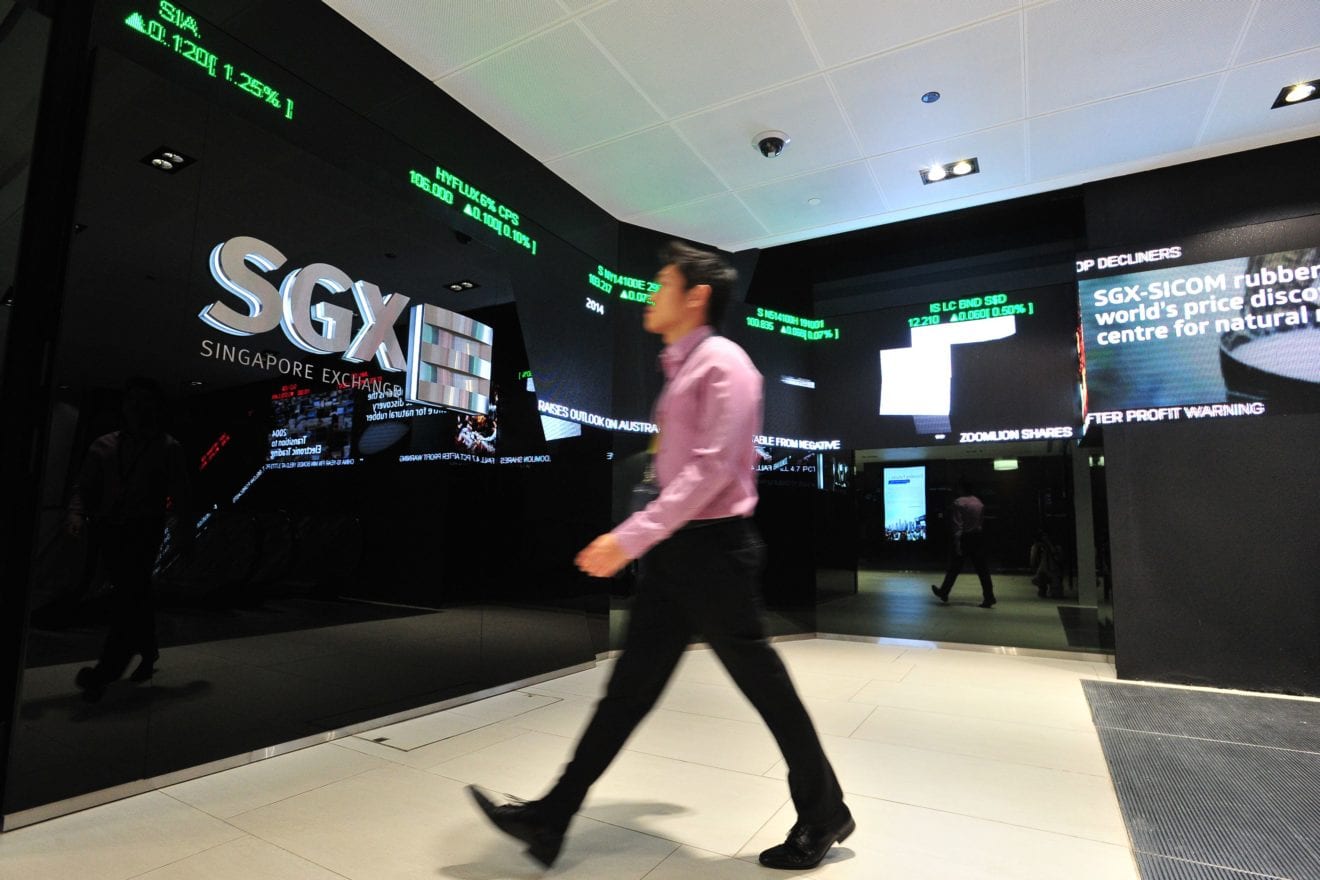
    “Looking back at these issues, 2015 is categorised by several buckets, namely the real estate developers and Reits who are listed on the SGX, shipping and the offshore support vessels, and closing off the year with a few global financial issuers,” she said.

    Still, some have found 2015 a challenging year for the SGD bond market.

    “We believe credit quality of issuers, on average, declined, with particularly significant weakness seen in commodity linked companies and in the offshore marine sector, which is a sizeable part of the SGD bond market,” said Neel Gopalakrishnan, Credit Suisse, director, emerging markets bond analyst, private banking Asia Pacific.

    “Secondary market liquidity was another issue with no meaningful bids available especially for higher yielding bonds, making it almost impossible for bondholders to exit their positions if they were uncomfortable with the underlying issuer,” he said.

  • Jewellers scale down to adapt as Hong Kong loses its tourist lustre

    Jewellers scale down to adapt as Hong Kong loses its tourist lustre

    After a decade of aggressive store expansion, Hong Kong’s jewellery retailers have been hardest hit by the recent downturn in tourism, with half their revenue coming from mainland shoppers.

    Jewellers have now been forced to a adopt variety of strategies to tackle the tougher market, ranging from trying to lure local customers, cutting store sizes and expanding business overseas.

    TSL, one of Hong Kong’s largest jewellery chains, is scaling back its presence in tourist districts while setting up more small shops in local malls.

    Estella Ng Yi-kum, deputy chairman and chief strategy officer at TSL, said the rent for one store in a prime area could pay for at least two stores of the same size in a residential area.

    “Moving into residential areas enables us to provide better customer service,” said Ng, adding that growth in local stores is “much more stable”.

    After the closure of its flagship Causeway Bay store earlier this year, TSL has opened three smaller stores in Temple Mall North in Wong Tai Sin, Plaza Hollywood at Diamond Hill and Olympian City in Kowloon.

    Luk Fook, the city’s second largest jeweller, is maintaining its presence in prime retail areas, in the hope that the mainland tourists will return, while cutting the size of some stores or relocating them to secondary locations.

    Earlier this year, Luk Fook closed a store on Nathan Road, which had cost HK$2 million a month to rent. Meanwhile it opened a smaller store on the same street with the rent as low as HK$400,000.

    “The turnovers were almost the same,” said Luk Fook chairman and chief executive William Wong Wai-sheung, adding the smaller store was enough to cater for the shrinking number of mainland tourists.

    Following the logic that mainlanders have to spend their money somewhere, Chow Tai Fook, the city’s largest jeweller, has moved into both the mainland and South Korea, another emerging tourist mecca.

    It recently opened a new store in Qianhai free-trade zone in Shenzhen, offering competitive prices just slightly higher than Hong Kong. The jeweller’s mainland business contributed 56 per cent of its total revenue in the six months to September 30 this year, according to company figures.

    International jewellery brands seem to be adopting the opposite strategy, switching their existing stores to prime locations, according to a retail leasing expert.

    Joe Lin, executive director of retail services at leasing firm CBRE, said many international brands had rented stores with either better quality in terms of customer traffic and visibility, or lower rents in Causeway Bay.

    “This is a great timing” said Lin, adding that more prime store locations had become available amid the retail downturn.

    This article appeared in the South China Morning Post print edition as Jewellers forced to adapt as city loses its tourist lustre

  • DJI Opens Flagship Retail Store in Shenzhen

    DJI Opens Flagship Retail Store in Shenzhen

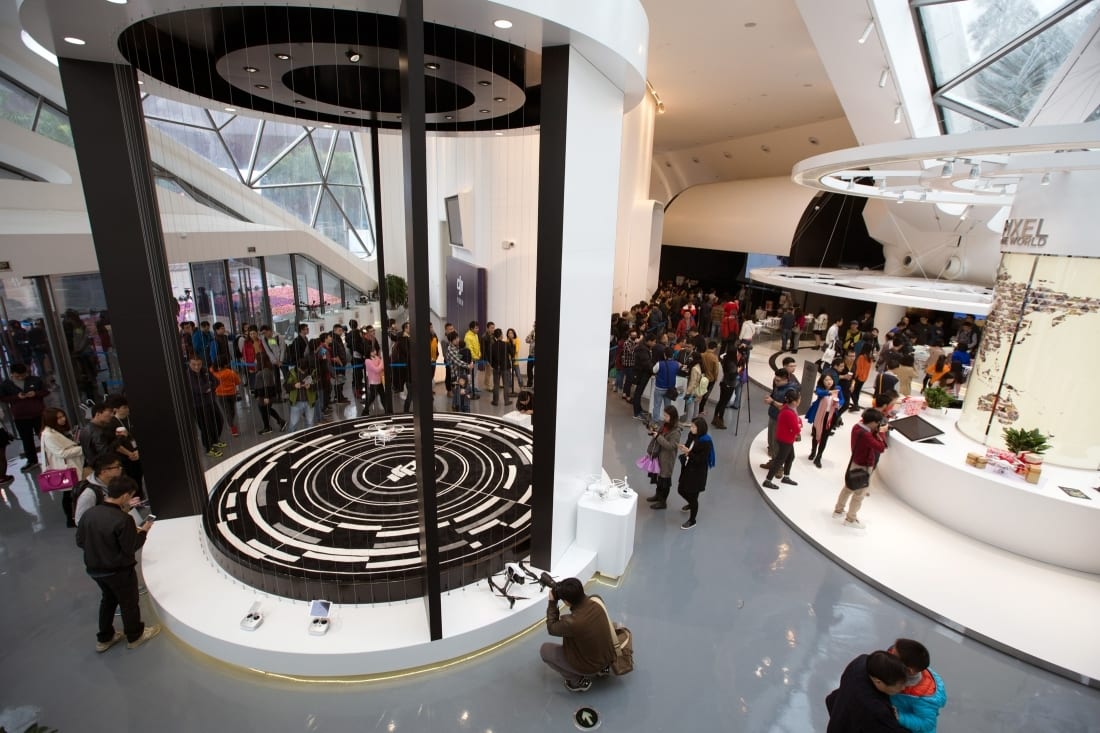
    DJI, the world leader in unmanned aerial vehicle technology opened its first flagship store today at OCT Harbour in Shenzhen. The 800-square-meter store will feature a full range of DJI’s consumer products and aims to let consumers see, touch and learn firsthand about the company’s innovative and creative platforms.

    “The DJI flagship experience is an important touchpoint to connect people with our cutting-edge technology and get a sneak peek into the future,” said Frank Wang, DJI Founder and CEO. “Whether you are curious to learn how to fly or a professional looking for the latest aerial imaging technology to create your next big idea, the flagship store will provide you with the opportunity to really experience the DJI brand up close and in person. More importantly, it will allow us to engage our customers in a deeper and more meaningful way.”

    On display and for sale will be DJI’s Phantom 3 series, the Inspire 1 and Spreading Wings series, Matrice 100, Guidance, the Ronin handheld three-axis camera gimbal line, as well as the company’s latest integrated stabilized 4K handheld camera, the Osmo.

    The flagship’s interior architecture is based on the concept of yuan, the Chinese word for “circular.” It is symbolic of DJI’s drone propellers, which form a circular shape when in motion. This concept can be seen in various places around the store, including the “SkyPixel Around the World” interactive installation, which is featured on a cylinder-shaped map in the shop’s center. The flagship store also features a theater, flight area, lounge area and repair counter.

    The OCT Harbour store features a stunning waterfront view and is surrounded by a vibrant culture of tourism, ecology and commerce.

    Highlights of the flagship store include:

    The DJI flagship store is located at the Shenzhen Tourist Information Center, OCT Harbour, East No.8, Baishi Road, Nanshan District, Shenzhen, China. Openings hours are Sun-Thu 10:00 – 22:00 and Fri-Sat 10:00 – 22:30.

  • Mulberry laments tough Hong Kong

    Mulberry laments tough Hong Kong

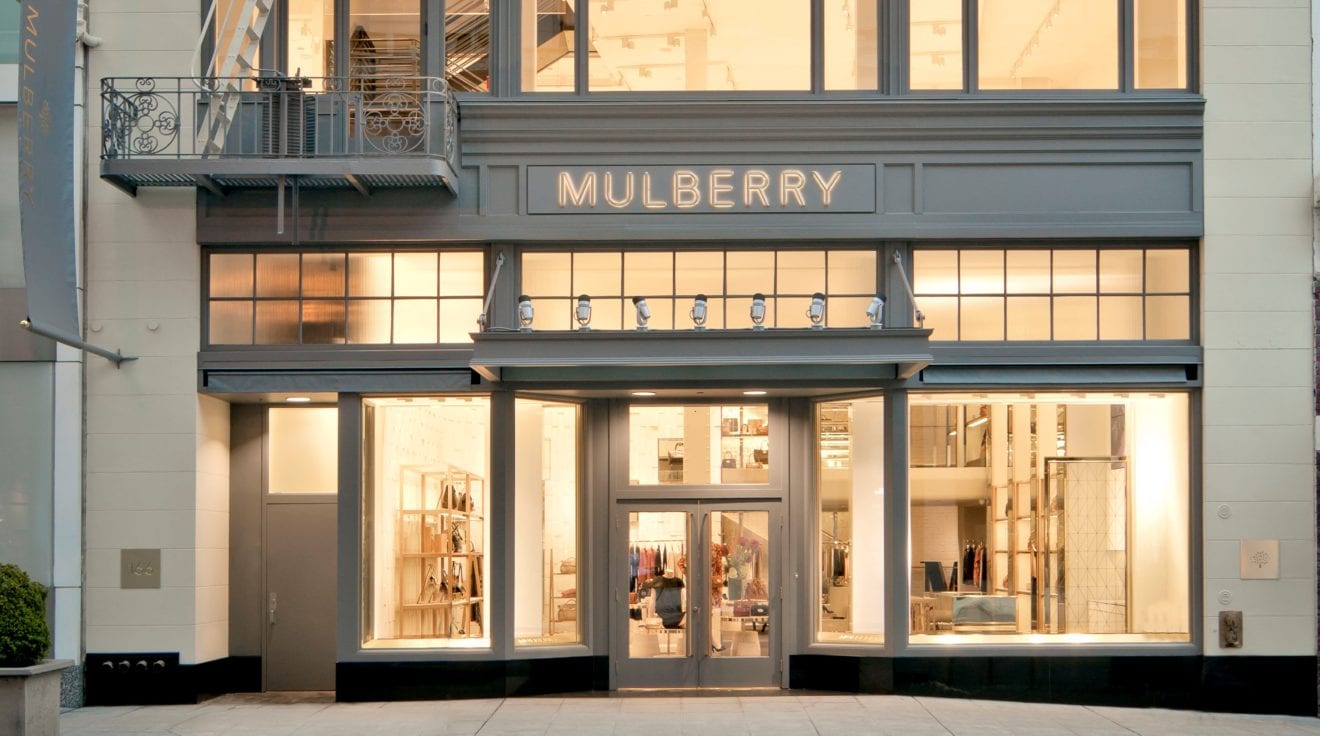
    Tepid demand for luxury products in the once insatiable Asian markets is the only blemish on a remarkable comeback by British fashion brand Mulberry.

    After a tumultuous 2015 that saw a change in leadership and a strategic U-turn on pricing strategy, luxury retailer Mulberry has posted first half results that indicate a return to stability and strategic clarity, bringing  the retailer back into profitability against a £1.1 million loss this time last year.

    Mulberry revealed overall revenue growth of five per cent and like for like sales growth of 10 per cent. UK trading was particularly strong, with same store sale up 14 per cent, including digital sales.

    However, strong store trading at home was offset somewhat by declining wholesale sales, largely due to decreasing demand in Asia.

    Wholesale performance remains a thorn in the side of luxury players, with Mulberry admitting wholesale declines of 11 per cent.

    “This could spell trouble ahead across the British luxury sector, including Mulberry,” observes Andrew Hall, consultant with retail analyst Conlumino.

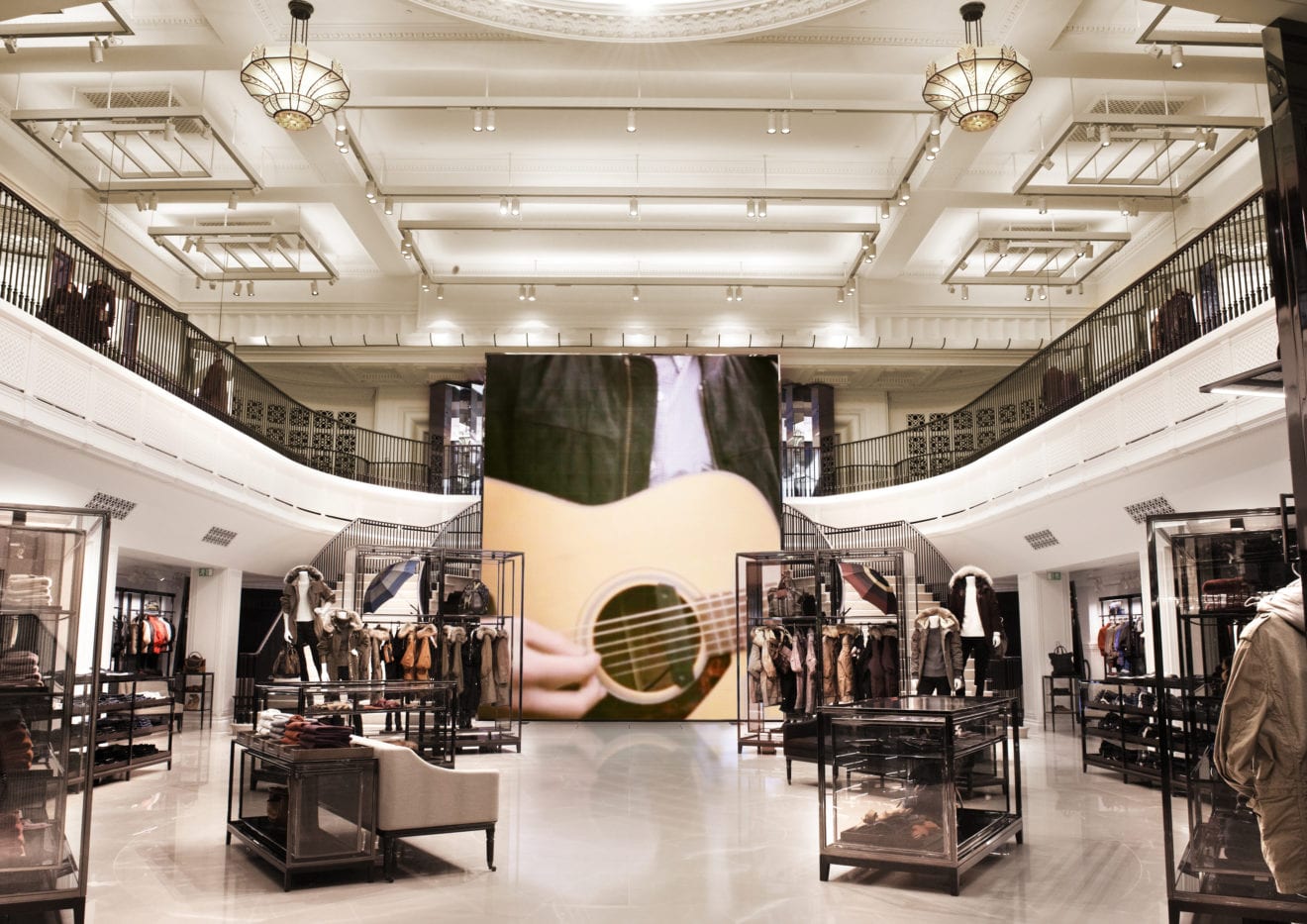
    The decline in Asian sales – particularly notable in China and Hong Kong – “will remain a worrying sticking point for the likes of Mulberry and rival Burberry,” says Hall.

    “The crackdown on corporate ‘gift giving’ in China and Hong Kong has dampened demand for handbags and other designer luxury goods, as well as reducing the flow of affluent tourists from the area to international retail destinations. However, Mulberry will be hoping to renew appeal to this market in the second half of the year through the first collection produced by Creative Director Johnny Coca, to be showcased at London fashion week.”

    “Previously we have expressed concerned over Mulberry’s inability to foster a viable identity of luxury British heritage; however, the retailer has become more proactive over this half year, being keen to stress the importance of the UK factories in delivering a British product – as well as having a positive impact on gross margins. In addition, Mulberry has begun to reinforce this identity through its handbag designs; looking forward, this should be applied across the product range to strengthen a luxurious, international appeal,” says Hall.

    CEO Thierry Andretta has provided clear leadership, steering the retailer away from the inappropriate up-market prices toward more affordable price points.

    “No doubt this strategic turnaround has bolstered store performance, with consumers showing a strong preference for RRPs below £1000, which the majority of Mulberry products now have. A more sensible pricing strategy is also driving digital sales; this has proven an encouraging area of growth for the rejuvenated retailer, with digital sales up by 20 per cent and now accounting for 12 per cent of group sales.”

    Hall says despite the Asian market performance, Mulberry’s first half results paint an encouraging picture of a retailer growing on newly stabilised foundations.

    “This has positioned Mulberry for a strong Christmas period, with the nativity spoof Mulberry Miracle video having been viewed over 1.7 million times and innovative gifting packages or ‘chests’ of Mulberry products attracting attention.

    “This should help deliver a strong full year performance in 2016, although international reception to Coca’s first collection for the retailer will be critical to recouping a positive wholesale performance,” concludes Hall.

  • Star Wars: A force to be reckoned with on social media

    Star Wars: A force to be reckoned with on social media

    The force has hit Singapore shores and Star Wars: The Force Awakens fans in Singapore could not be more excited. Whether you’re a hardcore Rebel or an Empire henchman, let’s see what’s been going down on social media in the month leading up to this year’s most highly anticipated movie.

    Already, social media is abuzz with anticipation of Star Wars, whether it’s seeing the droids or the Stormtroopers in action.

    Based on conversations from 1 November to 14 December, Digimind Social’s conversation clusters showed immense interest in the merchandise display at VivoCity, as well as the Battlefront game – good news for Star Wars retailers out there.

    StarWars

    The top hashtags feature also showed the ongoing #starwarsatchangi campaign, which features a life-sized T-70 X-wing and TIE fighter, as well as character appearances at Changi Airport, among the top 10 Star Wars related hashtags in Singapore.

    hashtag SW

    The Force awakens on social media

    Conversations about the 7th installment of Star Wars spiked on 16 November, at more than half a thousand mentions. We suspected it had something to do with it being the day movie tickets went on sale.

    Trend

    Who’s ruling the galaxy on social media?

    Out of the ensemble of characters, it was supervillain Darth Vader, droids R2-D2 and BB-8 and newcomer Kylo Ren that garnered the most traction online. Most of the conversations about Darth Vader were related to games and merchandise.

    SW characters

    A new generation comes to the Force

    While the Star Wars series has been around for decades, most of the conversations online belonged to the 18-25 age group. But it looks like this one belongs to the boys, with 71% of the conversations.

    Social medi sw

    War continues in the online shopping arena

    In the online shopping arena, there has been an­­­other type of lightsaber combat for a share of the SG$4 billion Retail Empire in Singapore.

    Thousands of e-retailers such as ZALORA, Taobao, Expedia, Lazada, and Groupon have recently fought for sales on specific days known as the Retail Holidays. ShopBack has observed some interesting numerical movement this Star Wars season and has pitted it  and has decided to pit the three Retail Holidays – Singles Day, Cyber Monday, and 12.12 against each other in an infographic.

    Take a look on which day came out on top:

    INFOGRAPHIC - Stat Wars_Retail Holidays

    May the Force be with you!

  • Are physical stores on their way out?

    Are physical stores on their way out?

    The signs are alarming for brick-and-mortar stores. Recent trends have shown shoppers here are increasingly taking care of their shopping needs online, drawn to the increasing convenience (especially during the dreaded festive seasons).

    Retailers such as Qoo10 and Lazada are a hit because of their wide variety of goods at relatively low cost and reliable delivery services. In fact, a recent survey by Blackbox Research of 800 Singaporeans and permanent residents aged 15 years and above revealed that the majority prefer shopping online.

    As far as this year’s Christmas shopping is concerned, 56 per cent of them said they preferred to do their shopping with online retailers versus the 44 per cent who opted for shopping at physical stores.

    Nevertheless, Retail News spoke to remain upbeat and confident about the value of physical stores, stressing that they have a place in the market, providing a human touch and at atmosphere that websites cannot rival.

    Katie Page, chief executive officer of Harvey Norman, agrees and scoffs at the idea of online stores eventually surpassing physical ones. “You can get information about the product online and the price, but that’s it,” she said, adding how physical contact with the product is crucial, especially with women shoppers. “Women like to see that physical aspect, they will go to the shops to see the product.”

    Stenders fills its store with colourful fresh flowers and prides itself on handcrafted body scrubs and soaps with real natural ingredients such as Lavender. — TODAY pic

    Page also stressed the importance of delivering a great shopping experience, pointing out how some retailers forget that. She added: “You need to invest in the brand, and for that, you need space. Some online stores are now opening brick-and-mortar outlets, right?”

    Agreeing, Christophe Cann, group chief executive officer of Robinsons Group (Asia), said although the company has plans to have an e-commerce function in the future, online shopping is “just another avenue for customers to make their purchase”.

    “We are not worried about the trend as we believe that brick-and-mortar business will remain relevant to customers,” he affirmed.

    “As long as Robinsons continues to entertain our customers and provide an enjoyable shopping experience … I believe we are here to stay.”

    This, he added, is achieved through initiatives such as designer trunk shows, exclusive beauty launches and meet-the-designer events that complement ongoing efforts to constantly bring in new brands and products.

    All about atmosphere and service

    Retailers are confident that nothing beats being at a physical store, as good experiences will ensure customers return.

    “We cultivate a friendly ambiance and treat our customers as friends,” said a spokesperson for skincare and cosmetics store Stenders, which prides itself on handcrafted body scrubs and soaps made with natural ingredients. “Most of our customers love coming back to test, try, and smell and feel the product, and interact with our store associates,” he continued.

    (To boot, customers will also receive a kaleidoscope, as part of its A Kaledoscopic Christmas campaign.)

    The obvious physical connection cannot be overemphasised, as much of the joy of retail, said Darellyn Lau, managing director of candy and gift store Sophisca Singapore, is in touching and feeling the merchandise.

    “The desire for instant gratification is still key with some buyers, who appreciate the ability to touch, feel and buy an item all in the same moment, which is only possible at a physical store.”

    Still, aware that online shopping is time-saving for people with busy schedules, she added that the company is offering free delivery services for purchases above S$250 (RM 760).

    Robinsons, too, said it has had to rethink its strategies to improve its services and in-store experiences.

    “It has motivated us, as brick-and-mortar retailers, to sit up and listen, to observe, learn and adapt … This new platform sheds light on what consumers are looking for, as well as the services they desire,” said Cann.

    Consequently, the company has made arrangements for delivery services with every S$200 nett spend and complimentary personal shopper services at its flagship store at The Heeren.

    “In this day and age … customers need a good reason to visit you,” he added.

    “Retail is not just about transactions but experiences. Hence, we constantly remind our staff from all departments about the company’s vision and mission to ensure that as an organisation, we always put the customer at the centre of everything we do.”

    Online complements, not threatens

    Some retailers say their online stores serve more as a complementary service to give consumers more options.

    Dominic Wong, chief operating officer of beauty-care chain Watsons, said while its new eStore (launched this year) is a quick and convenient option for busy customers, its physical stores “serve as a good platform for customers to discover and try new products, especially for make-up and beauty items”.

    Its in-house pharmacies also provide another touch point for customers who need health consultation and recommendations on supplements.

    This Christmas, it is also offering a free gift-wrapping service for purchases made.

    While the online store’s performance is “growing strongly”, the company “see(s) physical stores flourishing alongside online channels”, he continued, adding that it will continue to be on the lookout for new ways to improve and engage customers better.

    Its recently revamped Ngee Ann City and Bugis outlets, for instance, cater better to the demographics and buying patterns of customers in the area, and give clearer demarcation of the different product categories, said Wong.

    A Uniqlo spokesman, too, said the fast-fashion brand’s online store is an extension of its physical store, giving customers the option of shopping from home and on-the-go.

    However, its staff has been specially trained to provide assistance and recommendations by catering to the needs and queries its customers may have in store, she added.

    “We believe this personal touch is key to create an enhanced shopping experience and will keep customers coming back despite the convenience of online shopping.”

    Clearly, though, the advantages of both platforms remain complementary. “Shoppers are still basing their decision by checking online for reviews and information before stepping into the stores and vice versa. The relationship between off-line and online is, in fact, a symbiotic one … ,” said Publicist PR’s director, Cecilia Tan.

    Pointing out that physical retailers should focus efforts on creating a stronger in-store experience, Tan added: “As a PR and brand consultancy, we recommend that clients focus on their core group of customers … It is important to keep them close through customer perks and in-store activities.”

    She stressed that “retailers need to integrate their communication campaigns through both traditional PR and digital PR; that is the best way to ensure customers will want to visit a physical store, validate their choices, and ultimately (make a) purchase after researching about their brand online”.

    For other stores, online sales serve as a platform to reach out to more people. Men’s Grooming Store WhatHeWants has seen online sales more than double compared with three years ago. Online sales currently make up 30 per cent of its total sales.

    Its founder Tan Seng Hwee said he is excited about the online trend.

    “The online space is not limited to the space it occupies, unlike a physical store. Besides Singapore, my sales revenue comes from Malaysia, Australia and Indonesia,” he noted.

    “The trend of buying online is definitely making big waves with the increasingly tech-savvy crowd, and the widespread use of tablets and mobile phones. Coupled with lower prices and deliveries right to one’s doorstep, buying online definitely has many plus points,” he added.

    Pointing out that physical shops need to maintain a higher margin in order to cover rental and staff costs, he said prices in physical shops “can never be cheaper than online stores”.

    “In the past, retail businesses expanded by opening more physical shops.

    “However, in Singapore, the high rentals and labour crunch limits scalability. For a company to grow further, moving online is the only way to go,” he explained.

    “While retail stores are still important, the retail industry in Singapore has to learn how to adapt to the  new online world.”

  • Mango sees potential in Philippines

    Mango sees potential in Philippines

    The recent move of international fashion retailer Mango from a space tucked inside Eastwood Mall to a bigger area in front of the shopping center was a sentimental moment for Kelly Santos, Mango Philippines country supervisor.

    “This was my base store so it’s close to my heart,” says Santos, who started as a manager of the shop in June 2010, then moved up to merchandising, then to her current post for the last two-and-a-half years. “But we’re just relocating so it’s very exciting.”

    Santos’ steady climb in the company mirrors Mango’s own growth in the Philippines’ thriving retail industry.

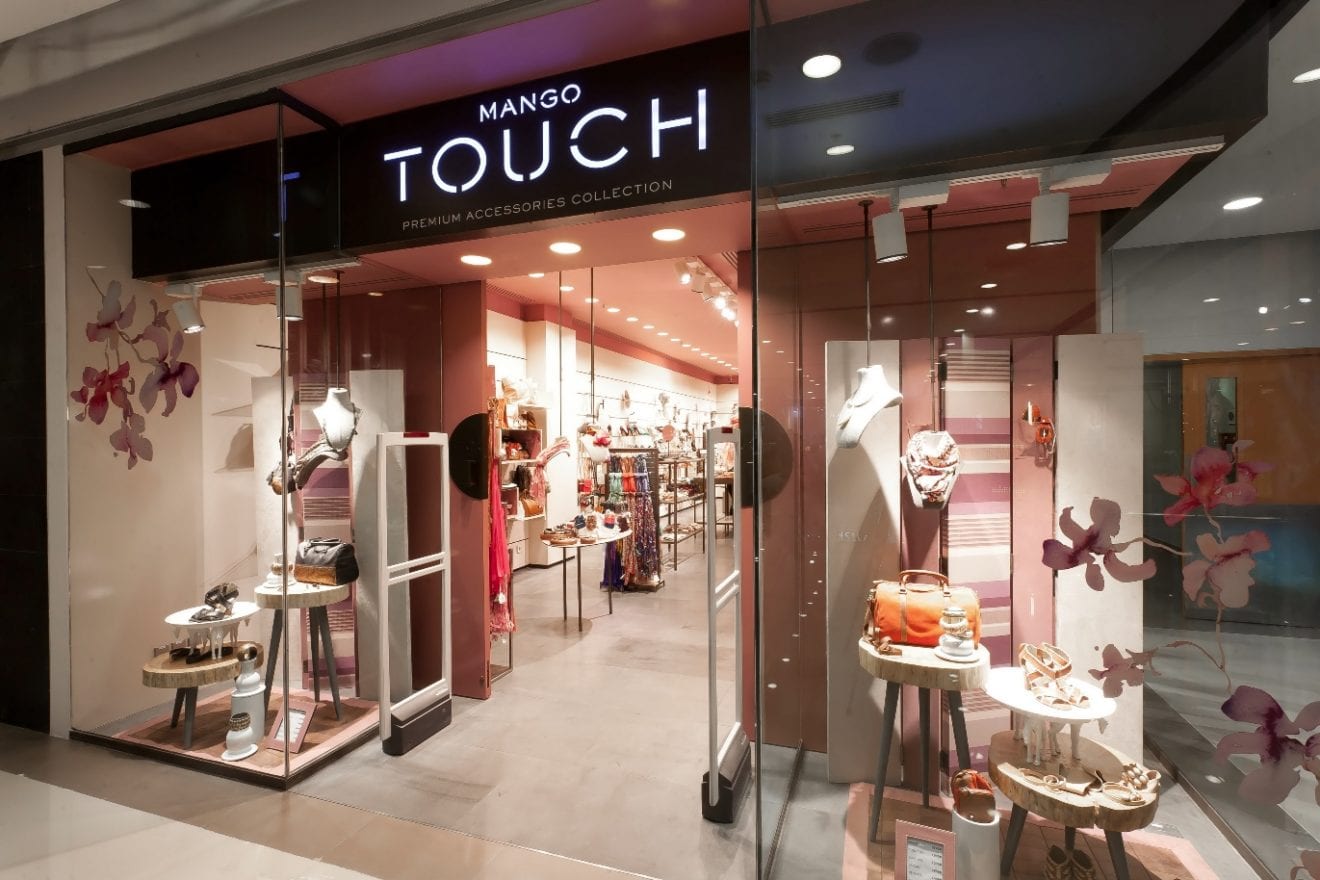
    Since its first store in Robinsons Ermita in 1999, the boutique now boasts of 34 standalone stores spread across the Philippines-that’s more than Hong Kong’s 4, Singapore’s 16, and the US’s 7. The variants are expanding, too: Mango Woman is available in 26 stores, Mango Man in 7, the accessories line Mango Touch and Mango Kids in 5 each, and Mango’s athletic apparel is found in the brand’s boutique in SM Mall of Asia.

    Measuring 650 square meters, the Eastwood Mall boutique is an impressive affair, designed to heighten the shopping experience with its lighting, furniture, mannequins, visuals and displays.

    Still, there’s an even bigger branch in the offing.

    By the end of the year, Mango’s Megamall branch will be a multilevel store with a total floor area of 1,000 sqm. This is the second multilevel store after Mango in Ayala Malls Cebu.

    “The expansions are part of Mango revolutionizing itself and adapting to the needs of the market,” says Santos of Mango’s growth even with the presence of retail rivals. “With the challenge of competition, we remain strong because we go with the flow, bringing Mango to where the people are.”

    Collections that can be worn season after season also explain why this fast fashion brand is a favorite of both style-savvy and smart dressers. Loyal Mango patrons know that a basic top or bottom is a durable investment that works well when combined with other clothing labels. Even this season’s trend-Boho Chic, as modeled by brand ambassadors-of-the-moment Cara Delevingne and Kate Moss-offers pieces that won’t appear dated post Autumn/Winter 2015. “I would put my name on the line to say that you can still wear them after many years,” swears Santos. That even goes for the pant silhouette du jour, flares. “We were just talking about that!” exclaims the petite store supervisor with a laugh. “Actually, flared pants were the trend three years ago and I remember buying a pair from Mango. I thought I’d never use them again, but now I’m thinking of reviving my pair.”

    The brand has had a connection with the Philippines even before its boutiques reached these shores. Founded in 1984 in Spain by Turkish emigrant brothers Isak and Nahman Andic, Mango was named after the Philippine mango, whose taste so captivated Isak when he sampled the fruit during a trip to the country many years ago. The name also stuck because it is pronounced the same way in any language.

    Fifteen years later, that connection remains stronger than ever. Two years ago, the notoriously low-profile and media-shy Isak Andic visited the Philippines for the first time since the country’s stores became operational. While Mango Philippines executives were surprised at news of his arrival, “we also felt important,” says Santos. “In Asia, they know that the Philippines is full of potential. There’s even talk that he may come back soon, which really says a lot.”

    As such, Mango’s principals are keen on getting Filipinos’ opinions on everything, from the choice of brand ambassadors to the type of clothes they see on the shelves. “They always, always ask us, ‘What does your market need?’” says the country store supervisor. The short sleeve shirts that appear on the racks of Mango Man this Autumn/Winter, for instance, are a product of research from last season as well as feedback from Filipino execs.

    Evidently, this explains Mango’s staying power against equally enticing rivals.

    By giving the market exactly what it wants—from specific merchandise to stores that excite the senses—the brand will remain a constant in the malls, and in people’s wardrobes, for years to come.

    “Even with the competition,” says Santos, “we know our customers are there. They will always be back.”

  • Madura experiments with first omni-channel retail

    Madura experiments with first omni-channel retail

    Apparel retailer Madura Fashion & Lifestyle, part of Aditya Birla Nuvo Ltd on Saturday launched a new digitally integrated store under its flagship formal wear brand—Van Heusen—indicating the two-decade-old retailer’s push to morph into a more tech-savvy brand at a time when shoppers are switching to shopping on the Internet.

    With sales staff equipped with tablets and virtual fitting rooms, the store is the company’s first attempt to allow shoppers to use touch-enabled screens to shop and pay for garments. The store also allows for shoppers to order unavailable inventory to their homes by linking the company’s in-house web-portal Trendin.com to the store.

    Changing customer expectations couples with technology are influencing consumer choices far more today, said Vinay Bhoptakar, chief operating officer, Van Heusen, at the retailer’s store launch in Bengaluru.

    The store—called Van Heusen Style Studio has been in the works for over a year. It will offer more expensive collections and a wider range. Built at twice the cost of a regular Van Heusen store, Bhoptakar said, five more such stores are underway in Delhi and Mumbai.

    The retailer has partnered with Fitch Retail in Singapore to draw up the concept, with virtual fitting rooms sourced from Experiential Design Lab.

    Diluted version of this store will be planted across the brand’s existing 275 stores, added Bhoptakar, indicating that existing stores will borrow technology elements of the new format in a limited way. Madura’s other ready-to-wear apparel brands including Allen Solly, Louis Philippe could too borrow from this format.

    Taking cues from a surge of sale fashion goods on the Internet, most large traditional retailers in India are making efforts to venture in to online retail even as they try to preserve footfalls at brick and mortar stores. Most have found a midway in the so called “omni-channel” retail format that allows shoppers to seamlessly shop for online and offline inventory both within and outside the store.

    Aditya Birla Group too has been stepping up efforts to catch shoppers online where more Internet focused retailers such as Flipkart and Snapdeal are biting in to consumer’s share of wallet.

    In October this year the group launched its own fashion marketplace—Abof.com—privately held by chairman Kumar Mangalam Birla in his personal capacity. In 2013, Madura Fashion & Lifestyle launched Trendin.com—an in-house online portal—retailing its brands Allen Solly, Peter England, Louis Philippe among others.

    Bopatkar, however added that such evolving retail stores are “not a reaction to e-commerce but a reaction to changing consumer behaviour.” As a result, “the physical store will always be there, but role of the physical store has to evolve,” he added.

  • Apple Pay coming to China in 2016

    Apple Pay coming to China in 2016

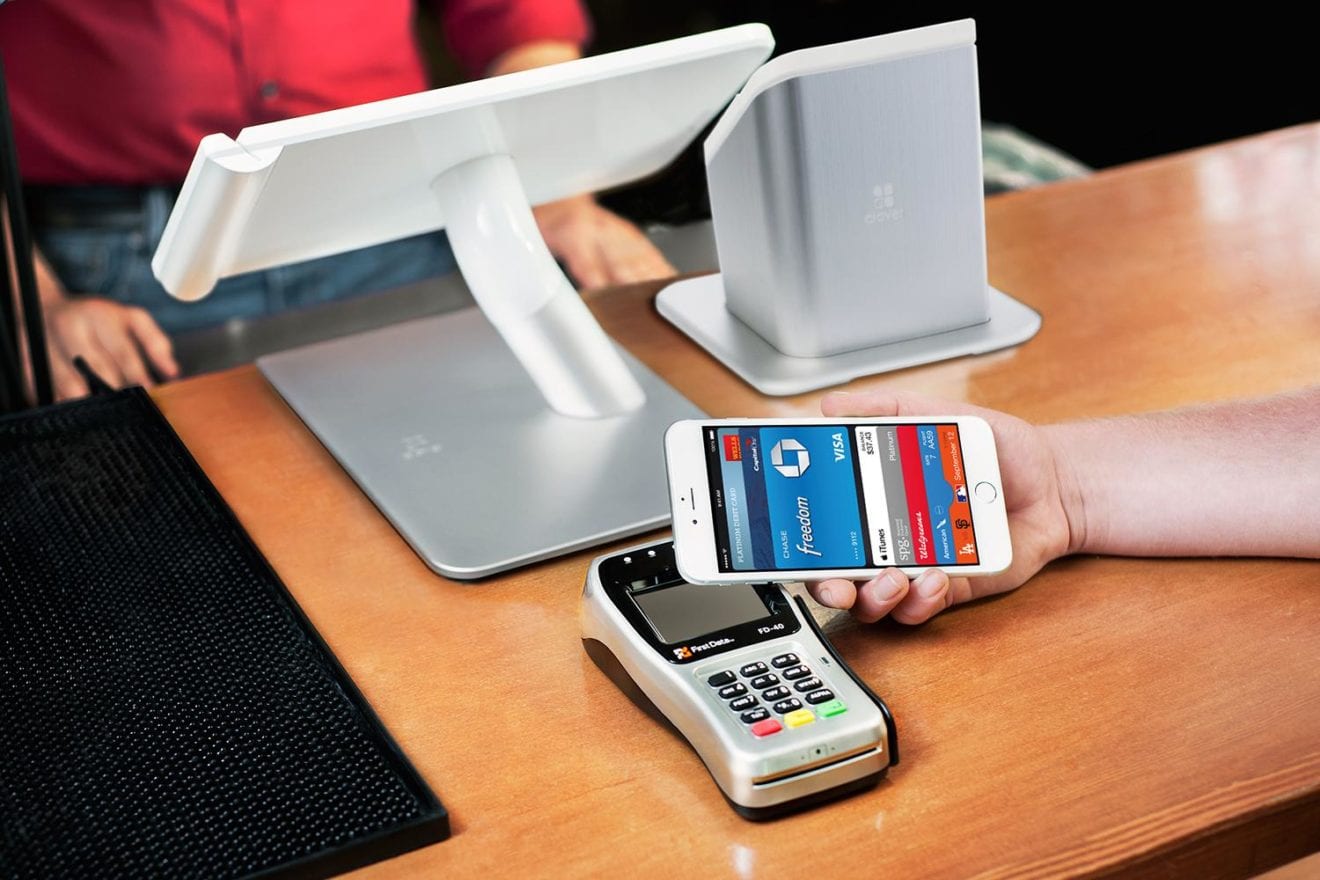
    Apple and China UnionPay Thursday announced a partnership to bring Apple Pay to China in 2016. UnionPay cardholders will be able to add their bank cards to Apple Pay on iPhone, Apple Watch and iPad, according to a press release.

    Apple Pay will roll out to UnionPay cardholders as soon as early 2016 following relevant tests and certification required by Chinese regulators, with the service itself in compliance with the applicable national mobile payment and financial industry standards in China, according to the announcement.

    “China UnionPay is dedicated to promoting payment innovations and providing secure, convenient mobile payment experiences for its hundreds of millions of cardholders, aligning multiple parties in the industry,” said Chai Hongfeng, executive vice president of China UnionPay. “We’re very excited to offer Apple Pay among a diverse set of innovative payment options that work with China UnionPay QuickPass.”

    “Apple Pay has revolutionized the way millions of people pay every day with their iPhone, Apple Watch and iPad,” said Eddy Cue, Apple’s senior vice president of Internet software and services. “China is an extremely important market for Apple and with China UnionPay and support from 15 of China’s leading banks, users will soon have a convenient, private and secure payment experience.

  • Hong Kong must step up support for the tech sector

    Hong Kong must step up support for the tech sector

    Hong Kong has established the Innovation and Technology Bureau in a bid to bolster technology and innovation development.

    The IT workforce in the city has jumped nearly four-fold from 3,000 two decades ago, according to a survey from the Vocational Training Council. However, the talent availability for jobs such as program development has been falling while IT managerial jobs have been stagnant over the years.

    IT jobs in Hong Kong are mostly sales, support and after-sales service positions, as product development positions have been contracting over last one or two decades. Simply speaking, Hong Kong’s IT industry focuses more on technical support rather than technology innovation.

    The city’s economic structure is one of the underlying reasons. Hong Kong relies heavily on property, finance and retail sectors which require only technical support services from the industry. As a result, the IT sector has lagged behind in development of high-end technology products.

    Local universities have been trying to nurture talents for the industry. However, secondary school students have very limited interest in either IT or electronic engineering.

    Secondary students who apply for these programs had relatively lower scores in the Hong Kong Diploma of Secondary Education Examination since the 2000 dotcom bubble.

    Why has Hong Kong made little progress in developing the IT industry? Let’s take a look at some places where the IT industry has flourished — Israel and Singapore.

    Many of Israel’s industries are closely tied to its national defense. The Jewish state’s internal and external security work involves national interests. Hence, the country finds it necessary to promote the high-tech sector.

    Its modern national defense industry involves high-technology such as communication, electronics, materials and auto control technology. As technologies are sought to be upgraded continuously, talents have been nurtured, resulting in a huge pool of skilled professionals.

    Also, military enterprises usually have a long supply chain, including upstream and downstream technology and products supply. That creates a spillover effect. Some of the talents might quit their jobs and start up their own companies.

    Meanwhile, technology talents in other sectors might be inspired to become entrepreneurs themselves. They have much more experience and knowledge than young graduates.

    A “visible hand”, or government support, is a key element for nurturing hi-tech companies.

    Park Chung-hee, who led South Korea from 1961 to 1979, had hammered out preferential policies for large tech companies. That has helped create a number of tech giants like Samsung and LG.

    Singapore is even smaller than Hong Kong. However, the city state has managed to become a leading player in recycling used water, thanks to government incentives.

    Favorable government policies are essential for development of hi-tech industry.

    Authorities should provide some protection for the sector in the early stage before it can stand on its own feet. The government needs to take care of the interests of various stakeholders.

  • Vitality Air offers packaged fresh-air to China

    Vitality Air offers packaged fresh-air to China

    Fresh air reaches at a price for individuals in China. People are buying fresh air from North American manufacturer since air-pullution is major issue in the Chinese capital.

    Beijing has been warned as the city has encountered the worst smog of the year. Exploiting this situation, Vitality Air, a Canadian firm, is transporting packaged fresh air in canisters to China.

    Moses Lam, the co-founder of Vitality Air, set up a bottle for sale on an e-commerce site, eBay around two months ago as a prank. Presently, that prank has turned into a lucrative business as the organization is offering a container of air at an expense as high as 20 dollars for every 7.7 litre jar of Rocky Mountain fresh air, which is 50 times more costlier than packaged mineral water in China.

    Some facts on Chinese air pollution includes:

    1.One in each five deaths in China is because of air pollution.

    1. Industrial pollution affects 1.6 million lives across China, especially around Beijing, every year.
    2. On December 8, the smog level inclined beyond 300 AQI (Air Quality Index), which is considered as ‘extremely horrible’.
    3. The Chinese government declared red-alert on December 10 as the pollution level is recorded 500 AQI, which is termed as “hazardous” as per the US Embassy.
    4. Around 2000 kilometre of East China, encompassing cities such as Beijing, Zhengzhou, Nanjing, Changchun and Xian was covered with a blanket of heavy smog.