Author: Mei Ling Tan

  • Thais taking firm steps towards Vietnamese market

    Thais taking firm steps towards Vietnamese market

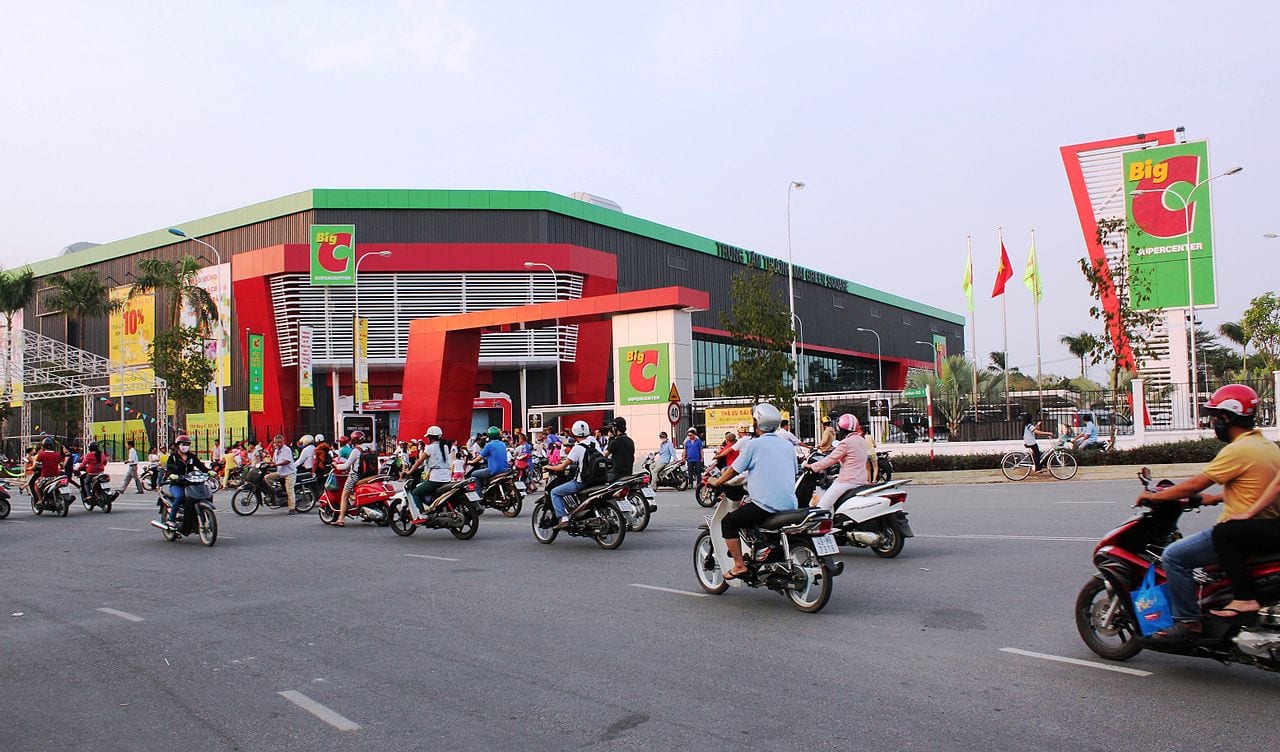
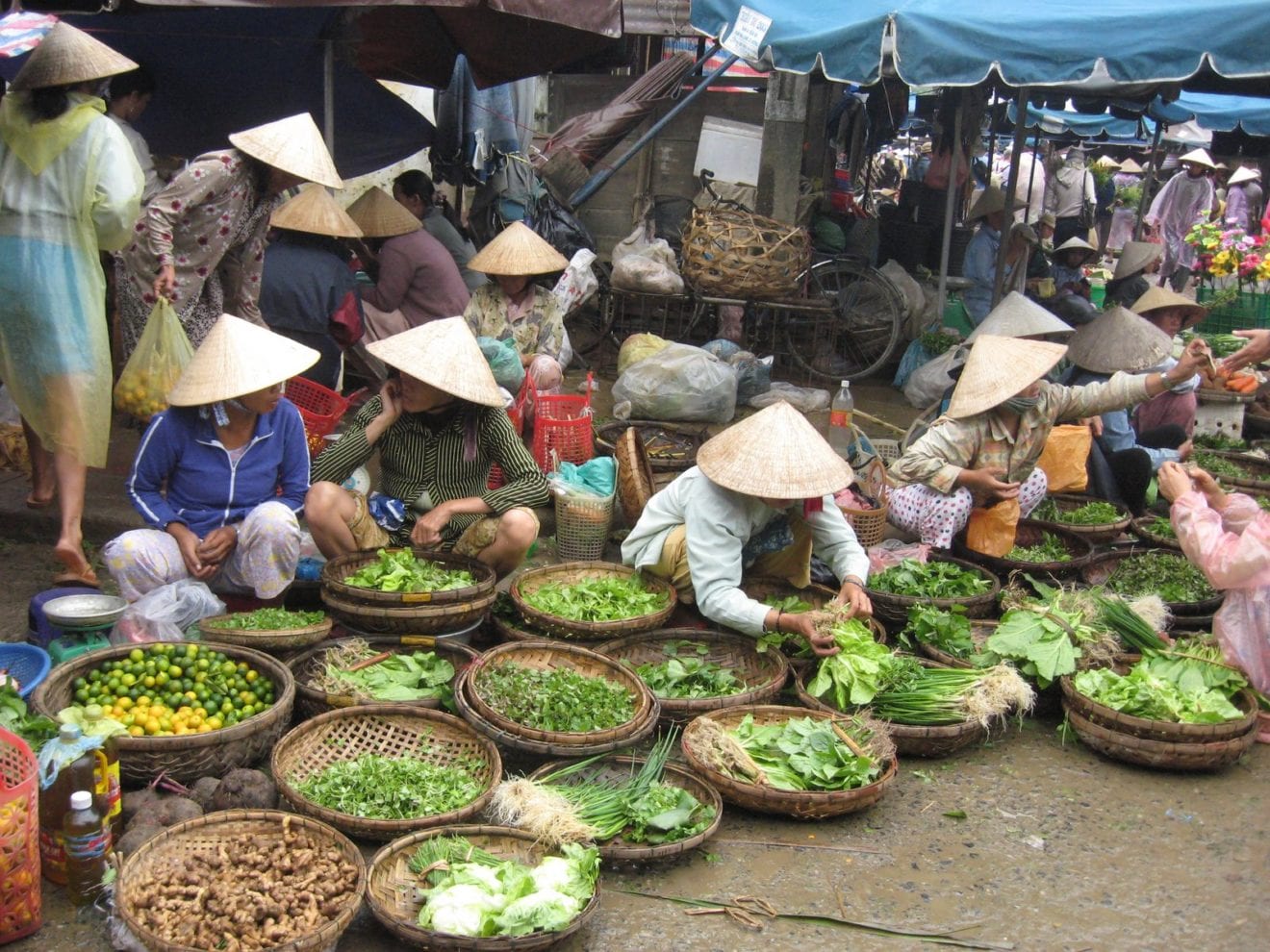
    VietNamNet Bridge – The business fields that Thais have poured money to in Vietnam – infrastructure, building materials, retail, consumer goods, food and automobiles – are all fields with great potential.

    MAF’s research team, in its latest report, pointed out that the merger and acquisition (M&A) in 2015-2016 will still focus on consumer goods, finance & banking, real estate and retail. However, the investors from Thailand will be the major buyers.

    Thai investors have many reasons to come to Vietnam. It is not only a large market with increasingly high demands, but also serves as a ‘jumping board’ for them to access neighboring markets.

    In the retail sector, Central Group in early 2015 spent $100 million for a 49 percent stake of Nguyen Kim, a home appliance distribution network, and announced a plan to turn the network into the leading distribution chain of its kind in South East Asia.

    Commenting about Thai investment strategy, a branding expert said Thais have been following a professional investment strategy based on their knowledge about local culture and habits.Meanwhile, Berli Jucker stirred up the public with the announcement about taking over Metro Cash & Carry Vietnam at $879 million. Prior to that, BJC bought Family Mart and 65 percent of Vietnamese Phu Thai Group.Central Group plans to open 50 Nguyen Kim shops by 2019, twice as many as the existing number of shops. Prior to that, Central Group established Robins, a high end retail chain in Vietnam.

    The investors have drawn up clear roadmaps for penetrating the Vietnamese market: they know well when and what they should do to acquire Vietnamese businesses – an important move in their plan to conquer the Vietnamese market.

    The branding expert also noted that the Thai capital flow to Vietnam comprises capital from billionaires with Chinese origin.  Charoen Sirivadhanabhakdi, the owner of ThaiBev, BJC and TCC Holdings, and Dhanin Chearavanont, chair of CP Group, are of Guang Dong origin. Meanwhile, the Chirathivat family which owns Central Group, is of Hainan origin.

    Thai investors are mostly targeting most important and potential business fields in Vietnam.

    The retail sector, for example, is predicted to have annual growth rate of 15 percent with  total revenue of $97 billion by 2016, according to Economist Intelligence Unit. Meanwhile, CP Vietnam has been succeeding in the animal feed market worth $6 billion a year, and the animal meat market worth $18 billion.

    Thai investors, who have powerful financial capability, tend to take shortcuts to Vietnam by acquiring Vietnamese leading enterprises. SCG, after buying Prime Group, now controls Vietnam’s building material industry with 20 percent market share. The investments in two Vietnamese leading plastics manufacturers – Binh Minh and Tien Phong Plastics – promises to help SCG cement its position in the industry.
  • Meet the man behind EZ-Link cards in Singapore

    Meet the man behind EZ-Link cards in Singapore

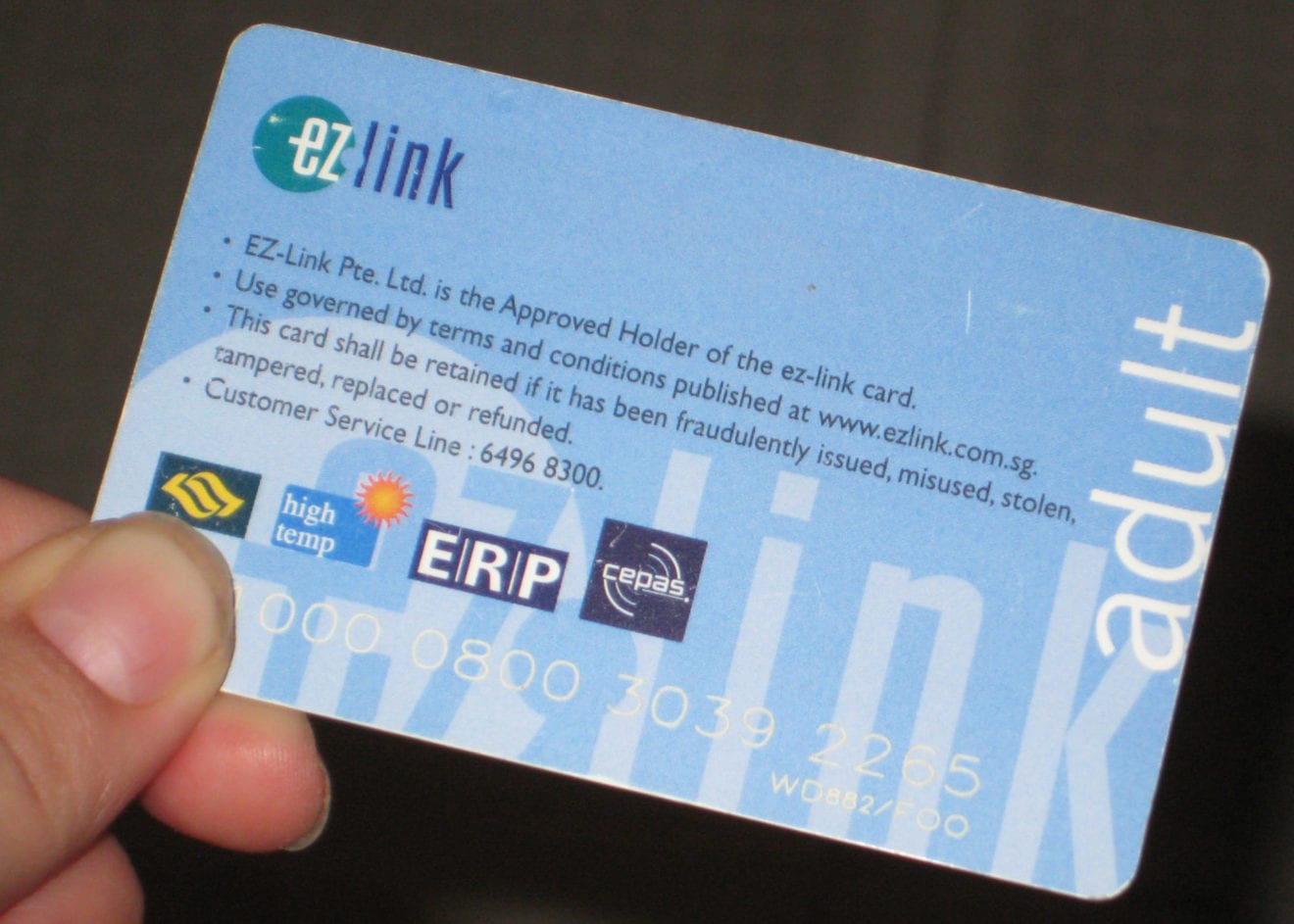
    Nicholas shared his strategies to displace cash totally. Always try and do not be afraid of failure. Every failure is part of our learning experience and must help us improve.This is so that we do not stagnate nor remain in the status quo while the environment around us continues to evolve. Those are the words from Nicholas Lee Tat Meng, the man behind Singapore’s EZ-Link cards, a contactless smart card used for the payment of public transportation fares in the city, with limited use in the small payments retail sector.

    Nicholas started his engineering career as a systems engineer in a local systems integration company prior to joining the Land Transport Authority of Singapore (LTA) in early 1997. In the LTA, he held various engineering portfolios before being seconded to its Policy Division to work on international relations and the development of business models for new transportation projects.

    In 2000, Nicholas was assigned to manage the island-wide implementation of the EZ-Link card. This included the design, development and implementation of a clearing-settlement backend system and the rollout of acceptance terminals across all mass rapid transit and bus transport systems in Singapore.

    Following the launch of the EZ-Link card in 2002, Nicholas then moved on to EZ-Link Pte Ltd, a wholly owned subsidiary of the Land Transport Authority. Over the years, he held several portfolios from developing business models and operating structure to supervising the company’s marketing efforts and corporate communications. On 1 October 2011, he was appointed as CEO of EZ-Link to lead the company to greater growth in adoption, transactions and applications of cashless payments.

    EZ-Link’s humble beginning

    EZ-Link was formed on January 8, 2002 with its core business of clearing and settlement of all EZ-Link card transactions generated in transit and non-transit (retail/merchant) environments, as well as the sale, distribution and overall management of EZ-Link cards. In 2009, EZ-Link became the first card issuer in Singapore to launch the CEPAS-compliant EZ-Link card. Thereby extending the company’s influence beyond the local public transport sector and into the retail and food and beverage industries.

    These new EZ-Link cards are also accepted as a mode of payment for Electronic Road Pricing (ERP) and at carparks fitted with the Electronic Payment System (EPS) when used in the dual-mode in-vehicle unit. To date, more than 17 million new CEPAS-compliant EZ-Link cards have been issued.

    “Over the years, we have been working towards the vision of a cashless society with the launch of several ground-breaking products and services such as the My EZ-Link Mobile, the world’s first and award-winning mobile application for EZ-Link card top-ups; EZ-Charms, the first EZ-Link non-card form factor in Singapore; and EZ-Link Rewards with Perx, the first-in-Singapore rewards scheme for public transport EZ-Link users,” said Nicholas.

    Apart from benefitting the consumers and commuters, EZ-Link is also looking to help businesses in Singapore to enjoy the benefit of cashless transactions through their services. Currently, there are over 30,000 acceptance points island-wide tapping on the EZ-Link card payment system which provides quicker customer service and lower costs related to cash handling.

    According to Nicholas, EZ-Link has the privilege of serving more than 3 million customers using their products and services daily. “This is a huge responsibility for us to undertake as we have to ensure that customers’ expectations are met when they interact with the cards, and the availability of sufficient infrastructure and capability to assist them in using our services,” he said.

    The biggest challenge

    However, the task of transforming Singapore into a cashless society was not that easy. Nicholas shared that their biggest challenge has been in the area of cash or in other words, how they can displace cash and encourage greater use of electronic money via the EZ-Link card. “Of course, our scope is not just limited to usage of the EZ-Link card, but also on topping it up as well. For instance, more than 40% of top-ups of the EZ-Link card are still done via cash.”

    To address this challenge, Nicholas shared that they have introduced schemes such as EZ-Reload to link an EZ-Link card to a bank account or credit/debit card account. In the event when the card runs out of stored value, it will automatically top itself up so that the cardholder will never have to go to a device to do a top-up.

    “We initially charged a $0.25 fee for this service, but have been progressively making it free for all DBS/POSB and Citibank card holders. With EZ-Reload, our customers are able to rely less on physical top-up points, and save themselves from the hassle of queuing up at Ticketing Offices and General Ticketing Machines,” said Nicholas.

    Nicholas shared that the next challenge is displacing cash in the retail/F&B area for small sum payments meaning those less than $20. In the past, the firm have invested into infrastructure to enable merchants to accept the EZ-Link card as a means of payment. However, Nicholas shared that there has been much resistance to this change by consumers and eventually, cash still prevailed.

    The journey ahead

    Moving forward, Nicholas said that they have partnered with various industry players to create a more open and efficient payment infrastructure that will accept all means of payment including the EZ-Link card. This means a collaborative approach with other industry players to enable multiple modes of payment so that consumers have more choice and flexibility in choosing the right electronic payment method to use, as opposed to cash payment. “Hopefully, the EZ-Link card will be the preferred choice of payment for consumers. In doing this, we are working together with the industry to tackle a challenge instead of facing it alone,” he said.

    Furthermore, Nicholas said they are gradually transforming into a new organisation, in terms of how they operate, how they engage with their customers and how their services are delivered.

    “We are looking at new digital services, increased personalisation of services to fit individual consumers, more exciting EZ-Link products that may come in different shapes and sizes and capable of interacting with individuals. With the rapid advancement of technology, we have an opportunity to evolve EZ-Link to another level,” Nicholas adds.

    Nicholas’ guiding principles

    Apart from not being afraid to fail, Nicholas believes that it is important to always question themselves why and how should they remain relevant to their customers and stakeholders. This, he said, ensures continual renewal of practices and business to keep up with the rapid changes in the environment, which is especially important given the rise of various disruptive business models.
    Secondly, he emphasised on the need to stay focused on their core business and do what they do best. “We innovate by collaborating with industry partners through win-win relationships and are always mindful of doing things beyond our capabilities,” he said.

    Meanwhile, in his journey building a cashless Singapore, Nicholas is focused in three goals:

    • To transform the EZ-Link card into a lifestyle product (beyond public transport but also in cars, taxis, private buses, identity card) and make it the preferred choice of consumers in their everyday lives
    • To be a consumer-centric company whereby services and innovation are developed around consumer needs and expectations
    • To contribute substantially towards Singapore’s goal of becoming a cashless society
  • Hotel Lotte to apply for IPO next week

    Hotel Lotte to apply for IPO next week

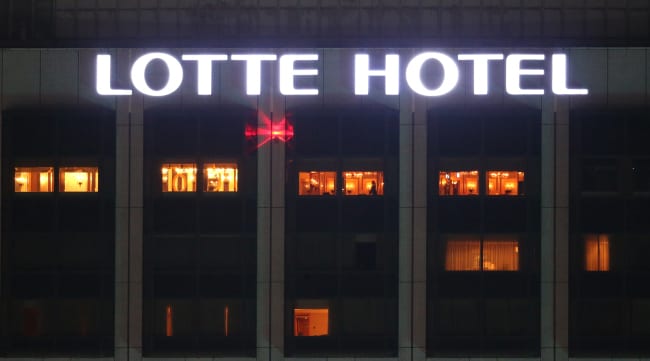
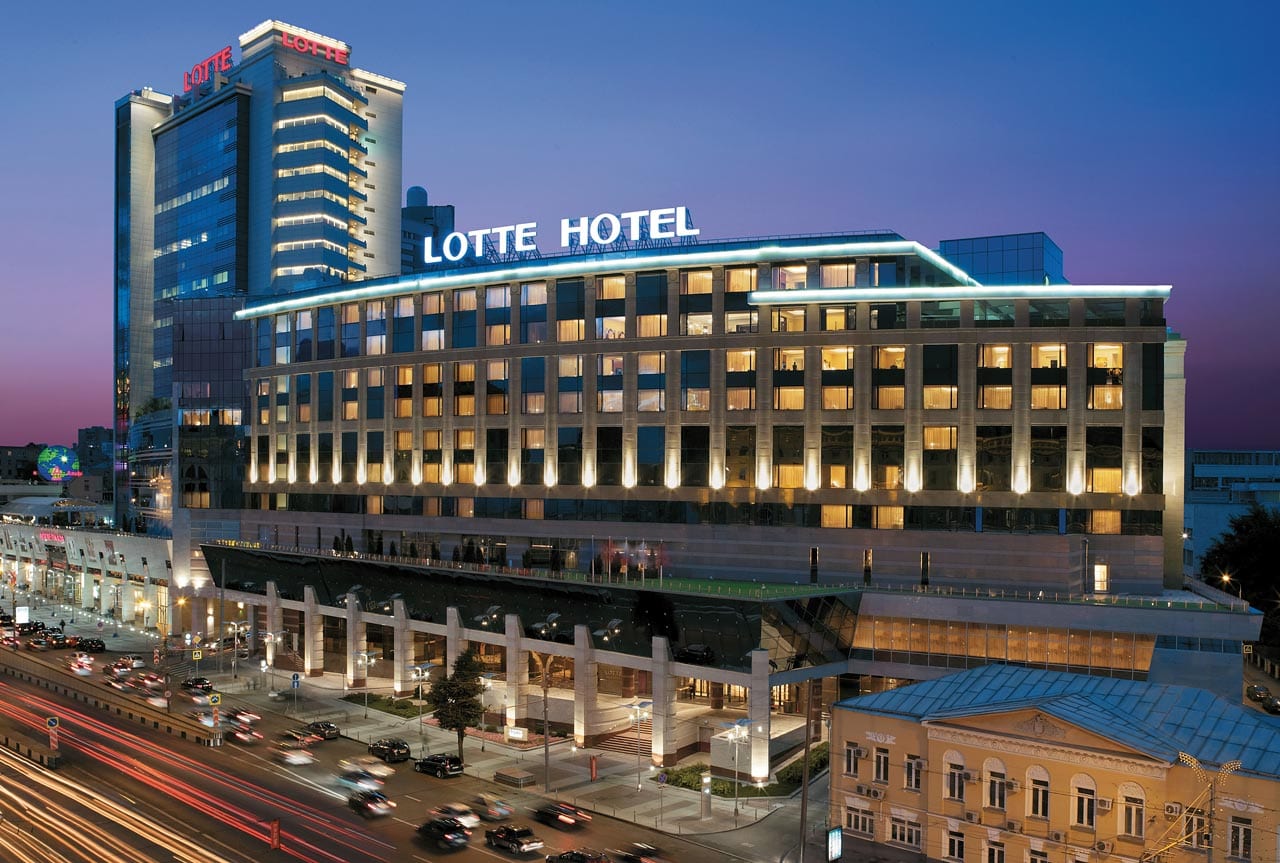
    Hotel Lotte is reportedly set to file its application for listing on the nation’s main stock bourse early next week, according to sources Friday.

    They noted that the hotel unit of South Korean retail giant Lotte Group will submit its application to the Korea Exchange on Monday for a preliminary regulatory review of its initial public offering, which will mark the company’s debut on the stock market as early as March.

    Hotel Lotte in Seoul (Yonhap)

    The move was expected as Lotte Group chairman Shin Dong-bin has been pushing for listing Hotel Lotte on the Seoul bourse for months, as part of his reform plans to bring transparency to the governance structure of the group.

    An official at Lotte Group, however, denied the report, saying the date has not yet been fixed. He added that the application would be submitted as soon as possible.

    The listing plan came amid concerns that its market value would be lower than expected.

    The group expects the hotel chain to have a market capitalization of around 10 trillion won ($8.46 billion) when it goes public.

    But market watchers said Lotte Hotel’s recent loss of the operational license for a duty-free store at Lotte World Tower in southeastern Seoul could further drive down its valuation.

    Despite a negative outlook, they said the company would push for the stock listing as planned.

    The plan was released amid a bitter family fight over control of the retail business-focused conglomerate operating businesses both in Korea and Japan.

    At a parliamentary hearing in September, the chairman said the plan was approved by his father, Shin Kyuk-ho, with whom he had an ugly succession battle in August.

    In a bitter fraternal competition, Shin Dong-bin ousted his elder brother Shin Dong-joo and won control over the nation’s fifth-largest conglomerate.

    After a shareholders meeting, Dong-joo was stripped off the company’s registered executive position — leaving him with no foothold in Lotte Group Korea and Japan apart from the shares he holds.

  • Airline retail conference organiser grounded

    Airline retail conference organiser grounded

    The organiser of the Airline Retail Conference (ARC), has gone into liquidation. Memphis Media was due to host two inflight retail events in 2016 – the ARC Asia-Pacific at Marina Bay Sands Singapore on 25-26 February, and the ARC Conference Europe on 7-8 June at Olympia Conference Centre, London.

    The firm tried to transfer paid delegates from the Singapore and UK event to other conferences, the well-established Aviation Festival Asia (23-24 February), organised by Terrapinn in Singapore and a similar event in London on 8 and 9 September.

    But Memphis Media lacked the client numbers to run the events effectively, a problem exacerbated by increasing pressures on the inflight retail channel.

    The firm’s website has not been updates with teh news and managing director Karim Halwagi did not respond to our calls.

  • Generics revive Philippines pharma

    Generics revive Philippines pharma

    The Philippines is a developing country in which nearly 70 per cent of healthcare spending goes to the private sector. This combination means that for most Filipinos, medicines are expensive. But a regulatory shift has boosted the use of generics — cheaper copies of proprietary medicines with expired patents — and is shaking up the market to the benefit of local manufacturers.

    The shift has followed a law passed in 2008 that imposed price caps and stiffer fines on doctors prescribing brand-name medicines instead of generics.

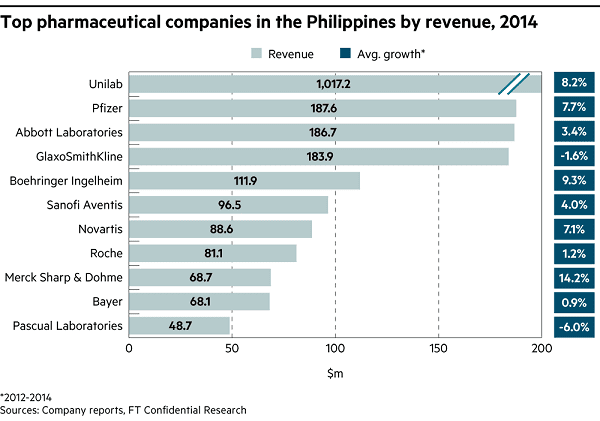
    One result is that Unilab, a local pharmaceuticals group, has captured nearly 48 per cent of the pharmaceuticals market, at the expense of multinational giants such as Pfizer, Abbott Laboratories and GlaxoSmithKline.

    Generic medicines took 65 per cent of the market in 2014, from less than 40 per cent in 2009, according to the Pharmaceutical and Healthcare Association of the Philippines, an industry lobby group.

    Foreign pharmaceuticals makers suffered price caps imposed by a 2008 law on prescription drugs considered to be essential medicines, such as those used to treat hypertension, diabetes and pulmonary diseases.

    In response, companies such as Pfizer have begun to introduce their own branded generic lines or have dismantled production in the Philippines altogether.

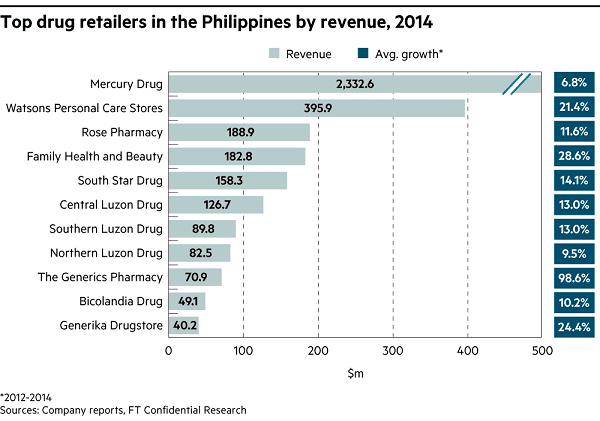
    Increased use of generic drugs has been spurred by the emergence of generics-only pharmacies such as Generika and The Generics Pharmacy, two chains that have more branches between them than the retail leader Mercury Drug’s 1,000 stores.

    FT Confidential Research, a Financial Times research service, expects the market share of generics to expand to 70 per cent by 2020, as the government bolsters spending on healthcare with revenues from rising taxes on tobacco and alcohol.

    This year, the Philippine pharmaceuticals market is expected to grow 4.4 per cent to 152bn pesos ($3.25bn). Growth however is expected to accelerate to 4.7 per cent next year and 5 per cent in 2017–2018, with the administration of President Benigno Aquino raising healthcare expenditures by 38 per cent to 132.7bn pesos under the 2016 budget.

  • Indonesia just banned a $100 million Uber-like startup, and it is suddenly worth nothing

    Indonesia just banned a $100 million Uber-like startup, and it is suddenly worth nothing

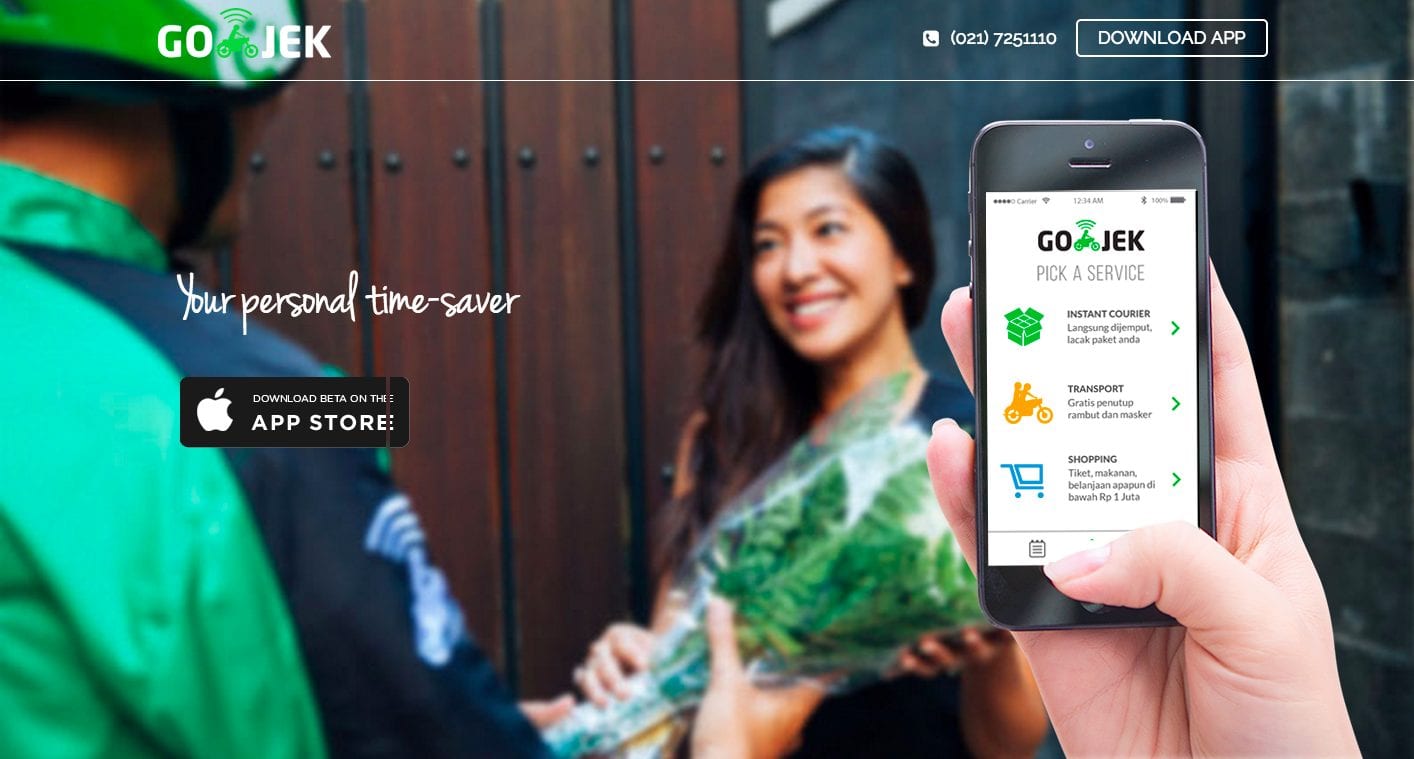
    Go-Jek, the $100 million Indonesian start-up which provides an Uber like service with motorbikes has just been made illegal.

    Indonesian media is reporting that the Ministry of Transportation has asked local police to take action against the operators of internet based transport services as well as prohibit drivers of the service due to their effect on other forms of public transport.

    The government is claiming that their reasoning behind the bans of the services are due to the motorbikes not meeting the requirements needed for a public transport vehicle.

    Go-Jek currently has around 20,000 drivers in Indonesia across major cities such as Jakarta, Bandung and Bali, with many driving as their sole source of income.

    Just yesterday Google announced that Go-Jek was the most searched term in Indonesia in 2015.

    Uber and other local app based transport services such as Grab Taxi have also been banned in Indonesia as part of the ruling.

  • M&S opens new store in China

    M&S opens new store in China

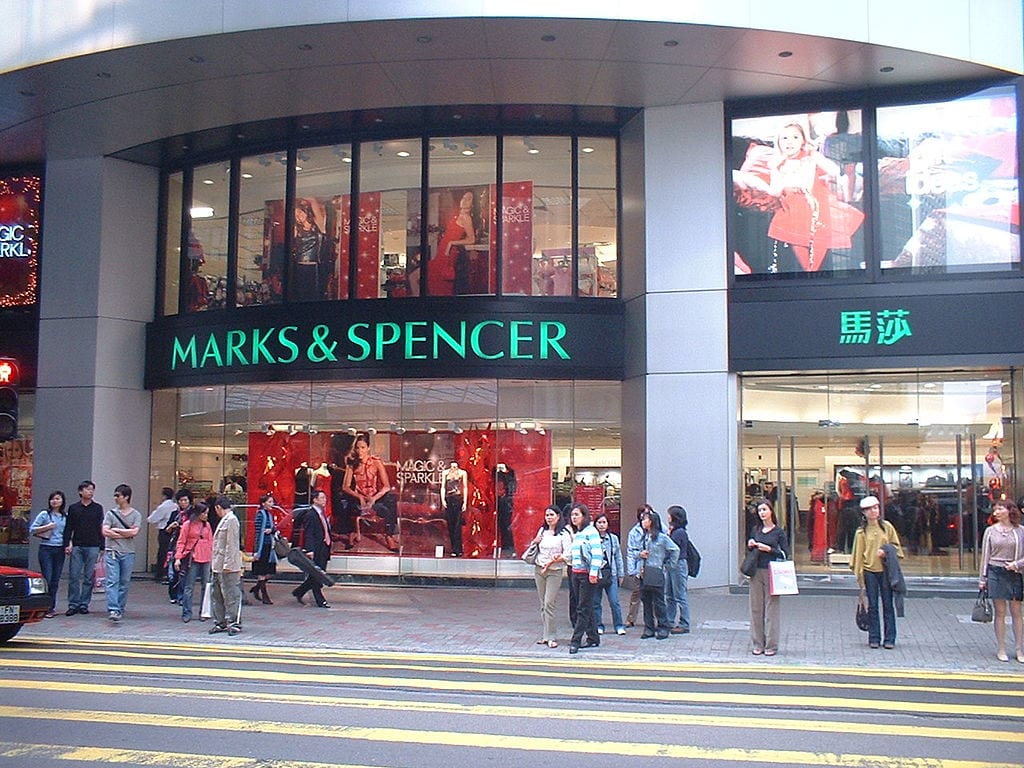
    Marks and Spencer has opened its first store in Beijing. In 2014 the high street stalwart earmarked China, Russia, India, the Middle East and Western Europe for international expansion. Chief Exec Marc Bolland cited plans to open 250 new stores overseas in three years. The aim was to boost international sales by a quarter and increase profit up by 40%.

    Patrick Bousquet-Chavanne, M&S’s Executive Director of Marketing & International, told Reuters the company was still committed to both Russia and China but that those overseas targets were now unattainable. The plans changed.

    “We’re looking at places which are very much ‘tier 1’… where you have an upper middle class consumer base… where we will do well even in the context of a slowdown in the economy,” Bousquet-Chavanne said in September.

    The new store in Beijing follows a change in company policy which outlines the closure of stores in ‘secondary cities’ across China, and a focus on flagship stores in major cities instead.

    The 1,500 sq m store opened at The Place shopping centre, and will sell selected food and drink as well as M&S clothing.

    Although this will be its first venture into Beijing, M&S has 10 stores in the Shanghai region and 20 in Hong Kong. Its empire covers over 1,300 stores, 852 of which are in the UK.

  • Foodpanda Vietnam gobbled up by rival

    Foodpanda Vietnam gobbled up by rival

    Days after announcing it was shutting down, Rocket Internet’s Foodpanda Vietnam has been bought by local rival Vietnammm.

    Vietnammm, the original online food delivery service in the commercial hub of Ho Chi Minh City, has paid an undisclosed amount to acquire Foodpanda’s customer base and 1000 restaurant partners.

    “This deal enables Foodpanda’s customers and listed restaurants to keep making and receiving orders online in Vietnam,” the company said in a statement sent to Tech in Asia.

    The deal also marks a consolidation in Vietnam’s online food delivery space, which now becomes a battle between homegrown brands Vietnammm and Eat.vn.

    Vietnammm, established by young expat entrpereneuers, is now a subsidiary of one of the world’s largest online food delivery websites Takeaway, and Eat.vn is backed by VC Corp, one of the most prominent Vietnamese online media companies.

    Ralf Wenzel, co-founder and CEO of Foodpanda group, said: “Foodpanda has always been in the front line of market consolidation in the online food delivery sector by establishing clear number one positions in the vast majority of its countries and by conducting a number of complementary acquisitions in the past. This time we contribute our business in Vietnam which allows us to focus instead on more attractive core markets and helps Vietnammm to become the strongest local player.”

    Vietnammm CEO Jochem Lisser added: “We welcome all new customers and restaurants and will do everything we can to ensure a smooth transition to Vietnammm.com.”

    Last week, Foodpanda global head for communications Tim Schefenacker confirmed to Tech in Asia that they closed down the business in Vietnam because “we saw a smaller and rather long-term opportunity.”

    A December 2 notice of termination Foodpanda sent its partner restaurants stated that the company was suffering from a “financial situation” and “facing many difficulties” in the country. It further said that five days following the announcement – on December 7 – the company would have ceased all business activities, primarily its website Foodpanda.vn.

    Foodpanda launched in Vietnam under the HungryPanda banner in 2012, a time when competition in this sector was already heating up around Asia. In Vietnam, the company took a beating from the strong homegrown brands, forcing it to amp up marketing and advertising spend.

    Around the globe, Foodpanda and sister site Hellofood are competing head-on with a variety of meal delivery sites and apps. Foodpanda has gobbled up competitors in Mexico, Russia, Brazil, Eastern Europe, India, and Southeast Asia, bringing its restaurant partners to more than 38,000 in 500 cities worldwide at the latest count.

  • McDonald’s pilots new open concept in Hong Kong

    McDonald’s pilots new open concept in Hong Kong

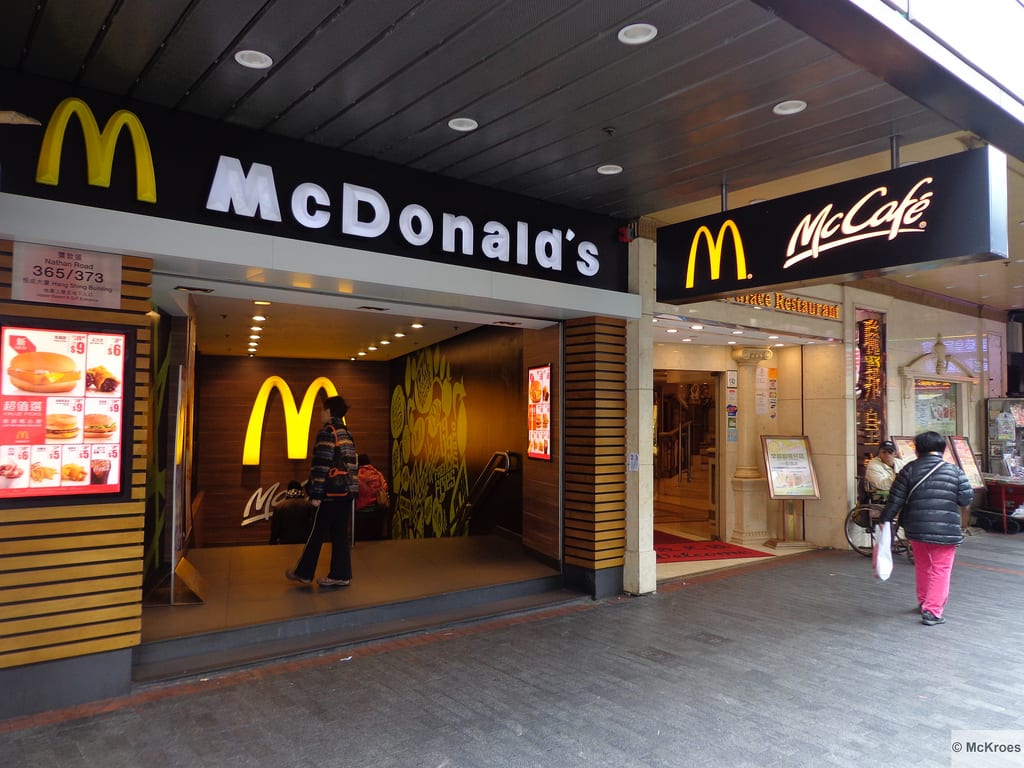
    McDonald’s first opened its doors in Hong Kong in 1975. Fast-forward 40 years and McDonald’s is pioneering a new dining concept it’s calling McDonald’s Next in the bustling city on the South China Sea.

    Billed as a “food bar,” the open-concept eatery is located in the city’s Admiralty area, a major shopping hub (and hang-out for youths) near the main Central district on Hong Kong Island.

    McDonald's Next Hong Kong digital create your taste ordering kiosk touchscreen

    While a handful of McDonald’s in Hong Kong already offer Create Your Taste digital ordering, the McDonald’s Next location in Admiralty (taglines include: “What’s Next is Now” and “Your creation. Made by us. Worth the wait”) is offering a whole new level of personalization and customer experience for the brand.

    mcdonald's next

    In addition to being open until 1:00 a.m. and offering free mobile device charging and table service after 6:00 pm, what makes the Admiralty location unique is the personalization, interactive design and social nature of the dining experience.

    McDonald's Next personalized Hong Kong table service Create Your Taste

    Almost like a sushi bar in appearance, customers sidle up to the counter (which McDonald’s calls a theater kitchen) to design and order on touchscreens their customized salads and burgers from the DIY “Create Your Taste” menu that launched in Hong Kong in 2014.

    McDonald's Hong Kong Next Create Your Taste #createyourtastehk

    McDonald's Next Hong Kong customer #createyourtastehk #cyt

    As in other CYT locations, the food is served on a wooden plank with a toothpick flag impaling the burger bun and the fries in mesh wire baskets.

    McDonald's Hong Kong Create Your Taste burger menu

    The integrated McCafe menu also includes gourmet coffee in smartly designed packaging, such as premium Ethiopian Sidamo coffee beans bagged in a style that would make third wave coffee snobs swoon.

    On the tables, customers will find various makes of charging cords for mobile devices to rejuice their ever-present smartphones.

    Coffee beverages served with latte foam art depicting characters in a marketing tie-in with the new Peanuts movie and a gingerbread man design, part of the local “Hug the Moment” holiday campaign.

    McDonald's Next Hong Kong DIY salad Snoopy foam latte

    Last but not least, for dessert customers can indulge in mixed berry Belgian waffles. Throughout the experience, they are (naturally) encouraged to share photos of their creations on social media with the hashtag #createyourtastehk.

    McDonald's Hong Kong Create Your Taste burger menu

    The “Create Your Taste” menu consist of 19 base ingredients including numerous salad options with cheese, sauces and ingredients like chopped boiled eggs, grilled chicken, couscous, quinoa, asparagus and even crayfish.

    The packaging both rewards and reflects the handiwork of each customer’s creation, with taglines such as “Your creation — made by us, served to you.”

    McDonald's Next Hong Kong Create Your Taste packaging

    On the tables, customers will find various makes of charging cords for mobile devices to rejuice their ever-present smartphones.

    McDonald's Next Hong Kong Create Your Taste mobile charging

    In another inspired touch, limited edition Create Your Taste tote bags given away during the launch promotion reproduced each customer’s unique order as a graphic illustration, whether a hamburger or a salad.

    McDonald's Hong Kong Create Your Taste tote bag

    McDonald's Next Hong Kong Create Your Taste salad tote bag

    To be sure, Create Your Taste is not unique to McDonald’s Hong Kong, and is now available in other markets including New Zealand, Australia,Canada and in select US cities including New York, where YouTube vlogger Casey Neistat reviewed the CYT “$12 burger” in September with a pal.

    The Next concept also has hints of McDonald’s “Corner McCafe” concept concept in Sydney, Australia.

    McDonald's Hong Kong Create Your Taste #cyt localization

    Beyond the customizable menu itself, the McDonald’s Next design is far from the counter interaction McDonald’s customers are use to. The open design of the bar encourages a more social space.

    McDonald's Next Hong Kong employees

    And forget the standard issue gold and red uniforms—McDonald’s Next employees wear a uniform that’s hipper and more appropriate for Hong Kong: black t-shirts. Even the balloons decorating the McDonald’s Next are chic, coming in black and silver.

    And on the tables, customers will find various makes of charging cords for mobile devices to rejuice their ever-present smartphones. McDonald’s is promoting McDonald’s Next as part of the brand’s 40th Anniversary in Hong Kong. The local press has raved about the new “food bars” with local social media users equally excited.

    It’s all designed, of course, to appeal to selfie-happy millennials and post-millennials (i.e. teens), key demographics for McDonald’s in the Chinese territory. But the local media hasn’t been all raving about the cool new McDonald’s Next, even as the Create Your Taste concept gains traction worldwide. For weeks now, Hong Kong’s newspapers have been reporting on how Western chains play into the mad economics of the city, even as BuzzFeed’s reviewers (for one) rave about McD’s only-in-Hong Kong local menu items such as flavored seasonings to shake onto your French fries.

    Scores of former fast food workers recently turned up at Hong Kong’s human services office after spiraling rents resulted in the closure of five of the city’s seven Burger King locations.

    And a homeless woman’s death in a McDonald’s booth—where she sat slumped over, unnoticed for some time—has shined a light on how the 24-hour McDonald’s locations have become de facto homeless shelters, with many of the destitute stretching out in booths overnight.

    Meanwhile, a little north in mainland China in the city of Hangzhou, McDonald’s is weathering a different kind of PR storm. Criticism has met the company’s decision to convert a historic building on the city’s famous West Lake into a McDonald’s.

    The building is the former home of Chiang Ching-kuo, son of Generalissimo Chiang Kai-shek, both of whom were Kuomintang leaders and later presidents of Taiwan—the longtime enemy and ongoing thorn-in-the-side of China’s ruling Communist party.

    Beyond the burger giants, KFC is opening its first ever location on the roof of the world. The chain is not yet in the far west of Tibet but that will change early next year when a KFC will open in Tibet’s capital of Lhasa. It will also come as Yum! Brands spins off its China operations by the end of 2016.

  • Lululemon needs “to work harder”

    Lululemon needs “to work harder”

    Lululemon’s third quarter sales performance – measured on a total basis – was solid with total company revenues up by 14 per cent.

    This was mostly driven by the addition of 52 new stores, with the extra 142,000 sqft of selling space making a good contribution to the top line numbers.

    However, more worryingly the growth contribution from existing physical stores was nonexistent, and while the contribution from direct sales looks reasonable the growth rate is somewhat down on previous quarters.

    As with other retailers, the strong dollar is partly to blame for this lacklustre outcome; indeed, on a constant dollar basis total comparable sales were up by six per cent, with same store physical growth also up by six per cent. That noted, even with exchange rate fluctuations removed, growth is noticeably slower which, points to a much wider set of issues.

    Foremost among these is the rise in competition from both specialist and generalist players. While Lululemon has a following of dedicated fans it also relies on more occasional purchases from those who are somewhat less loyal to the brand, and it is here that the company has lost traction over the course of this quarter. Although arguably Lululemon still has a distinct and well positioned brand, there is no doubt that a more crowded playing field has made growth much harder to come by.

    The impact of the more competitive arena is further exacerbated by the company’s own push into direct selling. While this has been a great success, with online now accounting for 18.6 per cent of all revenue, it has also cannibalised some trade from stores and, with higher fulfilment costs, has been slightly margin dilutive.

    The problem with all of these dynamics is evident in the bottom line performance. Notably, Lululemon’s net income for the quarter fell by a fairly sharp 12.1 per cent and operating income was down by a shade under 16 per cent. Understandably, some of this can be attributed to the higher investment costs as new space opens, but most of it is down to the deterioration in the productivity of the existing operation.

    One of the solutions to the current squeeze is arguably greater product innovation which would stimulate customers into buying new product and allow Lululemon to ease up prices. However, while some movement on this front is apparent, Lululemon has lost much of its edge, and in comparison to a player like Under Armour its product development looks positively glacial.

    In light of the relative lack of innovation it is discouraging to see the recent attempt to hike some prices, which is something the market will not likely bear given current competitive conditions. It also had the effect of upsetting loyal customers who saw little justification for the increases and therefore viewed them as being unreasonable. Given the current struggle for growth, alienating core consumers is arguably the last thing that Lululemon should be doing.

    Despite the challenges, the one area of opportunity is the push into more embryonic areas like mens and teens. However, while Lululemon has made some good progress, the brand still has a somewhat limited appeal to many of these constituencies, mainly because it is strongly associated with its heritage of female fitness. Certainly, it is proving much more difficult for Lululemon to move into mens than it is for Under Armour to move into womens.

    Despite the challenges, the tailwinds provided by continued interest in athletics and fitness – which shows no signs of slowing down – will likely to help cushion Lululemon’s problems. However, the company now needs to work much harder if it is to keep in good shape in what is now a much more competitive market.

  • Metrobooks Hong Kong plans up to 10 stores

    Metrobooks Hong Kong plans up to 10 stores

    Metrobooks Hong Kong plans to open as many as 10 more stores in the territory, undeterred by the demise of rival retail booksellers.

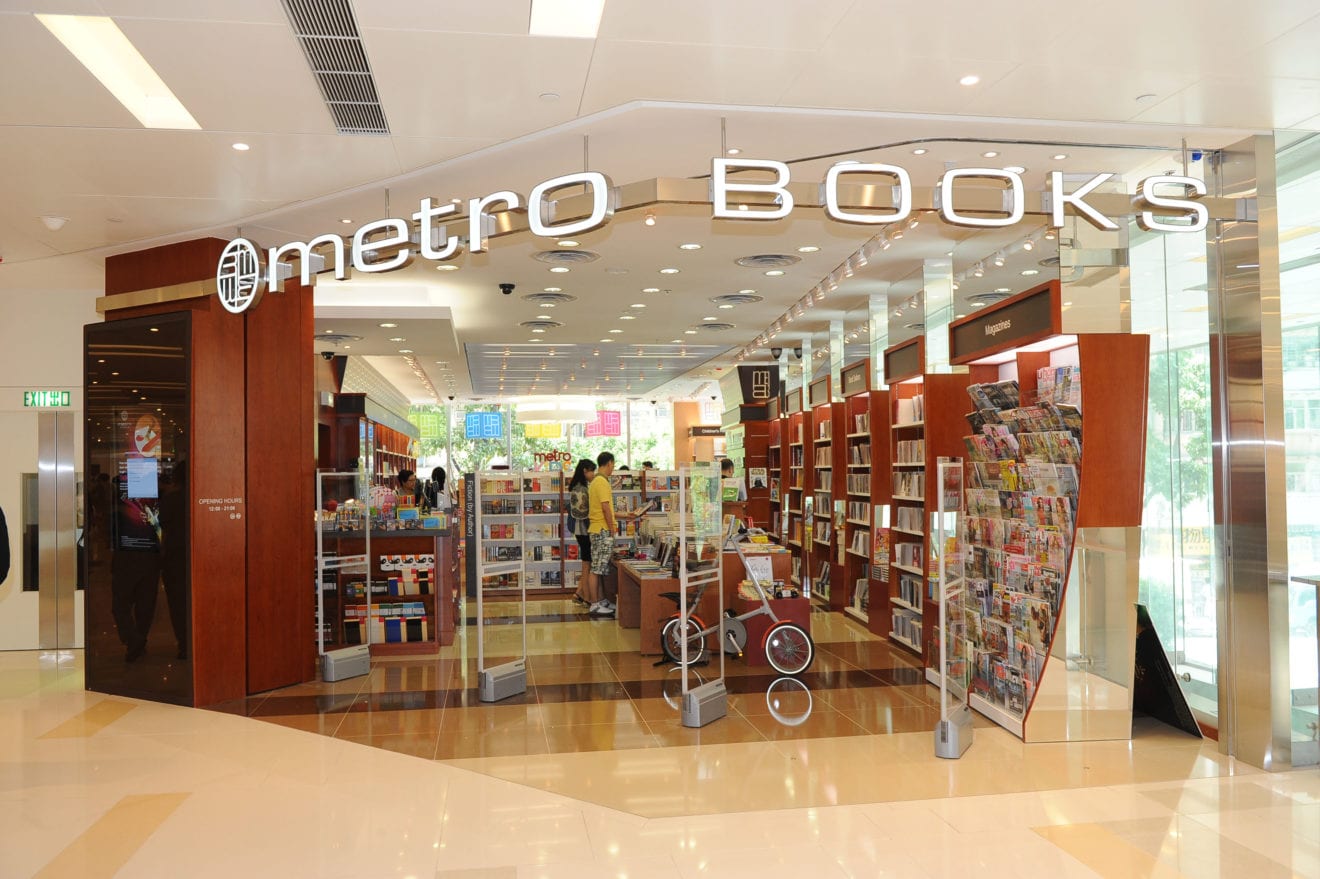
    The company opens its fourth store in Hong Kong this Friday – on the 9th floor of Times Square. The 465 sqm store is split into two: Metrobooks offers lifestyle books and quality stationery to sophisticated professionals and MetroKids by Metrobooks targets young families and expatriates.

    Metrobooks’ parent, National Book Store Inc of the Philippines, chose Hong Kong as its first overseas location back in 2007 and has steadily expanded in the territory during the last few years.

    “NBS strongly believes in the retail market in Hong Kong and targets to open five to 10 more stores in the coming years,” a spokesman told Inside Retail Hong Kong.

    Besides books, Metrobooks offers a wide range of unique stationery items sourced from Japan and the US.

    Included in the Times Square store is an exclusive range from Itoya – the long established Japanese stationery shop. The first store of Itoya opened in 1904 in Ginza, Tokyo. Now Itoya has evolved into the leading stationery store in Japan, with the 12-storey flagship store in Ginza, 18 branches and one overseas store in San Francisco.

    The MetroKids by Metrobooks is the largest and most specialised English language children’s bookstore in Hong Kong, comprising 280 sqm of space split into three zones – Parenting & Early Learning; Intermediate and Young Adult, with more than 7000 items including books, stationery, art & craft, toys and gifts.

    Besides the best-selling series from well-known publishers like Scholastic, Oxford Reading Tree, Jolly Phonics and Usborne, and stationery brands like Tombow and Stabilo, Metrobooks says it aims to source innovative collections and emerging brands from around the world.

    Among the unique offer in the MetroKids by Metrobooks shop is a range from International Arrivals, a stationery brand from the US with fun, functional and easy-to-use crafting and creation tools inspiring children to express themselves with their imagination with creativity.

    NBS is the largest bookstore chain in the Philippines, with over 180 stores nationwide.

    In Hong Kong it has stores at Times Square, in Elements Mall and K11 in Tsim Sha Tsui, and at Mikki in Kowloon.

    The Itoya corner at Metrobooks.

  • SM Malls proves disaster resiliency makes business sense

    SM Malls proves disaster resiliency makes business sense

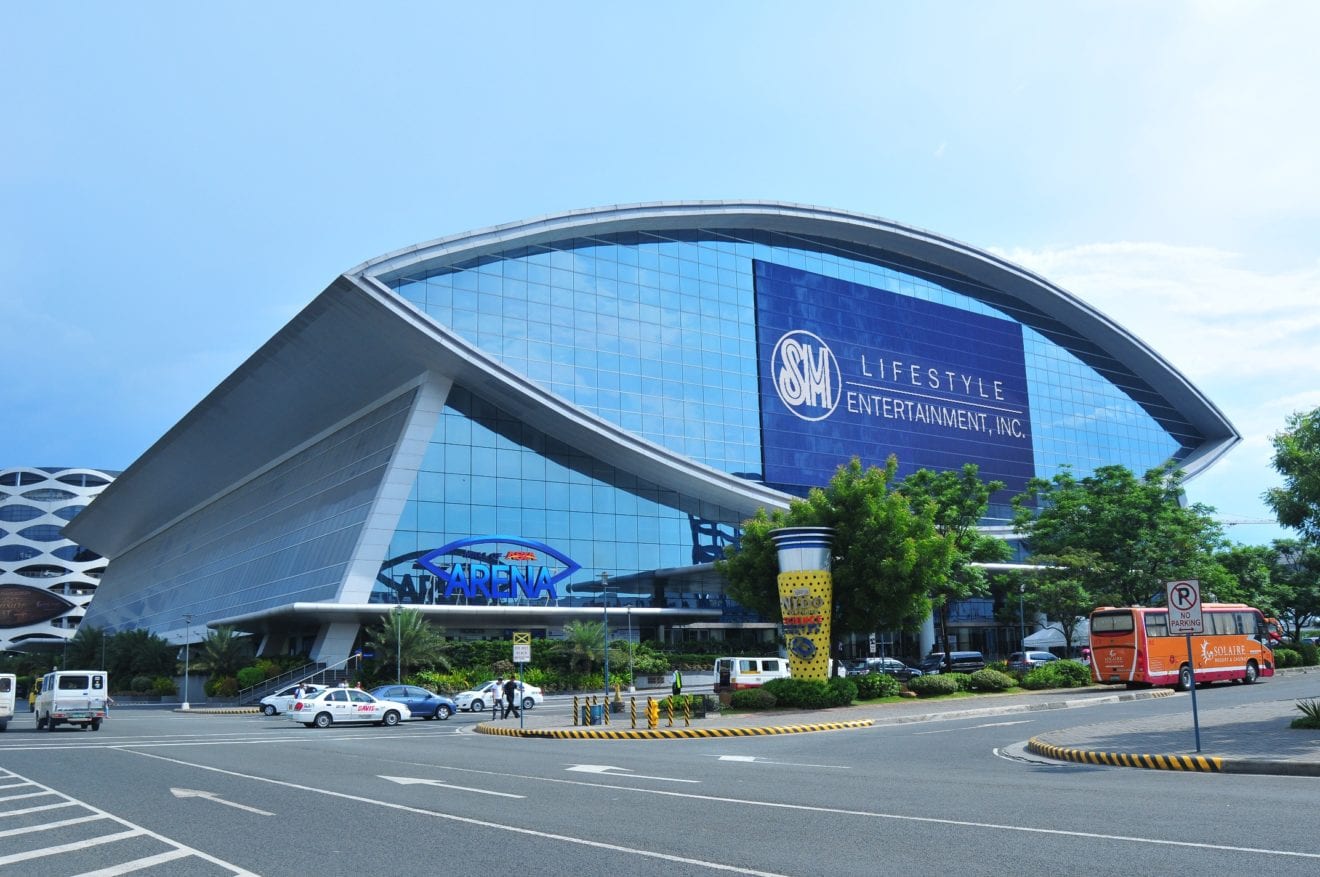
    SM Malls shopping centres – now a 56-strong network across the Philippines – have evolved into sustainable structures that are proving to be valuable investments in the event of the frequent natural disasters which strike the nation.

    In the last few years, SM malls have consciously integrated disaster risk reduction into design and operations in the midst of worsening effects of climate change.

    Speaking before the annual meeting of the United Nations International Strategy for Disaster Risk Reduction (UNISDR) in London, recently, SM Prime president Hans T Sy shared that the company has taken major steps to ensure the longevity of its developments and safeguard its host communities given this context.

    SM’s malls, with a total gross area of over 7 million sqm, have an average daily foot traffic of over 4 million people and some 15,000 tenants.

    “My experience has proven that investing in resilience of our company’s assets makes good business sense. Depending on the location and assessment of the project, around 10 per cent of capital expenditure is allocated to Disaster Resiliency,” said Sy who is the only Filipino to be part of the UNISDR’s Private Sector Advisory Group.

    “We see the entirety of our malls as a city in itself, with locators, employees, customers and the communities we serve,” he added.

    One of the latest SM malls to open, SM City Cabanatuan in Nueva Ecija, is a good example of how SM Prime has adapted to climate change by making its infrastructure more disaster resilient.

    Cabanatuan was affected by Super Typhoon Lando (International name: Koppu) which caused massive flooding, mudslides and power outages that affected 9 million people in the northern region. The mall’s design allowed the free flow of creek floodwater during extreme flooding while the lower ground structure served as a flood catchment, thereby reducing the risk of flooding and ensuring the safety of the surrounding communities. The mall likewise served as a refuge for over 400 customers and families in the area at the height of the typhoon.

    Over the past several decades, SM Prime has made significant inroads in incorporating disaster resiliency in its centres. The best example is SM City Marikina which opened in 2008 and was built on concrete stilts to allow flood water from the nearby Marikina River to flow freely. When Typhoon Ondoy (International name: Ketsana) flooded most of Marikina City, the mall stood high above flood waters and all its tenants were undamaged and safe.

    The roads surrounding the Marikina mall are at ground level. Anticipating floods during heavy rains at that level, SM Prime constructed the first two levels of SM Marikina as parking areas without wall enclosures. The upper parking level was constructed at an elevation of 20.5 meters. During extreme floods, the parking floors are vacated and the supportive stilts allow for the free flow of water through the lower levels, while the business units continue to operate safely as was seen at the onset of Typhoon Ondoy (Ketsana) when a huge part of Marikina was flooded. The mall became a refuge for stranded people and food seekers. It also became a re-packing center for relief goods.

    SM City Masinag in Antipolo, SM BF Paranaque, SM Angono and SM San Mateo both in Rizal province were provided with catch basins underneath the mall to hold water during flooding.

    SM Muntinlupa in Alabang, was also designed to ensure the safety of the customers even if it was found to be located on a “discontinued major fault line”. Its design features a slab system that minimises the effects of earthquakes.

    The Mall of Asia Complex in Pasay City, one of SM Prime’s biggest investments located on 60 hectares of reclaimed property, has also been been designed for resiliency. He said that the main feature of the complex is that all structures were constructed at a height of 4.5 meters above the National Building Code requirements.

    “SM Prime places crucial importance on disaster resilience, not as an additional cost, but as part of our core business strategy. It allows us to serve our communities better, to be competitive, to increase our value and bottomline. But most of all, disaster resilience ensures the safety of our customers and the communities where we operate,” Sy said.

    Aside from introducing sustainable features in its malls, SM Prime also educates and updates its partners and stakeholders on disaster risk reduction (DRR) through internal procedures and various forums, such as the Green Retail Agenda, Business Case for Disaster Resilience, Top Leaders Forum and others. It also values and supports the government’s programs and initiatives in their information and educational campaigns such as the first Metro Manila Shake Drill for Earthquake Preparedness.

    SM Prime also supports DRR projects such as the Weather Philippines Foundation’s Automated Weather Station (AWS) which specialises in local weather forecasting.  All SM malls have also installed the AWS device which provides online five-day local weather forecasts as a form of public service in support of the government’s weather forecasting.

    SM has also donated 1000 units of disaster resilient houses to victims of Typhoon Haiyan, the strongest storm to make landfall in the southern part of the Philippines.

    SM Prime set up its efforts to lead Philippine businesses and communities disaster-resilient through the Private Sector Alliance for Disaster Resilient Societies (Arise), a worldwide initiative spearheaded by the UNISDR to create more resilient societies.

    Arise was introduced for the first time in Southeast Asia during the 2015 Top Leaders Forum at the SMX Mall of Asia in Pasay City.

    Arise, which was launched in London last September, was created in order to implement the Sendai Framework for Disaster Risk Reduction, a 15-year global roadmap adopted in March 2015 which aims to curb disaster mortality and economic losses substantially.

  • APAC tops retail e-commerce

    APAC tops retail e-commerce

    Retail e-commerce sales in Asia-Pacific will reach $877.61bn in 2015, up 35.7% from 2014, as mobile adoption and the rising middle classes in China, India and Indonesia fuel rapid growth, according to a new forecast.

    Research firm eMarketer said that, for the first time, the region will not only have the largest digital market in the world, but its share of global retail spend will reach a majority of 52.5%.

    China alone will account for more than 40% of global retail e-commerce sales this year, up nearly five percentage points from 2014, and the country is expected to continue growing its share of the worldwide market to more than 50% in 2018.

    By then, the value of retail e-commerce sales in China is forecast to be a massive $1.568 trillion compared to a worldwide total of $3.015 trillion. Meanwhile, Asia-Pacific (including China) will account for $1.892 trillion in three years’ time.

    Online retail sales in China are expected to account for 15.9% of the country’s total retail sales in 2015, compared to a global average of 7.4% and 10.2% in Asia-Pacific.

    Although China dwarfs other Asian nations in terms of online sales volumes – for example, $672bn in 2015 compared with just $14bn in India – the report also highlighted India and Indonesia as other key drivers of growth in the region.

    The latter two markets saw growth of 129.5% and 65.6% respectively in 2015, the report said.

    Monica Peart, eMarketer’s director of forecasting, said rapid online growth in Asia-Pacific, coupled with faster internet service and greater mobile uptake is heating up the competitive landscape.

    “Large local players are increasingly vying for market share by improving their logistics and mobile platforms, and in some cases moving entirely to an app-only service,” she said.

    Finally, eMarketer forecast that overall retail sales in Asia-Pacific would reach $8.57 trillion this year, rising to $11.46 trillion by 2019, or representing 20.4% of worldwide retail sales. Data sourced from eMarketer; additional content by Warc staff

  • First KFC Tibet store to open in 2016

    First KFC Tibet store to open in 2016

    It’s been more than 10 years since US fast food giant Yum! Brands first mooted opening a store in Tibet.

    But next year the plan is set to come to fruition following the appointment of a franchisee there.

    KFC dropped plans to open an outlet there in 2004 on economic grounds – but the plan was opposed at the time by Tibet’s exiled leader the Dalai Lama, who is a staunch vegetarian.

    Now, the first KFC Tibet outlet is scheduled to open in the first half of next year – part of a massive expansion program for the deep fried chicken brand.

    Yum! is preparing to spin off its China operations and almost treble the current 6900-strong store network to about 20,000 through a franchising program.

    The first KFC Tibet store will open in the capital city, Lhasa.

  • France’s Casino puts Vietnam Big C chain on the block

    France’s Casino puts Vietnam Big C chain on the block

    Casino Group plans to unload the Big C hypermarket chain in Vietnam, as part of a restructuring plan to strengthen its financial flexibility in 2016.

    In a news release posted on its website on Tuesday, the French group said it aims to shave off more than 2 billion euros ($2.17 billion) of debt. In addition to selling the Vietnamese Big C business, the company said it is mulling “real estate transactions in Thailand.”

    Potential investors interested in buying the Big C operations include Thai conglomerates and Vietnamese property developer Vingroup, according to local sources. Bloomberg on Wednesday reported that the sale could raise 750 million euros, citing Bruno Monteyne, an analyst at Sanford C. Bernstein.

    Brisk sales

    Big C was one of the first international chains to gain a foothold in the Vietnamese market, where modern retailing is still in the early stages of development. The first of the French-style hypermarkets opened in the country back in 1998. As of December, the chain consists of 32 outlets and 10 C-Express convenience stores across Vietnam.

    It is one of the top five retailers in Vietnam, with total sales in the first half of 2015 reaching 312 million euros, up 26.4% on the year.

    Casino is the second European retail group to move to sell its Vietnamese chain of late. Last year, Germany’s Metro Group signed a deal to transfer its 19-store Metro Cash&Carry Vietnam unit to Thailand’s Berli Jucker for 655 million euros. The transaction was scheduled to be completed in the first half of 2015, but it has hit a legal snag related to Metro’s corporate income tax obligations in Vietnam.

    Meanwhile, Casino Group is seeking to generate 550 million euros through the real estate business in Thailand, and another 200 million euros in Colombia, according to Bloomberg.

    Casino’s Big C chain owns some 800,000 sq. meters of gross leasable area at shopping malls across central Thailand. In Colombia, its Exito unit controls more than 300,000 sq. meters of such space, excluding hypermarkets.

    Casino entered Thailand in 1999, when it acquired a stake in Big C, the country’s No. 2 mass food retailer. The group is now Big C’s majority shareholder. Big C runs hypermarkets, supermarkets, convenience stores and supercenters — which combine a hypermarket and a large mall — in the Thai market.