Author: Mei Ling Tan

  • Lotte’s Japan unit to jack up stake in Korean affiliate

    Lotte’s Japan unit to jack up stake in Korean affiliate

    Lotte Confectionery Co., a unit of South Korean retail giant Lotte Group, said Wednesday that Lotte’s Japan operation will increase its stake in the affiliate, a move seen as part of efforts to cement the incumbent group chairman’s grip in the conglomerate amid a succession feud.

    In a regulatory filing, Lotte Confectionery said that Tokyo-based Lotte Holdings will buy 7.9 percent of its shares at 2.3 million won ($1,950) per share during trading hours by Dec. 28, a deal worth about 258 billion won.

    Last week, Lotte Holdings bought a 2.1-percent stake in Lotte Confectionery through block deals in after-hour trading.

    If the transaction is completed, Lotte Holdings’ stake in the confectionery unit will rise to 10.3 percent to become the No. 2 stakeholder after Lotte Aluminum.

    “Lotte Holdings will increase its stake in Lotte Confectionery to step up cooperation in the confectionery business for a synergy effect,” Lotte said in a release.

    The move comes as Lotte Group chairman Shin Dong-bin and his elder brother Dong-joo have been involved in a succession feud over the group whose business portfolio ranges from food to retail, mostly based in South Korea and Japan.

    The latest share purchase is interpreted as an effort to strengthen Dongbin’s grip on Lotte Confectionery, which stands at a critical position in the group’s cobweb-like structure.

    The confectionery unit has stakes in other key Lotte affiliates, including Lotte Shopping, Lotte Chilsung and Lotte Food, serving as a critical link in South Korea’s fifth-largest conglomerate.

    Shin Dong-bin also owns an 8.8-percent stake in Lotte Confectionery, followed by Shin Kyuk-ho’s 6.8 percent and Shin Dong-joo with 4 percent.

    Founder Shin Kyuk-ho has sided with Dong-joo, who has waged several suits against his brother in Japan and Korea after being fired from his senior executive position at Lotte Holdings earlier this year.
  • Shopping tech firm Powa in major Chinese joint venture

    Shopping tech firm Powa in major Chinese joint venture

    Powa Technologies, a British e-commerce tech firm, has formed a “strategic alliance” with China’s biggest payments processor, China UnionPay. The joint venture could generate $5bn (£3.3bn) in revenues over three years, Dan Wagner, Powa’s chairman and chief executive, told the BBC.

    China UnionPay has about 4.5 billion credit and debit card users worldwide.

    Powa’s technology enables shoppers to pay for goods quickly in-store and online using their smartphones.

    “This is undoubtedly a huge deal for Powa,” said electronic payments expert, Dave Birch of Hyperion Consulting.

    The joint venture, PowaTag UnionPay, will launch first in Guangdong Province, targeting 400,000 retailers, the company says, before rolling out to one million by the end of 2016.

    “We have a target to reach at least 50 million consumers regularly using the platform within one year from launch,” said PowaTag UnionPay’s chairman, Mr Hu Jinxiong.

    China’s merchants – there are six million in total – will pay about 13p per transaction to the joint venture for access to the technology, said Mr Wagner.

    ‘We’ve trumped Apple Pay’

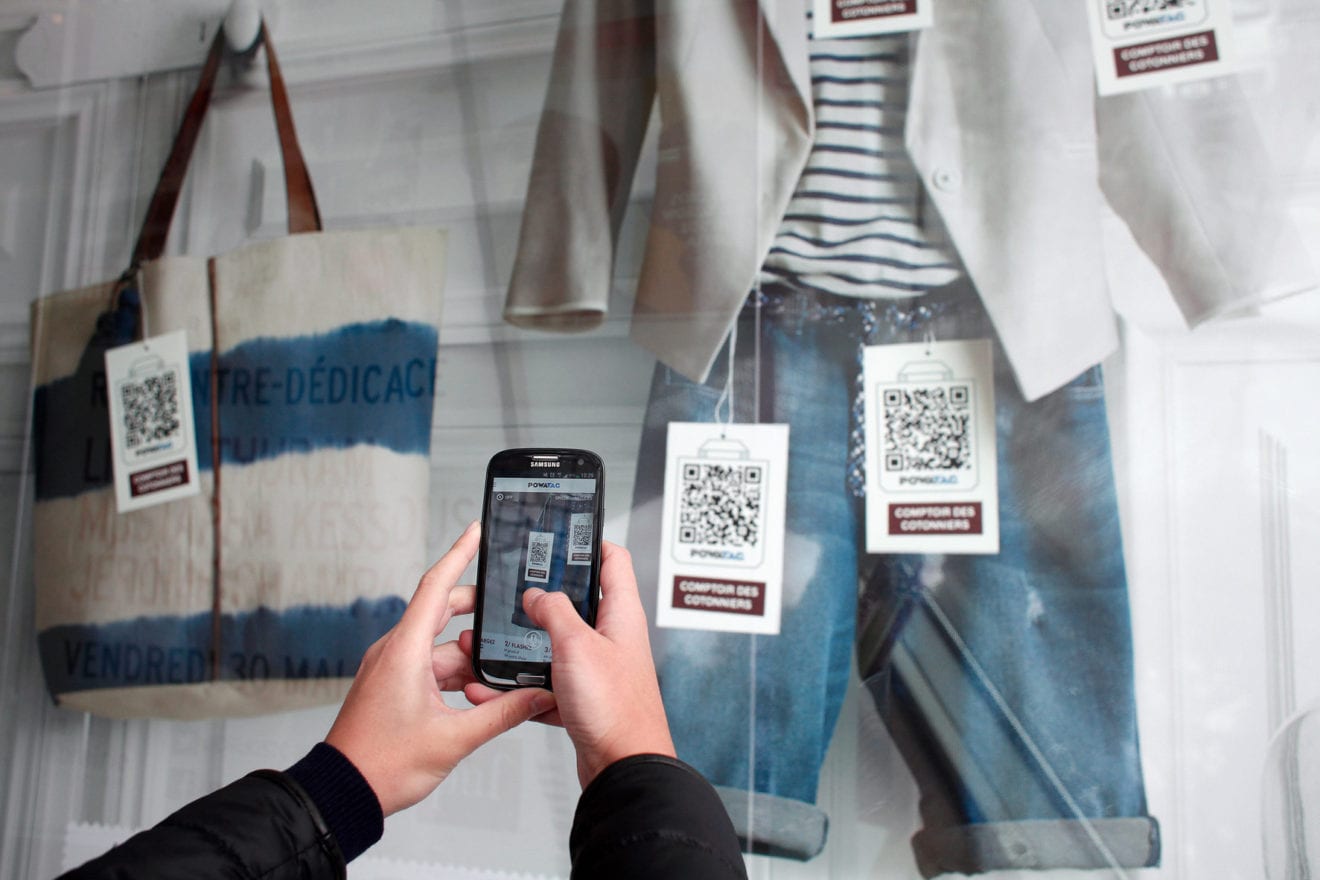
    The PowaTag system relies on digital tags – quick response (QR) codes – that can be attached to physical goods or inserted into self-service checkout screens, emails, websites, posters, images – even the audio from TV ads.

    Wherever Chinese shoppers see the PowaTag UnionPay symbol they will be able to buy products by scanning them with their phones and tapping the “buy now” button, the company says.

    US retail giant Walmart recently launched a similar quick pay system for mobiles in its stores.

    China’s Commerce Department says the “online to offline” market, whereby shoppers search for products online then complete the purchase in-store, grew 80% in the first half of 2015 and is worth about £31bn ($47bn).

    “Why did China UnionPay decide to partner with a little British technology company?” said Mr Wagner. “We’ve trumped ApplePay and the rest of the world here.”

    ‘Tap-and-go’

    State-owned China UnionPay, has been responding to the rapid take-up of smartphones across the country – about 68% of the population now has one.

    On 12 December, it launched QuickPass – a “tap-and-go” payment system for mobile phones similar to Apple Pay and other digital wallets – in co-operation with more than 20 commercial banks.

    QuickPass is already available at more than 10,000 locations in mainland China, says UnionPay, including at retailers such as Carrefour, McDonald’s, and Costa.

    “The Chinese market is going mobile very quickly,” says Mr Birch. “And the integration of payment systems and messaging platforms such as WeChat is a very interesting development.”

    This latest deal with Powa will give Chinese shoppers yet another way to shop using their mobiles.

  • The World’s Biggest Fashion Retailer is Betting Big on China

    The World’s Biggest Fashion Retailer is Betting Big on China

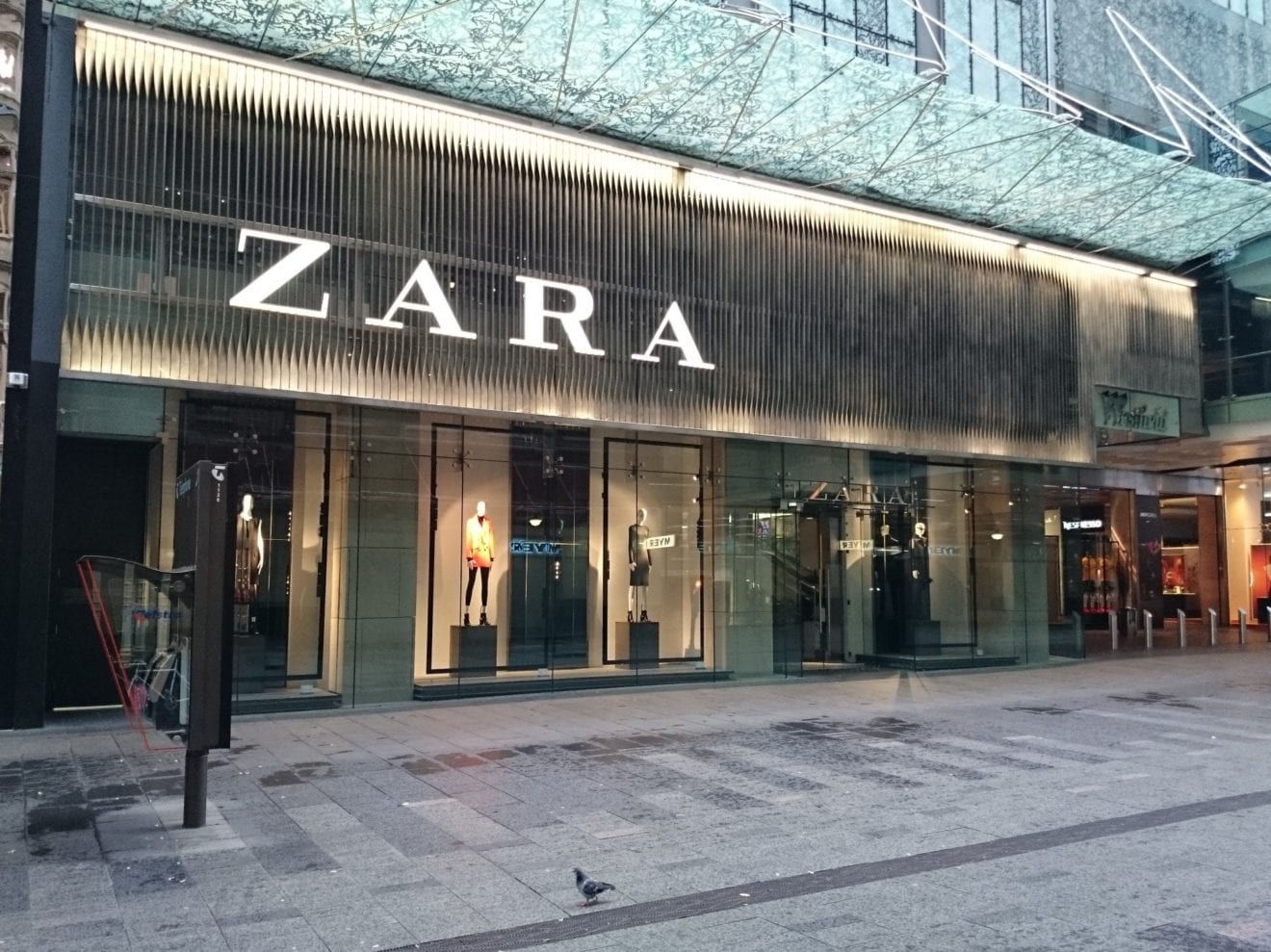
    Spain’s Inditex, owner of the Zara chain and the world’s biggest fashion retailer, is optimistic about long-term growth in China despite the slowing economy, as demand for its affordable fashion stays robust.

    Inditex, whose Zara brand has lured shoppers this season with a minimalist straight-cut look, teaming muted colors with ankle boots and trousers, makes about 7 percent of its sales in China, analysts estimate.

    Western luxury brands like Burberry and Hugo Boss are suffering from cooling Chinese demand, but mid-market names like Adidas and Zara are faring better.

    “We have no doubt that in China the fashion appetite is large, our brands are better and better known and we are still feeling very optimistic (over a five-year view),” Chief Executive Pablo Isla told analysts on Thursday.

    The group made a sprightly start to the Christmas season as its on-trend offerings allowed it to adapt better than rivals.

    Sales from Nov. 1 to Dec. 3 rose 15% in local currencies, suggesting a slight slowdown in same-store sales from the previous three months. But analysts said it was still a strong performance given rivals like Top Shop have had a slow start to Christmas trading due to mild weather.

    “We can say that Inditex is trading just as strongly in the fourth quarter to date as it did in the third,” Societe Generale analyst Anne Critchlow said.

    In the nine months to end October, net profit rose by a fifth to 2.02 billion euros ($2.2 billion) on sales up 16% to 14.7 billion.

    Isla said newer brands like Zara Home, Bershka and Stradivarius had performed particularly well.

    Gross margin, a closely-watched measure of profitability, slipped slightly to 58.8%, as the strong dollar pushed up prices of garments sourced in Asia, though this affects Inditex less than its peers.

    Inditex sources more goods in or near Europe, helping it adapt more quickly to fashion tastes and speedily deliver new ranges.

    Inditex shares, up 37% this year, were down 1.5% by 1037 GMT, versus a 0.7% fall in the European retail sector.

    Many market watchers have flagged the rich valuation of the stock, trading at around 34 times 2016 projected earnings, according to Reuters data, versus 24 times for rival Hennes & Mauritz hmrzf .

  • Vietnam a rising Asian retail market

    Vietnam a rising Asian retail market

    VN a rising Asian retail market

    Viet Nam is on the way to becoming one of the most developed retail markets in Asia, a seminar heard yesterday in Ha Noi.

    The Viet Nam Retailers Association (VRA) organised the Viet Nam Retail Forum 2015 with the theme of “Shopping centres and their development roadmap in Viet Nam”. The event brought together officials, retail experts, domestic retailers as well as foreign retail firms.

    According to Duong Duy Hung, Deputy Director General of the Ministry of Industry and Trade (MOIT)’s Domestic Market Department, total final consumption expenditure accounted for 70 per cent of Viet Nam’s gross domestic product (GDP), of which 90 per cent is household consumption expenditure.

    Hung added that the modern retail market is increasing its role as an engine of Viet Nam’s retail sector’s growth.

    Before Viet Nam joined the World Trade Organisation (WTO), there had been concerns that the models of traditional and modern retail channels could collapse due to the open-door policies facilitating multinational retail corporations, Hung said.

    But Viet Nam retail businesses have adapted step by step, enhancing competitiveness to survive, Hung said.

    However, domestic retailers are also facing difficulties. Foreign retail giants have poured money into trade centres and supermarkets, worrying domestic retailers, Hung added.

    VRA chairwoman Dinh Thi My Loan said Vietnamese supermarket and retail shop chains had been upgraded, but they still lacked professional factors, competitiveness in pricing, diversification in products and product quality control.

    According to the Nielsen market research firm, the middle and affluent class (MAC) in Viet Nam, whose income is from VND15 million (US$714) and above a month, will triple in size between now and 2020 and will be a key group of potential customers for retailers.

    According to a report by property services firm CB Richard Ellis (CBRE), Co.opmart supermarket chain owned by Saigon Co.op was named one of top 200 Asia-Pacific retailers in 2015.

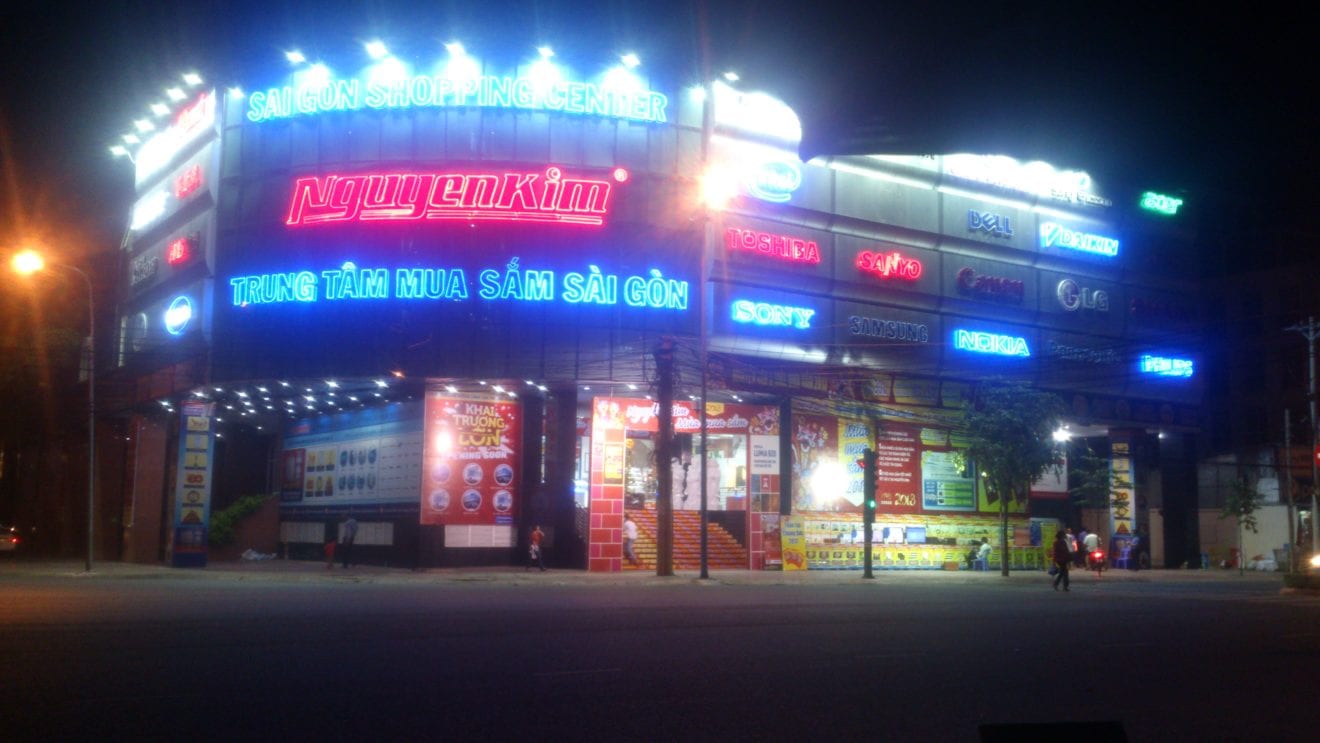
    However, in the Viet Nam’s top 10 retailer 2015 list, the leading position belongs to Saigon Jewellery SJC, followed by Nguyen Kim electronic store chains and the national mobile phone retail giant The Gioi Di Dong (Mobile World).

    This report also showed that the overall vacancy of Ha Noi’s retail space saw the highest rate in the past five years (up to 20 per cent) while this rate for HCM City has been relatively low, just under 10 per cent. This directly affects average rent in the two cities.

    As a result, average rent in Ha Noi has reduced while the figure for HCM City has increased. The rent in the central areas of Ha Noi and HCM City are very high, reportedly amounting to over $120 per sq.m per month in the third quarter of 2015, three times higher than other areas in the cities.

    The report also said that 22 per cent of Vietnamese prefer to go shopping in convenience stores rather than in big shopping malls. — VNS

  • Budget flights launched from Thailand to Europe

    Budget flights launched from Thailand to Europe

    Budget travelers can now hop on a cheap flight to Europe as low-cost German carrier Eurowings launches flights to Bangkok and Phuket this week.

    Its first flight from Cologne to Phuket leaves on Friday, while its first flight from Cologne to Suvarnabhumi departs next Monday.

    Flights from Bangkok to Cologne or Bonn will take off at 6.25am every Monday and 9.20am every Thursday, while flights from Phuket will leave at 2.05pm every Tuesday and 6.35am every Saturday.

    Travelers can then connect to the UK, Austria, Croatia, Czech Republic, Hungary, Italy, Spain, Sweden, and Switzerland.

    “We are very pleased to be introducing the low cost long-haul concept to Thailand this December. The Eurowings strategy is to strengthen our position in point-to-point traffic and offers affordable ticket prices and attractive route network,” said Christian Hein, Eurowings senior vice-president, sales. 

    He added that air travel in the region would continue to grow as the number of international travelers increases

  • President to launch Rotiklot dam project in eastern border region

    President to launch Rotiklot dam project in eastern border region

    President Joko Widodo is scheduled to conduct the groundbreaking for the Rotiklot dam development project in West Timor during his visit to the region on December 20 and 28.

    The event is very important as the Rotiklot dam will be the third-largest after Tilong and Raknamo dams in the district of Kupang, East Nusa Tenggara, and the largest in the districts of Belu and Malaka,” Frans Lebu Raya, the governor of East Nusa Tenggara province, remarked here on Wednesday.

    “Currently, the technical team is still finalizing the agenda of the head of state in connection with the groundbreaking event, including the location for the ceremony,” he noted.

    The construction of the dam, worth Rp450 billion, will be completed in three years using funds from the national budget.

    “The cornerstone will be laid this year to mark the start of the construction work and will be completed in 2017 to serve the needs of the people,” he explained.

    Besides flood control, the dam is also designed for meeting electricity needs, agriculture, and tourism, he stated.

    “Once the dam is built, the people must utilize it optimally to improve their welfare,” he noted.

    The East Nusa Tenggara provincial government has proposed the development of six dams to overcome the water shortage problem in the region and to deal with the El Nino weather phenomenon.

    “The six dams, include Kolhua in Kupang city, Raknamo in Kupang district, Rotiklot in Belu district, Temef in Timor Tengah Selatan, Napunggete in Sikka, and Lambo in Nagekeo,” Andre Koreh, the head of the provinces public works service, stated at a separate occasion.

    He said the projects have already been included in the plan of the ministry of public works, and so, they will be realized in stages based on the availability of the budget.

    He pointed out that the region requires around 1.5 million cubic meters of water to meet the needs of the people during the dry season, although water supply is abundant during the rainy season, and hence, the dams are needed.

  • Indonesia’s Largest Solar Power Plant Ready for Operation

    Indonesia’s Largest Solar Power Plant Ready for Operation

    Indonesia’s largest solar power plant built by PT Len Industri in Kupang, East Nusa Tenggara, is ready for operation as soon as it is inaugurated by President Joko “Jokowi” Widodo.

    Len Industri President Director Abraham Mose said electrical power from the solar power plant with Independent Power Producer (IPP) concept will reach five megawatts. “We will conduct test for power supply of five megawatts this December,” Abraham said.

    Abraham said that his company could finish the power plant’s construction right on time, even earlier than the deadline stated in the contract with the State Electricity Company (PLN) in East Nusa Tenggara.

    Abraham said that Len Industri’s investment value for the solar power plant reaches up to Rp125 billion.

  • Apple Hong Kong IFC Store Adds Third Floor

    Apple Hong Kong IFC Store Adds Third Floor

    Apple Insider reveals that the iPhone maker is working to develop a third floor for its first Apple store in Hong Kong, which originally opened in 2011. Located at the International Finance Center (IFC), the tech giant’s signboard outside the new floor claims that it will be opening “soon,” even though no official dates have been disclosed as yet.

    Apple Inc.’s ongoing attempts to expand its retail stores all around China have been increasingly evident after it rolled out new stores in Dalian, Beijing, Chengdu, and most recently, Nanning on December 12. It seems that this expansion plan is part of the tech giant’s agenda to launch at least 40 Apple Stores in China by 2016.

    Even though the tech giant has launched a number of other stores in Hong Kong following its IFC-based outlet, it seems that Apple is interested in renovating its first store in the area. The company is working to create a separate staircase entry to the floor rather than extending the existing one, further creating a grander feel to the present outlet.

    We believe that the company’s recent attempts to integrate its retail branches with genius bars and workshops is part of its on-going renovations to recreate a new style of store interior under the leadership of Apple’s Chief Designer, Jony Ive and Apple’s Retail and Online Stores’ senior VP, Angela Ahrendts. This may help the iPhone maker create a theme of architectural consistency between all outlets and operate distinctively against its competitors.

    Since this Apple Store outlet is located in the city’s Central District and hangs over one of its busiest roads, we believe that the store expansion will help Apple lure in more customers. It also seems that the renovation will soon end, as speculation states that lights have already been switched on inside the space, possibly hinting at its upcoming opening. Judging by the company’s popularity in Asia, which has led to its drastic expansion plan; providing customers with three floors full of Apple products will surely work as a great marketing push for the tech giant in Hong Kong.

  • Charming Charlie opens first Philippines store

    Charming Charlie opens first Philippines store

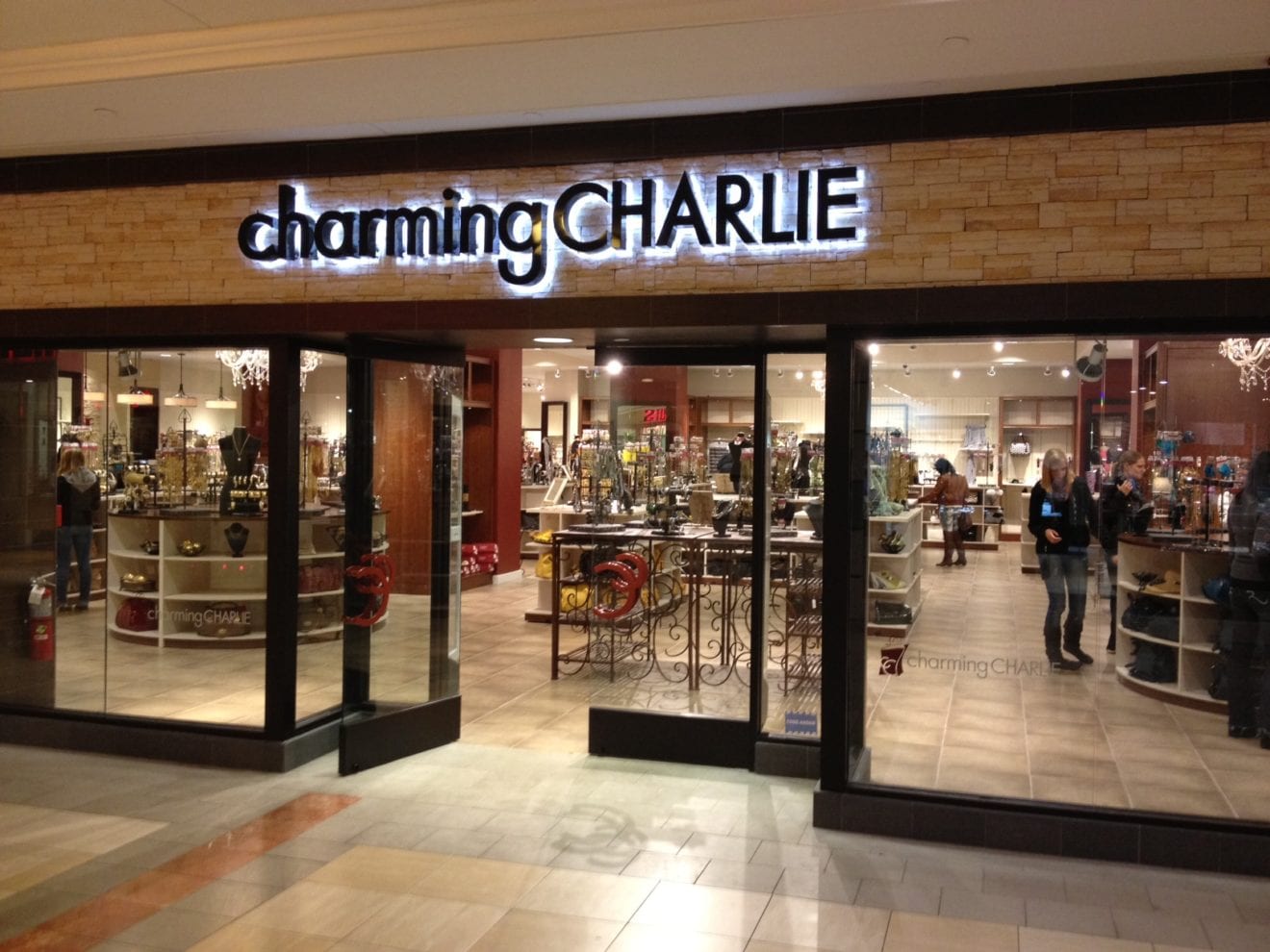
    The first Charming Charlie in the Philippines is scheduled to open Saturday, Dec. 19, 2015. The Houston-based women’s jewelry and accessories retailer has opened as many as 55 U.S. stores each year, and expanded to Dubai in 2015.

    The first Charming Charlie in the Philippines is scheduled to open Saturday, Dec. 19, 2015. The Houston-based women’s jewelry and accessories retailer has opened as many as 55 U.S. stores each year, and … more.

    Houston-based women’s jewelry and accessories retailer Charming Charlie has spread its footprint across the Pacific Ocean.

    This past Saturday, the retailer’s first Philippines location opened at Bonifacio High Street Central Square, a shopping district in the capital city of Manila.

    Charming Charlie worked with distributor Stores Specialists, Inc. a member of SSI Group, to expand to Manila, according to a company statement. Additional growth is planned in Manila and in Cebu in 2016.

    “The Philippines is a fast growing territory with an increasing population of young adults and proven track record for American brands, so entering Southeast Asia following our Middle East expansion made perfect sense for the brand,” Charlie Chanaratsopon, founder and CEO, said in a statement. “SSI Group is the premier partner in the Philippines and we believe their local expertise will allow us to bring our incredible value and fun shopping experience to customers throughout the region.”

    This past summer, the retailer opened two locations in Dubai, United Arab Emirates.

    Charming Charlie has 350 retail stores across the United States, Canada, the United Arab Emirates and the Philippines.

  • Qianhai Chow Tai Fook mall opens in Shenzhen

    Qianhai Chow Tai Fook mall opens in Shenzhen

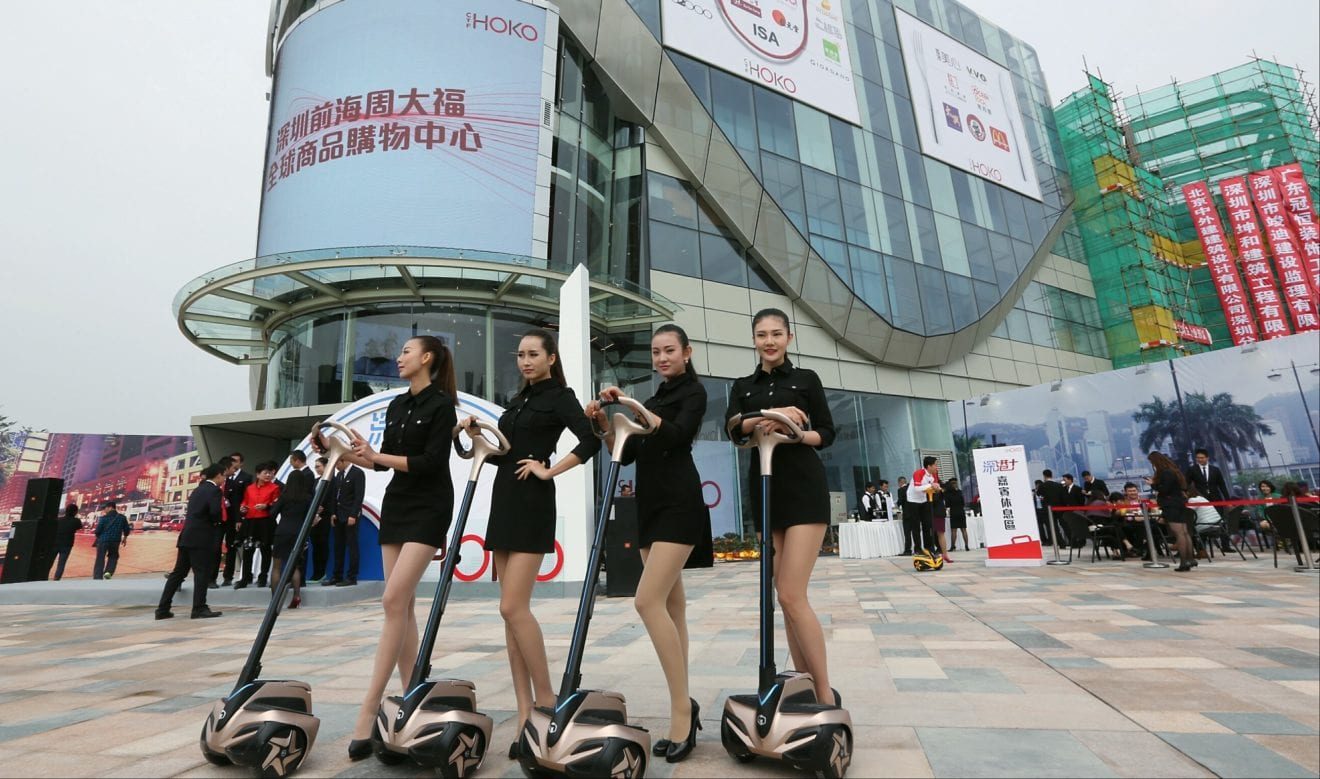
    The new Qianhai Chow Tai Fook mall opened its doors in Shenzhen on Monday – selling Hong Kong sourced goods to mainlanders at prices said to be cheaper than in Hong Kong.

    Officially named the Qianhai Chow Tai Fook Global Goods Shopping Center, the 19,000 sqm mall is a joint venture between jeweller Chow Tai Fook and two investment partners.

    A total of 21 retail brands opened stores in the first phase of the development opened yesterday, including beauty products chain Sa Sa, fast fashion brand Giordano and CRCare. They are joined by a range of food and infant formula retailers.

    More stores will join the development when stage two opens next summer.

    The HK$423 million shopping centre has been built inside the Shenzhen special economic zone, taking advantage of tax concessions and allowing mainlanders to buy Hong Kong sourced goods without crossing the border.

    Shenzhen has a population of 20 million creating a huge potential catchment for the development.

    Adrian Cheng Chi-kong, executive director of the Qianhai Chow Tai Fook mall, said it will not be competing with the border shopping mall planned for the Hong Kong side of the border, explaining the two properties will cater for different clienteles.

  • India’s Specialty Restaurants plans 24 new ‘fun’ eateries

    India’s Specialty Restaurants plans 24 new ‘fun’ eateries

    Fine dining operator Speciality Restaurants says it will focus on its ‘fun dining’ brands as it rolls out 24 new eateries over the next two years.

    The group currently operates 123 restaurants, a mix of fine dining destinations branded Mainland China and Oh! Calcutta, and what it terms ‘fun’ brands – Mainland China Asia Kitchen, Cafe Mezzuna and Hoppipola.

    Executive Anjan Chatterjee says from now on the company will more or less equally split its capital investment evenly between the two channels – fun and fine dining.

    “At least 50 per cent of restaurants we open in 2016 and 2017 will be fun dining. The vertical will help us maintain leadership in the fine and casual dining restaurants and confectioneries market. Over the years, we have developed a dedicated client base that is sophisticated and appreciates fine dining. But there is another group that is as important who want an informal atmosphere and a fun dining experience,” he said in an interview with the Times of India at the opening of a new Asia Kitchen restaurants at the Acropolis Mall.

    “They are young customers with disposable incomes. We have developed brands for them and will now expand this vertical.”

    The company is also pursuing opportunities to expand overseas.

    With two restaurants in Bangladesh and two in Tanzania, it is about to open its first outlet in Doha. Chatterjee is seeking locations for new restaurants in London and New York.

    Specialty Restaurants also has a small collection of quick service restaurants – one each trading under the brands Zoodles, Shack, Kibbeh and Kix.

    Chatterjee believes consumer dining preferences are changing.

    “Traditionally, people went to a restaurant and had their fill. But the trend has changed. They have become small eaters for health and economic reasons. Food is expensive and people don’t want large portions that will lead to wastage or a doggy bag. For instance, if a portion of mocha chop contained eight pieces, we have now introduced a regular portion that has four pieces. The regular size is good for two. If there are three or more, customers have the option of ordering one more. It is good on the pocket too and will encourage customers to come back more often. We don’t want price to be a barrier,” he said.

    Specialty Restaurants has already introduced regular portions at Mainland China and Oh! Calcutta.

  • Prada Philippines re-opens expanded Makati boutique

    Prada Philippines re-opens expanded Makati boutique

    Prada Philippines has reopened its high profile boutique in the Greenbelt Ayala Center in downtown Makati, Manila.

    The expanded and renovated store inside the prestigious mall was designed by architect Roberto Baciocchi, covers a total area of approximately 200 sqm on a single level. It houses women’s and men’s leather goods, accessories and footwear collections.

    pradaThe high-impact external facade is composed of an interplay of light-boxes, completed by a backlit white canvas curtain enclosed in a crystal box. The internal facade echoes the motif of the exterior and features two large entrances and a series of display windows.

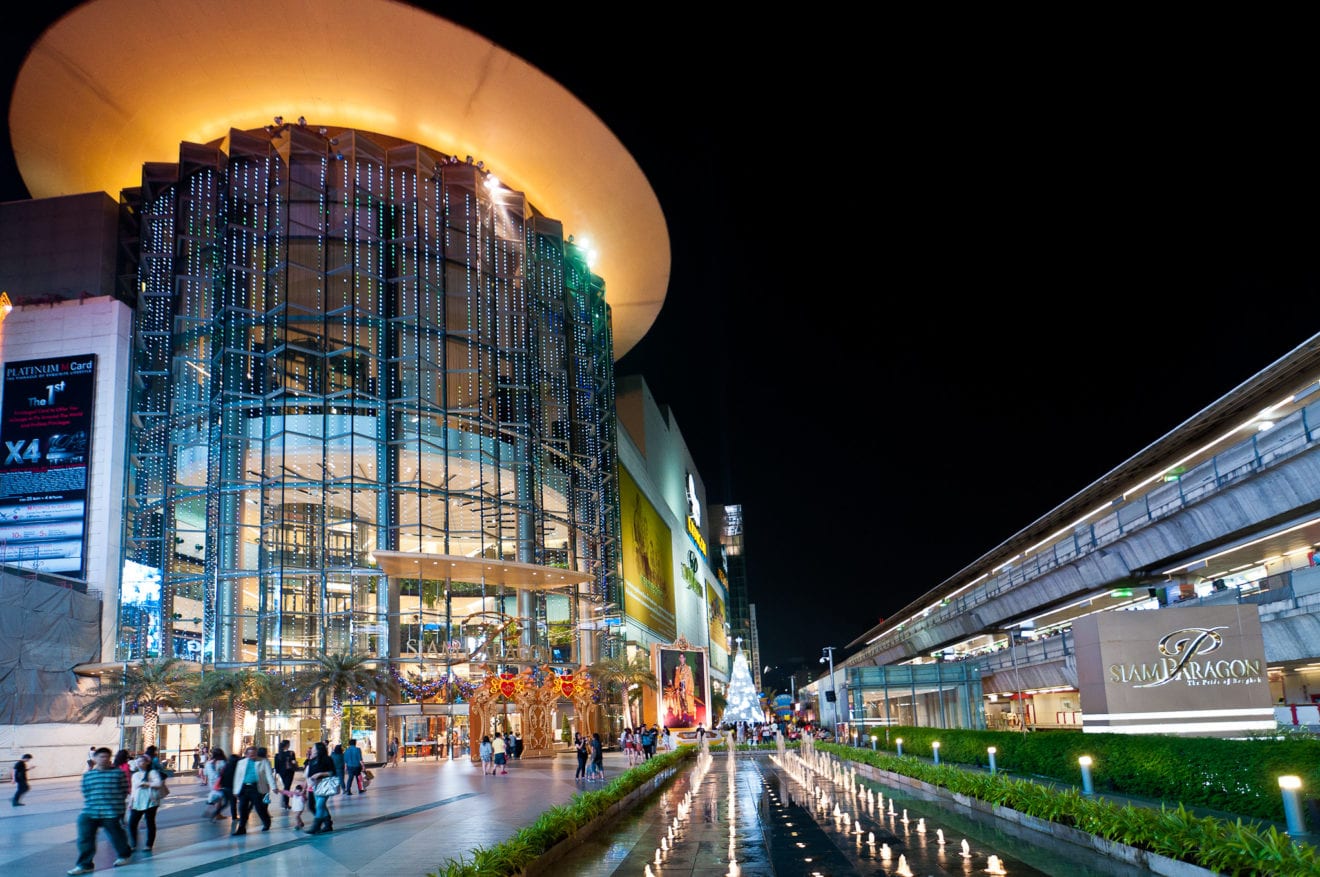
    The first entrance, defined by the signature black-and-white marble chequered flooring – a legacy of Prada’s identity worldwide – opens up on an area dedicated to the women’s leather goods collections.

    A portal leads to a second space, where the women’s footwear collections is displayed. The entire area devoted to women is characterised by green fabric- clad walls with cut-in polished steel and crystal display niches. Steel and crystal tables with coloured display shelves and green velvet sofas complete the furnishing.

    The second entrance and the space dedicated to women both lead to a regularly-shaped area housing the men’s leather goods and footwear collections. Ebony floorboards and walls, crystal and polished steel display cases and chocolate brown carpeting define the space. Display counters with coloured saffiano leather detailing and light coloured leather sofas enhance the atmosphere.

  • Blink Digital devises a ‘confidential’ digital campaign for KFC

    Blink Digital devises a ‘confidential’ digital campaign for KFC

    Award winning digital agency, Blink Digital devices an innovative route for launching a new product by food giants KFC. Creating a departure from the usual route, they have launched KFCConfidential.com – an exclusive website which can be accessed only by one person at a time, for 30 seconds only. The website is created for the launch of KFC’s new product which is yet to be announced. 150 visitors who access the website will stand a chance to win private passes to KFC’s exclusive pre-launch event slated this week.

    The agency conceptualized this innovative approach keeping in mind the market trends and consumer engagement habits. The idea of a ‘secret supper invitation’ for something yet to be introduced was daring, innovative and found an instant connect with the consumers.

    The website has already recorded over 28,000 users waiting in line for over 5,100 hours to access the website – the maximum time spent waiting by a single user currently stands at 70 minutes at the time for drafting this release!

    Dooj Ramchandani

    We are committed to delivering campaigns that are driven by deep human truths. As experiences are becoming increasingly ubiquitous, consumers are on a constant lookout for newer ways of engagement. With KFC Confidential, we followed a philosophy of ‘less is more’. Instead of bombarding consumers with product advertisements, we decided to keep this campaign aspirational and use a pull approach rather than a push one. The website has no product images; in fact, it doesn’t even have the product name. The response it has received so far has been tremendous.” said Dooj Ramchandani, Co-Founder & Creative Director, Blink Digital.

  • Bangkok retail rents hold firm despite competition

    Bangkok retail rents hold firm despite competition

    Bangkok’s retail market is now “the most competitive it has ever been” – yet there is another 1.1 million sqm of retail space under construction.

    When complete, by the end of 2017, that will bring the total completed supply of mall space in the Thai capital to nearly 8 million sqm – all in a market currently characterised by weak consumer sentiment and slow retail sales growth.

    But despite the intense competition, a leading property expert says Bangkok retail rents – in malls, anyway – are holding firm.

    In a column (which you can read in full here) written for the Bangkok Post Spectrum magazine CBRE Thailand MD Aliwassa Pathnadabutr, says the proliferation of new brands setting up shop in Bangkok, and the expansion of existing branded chains is fuelling unprecedented competition in the city.

    “In the upcoming festive season, we expect to see major retail developers competing with heavy promotions and retail events in a bid draw consumers and capture their holiday spending,” Pathnadabutr asserted.

    “The expansion by retail developers in the CBD and suburban areas, entry of new local and international retailers, combined with a challenging economic outlook and weak consumer sentiment is all adding up to the mix.”

    Pathnadabutr says the recent openings of EmQuartier and Central Embassy have intensified competition for existing CBD malls like the high-end Gaysorn, and the giant CentralWorld and Paragon centres.

    “As the major retail centres are chasing after the same group of consumers, retail events and promotions have become ubiquitous leading to a cut-throat competition and heightened promotion campaigns, particularly gearing up to the festive season where consumer spending typically peaks.”

    Expansion and development of suburban centres – like the Future Park Rangsit expansion which marked its soft opening in the last fortnight – may draw customers away from the CBD malls, although Pathnadabutr expects their impact to be limited and growing tourist base will keep the numbers up in the larger centres.

    Despite the competition, retail rents have held their own in Bangkok, according to Pathnadabutr.

    “It is often difficult to measure retail rents as there is a big range even within a single development. Prime retail rents in Grade-A downtown shopping centres range from THB1800 to 4500 (US$50 – $125) per sqm per month for ground floor spaces and THB1200 to 2380 (US$33 – $66) per sqm per month for suburban malls.

    “This level has been maintained throughout 2015 despite the growing competition.”

  • Apple’s Next Chinese Retail Store Opens in Nanning on December 12

    Apple’s Next Chinese Retail Store Opens in Nanning on December 12

    Apple has announced that its 28th retail store in China opens Saturday, December 12 at 2:00 p.m. local time. The store will be located in the MixC shopping mall at 136 Minzu Avenue in Nanning’s Qingxiu District.
    The new store will be open between 10 a.m. and 10 p.m. local time on Monday-Thursday and Sunday, with extended hours on Friday and Saturday, and offer traditional Apple Store services, including the Genius Bar, Workshops and JointVenture.Apple has aggressively expanded its retail footprint in China under the leadership of Angela Ahrendts, having opened new stores in Beijing on November 28, Chengdu on November 21 and Dalian on October 24. Apple has also opened retail stores in Chongqing, Hangzhou, Hong Kong, Nanjing and Tianjin over the past year.