Author: Mei Ling Tan

  • Apple Korea faces antitrust probe

    Apple Korea faces antitrust probe

    Apple Korea has found itself under the spotlight in South Korea over its repair contracts.

    South Korea’s antitrust watchdog Fair Trade Commission (FTC) said today it is checking possible unfair provisions in contracts signed between Apple Korea and local electronic repair companies.

    The FTC did not elaborate on details but said it confirmed there were unfair clauses that favored the electronics giant.

    “The probe was launched by the commission based on suspicions, with investigators processing all the information gathered,” FTC chief Jeong Jae-chan said.

    He predicted that results of the review will be made public soon. He said because many consumers used iPhones in the country, the investigation should generate considerable interest.

    The latest examination follows the corporate regulator’s recent order that eight local repair companies and mobile operators must change their customer service rules that unfairly restrict the rights of consumers.

    Repair firms, such as UBase Inc., Peach Valley and Beyond Tech Co, along with mobile operators SK Telecom and KT, were ordered to make changes earlier in the year.

    An FTC official said that while the ruling against repair firms involved businesses and consumers, the latest ongoing actions target business-to-business arrangements.

    Besides Apple, the FTC said it plans to release repair information by all mobile phone manufacturers within the year, so consumers can personally check how companies fix gadgets.

    Information will be provided by the Korea Consumer Agency on Samsung Electronics, LG Electronics and Apple, with data to go into such matters as costs, how repairs are made, the time it takes to fix broken devices and related procedures that must be followed, it added.

  • Tomei sells 45% stake in Hong Kong unit to tap local expertise

    Tomei sells 45% stake in Hong Kong unit to tap local expertise

    Tomei Consolidated Bhd said it has disposed of 14.49 million shares that is equivalent to a 45% stake in its wholly-owned subsidiary Wealthy Concept Ltd (WCL) for HK$4.5 million (RM2.5 million), cash.

    WCL is a Hong Kong-based company that is involved in the distribution and retail of jewellery. The stake was sold to two Chinese citizens Wang Guang (9.66 million shares; 30%) and Li Yi (4.83 million shares; 15%).

    In its filing with the exchange, Tomei said the sale was to tap on the local expertise of its new shareholders in the retail of gold and jewelleries business in China.

    It added that it intends to utilise the proceeds from the disposal as working capital.

    Following the disposal, Tomei will be left with 17.71 million shares or 55% in WCL.

    “The proposed disposal is not expected to have any material effect on the earnings, net assets, share capital and the substantial shareholdings of Tomei for the financial year ending Dec 31, 2015,” said the company.

    Tomei closed 1 sen or 2% lower at 49 sen today, bringing its market capitalisation to RM69.3 million.

  • Le Saunda sales slip

    Le Saunda sales slip

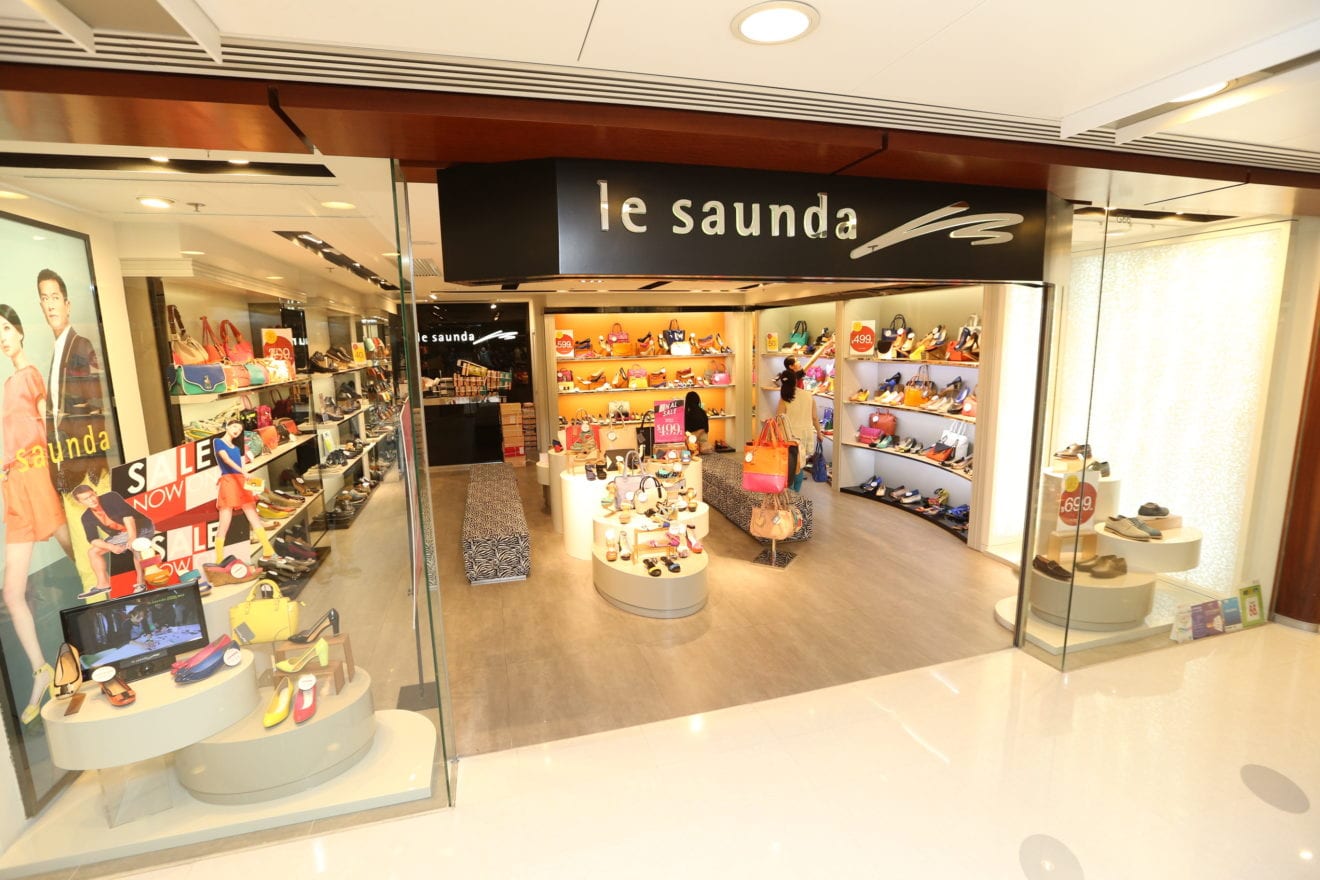
    Footwear retailer Le Saunda says same store sales in its own stores slipped eight per cent in the third quarter.

    But the company’s online turnover soared 26.7 per cent reflecting rising popularity of online shopping across Greater China.

    Total sales declined 6.1 per cent year on year.

    As at the end of November Le Saunda had 897 retail outlets in Mainland China, Hong

    Kong and Macau – 13 more than at the same time last year. These included 789 self-owned outlets in Mainland China, Hong Kong and Macau and 108 franchised outlets in Mainland China.

    Le Saunda has only released unaudited operational data for its retail business at this stage, not detailed financial data.

  • Uniqlo strengthens Toray partnership

    Uniqlo strengthens Toray partnership

    The partnership which pioneered Heattech and Airism garments have forged a new expanded relationship they say will create “a new industry for the future”.

    Fast Retailing’s flagship Uniqlo and Toray Industries first joined hands 10 years ago aimed at developing technological solutions to make clothing functional rather than just practical – and provide the Japanese fashion giant with a point of difference over fast fashion rivals.

    Uniqlo’s signature Airism garments are meant to be worn beneath any ensemble to keep you cool and dry, making heat and humidity more bearable with properties such as absorbency, breathability and odour control. Heattech garments come with features designed to make it the most comfortable innerwear, including sweat-wicking, quick-drying, anti-odour and anti-static features.

    The most recent seasonal Heattech lines contain camellia oil moisturiser to keep the wearer’s skin soft and supple in dry weather.

    In the new five year third stage of their working partnership, Uniqlo and Toray will work together to:

    Accelerate globalisation and digitalisation to create a new industry by:

    • Realising an end-to-end business model by utilising the Internet of Things (IoT).
    • Further reducing production lead time.
    • Further increasing globalisation of production sites and locations.
    • Optimising production in each location.
    • Expanding production sites to support business growth in Greater China (China, Hong Kong and Taiwan).

    Maximise LifeWear that is made for all by:

    • Improving comfort and functionality of all current products.
    • Adding value to products by conducting research and development.
    • Developing new sportswear to enhance daily lives.
  • New Delhi tops list of Asia’s top cities for shopping

    New Delhi tops list of Asia’s top cities for shopping

    New Delhi has topped the list of Asia’s top cities for shopping, offering a treasure trove of goods through its blend of charming traditional markets and glitzy shopping malls, according to a new survey.

    New Delhi has topped the list for the best shopping city in Asia, followed by Bangkok and Singapore, according to a survey by TripAdvisor.

    “Shopping in Asian cities can be a rich and colourful experience if you know exactly which spots to go to and how to maximise your dollar,” TripAdvisor’s Communications Director for Asia Pacific Janice Lee Fang said.

    Most cities feature top quality malls, where one can find their favourite designer shops, but there are also the night markets or street shops that sell beautiful handicraft and other local gems unique to the culture, she added.

    This ranking is based on the popularity of shopping activities in Asian cities and also includes highly-rated hotel recommendations, which are bookable on TripAdvisor, offering shoppers great value for their stay so they can save as much of their holiday budget.

    The rank of the best cities for shopping is based on the total of commercial activities for shopping, the number of commercial activities for shopping with a good score, the frequency of mention for the word shopping in the reviews relative to the destination and the average score of reviews that talk about shopping in all the languages applicable on TripAdvisor.com.

    Bangkok (Thailand) is second with its huge variety of shopping options for every lifestyle and budget, from the very high-end to street shopping, wholesale and weekend markets.

    Singapore, which ranked third in the list, is famous for its retail options across the city state, with a plethora of shopping malls that open till late.

    Other cities mentioned in the top 10 shopping destination are Beijing in China at the fourth place, followed by Hanoi in Vietnam, Tokyo in Japan, Seoul in South Korea, Kuala Lumpur in Malaysia, Kathmandu in Nepal and Jakarta in Indonesia.

  • Calata corporation innovates for agriculture industry in the Philippines

    Calata corporation innovates for agriculture industry in the Philippines

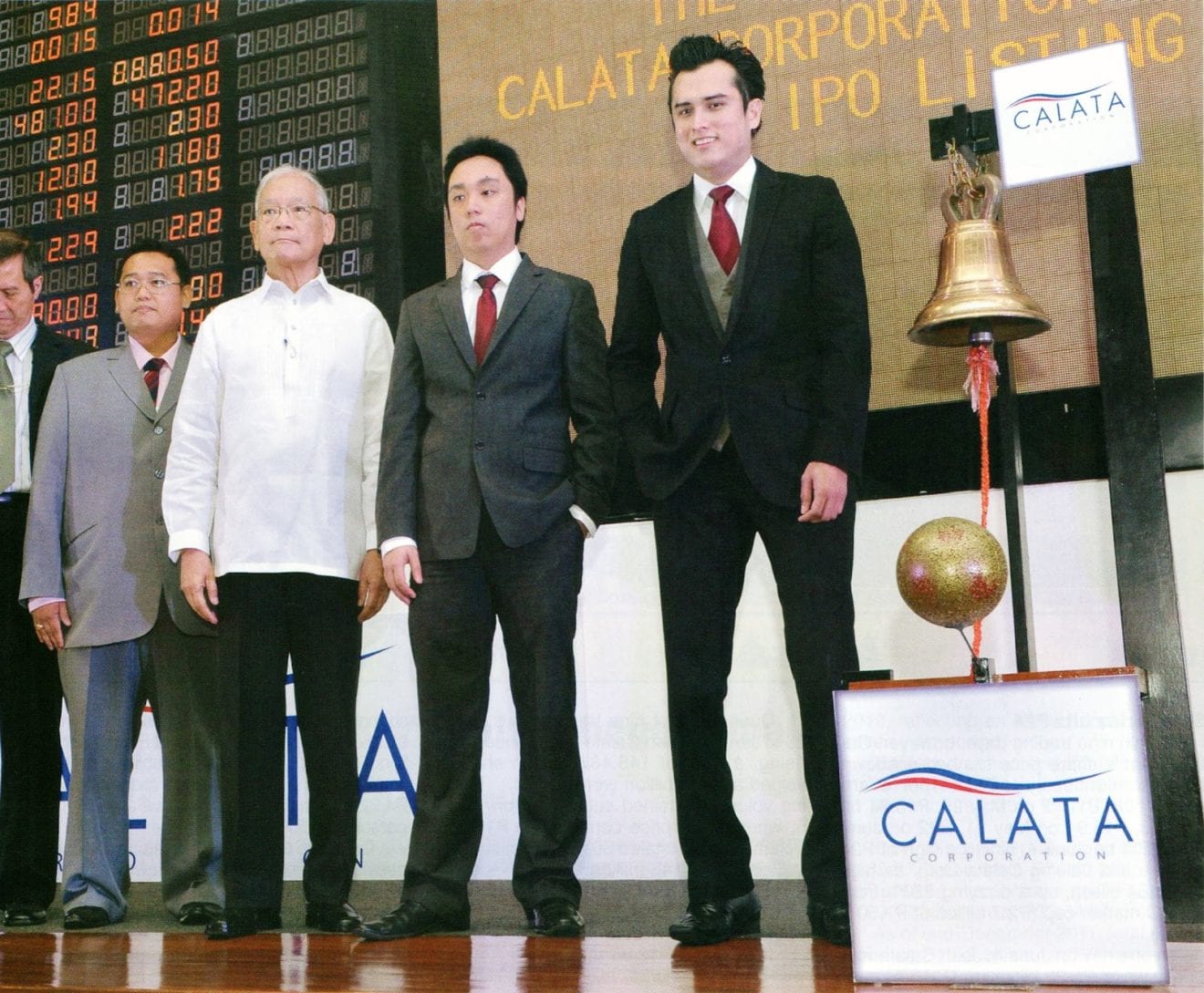
    The Calata Corporation has made significant strides within the agricultural industry in The Philippines. In fact, the country has grown significantly within this sector and it is now one of the most diverse and innovative in the region. Agriculture is the largest industry in the Philippines. It is vitally important to the country’s gross domestic product and the livelihood of thousands of farmers and millions of people. Although agriculture has been a long-standing industry here, the innovations and modifications made by Calata Corporation really have helped to open the door for opportunity and have changed the industry.

    Investing in Agriculture

    When the founder of Calata Corporation set out, he aimed to provide an improved model for doing business within the agricultural sector. He did so because he believed, and still does, that investing in the agricultural industry will boost the economy and bring improvement in the future of The Philippines. Joseph Calata has talked numerous times about the importance of agriculture, not in just the old way of farming, but in innovative, tech-based improvements that can help the industry to soar locally.

    But, how did he and the company itself change the industry?

    A look back at what Calata Corporation started at can provide some insight. The 30-something-year-old business professional is happy to talk about the retail business his family owned. At that time, it was a small retail outlet that met the needs of just those in the local area. It sold fertilizers that were very important to the industry. Yet, this wasn’t enough to spur the development and growth necessary within the company.

    Today, Calata and his team have opened the door for all farmers and agricultural businesses in The Philippines by providing better access to materials and products that improve the industry. This includes a number of significant changes.

    • He introduced technology that improved the inventory tracking and management processes, reducing man hours spent.
    • He introduced innovative methods for using land and for developing a better quality of product every time.
    • He also worked to expand the company to provide better access to materials to more sectors.

    Once a fertilizer based business, Calata Corporation now dominates numerous industries. It’s AGRI component still offers fertilizers, as well as numerous other products that help to protect the investments farmers make. It also offers a seed division, a planting equipment division, retail stores for local access to farmers, and a distribution network that spans from the ground through the distribution of final products. He’s added in soya, cassava, corn, and rice to the industry while also improving animal feeds and processing.
    As a conglomerate of numerous companies and sectors, it is far easier for the companies within this sector to thrive. They now have better access to materials, high-quality seeds and industry knowledge.

    They also have access to better materials, which has become one of the most important components to the industry’s development and growth. In short, Calata Corporation connects farmers and technology, innovation and proven methods, and cost effectiveness and growth. It is in these connections that the company has been able to change the agricultural industry and the lives of many of those who are working in it today. Calata Corporation and Joseph Calata continue to innovate to achieve even more for the future.

  • Retail Sales Surge in China: Analysts Believe Domestic Demand Supporting Growth

    Retail Sales Surge in China: Analysts Believe Domestic Demand Supporting Growth

    In some positive news for the Chinese economy, it was reported today that retail sales in China rose unexpectedly last month. According to a report released by the National Bureau of Statistics of China, it was reported today that Chinese retail sales rose to an annual rate of 11.2 percent as compared to a reading of 11.0 percent in the preceding month. Analysts on the street had expected Chinese retail sales to rise to 11.1 percent last month. Retail sales are a closely watched gauge as it provides an insight into the inherent domestic demand.

    In other economic reports, it was reported industrial production in China rose unexpectedly last month. According to a report released by the National Bureau of Statistics of China, it was stated that Industrial Production rose to 6.2 percent as compared to a reading of 5.6 percent in the preceding month. Analysts on the street had expected the Chinese Industrial Production to come in unchanged at 5.6 percent last month. The sharp fall in commodity prices and plunge in global demand has meant that the industrial production in the world’s second largest economy continues to remain weak at the current moment.

    The report comes on the back of a report which showed that China’s urban fixed asset investment remained unchanged unexpectedly last month. According to a report released by the National Bureau of Statistics of China, it was reported that Chinese Fixed Asset Investment remained unchanged at a seasonally adjusted 10.2 percent as compared to a reading of 10.2 percent in the previous month. Analysts on the street had expected Chinese Fixed Asset investment to fall to 10.1 percent last month. Many analysts believe that the report is a clear indication that growth in the Chinese economy continues to remain subdued which is a huge cause for concern for economists and investors.

  • Malaysian Axiata’s Indonesia arm said to weigh US$500mil fundraising

    Malaysian Axiata’s Indonesia arm said to weigh US$500mil fundraising

    PT XL Axiata, the most indebted of Indonesia’s listed wireless carriers, is considering raising as much as US$500mil next year, people with knowledge of the matter said.

    The company, a unit of Malaysia’s Axiata Group Bhd., is weighing several fundraising options including selling stock to existing investors through a rights offering, according to the people. It could sell shares in the first half of next year depending on market conditions, the people said, asking not to be named as the information is private.

    XL Axiata, led by chief executive officer Dian Siswarini, said earlier this year it’s seeking to strengthen its balance sheet and focus on more profitable subscribers. The company’s net debt has more than doubled in three years to 25.7 trillion rupiah (US$1.8bil) at the end of September, from 12.5 trillion rupiah the same time in 2012, according to data compiled by Bloomberg.

    “The potential fundraising through stock issuance would be credit positive for XL Axiata,” Nitin Soni, a Singapore-based director at Fitch Ratings, said by phone. “It will strengthen the highly-indebted company’s balance sheet by increasing its equity base and repaying some existing debt.”

    Fitch has a BBB rating on XL Axiata, or two grades above junk, while Moody’s Investors Service rates the company Ba1, the highest non-investment grade rating. XL Axiata shares rose 3.1% at the close in Jakarta yesterday, the most in a week.

    Turina Farouk, a spokeswoman for XL Axiata, said in a mobile-phone text message that the company was “still open for any options” regarding raising funds.

    XL Axiata has accumulated total debt equal to 216% of its total equity at the end of the latest quarter, the highest ratio among Indonesia’s eight listed wireless carriers, the Bloomberg-compiled data show. It said in October that it eliminated all of its unhedged US dollar borrowings, repaying part of the US$580mil of unhedged debt early and converting the rest to rupiah borrowings.

    The company bought Saudi Telecom Co’s Indonesian unit in 2013 to increase its service coverage, paying a nominal fee to acquire the business and assuming US$865mil of the carrier’s debt. It sold 3,500 telecommunication towers last year to PT Solusi Tunas Pratama for 5.6 trillion rupiah.

  • Alibaba acquires Hong Kong’s South China Morning Post

    Alibaba acquires Hong Kong’s South China Morning Post

    Chinese e-commerce giant Alibaba Group announced on Friday that it is acquiring Hong Kong’s English language newspaper South China Morning Post (SCMP) and its other media assets.

    It said the agreement will see Alibaba’s digital expertise being merged with SCMP’s heritage and editorial excellence.

    “This is a proposition that is in high demand by readers around the world who care to understand the world’s second largest economy,” said Joseph Tsai, Executive Vice Chairman of Alibaba Group. “Our vision is to expand the SCMP’s readership globally through digital distribution and easier access to content.”

    Robin Hu, Chief Executive Officer of SCMP, said in a news release that the company welcomes Alibaba’s commitment to invest additional resources in its editorial and business operations to make the SCMP even stronger.

    Apart from the flagship SCMP newspaper, the agreement also includes the acquisition of the magazine, recruitment, outdoor media, events & conferences, education and digital media businesses of SCMP Group Limited.

    Other SCMP titles include the Sunday Morning Post, its digital platforms SCMP.com and related mobile apps, and the two Chinese websites Nanzao.com and Nanzaozhinan.com.

    The acquisition also includes a portfolio of magazine titles, including the Hong Kong editions of Esquire, Elle, Cosmopolitan, The PEAK and Harper’s Bazaar.

    In a letter addressed to SCMP readers, penned by Tsai, the company sought to answer questions on why the e-commerce company is buying into traditional media which many consider as a sunset industry.

    “The simple answer is that we don’t see it that way,” the letter read. “We see a compelling business case for the acquisition because we believe that Alibaba is best positioned to take the SCMP to the next level. The foundation for this work must be the quality of the content. And what underpins this will be editorial excellence: a clear pre-requisite to maintaining readers’ trust and, ultimately, achieving commercial success. Be assured, we get that.”

    The letter also addressed issues on the possible compromise that SCMP’s editorial independence may be compromised by the acquisition and the commercial interest of the new owners.

    “In reporting the news, the SCMP will be objective, accurate and fair,” Tsai assured. “This means having the courage to go against conventional wisdom and taking care to verify stories, check sources and seek all viewpoints. These day-to-day editorial decisions will be driven by editors in the newsroom, not in the corporate boardroom.”

  • Garuda to strengthen medium-haul flight network

    Garuda to strengthen medium-haul flight network

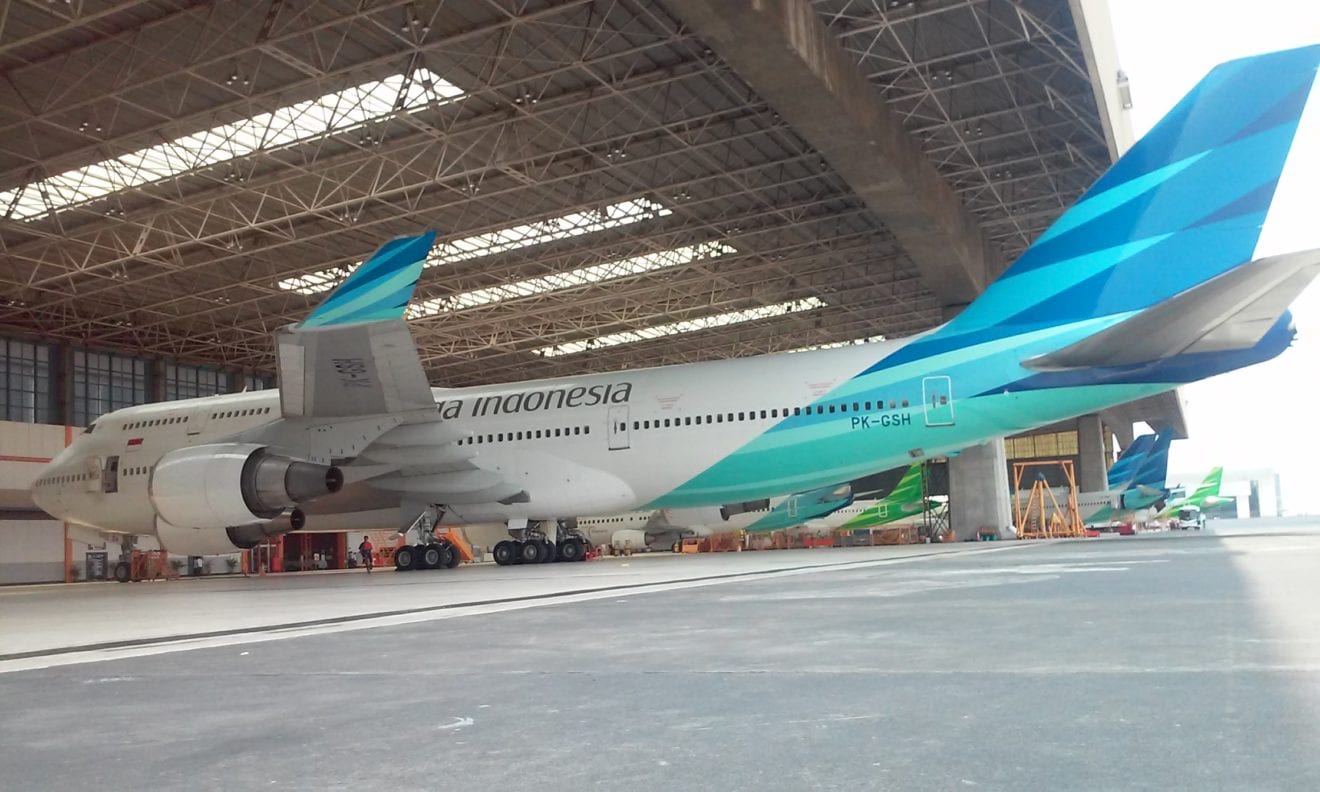
    The national flag carrier Garuda Indonesia will strengthen its position in the medium-haul flight market in 2016, with a travel time of five to seven hours, according to its President Director Arif Wibowo.

    “The current market situation does not allow us to expand in the long-haul flight market, so we are focusing on medium-haul flights,” Wibowo remarked here on Wednesday.

    He explained that starting next year, there will be additional flights to and from China.

    “This year, we have been operating three weekly flights on the Guangzhou-Beijing route, and Shanghai will be added soon,” Wibowo revealed.

    He said the Hong Kong-Denpasar and Singapore-Denpasar routes will be served by Garudas wide-bodied aircraft.

    He opined that Garudas strategic business unit has recorded a passenger growth between eight to nine percent, which is not significant.

  • How to choose the right smartphone in India

    How to choose the right smartphone in India

    In this modern era, mobile phone is an important thing for every person and its importance cannot be ignored because of the latest technology by which an individual can use the internet on it and can stay in contact with the dear ones. It is obvious that a mobile phone is an expensive product which cannot be changed after a short period of time, so a person should select the mobile phone carefully. Given below are some points which can assist in making a good decision of choosing the best mobile phone in India.

    Know your requirements:

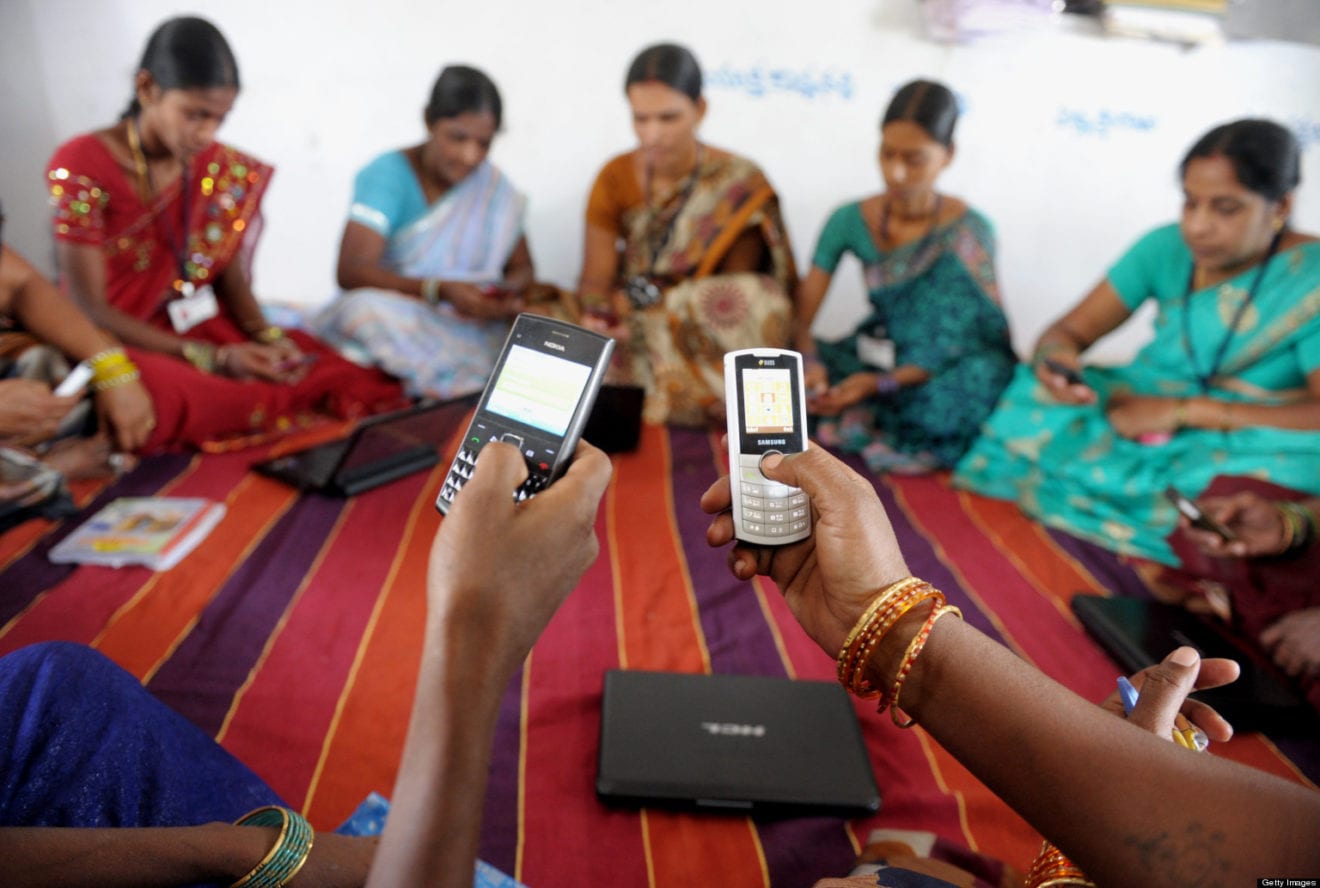
    A person should list down the requirements because it makes the decision making process and selection easy. He or she should figure out what matters most to him/her like if the person uses the mobile for a lot of texting then the focus should be on the keyboard. Some individuals like physical keyboard while others like to use touch keyboard, so it should also be kept in mind that which keyboard he or she finds easy for texting because some people like to use QWERTY keyboard.

    If the person is fond of taking selfies or clicking random pictures then the attention should be paid on the camera. Nowadays, individuals mostly use mobile phones for using social media platforms or for checking E-mails so, if the person wants it for using the internet then he or she should focus on the internet capabilities. One should not ignore the deciding the size of the mobile and the screen size.

    Prior to making the final decision of purchasing the mobile phone, a person should not ignore listing the personal preferences because not paying attention to the desired choices can result in a wrong purchase.

    A vendor speaks on his mobile phone as he waits for customers at his roadside shop selling clothes in Mumbai

    Choose the brand:

    There are many famous brands available in India so, a person should choose the brand before he/she starts looking for the mobile model.

    Find the right design:

    Mobile also reflects the sense of style of the person holding it so one should find the right design that not only looks great when a person carries it, but a person should also be comfortable with the way it looks so a person should pay attention on its design.

    Browse through search engines:

    A person can browse through the search engines to know about the specifications of different models of different brands, which is the best way of selecting the best mobile fulfilling the requirements. One can also see the looks of the mobile phone on the mobile selling websites which he or she has decided to purchase.

    Read reviews:

    Reading reviews on different mobile selling websites is a great way of getting information about the mobile functioning and it is the best way of purchasing the right mobile because one can avoid purchasing a mobile which he or she has selected if the reviews of the individuals using it are not good. Feedbacks of the mobile users assist a lot in making the final decision and helps in preventing the wrong purchase which saves the hard earned money.

  • Funan mall to close next year for major renovations

    Funan mall to close next year for major renovations

    Landmark in North Bridge Road to close next year for major renovations to convert it into a new creative hub. His first job as a draftsman was to draw Funan Centre.

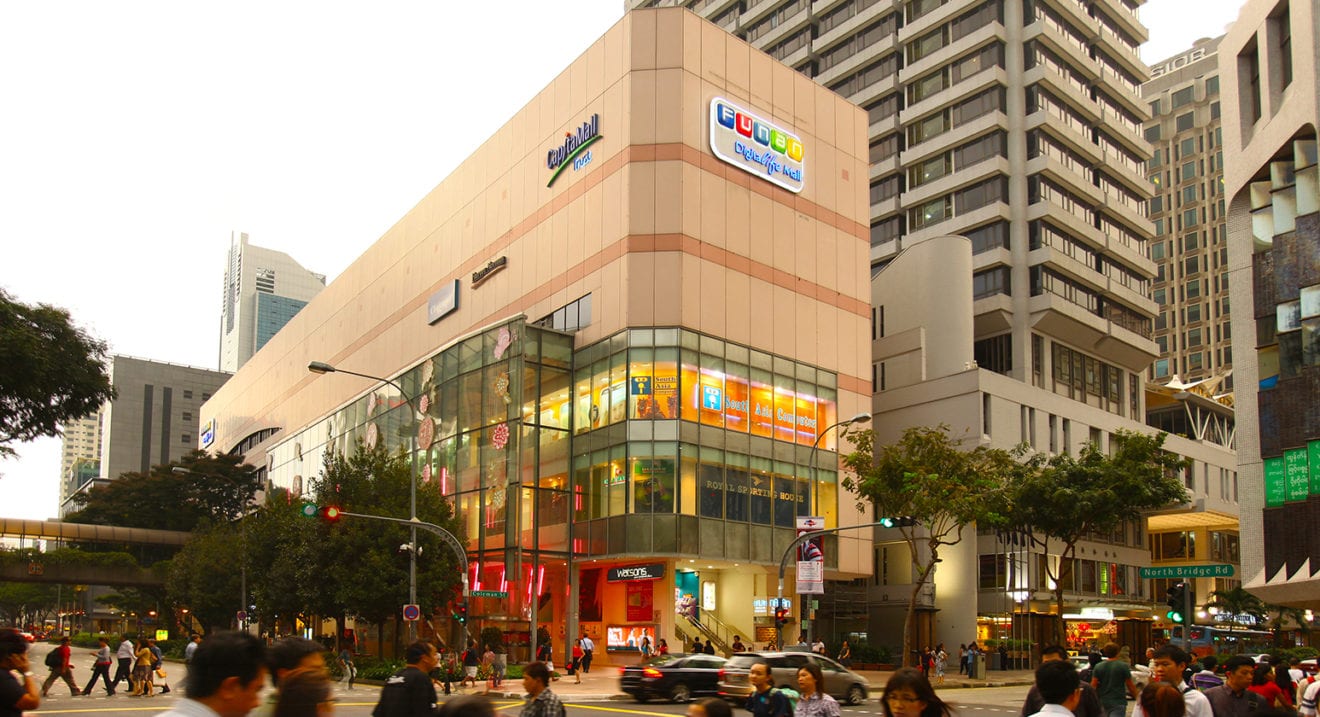
    Mr Mark Yan’s voice lit up when he talked about his pride and joy in being part of the team that worked on the 30-year-old mall, an icon of Singapore’s IT retail history. The mall on North Bridge Road is set to undergo a major renovation. It will make way for the development of a new “experiential creative” hub, said CapitaLand Mall Trust Management in a press release.

    The mall will be closed for three years, from June 30 next year. Mr Yan had just completed his national service when he joined a Urban Redevelopment Authority team that worked on the construction of the Funan Centre in 1983.

    Funan Centre was opened in 1985, two years before Sim Lim Square. It was renamed Funan DigitaLife Mall in 2005. Mr Yan, then a URA structural technician, said: “When the team first sketched out the plan for Funan Centre back then, we had a vision of a bustling shopping destination.

    “Back in the day, if people didn’t want to go to Orchard Road, they would walk around North Bridge Road, visit Peninsula Plaza or catch a movie at the Shaw Towers,” said Mr Yan, now 55 and the father of two.

    He was very proud of Funan Centre when it was completed. “It was a huge privilege for me to be part of the team. So much work was put into it and I felt honoured that I got to contribute.” He is now a real estate agent.

    In the early 90s, Mr Yan recalled an influx of electronics and IT retailers to the mall that catered to the surge of digital technology. “In those days, everyone was very excited about owning electronic gadgets like handphones or Walkmans, so the mall was really convenient because everything was under one roof,” said Mr Yan.

    These days, he frequents the mall whenever he needs to buy accessories for his electronic gadgets or service them. When The New Paper told him about the closure of the mall next year, Mr Yan said the news was “a long time coming”.

    “It’s about time for the mall to be revamped so that it can keep up with its surroundings. In the meantime, I will have to live with buying my stuff from Sim Lim Square,” he said.

    SENTIMENT

    Logistics executive Mohd Faizal Osman, 31, said: “When my friends or relatives from out of town come to Singapore and ask me for places to get electronic goods, I immediately tell them to go to Funan DigitaLife mall.

    “It’s reputable and, most importantly, safe. I really hope they will sustain the vibe of the mall after the development,” he said.

    Another regular patron of the mall, full-time national serviceman Joseph Chai, said that the atmosphere at Funan DigitaLife Mall is different from Sim Lim Square.

    The 19-year-old, who is an avid fan of computer games and action figures, goes to the mall almost every weekend with a group of friends.

    “I like to hang around the mall because it has everything that I need. I can find all the latest games and action figures without anyone rushing me or giving me the side-eye,” said Mr Chai.

    “Once Funan closes, I will need to start sourcing for other places to find the things I need. Hopefully it doesn’t include going to Sim Lim Square.”

    Retailers scrambling to find alternatives

    Even though the rumours have been flying about for the past six months, yesterday’s confirmation that Funan DigitaLife Mall will be closed next year has left retailers scrambling.

    Mr Muthiah Nagappan, managing director of Worldwide Computer Services, said that the closure will result in big losses to his company. His shop is one of more than 170 shops at the mall. He spent $80,000 on renovations for his shop, which was opened two years ago.

    “When I received the e-mail from the landlord yesterday, I was quite taken aback.

    “Even if I open my shop every single day from now till the mall closes, it will not cover my expenses,” said Mr Muthiah, 53, who also has a shop at Sim Lim Square.

    “Now I’m really trying to find an alternative solution to this. Maybe I’ll just open another shop at Sim Lim Square,” he added.

    In an e-mail to tenants, CapitaLand Mall Trust Management Limited (CMTML) said it would endeavour to find alternative spaces at its other properties for the Funan tenants, subject to conditions such as availability and rental rates. Mr Muthiah said he will consider the offer.

    Mr Jeffrey Phua, owner of gaming computer and accessories retailer GameproSG, said that the move will be a hassle but the bigger concern is the customers. “Since all the retailers have to relocate, the shops in Funan will be scattered all over Singapore.

    “So the challenge is to retain regular customers,” said Mr Phua. Fortunately for Mr Phua, he has another branch in Sim Lim Square but is not looking to expand it.

    “I’d rather relocate my shop than expand the one in Sim Lim Square because it caters to different customers. “I’m very doubtful that customers from Funan would actually shop at Sim Lim Square,” said Mr Phua.

  • Tobacco products to be taken off shop displays from 2017

    Tobacco products to be taken off shop displays from 2017

    From 2017, retailers of tobacco products will not be allowed to display them in their shops, the Ministry of Health (MOH) announced on Wednesday (Dec 9).

    The ministry said it will move to ban stores from displaying such products after amendments to the Tobacco (Control of Advertisements and Sale) Act are tabled in Parliament.

    Retailers may choose to use existing storage units, modify them or install new storage units that are permanent, self-closing and opaque. Retailers could choose to use vertical blinds, or even a curtain, among others. They are to comply with the new requirements, whereby tobacco products need to be out of sight from the public at all times.

    Exceptions will be made in the process of restocking the display unit or during a sales transaction, unless the staff carrying out these actions stops to do something else.

    MOH said it is prepared to allow a text-only price list in a standard format, to facilitate transactions and ensure a level playing field while preventing misuse as a form of advertisement.

    It added that it will allow storage units to be in the same colour as the decor or interior walls of the outlet, as long as the colour does not draw specific attention to storage units.

    A brochure, published by the Health Promotion Board in the four national languages, will be distributed to retailers in the coming months, detailing the dos and don’ts of storing and selling tobacco products.

    Senior Minister of State for Health Amy Khor said on Wednesday that authorities will work with retailers to help them comply with the new legal guidelines.

    “Even as we are implementing this to protect non-smokers – particularly our young – from the promotional effect of point-of-sale displays and to create a better environment for smokers who are trying to quit, we also want to work with tobacco retailers to try and help them reduce the inconveniences caused to businesses,” Dr Khor said.

    2014 STUDY SUPPORTS MOVE TO REMOVE TOBACCO PRODUCTS FROM SHOP DISPLAYS

    In response to media queries, MOH said findings in a 2014 local study conducted among 1,300 smoking and non-smoking respondents aged 18 to 69 supported this move.

    The study found 20 per cent of non-smokers reported that point-of-sale displays of tobacco products aroused curiosity in smoking, while 44 per cent of smokers considered point-of-sale displays of tobacco products attractive.

    Additionally, 46 per cent of smokers aged 18 to 29 bought tobacco products on seeing point-of-sale displays of such products, while 50 per cent of smokers in the same age group were tempted to smoke on seeing point-of-sale displays of tobacco products, MOH said.

    “Hence, not displaying tobacco products can reduce the curiosity to smoke, and reduce spontaneous purchases of such products,” said MOH.

    BANNING POINT-OF-SALE DISPLAYS OVERSEAS HAS BEEN SUCCESSFUL

    MOH also pointed to research that showed that banning point-of-sale tobacco displays overseas has positive effects.

    Daily smoking rates in Iceland decreased from 28.1 per cent in 1996 to 19.3 per cent in 2006 after a point-of-sale display ban on tobacco products was introduced in 2001, according to a report by Tobacconomics.

    Additionally, research from Australia showed that there was a “significant decline” in reported exposure to tobacco displays when the Australian Capital Territory, New South Wales and Western Australia implemented the ban. A total of 1.1 per cent of smokers noticed tobacco displays in Western Australia, compared to 27.1 per cent before the ban, researchers said.

    RETAILERS QUESTION EFFECTIVENESS OF MOVE

    Retailers Channel NewsAsia spoke to said the ban would not have too great an impact on business, but they questioned its effectiveness in getting people to quit.

    “Should a young person spot these cigarette cabinets, they would still be able to ask for and buy them. It doesn’t matter how you cover it,” said Mr Leong Kuo Tong, owner of Leong Brothers Departmental Store.

    “Some customers will still insist on buying cigarettes. Even if they are hidden, they will ask us (for them),” said Mr Rajamohamed Jawahar Hussain, co-owner of Fairprice General Store.

    MOH said it would continue to work with retailers to fine-tune the specific details of the measures.

  • China and India to Dominate Divergent Picture in Asian Real Estate for 2016

    China and India to Dominate Divergent Picture in Asian Real Estate for 2016

    The outlook for real estate in the Asia Pacific region remains largely positive heading into 2016, according to Colliers International’s 2016 Property Outlook. But pockets of weakness are starting to appear, according to the forecasts from Colliers International, while government policy continues to drive the behaviour of investors in many markets.

    China is the proverbial “elephant in the room” for Asian real estate. That’s whether it is as a source of outbound capital or as an investment destination. Its economic slowdown and Beijing’s attempts to rebalance the domestic economy also spill over into its neighbors and trading partners.

    “The focus remains firmly on China and the continued impact it has on all aspects of property activity,” Simon Lo, executive director, Asia research & advisory at Colliers international, says. “The dominance of China means that any changes to government policies in that country will continue to have ramifications throughout the whole region.”

    Amid general caution and cost cutting among multinational finance companies, Chinese banks will continue to drive the office leasing in markets such as Hong Kong and Singapore in the year ahead. China’s outbound tourism is reshaping the hotel sector across Asia, rapidly becoming the No. 1 source of visitors to Japan.

    India is cropping up on the radar for investors, in many cases for the first time. That is mainly as a result of its opening up of its domestic economy to international capital. Players active in India and China should see their cost of financing decline in 2016. In contrast, with U.S. interest rates set to increase, borrowing costs will be on the rise in Hong Kong and Singapore, although landlords should benefit from better yields.

    India and China combined will account for around 70% of the huge impending supply of Grade A office space, Colliers predicts, with 100 million square feet already hitting the market in 2015 and 110 million square feet due for completion in 2016.

    E-commerce is reshaping retail and industrial space around Asia. Logistics should be one of the most exciting spaces for investment, Colliers anticipates, as capital — once almost exclusively local — starts to cross borders in greater volume. Business-process outsourcing has put the Philippines on the map, resulting in large demand for purpose-built facilities there.

    China represents a significant opportunity for retailers and mall operators, Colliers forecasts, since both global and Asian mid-market food & beverage operators are underrepresented there. This suggests China can build on the same kind of trends at play in Singapore, Hong Kong and Japan, where landlords are creating more “experiential retail,” built around wellness and lifestyle as well as a broader range of dining options.


  • Apple executive seeks a touch of chic at retail stores

    Apple executive seeks a touch of chic at retail stores

    Apple’s stores typically spotlight the company’s devices, with the most expensive audio accessories topping out in the hundreds of dollars. The Phantom is the first high-end non-Apple gadget that Ms. Ahrendts, the former chief executive of the fashion house Burberry, has brought in since she took the job. It buttresses some of her other recent moves to create more of a luxury Apple retail experience, including initiating private try-on appointments for the most expensive Apple watches, reducing the numbers and types of accessories that are sold, and pushing manufacturers to make special packaging for gadgets carried in Apple’s stores.

    Ms. Ahrendts “is shaving off some rough edges and completing our sense that the Apple Store is a premium experience,” said Jan Dawson, an analyst at Jackdaw Research.

    Her role in bringing in the Phantom also gives a glimpse into how Ms. Ahrendts has been operating within the world’s biggest company. Since joining Apple, the 55-year-old executive has been relatively quiet publicly. But she moved swiftly and nearly unilaterally on the Phantom, showing how she can push for the products that will shape the store experience.

    The products that Apple stores carry are important because they make up the only customer experience that Apple can fully control, Mr. Dawson said. “The stores are the best physical manifestation of the brand,” he said. “Angela is bringing her sensibility to that experience.”

    Apple declined to comment and declined to make Ms. Ahrendts available for an interview. In a public appearance last month at the Fast Company Innovation Festival, Ms. Ahrendts said she had been working toward Apple’s stores becoming “sleeker and smarter,” as well as unifying Apple’s in-store and online shopping experiences.

    Apple has traditionally sold the most expensive accessories online only, like the $2,700 B&O BeoPlay A9 MKII speaker. “I asked Tim a very simple question: Why do we do it this way?” she said of her boss, Timothy D. Cook, Apple’s chief executive. Mr. Cook told her he didn’t know, she said.

    Ms. Ahrendts’s push will have implications for Apple’s growth. As of September, the company had 463 retail stores worldwide and was focused on expanding in China. The stores account for about 12 percent of Apple’s annual $234 billion in sales, Mr. Dawson estimated. Store revenue rose about 39 percent over the last 12 months, according to eMarketer, with Apple stores generating $5,775 a square foot, or more than any other retailer in the world, beating out Tiffany & Company, Coach and Movado.

    Ms. Ahrendts was known at Burberry for revitalizing the brand, pushing the fashion house into online retail ahead of other luxury apparel companies and forging alliances with tech companies like Apple, through which she outfitted Burberry’s corporate staff with iPads. Mr. Cook hired her in 2013 to make sure that Apple’s stores would evolve and expand.

    At the time, morale had fallen at Apple’s stores, the company’s executives have said. Ron Johnson, a former Target executive who became the first head of Apple’s retail stores, had departed the company in 2011. After a search, he was replaced by John Browett, who had run the British electronics retailer Dixons. Mr. Browett slashed hours and benefits for Apple Store employees.

    Since coming aboard, Ms. Ahrendts has asked for Apple’s 60,000 retail employees to air their grievances and send suggestions, and she sends them weekly three-minute video updates to improve communication. She has started a program so employees can move to other stores worldwide. Ms. Ahrendts has also overseen the opening of new Apple stores, including 14 in China and Hong Kong. For customers, she reduced Apple’s long lines by creating an online reservation system.

    By bringing the Phantom to Apple, Ms. Ahrendts is giving the technology crowd something to love as well. Phantom’s parent company, Devialet, is a brand used by tech executives including Tony Fadell, the chief executive of Nest; Andy Rubin, the co-founder of Android; and Marc Benioff, chief executive of Salesforce.com, said Mr. Sannié. He said Mr. Benioff recently introduced Ms. Ahrendts to him and encouraged her to hear the Phantom.

    For Devialet, moving the Phantom into Apple’s stores is significant. The Paris-based company is known for making amplifiers that can cost as much as $30,000. Until the Apple deal came along, its devices were carried in only a handful of exclusive retailers, including Colette in Paris, Harrods in London and the MoMA store in New York City.

    Since the initial meeting with Ms. Ahrendts, the process of getting the Phantom into Apple’s stores has been smooth, Mr. Sannié said. He and his team have visited almost all of the 14 stores where the speaker will initially be sold to look at display possibilities.

    “We don’t have other global distribution other than the Apple store,” Mr. Sannié said. “We don’t want to be in another chain because millions go to the Apple store looking for excellence, the very best products. This is the best exposure we could want.”