Author: Mei Ling Tan

  • Photo fails… It’s more fun in the Philippines

    Photo fails… It’s more fun in the Philippines

    The more awkward, the better. The Department of Tourism (DOT) is now calling on netizens to submit entries for its new contest, which aims to award cringe-worthy photos of tourists in the country’s top tourist destinations.

    “From the almost picture perfect photos of white, sandy beaches mangled by poor cropping or a giant thumb on the lens, everyone is invited to upload his own version of photo fails on Instagram, Twitter, or Facebook with the official hashtag #Visitphilippinesagain2016,” DOT said.

    The contest aims to attract visitors, who already went to the Philippines once, by implying in a humorous way that there is always something they could do much better on their next visit in the country.

    The winner will be determined based on the following criteria: fun; beauty of the Philippines captured in the shot; and creativity.

    Interested participants may visit DOT’s official online accounts at itsmorefuninthephilippines.com, facebook.com/itsmorefuninthephilippines, and @TourismPHL for Twitter and Instagram accounts to get additional details about the promo.

    The deadline for the submission of entries is on Jan. 15, 2016.

    The contest will serve as the online launch of DOT’s Visit the Philippines Again (VPA) 2016 promotion campaign, which aims to repeat the success of the Visit the Philippines Year (VPY) 2015 campaign.

    Photo fails (Photo courtesy of 'It's More Fun in the Philippines' website)

    Photo fails (Screenshot from ‘It’s More Fun in the Philippines’ website)

    DOT officials earlier directly attributed the surge in the number of tourist arrivals this year to the VPY.

    “2016 will be a year of again. Our VPA campaign will again highlight the Philippines as a multi-level experience destination with our warm Filipino people, exciting activities, and endless new discoveries in our award-winning destinations that are worth a repeat visit,” Tourism Secretary Ramon Jimenez, Jr. said.

    Jimenez disclosed they are also coordinating with the tourism establishments in of the possibility of providing packages and rewards to tourists, who will visit the country multiple times.

    “Visit the Philippines Again 2016 is going to be the most massive retail-focused effort the Philippines has ever made. We are negotiating with tour operators and travel agents to give incentives to returning visitors to the Philippines,” Jimenez said.

    Among the major events lined up for the VAP is the ASEAN Tourism Forum 2016, Routes Asia 2016, Madrid Fusion Manila 2016, 2016 Ironman 70.3 Asia Pacific Championship, MTV Music Evolution 2016, and the Travel Blog EXchange (TBEX).

  • DIBPL wins ‘Best Islamic Retail Bank in Asia’ award

    DIBPL wins ‘Best Islamic Retail Bank in Asia’ award

    The ceremony was also attended by the Presidents and CEOs of other Islamic banks as well. Junaid Ahmed said that Dubai Islamic Bank being the pioneer and leading Islamic banking institution globally is committed to the long-term prosperity of Pakistan and Islamic Finance as a whole.

    Junaid Ahmed said that DIBPL is a wholly owned subsidiary of Dubai Islamic Bank UAE, the world’s first Islamic bank. Alhamdulillah, DIBPL is a Minimum Capital Requirement (MCR) compliant bank that enjoys a short-term credit rating of ‘A-1’ and long-term credit rating of ‘A+’, with a “positive” outlook from JCR-VIS. He further stated that DIB UAE Group is one of the largest Islamic bank in the world total asset base of approximately over Rs 4.5 trillion (US Dollars 41 billion) at September 30, 2015.

    He further said that DIBPL intends to keep this momentum going for 2016 as well, aiming to take the overall branch footprint of over 250 locations nation-wide. This will enable more customer convenience and highlight the Bank’s endeavour for bring world class Islamic Banking at the customer’s doorstep.

  • What if…HSBC sold Hang Seng for BoCom deal?

    What if…HSBC sold Hang Seng for BoCom deal?

    Companies of China are increasingly focused on international expansion, at the exhortation of Beijing. Its desire to expand has helped support the international ambitions of local insurers such as Anbang and Fosun International, or securities firms such as Citic and Haitong. But one vital part of this sector has yet to demonstrate such assertiveness: China’s banks.
    Chinese individuals are remarking upon their meekness. The South China Morning Post reported that Li Ruogo, former chairman of the Export-Import Bank of China and now an executive vice-president at the International Financial Forum, claimed the international capabilities of China’s banks is not suitable for the needs of the nation’s outbound investments and acquisitions.

    Similarly, the newspaper reported that Ma She, deputy director of European affairs at the Ministry of Commerce, as criticising the banks for “underdeveloped” overseas branch networks and poor data sharing management.

    To date China’s banks have embarked on tentative acquisitions offshore, in South Africa and South America. But these have been small, and piecemeal.

    It looks unlikely the banks would ever unveil grandiose plans to buy a Deutsche Bank, or a Standard Chartered. Instead, for a truly transformational purchase they would be most likely to seek targets close to home.

    Hong Kong would be the most obvious immediate candidate, boasting geographic, financial and cultural ties. However, the city has relatively few decent-sized candidates that are obvious acquisition prospects.

    Bank of East Asia might be the most obvious potential target. However, the bank recently issued an exchangeable bond in its shares to Sumitomo-Mitsui Financial Group, effectively raising its stake to around 17.5%. That, combined with the Li family’s 11%, might make a takeover bid highly challenging, particularly given the likely reluctance of the Li family to sell out.

    But there is another possibility: Hang Seng Bank.

    Appealing acquisition

    Hang Seng’s biggest shareholder is HSBC. It bought a 51% stake in Hang Seng in 1965, after the latter was tottering following a bank run, and has subsequently raised this stake to 62.14%.

    As a result HSBC, which is by far Hong Kong’s largest retail bank, was responsible for 52% of Hong Kong loans (HSBC 40% and Hang Seng 12%) and 55% of deposits in 2014 (HSBC 44% and Hang Seng 11%), according to a report by Dagong Securities, published in May.

    The UK-headquartered bank holds Hang Seng at arm’s length, no doubt in order to avoid accusations of monopolistic practices. But it would be very reluctant to sell it. Understandably so; Hang Seng reported a profit of HK$20.05 billion ($2.59 billion) for the first half of 2015, had total assets of HK$1.3 trillion, while it was trading at 1.93 times price to book value on Wednesday, according to Bloomberg. It enjoys strong retail banking and insurance businesses and is growing in wealth management too.

    Acquiring Hang Seng would make a potentially appealing addition to a Chinese state-owned bank. It would offer the lender immediate scale in Hong Kong, North Asia’s leading financial centre. More importantly, Hang Seng would provide expertise in international banking practices and customer services.

    For Hang Seng, the backing of mainland lender with international aspirations would offer it the opportunity to flourish into commercial and retail banking outside of Hong Kong.

    Getting a sale done

    Hang Seng’s strength and financial stability means HSBC would be very reluctant to part with it. Yet it might be persuaded to do so for a large enough incentive.

    As it happens, Beijing could give HSBC what it may want most of all:  ownership of a local nationwide bank.

    The most likely is Bank of Communications. HSBC has owned around 19% of BoCom for years, and hoped to eventually get majority control, but these plans are currently impossible due to China’s 20% foreign ownership limit in its banks.

    Beijing could offer HSBC an exemption to its foreign ownership limits (potentially utilising the idea that HSBC’s local Hong Kong bank unit, The Hong Kong & Shanghai Banking Corporation, is applicable to buy larger stakes in China banks). Then it could sell HSBC enough shares to give it a controlling interest at a competitive rate (following, no doubt, a very thorough audit).

    In return, HSBC would agree to relinquish Hang Seng to a local bank for a similarly competitive valuation.

    The biggest challenge would be building enough political support for such a deal.

    It would likely require sanctioning by the State Council, plus the Ministry of Finance, State-owned Assets Supervision and Administration Commission and the China Banking Regulatory Commission. Additionally, the Chinese bank would need to agree to the purchase of Hang Seng Bank.

    However, if the political will could be found, it should be relatively straightforward to sell shares in BoCom to HSBC. The Chinese government owns 46.3% of BoCom, with the National Council for Social Security Fund owning another 4.78% and Sasac holding a further 4.66%, according to 4-traders.com.

    Securities fast track

    HSBC might ask for another favour in return for giving up BoCom: rapid approval of its new securities joint venture.

    The bank HSBC agreed to establish a joint-venture securities company with Shenzhen Qianhai Financial Holdings, of which it would own 51%, on November 2. However, the deal is subject to regulatory review and approval, which can take a long time – some JV players have been waiting years to get final approval on certain licences.

    Therefore HSBC would likely want fast-tracked approvals that gave its JV full underwriting, trading and wealth management access to China’s local capital markets.

    In addition to offering HSBC incentives, Beijing could also – if it so chose – place pressure on it to divest Hang Seng via the compliant politicians who run Hong Kong’s government.

    For all the operating separation of HSBC and Hang Seng, the fact remains the two comprise a dominant percentage of Hong Kong’s retail banking sector. In most countries this would cause antitrust concerns.

    Coincidentally, Hong Kong’s government introduced a new Competition Ordinance on December 14. International law firm Linklaters noted “the impact of the new law will grow over time, but it will ultimately lead to a more mature marketplace in which consumers will benefit through enhanced competition.”

    Costly acquisition

    Aside from political will, the biggest sticking point of any deal over bank acquisitions would be cost.

    Neither purchase would be cheap. BoCom had a market capitalisation of Rmb416 billion, or $64.13 billion, as of Thursday, giving it a price-to-book valuation of 0.94 times. Assuming BoCom’s balance sheet didn’t raise any major concerns, HSBC might spend $21.8 billion to raise its stake from 19% to 51%, assuming it paid on a par price-to-book valuation.

    Hang Seng is a bit cheaper. Its market capitalisation was HK$281.4 billion ($36.3 billion) on Thursday, giving it a price to book valuation of 1.98 times. At that valuation, a Chinese bank would need to pay $18.5 billion to gain a simple 51% majority stake from HSBC.

    To put those price tags into perspective, the largest banking M&A on record in Asia-Pacific, Westpac Banking Corporation’s $17.9 billion purchase of St. George’s Bank in 2008. Malaysia’s CIMB, RHB and Malaysia Building Society did discuss a three-way merger worth $22.3 billion in 2014, but the plan was scrapped early this year.

    Beijing would need to have a truly unshakeable desire to get one of its banks to expand internationally to sanction such an expensive M&A. And it would be hard for the Chinese government to cajole HSBC into such a sale without giving it in return the sort of local bank control it has thus far been unwilling to allow.

    But China appears keen to get its banks to support the expansion of its companies and the usage of its currency overseas. And HSBC really wants more mainland access.


  • Singapore shares food, culture and friendship for 50th anniversary

    Singapore shares food, culture and friendship for 50th anniversary

    Singapore celebrates 50 years of independence by sharing with Filipinos the best of what Singapore has to offer. Singapore Ambassador Ms. Kok Li Peng and Secretary of Foreign Affairs Albert del Rosario opens SG50, a cultural fair to celebrate Singapore’s 50 years of independence. All photos by Ana Vasquez/Rappler

    The year 2015 marks Singapore’s Golden Jubilee year. Although Singapore’s independence day was celebrated last August 9, 2015, the festivities in the Philippines were extended to highlight the city-state’s historical milestone.

    To cap the series of activities, the Singapore Embassy showcased the country’s offerings through SG50 in Manila at Bonifacio High Street on December 20, 2015.

    The power of three

    The one-day event featured three Singapore powerhouses: food, retail, and tourism.

    It was definitely a feast fit for the gods, as evidenced by the guests indulging in all types of savory Singaporean cuisine.

    Singaporean classics such as laksa and chicken rice were the crowd pleasers, in sync with the Filipino palate. One of the booths even offered the Singaporean version of fishballs and squidballs. “Our version is bigger and has more flavor. Also, no preservatives added,” said one of the Singaporean vendors.

    The famous shopping district of Orchard Road was brought to the Philippines through the display of Singaporean fashion brands, Heat Wave and G-Star Raw. Also, guests were given access to Singapore’s Changi Airport through the Singapore Airlines (SIA) booth, which highlighted travel destinations in Singapore such as Marina Bay Sands and the Singapore Zoo.

    Guests were also given a glimpse of what it feels to grow up in Singapore through Five Stones, a traditional Singaporean game, which is similar to jackstones. There were also coloring and face-painting activities for the kids.

    FIVE STONES. Kids play Five Stones, a Kampung game. The goal is to catch all 5 stones, a triangular cloth filled with rice—much like the English Jack Stones. Kampung means community in Malay.

    Trip down memory lane

    Did you know Singapore started as a fishing village? With the guidance of its founding father, the late Lee Kuan Yew, Singapore evolved into the modern and globalized country we know today.

    Singapore became a sovereign nation when it declared its independence from Malaysia in 1965. Throughout the 50 years of independence, the people of Singapore embody the “never say die” spirit as they continue to expand their nation’s horizon.

    In 1969, bilateral relations between the Philippines and Singapore were established. Today, this relationship continues to deepen as both nations constantly exchange cultural backgrounds.

    FOOD FESTIVAL. Singaporean food at its delicious best.

    Neighbors

    A couple, who declined to be name for this report, shared a few cultural observations between the two neighboring countries. The husband, a Singaporean, admitted that it was hard to adjust at first due to the culture shock. “Masyado kasi silang formal,” explained the wife, who is a Filipina. However, she was happy to say that her husband has finally adapted to the hospitable nature of Filipinos. The two travel back and forth to the Philippines regularly.

    Moving forward

    SG50 in Manila was an invitation to the Filipinos to celebrate and commemorate Singapore’s 50th year of independence.

    Mr. Scott Loh, Deputy Chief of Mission and Councilor of the Singapore Embassy, attested that the relationship of the Philippines with Singapore is growing stronger than ever. He was happy to report that Jollibee is the best performing operating overseas outlet in Singapore.

    The relationship of Singapore and Philippines is an example of how cultural interaction and communication can enrich one’s nation and more importantly, its people. It should not always be what we can show to them, but also, what we can learn from them. In fact, you might be surprised to know that Singaporean children, as young as 8 years old, take the bus to school all by themselves. “The level of security and discipline in Singapore, iba talaga,” said a Filipino living in Singapore.

  • SM Investments Corporation receives Platinum Award

    SM Investments Corporation receives Platinum Award

    SM was also awarded as the Best Investor Relations Team, a new category this year. SM is the sole Philippine company awarded this category among only seven companies in the Asian region. SM’s Investor Relations department is headed by Senior Vice President Corazon P. Guidote. She is supported by a team of IR and communications professionals whose main goal is to address the requirements of both its major and minority shareholders through direct communications, mainstream and social media communications, domestic and international IR roadshows, conferences and forums. They reach out to as many investors as possible both equity and fixed income who have interest in the Philippines given that SM is widely considered by the investment community as an ideal proxy for investing in the country.

    Attesting further to SM’s adherence to global standards across the group, its major listed subsidiaries SM Prime Holdings Inc. and BDO Unibank, Inc. likewise received the Platinum Award. BDO and SM Prime have also been excellence awardees of The Asset for the past six years.

    The Asset’s Corporate Awards, which focuses on Excellence in Governance, CSR and Investor Relations, uses a rigorous research process for benchmarking the region’s listed companies. The criteria used to assess the companies include a range of metrics on financial performance, which are also a proxy for gauging management acumen. The purpose of the awards is to recognize the importance of sustainable growth where companies are also evaluated according to the quality of their corporate governance, social responsibility, environmental responsibility and investor relations. A total of 56 companies were awarded on December 15 at the Four Seasons Hotel in Hong Kong.

  • Brown Forman rolls out Jack Daniels and Sinatra promotions

    Brown Forman rolls out Jack Daniels and Sinatra promotions

    Brown-Forman Travel Retail has rolled out a series of promotions worldwide touting the relationship between Frank Sinatra and Jack Daniel’s and commemorating what would have been the singer’s 100th birthday.

    Activities include high-profile Sinatra and Jack Daniels promotions in 26 airports worldwide along with social media support including Facebook and Twitter feeds (#ToastSinatra).

    Brown-Forman Travel Retail began its Sinatra/Jack Daniel’s partnership with the launch of Jack Daniel’s Sinatra Select at the TFWA show in Cannes in 2012.  Since then, the Kentucky-based spirits producer has executed promotions and displays in airports and other channels around the globe.  On December 12, a day before what would have been Sinatra’s 100th birthday, Delta Air Lines served tastings of Jack Daniel’s Sinatra Century on first class flights between New York John F Kennedy and Los Angeles International airport. Throughout December, the signature cocktail on all Delta Flights will be “Frank’s Way” featuring Jack Daniel’s Old No. 7, ice and a splash of water.

    Jack Daniel’s Sinatra Century was developed in collaboration with the Sinatra family to celebrate the day Frank would have turned 100 years old.   The high-end product is drawn from a rare selection of only 100 barrels hand-picked by Brown-Forman’s Master Distiller.  This rare 100 proof whiskey gains its rich oak character and smooth delicate finish from specially crafted, grooved “Sinatra barrels”.

    Along with the whiskey, is a never before released concert from Sinatra at the Sands in 1966 and a commemorative book wrapped up in a luxury gift-pack.  Only a limited number of bottles of Sinatra Century are available in travel- retail. While prices vary from market-to-market, the suggested retail price is $450.

    Finally, there is the Jack Daniel’s Sinatra Family Reserve. Only 15 bottles of this high-end product were created with a portion going to the family.  The product comes with a special signed letter from Frank Sinatra’s children and each bottle is individually numbered and comes with a commemorative plaque.

    At $1,500 per bottle, this is the most exclusive Jack Daniel’s whiskey ever sold and is only available for sale in travel retail at Hong Kong, Sydney, Munich, Atlanta, Heathrow, Singapore Changi, Los Angeels International and Amsterdam Schiphol.

  • China’s growing upper middle class to drive consumption by 2020

    China’s growing upper middle class to drive consumption by 2020

    The dramatic rise of China’s upper middle class and affluent families is expected to become a major driver for domestic consumption, which will grow fast despite the nation’s sluggish economy.

    A report released by consulting firm BCG and AliResearch, the research arm of China’s largest e-commerce company Alibaba Group, said the combined number of upper-middle class households, whose annual disposable income ranges from US$24,000 to US$46,000, and affluent households, with disposable income over US$46,000, would double to 100 million by 2020.

    By then, they will account for 30 per cent of urban households, up from 17 per cent today and only 7 per cent five years ago.

    “During the past few decades, China’s consumer economy has been powered by the ascent of hundreds of millions of people from poverty to an emerging middle class,” said Kuo Youchi, a principal with BCG Greater China who helped draft the report.

    “But China is entering a new era. The real driver for the future will be upper-middle class and affluent shoppers.”

    The report projects that affluent and upper-middle class consumers will account for 55 per cent of China’s urban consumption and 81 per cent of its incremental growth by 2020.

    Compared to tier-one cities like Beijing, Shanghai and Guangzhou, smaller mainland cities would see faster growth in the number of well-off shoppers. Half of the upper middle class and affluent households to emerge during the coming five years were likely to be in fourth-tier or even smaller cities, it said.

    China’s economy has been undergoing a structural transformation while its gross domestic product growth has cooled in recent years. The government hopes domestic consumption willoffset the sluggish export and investment sectors.

    The report is bullish about China’s consumption market, predicting it to grow 9 per cent annually to US$6.5 trillion by 2020, outpacing GDP growth which is expected to remain at around 6.5 per cent over the next five years.

    In addition to an increase in wealthier consumers, another force to boost consumption is from the younger generation of shoppers who were born in 1980s and 1990s.

    A separate BCG survey found that 42 per cent of Chinese aged 18 to 25 disagreed with the statement, “I feel I have enough things and feel less need to buy new ones”. That compared to 36 per cent in the US and European Union and 32 per cent in Japan.

    Meanwhile, e-commerce, as a more important retail channel in China, will also help stimulate demand and is expected to account for 42 per cent of growth in private consumption.

    Alibaba recently announced plans to buy the South China Morning Post and all other media assets owned by the SCMP Group.

  • More than half of Hongkongers surveyed say they plan to buy no Christmas presents

    More than half of Hongkongers surveyed say they plan to buy no Christmas presents

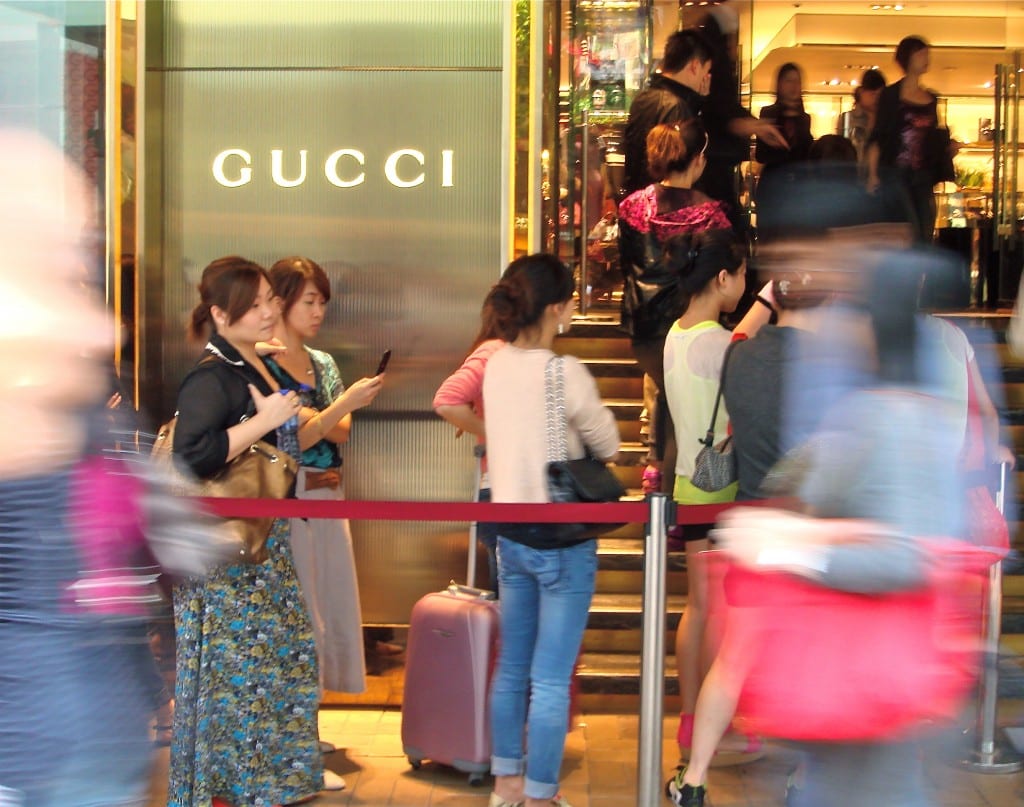
    Christmas holidays are usually the peak consumption season for both tourists and local residents, but this year retailers are expecting a grimmer picture amid the economic downturn affected by the slowdown in China and strong local currency.

    A study shows that Hong Kong people are cutting their Christmas budget to tackle the difficult economic environment this year, with 64 per cent people saying they won’t spend more than HK$1,000 on Christmas shopping and 52 per cent saying they won’t buy any Christmas gifts this year.

    The survey, conducted by Hong Kong Research Association, found Hong Kong citizens are rather cautious about this year’s Christmas consumption, as only 16 per cent of 1,084 interviewees expect spending more money than last year, while 23 per cent said they would reduce spending .

    Adding to the problem, it seems that even if Hongkongers do plan to go shopping for Christmas, they prefer to buy overseas.

    “Even local people wouldn’t buy stuff in Hong Kong ,” said Mariana Kou, retail analyst at brokerage CLSA, adding consumer products are much cheaper in Japan and Korea, as they benefited from weaker local currencies.

    She expected the poor consumption this year will further dampen sales during Christmas, the traditional shopping season, which has already been challenged by the declining tourist arrivals in last six months.

    “The Christmas sales this year will decline for sure” she said, adding the luxury sector would be the one suffering the most.

    Even though most Hong Kong people are cutting their Christmas shopping lists to save money for rainy days, the enthusiasm for shopping is still running high among top earners in the city.

    The same research showed that the wealthiest social class was the only one among the four that has responded with growing budgets for shopping this Christmas, with 13 per cent more interviewees planning to increase Christmas consumption this year than those who plan to reduce spending.

    “Despite the volatilities in the financial and property markets, rich people still have a decent wealth base.” said Wyman Ng, research officer at Hong Kong Research Association, adding “ their behaviour is less affected”.

    Meanwhile, holiday shoppers in Causeway Bay who looked up yesterday would have seen seven people climbing above the huge screen in Times Square to make a statement against the fashion of wasteful consumption during holiday seasons.

    The Greenpeace activists unfurled a huge banner across a big television screen at the iconic shopping mall, featuring the message “Buy Smart Buy Less”.

    The group said Hongkongers trash garments at an alarming speed, which has put a heavy burden on the environment. It urged shoppers to step up and break the cycle of overconsumption

    The Census and Statistics Department also revealed yesterday that the Consumer Price Index (CPI) figures for November rose by 2.4% over the same month a year earlier, the same as that in October 2015.

  • Google launches an equity-free accelerator programme in Indonesia

    Google launches an equity-free accelerator programme in Indonesia

    Up to $50,000 will be given in equity-free funding, said Roy Glasberg, Google’s global lead for its Launchpad programmes. The company will look for those startups that can have a clear impact on their home markets, while not having to worry about return on investment.

    Here’s what startups can expect, apart from the funding. Google will fly the founders down to its head-office in Mountain View, California, for a two-week bootcamp, starting January. They will meet with mentors, who comprise both people working in Google and the wider startup community, and will be given individualised tasks in areas like marketing and strategy, user experience design and others. Once this is done, they will return to their home countries, where Google will provide them space to work, and continued access to mentors and its own developer platforms.

    The new accelerator will be part of Google’s existing Launchpad programme that was started in 2013. The company plans to bring about 50 of the most promising startups each year in the accelerator programme, and do hands-off mentoring to another 200 that will not go through the bootcamp. Startups that show more promise in the latter group will be made part of the full accelerator program.

    The report mentioned that the first batch of startups include Brazil’s ProDeaf, that translates spoken language into sign language, and Jojonomic, a fintech startup from Indonesia.

  • Time to swoop on Garuda Indonesia

    Time to swoop on Garuda Indonesia

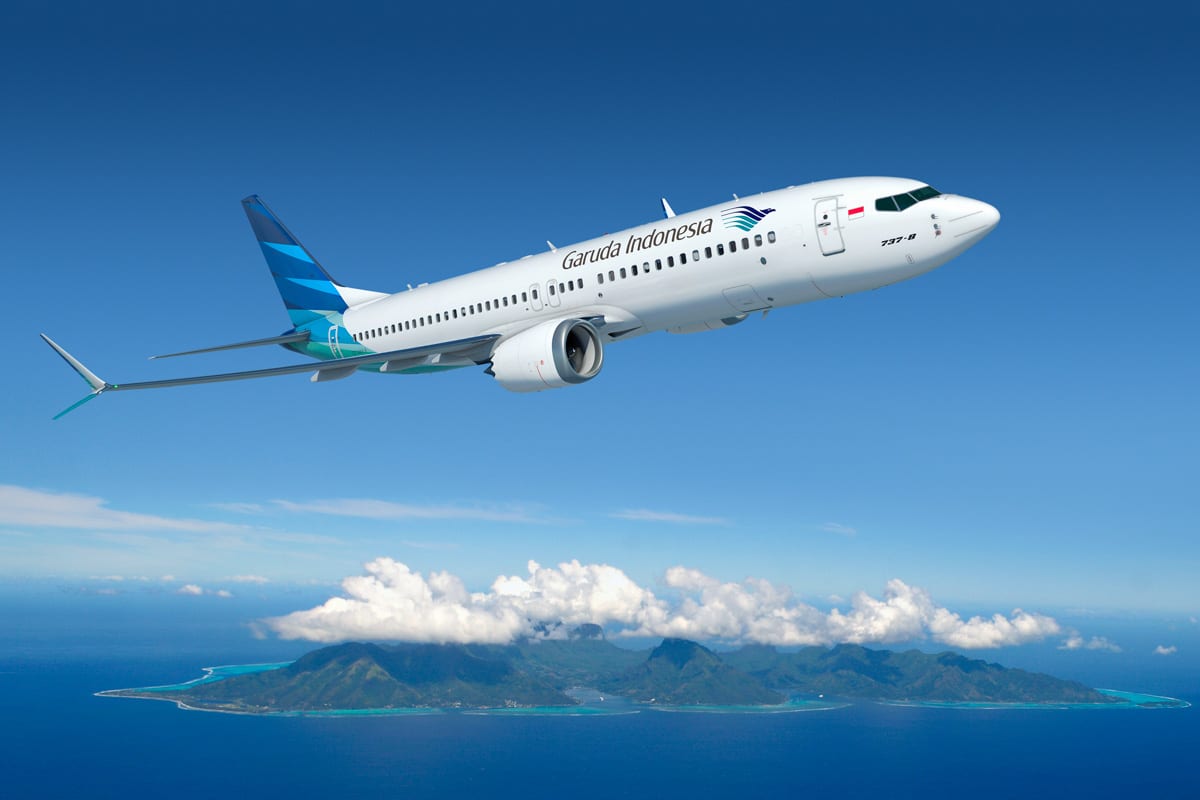
    For Indonesia’s national carrier, 2015 has been a year to forget. Shares of PT Garuda Indonesia are heading for their biggest-ever annual drop, overseas debt costs are rising and flights have gotten disrupted by forest fires and an erupting volcano.

    Timothy Ross, a top-ranked airline analyst at Credit Suisse Group AG, says this is the perfect time to buy.

    The impact of ash clouds from Mount Rinjani and haze from burning peat forests is temporary, according to Ross, the most accurate analyst for at least four Asian airline stocks tracked by Bloomberg, including Garuda. Bears who dragged down the stock by 45% this year are looking past Garuda’s market-share gains from budget rivals PT Lion Mentari Airlines and AirAsia Bhd, said Ross, who predicts the company will return to a profit this year.

    “There are fundamental changes in the company, and the stock price has dropped by half, so when you take the two together it makes me a little more positive,” said Ross, who projects Garuda will rebound 22% over the next 12 months. The Singapore-based analyst turned bullish on the shares last month for the first time in two years.

    After tumbling three times faster than the benchmark Jakarta Composite Index this year, Garuda is valued at 0.7 times net assets, the cheapest level among the 25 largest Asian airlines tracked by Bloomberg. While the rupiah’s 12% drop in 2015 has made the company’s foreign-currency liabilities more expensive, Garuda’s debt-to-equity ratio is about half that of its regional rivals. Six other analysts have buy recommendations, giving it a perfect 5 rating on a Bloomberg scale, compared with an average of 4 for its Asian peers.

    Garuda rose 1.3% at 1:25pm local time, while the Jakarta Composite slid 1.5%.

    While analysts are bullish, the nation’s top-performing fund manager in the fourth quarter isn’t buying because he sees risks related to the rupiah and oil prices.

    “The airline industry in general is too volatile and highly dependent on the exchange rate as well as oil,” said Indra Mawira, an investment manager at Panin Asset Management, whose Panin Dana Ultima fund returned 13.4% this quarter. “Although Garuda has structured itself as a better company, I still think it’s hard to make money out of it unless you’re trading the shares with a one to three-month horizon.”

    Garuda president director Arif Wibowo, who took over in December 2014, says some of the benefits of falling energy prices have failed to show up in the company’s fuel bill because the airline has been expanding capacity. Garuda will add 23 planes to its fleet in 2016, in addition to the 18 scheduled for this year, he said in an interview on Dec 8, adding that the carrier will also reduce its fuel hedging.

    New York crude has tumbled more than 30% this year, reducing the price of jet fuel and helping spark a 17% gain in the Bloomberg Asia Pacific Airlines Index.

    Garuda is luring customers after Lion Air’s cancellation record deteriorated in 2015 and an AirAsia jet crashed a year ago en route to Singapore from Surabaya, Indonesia, killing 162 people. While Indonesia has more than three times the global average rate of fatal air crashes, Garuda’s safety record is improving. The European Union lifted a flight ban on the airline in 2009 and the carrier’s last fatal accident was in 2007.

    Analysts estimate Garuda’s net income this year will be US$34.8mil, its first annual profit in three years. While 71% of the company’s US$2.2bil total short and long-term liabilities are denominated in currencies other than the rupiah, Garuda’s debt-to-equity ratio of 139% is well below the 236% average of its regional rivals.

    Investor concern about Indonesia’s air safety record is overblown when it comes to Garuda, Credit Suisse’s Ross said.

    “Those things impact share prices and customer behavior only for maybe a couple of months,” he said. “It tends to be put in the rear-view mirror pretty quickly.”

  • Indonesia U-turn on taxi app ban after online fury

    Indonesia U-turn on taxi app ban after online fury

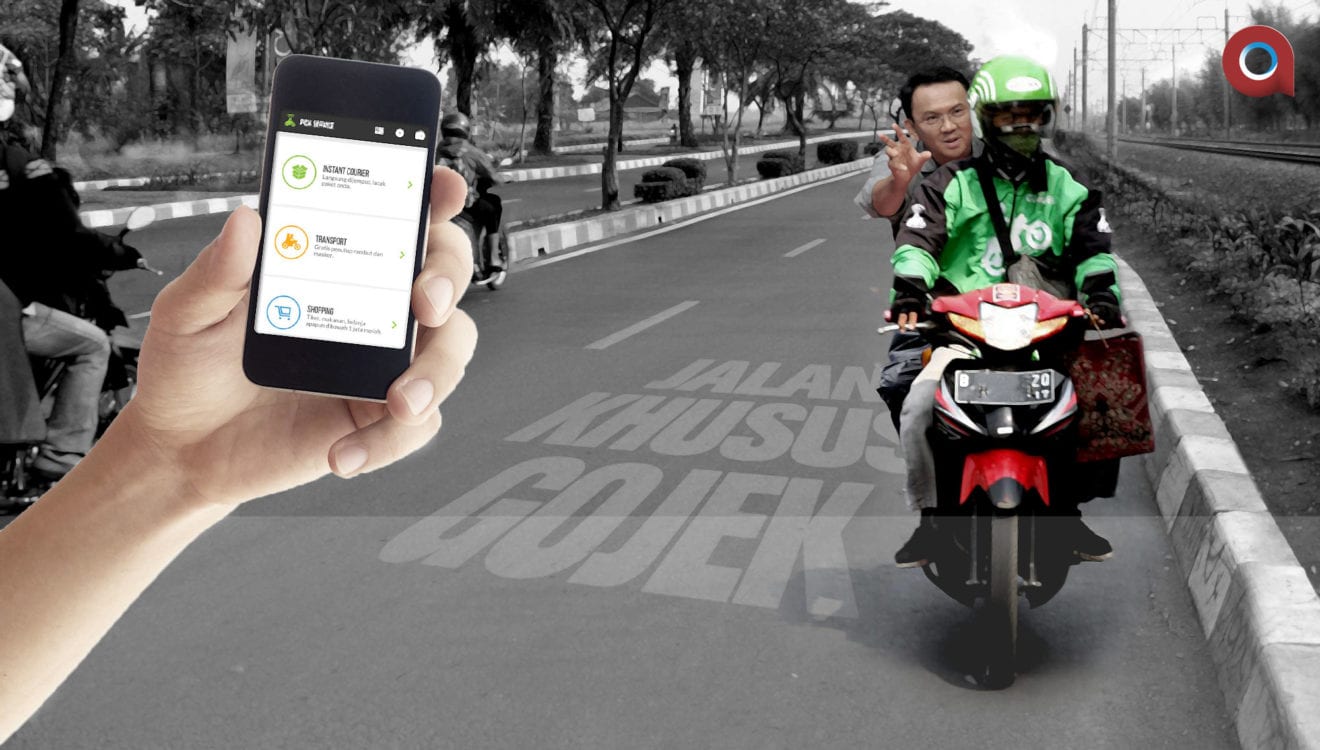
    Indonesian authorities backed down on Friday (Dec 18) from attempting to enforce a ban on ride-hailing apps and motorbike taxis after the move sparked online fury in a country where millions rely on the services.

    Transport Minister Ignasius Jonan announced on Thursday he had ordered police to properly implement an existing law that gives a narrow definition of public transport, meaning apps such as Uber and motorbike taxis known as “ojek” should be illegal.

    But as anger mounted on Friday, Jonan did a U-turn, announcing in a statement that motorbike taxis and app-based transport can continue operating “until there is decent and reliable public transport”.

    Uber and other services, including the popular motorbike taxi app Go-Jek, have been able to operate in Indonesia despite the law, becoming immensely popular in traffic-choked cities with little public transport.

    Jonan’s move, which followed pressure from traditional transport operators, triggered a flood of online anger, with #SaveGojek becoming a top trending topic on Twitter.

    He was also summoned by President Joko Widodo, who voiced his support for transport apps.

    “Hindering innovation and progress for the sake of bureaucratic red tape? Moronic,” said Twitter user Marhadiasha.

    “Our government is dumb!”, tweeted Indonesian film director Joko Anwar.

    Go-Jek has more than 200,000 drivers across the country, also providing courier, food delivery and even house-cleaning services. A flurry of other motorbike taxi-hailing apps have appeared following its success.

    Uber is also popular but has faced difficulties, with some of its cars seized in Jakarta.

    Public transport in Jakarta and other Indonesian cities is notoriously bad, with buses poorly maintained and trains old and often overcrowded.

  • Migme buys in Indonesia

    Migme buys in Indonesia

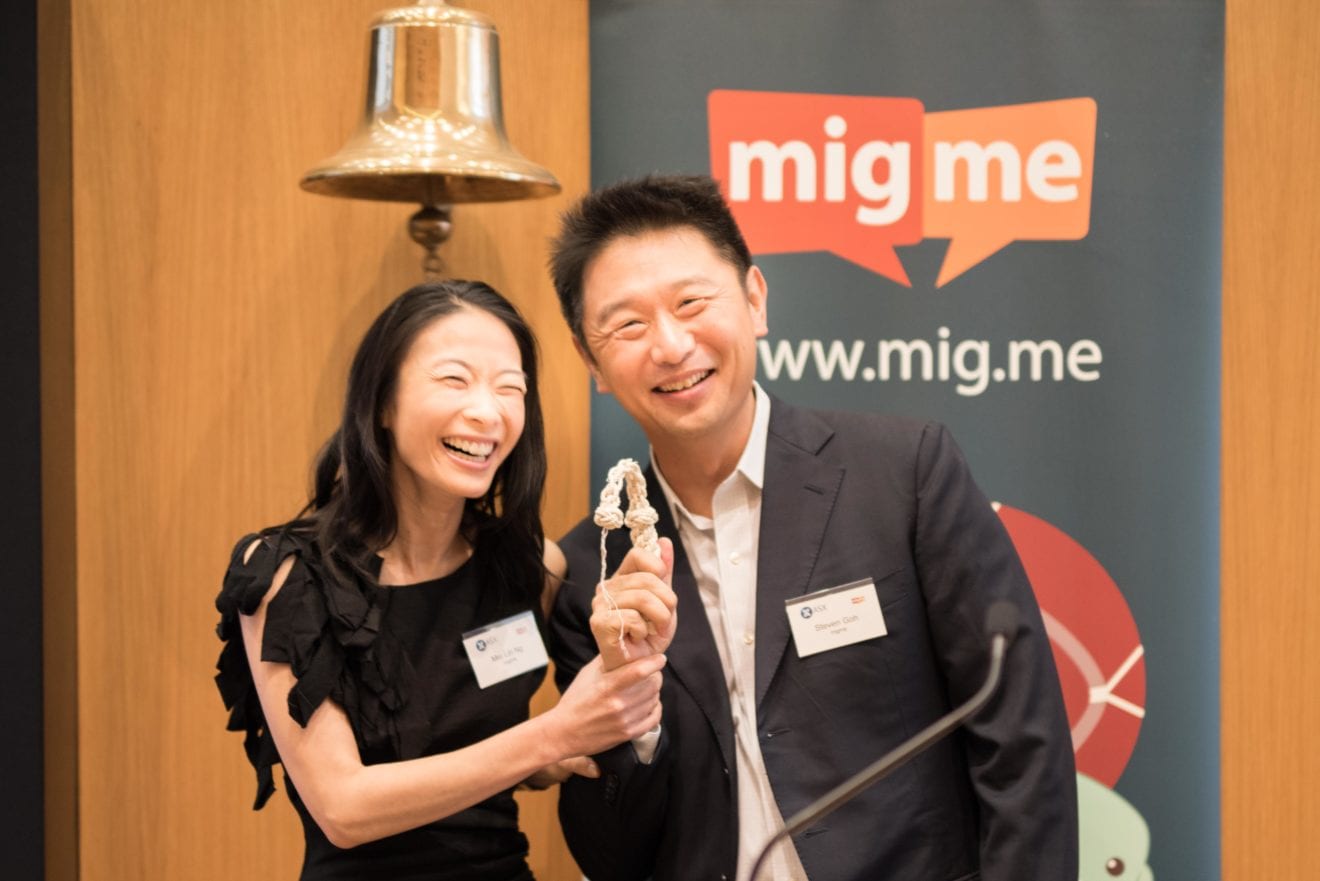
    Social networking company migme has announced the acquisition of two Indonesia-based companies, while finalising a $3.5 million convertible note issue.

    migme announced today the purchase of social news site Hipwee Media Solutions and Shopdeca, which operates two retail sites.

    The value of the acquisitions were undisclosed.

    migme chief executive Steven Goh said the Hipwee acquisition would replicate the company’s service offering in other countries, such as India and the Philippines.

    “Hipwee has always aimed to be the most influential media company for young Indonesians and joining migme will allow us to continue to pursue our mission in a whole new level,” he said.

    Hipwee delivers curated and original community generated content focused on entertainment, relationships and travel, targeting Indonesian urbanities.

    The team comprises 16 editorial and community staff, who write and curate content.

    Shopdeca, meanwhile, will enable migme to launch its ecommerce operations in Indonesia with two retail sites, which provide curated lifestyle products for Indonesian consumers.

    As part of the acquisition, Shopdeca founder Andreas Tharmin will join migme as global head of ecommerce.

    “We’re gaining valuable local market expertise and we look forward to the acquisition being a positive contributor to group results in 2016,” Mr Goh said.

    Meanwhile, migme also announced it had finalised the issue and placement of convertible notes at $1.10 per share conversion ratio and raising a total of $3.5 million.

    The price of the notes were a 22 per cent premium to migme’s opening share price.

    In a statement, the company said the proceeds would be used to fund acquisitions and accelerate market penetration in Asia.

    “The company believes raising funds via the convertible note issue is in the best interests of shareholders at this stage as it allows the business to better execute its expansion plans and achieve its stated objectives,” the company said.

    Shares in migme were 2.2 per cent higher to 90 cents each at the close.

  • VN Airlines to expand operation in Indonesia, performs well in Australia

    VN Airlines to expand operation in Indonesia, performs well in Australia

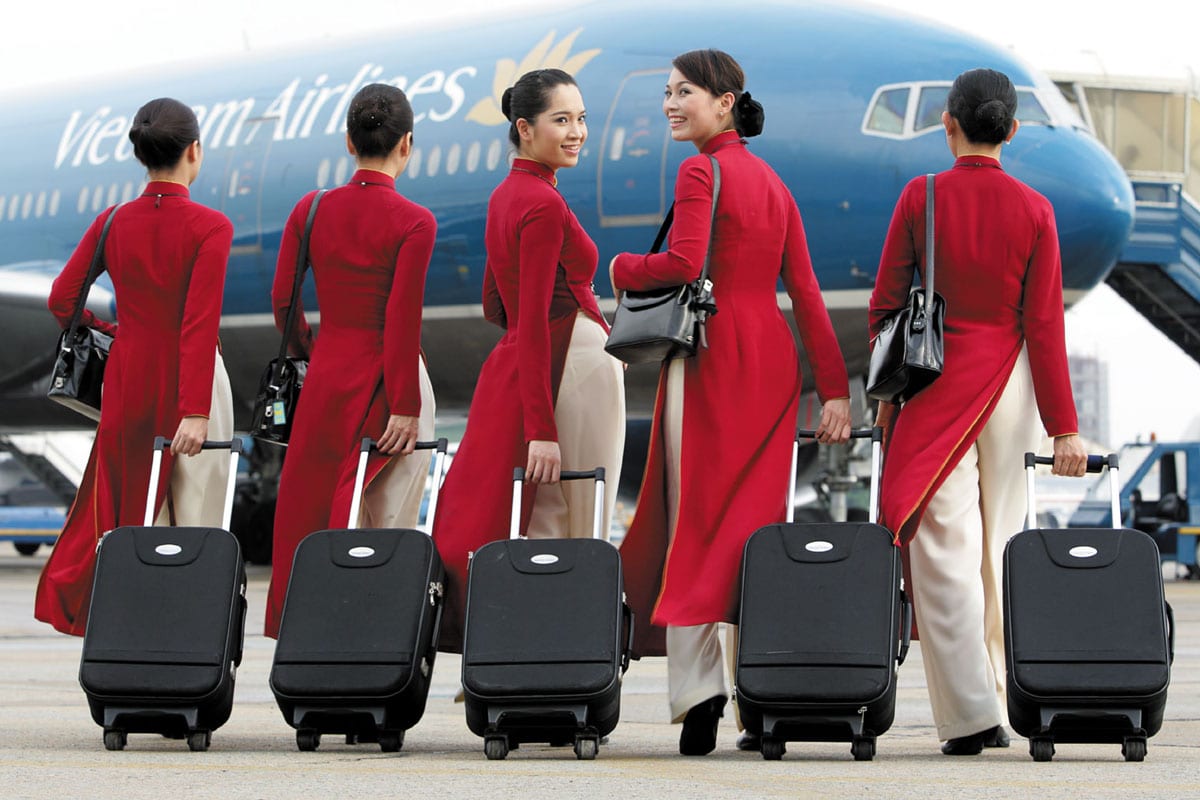
    The national flag carrier Vietnam Airlines conducted 365 flights between Vietnam and Indonesia in 2015, carrying more than 100,000 passengers and over 1,000 tonnes of cargos. According to Nghiem Van Khanh, head of the firm’s branch in Indonesia, in 2015 the Vietnamese aviation sector faced a range of difficulties stemming from Indonesia’s low GDP growth rate and rupiah depreciation, which, he said, weakened Indonesia people’s purchasing power and outbound tourism demands.The statistics were released at the firm’s customer conference in Jakarta, Indonesia, on December 16 which saw the participation of Indonesia aviation officials, and distributors, customers and partners of Vietnam Airlines in the host country.

    Against the backdrop, the firm coordinated with its distributors and partners as well as Indonesian authorities to swiftly launch marketing campaigns and build up a suitable ticket distribution system in the market, he said.

    Khanh added that Vietnam Airlines is currently operating one daily flight from Ho Chi Minh City to Jakarta, using Airbus A321.

    Since 2012, the national flag carrier has run more than 1,000 flights from Vietnam’s southern metropolis to the Indonesian capital city, contributing to boosting cooperation in economic, cultural and social fields between the two countries.

    In 2016, the branch in Indonesia plans to improve its service quality and expand its ticket distribution network in the country.

    The corporation will also launch more flights from Indonesia to Vietnam in order to meet the increasing travel demands of the two countries’ people, Khanh said, noting the plan matches the development course of two nations’ strategic partnership, especially in the context of to-be-formed ASEAN Community.

    Indonesia has become one of Vietnam’s 20 largest tourism markets with about 50,000 Vietnamese holiday-makers visiting the country each year.

    Around 80,000 Indonesian tourists also choose Vietnam as their holiday destination each year.

    Vietnam Airlines in Germany performs well

    The national flag carrier Vietnam Airlines’ branch in Germany has seen an impressive business performance with an estimated 58.3 million EUR in revenue this year.

    2015 was a challenging year for the firm and the aviation sector in general with disadvantages on euro-American dollar exchange rate, fierce competitiveness among airlines, unstable politics in the Middle East and the danger of terrorism, head of the Vietnam Airlines branch Ngo Tri Hung said at a recent customer agents’ conference in Berlin.

    Despite such challenges, the firm tried its best to improve its service quality and marketing as well to operate about 400 flights with 86 per cent full occupancy, he added.

    The firm received ideas from its agents attending the conference on improving service quality.

    Also at the conference, the firm auctioned a return ticket worth 3,000 EUR and collected more than 5,000 EUR from individuals and organisations to sponsor soldiers and guards who protect Vietnam’s islands and sea.

    Vietnam Airlines records impressive change in RoK market

    This year marks an impressive performance of the national flag carrier Vietnam Airlines in the Republic of Korea (RoK) market, with improvements in operational scale, sale revenues and service quality.

    The carrier’s branch in the RoK has fulfilled its tasks excellently, surpassing the set business plan by 11 percent, Cao Anh Son, Vietnam Airlines chief representative in Seoul said at a customer conference on December 15.

    Together with rolling out the modern A350-900 aircraft for the Hanoi- Seoul route, Vietnam Airlines launched its new corporate identity as part of the “four-star service upgrade” strategy, smartening up its image and bringing convenience to customers, Son highlighted.

    Over the past two decades, Vietnam Airlines has made travel easier for passengers by opening air routes connecting Hanoi, Da Nang City and Ho Chi Minh City with Seoul, Busan and many other big cities in the RoK with 60 flights a week.

    The airline boasts 600 representative offices in the RoK.

  • Edrington raises over SGP$55000 for local children’s charity

    Edrington raises over SGP$55000 for local children’s charity

    Edrington Travel Retail raised SGP$55,950 at its inaugural charity initiative Ride for the Children at Street 11. The initiative supports local children’s charity Child at Street 11, which supports low income and dysfunctional families in Singapore by providing early years education for their children. Edrington doubled matched public donations of $18,650, bringing the total amount raised to $55,950.

    The fundraiser saw a team of 18 cyclists from Edrington’s Asia Pacific offices pedal over 400km from Kuala Lumpur to Singapore in just three days. The travel retail business was represented by Tellis Baroutsis (managing director, Global Travel Retail), Ryan Hill (managing director, Asia Travel Retail) and Alan Hsu, sales manager (Travel Retail Taiwan).

    Ahead of the cyclist’s arrival, a Welcome Party was held at The Cube at Asia Square, Edrington Asia Travel Retail and Global Travel Retail HQ, where 20 children from the charity enjoyed food and drink and entertainment by a balloon sculptor. A raucous welcome greeted the cyclists, who despite having just completed an exhausting journey, mingled with the children from the charity.

    One of the cyclists, Ryan Hill, managing director of Edrington Travel Retail comments: “This has been a truly rewarding experience and a stellar team effort from everyone in the Edrington Asia-Pacific office. Child at Street 11 does brilliant work with underprivileged children in our new home – Singapore – and it feels great to be giving back to society when we’ve been made so welcome here. Seeing the kids from Child at Street 11 as we crossed the finish line really brought home why we were doing this and the difference our efforts will make.”

  • Online data disrupts how consumers buy cosmetics in Singapore

    Online data disrupts how consumers buy cosmetics in Singapore

    The global market research firm TSN just released the results of a study—The Connected Life—that found nearly nine out of every ten shoppers (88%) in Singapore research products before making a purchasing decision.

    “It’s unsurprising that Singaporeans are exceptionally good at shopping,” says retail expert Fabio Trabucchi of TNS Singapore, in his recent commentary piece for the Singapore Business Review. “With more high-end malls per capita than anywhere else in Asia, shopping is now a well-entrenched national past-time.”

    Pre-shopping

    A preponderance of personal care items consumers in Singapore investigates products and prices before actually shopping to buy.

    “Ever keen for a bargain, almost eight in ten (78%) shoppers say they do pre-purchase research for personal care products such as skin care, perfume, and cosmetics, and 66% for hygiene items such as deodorant and shower gel,” explains Trabucchi, referring to data from The Connected Life study.

    This marks a shift in consumer behavior that could inform brand strategy to good effect, aligning packaging, branded content and ingredient information with new consumer preferences.

    “Previously these categories used to be a prime area for impulse buying, but thanks to the ease of the internet, Singaporean shoppers are getting savvier about the products they chose and the rationale behind it,” remarks Trabucchi.

    Information age

    Getting informative content in front of consumers is the key to capturing shoppers’ attention and dollars today.

    Multinational companies are ahead of the game, producing beauty content that resonates with consumers. L’Oréal recently opened an in-house branded content studio in Canada , where employees can create dynamic messaging to reach consumers with information that matters.

    “As consumers in Singapore adopt a more considered approach to their purchases, brand owners and retailers can provide the information – and incentives – they need to make up their minds,” confirms Trabucchi in his post for the Singapore Business Review.

    “Whether online or offline, businesses need to understand researching behaviours and ensure they are providing shoppers with relevant content that informs their purchase decisions,” he believes.

    Concluding, “this means they must stop thinking in terms of advertisements and start becoming content providers that offer relevant information and offers at every stage of the shopper journey.”