Author: Mei Ling Tan

  • Nan Hai plans big China push for Crabtree & Evelyn

    Nan Hai plans big China push for Crabtree & Evelyn

    Nan Hai Corp. is planning a big push in the mainland China market after acquiring a company that manufactures and sells skincare products under the Crabtree & Evelyn brand.

    The Hong Kong-listed firm has received leasing invitations from several shopping malls in the mainland, and is planning to open its first Crabtree shop in a first-tier city, the Hong Kong Economic Journal reported.

    It aims to leverage the brand image and establish points-of-sale in various retail locations, including movie theater complexes and food and beverage outlets, the report said, citing Yu Xin, managing director of Nan Hai’s subsidiary Dadi Digital Cinema.

    Nan Hai plans to set up sales spots at its 270 movie theaters across the country to promote cross-sales and electronic commerce.

    Crabtree & Evelyn has 30 retail shops in Hong Kong and an aggregate of 4,000 sales spots around the globe.

    The brand’s sales in Asia and North America declined last year.

    Yu expects profitability to improve due to integration of resources and supply chain, as well as fresh marketing initiatives, once the acquisition is completed.

  • Telecoms, internet come up strong

    Telecoms, internet come up strong

    A mascot promoting the spectrum auctions for fourth generation (4G) service is seen at the headquarters of the National Broadcasting and Telecommunications Commission. Winning bidders for the 1800- and 900-megahertz spectrums are set to launch commercial 4G service early next year. Outlook for next year even rosier.

    Mobile firms ready to start 4G network

    The mobile sector is one of the big winners this year, escaping the country’s sluggish economy as mobile communications are expected to have an effect on nearly every aspect of life and business.

    Major mobile operators project a slight increase in revenue this year.

    Thailand has 110 million mobile subscribers, expected to rise to 150 million in 2016, says the National Broadcasting and Telecommunications Commission (NBTC).

    This gain will be fuelled by the continued growth of mobile data users and the arrival of machine-to-machine communications or the Internet of Things.

    Thailand has more than 40 million mobile internet users and only 35 million desktop internet users. It is a mobile-first country.

    Pete Bodharamik, chief executive of Jasmine International, the parent firm of JAS Mobile Broadband, said its average fixed-line broadband household owned up to five internet-enabled devices, with at least three of the devices mobile.

    JAS will launch its commercial fourth-generation (4G) service early next year.

    Thailand’s mobile market is valued at 300 billion baht annually.

    Somchai Lertsutiwong, chief executive of Advanced Info Service Plc, the country’s largest mobile operator, said his company’s 2015 data revenue surged thanks to mobile traffic, which is driven primarily by the proliferation of data-hungry mobile devices.

    “The mobile data market is going to explode in 2016 thanks to the arrival of full commercial nationwide 4G service,” he said.

    An Ericsson ConsumerLab report shows 89% of Thai consumers use social media on a weekly basis.

    Traffic on mobile networks will continue to grow at an impressive rate, driven by the uptake of smart devices and apps. This rapid growth is having a significant impact on networks.

    Global research firm IDC said average mobile internet usage in Thailand would increase to 192,265 Mbps per number per month over the next five years, up by 165% from this year.

    Mobile internet service could also generate new revenue streams for other ICT-related businesses, particularly e-commerce. Thailand has more than 500,000 e-commerce merchants via many channels including social media, websites and online marketplaces. The country’s e-commerce sector has grown by 20% annually.

    The value of Thailand’s e-commerce market is expected to reach 2.1 trillion baht this year, up by 3.65% from last year, which surged 165% from 700 billion in 2013 thanks to intense discount promotions and greater availability of high-speed wireless broadband networks.

    Studies suggest doubling internet broadband speeds can add 0.3% to GDP.

    Tech start-ups ready to ring in innovation

    Thailand’s tech start-up industry is one of the three most attractive in Southeast Asia thanks to a proliferation of mobile internet users and capable world-class tech talent.

    The development of tech start-ups is part of the government’s policy of promoting innovation among small and medium-sized enterprises.

    According to Thailand’s “Tech Startup Report 2015” compiled by TechSauce.co, as of last month Thai tech start-ups had raised US$84.5 million from 53 projects compared with three projects worth $2.1 million in 2012.

    The biggest tech start-up investment in Thailand in 2015 was worth $10.7 million, while the biggest in 2012 was worth $2 million.

    The number of venture capital funds in Thailand jumped to 12 worth $79 million in 2015 from three in 2012 worth $7 million.

    Nattawut Pungjarernpong, fund manager at Bangkok venture capital firm 500 Tuktuk, said the early stage of the local start-up market was just blossoming.

    Indonesia and Malaysia are other attractive destinations for global venture capital in Southeast Asia, given their large populations and strong start-up ecosystems.

    Mr Nattawut urged policymakers in Thailand to provide more attractive incentives for tech start-ups and ease regulations to promote investment.

    The government provides tax exemptions for capital gains when companies invest in tech start-ups, but the country needs more incentives to reduce the risk of investment losses, he said. Thai tech start-ups can continue to grow for another few years as capital pours into Southeast Asia.

    E-commerce continues to bloom

    E-commerce saw strong growth this year thanks to the proliferation of smartphone and mobile internet users.

    Thailand has 40 million mobile internet users, with the smartphone penetration rate exceeding half the population.

    The e-commerce market will continue to blossom next year, with a host of key regional players jumping on the bandwagon.

    The local e-commerce market increased at a double-digit rate this year, overtaking GDP, thanks to aggressive marketing and attractive discount campaigns among e-commerce companies.

    There are an estimated 14 million online shoppers in Thailand and more than 500,000 online merchants.

    The advent of full commercial fourth-generation (4G) wireless broadband service next year will transform the local mobile commerce and mobile payment markets.

    “Thailand’s retail e-commerce [business-to-consumer or B2C] market was Southeast Asia’s largest in 2014, worth US$11.7 billion,” said Surangkana Wayuparb, chief executive of the Electronic Transactions Development Agency (ETDA).

    Malaysia’s B2C market was valued at $9.6 billion, followed by Singapore ($3.4 billion), Vietnam ($2.9 billion), Indonesia ($2.6 billion) and the Philippines ($2.3 billion).

    However, compared to developed countries, Thailand trailed the US ($359 billion), China ($322 billion), Japan ($118 billion) and South Korea ($25.4 billion).

    Mrs Surangkana said Thailand’s B2C market was expected to grow by 15.2% to 475 billion baht in 2015.

    An ETDA survey of 502,676 e-commerce operators countrywide from April-October showed electronics, cosmetics and fashion were the three best-selling products in retail e-commerce.

    The survey found the top three payment channels were e-banking, credit or debit cards and mobile payment.

    Mrs Surangkana expects mobile payment will surpass other channels in 2016 thanks to the proliferation of smartphones.

    Pawoot Pongvitayapanu, president of the Thai e-Commerce Association, said operators must expand abroad, particularly to other Asean members, instead of focusing only on the domestic market.

    Paul Srivorakul, chief executive of aCommerce Group, said next year’s launch of commercial 4G service would further cement Thailand’s leading position in mobile internet and accelerate the growth of mobile commerce.

    Thailand is already one of the most mobile-enabled countries in the world, with the average Thai user having 1.4 mobile devices, he said.

    The country’s mobile internet penetration of 56% already exceeds that of the US and China, at 40% and 34%, respectively.

    However, e-commerce accounts for only 1% of Thailand’s total retail market. Local e-commerce is expected to reach double-digit figures within the next four or five years.

    Local e-commerce has grown by 20-25% year-on-year despite the stuttering economy, Mr Paul said.

    Meanwhile, a number of retailers and manufacturers have been tapping opportunities from the online channel.

    Among them are major retailers such as Central, The Mall and Tesco Lotus as well as furniture chain Index Living Mall and Mc Jeans, which already have online shopping platforms.

    Their online sales have grown in the range of 10-100% this year, depending on product category.

    Popular items are cosmetics, apparel and electrical appliances.

    Next year, these operators hope to boost online sales and attract more young-generation customers.

    An increasing number of companies plan to expand via the online channel, as they can access customers not only in the domestic market but also abroad.

    When they have succeeded in providing online shopping platforms on their own, some operators such as Central plan to serve as a marketplace, selling products for other producers, Mr Paul said.

    High hopes pinned on tourism rebound

    Tourism has been singled out as the economy’s biggest hope and a powerhouse this year amid the export slump.

    The sector has strongly recovered from the last year’s political instability and passed through the economic storm and the deadly Erawan Shrine bombing.

    Foreign tourist arrivals are expected to reach almost 30 million in 2015, exceeding the official target of 28.8 million.

    The Erawan bombing on Aug 17 caused a brief hiccup in tourism’s recovery, and the industry bounced back in a couple of months.

    The sector’s resilience led Tourism and Sports Minister Kobkarn Wattanavrangkul to declare her ministry was confident total international tourist arrivals would hit 29.5 million by year-end.

    As of last Wednesday, Thailand had welcomed 29 million foreign visitors.

    The tourism revenue target of 2.2 trillion baht is being maintained.

    Of that total, 1.4 trillion baht will come from foreign tourists and 800 billion from local travellers.

    Tourism’s strong recovery has benefited the hotel business, with many chains reporting healthy performances this year.

    Thai hotel chain Onyx Hospitality saw its operating profit rise 36% year-on-year in the first nine months, with properties in Thailand contributing 70% of revenue, president and chief executive Peter Henley said.

    He expects the strong performance will continue next year.

    For next year’s first quarter, Onyx forecast an 8.1% increase in room revenue for properties in Thailand.

    Patrick Basset, AccorHotels’ chief operating officer for East and upper Southeast Asia, called Thailand an attractive destination for tourists from around the world.

    The country’s tourism has a strong reputation, boasting natural beauty and a rich cultural heritage.

    It also offers a variety of attractions that appeal to a wide range of visitors from business travellers to eco-tourists.

    Mr Basset remains concerned about political uncertainty, which could emerge as a major risk for Thailand and tourism in the future. Tourism has been very sensitive to political problems.

    Meanwhile, the Association of Thai Travel Agents (ATTA) is satisfied with tourism’s recovery this year and projects the sector will continue to outperform next year even though Thailand will face many negative factors such as the global economic slowdown and risks of terrorism.

    “Thailand remains a popular destination, with many main feeder markets within three hours’ flying time,” ATTA president Charoen Wangananont said.

    Prior experience of dealing with crises provides proof that Thailand can sail through many negative situations and recover in a short period.

    As of Dec 20, ATTA reported the number of international tourist arrivals via its member agents had grown by 63% to 5.06 million.

    ATTA said 2015 was another good year for tourism after several years of stagnation due to political conflict.

    However, the government must boost all industries next year, not just rely on tourism revenue, Mr Chareon said.

    Tourism and sports permanent secretary Pongpanu Svetarundra said the weaker baht following the interest rate hike by the US Federal Reserve would benefit both the export and the tourism sectors.

    Budget carriers seize the helm in air wars

    Low-cost carriers (LCCs) have continued to evolve and flourish in 2015 to outshine other business sectors against the backdrop of economic doldrums.

    Having opened the skies over Thailand and other parts of the world for millions of travellers, budget airlines are now a force to be reckoned with in the aviation industry.

    Growth has been particularly dramatic in Thailand, where LCCs continue to raise their passenger share and spur traffic in a way that full-service carriers (FSCs) are unable to mimic.

    Several LCCs in Thailand continue to stimulate air travel by lowering fares and opening new routes and destinations — the primary drivers of their proliferation.

    Higher growth in Thailand’s tourism industry due largely to political stability has sent traffic soaring for LCCs, a popular transport mode for leisure travellers.

    Passengers travelling on budget airlines through the six major Thai airports run by SET-listed Airports of Thailand Plc (AoT) surged 34.1% in the first nine months of 2015 to a record 33.4 million from 24.9 million in the year-earlier period.

    That pushed LCCs’ share of the overall passengers passing through those airports during the same period including Suvarnabhumi and Don Mueang to 41.3%, up from 38.5% in the year-ago before period.

    LCC aircraft movements — take-offs and landings — rose in tandem to 229,921, up by 28.9% year-on-year, according to AoT statistics.

    Tassapon Bijleveld, chief executive of Thai AirAsia (TAA), Thailand’s biggest LCC, said the foregone conclusion was LCCs in places such as Thailand in particular and Southeast Asia in general would continue to consolidate their profiles in air transport.

    “What we see taking place in Southeast Asia is similar to Europe, where LCCs account for up to 75% of intra-European air travel,” he told the Bangkok Post.

    In Thailand, the share of LCCs in the overall passenger market is set to rise by 3-4% annually over the next several years to reach the high levels seen in Europe.

    Given the trend apparent in the first 10 months of this year, indications are the LCC passenger tally for the whole of 2015 will reach 45.5 million, according to industry executives.

    Next year, the LCC share of passenger totals will grow to 46%, Mr Tassapon said.

    Several LCCs have seen improvement in their balance sheets due to enhanced business performance.

    For instance, TAA posted a record net profit of 1.47 billion baht in the first nine months of 2015 compared with a net loss of 265 million in the same period last year.

    AOT shares closed yesterday on the SET at 344 baht, down three baht, in trade worth 427 million baht.


  • 1 in 4 Hong Kong consumers shop via mobile

    1 in 4 Hong Kong consumers shop via mobile

    More than one in four Hong Kongers (25.5 percent) shopped online via their mobile phones in the past six months, but the majority are concerned about security and identity theft.

    These are among the findings of a recent online survey conducted by Zogby Analytics and commissioned by TransUnion.

    The online survey of 500 adults, conducted by Zogby Analytics and commissioned by TransUnion, revealed that two in three Hong Kongers have shopped online more than three times in the past six months, including 20.9 percent who have shopped more than 10 times.

    While the far majority (76.8 percent) still preferred to make online purchases from a PC or laptop, 42.6 percent also used other devices, including mobile phones (25.5 percent) and tablets (17.1 percent). Most of them (65.3 percent) spent or would spend less than HK$1,000 on a single item.

    Even with online shopping becoming increasingly popular, 53.3 percent said security and identity theft is their main concern when shopping online, followed by 22.1 percent who worry that the item they purchase will not be as it appears on the website.

    “Hong Kongers are more and more comfortable shopping online and e-commerce offers a popular way to buy gifts during the hectic holiday period. However, our research demonstrates that consumers in Hong Kong might not be as aware of online security threats as they ought to be,” said Samuel Ho, chief executive officer for TransUnion Hong Kong.

    Ho said it is essential for holiday shoppers to protect their personal and financial data online.

    Besides creating strong passwords, setting a unique one for each shopping account and device, and only making purchases at encrypted shopping websites, consumers should also monitor their credit reports often so that unauthorized purchases won’t go unnoticed.

  • SEC seals China Bank-Plantersbank merger

    SEC seals China Bank-Plantersbank merger

    The Securities and Exchange Commission (SEC) has approved the merger of China Bank Savings Inc. (CBSI) and Planters Development Bank (PDB), with China Bank becoming the surviving corporation.

    Both CBSI and PDB are subsidiaries of retail tycoon Henry Sy’s China Banking Corporation (China Bank), after PDB, established in 1072 by businessman Jesus Tambunting, became part of China Bank in 2014.

    “As a result of the merger, CBSI and PDB shall become a single corporation, with CBSI as the surviving corporation,” China Bank said in a disclosure to the Philippine Stock Exchange on Monday.

    As of end-2015, China Bank is operating a total of 517 branches, including 165 CBSI and Plantersbank branches.

    Aside from the CBSI-Plantersbank merger, the SEC has also approved the appointment of some executives effective January 1, 2016.

    The executives include Carlos M. Borromeo as senior vice president, chief financial officer, and head of financial statement segment; as well as lawyer Marissa B. Espino as co-vice president, chief compliance officer, and head of compliance office.

    Maria Cristina C. Hernandez was also approved as co-vice president, head of treasury financial institution, under financial capital markets and investment segment.

    In 2015, China Bank opened a total of 47 branches. For 2016, plans are up for opening 66 more branches—50 for China Bank and 16 for the consolidated CBSI network.

    In the first nine months of 2015, China Bank’s net income rose by 8 percent to P3.64 billion, on track with its targets to grow profits by 10 percent by end-2015.

    Established in 1920, China Bank is an affiliate bank of richest man in the Philippines, Henry Sy. It mainly caters to the small and medium enterprises (SME) market through subsidiaries CBS and Plantersbank. It also offers banking services to other markets—corporate, commercial, and retail.

  • Deutsche Bank sells China’s Hua Xia Bank stake for up to $4 billion

    Deutsche Bank sells China’s Hua Xia Bank stake for up to $4 billion

    Deutsche Bank has agreed to sell its 20 percent stake in China’s Hua Xia Bank to insurer PICC Property and Casualty Co for up to 25.7 billion yuan ($4 billion) as it seeks to raise cash and reduce its balance sheet exposure.

    “As we execute on Deutsche Bank’s strategic agenda, now is the right time for us to sell this investment,” Chief Executive John Cryan said in a statement on Monday.

    Deutsche Bank has announced plans to slash 15,000 jobs, shed businesses employing some 20,000 staff and suspend dividends for two years as it seeks to bolster its finances.

    The stake in Hua Xia will generate between 23.0 billion and 25.7 billion yuan ($3.6-4.0 billion), or 3.2 billion to 3.7 billion euros at current exchange rates, depending on Hua Xia’s share price ahead of the sale’s completion.

    At the end of September, the stake was in Deutsche Bank’s books at a fair value of 3.038 billion euros.

    When Deutsche Bank first invested in Hua Xia in 2006 to tap into China’s retail banking sector, the Chinese lender’s stock stood below 4 yuan a share, compared with 11.44 yuan at Monday’s close.

    The stake sale will help boost the German bank’s common equity tier 1 capital ratio as of Sept. 30 by about 0.3 to 0.4 percentage points from 11.5 percent, it said.

    PICC said it expected relatively steady investment returns from its stake in Hua Xia, in addition to the benefits of a strategic cooperation.

  • Parkson Retail loses appeal, to pay RM93m in arbitral award

    Parkson Retail loses appeal, to pay RM93m in arbitral award

    Parkson Holdings Bhd’s retail subsidiary in China has lost its final appeal to revoke an arbitral award made in favour of its former landlord and must pay about 141 million yuan (RM93.2mil).

    The department store operator told Bursa Malaysia on Monday that a Beijing court on Dec 25 rejected the application by Hong Kong-listed Parkson Retail Group Ltd (PRGL), a 53.07% owned subsidiary, to revoke the award issued by China International Economic and Trade Arbitration Commission in March.

    “The ruling given by the court is final and no further appeal can be made by either the landlord or the tenant under China law,” it said.

    The company’s board feels the ruling does not have a material impact on the earnings of the Parkson Holdings group for this financial year ending June 30, 2016 or the group’s net assets based on the audited consolidated statement of financial position as at June 30, 2015.

    However, in a statement on April 1 regarding the profit warning issued by its Hong Kong subsidiary, Parkson Holdings said the earnings of the group for the financial year ended June 30, 2015, would be lower by about RM45mil or 4 sen per share.

    To recap, PRGL, which was a tenant at 25,140 sq m in Metro City Shopping Plaza, Beijing, had been asked by its landlord in April 2012 and repeatedly afterwards to reduce the total area of the premises under their tenancy agreement or alternatively end the agreement in return for compensation from the landlord equalling to three months’ rental payments.

    In December 2012, the landlord issued a notice of breach of contract to PRGL, asking it to vacate the premises within 30 days.

    On March 25 this year, the China International Economic and Trade Arbitration Commission made an award in favour of the landlord, saying that the 20-year tenancy agreement had been terminated on Dec 6, 2012.

    Among others, PRGL, the tenant, must pay the landlord 36.758 million yuan (RM24.36mil) in lump sum and a daily fee calculated at 3.46 yuan (RM2.29) per sq m for the period from Nov 1, 2014 up to the date on which the premises was surrendered to the landlord (March 26, 2015), totalling 12.613 million yuan (RM8.36mil).

    In addition, it must pay rental of 89.923 million yuan (RM59.57mil) and an arbitration fee of 1.102 million yuan (RM729,890) to the landlord.

    Based on the arbitral award, which represented about 57% of the PRGL group’s audited net profit for the year ended Dec 31, 2014, PRGL issued a profit warning that initially said its profit for the first quarter ended March 31, 2015, would “decline significantly” but was later revised to saying the group would record a loss for the quarter.

    However, on April 22, PRGL submitted an application for revocation of the award to the Second Intermediate Court of Beijing, which led to the enforcement of the arbotral award being suspended.

    Parkson Holdings shares closed unchanged at RM1.02 on Monday.

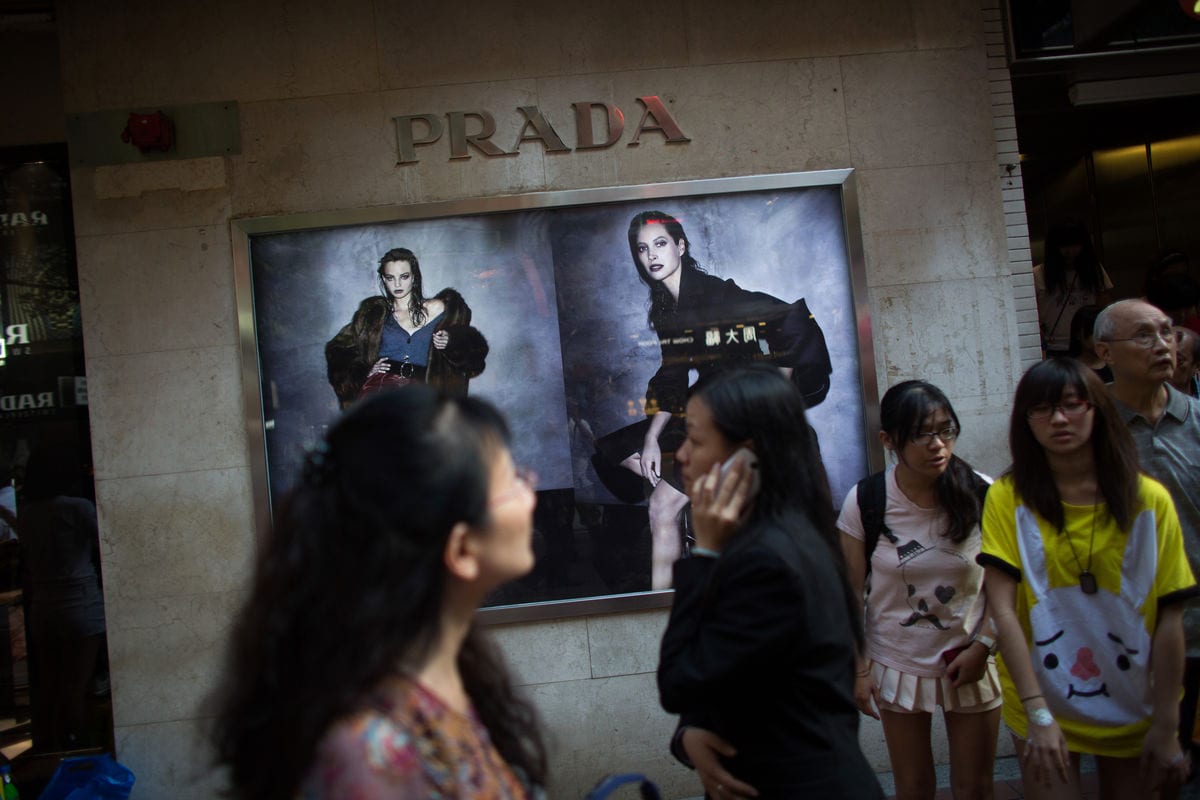
  • Hong Kong a drag on Prada

    Hong Kong a drag on Prada

    Luxury fashion group Prada says the Asia Pacific market continued to decline during the first nine months of the new financial year.

    And Hong Kong and Macau have taken the blame – again.

    During the last three quarters, sales in the region fell 4.9 per cent at current exchange rates.

    “This is due to reductions in both local consumption and tourist flows within the region, with Hong Kong and Macau particularly affected,” Prada said in its results statement.

    But Japan helped ease the pain. Prada sets Japanese sales apart from Asia Pacific sales, reporting a 10.4 per cent increase in sales at current exchange rates and 4.6 per cent at constant exchange rates, driven largely by the rising number of Chinese tourists – many of whom in previous years would have visited Hong Kong to shop for luxury goods.

    In Europe, too, the influx of Asian tourists boosted sales, which rose 8.6 per cent at current exchange rates and 7.6 per cent at constant exchange rates. The Italian market continued to stand out among the various European countries and recorded growth rates well above the average for the area.

    On the American market sales increased at current exchange rate by 8.5 per cent, but showed a negative underlying trend, down 7.6 per cent at constant exchange rates.

    “The significant strengthening of the US dollar over the period had an adverse impact on tourism, mainly from China and South America, but, at the same time, it encouraged a shift in American consumer spending towards Europe,” Prada said.

    By brand, Prada recorded a 2.1 per cent global sales  increase which was entirely attributable to the exchange rate effect. Miu Miu has grown with revenues up at both current exchange rates (+11.8 per cent) and constant exchange rates (+1.9 per cent). Church’s has also achieved sales growth (+17.6 per cent), a positive trend also on a like-for-like base.

    The licensing business (eyewear and fragrances) performed very well, with royalties for the nine months to October 31, totalling Euro 33.5 million, a 16.2 per cent increase, in large part thanks to the launch of the first Miu Miu fragrance.

    Prada Group’s consolidated revenue for the nine months was Euro 2.583 billion. This represents a 1.2 per cent  increase at current exchange rates on the corresponding period in 2014, entirely thanks to directly operated store sales. Wholesale revenues decreased as the group continues to reduce its presence in that channel.

    Net profit was Euro 235.1 million or 9.1 per cent of net revenue.

  • Foodpanda HK axes Foodora after just two months

    Foodpanda HK axes Foodora after just two months

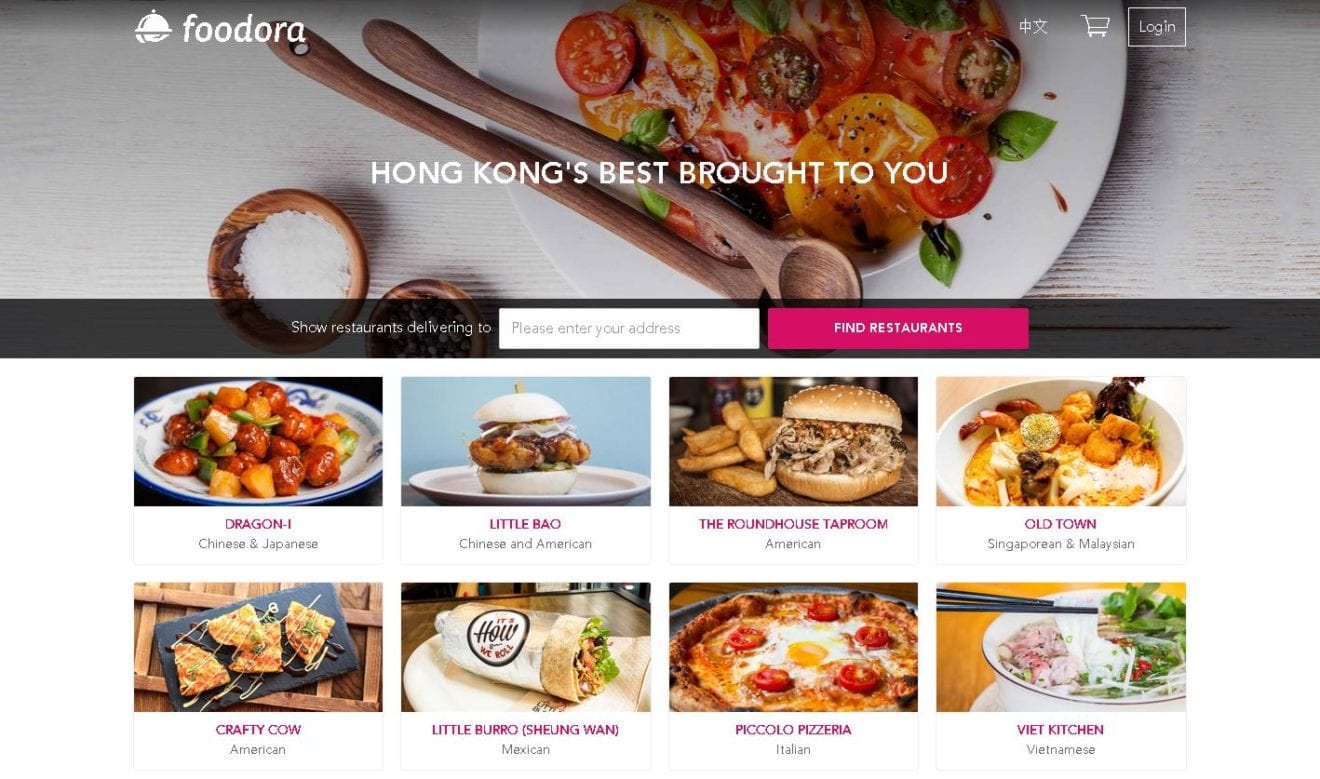
    Just two months after its launch, Foodora, the upmarket sister site of Foodpanda Hong Kong has been axed.

    Inside Retail Hong Kong broke news of Foodora’s launch in late September and the company officially unveiled the concept in early October, saying it had 100 restaurants signed up after a trial in two suburbs: Central and Sheung Wan.

    “The company has set itself apart from traditional delivery services by working with big names in the restaurant scene, including the likes of Dragon-i, Iberico, Check-In Taipei,The Boss and Social Place. Restaurants such as Little Bao will for the first time offer hungry Hong Kongers an alternative to waiting in a queue for superior eats,” Foodora said at the time.

    But today, Foodpanda said those restaurant brands will now be listed alongside fastfood brands like Pizza Express on the parent site.

    It disguised the axing of the two month old project in a media statement proclaiming it has “drastically reduced delivery time” of all its orders to “an average” of 30 minutes, a key marketing plank of Foodora.

    “Sister company Foodora, launched in October this year, is also now integrated into the Foodpanda business, in order to have natural synergies and premium expertise. This new integration is an additional step to reinforce Foodpanda’s philosophy and expertise on providing the best food delivery services,” the statement said.

    The company says it has developed proprietary rider and restaurant software technology, using an advanced algorithm to optimise delivery courier routes and restaurant operations.

    “The company is now able to ensure that steps in the food ordering process occur faster than ever, bringing average delivery down to 30 minutes after the order confirmation.”

    Announcing the addition of Pizza Express, Oolaa, Mana Raw and Nosh by Secret Ingredient, among others, to its offer, Foodpanda Hong Kong MD Alexander Roth said it is Foodpanda’s mission “to deliver the best meals from the best restaurants to our customers as quickly as possible”.

    Foodpanda is encountering increasing difficulties rolling out its business model in Asia. Last month it closed its Vietnam operation after failing to make a dent in the market share of more efficient, established rivals (subsequently selling its database to one of them).  In Kuala Lumpur it is struggling to win customer confidence after buying up its rivals and shutting them down and operating a monopoly widely criticised for delivery times of often more than an hour, complaints of cold food and poor customer service.

  • E-Mart opens first outlet in Vietnam

    E-Mart opens first outlet in Vietnam

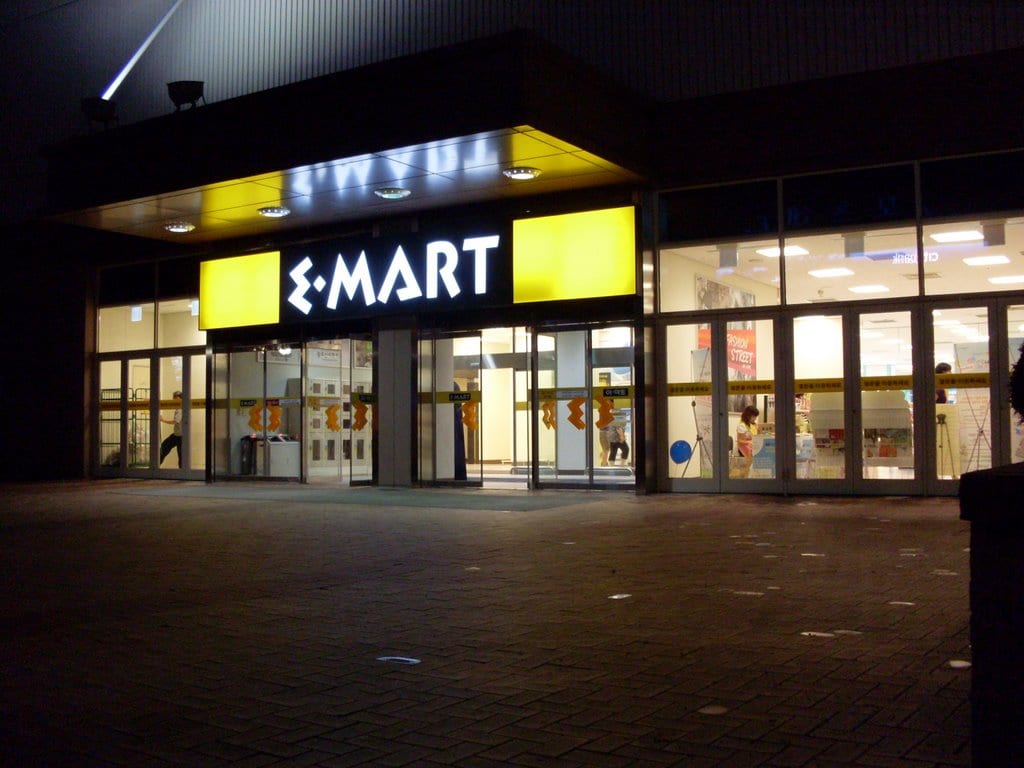
    E-Mart said Monday it has opened its first outlet in Vietnam, with aims to expand its presence across the Southeast Asian region in the years to come.

    The discount store chain operated by Korea’s retail giant Shinsegae will be competing with Lotte Mart, which has been operating 11 stores in Vietnam since 2011.

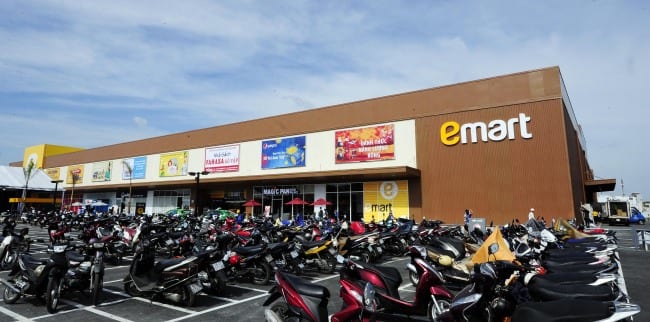
    E-Mart’s new store located in the Go Vap District in Ho Chin Minh City, Vietnam. (E-Mart)

    The new E-Mart store — two stories tall and about 30,000 square meters wide — is located in the heart of Ho Chi Minh City at Go Vap District, one of the most developed and densely populated areas in the capital.

    The Go Vap branch marks E-Mart’s first overseas store since the brand redirected its focus to the Southeast Asian market in 2011 amid sluggish performance of its Chinese operations.

    The firm has set its sights on using the new store as a foothold to expand into other regions in Vietnam as well as neighboring countries like Laos, Indonesia and Myanmar.

    E-Mart said it has taken care to localize its services as much as possible to meet the needs and lifestyle of Vietnamese consumers while introducing a number of new services and facilities unfamiliar to locals.

    For one, 95 percent of some 300 store employees, including the store head, are Vietnamese. In line with the high motorcycle ownership (80 percent) in the country, the parking lot has been designed to accommodate 1,500 motorcycles and 150 cars.

    In terms of its product lineup, E-Mart is featuring Korean goods that are popular among Vietnamese tourists to Korea as well as imported items sourced directly by the store operator.

    Popular Korean food such as kimbap and tongdak, grilled chicken, as well as fresh baked goods catered to Vietnamese tastes will be freshly made and sold inside the store as well.

    The venue also includes a number of new dining and entertainment facilities scarce in the country including a diversified food court, a sports club for children as well as an English Club.

    At the same time, E-Mart plans to implement its flagship customer services system, including immediate refund and exchange policies and compensation for miscalculations at the checkout counter.

    “By offering items, services and facilities popular among the Vietnamese E-Mart’s Go Vap branch will seek to sweep the Vietnamese retail market,” said general director of E-Mart Vietnam Choi Kwang-ho.

    “After successfully building up a sizeable presence in downtown Ho Chi Minh, we plan to expand into the rest of the country,” he said.

    E-Mart has reportedly purchased land near Ho Chi Minh’s Tan Son Nhat International Airport, with plans to open its second branch there in the near future.

  • Alibaba and UBM to create O2O trade buying experience

    Alibaba and UBM to create O2O trade buying experience

    Alibaba’s B2B business unit, including Alibaba.com and 1688.com, has teamed with trade exhibition organiser UBM Plc to “unite the online and offline trade buying experience” initially in Asia.

    The two companies have begun exploring opportunities to link the B2B online and face-to-face trading worlds by leveraging their combined strengths, technologies and relationships. The alliance will begin with pilot programs introducing Alibaba B2B business unit’s online secure transactional platforms and business portals for companies participating in select UBM Asia trade fairs.

    Cross promotional marketing, match-making services and audience development of the two company’s brands and networks will be another key aspect in working towards the longer term goal of creating the next generation of on and offline trade experiences.

    Sophie Wu, president of the Alibaba B2B business unit, says collaborating with UBM will offer small and medium-sized enterprises a multichannel B2B trading experience.

    “They can also tap into the abundant and combined expertise of the two industry pioneers for more worldwide trading opportunities.”

    Tim Cobbold, CEO of UBM  says a fundamental element of his company’s ‘Events First’ strategy is its commitment to innovate and to deliver value for customers.

    “We are excited at the opportunity to partner with Alibaba.com, to create the next generation of trade buying experience.”

    Pilot programs for the joint collaboration will begin with UBM Asia’s Malaysia International Furniture Fair (MIFF) to be held on 1-5 March 2016 in Kuala Lumpur, Malaysia, Finefood Shanghai – part of Hotelex Shanghai – to be held 29 March to 1 April 2016 in Shanghai, China; and the co-located Materials Manufacturing & Technology (MM&T) and Fashion Access (FA) fairs to be held 30 March to 1 April 2016 in Hong Kong.

    The collaboration will commence with promotions of the UBM fairs to both parties’ respective trade audiences and Alibaba will begin offering their Trade Assurance service onsite to select exhibitors.

    Alibaba’s Trade Assurance service allows participating suppliers to offer guarantees on order quality standards and on-time shipment.

    Further pilots in the second half of 2016 will include additional business match-making components for other UBM Asia events such as Shanghai International Children Baby Maternity Industry Expo (CBME China) and Sign & LED China fairs.

    James Dong, head of B2B strategy, investment, business development and business intelligence of Alibaba.com, says the eCommerce giant sees great added values for global business traders through the collaboration.

    “Alibaba’s online trading resources and technology complements with the interaction and dialogues in the offline UBM trade shows. Such an alliance not only makes trading more cost-effective but enables higher level of trust between global buyers and sellers,” he said.

    James Dong of Alibaba, left, and Jime Essink of UBM Asia announcing the new partnership.

    Jime Essink, president and CEO of UBM Asia Ltd, says one of the challenges of the trade exhibition industry is continuing the buyer and seller dialogue and experience throughout the year.

    “Meanwhile, the limitation of a pure online trading world is the absence of the physical interaction and development of the personal relationship. With Alibaba and UBM Asia – both prominent players in our respective fields of B2B trade – working together, we see opportunities to change how online and offline trade takes place, providing improved returns and efficiencies for our customers.”

  • Qianhai Centre Shenzhen design revealed

    Qianhai Centre Shenzhen design revealed

    Benoy, the global studio of Architects, Masterplanners, Interior and Graphic Designers has revealed its design of the future China Resources Land (CRL) Qianhai Centre Shenzhen.

    The development will form a core part of the highly publicised Qianhai special economic zone. As masterplanner and retail architect, Benoy says it has “challenged the status quo of a traditional finance district” by creating a multi-layered active city environment for the commercial scheme.

    Located in the centre of Qianhai, the development sits within ‘Neighbourhood 2’ of the district. With a vision to transform the district into the ‘Manhattan of the Pearl River Delta’, Qianhai itself is expected to attract $45 billion in future investment.

    “Our design has aimed to capture how we want our cities to look, feel and function in the future; bringing a new concept to shape this emerging zone,” said Chao Wu, Benoy director.

    Benoy’s masterplan for the 54,000 sqm site aims to create an active 24 hour destination and develop the plot to its fullest potential. The scheme will feature a four-storey podium including a basement retail level which will connect to five towers comprising commercial offices, a five star international hotel and serviced apartment residences.

    Enlivening the heart of the development, and, in turn, the wider district has been a key consideration of the design. As such, Benoy has carved two main ‘spines’ through the development to create a lively internal streetscape. The Financial Valley and the Green Belt thoroughfares open up the podium to create an interconnected environment from the sunken basement levels up to the roof garden on Level 4.

    As Chao explains: “These open-air spines bring the development to life with their fluid form which is accentuated by landscaping, terraces and an eclectic mix of spaces. The design gives human-scale and creates a recreational experience and personality for the emerging financial zone.”

    At the intersection of these internal streets sits the focal point of the scheme – a large, vertically and horizontally connected outdoor event space. This outdoor entertainment area has been designed for year-round enjoyment with a monocoque steel canopy featuring ETFE material. A modern theatre and art gallery have been strategically positioned nearby to support the events programme, reiterating the commitment to inject art and culture into the commercial precinct.

    “This development needs to serve both the living and working needs of the surrounding community. We wanted to create a model which functions as a recreational realm bustling with activities and different environments to form a centrepiece for the wider commercial masterplan,” says Chao.

    The development has not ignored its identity within the financial district with the architectural language respecting both functions of the scheme. The lively designs along the interior spines of the development have been complemented by the formal and clean lines of the street-facing facades which reference the corporate nature of the district.

    Following the vision of the district, CRL Qianhai Centre promotes a strong integration of public transport and a multi-layered pedestrian-friendly environment as a Transit Oriented Development. Three metro lines which include Line 1, Line 5 and the future Line 11 are seamlessly integrated into the scheme. Environmentally aware, the development is targeting both LEED and China Green Building three star certifications.

    CRL Qianhai Centre has broken ground and is due to complete construction in 2018. The development adds to Benoy’s growing portfolio in the emerging Pearl River Delta economic zone.

  • Apple Hong Kong store gets an extra floor

    Apple Hong Kong store gets an extra floor

    Apple’s first retail store in Hong Kong is expanding with the addition of a third floor.

    The store, located in IFC Mall, opened its doors in 2011. Three more have since opened across the territory, but demand for Apple’s products still caused frequent congestion inside the IFC Mall location.

    Apple Hong Kong store 1 ( Apple Insider)

    In a catchy promotion announcing the expansion, Apple has mounted signs with the slogan: “We’re taking things up a level”.

    According to AppleInsider, construction of the extra floor is nearly complete. The store will feature a new, separate staircase to access the new zone.

    Apple Hong Kong store 2 ( Apple Insider)

    Apple opened its 28th store in China last week, with plans to have a total of 40 retail locations in Greater China by mid-2016.

  • HKIA to create one-stop shop in West Hall

    HKIA to create one-stop shop in West Hall

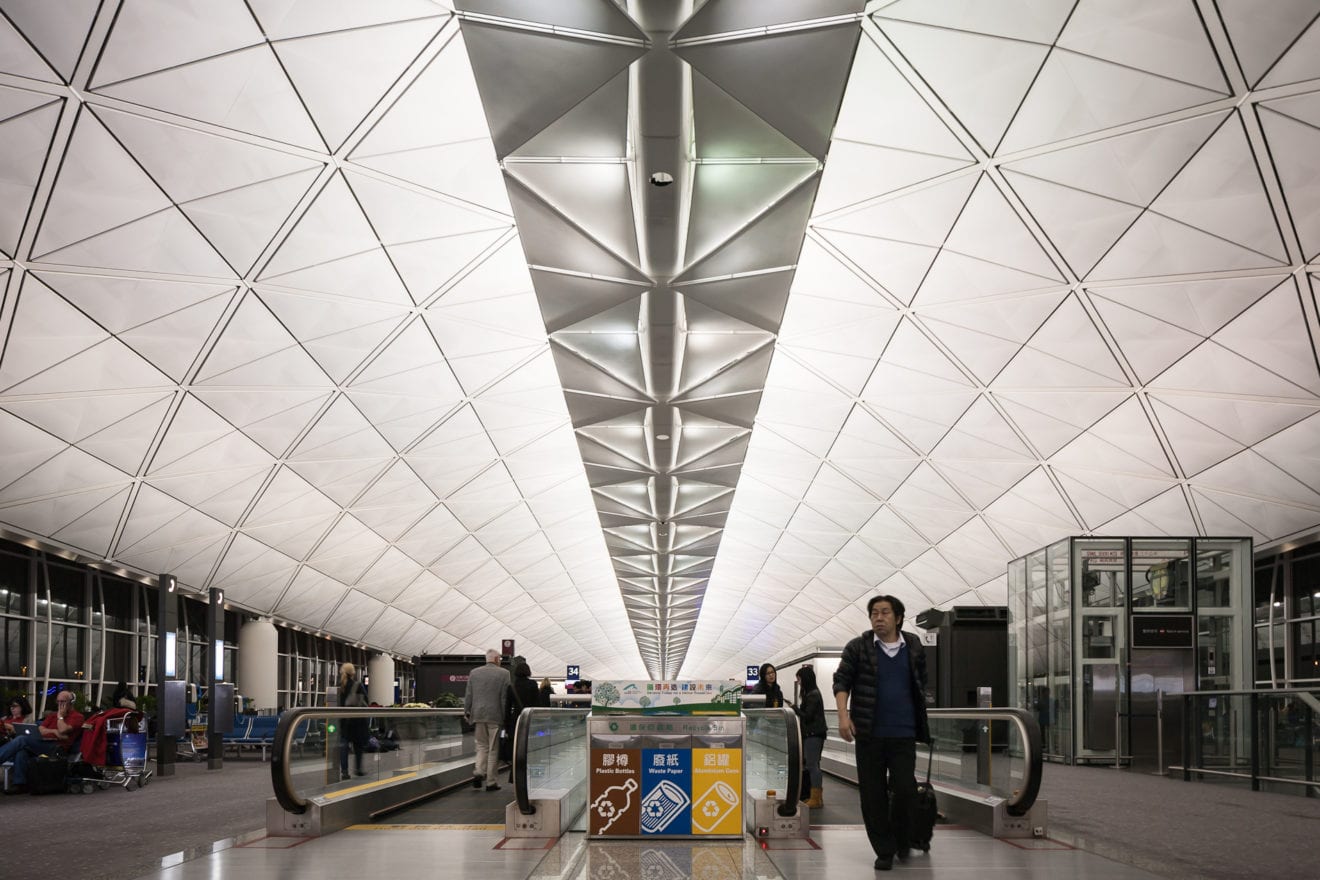
    Retail performance in 2015 at Hong Kong International airport (HKIA) has been shaped by a growing portfolio of leading brands and strong passenger growth, an Airport Authority Hong Kong spokesperson told DFNIonline.

    HKIA now plans to reinvigorate the retail facilities at the West Hall to be more of a “one-stop shop” and dining destination. HKIA has added two new brands to the facility, Hermès and MCM, both of which will make their introduction from the middle of 2016. So far over 50% of the stores are currently open as part of the West Hall redevelopment programme.

    After launching a local free delivery service in February 2015, where customers spending over $1,000 can enjoy free postage within Hong Kong, HKIA has extended its service within Greater China. Launched last month, customers spending over $2,500 on clothing, bags and accessories are offered free delivery to mainland China, Taiwan and Macau.

    The airport is also embarking on substantial retail change where several tenders have been issued. The spokesperson confirmed the airport is undergoing an evaluation process.

    In keeping with its uplifting retail experience the airport installed an “I Love Hong Kong” zone this year, located on Level 7 of the East Hall comprising an “East meets West” culture. Fourteen local brands for fashion, Chinese dried goods, Chinese bakery, optical shops and tea houses now carry the prominent logo on shop-design, merchandise and packaging, as well as Hong Kong Disneyland and Giordano.

  • Lane Crawford gives brand fresh Facesss

    Lane Crawford gives brand fresh Facesss

    Hong Kong department store Lane Crawford has given its beauty brand Facesss a whole new look and direction.

    Facesss, with stores in Admiralty and Harbour City has been given a makeover by independent creative consultancy Constant aimed at appealing to millennials and a more diverse local audience.

    Constant said until now Facesss has been a popular beauty destination, catering to a myriad of different demographics, but it lacked a strong voice of its own.

    The consultancy took a roots to branch approach, focusing on the in-store shopping experience, branding and location within Lane Crawford. Staff uniforms were redesigned and a new in-store music soundtrack compiled, and a new mobile app developed.

    “Since Facesss allows everyone to discover the beauty that works for them, we wanted to hero individualism and self-expression across the communication strategy”, Tem Hansen, partner & strategy director said.

    “We see the beginning of that in the identity and tone of voice, but it will be explored further in the next phase of the brand development.”

    While Facesss now has a new logo, the Constant team took pains to retain “the most definable assets” of the brand.

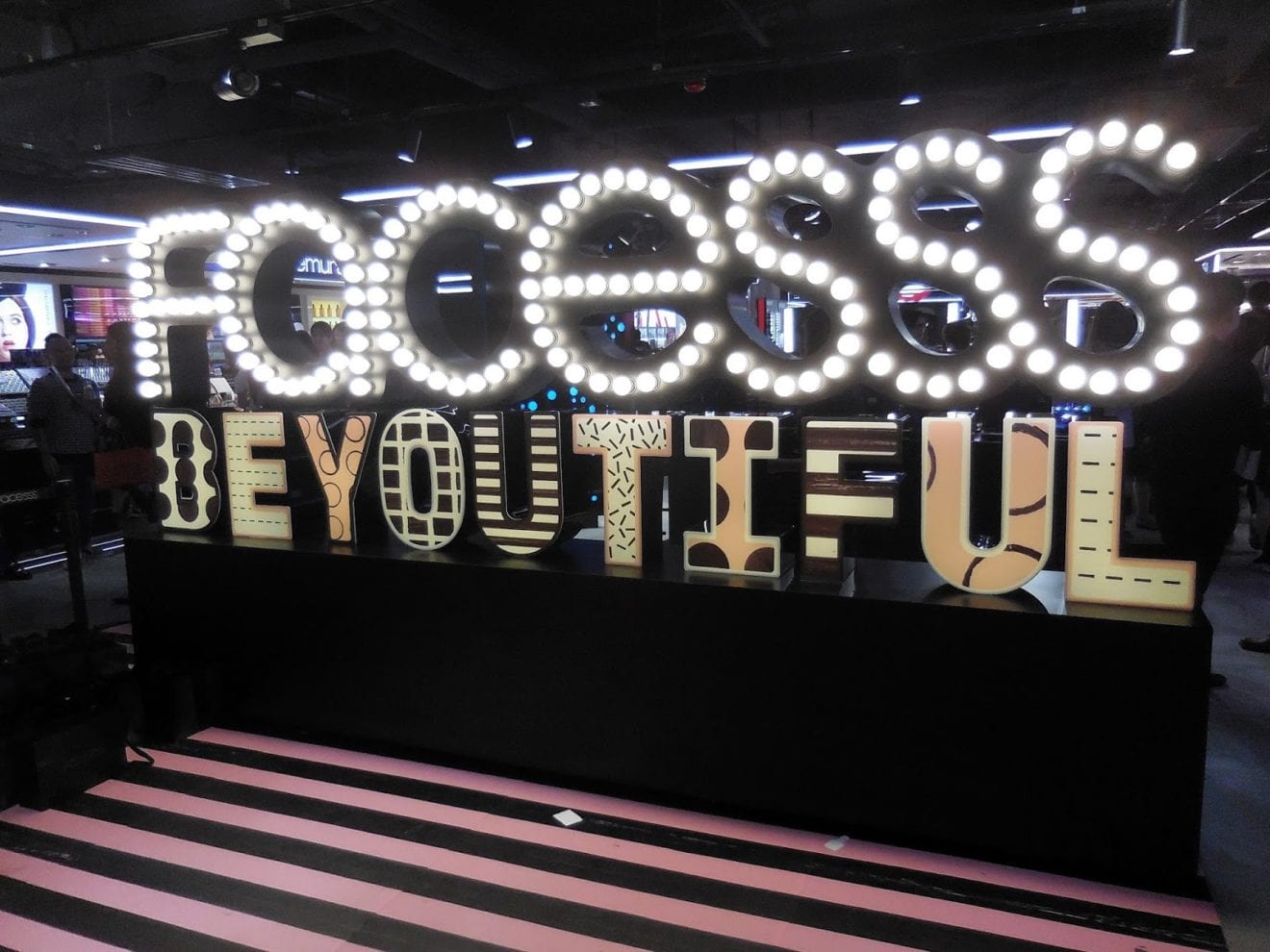
    “Starting from the logo, the new branding came naturally as we expanded with more geometric shapes and a series of patterns that allows the identity to both be fluid and recognisable across all platforms,” explains Tim Ho, Constant partner and creative director.

    “You see that strongest in the animated GIFs that are used across both LED panels and on social media channels.”

  • WearYouWant Thailand sales soar

    WearYouWant Thailand sales soar

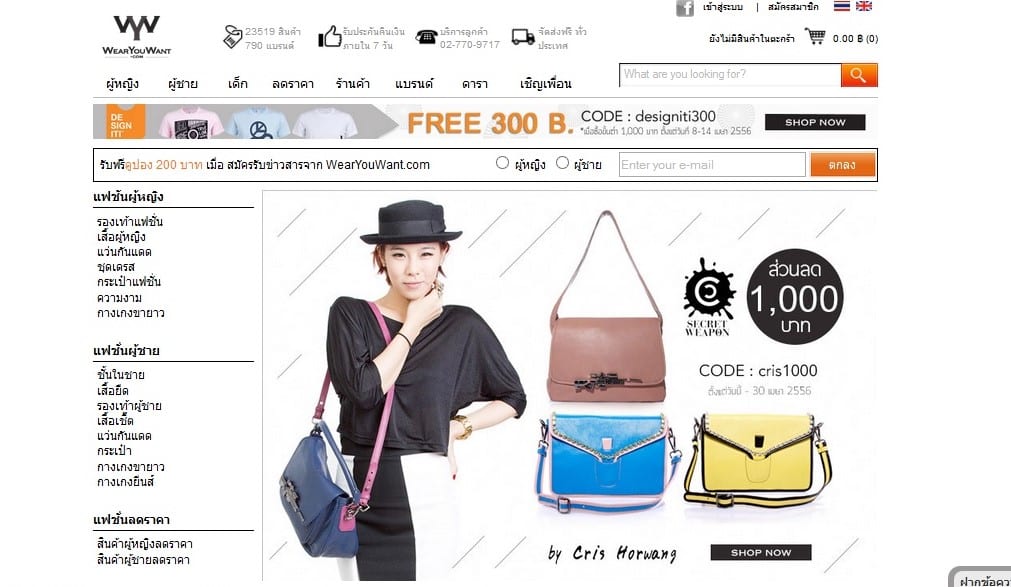
    WearYouWant Thailand – the Bangkok based online fashion marketplace – has reported a 150 per cent growth in revenue this year.

    “It has been an astounding year for WearYouWant,” says Julien Chalté, co-founder and Co-CEO.

    “We have outperformed our budget for the last 11 months and believe we will end this year on a strong note.”

    WearYouWant Thailand has been working hard this year to build brand awareness, including an advertising campaign on the BTS Skytrain network, which has boosted site traffic by 30 per cent.

    The raised brand awareness has encouraged brands such as Mac Jeans and Aldo to supply the site.

    “Our advertising campaign has shown remarkable results in terms of visibility. In addition to generating more traffic and conversions, it has also created trust on the B2B side, which has resulted in an increase of new partners joining our platform,” Martin Sørensen, fellow co-founder and co-CEO added.

    The Thai fashion market place now boasts about 500,000 visits per month and aims to create a high-quality, brand-led seamless online retail experience, which they have achieved for the platform in 2015 on both the B2B and B2C side.

    “We have had immense growth in 2015 on the partner side and on the end user side. One of the important strategic focus points for WearYouWant will remain to continue growing our B2B market  at the same pace as we grow our B2C database; that is key for being successful in a B2B2C setup as ours,” explains Sørensen.

    A fourth anniversary birthday campaign this month has set a new sales record for the site, which has achieving nearly 50 per cent of the total sales forecast for December less than half way into the month.

    The team behind WearYouWant: from left, Christian Skoglund CFO, Julien Chalté, Martin Toft Sørensen, co-founders and co-CEOs, and Thomas Kroman, chief marketing officer.