Author: Mei Ling Tan

  • Korea scraps perfume tax

    Korea scraps perfume tax

    Korea’s government has removed some items from the Individual Consumption Taxes list, making them exempt from what is often referred to as a ‘luxury tax’.

    Perfume, cameras and deer antlers were removed from the list, but tax will still be imposed on purchases of Royal Jelly.

    Authorities reported that the ruling party and opposition party have agreed on the revision of the Individual Consumption Tax Act.

    The government announced that it would be eliminating the seven per cent tax that was imposed on deer antlers, Royal Jelly and perfume, when it revealed the revised bill in August.

    However, during debate at the national assembly, Royal Jelly was excluded from the exempted items, and cameras, which used to face a 20 per cent tax, were added.

    The bill proposed by governor Jung Eui-hwa suggested that cameras be excluded from the items facing individual consumption taxes. She explained that ‘owning a camera is no longer a symbol of wealth’, and instead it is seen as a matter of ‘consumer preference and choice’.

    Though it was not included in the revised bill that both parties agreed to, the five per cent tax which was imposed on air conditioners, refrigerators, washers and TVs consuming more than the standard amount of electricity is expected to be abolished as the revised act is enforced.

    The revision was undertaken to follow international trends, and recognise the changes that have occurred with the passing of time. It was concluded that the items exempt from taxes were no longer thought of as ‘luxury’ goods in the current society, in which personal income and standard of living are both higher than in the past.

    With the abolishment of individual consumption taxes, the factory prices of deer antlers, cameras and perfume will be lowered. However, some have pointed out that it remains to be seen whether the revision of the bill will lead to lower consumer prices, like the prices of high-fashion brand bags.

  • FamilyMart Taiwan accepts bitcoins

    FamilyMart Taiwan accepts bitcoins

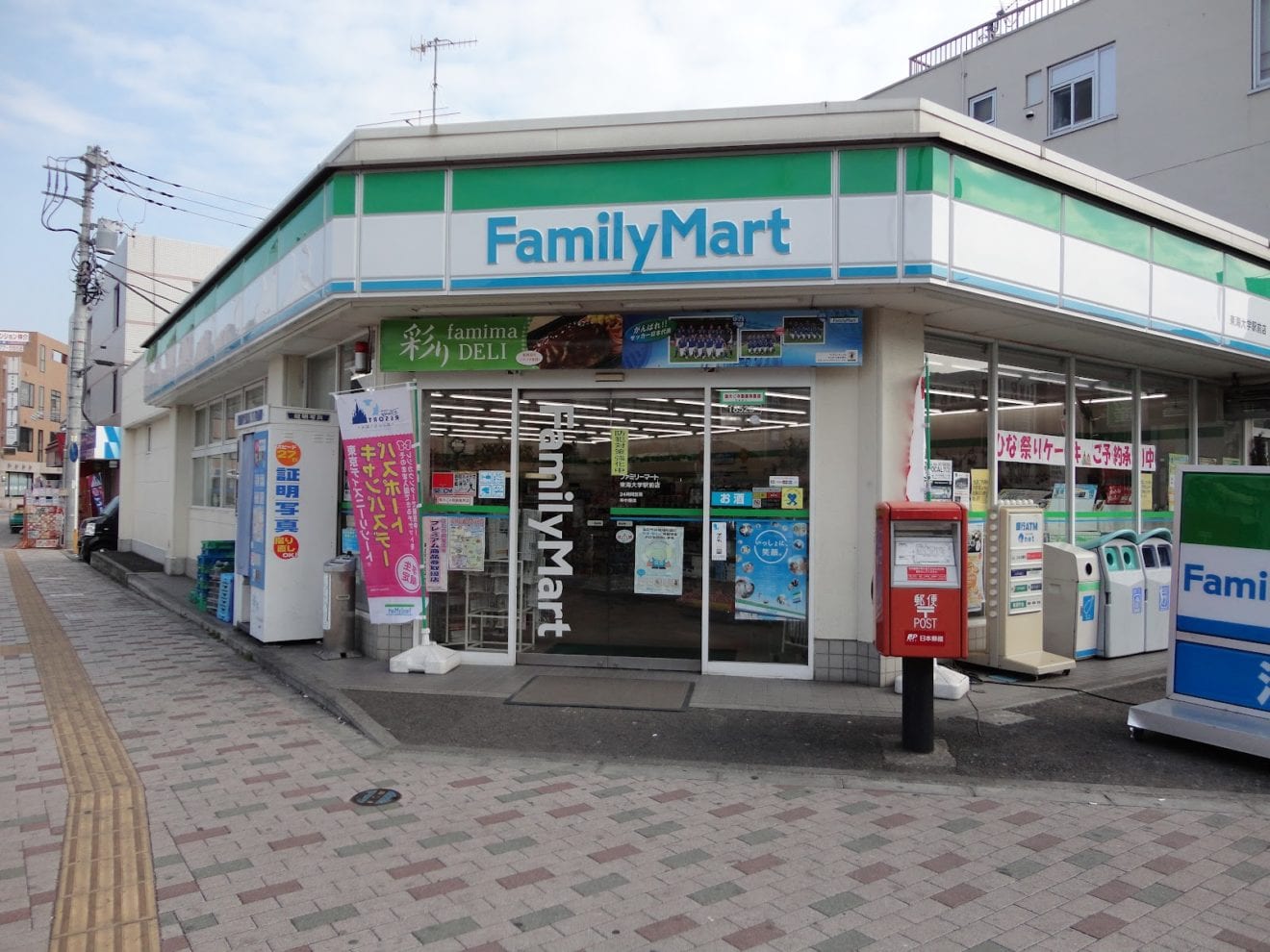
    FamilyMart Taiwan says a growing number of customers are paying by bitcoin since it struck a deal with local wallet provider BitoEX.

    The convenience retailer started accepting the cryptocurrency at its 3000 stores across Taiwan on October 24 and has recorded more than 500 transactions since then.

    Most customers are using bitcoin to buy coupons dispensed by FamiPort terminals which Taiwanese use to pay for a variety of things including utility bills, cinema tickets, parking fines or train tickets.

    FamilyMart PR manager Chen Chia-Chi told the Taiwanese news agency United Daily News that the bitcoin acceptance is aimed at travellers to Taiwan and a growing domestic bitcoin userbase.

    BitoEX, meanwhile, claims to have more than 40,000 web wallet users, a customer base growing 30 per cent annually.

    “There are more and more users of our bitcoin wallet now, but the market in Taiwan is still small, and it’s still growing,” said Rica Chiang, deputy GM of BitoEX.

    Last year, BitoEX struck a deal with FamilyMart to sell bitcoins. That relationship raised the retailer’s awareness of the currency’s acceptance and consumer interest, leading to October’s payment introduction.

    “Since last year [FamilyMart] saw a growing number of bitcoin sales. That’s why they were cautiously thinking about accepting bitcoin to see if it there’s a bigger market out there,” said Chiang.

    Among the local users of the service are gamers who take a break to grab a refreshment at a familyMart store – and pick up some bitcoins on the way to use online.

    “We noticed a lot of transactions taking place in the middle of the night, so we were curious. We found out they were gamers,” said Chiang.

    “Sometimes they say, ‘Please give me bitcoin, I’m in a hurry – I’m in the middle of a game!’.”

    BitoEX says people using bitcoin for remittances, investors and speculators are its next largest customer groups.

  • JV plans 20 Pizza Hut Myanmar stores

    JV plans 20 Pizza Hut Myanmar stores

    Hong Kong’s Jardine Group says its Myanmar joint venture will open up to 20 Pizza Hut restaurants across the new market within five years.

    With the first outlet just opened in Yangon, the Jardine CM Restaurant Group plans a second in early 2016 with a gradual expansion thereafter as it tests the market. If sales are high, the rollout may be sped up, according to a company spokesman.

    Jardine CM Restaurant Group is a joint venture between Jardine Restaurant Group Myanmar and City Mart Holding, which owns the Pizza Hut Myanmar franchise.

    Simon Arnold (left), Daw Win Win Tint, UMFCCI chair U Win Aung, Henry Yip and Vipul Chawla (right) hold up pizzas at the launch of Pizza Hut Myanmar.

    Vipul Chawla, MD of Pizza Hut, Asia for parent Yum! Brands, says the company sees huge potential across Asia.

    “Pizza Hut has 25 restaurants for every million people in the US. In Asia we have 11 restaurants per million people. Myanmar has huge potential with a population of more than 50 million,” he said during the opening ceremony for the first restaurant.

    Jardine Restaurant Group operates more than 680 Pizza Hut and KFC restaurants across Vietnam, Taiwan, Hong Kong and Macau.

    Henry Yip, Jardine Restaurant Group CEO, says 97 per cent of the first store’s staff are local and a majority of its ingredients are sourced locally.

    “We are also investing heavily in training and career development to ensure global best practices.”

    Recipes in the restaurant have been tailored to the local palate without removing options which those who have dined in Pizza Huts elsewhere in the world will find familiar.

    “We have researched the tastes preferred by local customers, and tailored our recipes accordingly,” said Simon Arnold, Pizza Hut Myanmar GM.

    Jardine will not be taking KFC into Myanmar – that franchise partnership was secured by Yoma Strategic Holdings, chaired by Serge Pun.

  • American Eagle Outfitters ‘pulls itself out of the mire’

    American Eagle Outfitters ‘pulls itself out of the mire’

    Solid revenue increases at American Eagle Outfitters are evidence the self help measures the company has been employing continue to pay dividends.

    This is especially so as they have been achieved against the backdrop of a teen fashion market that remains subdued and competitive, and during a quarter when the weather was mostly against apparel retailers.

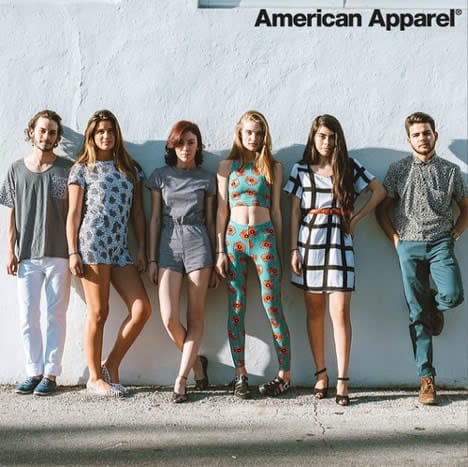
    Key to the transformation of American Eagle Outfitters is a step change in product assortments and in-store execution, especially at American Eagle bannered stores. Compared to a year ago, stores are looking cleaner with a much clearer proposition incorporating a sensible mix of staple and fashion pieces.

    In line with changing tastes, the fashion pieces have more subtle branding and detailing, and many are focused on current trends and ‘must have’ seasonal items like parka jackets. These things, along with a notable step-up in the quality of garments, have helped to improve customer interest and conversion rates. This, in turn, is leading to higher sell-through and lower levels of discounting – something that American Eagle Outfitters was previously guilty of relying on to drive volume.

    These lower levels of promotional activity have helped American Eagle Outfitters to rebuild its profitability, with net income increasing by an impressive 720 per cent this quarter to just over $74 million. Gains to the bottom line were also driven by store rationalisation and improved cost discipline – all things that will continue to deliver gains as the company moves into the final quarter of its fiscal year and beyond.

    The renewed sense of energy and confidence that is present on American Eagle Outfitters’ shop floor is also evident in the boardroom where directors signed off on the acquisition of the Tailgate Clothing Company, which owns and operates Tailgate, a vintage, sports-inspired apparel brand with a college town store concept, and Todd Snyder New York, a premium menswear brand. Both of these businesses are entirely complementary to American Eagle Outfitters in that they have a more premium position and serve a slightly edgier, discerning customer. This is especially so for Todd Snyder which sells sweatpants at $175 and coats for as much as $1995. As niche as this may seem, as the growth of brands like Ted Baker attests, this premium segment of the fashion market is growing rapidly – and we see it as positive that American Eagle Outfitters now has access to this growth.

    Moreover, it is positive that the acquisition is one that has been made on the grounds of giving American Eagle Outfitters access to a different part of the market and has been made at a time when the core business is firmly in recovery. This gives us confidence that the transaction has been made for the right reasons and not simply to hide difficulties in the core business.

    That said, as much as the new businesses provide significant future opportunities, American Eagle Outfitters does need to ensure that its focus remains firmly on the core. Despite its recent success the market in which it operates remains very difficult and is subject to a number of unhelpful competitive dynamics, including the continued growth of fast fashion brands like H&M and Primark. None of this is to suggest that American Eagle Outfitters cannot continue its run of success, merely that it needs to keep both hands on the wheel if it is to steer a successful course.

    This year has been one in which American Eagle Outfitters has managed to pull itself out of the mire. It has emerged as a stronger, leaner player with a much more distinct point of view. We believe that it will build on this progress in the final quarter and beyond. It will do so under the pragmatic and effective leadership of Jay Schottenstein, whose position as interim CEO has now been made permanent.

  • Food will dominate Damansara City Mall

    Food will dominate Damansara City Mall

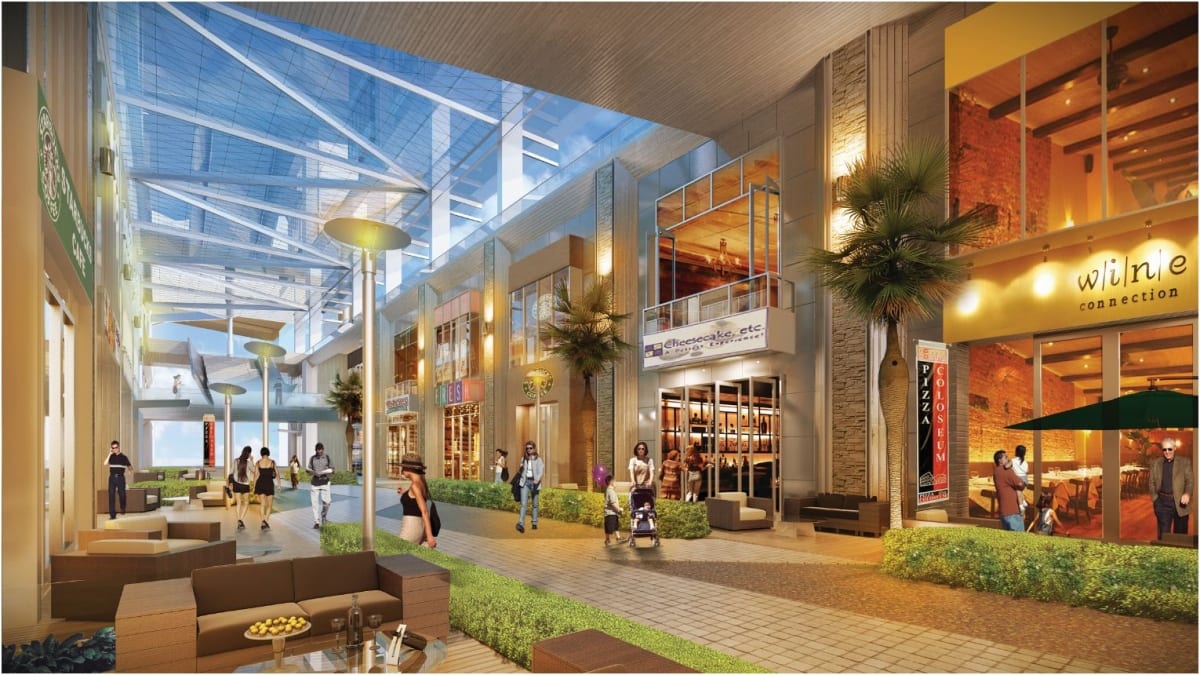
    A new shopping centre under construction in Malaysia’s capital city, Kuala Lumpur, plans to set itself apart from rival destinations with a dominating food offer.

    The four story Damansara City Mall, scheduled to open in April 2016, has a net lettable area of 17,652 sqm. And a full 75 per cent of that space will be dedicated to food and beverage tenancies. The balance of the space will be for retail and services.

    Damansara City Mall senior manager Christine Yeap told a recent media briefing the mall is being pitched at the 12,000 working population nearby, along with neighbouring communities of Menara Milenium, Damansara Heights and Bangsar – a combined catchment of around 100,000.

    “The location of the mall is a step ahead of other malls with easy accessibility from nearby areas.

    “We have quick-serve food outlets on the lower ground level for the busy, working crowd as well as a range of new restaurants in the market.

    “Coupled with a mix of tenants as well as interesting architecture and interior, the mall creates a comfortable and safe environment for visitors,” she said.

    The new mall is located at Jalan Johar in Damansara Heights, and the developer is Guocoland (M) Bhd, the property arm of Hong Leong Group. It is designed by Blu Water Studios.

  • Indonesia to Import 1m Tons of Pakistan Rice in New Deal

    Indonesia to Import 1m Tons of Pakistan Rice in New Deal

    Indonesia to Import 1m Tons of Pakistan Rice in New Deal. Pakistan is the world 11th largest rice producer with annual production of 6.9 million tons milled rice.

    Indonesia will import 1 million metric tons of milled rice over the next four years from Pakistan, in a move to shield the country’s food security against volatile weather patterns.

    The two governments, represented by Indonesia’s Trade Minister Thomas Trikasih Lembong and Pakistan’s Ambassador to Indonesia Mohammad Aqil Nadeem, signed a memorandum of understanding on Tuesday.

    The deal, with an estimated worth of $400 million in imports between 2016 and 2019, will be executed by Indonesia’s procurement agency, Bulog, and Pakistan’s Trading Corporation of Pakistan.

    Indonesia currently has similar MoU with Cambodia, Myanmar, Thailand and Vietnam, though only some of the deals have been realized.

    Pakistan is the world 11th largest rice producer with annual production of 6.9 million tons of milled rice.

    The country saw trade with Indonesia rise 27 percent to $2.2 billion last year following a Preferential Trade Agreement in 2013.

    Indonesia enjoyed $1.8 billion surplus in the trade, thanks to its palm oil exports.

  • Indonesia to Unveil First Local-made Plane after N250

    Indonesia to Unveil First Local-made Plane after N250

    PT Dirgantara Indonesia, (Persero) or PT DI, today will roll-out the N219, the first plane Indonesia has made again after the N250, which was made in 1995.  The N219 is the result of a collaboration between Dirgantara Indonesia and the National Aeronautics Space Agency (Lapan).

    The roll-out—a term for unveiling an airplane for the first time—was supposed to be done in August, but the plane was only ready by November. The roll-out marks that the N219 prototype is ready to be introduced to the public,

    Initially, President Joko Widodo was supposed to attend the unveiling ceremony. But Widodo had canceled his trip to Bandung, where he was supposed to open the 2015 Anti Corruption Festival and the N219 roll-out ceremony.

    Dirgantara Indonesia president director Budi Santoso said that the N219 could mark the beginning of the revival of Indonesia’a aerospace industry.

    “We hope it will help create synergy between industrial sectors and absorb skillful labor,” he said today, December 10.

  • Indonesia Promotes Tourism in Macau

    Indonesia Promotes Tourism in Macau

    Rizki Handayani Mustafa, deputy of Southeast Asian Development at the Tourism Ministry said that Indonesia would promote its tourism industry to Macau in a bid to increase the number of foreign tourists visiting Indonesia.

    “For the first time Indonesia will consider Macau to be a potential tourism market for Indonesia, Rizki told Antara on Thursday, December 10.

    Rizi added that the government would introduce Indonesia with its tourism potentials. Macau travel agent head Xiao Hong said that not many people in Macau knew about Indonesia and how to get there. Therefore, Xiao Hong suggested that Indonesia must conduct more campaigns in Macau.

    “The people in Macau have high expenses, so Macau is very potential as Indonesia’s tourism market. Moreover, many Chinese tourists who visited Macau can continue their trip to Indonesia,” Hong added.

    Bobby A. Rusyandi, general manager of Garuda Indonesia Branch Office of Hong Kong, Macau and Taiwan, said that his airline would work with Ferry operator connecting Macau and Hong Kong to facilitate tourists who want to Visit Indonesia.

    “So, people from Macau who will visit Indonesia with Garuda Indonesia can use a Ferry from Macau to Hongkong, and take Garuda Indonesia from Hong Kong to Jakarta or Hong Kong to Denpasar,” Bobby explained.

    Data from the Tourism Ministry revealed that the number of Macau tourists visiting Indonesia in 2014 stood at 1,622 people.

  • AccorHotels announces strategic partnership with Luneng Group

    AccorHotels announces strategic partnership with Luneng Group

    AccorHotels, a leading international hotel operator, is further strengthening its presence in northern China with the announcement of the signing of three hotels in Beijing with Luneng Group.

    The three projects, two of them new build hotels, are expected to add a total of 525 rooms to AccorHotels’ network in Greater China when they open in 2017 and 2018.

    The three hotels include the 300-room Pullman Beijing Luneng, a 150-room MGallery Beijing Luneng both of which are set to open in Q4 of 2018 and the 75-room Mercure Beijing Luneng, a renovated project slated to open in Q4 of 2017.

    “We are very excited to collaborate with Luneng Group, one of the leading real estate developers in China, for a batch of three projects in the metropolitan city of Beijing,” said Paul Richardson, Chief Operating Officer, AccorHotels Greater China. “This unprecedented, strategic partnership in the city involves three distinctive brands that will enable us to better cater to our guests’ needs while further strengthens our presence in the luxury and upscale segment which continues to be one of the key growth engines for AccorHotels’ expansion in China.”

    Mr Zhou Tao, General Manager of Luneng Group Hotel Management Company (middle left) and Mr. Wayne Li, Vice President Development & Executive Director of AccorHotels Greater China(middle right)signed on service contract.

    Located in northeast Beijing’s cosmopolitan Shunyi district, Pullman Beijing Luneng forms part of a mixed-use project that blends a combination of residential, retail and office development. The newest member to join the upscale Pullman family, the hotel is a short walking distance to the Golf Country Club and Olympic Water Park and is just five minutes’ drive away from the Qiaobo Ski Stadium, making it a perfect option for leisure travelers.

    MGallery Beijing Luneng, meanwhile, is located in the exclusive district of Grasse Town, an upscale villa development in Tongzhou. Nestled in high-end villas and an old canal with several golf and saddle clubs in close proximity, the hotel is a 15 minute drive to the Beijing International Airport, Tongzhou New Town, Beijing New National Exhibition Center and the Oriental Universal Studio.

    Also located in Shunyi district is the Mercure Beijing Luneng, a stunning renovation project adjoining to a shopping mall and the International School of Beijing. The hotel features two restaurants, a lobby lounge as well as several meetings and events spaces for corporate functions and meetings.

    The addition of these three hotels highlights AccorHotels’ solid growth pace in Beijing where its portfolio currently stands at 14 hotels across 6 brands. Notably, the signing of Pullman Beijing Luneng and MGallery Beijing Luneng, in particular, serves as the latest testament to the company’s commitment to bringing the most authentic and highest-standard French hospitality to travelers visiting the China capital.

    A wholly-owned subsidiary of the State Grid Corp of China, Luneng Group is among the country’s Top 100 real estate companies tapping both residential and commercial property development. 

  • Sonae launches Zippy Philippines

    Sonae launches Zippy Philippines

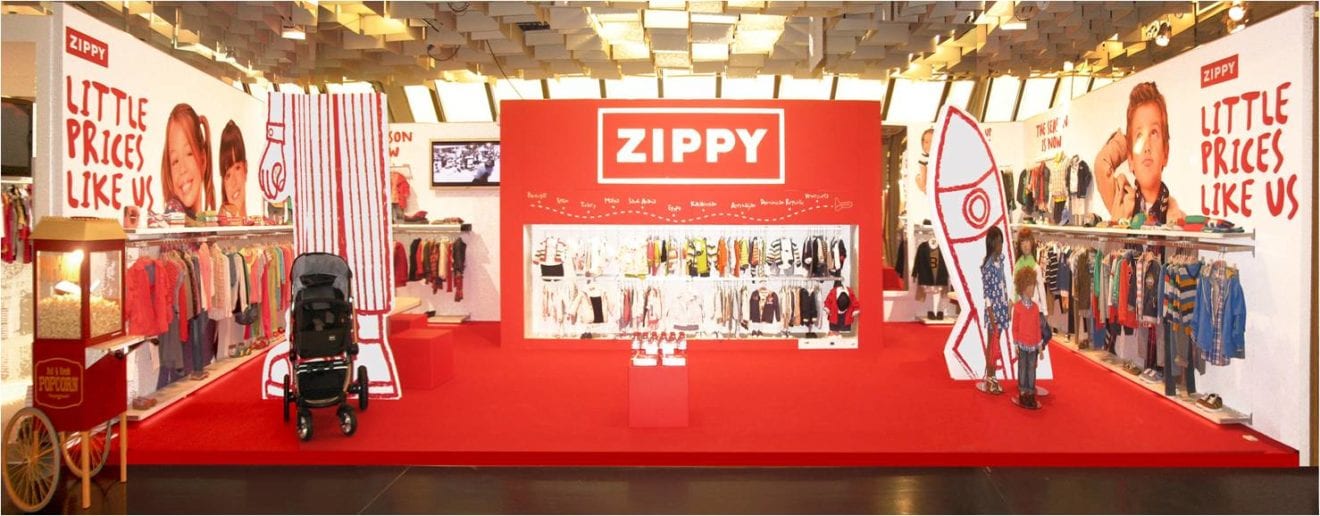
    Portuguese multi-brand retailer Sonae has expanded its international activity to Asia by opening its first two Zippy stores in the Philippines.

    The Sonae brand of children’s clothing and nursery products has signed a franchising agreement that includes opening about 24 stores across the country during the next five years.

    Miguel Mota Freitas, CEO of Sonae SR,  said the partnership is in line with Sonae’s international expansion strategy, which looks to use its brands’ competitive advantages worldwide, diversifying markets and stimulating new development opportunities.

    “Asia is a populous and economically dynamic region, with high birth rates, where consumers are beginning to pay more and more attention to quality products, which opens new perspectives for Zippy, particularly now in the Philippines,” he said.

    Entering the Philippines resulted from the franchising agreement celebrated with Trimark Holdings, which operates more than 600 stores in the country under more than 40 international brands, mostly in fashion.

    The Zippy Philippines stores have opened at the Glorietta and North Edsa shopping centres, in the capital city, Manila.  Zippy’s Philippines stores will have an average area of 100 sqm offering products from clothing and footwear to baby and kids accessories.

    With a population of around 100 million inhabitants, the Philippines is the seventh most populated country in Asia and the 12th most populated in the world. With more than one third of the population aged under 14 years, the potential customer base fits right into Zippy’s target market.

    World Bank data predicts the Philippines’ economy will grow at 6.5 per cent annually for the next two years.

  • Optical 88 struggles

    Optical 88 struggles

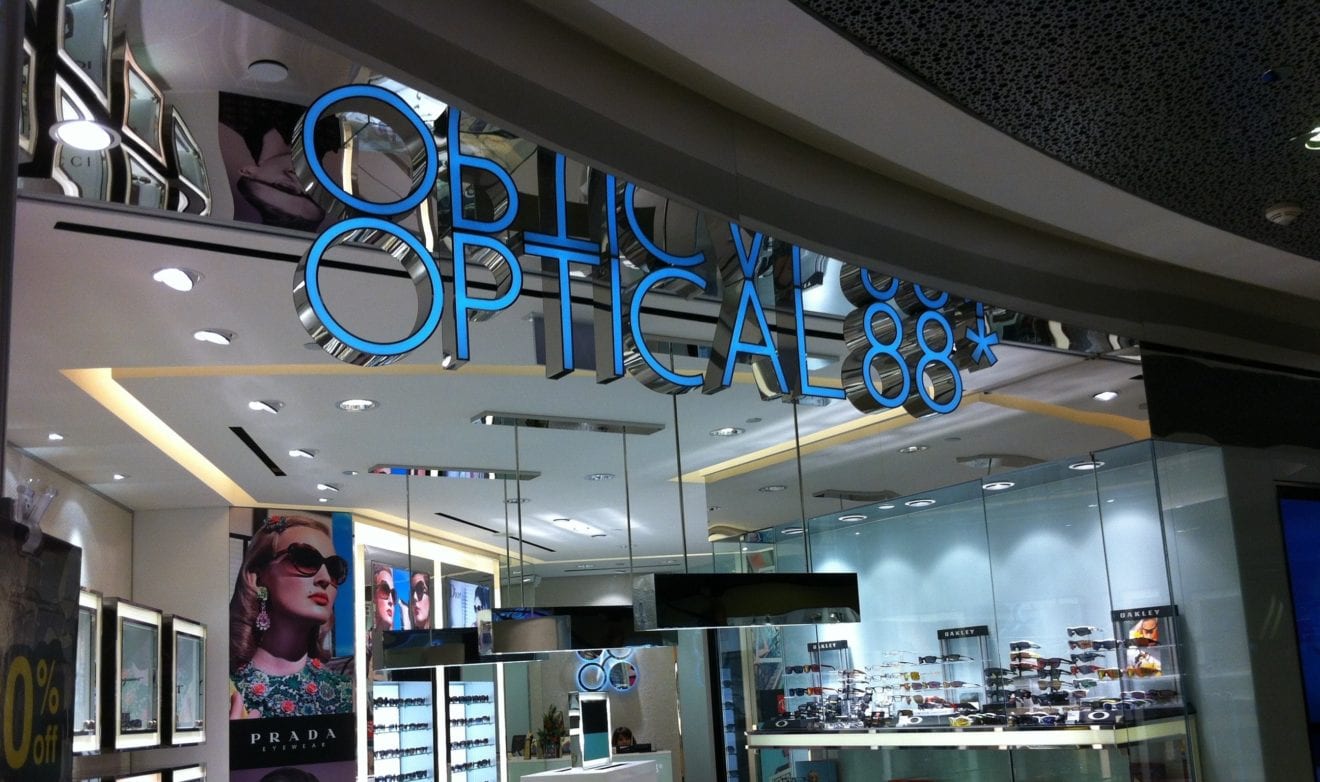
    Eyewear chain Optical 88 has suffered a 10.5 per cent slump in sales in the first half, with profit down 53.2 per cent.

    According to the trading announcement of its parent company Stelux International, sales reached HK$579.1 million and EBIT $18.0 million.

    The company says exchange rate fluctuations and the subdued Hong Kong and Macau markets contributed to the downturn, although the business remains profitable.

    In Hong Kong and Macau turnover decreased by 8.9 per cent and profit by 32.6 per cent, despite efforts in cutting operating costs (other than shop rentals) by around 7.4 per cent. “The turnover performance was impacted by the softened demand from local customers and tourists but gross profit margin remained healthy and stable,” Stelux said in its filing.

    In Mainland China, sales declined by a modest 5.3 per cent. The company says it is building on Optical 88’s professional and healthcare positioning, and will continue to expand the store network in Mainland China in the second half of this year. It aims to accelerate network expansion in the Southern and Southwest regions to further strengthen its market share, paving the way for further expansion into other parts of China.

    Optical 88’s turnover in Southeast Asia dropped by 17.8 per cent (or by 7.1 per cent on a constant currency basis), and a loss of $11.5 million was recorded.

    The introduction of GST in Malaysia in April caused turnover to slip in the first quarter, but the company made up the lost ground in the second quarter.

    Store consolidation and productivity enhancement measures in Singapore paid off this year, with the loss narrowing by 10.7 per cent to HK$7.5 million through reduced operating costs.

    The Thai operations are still profitable, but recorded a drop in turnover by 19.1 per cent caused by the significant decline in consumer confidence and purchasing power in Thailand.

    “Severe competition driven by widespread sales promotions in the market has also led to narrowed margin. The tough market is expected to continue in Thailand, and we will… close non performing shops and continue with our cost control measures, which have reduced our operating costs by 15.7 per cent in the first half,” said Stelux in its filing.

  • Eslite China makes debut in Suzhou

    Eslite China makes debut in Suzhou

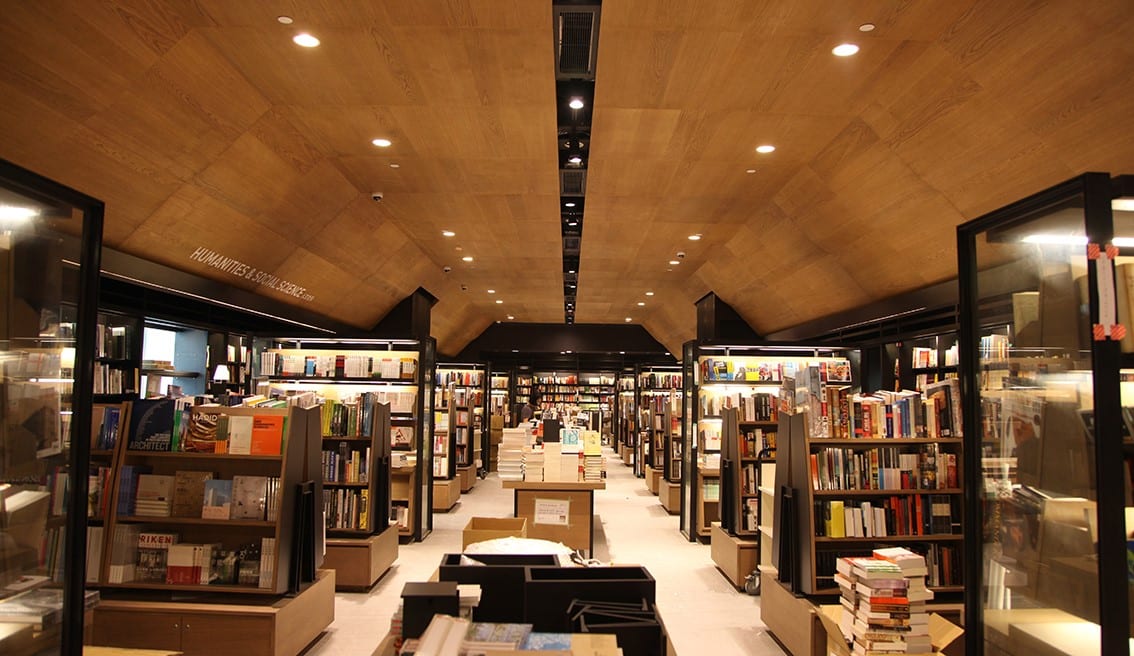
    Taiwanese bookstore operator Eslite Corporation has opened its first shop in Mainland China.

    The Eslite China store has opened in Suzhou in a high profile event featuring some of China’s most famous writers and artists, including Lin Hwai-min.

    Eslite has opened two stores in Hong Kong, redefining the nature of the bookshop in the territory.

    Featuring prominently in the store – which merges art and books with exhibitions and curated collections of gift lines, is a painting by Cai Guo-Qiang in Taipei in 2009, titled Day and Night.

    The Eslite Corporation operates 43 retail bookstores in Taiwan. The Chinese store is its third overseas.

    Despite the brand being new to the mainland, there is a surprisingly high level of local awareness, in part due to Chinese visiting the Hong Kong flagship stores.

  • Penshoppe parent plans 125 new stores

    Penshoppe parent plans 125 new stores

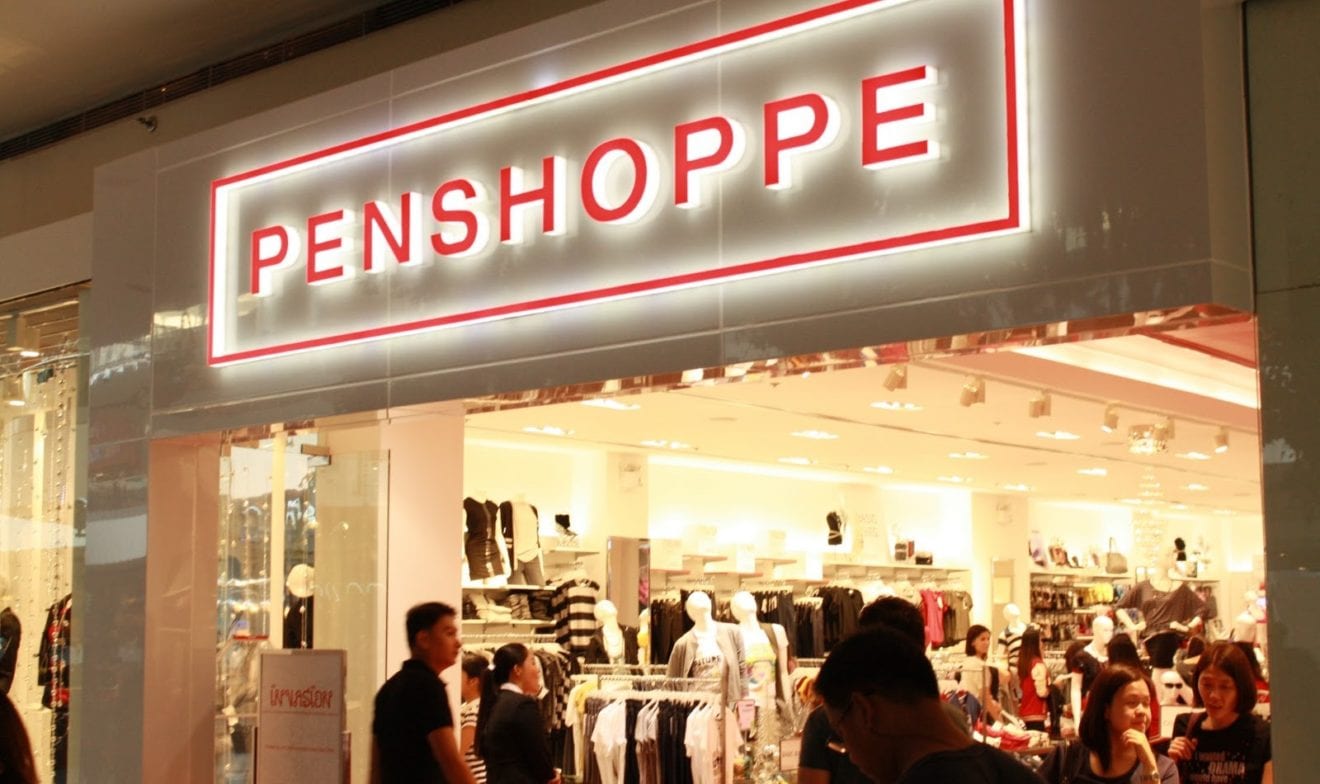
    Philippines fashion retailer Golden ABC says it plans to open 125 new stores in the Philippines and across Asia in 2016.

    According to CEO Bernie Liu, 100 stores will open in the company’s home market and a further 25 will open in other Asian countries, including Indonesia.

    Liu is undeterred by the rapidly rising ranks of foreign fast fashion clothing brands entering and expanding in the Philippines.

    “We have been competing with these international brands for years now in other parts of Asia. Our goal is to bring a Filipino brand into the international arena,” Liu said during the opening of three new stores at the SM Seaside City mall in Cebu.

    Golden ABC’s flagship brand – and the one most likely to be opened in Asian markets – is Penshoppe. The new Penshoppe store at SM Seaside City is the brand’s largest shop yet, with a footprint of 850 sqm, more than twice the size of a normal store.

    Golden ABC also operates the ForMe and Oxygen brands, both of which have also opened stores in SM Seaside City. The retailer has 700 stores across Asia and the Middle East. Its largest Asian markets outside the Philippines are Indonesia and Cambodia – and in Vietnam where the company recently opened a store inside the new VivoCity mall in District 7.

    “We are very encouraged by the response in Vietnam,” Liu said in an interview.

    Penshoppe has 26 stores in Indonesia, with three more under construction.

    Golden ABC also owns the Memo, Regatta and Tyler retail brands, and the direct-selling business Red Logo.

  • Hong Kong retail sales figures released

    Hong Kong retail sales figures released

    At last: some “relative improvement” in retail sales data to encourage embattled retailers.

    Hong Kong retail sales in October fell three per cent year on year, provisionally estimated at $37.2 billion.

    A government spokesman said retail sales showed “some relative improvement in October, helped mainly by the visible growth in the sales of certain consumer durable goods amid the launch of new smartphone models”.

    “Yet the fall in the sales of jewellery, watches and clocks, and valuable gifts remained notable, reflecting the drag from the slowdown in tourist spending.”

    October’s fall was less than half the revised estimate of September’s sales which were down 6.3 per cent.

    Year to date sales are down 2.7 per cent on last year.

    After netting out the effect of price changes over the same period, the volume of total retail sales in October increased by 1.2 per cent from a year earlier. The revised estimate of the volume of total retail sales in September decreased by three per cent. For the first 10 months of 2015, retail sales rose 1.1 per cent in volume year-on-year.

    As expected, it was the jewellery, watches and clocks sector, the most valuable category, which fell the hardest – down 17 per cent in October. Apparel sales were down 5.7 per cent, electrical goods by 10.9 per cent, medicines and cosmetics by 2.4 per cent, Chinese drugs and herbs by 5.9 per cent, furniture by 4.2 per cent and department store sales by 2.2 per cent.

    Supermarket sales rose 1.5 per cent, food, alcohol and tobacco by 3.7 per cent and miscellaneous consumer durables by 36 per cent.

    “The outlook for retail sales will likely be still constrained by the lacklustre performance of inbound tourism. The possible impacts of the dimmer global economic outlook on local consumer sentiment also need to be watched over,” the spokesman said.

  • Bosideng sales slumps

    Bosideng sales slumps

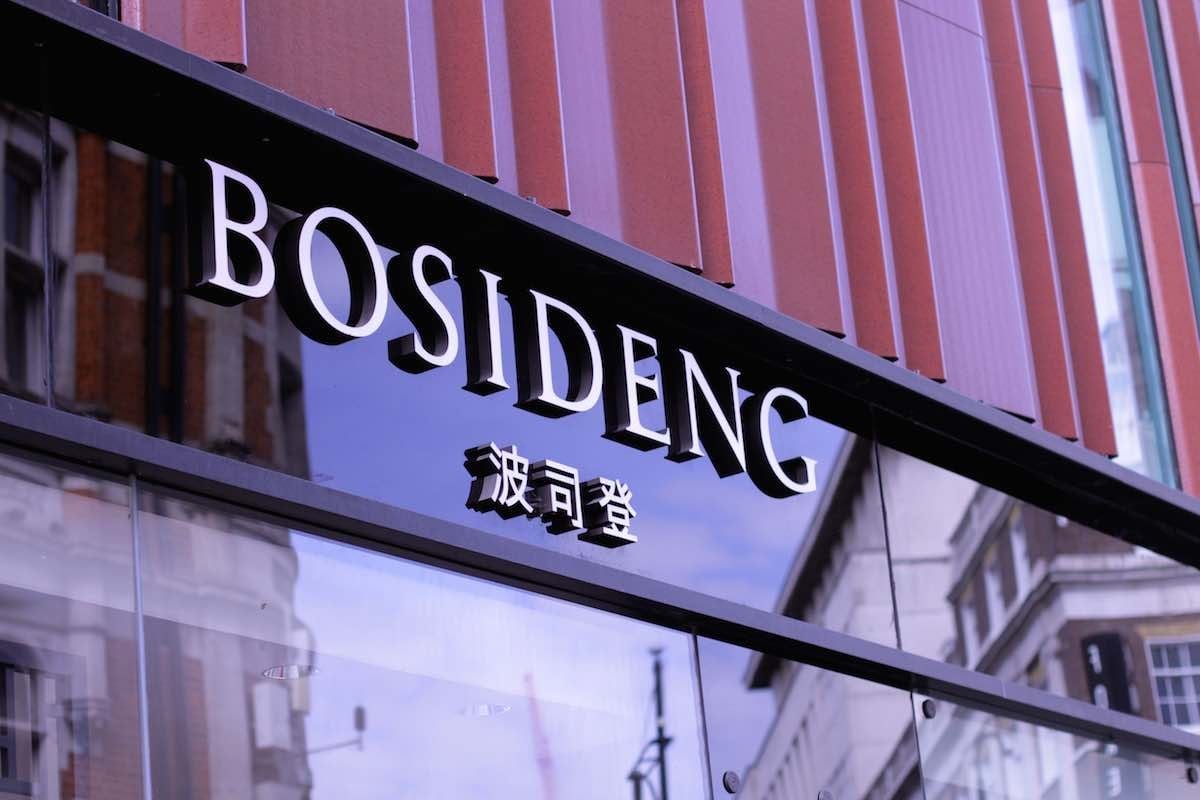
    Chinese down apparel brand Bosideng has seen sales revenue slump 10 per cent – and profit nearly halved in the first half year.

    Down apparel sales, which account for almost half the group’s turnover, fell 14.6 per cent.

    While Bosideng blamed its poor performance on “tremendous challenges” facing China’s apparel industry, there was one telling line in its interim report which suggests a deeper problem:

    “The increasing popularity of the Internet and online shopping that stimulated the proliferation of information, coupled with the speedy expansion of an increasing number of overseas brands in the PRC market, have not only offered more choices for consumers, but also made consumers more sensitive to product prices and styles.”

    “And styles”. Bosideng is having to face the reality that growing an apparel business so dependent on a functional, rather than fashionable, product range may have its limitations.

    But there are signs it is adapting.

    The company said that as Mainland China’s economic growth slows the gap is narrowing between first and second-tier cities and rural areas. That has prompted national brands to switch their development mode from one that relies on store opening to swift response in various stages of business operation, “including branding, products, logistics and retail sales, so as to meet the expectations of the market and consumers”.

    “The group has actively explored and gradually shifted from the traditional wholesale business model to a retail model that draws closer to the market and the consumers. This allows the group to build a more solid business foundation for future development and to seek healthy and sustainable development.”

    The down business, by nature, is seasonal, with demand naturally higher in winter months, prompting offseason sales and promotional activity in the first half of the year. Part of the reason for the sales decline in the last half was an increase in the discounting to reduce inventory.

    Bosideng also stepped up its efforts to implement more stringent production and product plans.

    “Through in-depth analysis of retail statistics, the group was able to arrange the production of various product styles more accurately to avoid unnecessary inventories… For instance, two brands – Snow Flying and Bengen – developed minimal new styles, whereas Combo devoted all efforts in stock clearance this year and did not design new styles.”

    It has also commenced trial marketing, ranging some new styles in physical stores prior to finalising production and sales plans to test and understand the market reaction in order to avoid excess inventory.

    The company is also continuing to optimise its retail network, shutting down underperforming stores to enhance store quality: the number of outlets in the down apparel business – both self operated and third party – fell by a net 548 in the period, to 6051.

    Some stores which are usually shuttered over summer, or sub-let by third party distributors, were kept open as outlets to help reduce inventory. Bosideng supplied the product, the distributors met the overheads, saving the group distribution costs and adding sales channels for stock clearance.

    Bosideng is also shifting its focus away from department stores more towards shopping malls, reflecting changing lifestyles of Chinese consumers.

    This year, it has opened pop up stores for the first time in six prime shopping centres to assess potential to showcase new lines.

    “The pop up stores attracted customer flow with innovative displays and eye-catching designs. Various live events, performances and games were introduced to increase interaction with consumers, thus enhancing brand recognition. The pop-up stores were well received by the market, which not only successfully became talk of the town with widespread media coverage, but also drove the group’s local sales performance. The group believes that it will accelerate store opening in large-scale shopping malls in the long run to allow the retail network of the group to better satisfy the needs of the consumers.”

    Meanwhile, diversification away from down appears to be bearing fruit.

    During the period, revenue from Jessie brand increased by 18.8 per cent year on year to approximately RMB158.3 million. Following the adjustment of the brand’s retail network over the past two years, the net number of Jessie retail outlets increased by five to 216 this year. Jessie has been focusing on enhancing the profitability of self-operated stores and implementing refined management and further optimised product mix.

    In wholesale, Jessie optimised the ordering system at the trade fairs and increased the mix and match references and provided more guidelines to distributors so as to increase associated orders. “As a result, revenue from self-operated and wholesale business recorded a significant increase.”

    But revenue from its Mogao brand  decreased by 21.9 per cent year-on-year to approximately RMB128.2 million, largely due to a net reduction of 21 stores to 284 during the period. It also dropped its womenswear lines to focus purely on menswear, so the last period was essentially one of repositioning. Bosideng says the change was well received by distributors and this year it will step up branding efforts, especially on new media.

    Internationally, Bosideng’s London flagship store has accumulated “considerable retail experience and deeper understanding of the consumer preference of the local market”.

    “The London flagship store will… step up its efforts in expanding the popular down apparel series this year. Fully utilising its extensive resources in down apparel products, the group will assist the flagship store to further optimise the product mix so as to drive its sales and profitability.”

    For the record, Bosideng reported total sales revenue of RMB2,563.7 million, a gross profit margin down 11.3 percentage points to 36.1 per cent, its operating profit margin down by 5.6 percentage points to 5.2 per cent and a profit attributable to shareholders down 48.3 per cent to RMB130.7 million.

    In the year ahead, Bosideng says it will continue to reduce inventory and significantly reduce the development of traditional and basic styles to avoid overlapping with old stocks.

    “At the same time, the group will introduce more hi-tech fabrics in order to satisfy the growing demand for functional down apparel in the market, providing more value-for-money, high quality and trendy down apparel products to customers.”