Author: Mei Ling Tan

  • Royal Enfield to enter the Thailand motorcycle market

    Royal Enfield to enter the Thailand motorcycle market

    Royal Enfield, when not posting stupendous growth figures in the Indian two-wheeler market, continues to rapidly add to its small but expanding export presence. The Chennai based brand presented its products at the Bangkok Motorcycle Show and announced plans to aggressively enter the Thai market in mid-size motorcycles. Royal Enfield defines the mid-size motorcycle as bikes between 250 and 750cc in displacement. Royal Enfield showed off its entire range at the Thailand International Motor Expo in Bangkok including the Bullet 500, Classic 500, Classic Chrome and the Continental GT. Royal Enfield also showed off its new range of gear and accessories for the Thai market.

    Royal Enfield Continental GT Black

    Arun Gopal, head of international business for Royal Enfield said, “We have pioneered and grown the mid-size motorcycle category in India. With over 50 per cent year-on-year growth in the last five years, our ambition today is to lead and grow the underserved middle weight segment globally and this growth will largely come from markets like India such as Latin America and South East Asia, given their size and comparable commuting trends. Thailand with its already established leisure motorcycling culture and presence of several riding communities and enthusiasts, blends perfectly with Royal Enfield motorcycles that has exploration and adventure at its core. Thailand is among the largest two-wheeler markets in the world and a very important one for Royal Enfield. With highly evolved consumers, Thailand is the most evolved country in South East Asia for leisure motorcycling. With a large commuter base, this market has enormous potential to upgrade to the next level of motorcycles, if there are enough attractive product choices. With our modern classic bikes, Royal Enfield is well poised to fill this gap and catalyze the shift to mid-size motorcycles in Thailand.”

    General Auto Supply Co. Ltd (GA) will be their dealer in Thailand and it will start retail operations in Thonglor, Bangkok shortly. GA will also work on expanding the aftermarket abilities of the brand in the Thai market.

    Royal Enfield has been exporting motorcycles for a long time but the push to expand both volumes and markets is a recent move. The company exported roughly 2 per cent of its production last year but that is set to change as the company goes towards its goal of becoming the world’s largest mid-size motorcycle maker.

  • Anchor’s Seafood & Beer House Launches in Tsuen Wan this December

    Anchor’s Seafood & Beer House Launches in Tsuen Wan this December

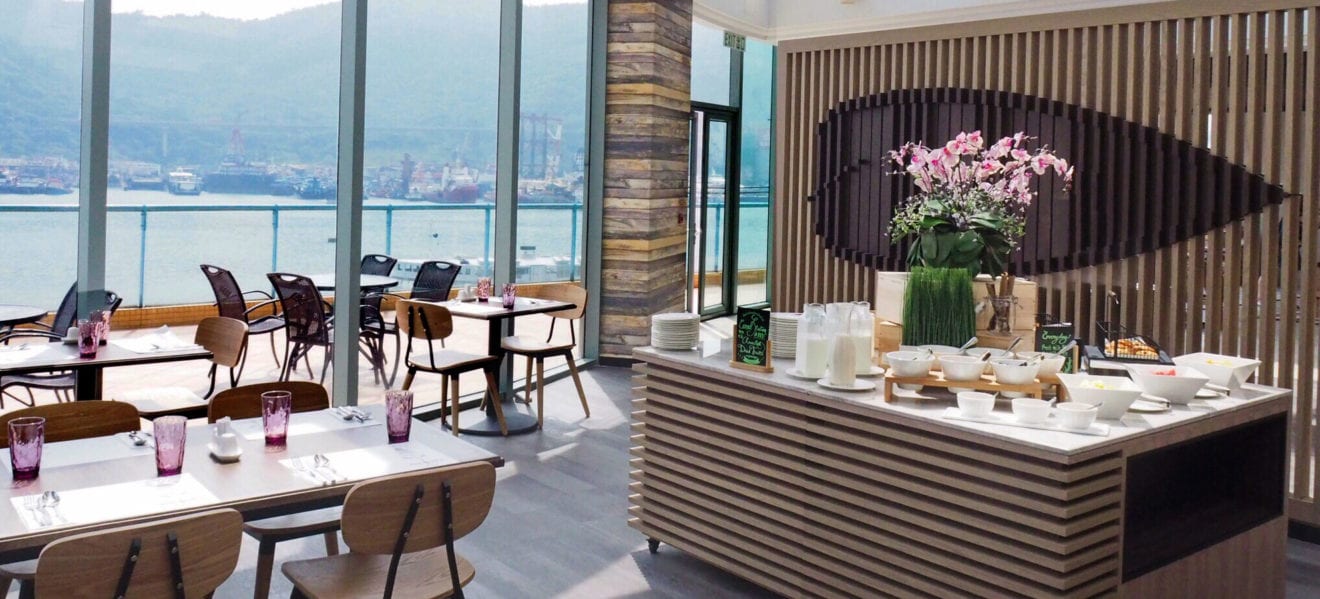
    Just in time for the winter season,  opens today on the picturesque Tsuen Wan waterfront. The 116-seat eatery features an indoor restaurant and bar area, as well as outdoor seating on a terrace overlooking the South China Sea.

    Complete with contemporary décor, a stunning sea view and a relaxed ambience, Anchor’s Seafood & Beer House is ideal for causal all-day dining, weeknight dinners, post-work drinks and weekend brunches, all set at affordable prices.

    Welcoming diners throughout the day, Anchor’s Seafood & Beer House offers daily buffet breakfast & dinner and a semi-buffet lunch, in addition to an extensive a la carte menu. A special brunch buffet menu will also be available on weekends and public holidays perfect for a mini getaway from the busy city life. The restaurant will also remain open throughout the day serving a selection of classic menu items such as sandwich, burgers, salads, pizza and specialty Asian dishes- all of which will be available for take-away.

    Diners are invited to start their mornings at Anchor’s Seafood & Beer House with a breakfast selection consisting of Western breakfast items including cereals, fresh bakery items, seasonal fruit, fresh juices, along with Hong Kong favourites such as congee and crispy buns.

    logo-color

    The semi-buffet lunch is a convenient option for those working in the Tsuen Wan area and features a selection of antipasti, classic salads and a dessert corner. Diners may also choose hot a la carte items such as Thai or Chinese noodles, wantons or pizza.

    From Monday through Saturday evenings and all-day on Sunday, the dinner buffet will feature a cold starter selection comprised of sushi, gourmet salads and a charcuterie selection. Interactive cooking stations will serve hot items including a soup counter, noodle bar, hot pot station, pizza oven, and a barbeque carving counter. A bakery corner will feature classic desserts as well as a chocolate fountain and ice-cream selection. In addition to the buffet selection, special sharing plates will be available for the whole table, including Western and Asian classics such as, roast chicken, grilled US sirloin steak, stir fried clams with spicy sauce, sweet and sour fish, deep fried grouper and tom yum gong soup served tableside on a burner.

    The restaurant also houses a Beer Bar, boasting a large selection of draft and bottled beers, along with novelty Beer Towers- ideal for casual after-work drinks and social gatherings.

    To celebrate their launch, Anchor’s Seafood & Beer House is pleased to offer diners a buy-one-get-one offer during brunch and dinner buffet purchases in the first 3 month starting from December 2015. Additionally, guests will enjoy a 15% discount per person on 24th-25thDecember, provided the reservation is made before 20th December.

  • Uber says obtains government approval to operate in Jakarta

    Uber says obtains government approval to operate in Jakarta

    Uber Technologies Inc said on Tuesday it had received the green light from the Jakarta governor to operate in the Indonesian capital after giving assurances that it would comply with local tax rules and other requirements.

    Jakarta police had earlier this year deemed the U.S. car-hailing service illegal, saying its drivers did not pay the correct taxes and the company did not have the licence needed to operate as a form of public transport.

    In a statement, Uber said it is working with the office of the city’s governor, Basuki “Ahok” Tjahaja Purnama, and Indonesia’s investment coordinating board to establish itself as a legal entity in Indonesia, pay taxes, have adequate insurance and ensure its “partner vehicles” undergo regular inspection.

    “Previously there was tremendous regulatory ambiguity,” Uber spokesman Karun Arya said in an email. “Governor Ahok has now provided clear direction for Uber in terms of specific requirements for Uber and other ride sharing platforms to operate and thrive in Jakarta.”

    Uber has registered with Indonesia’s investment coordinating board as a technology or web company, Mr Arya added. There was no immediate comment from the Jakarta governor’s office.

    Privately owned Uber has grown aggressively worldwide with its matchmaker service for drivers and passengers, but a lack of regulation for the relatively new business model has brought it to the attention of authorities.

    The company is also facing stiff competition from rivals U.S.-based Lyft, China’s Didi Kuaidi, Southeast Asia’s GrabTaxi and India’s Ola, which recently formed a global ride-sharing partnership.

    In Indonesia, Uber currently operates in Bali, Bandung and Jakarta, a city notorious for its traffic congestion and lack of public transport.

    In an email, Uber said it planned to expand to more cities in Southeast Asia’s largest economy next year, and would boost the number of its drivers to 100,000 by 2017 from more than 12,000 currently.

  • MatahariMall.com, Pos Indonesia in Tandem to Boost E-Commerce

    MatahariMall.com, Pos Indonesia in Tandem to Boost E-Commerce

    Pos Indonesia will also install MatahariMall.com “eLockers,” allowing customers to physically pick up their items purchased online from lockers located in ten post offices in the Greater Jakarta area and Bandung.

    Using these services, online shoppers can also arrange delivery of their reserved items to these pickup points, instead of their home or office address, to avoid missing goods upon arrival.

    Pos Indonesia also agreed to provide logistic and delivery services to Mataharimall.com for domestic shipments.

    Like MatahariMall.com, the Jakarta Globe is affiliated with the Lippo Group.

  • Y&R launches retail offering Labstore in Indonesia

    Y&R launches retail offering Labstore in Indonesia

    Y&R Group Indonesia has further strengthened its capabilities with the addition of retail and shopper marketing offering Labstore. Y&R’s global retail and shopper marketing network Labstore now extends across five markets in Asia Pacific – Indonesia, Singapore, Philippines, Thailand and Australia.

    Labstore launches in Indonesia having been appointed to shopper duties for Danone brands AQUA, Mizone and VIT.

    Marjorie Garrovillo, VP Marketing. Danone Waters explained, “Given the potential we see from shopper and retail marketing, we wanted to find the right agency partner. And given our successful ongoing relationship with Y&R and VML, having displayed a strong understanding of our brands, Labstore proved the right choice for seamless integration across agency competencies.”

    Y&R Indonesia Group CEO Matthew Collier said, “The launch of Labstore in Indonesia has been a major priority for us this year. With Y&R handling Danone’s TTL (through the line) business, VML handling digital and now Labstore handling shopper, we’re truly living our philosophy of ‘great alone, better together’. This multi-channel integrated response will help bring our creative concepts closer to Danone’s consumers.”

    Effective 1st November 2015, Labstore Indonesia also reports to the network’s Southeast Asia HQ in Singapore, led by shopper and retail guru Peter Miller.

    “Compared to the US and UK, shopper marketing is still an emerging field in Asia,” said Miller. “Y&R and VML clients have been quick to embrace the concept, and more importantly the imperative to meet shoppers’ needs, accelerating Labstore’s rapid roll-out across Southeast Asia – from Philippines and Thailand last year, to Singapore and Indonesia in 2015.”

    Y&R Labstore Indonesia will be the latest in a string of openings around the world, having rolled out in more than 21 markets worldwide since 2014, across Europe, Asia, Latin America, North America and South Africa. One of the biggest networks of its kind, it is in the top five retail and shopper marketing networks geographically. In Asia Pacific, Labstore already thrives in Singapore, Thailand, the Philippines and Sydney.

  • Singapore banks warn of new malware targeting mobile banking users

    Singapore banks warn of new malware targeting mobile banking users

    The Association of Banks in Singapore on Tuesday (1 December) warned consumers of a new malware that has been targeting mobile banking customers using Android smartphones.

    In a press briefing, ABS director Ong-Ang Ai Boon said that since September “about 50” people have fallen victim to the malware, which poses as an Android software or WhatsApp application update and accesses users’ online banking accounts to make unauthorised purchases.

    In the latter, a pop-up ad encourages consumers to tap it and download a “new” version of the program or risk losing access to the service. After downloading the “update”, the app will prompt the customer to input confidential information such as credit card details.


     Phone screenshots of how consumers were prompted to perform application updates, which resulted in their smartphones being infected by malware. Photo: The Association of Banks in Singapore
    Phone screenshots of how consumers were prompted to perform application updates, which resulted in their smartphones …

    Current victims have lost up to a few thousand dollars from fraudulent online purchases made by cyber criminals, said Ong-Ang.

    She disclosed that many of the purchases were made to overseas websites. A fraudulent purchase of budget airline tickets was made in one case.

    Investigation into these scams is still ongoing by the banks affected and the police, she added.

    “The weakest link is the consumer, if they are not careful. You must be vigilant. Don’t download unauthorized apps, don’t go to illegitimate sites and don’t simply click on any URL which you are not aware of. Because once you do that, you compromise your handphone,” Ong-Ang noted.

    ABS advised consumers to take the following precautions: secure your smartphone with a password, install system updates to get the latest security features, install applications from trusted sources such as “Google Play”, only click on hyperllinks from messages and emails from a trusted source, and visit your bank’s website for more information.

    According to the banking association, major retail banks in Singapore have seen an increase of mobile banking customers from 1.5 million in 2013 to 2.4 million in 2015.

  • Indonesia turns to floating power stations to meet short-term needs

    Indonesia turns to floating power stations to meet short-term needs

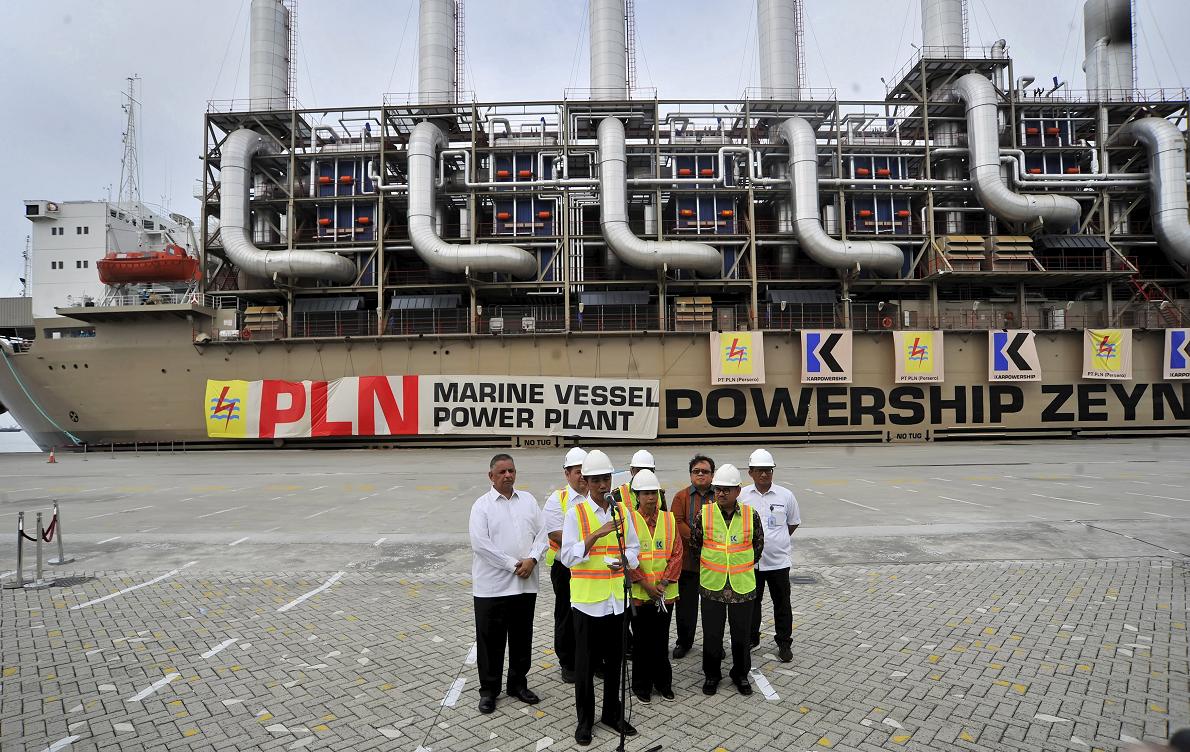
    Indonesia’s president launched the first of five new floating power stations on Tuesday, to serve as a stop gap for the country’s growing demand for power amid sluggish development of land-based plants.

    Southeast Asia’s largest economy has set an ambitious goal of building more than 35 gigawatts of power stations by 2019, the bulk of which are expected to be coal-powered.

    However, the $50 billion mega project has made slow progress since it was launched by President Joko Widodo in April, due to difficulties in acquiring land among other reasons.

    The vessels will mainly serve eastern Indonesia, an area that includes many remote islands to the east of Bali, including Sulawesi, Halmaherah, Maluku and Papua, which has suffered from slow development of power capacity.

    “Every time I go to (outer) regions it’s the same complaint: electricity crisis (and) blackouts,” Widodo said at the launch of the floating power station in Jakarta. The next four vessels will be delivered over the next six months, he said.

    “Because we are an archipelago, I think power stations on top of ships that are mobile like this are best for Indonesia,” Widodo added, referring to the five vessels owned by a subsidiary of Turkey’s Karadeniz Holdings, that will add around 540 MW of capacity to the Indonesian grid.

    Construction of a $4 billion, 2000-megawatt (MW) land-based Batang power station in Central Java has been held up by land acquisition problems since Japan’s Electric Power Development Co Ltd won the contract in 2011.

    State electricity utility Perusahaan Listrik Negara (PLN) sees the heavy fuel oil (HFO) powered floating power stations as a quick solution to meet power needs that will save costs in the short term, as heavy fuel oil is cheaper than diesel and gas.

    “The 35,000 megawatt programme still needs a long time to generate electricity that the community needs,” PLN CEO Sofyan Basir told reporters.

    Power demand is growing at around 12 percent annually in eastern Indonesia, PLN director Machnizon Masri said, adding that the region would face further shortages over the next two years if nothing was done.

    The largest of the five vessels on order, with a capacity to generate 240 MW, will be sent to North Sumatra, which has long faced power shortages due to slow progress completing projects, he said.

    Under the deal, PLN will rent the vessels for five years and only pay for the electricity they generate, Masri said.

    “This is cheaper than gas. We can save 350 billion rupiah ($25.23 million) a year if we use these in North Sulawesi and Gorontalo,” he said.

  • Yahoo co-founder joins Didi Kuaidi as adviser

    Yahoo co-founder joins Didi Kuaidi as adviser

    Didi Kuaidi has appointed Yahoo co-founder Jerry Yang as a senior adviser to the ride-hailing app firm as it battles Uber Technologies for market share in China.

    Mr Yang, an independent director of  Alibaba Group which backs Didi Kuaidi, will also be an observer on the board, the company said in a statement yesterday.

    Mr Yang’s new positions at Didi Kuaidi add another link in the web of relations between the Chinese ride-hailing company and its investors, Alibaba and Japan’s SoftBank Group Corp.

    Mr Yang, Alibaba founder and executive chairman Jack Ma and SoftBank CEO Masayoshi Son all sit on the board of Alibaba.

    SoftBank was also an early investor in both Yahoo and the Chinese e-commerce behemoth, and the three men maintain close ties.

    Their “bromance” has now been extended to Didi Kuaidi, the biggest ride-hailing rival to Uber.

    SoftBank also owns stakes in other ride-hailing services that have forged a global anti-Uber alliance, namely India’s Ola and South-east Asia’s GrabTaxi. Didi Kuaidi and Alibaba also own stakes in the US arm of this faction, Lyft.

    Meanwhile, in Jakarta yesterday, Uber said it has received the green light to operate in the Indonesian capital after giving assurances that it would comply with local tax rules and other requirements.

    Jakarta police had earlier this year deemed the US car-hailing service illegal, saying its drivers did not pay the correct taxes and the company did not have the licence needed to operate as a form of public transport.

    In a statement, Uber said it is working with the office of the city’s governor, Mr Basuki “Ahok” Tjahaja Purnama, and Indonesia’s investment coordinating board to establish itself as a legal entity in Indonesia, pay taxes, have adequate insurance and ensure its “partner vehicles” undergo regular inspection.

    “Previously there was tremendous regulatory ambiguity,” Uber spokesman Karun Arya said. “Governor Ahok has now provided clear direction for Uber in terms of specific requirements for Uber and other ride-sharing platforms to operate and thrive in Jakarta.”

    Uber has registered with Indonesia’s investment coordinating board as a technology or Web company, Mr Arya added. There was no immediate comment from the Jakarta governor’s office.

    In Indonesia, Uber also operates in Bali and Bandung.

    Privately owned Uber has grown aggressively worldwide with its matchmaker service for drivers and passengers, but a lack of regulation for the relatively new business model has brought it to the attention of the authorities.

  • New Banking Fees May Turn Thailand into a Cashless Society

    New Banking Fees May Turn Thailand into a Cashless Society

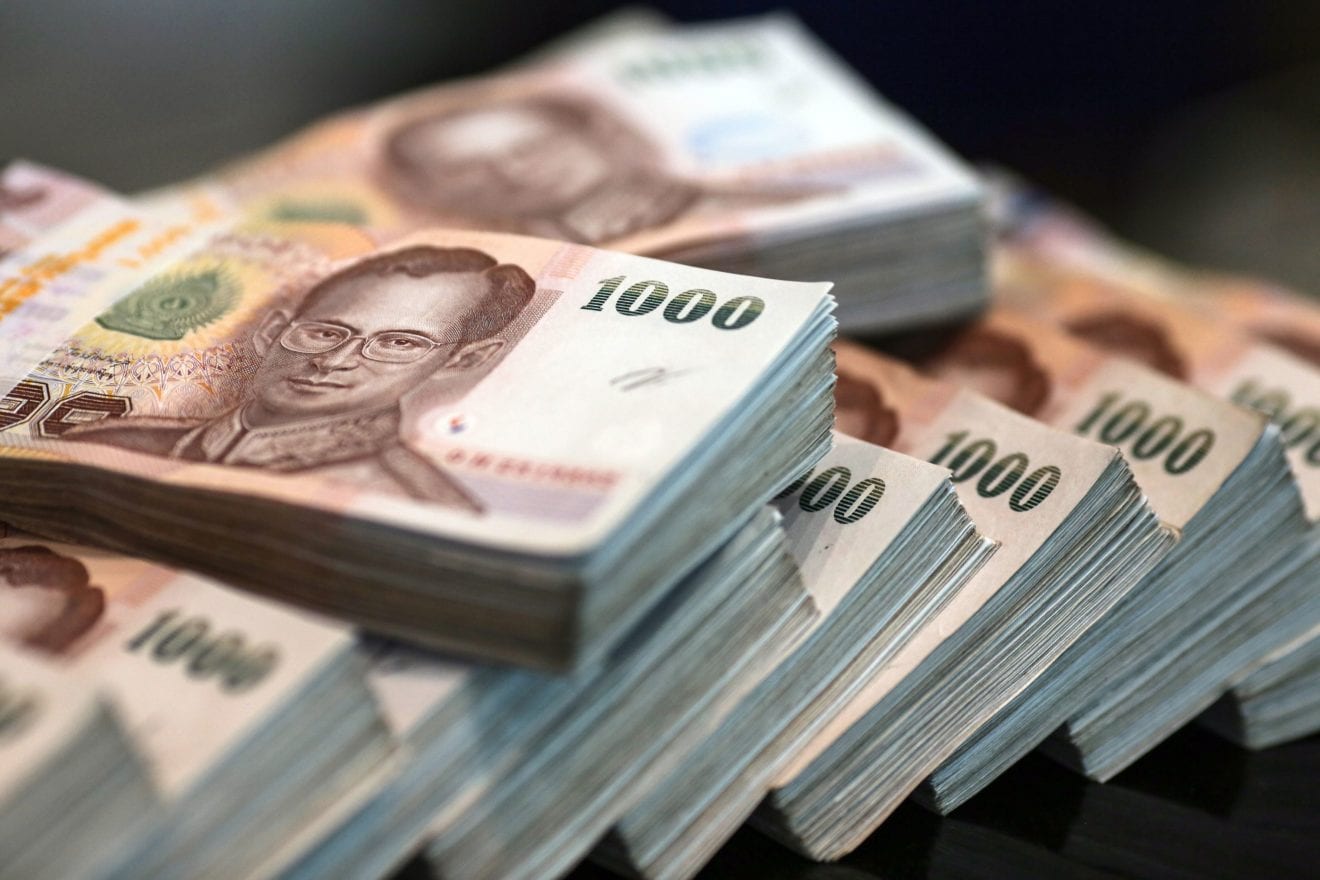
    Bank fees will undergo changes in the near future to better reflect the actual costs of banking, and may pave the way for Thailand becoming a cashless society.

    According to Veerathai Santiprabhob, Bank of Thailand governor, the current bank fee structure is distorted. He noted that paper-based transactions are cheap compared to actual costs, and banks are subsidizing these costs with fees on electronic transactions. In other words, a check fee may only be Bt15, but the actual cost is far higher. Currently, customers can withdraw money from ATMs, but banks incur huge costs for managing cash at ATMs.

    A new project is helping to reduce cash usage in the country through the introduction of more point-of-sale throughout Thailand. There are currently less than 100,000 points of sale, which is much lower than the 2 million recommended by the Bank of Thailand.

    To maintain retail customers, banks will be expected to reach out to merchants to create their own points of sales. Smaller merchants will also be required to have mobile point-of-sale to support small customers.

    Under the project, companies who are registered with the Commerce Ministry will also be prohibited from denying e-payments.

    The creation of a central system that will oversee cross bank transactions through the Internet, ATM cards and debit cards will help move Thailand to a cashless society. Adoption of the Any ID e-payment model will further help the country make this transition.

  • City Chain to close stores

    City Chain to close stores

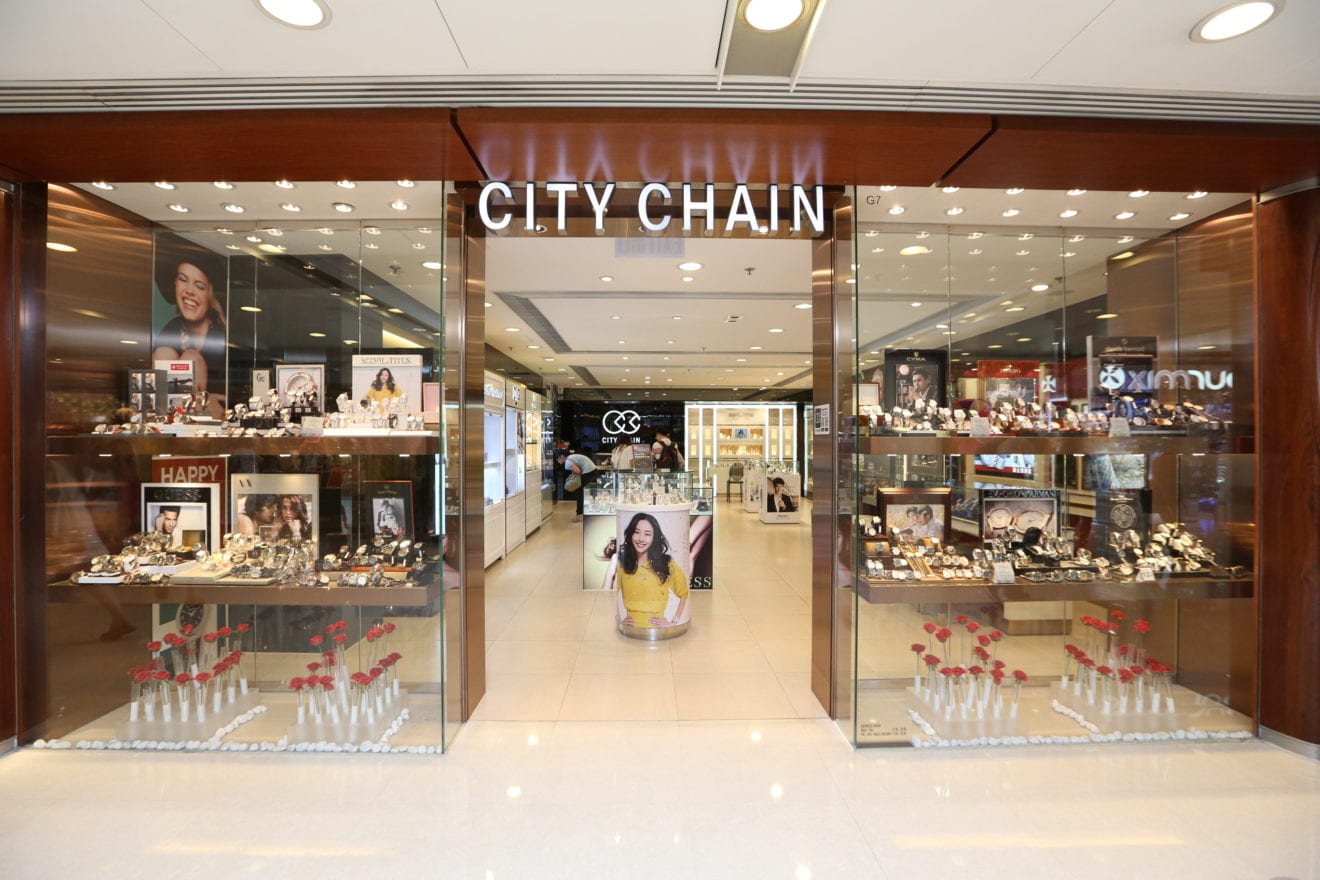
    Hong Kong headquartered watch retailer City Chain plans to close more stores as sales slid 12.1 per cent and profits crashed by 86.4 per cent in the first half year to just HK$15.7 million.

    Parent Stelux says turnover was “sluggish” in Hong Kong, Macau and Southeast Asia, with a narrowed gross margin. But inventory reduced by 16 per cent compared with the end of March.

    The City Chain Group operates stores in Hong Kong, Macau, Mainland China, Singapore, Thailand and Malaysia together with online stores at City Chain Tmall and Titus Tmall. Turnover for the six months to September 30 was $957.9 million.

    “We are rationalising our store portfolio based on shop profitability when considering shop renewal or relocation to achieve lower rental to turnover ratios,” the company said, without providing any indication of how many stores are likely to be culled.

    Already stores have been closed in Singapore and Thailand.

    Sales in Hong Kong and Macau fell 14.2 per cent to $646.6 million due to reduced tourist spending, shop consolidation measures and a high comparable base last year, when the group achieved record breaking monthly sales. That triggered a 56.5 per cent drop in pre-tax earnings to $67.9 million.

    “A combination of factors, namely, a decrease in turnover, narrowed gross profit margin due to stock rationalisation and the time lag in containing operating costs such as shop rentals led to the decline. Operating costs other than shop rentals decreased by around eight per cent despite inflationary pressure. The group continues to tighten operating expenses to adapt to existing turnover levels to improve performance,” Stelux said in its earnings statement.

    It was a rosier picture in Mainland China, now considered “a key market” for the group, which is pursuing a long term growth strategy there.

    First half sales rose 11.2 per cent to $113.2 million despite the slowing economy, driven mostly by positive same store sales growth especially in the Eastern (around 27 per cent) and Southwest regions (around 40 per cent).

    “Due to aggressive price cuts by competitors and a change in stock management strategy, gross profit margins came under pressure. Stock clearance initiatives have proven successful and we are on track towards maintaining a healthier and more competitive inventory balance. Losses, standing at $28.6 million, remained similar to that of last year since most of the uplift in sales was offset by the drop in gross profit margin. Notably, the loss posted by existing operations in Northern China fell by around 57 per cent compared to the same period last year due to restructuring efforts taken in Quarter 2,” the company said.

    “We expect to accelerate network expansion, increasing penetration in regions where we have a presence, and also setting up in multiple second and third tier cities where we do not yet have a presence to achieve economies of scale.”

    Southeast Asian first half sales were adversely affected by weakening economic fundamentals, with poor consumer sentiment and weak local currencies. Turnover dropped by 15.7 per cent to $198.1 million. But in local currency terms, turnover dropped by just four per cent.

    The Southeast Asian operations recorded a loss of $23.6 million, but a large part of that was attributed to the sharp depreciation of the Malaysian ringgit. On an exchange neutral basis the loss would have been $13.2 million, compared with $12.5 million during the same period last year.

    “The retail sector in Malaysia was severely affected by the introduction of GST in April 2015 and the depreciation of Malaysian ringgit. Despite this, turnover in local currency terms remained stable due to successful restructuring and re-merchandising measures adopted.

    “In Singapore, store consolidation and productivity enhancement measures have been very successful and we have seen sales per shop month improving significantly by 22.5 per cent and at the same time operating costs have fallen by 19.6 per cent. This has helped to narrow the loss by 33.6 per cent to $8.3 million.

    “The unstable political situation in Thailand and high household debt ratio has resulted in very low consumer confidence which has continued to fall since January 2015. Due to this, our Thai operations, posted a 24.2 per cent (FX neutral: 18.8 per cent) decline in turnover. We have implemented aggressive store consolidation measures with over 10 non-performing stores closed, and these store consolidation efforts will continue in the second half. Cost control measures were also implemented reducing our operating costs by 22 per cent.”

  • Warburg Pincus in $400m bid for MedPlus India

    Warburg Pincus in $400m bid for MedPlus India

    Private equity investor Warburg Pincus is making a bid of up to $400 million for the giant MedPlus India pharmacy chain.

    Nine year old MedPlus currently operates a network of 1200 retail stores in 12 states of India.

    Promoter Madhukar Gangadi, who together with his family owns 31 per cent of the company, wants to ramp up the brand’s rollout to a massive 10,000 stores by 2020.

    Warburg Pincus is one of several in a race to acquire 69 per cent of the business, according to The Economic Times newspaper. Its rivals include General Atlantic and Bain Capital.

    If the chain fetches the figures being broadly quoted – between $350 and $400 million – it would represent a 250 per cent profit on the original investment of the outgoing shareholders, US-based Mount Kellett Capital Management, TVS Capital Funds and Ajay Piramal’s India Venture Advisors.

    Investment bank Credit Suisse is leading the search for strategic buyers to help fund the store rollout.

  • Asia driving L’Oreal growth despite market turbulence

    Asia driving L’Oreal growth despite market turbulence

    Asia is driving huge growth for cosmetics giant L’Oreal, despite a slowdown in Hong Kong.

    At the end of September, L’Oréal posted growth of 4.4 per cent on a like-for-like basis – and 21.9 per cent based on reported figures as the company expands its retail network and wholesale operations in the region.

    Kiehl’s, Yves Saint Laurent and Giorgio Armani contributed to dynamic growth of the L’Oreal Luxe division, despite the context of slower third-quarter growth in Hong Kong and Travel Retail Asia.

    The Consumer Products Division is performing well in India, Australia and Thailand. In China, growth at L’Oreal Paris is accelerating, while Magic is undergoing a transitional period. The Active Cosmetics Division is growing strongly, thanks to the success of La Roche-Posay, L’Oreal reported in its quarterly filing.

    Jean-Paul Agon, chairman and CEO, said at the end of September, the group’s reported growth is strong, at 13.2 per cent, still supported by a positive currency effect.

    “Despite a global context that is still volatile, we are confident for the year end. The beauty market remains dynamic. In each Division, our brands are pushing forward with successes such as Maybelline and NYX in the Consumer Products Division, Yves Saint Laurent, Kiehl’s and Urban Decay at L’Oréal Luxe, Redken in the Professional Products Division and La Roche-Posay at Active Cosmetics,” he said.

    “Finally, the acceleration of our digital transformation is making us stronger, in particular with the rapid increase (40 per cent) of our eCommerce sales which should significantly exceed 1 billion euros this year.

    “We are confirming our ambition to outperform once again the beauty market in 2015 and to achieve significant growth in both sales and profits.”

  • F&B underpinning demand for Singapore retail space

    F&B underpinning demand for Singapore retail space

    Food and beverage has overtaken fashion as the primary driver of demand for retail real estate in Singapore.

    In its Third Quarter Retail Index covering Asia-Pacific, property company Jones Lang LaSalle says that despite declining retail sales and consumer spending, the prime retail sector remained in good shape during the third quarter.

    “Notwithstanding the overall challenging retail environment, Singapore’s most popular prime shopping destinations continued to demonstrate resilient performance, with malls such as Ngee Ann City, Paragon and Ion Orchard maintaining full occupancy,” the report concluded.

    “F&B has overtaken fashion retailers as the top demand driver.”

    Orchard Rd is ranked fifth most expensive in Asia for High Street net face rents with a figure of US$4106 per square metre per annum. That’s a fraction of the $19,476 of top placed Russell St in Hong Kong, and behind Shanghai’s West Nanjing Rd at $5473.

    But on a quarterly basis, the average shopping centre rent in Orchard Rd and District 9 fell by 0.4 per cent quarter on quarter, and by 0.7 per cent year on year. It was the only city of 18 measured by JLL to record a reduction, despite the highly publicised downturn in Hong Kong retail rents. (This is largely due to that comparison measuring shopping centre rental rates which have to date remained relatively unaffected in Hong Kong’s turmoil).

    JLL predicts “further rental correction” in Singapore amid subdued occupier demand “as labour market challenges and weak consumer sentiment prevail in the near term”.

    The report said that despite leasing support from new market entrants into the city, expansion of existing retailers has slowed and some have cut back their store networks.

  • China November Auto Sales Surge 18% as Tax Cut Bolsters Demand

    China November Auto Sales Surge 18% as Tax Cut Bolsters Demand

    An unseasonably cold November and heavy smog prompted Chinese consumers to step up their vehicle purchases, driving automobile sales to their biggest gain in nine months and underlining the challenge the government faces in controlling air pollution.

    SUVs continued to be the most popular choice last month, followed by minivans, while sedan sales fell, according to the China Passenger Car Association. Total retail sales of passenger vehicles rose 18 percent last month to 2.02 million, the fastest increase since February.

    “Adverse weather conditions played a role in November’s strong sales showing,” according to the association in a presentation accompanying the sales statistics. “The unusual cold was followed by off-the-charts smog levels. Those with children are more inclined to buy cars, given the perception that the air inside a vehicle is cleaner.”

    A correlation between auto sales and smog levels adds to the challenge that China faces in cleaning up its dirty air. A surge in car ownership in the past decade has been cited, together with coal-fired power plants, as leading contributors to air pollution, prompting the government to impose vehicle registration quotas in major cities and promote emission-free electric vehicles. Even so, the government slashed a purchase tax in October to protect economic growth after auto demand slowed in the first nine months.

    “It is ironic that the smog is making people more interested to buy cars,” said Jochen Siebert, Shanghai-based managing director at JSC Automotive Consulting. “It’s funny but it’s logic that we probably won’t understand.”

    Air Pollution

    Thick smog covered Beijing and much of north China last month in what the official Xinhua News Agency labeled the worst period of air pollution this year, with levels of the most harmful PM2.5 particulates registering beyond what is considered hazardous to human health.

    The smog has yet to abate. Beijing raised a red alert to warn of the dangers associated with extreme pollution levels Monday, the first time the alarm has been raised to its highest level since introduction of an emergency air-pollution response system in 2013. The warning prompted the city government to order schools and some factories to shut and about half of the cars off the roads.

    Still, some analysts see the tax cut and discounts by automakers as the primary driver for November’s surge in sales. The government in October cut a 10 percent purchase tax by half for vehicles with engines with displacements that are 1.6 liters or smaller.

    “I don’t believe pollution is a factor, as there was pollution in previous years,” said Yale Zhang, Shanghai-based managing director at Autoforesight Shanghai Co. “It’s the purchase tax cuts that made sales go up so much.”

    Great Wall Motor Co., the country’s largest SUV maker, is benefiting from the resurgent demand. Sales of its sport utility vehicles, many of which qualify for the tax cut, surged 25 percent in November from a year earlier.

  • Bitcoin debit card makes cryptocurrency more accessible

    Bitcoin debit card makes cryptocurrency more accessible

    Coinbase has launched a debit card that enables US users to spend bitcoins anywhere Visa is accepted.

    The launch of a debit card – and the recognition of the currency by the Visa card system is further evidence that the new generation cryptocurrency is building momentum globally.

    The card is a result of a partnership between Shift Payments and Coinbase. The former aims to integrate multiple currencies into a single card, while the latter provides digital ‘wallets’ where 2.8 million users across the world go to for their bitcoin transactions. With a Shift Card, users can link their Coinbase account to a physical Visa debit card, which they can use to pay at participating stores in real life or online, wherever Visa is accepted (the team is also working on incorporating airline miles and other loyalty points.)

    For now, apart from the US$10 card issuance charge, there are small fees – domestic transactions fees from BTC to USD are charged at zero per cent, and ATM withdrawals are US$2.50.

    The Shift Card could make bitcoin more accessible, and counter its lack of usage, which is caused largely by the misconception among consumers that not many businesses accept it. (They’re wrong: 38 million merchants worldwide do).

    Unlike conventional currencies, cryptocurrency is an open network not controlled by any bank or government, but managed by its users. It is hoped that the system will provide a more democratic, transparent, and cheaper way to trade, upgrading the status quo, which some argue were not designed for the digital era.