Author: Mei Ling Tan

  • Brazilian Airline Azul Sells Stake to HNA Group of China

    Brazilian Airline Azul Sells Stake to HNA Group of China

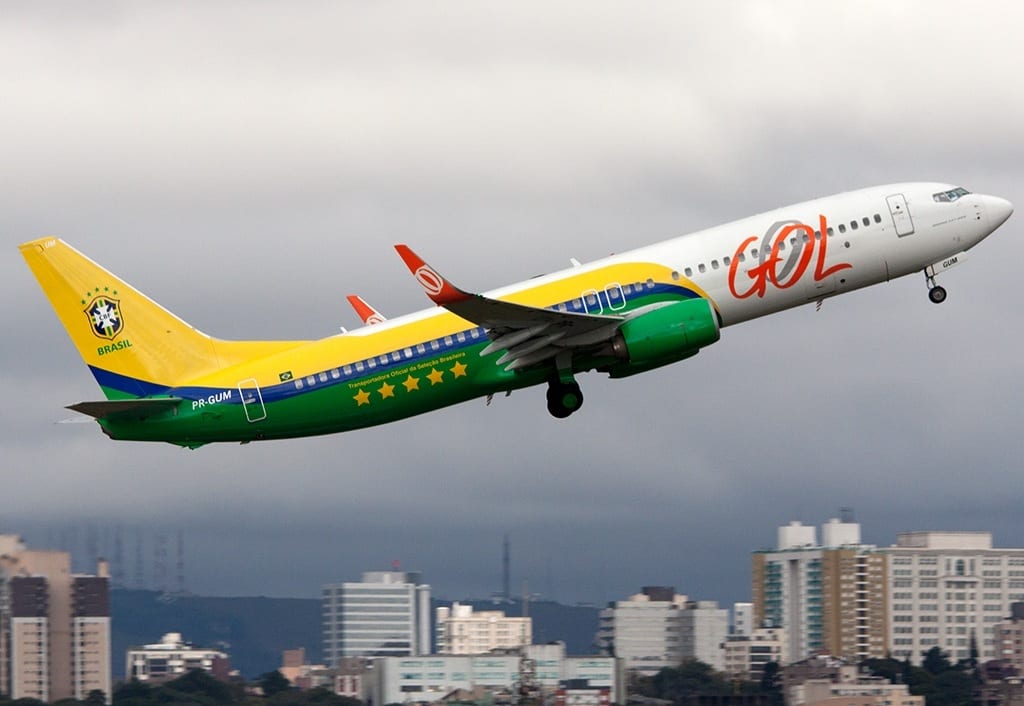
    The airline announced on Tuesday that it had sold a 23.7 percent stake to HNA Group of China for $450 million.

    HNA, which earlier this year bought Swissport International, an air cargo services company, for $2.8 billion, owns China’s Hainan Airlines. It is also active in hospitality, retail and financial services. It had about $28 billion in revenue last year.

    It is Azul’s second time turning to China for capital this year. In May, it raised $200 million from the Industrial and Commercial Bank of China, and a company spokeswoman said that it planned to raise an additional $200 million from Chinese banks before the end of the year.

    Chinese companies may be ramping up their interest in Brazil. Petrobras signed a deal in May for $10 billion in funding from the Chinese banks, then arranged another $2 billion in October.

    And China Three Gorges, a utility company, is expected to bid in a multibillion-dollar auction of electricity generation concessions scheduled for Wednesday morning.

    “We are seeing significant inbound acquisition opportunities into Brazil in recent months from Chinese entities and investors and expect this to continue as Chinese companies look to expand their influence around the globe,” said Stuart K. Fleischmann, a partner at Shearman & Sterling who acted for Azul on the HNA investment.

    Azul is not just looking to China. The company also sold a 5 percent stake to United Airlines for $100 million in June, and a spokeswoman said Tuesday the company still planned to hold an initial public offering, already delayed three times, when market conditions improve.

    Mr. Neeleman, an American born in Brazil while his father was a journalist here, founded Azul in 2008. The airline has received funding from the private equity firms TPG Growth, Weston Presidio, Bozano, Fidelity, Zweig-DiMenna and Peterson Partners.

    It has since grown to become Brazil’s third-largest airline, but after years of rapid growth in the sector, Brazil’s recession has finally started to take a toll on airline passenger transport, which in August started to decline.

    But Mr. Neeleman has been using Azul as a base to expand internationally.

    In June, Mr. Neeleman partnered with the Portuguese investor Humberto Pedroso to buy a 61 percent stake in Portugal’s national airline, TAP, in return for assuming TAP’s debt of 1.06 billion euros and a promise to inject at least 338 million euros in cash.

    And Mr. Neeleman said in a statement on Tuesday that the deal with HNA “might result in the company entering the Asian market through interline and code-share agreements.”

    Azul’s only current international destination is the United States. It operates daily flights from Brazil to Orlando and Fort Lauderdale.

    Seabury Securities advised Azul and UBS and Bravia Capital advised HNA on the transaction.
  • Where eBay Is Delving into Groceries

    Where eBay Is Delving into Groceries

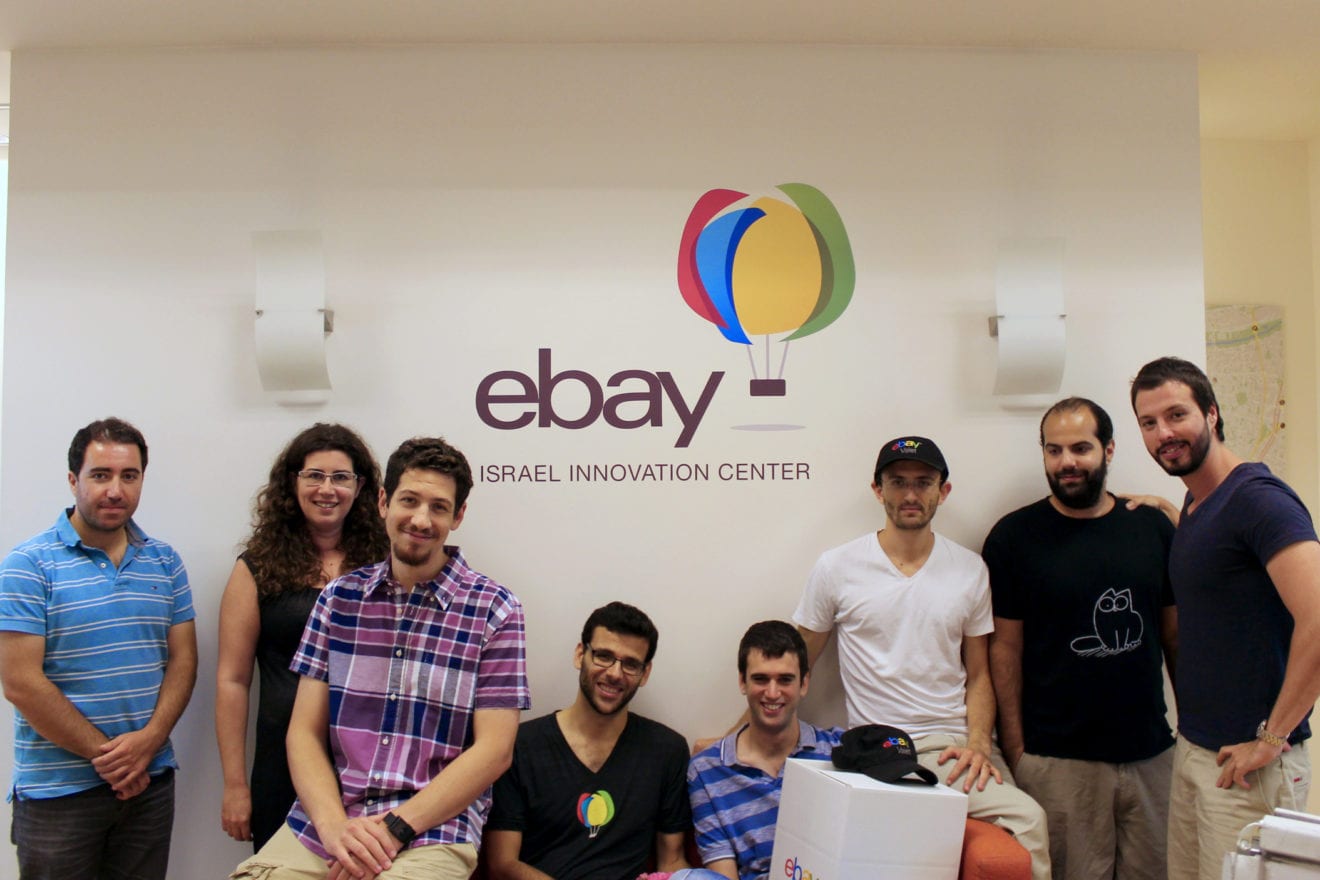
    eBay is getting into groceries – in Korea, that is. It will offer perishables such as vegetables, meat and dairy through Korea’s Gmarket and IAC platforms.

    The Partnership Program Director for eBay Korea Ju Cheol Lee said, “We’ve aligned with a top Korean retail brand and put the final touches to the platform, giving our customers an easy and efficient experience when buying these goods on eBay.”

    According to the company announcement, “Korean shoppers, particularly single households and double-income families, are increasingly looking to buy small bundles of fresh produce online and have it delivered the same day. With this in mind, eBay Korea has partnered with Homeplus, one of the largest retail chains in Korea with more than 100 branches, to create a new offering called Homeplus Pavilion.”

    eBay said the partnership signals a shift to meet evolving consumer demands and a tie-in with a successful and established offline retail brand.

    “The new arrangement will mean more than 30,000 items can be ordered from Gmarket-IAC and supplied to homes the same day via Homeplus’ logistics system and arsenal of cold storage trucks. The service currently encompasses 88 stores nationwide but will expand over time.”

    In the US, marketplaces are trying to get into the groceries business – Amazon Fresh, in the case of Amazon, is competing with other services including those from grocery store chains. Amazon is also working to expand delivery of meals from local restaurants.

    But would US consumers ever consider purchasing perishable food like meat and dairy via eBay?

  • Nestle confirms labor abuse among its Thai seafood suppliers

    Nestle confirms labor abuse among its Thai seafood suppliers

    Nestle SA, among the biggest food companies in the world, launched the investigation in December 2014, after reports from news outlets and nongovernmental organizations tied brutal and largely unregulated working conditions to their shrimp, prawns and Purina brand pet foods. Its findings echo those of The Associated Press in reports this year on slavery in the seafood industry that have resulted in the rescue of more than 2,000 fishermen.

    The laborers come from Thailand’s much poorer neighbors, Myanmar and Cambodia. Brokers illegally charge them fees to get jobs, trapping them into working on fishing vessels and at ports, mills and seafood farms in Thailand to pay back more money than they can ever earn.

    “Sometimes, the net is too heavy and workers get pulled into the water and just disappear. When someone dies, he gets thrown into the water,” one Burmese worker told the nonprofit organization Verite commissioned by Nestle.

    “I have been working on this boat for 10 years. I have no savings. I am barely surviving,” said another. “Life is very difficult here.”

    Nestle said it would post the reports online — as well as a detailed yearlong solution strategy throughout 2016 — as part of ongoing efforts to protect workers. It has promised to impose new requirements on all potential suppliers and train boat owners and captains about human rights, possibly with a demonstration vessel and rewards for altering their practices. It also plans to bring in outside auditors and assign a high-level Nestle manager to make sure change is underway.

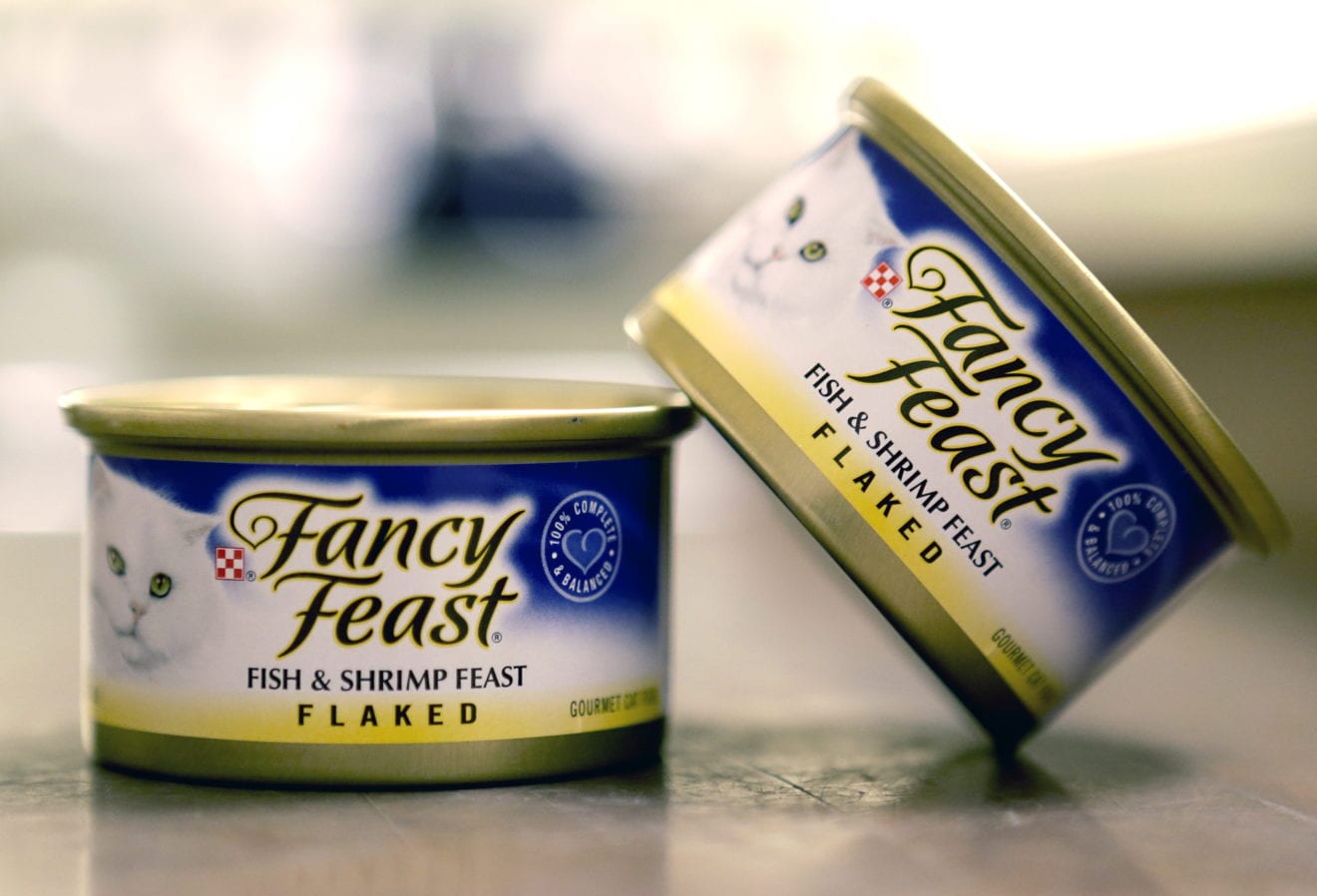
    “As we’ve said consistently, forced labor and human rights abuses have no place in our supply chain,” Magdi Batato, Nestle’s executive vice president in charge of operations, said in a written statement. “Nestle believes that by working with suppliers we can make a positive difference to the sourcing of ingredients.”Nestle is not a major purchaser of seafood in Southeast Asia but does some business in Thailand, primarily for its Purina brand Fancy Feast cat food.

    For its study, Verite interviewed more than 100 people, including about 80 workers from Myanmar and Cambodia, as well as boat owners, shrimp farm owners, site supervisors and representatives of Nestle’s suppliers. They visited fish ports and fishmeal packing plants, shrimp farms and docked fishing boats, all in Thailand.

    Boat captains and managers, along with workers, confirmed violence and danger in the Thai seafood sector, a booming industry which exports $7 billion of products a year, although managers said workers sometimes got hurt because they were drunk and fighting. Boat captains rarely checked ages of workers, and Verite found underage workers forced to fish. Workers said they labor without rest, their food and water are minimal, outside contact is cut off, and they are given fake identities to hide that they are working illegally.

    Generally, the workers studied by Verite were catching and processing fish into fishmeal fed to shrimp and prawns. But the Amherst, Massachusetts-based group said many of the problems they observed are systemic and not unique to Nestle; migrant workers throughout Thailand’s seafood sector are vulnerable to abuses as they are recruited, hired and employed, said Verite.

    Monday’s disclosure is rare. While multinational companies in industries from garments to electronics say they investigate allegations of abuse in their supply chains, they rarely share negative findings.

    “It’s unusual and exemplary,” said Mark Lagon, president of the nonprofit Freedom House, a Washington-based anti-trafficking organization. “The propensity of the PR and legal departments of companies is not to ‘fess up, not to even say they are carefully looking into a problem for fear that they will get hit with lawsuits,” he said.

    In fact, Nestle is already being sued: In August, pet food buyers filed a class-action lawsuit alleging Fancy Feast cat food was the product of slave labor associated with Thai Union Frozen Products, a major distributor. It’s one of several lawsuits filed in recent months against major U.S. retailers importing seafood from Thailand.

    Some of the litigation cites the reports from the AP, which tracked slave-caught fish to the supply chains of giant food sellers, such as Wal-Mart, Sysco and Kroger, and popular brands of canned pet food, such as Fancy Feast, Meow Mix and Iams. It can turn up as calamari at fine restaurants, as imitation crab in a sushi roll or as packages of frozen snapper relabeled with store brands that land on dinner tables. The U.S. companies have all said they strongly condemn labor abuse and are taking steps to prevent it.

  • Hugo Boss sees weakness in China, US persisting in 2016

    Hugo Boss sees weakness in China, US persisting in 2016

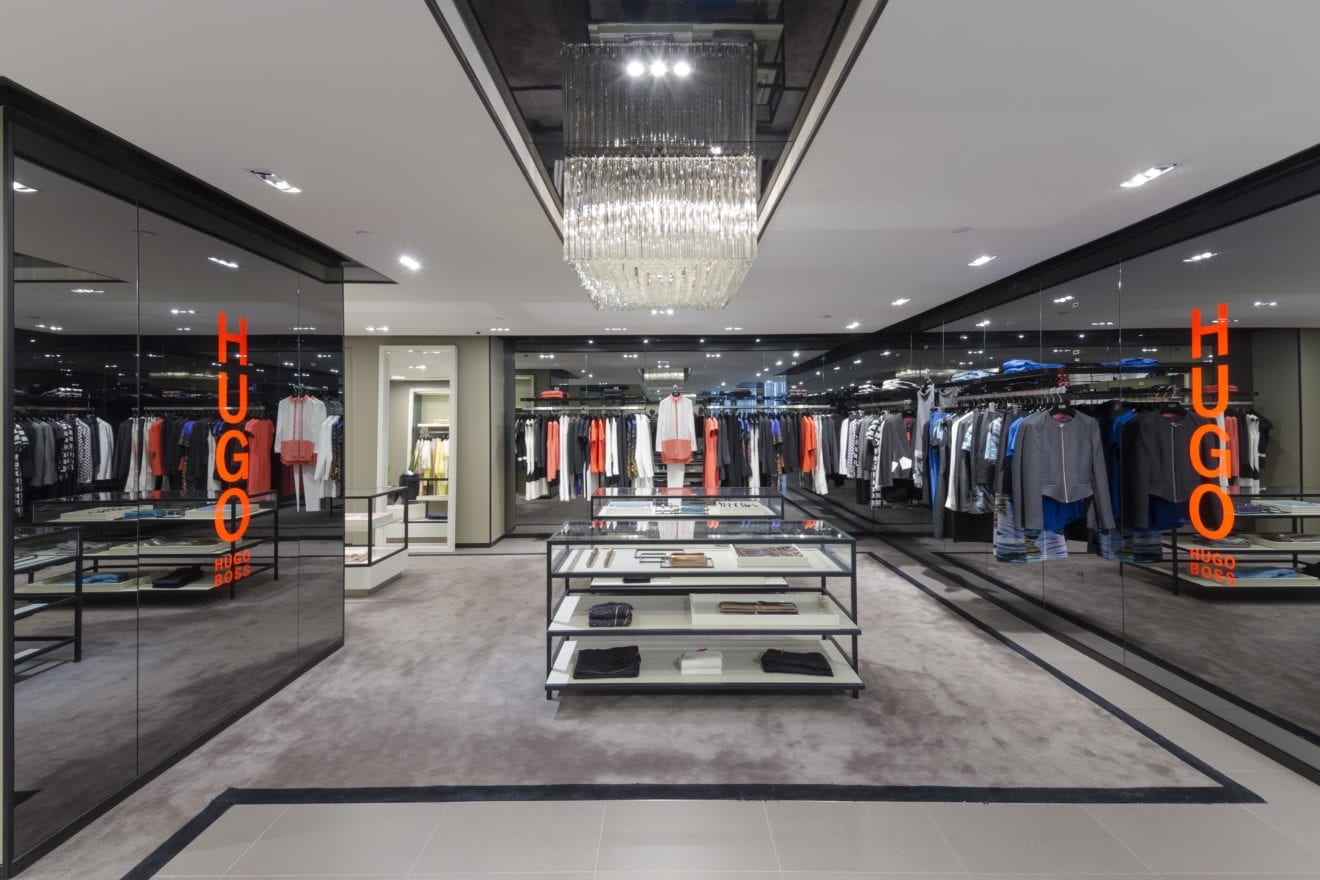
    German fashion house Hugo Boss expects challenges in China and the US market to keep a lid on sales growth next year, but it said it would keep investing in its website and stores.

    In a presentation released ahead of an investor day on Tuesday, Hugo Boss said it expected 2016 sales growth below its long-term target for a high single-digit rise and said it would only reach its 2020 target for a core earnings margin of 25 percent if the overall market recovered.

    However, it said lower capital expenditure and a further improvement in it management of working capital would help boost free cash flow in 2016, adding it remained committed to maintaining an attractive dividend payout policy.

  • Samsung’s Galaxy Phone Most Valuable Brand in S. Korea

    Samsung’s Galaxy Phone Most Valuable Brand in S. Korea

    South Korean tech giant Samsung Electronics’ Galaxy smartphone was selected as the most valuable brand in South Korea for the fifth consecutive year, a survey showed Sunday. 

    The Samsung Galaxy phone ranked first in the brand survey by Seoul-based market researcher Brandstock, followed by E-Mart, a discount store chain by retail giant Shinsegae Co.

    Incheon International Airport, South Korea’s gateway airport, climbed up one notch to take third place.

    Kakao Talk, South Korea’s biggest mobile messenger with 47 million users, and Naver, the nation’s No. 1 Internet portal, came next, the researcher said.

    The brand value of German automakers suffered after Volkswagen admitted that millions of its diesel cars worldwide were equipped with software that was used to cheat on emissions tests.

    BMW’s rank tumbled from 12th to 31st, and Volkswagen, which ranked 71st last year, dropped out of the top 100, following the emissions cheating scandal, it said.

  • Singapore sees mild deflation of -0.5% for 2015

    Singapore sees mild deflation of -0.5% for 2015

    Singapore is projected to experience a mild deflation of -0.5% for 2015, according to a forecast adjustment made by Maybank Kim Eng.

    The tweak in its estimate is still within its earlier forecast range of between -0.5% and 0%, the research house writes in a note on Tuesday.

    Maybank Kim Eng’s forecast comes on the back of several macroeconomic headwinds, following the latest inflation figures released on Monday.

    These include the prevailing subdued outlook on transport cost given low global crude oil prices, depressed housing and utilities costs and soft global commodity prices, which should offset the impact of the tight job market.

    Headline inflation eased to -0.8% in October from -0.6% in September, mainly due to the lower costs of oil-related and retail items, the Monetary Authority of Singapore and the Ministry of Trade and Industry said on Monday.

    Core inflation, which excludes accommodation and private road transport costs, eased to 0.3% in October from 0.6% in September.

    For 2016, Maybank Kim Eng expects inflation to nudge up to 0.5% on the receding effect of lower global oil prices.

    The will also be underpinned by budgetary measures such as the reduction in the concessionary foreign domestic worker levy, one year road tax rebates, abolition of national examination fees and the increase in medical subsidies, it says.

  • NEA bans serving of raw freshwater fish at all eateries

    NEA bans serving of raw freshwater fish at all eateries

    Raw freshwater fish can no longer be served by any food outlet after the National Environment Agency (NEA) announced a ban yesterday which took effect immediately.

    Food stalls, which include hawker centres, coffee shops, canteens and foodcourts, as well as caterers were also ordered to stop the sale of all raw saltwater fish until they can show they know how to properly handle the meat.

    Restaurants can continue to sell raw saltwater fish, which includes salmon, as they generally observe hygiene standards and source the meat from suppliers of fish intended for raw consumption.

    NEA said these restrictions have been put in place to protect public health, especially with the upcoming Chinese New Year, when yusheng, a popular festive dish featuring raw fish, is served.

    The Health Ministry has been notified of about 360 cases of Group B Streptococcus (GBS) infections this year, with two fatalities. About 150 of the cases were linked to the consumption of raw freshwater fish – toman (snakehead) and song (Asian bighead carp) are typically eaten with porridge – and involve a particular aggressive strain known as Type III GBS Sequence Type 283 (ST283). The case of a 22-year-old man who contracted GBS and died last Tuesday is being investigated.

    A 52-year-old man who fell critically ill a few days after eating yusheng- style raw fish porridge on Nov 15 woke up from a 10-day coma last Tuesday.

    In July, the NEA had issued an advisory against using raw song fish and toman fish in dishes. On Nov 27, it told food stalls to stop selling raw fish dishes unless they can show the fish are from safe suppliers. Yesterday, an outright ban on raw freshwater fish was issued. It was the first time a link had been drawn between GBS and the consumption of Chinese-style raw fish dishes.

    NEA said tests have found freshwater fish to have significantly higher bacterial contamination than saltwater fish, and higher risks of infection when consumed raw.

    With the ban in place, the cases of GBS infections are expected to fall, said Dr Hsu Li Yang, a consultant at the National University Hospital’s Division of Infectious Diseases.

    “We should see only sporadic cases from now on,” he added.

    NEA said it would issue notices to food establishments to inform them of the ban on the use of freshwater fish for ready-to-eat raw fish dishes.

    Along with the Agri-Food and Veterinary Authority, it would also conduct engagement sessions “over the next few weeks” to help fish suppliers and retail food establishments understand the requirements for sale of fish intended for raw consumption.

    Food stalls which want to continue selling raw saltwater fish have to approach the NEA to submit their request, and an approval will be issued only after the stalls have passed an inspection.

    And while surveillance data indicates that raw fish sampled from restaurants have low levels of overall bacterial contamination, NEA will tighten surveillance of all restaurants, and continue to take action against errant food operators.

    The agency also urged consumers to still be mindful of eating raw fish.

    Most fish sold in Singapore’s wet markets, the fresh produce sections at supermarkets and fishery ports are not meant to be eaten raw.

    And while investigations did not detect ST283 in sashimi sold at retail food establishments, the public “should note that there are always risks involved in consuming raw fish as harmful bacteria and parasites may be present”.

    Several consumers that The Sunday Times spoke to said they will probably avoid all types of raw fish served at places other than restaurants. “I will still eat raw fish such as sushi and sashimi, provided they are from Japanese restaurants or are part of a chain, as they have better quality control,” said healthcare worker Bernard Lee, 38. “As for hawker centre stalls, I probably won’t eat raw fish there even if they switched to using saltwater fish.”


  • China Jo-Jo Drugstores turns a profit

    China Jo-Jo Drugstores turns a profit

    Chinese pharmacy retailer China Jo-Jo Drugstores has finally turned a profit, thanks to booming online sales and partnerships with health insurers.

    The US-listed retailer achieved second quarter sales of US$22.6 million, up 22.4 per cent on the same period last year. And it turned a loss of $40,000 last year into a $150,000 profit for the quarter.

    Year to date, revenue totaled $43.9 million up 25.7 per cent year on year, gross profit of $8.4 million was up 58.3 per cent and gross margin of 19 per cent compared to 15.1 per cent last year.

    “We are pleased with China’s Jo-Jo’s mid-year progress as the company continues to focus its efforts in growing the online pharmacy division which experienced triple-digit growth in the period,” commented Lei Liu, chairman and CEO.

    “ In large part, due to strategic cooperation with large insurance companies and fast-growing private healthcare insurance programs, our online pharmacy sales have expanded quickly in this quarter. The consumer demand for expanded online pharmacy services continues to play an integral role in the rebalancing of the company’s revenue mix while providing the opportunity to enhance organic sales growth at our physical chain drugstores,” he said.

    “China Jo-Jo continues to explore new sales and marketing channels to grow its consumer base including establishing programs to promote “mobile app” shopping with major vendors.”

    The company also continues to optimise its product mix across its online storefronts and physical stores.

    Retail drugstore sales, accounted for approximately 58 per cent of the total revenue for the three months ended September 30, and increased by $697,097, or 5.6 per cent.

    Same-store sales decreased by approximately $343,219, or 2.9 per cent, while new stores contributed $952,255 in revenue.

    Online pharmacy sales increased by approximately $3,609,016, or 122.4 per cent for the quarter. China Jo-Jo continues to operate several online pharmacy storefronts including China Jo-Jo’s own official branded store in addition to working with other B2C’s online platforms which direct customers back to China Jo-Jo’s own websites.

    Its own branded website sales in the quarter increased by 406.2 per cent, primarily as a result of the active cooperation with large insurance companies in China, to sell online products to customers who have purchased health insurance from them.

  • Amazon China and Baidu join hands

    Amazon China and Baidu join hands

    The two Internet giants in China, Baidu and Amazon have reached in an agreement to strengthen their respective positions in the strong Chinese market.. The two companies, digital heavyweights, formalized the agreement Thursday, December 3, 2015 in a press release.

    As an element of partnership Baidu search engines will be installed by default on Kindle ebook reader produced by Amazon, as well as the Fire tablets that are sold in China. In return, Amazon will be included into the mobile application store of Baidu. Amazon will also be incorporated in Baidu’s online video platform iQIYI. This announcement was made following the release of Youku Tudou by Alibaba, another heavyweight of the Chinese web.

    Baidu is growing in the music industry online with Baidu Music by merging its activities in this sector with Taihe Entertainment Group, covering China as well as Taiwan and Hong Kong. The company has a catalog of 10,000- 700,000 compositions and recordings. Baidu Music is attempting to enter into a direct competition with QQ Music (Tencent) and especially Apple, which offers Apple Music. The latter was launched in China in September 2015. Baidu has also signed a partnership with Ctrip and Qunar in October.

  • Massive Innisfree China store planned

    Massive Innisfree China store planned

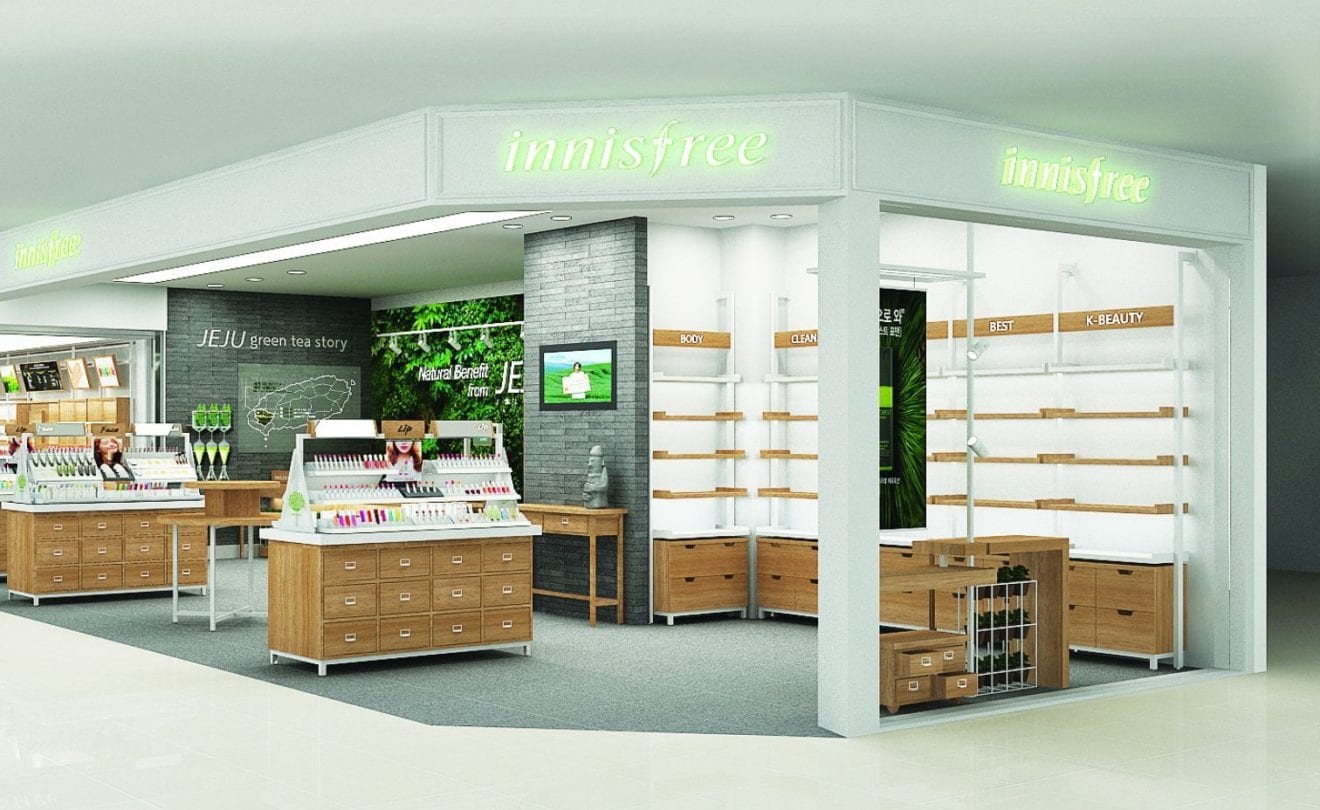
    Innisfree, the Korean natural cosmetics brand owned by Amore Pacific, is to open its largest store yet, in China.

    Amore Pacific announced Innisfree China will open an 827 sqm flagship store in Shanghai.

    This is the largest store among all of Innisfree’s retail locations, and reportedly the largest cosmetics store in China.

    Since Amore Pacific launched an online store in April 2012, it has been operating 200 offline stores all over China, including in Shanghai, Beijing and Shenyang. Innisfree’s ‘Green Tea Seed Serum’ and ‘Volcanic Ash Pore Mask’ are its highest-selling products.

    Management of Amore Pacific said Innisfree is popular among picky Chinese consumers in their 20s and 30s.

    “We think that the concept of our products made from natural ingredients found on Jeju Island, and the trust in Amore Pacific is an attraction to Chinese consumers.”

  • Uniqlo parent commits to refugee support

    Uniqlo parent commits to refugee support

    Uniqlo parent Fast Retailing has committed US$10 million in cash and some 150,000 items of Heattech clothing to help keep newly arrived refugees warm in Europe.

    Fast Retailing will supply the support through the UNHCR, the UNited Nation’s refugee agency.

    As well as the donations, Uniqlo will provide internships with future employment possibilities to 100 refugees in Japan and abroad.

    “The refugee issue is one of the most difficult challenges the international community is facing today,” said Tadashi Yanai, chairman, president and CEO of Fast Retailing.

    “We must collectively tackle the constant threats that have forced so many people, including a large number of children, to flee. We have been providing refugees with emergency assistance, programs that promote self-reliance and donations of clothes for nearly 10 years. We will continue to supply refugees with the clothes they need and give them hope for better lives, in keeping with our never-ending desire for a sustainable and peaceful world,” he said.

    UNHCR spokesman Antonio Guterres said nearly 60 million people have been forced to flee their homes worldwide; the equivalent to almost half the population of Japan.

    “Twenty million of these people are refugees. In the face of such an unprecedented challenge, the robust support of the private sector is crucial for meeting the needs of the millions of families who have lost everything and who are seeking a safe place to restore their lives and build a better future.”

    Fast Retailing started its collaboration with the UN Refugee Agency in 2006 and entered into a global partnership in 2011, a first for a company headquartered in Asia. The new support being pledged this week is part of a global partnership aimed at assisting forcibly displaced people around the world, in recognition of the need for international organisations and private enterprises to collaborate more closely for the refugee cause.

    Under the new agreement, Fast Retailing commits to support the UN Refugee Agency with US $10 million over the next three years, starting from 2016. The funds will help UNHCR respond to emergencies and other acute humanitarian crises, and help refugees in Asia become self-reliant.

    The donation will also cover costs related to the distribution of donated clothing. To date, Fast Retailing has collected and distributed through UNHCR more than 10 million items of lightly used clothing to refugees across 37 countries and regions.

  • Joyce Boutique plunges into the red

    Joyce Boutique plunges into the red

    Listed fashion boutique operator Joyce Boutique says it will continue to take a cautious approach to business expansion and focus on consolidation of the Joyce multi-label business towards higher-productivity stores in the year ahead.

    It will renovate and expand the Joyce flagship store in Central and relocate the Shanghai Joyce flagship store to a bigger space within Plaza 66 to introduce a completely new look and unique shopping experience to customers.

    The move follows revelation of a HK$34.9 million half year loss for the company – a major turnaround from the $32.8 million profit in the same period last year.

    Sales slumped 10.9 per cent, and gross margin lost 3.5 percentage points, the company has reported to the stock exchange.

    “The persistent fall-off in customer spending on luxury goods in Hong Kong and Mainland China drove down the sales performance of the luxury retail market in the period. Depreciation of the euro and yen against the dollar and renminbi led to an increase in overseas shopping and online shopping for luxury goods and impacted on bricks-and-mortar local retailing.” the company said in its interim report.

    Joyce Boutique’s Hong Kong, turnover dropped by 10.3 per cent against the same period last year and accounted for 82.5 per cent of group turnover (2014: 81.9 per cent). Further impacted by declined gross margin and increased rental costs, the Hong Kong division incurred an operating loss of $12.6 million for the period (2014: a profit of $36.6 million).

    Mainland China turnover declined by 14.6 per cent versus the same period last year and operating results turned into a loss of $22.9 million from last year’s profit of $3.1 million, chiefly the result of a general decline in turnover and margin and an additional $7.6 million provision made for a loss making shop in Shanghai.

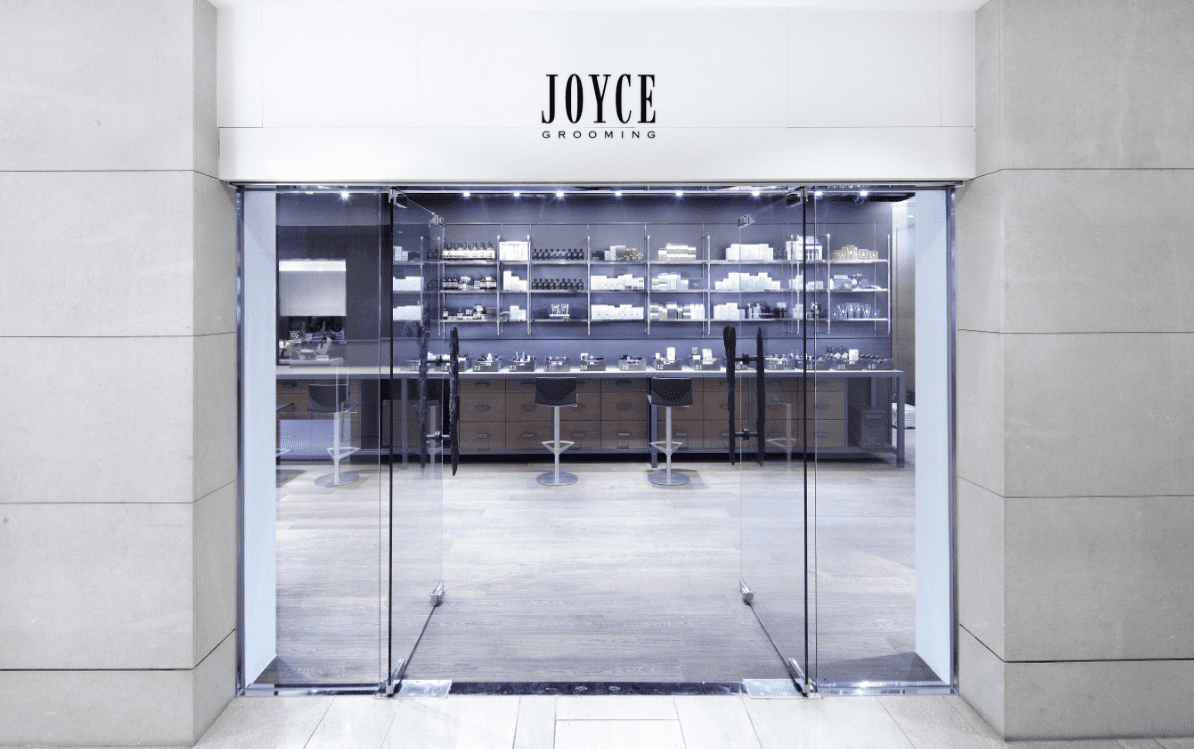
    Joyce Boutique inside

    The joint venture with Marni made a loss contribution of $1.0 million (2014: profit of HK$1.3 million) due to a drop in turnover and an increase in operating costs.

    “In view of the difficult trading environment, the group adopted a cautious shop strategy. While opening new shops for three potential brands as planned in the previous financial year (the first Hong Kong shop for Thom Browne at On Lan St, the first China shop for Sacai at Beijing Sanlitun and the first Macau shop for Alexander Wang at Galaxy Macau), the group closed certain non-performing shops to improve shop productivity,” the company reported.

    As well as the change in store focus and the renovation of the Hong Kong and Shanghai flagships, the company says it plans to further strengthen customer loyalty and drive sales from VIP customers through enhanced personal stylist services and the introduction of private customer mobile apps.

    Joyce Boutique says it expects the near term trading environment will remain “tough and challenging”.

    “Rental levels in prime shopping malls remain high relative to turnover. Online shopping and overseas shopping for luxury goods will continue to impact on bricks-and-mortar specialty retailing. In view of the challenges, the group will focus on driving cost efficiency and shop productivity, fashion editing and reducing business risks through taking cautious approach to business expansion and stock purchase planning.”

  • Hong Kong and Shenzhen should improve transport connections

    Hong Kong and Shenzhen should improve transport connections

    Hong Kong and Shenzhen are key points on China’s planned “Maritime Silk Road”, and the emergence of east and south axes in the Pearl River Delta bay area will help to realize Beijing’s bigger strategy.

    However, the existing transport infrastructure, based on the “stores in front and factories behind” model, is no longer sufficient for the deepening interaction among cities in the region.

    In recent years, both Hong Kong and Shenzhen have planned new metropolitan areas in the western Pearl River Delta.

    For example, the focus of development in Shenzhen has shifted from its commercial hub in Lo Wu and administration and finance centre in Futian to Qianhai and Houhai, while the financial and technology industries are also moving to the bay area.

    The western part of the city is now turning into a new central business district.

    Meanwhile, the future development of Hong Kong will center around Lantau Island, which will become a new centre for retail, business, tourism and exhibitions.

    Also, the soaring number of passengers commuting between Hong Kong and Shenzhen requires a review of the existing transport system, which focuses on moving goods rather than people.

    The “one-hour living zone” — where home, office, shopping and leisure venues are within an hour’s traveling time of one another — has increased cross-border living and consumption among residents of both cities.

    Leisure travel and visits to families and friends have increased rapidly in recent years.

    Shenzhen Bay Port was designed for daily traffic of 50,000 vehicles and 60,000 passengers.

    However, vehicle traffic is around 10,000 a day at present, while passenger traffic has already surged to 160,000.

    Emerging cross-border e-commerce will push both cities toward a three-level transport system, which includes a national high-speed railway, regional intercity rail and connecting subway systems.

    First, the authorities should push and further improve the high-speed railway network between Hong Kong and Guangdong.

    Rail transport is fast, convenient and green.

    China’s nationwide high-speed railway network is in the midst of developing a link between Shenzhen and Hong Kong.

    The Guangzhou-Shenzhen-Hong Kong high-speed railway will shorten the travel time from Hong Kong to Guangzhou to 48 minutes.

    The high-speed railway link will bring Hong Kong into China’s ambitious nationwide high-speed railway network.

    It will become a key route for Hong Kong to connect with the mainland, as well as connect with the intercity railway network in the Pearl River Delta region.

    In addition, as Shenzhen gradually becomes one of China’s key high-speed transport hubs, Hong Kong will also benefit from the six main high-speed railway lines connecting Shenzhen with other parts of the country.

    The six lines will be the Shanghai-Shenzhen coastal high-speed railway, the Ganzhou-Shenzhen high-speed railway, the Beijing-Guangzhou-Hong Kong high-speed railway, the Guangzhou-Guiyang-Chongqing high-speed railway, the Guangzhou-Nanning-Kunming high-speed railway and the coastal high-speed railway in western Guangdong.

    Also, both cities should strive to create an integrated intercity railway link, which would enhance goods and passenger transport in the region.

    Lantau Island will be a gateway and new metropolitan area for Hong Kong after land reclamation and construction of the Hong Kong-Zhuhai-Macau bridge.

    The area will become the city’s third major business area, as well as a key hub connecting Hong Kong with Shenzhen.

    Hong Kong should also improve the connection of its metro system with that of Shenzhen.

    The MTR Lok Ma Chau Station already connects with Line 4 of Shenzhen’s metro system, and the MTR Lo Wu Station connects with Line 1 of Shenzhen.

  • BlackBerry Priv available in the Philippines

    BlackBerry Priv available in the Philippines

    BlackBerry announced the availability and full features of Priv by BlackBerry, the first-ever BlackBerry smartphone powered by Android in the Philippines. Priv is available at a suggested retail price of PHP 45,000 inclusive of local taxes. It will be available from mid-December through BlackBerry’s exclusive partner in the Philippines, MemoXpress.

  • Asian eCommerce boom reshaping logistics sector

    Asian eCommerce boom reshaping logistics sector

    The Asian eCommerce boom is driving major changes in logistics developments and networks across the region, according to CBRE’s latest Global & Emerging Logistics Hubs report.

    “With a trickle-down effect to inventory management, this is leading to changes in the global supply chain network,” said Dennis Yeo, regional head, industrial & logistics services with CBRE Asia.

    “Speed-to-market is more important than ever. The service demands brought about by eCommerce – for example, shorter delivery times to consumers – has changed the entire retail supply chain of getting goods to consumers, including regional distribution strategies. The technical ability of locations and buildings to support the ever-increasing demands for both scale and speed of output is an ever-more important determinant of market position.”

    In Asia, the eCommerce and e-tailing market has been particularly strong, with eCommerce upending the traditional bricks-and-mortar distribution networks, forcing retailers and third-party logistics firms to adapt to an increasingly demanding consumer.

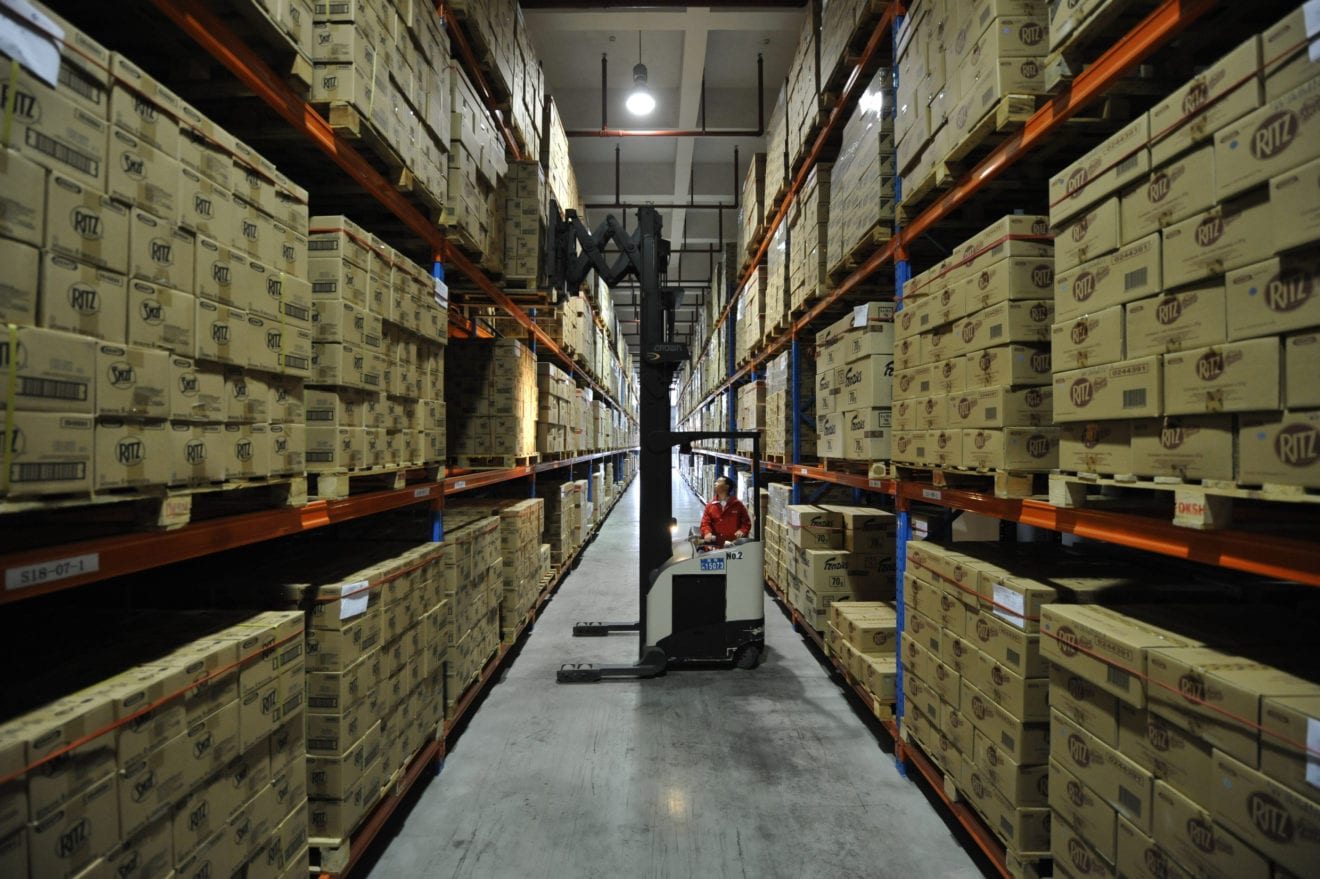
    “eCommerce shipments are smaller in size and require more technology and expertise to execute efficiently. As a result, modern logistics facilities are being developed in the traditionally strong logistics hubs of Tokyo, Seoul and Taipei. Besides the developed markets, the new consumer class in the emerging markets is creating opportunities for logistics development in in China, India and Vietnam,” said Yeo.

    Hong Kong under threat

    Meanwhile, the report concludes that while Hong Kong will remain one of the top global logistics hubs in the world, for the next decade, the territory will be in strong competition with several emerging Asia hubs including China’s Beijing, Hangzhou, Nanjing, Suzhou, and South Korea’s Busan.

    “Hong Kong has maintained its global logistics hub status due to its efficient transportation network and highly developed logistic services. It ranks third in the World Bank’s Logistics Performance Index,” said Darren Benson, executive director, industrial & logistics, brokerage services, CBRE Asia.

    “As the traditional global gateway to China, Hong Kong is likely to remain the hub for global distributors, due to its local trade and transport regulations and its ease of connectivity via seaports.“

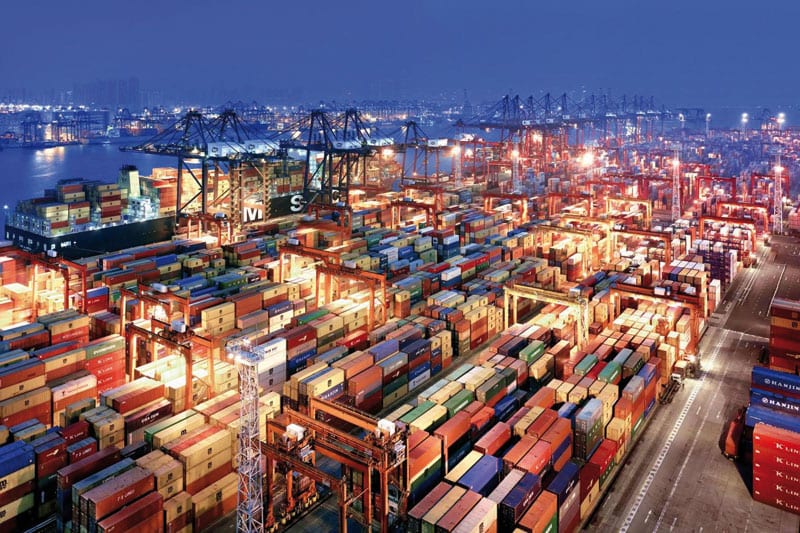
    Hong Kong is currently the fourth largest global seaport by container volume, while emerging hubs such as Shanghai, Shenzhen and Busan rank first, third and fifth respectively. These emerging locations share a number of characteristics, including significant investments in infrastructure, new trade policies and agreements, and more advanced supply chains and technologies. As these cities continue to improve their regional transportation infrastructure so their viability for international trade increases.

    The shift in global supply chain dynamics and creation of new logistics hubs in Asia may also be spurred by China’s plans to revive the Silk Road trade route.

    In 2013, China launched a new strategic initiative, known as “one belt, one road,” which aimed to revive the importance of the Silk Road. The new Silk Road has two parts: the Silk Road Economic Belt, a land-based route that will connect central China to the Middle East and Eastern Europe, and the Maritime Silk Road, a sea-based path that will link South China to Southeast Asia, East Africa and Europe.

    In Asia, low-end manufacturing – such as garment and textiles production and electronics component assembly – has steadily been moving from Southern China to Western China and Southeast Asia. Southern China, encompassing the Pearl River Delta, has traditionally been the light industrial manufacturing center of the world, however, as wages continue to rise and China attempts to move up the manufacturing value chain, there has been a shift to more sophisticated heavy industry manufacturing.