Author: Mei Ling Tan

  • Char Raises The Bar for Steaks in Shanghai

    Char Raises The Bar for Steaks in Shanghai

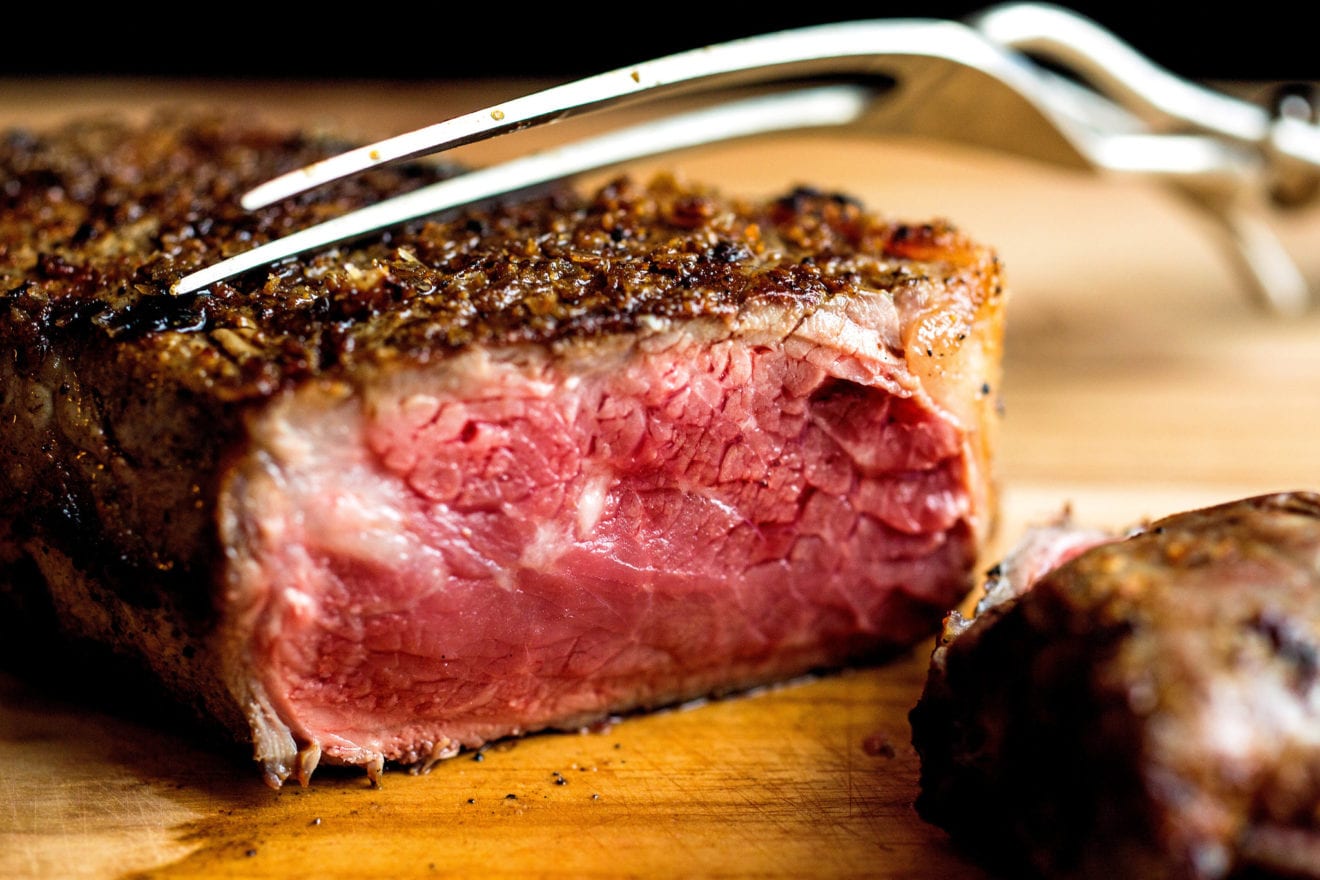
    Great food is produced long before it ever gets to the kitchen. Soil, sunlight, clean air and water, and scrupulous farming practices are essential ingredients for any quality dish. Quality and authenticity are especially true for steak. It’s why CHAR in the Hotel Indigo Shanghai on the Bund serves Wagyu, Black Angus, and grass-fed beef from some of the world’s most renowned cattle ranches. Diners can explore this further starting in January 2016, on the last Thursday of every month, when CHAR will host a Beef Appreciation Steak Masterclass. The class will be from 1-3pm in CHAR for RMB 350 per person, which also includes a light lunch. Reservations are highly recommended.

    The CHAR Steak Masterclass begins with a classroom style lecture available in English or Chinese and presented by one of Shanghai’s largest and most reputable Australian beef imports. Topics covered will be on animal husbandry, why the diet is important, the various cuts of beef, the types of cows, dry aging and ultimately, how to select a quality beef product. This will be followed by a practical demonstration by Chef Willmer Colmenares himself where he will point out visual indicators of quality such as marbling, color and texture. Participants will sample some of the beef and then be able to use this knowledge when enjoying beef in the future. Lastly, Chef Willmer will discuss various means of preparation from the oven to the pan to the grill and which one is preferred. So what are some of CHAR’s 11 different steak offerings?

    David Blackmore beef is, without question, the crown jewel of CHAR’s menu. It is the Rolls Royce of beef. This Australian ranch only raises cattle with bloodlines that can be fully verified and traced back to Japan. It’s grain-fed for 600 days, using traditional Japanese farming methods. The end result is an exceptional marbling score of 9+. This means a steak that tender, succulent, and devastatingly rich. A slice of it will melt on the tongue like a pat of butter. And as if that weren’t indulgent enough, CHAR serves their Blackmore fillets with foie gras, lobster, sautéed wild mushrooms, and shaved truffles.

    Tajima Wagyu is another exemplary beef on offer at CHAR. This unique strain of cattle is what made Japanese beef famous. Its luxuriant marbling produces a luscious texture, and excellent flavor. CHAR sources beef from full-blood Tajima cattle raised in the Australian countryside. 500 days of a traditional Japanese cattle diet gives this beef a marbling score of 7–9. Guests can savor a 220g Tajima eye fillet or 300g rib eye, both seared to tender, juicy perfection.

    Australia is also renowned for world-class certified Black Angus beef, and Jack’s Creek is one of the most respected names in the business. Top-quality cattle are fed a proprietary, high-energy grain diet for 150 days to produce beef with a 3+ marbling score. It’s tender, succulent, and can be experienced at CHAR with a 250g eye fillet or a 300g sirloin.

    Grass-fed beef has built a strong reputation not only for its unique flavor but for its nutritional benefits, too (a grass diet produces a leaner meat than grain diet). Cape Grim has struck a perfect balance between leanness, tenderness, and flavor with its famous grass-fed beef. Their cattle are raised in the pristine pasturelands of Northern Tasmania, where they graze on an all-natural diet of grass. Guests can enjoy this premium beef as a 250g eye fillet or a 500g bone-in rib eye.

    But it doesn’t stop at world-class steaks. Chef Will Colmenares has created a menu of creative gourmet indulgences inspired by the cuisine of Asia, the Mediterranean, and Latin America to complement the steaks. He puts an intriguing twist on that steakhouse staple, lobster bisque, by infusing it with lemongrass and adding mussels, scallops and a lime cream. His coconut-and-lime-marinated lobster and salmon ceviche brings an unexpected freshness to the menu. Avocado and jalapeño give the dish a zesty flair. His creamy roasted bone marrow with seasonal mushrooms, smoked octopus, and potato flan is a fun and inventive exploration of taste and texture. And of course, there is no shortage of fresh seafood, with a selection of imported live oysters and CHAR’s “Seafood Harvest”, a sharable shellfish tower, featuring half a lobster, king prawns, a crab claw, Irish king razor clams, mussels, oysters, and Amur Caviar.

    Then for something sweet, there is a bevy of creative desserts, like Colmenares’s “Piña Colada”, a tropical treat made with caramelized pineapple, rum, honey jelly, and coconut ice cream. Or guests can take a decadent escape with a spicy hot chocolate fondant with tonka bean ice cream and rum ganache.
  • Apple Pay China launch slated for February

    Apple Pay China launch slated for February

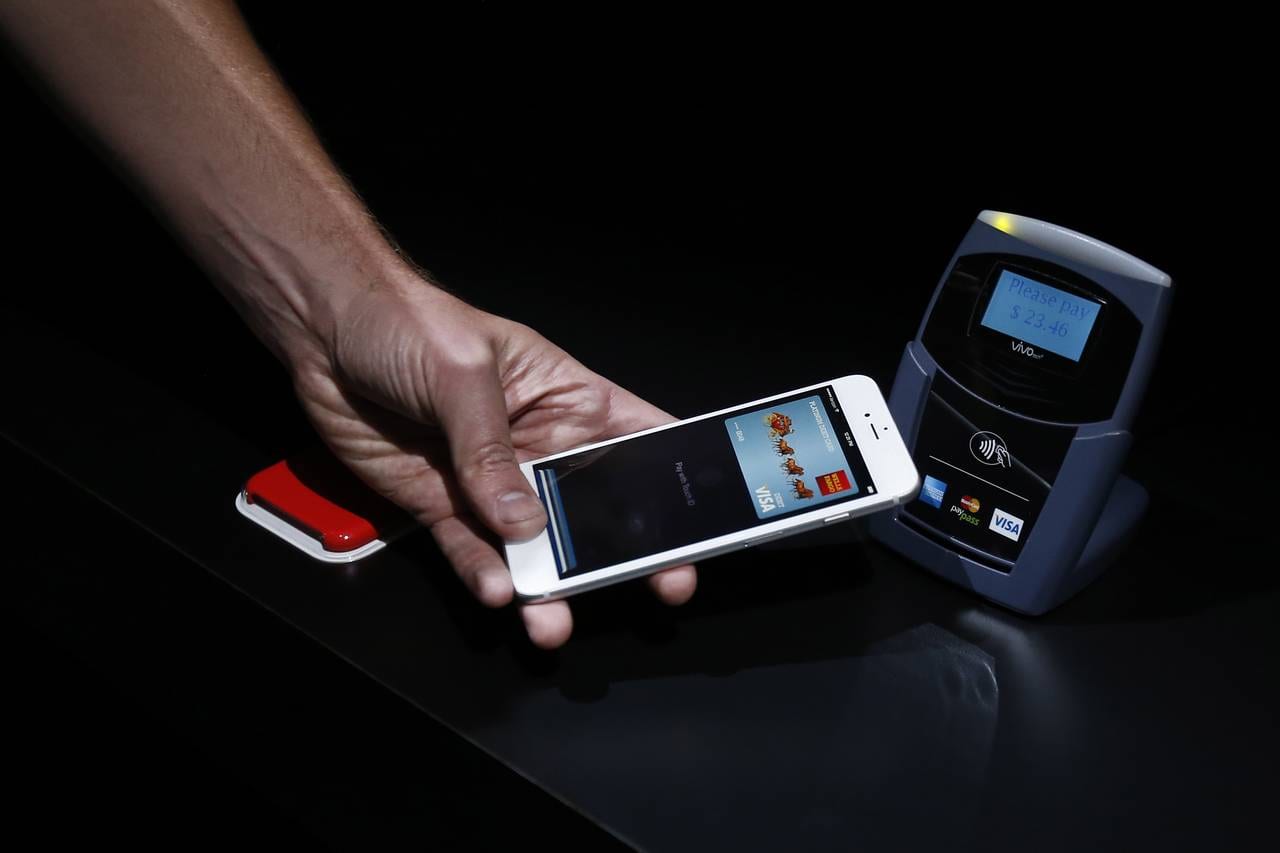
    Tech giant Apple will launch its mobile payment system Apple Pay in China by early February, according to a report in the Wall Street Journal.

    Citing people familiar with the discussions, the newspaper says Apple has reached agreement with China’s four state-run banks to clear the way for the payment system to be used via its iPhone smartphones.

    The move will place it in direct competition with local online payment platform Alipay, run by Alibaba Group, and its affiliated company Ant Financial, and UnionPay, the state run monopoly credit card system.

    But while the banks are on board, the Wall Street Journal claims Apple may yet face more hurdles before it can launch the service, with banking and eCommerce regulations overseen by a number of government agencies.

  • Jollibee scouring China, US for acquisitions

    Jollibee scouring China, US for acquisitions

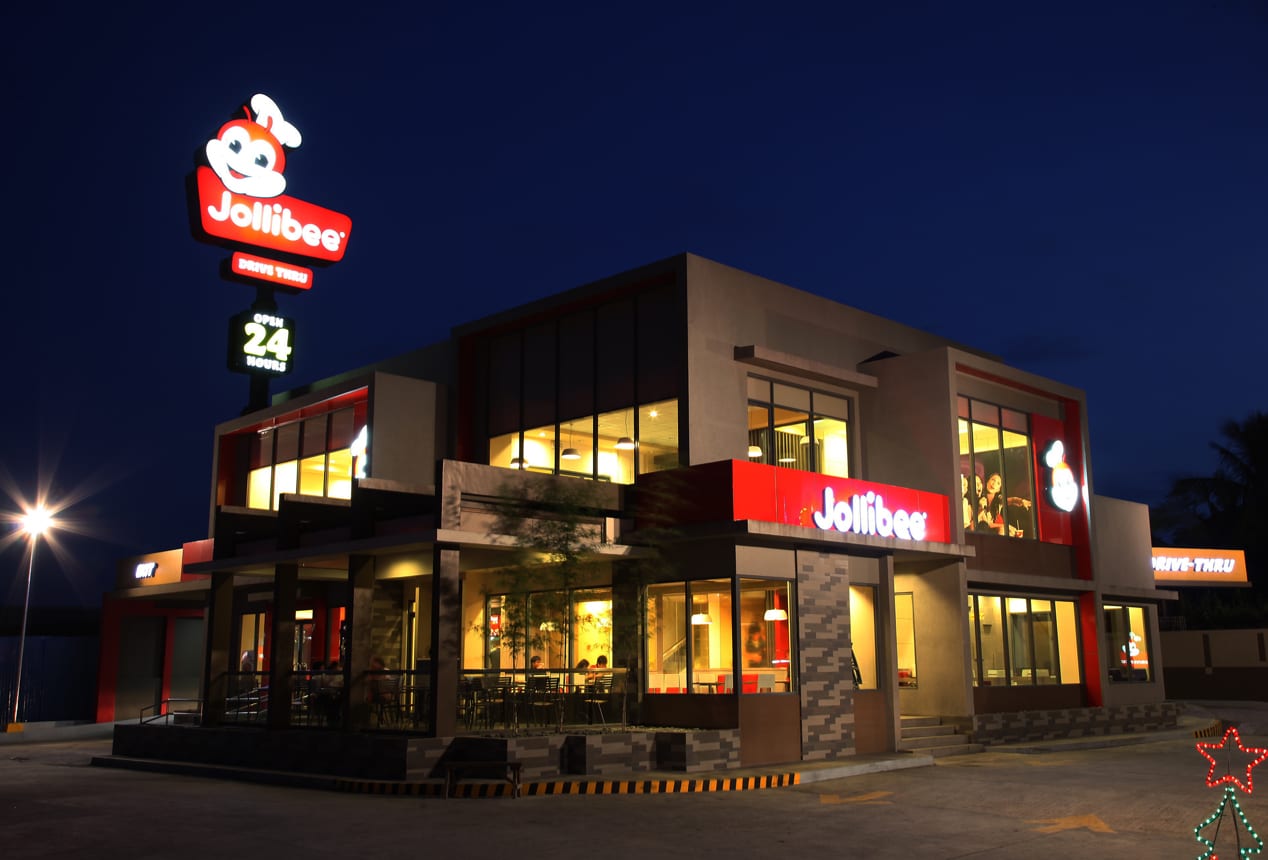
    Philippines-based Jollibee Foods is actively searching for at least two more established fast food or QSR restaurant chains to boost its brand portfolio.

    Jollibee chairman Tony Tan Caktiong says the company will pay up to $100 million for each investment and it is specifically looking at opportunities in China and the US.

    The comments follow the company’s recent purchase of a 40 per cent stake in fast growing US fast food operator Smashburger, for which it shelled out $99 million.

    The search is part of a strategy to increase the proportion of the company’s revenue sourced from outside the Philippines. Jollibee openly aspires to become one of the world’s largest fast food operators and it already ranks 10th as defined by market capitalisation – and first in Asia.

    But to be truly considered a global player, the company needs to derive at least 50 per cent of its income from offshore – currently that share sits at about 20 per cent.

    Earlier this month, Jollibee said it planned to enter seven new international markets over the next two years, along with 20 additional outlets in Vietnam, and another 12 in Brunei during coming months.

    Dennis Flores, VP for international operations of Jollibee, has revealed the company plans to take its mainstay Jollibee burger restaurant brand Jollibee into the UK, Italy, Canada, Malaysia and Oman in 2016. Forays into Australia and Japan will follow in 2017.

    Jollibee, publicly listed in the Philippines, had been actively seeking an investment in a leading US growth brand to gain a foothold in the US, as part of its broader plan to become an international restaurant operator. It currently operates and franchises a network of more than 3000 restaurants worldwide under the trade names Jollibee, Chowking, Greenwich, Red Ribbon, Yonghe King, Hong Zhuang Yuan, Mang Inasal, Burger King Philippines, San Pin Wang, and Jinja Bar. Jollibee also has a 50 per cent interest in the Super Foods Group, which operates and franchises restaurants under the Pho 24 and Highlands Coffee brands throughout Vietnam.

    Jollibee’s network outlets have reached 3,023 worldwide, with 2,393 of them in the Philippines, and 630 outlets abroad.

  • BHG REIT IPO to raise $120 million

    BHG REIT IPO to raise $120 million

    Chinese retail player Beijing Hualian Group is planning to list its BHG REIT in Singapore this year.

    If it proceeds, it will mark just the first IPO on the Singapore SGX Mainboard in 2015.

    The BHG Retail REIT wants to issue 150.1 million shares at $0.80 per unit which gives the listing a value of $120 million.

    BHG REIT’s initial portfolio will comprise a 60 per cent interest in Beijing Wanliu Mall in Beijing; Hefei Mengchenglu Mall in Hefei’s North First Ring retail hub; Chengdu Konggang Mall, in an emerging residential area in Chengdu; Dalian Jinsanjiao Property, leased to a hypermarket; and Xining Huayuan Mall in Xining’s Ximen-Dashizi retail hub. These properties have a combined gross floor area of about 263,688 sqm.

    Under its plan, BHG’s existing Singapore-incorporated units Beijing Hualian Group (Singapore) International Trading and Beijing Hualian Mall (Singapore) Commercial Management, will subscribe for 148.31 million and 24.636 million shares, respectively.

    And it has four cornerstone investors already on board who would subscribe for a total of 169.651 million units. These investors are China Hi-Tech Holding Company, China Life Insurance Company, China Merchants Bank Asset Management and Dr Chanchai Ruayrungruang.

    With all these investments rolled together, the gross proceeds of the IPO would come to $394.2 million and give the REIT a market capitalisation of about $597.2 million post float.

    The listing is sponsored by Beijing Hualian Department Store Company, part of the BHG Group, with more than 20 years in retailing. The company manages retail properties, operates supermarkets and hypermarkets and retail distributorships as well as a luxury department store in Beijing.

    “As part of the BHG Group, BHG Retail REIT will benefit in terms of acquisition growth in China where the sponsor has an active real estate presence,” the group says in its prospectus.

  • BCBGMaxAzria opens Tmall store

    BCBGMaxAzria opens Tmall store

    BCBGMaxAzria, the US premier lifestyle fashion brand has partnered with B2C cross-border eCommerce solutions provider VoyageOne to expand its online footprint in China.

    “We are pleased to launch of BCBG on Tmall. We are very optimistic about the opportunity in China,” says Max Azria, founder, chairman and CEO of BCBG Max Azria Group.

    BCBGMaxAzria’s flagship line is now available to Chinese online shoppers on Alibaba’s Tmall Global through VoyageOne’s platform. BCBGMaxAzria can now efficiently integrate, sell, and manage its online selling process across multiple marketplaces in China.

    “BCBGMaxAzria is a truly an American flagship designer brand and completely understands the complexity of cross-border eCommerce landscape in China and the need for a proven technology and solution delivery mechanism by which BCBGMaxAzria seamlessly integrate, launch and manage its online footprint in China,” said Dennis Zhang, VoyageOne CEO.

    “We’re extremely pleased to partner with BCBGMaxAzria to delivering true online shopping and customer service experiences through a single platform while help them grow their online business in China.”

    Michelle Magallon, SVP of digital commerce & omnichannel with BCBG Max Azria, says China is an important international market for the brand.

    The BCBGMaxAzria Winter 2015 collection is already available at Tmall’s Hong Kong and China stores.

  • Siam Synergy allies join hands to host vibrant daily activities and festivities to celebrate New Year

    Siam Synergy allies join hands to host vibrant daily activities and festivities to celebrate New Year

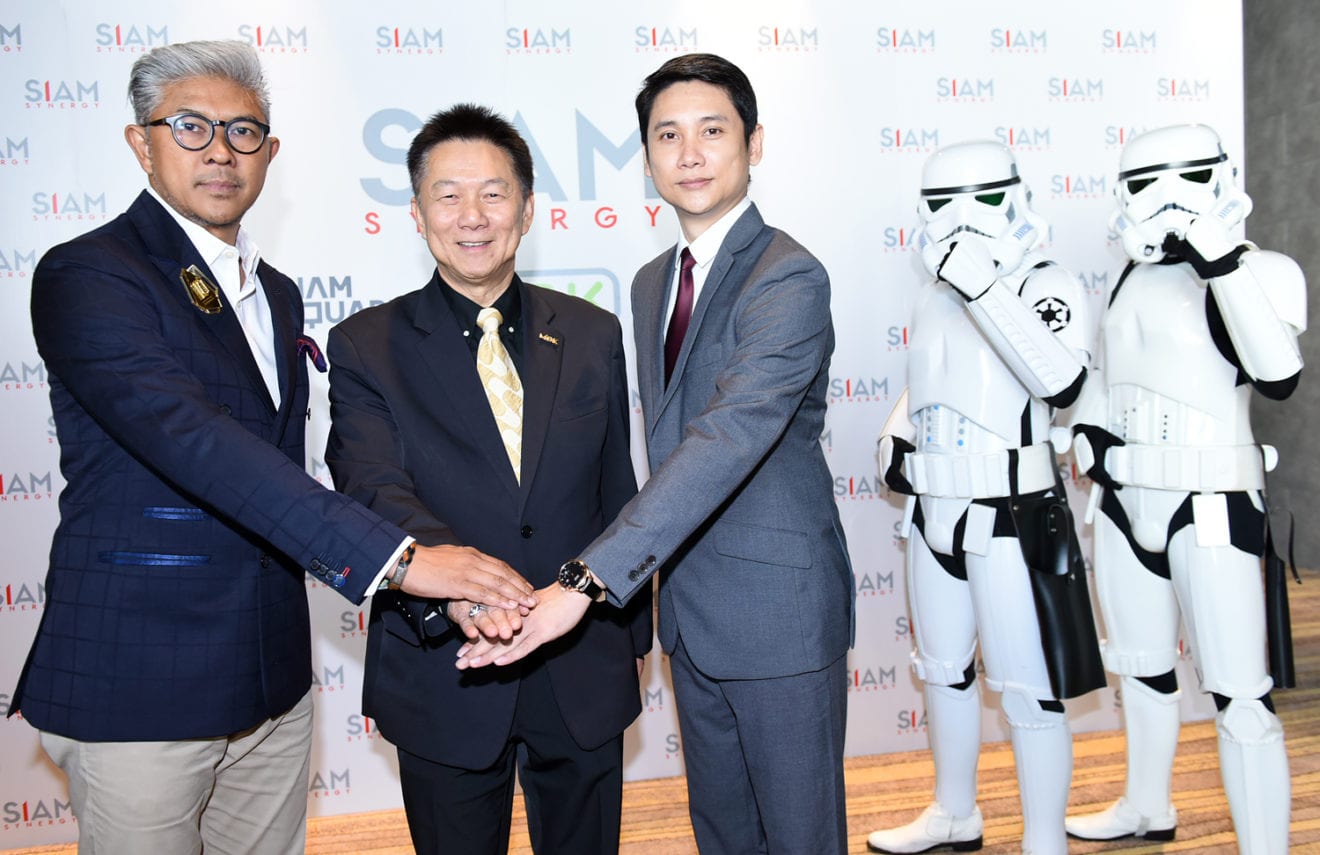
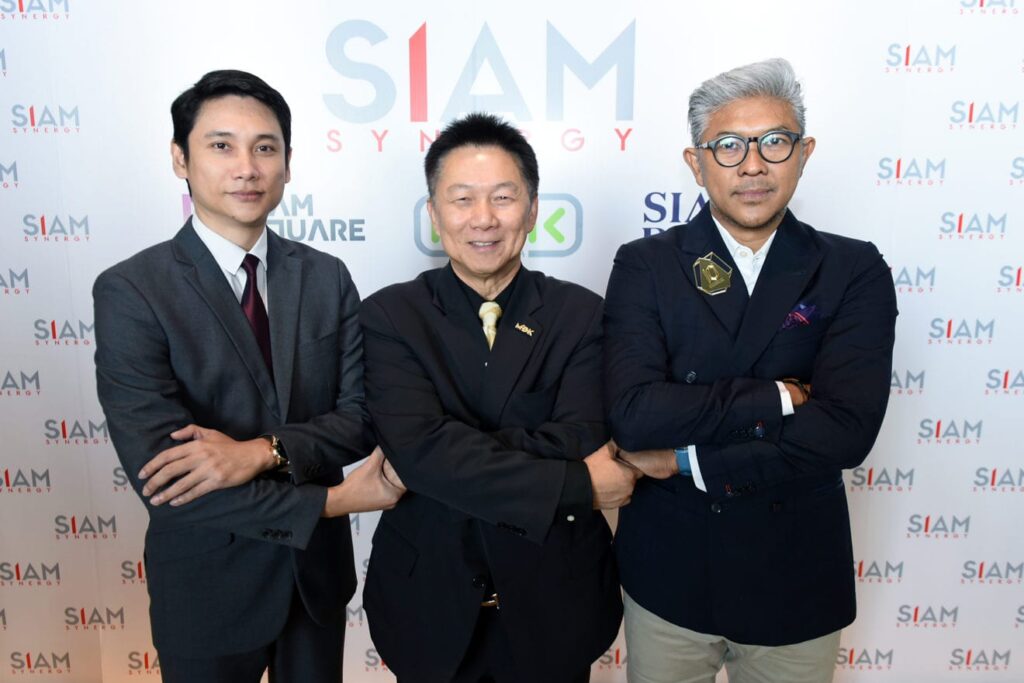
    Siam Synergy, led by MBK Public Company Limited, Siam Piwat Co., Ltd., and the Siam Square Business Group, announced in a press conference that a series of New Year’s activities will be held under the concept “THE PRIDE OF BANGKOK, THE TREASURE OF THE WORLD”, inviting the public to join in the daily activities hosted in the Siam District to usher in the new year. The festivities will bring vibrancy and excitement to one of Bangkok’s most important districts and strengthen the Siam District’s position as one of the most diverse, colorful and multi-dimensional neighborhoods in the world. The Siam District — the urban center where the latest trends, world-class shopping, art and entertainment converge — opens a door to the soul of the city of Bangkok. The press conference was jointly held by Mr. Sompol Tripopnart, Senior Executive Vice President, Marketing Division, MBK Public Company Limited; Mr. Thanapat Chayutirat, Executive Director of Siam Square Business Group; and  Mr. Dan Zonmani, First Executive Vice President of Business Innovation, Siam Piwat Co., Ltd., at K Bank Siam Pic Ganesha Theatre on 8th floor at 10.30 – 12.00 hrs.

    After the historic alliance was formed in September of this year to establish “Synergy Siam”, the partners are ready to host a series of activities in and around the Siam District, which is one of the country’s most important tourist destinations visited by travelers from around the world and the door to a soul of Bangkok. The group is partnering with more than 4,200 shops in the area and is injecting an investment of 1 billion baht to host vibrant and colorful New Year’s festivities. The activities are categorized into three main groups: those to honor His Majesty the King and preserve and promote Thainess, a celebration of art and providing an opportunity for youngsters to express themselves and their creativity, and world-class activities from around the globe that will delight shoppers and visitors. In addition, shopping malls in the Siam District will offer promotions and discounts to celebrate the holidays in the heart of Bangkok.

    The wide range of activities means that visitors of all ages and lifestyles will be able to take part in the fun and excitement. More than 30 activities in total will begin in December and last throughout the month. Some of the highlights will include; decoration of the Rama 1 road to welcome the Bike for Dad caravan in honour of His Majesty the King, Clean for the King, Echoing Sound of Reverence (Gaeg Gong Duay Pakdee), MBK Fight Night,  MBK Happy Street Festival, Siam Street World, Star Wars Run, Hay Christmas Market and Eco X’mas Festival. The activities are expected to draw many Thai and international revelers to the area. The aim is to increase the number of visitors by 650,000. The festivities are estimated to generate increase of about 15-20 percent cash flow.

    Mr. Sompol Tripopnart,Senior Executive Vice President, Marketing Division, MBK Public Company Limited said: “Entrepreneurs of large, medium, as well as small enterprises make up the force that drives the Siam area as Bangkok’s commercial district. We are all getting together to make the New Year’s celebrations and activities happen, starting with our collaboration to host activities to honor His Majesty the King and preserve Thainess. Some of the activities include; the decoration of the Rama 1 road to welcome the Bike for Dad caravan in honour of His Majesty the King, Clean for the King event on December 4 at the Pathumwan Institute of Technology, in which, operators situated along Rama 1 road and members of the public are invited to join together to help clean up the area, the celebration ofHM the King’s 88th birthday On December 5, MBK and the Kru Muay Thai Association will host MBK Fight Night, in which seven Muay Thai kick boxing fights and two Western-style boxing bouts will be held. ”

    Mr. Thanapat Chayutirat; Mr. Sompol Tripopnart;  and Mr. Dan Zonmani in a press conference

    Mr. Thanapat Chayutirat, Executive Director of Siam Square Business Group, added: “We also plan to host the Siam Street World activity. This has been held for three consecutive years, each time drawing in more than half a million spectators. The activity provides an opportunity for youngsters to express their creativity through art. The activity will showcase the ultimate in world-class fun and will feature the Festival Zone, street performances, an art market, and the Street Fest Grand Sale. Leading artists from around the world will rotate around stages located throughout the Siam area to showcase their creativity. There will also be competitions to recruit new performers, with prizes up for grabs and an opportunity to become a world-class performer.”

    On the topic of bringing world-class activities to Siam, Mr. Dan Zonmani, First Executive Vice President of Business Innovation, Siam Piwat Co., Ltd., concluded by saying: “The grand activity entitled “The Echoing Sound of Reverence” will be held on December 5 at Siam Paragon. Drummers of all ages from around the country will perform HM the King’s compositions as well as other songs to pay respect to our king to show the world how much Thai people revere our “Supreme Artist King”, whose musical ingenuity is known the world over. In addition, a number of other activities that are truly unique have been lined up, such as the STAR WARS XPERIENCE 2015 event, where fans of the epic movie franchise will have a chance to experience a 360-degree surround sound and lighting system and be transported into the fictional world. Replicas of a gigantic TIE Fighter and X-wing Star fighter are some of the biggest highlights awaiting Thai Star Wars fans. This will coincide with a Star Wars Run, which will see the Siam-Pathumwan area transformed into a challenging running course for more than 10,000 participants. This event will be held on December 26.”

    The collaboration among business operators in Siam District to host New Year’s activities reinforces Siam as the lifestyle center of Bangkok and showcases its eagerness to welcome visitors from Thailand and internationally who will be ushering in the holiday season in the capital. The activities and promotions offered by businesses in the area are well wishes and gifts for visitors and shoppers, and will help to create a celebratory atmosphere and stimulate the economy.

  • 7-Eleven Taiwan in MyDay eCommerce partnership

    7-Eleven Taiwan in MyDay eCommerce partnership

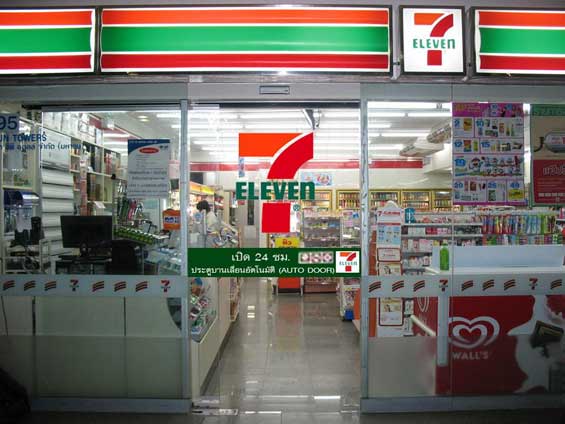
    Taiwan’s largest convenience store chain, 7-Eleven, says it will work with local shopping website MyDay to have online purchases from overseas delivered to its 5000-plus stores around Taiwan.

    The convenience store introduced the delivery service on Wednesday (November 25), allowing shoppers on the MyDay website to have their purchases delivered from Japan, the US and South Korea in as little as five days.

    Myday has over 10 years’ experience in cross-border eCommerce services and also partners with other sites such as Amazon in the US, Rakuten in Japan, and Gmarket in South Korea, said 7-Eleven.

    7-Eleven is the second convenience store chain in Taiwan to offer such a service, following FamilyMart, which established a similar partnership with the Japanese shopping site Tenso in September.

    Registered members of Tenso can have their purchases delivered to FamilyMart stores in Taiwan in about six days.

    Over 43 per cent of online shoppers in Taiwan buy products on overseas sites six times per year on average, according to a 2013 survey by the Market Intelligence & Consulting Institute under the Institute for Information Industry.

  • Starbucks barista Ryan Wibawa took top honors in the first ever Indonesian Brewers Cup

    Starbucks barista Ryan Wibawa took top honors in the first ever Indonesian Brewers Cup

    For Starbucks barista Ryan Wibawa, mastering coffee artistry was the key to becoming a champion.

    “I’ve worked really hard to hone my craft,” he said. “I’m now seeing the results of my hard work.”

    Wibawa took top honors in the first ever Indonesian Brewers Cup Championship finals held in central Jakarta. The competition, which occurred in stages over four months and wrapped up in November, featured 79 competitors from Bali, Jakarta and Semarang. Participants were judged on their coffee-brewing expertise, presentation skills and customer service. As the first place winner, Wibawa will represent Indonesia at the World Brewers Cup Championship in Dublin, Ireland next year.

    “This experience has given me another level of confidence to share my skills and knowledge about coffee,” said Wibawa. “I’m honored to represent Starbucks Indonesia at the World Championships in February.”

    Wibawa was first exposed to coffee when he joined Starbucks two years ago. He learned quickly and developed an enthusiasm for all things coffee. In 2014, he was selected as his district’s coffee master and earlier this year he won Starbucks Indonesia’s Barista Championships. He will also represent Indonesia at the China and Asia Pacific (CAP) region’s Starbucks Barista Championships in Hong Kong in February 2016.

    Ryan works at Indonesia’s first Starbucks Reserve store in Jakarta, where he delights customers with his coffee craft. He has also shared his expertise by training other Starbucks partners at Indonesia’s third Starbucks Reserve location in Bandung, which opened earlier this year.

    “I am proud to be a Starbucks partner,” said Wibawa. “At Starbucks, I can do what I love and what I’m passionate about, which is coffee.”

    To prepare for the Indonesian Brewers Cup Championship, Wibawa practiced twice per month with Mirza Luqman, Starbucks Indonesia’s learning and development manager.

    “Ryan was very eager and committed to learning everything about coffee,” said Luqman. “I couldn’t be happier for him.”

    “I can’t believe I will compete in the world championships,” added Wibawa. “I am so happy and proud to represent Starbucks and my country.”

    Starbucks barista Ryan Wibawa took top honors in the first ever Indonesian Brewers Cup Championship finals

    Starbucks barista Ryan Wibawa took top honors in the first ever Indonesian Brewers Cup Championship finals

  • Singapore’s PropertyGuru acquires Indonesia’s RumahDijaul

    Singapore’s PropertyGuru acquires Indonesia’s RumahDijaul

    Earlier today, Singaporean start-up PropertyGuru announced it has acquired one of Indonesia’s largest real estate portals RumahDijual for an undisclosed sum. The deal is the latest of PropertyGuru’s acquisition sequence in Southeast Asia. It comes not long after the firm snapped up ePropertyTrack in July, following a S$175 million ($124 million) investment in June from a consortium of three backers including Emtek, one of Indonesia’s largest media companies. The island nation is PropertyGuru’s second biggest market in terms of traffic.

    Founded by Indonesian Yohanes Aristianto, RumahDijual translates to English as ‘house for sale’, which makes the site almost priceless in terms of search engine optimisation in Indonesia. The acquisition of RumahDijual, coupled with PropertyGuru’s Rumah, emboldens the group to now claim market leadership in Indonesia.

    The group says 43% of all time spent on property portals in Indonesia is accumulated on PropertyGuru, almost double that of its closest competitor, which we know to be iProperty Group’s Rumah123. Rumah and RumahDijual now claim combined traction of 5.5 million users and 30.2 million monthly page views in Indonesia.

    “Indonesia is strategically important for PropertyGuru because it is the largest, and one of the fastest growing property and digital markets in Southeast Asia,” says Steve Melhuish, CEO and co-founder of PropertyGuru. “Together with our local partner, Emtek, we have earmarked tens of millions of dollars in the coming years to bring further innovations to the Indonesian market and help solidify our market leadership.”

  • Mozido Brings NFC Mobile Wallet Services to Indonesia

    Mozido Brings NFC Mobile Wallet Services to Indonesia

    Mozido, a provider of mobile wallets for payment and commerce solutions, today announced it has launched NFC mobile payment and loyalty services for Telkomsel Indonesia, in partnership with Verifone Mobile Money and financial services provider Finnet Indonesia.

    Mozido powers Telkomsel’s NFC-based TWallet application for its 140 million subscribers, enabling them to seamlessly tap and pay with their mobile device at participating merchant locations. Mozido also provides Telkomsel’s merchants with a mobile coupon management system that provides retailers the ability to send their own branded coupons directly to targeted TWallet consumers. Participating merchants span the verticals of fast food, cinema and supermarkets, and include McDonald’s, Wendy’s, Coffee Bean and Tea Leaf, Baskin Robbins, 7 Eleven, Cinema XXI, GraPARI, Alfamart and Indomaret.

    Previously, the mobile money services for the TWallet, which provide consumers with account balance, bill payment, airtime top-up, person-to-person transfers, and transaction history, was a USSD (unstructured supplementary service data) service, disconnected from the wallet. Now, with Mozido’s NFC mobile payments wallet, accountholders are able to use the services seamlessly from their mobile wallet application. Mozido works in partnership with Finnet Indonesia to connect users with Indonesia’s banks nationwide.

    “Indonesia’s 255 million people are ready for mobile solutions that enable payments, financial inclusion, and consumer engagement. Mozido is privileged to quickly expand our presence in this important region by powering TWallet for Telkomsel’s 140 million subscribers,” said Michael Liberty, founder of Mozido. “We look forward to working with Telkomsel to bring unprecedented levels of convenience and consumer engagement through mobile payment and marketing services for consumers and merchants.”

  • South Korean retailers binge on discounting

    South Korean retailers binge on discounting

    On top of seasonal sales and occasional promotions, major South Korean retailers have been holding a series of big discount events since summer to create an intense, promotion-heavy atmosphere through the Christmas season and beyond.

    The discount binge has indeed given a fillip to consumer spending here, but market watchers question its long-term effect as a slowdown in Asia’s fourth-largest economy has led to lower incomes for many people, prompting them to tighten their purse strings.

    Most recently, “K-Sale Day” kicked off last week to run for 26 days nationwide, led by major department stores and outlets that hope to grab shoppers’ attention ahead of the original Black Friday.’

    It came just a month after “Korea’s Black Friday”, a nationwide shopping campaign initiated by the government during the first two weeks of October to jack up the stagnant domestic consumption.

    The government-led event even overlapped with “Korea Grand Sale”, during which retailers knocked down prices from early September to mid-October to woo back both domestic consumers and Chinese travelers during the long-haul national holiday.

    One of the main reasons for the deluge of sales is the summer slump following the outbreak of Middle East Respiratory Syndrome (Mers) in late May, which poured cold water on domestic spending and dented tourist numbers.

    More fundamentally, however, the seemingly never-ending sale is seen as an early sign that South Korea is heading into a recession.

    “Although the domestic economy has long grappled with sluggish consumption, the government is ever more concerned about weak spending after exports showed signs of slowing,” says Ko Ga-young, a researcher at LG Economic Research Institute.

    “Exporters in the manufacturing sector had propelled the growth until the 2008 global financial crisis, but their prospects remain bleak due to slowdown in the Chinese economy and tougher global competition in the low-end manufacturing sector.”

    Although policy makers had expected that low oil prices and record-low interest rates would boost the economy this year, the fallout from the Mers outbreak prompted the government to lower its 2015 growth forecast from 3.8 per cent to 3.1 per cent in June.

    The retail discount events, held both online and offline, did not create much buzz like Chinese e-commerce giant Alibaba’s “Singles Day”, which recorded a blockbuster US$14.3 billion in sales on November 11, but the steep discounts did serve as the spending trigger for pent-up demand in a short period of time.

    According to the data compiled by the industry ministry, the 22 retailers that joined the Black Friday Korea campaign saw their sales rise 20.7 per cent on-year to 719.4 billion won (US$634.9 million) during the two-week period.

    While the government touted its “successful effort” in reviving the consumer sentiment, the market remained skeptical over the growth from last year’s low base during the extended holiday season.

    “Large department stores and discount chains face an unfavorable business environment because massive sales events and permanent discount policy produced a limited effect despite last year’s low base,” said Nam Sung-hyun, a researcher at Kiwoom Securities.

    Unlike a one-off factor like the viral disease, market watchers worry that the tight labor market and rising household debt could continue to discourage people from spending on concerns over their unstable future.

    The youth jobless rate reached the highest level in 15 years at 10.1 per cent in June with more college graduates landing at temporary positions, while the average consumption propensity dipped to a record low 71.5 per cent in the third quarter, according to Statistics Korea.

    “The consumption propensity is expected to further decline because households are managing their spending schedule in line with the bleak long-term growth prospect and extended life span,” Ko said.

    Bricks-and-mortar shops face an even dimmer outlook as more consumers are hunting for bargains from online marketplaces abroad.

    Traditional retailers not only have to compete with each other but also counter challenges from international online marketplaces stealing their customers with easier delivery and transaction procedures.

    “As more consumers learn they can easily buy products at a much cheaper price via online vendors, offline shops are more frequently conducting discount events to retain their customers,” said Jun Mi-young, a professor at Seoul National University and co-author of Trend Korea 2016.

    “The experience of buying foreign brands at discounted prices has created a healthy dose of cynicism about department stores’ pricing policy.”

    According to US No 1 retailer Walmart’s Black Friday advertisement, South Korean tech giant Samsung Electronics’ 55-inch HDTV was discounted to $498, less than half prices for similar models sold at Korean department stores.

    Some deals even raise questions over whether retailers set a higher price from the beginning to look like they are giving discounts.

    Lotte Department Store’s K-Sale Day promotional leaflet shows that the price of German kitchenware maker Henkel’s five-star knife block set was reduced from 550,000 won to 229,000 won.

    Sounds like a good deal. But you can buy the same product below 200,000 won at several online shopping malls on any given day.

    The desperate efforts to grab customers with lower prices, however, come at a price.

    As sales start earlier and last longer, they become less important and easier for consumers to ignore. When every day is special, none is.

    “I used to wait for the discount season to buy off-season clothes or other things at cheaper prices,” Lee Su-jin, a 35-year-old office worker in Seoul, said. “These days, I use mobile applications to buy refurbished products or find good deals at overseas websites.”

    While the discount pricing strategy is useful in driving traffic and sales for a short term, marketing professionals worry repeated sales could negatively affect the retail industry in the long run.

    To survive in the borderless digital commerce world, they advise bricks-and-mortar shops to come up with differentiated services to increase customer loyalty.

    ”As the rise of digital shopping has become an inevitable trend in the retail industry, offline sales channels should seek ways to provide better in-store experiences and quality service,” Jun said. “Squeezing margins is not a sustainable business model.”

    Experts emphasise the government’s role in setting a long-term policy to manage the record-high household debt and steer the economy clear of such economic uncertainties as China’s slowdown and market jitters over a US rate hike.

    “The government should control the pace of the household debt growth so it does not rise faster than the income growth, which could further contract spending,” Ko said.

    “Structural reforms are also needed to foster new value-added service sector for healthier growth.”

  • Future Park Rangsit Mall openened extension

    Future Park Rangsit Mall openened extension

    Future Park Rangsit Mall opens its much-anticipated extension this Friday (November 27) making it Bangkok’s largest shopping destination.

    At 600,000 sqm it is a full 20 per cent larger than the Siam Paragon in downtown Bangkok, which checks in at 500,000 sqm, and 50,000 sqm larger than CentralWorld.

    The expanded Future Park Rangsit mall is expected to host 200,000 shoppers daily – almost entirely locals as Rangsit is a long way from any area of Bangkok frequented by tourists and has only a limited number of expatriates in its catchment area. It currently attracts about 157,000 a day.

    Future Park Rangsit Mall was built 20 years ago. Besides offering shopping, eating and entertaining, the expanded destination will now feature futsal courts, an ice-skating rink, indoor ski park and art installations.

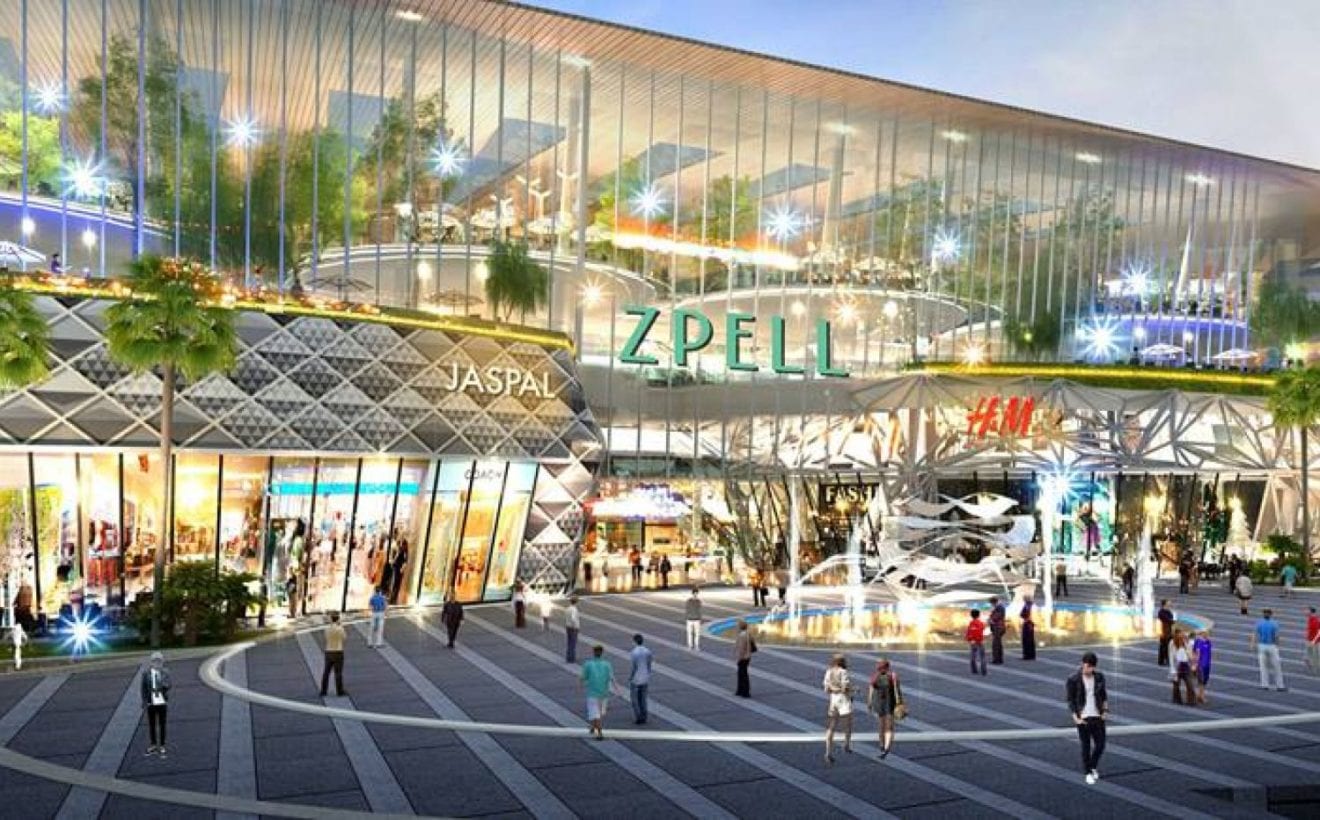
    The new wing is branded Zpell and was constructed in front of the original building. Its addition is expected to bring the owners a 35 per cent increase in annual revenue.

    Some 150 million THB (US$4.2 million) will be spent promoting the expanded destination.

    Future Park CEO Pimpaka Wanglee told Thai language media she expects the complex will have a broader market appeal from Friday.

    Future Park CEO Pimpaka Wanglee

    “We hope to draw ‘A’ customers who have a monthly household income of 85,000 baht,” she said late last year. In its old guise, the mall targeted B and C groups.

    Expanding the mall was in large part a defensive strategy in the wake of plans by Swedish furniture giant Ikea to open a new site in the neighbourhood and another mall slated for construction by market leader Central Group.

    The new building will feature 200 tenants including lifestyle fashion brands such as Cath Kidston, H&M, MNG and Top Shop along with food offers from Coffee Bean by Dao, Akiyoshi, After you and Muteki By Mugendai.

    Zpell-Future-park-01

  • New Valentino Shanghai IFC mall

    New Valentino Shanghai IFC mall

    Luxury fashion brand Valentino has opened a new boutique in Shanghai.

    The new Valentino Shanghai IFC Mall boutique features 490 sqm of retail space.

    Valentino Shanghai IFC mall 5


    It was developed by creative directors, Maria Grazia Chiuri and Pierpaolo Piccioli, together with British architect Sir David Chipperfield.

    Valentino Shanghai IFC mall 3


    Valentino says the store “perfectly represents the core values of the Maison: luxury, elegance and Italian craftsmanship.”

    Valentino Shanghai IFC mall 2

    The store concept combines old and new, heritage and style co-exist in the idea of a new future that is not nostalgic, but full of memories.

    Valentino Shanghai IFC mall 4

    The Shanghai IFC mall store carries womenswear, menswear and accessories.

    Valentino Shanghai IFC mall 1

    IFC Mall in the Pudong financial district is one of the premium retail destinations in the city.

  • Sa Sa plans new store concepts

    Sa Sa plans new store concepts

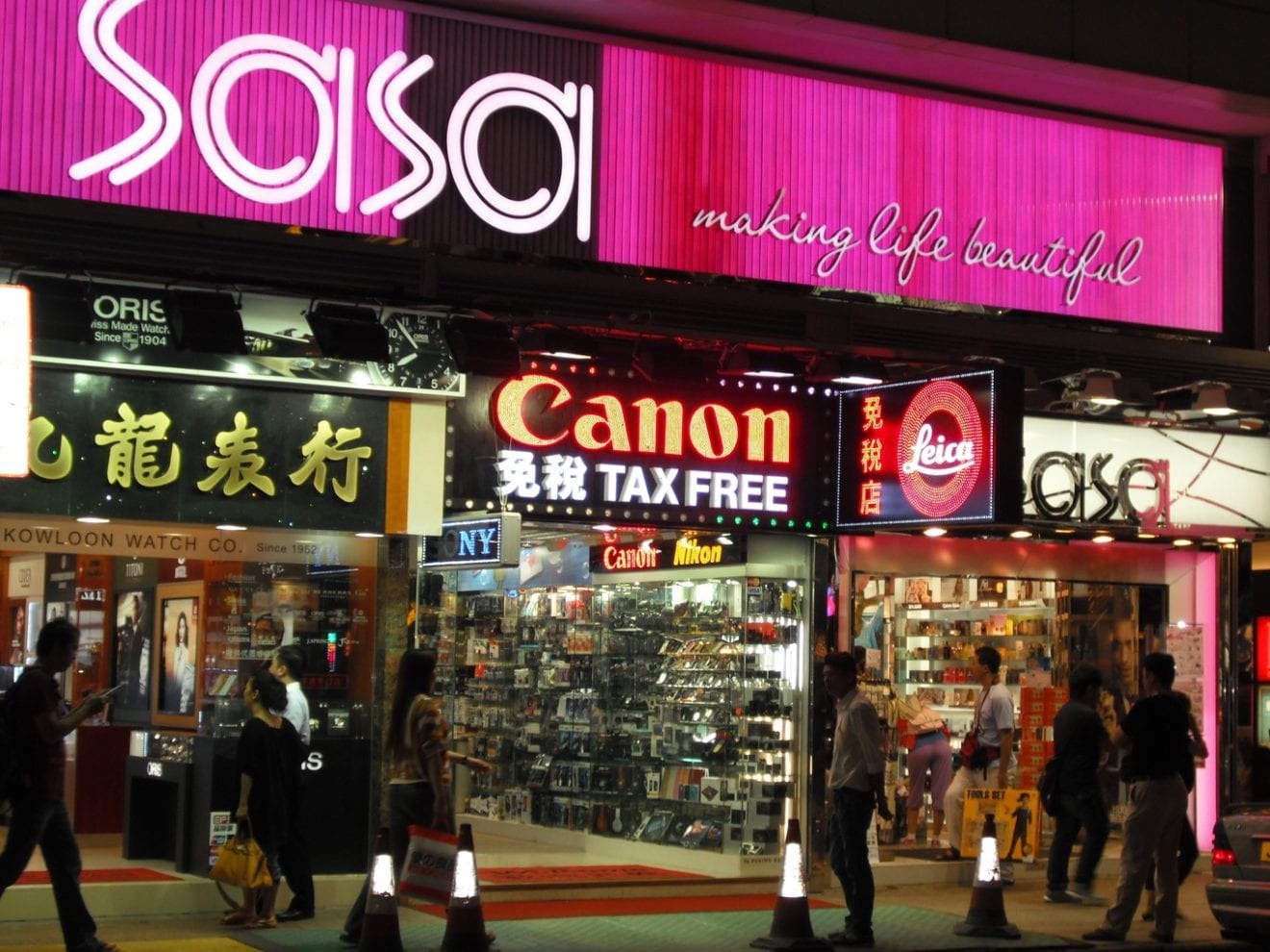
    Hit by falling sales in the tourist downturn, Hong Kong beauty retailer Sa Sa plans new store concepts and diversification to restore growth.

    Reporting a 10.6 per cent decline in sales to HK$3.778 billion in the first half of the current year, and a 55 per cent plunge in profit to $153 million, Sa Sa revealed a strategy to “develop other businesses beyond traditional operations”, including tapping the opportunities of O2O and cross-border eCommerce.

    “The group’s O2O initiatives will initially launch in Hong Kong and gradually extend to mainland China. For the China market, the O2O initiatives will significantly broaden product offerings in its physical stores through online sales and cross border fulfillment. The group aims to use different channels and to leverage a variety of online partners to increase online exposure, including operating physical stores to promote O2O in Free Trade Zones, and cooperating closely with major China online operators, all with their unique positioning and correspondingly different opportunities,” the company said in its interim report.

    New store concepts are also on the drawing board.

    “The group’s strategy for new store concepts includes introducing more trendy and lifestyle concepts to attract young and trend-setting customers, much improved product display, and more emphasis on enhancing the shopping experience.”

    Sa sa says it also aims to place more emphasis on the unique shopping experience with Sa Sa through improved product displays, while changing the mindset of its beauty consultants to one that is more receptive to consumer preferences.

    “In addition, the group will substantially strengthen its online marketing efforts, including the use of social media channels to improve interactivity.”

    Hong Kong & Macau

    Sa Sa says its first half year was marked by pressure from a series of negative factors in the retail market of Hong Kong during the first half of the year. Retail sales in Hong Kong and Macau decreased by 11.1 per cent to $3.010 billion.

    “The cosmetics market in Hong Kong continues to face strong headwinds due to the slowing of mainland China tourist arrivals, their reduced spending, and weak local consumption sentiment. The one-visit-one-week policy for mainland visitors is gradually taking its toll on the market, while the strength of the Hong Kong dollar and depreciating yuan will continue to make shopping overseas more attractive for both mainland China and local consumers. Intensifying competition within the cosmetic industry is a further challenge, with ongoing discount and promotion programmes having an ongoing impact on profitability,” the company reported.

    “Although rental pressure is expected to moderate in a slowing market, rental reductions still lag behind weak sales performance. In the face of these challenges, The group rationalised its retail network from 287 to 281, a net decrease of three stores each for both “Sasa” stores and single-brand counters.”

    Mainland China

    In Mainland China, the stores’ profitability continued to improve, but weak operational and product management led to a decline in turnover, as well as an increase in the inventory provision. Overall turnover for Mainland China operations decreased to HK$148.9 million, a decrease of 8.7 per cent in local currency terms, while same store sales growth in local currency decreased by 9.8 per cent for the period. Loss for the period amounted to HK$24.5 million. The group has recognised the need for more management resources to improved management, and is currently using external management resources on a contract basis to allow for more time to develop its own management structure and training. The group is also seconding experienced staff from Hong Kong to improve attractiveness of product offerings and inventory management.

    Taiwan

    Turnover in the group’s Taiwan business decreased to HK$130.2 million during the period, representing a drop of 2.2 per cent in local currency terms. Same store sales fell 8.7 per cent in local currency. The number of mainland China consumers in Taiwan is expected to increase in view of the country’s enhanced infrastructure and retail space, and the introduction of unlimited visa quotas for high-end Mainland Chinese tourists who have greater spending capacity. The group has already opened stores in tourist locations to tap the potential of increasing in mainland Chinese tourist arrivals.

    Singapore & Malaysia

    Flat sales across the Sa Sa Singapore network has prompted a rethink of the brand’s local network.

    In the first half year, Sa Sa reported turnover of HK$112.8 million (S$20.445 million) in Singapore, remaining flat in local currency terms over the same period last year.

    “The group will continue to build scalability and profit potential by closing inefficient stores and opening stores in new malls with good potential,” the company said in its interim trading statement.

    Meanwhile, turnover for Sa Sa Malaysia was HK$141.9 million, an increase of 2.5 per cent in local currency terms over the same period last year. However, same store sales decreased 8.5 per cent in local currency.

    “Sales and profit growth were restrained by the implementation of GST [on April 1], which adversely impacted store productivity during the transitional period. This effect is expected to be normalised in the second half.”

    Chairman’s view

    Chairman and CEO Dr Simon Kwok put on a brave face on the results:

    “Sa Sa has a long track record of delivering outstanding success in all economic climates and in the face of the most severe headwinds and difficulties. We firmly believe that in spite of the current difficult business environment we are now facing, we can still turn challenges into opportunities and further consolidate our competitive advantages. The flexibility of our business model, with an ability to rapidly adapt to new circumstances, markets and trends, will continue to support our position as a leading provider of beauty products in the Asia Pacific. We also believe that the resilience and adaptability of our loyal staff and the forward vision of our outstanding management team will ensure that we deliver sustained, satisfying growth for many years to come.”

  • Philippines Welcomes Chinese Smartphone Huawei Expansion

    Philippines Welcomes Chinese Smartphone Huawei Expansion

    Chinese telecommunications equipment maker is extending its reach to Southeast Asia’s retails sector.

    Huawei has launched its first experience store at the SM Mall in Manila. This new experience store represents another major step of the overseas market expansion of Huawei and the company continues to develop and grow its brand influence.

    With an area of 110 square meters, the Huawei experience store adopts a full-white minimalist design representing the “Huawei and I” idea, which aims to establish a better interaction between Huawei and its end users. In this store, users can experience Huawei’s Android watch and Google’s Nexus 6P smartphone made by Huawei.

    Charles Wu, head of the Philippines region of Huawei, said at the store opening ceremony that they launched new technologies to help users improve their quality of life. Their existing devices are widely used by users every day. Huawei provides end-to-end solutions and they introduce new products to the market with their technologies.

    Jojo Vega, Huawei’s consumer business manager, said that consumers in the Philippines show great interest in Huawei’s products. The company is now more confident and believes its stronger platform can attract more consumers and promote more interactions.

    Huawei now has 40 branded retail stores and 32 simple sales outlets in the Philippines. The company plans to increase the number of its branded stores to 60 in the country by the end of 2015.