Author: Mei Ling Tan

  • Philippine supermarkets revamping stores ahead of Christmas

    Philippine supermarkets revamping stores ahead of Christmas

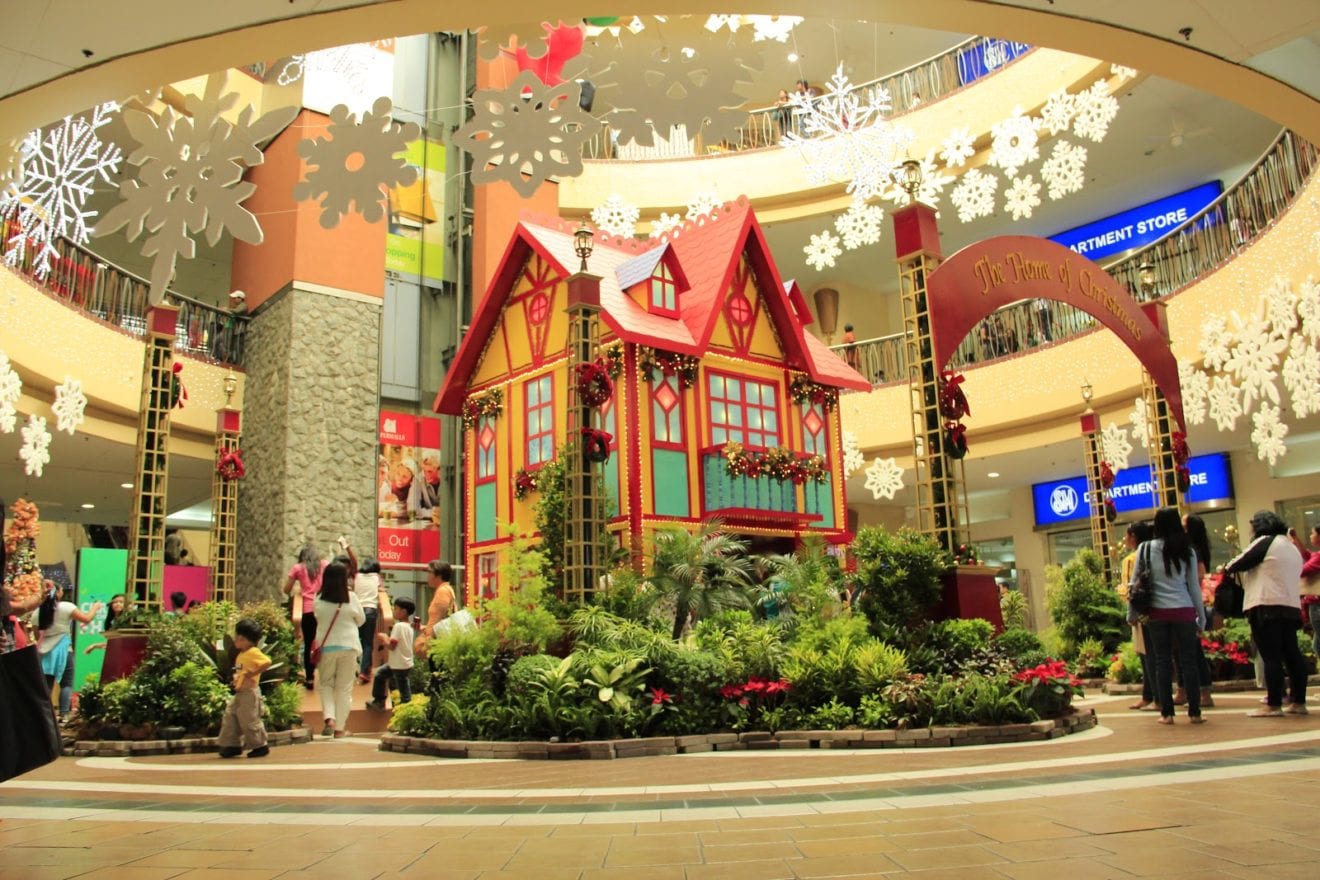
    The Philippine high street is getting a facelift, as retail titans hope to benefit from Southeast Asia’s most reprobate customer spending area during this Christmas. The nation’s biggest supermarkets including Ayala Corp., JG Summit Holdings Inc. and SM Investments Corp. are burning through billions on shopping centers to increase their vicinity throughout the nation, while worldwide brands, for example, Swedish retailer Hennes and Mauritz AB, which once overlooked in Philippines, are announcing their arrival in the region.

    For retailers looking for development, the Philippines has risen as an uncommon spot. National GDP developed at a sound 6.1% a year ago, filled by $27 billion in abroad settlements and over $18 billion in outsourcing incomes—and a lot of that cash was spent in shops.

    A stroll to a tolerantly air conditioned shopping malls is a national leisure activity in this tropical nation and drives family unit utilization, which broke even with 72% of GDP a year ago, as per the World Bank. The Philippines has likewise demonstrating resilience to outside factors, from China’s monetary lull to discouraged product costs. That stands as opposed to its neighbors: Thailand’s family utilization was just 53% of GDP, not a long ways behind Indonesia’s 57% and Vietnam’s 64%.

    With stores being the chief receiver of the surging economy, the Philippines has risen as the star retail entertainer in Southeast Asia, posting segment development of 6% in 2014, as per Nielsen—the most elevated in the locale, and the main execution in light of strong development in both volume and worth terms.

    “The Philippines has had reasonable development driven by customer putting in for a couple of years now,” said Stuart Jamieson, Nielsen’s overseeing executive in the Philippines. “That makes it exceedingly alluring, and puts it on the radar of enormous remote players.”

    Such vigorous development is driving a multiplication of general stores, shopping centers and accommodation stores. From 2012 to mid-2015, the quantity of markets grew 53% to 644, as per Nielsen, while the quantity of accommodation stores rose 60% to 2,270—a number set to twofold again by 2018.

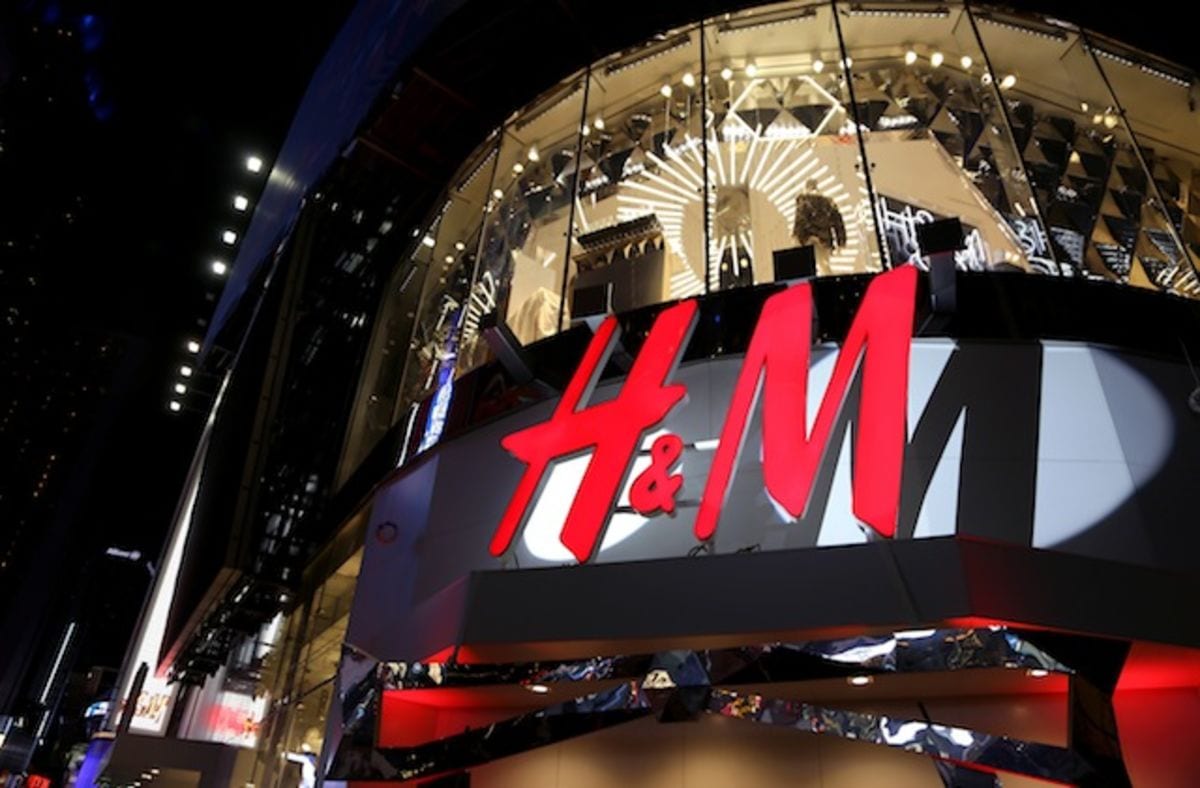
    Swedish design retailer H&M is one of the numerous worldwide brands belatedly grasping the Filipino buyer. Having opened its first Philippine store only one year back, it will have 13 before the end of 2015, empowered by the development of a style cognizant youth market with discretionary cashflow, said an organization representative. Zara, possessed by Spain’s Inditex, and Uniqlo, claimed by Japan’s Fast Retailing Co, have likewise entered the business sector here. Japanese chains Lawson Inc. what’s more, FamilyMart Co. as of late entered the Philippines’ accommodation store part, every arranging many branches, even as settled in players like 7-Eleven increase.

  • The Peninsula to expand its luxury retail network with Hong Kong airport opening

    The Peninsula to expand its luxury retail network with Hong Kong airport opening

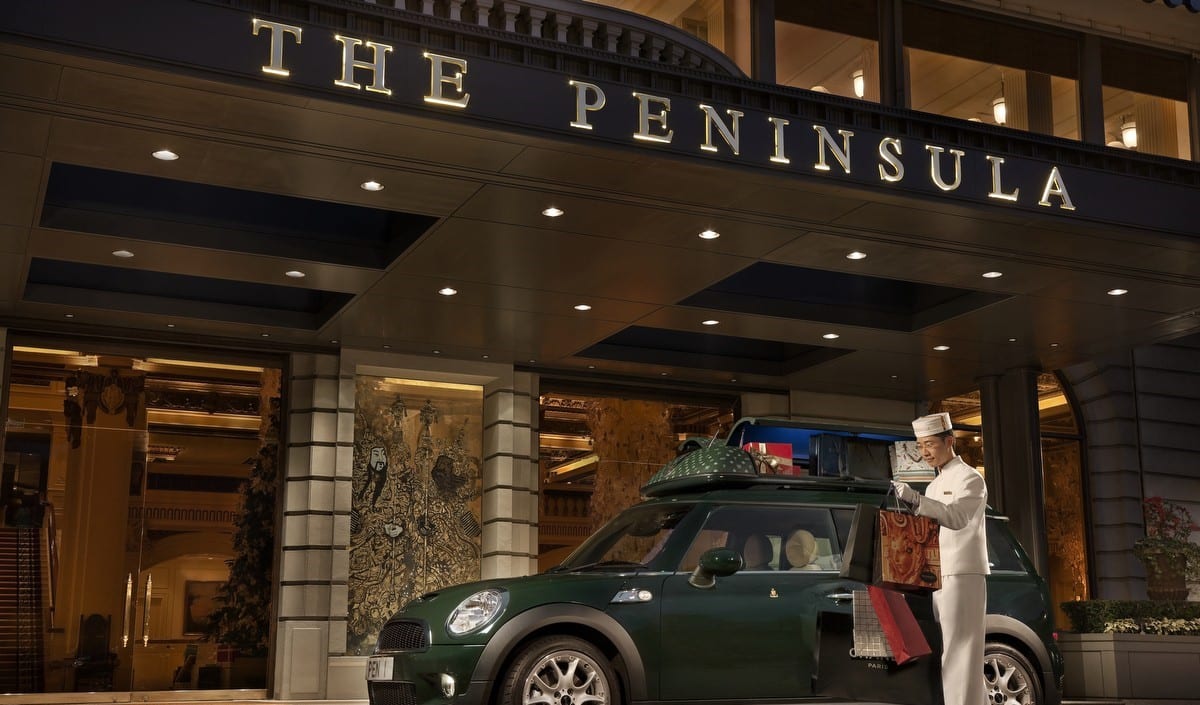
    While Hong Kong’s hotel sector faces a drop in mainland travellers this year, The Peninsula is pushing ahead with plans to open a retail shop at the city’s airport on Sunday. Paul Tchen Pao-shan, the group general manager of operations of Hongkong and Shanghai Hotels, which operates The Peninsula, says he is upbeat about the venture, even as the luxury retail sector been under pressure in recent times, forcing a number international brands to close in Hong Kong.

    “When customers do not come to us, we will go out to them,” Tchen said, adding that the 644 square foot shop will expand its product range to include customers who would not normally stay at the hotel.

    “The airport is a good location for retail business. It is a place guaranteed to have a lot of traffic. There are many tourists who want to get rid of their local currency and they will shop at the airport for souvenirs,” he said. “Food items such as chocolate are popular among tourists.” Tchen said the inspiration to diversify into luxury chocolates, teas and other gift items began during the height of the Japanese tourism boom in the late 1980s.

    At the time, Japanese visitors accounted for the majority of room bookings. A culture of gift giving, however, meant that many guests needed to stock up before their return journeys, creating a demand for products that over time would become an integral part of the hotel’s business. When the Japanese stock market imploded in the early 1990s, signalling an end to a long period of economic growth, visits by Japanese to Hong Kong began to decline, forcing The Peninsula to branch out with what had been an in-house business.

    In 2001, the hotel signed a licensing agreement with Nuance-Watson under which Peninsula-branded food products were sold at a dedicated counter under the retailer’s duty free network at Hong Kong International Airport. Business was so good that the Peninsula’s products were also sold under licence at a stand alone shop in 2003. The shop operated for 10 years until it was closed owing to rezoning of the airport retail area.

    The retail outlet set to open on Sunday will be directly owned and operated by The Peninsula, according to Tchen.

    “When we first started to sell products at the duty free shop in 2001, we did not have any retail experience. But now we have an experienced team of retail staff and we can operate our own shop at the Hong Kong airport,” he said. During the past 14 years, the company has opened 27 retail outlets worldwide, including Taiwan and Singapore, where the company has no hotel presence.

    “We consider running a retail shop in cities without a [Peninsula] hotel is like having an ambassador in that city,” Tchen said.

    “When they travel to Hong Kong, some of these retail customers may consider staying with us. Also, when we open hotels in these cities in the future, the retail shops will have played an important role in building up the brand.”

    The Peninsula also established retail shops in Japan in 2004, three years before it opened a hotel there. The retail business contributed 2.8 per cent of Hongkong & Shanghai Hotels’ turnover last year. Plans to take the retail concept online are underway with a launch tentatively set for March or April.

    “The new generation of customers is growing up with shopping through their mobile phones or desktop computers. We have to offer what customers want,” Tchen said.

  • New mall boosts SM retail portfolio

    New mall boosts SM retail portfolio

    SM Prime Holdings Inc, the Philippines’ largest mall operator and one of Southeast Asia’s biggest integrated property developers, announced on Thursday another milestone—growth to 7.3 million square meters in local retail space portfolio—as it unveils its 56th mall in the country.

    In a disclosure to the stock exchange, the publicly listed firm of Philippines’ richest tycoon Henry Sy said it is opening today, November 27, “a new regional landmark,” the SM Seaside City Cebu. The new mall is SM’s third mall in Cebu, and adds 430,000 square meters of gross floor area (GFA) to its retail portfolio.

    The new destination mall is the first of many developments in the 30-hectare SM Seaside Complex, which would take about five years to fully develop, said SM Prime President Hans T. Sy. According to SM Prime, the new mall “is the first of its kind in urban development” within the South Road Properties in Cebu City. “As the anchor development, the mall is slated to transform the city’s landscape, as SM Prime builds residences, offices, an arena, a five-star hotel, and convention centers,” the company said.

    The complex, it added, features a steel sculpture named “The Cube,” which symbolizes strength and stability of Cebuanos, as well as “SM’s continued commitment to excellence.” The younger Sy said the new mall promises to revolutionize the malling experience not only in Cebu, but also in the entire Southern portion of the Philippines.

    He said the company was inspired by the success of its Mall of Asia Complex in Pasay City, a mixed-use development that offers retail, residences, offices, hotels and convention centers. “We are replicating this concept of ‘lifestyle cities’ in Cebu, as we open the SM Seaside City mall. We see Metro Cebu as one of our important growth corridors in Visayas and Mindanao, following our growth track in Metro Manila,” said Sy.

    The new mall will feature a 147-meter “Seaside Tower,” that offers a “sensational panoramic view” of the entire city, and a “Sky Park” that provides diverse dining outlets. Other features of the mall include a skating rink, eight cinema houses, and 5,000 parking slots.

    “SM Seaside City Cebu is slated to transform the city’s landscape,” the company said. SM Seaside City Cebu is the sixth SM Supermall to be opened this year, after SM Center Sangandaan, Cherry SM Shaw, and SM City Cabanatuan, among others.

    To date, SM Prime has 56 malls in the Philippines and six in China, with an estimated combined GFA of 8.3 million square meters.

  • Swedish fashion brand, H&M makes Cebu debut

    Swedish fashion brand, H&M makes Cebu debut

    SWEDISH retail brand H&M (Hennes & Mauritz) is opening its doors to Cebuano shoppers at the Ayala Center Cebu today. Top officials are confident the brand, which was long clamored for by Filipinos to enter the Philippine market, will get a positive reception among Cebuanos similar to long queues experienced during its opening day in Manila last year.

    H&M Cebu is the biggest H&M store in the Philippines to date. The store covers three floors that occupy 3,800 square meters of Ayala Center Cebu’s leasable space.

    “We are just so happy we are given this huge space for our first store in Cebu. We are very well received in the Philippines with the long queues and sold-out collections, which is really amazing. I trust we will get the same vibrance in Cebu,” said Fredrik Famm, H&M country manager for Southeast Asia, in an interview Wednesday. According to the press release, the first 300 customers in line will receive gift cards valued as high as P5,000 and opening offers that are up to 50 percent off.

    H&M Cebu is the 11th store in the country. By year end, the retail brand will have a total of 12 stores nationwide, the latest will be the second H&M store in Cebu at SM Seaside City in South Road Properties, which will open on Dec. 9. Famm sees the Philippines as a destination where there is much growth potential, citing its mature retail market reflected by the increasing number of commercial establishments being put up in key cities like Cebu.

    The country’s over 100 million consumers and well-travelled population, he added, also presents opportunities for international retail brands to thrive.

    A report obtained from the Philippine Retailers Association noted that as of the first quarter this year, consumer spending in the country hit an all-time high of P1.278 trillion from P1.259 trillion in the last quarter of 2014. For the month of May, 2015 alone, the report said that retail sales increased 1.5 percent over the same month last year. Consumer spending in the Philippines averaged P875.888 billion since 1998 up to January 2015. It also added that the country posted a record low of P581.662 billion in sales in the first quarter of 1998.

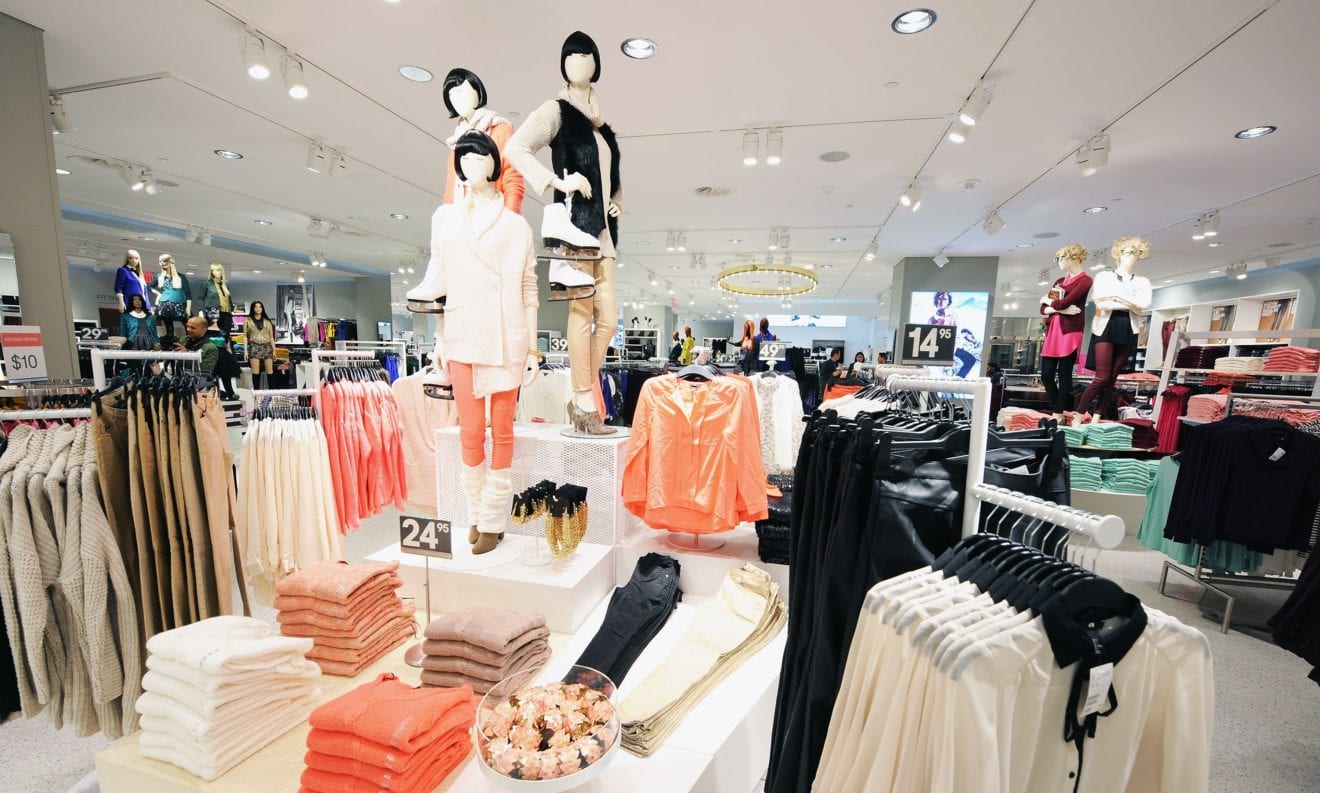
    H&M Ayala Center is a full concept store carrying ladies wear, mens wear, kids clothing and home accessories. Famm said the brand is a “combination of fashion, quality, price and sustainability.”

    “Every person who’s got an interest in fashion is our customer. Regardless of your personality, you will find something in our stores,” said Famm. More than just brining in high-quality and value for money fashion items, H&M will also introduce its Garment Collecting initiative in Cebu, were customers can donate their used clothes and get discount voucher at 15 percent to use for their next purchase.

    Famm said this initiative, which is implemented through its partner, I:Collect, a global recycling company, is the company’s way of protecting and preserving the environment.

    H&M is said to be the first fashion company to launch a global collection initiative. This initiative, Famm said, “can help reduce waste at the same time give old and worn out garments a new life.”

    “Of the thousand tons of textiles that people throw away every where, as much as 95 percent could be reworn or recycled,” the firm said in its website.

    “Of the used clothes, many things can still be redone. Like, can reuse it and turn them into other products like car seats and other purposes; we can also recycle by turning these old textiles to new fibers,” said Famm.

    This global initiative is being implemented all over H&M’s 3,900 stores worldwide. It has so far collected a total of 7,600 tons of used clothing or 38 million pieces of clothes. Last December, H&M collected 20 tons of used clothing in the Philippines. According to Famm, consumers’ interest on goods made out of sustainable processes is gaining popularity.

    “For H&M, this is a growing part in our production,” he said, adding that the retail brand is also one of the largest buyers of organic cotton in the world from suppliers who also adopt sustainable processes in their own operations. “In many markets, we get high demand of this type from our customers.” H&M products, which are made from sustainable materials, are identified in competitive green price tags.

    After Cebu, the officials are keen on looking at other interesting cities in the Philippines where they can set-up more H&M stores.

    “We see a lot of potential in all major cities in the country. We are looking for appropriate locations. We are kind of picky on that, but we want to be in areas where our customers are,” said Famm.

  • Aqua Spirit Presents Hong Kong’s First New Year Nude Noir Party

    Aqua Spirit Presents Hong Kong’s First New Year Nude Noir Party

    This New Year’s Eve, guests to aqua spirit are invited to a themed dress-up world of lace, leather and sensual festivities at Hong Kong’s best location to view the world-renowned fireworks – One Peking in Tsim Sha Tsui.

    An underground-style, countdown event oozing with sex appeal – aqua spirit’s New Year Nude Noir Party is a first for Hong Kong. The sensual evening calls for guests to don leather, lace and hide behind sexy masks for a night of ultimate naughtiness.

    Doors open at 9pm. Tickets start at HKD$1,500, for early bird, which includes entry to aqua spirit, free-flow champagne as well as free-bar for premium spirits such as Tanqueray and Ketel One.

    Throughout the night, free-flow gourmet Italian and Japanese canapés will be served. DJ Abel Rogers will be on the decks mixing upbeat sounds and sexy tunes – adding to the risqué atmosphere.

    $2000 per person including free-flow drinks from 11pm and canapés from 1-3am

    $1500 early bird price until 15 December

  • Fashion brands targeted in Cambodian minimum wage push

    Fashion brands targeted in Cambodian minimum wage push

    Lobby group the Clean Clothes Campaign aims to shame the world’s large fashion brands into supporting a Cambodian minimum wage rise.

    The CCC says it is lobbying on behalf of a coalition of Cambodian unions that the multinational brands must ensure a minimum wage of US $177. Thousands of women and men in Cambodia and around the world, have worn stickers saying “brands must provide a living wage for workers!” in factories which produce apparel for major global brands such as H&M, Inditex, Levi’s and Gap.

    The campaign is co-ordinating ongoing action in Asia, the US and Europe.

    In October, the Labour Advisory Council (LAC), a tripartite wage-setting body, voted to approve a new minimum wage of $140, to be implemented in January 2016 for Cambodia’s 700,000 garment workers, despite objections from a number of unions.

    “This insufficient $12 wage increase is a slap in the face to workers who have been organising for over a year to demand a fair minimum wage of $177,” said the CCC.

    A coalition of Cambodian unions are joining together to demand that the brands immediately ensure a minimum wage of US $177 is paid in their Cambodian suppliers and negotiate directly with Cambodian unions a binding agreement to achieve living wages, decent purchasing practices, stable employment, and union rights for the long-term.

    “Some brands, such as H&M and Adidas, have made public statements that they support a living wage for workers in their supply chains. However, these assertions ring hollow to workers who often work excessive overtime and still cannot provide for the basic needs of themselves and their families.”

    Athit Kong, VP of C.CAWDU, an independent union in Cambodia, says the $12 increase does not reflect the real basic needs of the workers, “especially in light of the enormous profits of multinational brands”.

    “It is clear that the only solution to poverty wages in the garment industry is genuine collective bargaining between brands, as the principal employers, and the garment unions.”

    A Global Action Day is planned for December 10, International Human Rights Day. Workers and campaigners from all over the world will show support to the Cambodian workers with workplace actions, fashion mobs, catwalks, and other store actions.

    Mirjam van Heugten from CCC, says brands sourcing from Cambodia cannot expect the women and men working in their factories to accept “these bread crumbs”.

    “The workers effectively slave themselves at factories, only for the brands to make huge profits. The targeted brands such as H&M and Inditex must put their leadership claims into practice by making sure all garment workers receive a living wage.”

  • Indonesia promotes “Wonderful Indonesia” in Mumbai, India

    Indonesia promotes “Wonderful Indonesia” in Mumbai, India

    Indonesia will be promoting “Wonderful Indonesia,” its country branding, in Mumbai, India, from December 2-4, 2015 in order to market tour packages featuring attractive cultural performances and festivals.

    Assistant Deputy for Asia Pacific Market Development, Ministry of Tourism, Taufik Nur Hidayat, said here on Wednesday that India is a potential market as most Indian tourists are high-class travelers.

    Indian tourists generally prefer hotels with five star facilities, so a specific strategy has to be put in place to attract more tourists to Indonesia.

    “We must prepare what they need, such as adventure tour packages as well as comfortable and safe environment, Indian food, and a pleasant night atmosphere,” he said.

    The Ministry of Tourism, according to Taufik, is targeting Indian tourists, hoping that around 250 thousand people will visit the country in 2015, especially Bali, Jakarta and Batam (Riau Islands).

    The tourism ministry also facilitates various Indonesian tourism players to participate in the South Asia Travel & Tourism Expo (Satte), last of which was held in New Delhi recently.

    Taufik explained that the promotion of Wonderful Indonesia in Mumbai is part of the cultural diplomacy to strengthen emotional ties between the two countries, emphasizing that Indonesia has a close relationship with India in terms of history and culture.

    In the ninth century, some Hindu kingdoms flourished in Java. Many Hindu relics are preserved by the people and the Indonesian government.

    The spread of Islam in Indonesia also involves traders from Gujarat, India, who developed trade in various port cities in Indonesia.

    In modern times, Indonesia, along with India, initiated the Asian-African Conference (AAC) in 1955 which resulted in Dasa Sila Bandung (the ten principles of Bandung).

    The number of Indian tourists visiting Indonesia in 2016 is expected to increase by 10 percent to 300,000 visitors.

    The Wonderful Indonesia promotion campaign in Mumbai is a combination of the two programs, namely selling tour packages and cultural festivals such as dance performances, culinary exhibitions and sasando music performances (featuring a Timorese traditional musical instrument).

  • French lingerie brand Etam opens first China store

    French lingerie brand Etam opens first China store

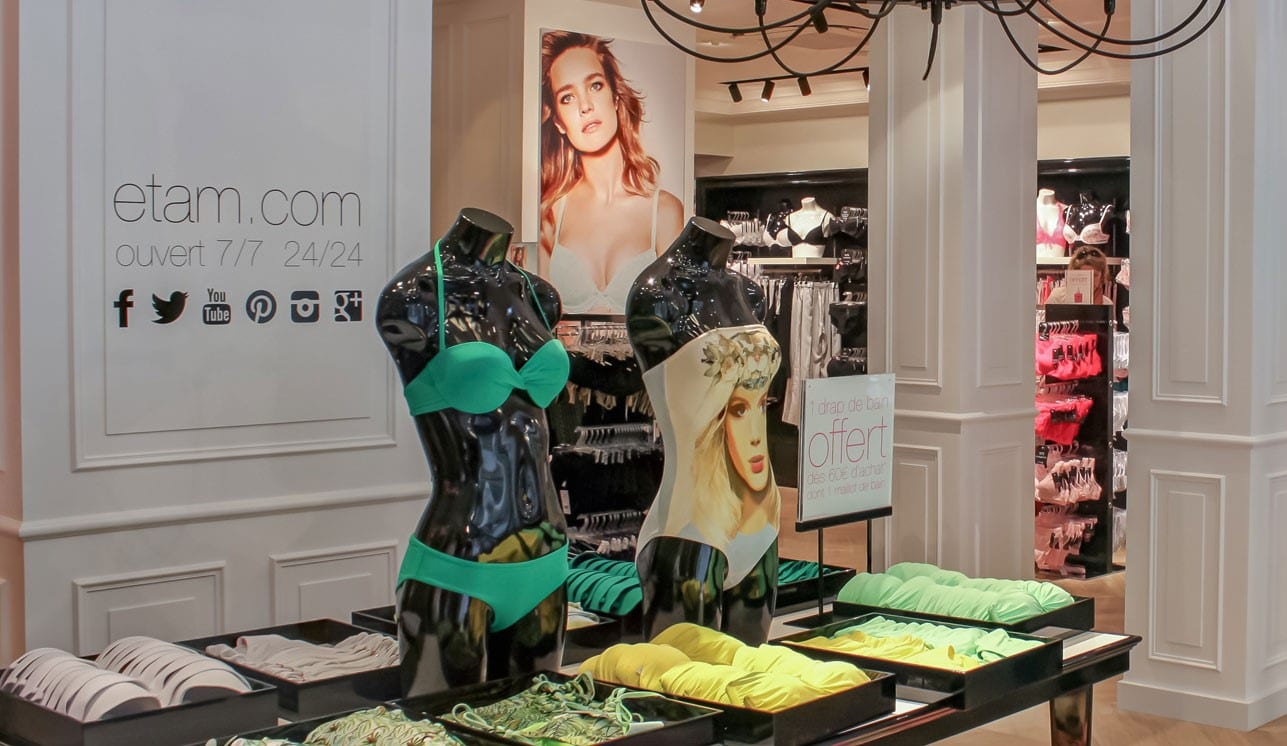
    French lingerie brand Etam has opened its first retail store in Super Brand Mall, Shanghai.

    The 100 sqm store features a tasteful black, white and pink color scheme, displaying the sophisticated array of elegant French-designed underwear for women marketed under the tagline “so sexy, so chic”. It also stocks Etam’s swimwear, sportswear and legwear.

    Etam started selling its clothing in China in 1994 through wholesale channels and the market now accounts for about one third of its total sales.

    But despite the importance of the country to its business, it has not until now opened its own stores there.

    Founded in 1916, Etam is now sold in 4400 stores in 48 countries. The Shanghai store will sell the same lines as in Paris.

    China marks a major strategic expansion for the company which to date has only opened stores in Asia in the Philippines. Its store network is largely concentrated on Europe and the Middle East.

  • Lenovo Indonesia flagship opens

    Lenovo Indonesia flagship opens

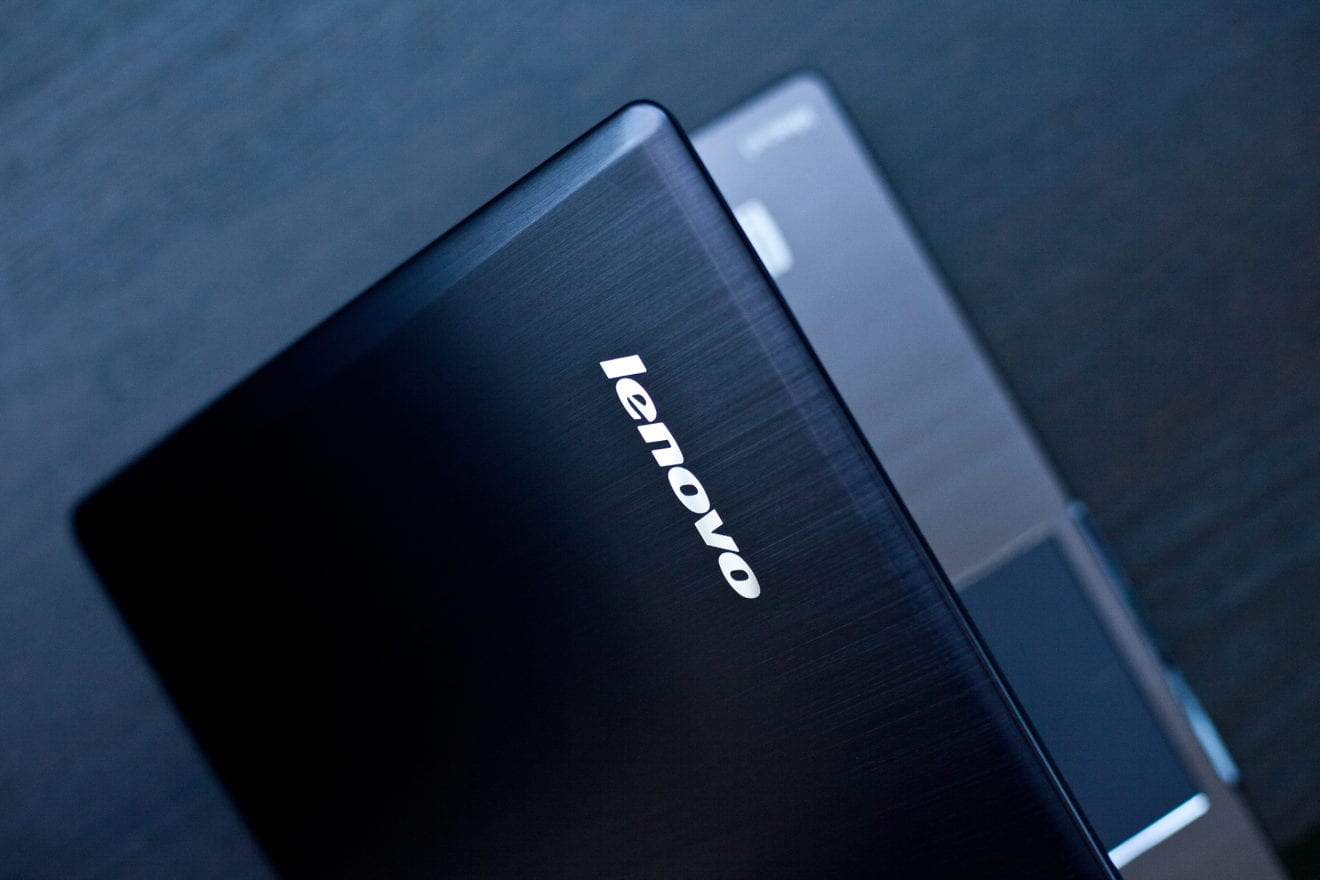
    Lenovo Indonesia has opened its first flagship store in Jakarta.

    It is the first time the Chinese technology giant has showcased products from all the categories it competes in under the one roof in Indonesia.

    The new store is located in Ratu Plaza Jakarta, providing customers with an integrated one-stop service.

    Lenovo store Jakarta


    Lenovo Indonesia GM Rajesh Thadani said the company’s existing stores in Indonesia tended to focus on specific categories.

    “With this flagship store concept, we can provide our customers with all Lenovo products from servers, PCs, smartphones and tablets through end-to-end [sales],” he said.

    Another 11 flagship stores are planned for Indonesia over the next three years, three of them within six months.

    Intel and IT Gallery are partnering in the stores’ development.

    Lenovo is actively building its brand awareness across Asia with a goal to become a major vendor of smartphones as well as building upon its market leadership in laptops.

  • AirAsia pushes new regional schedules, secondary hub growth

    AirAsia pushes new regional schedules, secondary hub growth

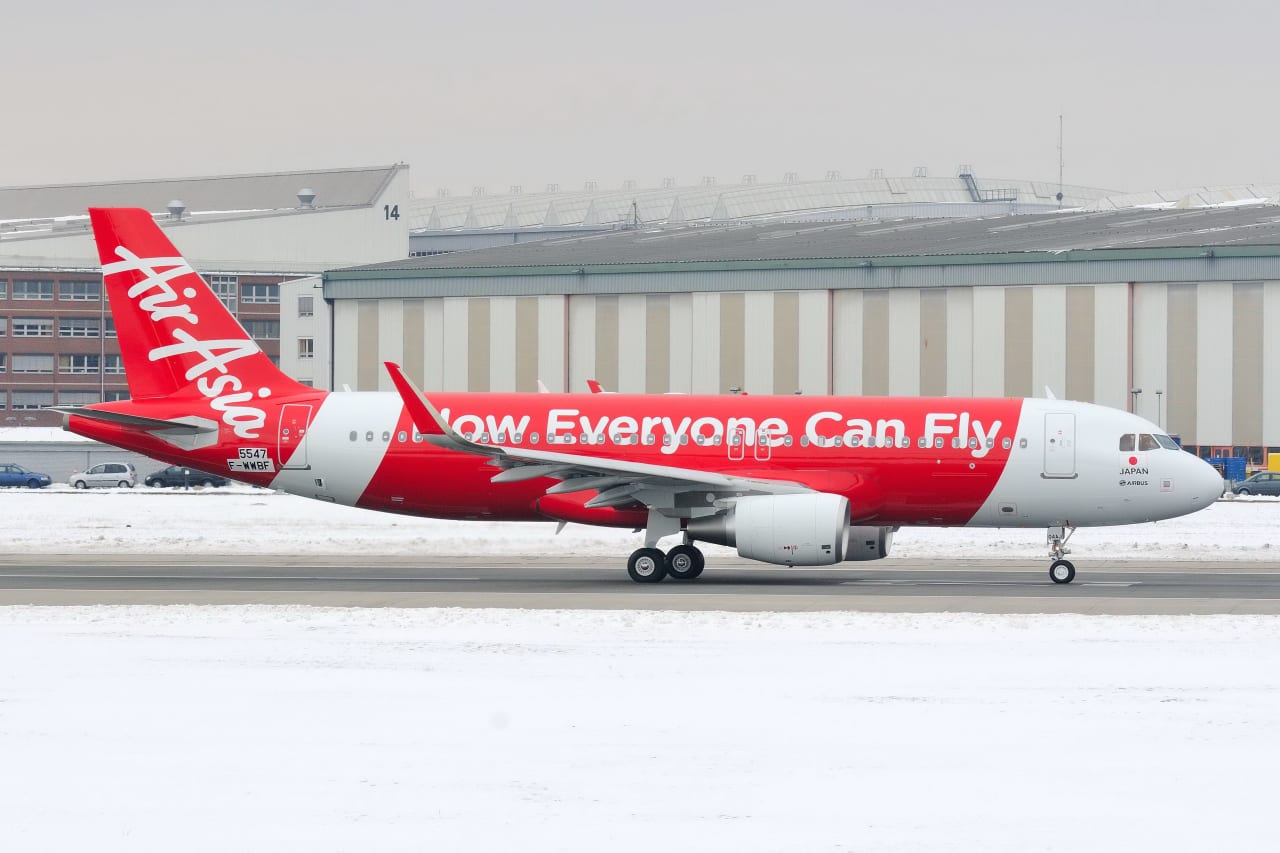
    Malaysia-based low cost carrier AirAsia Berhad plans to launch its latest direct flight between tier-two Chinese city Guangzhou and Langkawi, Malaysia at the end of January 2016.

    The choice of tourist destination Langkawi for the group’s latest international route underlines the company’s strategy to develop services on less heavily serviced routes. The schedule will see 4X-weekly Airbus A320 departures.

    AirAsia CEO Aireen Omar said the airline is focused on expanding its connectivity into China, especially second-tier cities such as the recently launched Changsha-Kuala Lumpur service.

    This secondary city approach is echoed by the AirAsia Group’s introduction of flights from Changsha-Bangkok operated by Thai AirAsia; a Krabi (Malaysia)-Guangzhou (China) service by AirAsia; and a Wuhan (China)-Kota Kinabalu (Malaysia) service, also by AirAsia.

    Additionally, the Thai subsidiary has introduced new international schedules from its newest regional hub at Thailand’s U-Tapao International Airport to Macau, Singapore, and is reportedly looking at new routes to India.

    “We will continue to add more aircraft orders as we go further because we are not only growing in Malaysia, but also in Thailand, Indonesia, the Philippines, India and hopefully in Japan,” Omar said.

    AirAsia is scheduled to take delivery of its first Airbus A320 neo aircraft from the 2016 second half, which Omar said will be used to expand existing regional business as well as act as fleet replacements.

  • Thailand’s airlines downgraded over safety concerns

    Thailand’s airlines downgraded over safety concerns

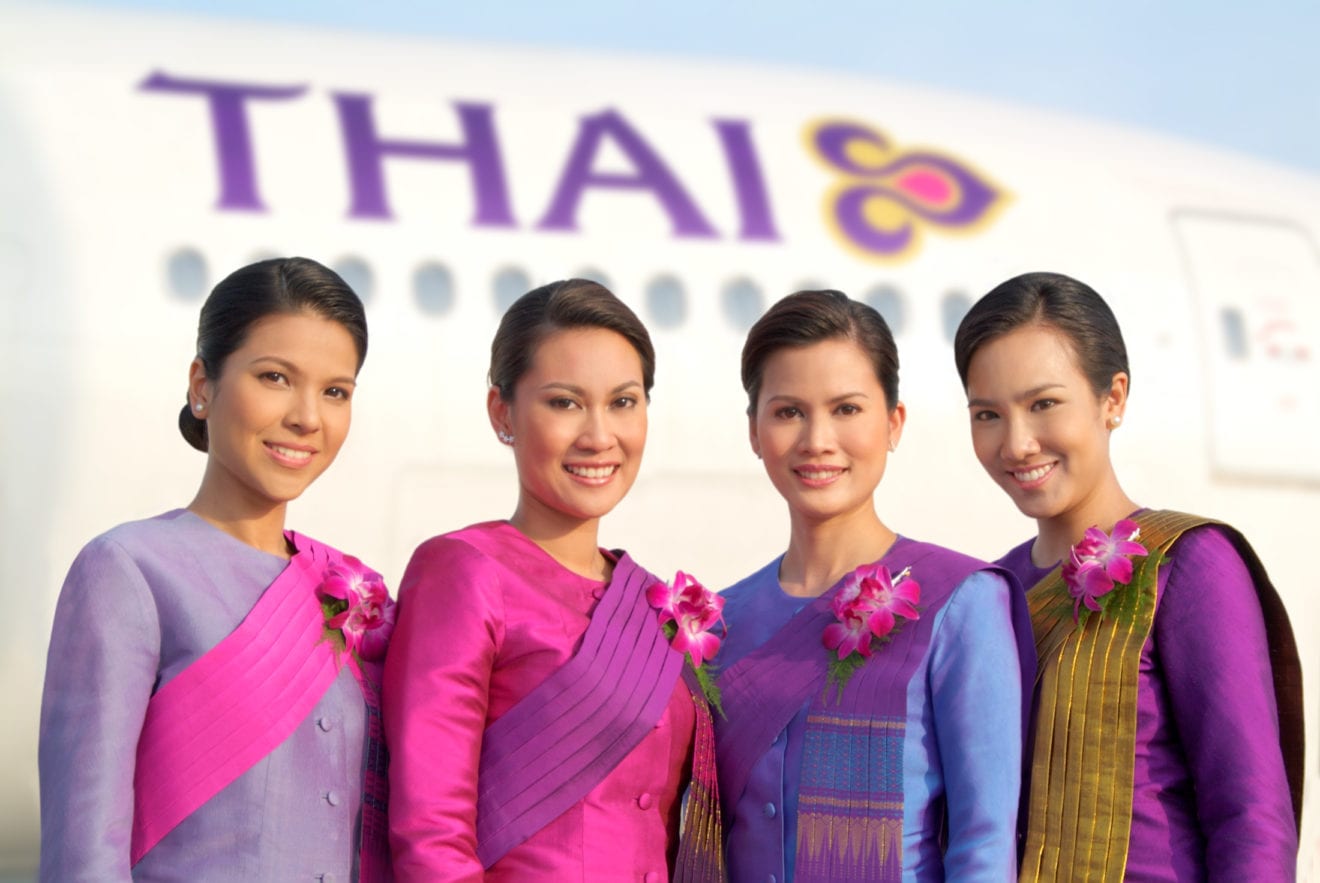
    Thailand’s aviation industry has been downgraded for safety reasons in the US, leading to the possibility of bans on Thai-registered aircraft in Europe and Asia.

    The Federal Aviation Administration (FAA) reassessed the junta-ruled nation’s air services in July and found that it did not meet international standards.

    “Today’s announcement follows ongoing discussions with the government of Thailand which concluded on October 28,” it said on its website.

    The country has been consequently downgraded to a Category 2 rating in the US, which means that it “either lacks laws or regulations necessary to oversee air carriers in accordance with minimum international standards,” the FAA website states, “or its civil aviation authority – a body equivalent to the FAA for aviation safety matters – is deficient in one or more areas, such as technical expertise, trained personnel, record-keeping, or inspection procedures.”

    The Category 2 rating allows Thai carriers to continue their existing services to the US but prevents them from establishing new services to the US. The country achieved its Category 1 rating in 1997, and held it following its last assessment in 2008.

    In March, Thai airlines were placed under “special measures” by the International Civil Aviation Organization (ICAO) prompting Japan and South Korea to block new flights from Thai-registered airlines.

    This forced airlines, including budget carriers Thai AirAsia X, NokScoot and Asia Atlantic Airline, to cancel extra flights that they had been planning. Thai Airways, the national carrier, was also affected, which had to cancel “about five” new charter flights that were due to run in April, which is when Thailand’s new year – known as Songkran – is celebrated.

    A representative told Telegraph Travel that the audit revealed some safety concerns, primarily relating to air operator certification procedures. Thailand provided the ICAO with the details of its corrective actions and mitigation measures in early March.

    A spokesman for the ICAO said today that it is presently working with Thailand “to help rectify some aspects of how it’s civil aviation authority oversees the implementation of international aviation safety standards.”

    Thailand's airlines downgraded over safety concerns

    Thai airlines were placed under special measures in March

    The EU does not ban any Thai airlines at the moment but the next update will be published around mid-December. A spokesman for the European Aviation Safety Agency said: “We inspected in October the Thai airlines which applied for a Third Country Operators (TCO) authorisation – authorisation that any non-European Union airline willing to fly to and out of the EU must get. They were OK.”

    Thailand's airlines downgraded over safety concerns

    New flights from Thai AirAsia X were blocked by Japan and South Korea

    The FAA has previously downgraded the Philippines to a Category 2 rating while also imposing a complete flight ban on its airlines, with the EU later following its example in 2010. This was relaxed in 2013, with the country finally removed from the EU’s airline blacklist in June this year.

    Is it a bird? Is it a plane? Confusion in Bangkok after bird strike

    The FAA also banned Indonesia’s airlines for several years. It scored poorly on an ICAO safety audit in 2014. There are currently 59 of 63 Indonesian airlines banned from EU airspace, though this does not include the popular Garuda Indonesia and Indonesia Air Asia.

  • A mobile app enables Chinese consumers to buy from overseas retail websites

    A mobile app enables Chinese consumers to buy from overseas retail websites

    15 million consumers have posted reviews to Red, which has sold $110 million worth of products in its first six months.

    Nearly 600 million Chinese consumers connect to the Internet via mobile devices, and many of them are part of China’s emerging middle class that craves foreign goods. A startup has sold more than $100 million in six months by letting those consumers shop for imported products via a mobile app.

    The app, called Red, was launched in January 2014, but at that time did not sell any products, only allowing consumers to review foreign products. Since then, some 15 million consumers have written reviews of products from overseas brands, says Charlwin Mao, who created Xingyin Information Technology Co., Ltd., the operator of Red, in Shanghai two years ago.

    Mao, 31, who received his MBA from Stanford University, named the app Red after Stanford’s school colors.

    As Chinese consumers came to learn about foreign products, they wanted to buy them, Mao says. That led him in December 2014 to add e-commerce capabilities to the app, enabling consumers to buy some of the items that others review. In the following six months Chinese consumers bought 700 million yuan ($110 million) worth of goods through the app. Mao says many items sell out in two hours because he offers only items that are hard to find in China.

    “China has a huge demand for imported brands, but many consumers lack information about overseas brands. For example, many oversea products’ descriptions are written in foreign languages and are hard for Chinese people to understand,” Mao says. “My solution was to develop an app that enables China’s younger-generation shoppers to discover the best global products from peer reviews, not from salespeople.”

    Today, he says, about 15 million users write about 1 million posts every month and they lead others to respond, such as by “liking” 20 million posts per month. 82% users are under 30 years old and 90% are female, according to Mao.

    Most of those posting content to Red are Chinese consumers traveling abroad or Chinese living overseas. China’s Minister of Commerce, Gao Hucheng, said in a recent press meeting that more than 100 million Chinese visited other countries in 2014 and they bought more than 1 trillion yuan ($157 billion) worth of products during their trips.

    Red offers about 10,000 products. It owns about 80% of the merchandise it sells, with the rest being sold by outside merchants through the Red app. Popular categories on Red include cosmetics and fashion. There are products on Red from U.S. supplements retailer GNC Holdings Inc., No. 164 in the Internet Retailer 2015Top 500 and fashion boutique Otte as well as from Japanese brands Panasonic, Casio and Kose.

    Red operates a warehouse inside of a cross-border e-commerce free trade zone in the city of Zhengzhou, where imported products can be stored, then pass through an expedited inspection by  Chinese customs after an online shopper places an order. Red’s customers typically receive their orders in two to three days.

    Companies that sell products through online communities like the one Red created are appealing to investors, Zhu Xiaohu, managing director of GSR Ventures, said at a recent cross-border conference in Guangzhou. GSR has invested in Red as well as in LightInTheBox Holding Co. Ltd., a Beijing-based company that sells Chinese products online to consumers outside of China. “E-retailers, like LightInTheBox, need to invest a lot of money on ads to get new users,” Zhu said. “Now many investors like companies selling through an online communities because these companies can generate traffic without pouring money into marketing.”

    Mao says his company has raised tens of millions in funding and is now seeking a Series B infusion of capital.

  • First Lulu Group Malaysia hypermarket opening date set

    First Lulu Group Malaysia hypermarket opening date set

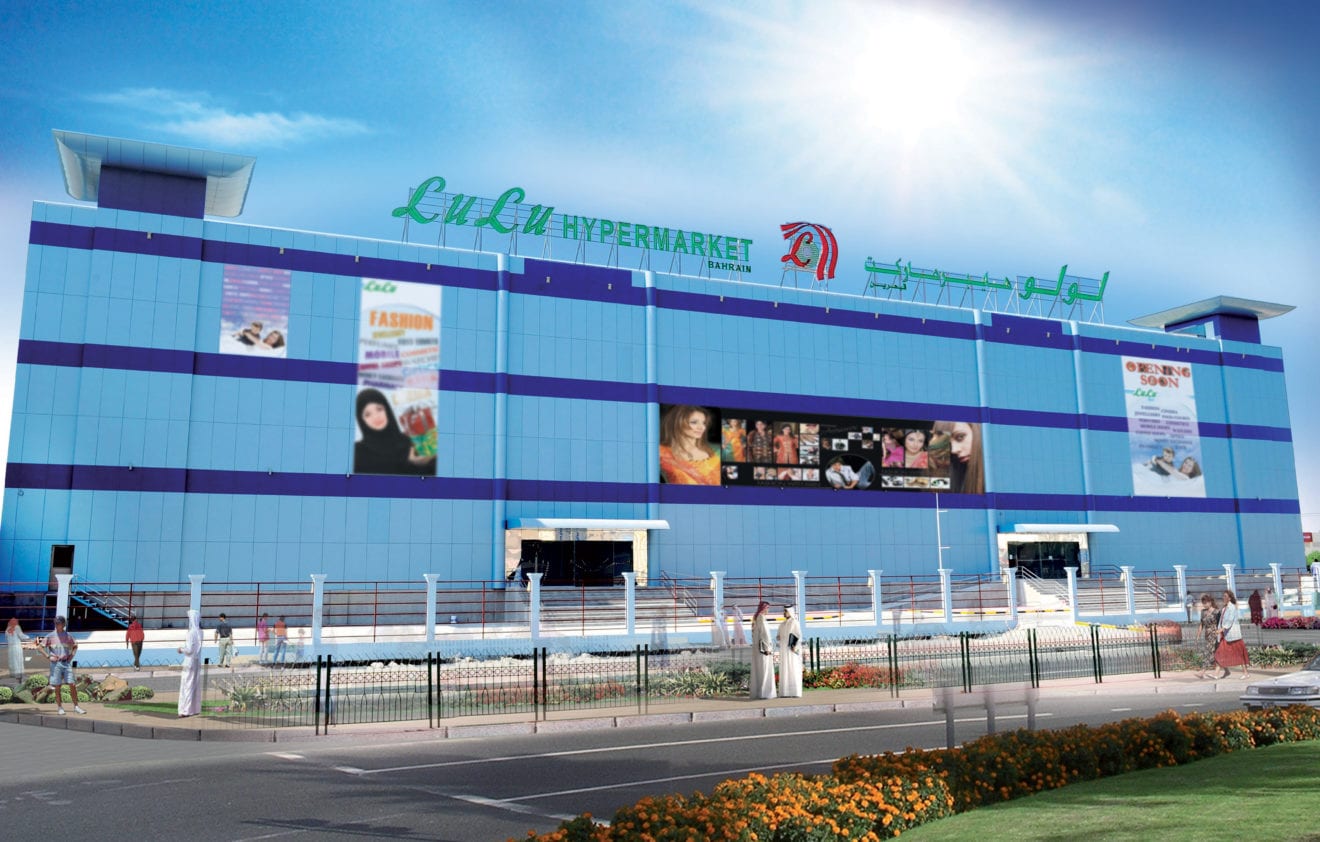
    The first Lulu Group Malaysia hypermarket is scheduled to open in February 2016, the Middle Eastern retailer has confirmed.

    Lulu currently operates 118 hypermarkets and shopping malls in the Middle East and India and positions itself offering quality products, competitive prices and high level customer service. It is ranked by Deloitte as one of the top 10 fastest growing retailers in the world.

    The company confirmed this week during a luncheon hosted by Malaysia’s prime minister that he first hypermarket will open in February 2016 at Jalan Munshi Abdullah in Kuala Lumpur.

    Yusuff Ali Ma with Indian Prime Minister Narendra Modi and Malaysian Prime Minister Najib Abdul Razak during an official luncheon on Monday.


    Yusuff Ali Ma, chairman and MD of Lulu Group said the company will initially invest RM1.3 billion (US$300 million) in rolling out 10 hypermarkets during the next two years and gradually expand to all parts of Malaysia.

    “Today the whole world knows about Malaysia’s economic stability, investor friendly approach, liberalised policies and world-class infrastructure and we are confident about our success here,” he said.

    “Our hypermarkets encompass both supermarket and department store formats and we intend to bring a whole new world of shopping to the residents of Malaysia.”

    Yusuffali said Malaysian staff would be trained in the Middle East so as to replicate the levels of service and expertise the brand is renowned for.

    Lease agreements have been inked with retail developers including Greenhill Resources SdnBhd (Setia City Mall), KLIA Properties (for a new project in Bangi) and PNB Commerce (Perling Mall in Johar Baru). Other hypermarkets will open in Kalandhan Kotabaru, Shaa Aalam, Ipoh, Malaka, Penang and Kuala Tringanu.

    “Works of other hypermarkets have already started with some having completed 60 per cent and some others 70 per cent” he said.

  • Japan Kit Kat store wraps chocolate in gold

    Japan Kit Kat store wraps chocolate in gold

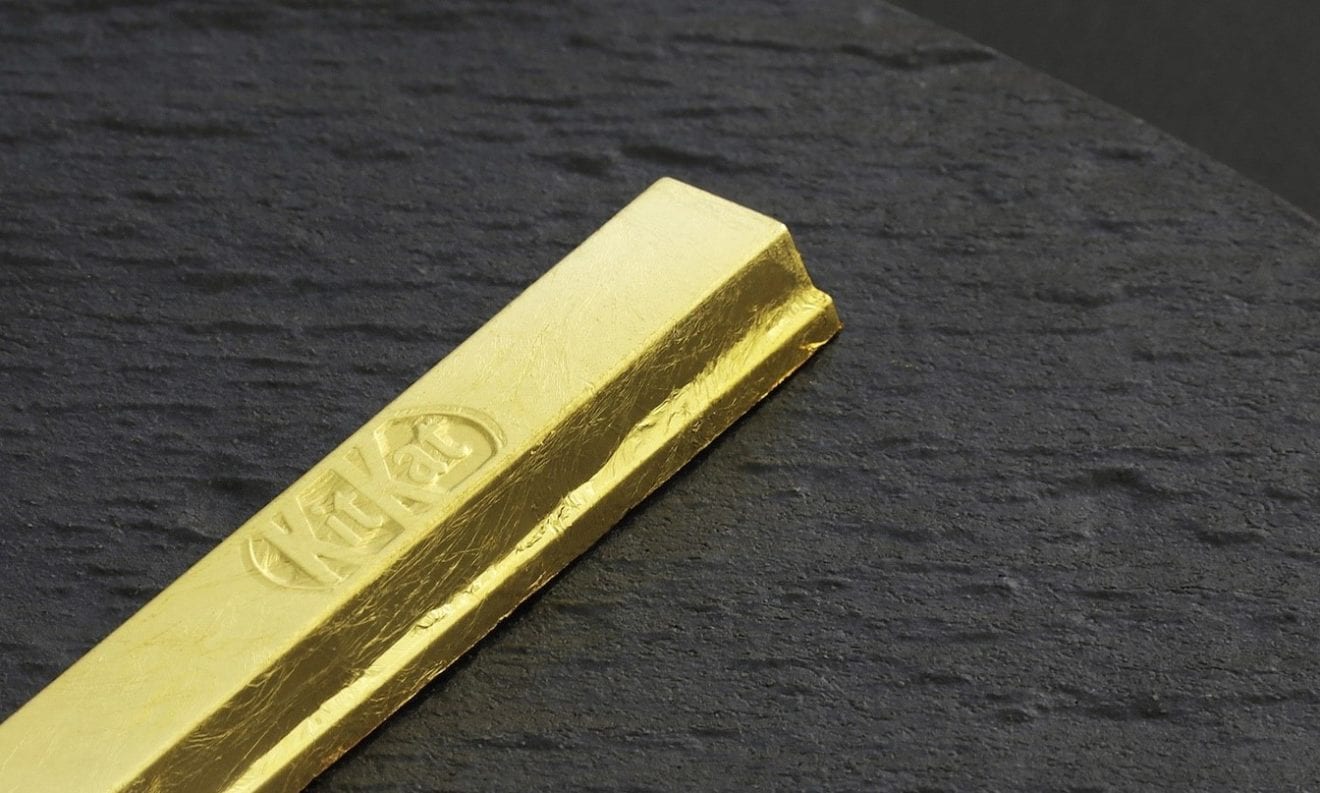
    The Japan Kit Kat store Chocolatory is selling the ultimate indulgence this Christmas: chocolate bars wrapped in real gold.

    And yes – they’re safe to eat… which essentially means consumers will quite literally end up flushing gold down the toilet.

    Nestle’s Kit Kat Chocolatory boutique store stocks a constantly changing array of flavoured Kit Kats produced for the fickle Japanese market, including at times strawberry, green tea and wasabi.

    The gold bars are essentially aimed at the Christmas gift market – but its release coincides with the one millionth customer of the single-brand store.

    The special bars – a limited run of 500 – will also be sold at eight selected upmarket department stores in several Japanese cities.

    Dubbed Sublime Gold Kit Kat, it will sell for 2016 yen (US$16) per finger. It is described (apparently without irony) as having “a rich, bitter chocolate taste”.

    “We have made it a luxury product,” said Nestle Japan spokeswoman Melanie Kohli.

    “Not like you probably remember from your childhood. It’s a special occasion, to celebrate the end of the year.”

    The bars come wrapped in a super thin layer of 24-carat gold foil.

    Kitkat store Japan


    It’s not the first time gold has been added to foodstuffs: several limited edition alcoholic beverages have been marketed with gold flakes inside, including cinnamon schnapps Goldschläger.

    Gold is harmless when ingested, passing through the body undigested.