Author: Mei Ling Tan

  • Danone weans itself from Dumex infant formula brand in China

    Danone weans itself from Dumex infant formula brand in China

    French dairy giant Danone said Wednesday it had reached a final agreement to sell its Dumex baby-milk business in China, which had been tarnished by bribery claims and a safety scare.

    The sale to the Yashili group, a joint venture in which Danone holds a stake, for 150 million euros ($159 million), comes after the French firm earlier this year wrote down the value of Dumex by 398 million euros.

    Danone said in a statement that “by bringing the Dumex and Yashili brands closer together, the operation will build a strong local infant milk formula brand platform.”

    Dumex China was hard hit by a 2013 food safety scare involving its New Zealand supplier Fonterra.

    The scare, which led the company to recall products, damaged the brand despite later being shown to be unfounded.

    Claims in 2013 that Dumex employees made payments to doctors and nurses at hospitals to provide Dumex formula to newborn babies further tarnished its reputation in China, its fourth-biggest market.

    Danone said earlier this year the write down of Dumex was also due to a shift by Chinese customers away from buying infant formula in supermarkets in favour of purchasing it online.

    Danone owns a 25 percent stake in Yashili, with China’s Mengniu Dairy holding just over 51 percent.

    It will not hike its stake 9.9 percent in Mengniu, in contrast to what was announced when the sale of Dumex was flagged in July.

    The sale still needs the approval of regulators and Yashili shareholders.

  • Bauhaus posts loss as margins squeezed

    Bauhaus posts loss as margins squeezed

    Fashion retailer Bauhaus has reported a net loss of HK$26.6 million for the first half year after sales tumbled in key markets.

    In Taiwan, where it has 95 stores and counters, stagnant retail sentiment and weak consumption presented great challenges, with same-store sales tumbling 18 per cent.

    In Mainland China, where the group has self-managed shops in Beijing, Shanghai, Guangzhou, Nanjing and Suzhou and a franchise network focusing on the second-tier cities, turnover dropped by 4.9 per cent to about $58.4 million and same store sales slipped two per cent.

    And in Hong Kong and Macau, same store sales declined by seven per cent in the first half year.The two territories account for about 73 per cent of the locally listed company’s sales through 90 stores, less than half its total network of 228.

    The group’s turnover is mostly from its major in-house labels like Salad, Tough and 80/20, and licensed brands including Superdry.

    Bauhaus opened seven new stores in  in Hong Kong and Macau in the six months to September 30 as it “continued to enrich its shop portfolio to be more attractive, efficient and competitive”.

    “However, retail performance in many sectors across the region deteriorated, possibly due to less spending from both inbound tourists and local citizens as a result of the growth slowdown in Mainland China, strong local currency and volatile finance markets. In addition, the operating costs in the region still remained high in general, particularly rentals, further cutting profit margin of the retailers.”

    Profit before tax in the two territories dropped by 57.2 per cent to about HK$24.1 million (compared with $56.3 million in the same period last year).

    Bauhaus said in its half yearly results filing that gross profit across the whole business decreased by about 11.1 per cent to $353.9 million, with gross margin declining by two percentage points to about 60.5 per cent.

    “Global economic performance was weaker than expected during the six months. The slowdown of growth in Mainland China together with the strengthening US dollar, which in turn resulted in a strong Hong Kong dollar against most Asian currencies, gradually had an obvious negative impact on inbound tourism and local retail consumption,” the company said.

    However, the group says its sales and results are greatly affected by seasonality, with the first half of the year traditionally less important than the second.

  • Developer DM Wenceslao partners with Hongkong Land through Joint Venture

    Developer DM Wenceslao partners with Hongkong Land through Joint Venture

    D.M. Wenceslao and Associates, Inc. (DMWAI), a developer with one of the largest landbanks in Metro Manila, is teaming up with Hongkong Land through a joint venture (JV) between their respective subsidiaries, Portal Holdings, Inc. and Hongkong Land (Philippines) B.V.

    In a statement, DMWAI said the joint venture will develop primarily residential projects over a land area of approximately 26,000 sq.m.

    The property is within DMWAI’s latest and most innovative project, Aseana City, which occupies a waterfront site with a prominent location in the Manila Bay area.

    Hongkong Land is a listed leading property investment, management and development group which owns and manages almost 800,000 sq. m. of prime office and luxury retail property in key Asian cities, principally in Hong Kong and Singapore.

    It has significant experience in the establishment of world-class residential and business hubs such as the Hong Kong Central Business District and the Marina Bay Financial Centre in Singapore.

    The firm also has a number of residential and mixed-use projects under development in cities across Greater China and Southeast Asia.

    Hongkong Land’s established international track record and experience in developing regional waterfront projects will bring a fresh world-class perspective to the development of Aseana City, said DMWAI.

    DMWAI will also contribute its well-established local development and construction expertise, and a portion of its prime landbank in the Manila Bay Area to the joint venture.

    “We believe that partnerships like this will give us the right combination of local knowledge and global development standards and expertise” said DMWAI chief executive Buds Wenceslao.

    He added that “this is one of the company’s key visions; to transform Aseana City into the Philippines’ next generation city and provide a higher quality of real estate products to our nation.”

    DMWAI is an integrated property developer with an established track record and market-leading capabilities in land reclamation, construction and real estate development. The company has one of the largest land holdings in Metro Manila with over 58 hectares of land.

    Aseana City, the company’s prime asset, is strategically located next to the Entertainment City in the Manila Bay area, and positioned as the next major mixed use CBD within Metro Manila.

  • Baby Food Market is would reach $72.7 Billion, globally, by 2020

    Baby Food Market is would reach $72.7 Billion, globally, by 2020

    Big Market Research has added a report titled “Baby Food Market – Opportunities and Forecasts, 2014 -2020)”. As per the report, global baby food market would garner a revenue of $72.7 billion by 2020, growing at 6.4 % CAGR during the forecast period 2015 – 2020. The report offers in-depth industry insights in terms of current and future market trends, key drivers and restraints along with their impact analysis, growth opportunities and profitable trends, detailed market segmentation and forecast.

    Increasing awareness for nutrition, growing activities in organized retail marketing, urbanization along with rapidly increasing count of working women are the key factors that would drive the baby food market growth. The report segments the market on the basis of product type, type of distribution channel used and geographical regions.

    Asia Pacific region generates the maximum revenue and is expected to register highest 7.7% CAGR amid 2015 – 2020.

    On the basis of types, the report further segments the market majorly into dried baby food, milk formula, and prepared baby food. Among these segments, the milk formula contributes a major market share of nearly about 2/3rd of the market, in terms of value. This is primarily due to rising global demand for milk formula, increasing rate of urbanization, rising disposable incomes and the changing lifestyles. Cow milk based formulas witness prominence among emerging economies.

    Based on types, prepared baby food is the second largest market globally and would grow at the fastest CAGR amid the forecast period. Time constraints faced by the parents fueled by changing lifestyle are the key factors driving the market demand. Developed countries majorly contribute to the demand for prepared baby food, however, the segment will witness significant adoption across developing countries along the forecast period. On the basis of distribution channels, the global baby food market is segmented into supermarkets, hypermarkets, small grocery retails, beauty and health retails. Vendors prefer the supermarket channels as the primary distribution channel, and followed health and beauty retailers segment. Asia-Pacific dominates the global baby food market, followed by European, North American and LAMEA region

    Asia Pacific region is the largest market in terms of the market demand for milk formula, contributing over 50% of the total global market share, driven largely due to improving economic condition and changing lifestyles of individuals across this region. Presence of multi nutrition along with the market availability of balanced nutrition in one pack is a major factor propelling the demand in North America.

    Key market players operating in this market are adopting acquisition as dominant strategy to consolidate their market presence. Acquisition is one of the primary strategies adopted by companies operating in this market. Companies like Abbott Laboratories and Nestle are adopting competitive branding strategies in order to expand their customer base.


  • Guess? Inc. Beats the Retail Slump With Solid Results

    Guess? Inc. Beats the Retail Slump With Solid Results

    The retail industry has been a minefield lately, with many companies reporting tough results. Jeans specialist Guess? hasn’t been immune from the problems facing retail peers like Gap , and coming into its fiscal third-quarter financial report, Guess? investors were bracing for substantial declines in earnings and revenue. In the end, the company didn’t do nearly as badly as many had feared, and that helped to send the stock higher in relief. Let’s take a closer look at how Guess? fared and what its latest results mean for the industry going forward.

    Guess? remains under pressure but still held up well
    Fiscal third-quarter results for Guess? still had plenty of ugly numbers. Revenue fell 12% to $521 million, which was almost exactly in line with what most investors had expected to see from the jeans maker. On the bottom line, net income fell 40% to $12.4 million, but even though earnings of $0.15 per share were down substantially from year-ago levels, they were still $0.04 per share ahead of the consensus forecast among investors.

    As we’ve seen several times in recent quarters, Guess? took a hit from weak foreign currencies. The strong dollar cost the company $0.13 per share in earnings and pulled down overall revenue by about eight percentage points. Retail comparable sales including e-commerce fell 6% in dollar terms but only 2% on a constant-currency basis.

    Guess? saw considerable weakness throughout its business. The Americas retail segment suffered a 7% drop in sales, with Europe taking a 15% hit and Asia seeing sales fall 17%. Wholesale revenues in the Americas fell 12%. Even with the strong dollar, all four areas suffered declines in constant-currency terms. On the margin front, results were mixed, with operating margins improving in the Americas retail and Asia segments but falling in Europe and in the Americas wholesale business. The company continued its strategy of boosting initial mark-ups in its retail segments, but fixed costs offset some of the resulting margin gains.

    CEO Victor Herrero emphasized the positives, noting that overall results exceeded expectations and that comps in the European business were especially strong. “I am laser focused on driving the organization to raise the level of execution,” Herrero said, “as this will be a critical enabler of successful achievement of our strategies.” The CEO pointed to initiatives to boost sales and merchandising quality, build its business in Asia, and reinforce purpose and accountability within the company as having shown signs of success during the quarter.

    Can the jeans maker keep moving forward?
    Investors were also pleased with Guess?’s guidance. For the fiscal fourth quarter, the company expects revenue to fall 4% to 7%, with currency accounting for about 5.5 percentage points of the decline. Earnings of $0.53 to $0.62 per share would also be in line with what investors already expect from Guess? next quarter.

    For the full year, Guess? was more optimistic. The company narrowed its earnings guidance to the upper end of its previous range, now expecting $0.93 to $1.02 per share. Sales declines of 8.5% to 9.5% will look ugly, but they’re not inconsistent with the expectations that investors have for the company.

    What Guess? needs to execute on is its longer-term strategic plan. Investors want to see real progress for fiscal 2017, including stable revenue and rising earnings. That could prove difficult, especially in light of what rival Gap said in its recent report. Gap disappointed investors with its future guidance, including a 15% decline in earnings per share for its holiday quarter. Gap investors also expect it to have trouble rebounding in the coming fiscal year, calling for minimal sales growth and only about a 6% rise in earnings per share.

    Investors nevertheless remain optimistic about Guess?, sending the stock up more than 3% in the first hour of after-market trading following the announcement. As with most companies in the retail industry, Guess? will rely on solid holiday results in order to drive future growth in the months and years to come. If sales climb to finish the year, then Guess? could build further on its share-price gains.


  • C2C marketplace Shopee officially launches in

    C2C marketplace Shopee officially launches in

    Southeast Asia’s latest mobile consumer-to-consumer (C2C) marketplace, Shopee, has officially launched in Indonesia, offering users an easy-to-use mobile application to browse, shop and sell.

    The platform was soft-launched in June 2015 in countries including Indonesia, Singapore, Malaysia, Thailand, Vietnam, Philippines and Taiwan.

    According to Shopee CEO Chris Feng, the platform is equipped with a secure payment method, an integrated logistics fee calculation and social-led features to create a more secure, fun and fuss-free online shopping and selling experience.

    According to a 2015 fourth-quarter report from Southeast Asia Digital Landscape, Indonesia has already reached 79 million active social media users. Furthermore, almost 65 percent of Indonesians use social media to buy and sell things.

    “Shopee is eager to take part in supporting Indonesia’s growth in global retail e-commerce by bringing a shopping experience that is able to integrate social media and online shopping functions to maximize social interaction between sellers and buyers,” Chris explained.

    Various application features have been introduced including the “Shopee Guarantee”, which ensures users that there will be a full refund if purchased products are not received in the agreed condition.

    “The feature that I like the most from Shopee is the live chat, because it allows me to chat directly with buyers,” said Inez, the owner of Theodora Mardjuki online shop. “I like the Instagram importer feature that makes it easier for me to upload pictures of products that I want to sell on Shopee,” said another online seller, Stephanie Winarto.

    Since it was first launched, the application has been downloaded more than one million times and ranks first in Google Play’s Shopping category in Indonesia. Shopee is now available for download for free on the Apple App Store and Google Play in Singapore, Malaysia, Indonesia, Thailand, Vietnam, the Philippines and Taiwan.

  • Mövenpick Siam Hotel Pattaya Opens on December

    Mövenpick Siam Hotel Pattaya Opens on December

    The Swiss hotel management company Mövenpick Hotels & Resorts will bring its unique international standards to Na Jomtien in Pattaya with the opening of Mövenpick Siam Hotel Pattaya on 15 December 2015.

    Owned by Siam Motors Group, Mövenpick Siam Hotel Pattaya is poised to usher in a new era of upscale hospitality experiences on the pristine Na Jomtien Beach with an elite beachfront accommodation, gourmet cuisine and superb destination experiences such as yachting and island exploration.

    Located next to Ocean Marina Yacht Club, a 75-minutes drive from Suvarnabhumi International Airport, the 262-room resort is the first five-star beachfront property in Na Jomtien as it leads a trend that is fast turning Pattaya into a supreme family-focused destination.           

    “We are delighted to announce our opening in December, our fifth hotel in Thailand,” said Mövenpick Hotels & Resorts Senior Vice President Asia, Andrew Langdon. “We have a long and successful track record in Thailand and are firmly committed to the destination in the long term.”

    Siam Motors Group President and Siam at Chonburi Co., Ltd Chairman, Dr. Phornthep Phornprapha said he is confident that the destination would be an attractive draw, especially with Mövenpick managing the hotel, as it is a brand that truly represents quality – a hallmark of Swiss hospitality – and one which would resonate well with guests.

    “Mövenpick is a high-quality international brand and in everything they do there is a natural sense of hospitality,” said Dr. Phornthep. “This is efficient, consistent and creative, and a perfect match with genuine Thai service. Add to this the culinary flair of Mövenpick and we are very well suited.”

    Mövenpick Siam Hotel Pattaya offers spacious room accommodations, all with panoramic sunset views of the Gulf of Thailand.

    There are a total of three gourmet dining outlets and signature culinary services, such as the daily Chocolate Hour when complimentary Swiss chocolate is featured for guests to enjoy.

    To quickly establish the property as a must-use facility for local and international meetings and wedding planners, the function space at the resort will feature soaring seven-metre high ceilings and glorius sea views. Its banquet facilities could cater to 350 guests for a gala dinner or 450 guests in a theatre-style configuration.

    An attractive outdoor lagoon pool lies in the midst of tropical gardens, with total rejuvenation to be found at Wave Spa. Also, the Kids’ Club provides a full range of fun and educational activities indoors and outdoors. Meanwhile, the hotel also offers a water sports centre, fully equipped fitness centre, golf concierge, island cruises, deep sea fishing tours and regional excursions.

    Mövenpick Siam Hotel Pattaya is 15 kilometres south of Pattaya city and 20 minutes from U-Tapao International Airport.

    Please visit the following link for a video preview of Mövenpick Siam Hotel Pattaya

    https://www.youtube.com/watch?v=drmN22YlNIE&feature=youtu.be

  • iTrueMart Grows 1000% with the Help of AWS e-commerce Platform

    iTrueMart Grows 1000% with the Help of AWS e-commerce Platform

    iTrueMart, a leading e-commerce destination for quality brands for home appliances, electronic products, and best value merchandises, announced its expansion throughout all 10 ASEAN countries. The online retailer is one of the fastest growing e-commerce websites with 1000% growth in 2014. iTrueMart has been able to double its online users every 3 months this year and has grown from 100,000 users per month during its inception to its current 1.6 million users per month.

    iTrueMart runs its e-commerce platform using Amazon Web Services (AWS), which provides a low cost set-up with flexibility and full capacity to serve customers. With AWS as its partner, iTrueMart is able to focus on delivering better services to happier customers. AWS allows the online retailer to grow exponentially by cutting the development process by 2-3 months and running daytime campaigns at 400% of its normal capacity in just a few hours. iTrueMart can additionally handle a 10-fold increase or more in customer visits during promotional periods while easily adding new features and functions to the website whenever they are needed. The AWS framework allows iTrueMart to maximize its use of cloud technology while maintaining the use of older technologies and platforms. Chief Technology Officer (CTO), Chaiwat Ratanaprateepporn, said, “Our developers have been able to evolve more in the deployment process and DevUp culture, and they can now deploy features faster and take better care of their services.”

    With the ease of AWS and its e-commerce platform, iTrueMart is committed to growing and expanding in Southeast Asia. iTrueMart is currently planning other services, such as offering an e-payment business as well.

    For more information about iTrueMart’s use of Amazon Web Services (AWS) e-commerce platforms, please visit

  • Korea’s Coffine Gurunaru plans China foray

    Korea’s Coffine Gurunaru plans China foray

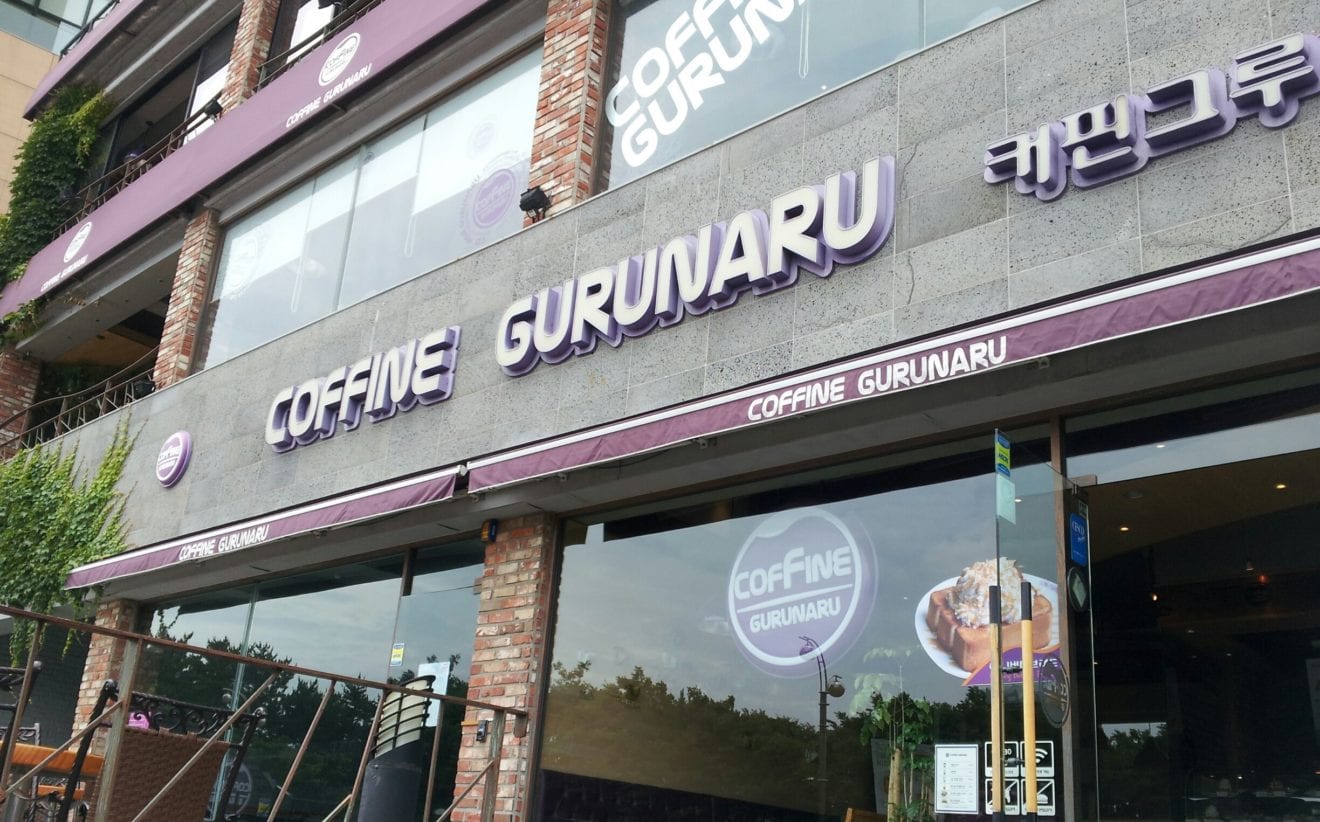
    Korean coffee franchise Coffine Gurunaru is to open one of its largest stores in Hainan, China in the first stage of a planned China rollout.

    The new store is in the middle of Lan Kwal Fong St, the main street of Hainan, and is described as “exceptionally large in size” for a coffee franchise.

    Hainan, sometimes referred to as the ‘Hawaii of the East’, is a major holiday destination for Mainland Chinese.

    Management of Coffine Gurunaru say the extraordinary size of the cafe is relative to the size of the development where it will be located. The world’s largest resort group, Mission Hills, owns resorts, golf courses and shopping malls. It is building the world’s largest K-town in Hainan, where Coffine Gurunaru will open its Chinese flagship.

    The interior will be designed to be “modern and natural”, says a spokesman for the coffee house.

    Korea’s Coffine Gurunaru

    Coffine Gurunaru is a compound name combining coffee and wine. It was the first coffee house in Korea to offer both coffee and wine. Founded in 2007, it has about 120 stores in South Korea, including franchised stores.

    The cafes’ interiors, including the chairs and walls, are decorated in a cheerful purple, intended to refer to the color of wine.

    Besides beverages, the stores serve a range of salads, panini sandwiches, signature cupcakes and honey bread.

    Coffine Gurunaru has not disclosed how many stores it will open in China, but has confirmed it will build a network.

    Korea’s Coffine Gurunaru interior

  • A Short Overview of Malaysian Shopping Trends

    A Short Overview of Malaysian Shopping Trends

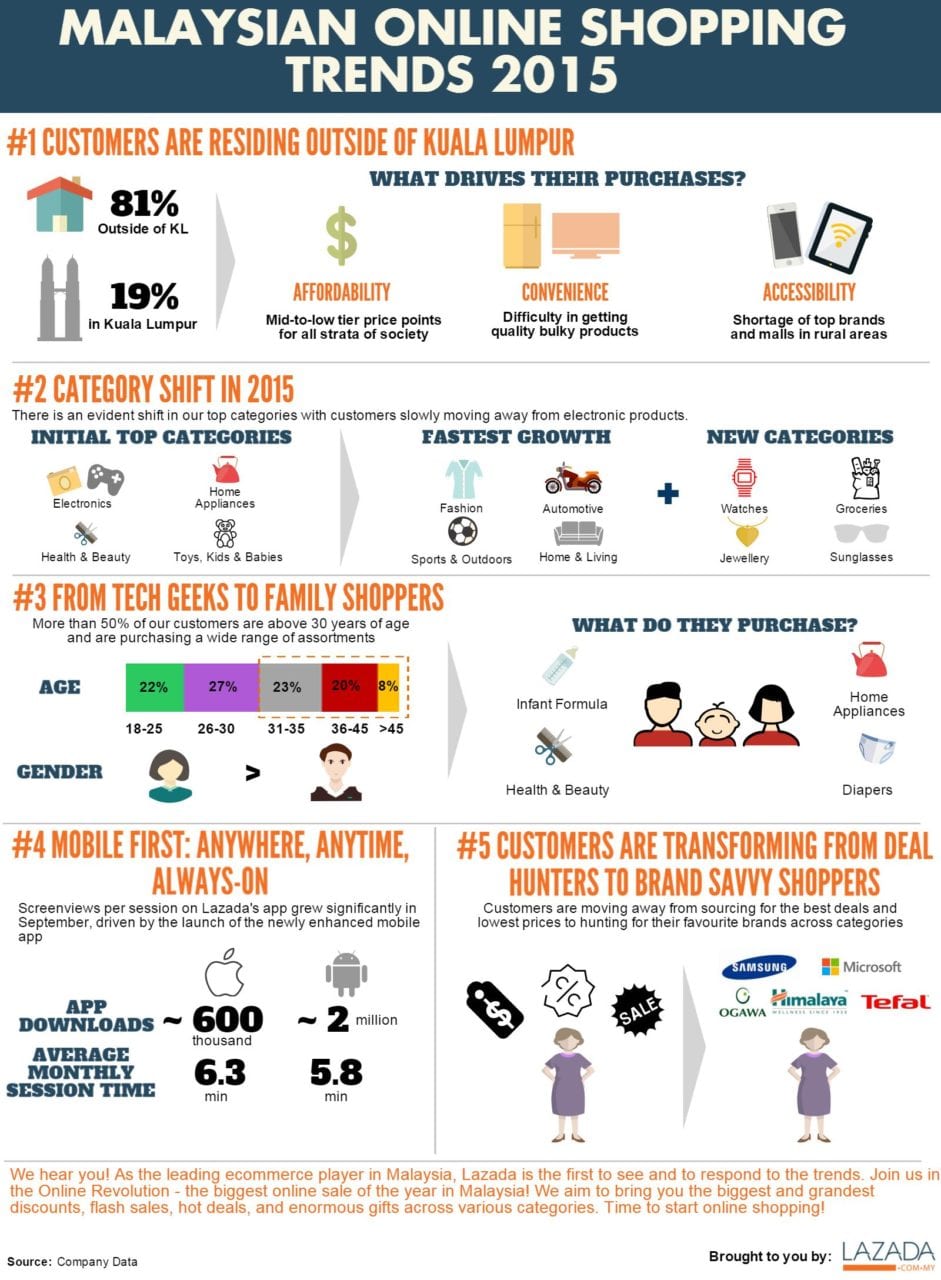
    #1 Majority of our customers are residing outside of Kuala Lumpur

    – There is an evident shift of customers shopping on Lazada with 81% of them residing outside of Kuala Lumpur

    –  Reasons behind this shift include 

        a) Affordability of products – Consumers from various backgrounds are able to purchase products from a wide price-range ( mid to low-tier)

        b) Convenience  – Consumer located outside of KL are able to purchase high- quality bulky products delivered to their location of choice            without having the need to locate these products at the shopping mall and sourcing for delivery trucks

       c) Accessibility – Consumers outside of KL now have access to purchase a variety of top brands online which were previously unavailable 

          at their area. This ensures that they are kept abreast on the best deals and promotions despite their geographical location.

    #2 Category shift in 2015

    – Previously our top selling categories were electronics, home appliances and toys kids and babies. However, there has been a surge in        

      demand in other categories ranging from sports and outdoor, fashion and groceries

    #3 From tech geek to family shoppers

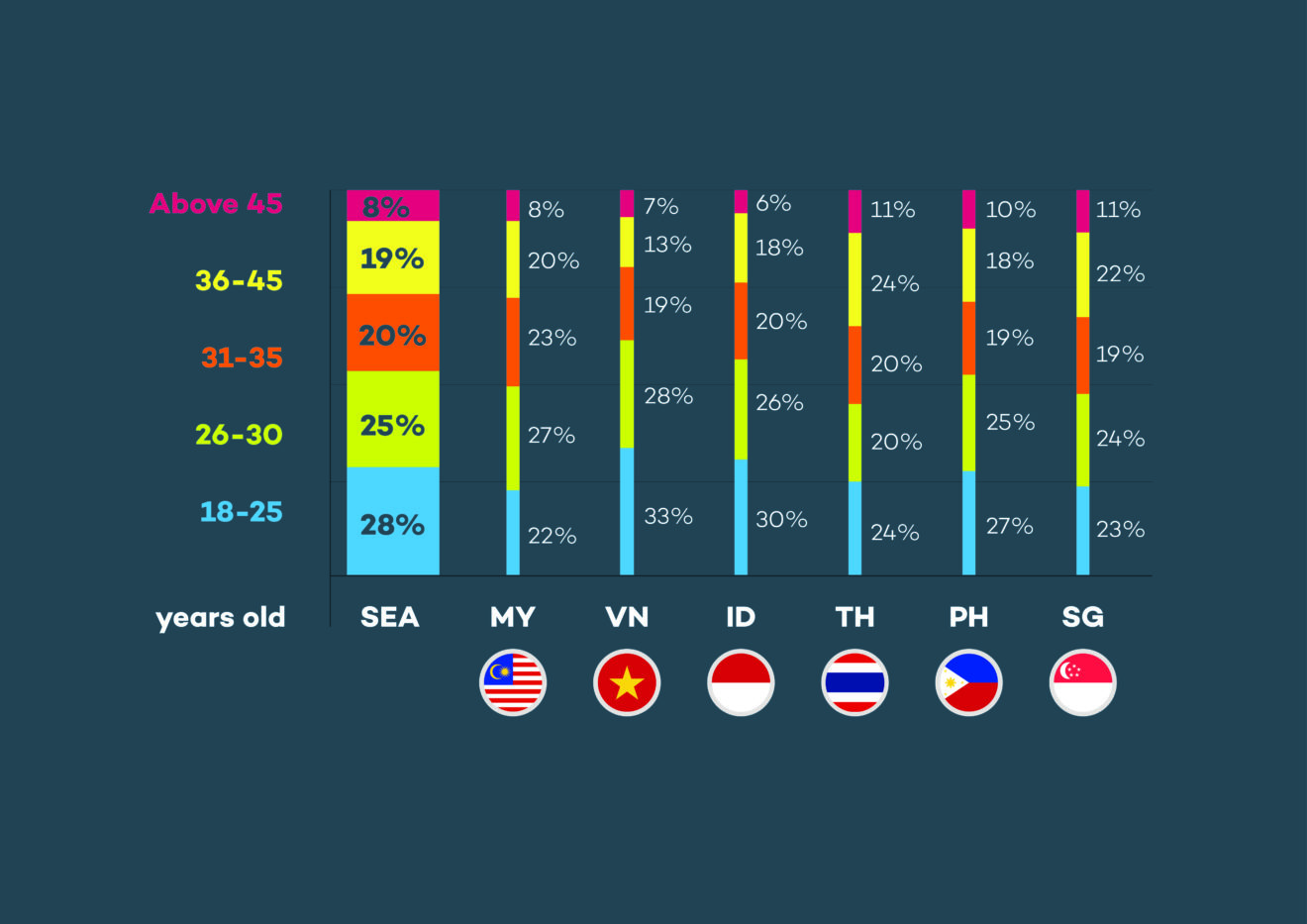
    – Online shopping is commonly associated with the Gen Ys as they are presumed to be tech- savvy and are more comfortable shopping 

      online compared to the older generations. There has been a change in trend whereby majority of the online shoppers now are aged 30   years and above and are sourcing for a wide range of household related products ( home appliances, baby products etc)

    #4 Mobile-First: Anywhere, Anytime, Always – On

    –  Malaysia is transforming into a digital nation with high mobile penetration across the country. Hence, it comes to no surprise that majority of Malaysians are hooked to their mobile devices to obtain further information on a particular product/ source for the best online deals via mobile platforms.

    #5 Customers are moving away from deal hunter to brand savvy shoppers

    –  Consumers are no longer exclusively shopping online only during sales or are constantly on a lookout for special deals or promotions before purchasing a product. Instead, consumers now have high-brand loyalty whereby they source products from their favourite brands across categories when shopping online.

    Lazada_Infographic-06_age range

    LZD Trends v1

  • Jumei doubles sales, but still in the red

    Jumei doubles sales, but still in the red

    Jumei International, the Chinese online retailer of beauty products, has reported a sales increases of 99.9 per cent – but it still posted a quarterly operating loss.

    In the quarter to September 30, net revenue reached RMB1.9 billion (US$305.5 million). Total net GMV increased by 35.6 per cent to RMB2.3 billion (US$358.7 million), driven primarily by a 30.8 per cent rise in the number of active customers and a significant 89.5 per cent boost in total orders.

    But gross profit as a percentage of net revenues decreased to 26.2 per cent (from 38 per cent)in the same period of 2014, primarily due to the company’s shift in strategy from beauty product marketplace sales to merchandise sales that started in September 2014, and inventory optimisation activities for Jumei Global.

    The net loss attributable to Jumei’s ordinary shareholders was RMB86.9 million (US$13.7 million), compared with net income attributable to Jumei’s ordinary shareholders of RMB120.0 million in the same period of 2014.

    Leo Chen, founder and CEO of Jumei, appeared upbeat about the results however.

    “Our third quarter net revenue growth continues to be strong… driven by Jumei Global and rapidly shifting consumption patterns in China as consumers upgrade their tastes, preferences and expectations for products. We continue to strengthen our position as a leading import cross-border eCommerce platform in China and are pleased to see both active customers and number of orders grow rapidly while maintaining a high repeat purchase rate,” he said.

    “We continue to add world renowned brands such as Shiseido and KOS to our Jumei Global platform. This is the first time these Japanese beauty groups have directly authorised a cross border eCommerce company in China to carry their merchandise. This means that going forward, new products by both brands will be launched simultaneously in Japan and on Jumei Global in addition to those already on offer in Jumei’s domestic platform. Chinese consumers will now be able to access international beauty trends at the same time they take place in the brand’s home markets.”

    In the fourth quarter of 2015, the company says it expects total net revenues to be between RMB1.83 billion and RMB1.93 billion, representing a year-over-year growth rate of 80 to 90 per cent.

  • Alibaba launches Taiwan, Hong Kong venture funds

    Alibaba launches Taiwan, Hong Kong venture funds

    China’s Alibaba has announced two venture funds to help entrepreneurs with projects who can leverage the resources of Alibaba’s ecosystem.

    A HK$1 billion (US$130 million) venture fund – named Entrepreneurs Fund for Hong Kong – will be managed by venture capital firm Gobi Partners.

    A second – Entrepreneurs Fund for Taiwan – will have initial capital of NT$10 billion (US$316 million) and be managed by CDB Capital, a division of China Development Industrial Bank (CDIB).

    As well as cash, the two new funds will offer 200 internship opportunities annually for graduates and final year students of local tertiary educational institutions. Successful applicants will be able to work for between six and 12 months at Alibaba Group companies in Mainland China.

    Andrew Lee, the former CFO of EnTie Bank will act as executive director of the Taiwan fund, with directors including Charles Yen, co-founder and principal of the AAMA Taipei cradle program and Joseph Tsai, senior EVP of Cathay Financial.

    The fund will be headed by Cindy Chow as executive director. Other directors include Dr Allan Zeman, founder and chairman of the Lan Kwai Fong Group, and Savio Kwan, an independent business consultant who served as president and COO of Alibaba from 2001 to 2003.

    The funds are intended to help entrepreneurs and position Hong Kong and Taiwan as business hubs engaged regionally and globally, with a mandate to invest in qualifying companies in the startup, growth and expansion phases. Selected ventures will be able to leverage the platforms in the Alibaba ecosystem to offer products and services to mainland China and globally, given that Alibaba operates in eCommerce, logistics, mobile platforms, cloud computing and financial services.

    Said Joseph Tsai, executive vice chairman of Alibaba Group: “At Alibaba, our mission is to make it easy to do business anywhere. We are passionate about fostering entrepreneurial spirit and hope the resources provided by the fund will help unleash potential for innovation and entrepreneurship.”

  • Tony Roma’s Myanmar opens second location

    Tony Roma’s Myanmar opens second location

    Tony Roma’s Myanmar has opened its second restaurant in the fast-developing country.

    The first Tony Roma’s there opened earlier this year, and the response from the local consumer to the brand’s signature food and beverages has been tremendous, says Stephen Judge, president and CEO of Romacorp, Inc, Tony Roma’s parent.

    The second restaurant, like the first, is located in Yangon, the largest city in Myanmar, on Strand Square off Strand Rd, an epicenter of the city.

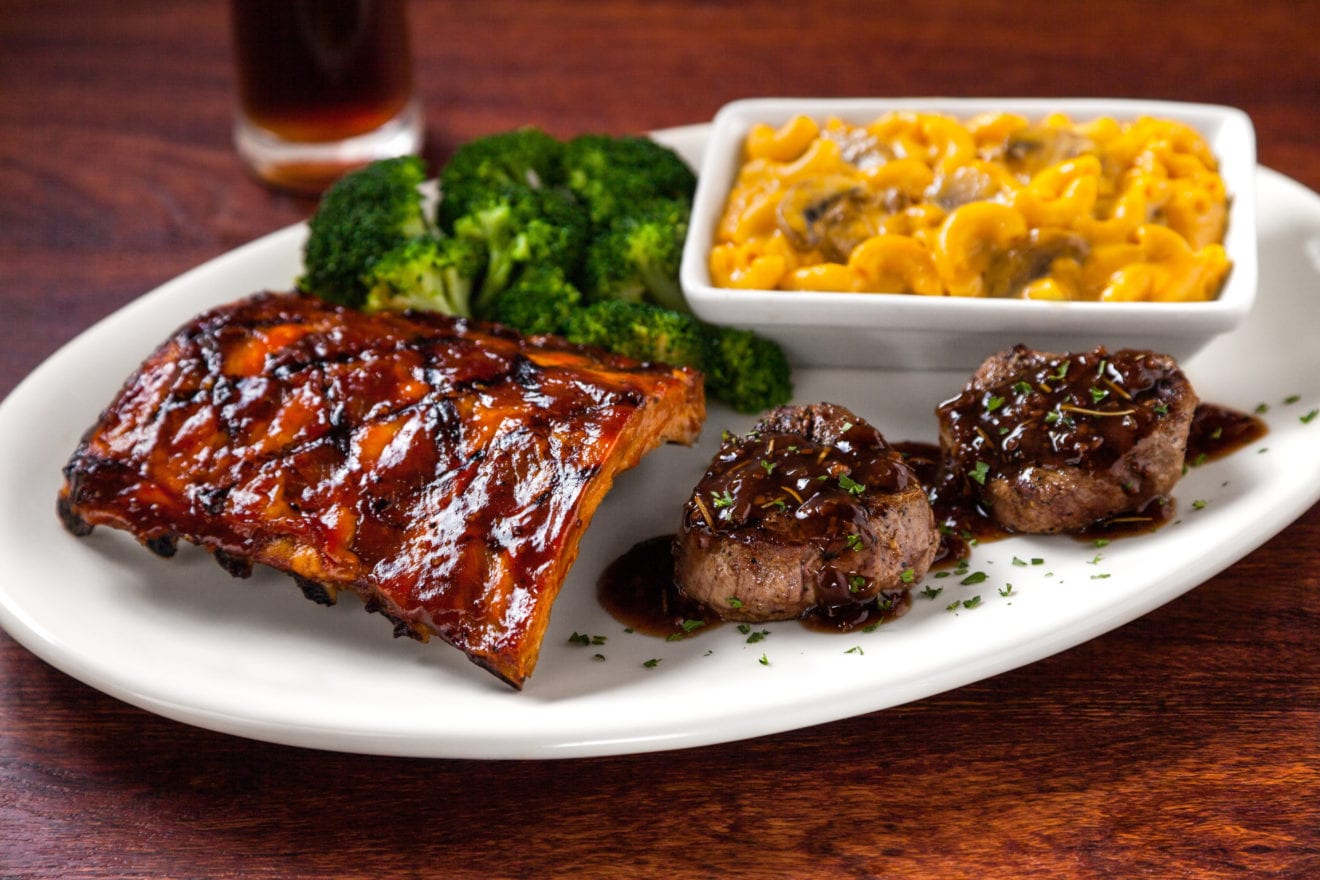
    “Our franchise partner, Apex Food and Beverage, knows the local market well, and we are excited to work with them to extend the reach of the Tony Roma’s brand in Myanmar and bring our world famous ribs to fans throughout Yangon,” said Judge.

    The restaurant is 457 sqm with 198 seats. The building is two stories and also includes covered outdoor seating. This location is situated near Sule Pagoda and Maha Bandoola Garden, two important landmarks in the Myanmar culture.

    “We opened our first Tony Roma’s in Myanmar to much success in January, and the delicious ribs and friendly atmosphere have been very popular, which is why we’re excited to open this second location,” said Kyaw Soe Win, Apex MD.

    Headquartered in Orlando, Florida, Romacorp has more than 150 restaurants in more than 30

  • RedMart offers 1-hour delivery of orders from food, retail partners

    RedMart offers 1-hour delivery of orders from food, retail partners

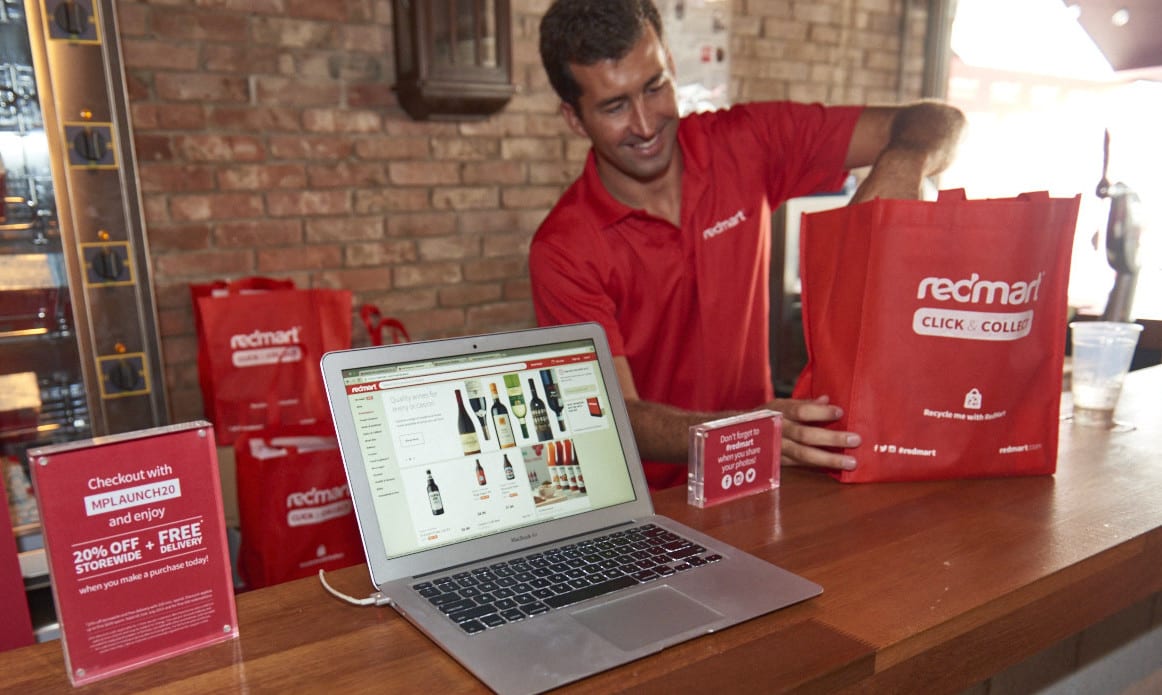
    Singapore based online grocery service provider RedMart has launched an on-demand marketplace, RedMart Relay, which will allow customers to order products from participating food and retail partners, in selected parts of Singapore.

    These products, including food, household items, apparel and electronic items will be delivered by “runners” – personal shoppers who go to the participating stores, purchase the products, and deliver directly to the customer, within one hour of ordering. The service will be accessible via a mobile App.

    RedMart’s co-founder and CEO, Roger Egan, told The Business Times that the launch of RedMart Relay was a natural next step for the company following the introduction of RedMart Marketplace, which is for groceries, earlier this year.

    “Whilst groceries will always be the foundation of what we do and remains a core part of our business, our new on-demand marketplace allows us to leverage our extensive delivery network and is all part of our long-term strategy to become an ‘everything store’, delivering a wide range of products to consumers across Singapore within the hour.”

    Mr Egan noted that when the company launched RedMart Marketplace, it partnered with Singapore’s best niche grocers, restaurants and speciality shops to “offer over 25,000 products, the largest product range of any grocer in Singapore”.

    Marketplace products are picked up from partners, consolidated, and delivered along with the regular RedMart grocery order, he said. Customers are clearly appreciating this “one stop shop” and “our marketplace has been growing at 30-40 per cent per month”, Mr Egan said.

    “With RedMart Relay we are now extending this marketplace model to be “on-demand”, where we collect from retail partners or restaurants and deliver directly to our customers within an hour,” he said.

    Mr Egan added that RedMart Relay has two main advantages over other e-commerce companies and marketplaces.

    “First, we have more engaged customers, with more frequent repeat purchases. Our customers buy from us around twice a month and that frequency is increasing. With RedMart Relay, we can now develop an even deeper relationship with our customers and deliver a much wider range of products to them, whenever they want.”

    The other advantage for RedMart Relay, according to him, is its extensive delivery network which is seamlessly integrated into the marketplace.

    “We can offer customers and marketplace partners faster, cheaper delivery than ‘software only’ marketplaces which typically partner with third party couriers. We encourage any retailer who is looking to leverage the e-commerce wave to contact us and see how RedMart Relay can help grow their business.”

    Vikram Rupani, the company president and another co-founder, added that the company was founded with the mission to “save people time for the important things in life”.

    “Our grocery service is delivering on this promise, and now we’re taking it one step further with RedMart Relay – effectively bringing RedMart’s promise of convenience to just about any product, from any store, anywhere in Singapore, he added.

    Initially the RedMart Relay service will be available to customers living in Tiong Bahru, Telok Blangah, Keppel, Sentosa, West Coast, Tanjong Pagar and Marina Bay neighbourhoods.

    The company plans to launch it nationwide by early 2016.

  • China’s Online Retail Giant Dangdang Set to Open 1000 Real-world Bookstores by 2018

    China’s Online Retail Giant Dangdang Set to Open 1000 Real-world Bookstores by 2018

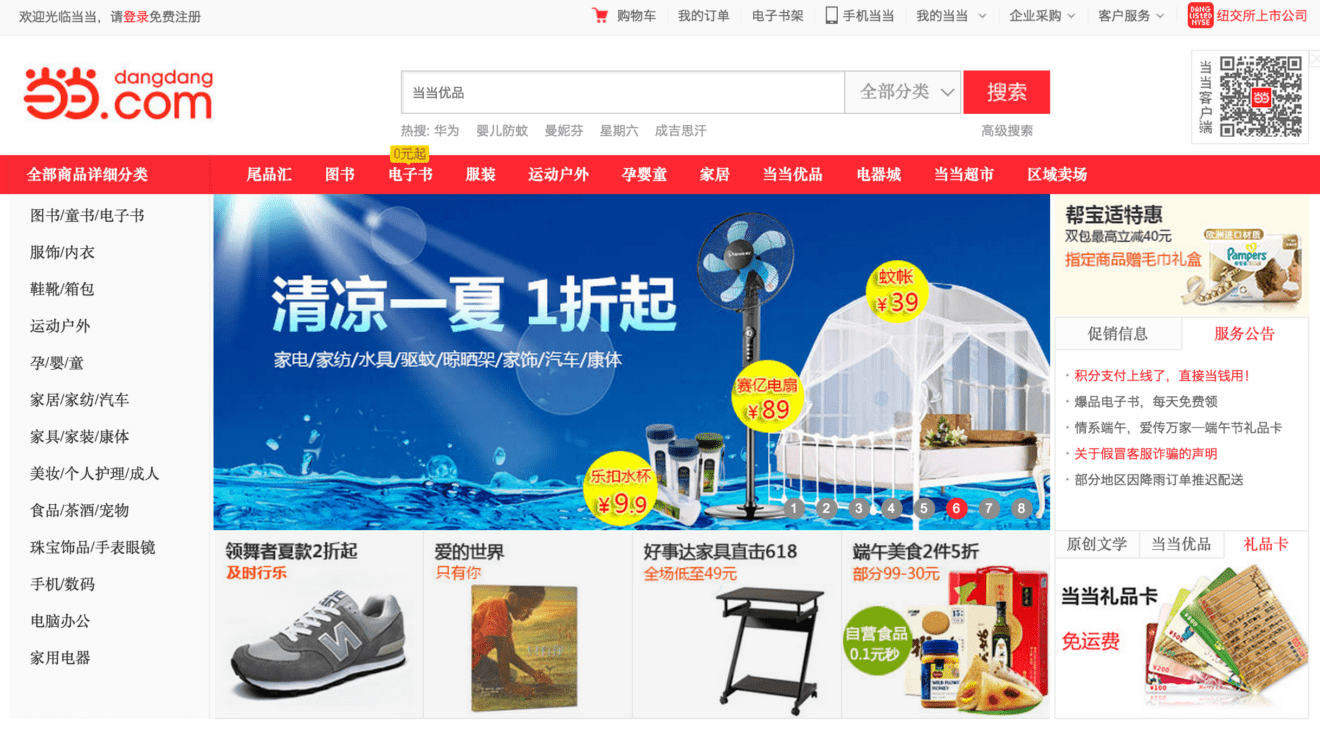
    Dangdang, a Chinese online retail giant, is eyeing to open 1,000 real-world bookstores within three years.

    The ambitious plan is contrary with the recent trend in which everything moves to go online. With the advent of online bookshops, several traditional ones have either cut back their activities or declared bankruptcy.

    Yi Yali, a traditional bookstore owner, shared that “the bookstore business has been in a decline since 2010 due to rising costs. This includes expensive human resources and rents.”

    It was between 1997 and 2010 when “real bookstore business reached its peak with its rapid growth,” Yi said, adding that a number of “featured bookstores have emerged at that time.”

    However, for Ying Changlong, General Manager of Shenzhen Publication and Distribution Group, the conventional bookstore business has not yet entered the so-called “sunset” industries.

    “It is the failure of business strategies rather than the fall of brick-and-mortar bookstore industry itself,” Ying said. “The biggest challenge for traditional bookstore lies in its single form, which makes it hard to build strong ties with customer. As such, bookstore operators need to be more creative.”

    One of the most successful business models is the one utilized by the Taiwan-based Eslite and Beijing-based SDX Joint Publishing Company. The two team up with other retailers like art galleries and coffee shops to create a “one-stop cultural shop.”

    Dangdang.com assistant executive Zhang Wei remarked that the firm wants to follow this scheme.

    “Our bookstores in the first- and second-tier cities will be as large as one to two square kilometers, and they will become a cultural complex with sales of books and other related products with higher profit,” Zhang said. “Meanwhile, we will team up with renowned shopping malls in an attempt to substantially cut bookstores management costs.”

    Simultaneously, the bookstore will also combine its online and offline businesses with its customer services.

    The first offline bookstore, occupying 1,200 square meters, is set to be launched in Changsha City next month.