Author: Mei Ling Tan

  • M&S outperforms

    M&S outperforms

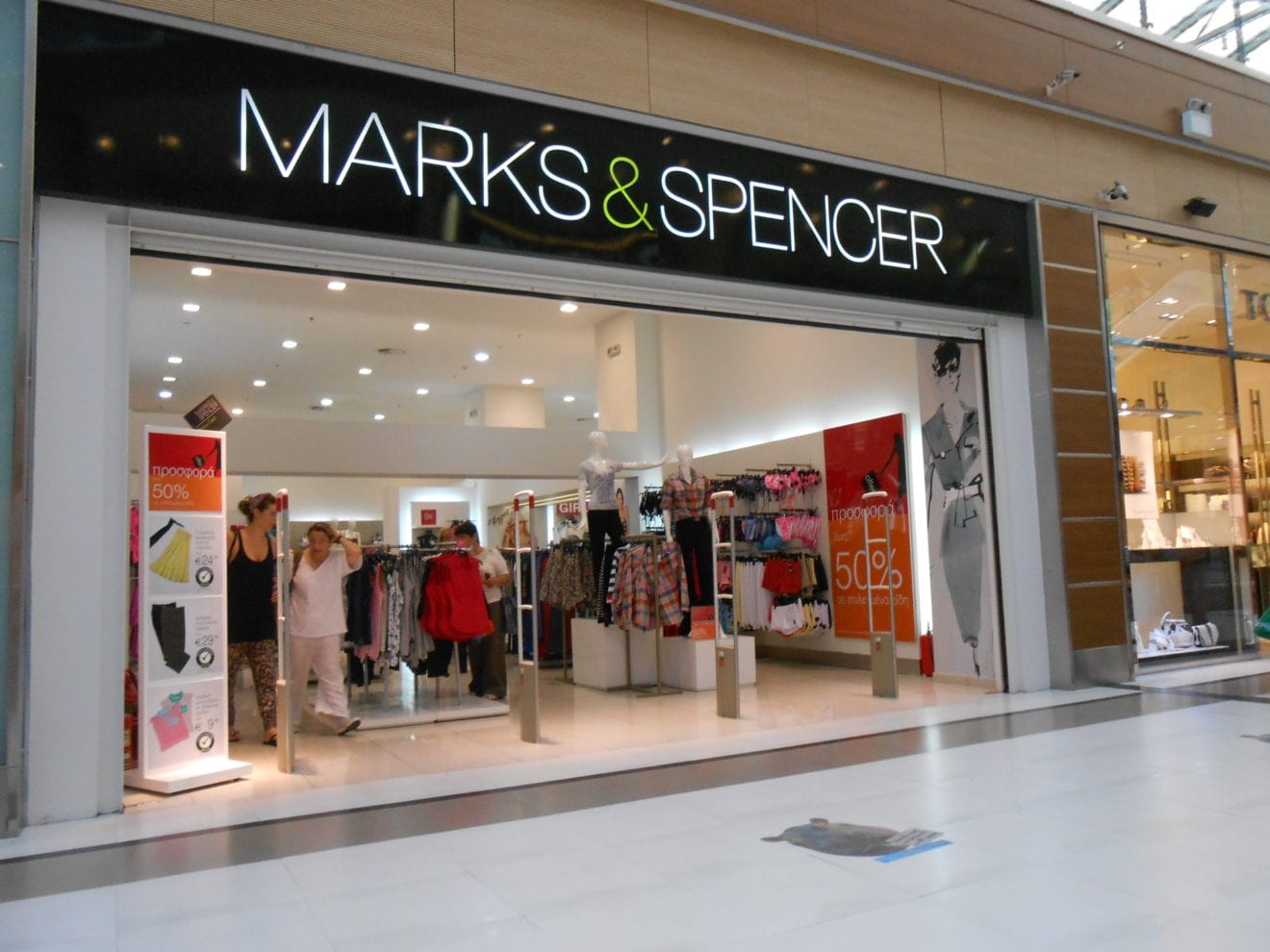
    M&S says its food sales grew in both total and like-for-like terms in the March quarter as it repositioned its offer.

    Its food division grew at a rate ahead of the total market, despite a “difficult and deflationary quarter for the food market”.

    CEO Mark Bolland said the company made “strong progress” during the quarter.

    “We continued to deliver on general merchandise gross margin and are pleased that we have achieved this whilst also improving general merchandise sales. M&S.com has returned to growth, as planned, with further improvement in customer metrics.”

    The company will release financials for the quarter – and the year – on May 20. But it says food sales rose 3.7 per cent overall and 0.7 per cent on a like for like basis. General merchandise sales rose 1.3 per cent, or 0.7 per cent like for like.

    Clothing sales were up 1.2 per cent and 0.6 per cent like for like. International sales at actual currency were down 6.3 per cent and total group sales were up 1.6 per cent.

    “Customers turned to us for special times of the year as well as everyday quality they can trust. We had a record Valentine’s Day and launched over 350 new products over the quarter. We continue to invest in price in order to stay competitive while protecting the gross margin,” said Bolland.

    Outside the UK, results were mixed. “Macro-economic issues particularly in our Russia, Ukraine and Turkey franchise partnership, coupled with further weakening in the Euro, have significantly impacted International second half profit,” the company’s statement said. But key priority markets such as India “continue to perform well”.

  • Major rebuild for Siam Discovery

    Major rebuild for Siam Discovery

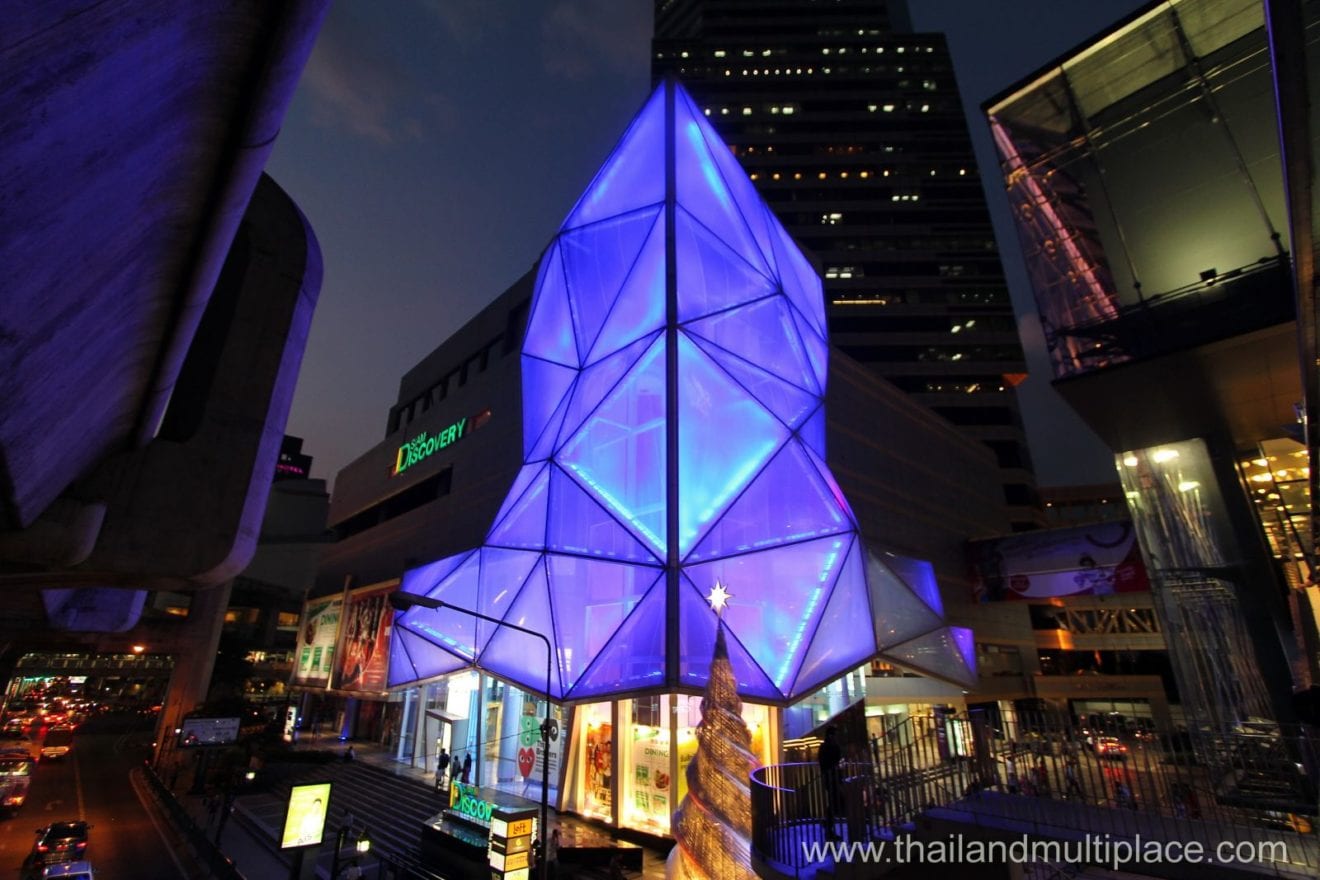
    Thai mall developer Siam Piwat is planning a 4 billion THB (US$125 million) rebuild of its downtown Bangkok Siam Discovery shopping mall.

    Siam Piwat, which owns the adjacent Siam Square and Siam Paragon malls, says it is planning a total renewal for both the center’s interior and exterior. When the result is unveiled to the public in early 2016, the centre’s theme will be “Breaking All The Rules”.

    The centre will host a ‘groundbreaking sale” from April 23 to May 5 before it closes down for the refurbishment.

    When it reopens, Siam Piwat promises “a first-time phenomenon with a number of original ideas never before seen in Thailand.”

    Siam Piwat spokesperson Siriphen Intuputi said the 4 billion THB investment is additional to the five year, 55 billion investment announced last year covering new properties and refurbishments.

    Mrs. Siriphen Intuputi, senior executive for Marketing and Public Relations, Siam Piwat Co., Ltd 415

    The 18 month old centre has always struggled in the shadows of its neighbours, Siam Centre, Bangkok’s oldest modern day shopping centre, and the massive Siam Paragon which, when it opened, was Thailand’s largest shopping centre. Siam Centre reopened in 2013 after a comprehensive renovation which has drawn praise from retail experts and designers and been an unequivocal trading success.

    “The success of our renovation of Siam Center two years ago where we received amazingly good feedback from tenants and visitors made the management and staff of Siam Piwat confident in the company’s approach to maintaining its lead in introducing innovations to the retail industry,” the company said in a statement.

    “So the company decided to give [Siam Discovery] a total renewal in order to bring new experiences of the era to Thai shoppers and international visitors who will come to Thailand in great numbers following the creation of the ASEAN Economic Community (AEC).”

    Siam Discovery 2-415

    Observed Siriphen: “We believe that after the AEC takes effect, Thailand’s retail industry will grow by more than 25 per cent. There is a lot of new investment in the retail sector in anticipation of future economic growth. This includes Siam Piwat’s planned investment during 2015 – 2019, with the renewal construction of Siam Discovery a part of the plan.”

    During the course of the rebuild, the entrance to Madame Tussauds Bangkok will be changed to  within Siam Tower. Well-known brands with stores inside Siam Discovery have been given temporary space within Siam Center and Siam Paragon..

    “Siam Piwat has drawn a detailed plan for the total renewal of Siam Discovery and we are confident that when the new Siam Discovery opens, it will be an unprecedented phenomenon in the retail industry with many original and trendy ideas.  It will be the talk of the town just like when the new Siam Center was unveiled,” said Siriphen.

    She said details of the unique new concept will be revealed later.

    Siam Discovery, Thailand’s first lifestyle shopping mall 415

  • Quiznos China plans 1500 stores

    Quiznos China plans 1500 stores

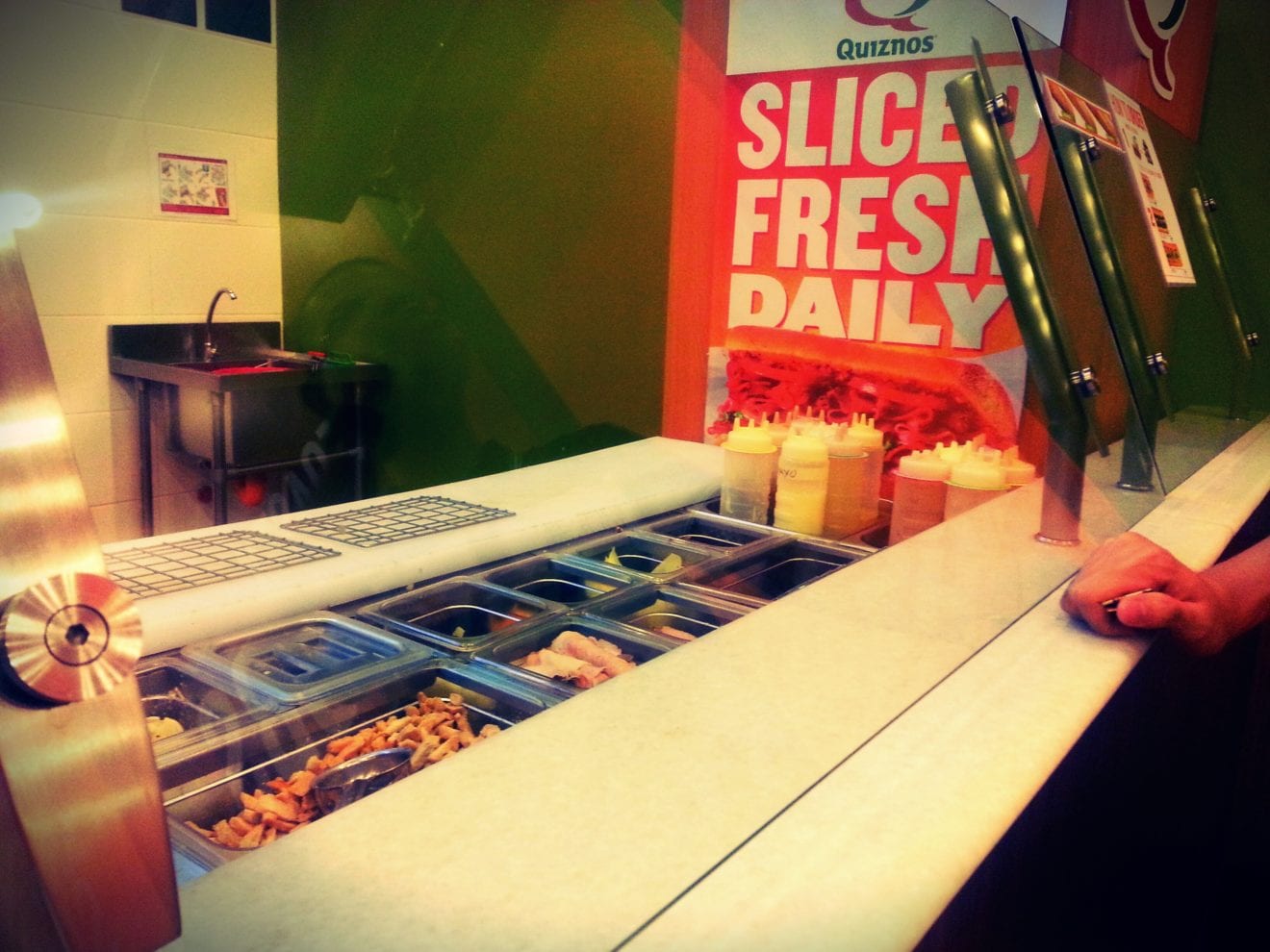
    US fast food chain Quiznos has revealed more details of its plan to roll out a massive 1500 strong network across China.

    Last October, Quiznos signed a deal with a subsidiary of Lion Group’s Parkson Retail Group to roll out 1500 stores across China.

    In the US the deal has been described as possibly the largest franchise deal in history, but the planned roll out does span a lengthy 15 year timeline – now a four year longer timeline than originally announced last year.

    The deal was originally launched with Malaysian company AUMH, which Parkson bought a stake in last year.

    “We are looking forward to paving the way for Quiznos in China,” said AUMH director Tham Lih Chung last year. “The brand’s long standing history of international accomplishments, combined with our knowledge of the region and culture, is sure to be met with success in China.”

    But this month, Quiznos International president Ken Cutshaw has revealed further details of the plan in an email interview with QSR magazine online.

    “To be the foundation of a China [food and beverage] group that has already established its successful roots in the China retail sector‎ is exciting for the Quiznos brand,” he said.

    Three Quiznos will open in Shanghai this year, then a further 100 in 2016. Parkson will then focus on the Shanghai market before expanding into other parts of China. With about 60 department stores in China, it shouldn’t find it too hard establishing an early foothold there.

    Cutshaw said he believes the scale of the Parkson partnership marks the most ambitious ever of a franchised food network, eclipsing the 1400-strong Dunkin’ Donuts deal of last year.

    Tham Lih Chung, a spokesman for The Lion Group, told QSR magazine Quiznos will do well in China because western brands are widely accepted there.

    Meanwhile, Cutshaw said Quiznos will continue its aggressive international expansion while its US operation restores its balance sheet (the US parent company was placed in Bankruptcy Protection a year ago).

    New stores are opening in Malaysia, Taiwan, Indonesia, Iraq, Pakistan and the United Arab Emirates.

    “Every successful global restaurant chain begins with a successful US foundation,” he said. “Quiznos is no exception. And Quiznos will continue to expand its presence both domestically and internationally with strong franchisees like The Lion Group of China.”

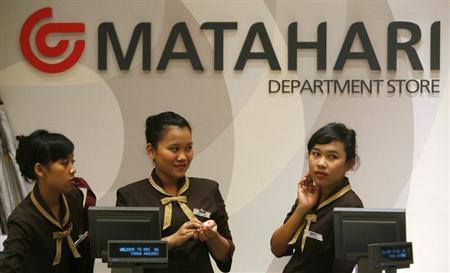
  • Matahari Putra Prima opens a 3rd Foodmart Store in East Java

    Matahari Putra Prima opens a 3rd Foodmart Store in East Java

    Indonesia’s Matahari Putra Prima, the operator of Hypermart, Foodmart and the Boston Health & Beauty retail chain, opened a Foodmart supermarket in Madiun, East Java, on Monday, as part of the company’s expansion to the fast growing city.

    The store is located at Suncity Mall in Madiun city centre and will occupy a gross area of 1,500 square meters. It is the company’s third Foodmart store in the country’s second most populous province.

    “Madiun has remarkable economic growth, especially in the trade and services sectors,” said Danny Kojongian, MPP’s director of public relations and communications, in a statement.

  • L’Oreal posts slower growth in China

    L’Oreal posts slower growth in China

    L’OREAL, the world’s largest cosmetics group, said growth in China slowed to 7.7 percent last year from that of 10.2 percent in 2013, as consumption growth slowed in China and globally.

    The French company’s total sales in China were 14.3 billion yuan (US$2.28 billion) last year, as the country remained its the third-largest market.

    Globally, like-for-like sales was up 3.7 percent under fixed exchange rate to 22.5 billion euros.

    “Moderate growth in the fast moving consumer goods sector is becoming a normal situation under China’s new economic scenario,” said Jason Yu, general manager of Kantar Worldpanel China.

    “Beauty market growth is boosted by trading up from a more sophisticated group of consumers, and we’ve seen high-end product lines growing at a much faster pace than mass market products,” he added.

    Alexis Perakis-Valat, L’Oreal Group Executive vice president for Asia Pacific and CEO of L’Oreal China, said future growth would come from more tailor-made products for local consumers and geographical expansion into lower tier cities, especially for luxury product division.

  • Fashion-conscious can rejoice as online retailer Zalora promises to absorb Malaysia’s GST

    Fashion-conscious can rejoice as online retailer Zalora promises to absorb Malaysia’s GST

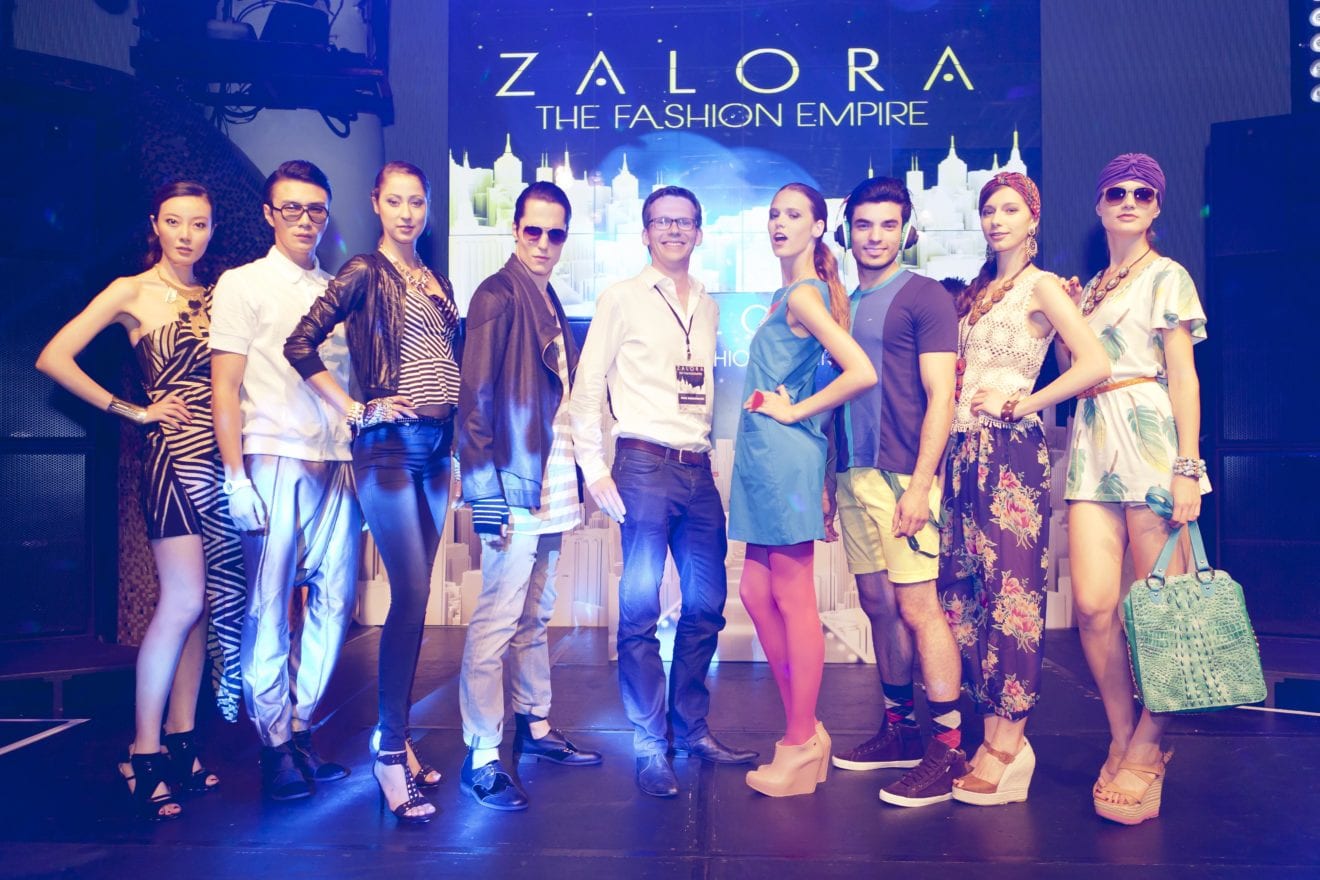
    Online fashion retailer Zalora has promised to absorb the 6% goods and services tax (GST) on all its items if customers use a special voucher code.

    Overall, it said that its prices would be lower by 5%, even with GST, because it was only raising the prices on its website by less than 1%.

    “We decided to go all in, with the new ‘GSTOFF’ voucher, prices on Zalora will be lower than they were before GST,” the online retailer’s managing director for Malaysia Giulio Xiloyannis said in a statement today.

    “Not only has Zalora decided not to increase its prices by the 6% new GST levels, with prices pre-voucher rising less than 1% across the whole website, (we) decided to also apply a storewide 6% discount available to all customers, hence actually lowering prices for all by 5% compared to pre-GST prices,” he added.

    “GSTOFF” is an online voucher that will be activated March 31, a day before the GST takes effect on a broad range of goods as part of Putrajaya’s move to increase government revenue.

    “It will be guaranteed by Zalora for the whole month of April 2015,” said Xiloyannis.

    He said the voucher would apply to all Zalora in-house labels and international brands, and to 90% of the other brands on the online retailer.

    The fashion retailer joins local hypermarket chain Mydin as one of the few retailers so far who have announced that they will absorb the GST

  • DAISO Japan under investigation, say Taipei prosecutors

    DAISO Japan under investigation, say Taipei prosecutors

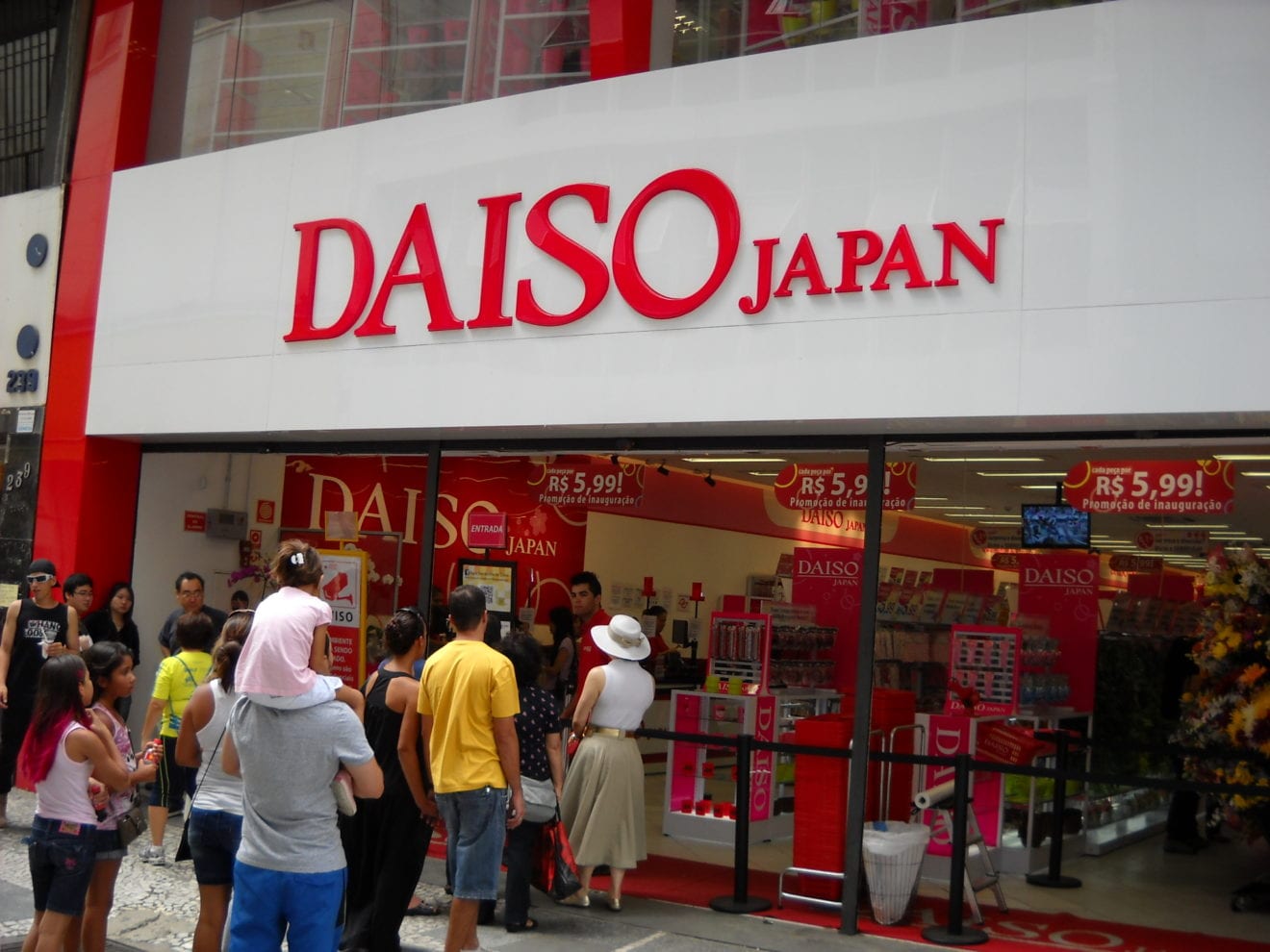
    Well-known Japanese store, DAISO Japan (大創), was raided by investigators yesterday for failing to report its mislabeled Japanese food products back to the government, according to the Taipei District Prosecutors Office.

    Taipei City’s Health Bureau sent officials to investigate DAISO Japan headquarters yesterday, after Taoyuan’s Health Burearu discovered restricted products in the city’s Luchu District (桃園市蘆竹區) warehouses on Saturday.

    Taipei officials report having uncovered 28 products at the headquarters, among which 13 are said to come from nuclear-stricken areas and 15 are of unknown origin.

    Investigation teams found 13 products that came from nuclear-stricken prefectures in the Luchu District warehouses. DAISO Japan had silently pulled restricted products from shelves, but never reported back to the government, officials said.

    Taipei Department of Health official Wang Ming-li (王明理) said they are inspecting DAISO Japan’s headquarters and chain stores. Penalty fines will be discussed once its import declarations are finalized.

    No High-level Residue Detected in Japanese Food Products: AEC

    Atomic Energy Council (AEC, 原能會) Deputy Minister Huang Tsing-tung (黃慶東) said at the Legislative Yuan yesterday that among the 451 food products that passed radiation residue tests, he also promised not a single imported product was detected to have exceeded radiation standards.

    “200 becquerels (BQ) was the highest detected radiation residue level, but none of the products since 2011 had exceeded the international standard 370 BQ” Huang said, emphasizing that most detected products had relatively low residue levels and were harmless to human beings.

    Lift Ban on Nuclear-stricken Products?

    Minister for Health and Welfare (MHW, 衛福部) Chiang Been-huang (蔣丙煌) said that Japan had proposed Taiwan lift restrictions on products from at least four of the radiation-stricken areas from the Fukushima nuclear disaster. This proposal is under further discussion, Chiang said.

    The lifting of restrictions on food products from the five nuclear-stricken areas in Japan could be discussed, said DPP Legislator Chao Tien-lin (趙天麟) during a meeting of the Legislative Yuan’s Social Welfare and Environmental Hygiene Committee (立法院衛環委員會).

    Apart from the continual restriction on nuclear-stricken prefectures, the plan to require Japan to provide product origin and radiation testing results is undergoing debate, but Chao points out this plan could hinder trade with Japan.

    Chao proposed that Japan should only provide the necessary documents of products from the five disaster-stricken areas. Importing products from nuclear-stricken areas could be discussed by referring to international practices.

    While high-risk areas should still be prioritized and bad suppliers will always exist, Taiwan should not damage friendship ties with Japan by insisting on trade obstacles, Chao stressed.


  • Prada 2014 profit falls for first time since listing as China, Europe weaken

    Prada 2014 profit falls for first time since listing as China, Europe weaken

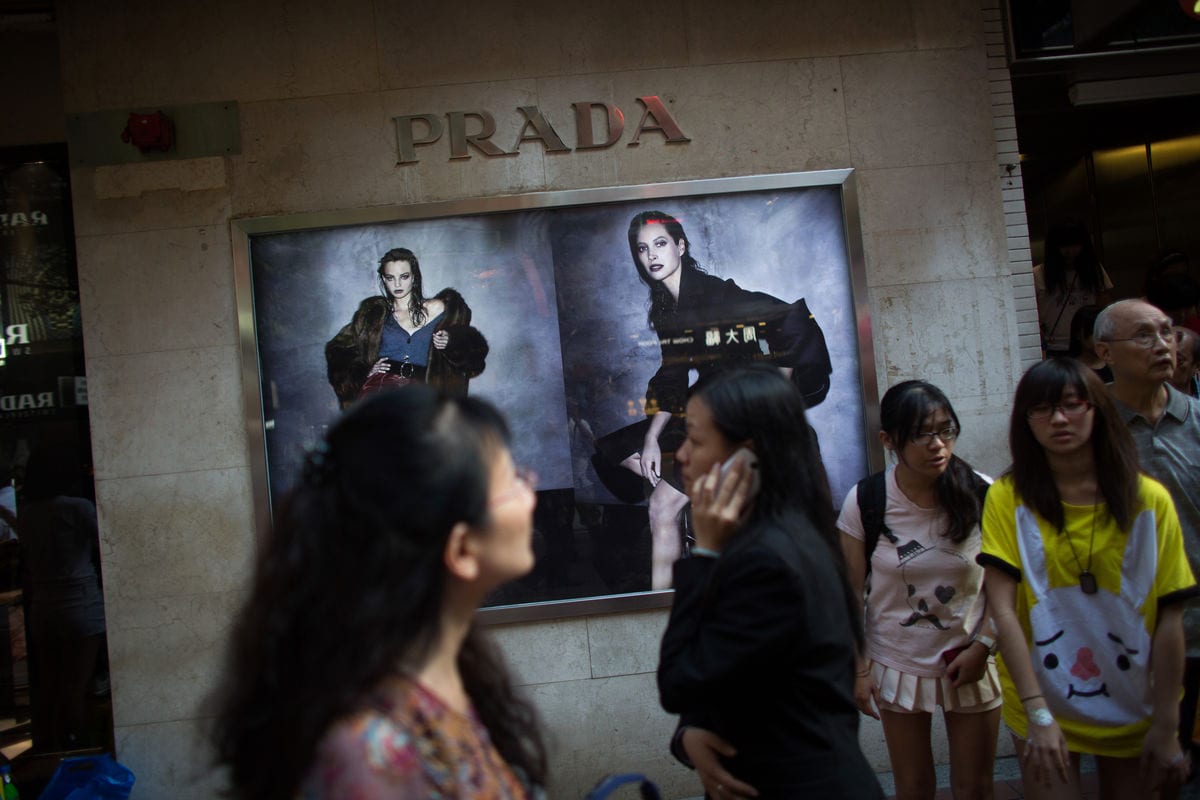
    Italian luxury goods company Prada SpA reported its first drop in annual net profit since it listed in Hong Kong four years ago, as growing retail sales in the Americas and Japan failed to offset declines in Greater China and Europe.

    The company reported on Monday its 2014 net profit fell 28 percent to EUR450.7 million (USD489.8 million), slightly below forecasts, as overall annual sales dropped 1 percent. Asia-Pacific sales, which accounted for more than a third of the Milan-headquartered company’s business, also fell 3.1 percent.

    Like other luxury goods makers, Prada has seen weaker sales in China and Hong Kong amid a government crackdown on corruption, including bribery which often takes the form of lavish gifts to officials.

  • Where are our beer caves? Convenience stores in Australia want US-style alcohol sales

    Where are our beer caves? Convenience stores in Australia want US-style alcohol sales

    US retailing giant Costco is appealing a court decision blocking it from selling alcohol at its new Adelaide store, as the government is urged to review restrictions on supermarkets.

    Australia’s complicated alcohol retail market is under the spotlight after the Harper review into competition policy said restrictions preventing supermarkets from selling liquor “impede competition”.

    Australia’s No.1 supermarket, Woolworths, and industry association the Australian Hotels Association last year successfully objected to Costco’s bid for a “Special Circumstances Licence” in SA.

    Convenience stores say that allowing supermarkets to stock alcohol in their aisles would be an unfair advantage.Convenience stores say that allowing supermarkets to stock alcohol in their aisles would be an unfair advantage.Photo: Gabriele Charotte

    The state’s licensing court concluded that Costco’s model for liquor retailing was not compatible with South Australian requirements and granting the big-box retailer a licence would risk setting “an undesirable precedent”.

    Only one liquor licence has been issued in SA in the past nine years, said Jos de Bruin, chief executive of the Master Grocers Australia. MGA represents the $9 billion independent grocery sector.

    Costco Australia managing director Patrick Noone told Fairfax Media he was hoping for a decision on the appeal in the next few months.

    Victoria and the ACT have the country’s most liberal alcohol retail laws.

    Costco sells alcohol in Victoria, the ACT and NSW. NSW requires Costco customers to pay for alcohol in a separate, defined area.

    In Queensland, retailers must have a pub licence or a pub to sell alcohol. Costco has yet to set up in WA.

    There are very few Coles, Woolworths and independent supermarkets, such as IGA, that are able to sell alcohol from the supermarket aisles, said Mr de Bruin. Instead, they sell alcohol in nearby but separate areas.

    Discount supermarket retailer Aldi is able to display alcohol in its Victorian and NSW supermarkets near the counter, with expensive items locked in cabinets. It also sells alcohol online.

    The government’s long-awaited Competition Policy Review this week recommended making it more difficult for large companies to competitively crush smaller ones by strengthening the Competition and Consumer Act, and deregulating retail shopping hours and planning and zoning rules.

    In response to the recommendations, Mr Noone said: “We welcome the encouragement to have more competition in all areas of retailing.”

    But the idea supermarkets might be able to sell alcohol in-store has “disappointed” Australian convenience stores, which complain their inability to sell alcohol deprives them of up to half a billion in sales.

    Jeff Rogut, the chief executive of the Australasian Association of Convenience Stores, said enabling convenience stores to sell alcohol would deliver them about $400 million to $500 million in sales, from a $17 billion overall market.

    Mr Rogut said rules in North America, the UK and Asia showed Australia’s liquor licensing laws were “really back in the [19]60s and ’70s.”

    In the US, some convenience stores have “beer caves”, areas with cold beer, and customers can fill large containers called “growlers” with beers on tap, he said.

    “There’s 160,000 convenience stores in the US,” Mr Rogut said. “There may be one or two isolated areas where they don’t allow alcohol – like Philadelphia or Pittsburgh, or somewhere up there – but the vast majority sell alcohol.

    “We were in Japan and Korea last year, virtually every convenience store that we saw sold beer, wine and spirits, from individual, almost little cups that you can drink on the run, to full bottles.”

    Mr Rogut also said giving the green light to supermarkets only would “further entrench the dominant players”, that is Woolworths and Coles, while depriving its members, such as 7-Eleven, BP and Caltex.

    “It’s a difficult category [alcohol], generally, because a lot of people tend to look at the social impacts, without really considering the commercial impacts,” he said.

    “What we’re saying is, it’s a legal category, it’s dominated by only a handful of players.

    “We really should have the ability, for those stores that choose to sell beer and wine, and that’s really what we’re looking for, to be able to sell responsibly, as we sell tobacco, lottery, other restricted-type products.”

    Grocery wholesaler Metcash did not respond on the prospect of selling alcohol on supermarket shelves.

    The Harper review made six recommendations in relation to retail markets.

    These were to develop “more effective misuse of market power provision, [to] consider competition in planning and zoning rules, [to] remove remaining restrictions on retail trading hours, [to] remove pharmacy ownership and location rules, [to] promote the development of industry codes with practical and effective dispute resolution processes, [and to] examine liquor licensing rules as part of a review of regulatory restrictions.”
  • Indonesia’s 1st Aeon Mall to open in May

    Indonesia’s 1st Aeon Mall to open in May

    Shopping mall developer Aeon Mall Indonesia and real-estate giant Sinar Mas Land, have joined forces to open Indonesia’s first Aeon Mall on May 30, a company executive revealed on Wednesday.

    The new joint entity behind the shopping center has been named Aeon Mall Sinarmas Land Indonesia, or AMSL

    The announcement confirms a report  detailing the endeavor in GlobeAsia last October, which also quoted Sinar Mas Land director Ishak Chandra in estimating that the project would cost between $150 million and $200 million.

    Located in BSD City, a Sinar Mas Land township in Tanggerang on the southern outskirts of Jakarta, the mall will house 280 stores — 47 of which are part of popular Japanese franchises.

    Nearly half of these brands are completely new to Indonesia, AMSL operations manager Adrian Pranata said.

    Ryuma Okazaki, president director of both AMSL Indonesia and Aeon Mall Indonesia, said the joint venture is expected to attract 12 million visitors a year.

    Its main target market is middle to high-income consumers living in BSD City, Tanggerang, West Jakarta and North Jakarta, he added.

    Land and construction costs of the 100,000-square meter mall ultimately reached $160 million.

    Aeon Mall Indonesia is a local arm of Japan-based shopping mall developer and operator Aeon, while Sinar Mas Land is the property holding company of giant conglomerate Sinar Mas Group, which owns a diversified businesses across the country. Aeon Mall Indonesia contributed 67 percent of the shopping center’s investment.

    Okazaki also confirmed Aeon’s plan to open 20 new malls in Indonesia, mainly in West Java and the Greater Jakarta area — which includes Bogor, Tanggerang, Bekasi and Depok — to tap into Indonesia’s rapidly growing middle class.

    The Japanese company had set a five- to eight-year investment plan worth 80 billion yen ($667.57 million) in 2013.

    Okazaki added that the investment costs may have surged by now, due to inflation, foreign exchange fluctuations and higher construction costs.

    Adrian of AMSL said Indonesia’s second Aeon mall will likely be located in Jakarta Garden City, a township in East Jakarta developed by Sinar Mas land rival Modernland Realty.

    Construction is scheduled to commence in May, he added.

  • McDonald’s joins Wal-Mart, Gap, other cos. in raising wages

    McDonald’s joins Wal-Mart, Gap, other cos. in raising wages

    McDonald’s said Wednesday it is raising pay for workers at restaurants that the company owns. Here’s a look at all the big companies that recently have announced they are boosting hourly wages for their employees:

    In February Wal-Mart Stores Inc., the largest private employer in the U.S., said it will boost its minimum pay to $9 an hour in April and to $10 by February 2016. That means 500,000 employees will get a raise.

    TJX Cos., the parent of discount store operator TJ Maxx and Marshall’s, said in February that it will pay all of its U.S. workers at least $9 an hour starting in June.

    Health insurer Aetna Inc. said in January that it will pay a minimum of $16 an hour starting in April. That’s more than twice the federal minimum wage of $7.25, and Aetna said about 5,700 employees will get a raise.

    Home furnishings retailer Ikea said in June that it would increase its raise wages 17 percent on average, bringing its hourly wage to $10.76 on average. Ikea said it will peg its salaries to the cost of living in different locations, and its move means higher wages for about 5,500 hourly store workers.

    Retailer Gap Inc. said in February 2014 that it will set the minimum wage for workers at $9 an hour this year and $10 an hour in 2015.

    McDonald’s Corp. said starting wages will be $1 above the local minimum wage, and its average hourly wage at those stores will be more than $10 an hour, up from $9 an hour. The move applies to about 90,000 workers at about 1,400 restaurants owned by McDonald’s. It has about 14,300 U.S. locations, the vast majority of which are franchised.

  • Amazon launches button for instant product ordering

    Amazon launches button for instant product ordering

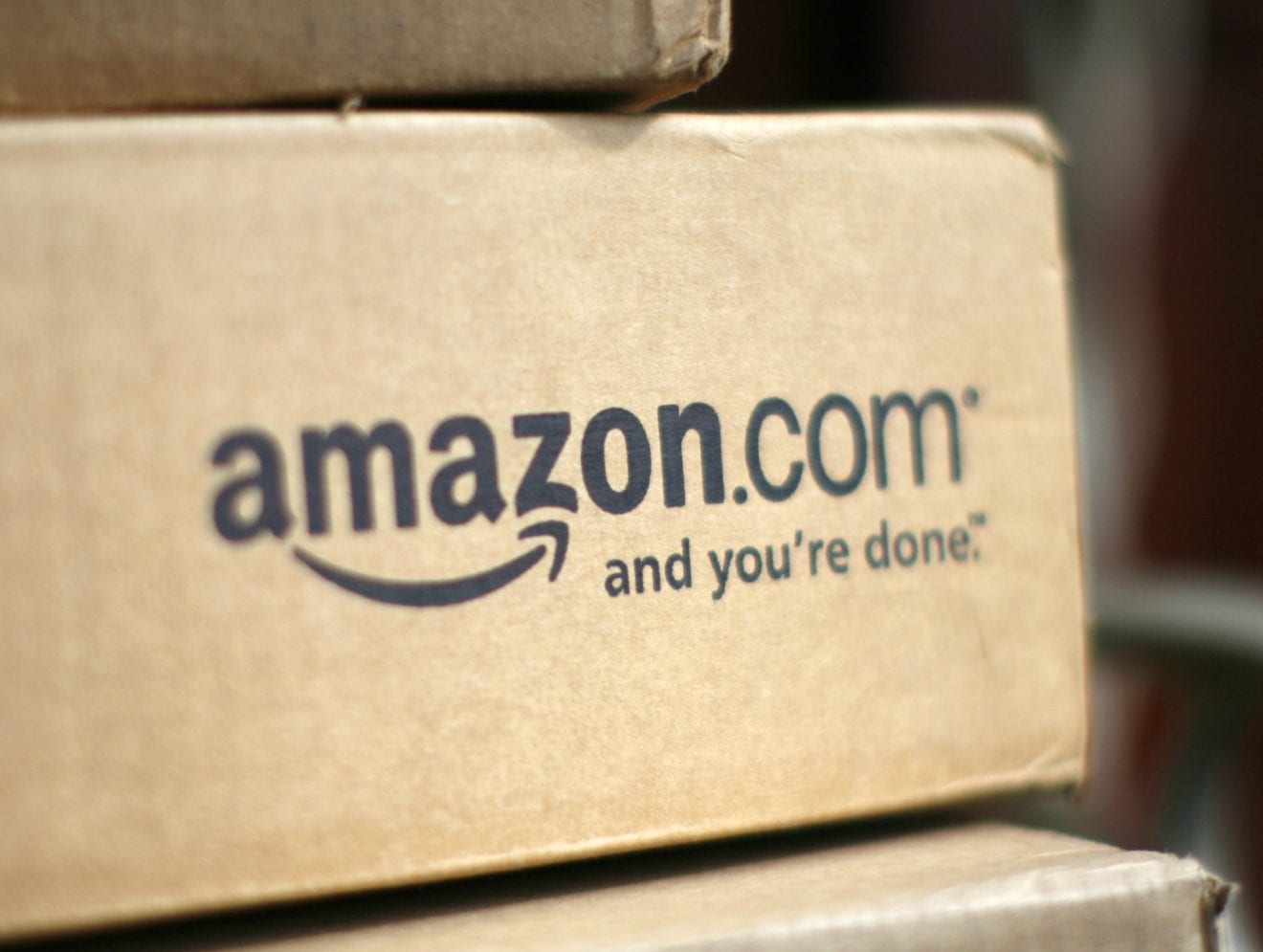
    Online retailer Amazon.com Inc has launched a hardware that allows its Prime members to order a product by pushing a button.

    The ‘Dash button’, which is connected with the Amazon app through Wi-Fi, is brand specific and the company has tied up with household names such as Tide, Huggies and Gillette.

    The ‘Dash button’ comes with an adhesive and a hook and can be hung or hooked anywhere in the home.

    The offer, limited to three Dash buttons per customer, is only open to members who receive an email from the company with an invitation to receive a free Dash Button.

    Reuters had reported in September that Amazon would boost staffing at its secretive Silicon Valley-based hardware unit as it tests Internet-connected “smart” home gadgets.

  • WeChat makes e-commerce push to serve growing users in Indonesia

    WeChat makes e-commerce push to serve growing users in Indonesia

    The developers of the popular multi-platform messaging app WeChat have rolled out an e-commerce offering through the app to tap the boom in the number of Indonesians using smartphones and engaging in online transactions.

    The app now offers a new feature called Official Account, which provides digital marketing platforms for companies that makes it easy to promote information and services to customers through the application.

    Through these features, WeChat users can reserve a hotel room, order a take-out meal, sign up for a coupon program, or carry out a financial transaction, according to Benny Ho, the Hong Kong-based director of business development at Tencent, the Chinese internet giant behind WeChat. Ho said the possibilities were “limitless”, depending on what service a company wanted to provide to its customers.

  • adidas to shift some production from Asia in robot revolution

    adidas to shift some production from Asia in robot revolution

    adidas announced plans to revolutionize the way it manufactures goods to speed up production and allow shoppers to customize more shoes and clothes, to help it accelerate sales and profit growth over the next five years.

    The German sportswear firm, which has been losing ground for years to fast-growing rival Nike, said it was testing automated production units that would allow it to shift manufacturing from Asia closer to consumers and even into stores, where shoppers will be able to personalize their goods.

    “We will bring production back to Europe. We will bring production back to where the main markets are,” said Chief Executive Herbert Hainer, adding the current six weeks it took to ship from Asia to Europe was too long.

  • Starbucks who? The other java king named Schultz

    Starbucks who? The other java king named Schultz

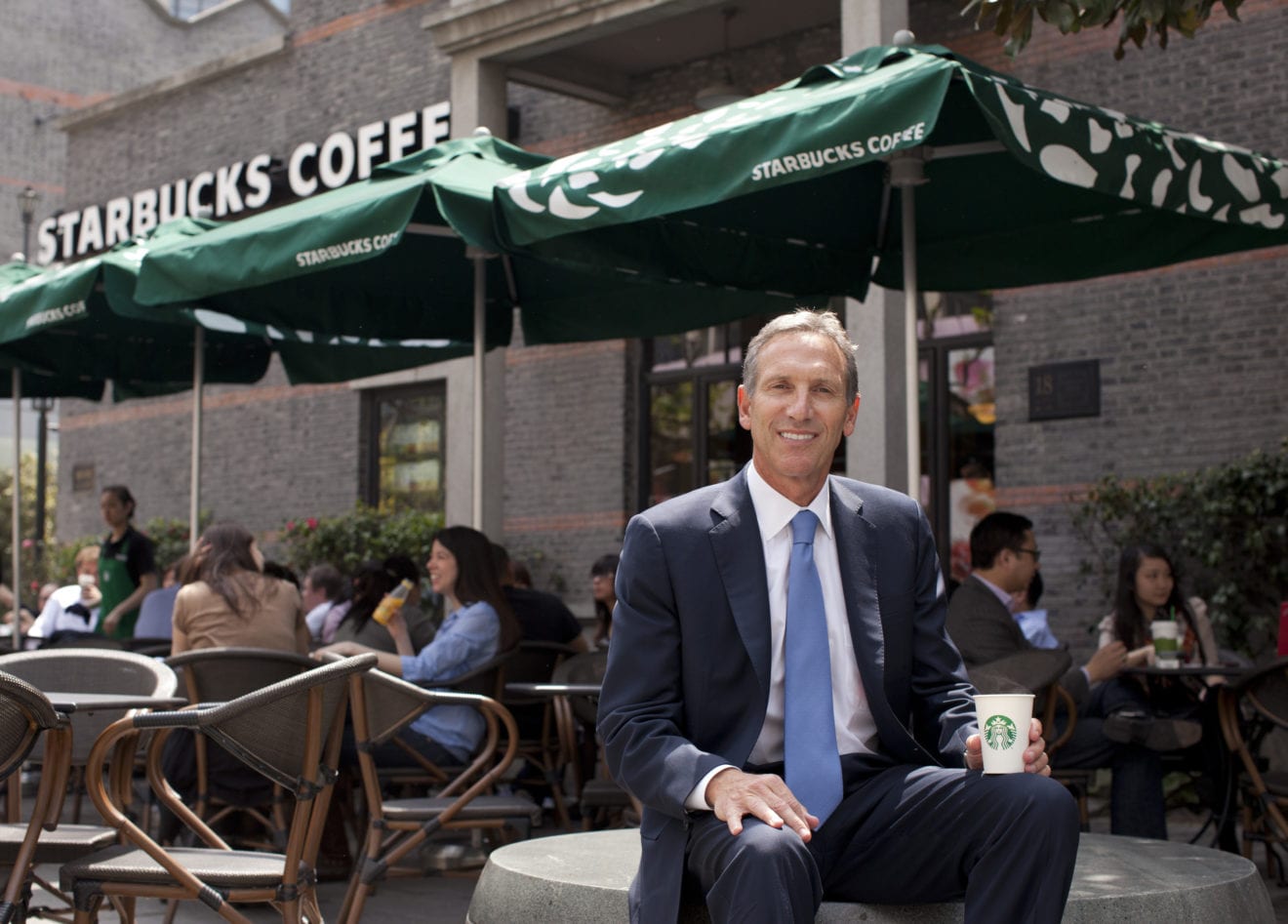
    When I first entered the coffee industry in 2002, it was one dominated by Starbucks. Not much has changed.

    However, when a consumer industry is dominated by one player, I look at that as an opportunity. Consumers will always want choice, whether that is in the US, Japan, China or, to be honest, anywhere in the world. Starbucks created an industry that did not exist 25 years ago, but it is impossible for a company to be all things to all people, no matter how dominant.

    Over the past five years, Honolulu Coffee has grown from six stores in Hawaii to 32 stores in Tokyo, Osaka, Shanghai, Guam and Hawaii, with another 10 to 15 stores scheduled to open this year.

    Our growth is attributable to three factors: 1) well-developed points of differentiation, 2) efficient use of capital and 3) continual focus on quality over competing for the lowest price point.