Author: Mei Ling Tan

  • Sandro Paris embraces China

    Sandro Paris embraces China

    French designer Sandro Paris is planning to make greater China a key retail market.

    To date, the Paris-based company has store in France, the UK and the US. But it is attracted to China by the growing desire amongst Chinese consumers for foreign brands and products.

    Already it has opened 15 stores in China, including Hong Kong; two of them last month. A further 10 are planned during the remainder of the year.

    A flagship store is in planning for Hong Kong’s Causeway Bay precinct, one of the territory’s fashion hubs.

    Sandro Paris 415-1

    Sandro Paris was created by husband and wife team Evelyne and Didier Chetrite.

    Growing up in Morocco, Evelyne was drawn to fashion and when her family moved to Paris as a teenager, she was inspired by the window displays of department stores near her home.

    Later she met Didier, a young entrepreneur who had launched a ready-to-wear business

    Their first successful collaboration was “a series of dresses in patterned patchwork with bubble sleeves that were bohemian chic, loose but with a real style and presence”.

    After that, Didier expanded his office and hired a designer to work with Evelyne. The Sandro brand was born in 1984 and opened its first boutique on Rue Vieille du Temple in the heart of the Marais. It has grown to be a label known for feminine, versatile dressing. Today, Sandro has 202 boutiques worldwide.

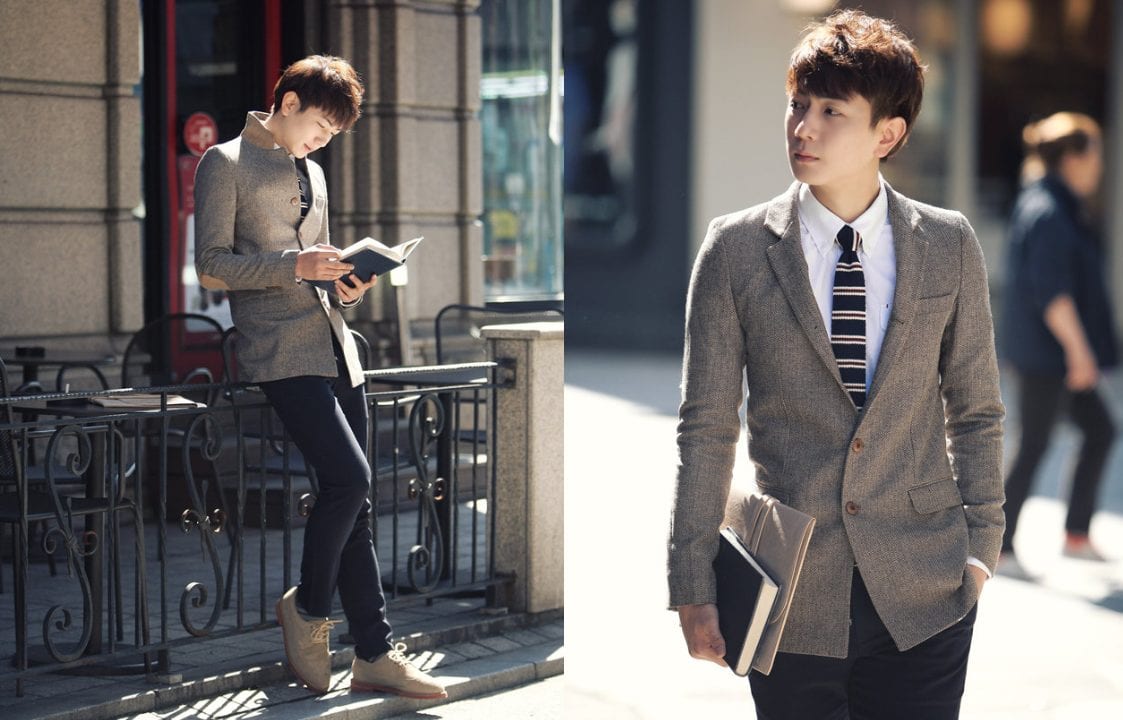
    Sandro Men first launched in the Marais and Saint Germain des Pres areas, its shops likened to a jewel box combined with simple and trendy features. The stores have herringbone floors, painted mirrors and more than 190 styles, along with a selection of art books and music, “providing the comfort of a British club, while offering it pieces of the season”, according to the company’s website.

  • UK designs brighten Shanghai store windows

    UK designs brighten Shanghai store windows

    UK architects have partnered with local and international retailers to create temporary installations in Shanghai store windows.

    For the third year running, the Royal Institute of British Architects (RIBA) London has created original and thought provoking temporary architectural installations around the city’s upmarket Xintiandi shopping and entertainment district.

    The cross-over art exhibition is a partnership between RIBA London, Shanghai Xintiandi and the Culture and Education Section of the British Consulate-General.

    Among the installations:

    • Arup Associates with Pizza Express created an outdoor installation that celebrates the art of pizza making – motion of stretching the pizza dough for Pizza Express’s 50th Anniversary.

    Pizza Express RIBA 415

    • Draisci Studio with Barcodes – have designed faceted blocks that smile and seem to come alive with eyewear on.

    Drasci Studio + Barcodes RIBA 415

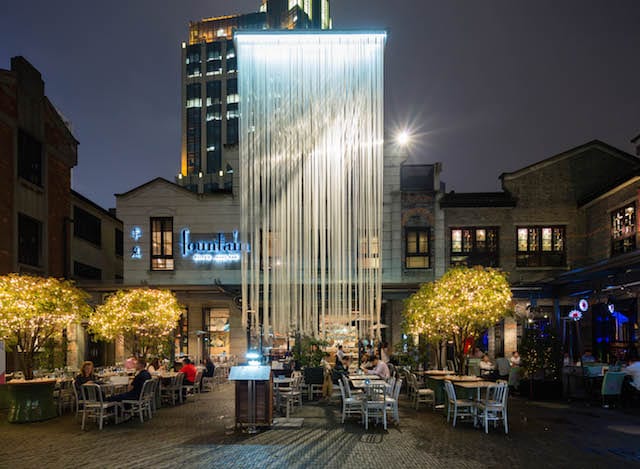
    • CTHM X INDJ with the support of BuroHappold Engineering and the lighting department at WSP with Fountain have created an ethereal river of light that seemingly floats, flows and falls from the upper windows of a restaurant.

    Fountain RIBA 415

    • Mobile Studio with Giftique created a design which draws upon the meteorological qualities of the season and will coincide with the launch of a new green tea.

    Mobile Studio+ Giftique RIBA 415

    • Squire and Partners with Maria Luisa used distorted hand crafted marble sculptures inspired by the artistic process of creation and decay.

    Maria Luisa RIBA 415

    • Opensystems with NN have designed Dice, a sculptural installation which resembles  primitive crystalline formations and marks the entrance of the store.

    Open systems +NN RIBA 415

    • Urban Systems with PH7 created installation referencing material systems in nature, fabricated using low-cost and 3D-printing technologies, using a biodegradable plastic made from renewable resources.

    Urban system PH7 RIBA 415

    • Amin Taha Architects with Rubis Spa flooded the spa podium lobby to chest height, capturing the blue mountain lakes of Switzerland where Rubis SPA was born.

    RubisSpa RIBA 415

    • RCKa with Tayohya created a cathedral like entrance to the busy home wear store, redesigning the space with an optical illusion using the brands own knitted vinyl products.

    Tayohya RIBA 415

    RIBA president Stephen Hodder said the Shanghai Windows project offers members a unique opportunity to gain invaluable experience working in China, to work with Chinese and global household name clients and demonstrate their skills to a design-savvy Chinese audience.

    “Our exhibition will be seen by over 1 million visitors, helping to demonstrate why British architects are renowned around the world for their creativity, ambition and flair.”

    Carrie Liu, GM of commercial in China Xintiandi said the project will enhance the unique shopping experience at Shanghai Xintiandi and create a platform for crossover communication, further inspiring creative talent in Shanghai.

    Also launched, and running throughout the Xintiandi district, the ‘Through the Shop Window’ photography exhibition uses some of the RIBA Collection’s rich archive to tell the story of the evolution of British shopping trends over the last century.

    RIBA Shanghai Windows runs until runs until May 31.

  • Shopping app Origami lands $13m

    Shopping app Origami lands $13m

    Tokyo-based shopping app Origami today announced a JPY 1.6 billion (US$13.3 million) series B funding round led by SoftBank Group, Credit Saison, and angel investor Makoto Takano.

    In addition to the new investment, the eCommerce startup has also partnered with SoftBank Group and Credit Saison to boost its online-to-offline (O2O) focused mobile shopping experience.

    Origami unveiled its mobile app in April 2013. It allows users to follow their favorite retailers, receive updates on new releases in a personalised feed, and ultimately purchase products in-app or in-store. Already, more than 800 brands feature and sell their wares on Origami. The number seems a bit small after launching two years ago, but the startup appears focused on high-end and lesser-known boutique outlets.

    “We are thrilled to have such world-class investors joining us,” he says. “Our goal has always been to make the shopping experience more seamless and social, and these new partners understand the importance of this in the global commerce world. We will continue to focus on recruiting to create a great team, and build the next generation of product that we’re excited about.”

    Within SoftBank Group, Origami will be working directly with group companies SoftBank Mobile and Generate, both of which are experienced in digital marketing and the implementation of O2O shopping experiences. Each company has been involved in O2O initiatives that use the parent company’s CouponGate technology. With CouponGate terminals installed at more than 40,000 retail locations in Japan, Origami’s own O2O push is set to benefit.

    The alliance will create campaigns using Origami that allow users to claim sample products and discount coupons when they visit retail stores, the company said in a statement.

    “Authentication of store visits will be conducted using the CouponGate technology which will also allow for the accumulation of data with a view to offering tailored content in line with each user’s interests and preferences.”

    The partnership with Credit Saison will not only give Origami access to new payment solutions, but will also provide assistance with acquiring new partner shops and gathering big data about users. Credit Saison operates two popular credit card brands, Saison Card and UC Card, with more than 35 million cardholders (11 million of which are registered online).

    Origami, available for iOS and Android, raised US$5 million in series A funding from Japanese telco KDDI and Digital Advertising Consortium (DAC) back in 2013. The startup also previously partnered with Conde Nast Group, publisher of Vogue Japan, GQ Japan and Wired.

  • Orchard Rd night trial extended

    Orchard Rd night trial extended

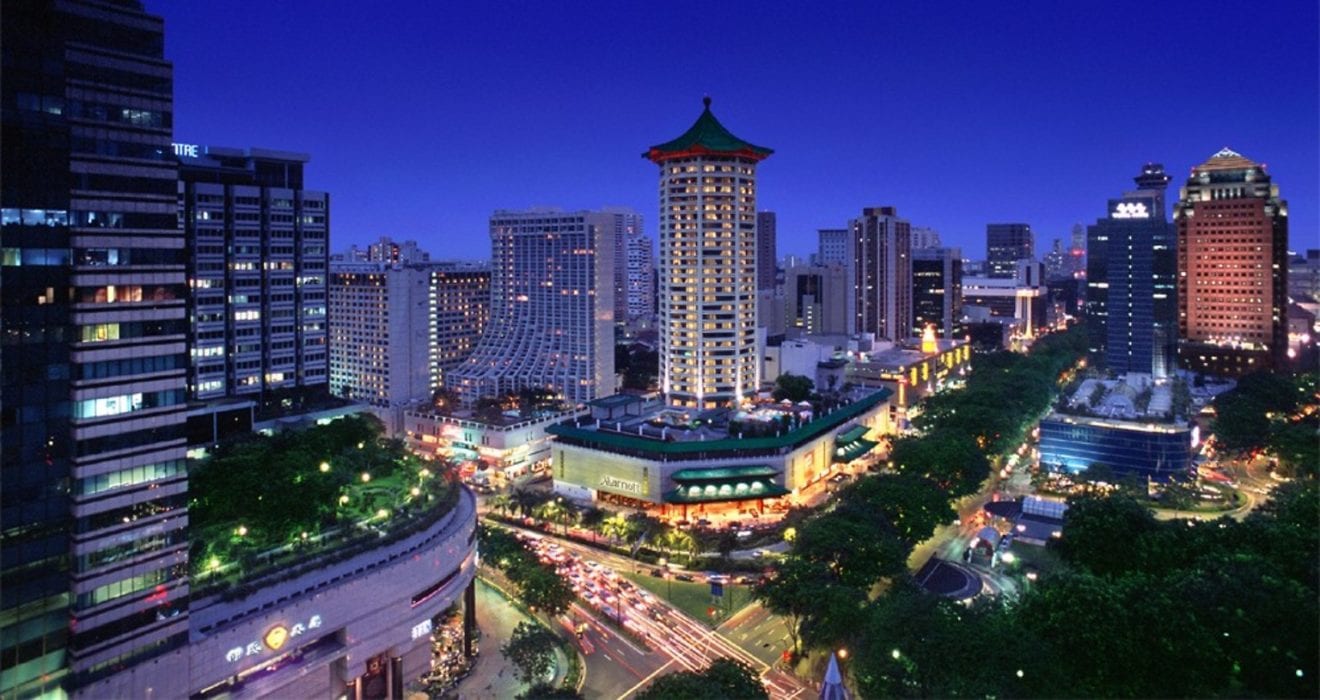
    The trial of banning cars from a key section of Singapore’s Orchard Rd shopping strip is finding favour with shoppers and tourists alike.

    Orchard Rd is closed at night from the Scotts Paterson Junction to Bideford Junction on the first Saturday night of each month between 6pm and 11pm.

    The Orchard Rd night pedestrian trial will be extended for at least another six months.

    The Orchard Road Business Association reports that a majority of shoppers surveyed approved of the open street initiative and support its continuation.

    The pilot running between October 2014 and March attracted 50,000 visitors each time closure. Although some retailers report they did not see the increased pedestrian count translate into additional sales, they too appear supportive of the project.

    The ORBA and the Singapore Tourism Board are funding the majority of street closures and say they plan to work with malls to extend trading hours.

    They are also looking for events to sponsor to further boost crowds during the closures.

  • Walgreens Boots to close 200 stores

    Walgreens Boots to close 200 stores

    Drugstore giant Walgreens Boots Alliance says it plans to close 200 US Walgreens stores during the next 30 months as it reduces overheads.

    But the 8232-strong network in the US and territories will not be shrinking – the company has promised the same number of new locations will be opened during the same time as it plugs obvious gaps in its network footprint.

    The Chicago Tribune newspaper reports that the locations of the stores facing closure has yet to be confirmed and the company declined any further comment.

    After Boots and Walgreens merged, the new company last August  announced a program to cut US$1 billion in costs. This week it has expanded that target to $1.5 billion by the end of 2017, with plans to streamline its IT functions and reorganise corporate operations.

    Alex Gourlay, executive vice president of Walgreens Boots and president of Walgreen, told an analysts conference call that the store closure and opening plan is about “getting the right stores in the right places”.

  • Capistar loyalty scheme to broaden reach

    Capistar loyalty scheme to broaden reach

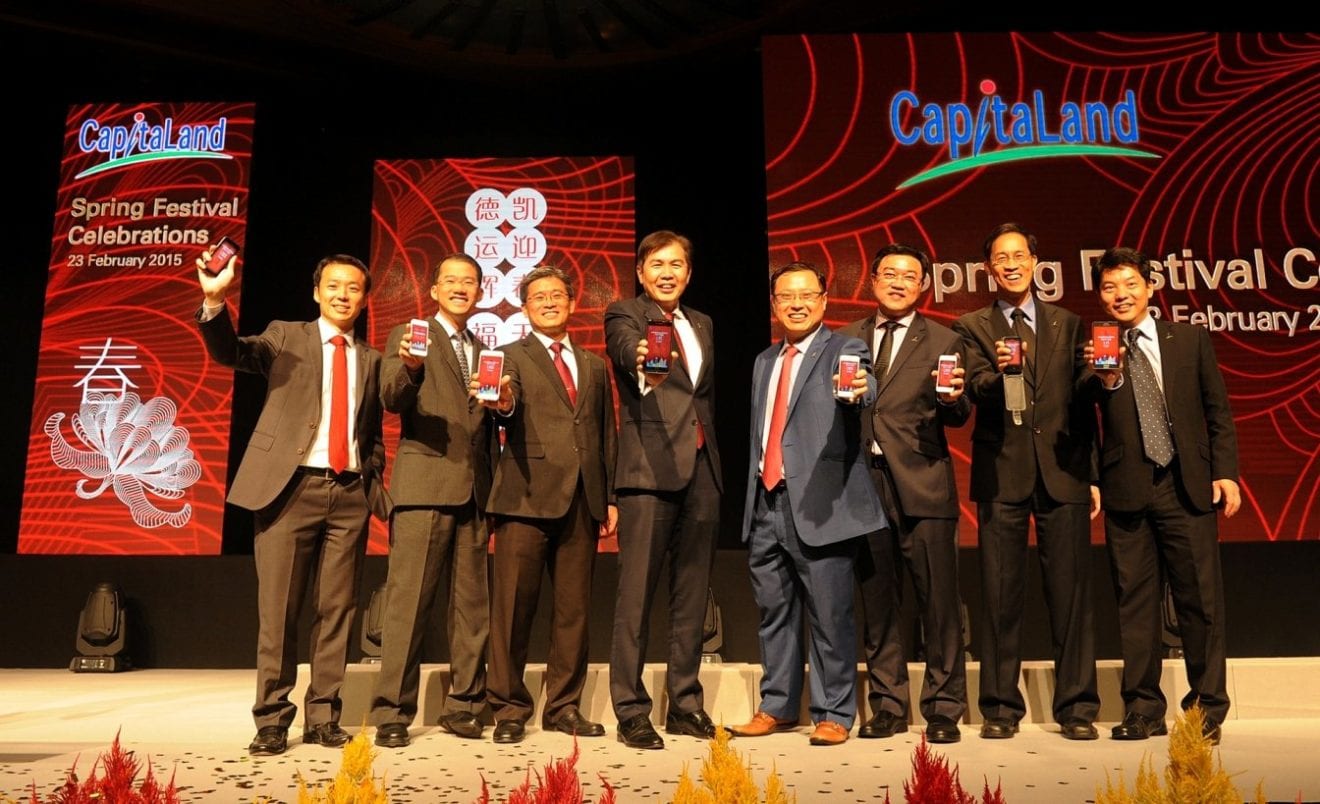
    CapitaLand is to expand its Capistar loyalty scheme into three more nations as the program’s membership surpasses 1.5 million.

    CapitaLand properties in Malaysia, Japan and India will be included by the end of this year.

    The Capitastar loyalty scheme is now benefitting 1.5 million members across 60 malls in Singapore and China where the program was launched in 2011 and 2013 respectively.

    In those two markets, more benefits will be offered to members from this year. From May, Capitastar members in China can exchange Star$ for credits on a prepaid card, ‘Expresspay Card’ issued by Bank of China, in addition to the current gift redemption benefits.

    The largest rewards programme by any mall manager in Singapore, Capitastar is available across 17 shopping malls in Singapore since 2011 and 43 malls in China since 2013. To date, shoppers in Singapore have redeemed more than S$1 million worth of CapitaVouchers through the Capitastar programme.

    Jason Leow, CEO of CapitaMalls Asia, CapitaLand’s wholly-owned shopping mall subsidiary, said tenant retailers have been supportive of Capitastar.

    “The rewards program is one way in which we add value to our tenants. It enables our tenants to better understand their customers through their purchase patterns and to tailor products to shoppers, who then get to enjoy more varied and customised experiences.

    “We currently have over 7000 tenants participating in Capitastar in Singapore and China,” he said.

  • New Prada Bangkok store unveiled

    New Prada Bangkok store unveiled

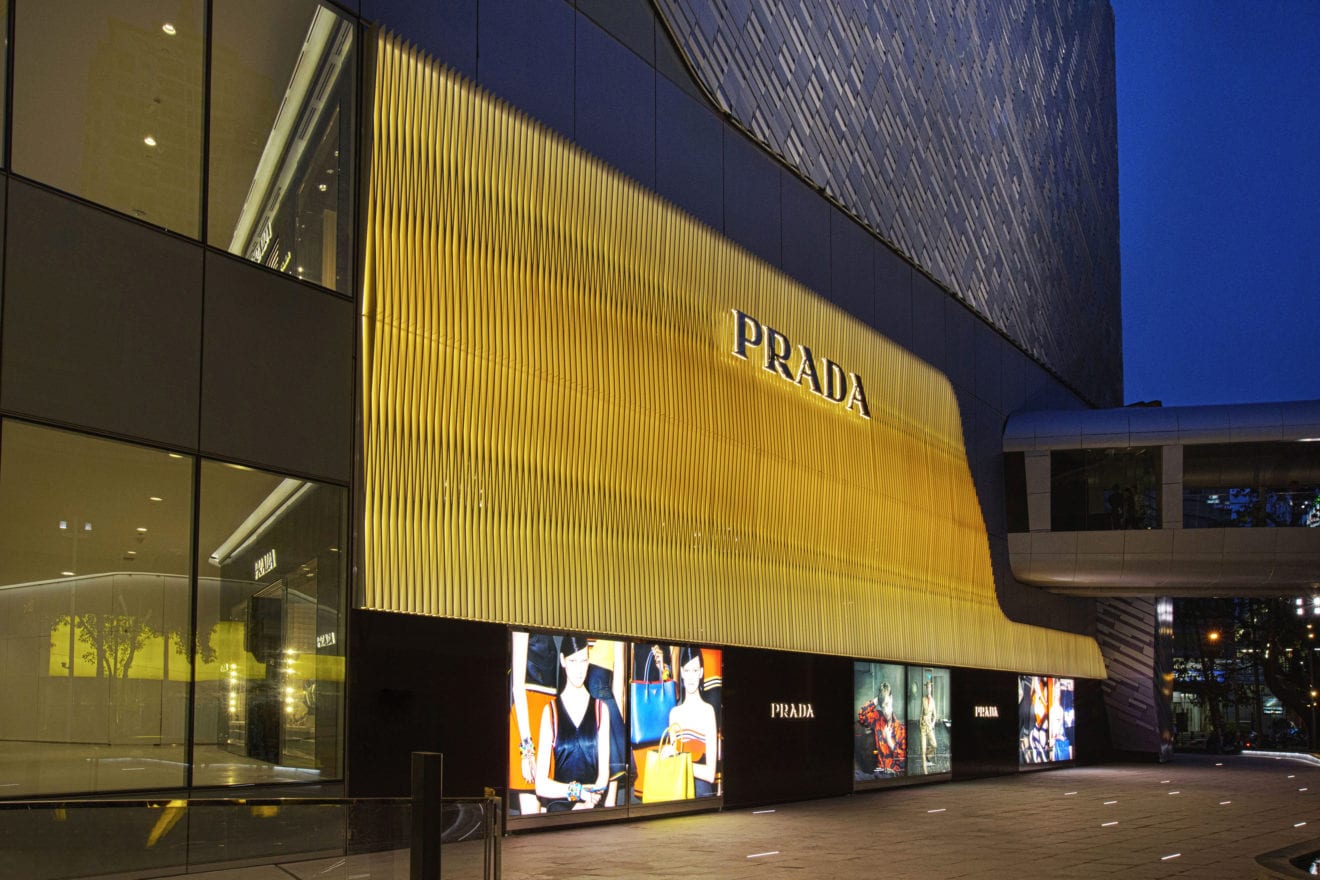
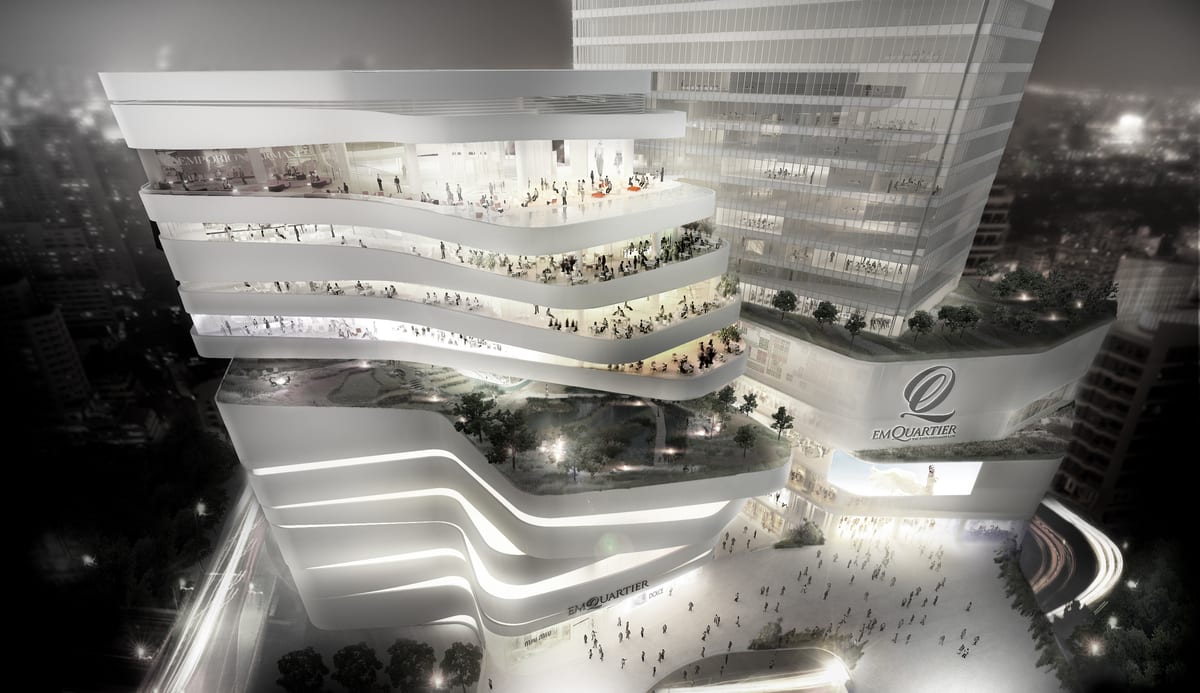
    Prada has strengthened its Bangkok presence opening a new 440 sqm store in The Mall Group’s new EmQuartier shopping centre.

    The store, designed by architect Roberto Baciocchi, comprises a single level destination and houses the women’s and men’s ready-to-wear, leather goods, accessories and footwear collections.

    Prada Bangkok EmQuartier 415-4

    The external façade stretches some 40 metres and blends into the mall’s modern architectural composition: a white canvas curtain enclosed in a crystal box and flanked by large light boxes creates a sophisticated atmosphere. Slim strips of black granite with polished steel profiles frame the large entrances, windows and light boxes.

    The first entrance, defined by the signature black-and-white marble chequered flooring, opens on an area housing the women’s leather goods and accessories collections. The space is characterised by green fabric-clad walls with sleek polished steel and crystal display cases. Polished steel counters with drawers covered in coloured saffiano leather complete the furnishing.

    Prada Bangkok EmQuartier 415-3

    The next space is defined by an intimate atmosphere, with green fabric-clad walls and transparent perspex display units exalting the display of the women’s ready-to-wear collections. The footwear collections are nestled in elegant alcoves that recall Prada’s trademark display niches. Green velvet ‘Clover Leaf’ sofas, designed by Verner Panton and reproduced exclusively for Prada, crystal tables and display counters embellished with coloured saffiano leather elements enrich the space.

    Prada Bangkok EmQuartier 415-4

    The entrance to the area devoted to men leads to a space characterised by the distinctive black-and-white marble chequered flooring and ebony-clad walls with precious polished steel display cases, hosting the men’s leather goods and accessories collections. The area dedicated to the ready-to-wear and footwear collections is defined by ebony floorboards and walls, ‘pony skin carpeting’ and coloured ostrich leather sofas.

    Prada Bangkok EmQuartier 415-5

    Additional furnishings, such as polished steel display units and counters with drawers covered in coloured saffiano leather, complete the setting.

  • World-class EmQuartier Bangkok unveiled

    World-class EmQuartier Bangkok unveiled

    Thailand’s The Mall Group has budgeted a massive US$15 million to launch its premium EM District.

    The first stage is the unveiling of The EmQuartier which it says will position Sukhumvit as “a world-class fashion destination”.

    In collaboration with more than 400 world-class brands and leading Thai brands, a fashion event with more than 200 models – Fashion Extraordinaire – showcased “groundbreaking fashion and urban lifestyle in a stunning new shopping complex”.To mark the shopping experience, prizes worth over 30 million baht will be up for grabs.

    Management of The Mall Group and The Emporium Group led by Supaluck Umpujh, Krissada Umpujh, Paibul Kanokwattanawan, and Kreignsak Tantiphipop, along with business partners, retailers, business owners, executive-level managers, celebrities and local socialites joined the festivities.

    Supaluck Umpujh, vice chairwoman of The Mall Group and chairman of The Emporium Group said a budget of 500 million baht ($15 million) has been allocated to celebrating The EM District’s opening, designed to provide Bangkok with “a stunning experience”.

    EmQuartier Thailand

    The four-month-long celebration which started on March 27 will run until July 31 and is divided into three concepts for three periods, starting with Fashion Extraordinaire, Dining Extraordinaire, and ending with World Extraordinaire.

    For Fashion Extraordinaire, The EM District collaborated with labels including super brands, world-class brands and leading Thai brands to establish itself as the ultimate fashion centre. Brands including Louis Vuitton, Chanel, Dior, Prada, Cartier, Dolce & Gabbana, Celine, Fendi, Gucci, Valentino, Chloe, Loewe, Miu Miu, Salvatore Ferragamo, Burberry, Emporio Armani, Club 21 and many more.

    As a fashion centre, The EmQuartier is home to many leading brands. The Q Stadium is a concept store with trendy clothes and accessories that were carefully selected from around the world. Over 4000 sqm, the urban-wear multi-label World-class fashion centre store’s design concept is ‘the urban playground’ to cater to the city lifestyle of those with sophisticated style.

    More than 50 brands at Q Stadium include Adidas Neo, The Adjective, Carnival, Fly London, Leisure Project Store, Penfield, Superdry, Travel Fox and Vanquish.

    Qurator is the ultimate Thai designer showcase, housing more than 60 leading Thai designer brands on a 6000 sqm space. There are items by established and up-and-coming Thai designers, “so Qurator is not just a store, but also an incubator of ideas and creativity for the Thai fashion industry,” said the company in a statement. New collections are showcased at Qurator for the first time.

    EmQuartier Thailand 2

    The Atelier on G floor, Emporium Department Store was unveiled last December, and is a multi-fashion brand store with leading fashion brands from around the world coveted by fashionistas.

    And Another Story is a new concept store with a variety of products designed by designers from around the world. These products are unique and affordable. There are 160 popular brands from around the world, of which 70 are exclusive brands from abroad and 30 make up a special collection of Thai brands. On a 900 sqm at A building, The EmQuartier, Another Story is divided into six zones.

    Customers can design their own one-of-a-kind stationery to take home at the Stationery zone. The Yellow Korner zone is a gallery filled with work of artists from around the world. The Home & Décor zone offers a variety of home and décor products in many styles. Beach & Resort wear zone offers day looks clothes for mix and match. The Café Zone offers a relaxing city type café, while the Workshop Zone is for people wishing to create unique items.

    The EmQuartier is Bangkok’s newest and most comprehensive centre of food, including ingredients, prepared meals and restaurants and includes the Gourmet Market supermarket which carries a variety of products from around the globe. On an 8000 sqm space, the Gourmet Market has more than 40,000 products, with additional products from Asia and Europe. Snacks, ingredients, fruits and fresh food are sourced from around the world.

    Quartier Food Hall at The EmQuartier features a wide array of international cuisines, making it the one-stop shop food hall in Sukhumvit with Thai, Chinese, Japanese, Korean, Singaporean, Taiwanese, Australian, American and New Zealand food available on a 7000 sqm space that includes restaurants, a food court, and take-home shops.

    A Shopping Extraordinaire promotion offers prizes worth more than 30 million baht. For every 2000 baht spent, shoppers receive a coupon for a chance to win one of four amazing prizes: Park 24 condominium, Porsche Macan, Mercedes-Benz CLS, and Veranda Residence Pattaya condominium. There are other prizes as well, all of which are available when meeting shopping terms until July 31, 2015.

    EmQuartier Thailand 3

    The EM District features a range of Premier Collections in partnership with international and local brands. Here is the full list:
    • Louis Vuitton: Special collection ‘Monogram Rouge Noir’ by Nicolas Ghesquiere.
    • Cartier: ‘Cartier Tradition’ collection with piece carefully selected from around the world.
    • Bvlgari: High Jewelry collection extraordinary for celebrating launch The EM District.
    • Dolce & Gabbana: Special collection with exclusive Runway Pieces.
    • Saint Laurent: Exclusive Spring Summer Collection and precious skin bag limited quantity.
    • Valentino: First flagship store that offers a full range men and women collection, also the VIP lounge.
    • Céline: The first and only new concept boutique in Thailand with Ready-to-wear collection from runway.
    • Loewe: Spanish leather goods brand presents runway collection by Jonathan Anderson.
    • Jimmy Choo: The first and only in the world ‘Candy Clutch – Bangkok’ limited edition and men collections boutique in Thailand.
    • Chloe: ‘Drew’ in limited edition Gold/Nude, Exclusive piece ordered for The EM District opening.
    • Proenza Schouler: ‘PS1 Tiny Woodblock’ exclusive collection
    • Paul Smith: T-Shirt ‘Bangkok Edition’ Exclusively by Sir Paul Smith.
    • DVF: Jewellery launch collection inspired by the chic bohemian.
    • Issey Miyake Bao Bao: Japanese fashion brand with limited edition bag collection.
    • MCM: The first boutique in Thailand and special collection “MCM Ekocycle Project”, a collaboration between Will-i-am and Coca-Cola.
    • Coach: “Coach Swagger” patchwork special collection.
    • A Bathing Ape: The first boutique in Thailand and special Baby Milo x Hello Kitty collection.
    • Veilebrequin: Swimming trunks made of 24K gold.
    • Sephora: Special eye shadow collection from a collaboration with well-known jewelry designer Shourouk.
    • Qurator: Special designs, available exclusively at The EmQuartier by Thai designers from over 60 brands.EmQuartier Thailand 4
  • Alibaba thinks small

    Alibaba thinks small

    Smaller orders and microloans to retailers have boosted Alibaba’s business-to-business eCommerce trade.

    The Chinese internet giant’s sales on its 1688.com site are up significantly as suppliers are offering customers more flexible ways to place small and customised orders through Alibaba’s Tao Factory program, which also allows retailers to apply for loan finance to make purchases.

    The program, which is geared toward retailers who also sell through Alibaba’s Taobao.com and Tmall.com retail eCommerce sites, includes a system through which suppliers automatically replenish a retailer’s inventory of particular products when they fall below specified levels.

    Alibaba has declined to say if a similar program will be made available to international buyers on Alibaba.com, the company’s global wholesale marketplace that connects Chinese manufacturers with retailers and wholesalers around the world.

    Tao Factory also is set up to let buyers and suppliers share information about production capabilities and consumer demand, enabling retailers and suppliers to match special orders with production schedules.

    Through the program, small as well as large factories are receiving more sales, according to AliResearch, a research affiliate of Alibaba. In 2014, the total transaction volume on 1688.com was US$22.7 billion. Figures for the previous year were not immediately available.

    Factories involved in the program are flexible regarding order volume and can turn around orders quickly, Alibaba says. For example, retailers can place orders just one week ahead of their expected arrival date.

    This is especially useful for retailers looking to offer big discounts on high-traffic online shopping days such as Singles’ Day, the high profile shopping holiday that occurs every November 11. Some called last year’s Singles’ Day China’s “Black Tuesday” because the huge sales surge makes retailers profitable for the year. Alibaba reported that consumers purchased $9.3 billion worth of goods on Singles’ Day last year, just on Alibaba sites like Taobao and Tmall, up 60 per cent from the $5.8 billion of a year earlier.

    The minimum order size through Tao Factory is just 30 units, a number which allows retailers to test demand before ordering hundreds of items, minimising the risk of overstocking a product and eliminating storage costs, says Alibaba.

    Outside of the Tao Factory program, most factories require a minimum order of 5000 items, according to AliResearch.

    To promote the advantages to retailers of purchasing through the Tao Factory program, manufacturers and other suppliers selling through 1688.com have begun advertising how quickly they can manufacture products. Some have lowered the minimum quantity of items retailers must order, allowing retailers to maximise their sales opportunity and minimise the risk of overstocking unpopular goods, Alibaba says.

    Launched in December 2013, Tao Factory is named after Alibaba’s retail marketplace, Taobao.com, which is China’s largest retail e-marketplace.

    Tao Factory includes 11,500 factories and 19,624 production lines, many of them located in southern China’s Pearl River Delta region, particularly in the manufacturing hub city of Dongguan. These manufacturers can see their retailer customers’ inventory levels on Taobao.com and Tmall.com, Alibaba’s two retail online shopping portals.

    Once a customer’s stock falls to or below a previously identified minimum, Tao Factory recognises that change in its order processing system and starts working to fill an order for more products for the customer. By connecting retailers’ inventory levels to the factory that manufactures their products, Tao Factory frees up retailers from having to call the factory, talk to a manager and order more items, Alibaba says. Alibaba guarantees that a customer’s entire stock will be manufactured in one week or less.

    Chao Yi, director of the Tao Factory program, says factories that benefit the most from Alibaba’s initiative have between 50 and 100 employees. Guangzhou Qianku Clothing Co, for example, receives more than 1 million yuan (US$162,721) in orders through Tao Factory per month, he says.

    For companies looking to place orders through Tao Factory, Alibaba offers microloans, and gives these smaller business owners several months to pay back the cost of their first few orders. The maximum loan size is 1 million yuan (US$162,721), and there is no minimum.

  • Kintetsu Osaka targets foreigners

    Kintetsu Osaka targets foreigners

    Kintetsu Department Store, located in Osaka’s tallest building, has launched a program to attract tourists.

    Like most Japanese retailers – and especially department stores – Kintetsu Osaka is battling to maintain sales and growth in a depressed economy with a steadily declining population.  Many retailers are developing programs to attract more foreign customers – with even convenience store network 7-Eleven launching duty free sales in selected stores for customers who can show a foreign passport.

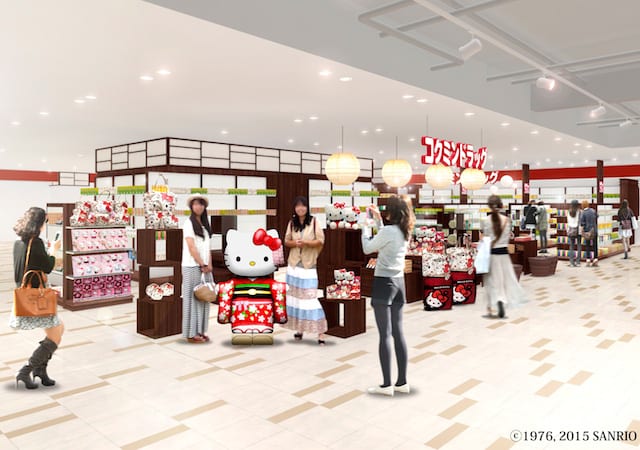
    From April 20, Kintetsu’s main Osaka store in Abeno Harukas Tower will open a new ‘Foreign Customers’ Salon’ and Kokumin’ drugstore in the Wing Building. The new salon is designed to attract more foreign tourists by providing tailored customer services.

    Abeno Harukas -Trickart 415

    The new salon consists of two sections – an 80sqm ‘Service Salon’ which provides services such as duty-free procedures and luggage check-in and a 500sqm ‘Experience Salon’, which offers traditional Japanese experiences.

    Both salons will feature bonsais, traditional gravels and washbasins and provide foreign customers with a Japanese-styled, relaxing space. The drugstore offers popular Japanese products, pharmaceuticals and cosmetics.

    The service salon will provide duty-free procedures, guest coupons, complimentary beverages, smartphone charging, internet connection, a shopping escort service with an interpreter (reservation required),  luggage check-in, delivery of purchased articles to hotels (Osaka Marriott Miyako Hotel, Tennoji Miyako Hotel, Sheraton Miyako Hotel Osaka) or the airport, sightseeing tours and ATMs.

    The Foreign Customers’ Salon, includes Japanese tea tasting, Tanabata star festival decorations, traditional crafting, electronic beauty products testing and seasonal events.

    The Kokumin drugstore will showcase not only ordinary pharmaceutical products but also electronic beauty products, home appliances, Hello Kitty products and other popular Japanese products.

    Abeno Harukas -kumin 415

    Storewide, the company will offer translation services through human interpreters and a QR Translator allowing shoppers to scan a QR code and read translated information on their smartphones.

    Kintetsu Department Store Chain’s Main Store Abeno Harukas is the first department store to have this new service, available in 10 languages.

    In other initiatives, in-store signboards, floor guides and brochures are now in multiple languages.

  • More men shop Korean department stores

    More men shop Korean department stores

    Department stores were once considered the ‘exclusive domain of women’ in many Asian countries.

    However, in Korea the ranks of men who enjoy shopping at luxurious stores are increasing.

    In addition, as more women are turning to overseas direct purchases or online shopping malls, Korea’s retail giants are attracting male shoppers by increasing hobby supplies and custom-made suits.

    According to Lotte Department Store, the proportion of male shoppers increased to 27 per cent this year, up four percentage points from 2010. Compared to the 26 per cent recorded at the end of last year, it rose by one percentage point in just three months. Sales of accessories for men more than doubled over the past five years.

    The Korean department store attributed the increase in male shoppers to a surge in male interest for cosmetics and clothes, as well as a renewed focus on enjoying hobbies and leisure activities.

    To cater to a growing number of male shoppers, the retailer has introduced stores that specialize in male apparel and accessories.

    Lotte opened “Curiosity of Renoma,” a hobby shop selling selected kidult products last December at its premium outlet in Gwangmyeong, and the shop is selling 150 million won worth of products monthly. At its Avenuel World Tower branch, it set up a camera shop named ‘el Camera’ selling cameras and related accessories to attract male shoppers interested in photography.

    Meanwhile, at its Jamsil branch, it opened a custom-made suit shop called “IFG”, which offers various suits priced from 300,000 won to 1,500,000, won and targets male shoppers aged 30 to 60.

    An official at Lotte said: “We plan to continue to expand stores specialising in products for men since we believe their potential buying power is huge.”


  • Muji confirms Sydney

    Muji confirms Sydney

    Japanese retailer, Muji, has confirmed it will open its first Sydney store at The Galeries shopping centre, on May 14.

    The Galeries’ store will be Muji’s third store in Australia, with the first launching in November 2013 at Chadstone Shopping Centre, followed by Emporium Melbourne in April 2014.

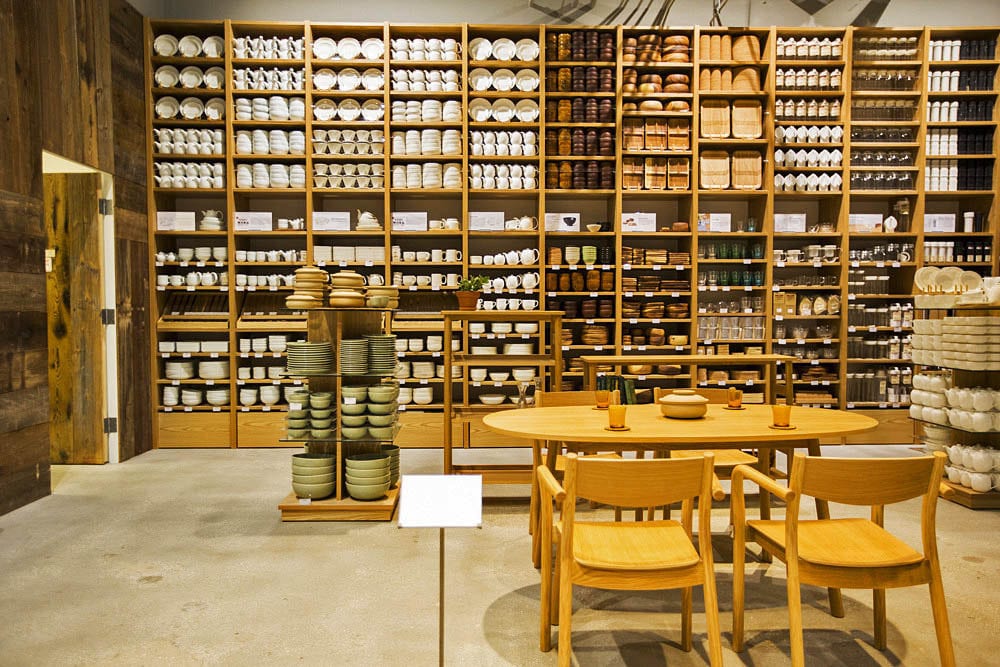
    The new store covers a total space of 1344.62sqm with 1022.84sqm floor space, and will stock Muji’s range of men’s, women’s and children’s apparel, and accessories, furniture, homewares, skincare products, stationery, bedding, and travel goods.

    Victor Gaspar, GM of Ipoh Management Services, is thrilled to welcome Muji to The Galeries.

    “The much anticipated flagship Sydney store reinforces The Galeries’ ongoing pursuit of an unique, world class cultural offering. This is the first of a number of new openings planned at The Galeries this year, which promises to enhance the unique retail experience already offered to our customers.”

    Muji Australia’s MD, Takuo Nagahara, says he looks forward to the launch in Sydney and expanding Muji nationwide.

    “We look forward to further developing and sharing our brand concept and activities with people across Australia.” Nagahara says.

    The Galeries’ store will bring Muji to a total of 703 stores worldwide.

    The company is planning to open additional stores in Australia as well as an online store in the future.

    In 1980, Muji was established as a private brand of Seiyu, beginning with a limited range of 40 products.

    These products were the antithesis to the trend at that time, when Japanese consumers placed too much emphasis on brand name products, paying premium price for the brand name rather than the value of the product itself.

    Muji is derived from its Japanese name, ‘Mujirushi Ryohin’, which means ‘no brand quality goods,’ and the products are characterised by their simple aesthetic and eco friendly minimal packaging.

  • China’s new powerhouse: China60

    China’s new powerhouse: China60

    A new generation of emerging Chinese cities represents a whole new frontier for real estate development, according to a study released by JLL this week.

    China60, a comprehensive research report that assesses the nature of real estate opportunities across 60 of China’s most important secondary and tertiary cities, maps out China’s emerging business locations and identifies the drivers that are shaping China’s city hierarchy.

    Tianjin city, pictured above, heads the list. (Refer to the infographic below for more demographic information on the 60 cities).

    The cities comprising China60 equate to the world’s second-largest economy in terms of purchasing power and despite the economic slowdown, are projected to contribute 15 per cent of global growth over the next decade.

    “As China60 cities enter a new era of competitiveness, domestically and globally, ‘city brand-building’ will be a defining theme over the next few years,” explains KK Fung, MD for JLL Greater China.

    “Quality of life, cultural assets, and environmental considerations are coming to the fore as these cities compete for talent and businesses. The real estate industry will play an important role in making the China60 cities liveable, resilient, and sustainable.”

    Fung says these cities are emerging as the new growth engines at a time when China is transitioning from fast growth to smart growth.

    “This ‘New Normal’, marked by lower but more sustainable economic growth, means that decision makers in the commercial property industry need to reassess their strategic choices in the light of higher-value growth, which will boost demand for modern commercial real estate across the China60 cities,” he said.

    In retail, with a huge influx of new shopping malls, the rapid adoption of e-commerce is also quickly driving the retail sector into uncharted territory.

    “But the sector will blaze its own trail as bricks-and-mortar facilities grow in tandem with omni-channel and experiential retailing.”

    Jeremy Kelly, JLL’s director in Global Research, said while much of the growth is coming from secondary and tertiary cities in Southwest, Northwest and Central China, the rise of mega city-regions is adding a new complexity to China’s urbanisation.

    “Satellite cities in the Yangtze River Delta region, in particular, have shown remarkable growth, thanks to dynamic private enterprises, advanced supply chains, and strong intra-regional connectivity.

    “The macro fundamentals to deliver ongoing strong demand for all major commercial real estate sectors over the next few years are evident, and China60 has tremendous capacity to absorb any excess commercial real estate space over the medium term. The demand for office, retail, warehousing, and hotel space will rise in tandem with the shift of economic development towards expanding the service sector.” said Kelly.

    “However, following years of rapid economic expansion, China60 cities are currently facing a short-term oversupply. As these markets mature, investors will require stronger discipline and much more robust planning and decision-making.”

    The continued growth of the consumer class, now numbering 130 million people in the China60 cities, means the Chinese economy is driven more than ever by domestic consumption. Logistics warehousing will continue to provide exceptional long-term growth opportunities in the China60, underpinned by demand from traditional retail distribution, as well as due to rapid growth in eCommerce and multi-channel retailing.

    In the office sector, as the expansion of large private Chinese companies, such as Alibaba, Huawei, and Tencent, reaches a positive tipping point, they are now a distinctly more visible driver of Grade A office demand within the China60. Tier 1.5 markets in particular will benefit from the shift towards high-value activities, and have a favourable outlook for absorption.

    In contrast, the hospitality sector has been impacted most severely by the ‘New Normal’ and will go through a period of wholesale structural change as it repositions for future growth, says JLL, which expects the sector to become leaner and fitter.

    “It will likely provide some favourable buying opportunities for investors over the next two to three years. Mid-scale and select-service chains are growing quickly.”

    china60-from-fast-growth-to-smart-growth-1-638

  • Starbucks Indonesia to double network

    Starbucks Indonesia to double network

    Starbucks Indonesia plans to double its current 200-strong store network within five years.

    In an interview with Indonesia Real Time, Starbucks Indonesia COO Anthony Cottan says demand is growing for the American-based global coffee giant’s products – and so, too, is Indonesia’s middle class.

    Starbucks made its Indonesian debut in 2002, opening its first store in the luxury Jakarta mall Plaza Indonesia. It now has cafes in 13 of the nation’s larger cities, located in shopping centres, airports, hospitals and motorway laybys.

    Cottan said the company plans to introduce bubble tea in June in a trial in several stores and is planning its first ‘Community store’, which, like those in markets like Thailand and Korea, will return a share of profits to community causes.

    He said it was great that Indonesians are adopting more of a coffee cultures.

    “More people are doing it and taking a deeper level of interest. I love all these independent coffee shops; they have great coffee. They roast it fresh, using Indonesian beans most of the time.”

    Starbucks Indonesia is trying to make its global culture relevant to the Indonesian market, Cottan said.

    “We try to make each [cafe] relevant to its neighborhood. The [outlet] in Grand Indonesia Mall has a very Batavia feel about it. The one we have in Stasiun Kota (in central Jakarta)… has an industrial look. So just because we’re a big company doesn’t mean that we can’t build with some consciousness and some connection to heritage. That makes it more exciting,” he told Indonesia Real Time.

  • Ex-Yahoo exec joins JD.com

    Ex-Yahoo exec joins JD.com

    JD.com, China’s largest online direct sales company, has appointed former Yahoo! executive Chen Zhang as senior VP.

    Zhang will head research & development for JD Mall, reporting to Haoyu Shen, JD Mall’s CEO.

    Zhang has been recruited to oversee JD Mall’s R&D staff, focusing on research that will enhance the company’s mobile applications, cloud computing and big data infrastructure. Daxue Li, who heads JD.com’s R&D team, will leave the company to pursue personal interests after a transitionary period but continue as an advisor to JD.com.

    At Yahoo, Zhang established and led the company’s Beijing Global Research & Development Center. In this role, he specialised in research related to personalisation, advertising, mobile and cloud computing technologies. During his 18 years at Yahoo, he held a number of other senior roles, and led the development of the hugely successful Yahoo Messenger product.

    “Chen is one of the most experienced executives in his field, not just in China, but globally,” said CEO Shen.

    “His breadth of experience has relevance right across our business, and we are confident he will have an immediate and lasting impact on our growth.”

    Zhang said he believes JD.com is one of the most innovative companies in the industry, led by a team that truly understands how technology can drive strategic success.

    JD.com, Inc. is a leading online direct sales company in China, with seven fulfillment centers and 123 warehouses in 40 cities and 3210 delivery and pick-up stations across China.