Author: Mei Ling Tan

  • AirAsia flies to Okinawa

    AirAsia flies to Okinawa

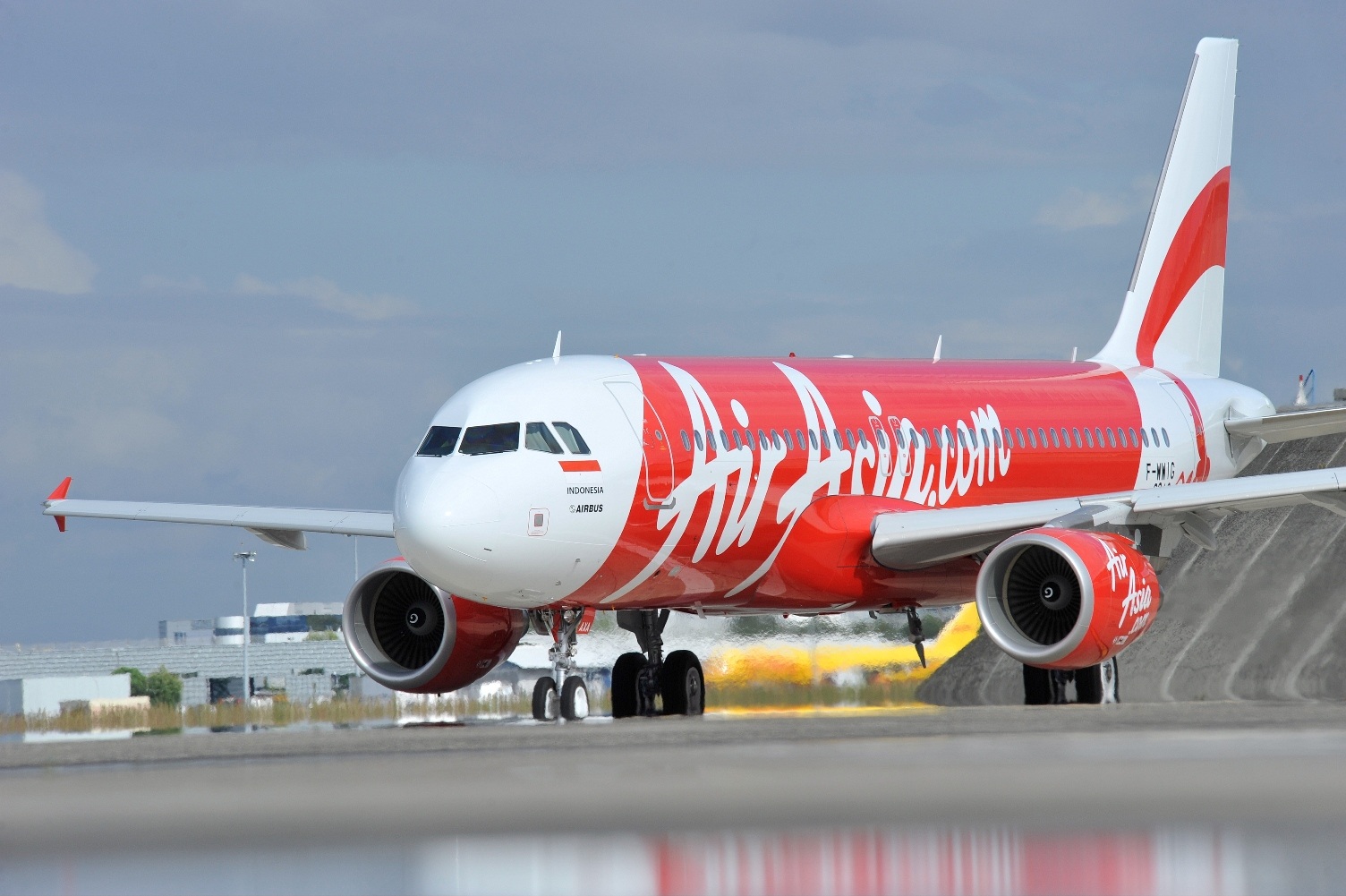
    AirAsia expands services to Japan from its Bangkok hub by introducing direct flights from Bangkok Don Mueang airport to Okinawa, a popular holiday destination in Japan’s south.

    Four weekly flights to Okinawa will start on 2 April 2024, with services scheduled on Tuesday, Thursday, Saturday and Sunday.

    Known as the “Hawaii of Japan,” it’s well known for the sightings of giant whale sharks, and foodies love its seafood cuisine. Fares are on sale starting at THB3,490 per trip for bookings through 21 February 2024 for travel from 2 April to 26 October 2024.

    AirAsia Thailand chief executive officer Santisuk Klongchaiya commented: “Based on  strong  demand, Thai AirAsia (FD) will now be flying direct to Okinawa in Japan for the very first time, marking the second route to Japan flown by Thai AirAsia after we re-introduced flights post-pandemic to Fukuoka in October 2022.”

    Okinawa is a major island in south Japan known for its white sand beaches, stunning sea, massive aquarium and unique culture. Home to various tourist destinations, the island also boasts one-of-a-kind Okinawan cuisine, making it an excellent choice for anyone looking for a new take on Japan.

    Thai AirAsia (FD) will operate two direct routes to Japan, Bangkok (Don Mueang) – Fukuoka with daily flights and Bangkok (Don Mueang) – Okinawa four times a week starting 2 April.

  • China’s Cotti Coffee launches in Australia

    China’s Cotti Coffee launches in Australia

    Chinese coffee chain Cotti Coffee has made its Australian debut with a takeaway outlet in Sydney.

    The store, located in the Cabramatta neighbourhood, offers a wide range of beverage selections including rice milk, coconut, and grapefruit-infused coffee.

    Cotti Coffee, founded in October 2022 by former Luckin Coffee executives Charles Lu and Jenny Qian, currently has over 6000 outlets in China and has expanded into 11 international countries.

    Prior to the Australian launch, the brand opened its first stores in different markets including Thailand, Vietnam, Malaysia, the Philippines and Singapore.

    The chain Cotti operates both single-store and regional franchise models in international markets.

  • Louis Vuitton launches chocolate store in Singapore

    Louis Vuitton launches chocolate store in Singapore

    Luxury fashion house Louis Vuitton has launched its first chocolate store outside France, in Singapore.

    The chocolates, offered at Marina Bay Sands’ Louis Vuitton Island Maison boutique, are inspired by award-winning pastry chef Maxime Frédéric and prepared with ingredients including hazelnuts harvested on his farm in Normandy.

    The store’s design features yellow as the main colour tone. It also offers chocolate-based cakes and pastries with LV’s monogram logos.

  • Hermes beats rivals with record sales growth and net profit

    Hermes beats rivals with record sales growth and net profit

    French luxury house Hermes has reported a 16 percent growth in revenue to $14.46 billion for last year, with net profit surging 28 percent to $4.64 billion despite global demand for luxury goods slowing down.

    Sales in the fourth quarter ended December 30 reached $3.56 billion, up 13 percent.

    “These solid results reflect the strong desirability of our collections and the commitment and talent of the house’s women and men,” said Axel Dumas, executive chairman of Hermes.

    The group’s sales in America and Europe increased by 21 percent and 20 percent, respectively, and in Asia (excluding Japan), by 19 percent, with sales growth in all the region’s markets. Sales in Japan surged 26 percent.

    “In the medium-term, despite the economic, geopolitical, and monetary uncertainties around the world, the group confirms an ambitious goal for revenue growth at constant exchange rates,” the company said in a statement.

    Further reading, Gucci’s parent company, Kering Group, reported a revenue of $21 billion for last year, down 4 percent against 2022.

  • Vietnam records second largest drop in auto sales across Southeast Asia

    Vietnam records second largest drop in auto sales across Southeast Asia

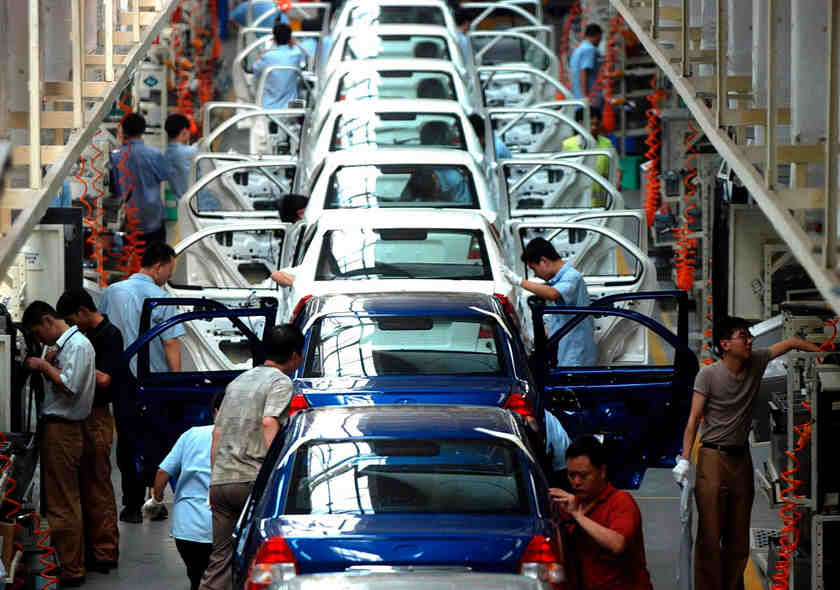
    Vietnam saw the second sharpest decrease, of 25%, in automobile sales in Southeast Asia last year behind only minuscule market Myanmar.

    According to the ASEAN Automotive Federation (AAF), in the region’s seven main markets, Indonesia, Thailand, Malaysia, the Philippines, Vietnam, Singapore, and Myanmar, 3.35 million vehicles were sold, a 2.1% decline from 2022.

    But the data, compiled from AAF’s members in various countries, does not include sales of Vietnamese firm Hyundai Thanh Cong.

    The leaders, Indonesia and Thailand, saw sales drop by 4% and 8.1%. In Myanmar, automobile sales fell to less than 4,000 in 2023, a decrease of 52.5% compared to 2022.

    The number of cars sold in Vietnam was 369,431, the fifth highest after Indonesia, Malaysia, Thailand, and the Philippines after falling one place from last year. The Philippines went past it in 2023.

    In 2022 Vietnam achieved its highest ever sales of more than 500,000.

    But last year the economic downturn, high bank interest rates and the slump in the real estate and securities markets sent demand for cars plummeting.

    In July the Government halved the automobile registration fee for domestically assembled vehicles, but it failed to revive demand.

    Demand fell in Thailand as banks tightened credit for buying pickup trucks, the most popular segment, according to Thailand Business News.

    Production too fell, but at more than 1.8 million vehicles, Thailand remained the biggest manufacturer in the region.

    Indonesia remained the largest market and also the only country to exceed the million sales mark. Indonesia wants to become an auto production hub, especially for electric vehicles.

    In 2023 it churned out nearly 1.4 million cars, including some of Vietnam’s best-selling vehicles like the Mitsubishi Xpander, which topped the sales chart.

  • Gen Z grapples with shrinking job market

    Gen Z grapples with shrinking job market

    Many Gen Z people are struggling to find jobs as businesses scale down operations amid the economic downturn.

    Ho Chi Minh City has over 300,000 businesses, but none of them were willing to hire Thanh Nga, 25, last year.

    “I have experience in customer service but was not able to find a job after submitting CVs to over 50 businesses in HCMC, Da Lat and Binh Duong,” she says.

    She looked for a job on online platforms and social media groups.

    “In 2018 usually somebody would call me soon after I submitted my CV, but last year I received no call most of the time.”

    Nga is among an increasing number of Gen Z people, or those born between 1997 and 2012, who are struggling to find jobs in the post-Covid economy.

    Youths accounted for 41.3% of unemployed people last year, up from 37.6% from 2022. This meant 437,300 people aged between 15 and 24 had no jobs, according to the Ministry of Labor, Invalids and Social Affairs.

    Nguyen Hoang Ha, an officer in the International Labour Organization, says people who graduated since Covid-19 are among the “quarantined generation” who had to go through disruptions in the labor market and in education and training.

    Another HCMC local, Thu Thuy, 24, had struggled to find a job in 2022 when the economy reopened after two years of the pandemic.

    She submitted 30 CVs and went to more than a dozen interviews but failed to find a job since most companies asked for months of experience, which she could not get due to Covid travel restrictions.

    She says: “Employers often want at least six months of experience but I did not have that. I used to think that having a college degree would guarantee a job but turns out that is not the case.”

    Economist Nguyen Minh Phong said the unemployment among youths is a global trend as companies often lay off the most inexperienced staff when the situation becomes difficult.

    Many urban Vietnamese youths have high expectations about salaries and will rather wait for a good opportunity than work for low pay, he adds.

    Thuy says some companies offered her a job for VND6 million ($244), but she declined, saying she needed at least VND7 million to pay the bills in expensive HCMC.

    Embarrassed, she lied to her family in the countryside that she was still working.

    But the economy alone is not to blame.

    Ha of ILO advises people in the 15-24 age group to educate themselves in technology and soft skills such as group collaboration and problem solving to meet the increasing demands on the labor market.

  • Expert claims 90% of honey in Malaysia is artificial

    Expert claims 90% of honey in Malaysia is artificial

    According to Zulkifli Mustafa, a senior lecturer at Universiti Sains Malaysia (USM), up to 90% of honey available in Malaysia is not genuine.

    “The biggest challenge of the honey industry now is the presence of artificial honey, which reaches 90% in the market,” honey expert Mustafa was quoted.

    The fake product includes stingless bee honey. Mustafa’s research emphasizes the nutritional value of honey produced by stingless bees, noting its potential health benefits. This variety of bees employs biting as a means of defense rather than stinging.

    Following these revelations, the Domestic Trade and Cost of Living Ministry has announced plans to investigate the allegations that a significant portion of honey products sold in the country are counterfeit/

    Datuk Armizan Mohd Ali, the Minister for Domestic Trade and Cost of Living,has directed the ministry’s enforcement division to examine these claims thoroughly.

    This news emerges amidst a broader context of food adulteration concerns. The European Commission’s recent study found that nearly half of the honey samples tested were suspected to be adulterated with inexpensive sugar syrups, as reported by The Guardian in March 2023.

  • PepsiCo makes new leadership appointments across ANZ

    PepsiCo makes new leadership appointments across ANZ

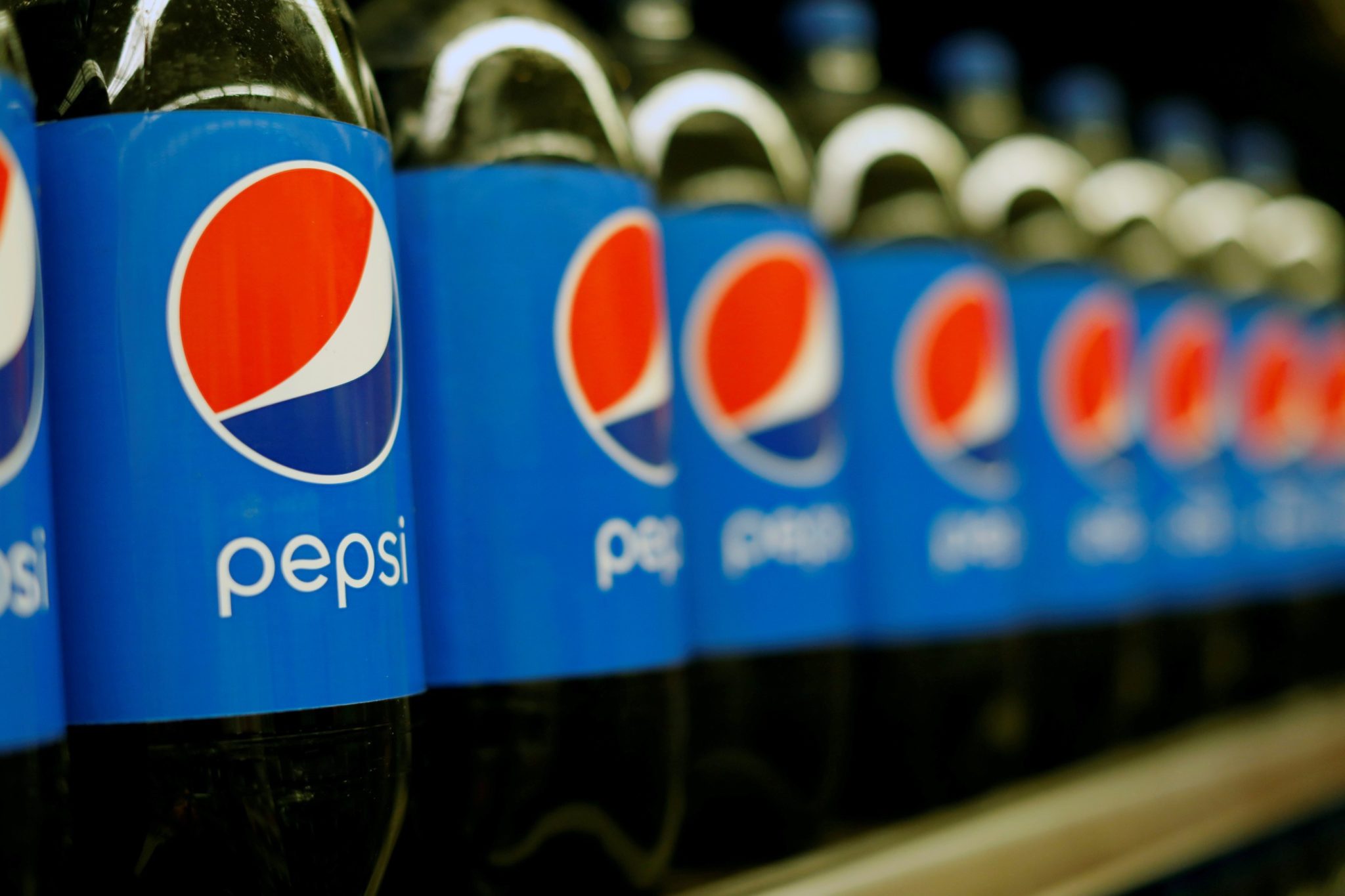
    PepsiCo has appointed Kyle Faulconer – its current CEO for Australia and New Zealand (ANZ) – to a wider role, including responsibility for IndoChina Foods.

    Faulconer moved from the US in 2021 to join the company as its new leader in the ANZ market. According to Wern-Yuean Tan, chief commercial officer and CEO for Apac at PepsiCo, Faulconer’s leadership over the past two years has helped drive the company to new heights.

    “Kyle has identified new growth platforms that have enabled portfolio and channel expansion, as well as stronger capabilities, including marketing transformation and demand acceleration,” said Tan.

    “With a people-first approach, Kyle has also personally invested significant time into talent development, empowering teams and facilitating growth opportunities.”

    The company has also made two new GM appointments to support Faulconer’s promotion.

    Alexa Horley, CCO for PepsiCo Australia, has been named GM of Australia Foods and has end-to-end responsibility for the food business.

    Horley has an 18-year tenure at PepsiCo and has held various leadership positions locally and in Asia. In her most recent role, she has led the commercial agenda, delivering strong category growth and business expansion, transforming commercial capabilities – including the digital and data agenda – and accelerating e-commerce.

    Stephan Anderson, current CFO for PepsiCo ANZ, has been given an additional role as GM for ANZ Beverages.

    In his new role, Anderson will lead the finance functions across ANZ Food and Beverages and will be responsible for the entire beverages business.

    Anderson joined PepsiCo in 2022 and has helped transform its finance function by introducing innovative digital solutions and elevating its partnering capabilities.

    The company added that Anderson played a pivotal role in the beverage business by improving relationships with bottling partners and successfully launching Bubly last year, the first brand PepsiCo has launched since it began operations in Australia.

    “Alexia and Stephan are valuable members of our leadership team, and I am thrilled that they have taken up their new roles,” shared Faulconer.

    All appointments are effective immediately.

  • WhatsApp continues to test feature to use a username instead of phone numbers

    WhatsApp continues to test feature to use a username instead of phone numbers

    WhatsApp, the Meta-owned global messaging app, has been working on a feature for some time now where you will be able to give out a username instead of your phone number to those you want to message with. This has been a highly requested feature that has seemingly taken very long to implement since it was spotted last year in a beta build. However, it now appears that more work is being done to test this feature, indicating that it is still on the table.

    Unlike in the United States, where Apple’s iMessage and old school SMS have a stronghold on messaging, the rest of the world uses other solutions. WhatsApp is one of them in places like India, Latin America, and some parts of Europe, which subsequently translates to users in those living in the United States who have friends and family in those locations.

    For users everywhere, the WhatsApp team has been working on introducing the option to generate usernames. News on the progress of this feature was quiet for a while, but based on the newest WhatsApp beta for iOS 24.3.10.72 version, it appears like this feature is about to take off.

    In this version, the section within the app where users can choose a username is once again present. This time, though, the app will initiate a validation process to ensure the username chosen is valid. The validation includes ensuring the username is unique and only allows for alphanumeric characters (a-z and 0-9). This provides the option to keep your phone number hidden, providing numerous privacy benefits.

    Currently, exchanging contact information for WhatsApp involves revealing your phone number, which can be concerning for those that prefer certain anonymity, be it for security or personal reasons. While users will probably still need a number to set up an account, having the option of a username allows them to be more selective about who sees it.

    Additionally, this feature could be useful to those that want a username that is much easier for friends and family to remember, rather than a series of numbers. Unfortunately, WhatsApp has yet to provide an official timeline for when usernames will be available to all users, but we hope this becomes a focus for the app’s developers this year.

  • Vietnamese durian and coffee farmers see unprecedented profits in 2023

    Vietnamese durian and coffee farmers see unprecedented profits in 2023

    The record prices of durian, coffee, and rice in 2023 brought significant profits to farmers in the Central Highlands and the Mekong Delta.

    Thoai, a garden owner in the Mekong Delta province of Can Tho, stated that durian farmers had never had a bumper harvest like last year.

    The price of this fruit remained high during the peak season, reaching up to VND140,000 (US$5.73) per kilogram at times. For the first time in over a decade, he earned a profit of several billion dong from selling durians.

    The high demand is continuing through 2024. In the days leading up to this year’s Lunar New Year holiday, which lasts from Feb. 8-14, many gardens in the Mekong Delta were busy harvesting off-season durians for export to China, where many people use durians as gifts for the holiday.

    Each five-kilogram durian could be sold for nearly VND1 million ($41), equivalent to about VND200,000 per kilogram.Not only in the Mekong Delta, but durian farmers in the Central Highlands also made a large profits last year due to the continuously peaking prices of this fruit.

    Cuong, a garden owner in the region’s Dak Lak province, reported earning VND120 billion after harvesting 40 hectares of durians.

    2023 was a bumper year for the key agricultural crops of Dak Lak Province, according to Vu Duc Con, deputy director of the Dak Lak Department of Agriculture & Rural Development.

    Specifically, thanks to good prices of durians, the province earned about VND12,000 billion after harvesting 200,000 tons.

    Another agricultural product that brought in huge revenue and helped farmers “change their lives” last year was coffee.

    Hoa, from the Central Highlands province of Kon Tum, said her family harvested seven tons of coffee beans in 2023.

    With a highest-ever selling price of VND76 million per ton, her family earned more than VND530 million last year. After deducting costs, she made a profit of over VND200 million, she said.

    Thoai, Cuong, and Hoa are not the only farmers who had a year with “never-seen-before profit.”

    “2023 was the brightest year for the export picture of the agricultural sector,” said Dang Phuc Nguyen, Secretary-General of the Vietnam Fruit and Vegetable Association.

    According to him, agriculture continued to affirm its position as a pillar of Vietnam’s economy, with the export value of agriculture, forestry, and fisheries exceeding US$53 billion.

    Some agricultural products set historic peaks, including fruits and vegetables exports, which surged 70% year-on-year, bringing in more than $5.6 billion, with durians, bananas, jackfruits, longans, and watermelons recording an increase of up to four times compared to the same period.

    Rice exports also increased by more than 36% in value.

    “Vietnamese agricultural products broke through in export turnover and price, even as the domestic and global economy declined,” said Nguyen.

    The high global demand for food, along with many fruits being officially exported to the vast market of China, helped Vietnamese agricultural products increase in value and quality, he said.

    China is also the largest import market for many Vietnamese agricultural products, at $11.5 billion last year, of which durians alone accounted for more than $2 billion.

    Besides durians, 13 other agricultural products have been officially exported to this market, such as bird’s nests and their products, sweet potatoes, dragon fruits, longans, rambutans, mangoes, jackfruits, and watermelons.

    Similarly, rice also brought a bumper harvest to farmers.

    In previous years, countries like Indonesia, Chile, Ghana bought Vietnamese rice in dribs and drabs, but increased their purchases several times over in 2023. Indonesia moved from the eighth- to the second-largest buyer of Vietnamese rice, after the Philippines last year.

    The Ministry of Agriculture & Rural Development’s 2024 forecast suggests that Vietnamese agricultural products will continue to achieve many successes since the U.S., China, and many Middle Eastern countries favor Vietnamese agricultural products.

    The impact of El Nino is expected to reduce the global food supply, presenting an opportunity for Vietnamese agricultural products like rice, durian, and coffee.

    For instance, China continued to purchase Vietnamese durians at high prices as Vietnam is the only country with off-season fruits. For rice, seven Vietnamese enterprises won bids to supply 300,000 tons of rice, accounting for 60% of the amount of rice Indonesia wants to import in early-2024, earlier this month.

    However, the export of agricultural products also poses many challenges that require solutions from authorities.

    “Agriculture is still developing sporadically, small-scale, and spontaneously in Vietnam,” said Minister of Agriculture & Rural Development Le Minh Hoan.

    “So, authorities, associations, and businesses need to engage with farmers from the beginning to provide them with enough information, so that they can adjust production.”

    Minister Hoan also mentioned that the implementation of planting area codes has only been at a promotional level currently. The ministry will make it mandatory for farmers to comply soon.

    “Everything must meet standards and regulations to avoid the situation of spontaneous agricultural development,” he said.

  • Kung Hei Fat Choi

    Kung Hei Fat Choi

    The Year of the Dragon is here. We extend our best wishes to you and your loved ones in the 2024 Lunar New Year. May you enjoy an auspicious Year of the Wooden Dragon filled with peace, prosperity, and good health

    Have a Happy Chinese New Year and Kung Hei Fat Choi!

  • Microsoft Copilot’s latest update adds new UI on Android and iOS devices

    Microsoft Copilot’s latest update adds new UI on Android and iOS devices

    Formally introduced last month after being tested for about a year, Microsoft’s Copilot for Android and iOS devices has just received a major update that adds a new UI. Rolling out in waves, the update brings a more streamlined look and feel specifically designed to help users take advantage of Copilot’s AI-powered features.

    With more than 5 billion chats and 5 billion images created to date, Copilot is slowly becoming one of the biggest AI-powered tools available. The chatbot developed by Microsoft allows users to go beyond just creative images to now customize their generated images with inline editing right inside the app thanks to Designer.

    Although some of the features offered by Copilot require a subscription, almost all of them have a free version that at least allows users to figure out if they’re worth paying for.

    For example, Copilot Pro subscribers can also resize and regenerate images between square and landscape without leaving chat and customizing the images with Designer.

    Finally, Microsoft announced that it will soon roll out the new Designer GPT inside Copilot, offering users a more immersive, dedicated canvas inside the chatbot.

    Microsoft’s Copilot is available for free and works on Microsoft Edge, Chrome, Firefox and Safari. All the changes announced this week will be rolled out on iOSAndroid, and the web.

  • DB Schenker names new Asia Pacific chief

    DB Schenker names new Asia Pacific chief

    DB Schenker has named Vishal Sharma as its new CEO for the Asia Pacific Region, taking over the duties of Dr. Niklas Wilmking who will now represent the contract logistics and supply chain management division as board member.

    The 52-year-old brings more than 30 years of experience in the logistics sector and has been serving as CEO for DB Schenker’s Greater China cluster since 2021. He joined the German forwarder in 2018 as the CEO of the Indian subcontinent cluster.

    Before joining DB Schenker, Vishal has held various executive leadership positions in several forwarding companies in the US, Singapore, India and Denmark. He assumed the new role on 1 February.

  • Getting ready to embrace AI, Grammarly lays off 230 employees

    Getting ready to embrace AI, Grammarly lays off 230 employees

    If you write for a living, or you’re a student, Grammarly is probably one of your best friends online. Grammarly will help you find and correct grammatical and spelling mistakes and the paid version of the app and website will give you real-time writing suggestions to improve your report. For $12 a month, the paid version of Grammarly will even alert you to accidental plagiarism.

    With many analysts talking about a future where generative AI bots replace human writers, it makes sense for Grammarly to use AI to help subscribers improve their writing skills. This week, Grammarly announced that it is laying off 230 employees to focus on “the AI-enabled workplace of the future,” according to the company. Grammarly said, “This decision supports Grammarly’s vision of bringing responsible AI writing assistance to people and workplaces everywhere. Millions of people and thousands of businesses use Grammarly to achieve more through better writing.”

    In a memo to employees shared in a blog post, Grammarly CEO Rahul Roy-Chowdhury wrote, “As we strengthen our focus toward driving the AI-enabled workplace and deepen our technical investments in AI, we will need a different mix of capabilities and skillsets. We also need to redesign our organization to improve the quality and speed of collaboration — and that means, among other things, restructuring roles and co-locating certain teams.”

    The executive made it clear that the layoffs were not a cost-cutting measure and said that Grammarly’s financial position remains “strong.” Instead, reducing the headcount is being done to get Grammarly prepared for the coming AI future. Those leaving the company will receive a minimum of 3 months’ base pay. That increases for team members who have been with the company longer. U.S.-based team members leaving the company will have an option to continue receiving their health insurance benefits for up to six months.

    Grammarly is also helping those leaving the firm find a new position by offering “stipends or access to services for individualized career coaching, resume review, and other transition services.” The company will also create an “available talent” list that the public will be able to see. The list will include names, specialties, and “key results” that future employees can view. And those leaving Grammarly can keep their company-issued laptop for personal use.

    Looking ahead, it’s easy to see that Grammarly is hanging its hat on AI. CEO Roy-Chowdhury wrote, “We see massive opportunity as every individual and business begins to harness the power of AI. For nearly 15 years, we’ve been building a product that helps millions of people every day, makes teams measurably more productive, and is already used by employees in 96% of the Fortune 500. We’ll build on this foundation to bring even more value to our customers. AI will fundamentally change the workplace for the better—and Grammarly will play a leading role in driving that change.”