Author: Mei Ling Tan

  • Facebook might owe you a slice of its $725 million class-action settlement

    Facebook might owe you a slice of its $725 million class-action settlement

    Back in 2018, it was revealed that 87 million Facebook subscribers had their personal data used without permission by now-defunct political consultancy firm Cambridge Analytica. Over 70 million of those subscribers were Americans and late last year a federal judge ordered Facebook parent Meta to pay $725 million to settle a class action lawsuit related to the use of this personal data. So now, those who used Facebook between May 24th, 2007, and December 22nd, 2022, and lived in the U.S. during that time, can submit a claim for a share of this money.
    Don’t start buying a new car or call real estate brokers to find a ritzy new place. This is not the same as signing a contract in the NBA. Typically the lawyers make out great while members of the class get a few coins taped to a postcard. Still, it doesn’t hurt to submit a claim if eligible and if enough people can’t be bothered to do so, the larger the payouts will be. You have until August 25th to submit your claim and this is how you do it.
    First, visit the Facebook, Inc., Consumer Privacy User Profile Litigation page by directing your browser to facebookuserprivacysettlement.com or by tapping on this link. There are some important dates listed on the page. For example, you can wait until July 26th to decide if you want to withdraw from the settlement and bring your own lawsuit. For the majority of those eligible to submit a claim, filing a lawsuit is not a financially feasible plan.
    So let’s assume that you are going to submit a claim. The first box under the heading of “Summary of your legal rights and options in this settlement” is titled “Submit a claim.” Tap on the link that says “Submit your claim form online” and you’ll be whisked away to the proper page. Now it’s hard not to get excited when the very first request on the page asks you to decide which platform you want to be paid on. You can choose a prepaid Mastercard, or get paid via Venmo, Zeille, or directly to your bank account.
    Fill out all of the information requested and if you still have your Facebook account up and running, you will not have to remember exactly when you started using the platform. The whole process will probably take up to 10 minutes of your time. Individual payments will be based on the number of Facebook users that submit a claim and how long each person has been a Facebook subscriber.
    The final approval hearing is scheduled for September 7th at 1 pm PDT. Hmm. That might come just in time to order a new iPhone 15 model.


  • When Work is Anywhere: SOTI Report Finds Growth in Mobile Solutions to Support Australia’s Distributed Workforce

    When Work is Anywhere: SOTI Report Finds Growth in Mobile Solutions to Support Australia’s Distributed Workforce

    Increased IT budgets and adoption of new mobile devices signal the need for companies to manage aggressive digital transformation, but manual workflows persist, exposing security risks

    The distributed workforce now exists beyond the rise of hybrid, flexible or remote working environments, and it is having a significant impact on retail business operations across industries in Australia and globally.

    New global research from SOTI, “When Work is Anywhere: Managing Technology’s Role in the Distributed Workforce,” reveals retail organisations are increasing investments in new technology and devices as the workforce and infrastructure become more widespread. As businesses expand, there is a clear need to better manage this ever-broadening scope to gain the efficiency and productivity necessary to remain competitive. 

    Number of Devices in the Field Continues to Increase

    Advancements in the Internet of Things (IoT), e-commerce, real-time supply chain visibility and critical communications across a global landscape have resulted in a seismic shift to more distributed operations. As a result, 44% of Australian respondents reported substantial growth in the number of devices being deployed in the last 12 months, which is significantly higher than the global average of 37%.

    Additionally, 57% of Australian organisations (38% globally) have seen an increase in the mix of device types (including smartphones, barcode scanners, rugged handsets, mobile computers, etc.).

    “Our data shows that almost 80% of companies are now managing at least one technology – including new groups of devices and applications – that they were not a year ago, representing a significant shift in how these businesses are now running,” said Shash Anand, SVP of Product Strategy at SOTI. “Ensuring the productivity of a distributed workforce is one part of the equation. Today, businesses have access to technology to better manage the supply chain and track and control device usage in the field. This is forcing companies to invest in new ways to oversee and analyse the subsequent growth in technology and data use.”

    As Devices and Data Grow, So Do Security Threats

    As a result of this growth in device use, more data is being collected, processed and stored than ever before, fostering the need for data management security and compliance. The report found that over the last year, 40% of respondents in Australia cited the need for better access to devices to control and protect their IT network, while 38% increased their spend on mobile technology security.

    “Distributed operations, with a wider, more fragmented global tech footprint, create a more complex dynamic of devices and data, which all need securing and managing,” adds Anand. “While security is critical, due to the increasing reliance on sharing devices alongside the connectivity of device data, there also needs to be seamless visibility and access to monitor the health and use of these devices, with issues being fixed quickly and remotely once they arise. Without it, organisations will simply not yield the productivity and efficiency gains from their investments and leave themselves open to risks.”

    Outdated Processes Threaten Productivity Gains

    The arrival of the distributed workforce has spurred the need for technology to be adopted on two fronts – one in the form of the physical device itself, and the other in the effective management of all devices in an increasingly dispersed operational environment.

    While digital workflows are becoming more commonplace, manually enacted workflows continue to play a significant role, suggesting that organisations still have a way to go to truly manage a new operational infrastructure.

    Over the past year, 44% of Australian respondents’ business workflows were done on paper, while 49% were managed via email. This unstructured method is especially concerning in the healthcare sector where the manual information and data is likely to be patient related and therefore unsecured.

    A Digital Transformation is the Key to Optimising Workflow Management

    The report found that Australia (67%) was second to the U.S. (70%) as the region most likely to use manual processes.

    Unfortunately, many organisations across various industries and regions continue to use outdated, paper-based processes, which is concerning. This means sensitive data such as patient information and consumer payment information is unsecured, leaving personal data in the wrong hands.

    “Manual work processes are outdated, inefficient and open to human error. Therefore, it is alarming that Australia ranks so highly in the utilisation of manual workflows today. Australian organisations need to move beyond manual legacy processes to an environment powered by modern mobile devices that are managed securely and follow all relevant compliance protocols,” said Michael Dyson, VP of Sales, APAC at SOTI. “Properly managed mobile devices can speed up workflows and reduce the risk of security breaches and incidents, along with improving employee productivity and retention. In the digital era, the proper management of devices and data in a dispersed and often remote operational environment is central to ensuring ongoing business health and success,” ended Dyson.

    SOTI’s report, When Work is Anywhere: Managing Technology’s Role in the Distributed Workforce, can be downloaded here.


  • Airasia SuperApp denies Batik Air’s claims of ‘unauthorised’ ticket sales

    Airasia SuperApp denies Batik Air’s claims of ‘unauthorised’ ticket sales

    Airasia SuperApp has denied a claim by Batik Air that it has acted in an “unauthorised manner” by selling the airline’s and Super Air Jet’s flights on its online travel agency (OTA) platform.

    In a statement, airasia SuperApp said its OTA platform holds a travel agent licence and is also accredited by the International Air Transport Association (IATA) as an authorised agent to sell flights from any airline on its app and website.

    The app said that as an accredited OTA, its flight inventories come from established partner aggregators and direct airline partners, a common OTA industry practice.

    “As any accredited OTA in the market, we will continue to sell flights from any airline, including those we do not have direct relationships with, through our established partner aggregators and consolidators,” said acting CEO of airasia SuperApp Hafidz Fadzil.

    Yesterday, the Edge reported that Batik Air demanded airasia SuperApp to immediately remove and delete all the airline’s products and services on the platform, saying it has never consented to place them on the app.

    The airline claimed that the app had acted in an “unauthorised manner” by selling the airline’s and Super Air Jet’s flights on its platform.

    “We wish to notify the public that Batik Air Malaysia, and all the airlines within the Lion Air Group, namely Lion Air, Batik Air Indonesia, Wing’s Air, and Super Air Jet, have not given any consent for airasia SuperApp to include their services on its OTA platform,” it was quoted as saying.

    Batik Air also threatened “legal redress” if airasia SuperApp failed to comply.

    Malaysia Aviation Group Bhd managing director Izham Ismail said it had filed an injunction to stop the low-cost carrier from selling Malaysia Airlines tickets on the app.

    Izham said the group had not reached a commercial agreement before this, yet airasia SuperApp “continued to sell our inventory”.

    In response, Hafidz today said the Malaysia Airlines flight tickets displayed on the app were taken from inventories supplied by their established partner aggregators.

    “The flight fares and fare class (economy or business) information is supplied directly by our partner aggregators without any intervention from airasia SuperApp. The same fare information was also displayed on other OTA platforms,” he said.

    He added that the legal action Malaysia Airlines has taken against them is premised on allegations of potential trademark infringement and passing off, and unrelated to the supply of inventory.

    Airasia SuperApp said it continues to call on Malaysia Airlines and other airlines to partner directly with it for better efficiency and performance, towards offering Malaysians the best value for travel.

  • UBS Can Use Repurchased Shares to Fund Credit Suisse Takeover

    UBS Can Use Repurchased Shares to Fund Credit Suisse Takeover

    Instead of raising new capital to fund its takeover of Credit Suisse by issuing new shares, UBS will repurpose some of those it obtained as part of a repurchase program.

    In March of last year, UBS launched a $6 billion stock buyback program, scheduled to run until the end of March of next year as part of a capital reduction, which has now been amended, according to a statement Tuesday.

    To fund its government-imposed take over on March 19 of rival Credit Suisse for three billion Swiss francs, and avoid raising new capital, UBS sought changes to the terms of the buyback. Instead of canceling the repurchased shares, they will be used to complete the takeover.

    A maximum of just over 178 million «UBS Merger Shares» will be required for the transaction, where one share will be exchanged for 22.48 shares of Credit Suisse. To date, UBS bought back 298.5 million shares through the program, corresponding to 8.5 percent of those registered,

    In the interest of the shareholders of UBS, the board of directors of UBS has decided not to implement a capital increase. Instead, already issued own shares of UBS shall be used for the completion of the Merger, according to the statement.

    As of April 14, UBS owned either directly or indirectly 473.2 million of its registered shares or 13.4 percent of voting rights. Black Rock is UBS’s largest shareholder at just under five percent. Artisan Partners, Dodge & Cox in the US, and Norway’s Norges Bank each own just over three percent.

    UBS said it does not know its intentions concerning the sale of shares as part of the buyback program.

    On April 2, UBS requested permission from the Swiss Takeover Board to approve the amended repurchase program and received it on April 12.

  • Apple Card Savings Account is here: Impressive 4.15% Interest Rate

    Apple Card Savings Account is here: Impressive 4.15% Interest Rate

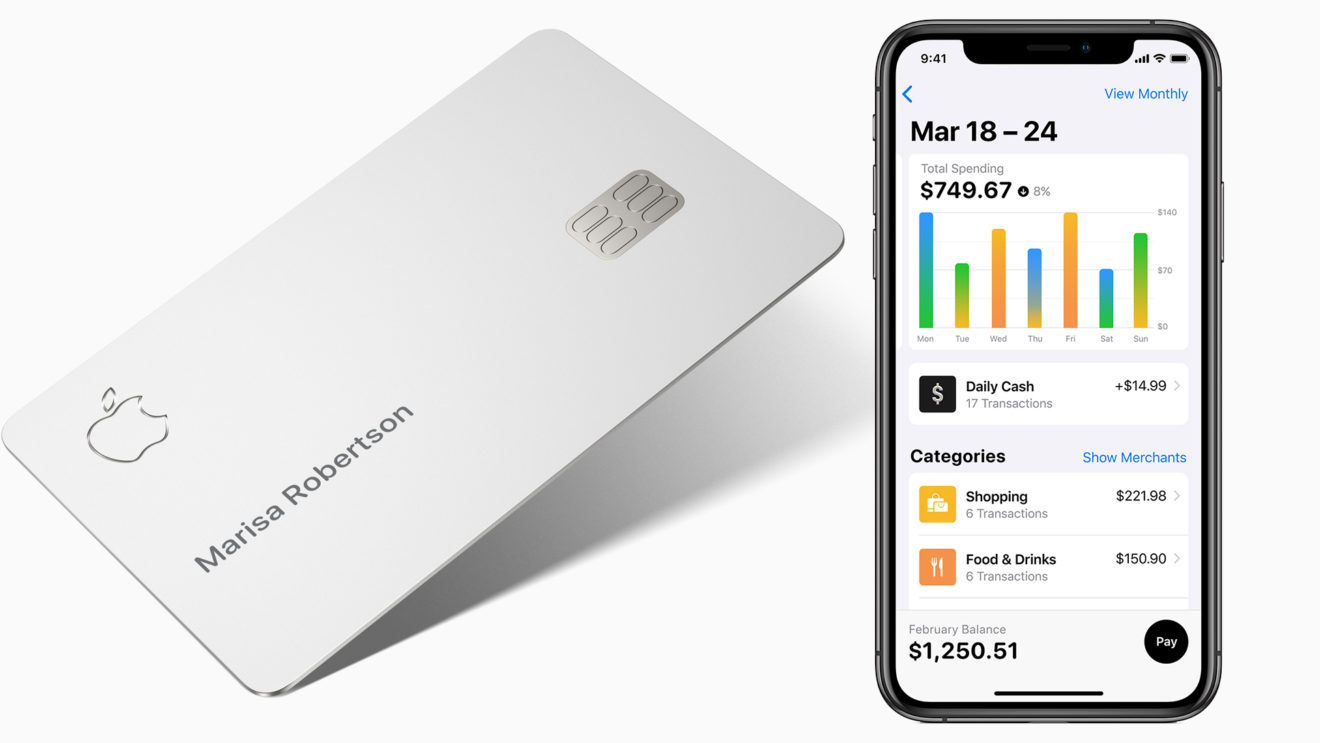
    Starting today, you can open an Apple Card Savings account with an annual percentage yield (APY) of 4.15%.

    We have been hearing rumors about this Apple Card Savings account recently, but now it’s finally official in a blog post on the Apple Newsroom.

    The main benefit of this account is the high APY. At 4.15%, Apple says this rate is 10 times the national average. The account operates in partnership with Golden Sachs.

    It’s also good to know that the Apple Card Savings account comes with no fess, minimum deposits, or minimum balance requirements.

    Apple Card holders can get between 2% and 3% cash back on purchases made via Apple Pay, and 1% cash back on transactions made with the physical card. So these Daily Cash balances will immediately go into the Savings account, so you can start earning interest.
    Users also gets a neat dashboard right in the Wallet app, where they can track account balance and interest earned over time.
    Here is how you open a savings account in the Apple Wallet app:
    • Tap on the Apple Card
    • Tap on the circle with three dots at the top of the screen
    • Tap Daily Cash
    • Select Set Up Savings.
  • Rice export prices on the rise

    Rice export prices on the rise

    Vietnam’s rice export prices grew 9.2% year on year to $532 per tonne in the first quarter of 2023, said the General Department of Vietnam Customs.

    The price increase was attributed to a surge in the proportion of high-quality rice such as fragrant, glutinous, and specialty rice.

    High-quality rice is accounting for 50% of the total export volume and sold at $600-1,000 per tonne at present.

    Experts predicted that favourable conditions will remain for rice export and prices will stay good in the short term as the share of high-quality rice is increasing and global economic and political uncertainties are boosting food stockpiling demand.

    Vietnam exported 1.79 million tonnes of rice, earning $952 million between January and March.

  • Gold prices increase

    Gold prices increase

    SJC gold price gained 0.15% to VND67.1 million ($2,857.39) per tael Monday afternoon.

    Gold ring price rose 0.18% to VND56.65 million per tael. A tael equals 37.5 grams or 1.2 ounces.

    Globally gold rose on Monday as the dollar eased slightly. Still, prices were off one-year highs hit last week, as mixed economic data prompted investors to reassess the U.S. Federal Reserve’s interest rate hike trajectory.

    Spot gold was up 0.5% at $2,012.62 per ounce. U.S. gold futures rose 0.4% to $2,024.70.

    The dollar index was 0.1% lower, making bullion cheaper for overseas buyers.

    Gold is likely to trade with “positive bias but can see some initial correction…a major downfall” in prices is not expected as uncertain global economic and geopolitical tensions support its safe-haven status, said Hareesh V, commodity research head, Geojit Financial Services.

  • Buy2Sell Vietnam opens two new showrooms in Hanoi, HCMC

    Buy2Sell Vietnam opens two new showrooms in Hanoi, HCMC

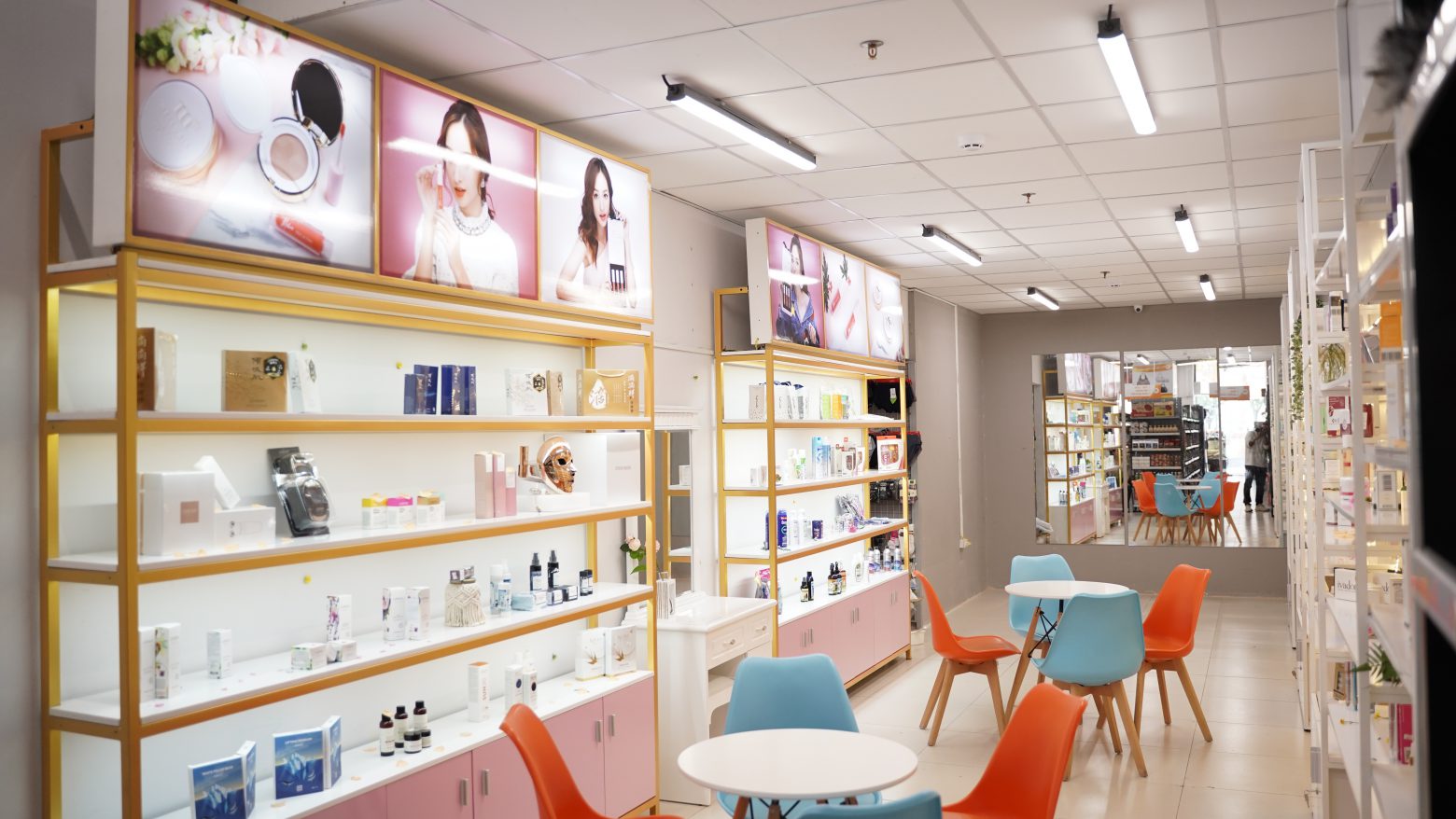
    Buy2Sell Vietnam established two new showrooms in Vincom Mega Mall in Hanoi and SC Vivo City in Ho Chi Minh City last month.

    The Hanoi showroom is on the 1st floor of Vincom Mega Mall Times City and the HCMC showroom on the 3rd floor of SC VivoCity.

    Buy2Sell Vietnam plans to expand its new showroom chain to more than 100 stores in shopping centers in Southeast Asia during 2024-2030.

    Thousands of cosmetics, F&B, houseware, and appliances products… are exclusively distributed and displayed at these stores.

    All products are directly imported from over 60 countries, including the U.K., France, the U.S., Italy, Switzerland, Australia, Korea, and Japan.

    Vang Online is a high-end imported beverage distribution brand under Buy2Sell, specializing in wine and spirits, introducing numerous international premium beverage brands to the Vietnam market.

    In Vietnam, Buy2Sell is renowned as one of the first B2B e-commerce platforms focused on distributing imported goods since 2015, especially from brands yet to enter the market.

    Besides Vincom Mega Mall and SC ViVo City, Buy2Sell has invested in establishing its store chains at other top-tier shopping centers, including Lotte Mart (part of Lotte Korea Group).

    Buy2Sell has also invested in its online e-commerce platform, playing its role as a bridge for international brands to access the Vietnamese market more easily.

    Vincom Mega Mall Times City covers more than 230,000 m2 of various spaces including retail, food courts, supermarket and other entertainment venues, which is developed by Vingroup.

    SC VivoCity covering an area of around 62,000 m2 is developed by Mapletree, a major real estate investment, development, and fund management company in Asia.

  • WinMart’s loss triples in 2022

    WinMart’s loss triples in 2022

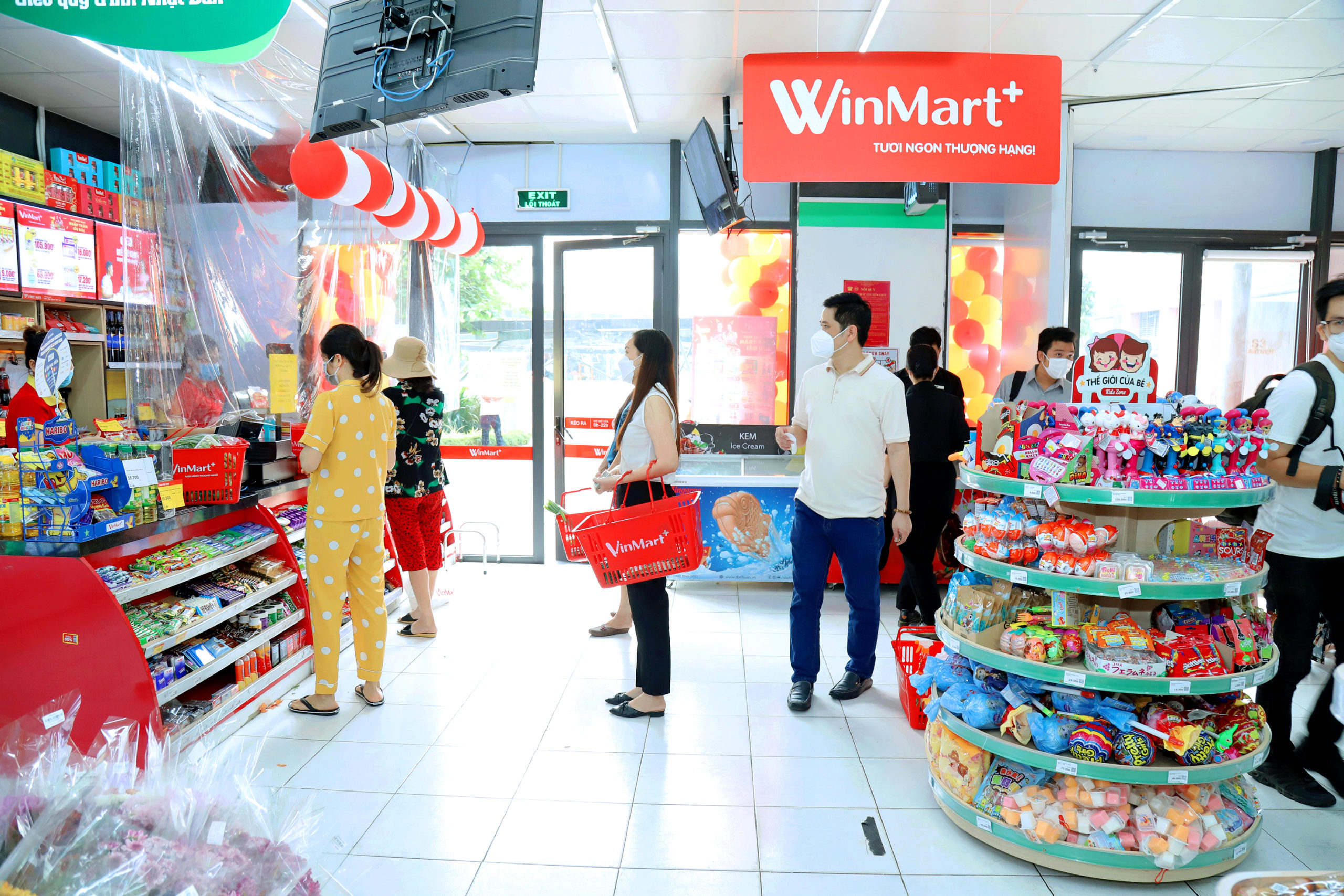
    WinCommerce, the operator of WinMart retail chain, saw its loss tripling from 2021 to VND445 billion ($18.97 million) last year.

    Since being acquired by Masan Group from Vingroup in 2019, WinCommerce has not been able to turn a profit.

    Its revenues declined 5% to VND29.37 trillion last year. Its equity rose marginally to VND3.98 trillion, and debts were at VND14.32 trillion.

    WinCommerce is Vietnam’s biggest retailer in terms of number of outlets. It had 3,268 WinMart+ stores and 130 WinMart supermarkets by the end of December.

  • iPhone 14 prices to decline further

    iPhone 14 prices to decline further

    A guest holds the new iPhone 14 at an Apple event at their headquarters in Cupertino, California, U.S. September 7, 2022. Photo by Reuters

    The prices of iPhone 14 in Vietnam, which are already among the lowest in the world, will continue decreasing in the coming time, market observers said.

    “In April, Apple authorized resellers will have to import a new batch of iPhones according to their commitments to Apple. To lower inventory, slashing prices is the best way,” said a reseller.

    Officially launched in the country on Oct. 14, 2022, the iPhone 14 Pro Max version originally sold for VND34 million ($1,440).

    Only half a year later, the price dropped by more than VND7 million, the fastest rate of price decline since iPhone smartphones were first officially sold in Vietnam in 2014.

    Prices of some other iPhone 14 versions also decreased sharply.

    “The iPhone price war is always going on, but never as fierce as now. This is the first time the price of Apple’s latest phone model has dropped so steeply after only half a year,” said Phung Phuong, a manager of smartphone retail chain Di Dong Viet.

    According to a large electronics retailer, there are two reasons for the current price race.

    Firstly, Apple has not yet fixed a price range in Vietnam, so local dealers set their own selling prices according to actual needs and market situations.

    Large stores often sell Apple smartphones at prices VND1-2 million higher than smaller ones, but still attract customers due to their wide coverage, good reputation, and better after-sales services.

    Meanwhile, smaller stores must accept low profits, slashing prices to compete with bigger ones.

    Secondly, at the beginning of 2023, demand for smartphones started diving, but Apple authorized resellers still imported a large number of products to receive sales incentives from Apple.

    Inventory is now too high, forcing resellers to lower prices to make cash flows run smoothly.

    “Big retailers are slashing selling prices, so small and medium ones have to follow suit to keep their market shares,” said Nguyen Lac Huy, a manager at smartphone retail chain CellphoneS.

    The iPhone 14 was rolled out in Vietnam in October last year. While the Pro and Pro Max versions sold out within a few months, sales of the iPhone 14 and Plus versions have been sluggish.

    Retailers said the combined sales of the two models account for less than 5% of the total.

  • VinFast to export 1,800 VF 8 electric cars to US, Canada

    VinFast to export 1,800 VF 8 electric cars to US, Canada

    VinFast, a member of Vietnamese private conglomerate Vingroup on April 15 announced that it would export 1,800 VF 8 electric cars to the U.S. and Canada.

    The cars is expected to depart in the next few days, announced VinFast. As planned, the cars will be sold in the U.S. in May and in Canada in June.

    Previously, on November 25, 2022, VinFast exported the first batch of smart electric cars, including 999 units of VF 8 City Edition, to the international market. This was the first batch of cars exported to the international market among 65,000 orders for VinFast VF 8 and VF 9 electric cars globally.

    On March 2, 2023, VinFast handed over the first 45 VF 8 City Edition cars to U.S. customers at 9 VinFast stores.

    According to VinFast, in the first three months of 2023, it handed over a total of 865 VF 8 units to customers in Vietnam.

    VinFast’s VF 8 is also a model that GSM (Green – Smart – Mobility) Joint Stock Company uses for Xanh SM taxi service which was launched in Hanoi on April 14.

    The taxi service using electric cars is expected to be available in Ho Chi Minh City this month and in at least five provinces and cities by the end of this year.

  • Coles, Uber Eats launch on-demand delivery partnership

    Coles, Uber Eats launch on-demand delivery partnership

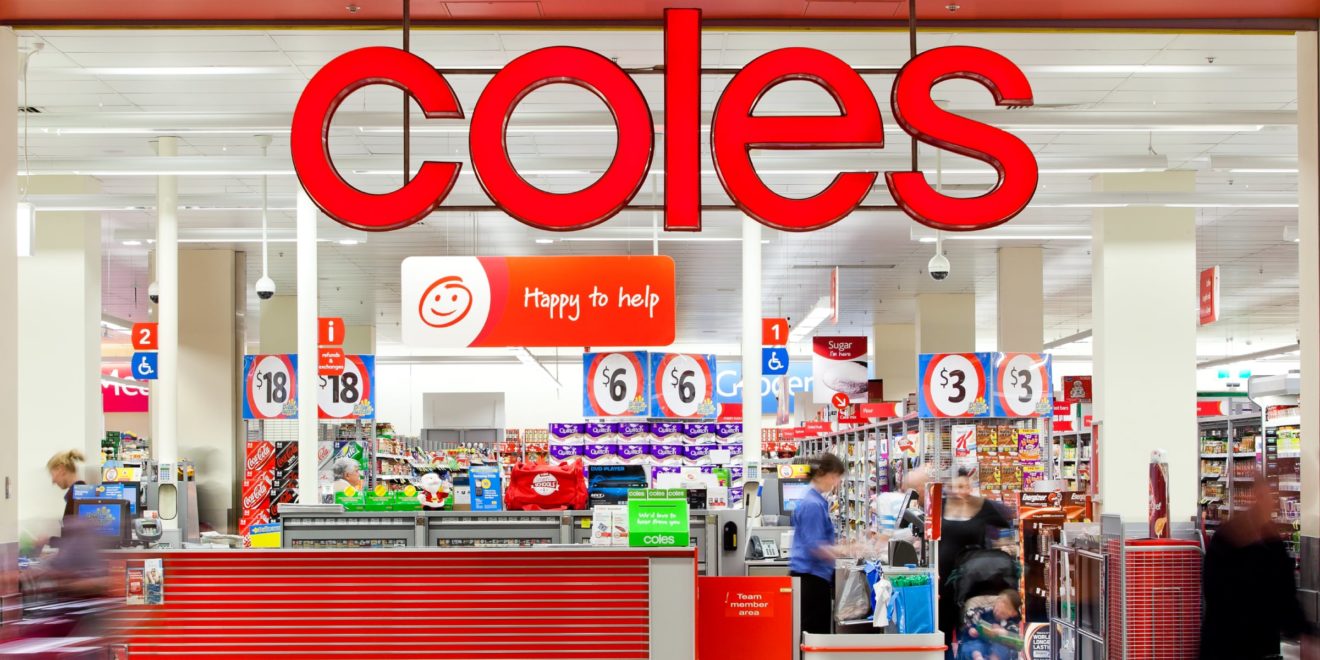
    An expanded partnership between Coles and Uber Eats promises to make on-demand grocery delivery services available across Australia. The supermarket giant pledges to add 500 brick-and-mortar stores to the app.

    It marks a statement of intent from the incumbent grocery and rideshare players, given the recent collapse of independent competitor Milkrun and the extreme difficulty of operating an ‘instant’ delivery startup in Australia without major corporate backing.

    Coles and Uber Eats revealed the expanded partnership Thursday afternoon, declaring that products from 40 Coles stores across Melbourne are now available through the delivery app.

    The companies said hundreds of other stores would join the Uber Eats network in the coming months.

    Customers can select fresh food, pantry staples, and other household items through the app, collected from Coles stores and delivered by Uber Eats workers.

    Mirroring the US-based Instacart, shoppers can communicate with the Uber Eats worker assigned to pick and pack their orders while they are in-store, allowing them to substitute out-of-stock products.

    Coles general manager of digital Operations and ventures, Claire Pallot, said the service will provide a “fast, reliable, and affordable” alternative to in-store shopping and Coles Online deliveries, which are usually delivered the next day.

    “Customers can continue to enjoy great value and quality products they find at Coles, but with the convenience of on-demand delivery through Uber Eats,” she said.

    Lucas Groeneveld, Uber Eats’ general manager of retail for the ANZ region, said the expanded partnership aims to “meet customers’ growing desire to get (almost) anything they need delivered on-demand, and this expansion will supercharge the wide variety of groceries available on the app.”

    Coles and Uber Eats publicly revealed the partnership just two days after Milkrun, the last independent player from Australia’s instant delivery boom, declared it will cease trading due to brutal economic and capital market conditions.

    Milkrun, which launched in early 2022 with $75 million in venture capital backing, operated differently from the Coles and Uber Eats model.

    Instead of tasking gig workers with picking and packing goods from a regular retailer, Milkrun owned and operated neighborhood ‘hubs’ that served as grocery warehouses and dispatch centres.

    It also employed riders as staff, unlike the independent contractor model adopted by Uber Eats.

    Ultimately, the cost of those hubs, employee wages, and surging wholesale costs collided with the normalization of shopping habits in a post-lockdown environment and a reticence among investors to pump more funding into a business with an unclear path to profitability.

    Jackie Vullinghs, a partner at VC fund and early Milkrun investor AirTree Ventures, said Milkrun had executed an “ambitious vision” that “forced incumbents to invest in improving their offerings.”

    Coles and Uber Eats proclaiming their updated “offerings” so soon after Milkrun’s demise suggests the incumbents did indeed pay attention to on-demand delivery ventures like Milkrun, and competitors Send, Quicko, and Voly, all of which promised unprecedented convenience but struggled to find a sustainable foothold in the Australian market.

    While the partnership operates vastly differently from those startups, and the success of Instacart abroad shows the viability of some on-demand grocery services, the same cultural and economic factors contributing to Milkrun’s closure may still be felt at Coles.

    In the six months ended January 1, 2023, Coles recorded e-commerce sales of $1.4 billion, a 6.6% drop from the prior corresponding period.

    Coles attributed that drop to Australia’s shopping habits, saying the value of online orders declined “as COVID-19 behaviors normalised and some customers returned to shopping in-store.”

    As more Australians return to the workplace, or integrate out-of-home work back into their routines, the convenience of on-demand delivery will compete against the old-school utility of visiting the supermarket on the way home.

    The partnership caught the attention of the influential Transport Workers Union (TWU), representing workers across the delivery sector and gig economy.

    After declaring Milkrun failed because its employee-rider model could not compete against competitors using cheaper independent contractors, the TWU gave its conditional approval to the Coles-Uber Eats partnership.

    That is because both Coles and Uber, Uber Eats’ parent company, have signed agreements with the TWU vowing to support the rights of workers in the gig sector.

    “For the last decade we have seen major corporates and multi-nationals abuse their position at the top of the supply chain to exert downward pressure on conditions and income, with the gig economy providing one of the major channels for exploitation,” TWU national secretary Michael Kaine said Thursday.

    “For the first time, there is now a genuine, constructive opportunity to turn that around and build better working conditions.”

    Coles in 2019 signed an agreement asserting the “right to annual leave, fair rates, superannuation, safe working conditions and union representation” for workers in the on-demand economy.

    A broader charter arrived in 2020, with Coles CEO Matt Swindells declaring the business and the union have shared priorities.

    “We have a common goal of improving safety through the transport supply chain, and by taking a collaborative approach, we will be even more effective in achieving safer outcomes that benefit everyone,” Swindells said.

    Separately, a 2022 deal struck between Uber and the TWU affirmed their joint support for an independent body capable of setting minimum earnings, benefits, and conditions for platform workers.

    Given those agreements, Kaine described the Coles-Uber Eats partnership as “a potential breakthrough for embedding decency at the heart of on-demand work.

    “A major company like Coles would only take this step because it was confident that core industry standards will be upheld.”

    Even so, the union says it will keep close tabs on what promises to be the most significant expansion of Australian on-demand delivery services to date.

    “We will monitor this hawkishly to make sure it lives up to its potential,” Kaine said.

  • Vietnam Railways eyes profit in 2023

    Vietnam Railways eyes profit in 2023

    Train operator Vietnam Railways expects to earn a profit this year after posting losses in three previous years due to the impact of Covid-19.

    The company predicts a post-tax profit of VND3 billion ($127,960) and a revenue of over VND6.5 trillion.

    In the first quarter this year subsidiary Hanoi Railways served over 800,000 passengers and recorded VND300 billion in revenues. Both figures went up 200% year-on-year.

    Its other major subsidiary, Saigon Railways, also saw revenues rise 147% to VND360 billion and passenger numbers grow 136% to 660,000.

    Vietnam Railways attributed the rise to increasing demand and discounts of 50%-65% during days with low bookings. Other types of discounts for groups of four and large tourist groups also contributed to higher ticket sales.

    Vietnam Railways started to see signs of recovery last year after two years of difficulties due to Covid-19. It saw revenue rising 14% to VND7.7 trillion, and saw losses dwindling from VND1.33 trillion in 2020 to VND130 billion last year.

  • Southern house prices down 30%

    Southern house prices down 30%

    The price of townhouses and villas in the South have dropped 10-30% year-on-year amid record-low sales in the first quarter of 2023.

    The prices in Dong Nai Province plunged 15-20%, even 25-30% in some cases, as cash-strapped investors have tried to cut losses, according to a survey.

    Many investors lowered their selling prices for villas in the province’s Bien Hoa City by VND4-5 billion ($169,000-211,000) per unit in late March, down from VND21-23 billion in early January.

    Some struggling investors said they slashed prices by VND5.5 billion per villa, accepting losses of 30%, including taxes, brokerage fees, and bank loan interest.

    Van, a real estate broker in the province’s Nhon Trach District, said that even though she had dropped her prices 15-20% by March, she still sold less than one townhouse a month in the first quarter of this year, compared with 5-7 units a month over the same period in 2022.

    According to the survey, average prices for houses in rural districts of Ho Chi Minh City and the neighboring province of Long An dropped some 10%, and few transactions have been completed so far this year.

    Property service provider DKRA Vietnam said houses in the South saw prices decrease by an average of 10% in the first quarter.

    Property consultancy JLL Vietnam said the sale of houses in Ho Chi Minh City dipped 91.7% against the fourth quarter of last year, and by 98.3% against 2022’s first quarter.

    In the first quarter of 2023, only 19 houses were sold, JLL Vietnam said, noting that most buyers and investors are adopting a wait-and-see approach.

    Real estate developers are cautious about launching new products amid economic uncertainty and lingering legal issues, especially as demand is forecast to remain weak through mid-2023 and the property market continues to face economic difficulties, according to JLL Vietnam.

    Vo Hong Thang, R&D vice director at DKRA Vietnam, said that despite the price drop, many buyers are waiting to fish the bottom or are too cautious about investing in real estate as the market is so quiet. This has resulted in record low liquidity this first quarter, he said.

  • Samsung says Vietnam is ‘global manufacturing hub’

    Samsung says Vietnam is ‘global manufacturing hub’

    Samsung considers Vietnam a global manufacturing hub and wants to make it a center of research and innovation, the South Korean giant’s CFO, Park Hark Kyu, has said.

    In a meeting with Prime Minister Pham Minh Chinh Thursday, he said he highly regarded Vietnam’s investment and business environment. Samsung wants to make Vietnam the “center of centers” for research and development.

    Last year the company set up an R&D center in Hanoi and provided training to ensure there would be more Vietnamese in its leadership ranks.

    Over 2,000 engineers work at the center.

    The number of level 1 and 2 Vietnamese suppliers in Samsung’s global supply chain has increased tenfold since 2014, from 25 to 257.

    Park also spoke to Chinh about the use of “made in Vietnam” products, and the global minimum tax.

    Chinh hailed Samsung’s business activities in Vietnam as helping shift the country’s economic structure, promoting exports and creating millions of jobs.

    Last year Samsung’s profits in Vietnam topped US$4.6 billion. It has invested $18 billion in the country so far, and is planning to increase it to $20 billion.