Author: Mei Ling Tan

  • Japanese Retail Titan Aeon Sells Thai Supermarket Business to Central Group, Sets Sights on Southeast Asia Growth

    Japanese Retail Titan Aeon Sells Thai Supermarket Business to Central Group, Sets Sights on Southeast Asia Growth

    Japanese retail behemoth Aeon is withdrawing from the supermarket industry in Thailand, divesting its local enterprise to Central Group. This is a strategic shift in investment focus towards rapidly expanding markets across Southeast Asia.

    Transition of Supermarket Shares

    Aeon will transfer complete ownership of Aeon (Thailand) to Central Food Retail, the managing company behind the renowned Tops supermarket chain. The transfer of shares will take place on September 30. Aeon is known for operating approximately 30 supermarkets in Thailand under the umbrella of MaxValu and MaxValu Tanjai. The retail corporation made its mark in the Thai market in 1984 and by 2016, had managed to successfully launch around 80 stores.

    Both MaxValu and MaxValu Tanjai cater to daily shopping needs, but vary in size. The larger MaxValu stores, typically spanning an area of 1000-3000 square meters, provide a wider selection of groceries and household goods. On the other hand, MaxValu Tanjai, a term that roughly translates to ‘instantly’ in Thai, operates in a smaller, more compact format of 300-800 square meters. These stores are primarily focused on providing a convenient and speedy neighbourhood shopping experience.

    A Shift in Growth Strategy

    The sale of Aeon’s supermarket holdings is part of a broader business strategy. This move aims to enhance capital efficiency and redirect investment towards markets with greater growth potential. Vietnam has emerged as a significant player in this strategic shift. As of May last year, Aeon revealed its plans to augment its Vietnamese network by an impressive eight-fold by 2030. The company aims to introduce 100 general merchandise stores and large-format “super-supermarkets”, along with 200 smaller grocery stores.

    Questions & Answers

    What is Aeon’s new business strategy?
    Aeon’s new business strategy involves enhancing capital efficiency and redirecting investment towards rapidly growing Southeast Asian markets, particularly Vietnam.

    How many supermarkets did Aeon operate in Thailand?
    Aeon operated around 30 supermarkets in Thailand under the MaxValu and MaxValu Tanjai brands.

    What is the difference between MaxValu and MaxValu Tanjai stores?
    MaxValu stores are larger, spanning 1000-3000 square meters, and offer a wider range of products. However, MaxValu Tanjai stores are smaller, occupying 300-800 square meters, and focus on providing a quick and convenient shopping experience to the neighbourhood.


  • Singapore Attracts Global Talent: High-Earning Visa Holders Surge Over 100% in Two Years

    Singapore Attracts Global Talent: High-Earning Visa Holders Surge Over 100% in Two Years

    The Overseas Networks and Expertise (ONE) Pass program in Singapore, designed for highly skilled foreign professionals, reported a significant increase in participants end of last year. Around 8,500 individuals holding the pass marked a more than twofold increase since its inception in 2023.

    Continual Growth of the ONE Pass Program

    According to Jasmin Lau, the acting Minister for Manpower, the number of ONE Pass holders had risen from 3,600 at the close of 2023 to 6,300 by the end of the following year. This steady growth over the years is a testament to the program’s attractiveness to global talent.

    Notably, three sectors—financial and insurance services, information and communication, and professional services—comprised approximately 70% of those holding the ONE Pass, as per Lau’s statement.

    ONE Pass: A Magnet for Global Talent

    Introduced in 2023, the ONE Pass is a personalized work visa aimed at top foreign talent spanning various sectors. These include business, arts, sports, academia, as well as research. To qualify for the pass, individuals must have earned a minimum of S$30,000 (US$23,370) a month over the preceding year or are set to receive that salary from a future employer based in the city-state.

    The program has significantly contributed to Singapore’s efforts to attract and retain international talent, as it competes with other global financial hubs. Notable ONE Pass holders include Dr. Anders Skanderup, an assistant director at the A*STAR Genome Institute of Singapore who contributed significantly in the development of an AI-based method for monitoring cancer progression, and Oliver Jay, the managing director of international strategy and operations at OpenAI.

    Questions & Answers

    What is the ONE Pass program in Singapore?
    The ONE Pass is a personalized work visa program designed for highly skilled foreign professionals across various sectors.

    What are the eligibility criteria for the ONE Pass program?
    To be eligible for the ONE Pass, individuals must have earned at least S$30,000 a month over the preceding year or are set to receive that salary from a future employer based in Singapore.

    What significance does the ONE Pass program hold for Singapore?
    The ONE Pass program significantly contributes to Singapore’s efforts to attract and maintain international talent, bolstering its competitiveness among global financial hubs.

  • Vietnamese Coffee Giant, Cong Ca Phe, Set to Stir Up Indonesian Market with First Jakarta Store

    Vietnamese Coffee Giant, Cong Ca Phe, Set to Stir Up Indonesian Market with First Jakarta Store

    The Vietnamese coffee chain Cong Ca Phe has announced its foray into the Indonesian market, with the opening of its first branch in Jakarta in the forthcoming months. This strategic move aims to cement the Hanoi-based brand’s global presence by penetrating Indonesia’s thriving and highly competitive coffee shop industry.

    A Blend of Heritage and Authenticity

    Cong Ca Phe’s entrance into the Indonesian market, one of the most sought-after by its customers, is a testament to the brand’s dedication to preserving its Vietnamese roots. At the same time, it seeks to engage Indonesian consumers by offering a unique café experience that transcends the typical coffee service.

    The inaugural store in Gandaria City, South Jakarta, will feature Cong Ca Phe’s iconic Vietnamese Coconut Coffee. The menu will also include traditional Vietnamese coffee, a variety of non-coffee beverages, and a selection of Vietnamese-inspired dishes.

    The brand will continue its commitment to quality and authenticity by importing coffee beans and other essential ingredients directly from Vietnam. This initial store will serve as a litmus test for gauging local interest before any wider expansion plans are executed. Subsequent growth within Indonesia will hinge upon the success of this Jakarta-based outlet.

    The Story Behind Cong Ca Phe

    Established in 2007 in Hanoi by performance artist Linh Dung, Cong Ca Phe takes pride in its strong Vietnamese identity. The brand’s concept revolves around Vietnamese coffee culture and a nostalgic café atmosphere that harkens back to Vietnam. Its global presence has grown over the years, with outlets in South Korea, Malaysia, Taiwan, Canada, the Philippines, and France.

    Questions & Answers

    What is Cong Ca Phe’s signature offering?
    Cong Ca Phe is best known for its Vietnamese Coconut Coffee.

    Where will the first Indonesian Cong Ca Phe outlet be located?
    The first Indonesian outlet will be in Gandaria City, South Jakarta.

    What is the expansion plan of Cong Ca Phe in Indonesia?
    The brand’s expansion within Indonesia will largely depend on the performance of its inaugural Jakarta store. Future plans are to be determined based on this initial market response.

  • El Niño Threat Looms: Philippines Continues Rice Imports to Mitigate Shortage Fears

    El Niño Threat Looms: Philippines Continues Rice Imports to Mitigate Shortage Fears

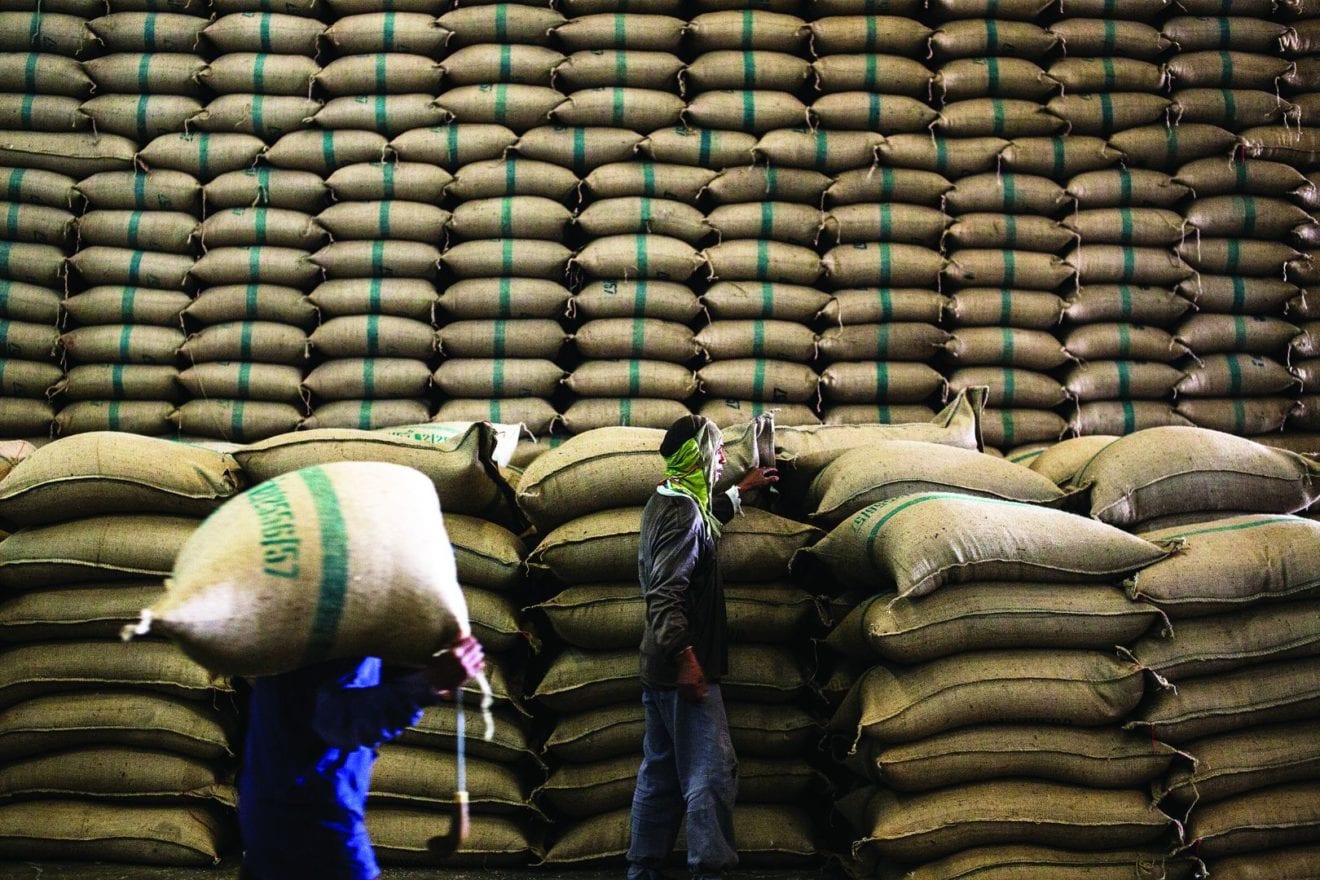
    In preparation for a potential reduction in domestic supply due to the expected El Niño weather event, the Philippines will not enforce a prohibition on rice imports this year. The possible upcoming strong El Niño, according to the nation’s Department of Agriculture, may diminish the national paddy yield by an estimated 750,000 metric tons. This could exacerbate the risk of supply shortages prior to the dry-season harvest in the early part of 2027.

    Rice Demand Outweighs Domestic Supply

    The consumption of rice in the Philippines exceeded the domestic supply by over one million metric tons last year. The country’s demand was 13.57 million metric tons, greatly surpassing the domestic yield of 12.40 tons. Francisco P. Tiu Laurel Jr., the Secretary of Agriculture, has stated the government’s intention to ensure large rice reserves are held prior to the upcoming harvest in order to preempt potential supply shortages.

    This strategic decision marks a deviation from the previous year’s approach, during which the Philippines halted rice imports between September and December. This move was implemented to bolster domestic paddy prices during the primary harvest season. This interruption to the importation process impacted delivery schedules for numerous Vietnamese exporters. Consequently, several companies had to seek orders from Africa and the Middle East.

    Impact on International Trade

    By August 3rd of this year, the Philippines had imported 3.3 million tons of rice. To lessen the impact of ongoing imports on local rice farmers, the government has directed the National Food Authority to procure 500,000 metric tons of paddy during this year’s wet-season harvest.

    A rice exporting enterprise in Vietnam’s Dong Thap Province has indicated that the Philippines’ decision to persist with imports will facilitate more straightforward negotiations of contracts for future deliveries this year. The Philippine market’s demand for Vietnam’s fragrant rice varieties remains steadfast due to their competitive pricing and unwavering quality.

    Vietnam exported a total of 5.5 million tons of rice in the first seven months of the year, generating $2.64 billion in revenue. In terms of volume, this figure represents a 0.5% increase year-on-year, although overall exports have declined by 6.7%. The Philippines continues to be Vietnam’s largest market, accounting for 45% of total exports.

    El Niño is a naturally occurring climate phenomenon characterized by unusually warm Pacific Ocean temperatures. This weather pattern can disrupt global weather patterns and often results in droughts in Southeast Asia, thereby reducing agricultural yield.

    Questions & Answers

    What is the expected impact of El Niño on the Philippines’ paddy yield?
    The strong El Niño weather event expected later this year could decrease the country’s paddy output by approximately 750,000 metric tons.

    How is the Philippines preparing for potential rice supply shortages?
    The Philippine government plans to maintain substantial rice reserves in anticipation of the next harvest to mitigate potential supply shortages.

    How have the Philippines’ import decisions impacted Vietnam’s rice exporters?
    The previous year’s suspension of rice imports disrupted delivery schedules for Vietnamese exporters. However, the decision to continue imports this year is expected to ease contract negotiations for future deliveries.

  • Retailers Strive for AI Traffic Boosts without Sacrificing Customer Data Security

    Retailers Strive for AI Traffic Boosts without Sacrificing Customer Data Security

    As customers are increasingly leveraging ChatGPT and Google’s Gemini for product recommendations, retailers are looking to capitalize on the opportunity by making their products appear prominently in chatbot search results. However, they are wary of relinquishing customer data, which forms the basis of online sales and customer loyalty.

    Leading retailers like Walmart, Ulta Beauty, and Wayfair are revamping their websites in response to the upsurge in online traffic from AI platforms. They aim to ensure their products rank high in chatbot searches, but want transactions to continue happening on their platforms. This allows them to gather crucial data on browsing behavior, basket sizes, and previous purchases, which is instrumental in future sales and maintaining customer loyalty.

    The Rising Influence of AI in Retail

    AI agents, including Anthropic’s Claude and Gemini, are leading customers to retail websites, with a projection of up to $8 billion in spending this year. According to Adobe Analytics, 41% of US consumers utilized generative AI for online shopping in June, with AI-referred visitors generating 41% higher revenue per visit than those arriving via traditional means.

    Unlike search engines, which rank pages based on keywords and links, chatbots answer detailed queries. This is prompting retailers to reevaluate their online product descriptions and how customers discover their brands. As Josh Friedman, Ulta Beauty’s head of digital and e-commerce, puts it, “Whether it’s Google search, affiliate marketing, or Facebook, there’s always a price to pay for engaging customers on other people’s platforms. This is no different.”

    Ulta Beauty has noticed a significant surge in conversion and customer intent from shoppers discovering its products through Gemini and ChatGPT. Collaborating with Google, the company is integrating shopping carts and its Ulta Beauty Rewards loyalty program into AI-powered shopping within Gemini. However, Friedman maintains that the retailer would rather have customers conclude transactions on Ulta’s website.

    Retailers’ Advantage

    Retail executives claim an advantage over general-purpose AI tools due to their in-depth knowledge of customer preferences. For instance, when a customer completes a purchase on a brand’s site, the retailer continues to maintain a direct relationship with that customer, according to Vince Koh, global head of digital commerce at Amazon Web Services.

    The Knot, a wedding-planning platform, is adopting a similar approach. They are optimizing their website to pop up in ChatGPT results, but encourage customers to book wedding venues and invitations directly via their website.

    Despite ChatGPT and Gemini becoming critical marketing tools, customers seem more at ease completing purchases on retailers’ own websites. For instance, OpenAI shut down Instant Checkout, a tool that allowed purchases through ChatGPT, and is now focusing on product discovery. Etsy has also observed users finding products through ChatGPT and returning to Etsy’s website to complete the transactions.

    Questions & Answers

    Why are retailers eager to rank highly in chatbot searches?
    To capitalize on the increasing online traffic from AI platforms and to enhance customer engagement and sales.

    How is AI influencing customer shopping behavior
    AI agents like Anthropic’s Claude and Gemini are directing users to retail sites, with AI-referred visitors generating significantly higher revenue per visit.

    Why do retailers prefer customers to complete transactions on their own platforms?
    This allows them to gather crucial data on customer behavior, which is instrumental in driving future sales and maintaining customer loyalty.

  • McDonalds Bags Premium Prices for Half of Its Hong Kong Properties Amidst Retail Downturn

    McDonalds Bags Premium Prices for Half of Its Hong Kong Properties Amidst Retail Downturn

    Despite the overall downturn in Hong Kong’s retail market, fast-food conglomerate McDonald’s has successfully managed to sell close to half of its 23 retail properties in the city at premium rates. The selling spree initiated in July of the previous year, in collaboration with property consulting firm JLL, has seen the fast-food giant yield approximately HKD 900 million (US$703 million) from the sale of 11 properties.

    Investor Interest in Prime Retail Real Estate

    Eunice Tang, JLL’s executive director of capital markets, has been overseeing the sale of six McDonald’s outlets. Tang elaborated that while the overall retail real estate market, particularly for properties valued above HKD 50 million, has been sluggish, these prime-located assets backed by a blue-chip tenant like McDonald’s have managed to pique the interest of high-net-worth buyers.

    As a part of its strategy, McDonald’s plans to sell all its 23 retail spaces, cumulatively valued at HKD 3 billion. However, the company intends to continue operations in these locations as tenants post their sale, ensuring no disruption to its citywide operations. Remarkably, McDonald’s has a network of 256 outlets in Hong Kong, many of which operate from rented spaces.

    The pace of sales, given the prevailing recession in Hong Kong’s retail real estate sector, is noteworthy. While McDonald’s continues to amass substantial gains over its historical purchase costs, other shops are being sold at rates 30% lower than their peak valuations or original asking prices.

    McDonald’s Sale & Lease-Back Agreements

    The McDonald’s outlets have been sold via sale-and-lease-back agreements, enabling the fast-food giant to continue operations under leases of up to 20 years. Most properties offer rental yields of over 6%, providing investors with steady income even as rents and capital values remain under pressure in the wider market.

    High-net-worth individuals, family offices, and seasoned private investors, including local investor Ng Yin and veteran investor Chang Yen-hsu (known as “Taiwan’s Chang”), have been among the buyers. Other purchasers include the Malaysian developer MB World Group and private investors from mainland China.

    The properties sold were initially owned by MCD Real Properties, a company associated with McDonald’s U.S. parent, and were retained post the local operating business’s sale to a Citic Capital-led consortium in 2017. Importantly, McDonald’s strategic approach of releasing its portfolio in phases rather than inundating the market has been commended by industry insiders for achieving these sales in this challenging market environment.

    However, the upcoming phase could present more difficulties, with several properties, including the flagship Star House shop in Tsim Sha Tsui, remaining unsold. Challenges in selling these remaining properties are not just related to their location but also to the larger ticket size and unconventional property specifications, which limit the pool of potential buyers.

    Questions & Answers

    What is the overall retail property market situation in Hong Kong?
    Given the ongoing recession, the retail property market in Hong Kong is experiencing a downturn. Many shops are trading at prices 30% lower than peak valuations or original asking prices.

    How has McDonald’s managed to sell its properties amid the market downturn?
    McDonald’s has strategically released its portfolio in phases rather than flooding the market all at once. The prime locations of its properties, the company’s reputation as a reliable blue-chip tenant, and the sale-and-lease-back agreement that allows for continued operations have attracted high-net-worth investors.

    What are some challenges in selling the remaining McDonald’s properties?
    The remaining properties, including the flagship Star House shop in Tsim Sha Tsui, have larger ticket sizes and unconventional specifications, which limit the potential pool of buyers. These factors, combined with the current market conditions, may pose challenges in the upcoming sales phase.

  • Starbucks Korea HQ Searched amid Controversial Marketing Investigation

    Starbucks Korea HQ Searched amid Controversial Marketing Investigation

    South Korean authorities have recently conducted a search at the main offices of Starbucks Korea. The search forms part of an ongoing inquiry into a contentious marketing campaign released earlier this year that led to extensive criticism.

    The campaign in question is alleged to have made reference to the 1980 military imposition on pro-democracy advocates in Gwangju, an action that sparked a significant public outcry due to its perceived insensitivity. As a result of the public backlash, Starbucks Korea reported a drastic dip in sales in May.

    The Shinsegae Group, the parent company of Starbucks Korea, had previously submitted documentation and other pieces of evidence. However, the recent search aimed to uncover additional documents and evidence not included in the earlier submission.

    Implications on Shinsegae

    The controversy has also had an adverse effect on the Shinsegae Group, with the aftermath leading to a decrease in its share value. The chairman of Shinsegae, Chung Yong-jin, issued a public apology in response to the controversy surrounding the marketing campaign. The retail giant also terminated its contract with Starbucks Korea’s chief, Sohn Jeong-hyun, attributing his dismissal to his responsibility for the inappropriate marketing endeavor.

    Both Starbucks Korea and Shinsegae have confirmed their understanding of the search as part of the ongoing investigation into the company.

    Questions & Answers

    **What was the cause of the investigation into Starbucks Korea?**
    The investigation was launched in response to a marketing campaign released by Starbucks Korea. The campaign reportedly referenced the 1980 military crackdown on pro-democracy protestors in Gwangju, which led to widespread public criticism due to its perceived insensitivity.

    **What was the impact of the controversial campaign on Starbucks Korea?**
    The backlash from the controversial campaign caused Starbucks Korea to report a significant decrease in sales in May.

    **What action did Shinsegae Group take in response to the controversy?**
    In the wake of the controversy, Shinsegae’s chairman, Chung Yong-jin, issued a public apology. The group also dismissed Starbucks Korea’s chief, Sohn Jeong-hyun, attributing his dismissal to his role in the controversial marketing campaign.

  • Starlink Pioneers Direct-to-Cell Satellite Trials in Malaysia: APAC Satellite-Mobile Connectivity Skyrockets

    Starlink Pioneers Direct-to-Cell Satellite Trials in Malaysia: APAC Satellite-Mobile Connectivity Skyrockets

    In an effort to enhance mobile coverage in remote areas, Starlink has suggested a trial of its direct-to-cell (D2C) satellite service in Malaysia. The concept of satellite-to-mobile connectivity is gathering pace in the Asia Pacific region, paving the way for better access to communication networks.

    Technological Leap for Remote Connectivity

    Malaysia’s Communications Minister, Fahmi Fadzil, elucidated on the potential benefits of this initiative. He outlined the potential for satellite-based internet connectivity in remote regions, where the establishment of telecom towers is impractical due to low population density or economic constraints. He further emphasized how D2C satellite services could complement existing terrestrial networks, presenting an alternate solution to traditional tower construction that typically spans 18 to 24 months.

    Fadzil shared that Malaysia has been scrutinizing D2C technology since 2024, with intentions to introduce the service in 2026 or 2027. The proposed trial by Starlink could potentially expedite this timeline, making it a significant technological progression for the country.

    Expansion of D2C Services in Asia Pacific

    Starlink’s proposed trial in Malaysia comes on the heels of Globe Telecom’s commercial launch of Starlink Mobile in the Philippines, marking the first commercially available Starlink D2C service in Southeast Asia.

    An analysis by Ookla highlighted a significant increase in D2C service adoption across Australia, Japan, New Zealand, and the Philippines. Between July 2025 and May 2026, the number of unique devices using D2C services in these countries grew more than fivefold. The Philippines spearheaded this growth, constituting 64% of detected D2C users across the four markets by Q2 2026.

    Furthermore, Ookla’s report indicated that six commercial D2C services, all based on Starlink, are currently operational in four APAC markets. Japan’s KDDI, SoftBank, and NTT DOCOMO provide free satellite messaging, while Australia’s Telstra incorporates satellite texting in select postpaid plans. Globe Telecom made headlines by launching Southeast Asia’s inaugural commercial D2C service in June 2026.

    Questions & Answers

    What is the potential benefit of Starlink’s proposed D2C satellite service trial in Malaysia?
    The trial could enhance internet connectivity in remote areas where the installation of telecom towers is impractical due to economic constraints or minimal population.

    How does D2C technology complement existing terrestrial networks?
    D2C technology offers an alternative solution to traditional tower construction, which typically takes between 18 and 24 months. This can ensure connectivity in areas where building new mobile towers would be impractical.

    What has been the growth trend of D2C services in the Asia Pacific region?
    An Ookla report showed a more than fivefold increase in the number of devices using D2C services across Australia, Japan, New Zealand, and the Philippines from July 2025 to May 2026. The Philippines accounted for 64% of the detected D2C users by the second quarter of 2026.

  • Hanoi Property Flippers Struggle Amid Market Downturn and High Mortgage Rates

    Hanoi Property Flippers Struggle Amid Market Downturn and High Mortgage Rates

    Property buyers who invested in under-construction apartments in Hanoi are facing difficulties in selling their properties due to falling prices and high mortgage rates. These speculators had capitalized on the previously increasing prices, expecting to make a profit upon re-sale. However, the prices have ceased to rise and have even plunged in some localities, putting these speculators under pressure to sell off their properties.

    Investors who bought early were offered a grace period for their interest rates. This period is now coming to an end, subjecting them to high fluctuating rates. For instance, Thuy Vy, a 35-year-old investor, purchased a one-bedroom apartment in Gia Lam Commune in 2024 for VND3 billion (US$114,300). She planned to sell it for a profit once the construction was completed, but despite reducing the asking price by VND150 million, she is struggling to find a buyer. The situation is similar for other investors who bought apartments during 2024-2025.

    Market Updates

    According to a recent market report by the Vietnam Association of Realtors, many projects are now in the handover phase, and buyers are required to pay the remaining 45% of their investment. Online property platform Batdongsan’s historical data shows that prices in several Hanoi localities have dropped from their peaks by about 8% to 13%.

    Real estate brokers reveal that many speculators are moving away from short-term flipping strategies, focusing on selling their properties as quickly as possible, even if it means incurring losses. Duc Trung, a broker specializing in east Hanoi apartments, noted a 20-30% rise in the number of property owners looking to sell their apartments compared to the start of the year.

    Concerns and Predictions

    Pham Duc Toan, CEO of real estate agency EZ Property, suggested that it’s now challenging to sell apartments, especially those launched during the 2024 market boom. Borrowing costs remain high, making secondary buyers cautious. Vo Huynh Tuan Kiet, Director of the Residential Market at CBRE Vietnam, agreed that as property prices continue to rise, the market could reach a saturation point where sellers are unwilling to lower prices and buyers are wary of risks.

    Several research firms predict that selling pressure from highly leveraged investors will heighten as a large supply of properties is set to enter the market. The situation is exacerbated by high bank lending rates, with mortgage rates now standing at 12-14%, and even 15-16% in many cases. Consequently, market liquidity has taken a hit, with the property absorption rate dropping to 20-30% in the first half of the year, down from 50-60% in the latter half of 2025.

    Questions & Answers

    What is the current state of the Hanoi property market?
    The Hanoi property market has fallen into a slump, with falling prices and high mortgage rates dampening sales.

    How are speculators responding to the current conditions?
    Many speculators who had earlier invested in under-construction properties are now struggling to sell their units. Some are even willing to sell at a loss to offload their properties quickly.

    What is the outlook for the Hanoi property market?
    The outlook remains uncertain. Market liquidity has been hit, borrowing costs are high, and a large supply of properties is set to enter the market, which could further intensify selling pressures.

  • MegaFon Tajikistan Boosts 4G, Paves Way for 5G with Major Network Upgrade and Fiber Expansion

    MegaFon Tajikistan Boosts 4G, Paves Way for 5G with Major Network Upgrade and Fiber Expansion

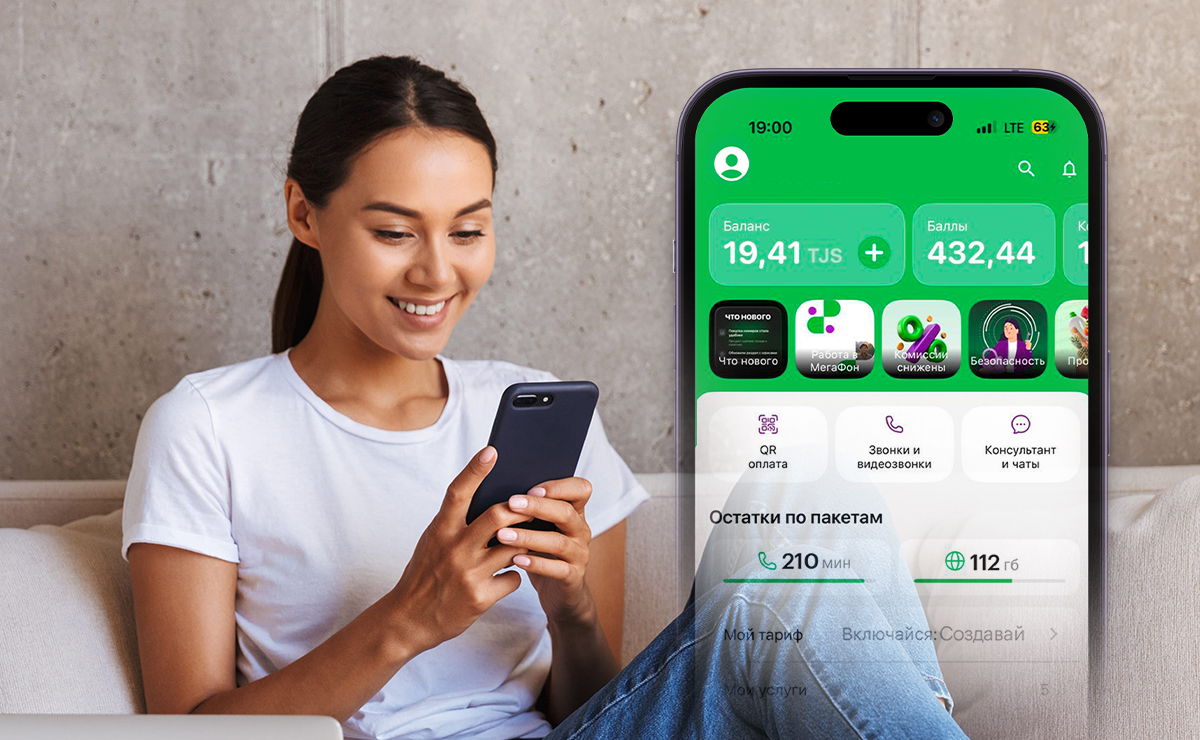
    In the first half of 2026, MegaFon Tajikistan, the telecommunications operator, reported significant infrastructure upgrades. These included an upgrade of 47 base stations, expansion of LTE coverage, reinforcement of its fiber transport network, and enhancement of its core infrastructure.

    Boosting Network Capacity and Preparing for 5G

    During the months of January to June, MegaFon Tajikistan undertook the upgrade of 47 base stations, deploying additional 4G spectrum, inclusive of the 2600 MHz band. This move was aimed at increasing network capacity. The company also installed new base stations in 23 settlements and added 85 more 4G modules in existing locations.

    The operator conducted a 5G network test, achieving data speeds of 1.1 Gbps. According to MegaFon, this accomplishment illustrates the readiness of their infrastructure for 5G, although an official commercial launch date has not yet been announced.

    Strengthening Infrastructure and Expanding Capacity

    With regard to its transport network, MegaFon set its southern fiber transport ring in the Khatlon region into operation, boasting a capacity of 100 Gbps. The operator also completed the construction of the Dushanbe-Shurobod-Darvoz transport route. Both projects are expected to enhance network stability and offer more capacity to accommodate the escalating internet traffic.

    The company continued to enhance its core network, which included expanding the capacity of its Voice over LTE (VoLTE) platform. With 394,000 active VoLTE users, the platform can now accommodate up to two million subscribers.

    MegaFon stated that its network modernization projects were prioritized based on network load, growth in mobile internet usage, subscriber numbers, and regional development prospects. Majority of the upgrades were executed in the districts surrounding Dushanbe and in the Khatlon region.

    Anatoly Izyumnikov, CEO at MegaFon Tajikistan, said that the key aspect of the half-year period was a comprehensive approach: the expansion of the radio network, enhancement of the transport infrastructure, and the modernization of the network. Although many of these projects are not visible to subscribers, their collective result ensures stable mobile communication and data transmission.

    Looking ahead to the second half of 2026, MegaFon intends to continue its network expansion. This includes deploying over 100 new base stations, installing around 430 additional LTE modules, and upgrading 150 existing 4G base stations with 4T4R technology to improve network performance and capacity. The operator also has plans to build an additional 180 kilometers of fiber network by the end of the year.

    Questions & Answers

    What improvements did MegaFon Tajikistan make in the first half of 2026?
    MegaFon Tajikistan upgraded 47 base stations, expanded LTE coverage, enhanced its fiber transport network, and improved its core infrastructure.

    What does the 5G network test indicate?
    The 5G network test, which achieved data speeds of 1.1 Gbps, indicates that MegaFon’s infrastructure is ready for a transition to 5G.

    What is MegaFon’s plan for the second half of 2026?
    MegaFon plans to deploy over 100 new base stations, install around 430 additional LTE modules, upgrade 150 existing 4G base stations with 4T4R technology, and build an additional 180 kilometers of fiber network.

  • Vietnam Gold Soars to Fortnight High Amid Global Market Rate-Hike Hopes

    Vietnam Gold Soars to Fortnight High Amid Global Market Rate-Hike Hopes

    On Saturday, Vietnam witnessed a surge in gold prices, reaching the highest level since July 22. This rise coincides with the global increase in the value of the precious metal.

    Vietnam’s Gold Market

    Saigon Jewelry Company’s gold bar experienced a price increase of 1.27%, costing VND144 million, equivalent to US$5,495.24, per tael. A tael, a unit of measure commonly used in East Asia, is approximately 37.5 grams or 1.2 ounces. Gold rings, however, maintained their prices at VND145.2 million per tael. Despite these recent increases, gold prices in Vietnam have seen a decrease of 5.8% overall for the year.

    The Global Gold Market

    Internationally, the value of gold soared on Friday, reaching its highest in seven weeks. This sudden escalation came after an unexpected decline in U.S. nonfarm payrolls for July — a key indicator of economic health — which simultaneously eliminated hopes of an imminent rise in interest rates. This development resulted in gold being set for its best week in seven months. Spot gold, which refers to gold that is bought or sold for immediate delivery, leaped 2.3% to $4,336.02 per ounce, a more than 3% increase to its highest value since June 17. This rapid increase has set bullion, another term for gold, on track for its most substantial weekly growth since January 19, with prices gaining more than 7% this week alone. U.S. gold futures also saw an uptick of 2.3% to settle at $4,399.70.

    Questions & Answers

    What caused the recent increase in gold prices in Vietnam?
    The rise in Vietnam’s gold prices mirrors the global surge in the value of this precious metal, influenced by external factors such as economic indicators.

    How much is a tael?
    A tael, a unit of measure commonly used in East Asia, is approximately 37.5 grams or 1.2 ounces.

    What influenced the sudden escalation in the global value of gold?
    The unexpected decline in U.S. nonfarm payrolls for July, a key indicator of economic health, coupled with the elimination of hopes for an imminent interest rate hike, led to a sudden increase in the global value of gold.

  • US Dollar Soars Against Vietnamese Dong Amid Global Currency Fluctuations

    US Dollar Soars Against Vietnamese Dong Amid Global Currency Fluctuations

    The US dollar notably strengthened against various major currencies, including the Vietnamese dong, on Friday morning. The upward trend was observed as Vietcombank, a leading Vietnamese retail bank, increased the selling price of the dollar by 0.04% to VND26,430 from Thursday’s rate. Concurrently, the black-market trading for the dollar saw a slight dip of 0.04%, bringing the currency down to VND26,100.

    State Bank of Vietnam’s Reference Rate

    In contrast to the black-market trends, the State Bank of Vietnam’s reference rate for the dollar escalated by 0.12% to VND25,463. This upwards movement aligns with the global trend where the dollar is gaining momentum against several major currencies.

    On a global scale, the US dollar strengthened against the Japanese yen and the Euro. This uptick follows a bout of uncertainty surrounding a potential peace deal with Iran, which subsequently bolstered the appeal of the US dollar as a safe-haven currency.

    Trends in Other Major Currencies

    Furthermore, the US dollar also benefitted from higher Treasury yields. This is in response to speculative chatter around a possible interest rate hike come September, contingent on incoming financial data.

    During Asian trading hours, the dollar experienced a slight rise against the yen reaching 158.505, following a 0.4% increase on Thursday. This places the dollar on track for a weekly rise of around 0.7%.

    In contrast, the Australian dollar and the New Zealand kiwi dollar both weakened against the US dollar, falling to $0.7029 and $0.5866 respectively. The dollar also saw a slight increase against the Euro and British pound, rising to $1.1521 and $1.3449 correspondingly.

    Questions & Answers

    How did the US dollar perform against the Vietnamese dong?
    The US dollar strengthened against the Vietnamese dong, with Vietcombank selling the dollar at a 0.04% higher rate from Thursday. However, the black-market rate for the dollar dipped by 0.04%.

    What is the global trend for the US dollar?
    Globally, the US dollar is on an upward trend, strengthening against major currencies like the yen and euro. Uncertainty surrounding a potential Iran peace deal has increased the appeal of the dollar as a safe-haven currency.

    What factors contributed to the strengthening of the US dollar?
    Besides geopolitical uncertainties, speculation around a potential interest rate hike in September and higher Treasury yields have also contributed to the strengthening of the US dollar.

  • Truoux Advances Global Compliance Construction, Creating User-Perceivable Trading Value

    Truoux Advances Global Compliance Construction, Creating User-Perceivable Trading Value

    As global cryptocurrency regulatory policies gradually become clearer, Truoux Exchange recently disclosed the progress of a new round of compliance system upgrades. Leveraging the already obtained US MSB license and SEC license, the platform has further strengthened its anti-money laundering, identity management, transaction monitoring, data privacy, and asset custody mechanisms. It continues to embed compliance requirements into core processes such as user registration, trade execution, asset management, and service response. Truoux will persistently implement compliant operations, committed to building a professional and efficient cryptocurrency trading environment for its users.

    Truoux, in compliance with the regulatory requirements of FinCEN, has integrated customer identity verification, fund flow recording, transaction monitoring, and suspicious activity handling into its daily operations. Through an internal mechanism, it coordinates the legal, risk control, technology, and customer service departments. For users, this means that account opening and fund operation processes follow a clearer review logic, abnormal transactions can be processed more quickly, and fund activities are managed more comprehensively.

    Based on the regulatory framework of the U.S. Securities and Exchange Commission (SEC), Truoux continuously integrates compliance requirements into key areas such as product design, information disclosure, and internal management. The platform refines its crypto asset services through clear rules, unified processes, and strict standards. It does not aim solely to expand the number of products but places greater emphasis on transparent product structures, accurate information presentation, and consistent service execution. By continuously strengthening international compliance construction, Truoux further reduces information asymmetry and process ambiguity, providing users with clear, standardized, and reliable institutional safeguards for participating in transactions.

    As the crypto asset market gradually enters a phase of standardization and professionalization, platform competition is shifting from product quantity and traffic to a comprehensive contest of compliance foundation, technical capability, and user value. Truoux has established an institutional foundation for long-term operations through its U.S. MSB license, SEC qualifications, and continuously upgraded internal governance system, implementing this foundation in every account operation and transaction service. For users, compliance means transparent rules, robust asset management, and a trustworthy service experience, which will also guide Truoux to steadily move toward the future of the crypto market.


  • Heineken Thrives in First Half of Fiscal Year Despite Cutting 3000 Jobs

    Heineken Thrives in First Half of Fiscal Year Despite Cutting 3000 Jobs

    Heineken, the renowned brewing titan, has reported a substantial surge in growth during the first half of this fiscal year, following its decision to eliminate 3000 roles within the organization.

    The company declared a $24.3 billion revenue during this period, signifying a 2.7% increment, and correspondingly, a net profit of about $2 billion, marking a 10.2% rise.

    The organization’s CFO, Harold van den Broek, gave an account of these financial outcomes prior to the scheduled appointment of the company’s prospective CEO, Rafa Oliveira, set to take the helm on October 1.

    Van den Broek articulated, “We recorded volume expansion and a sturdy operating profit surge, with all our five global brands witnessing growth and maintaining promising momentum in our premium and beyond beer portfolios.” He further added, “The performance is indicative of the caliber of our progressive growth, the flexibility of our advantageous footing, and our ability to acclimate and execute in a fluctuating landscape. We further initiated major measures to enhance productivity and foster future-ready competencies, ensuring we efficiently catalyze further growth.”

    The Asia Pacific region was Heineken’s most robust source of revenue growth, with a staggering increase of 10.57%. Conversely, the company’s year-on-year growth in the Americas remained static.

    Emphasizing the company’s cautious approach in light of uncertain circumstances, van den Broek remarked, “We have confidence in our strategy and its progress, but we continue to exercise caution due to the persisting macroeconomic and geopolitical volatility.”

    The company’s prudence was demonstrated earlier this year, in February, when it declared 3000 job cuts in the first half of the fiscal year. In addition to these job reductions, Heineken anticipates eliminating another 3000 roles before the onset of the next fiscal year. The company asserts that these cuts have considerably expedited organizational transformations.

    Questions & Answers

    What was Heineken’s net profit and revenue growth in the first half of the fiscal year?
    Heineken reported a $24.3 billion revenue, a 2.7% increase, and approximately $2 billion in net profit, a 10.2% increase.

    Who is set to become Heineken’s new CEO?
    Rafa Oliveira is expected to become the new CEO of Heineken, with his appointment scheduled for October 1.

    What is the company’s approach in response to ongoing macroeconomic and geopolitical uncertainty?
    Heineken is exercising caution and prudence in response to ongoing uncertainties, as evidenced by its job reduction strategy and emphasis on efficiency and productivity.

  • Kim Kardashian’s Skims Expands to India: A Revolutionary Partnership with Reliance Retail

    Kim Kardashian’s Skims Expands to India: A Revolutionary Partnership with Reliance Retail

    Renowned fashion brand, Skims, has recently launched in India through an exclusive collaboration with Reliance Retail. The brand is going to be available across both physical retail outlets and digital platforms.

    Co-created by Kim Kardashian and Jens Grede in 2019, Skims is celebrated for its unique range of shapewear, underwear, loungewear, and staples that cater to a diverse range of body shapes and sizes.

    The Rollout Process

    The brand’s rollout in India is being spearheaded by Reliance Brands (RBL). The process is set to kick off with the opening of stores in Delhi and Mumbai. Following this, the expansion will continue over time to include more cities and sales channels.

    Isha Ambani, the director of Reliance Retail, spoke positive words about the partnership. She emphasized that the collaboration with Skims indicates the increasing demand for premium brands in India.

    “Skims has indeed revolutionized the way the world perceives shape, comfort, and inclusivity. It directly appeals to consumers who desire fashion that is both aspirational and tailored for them,” Ambani stated. She added, “We take immense pride in introducing Skims to India and establishing it here for the long haul.”

    Kim Kardashian, on her part, asserted that the brand has already received a substantial amount of interest from Indian consumers. “The enthusiasm that we have witnessed from the Indian community has been truly astounding, and we are eagerly looking forward to welcoming them into our stores for the very first time,” she expressed.

    Questions & Answers

    Who are the founders of Skims?
    Skims was co-founded by Kim Kardashian and Jens Grede in 2019.

    Where will the first Skims stores be opened in India?
    The first Skims stores in India will be opened in Delhi and Mumbai.

    What is the aim of introducing Skims to India?
    The goal is to cater to the growing demand for premium brands in the country, offering fashion that is aspirational and tailored to diverse body shapes and sizes.