Author: Mei Ling Tan
-

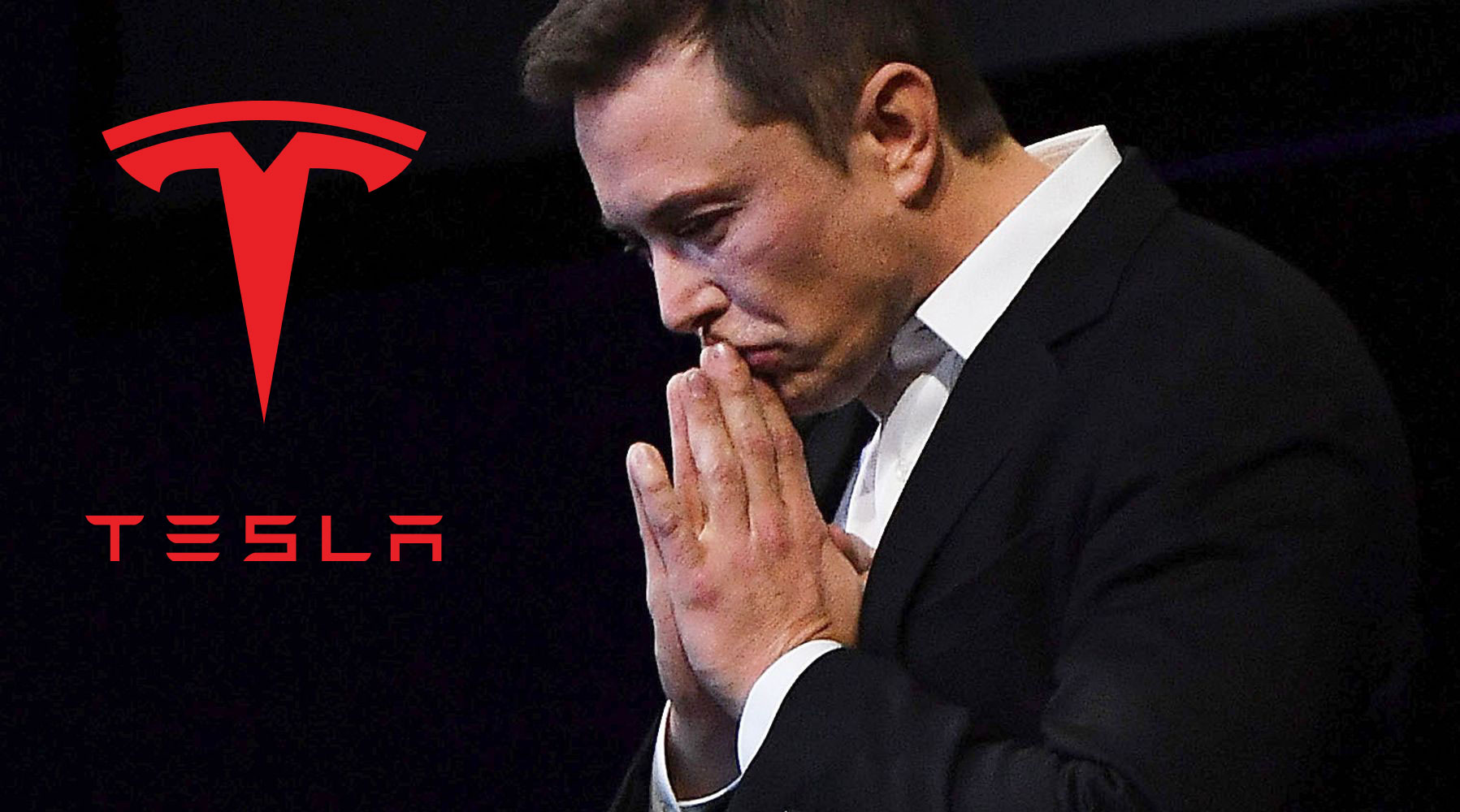
Musk Bullish On Tesla Sales As Price Cuts Boost Demand
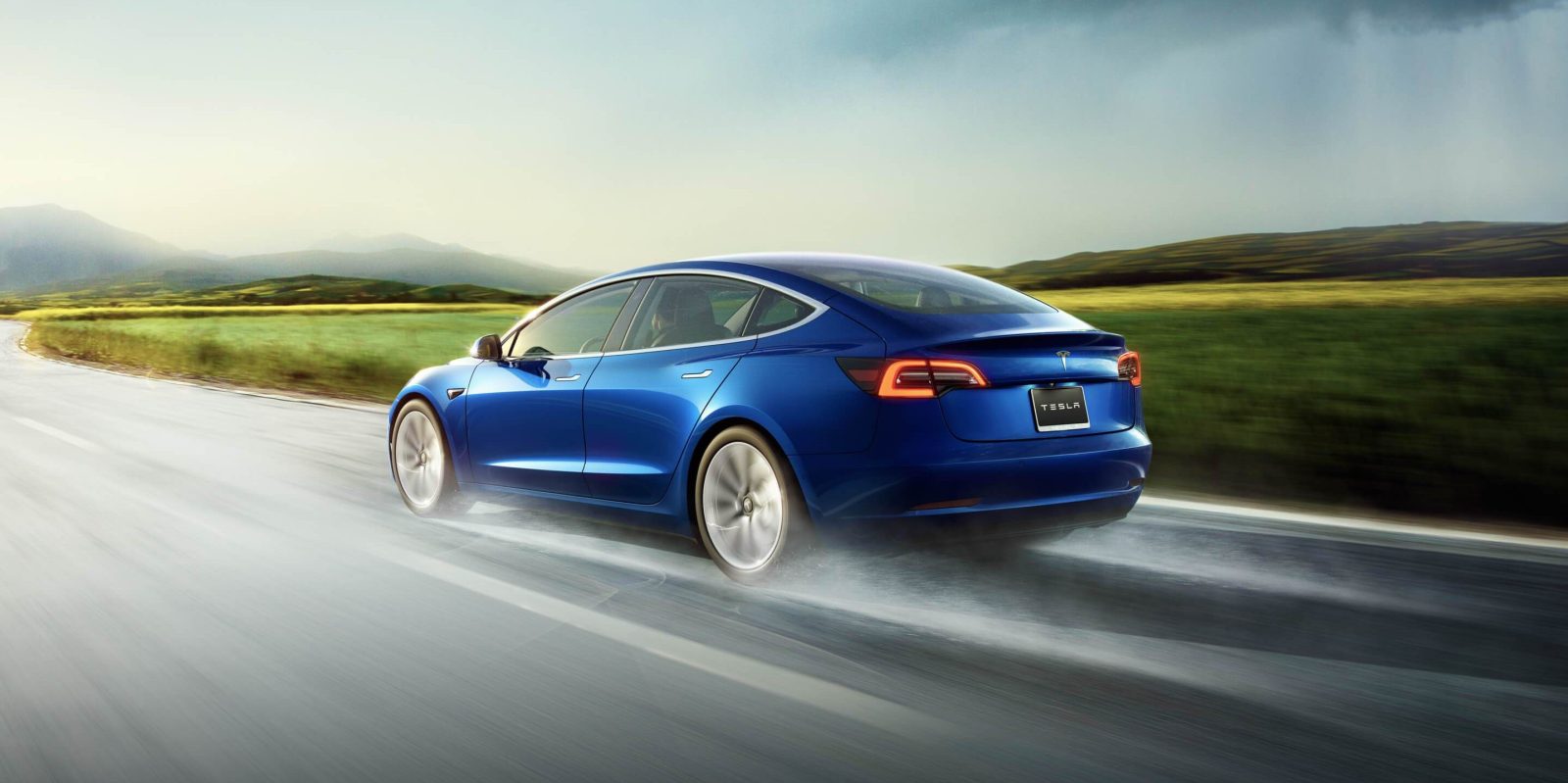
Tesla’s aggressive price cuts have ignited demand for its electric vehicles, Chief Executive Elon Musk said on Wednesday, playing down concerns that a weak economy would throttle buyers’ interest.
The company slightly beat Wall Street targets for fourth-quarter revenue and profit earlier on Wednesday despite a sharp decline in vehicle profit margins, and it sought to reassure investors that it can cut costs to cope with recession and as competition intensifies in the year ahead.
Deep price cuts this month have positioned Tesla as the initiator of a price war, but its forecast of a 37% rise in car volume for the year, to 1.8 million vehicles, was down from 2022’s pace.
However, Musk, who has missed his own ambitious sales targets for Tesla in recent years, said 2023 deliveries could hit 2 million vehicles, absent external disruption.
Tesla’s sales prospects, as it confronts a weaker economy, are a key focus for investors. The company said it maintains a long-term target of a compounded 50% annual rise in sales.
Musk addressed the issue at the start of a call with investors and analysts.
“These price changes really make a difference for the average consumer,” he said, adding that vehicle orders were roughly double production in January, leading the automaker to make small price increases for the Model Y SUV.
He said he expected a “pretty difficult recession this year,” but demand for Tesla vehicles “will be good despite probably a contraction in the automotive market as a whole.” Shares rose 5.3% in extended trading.
The company is relying on older products and Musk said its Cybertruck, its next new electric pickup truck, would not begin volume production until next year. Reuters in November reported that the highly anticipated model would not be produced in volume until late this year.
Tesla will detail plans for a “next-generation vehicle platform” at its investor day in March.
Tesla’s vehicles “are all in desperate need of updates beyond software,” said Jessica Caldwell, Edmunds’ executive director of insights. She said Tesla will largely depend on the cheaper unit as well as Model 3 and Model Y to bring EVs to the masses.
“It’s unlikely that the Cybertruck will attempt to achieve mass-market volumes like the Detroit competitors.”
Analysts said Tesla’s goal is bullish given the macroeconomic uncertainties.
“I think that you’re going to see some severe demand destruction across consumer spending and I think cars are going to take a big hit,” Edward Moya, senior market analyst at OANDA, said.
Tesla said it does not expect meaningful near-term volume growth from China, since its Shanghai factory was running near full capacity, rebounding from production challenges last year.
“Even a small cooling of demand will have significant implications for the bottom line,” said Sophie Lund-Yates, an analyst at Hargreaves Lansdown.
Tesla said that its automotive gross margins, which dropped to a two-year low of 25.9% in the reported quarter, were pressured by the costs of ramping up battery production and new factories in Berlin and Texas, as well as higher raw material, commodity, logistics and warranty costs.
Tesla expected its automotive gross margin to remain above 20%.
Margins generally are expected to be under further pressure from its aggressive price cuts. Tesla, which had made a series of price increases since early 2021, reversed course and offered discounts in December in the United States, followed by price cuts of as much as 20% this month.
Analysts had said Tesla’s profitability gave it room to cut prices and pressure rivals. The company’s $9,000 in net profit per vehicle in the past quarter was more than seven times the comparable figure for Toyota Motor Corp in the third quarter. But it was down from almost $9,700 in the third quarter.
“In severe recessions, cash is king, big time,” Musk said, adding that Tesla is well positioned to cope with an economic downturn because of its $20 billion of cash.
The company’s stock posted its worst drop last year, hit by demand worries and Musk’s acquisition of Twitter, which fueled investor concerns he would be distracted from running Tesla.
Musk dismissed surveys that suggest his political comments on Twitter are damaging the Tesla brand. “I might not be popular” with some, he said, “but for the vast majority of people, my follow count speaks for itself.” He has 127 million followers.
Revenue was $24.32 billion for the three months ended Dec. 31, compared with analysts’ average estimate of $24.16 billion, according to IBES data from Refinitiv.
Tesla’s full-year earnings were bolstered by $1.78 billion in regulatory credits, up 21% from a year earlier.
Adjusted earnings per share of $1.19 topped the Wall Street analyst average of $1.13.
It ended the fourth quarter with 13 days’ worth of vehicles in inventory, more than four times higher than the start of 2022, and a record $12.8 billion in value.
-

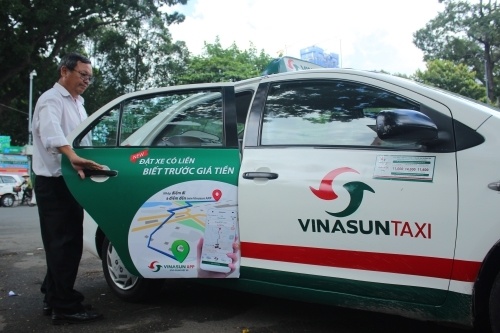
Taxi firm Vinasun payroll increases again after 6 years
Vinasun’s payroll increased by 10% last year, the first time since 2016 hires outnumbered layoffs.
The leading taxi operator said it had 2,013 employees at the end of last year, 136 more than at the beginning of the year.
General director Ta Long Hy said the figures do not fully reflect its recovery and expansion level because drivers who sign franchising contracts with the company are not counted as full-time employees.
“In fact, between April and year-end last year, we recruited around 2,700 drivers,” he said.
In 2016 Vinasun had the largest market share and payroll – 17,200 – in the taxi industry.
A year later, when it switched to a franchising model and was affected by the boom in ride-hailing apps, the number fell to 7,100. Since then the number of employees kept decreasing.
Hy said last year Vinasun adopted many new policies to attract drivers, bought 550 new cars, and launched a luxury service.
“All of our taxis operated in the last two quarters of last year, while a year earlier half of them remained parked.”
Last year, Vinasun earned revenues of VND1.1 trillion (US$46.6 million), double the 2021 figure and back to pre-pandemic levels, and pre-tax profits of VND187 billion.
In 2021, it had incurred losses of VND277 billion.
The Vinasun share has gained 35% since mid-November last year.
-

Vietnam fuel imports doubled in 2022
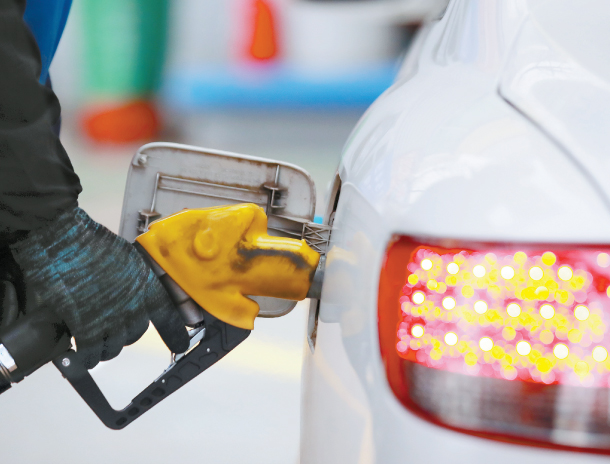
Vietnam’s fuel oil and gasoline imports almost doubled to US$9 billion last year from $4.9 billion in 2021.
Volumes were 28% up to 8.9 million tons. Diesel accounted for 54% of the volume, gasoline for 19% and jet fuel for 16%.
South Korea was the biggest supplier, providing 3.2 million tons, followed by Singapore and Malaysia.
The fuel market saw major turbulence last year with many gas stations across the country shutting down in the second and third quarters as retail prices were too low for them to break even.
The Ministry of Industry and Trade has instructed distributors to increase supply by 10-15% from last year to 25.9-26.7 million tons this year.
The country’s largest refinery, Nghi Son, cut production by 25% earlier this month due to a technical issue, but fixed it by January 15 and promised to increase production during the rest of the month to make up.
It will again have to shut down starting August 25, this time for 55 days, for major maintenance work.
Some retailers said recently that since authorities did not fix new retail prices on January 21 as scheduled and instead put off the announcement to February 1 they are selling at low commissions and even making losses after global prices shot up during the Tet holidays which lasted from January 20-26.
-

Hyundai distributor reports revenue of $5B
Thanh Cong, distributor of South Korea’s Hyundai automobiles in Vietnam, recorded a revenue of VND118 trillion ($5 billion) last year, an increase of 15.6% over 2021.
The Thanh Cong Group sold more than 81,500 Hyundai automobiles of all kinds during the year, accounting for some 16% of the country’s total automobile sales in 2022.
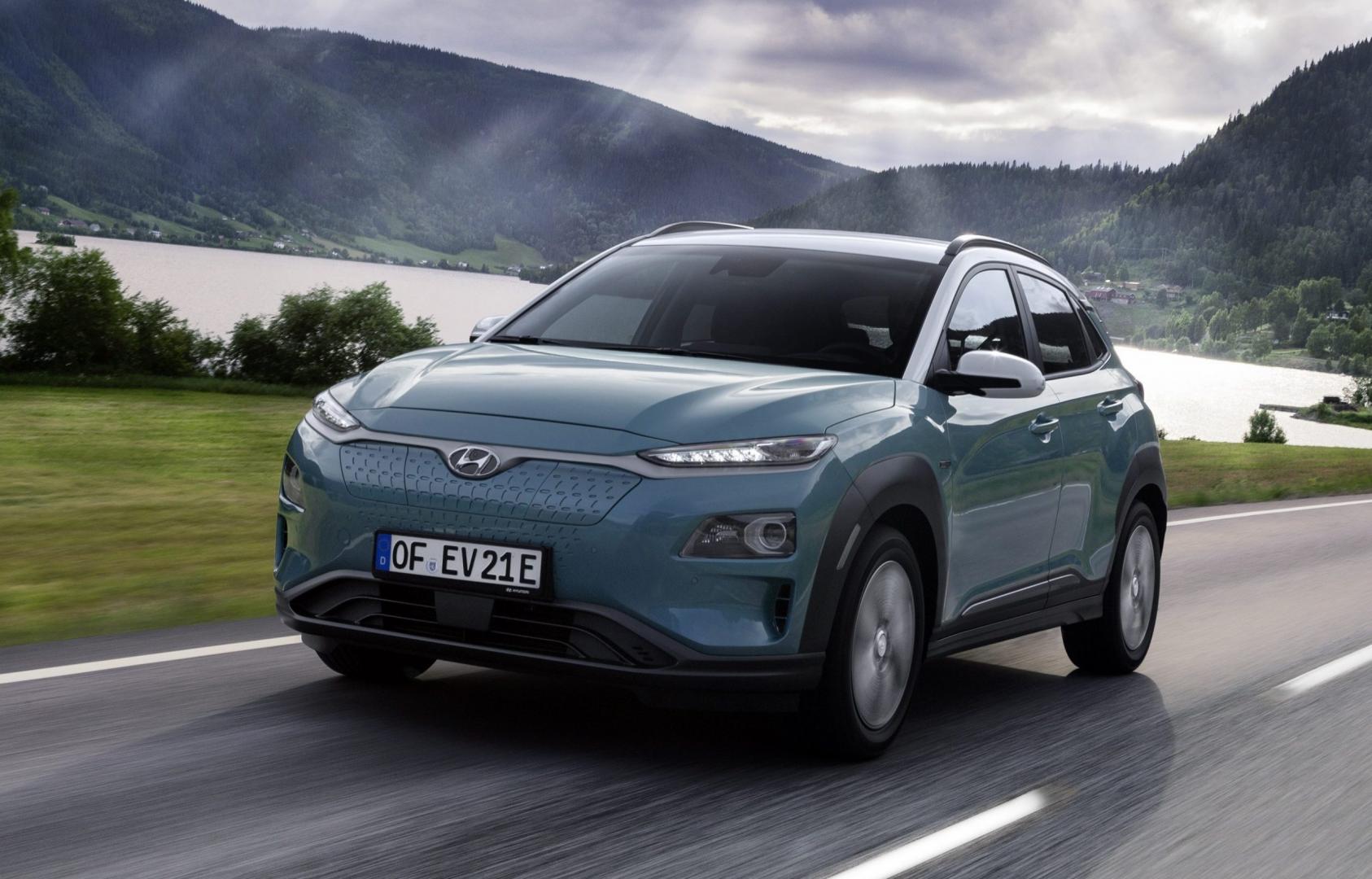
Late last year Thanh Cong inaugurated its second Hyundai automobile plant in Vietnam in the northern province of Ninh Binh, with a designed capacity of 100,000 vehicles per year. It is expected to only assemble the Hyundai Ionic 5 electric vehicle at the plant this year.
Established in 1999 as a manufacturer, Thanh Cong has now become a multi-industry firm, mainly operating in the spheres of automobiles, services and real estate.
Other automobile distributors in Vietnam also reported big revenues or profits last year.
Selling some 130,000 vehicles of all kinds, Truong Hai Auto Corporation (THACO), the local assembler and distributor of brands such as Kia, Mazda and Peugeot achieved a consolidated revenue of more than VND100 trillion, nearly doubling its revenues for 2021.
Haxaco, the distributor of Mercedes cars, posted a record after-tax profit of some VND245 billion, up 1.5 times over 2021.
-

Pharma firms see profits soar post-Covid
Many pharmaceutical firms have reported record profits in 2022 thanks to high demand for drugs and other healthcare products post-Covid.
DHG Pharma reported a profit of VND988 billion (US$42.1 million), a 27% increase from 2021 and 29% higher than the management’s target. It is the highest profit it has reported since it started making its accounts public in 2005.
OPC and Imexpharm also earned record profits.
OPC’s profits increased by 16% from 2021 to over VND140 billion, and Imexpharm’s by 24% to VND230 billion.
High demand for healthcare products following the pandemic was the main reason for the soaring profits.
A Vietnam Report survey in October-November found that around 90% of businesses that manufacture, distribute and sell pharmaceutical products reported higher revenues and around 80% reported profit growth in the first nine months of 2022.
Besides, they also benefited from government policies to support drug retailers and modern drugstores.
-

Global smartphone shipment slowdown could hurt Vietnam
Manufacturing hubs like Vietnam and South Korea could be hurt this year as global smartphone shipments suffered its worst quarterly drop on record, signaling a cool down in consumer demand.
Shipments declined 18.3% year-on-year in the December quarter to a little over 300 million units, U.S.-based International Data Corporation said Thursday.
Xiaomi’s shipment volume declined steepest at 26.3%, followed by vivo (down 18.9%) and OPPO (down 15.9%).
For the year, global shipments fell 11.3% and marked the lowest total for a decade, the researchers said.
“We have never seen shipments in the holiday quarter come in lower,” Nabila Popal, research director at IDC.
Along with inflation and economic uncertainties, Covid lockdowns in China were another factor that hurt the industry, including Apple Inc.’s iPhone sales, she said. “Heavy sales and promotions during the quarter helped deplete existing inventory rather than drive shipment growth.”
Smartphones are among the largest exports for Korea and a key source of income for Vietnam as Samsung Electronics operates factories in both countries.
Samsung last quarter reported its biggest profit fall in over a decade, primarily led by a drop in demand for semiconductors. The company’s exposure to smartphone sales is amplified by its role as the leading provider of memory and displays for the industry.
-

Tesla Under Fire In Germany Over Union Concerns On Working Hours
Tesla has come under fire from German union IG Metall and politicians over allegations by workers of unreasonable working hours and fears over speaking out at its Brandenburg plant, with some calling for inquiries into the carmaker.
At its annual news conference, IG Metall, which has an office near the plant and says it is in regular contact with workers, said a growing number reported longer working hours with little free time.
Workers were also increasingly fearful about discussing their working conditions openly because of non-disclosure agreements they were told to sign along with their work contracts, IG Metall said.
A new role advertised on Tesla’s career website for a “Security Intelligence Investigator”, who will partner with legal and human resources departments to carry out “collection of on-the-ground information both within and beyond Tesla walls in order to protect the company from threats”, exacerbated these concerns.
“Workers started at Tesla with great enthusiasm for the project. Over time we are observing that this enthusiasm is withering,” Irene Schulz of IG Metall Berlin-Brandenburg-Sachsen said in a statement.
“Tesla is not doing enough to improve working conditions and is leaving too little time for leisure, family and recovery.”
Tesla was not immediately available for comment.
Tesla China has also asked some staff to sign non-disclosure agreements, according to two sources with knowledge of the matter. Reuters found several people on LinkedIn with the title of “Security Intelligence Investigator” working for Tesla in Austin, San Francisco and Shanghai.
Local politicians from the centre-left SPD to the centre-right CDU expressed concern about the allegations, calling for inquiries both by Tesla and the local government.
“The state government of Brandenburg must enforce occupational safety through close controls at Tesla,” Christian Baeumler of the Christian Democrats (CDU) said.
The Brandenburg government was not immediately available for comment.
-

Auto Lobby Urges Spain To Speed Up Vehicle Electrification As Sales Lag
Spain’s auto industry needs an overhaul to catch up with European peers and speed up its electrification process as automakers struggle to recover from a pandemic-induced slump, the country’s biggest manufacturers’ lobby said on Tuesday.
As elsewhere in Europe, Spanish car production has been hampered in the past few years by semiconductor shortages, temporary factory closures and supply chain bottlenecks after the 2020 global outbreak of the COVID-19 disease.
“We cannot waste any more time,” Wayne Griffiths, the head of the lobbying group ANFAC and chief executive of Volkswagen’s Spanish unit SEAT, said while presenting the group’s roadmap until 2025.
“We can’t afford to let 2023 go by without taking ambitious decisions,” he added. “Cosmetic measures are no longer enough.”
Among the challenges the country’s industry faces are weaker-than-expected electric vehicle (EV) sales, an ageing car fleet – which is stymieing emission reduction and safety goals – and a still-lacking charging infrastructure for EVs, Griffiths said.
In 2022, about 78,000 plug-in hybrid (PHEV) and battery electric vehicles (BEV) were sold in Spain, far below the 120,000 required to meet current emission goals. Electric vehicles account for 9.2% of total auto sales, while the European Union average is over 20%.
“Europe is splitting in two, and Spain is falling further and further behind leading countries” such as Germany or Portugal, Griffiths said.
Some measures proposed by ANFAC to boost the sector include revamping subsidies for EV buyers so they are directly applied to the purchase price; streamlining relevant sales, income and corporate taxes; and setting binding targets for the deployment of high-power public EV charging infrastructure.
Griffiths said the industry ultimately needed to encourage consumers to make the leap to EVs, though he was aware that their generally high prices had put off some potential buyers.
“I think there will be a step-by-step democratisation of electromobility. In 2024 and 2025, new models will come out at more affordable prices.”
-

Tesla’s Price Cuts Promise More Pain For Money-Losing U.S. EV Startups
A price war in electric vehicles started by market leader Tesla Inc has made it much more difficult for money-losing U.S. startups like Rivian Automotive Inc and Lucid Group Inc to grab share in an industry competing for shrinking consumer wallets.
Tesla’s move last week to slash prices globally on its EVs by as much as 20% could draw new buyers to electric cars in the industry, but also will force other automakers to respond with lower prices or risk getting left behind, analysts and investors said.
Some startups may not be able to afford lower prices as they struggle with staggering raw material and production costs combined with far lower output than the Elon Musk-led Tesla, which delivered more than 1.3 million vehicles last year.
Tesla’s move will “strengthen their … competitive advantage over other automakers,” CFRA Research analyst Garrett Nelson said.
The struggles of most startups are a far cry from their initial public offerings over the past few years, when investors believed these companies would take over the EV market and echo the heady valuation Tesla has sported in the past.
‘GAME OF THRONES’ FOR EV STARTUPS
Both Rivian and Lucid have yet to turn a profit. Together they delivered more than 24,000 cars last year, with Rivian spending more money on making each car than the selling price of that vehicle.
The company’s cost of goods sold was about 2.7 times its revenue in the last reported quarter, while Lucid’s cost of revenue was about 2.5 times its sales.
Still, Rivian had $13.8 billion in cash at the end of the third quarter – the most among the U.S. EV startups. Lucid had the second-highest cash reserves with $1.26 billion, and it raised another $1.52 billion in the fourth quarter.
That gives the companies a sizeable production runway at a time peers Faraday Future and British EV startup Arrival have been seeking funding and have warned they might not be able to sustain operations through 2023.
“It’s a ‘Game of Thrones’ battle for EV startups and they face some dire options over the next 12 to 18 months if they do not succeed in their financial targets,” said Wedbush Securities analyst Daniel Ives. “We would expect some … losers that face the prospect of consolidation or possibly worse on the horizon.”
A clearer picture of their balance sheets is expected when these companies report fourth-quarter earnings.
Rivian declined to comment, while Lucid did not respond to a request for comment.
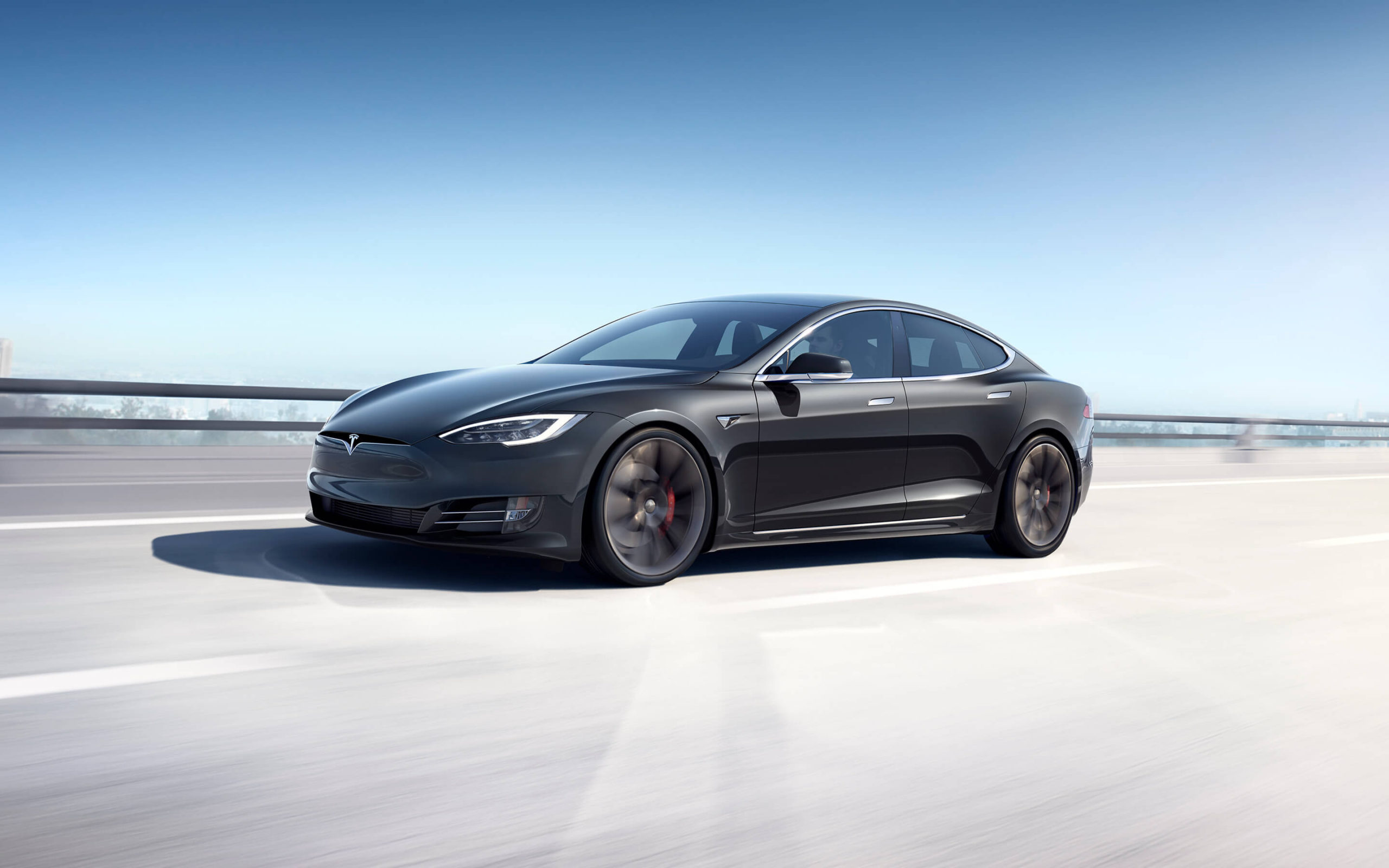
Lucid aims to target the luxury and sport-luxury sedan segment of the EV market, with its cars starting at over $87,000, which is $8,000 less than the base version of Tesla’s Model S sedan after the January discounts.
Lucid, headed by former Tesla executive Peter Rawlinson, has not announced plans for a mass-market car to rival Tesla’s Model 3 and Model Y, which start at about $44,000 and $53,000, respectively.
Rivian sells its R1T pickup truck at a starting price of $73,000 while its R1S SUV starts at $78,000.
The company, whose largest shareholder is Amazon.com Inc, does not plan on selling cheaper cars that it will build on a next-generation R2 platform before 2026. The platform will support higher volumes and be less expensive than the vehicles built on the R1 platform, Rivian says.
Tesla’s price cuts come just months after contract manufacturer Magna Steyr began production of Fisker’s Ocean SUV, which starts at $37,499 and makes it more vulnerable, analysts said.
Fisker declined to comment.
Lordstown Motors, which in May sold a significant chunk of its assets to contract manufacturer Foxconn to raise funds, said its Endurance pickup targets the commercial fleet market only.
-

The Google app and account switcher get Material You makeovers
If you happen to have more than one Google account you’re probably familiar with the Google account switcher page. From the page, you can switch between all of your Google accounts. For example, you can have multiple Gmail accounts if you have more than one Google account. To switch between them you tap the profile picture or your avatar (it might just show the first letter of your name) on the right side of the search bar at the top of the screen and that will allow the account switcher to appear.From the account switcher, you can switch which Google account you want to use to view. Keep in mind that switching the account will change what you see on all Google apps from Gmail, to the Google app, Messages, Calendar, and more. With multiple Google account you can have one for your personal life and one for work.
The old Account Switcher look is at left, the new look is at right. Image credit Android PoliceGoogle has released a Material You makeover for the account switcher page that takes the rectangular box found inside the page and changes it to a rounded design. Android Police in Google apps such as Search, Maps, Calendar, Photos, Drive, and Docs have spotted the new look. Not everyone has the updated account switcher yet as this writer has yet to find it on a Pixel 6 Pro running Android 13 QPR2 Beta 2.1. The change to the account switcher page is purely cosmetic since it doesn’t add any new features or capabilities.Speaking of changes, Google has also changed the iconic Google app using Material You theming. With the update, when you select a tab from the bottom bar, that choice (be it Discover, Search, or Collections) will be found inside a small blue pill-shaped enclosure. In Search, you’ll see the carousel of filters near the top of the screen (matching the aforementioned pill shaped enclosure on the bottom) with a more traditional search field on top.9to5 Google says that the changes appear on beta version 14.4 of the Google app. Material You is the design language used by Google. In describing what it means, Google has said that “Material You explores a more humanistic approach to design. One that celebrates the tension between design sensibility and personal preference, and does not shy away from emotion. Without compromising the functional foundations of our apps, Material You seeks to create designs that are personal for every style, accessible for every need, alive and adaptive for every screen.” -

Bitcoin Suisse Cuts Staff and Revamps Management
A refocus on the core business results in a management reshuffling at the crypto finance service provider. There are also two departures to report.
Bitcoin Suisse is changing its management structure in three areas. Sven Ramspott takes over as chief financial officer (CFO), adding to his current risk officer responsibilities. Pierre-Alain Krohn takes over as head of compliance, and Michael Gauckler, currently head of innovation, will be appointed responsible for products.
According to a statement Wednesday, the appointments are related to the reorganization of Switzerland’s largest crypto broker, which accompanies a reduction in staff.
The austerity measure is justified by the stock market slump hitting traditional financial and crypto markets simultaneously and lasting longer than expected. Still, the layoffs are well below the average currently seen in the crypto industry.
Ramspott, with over 25 years of experience in leadership roles in the financial industry, joined Bitcoin Suisse in September 2021. In his previous role as chief risk officer and head of risk & compliance, he developed frameworks for compliance and, in particular, anti-money. In doing so, he laid a key foundation for the strategic direction of Bitcoin Suisse, according to the statement.
Krohn spent five years in a leadership role at JP Morgan in Geneva, where he was responsible for anti-money laundering, governance, and controls, before joining Bitcoin Suisse.
Gauckler joined Bitcoin Suisse as head of product development & innovation in September 2020. He has 20 years of experience, including as co-founder of Evolute Group, and at Credit Suisse and PwC.
With a refocusing on core markets, there will also be two departures. Mauro Casellini, CEO of Bitcoin Suisse Liechtenstein, is taking on a new challenge. The Liechtenstein, Denmark, and Bratislava locations now fall under the aegis of Chief Operating Officer Peter Camenzind, according to reports.
Current CFO Philipp Vonmoos hands over his responsibility to Ramspott at the beginning of February. Vonmoos joined the company in 2017, first leading the custody business and then the finance division. Most recently, he supported the introduction of the new crypto-compatible core banking system.
According to Chairman Luzius Meisser, Bitcoin Suisse intends to continue its growth in the institutional sector despite the significant market corrections of the past year. Bitcoin courses online.