Author: Mei Ling Tan

  • Google introduces ads in YouTube Shorts

    Google introduces ads in YouTube Shorts

    We live in a time when, thanks to TikTok, the short-video form factor is crazy popular and has extreme potential for monetization. Naturally, every social media platform wants a piece of that pie. We have Instagram and Facebook with their version — Reels — and we have YouTube with its Shorts.

    As Bloomberg first reported, YouTube wants to increase its earnings from Shorts and has begun experimenting with ads on its short videos. Currently, the ads you will see in Shorts are mainly the app-install ones, but there may be other promotions sprinkled in as well.

    It looks like the experiment is going well for the platform. Philipp Schindler, Google’s chief business officer, told investors, “While it’s still early days, we’re encouraged by initial advertiser feedback and results.”

    But why now, Google? After all, the tech giant introduced YouTube Shorts in 2020 and needed two years to add advertisements to its short videos. A possible reason could be that, for the first quarter of 2022, YouTube’s ad revenue growth was 14%, which is lower than what was expected by the analysts. It received $6.87 billion in revenue, compared with an expected $7.4 billion.

    Also, the tech giant has noticed a decrease in direct response ads, like app-install campaigns. And since Shorts now receives 30 billion daily views, Google is leveraging that to increase YouTube’s ad revenue and simultaneously the direct responses of its ads.

    The tech giant has noticed a decrease in direct response ads, like app-install campaigns. That’s why it decided to leverage the 30 billion daily views that the Shorts platform gets to boost specifically those types of advertisements.


  • Spotify announces gains in both paid subscribers and free users in 2022

    Spotify announces gains in both paid subscribers and free users in 2022

    Despite the difficult circumstances, Spotify has managed to expand its user base in 2022. Paid subscribers rose by 2 million, while monthly active users – by 18 million.

    On Wednesday, Spotify released its financial results for the first quarter of 2022. While many streaming services are facing financial hardship, Spotify has defied the gloomy predictions and announced a nearly 24% increase in gross revenue on a yearly basis.

    The company reported growth across all key metrics, with increases in both monthly active users and paid subscribers. Based on the statistics, Spotify Premium subscribers now add up to 182 million, 2 million more than the figure for the same period in 2021. It should be noted that this increase was sustained despite the withdrawal of the streaming platform from the Russian market, which directly lead to the estimated loss of 1.5 million subscribers.

    The growth exceeded the company’s initial expectations and is largely attributed to outperformance in other key markets (notably Europe and Latin America). All in all, premium revenue rose by 23%, on a year-to-year basis.

    For the number of active monthly listeners, a little bit of guesswork was undertaken. Because of a system outrage a couple of months ago, many non-premium users were forcibly logged out from the platform. As a result, some simply ended up creating new accounts instead of logging back to their old ones. Nevertheless, even when accounting for this accident, Spotify is confident that the number of active monthly listeners has still risen, albeit not to the levels previously anticipated.

    Spotify also announced its forecasts for the next financial quarter and the end of the year. By 2023, the streaming platform is projected to have up to 187 million paid subscribers and a grand total of 428 million active monthly users.

    These figures are impressive and showcase Spotify’s continuous dominance of the music streaming market. Spotify’s biggest direct competitor, Apple Music, does not routinely report the size of its user base. The last time it did, it had an estimated 60 million subscribers – a sizeable number no doubt, but quite a bit off of what Spotify has.


  • Northvolt, Volvo Cars Pick Gothenburg For New Battery Plant

    Northvolt, Volvo Cars Pick Gothenburg For New Battery Plant

    Automaker Volvo Cars and battery manufacturer Northvolt will build their joint battery plant in Gothenburg, western Sweden, the two companies said on Friday. The new 50GWh plant will create up to 3,000 jobs and make battery cells specifically developed for use in pure electric Volvo and Polestar cars, the Sweden-based companies said. Operations will begin in 2025. The two companies said last year they would form a joint venture to develop batteries, including setting up a gigafactory for production and research and development centre, a total investment of about $3.3 billion.

    Northvolt and Volvo said former Tesla executive Adrian Clarke had been appointed to lead the production company.

    “He comes with a long experience from Tesla as well as around how to build these type of factories,” Northvolt CEO Peter Carlsson, who also previously worked for Tesla, told Reuters.

    Volvo Cars head of engineering and operations, Javier Varela, said access to fossil-free energy, skills, and infrastructure had been factors for choosing Gothenburg, Volvo’s hometown.

    Competition for talent is fierce, with most battery engineers based in Asia. Tesla and Asian companies such as LG and Samsung SDI are also setting up factories in Europe.

    Northvolt’s gigafactory in the Swedish town of Skelleftea assembled its first battery cell at the end of December, making it the first European company to design and manufacture a battery in Europe.

    Carlsson said it was running as planned, although he said global supply-chain problems, semiconductor shortages, and the COVID-19 had made it more of a challenge. “It has not been the easiest of times,” he said.

    Volvo Cars, majority-owned by China’s Geely Holding, aims to sell 50 per cent pure electric cars by the middle of this decade and fully electric cars only by 2030.

    Northvolt, whose biggest shareholder is Volkswagen, has so far received more than $30 billion worth of contracts from customers such as BMW, Fluence, Scania, Volkswagen, Volvo Cars, and Polestar.

  • Volkswagen’s Skoda Auto Reports 12.6% Drop In 2021 Global Deliveries To 878,200 Cars

    Volkswagen’s Skoda Auto Reports 12.6% Drop In 2021 Global Deliveries To 878,200 Cars

    Volkswagen’s Skoda Auto said on Tuesday its global deliveries dropped 12.6% year-on-year in 2021 to 878,200 cars as the industry suffered from a semiconductor shortage and the impact of the COVID-19 pandemic.

    Among its regional markets, the Czech carm

  • BMW To Create Up To 6,000 New Jobs Next Year

    BMW To Create Up To 6,000 New Jobs Next Year

    Germany’s BMW plans to create up to 6,000 new jobs next year to prepare for growing demand for its electric vehicles, the carmaker’s chief executive told daily Muenchner Merkur.

    BMW is on a very good path through the transformation and has its plants prepared for e-mobility, Oliver Zipse was quoted as saying in an interview published on Wednesday. “That is why we will increase our workforce by up to five percent next year.”

  • Tesla Raises Full Self Driving Software Price To $12,000 In U.S., Musk Says

    Tesla Raises Full Self Driving Software Price To $12,000 In U.S., Musk Says

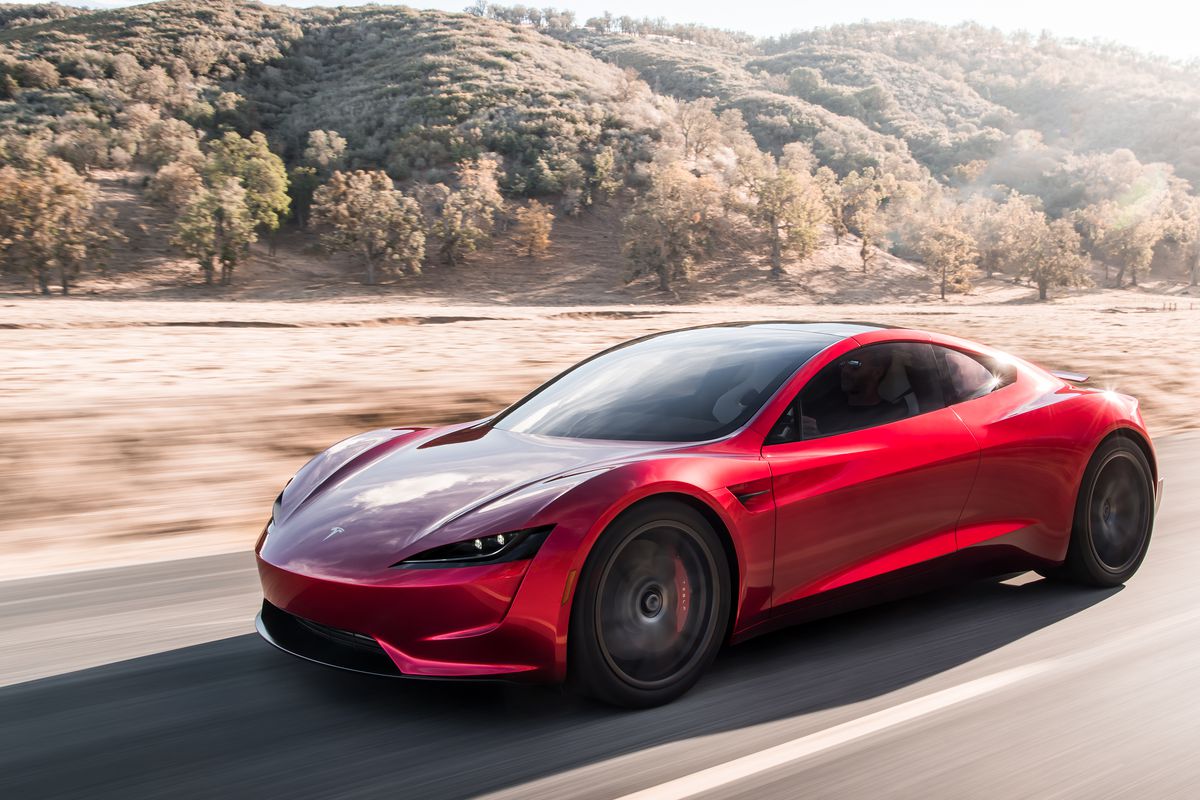
    Tesla Inc Chief Executive Officer Elon Musk tweeted on Friday that the electric carmaker will raise the U.S. price of its advanced driver assistant software dubbed “Full Self Driving” to $12,000 on Jan. 17.

    The 20% price rise comes less than two years since Tesla raised Full Self-Driving (FSD) prices to $10,000 from $8,000 in 2020.

    “Tesla FSD price rising to $12k on Jan 17. Just in the US.” Musk tweeted.

    Musk also added that the monthly subscription price will rise when FSD goes to wide release.

    “FSD price will rise as we get closer to FSD production code release,” he tweeted.

    Tesla has been expanding the release of a test version of its upgraded FSD software, a system of driving-assistance features – like automatically changing lanes and making turns, but the features do not make the vehicles autonomous.

  • China Expects To Meet Charging Demand Of 20 Million-Plus EVs By End Of 2025

    China Expects To Meet Charging Demand Of 20 Million-Plus EVs By End Of 2025

    China expects to meet charging demand for more than 20 million electric vehicles by the end of 2025, the National Development and Reform Commission said in a document on Friday.

  • VN-Index gains with plunging trading value

    VN-Index gains with plunging trading value

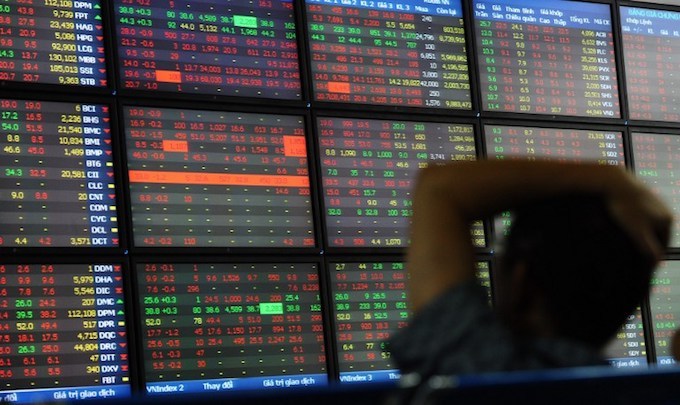
    Vietnam’s benchmark VN-Index rose 0.93 percent to 1,353.77 points Wednesday but with trading value lowest in nine months as investors’ sentiment remain low after recent plunges. The index stayed in the red throughout the day but strong buying pressure in the last hour of trading pushed it up over 12 points.

    Together with the Tuesday session, VN-Index has risen nearly 43 points after losing 68 points on Monday in one of the worst trading sessions in Vietnam’s stock market history.

    Trading on the Ho Chi Minh Stock Exchange (HoSE), on which the index is based, fell nearly 31 percent to VND14.54 trillion ($633.09 million), lowest since the end of July.

    The VN30 basket, comprising the 30 largest capped stocks, saw 14 tickers gained, led by HPG of steelmaker Hoa Phat Group with a 3.2 percent rise.

    It was followed by STB of Ho Chi Minh City-based lender Sacombank, up 2.9 percent, and MSN of conglomerate Masan Group, up 2.6 percent.

    CTG of state-owned lender VietinBank rose 2.4 percent, and GVR of Vietnam Rubber Group gained 2.1 percent.

    Eleven blue chips fell, with VRE of retail real estate arm Vincom Retail falling 1.8 percent.

    FPT of IT giant FPT Corporation, VNM of dairy giant Vinamilk and VPB of private lender VPBank all fell 1.2 percent.

    Foreign investors were net sellers to the tune of VND261 billion, mainly selling VND of brokerage VNDirect and DXG of real estate developer Dat Xanh Group.

    The HNX-Index for stocks on the Hanoi Stock Exchange, home to mid and small caps, rose 3.45 percent while the UPCoM-Index for the Unlisted Public Companies Market gained 0.22 percent.

  • No Back to the Office at UBS

    No Back to the Office at UBS

    The transition to a new working culture at UBS is well underway as many employees adopt agile working methods, while others gain total freedom.

    Around 10,000 – or one in ten – employees at Switzerland’s largest bank now work according to agile working methods, the bank said in its earnings release Tuesday.

    Agile, which is often used in software development where product cycles are short and requirements for a solution can change quickly, has the objective of making teams more efficient and flexible. It is central to CEO Ralph Hamers’ grand plan to foster a culture of engineers at UBS.

    Flexibility is also a priority when it comes to the bank’s working arrangements: In the USA, the bank is offering certain employees the possibility to work completely from their home office, while continuing to support hybrid working methods in other locations.

    In Swiss banking, a 40 to 60 percent rule for remote working could become the new standard, and one adopted by Credit Suisse last month.

  • Rice exports to Russia jump in Q1

    Rice exports to Russia jump in Q1

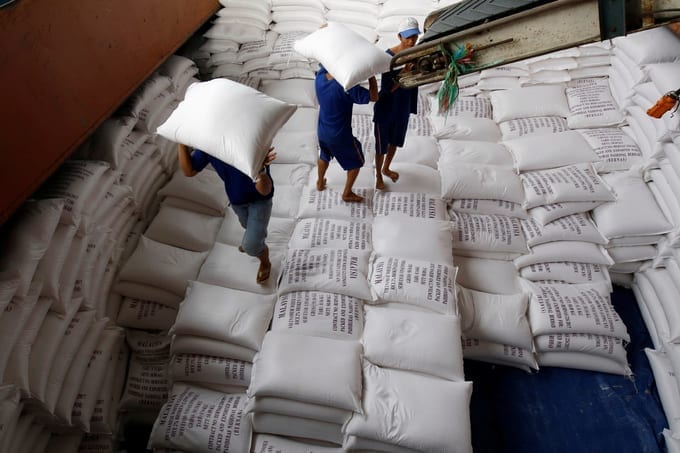
    Vietnam’s rice exports surged 2.6 times year-on-year to over US$553,000 in Q1, according to Vietnam Customs.

    The grain was one of Vietnam’s few exports to Russia that increased in the first quarter as the Russia-Ukraine crisis impacted other suppliers. It was one of only eight export items that saw increases out of 23.

    Overall exports to Russia fell by 29.1 percent to $543.8 million.

    The others to achieve positive growth included rubber, up 60.2 percent to $7.2 million, machinery, equipment, coffee, and iron and steel, which were 4-40 percent higher.

    But many Vietnamese exporters see the writing on the wall which is the crisis and Western sanctions starting to disrupt trade.

    They need to closely monitor and follow news from Russian banks on new regulations and payment channels as the country has been removed from the SWIFT international financial system.

  • Thai food giant to list on Vietnam stock exchange

    Thai food giant to list on Vietnam stock exchange

    Thai food giant Charoen Pokphand Foods has green-lighted its Vietnam subsidiary’s plans to list its shares on the Ho Chi Minh Stock Exchange.

    CPF has made a filing with the Stock Exchange of Thailand, but details are unavailable about plans for an IPO and others.

    C.P. Vietnam gets around 70 percent of its revenues from processed and fresh pork and chicken products.

    It built its first processing plant in Vietnam in 1993 and now has nine around the country.

    Vietnam’s stock exchanges have eight foreign companies listed on them, and they account for 0.3 percent of their market capitalization.

    Another foreign firm, Japanese retailer Aeon, has announced its intention to list in Vietnam.

  • Gold giant SJC sees sales slump to seven-year low

    Gold giant SJC sees sales slump to seven-year low

    The State-owned Saigon Jewelry Company has reported revenues of VND17.7 trillion ($770.3) in 2021, down 25 percent year-on-year to its lowest since 2014.

    It has attributed the decrease to Covid-19 restrictions and lockdowns last year, which brought sales from VND13 trillion in the first half down to just VND4.7 trillion in the third and fourth quarter, well below its target of VND23.5 trillion.

    The company posted pre-tax profits of VND56 billion last year, down 42.6 percent, and return on equity of 2.8 percent, short of the targeted 5 percent.

    At the end of 2021, the value of its total assets was VND1.7 trillion, 70 percent of it in inventory.

    Established in 1988, SJC is a wholly state-owned enterprise based in Ho Chi Minh City. It has been the sole producer of gold bullion in the country since 2012, and has around 90 percent of the bullion market.

  • Volta Trucks Unveils Two Smaller Truck Models For Urban Markets

    Volta Trucks Unveils Two Smaller Truck Models For Urban Markets

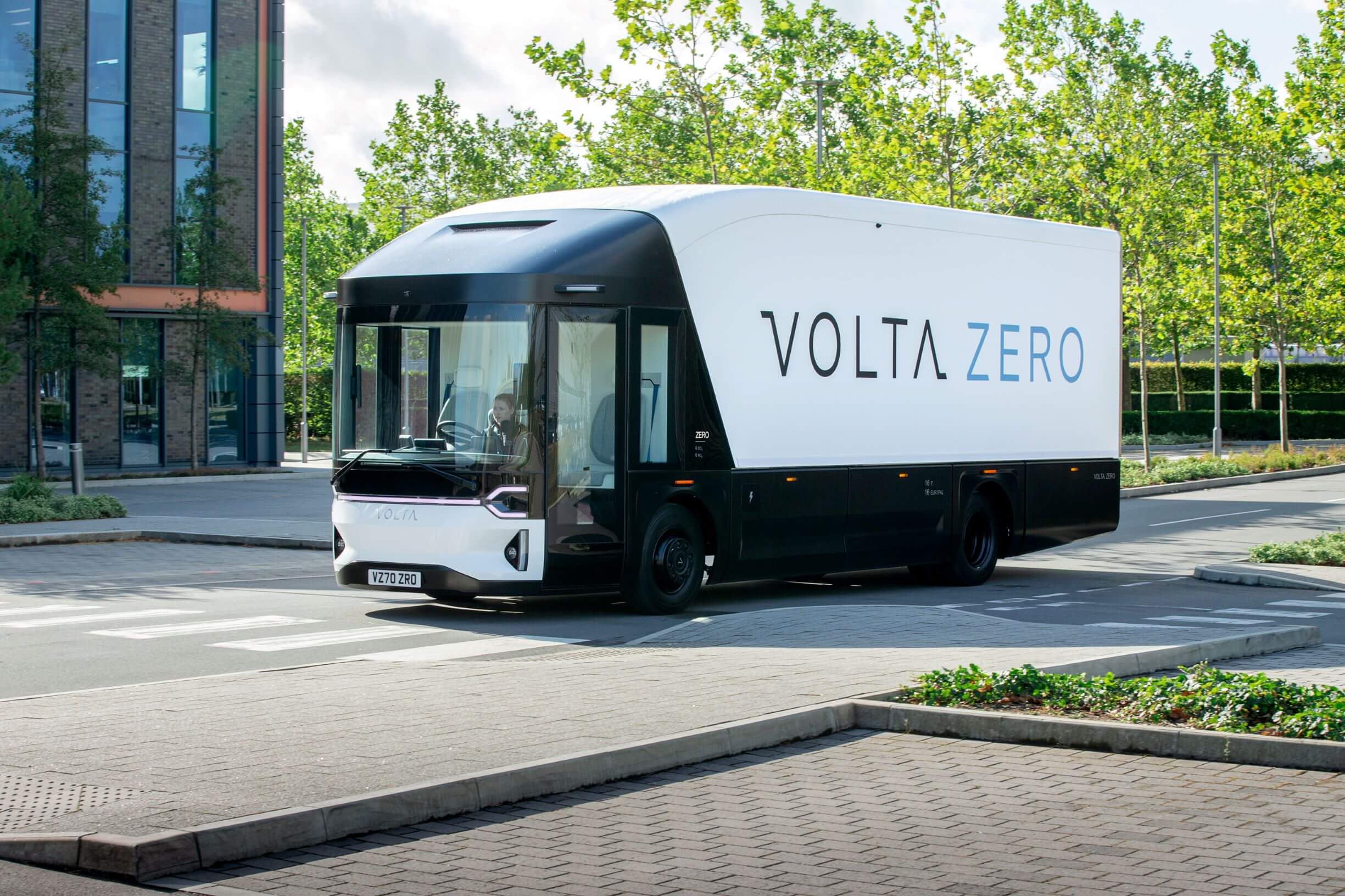
    Commercial electric vehicle (EV) startup Volta Trucks on Tuesday unveiled two smaller zero-emission truck models that will start production in 2025, opening more options for urban deliveries and in EU markets with restrictions for Sunday operations. Stockholm-based Volta Trucks, which also operates in the UK, said it would launch a fleet of test vehicles of its 7.5 tonne and 12 tonne trucks for customers in 2024. The new models will join the startup’s Volta Zero, a 16-tonne fully-electric truck, which is due to start series production later this year, and an 18 tonne model that should go into production in 2023.

    In February, Volta Trucks said it had raised 230 million euros ($247 million) to fund the launch of series production of the Volta Zero in late 2022.

    Some European Union countries have bans on trucks over 7.5 tonnes operating on Sundays or holidays, and cities such as Amsterdam do not allow trucks over that weight to protect old streets and bridges.

    Volta Trucks said it had raised 230 million euros ($247 million) to fund the launch of series production of the Volta Zero in late 2022.

    While some European cities also plan restrictions on diesel commercial vehicles – Paris will ban them in 2024 – and a number of manufacturers are testing prototypes, there are virtually no electric trucks in these weight segments available today. Volta Trucks’ 7.5 tonne and 12 tonne models will be among the first to market.

    “Our customers tell us that they really appreciate the safety and zero-emission attributes of the 16-tonne Volta Zero, but also need smaller 7.5- and 12-tonne vehicles in their operations,” Volta Trucks’ Chief Executive Essa Al-Saleh said in a statement.

    The startup currently has orders for around 6,000 electric trucks, including 1,500 ordered by Deutsche Bahn’s logistics unit Schenker.

    Volta Trucks plans to make 5,000 trucks in 2023 and its annual production should rise to 27,000 by 2025.

  • Amazon tipoff leads to Chinese seizure of counterfeit luxury belts

    Amazon tipoff leads to Chinese seizure of counterfeit luxury belts

    Chinese authorities have seized hundreds of counterfeit belts bearing the Salvatore Ferragamo brand with the aid of Amazon’s Counterfeit Crimes Unit (CCU).

    The belt is one of Ferragamo’s most known accessories – its link-shaped buckle is used by the brand as a logo for many other products – and it sells for more than US$320.

    The investigation was part of a worldwide probe by Amazon and Ferragamo in identifying bad actors who are trying to sell fake products. Amazon bans the sale of fake goods on its platform globally and in 2020 invested more than $700 million to reduce the incidence of it happening.

    The two companies reported the fake vendor to the Market Supervision and Administration (MSA) authority in Yiwu City, located in China’s Zhejiang Province.

    MSA and CCU said they subsequently seized hundreds of counterfeit belts and buckle accessories which may have been sold throughout retail channels around the world.

    Both companies say they will continue to focus on law enforcement and preventing counterfeit products from entering the global supply chain.

    “This should serve as a reminder that bad actors will be held accountable, as Amazon collaborates with both brands and law enforcement agencies around the world to stop inauthentic products from being sold across the retail industry,” said Kebharu Smith, head of Amazon’s CCU.

    Salvatore Ferragamo last year ran a series of offline and online anti-counterfeiting measures to protect its customers and its brand, removing more than 22,000 products and profiles on social media platforms and over 130,000 product listings on online shops.

    In February last year Amazon and Ferragamo jointly filed two lawsuits in the US against manufacturers who had allegedly used Ferragamo’s registered trademarks to deceive customers over the authenticity of the products.

    The Organization for Economic Cooperation and Development has estimated the global trade in counterfeit products was worth as much as $464 billion in 2019 and said a boom in e-commerce in 2020-21 led to massive growth in the supply of counterfeit goods online.

  • AirAsia Resumes Flights Between Kuala Lumpur and Siem Reap, Cambodia

    AirAsia Resumes Flights Between Kuala Lumpur and Siem Reap, Cambodia

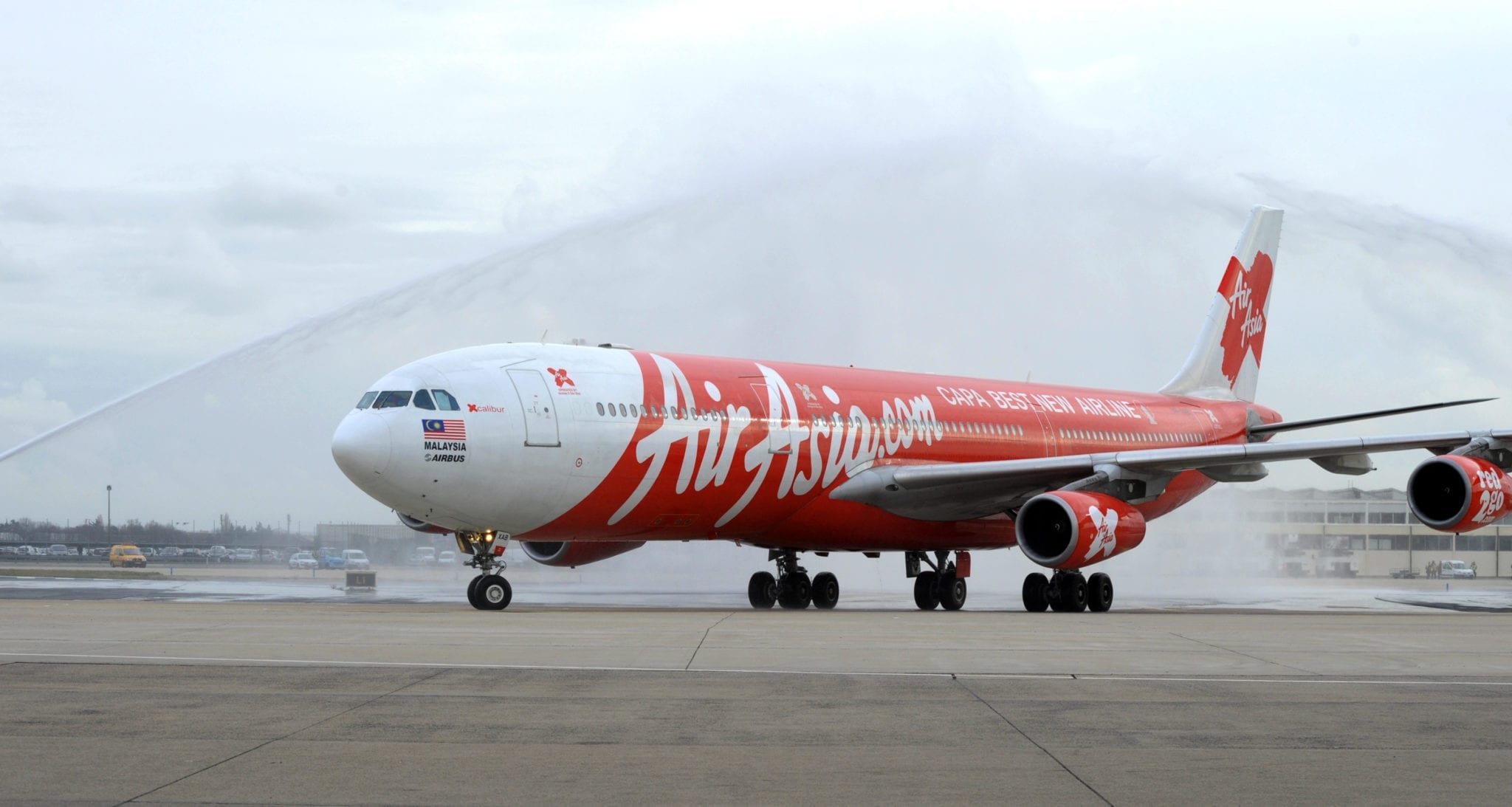
    AirAsia has resumed flights between Kuala Lumpur and Siem Reap, Cambodia. The airline will operate the route with two flights per week on Mondays and Fridays. Flight AK540 is scheduled to depart from Kuala Lumpur International Airport 2 (klia2) at 13:05, arriving in Siem Reap at 14.20. The return flight, AK541, is timed to leave Siem Reap at 14:55, arriving back in Kuala Lumpur at 18:10.

    Cambodia was one of the first countries in the region to relax its entry requirements for foreign travel, reopening the Kingdom to fully vaccinated international travellers without the need for quarantine or COVID19 testing at all international gateways and checkpoints in November 2021.

    HE Thong Khon, Minister of Tourism, Cambodia, said, “Cambodia is now truly open for all vaccinated tourists and we welcome AirAsia guests back to our great country with open arms. Tourism is a significant driver of our economy and social development, we thank AirAsia for their continued support to stimulate and grow air travel to our key leisure destinations. Cambodia, the Kingdom of Wonder, invites travellers from all walks of life to feel its warmth, safely and hygienically.”

    The Siem Reap flights follow AirAsia’s resumption of flights between Kuala Lumpur and Phnom Penh, the Kingdom’s capital city, in January.

    “Prior to COVID19, Siem Reap was one of the most popular destinations in ASEAN as a key tourist hub for globetrotters from all over the world,” said Riad Asmat, CEO AirAsia Malaysia. “AirAsia started the route in 2018 and flew close to 170,000 passengers in 2019. We are confident that these new services will continue to be very popular in the future. In response to strong demand, we are also planning more flights and destinations in Cambodia with services to Sihanoukville scheduled to take flight on 2 June. AirAsia welcomes the initiatives taken by the Cambodian government to ease travel restrictions to allow more seamless travel to Cambodia. We look forward to flying more leisure seekers from near and far to the country soon.”

    For entry into Malaysia, all international tourists and travellers are required to take a pre-departure COVID19 test within 2 days of departure and purchase COVID19 travel insurance (for short-term foreign visitors). Unvaccinated or partially vaccinated travellers are required to spend 5 days in quarantine.

    For entry into Cambodia, there are no pre-departure, post-arrival COVID19 tests or quarantine requirements for fully vaccinated travellers. Travellers are only required to show proof of being fully vaccinated. Fully vaccinated travellers from Malaysia who wish to travel to Cambodia must meet the requirements set by the Cambodian Government prior to purchasing their flights and upon arrival.