Author: Mei Ling Tan

  • Facebook-owner Meta to open first physical store in metaverse bet

    Facebook-owner Meta to open first physical store in metaverse bet

    Meta Platforms is set to open its first physical store where shoppers can try out and buy virtual reality headsets and other gadgets as the company plots a course to take its highly touted metaverse mainstream.

    The 1550sqft Meta Store at the company’s Burlingame campus in California opens on May 9, and will feature demos for its Quest 2 VR headset and video calling device Portal as well as Ray-Ban’s augmented reality (AR) glasses, Meta said on Monday.

    The devices, except for the Ray-Ban glasses, will be available for purchase at the store. The products can also be bought online through a new shopping tab on meta.com, the company said.

    Meta is investing heavily in metaverse – a virtual space where people interact, work and play – by adding new features to hardware devices that serve as access points to the virtual world.

    Earlier this month, the Facebook owner said it would start testing tools for selling digital assets and experiences within its virtual reality platform Horizon Worlds, a VR platform Meta launched late last year.

    Meta also said it would charge creators of digital experiences and assets a 47.5 per cent fee, a move that has attracted criticism from some app developers.

    Shoppers tracking the space are awaiting the next version of the Quest 2 VR headset, likely to be released in the second quarter and widely seen by analysts as critical to the company’s metaverse plans.

  • Twitter agrees to go private; Musk to buy the company for $44 billion

    Twitter agrees to go private; Musk to buy the company for $44 billion

    Twitter today agreed to  q be bought out by Elon Musk for $44 billion or $54.20 a share in cash. Musk, in a statement, reiterated his support for free speech and mentioned some of the changes that he wants to bring to the site. “Free speech is the bedrock of a functioning democracy, and Twitter is the digital town square where matters vital to the future of humanity are debated.”
    “I also want to make Twitter better than ever by enhancing the product with new features, making the algorithms open source to increase trust, defeating the spam bots, and authenticating all humans. Twitter has tremendous potential — I look forward to working with the company and the community of users to unlock it,” the multi-billionaire said.
    The richest man in the world with a net worth estimated at approximately $270 billion, Musk had bid $43 billion to buy Twitter and the company decided to fight by having the board issue a poison pill that would have gone into effect once someone purchased 15% of Twitter. Seeking to dilute Musk’s holdings, the poison pill would have allowed the company to sell shares to stockholders at a discount price. Musk owned 9.2% of Twitter’s shares when he first publicly announced his bid.
    Bret Taylor, Twitter’s Independent Board Chair, said, “The Twitter Board conducted a thoughtful and comprehensive process to assess Elon’s proposal with a deliberate focus on value, certainty, and financing. The proposed transaction will deliver a substantial cash premium, and we believe it is the best path forward for Twitter’s stockholders.”
    Twitter’s stock price closed on Monday at $51.70, up $2.77 or 5.66%. Each Twitter stockholder will receive $54.20 in cash as Twitter becomes a private company. Twitter CEO Parag Agarwal stated today, “Twitter has a purpose and relevance that impacts the entire world. Deeply proud of our teams and inspired by the work that has never been more important.”
    The transaction is expected to close sometime this year and stockholders will get to vote on the deal. To finance the purchase of Twitter, Musk arranged $25.5 billion in debt and margin loan financing. He is adding $21 billion in equity financing. Musk himself is one of the most popular figures on Twitter with over 83 million followers.
    Musk has the opportunity to become the new face of Twitter replacing co-founder Jack Dorsey. Dorsey stands to make a ton of money from the deal with his 18,042,428 shares of Twitter bringing him $978 million once the transaction is closed.
    Over the years Twitter has been available over several different mobile platforms including iOS, iPadOS Android, Windows Phone, BlackBerry, and Nokia S40.
    While there was no comment from The White House regarding the deal, spokesperson Jen Psaki said, “No matter who owns or runs Twitter, the president has long been concerned about the power of larger social media platforms.” Lawmakers also have questioned whether legislation is required to keep social media firms like Twitter from spreading fake news and disinformation.
    Back in 2018, when Facebook Chairman and CEO Mark Zuckerberg spent consecutive days testifying before the Senate and the House, the elected representatives in both chambers showed that their knowledge of how tech works is pretty low. For example, one lawmaker couldn’t believe that Facebook is free. So he asked Zuckerberg how his company makes money and with just a hint of an eye roll, Zuckerberg explained that Facebook sells ads.
    Speaking of ads, according to Statista, at the end of the fourth quarter of 2021 Twitter had 217 million daily active monetized viewers. That was up 13% on a year-over-year basis.
  • UBS Weathers First Quarter Headwinds

    UBS Weathers First Quarter Headwinds

    Switzerland’s largest bank UBS has weathered multiple first-quarter headwinds, turning its best first-quarter net profit in over a decade. UBS reported Tuesday a net profit of $2.1 billion in the first quarter, exceeding expectations, showing the bank was able to steer a course through several challenges in the first quarter and posted its best first-quarter results since 2007.

    The result improved on the $1.3 billion reported for the fourth quarter of last year and was better than the $1.8 billion booked during the first three months of 2021.

    Switzerland’s largest bank accomplished this in the face of the Ukraine war, inflation showing no signs of abating anytime soon, and central banks that are tightening the loose-money spigots. «Our strong results today speak to our ability to accomplish our objectives regardless of the backdrop,» said UBS CEO Ralph Hamers.

    UBS said it reduced its Russia exposure early and actively and had a direct country exposure of $400 million as of March 31 of 2022. It expects a firm-wide P&L negative impact of $100 million.

    The bank said it is not conducting any new business in Russia or with Russia-domiciled clients. However, it will continue to monitor settlement risk on certain transactions with Russian bank and non-bank counter parties, which might result in unexpected increases in exposures.

    Pre-tax profit was $2.7 billion, improving by one billion dollars from the fourth quarter result of $1.7 and bettering the comparative year-ago quarter of $2.3 billion.

    Earnings per share were $0.61 in the first quarter, up from $0.38 in the fourth quarter of last year and higher than the $0.49 reported during the first quarter of 2021, the results showed.

    Global wealth management (GWM) booked a pre-tax profit of $1.3 billion, with the unit reporting net new fee-generating assets of $19 billion in the first quarter compared to 36.2 billion in the same year-ago quarter. Total fee-generating assets were $3.1 trillion As of the first quarter of last year, the GWM unit no longer reports net new money every quarter, and will only disclose the figure in its annual report.

    Earlier this month, finews.com reported that 2021 was a bumper year for Swiss banks attracting new money inflows. But this year, wealth and asset managers are facing geopolitical and economic uncertainty resulting from the ongoing war in Ukraine and inflation showing no sign of abating anytime soon. Add to the mix central banks that are starting to close the taps of easy money flowing into financial markets.

    The investment bank’s division’s 126 percent pre-tax profit growth from the comparative quarter was mainly attributable to Archegos-related losses in the same quarter last year. Excluding that loss, revenues increased by 4 percent, or just over $100 million, primarily from increased revenues in equity derivatives, rates, and foreign exchange.

    While the path of economic growth has become much more uncertain, UBS expects growth in economic activity to continue, but increased uncertainty could continue to affect client activity levels and asset prices. However, even as central banks are tightening policy to arrest rising inflation, the banks said that rising interest rates, notably the US dollar, are expected to lead to higher net interest income.

  • Cebu Pacific to resume flights to Bali, Hanoi, Sydney

    Cebu Pacific to resume flights to Bali, Hanoi, Sydney

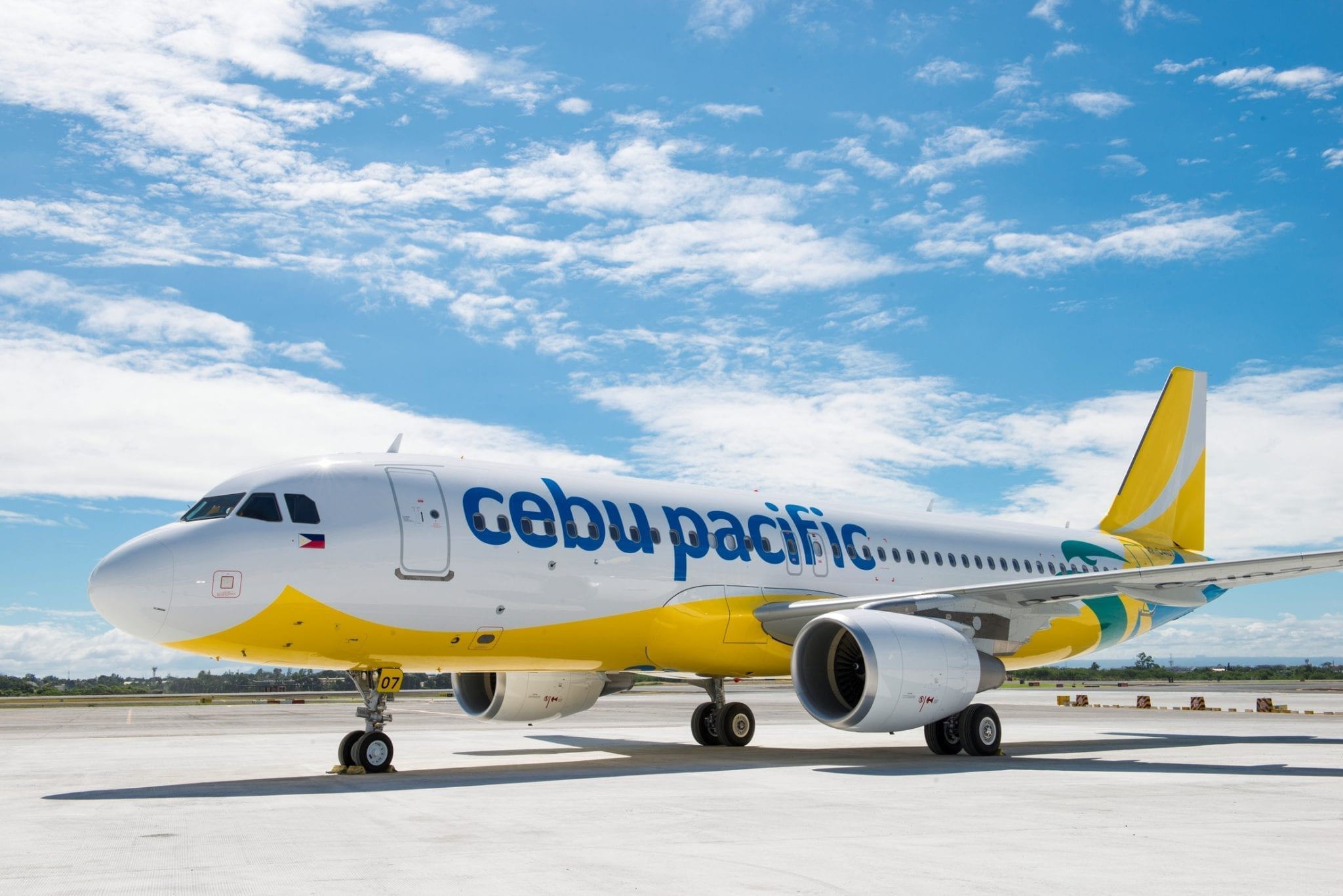
    Budget carrier Cebu Pacific recently announced that it is resuming to key international destinations in a bid to boost its frequencies in overseas routes.

    As more countries ease travel restrictions, the airline said it is resuming flights to Bali, Indonesia; Hanoi, Vietnam and Sydney, Australia to bring the number of its international destinations to 16 by the end of June.

    The carrier said it plans to operate weekly flights on the Manila-Hanoi-Manila and Manila-Bali-Manila routes next month.

    In June, it intends to operate thrice weekly flights to and from Sydney.

    From January to April, Cebu Pacific restarted flights to six international routes namely Bangkok, Thailand; Fukuoka, Japan; Jakarta, Indonesia; Dubai, United Arab Emirates; Hong Kong and Ho Chi Minh also in Vietnam.

    It is also currently operating flights to Kuala Lumpur, Malaysia; Singapore; Seoul (Incheon), Korea; Nagoya and Tokyo (Narita), Osaka, Japan and Guangzhou, China.

    Below appears the flight frequencies of the overseas routes:

    Route Frequency
    Manila – Bangkok – Manila Every Tue / Thu / Sat
    Manila – Dubai – Manila Daily
    Manila – Fukuoka – Manila Every Tue
    Manila – Guangzhou – Manila Every Tue
    Manila – Ho Chi Minh Every Tue
    Ho Chi Minh – Manila Every Wed
    Manila – Hong Kong – Manila Daily
    Manila – Jakarta Every Fri
    Jakarta – Manila Every Sat
    Manila – Kuala Lumpur Every Mon
    Kuala Lumpur – Manila Every Tue
    Manila – Nagoya – Manila Every Tue / Thu / Sat / Sun
    Manila – Osaka – Manila Every Mon / Fri
    Manila – Seoul (Incheon) – Manila Every Thu / Sat
    Manila – Singapore – Manila Daily
    Manila – Tokyo (Narita) – Manila Every Mon / Wed / Fri / Sun
    Manila – Bali – Manila Every Mon / Fri (starting May 2)
    Manila – Hanoi – Manila Every Mon / Fri (starting May 2)
    Manila – Sydney Every Mon / Wed / Fri (starting June 1)
    Sydney – Manila Every Tue / Thu / Sat (starting June 2)

    Early this month, the country started accepting fully vaccinated foreign leisure travelers with the most relaxed entry protocols, including quarantine-free entry. The country also allowed visitors to freely travel to reopened destinations around the country.

    Cebu Pacific’s chief commercial officer Xander Lao said the airline supports the Department of Tourism’s initiatives to restore tourism.

    They invited Filipino and foreign tourists to visit the country.

    “We invite Filipinos and foreign visitors to plan their travels to the Philippines and explore its beauty, or simply visit family and friends. We look forward to welcoming everyone onboard,” Lao said in a press conference at the World Travel and Tourism Council Global Summit in Pasay City last Thursday.

    The carrier is offering flights to 34 domestic destinations which tourists may also visit. It resumed more direct local flights from major hubs Cebu and Davao, as it restored 100% of its pre-pandemic domestic capacity this month.

    “We are happy to keep enabling everyJuan to safely fly across our largest Philippine network. We are hopeful we can continue contributing to the economic and tourism agenda in and out of the Philippines,” Lao said.

    The budget carrier said it would continue to offer low fares to help the COVID-19 pandemic-hit travel and tourism industry recover while maintaining the implementation of health and safety protocols.

    The airline said it employs 100% fully vaccinated crew with 90% of them already boosted.

    Meanwhile, Lao also congratulated the DOT for hosting the 21st edition of the WTTC Global Summit. It was staged at the Marriott Hotel in Pasay City from April 20 to 22, 2022.

    WTTC also commended the country for hosting the tourism event that signified the recovery of international travel.

  • The Russian Bank That Escaped Sanctions So Far

    The Russian Bank That Escaped Sanctions So Far

    Tinkoff Bank has so far avoided being sanctioned as its founder and Putin critic Oleg Tinkov stayed in an orbit neither too close nor far from the Kremlin.

    The Russian bank Tinkoff has avoided being directly caught in sanctions that hit rival banks such as Sberbank and Gazprombank related to Russia’s invasion of Ukraine.

    Founded by Oleg Tinkov 16 years ago, Tinkoff Bank is one of Russia’s largest banks that is not state-run and, in addition to avoiding sanctions, has remained on the all-important Swift global messaging system.

    As a result, the bank has benefitted as people flocked to open accounts at the bank, while others transferred funds from Sberbank and VTB, which together account for nearly half of the banking market.

    Tinkov bristles at being labeled an oligarch, and the son of a coal miner and seamstress prefers being viewed as a self-made businessman who didn’t need a cozy relationship to win big contracts. He is also an outspoken critic of the War in Ukraine.

    In a series of posts on Instagram, he said I don’t see ANY beneficiary of the crazy war! Innocent people and soldiers are dying» he said in one. In another, he wrote How will the army be good, if everything else in the country is shit and mired in nepotism and servility?. That is a pretty clear indication he is attempting to distance himself from Russian President Vladimir Putin.

    While the bank he founded has managed to escape sanctions, Tinkov himself has not. Last month he was put on the sanctions list in the U.K., which means having had his assets frozen, barred from doing business with companies and citizens there, and is prohibited from entering the country.

    The bank, however, said this would not affect it since he no longer holds a majority or controlling interest, having reduced his stake to 35 percent. Moreover, the bank said he no longer works there and is now being run by Oliver Hughes and Pavel Fedorov.

    Tinkov has also tangled with western governments, notably the U.S. where he was accused of under-reporting assets to the Internal Revenue Service (IRS) to the tune of $1 billion after Tinkoff Bank went public.

    Just before the IPO, Tinkov renounced his U.S. citizenship, which is something the IRS views as a big no-no. For people giving up their citizenship having a net worth over of $2 million, an exit tax based on all assets including homes, deferred compensation, and pensions at the time of expatriation is likely to be applied. The case was later settled for just over $500 million, allowing him to avoid extradition to the U.S.

  • Japanese brands top auto imports in Vietnam

    Japanese brands top auto imports in Vietnam

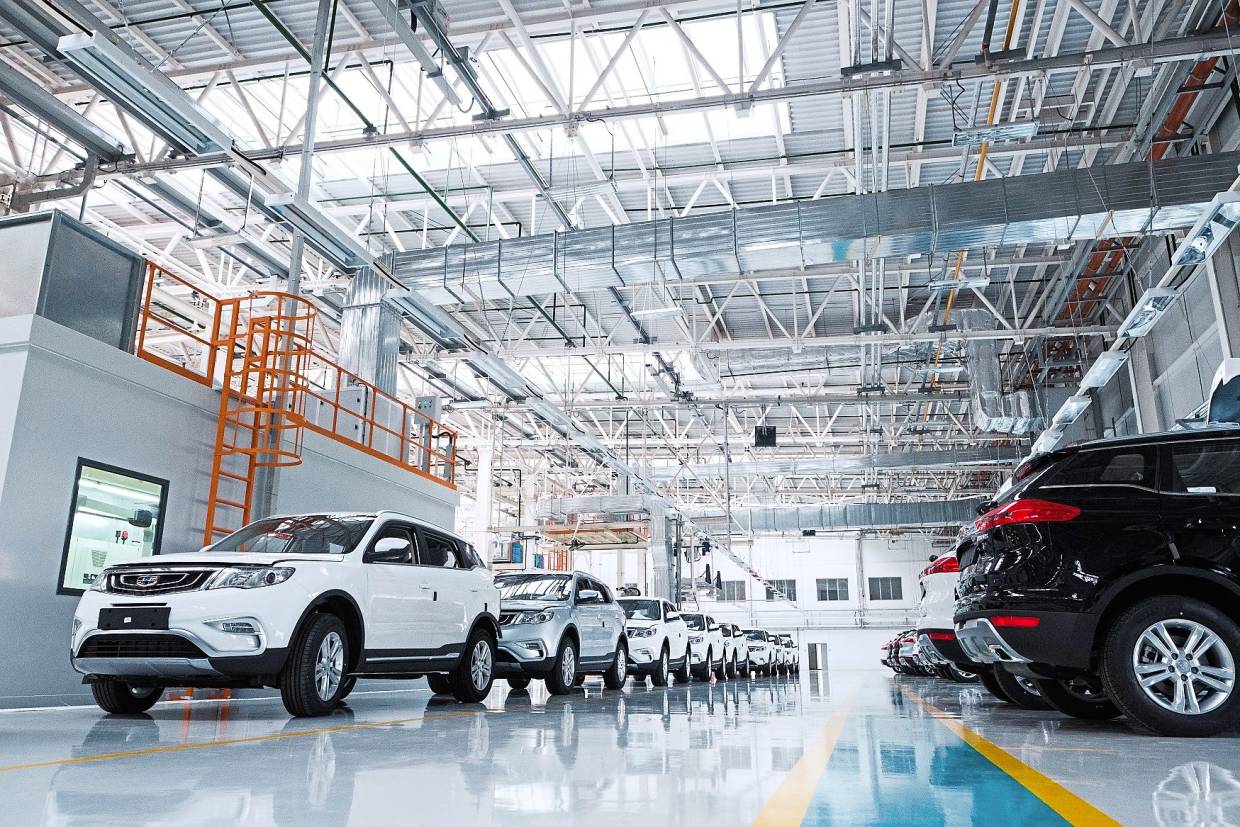
    Japanese brands, including Toyota and Mitsubishi, were the biggest sellers among imported cars in Q1. Toyota sold 11,661 completely built units, while Mitsubishi imported 7,797.

    They were followed by Honda, Mazda and Suzuki. Last year, Toyota, Mitsubishi and Suzuki sold the most imported cars, with Toyota alone selling more than half of all imported cars.

    Fifteen out of 17 models Toyota sells are imported from Indonesia, Thailand and Japan. The sedan Vios and SUV Innova are assembled locally, while the SUV Fortuner is both assembled and imported.

    Mitsubishi also imports most of its models, with the popular MPV Xpander, imported from Indonesia, accounting for 53 percent of its total imports sold last year.

    The remaining models, like the pickup truck Triton and sedan Attrage, are imported from Thailand.

    Suzuki and Isuzu also import from Thailand and Indonesia.

    Nearly 7,000 Mazda cars, distributed by Truong Hai Auto Corporation, were imported from Thailand last year. This accounted for 26 percent of total Mazda sales in Vietnam.

    Honda has its two main models City and CR-V assembled locally and imports the rest.

    Ford has recently started assembling its pickup truck Ranger model in Vietnam while the other models SUV Everest and SUV Explorer are imported from Thailand and the U.S. respectively.

    Some luxury brands like Volkswagen, Audi and BWM only import completely built units.

    Kia, Hyundai and VinFast only assemble.

  • Singtel and Telkom forge deeper ties in regional data centres and fixed broadband

    Singtel and Telkom forge deeper ties in regional data centres and fixed broadband

    Singtel and its Indonesian partner Telkom, the parent company of Singtel’s regional associate Telkomsel, have signed two memoranda of understanding (MOU) which was witnessed by Indonesia’s minister of state-owned enterprises Erick Thohir and vice minister of state-owned enterprises Kartika Wirjoatmodjo. The first of the two MOUs covers collaboration in the area of data centres, which marks a significant step in advancing Singtel’s regional data centre strategy. The second MOU involves a collaboration to support Telkomsel’s transformation into Indonesia’s leading consumer fixed broadband and mobile operator through a fixed mobile convergence strategy with Telkom.

    Expansion of regional data centre footprint to Indonesia

    To capture growth opportunities arising from the unprecedented digitalisation and cloud adoption in ASEAN, Singtel has focused on establishing a data centre platform that will work with partners to build and acquire data centres in the region. ASEAN has been experiencing robust data centre growth and the Singapore and Indonesia markets are projected to more than double in size, accounting for over 60% of regional growth by 2025.

    As strategic partners for over two decades, this move into data centres expands on the close collaboration between Singtel and Telkom to build out Indonesia’s mobile communications and digital infrastructure.

    Singtel Group CEO Yuen Kuan Moon said, “As businesses rapidly digitalise, and with the growing adoption of IoT, artificial intelligence and 5G across the region, demand for high-quality data centres is on the rise. This partnership with Telkom is an important step for our data centre strategy, bringing together the prime assets, expertise and networks of two market leaders in data centre operations in Indonesia and Singapore. As the largest digital economy in ASEAN, Indonesia is a strategic data centre market which expands our platform’s footprint to cover the three fastest-growing locations in the region – Indonesia, Singapore and Thailand. The platform will support the digital transformation needs of customers wanting to deploy into Indonesia, and Indonesian businesses looking to grow beyond the country. We look forward to deepening our longstanding collaboration with Telkom to capitalise on the favourable trends and tremendous market opportunity.”

    Telkom CEO Ririek Adriansyah said, “Telkom Group is currently consolidating our data centre business to answer the challenges of digital transformation. The regional data centre platform is a continuation of this data centre consolidation strategy and demonstrates our commitment to respond to customer needs and capture opportunities that will pave the way for our company to become a data centre player on a global level. These efforts require strategic partnerships with operators who have proven capabilities and track records. With its strengths and experience, Singtel is one of the strategic partners for Telkom in developing this regional data centre business.”

    Singtel is a leading operator of data centres in Singapore and has carved out its top-tier data centres, DC West and Kim Chuan 2, into a separate Singtel-owned entity with approximately 60 MW of capacity. In addition to securing a site in Tuas for a new integrated cable landing and data centre facility which will be ready in three to four years and add 30-40 MW in capacity, Singtel will continue to explore adding further capacity.

    An experienced data centre operator, Telkom has an existing data centre portfolio of 27 data centres in Indonesia and the region. It is also building a hyperscale data centre with 75 MW capacity to serve local and foreign companies and hyperscalers. Selected data centre assets from Telkom will be placed in the data centre platform. The companies will also collaborate on development opportunities and explore bringing third-party investors or partners into the platform.

    Besides Indonesia, Singtel has set its sights on the Thai data centre market. In February, Singtel signed a joint development agreement with Gulf Energy and Singtel’s regional associate AIS to start developing data centres in Thailand, and the new joint venture will be launched soon.

    Fixed mobile convergence strategy

    Singtel and Telkom will also jointly explore a fixed mobile convergence strategy for Telkomsel which will see an integration of its mobile business with Telkom’s consumer fixed broadband business. By combining the strengths of the two companies, Telkomsel will be able to enjoy significant synergies and enhance its leading position in the market with converged solutions that will give customers the best digital experience. This strategy will strengthen customer value proposition, in turn increasing customer lifetime value and household penetration.

  • Samsung seeks to supply Apple with an important part of the latter’s M2 chip series

    Samsung seeks to supply Apple with an important part of the latter’s M2 chip series

    Apple’s initial line of M-series chips includes the M1, M1 Pro, M1 Max, and the M1 Ultra. Built by TSMC using its 5nm process node, these SoCs feature a large number of transistors starting with the M1’s 16 billion and moving ahead to the 33.7 billion on the Pro, 57 billion on the Max, and the whopping 114 billion on the Ultra (which is essentially two M1 Max chips combined.
    The M-series chips are based on Arm’s architecture and the M1 is employed inside the latest versions of the iPad Pro and iPad Air. Apple has finished the M1 series and is now moving on to the M2. One of Apple’s main rivals says that it wants a role in Apple’s M2 supply chain. Samsung, which was involved in the production of the M1 series, wants to continue peddling supplies to Apple for the M2 series.
    According to SamMobile, Samsung supplied Apple with FC-BGA (full-chip ball grid array) substrates that are used by CPUs and GPUs that have a large number of circuit connections. A substrate used in the production of chips is basically a thin copper wire placed in resin that helps transmit user instructions to chips and relay the answers. It is used because the extremely thin wiring attached to chips can’t handle being soldered directly to a circuit board.
    In other words, a substrate helps connect a chip to the motherboard of a device. As important a task as that is, it is not as high tech as other parts of a chipset are and margins are low.
    Last December, Samsung invested 1.3 trillion Korean won ($1.04 billion USD) to build an FC-BGA substrates factory in Vietnam. The company also spent another 300 billion won ($241 million USD) on its existing FC-BGA substrates facility in its home country of South Korea.
    Will Samsung get the job? Considering that there has been under-investment in the production of substrates (typical for such a low-margin business), supplies are tight and Apple has been known to tie up production for years in situations like this. And if Apple doesn’t go with Samsung, there are many chipmakers that need to find a source for advanced substrates.
  • Alibaba’s Freshippo struggles to meet demand during Shanghai lockdown

    Alibaba’s Freshippo struggles to meet demand during Shanghai lockdown

    Alibaba’s supermarket chain Freshippo says it is adding more couriers to meet high demand in Shanghai but this was not yet catching up with the rising needs of locked-down residents as the city battles a surge in Covid-19 cases.

    Shen Li, a vice president at Alibaba Group’s Freshippo, told reporters on Sunday that while the company’s delivery capacity had recovered to about 60-70 per cent of pre-outbreak levels as more couriers were allowed back on the roads, many difficulties remained.

    “The biggest challenge we are facing now is that the demand and numbers of orders from consumers has increased by about two to three times compared with pre-outbreak levels,” she said.

    China’s most important economic hub has locked down most of its 25 million residents for more than three weeks in an effort to stamp out the country’s largest outbreak since the virus first emerged in Wuhan in late 2019.

    After most supermarkets and stores were shut across the city, residents resorted to online buying to procure food and other essentials but have faced difficulties. Shanghai authorities have said they are trying to ease these bottlenecks but it remains a key public frustration.

    Many residents have described waking up as early as 5am to try and grab delivery slots from online grocers such as Freshippo, only to find them sold out in seconds. While Freshippo and other vendors have launched bulk-buying purchase schemes, some people have complained about the inability to reach the volumes needed to guarantee orders.

    Shen said Freshippo as of Sunday had 47 stores open for online deliveries in Shanghai and it also had set up six additional ad hoc warehouses for the city, due to issues with inter-province supply chains.

    About 5000 staff were working in these stores and its warehouses while a further 1000 were working online from home, she added.

  • Hugo Boss the latest lux brand to launch resale offer

    Hugo Boss the latest lux brand to launch resale offer

    Luxury fashion brand Hugo Boss has committed to a premium resale platform, which is set to launch in the third quarter of this year, encouraging customers to buy pre-owned items.

    According to the company, resale is a fast-growing market that helps reduce the fashion industry’s impact on the environment. Hugo Boss expects the initiative to extend its products’ life cycle and help limit its resource consumption.

    The online platform allows customers to return their used items to Hugo Boss in return for a credit that can be spent online on new or pre-owned items, or in-store. After a quality check, the pre-owned products will be sold on Hugo Boss Pre-Loved and ready for their second life in a new wardrobe.

    In addition, Hugo Boss will also launch a care and repair service to help customers cover the repair of their clothes and ensure the items can last longer.

    These are parts of Hugo Boss’s broader strategy unveiled on Earth Day to enhance its circular business model. The German fashion house also reports its circular products must meet three requirements: being made from renewable or recycled materials, being fully recyclable, and designed for longevity.

    “The high quality of our products allows them to have several lives, and our entry into the growing resale market is a natural step for us as a company,” said Heiko Schafer, COO of Hugo Boss.

  • Trivago fined $44.7 million for misleading travellers

    Trivago fined $44.7 million for misleading travellers

    Online travel booking company Trivago has been ordered to pay $44.7 million in penalties by the Australian Federal Court for misleading consumers over hotel prices.

    The court found that in January 2020, the company deceived consumers through misleading misrepresentations of hotel room rates on its website and in television advertisements.

    Trivago had used an algorithm to determine which travel booking site paid the highest cost-per-click fee and highlighted them on its website.

    Between December 2016 and September 2019, the company admitted to receiving $58 million in cost-per-click fees from offers that weren’t the cheapest choice available for a given hotel. This had caused consumers to overpay on hotel booking sites, losing out on almost $38 million dollars.

    Australian Competition and Consumer Commission (ACCC) chair Gina Cass-Gottlieb said this penalty sends a strong message not just to Trivago, but to other comparison websites.

    “The way Trivago displayed its recommendations when consumers were searching for a hotel room, meant consumers were misled into thinking they were getting a great hotel deal when that was not the case.

    “Trivago also misleads consumers by using strike-through prices which gave them the false impression that Trivago’s rates represented a saving when in fact they often compared a standard room with a luxury room at the same hotel,” she said.

    Accommodation Association CEO Richard Munro welcomed the decision of the Federal Court and added: “After surviving Covid and closed borders, the harsh reality is that many of our members rely on a portion of their bookings generated through these platforms, and can find themselves stuck between a rock and a hard place.”

    He further encouraged Australian travellers to book directly with local accommodation providers or through local travel agents.

  • Chinese shun foreign brands

    Chinese shun foreign brands

    Catwalks canceled, showrooms closed, stores shuttered: the pandemic has led to massive disruption across the fashion industry. Even in China, which has coped with the pandemic better than many countries, multi-brand store buyers have been forced to place orders online, rather than in the showroom. And they don’t like it much.

    All this has led many Chinese fashion buyers to order more conservatively this year or ignore international brands and opt for local Chinese labels.

    Olivia Chen, head of Assemble by Réel, a high-end store in Shanghai’s centrally-located Réel Mall, says that virtual ordering makes her feel like something is missing. “In a showroom, you’re immersed in an environment that conveys the season’s atmosphere. We can use a variety of sensory clues to gain insight into the story the designer wants to convey,” says Chen. “These elements create a certain kind of atmosphere, one that has a lasting and powerful influence. Images and other materials related to remote purchases can evoke some of that feeling, but it can’t achieve a high degree of resonance.”

    Chen emphasises the difference between an image of a product and the product in real life, whether it’s in the weight of the fabric or the way the fabric moves on the body.

    Eric Young, head of high-profile designer store Le Monde de SHC in Shanghai, agrees. “Many times you have no choice but to judge a product from a photo or small picture, but even with Zoom, the imaging quality of different showrooms is actually very different,” he says. In Paris, he points out, a whole series of brands can be viewed in the space of a day. By contrast, online ordering is a long repetitive process of frustration. “In the end, one grows numb to viewing things online,” he says.

    More buyers would prefer to make the long trip to Europe for a more immersive experience — it would let them buy more boldly, explore new hot brands and interact with designer brands on a more personal level. Frustrated that they can’t travel, some buyers have come up with alternative solutions: from the AW21 season, Shanghai buyer store Eth0s set up a small showroom for 15 foreign brands including Geoffrey B. Small, Marc Le Bihan and Antonio Marras.

    Chen also notes that extra materials are being provided to improve the online experience. “The main change since the pandemic started is that brands are providing auxiliary materials before a Zoom meeting, including introductions to a line, lookbooks and fabric samples,” she says.

    As Chen notes, a shift to online ordering already predated the pandemic to some extent. “Actually a lot of brands started doing online ordering before this,” agrees Jony, manager of Chengdu buyer store Clap. “But it’s a plan B at best. Physical ordering is still extremely necessary.”

    Like many Chinese buyers, Le Monde de SHC’s Eric Young is reluctant to take a risk with new foreign brands that he cannot physically touch and see for himself. That problem has encouraged buyers to play safe, making safer purchases. “It’s also an opportunity for local designers. As long as the lines they launch are good enough, they’ll definitely have a higher chance of getting orders than they would have before the pandemic. Shanghai Fashion Week this past April was more active than it’s ever been,” he says.

    At Eth0s, another leading Shanghai store, head Chen Fei has struggled to find the right Chinese brands that match his outlook. “We have been very committed to finding domestic brands, and we’ve met some good designers, but… we want a brand that shares our world view,” he explains.

    Chen Fei has not played safe, looking for bold special pieces to excite his customers. “Everyone was quite frustrated because of the lockdown, and we wanted to stimulate the pleasure they get from consuming. And we wanted customers to be happier.”

    Chen Fei argues that the brands, rather than store buyers such as himself, have played it safer. “One thing that got more conservative was their style designs; another was their business decisions,” he says.

    In Chengdu, Clap has reduced its budget for foreign designer brands by 30 to 50 per cent — instead, Clap has bought local high-impact brands. Fashion pieces with strong graphics are often bestsellers, says Jony. “Such styles may excite customers more easily, because when you’re not sure about the line itself or the fabric, the easiest way to decide what you’re going to buy is through graphic design.”

    Olivia Chen of Assemble by Réel believes that if an effective purchasing programme is maintained, sales can be guaranteed. Post-pandemic, Assemble has maintained a sell-out rate of around 85 per cent.

    The current situation has some time to run yet. Even the most optimistic forecasts do not predict normal travel resuming before the beginning of 2022. That means at least another season or two of ordering online.

    With that in mind, Chen Fei believes brands should find better ways of presenting every detail of their clothes, especially more high-priced products. “If we can’t see the brand information clearly, it’s possible we’ll consider reducing our order, but where the information is clear, we feel quite confident about placing an order. For example, Rick Owens is very good — they have a representative in China and will try to provide very complete information. For example, if a style has five fabrics they’ll do their best to provide samples. We’ve bought from them for a long time. We even know the body shape of the model the brand uses, so there won’t be any big deviations in our orders.”

    Foreign showrooms are looking to enter the Chinese market. At Shanghai Fashion Week in April, Antwerp agency Up Next brought a number of brands, including Casablanca, Botter and Sweetlimejuice.

    Fresh design ideas and exciting new brands remain a driving force for the most fashion-forward stores. While easy-to-wear brands at attractive price points are likely to sell well in China, as in any market, the new generation of buyer-led stores are also serving the tastes of some increasingly sophisticated customers. “A lot of female consumers have gotten really niche in their tastes, and wear the clothes really well, better even than the brand’s own styling,” says Chen Fei. “They wear the clothes in ways the brand didn’t expect them to.”

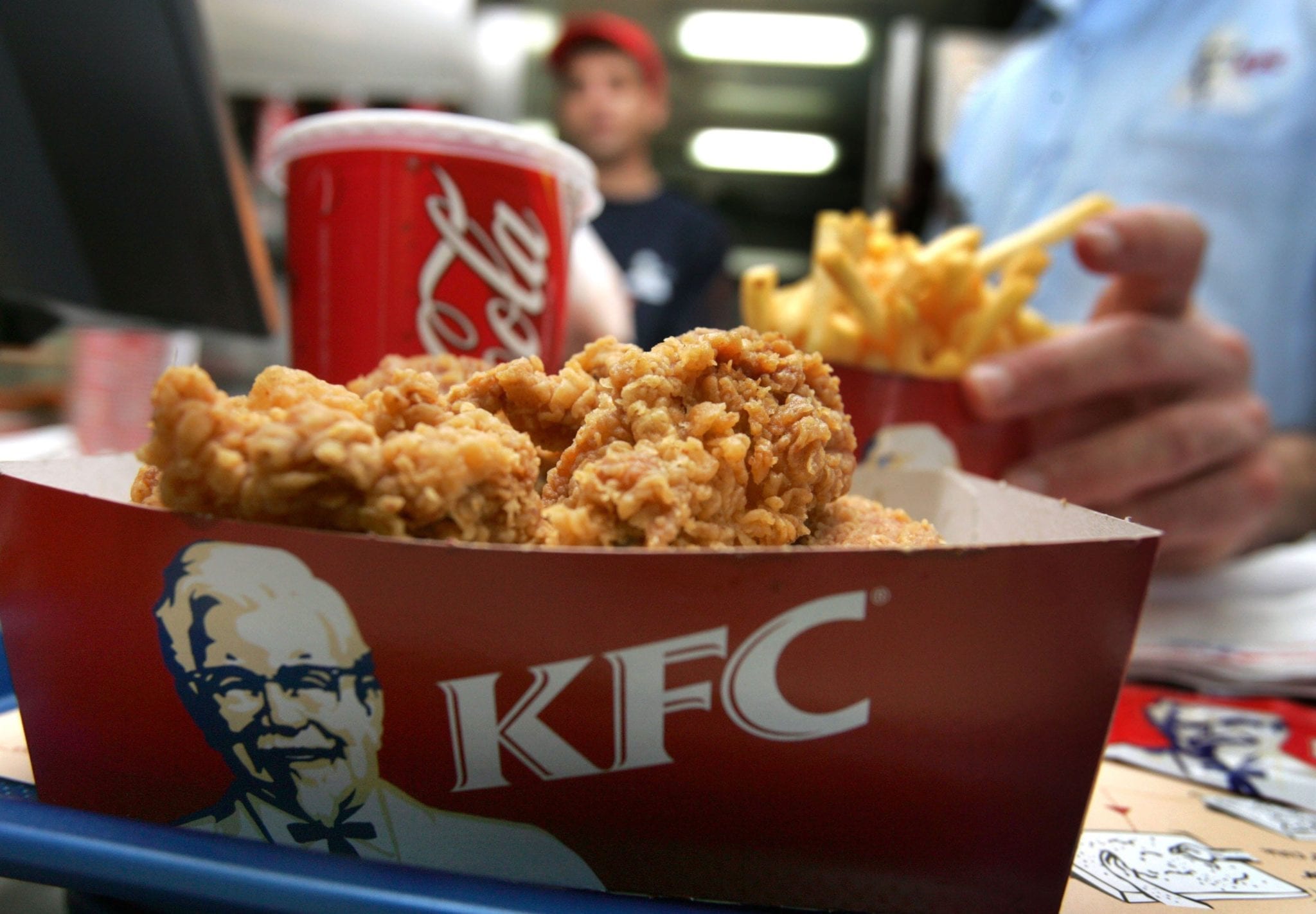
  • First KFC ‘Green Pioneer Stores’ open in China

    First KFC ‘Green Pioneer Stores’ open in China

    Yum China has just launched KFC’s first Green Pioneer Stores in Beijing and Hangzhou, as it works toward building a network of net-zero restaurants in the future.

    The move is part of the company’s climate strategy and a roadmap to achieving net-zero by 2050, following its pledge to Business Ambition for 1.5°C Commitment Letter to the Science-Based Target initiative (SBTi) last year.

    “We are committed to driving meaningful change and pioneering in the restaurant industry towards net-zero emissions. Building Green Pioneer Stores is an important part of our journey,” said Joey Wat, CEO of Yum China.

    Following the company’s 4R principles (reduce, reuse, recycle, replace), KFC has already incorporated several environmentally friendly practices in its stores across the country, such as:

    • Solar panels in its Hangzhou store generate an estimated 10,000 kWh of energy each year, which helps reduce carbon emissions from electricity consumption.
    • An Internet of Things-based (IoT) intelligent restaurant energy management system which helps improve the energy efficiency of Green Pioneer stores by around 10 per cent annually.
    • Each Green Pioneer Store is equipped with a Tubular Daylighting System that uses natural lighting, reducing electricity consumption.
    • Using eco-friendly materials such as ceramic floor tiles made from recycled energy, low-carbon bamboo and alt-leather made from recycled KFC coffee grounds.

    The company said the Green Pioneer Stores will also allow customers to experience and learn about eco-friendly restaurants by integrating “green interior design”.

    At its Beijing store, a Family Bucket is made entirely of recycled packaging. While in Hangzhou, a wall section was intentionally left unfinished with an opening to show customers the restaurant’s eco-friendly construction process.

    While the restaurant chain has already integrated environmentally friendly initiatives, the company aims to further improve its emissions reduction by 15 per cent each year.

    “We will continue to explore the utilization of innovative technologies in restaurant construction and operations to promote sustainable development and contribute to the low carbon economy,” Wat added.

  • Fashion Brands Turn to NFTs for Latest Marketing Campaigns

    Fashion Brands Turn to NFTs for Latest Marketing Campaigns

    What exactly are NFTs?

    More and more brands are turning to digital trends to reach out to their audiences. Where many businesses are innovating how consumers experience their brand in the metaverse, others are dipping their toes into the uncharted world of NFTs.

    Before diving into tech-savvy terminology, let’s talk about what an NFT is exactly. An NFT is a digital format artists and businesses use to create all sorts of digital art, including pictures, GIFs, videos, music, games, and in some cases, virtual land. Often, people write off NFTs as something anyone can have just by downloading the art.

    While it may be true that art enthusiasts can download a piece of art, it’s important to remember it’s not the NFT itself. That’s to say, it is a copy of the NFT, but it is not the original. To demonstrate ownership of a piece of original art, owners can consult the blockchain technology that proves their connection to the artist and the piece.

    To give a real-life example, owning an NFT is like owning Michelangelo’s David. While anyone can make an exact copy of it or take pictures of it, there is only one owner. In the case of the famous marble statue, that owner would be the Italian government, which has the corresponding documents needed to prove its ownership. The same principle applies to NFTs.

    Similarly, in the fashion industry, owning original or limited edition pieces is part and parcel of what makes big brands like Louis Vuitton, Gucci, Burberry, and Hugo Boss as in demand as they are. The logical next step in their marketing strategy would be diving into NFTs, which favour and exude exclusivity.

    Louis Vuitton Releases Video Game

    To celebrate Louis Vuitton’s 200th birthday last summer, the emblematic brand released a mobile game app where players could learn about its rich history, play mini-games, and earn the chance to win Louis Vuitton NFTs, including postcards and avatars.

    The luxury fashion house has announced that players who reach a certain amount of points will be given the opportunity to enter a raffle, which will end on August 4th of this year. Ten random winners will be awarded Louis Vuitton NFTs of the game’s main character, Vivienne, the company’s logo fashioned into an adorable mini humanoid figure.

    Creating video games, which provide consumers with an intimate and interactive way to engage with the brand’s history and values, also puts the brand in favour of increasingly popular digital platforms and experiences like the Metaverse. Louis Vuitton appears to be taking the digital market and Metaverse by the reigns, its marketing strategy paving the way for other fashion houses.

    Top Fashion Brands Embrace NFTs

    Among many high fashion brands rushing to use NFTs in their marketing strategies, Burberry was one of the first to collaborate with the gaming industry. Joining forces with Mythical Games, Burberry created NFTs for Blankos Block Party, an online multiplayer shooter game. The NFTs feature a cute, human-shark hybrid surrounded by liquid silver and sporting Burberry logo print on its fins.

    Another brand that has taken to the thriving world of digital art is Hugo Boss. Like Burberry, Hugo Boss collaborated with Boss Beauties to create an NFT in an effort to help young, marginalized women succeed in the workplace. The NFT depicts a classic white t-shirt, with a confident young woman in the centre. Both brands intend to auction the NFT online and with the earnings, fund their Dream Like A Boss programme, which will provide young women with the resources they need to succeed in professional environments.

    IMAGE HERE>>>>>>https://images.unsplash.com/photo-1642525027649-00d7397a6d4a?ixlib=rb-1.2.1&ixid=MnwxMjA3fDB8MHxzZWFyY2h8NHx8bmZ0fGVufDB8fDB8fA%3D%3D&auto=format&fit=crop&w=600&q=60 >>> Photo

    The Future of NFTs in Fashion

    As experts, artists, and brands learn more about the Metaverse and the digital marketplace at large, it is still too early to tell in what direction NFTs will take art and fashion. In any case, it’s safe to say that in the few short years that NFTs have been accessible to the public, they have taken the market by storm.

    Considering the incredible advancements Bitcoin has reached in under fifteen years, NFTs seem to be following a similar path, gaining more and more relevance at an accelerated rate. Whether they might seem like an outlandish idea that’s too difficult and intangible to imagine its practical use, there’s no arguing that the new digital format is here to stay. Especially for their valuable assets for marketing and PR strategies, NFTs have built a niche tailor-made for the fashion industry.

  • The dream villa in Southeast Asia: An architect makes it happen

    The dream villa in Southeast Asia: An architect makes it happen

    Thailand has a very mixed image. While some people are very much looking forward to a stay in Thailand, others rather associate loud music and notorious nightlife with this beautiful country. One of the most famous Thai islands is Phuket. A Luxury Villa Architect in Phuket allows you to live a wonderful life in Phuket. Phuket is a city that offers many opportunities and is known for its evening parties among other things. After the Vietnam War, there were a lot of GIs stationed on this beautiful island. Since the American soldiers were mainly looking for their personal pleasure in Phuket, there are still very many bars and pubs. After the end of the war, the soldiers left. Immediately the island was discovered by backpackers. The island underwent another transformation in the 1980s. The very first luxury hotel was then built in Nai Harn Beach in the south of the island. Thus, the reputation changes overwhelmingly, from an attraction for backpackers came the transformation to a luxury resort. Now Phuket is known for fantastic luxury real estate and since then more and more architects are settling in Phuket, resulting in a real building boom on this magnificent island.

    Buying real estate in Phuket

    If you are considering buying a property in Thailand, you should find a local partner to help you. Real estate and property in Phuket, is quite expensive. This way, the complicated laws and rules can be followed very well and one avoids unnecessary mistakes that have legal consequences. For this reason, the cooperation with an experienced local architect is highly recommended.

    Phuket and the luxury hotels

    The first luxury hotel was followed by very many other luxury resorts spread all over the island. Many upscale accommodations as well as luxury restaurants, spas and leisure facilities of the higher price segment also settled on Phuket. In addition to the classic hotels, Phuket also offers some other types of resorts, such as cottages, apartments, and also ordinary accommodations. Meanwhile, Phuket offers a luxury real estate market. A variety of high-end luxury villas can be found here.

    For Thailand, this was the starting point to start promoting better and more expensive hotels in order to attract the appropriate clientele. The Tourism Authority of Thailand is extremely keen to see the poor image of Thailand finally transform into a proper image. Hotels, for their part, have responded to the increased demand for upscale accommodations with luxurious amenities. This explains the increasing number of upscale hotels to be found in Thailand.

    The possibilities on Phuket are endless

    Besides the fantastic resorts and luxury hotels, Phuket has a lot more to offer, such as the Big Buddha, which is the absolute landmark of Phuket. The Buddha is almost 65 meters high, sits on a hill and looks into the beautiful bay. For tourists, this is a wonderful place to visit, because you can enjoy this view perfectly and it offers an unforgettable view of the great beaches. Here, idyll and the luxurious accommodations are combined and there are almost all kinds of leisure activities to choose from.

    Phuket is located in the southwest of Thailand and it is not far from the mainland. In terms of area, it is the largest island in the country. Phuket becomes a perfect vacation paradise for the very reason that here, for example, every beach is located next to the impressive jungle of the island and the palm trees provide the perfect vacation feeling.

    The flora and fauna of the island are also extremely impressive, because rare animals and species can be admired here, and this applies not only on land, but also in the air. At the same time, the island offers an enormous variety in terms of leisure activities on offer.

    Whether diving, snorkeling, swimming, surfing or kite surfing, in Phuket everyone will find what they are looking for. Therefore, the island enjoys many different visitors with different preferences. In addition, the island offers a whole range of unforgettable excursion destinations.

    The old town of Phuket enchants the visitor

    In addition to the scenic beauty, but also the old town of Phuket convinces. Here, not only the beautiful buildings of the old town enchant, but also the unique and absolutely incomparable character. Both friends of architecture and architects themselves are immediately captivated by beautiful buildings from the colonial era. Nowhere else in Thailand can you find such a unique architecture than in Phuket. The cityscape appears extremely colorful and here every house has a different color. Above all, in the old town of Phuket also just the Chinese and Portuguese occupiers have left their mark. Almost all buildings can be immediately assigned to one architectural style.

    Great feel-good factor in luxurious style

    The feel-good ambience that the noble hotels, especially in Phuket, offer their guests is absolutely unique. In addition, the majority of them are located in such a way that the guest is enchanted by unforgettable views. But there are also private accommodations that pamper the guest with a lot of luxury. Here is really the right thing for everyone, whether you like to travel in the family, just the two of you or even alone. Here you will find excellent luxury accommodations for every need. From hotels, to apartments, to bamboo huts, there is something for everyone here and the guest never has to do without luxury.

    Even today there is a lot of construction going on in Phuket. Whoever wants a Luxury beachfront villa in Phuket will definitely find the right architect to build it. Although the land prices are no longer those that were called in the 90s, but even if you now have to dig much deeper into your pocket, on Phuket you will definitely be able to build your dream home in a fantastic environment. Here you can look forward to a luxurious private villa in the middle of the jungle with a view of the beautiful blue sea.

    The ideal vacation destination

    Phuket is still a place for masses of tourists. But in the meantime, the balance between masses and luxury vacation is perfectly established. The main reason for this is that luxury guests often do not leave their accommodations and feel most comfortable within the hotel grounds.

    While this hurts both the bars and the tourist attractions, at the same time they are less crowded and the small beaches can also be better enjoyed.