Author: Mei Ling Tan

  • 6 Industries That Use Clevis Pins

    6 Industries That Use Clevis Pins

    Industrial fasteners cover a wide range of small yet essential tools that connect and secure two or more items. Although screws and bolts are the first things that come to mind, there’s one that’s widely used across several industries. They’re used in land, air, and sea equipment and are vital in ensuring the safety of both people and cargo.

    These small yet essential fasteners are called the clevis pin. Some may also refer to them as hitch pins. They join materials together and allow movement at the same time.

    Clevis pins are typically made from stainless steel that withstand sheer pressure and corrosion. They either have a flat or domed head and a shank with a hole near the end. They are inserted into pre-drilled holes and then secured with a cotter pin.

    Types Of Clevis Pins

    Clevis pins have different types and have a wide range of uses. Non-threaded clevis pins have a smooth shank, while threaded ones have grooves running across their length.

    Standard clevis pins are the most common and come in small and large sizes. Compared to standard clevis pins that only have one hole, a universal clevis pin has multiple holes to adopt different lengths.

    There are also cotterless clevis pins with a self-locking feature rather than a cotter pin to secure it in place. Grooved clevis pins work with e-clips, while a bent pin’s edge serves as a handle.

    Industrial Applications Of Clevis Pins

    If you’re curious as to how these fastening pins work, read on to discover how these seemingly small tools do a great job of handling heavy loads across several industries:

    1. Agriculture

    Clevis pins are used in farm and garden equipment. They connect trucks and tractors to wagons and carts so they can haul different types of loads and transport them on public roads. Aside from farm implements, clevis pins are also handy when rigging horses or mules for plowing.

    Frequently, clevis pins work together with towing chains to ensure that the wagon and its load do not dislodge on bumpy roads or sway tremendously due to strong winds. They keep farm produce and equipment in place to ensure safe travel on roads and highways.

    1. Automotive

    Clevis pins are also crucial in making and transporting different types of vehicles. Clevis pins move car parts along the assembly line. They are also essential components of a car’s braking system, shock absorber, and rod end for gas struts.

    They also form part of towing equipment. Clevis pins serve as connecting and locking mechanisms for cars, trucks, trailers, and others. They help transport new and even damaged vehicles from one site to another.

    1. Aviation

    The aircraft industry uses standard clevis pins to ensure flying safety. They keep various components secure despite constant vibration. Clevis pins connect cables to the carburetor of the fuel injection system of an airplane’s engine. They also work as link tie rod terminals and secondary controls.

    1. Construction

    Clevis pins also find themselves as useful components of heavy construction equipment. They are attached to girders, cranes, and other hydraulic machines to withstand heavy loads and sheer pressure. And this type of fastener is preferred by the construction industry because it can withstand rust and corrosion. What’s more, stainless clevis pins are also durable despite strong machine vibrations.

    1. Fabrication

    For the metal fabrication industry, clevis pins join metal plates or columns together. They allow efficient movement across the machine floor, especially when they work together with electric chain hoists and chain pulley blocks.

    1. Marine

    Marine vessel manufacturers prefer stainless steel clevis pins because they do not corrode despite constant exposure to sun and saltwater. These mechanical pins serve as vital fixtures of a sailboat’s rigging mechanism. Clevis pins can help you steer efficiently and ensure that your engine can perform well. They also support loads of a spar and ensure that tiller arms work perfectly.

    Reliable Clevis Pins

    In sum, clevis pins serve various industries because of their ability to securely connect materials together. It can handle heavy loads and allow movement despite sheer pressure. These simple yet effective fasteners serve as useful components for different types of land, sea, and air transport.

    Clevis pins are used in farming and garden equipment that allow the transport of farm products and supplies. They also ensure vehicles are safe through efficient braking systems. They’re also included in a towing system and secure loads while traversing public roads.

    When it comes to manufacturing, they improve assembly line processes. Clevis pins are also crucial components of various construction equipment, aircraft, and sailboats. Indeed, they are small yet reliable fasteners that keep equipment, people, and cargo safe.
     

  • Singapore’s Sheng Siong plans 25 more stores during next five years

    Singapore’s Sheng Siong plans 25 more stores during next five years

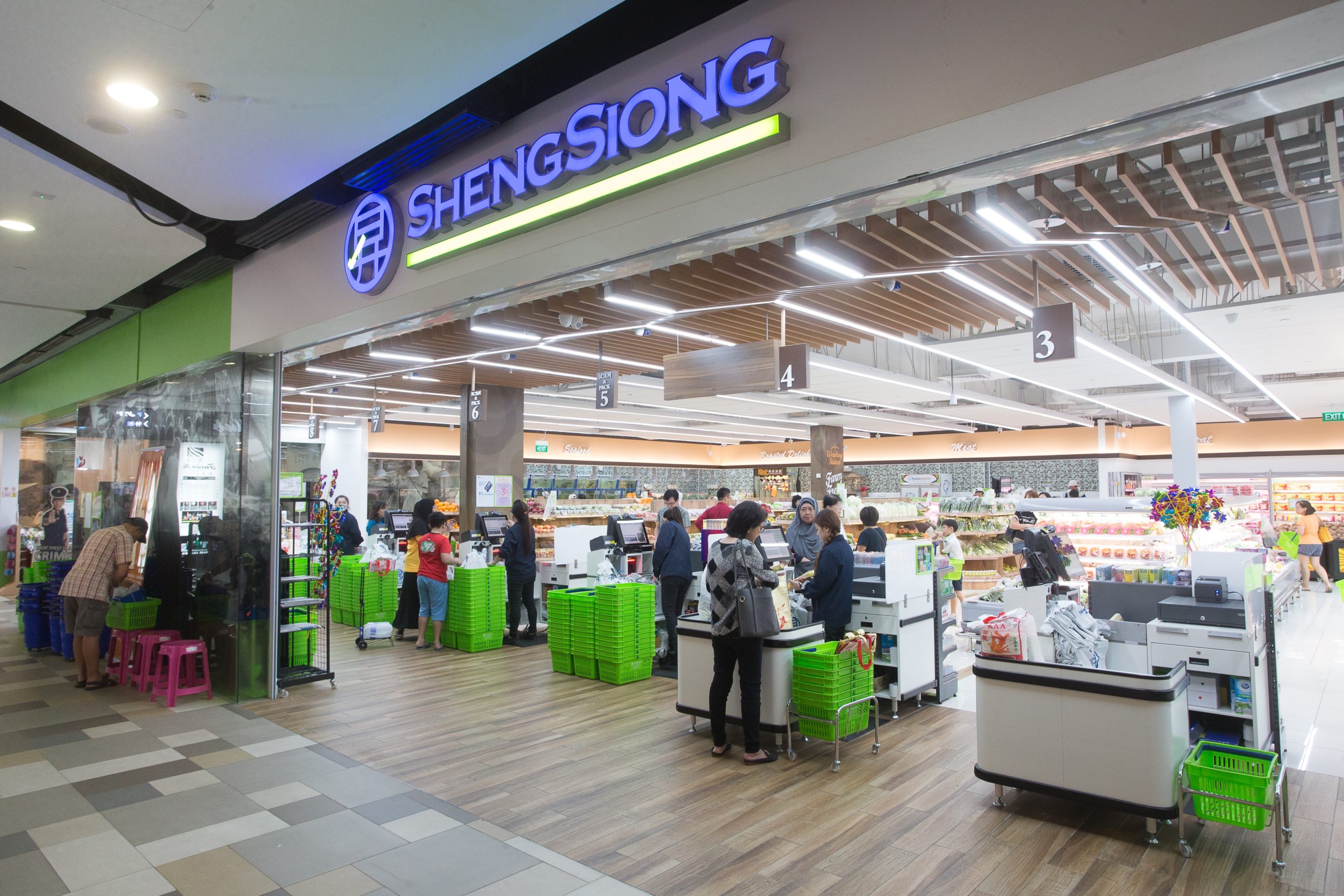
    Singapore’s supermarket chain Sheng Siong aims to open three to five new outlets every year in the country in the near term, the company said in a bourse filing today (Apr 20). The near term plan will be within the next three to five years, and this adds up to 25 stores by the fifth year, as part of the supermarket chain’s plans to expand its footprint in the country.

    Sheng Siong said it will continue to look out for retail spaces in new and existing public housing estates, particularly in areas where it does not have a presence.

    A check online shows the chain having 65 outlets across Singapore, with 14 outlets in the Northeast, 17 outlets in the West, 12 outlets in the North, 11 outlets in Central, and 11 outlets in the East.

    With a projected 25 more outlets, this will bring Sheng Siong’s total number of outlets to 90.

    According to competitor NTUC Fairprice’s website, the chain has 230 outlets in Singapore. Fairprice claims that it’s the country’s largest retailer. It counts brands like FairPrice supermarkets, FairPrice Finest, and Cheers as its outlets. There are 100 FairPrice supermarkets islandwide.

    Sheng Siong will also continue to build on its e-commerce capability to extend its reach to customers in areas where it does not have a physical presence.

    There are also plans to expand into China although it didn’t lay out the specifics. The company is currently operating four supermarkets in Kunming, China, which continue to be profitable.

    The supermarket chain’s latest financial results showed a 6.4 percent increase in revenue for the second half of the financial year 2021, at S$688.1 million. That’s thanks to the opening of three new stores in Singapore in the same period.

    Net profit for the full year eased 4.2 percent to S$132.8 million, due to a high base in the previous year.

    Sheng Siong expects pandemic-induced demand to taper as consumers loosen their purse strings on discretionary items like social activities and travel.

    “We should build a ‘war-chest’ ready on hand and preferred to conserve cash rather than gear up when the need arises,” it said.

    The company made news last year when it rewarded staff with up to 16 months of bonus after the “tremendous” performance in 2020.

    Internal memos seen by news agencies showed that some of the amount, as well as monthly bonus were distributed in 2020.

    The good performance reflected how well supermarkets perform

  • Woolworths launches compostable produce bags in SA

    Woolworths launches compostable produce bags in SA

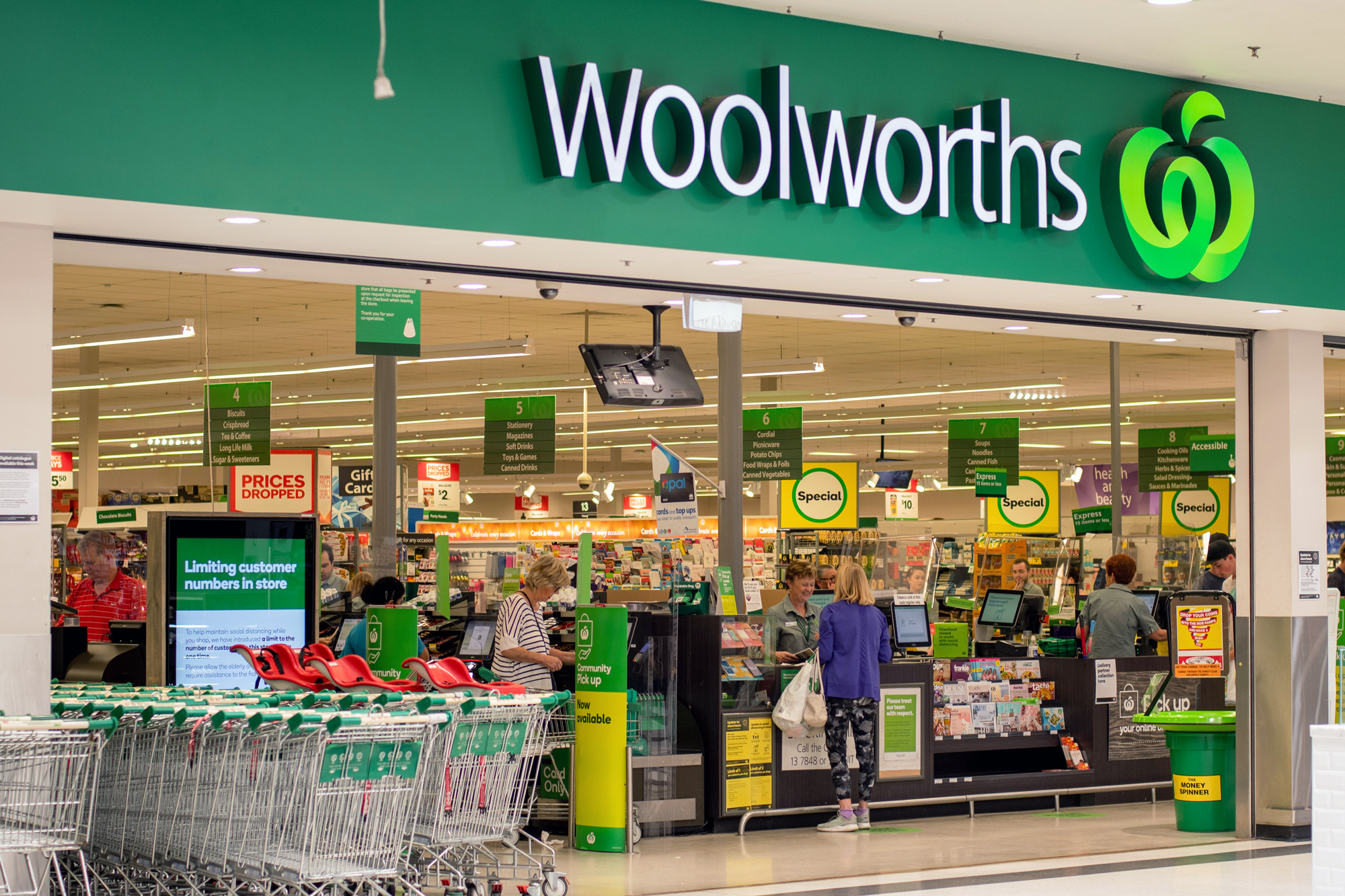
    Woolworths has unveiled locally made compostable fruit and vegetable bags across its stores in South Australia.

    The business believes the switch can help divert 70 tonnes of plastic waste from landfills each year. The compostable bags can be discarded in home DIY compost pits or in the council-provided green bins for garden waste.

    The organic bags are made in South Australia by Biobag and will be available across the retailers’ fruit and vegetable departments along with reusable nylon bags, available in three packs. The bags can also be used as liners in council-provided scrap ‘kitchen caddies’.

    Woolworths South Australia assistant state manager Elisha Moore says this shift represents ‘a big breakthrough’ in sustainable shopping for customers in the state.

    “South Australia leads the nation in household access to council-provided composting, so it’s a great place to launch sustainable initiatives like these new bags,” said Moore.

    Deputy Premier of South Australia and Environment Minister, Susan Close welcomed the initiative and said South Australia was a ‘logical choice’ for Woolworths.

    “All our metropolitan councils in Adelaide accept food waste in their green bins and so do many regional and country councils. No other state in Australia has this level of waste and recycling available to households,” she said.

    The retailer is also working to make 100 percent of its own-brand packaging recyclable, reusable and compostable by the end of next year.

  • Musk Says He Has Secured $46.5 Billion In Funding For Twitter Bid

    Musk Says He Has Secured $46.5 Billion In Funding For Twitter Bid

    Elon Musk on Thursday said he has lined up $46.5 billion in debt and equity financing to buy Twitter Inc and is considering taking his offer directly to shareholders, a filing with U.S. regulators showed.

    Musk himself has committed to put up $33.5 billion, which will include $21 billion of equity and $12.5 billion of margin loans against some of his Tesla Inc shares to finance the transaction. He is chief executive officer of electric vehicle maker Tesla.

    Musk, the world’s richest person according to a tally by Forbes, on April 14 presented a “best and final” cash offer of $43 billion to Twitter’s board of directors, saying the social media company needs to be taken private to grow and become a platform for free speech.

    But Twitter failed to respond to his offer and adopted a “poison pill” to thwart him. Musk also is considering a tender offer to buy all company stock from shareholders but has not decided whether to do so, according to the filing on Thursday.

    Musk, Twitter’s second-largest shareholder with a 9.1% stake, has said he could make big changes at the micro-blogging company, where he has a following of more than 80 million users.

    Shares of Twitter rose less than 1% on news of the funding, indicating that the market is still skeptical about the deal.

    Shares of Tesla climbed more than 3% and the value of Musk’s 172.6 million Tesla shares rose by over $5 billion on Thursday following a strong quarterly report. On Wednesday, he qualified for compensation in the form of stock options now worth about $24 billion after Tesla hit profit and revenue performance targets.

    It is unclear whether Musk would sell shares in Tesla to cover the $21 billion equity financing. Musk “may sell, dispose of or transfer” unpledged Tesla stocks at any time, according to a margin loan commitment letter.

    Banks, including Morgan Stanley, have agreed to provide another $13 billion in debt secured against Twitter itself, according to the filing.

    A spokesperson for Twitter acknowledged receipt of Musk’s proposal.

    “As previously announced and communicated to Mr. Musk directly, the board is committed to conducting a careful, comprehensive and deliberate review to determine the course of action that it believes is in the best interest of the company and all Twitter stockholders,” the Twitter representative said in a statement.

    Ryan Jacob, chief investment officer at Jacob Asset Management, which holds Twitter shares, said Musk’s latest filing would push Twitter’s board to respond.

    “They had to consider the seriousness of the offer, and this filing may do that,” he said. “It’s going to be hard for them to ignore it.”

    Josh White, assistant professor of finance at Vanderbilt University and a former financial economist for the Securities and Exchange Commission, said the funding would likely “put pressure on Twitter’s board to either find a White Knight, which is unlikely, or negotiate with Musk to obtain a higher value and remove the poison pill.”

    The offer from Musk has drawn private equity interest in participating in a deal for Twitter, Reuters reported this week, citing people familiar with the matter.

    Apollo Global Management Inc is considering ways it can provide financing to any deal and is open to working with Musk or any other bidder, while Thoma Bravo has informed Twitter that it is exploring the possibility of putting together a bid.

    The New York Post said on Thursday that Thoma Bravo was in talks with Musk for a joint deal. Thoma Bravo did not respond to a request for comment.

    Musk has made a number of announcements on the platform, including some that have landed him in hot water with U.S. regulators.

    In 2018, Musk tweeted that he had “funding secured” to take Tesla private for $420 per share – a move that led to millions of dollars in fines and him being forced to step down as chairman of the car company to resolve claims from the U.S. securities regulator that he defrauded investors.

  • UBS Currently Sees Little Hope for Credit Suisse

    UBS Currently Sees Little Hope for Credit Suisse

    Switzerland’s two major banks are usually cautious about rating each other’s shares. But right now, UBS sees little potential in its rival. Credit Suisse’s share continued to lose value and they are now trading just above 7 Swiss francs ($7.3) after it made a warning earlier this week that it would report a first-quarter loss. There is little to suggest that the stock will recover in the foreseeable future, especially after CEO Thomas Gottstein spoke of 2022 as a transition year. Now, many bank analysts seem to be chiming in with the same view.

    British investment bank Barclays lowered its price target for Credit Suisse shares from 7.50 francs to 7.00 francs on Thursday, with their banking specialist, Amit Goel, rating the stock as underweight, which ultimately can be interpreted as a recommendation to sell.

    UBS banking analyst Daniele Brupbacher was a little less harsh on his employers’ rival, giving Credit Suisse shares a twelve-month price target of CHF 7.40 and rating the stock as neutral earlier this week. So while not advising to sell, he is advising against buying it even at such a low price.

    When the two major Swiss banks rate each other, they usually do so rather cautiously. Although they are ultimately competitors, they also play a decisive role in shaping the Swiss financial center. And no one is interested in having just one big bank in the future.

    In an interview earlier this year, UBS CEO Ralph Hamers said that it’s never a good thing when a competitor has problems because the reputation of all banks suffers as a result.

    For decades, the business models of UBS and CS were quite similar, but have diverged over the past decade or so. UBS saw no need to repaint, merely touching up its success model, as former UBS Chairman Axel Weber liked to say. Credit Suisse has been laboring for years to make a new start without success, and scandal after scandal has beleaguered the bank.

    This is reflected in the performance of Credit Suisse’s share price and the corresponding ratings of UBS. The last time UBS banking analyst Brupbacher gave his rival shares a buy rating was in April of last year. At that time, the stock was trading at 9.73 francs, and UBS had formulated a price target of 10.80 francs.

    In December 2021, UBS downgraded Credit Suisse shares to neutral, mainly due to the ongoing turbulence surrounding the Greensill funds and the Archegos hedge fund, but also because then Chairman António Horta-Osório had not succeeded in giving the bank a new, credible strategy. UBS’s target price for Credit Suisse’s shares was 9.30 Swiss francs, cut again in February to 8.50 francs and now to 7.50.

    It is quite clear. From now on, there will definitely be one financial center – two business models – and the two competitors will open up a new capital in Swiss banking history. While UBS pulls away, Credit Suisse will be hard-pressed to avoid announcing personnel changes when it presents its quarterly figures next Wednesday. That is the only real way it can credibly hold out the prospect of a new start.

  • Apple to launch nudity detection fеаture internationally

    Apple to launch nudity detection fеаture internationally

    Apple will soon roll out its Communication Safety feature in the United Kingdom. Users in Canada, Australia, and New Zealand are also expected to receive it. The option, once enabled by a parent, will perform scans in Messages in an effort to filter out potential nudity.

    This is only part of the enhanced set of child protection features that Apple intended to introduce in iOS 15. And while the expanded guidance option met little resistance, the set of measures was met with no shortage of controversy. Concerns over the privacy of Apple users have delayed the implementation of the latter feature оutside of the US, but its international release is on the horizon – the United Kingdom will be just one of the first of many countries on the line.

    Nevertheless, the final version of Communication Safety is quite more tame than the one Apple initially envisioned. Originally, parents were supposed to get notifications if their children were to receive messages containing nudity.

    Instead, now Communication Safety simply blurs the content of the message if it detects any instance of nudity. Children will also be given a warning and will be referred to resources supplied by child safety groups.

    Most importantly, the feature works both ways. If nudity is detected in a photo that a child is intending to send, a number of protections also step in. The child is discouraged from sending it and an option to call an adult is presented to them.

    Apple has gone the extra mile in ensuring that the highest degree of privacy protection is maintained. All image processing takes place on the device, with Apple having virtually no information on neither the analysis itself, nor its outcome.

    Therefore, privacy concerns regarding Communication Safety in its current form seem somewhat misplaced. For all their faults, even the most vocal Apple critic cannot deny the fact that they take their customers’ privacy very seriously. From end-to-end encryption to location fuzzing, the company has consistently upholded their commitment to protecting the data of their clients. Apple certainly knows how to keep a secret – in comparison to other tech giants, that is.

  • Instagram to adjust its algorithm to give preference to original content

    Instagram to adjust its algorithm to give preference to original content

    Sick of seeing only TikToks on Reels? So is Instagram. On a more serious note, Instagram is tweaking its algorithm not only to crack down on reposts but also to incentivize creators to produce original content.

    Adam Mosseri, the current head of Instagram, announced yesterday some interesting changes coming to the social media platform. In addition to expanding the functionality of tags, Instagram is introducing a ranking for originality and implementing it in its algorithm.

    This is the next step in Instagram’s concrete efforts to encourage creators to produce original content for the app. The idea is pretty straightforward – more creativity, fewer reposts.

    This is how Mosseri explains the rationale behind the recent changes in a video posted on Twitter.

    In a subsequent tweet, Mosseri expressed concerns over the long-term future of Instagram, if the platform does not stop to “overvalue aggregators”. The changes to the algorithm are a step in the right direction as they will aim to single out aggregator accounts and handle them accordingly.

    The exact way in which Instagram will filter “original” content currently remains unclear, however. Mosseri himself is not entirely confident in the platform’s ability to do so consistently. Some trial and error will likely be required before the mechanism is refined

    Ultimately, this is just another milestone in Meta’s vision. Instagram and Facebook have steadily been transitioning away from their previous purpose of keeping people connected. They now aim to be, above all, platforms for creators with the recent changes reflecting that perfectly.

  • TSMC founder Chang says that the U.S. has the world’s best chip designers

    TSMC founder Chang says that the U.S. has the world’s best chip designers

    The two most advanced chip foundries in the world at the moment are Taiwan’s TSMC and South Korea’s Samsung. With both providing phone manufacturers with chips produced using their 3nm process node next year, TSMC recently said that it will start shipping 2nm chips to customers in 2026.
    In theory, the lower this process node number goes, the smaller the transistors used in these chips become. That allows chip designers and manufacturers to put more transistors in these integrated circuits allowing them to be faster and/or more power-efficient.
    The U.S., concerned about geopolitical events putting a crimp in the supply chain for chips (especially the possibility of China making a move on Taiwan) would love to become self-sufficient in the design and production of chips. Design is actually not an issue as U.S. firms like Apple, Qualcomm, Intel, and others have no problem designing chips (more on this later). But building a foundry takes oodles of money and time. It also requires proximity to a reliable supply chain.
    TSMC is working with the U.S. to build a fab (a plant that manufacturers chips) in Arizona. The facility should start producing chips by 2024 although production will reportedly be limited at first to 5nm chips which will have been replaced by the 3nm process node by the time the fab starts running in the states.
    But TSMC founder Morris Chang considers the U.S. attempt to be relevant in chip manufacturing to be “a wasteful, expensive exercise in futility.” According to The Register, Morris spoke as a guest of the Brookings Institution think tank and stated that the U.S. does not have the talent pool necessary to create a thriving business in the states manufacturing chips.
    Chang cited Taiwan’s large population that helped TSMC become the world’s top independent foundry. While the U.S. moved away from producing manufacturing professionals, Taiwan was loaded with talent. As we mentioned earlier in this story, where the U.S. does have the talent is in chip design, something that Morris isn’t shy about saying.
    The 90-year-old Chang has high praise for the chip design talent in the U.S. calling it “the best in the world.” He adds that “Taiwan has very little design talent, and TSMC has absolutely none.” As an independent foundry, TSMC wouldn’t be expected to produce its own designs since its job is to produce chips designed by other companies like Apple, Qualcomm, MediaTek, and more.

    Talking about the costs of running a fab in the U.S., Chang says that the small plant in Oregon that TSMC has run for 25 years is making money but not enough to justify expanding the facility. “We were extremely naive,” said Chang, “in expecting comparable costs, but manufacturing chips in the US is 50 percent more expensive than in Taiwan.”

    U.S. experts happen to agree with Chang’s take on the situation with one think tank expecting several thousand unfilled positions in any new U.S. based fabs. With Chang’s comments in mind, why would TSMC lay out $12 billion to build the Arizona factory? “We did it at the urging of the US government, and TSMC felt we should do it,” Chang said.

    Morris also pointed out that while chip production state-side will certainly see an increase, “there will be a high per-unit cost increase, and it will be hard for the US to compete internationally.” Chang also worries about a possible war between China and Taiwan. If there is a war, U.S. chip production might prove to be profitable with TSMC possibly not able to continue normal production.

    He adds that if there is a war between China and Taiwan, “the U.S. will have a lot more than chip manufacturing to worry about.” Back in December, we passed along a stat that said 90% of the world’s most advanced chips are shipped from Taiwan. Worried about how vulnerable that makes the country, and in turn big chip consuming nations like the U.S., foundries need to work in advance on contingency plans in case Taiwan-based fabs are damaged or destroyed in a war.
  • Lush launches a 24-hour vending machine

    Lush launches a 24-hour vending machine

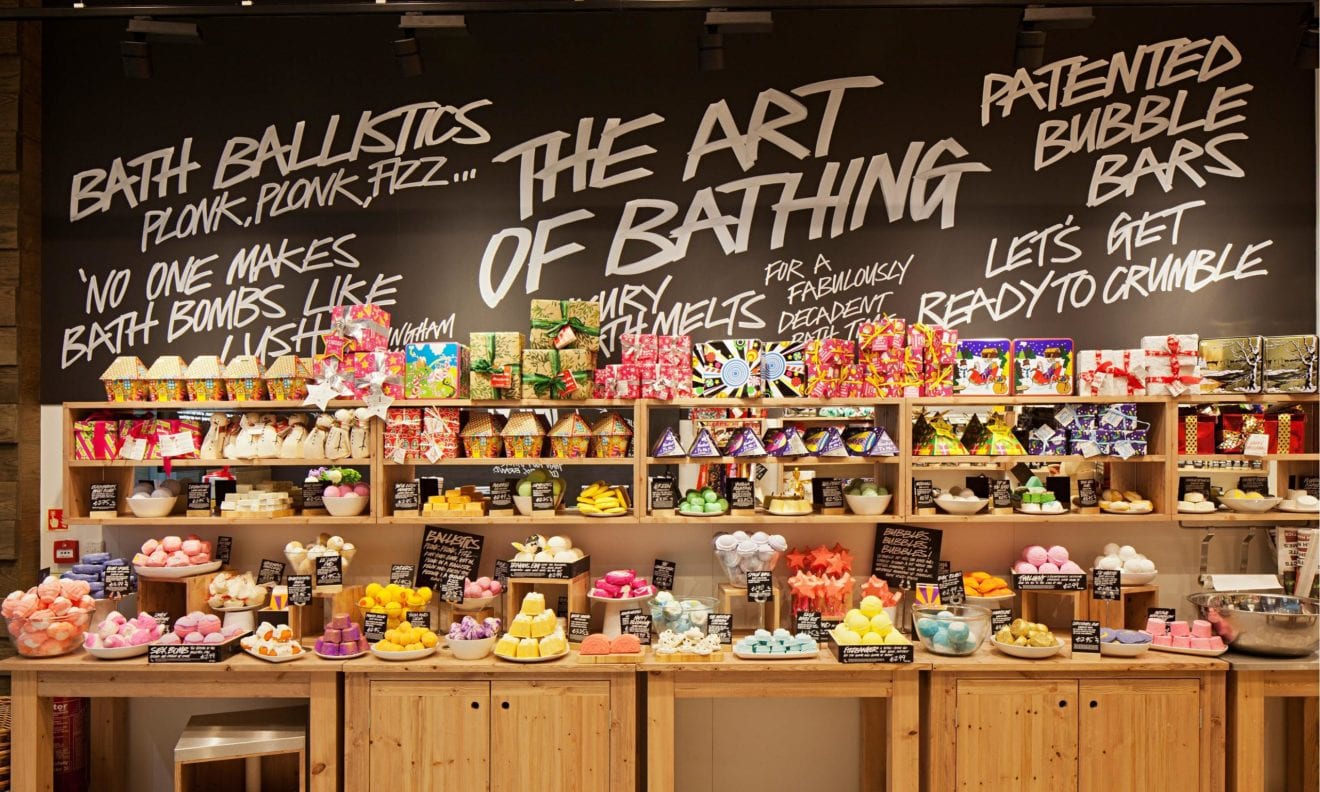
    Cosmetic brand Lush has opened its first 24-hour vending machine, located in Coal Drop’s Yard at King’s Cross in London.

    Lush said it aims to provide customers with a distinctive retail experience by allowing them to purchase its products at any time of the day.

    The machine is shaped like a circular kiosk. Customers walk around to and view the products, which include wrapped gift boxes. Moreover, it is sustainably designed, running on low energy.

    The Ilocker vending machine is designed by Anmac, whose owners are Andrew Alpine and his wife Gemma Jackson, a couple well known for designing numerous film and television series sets, including for The Piano, The Beach, Bridget Jones’ Diary and Game of Thrones.

    “Lush has always strived to dazzle our customers, from our product innovations through to bringing our core values into every aspect of our retailing,” said Charlotte Howe, a member of the Lush Group retail team.

    “Using the highest quality of automated retail machines with our partner, Anmac, we are able to surprise and delight with a micro store that is open 24 hours a day. It is a retail theatre that never sleeps – live glow on the go.”

    The London pop-up will run for six months during which time the company will change the product range and merchandising design to ensure ongoing customer interest.

  • Singapore’s Raffles City to boast 50 new stores after revamp

    Singapore’s Raffles City to boast 50 new stores after revamp

    More than 50 new brands, including specialty stores and experiential concepts, will enter the revamped Raffles City shopping centre later this year.

    The renovation of a 111,000sqft area across Levels 1 to 3 is scheduled to complete in the fourth quarter of this year. An initial series of store openings kicked off with the launch of Acqua di Parma’s first flagship store in Southeast Asia last month. Spanning approximately 1000sqft, the store features the first of its grooming service ‘Barbiera’ in Asia Pacific.

    The downtown Singapore centre’s revamp was in part made necessary by the collapse of the Robinsons department-store business in 2020, which left a large space untenanted but opened the possibility for multiple additional smaller tenancies, as well as an expansion of the Marks & Spencer space.

    “Raffles City’s rejuvenation plans are part of our continuous efforts to keep us on the pulse of the rapidly evolving shopping and lifestyle needs of our shoppers,” said Steve Ng, GM of Raffles City Singapore.

    “Our new tenant mix has been carefully curated to cater to the diverse demographics who frequent our mall, especially those who seek more than just retail gratification and the discerning ones who appreciate the finer things in life”.

    Sephora, Marks & Spencer and L’Occtane, will introduce new concept stores in the coming months. While L’Occitane will land its first Green Store in Singapore at Raffles City, Marks & Spencer will expand its offering with a new 15,00osqft concept store, consisting of a grocer and bakery.

    Other new tenants joining the revamped premise include Lululemon, Paris Baguette x Teatra, Venchi and Läderach. Raffles City said it will disclose more new tenants in coming months.

  • Upgrade to Apple Pay tightens fraud prevention features

    Upgrade to Apple Pay tightens fraud prevention features

    Apple Pay is the company’s mobile payment platform. It’s a brilliant money-making scheme because Apple receives a cut of .15% of the value of each transaction that uses the feature (15 cents for each $100 purchase). With more than a million retail stores, gas stations, supermarkets, and restaurants accepting Apple Pay in the U.S. alone at the start of this month, the volume of transactions that run through the platform is large enough to generate big bucks for Apple.
    Some Twitter users noted that a notification badge showed up on their payment credit card inside the Wallet app today. That is because Apple has upgraded Apple Pay to improve the fraud prevention for some credit cards. According to Apple, “For cards with certain enhanced fraud prevention, when you attempt an online or in-app transaction, your device will evaluate information about your Apple ID, device, and location (if you have enabled Location Services), to develop fraud prevention assessments which are used by Apple to identify and prevent fraud.”
    Apple adds that it will share “fraud prevention assessments as well as information about your transaction (such as purchase amount, currency, and date) with your payment card network for fraud prevention.” You can avoid having to share this data with your payment card’s network by changing the payment card that you use for purchases made with Apple Pay to one that doesn’t sport the notification.

    To remove your payment card on the Wallet app, open the app and tap on the image of that card. Press on the three dots in the upper right of the display and when the new page loads, scroll to the bottom and tap on Remove This Card to well, remove this card. To add a new card, open the Wallet app and tap the “+” icon on the upper right of the display. You then scan the card and follow the directions to add it to the Wallet app.

    While this writer doesn’t see the notification badge on a Visa card placed in the Wallet app, some Visa users worldwide have started to see the badge. With so much cash tumbling into Apple’s coffers from Apple Pay, anything that Apple can do to get more users to pay using the platform brings more money to Apple’s bottom line. If that means making the card used for Apple Pay transactions safer to use thanks to enhanced fraud notification, so be it.


  • HBO Max joins Verizon’s +play platform

    HBO Max joins Verizon’s +play platform

    Announced last month during Verizon’s Investor Day, the carrier’s +play platform offers over 20 streaming services ahead of its commercial launch and allows Verizon customers to manage their subscriptions in one place, as well as learn about exclusive deals and offering for content services.

    Starting today, HBO Max will be joining Verizon’s +play platform as partner. The streaming service from Warner Bros. Discovery offers content from HBO, Warner Bros., and DC, as well as Max Originals, blockbuster films, as well as kids and family content.

    Initially designed to provide Verizon customers with access to content the carrier already offers through providers like Disney+, Hulu, ESPN+, discovery+ and AMC+, the new +play platform introduces new partners, including Netflix, Peloton, WW, The Athletic, Calm, Duolingo, and TelevisaUnivision’s Vix+, among many others with more to come.

  • Netflix may abandon its “no ads” policy in a push for cheaper subscription plans

    Netflix may abandon its “no ads” policy in a push for cheaper subscription plans

    Netflix, the world’s largest streaming platform, seems to be having a major change of heart with regards to ads. For a long time the company was adamant in refusing to introduce ads, but the need for cheaper subscription options may force it to relent.

    The decision to explore this path has not been taken lightly. The gradual shift in Netflix’s stance on ads has been taking place for quite a while. What started off as a decisive “no”, then became a “never say never” before moving through the “maybe” phase and could now be a reality in the next couple of years.

    Direct competitors to Netflix have long profited from ad revenue, which has allowed them to sustain more competitive prices. Hulu for one offers an ad-supported option for just 6.99$ per month, in comparison to the 9.99$ per month asked from Netflix for its entry-level subscription plan.

    It should be noted that the inclusion of ads allows Hulu to slash a full 6$ from the price of what is an almost identical service as the ad-free one (which comes at 12.99$ instead). If Netflix were to replicate the model and slash 30-40% of the price they could have a very tempting offer in their hands.

    And Netflix is in desperate need of such an offer. Dwindling subscription numbers and plummeting share prices have pushed the business model of the company to its limits. The suspension of the service in Russia and the war in Ukraine have also done their fair share of damage.

    Not so long ago, during the peak of the COVID-19 pandemic, Netflix was in its prime (Amazon did well too). Now, for the first time in a decade, the company is losing subscribers. Perhaps a cheaper alternative will be able to change that.

  • Switzerland as a Sustainability, Blockchain and Fintech Hub

    Switzerland as a Sustainability, Blockchain and Fintech Hub

    It seems rather paradoxical that Switzerland is both a hub for sustainability and an energy-gobbling blockchain hub.

    The latest data from Switzerland’s Department of Finance underscores the growing importance of blockchain and fintech for the country’s financial sector. At the same time, sustainable investments are high on the agenda in Switzerland, the two seemingly at odds with each other.

    The financial industry continues to be one of the most important sectors in Switzerland, even as other areas of the economy have grown more strongly, a report compiled by the State Secretariat for International Financial (SIF) showed.

    The contribution to the Swiss economy from financial and insurance services increased slightly to CHF 66.9 billion in 2021 compared with CHF 64.4 billion a decade ago. At the same time, Switzerland’s GDP expanded more rapidly.

    Employment figures show this as well. Most recently, around 212,000 people worked in the sector, compared with around 216,000 ten years ago. Only outside the core financial sector did employment grow in the last decade, from around 50,000 to 63,000.

    According to the data, sustainable investments showed steep growth, their volume growing by 31 percent last year to over 1.5 trillion Swiss francs, according to a market survey conducted by Swiss Sustainable Finance (SSF).

    Switzerland has developed into a hub for startups in blockchain technology and fintech. The number of companies has grown to 1,128 in 2021 from 960 in the previous year, employing 6,002 people compared to 5,184 in 2020.

    According to a study, the number of fintech companies stagnated in 2021, but the volume of business nevertheless increased.

  • UBS U.S. Legal Dispute Ends With a Wire Transfer

    UBS U.S. Legal Dispute Ends With a Wire Transfer

    A lengthy legal battle waged ends in defeat for the Swiss bank and a multi-million dollar wire transfer to a former compliance officer in Chicago.

    Having exhausted multiple appeals in a defamation suit in the United States, and with no option left other than the Supreme Court, UBS’s business in the U.S. agreed to pay a former compliance officer $14.1 million via wire transfer on April 12, ending a four-year legal dispute, according to a report from advisorhub.com.

    The officer was fired in 2018, and sued the firm later that year for defamation, initially winning an $11.1 million award following arbitration. He alleged his termination filing, known as a U5, was defamatory as he had been accused of supervisory failings of employees executing uncovered options strategies. He also stood accused of giving «varied responses» when his actions were reviewed, the report said.

    He was one of several people fired after a number of junior brokers cost the firm $3.7 million in options trades in employee accounts, but the former officer said he was not properly informed by the firm’s supervision office of margin calls against the brokers, and sued the firm.

    He was awarded $11.1 million in December 2019 in what was the largest employee arbitration penalty that year. The award comprised $7.5 million in punitive damages, $3.1 million in compensatory damages for severance, and nearly $500,000 in legal fees.

    The award was upheld by a court in January of 2020, with the judgment increasing to over $12 million as it included additional statutory interest and attorney fees.

    Ultimately, UBS ended up paying around $3 million more than the initial amount due to the lengthy appeals process because of the accrued interest and increased legal costs.

    Now, to continue appealing the case, the UBS would have had to petition the United States Supreme court. A UBS spokesperson declined to comment, according to the report.