Author: Mei Ling Tan

  • Subway plans to start selling into Indonesia

    Subway plans to start selling into Indonesia

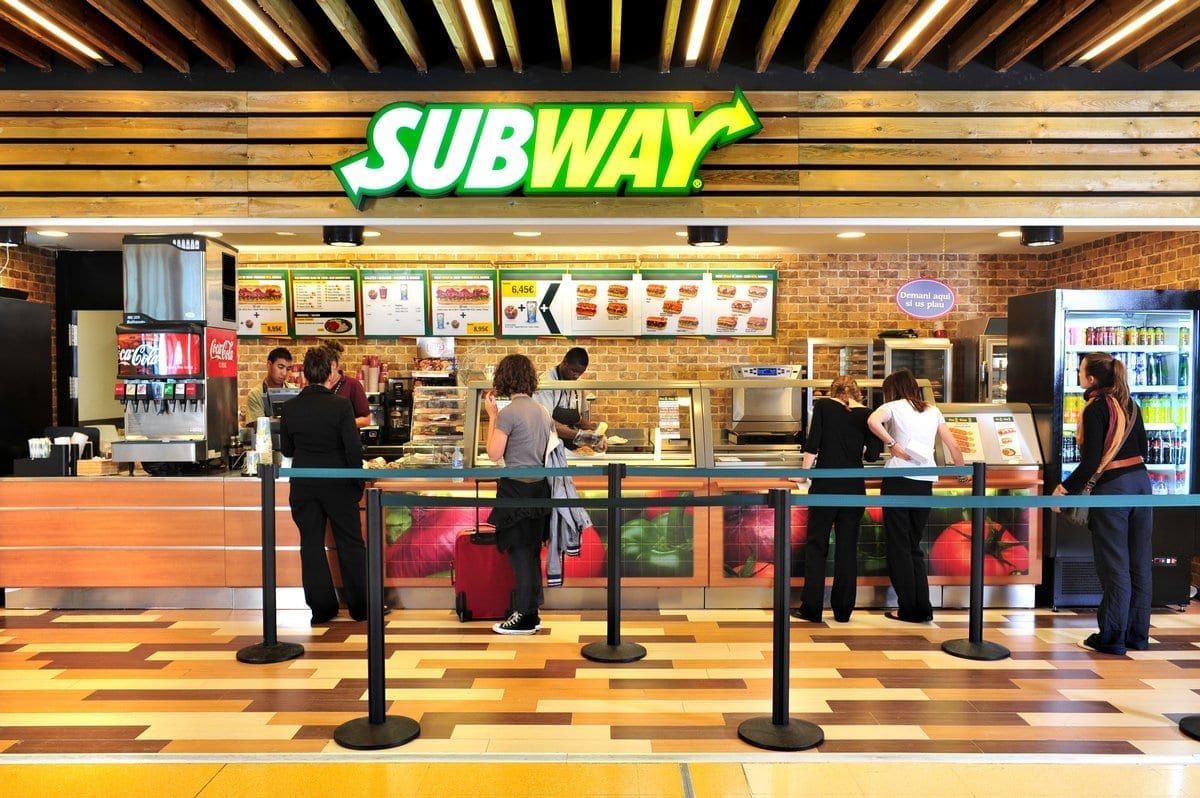
    Subway, the world’s largest restaurant brand, has signed an agreement with PT Sari Sandwich Indonesia, a subsidiary of Indonesia’s food & beverage retailer, PT Map Boga Adiperkasa Tbk (MBA), whose parent company is PT Mitra Adiperkasa Tbk (MAP). This agreement kicks off Subway’s aggressive plans to expand its international footprint. The partnership will launch Subway restaurants in Indonesia by Q4 2021, with initial locations set to open in the Greater Jakarta region.

    “The demand for Subway restaurants is unprecedented in many markets around the world, including Indonesia,” says John Chidsey, Chief Executive Officer of Subway. “MAP, Indonesia’s leading lifestyle retailer, is the ideal partner to kick off our expansion in the Asia Pacific region, where we know convenient, better-for-you options are in demand. This is just the start of our global expansion plans.”

    A major player in the Indonesian F&B market, MBA has over 590 stores across 33 Indonesian cities serving brands like Starbucks, Pizza Marzano, Krispy Kreme and others. According to the agreement, the Subway brand will be managed by PT Sari Sandwich Indonesia and expands MBA’s business portfolio to eight premium international brands. In addition, Indonesia will be the first-ever market to implement Subway’s exclusive country franchise model globally. Based on this model, MBA will solely spearhead Subway’s development in Indonesia with the goal of establishing strong and steady annual restaurant growth.

    “MBA recognizes the importance of food retailing and works with best-in-class brands, making Subway a natural choice,” says V.P. Sharma, Group CEO of PT Mitra Adiperkasa Tbk.

    The partnership expands growth for both companies, allowing Subway fans in Indonesia to get freshly made, craveable food with fast, friendly and convenient service closer to home.

    “Subway offers delicious, better-for-you sandwich choices that cater to the growing trend of Indonesians looking for a more balanced and healthier diet,” said Anthony Cottan, President Director of PT Map Boga Adiperkasa Tbk. “The Subway model of making every sandwich customized, in addition to its convenience and affordability, will attract many guests and position it for growth in Indonesia for many years to come.”

    The expansion into Indonesia marks the first step in Subway’s continuing plans to grow its presence in the Asia Pacific region. The brand’s restaurants and sales throughout the region, in countries such as South Korea, Australia, New Zealand, Thailand and Singapore, have seen significant success in recent years and Subway expects similar results in Indonesia.

  • Auckland Airport to build outlet mall with 100+ stores

    Auckland Airport to build outlet mall with 100+ stores

    Auckland International Airport has posted an after-tax profit of $464.2m for the year to June 30, while also announcing plans to build a retail precinct with 100 stores that is expected to create 500 new jobs.

    Although its after-tax profit was up 139 percent on the previous year’s $194m profit, the airport made an underlying loss of $41.8m, its first full year underlying loss in history. The underlying loss was in line with the guidance the airport gave at the start of the year.

    The airport says underlying profit is how it measures its financial performance because it removes revaluation changes that can distort financial results or where one-off transactions, both positive and negative, can make it difficult to compare profits between years.

    The airport also recorded its lowest number of international arrivals and departures since 1972, with just 600,000 passengers, including transits, down 93 percent on the previous year.

    Total passenger numbers were 6.4 million, down 59 percent on the previous financial year.

    Shares in Auckland Airport closed at $7.10 on Wednesday. During New Zealand’s alert level 4 lockdown at the start of the Covid-19 pandemic, they dropped to about $5 per share.

    The new retail precinct would involve the development of a 23,000 square metre-plus outlet centre on undeveloped land at the north-eastern edge of the airport.

    “Premium and lifestyle brands” will be sold “at often heavily discounted prices”, the company said.

    The airport’s general manager of property and commercial Mark Thomson said there was a gap in the market for a purpose-built fashion outlet centre and the airport had been exploring the concept for several years.

    “It will be the first of its kind in New Zealand, offering an exciting new shopping experience for Kiwis and travellers arriving at and departing from the airport,” Thomson said.

    “Many New Zealanders will be familiar with visiting this type of bespoke fashion outlet shopping centre on trips overseas.”

    A start date for construction was not given.

    Thomson said development would be influenced by the strength of the retail market and the recovery of aviation.

    Auckland Airport chief executive Adrian Littlewood said the 2021 financial year had been a year like no other for the company, and it was giving permanent staff $1500 in airport shares to thank them for their efforts over the past year.

    “Covid-19 changed our business overnight bringing constant upheaval to almost every part of our operation,” Littlewood said.

    “But throughout all the uncertainty of the past 18 months, our team’s determination to get the job done and go the extra mile for New Zealand has never faltered.”

    The airport had taken steps to strengthen its financial position including reducing operating expenses, repaying $425m in US private placement borrowings, and getting bank approval to renew a $700m loan, he said.

    The airport last week said it would start work on a $1 billion-plus project to merge its domestic jet operations with its international terminal early next year as one of four anchor projects being advanced.

    Four major projects are still on hold including its expanded international airfield and taxiway capacity, new cargo precinct, new international arrivals area and a second runway.

    Auckland Airport held more conservative assumptions than those of the International Air Travel Association, which was forecasting global travel to fully recover and exceed pre-pandemic levels in 2023.

    Littlewood said a full recovery may take longer.

    “Our financial performance is strongly linked to passenger volumes, so our recovery will be greatly influenced by the return of domestic and international travel and changes in border settings.”

    There were encouraging signs with vaccination programs ramping up in New Zealand and around the world, he said.

    “But we expect to see further volatility in domestic and international travel in the short term, with the global aviation market gradually rebuilding in 2022.”

    Due to uncertainty in the market, Auckland Airport would not provide underlying earnings guidance for the 2022 financial year, Littlewood said.

    Investment in transport infrastructure projects and upgrades would continue and was expected to cost between $250m and $300m in the 2022 financial year.

  • How specialty food exporters are meeting the latest cold chain standards

    How specialty food exporters are meeting the latest cold chain standards

    Food safety has always been a hot-button topic in the supply chain industry. These days geography and borders are no match for consumer demand, as specialty food produced in one corner of the planet inevitably needs to find its way to consumers in another corner.

    The result is that food supply chains are more complex than ever and governed by a raft of regulations. For instance, the government of the United Kingdom has published a lengthy treatise on the importance of freezing food for transport and the standards that exporters have to follow.

    Yet, accidents occur that put food safety in the spotlight. Five people in the Netherlands recently suffered from ciguatera poisoning after consuming frozen red snapper steaks processed in India, making headlines in the media. 

    While regulations provide exporters with some guidance, many have begun adopting technology and processes that help them assure food safety throughout the supply chain.

    Data logging

    Condition-related data logging has become a vital part of the supply chain, especially food. The way it works is simple. Data loggers connected to shipments monitor temperature, shock, humidity, light, and other conditions at all times. 

    These data are fed to centers where supply chain employees monitor the status of shipments. Cold chain temperature control is of the essence, since almost all food that is transported across continents is frozen. Each part of the supply chain poses unique challenges for cold chain transport.

    For instance, last-mile operations are notoriously tough to execute because of a lack of cold chain infrastructure. Data logging provides visibility that helps companies predict and prevent possible issues with food damage. Logistics employees can analyze past data to identify possible choke points.

    Logistics companies also use this data to evaluate vendor performance and design better transportation routes. For example, one vendor might perform well in colder conditions which mask their lack of infrastructure. By digging deeper into condition-related data, every stakeholder in the supply chain can make better decisions.

    Typically, one might think that the shortest route between two points is a straight line. However, condition-related data helps shippers pinpoint problematic areas. For instance, every country has different customs requirements. Prior damage at a particular customs warehouse indicates a lack of cold chain technology that will increase product losses despite offering a shorter route.

    Regulations and geopolitical changes are also essential points to consider when designing routes. While advanced analytics algorithms handle these processes, they rely on data gathered by loggers connected to shipments.

    Manufacturers are also increasingly using data logging to monitor their storage facilities. Often, product damage originates at the warehouse, and condition monitoring helps prevent unnecessary product losses.

    Insulated shipping boxes

    While data logging helps supply chain stakeholders track condition-related data, insulated shipping boxes help them enforce necessary conditions. Advances in production technology have resulted in a wide range of shipping boxes that manufacturers can use.

    Sustainability is a common concern in the supply chain these days, and box manufacturers offer solutions such as those made from biodegradable and compostable insulation made from recycled cotton. The insulation is wrapped in a poly film that disintegrates safely within 18 months, thus providing manufacturers with enhanced protection and sustainability.

    Though less eco-friendly, polyurethane boxes offer greater protection from physical damage over longer distances. This is pertinent for goods that are routinely shipped around the world thanks to steady demand. In addition to large boxes manufacturers can opt for envelopes, smaller coolers, and so on. In short, the cold chain these days contains technology that has moved well beyond refrigerated trucks.

    Some container manufacturers have taken things a step further and have transformed insulated containers into smart data gathering machines. While data loggers track individual shipments, smart containers monitor everything from conditions to container position when in transit. The result is more data for shippers to make better decisions.

    Modified transport and storage operations

    Despite technological advances, human error and unpredictability introduce risks into the supply chain. A shipper might have the necessary infrastructure, but there’s no allowing for one of their vehicles suffering from a flat tire that delays shipments.

    The only way to mitigate these unknown risks is to prepare shipments beforehand for cold transport. Companies do this by cooling containers and shipping boxes before transport. They also monitor loading dock temperatures to make sure conditions don’t exceed safe thresholds.

    Many companies are also resorting to random shipment checks to enforce cold chain regulations in addition to turning towards creative storage. For instance, a former limestone mine in Kansas has been turned into a storage facility since it lends itself well to cold storage.

    Thanks to the existing underground, its temperature range is predictable, secure, and less expensive to maintain. As a result, products requiring cold chain storage are automatically safer.

    Different methods, one goal

    Food safety is an issue that affects everyone in the supply chain. As manufacturers and other supply chain stakeholders work to meet government regulations, technology and improved workflows are helping them ensure the food we consume is safe. 
     

  • Cryptocurrency booming in South Korea but regulations could have a huge impact

    Cryptocurrency booming in South Korea but regulations could have a huge impact

    Cryptocurrency is huge within South Korea at the moment, with it thought that one in three of every resident within the country is being paid or either owning a form of the digital currency.

    It perhaps should not come as a surprise given that the Asian country is one of the most progressive in the world when it comes to innovation and technological advances and with the availability of the virtual coins having been made aware to citizens within the country, it should come as no shock that a number of the population has an interest. Due to the fact that crypto tokens in Asia are gaining popularity, they allow citizens to start partaking in crypto gambling with Ethereum and Bitcoin as it could be possible because a cryptocurrency casino accepts players from Asia, thus making it potentially appealing to bettors within the region. Due to the fact that the country is incredibly receptive to new technologies, there is a suggestion that South Korea could actually look to regulate blockchain-based cryptocurrencies. This would be incredibly different to China, as the Asian country had decided to crack down on digital tokens.

    Nonetheless, the appeal of Bitcoin and Ethereum, as examples, can already be seen widely throughout the country, with the reported volumes to be on top Korean cryptocurrency exchanges is thought to be higher than the nation’s stock market, thus suggesting that people are starting to signal their intentions as many look for change as they feel the stock market is corrupted by the four family-owned “chaebols” (conglomerates) due to their status and political influences.

    Whilst there is thought to be a financial revolution brewing in the country, there is no doubt that the times are changing with a new generation of citizens coming through. Young citizens are adopting and embracing crypto in their waves, with many already familiar with various methods of payment due to the technology and the world’s quickest internet speeds that they have available to them.

    Despite the fact that the government had passed legislation in 2020 to crack down on the investments being made on the blockchain, the youth have continued to leave their jobs to explore the possibility of day-trading crypto instead, as many of them see it as the best and quickest way in which they will be able to generate wealth compared to the traditional employment forms. There have been a number of regulations to have been brought in to try and protect traders, with the Financial Services Commission (FSC) having ordered cryptocurrency exchanges to have a “Virtual Asset Service Provider” (VASP) license to operate and needed to have the license by September 2021, however, none had applied. It would appear that there is a battle within South Korea between the government and their young residents, as the citizens of a certain era clearly believe it could be the way forward for them whilst the government is keen to regulate it in a way whereby it can benefit them, albeit at the expense of their citizens via taxes and new registration laws.


    FSC chairman, Eun Sung-soo came under fire for remarks he made about crypto, as his negative comments led to over 300,000 signatures on a petition calling for his resignation from angry South Koreans. Indeed, if none of the smaller exchanges were to apply for the license and were to be shut down for failing to comply with the regulations implemented, South Korean youths could be dealt a huge blow, as could the entire globe looking to invest.


  •  3 Good Reasons to Start a Laundry Service Business in the Philippines

     3 Good Reasons to Start a Laundry Service Business in the Philippines

    Once the global COVID-19 pandemic hit the Philippines, so many aspects of life were forced to change seemingly overnight. So many of the things people had become accustomed to, from meeting up with friends to being able to commute to work, were suddenly not available anymore, as a result of the need for caution. This had many unfortunate consequences, including many Filipinos being laid off from their places of employment.

    However, despite all the challenges presented by the time, Filipinos have managed to demonstrate their resourcefulness, with many successfully pivoting to new income streams and opportunities. Some have elected to explore the gig economy, while others have sought to establish home businesses. One of the more popular ones in recent months has been private laundry services, and for many people, it’s been an easy way to make ends meet despite being unable to physically report for work. Here are some of the reasons it remains an excellent idea for a business. Who knows, maybe after reading this article, you’d be inclined to buy washing machine on sale?

    It’s a Basic Need and Immune to Fads

    This is so obvious that it barely merits a mention, but to be clear: clothes are a basic corporal need, and just as important as having a sufficient amount of food to eat and keeping a roof over our heads. Keeping our clothes clean and wearable prevents them from degrading faster than they should, and also keeps away potentially harmful pathogens carried by dirt and grime embedded in clothing. Therefore, keeping clothing clean is a basic need. People can go without going to see a movie in a movie theater or eating at a fancy restaurant, but having a fresh t-shirt to change into after a long day of work is simply a non-negotiable.

    This means that the laundry industry as a whole is generally resistant to the forces of fads and even economic recession. While an estimated 74% of all micro, small, and medium enterprises, many laundry services remained open despite community quarantine measures.

    The State of the Housing Market Could Make It Very In-Demand

    Being good at business means being able to anticipate market trends and then pouncing on opportunities as they happen. The laundry services market could be that next big opportunity, given how closely it’s tied to multiple factors, including overall market penetration, the size of the laundry services market itself, and the state of the housing market in the years to come.

    First of all, having a washer-dryer at home still seems to be a luxury for most Filipinos. Only about 40% of Filipino households are equipped with a washing machine, with the rest of homes either relying on more traditional hand washing methods, or outsourcing their laundry requirements to service providers. This has resulted in the laundry services market expanding to an estimated $5 billion in value, according to statistics from the Philippine Statistics Authority.

    The next factor that indicates that the laundry services market is due for a boom is a little more complex, and it has to do with the housing market. Despite the ongoing pandemic, the expected number of condominium units in Metro Manila alone is expected to increase, from around 118,000 in 2018 to more than 152,000 in 2021. This spike in housing inventory, coupled with the recent economic downturn caused by the pandemic, is likely to cause housing prices to fall, making buying and borrowing more attractive to potential homeowners. Once these new homeowners begin to purchase their homes, they’re going to need the services of a laundromat or other outsourced service provider, and will likely cause the total evaluation of the laundry services market to rise. This represents an opportunity that new players in that industry can take advantage of. 

    Start-Up Capital for It Is Manageable

    One of the best reasons to begin a home laundry service is, with a little ingenuity, it’s relatively easy to get started. First of all, if you happen to be part of the 40% of homeowners who already have a washing machine and dryer, then congratulations! You’re well on your way to establishing your business. But even if you don’t, the estimated capital needed to start a home laundry service is estimated to be between PhP100,000 and PhP250,000. This should cover the cost of a few washer-dryers and production of some simple marketing materials, as well as initial operating costs for the first few months of operation, while your business gets its bearings. You should also be able to offer a few value-adding services such as pick-up and delivery within a one-kilometer radius of your location, to expand your potential market.

    With some careful consideration and planning, starting up a home laundry business could be just the thing to add a few zeroes to your bank account. While no venture is completely foolproof, laundry services definitely look like promising opportunities when the above factors are considered.

  • Why should companies invest in a vpn?

    Why should companies invest in a vpn?

    A VPN (Virtual Private Network) is becoming a necessity for almost everyone these days, for individuals, both also for general businesses, who are using such software to increase their security. VPN is essentially a tunnel for your internet traffic that encrypts the data you send or receive. The encryption guarantees your data safety, from hackers and malicious bots.

    Businesses usually use VPNs for ensuring that the outside users who are accessing the data centres are using the encrypted channel and are authorized to do so, but there are also other reasons why businesses use VPN more and more.

    Secure the traffic for remote users

    We are more and more working remotely, and, as a business owner, you might have some of your resources “in the cloud” (ie. private documents, applications, client’s files…). If you have remote employees who need to access these files, security should be something you might need to look after as, besides the fact that a password can easily be stolen, hackers are also more and more skilled in intercepting data on an unsecured network.

    Indeed, if an employee or a collaborator is trying to access files from a public WiFi for instance, this can cause serious threats since these networks are barely secured.

    In this case, a VPN service will help to improve the security of your assets, but also to ensure a secured access to your internal applications, as it creates a secure connection to the resources they are logged-in.

    A VPN can also be used to create a shared network between computers and devices located in different locations and therefore your traffic will not be exposed to the open Internet.

    Bypass geo-restricted content

    In case your employees are travelling to countries that have strict internet access laws, you might bump into situations where the users are blocked from accessing corporate resources on an open internet. In some countries like Mainland China for instance, even accessing Google, Gmail or WhatsApp are prohibited, due to the Great Firewall.

    Besides improving the security of a connection on a network, a VPN also helps to stay anonymous and to hide an IP address, a unique number that helps to identify a device, like a laptop or a smartphone, on the internet or a local network.

    If you install a VPN in your employee’s laptop, he or she will be able to use the internet as if he or she was still located in their original country, giving them the possibility to access your application and resources as usual.

    Restrict the access to malicious individuals or bots

    Indeed, if a VPN can encrypt your connections and provide you with better security, some companies use site-to-site VPNs in order to isolate the traffic and connections from given locations.

    The idea is to create a private network that can only be accessed when an employee is located in office A or B, however, whenever the employee leaves the office, it loses its access.

    This way of using a VPN is particularly efficient for companies that deal with sensitive data and who do not want to let their employees bring data out-of-work. Many cases of data interception from hackers were reported, and therefore, creating more secured “bubbles” are one way for companies to prevent sensitive information to end-up in the open Internet.

    An affordable way to browser safely

    The recent events pushed companies to let their employees work remotely, which creates issues regarding the security of their connections, as explained above. However, there are also serious issues with SMB that are not prepared to work online, in a secured environment, and experts have seen an increase of vulnerabilities and ransomware attacks.

    Ransomware for instance is on the rise. Some malicious hackers encrypt the data of a company, preventing the business to operate and to retrieve its accesses, the business owner will be requested to pay a ransom.

    A VPN cannot prevent such events to happen, however, whether we are talking about NAS, site-to-site or SAAS provider, a VPN can help to secure a network and therefore, to reduce the possibility for a company to suffer from ransomware. Indeed, VPN providers like NordVPN propose solutions for less than 5 USD per month, which can be a great way to start securing your data.

    Data privacy is one of the next challenges for individuals and companies. Experts have seen an increase of hacking attempts and, in a more and more connected world, making sure that digital assets are secured will be key for any business operating online.

  • AirAsia’s Teleport to acquire delivery platform Delivereat

    AirAsia’s Teleport to acquire delivery platform Delivereat

    Airasia’s digital logistics venture Teleport has signed an agreement to acquire 100% equity interest in local online food delivery platform Delivereat for US$9.8mil (RM41.52mil) to strengthen its delivery service in the country.

    Teleport chief executive officer Pete Chareonwongsak (pic) said the acquisition would be satisfied via a combination of cash and the company’s shares.

    Teleport is AirAsia’s cargo and logistics platform. It is a wholly-owned subsidiary of RedBeat Ventures, AirAsia’s corporate venture arm.

    He said the exercise would provide an opportunity for Teleport to grow its unique logistics ecosystem alongside Delivereat, which has carefully developed an extensive and cost-competitive delivery network over the last nine years.

  • Honda Swings To Q1 Operating Profit

    Honda Swings To Q1 Operating Profit

    Honda Motor Co swung on Wednesday to a first-quarter operating profit of 243.21 billion yen ($2.23 billion) from a 113.7 billion loss a year ago as car sales recovered from the impact of the COVID-19 pandemic.

    Operating profit at Japan’s No.2 carmaker by sales for the three months ended June 30 was double the average profit estimate of 119.2 billion yen based on nine analysts surveyed by Refinitiv.

    Honda raised its full-year forecast by 18% and now expects an operating profit of 780 billion yen in the current financial year, having previously forecast in May a 660 billion yen operating profit.

    The new forecast is higher than an average forecast of a 764 billion yen operating profit from 19 analysts polled by Refinitiv.

  • Online Brokerage Launches B2B Platform

    Online Brokerage Launches B2B Platform

    Xiaomi-backed Tiger Brokers is expanding its reach into the institutional segment with the launch of a business-to-business (B2B) platform.

    Tiger Brokers is partnering Singapore-based financial advisory firm PFPFA as it launches a B2B platform for institutional partners, the company announced on Friday.

    Under the partnership, PFPFA clients will have direct access to Tiger’s online brokerage and platform, which will include technological solutions such as advanced portfolio and risk management tools.

    Tiger Brokers said it hopes to build on the success of Tiger Trade, its Singapore consumer platform that currently has close to 300,000 users since launching 1.5 years ago. It plans to rapidly grow its B2B segment in the coming months by offering its services to more financial institutions, including robo-advisors, banks, neo-banks and fund managers, the announcement said.

  • Deutsche Bank Hires Ex-Pictet Singapore Chief

    Deutsche Bank Hires Ex-Pictet Singapore Chief

    Deutsche Bank continues to expand in Asia with the latest addition of the former Singapore chief executive from Pictet.

    Deutsche Bank names Dominique Jooris as Asia Pacific head of wealth solutions, according to a statement,

    Jooris was most recently CEO of Bank Pictet in Singapore before he was succeeded in January this year by Sharon Chou. Previously, Jooris held various senior dept capital management roles including 11 years at Goldman Sachs.

    According to the statement, Jooris will be focused on driving coverage of the family office segment in the region.

    Asia Pacific continues to be the fastest-growing region in the world for wealth accumulation and has been for the last 20 years. Asia Pacific is already home to more billionaires than any other region, the bank added.

    Given this dramatic wealth accumulation, many Asian families are institutionalizing their wealth management through more efficient structures and vehicles, primarily via family offices.

  • UBS Loses Out to Goldman Sachs for NNIP

    UBS Loses Out to Goldman Sachs for NNIP

    Goldman Sachs has bought a Dutch asset manager for which UBS was one of the other bidders as the European sector looks to consolidate.

    U.S. investment bank Goldman Sachs is buying Dutch insurer NN’s asset management business, the companies announced Thursday. European bidders lost out to Goldman Sachs, including Switzerland’s largest bank, UBS.

    Goldman will pay around 1.6 billion euros ($1.9 billion) for NN Investment Partners. The around $355 billion in assets the unit manages will now be added to the $2.3 trillion already managed by the U.S. bank’s fund arm.

    UBS, whose own asset management unit still has not gained the critical mass necessary to be a forerunner in the industry is not only on the lookout for takeover targets but also might be interested in a possible bid for the business.

    Since both Deutsche Bank’s fund unit DWS and UBS both missed out on NN IP, this could fuel speculation about a rapprochement after preliminary talks between the two failed in 2019.

    Credit Suisse Asset Management, which was badly shaken by the closure of its supply chain funds after the collapse of Greensill Capital, is also considered a takeover candidate.

    There is widespread talk of a merger with UBS asset management or DWS joining the two of them. However, Credit Suisse’s chairman, António Horta Osório, intends to take his time mulling major strategic moves until at least the autumn.

    At the end of June, UBS Asset Management had invested assets of $1.2 trillion and CSAM had 471 billion Swiss francs ($519 billion) in client assets under management.

    Even after the Dutch acquisition, Goldman still has plenty of money and is interested in further acquisitions.

    Goldman Sachs CEO David Solomon said the bank would certainly take a serious look at further acquisitions in asset management, if they could accelerate its growth.

    The asset management industry continues to consolidate, he added. If you look at most of the leading players, the thing that most of them have is their businesses are global and at scale.

  • Why are Asians so Good at Maths and Science?

    Why are Asians so Good at Maths and Science?

    Basing this statement on an argument of genes is completely untrue. This stereotype is statistically valid as many but not all Asians fare better than other races and communities in mathematics and science. Universities and schools in Asia have proven their scientific prowess time and again by being amongst the top when it comes to mathematics and science. Here are 5 reasons that justify their scientific capabilities.

    Teaching techniques

    Teaching methods used in Asia are quite different from those used in the West. Schools follow a rigid, streamlined curriculum that gives more importance to sciences and quantitative mastery.

    Students are expected to do well in all subjects but if they were to score low in a subject, it must only be a non-science subject such as English or History. Punishments are a normal means of shaping students into excellent students.

    Math homework resource

    If you’re planning to study math in college or are have already begun your college education, PlainMath is a great resource to use. You can find your math homework answers on on their website. All you need to do is upload your question and you’ll get the complete solution in 2 minutes. You can even study tricky concepts by browsing through their topic list and going through all the questions people have uploaded previously.

    Cultural differences

    Asian communities are more collectivistic than those in the West. Children are brought up with a mentality of upholding the name of the family by excelling academically and career-wise. Asians are also brought up with a different mentality regarding hard work. If you aren’t good at science, whether you enjoy it or not, you must put in time and study until you top your class.

    Complete dedication to academics is taught to children till it becomes ingrained. In Western communities, parents are more concerned with hard work than hard work put in specifically to excel at math and science. These differences in culture have continued to fuel the excellence of most Asian kids in math and sciences.

    Competition 

    Competition plays a key element in the Asians’ prowess in math and science. With almost all children being pushed to do well academically and pursue careers in sciences, most children face tough competition in competitive exams and school exams alike. Being intellectually gifted is, for Asian communities, the only dependent on how much time and effort children give to their studies.

    Life apart from academics is overlooked and families continue to push their children to follow a school life dedicated to academics. These practices have continued for a time sufficient enough to make it a norm. Competition pushes children to do better and continue improving until they are part of the cream of the crop of their community.

    Family pressure

    The degree of family pressure also varies between Asian and Western communities. As mentioned before, children are brought up with a mentality to excel at their academics and study to be at the top of their class in maths and science.

    Families put a huge responsibility on their students by asking them to uphold their family’s reputation. If the child fails or scores lower than average in maths and science, parents tend to harder on them and push them to give more time to studies. Encouraging children to put in hard work is healthy and can lead to more successful futures. But an unhealthy version of such pressure includes a lack of empathy towards the child’s struggles.

    Creative restriction to sciences

    Creativity is an essential element of development for children. Asians, with their inclination to see their children prosper in the field of maths and science, encourage them to use their creativity in just those fields. Mathematics and Science require creativity and the curiosity to explore new subjects, experiment with new ideas and find different solutions to the same problem.

    This method of limiting creativity to these two fields is arguably one of the biggest reasons why Asians do well in math and science. Unlike Asian families, western families accept creativity beyond maths and science, allowing their children to explore new fields and subjects. This difference between the outlook of Asians and other races towards creativity is crucial in understanding why they are so good at maths and science.

    Conclusion

    The statement is certainly not applicable to all Asians and Asian communities as a whole but stands true to characterize a significant portion of Asians. The factors mentioned above have shown most reason to make Asians good at maths and science when compared to other students.

    Author’s Bio 

    Michael Turner does one thing better than anybody else, and that’s writing. He’s a professional writer who has written numerous college and school course books, academic papers to help students who struggle in academic work and contributes high-quality content to high-authority blogs and social media platforms.


  • Philippines AirAsia to resume international flights by 1Q22

    Philippines AirAsia to resume international flights by 1Q22

    Philippines AirAsia intends to restart international flights by the first quarter of 2022 after resuming domestic services in the fourth quarter of 2021, says chief executive officer Ricky Isla.

    He told The Philippine Star newspaper that the airline’s priority is to rebuild its domestic network from Manila Ninoy Aquino Int’l, manage capacity, and control costs. “What is important is (that) we have to maintain our cost of operations. That’s the reason why we’re concentrating right now mostly on our Metro Manila hub.”

    The airline will look to restart flights from its hub at Clark in mid-to late 4Q21. “We will most likely reopen with our Clark trips towards the peak season of November and December,” he told The Philippine Star. “The best time is when there is already what you call a good herd immunity in Manila and Central Luzon like Clark. Then we will be confident that we will be extending also our Clark hub as our point of destination,” he said.

    The AirAsia Group unit has been conducting only essential flights recently in light of the government’s directive to place the capital Manila, officially called the National Capital Region (NCR), under quarantine with heightened restrictions from July 30, 2021, to August 5, 2021, and enhanced quarantine from August 6 to 20, 2021. This has meant that only people authorized to be outside their residences were allowed to travel into and out of the NCR, including Cavite, Bulacan, Laguna, and Rizal. Inbound travel to Iloilo City, Iloilo Province, and Cagayan de Oro City was also suspended from August 1 to 7, 2021, to manage the spread of the Delta variant of COVID-19.

    From August 21, 2021, the airline is scheduled to resume domestic services from Manila to 12 domestic cities, namely Bacolod, Cagayan de Oro Laguindingan, Caticlan, Cebu, Davao, General Santos, Iloilo, Kalibo, Puerto Princesa, Panglao, Tacloban, and Zamboanga, the ch-aviation schedules module shows.

    From October 1, it is scheduled to resume services to seven domestic points from Clark, including Cagayan de Oro Laguindingan, Caticlan, Cebu, Davao, Iloilo, Puerto Princesa, and Tacloban, according to ch-aviation data.

    Isla said the company also sought to strengthen its cargo business. “Cargo also has to expand its customer experience. Before, it was just airport to airport, now you have airport to your point-of-destination, and airport up-to-the-household,” he said.

    Before the latest lockdown, AirAsia had carried 171,543 passengers between April and June 2021, an increase from 168,527 passengers carried in the first quarter of 2021. Year on year, this represented a 489% jump from the 29,111 passengers carried in the second quarter of 2020. The carrier has operated more than 600 chartered repatriation flights since last year.

    Philippines AirAsia reported that 92% of its flight operations team, including pilots and cabin crew, plus 86% of its ground staff, have been vaccinated against COVID-19.

  • Amazon to test department stores in offline expansion

    Amazon to test department stores in offline expansion

    Now that it’s officially swallowed the lion’s share of online retail sales, Amazon is reportedly eyeing ways to corner our offline shopping, too. The e-commerce giant is drumming up plans to open “several” department-style stores in a handful of cities across the U.S. People familiar with the matter told the paper that these stores would help Amazon “extend its reach in sales of clothing, household items, electronics, and other areas.” It’s a smart move from Amazon, but also one that would end up being a privacy nightmare for a company that’s seen its fair share of scandals in the space.

    Per the Journal, the first states where these department stores are expected to open include Ohio and California. They’re planned to be mid-size, at around 30,000 square feet—smaller than your average Costco or Walmart, but way larger than the Amazon 4-star stores that generally clock in at around 4,000 square feet. Like those 4-star locations, sources told the Journal that Amazon’s private-label products would be featured front and center in these bigger locations, alongside wares from other “top consumer brands.”

    The alleged department store spaces are just Amazon’s latest foray into the brick-and-mortar world. In 2015, the company began experimenting with small bookstores: first on its Seattle home turf, before trickling out to a few other cities across the U.S. But for all sorts of reasons, sales in these bookstores have pretty much flatlined in the years since their debut. By 2019, the company decided to fold together these stores and the company’s then-struggling “pop-up” shops—essentially mall bodegas that sell Amazon-branded tablets and e-readers. Eighty-seven of those pop-ups closed essentially overnight. Other real-world retail efforts like Amazon Go Grocery met similar ends, either collapsing into larger big-box projects from the company or indefinitely closing for unspecified “renovations.” Even then, Amazon’s retail efforts have translated into millions of dollars taken from countless competitors that were already struggling to pitch themselves against the e-commerce juggernaut.

    But if the multiple ongoing federal probes into Amazon’s antitrust-y behavior have shown us anything, it’s that the company won’t be satisfied until it dominates every sale, not just most of them. Right now, the bulk of Amazon’s real-world retail dollars are coming from its myriad grocery chains, including Whole Foods. But the company still lags behind its brick and mortar brethren when it comes to selling high-end fashion, or basic cosmetics and health goods—think toothpaste or bottles of shampoo. In June, reports emerged that the company was mulling plans to open its own Amazon-branded physical retail pharmacies, which would help the company crater competitors like Walmart or CVS that currently rule the world of retail-ized healthcare

    Amazon’s department store push would also help the company compete with two of its tech giant pals: Facebook and Google, which together dominate more than half of the multibillion-dollar digital ad ecosystem. Amazon ranks in a distant third place by earning 10% of that spend, but that number’s skyrocketing fast—and a lot of that boom boils down to data.

    Amazon’s always collected data on its shoppers and sellers, but the past few years have seen the company make a serious push to woo advertisers away from platforms like Instagram and YouTube. And that woo worked because Amazon could offer what those platforms couldn’t: data about every purchase, every search, and every wishlist from every Amazon customer.

    But that still left the company with a pretty large blind spot: data from real-world, in-store purchases. Meanwhile, those real-world retailers—including names like Target, Walmart, and CVS—have started launching ad networks of their own, offering data from the real-world purchases happening outside of Amazon’s sight.

    An Amazon-branded department store would potentially bring those dollars back into Amazon’s pockets, and then some. Amazon’s past brick-and-mortar efforts have shown that the company isn’t afraid to collect as much data as possible from people who walk through its doors—even if that person doesn’t end up buying anything at all. Amazon knows the aisles you’re browsing, the items you’re picking up from a shelf, and whether your buys were influenced by an ad you saw on Amazon’s site. It knows how often you shop for groceries, whether you’re a vegetarian, and if you might be running low on eggs this week—which is great for Amazon and its advertiser partners, but a privacy nightmare for consumers that already have ample reason to be weirded out over Amazon’s data collecting practices.

    Right now, Amazon’s future plans in the real-world retail space are mostly confined to rumor—but they still paint a damning picture. A world where Amazon department stores and Amazon pharmacies are the norm is one where Amazon knows every prescription you take, not to mention all the purchases we might want to keep quiet from everyone—our pregnancy tests, bottles of hair dye, trashy magazines. If Amazon really wants to know how often I’m buying a box of “feminine hygiene” products or something equally classy, they’re welcome to try finding out. But I’d really rather keep those details to myself.

    We’ve reached out to Amazon about the Journal’s report and will update this post when we hear back.

  • 7-Eleven, Simply Cups rescue 20 million cups from landfill

    7-Eleven, Simply Cups rescue 20 million cups from landfill

    “Australians love their coffee so it’s vital that they can easily and reliably recycle their disposable coffee cup and reduce the huge number of takeaway cups that currently end up in landfill each year,” Assistant Minister Evans said. “Rather than just being put into the rubbish bin and ending in landfill, Simply Cups collect and then reprocess the used coffee cups, transforming them into new items like outdoor furniture, coffee cup trays, and even traffic solutions like roadside kerbing.”

    “Simply Cups’ recycling scheme now collects almost 1 million cups every month Across Australia, with nearly 1000 collection points at 7-Eleven stores, cafes, hotels, hospitals and universities,” said Assistant Minister Evens. “Australians care deeply about recycling, and disposing of coffee cups at a designated Simply Cups collection point, they will be doing their part to increase recycling and reduce waste. This is a great practical example of Australia’s growing circular economy in action, and shows how we will all benefit from an invigorated waste and recycling industry.”

    Founded by circular economy specialist Closed Loop, Simply Cups has installed almost 1,000 cup collection points across Australia in less than three years, including 632 7-Eleven stores nationwide. Rob Pascoe, Closed Loop Managing Director, said Simply Cups aims to make cup recycling mainstream and to recycle 100 million cups every year.

    “Simply Cups is a perfect example of the circular economy in action,” said Pascoe. “It is a practical solution that increases recycling rates and reduces waste, while creating supply and demand for products made from recycled material. It is fantastic to see so many people embracing Simply Cups, because it really is a win-win for the environment and the economy.”

    “Our circular economy will grow quickly if people choose Australian-made and recycled over other alternatives. After all, recycling doesn’t actually happen when you put an item in a bin, it only happens when that item is given a second life,” Pascoe added.

    7-Eleven is the pioneering partner of Simply Cups and leads the way with the most collection points and most cups diverted from landfill (2.7 million cups since 2018).

    “Saving 10 million coffee cups from landfill is a fantastic achievement, but it’s just the tip of the iceberg,” said 7-Eleven Chief Executive Officer, Angus McKay. “We encourage customers to up the ante and deliver any brand of used coffee cup or straw to our cup collection points at store, and we’ll make sure they get recycled via Simply Cups.”

    “We agree that the best option is not to create waste in the first place. We encourage reusable coffee cups and have an rCUP available for purchase, which is a reusable coffee cup made from recycled coffee cups. We also regularly run promotions on Slurpee bottles to encourage the use of those instead of paper cups.”

    “In addition, we’re rolling out a Cup Rescue community program to fund the recycling of cups for small business, community groups and schools by providing them with their own cup collection units.  This is perfect for organisations that are either too small to set up their own recycling with Simply Cups or are community organisations like schools,” said McKay.

    As well as 7-Eleven stores, Simply Cups collection points can now be found in cafes, office buildings and shopping centres across Australia. Simply Cups has grown exponentially since starting in May 2017, collecting 1 million cups in the first 12 months and 10 million cups within 3 years.