Author: Mei Ling Tan

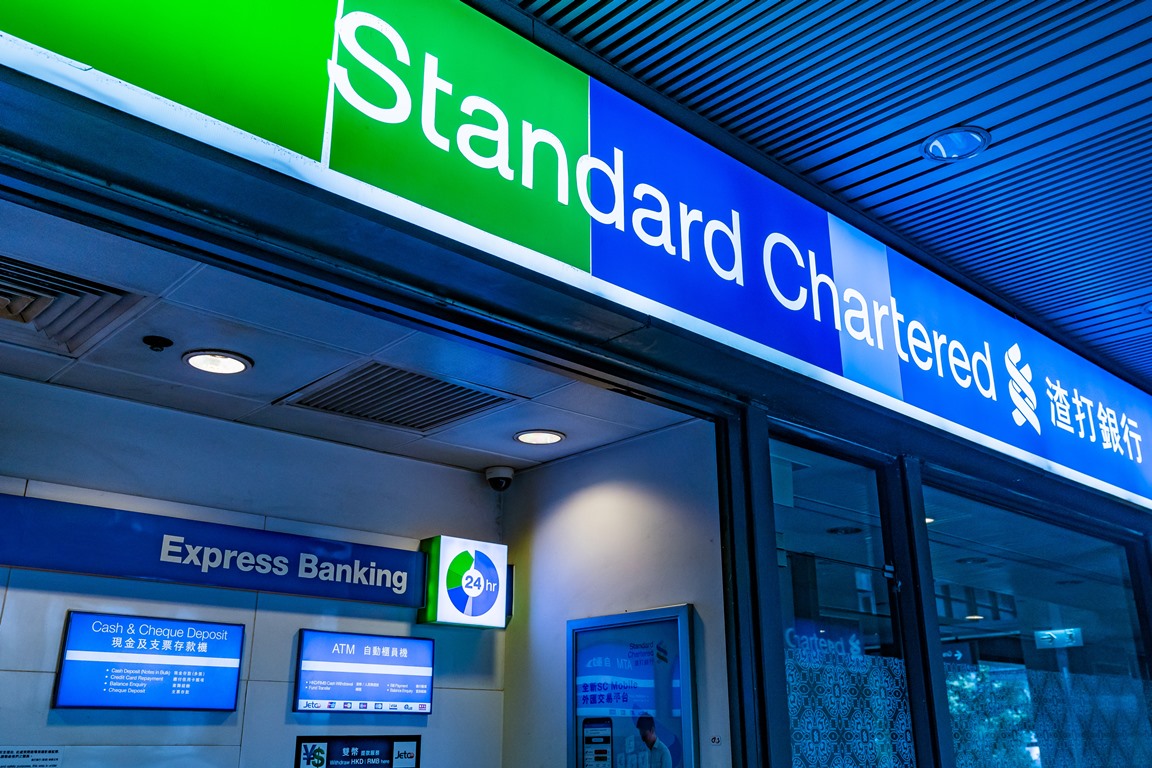
  • Standard Chartered Adds ASEAN Private Banker

    Standard Chartered Adds ASEAN Private Banker

    Standard Chartered added a private banker focused on the south and southeast Asia market, joining most recently from Bank of Singapore.

    Standard Chartered Private Bank appoints Lawrence Goh as managing director and deputy market head for ASEAN and South Asia, according to a statement.

    Based in Singapore, Goh reports to Cedric Lizin, regional head, private banking ASEAN & South Asia and global head of global South Asian community.

    Goh has 20 years of experience in the financial sector including five in asset management and the last fifteen in private wealth management, specifically in the ASEAN region. He was most recently at Bank of Singapore where he spent 12 years covering various southeast Asia markets. Previously, he also worked for Citi Private Bank covering ultra-high net worth individuals and families in Singapore, Malaysia, Brunei and Australia.

  • Thai Central Bank to Trial Retail Digital Currency

    Thai Central Bank to Trial Retail Digital Currency

    The pilot will initially be conducted on a limited group under the BOT before it is expanded to the public, retail stores, banks and non-banking facilities.

    The Bank of Thailand is set to begin testing a retail central bank digital currency (CBDC) in the second quarter of 2022, the central bank said in a statement on Thursday.

    The BOT will assess all results and associated risks from the Pilot Test, to ensure that Retail CBDC is beneficial to the public, business sector, and country as a whole, and does not undermine economic and financial stability in the future, Vachira Arromdee, BOT assistant governor, said in the statement.

    BOT said public demand for retail CBDC will gradually rise over time and that CBDC could become an alternative payment option in the future.

    It cited a public survey and focus group discussions conducted in April 2021, in which most respondents agreed with the BOT’s approach to retail CBDC development and viewed the currency as a beneficial infrastructure open to access and competition, with the potential to foster greater development of a safe financial innovation in the future.

    Respondents also agreed that the CBDC design guidelines can help mitigate any negative impacts on the Thai financial sector.

  • Hong Kong Anti-Sanctions Law Details Begin Surfacing

    Hong Kong Anti-Sanctions Law Details Begin Surfacing

    China’s top parliament is in the last of its four-day meeting on draft bills with some broad indications unveiled about Hong Kong’s anti-sanctions law, including a rough timeline and government entities to be involved.

    China’s National People’s Congress (NPC) Standing Committee is expected to formally approve the anti-sanctions law today, marking an end to its four-day closed-door talks on various draft bills.

    Although approval of the law is a foregone conclusion – Hong Kong’s sole delegate to the NPC Standing Committee Tam Yiu-chung had already flagged Friday as the day the legislation will be officially introduced – the financial industry is still closely watching for signs on how and when implementation will occur.

    While the NPC Standing Committee is expected to approve the law’s insertion into the Basic Law – Hong Kong’s own constitution – the city will draft its own version locally, according to a report citing unnamed government insiders.

    The government had no choice but to address growing corporate concerns due to the critical importance of upholding’s Hong Kong’s status as a global financial hub, the source explained.

    The mainland’s version is a bit too broad, which has caused great fear among international businesses in the city, the source said. Some suggested the local version should be more specific so as to alleviate worries, while others also think a vague law could give the government flexibility. The government, therefore, has to get a green light from the central government on how much it can do.

    According to the report, entities to be involved with drafting the local legislation include chief executive Carrie Lam, Financial Secretary Paul Chan, the Hong Kong Monetary Authority as well as the bureaus for financial services, security and constitutional and mainland affairs.

    Separately, Chan was scheduled to meet lawmakers over the matter this week but the discussions were abruptly canceled.

    The government has not decided which bureau should take the lead, while the financial secretary has been listening to views in society, one of the sources said.

    And in order to obtain sufficient feedback from key stakeholders, Hong Kong lawmakers will be working on a local draft of the anti-sanctions at least until next year.

    Lam had previously said that she did not have an explicit deadline for implementation but added that completion within the current term, which ends in October before the next session opens in early 2022, would be an extremely tight timetable to rush a piece of legislation with the necessary consultation with stakeholders.

    In addition to the NPC Standing Committee meeting this week, the industry will also look for more clarity from a delegation led by Huang Liuquan, a deputy director of the State Council’s Hong Kong and Macau Affairs Office, when they visit the city next week to brief lawmakers on the nation’s 14th five-year plan.

  • Singapore Relaxes Border Restrictions for Travellers

    Singapore Relaxes Border Restrictions for Travellers

    The city-state will reopen its borders to fully vaccinated travelers from certain countries and is removing stay-home requirements for short-term visitors from several countries.

    Fully vaccinated travelers from Germany and Brunei will be able to come to Singapore without serving a stay-home notice, under a new Vaccinated Travel Lane arrangement announced on Thursday.

    At the same time, all travelers from Hong Kong and Macau, Mainland China, New Zealand and Taiwan, regardless of vaccination status, can enter without serving a stay-home notice, the Civil Aviation Authority of Singapore (CAAS) said.

    Vaccinated Travel Lane visitors will have to meet a set of criteria that includes taking designated flights that serve only vaccinated travelers, not transiting elsewhere, and undergoing PCR tests while in Singapore. Those who arrive on flights not under the Vaccinated Travel Lane will be subject to prevailing quarantine measures upon arrival, CAAS said.

    In response to the relaxed border measures, Singapore Airlines will operate five weekly Vaccinated Travel Lane flights from Frankfurt and Munich beginning September 7.

    Lufthansa, will also increase its flights to Singapore to three weekly, up from one currently – two of these will be for the designated Vaccinated Travel Lane.

    Separately, the Ministry of Transport announced that Singapore and Hong Kong have agreed not to pursue further discussions on the air travel bubble, owing to differences between the two cities in their strategy for managing the Covid-19 pandemic.

    «Both parties agreed that it would not be possible to launch or sustain the air travel bubble in its present form,» the announcement said.

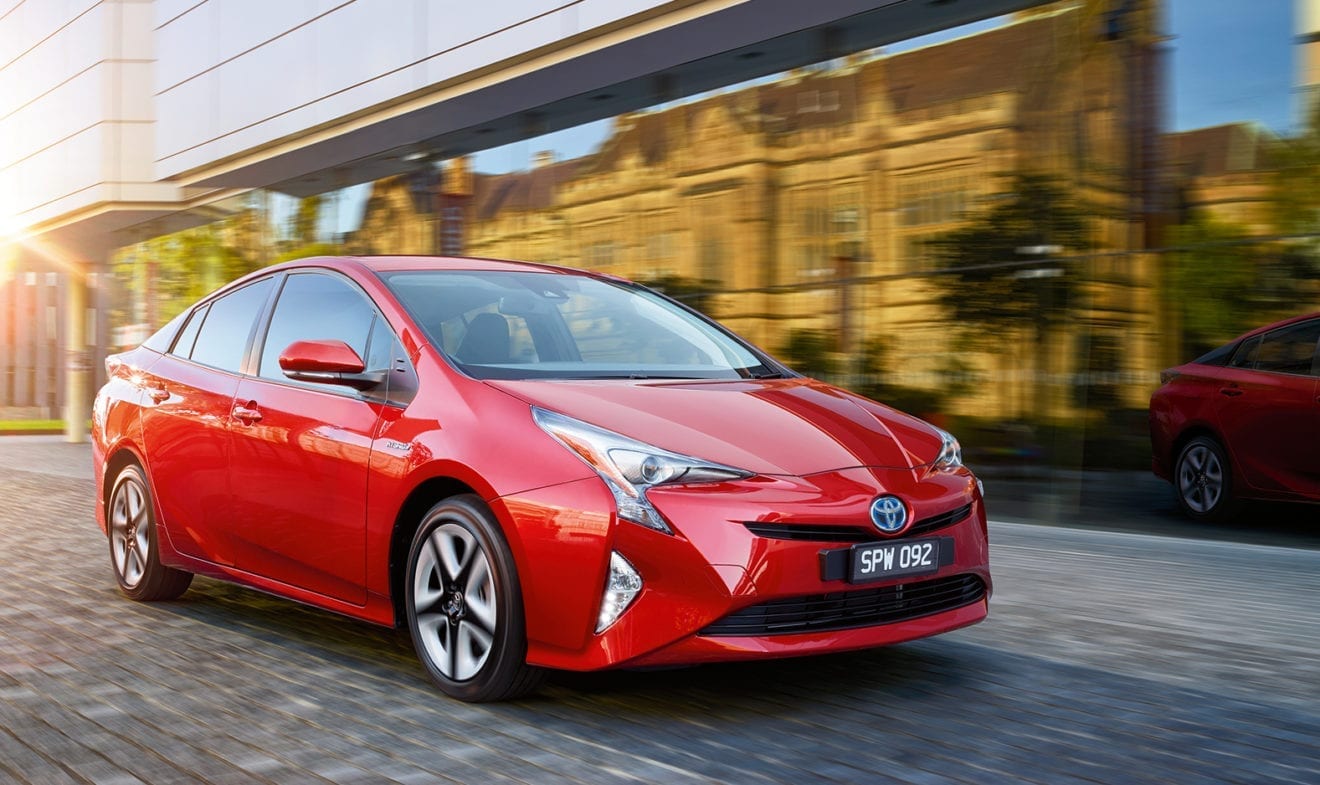
  • Toyota Slashes September Output Amid Chip Crunch, COVID Resurgence

    Toyota Slashes September Output Amid Chip Crunch, COVID Resurgence

    Toyota said it will slash global production for September by 40% from its previous plan, becoming the last major automaker to cut output due to a global chip crunch, but it maintained its annual sales and production targets. Toyota’s success in navigating the chip shortage better than rivals has come down to its larger stockpile of chips under a business continuity plan adopted after the 2011 earthquake and the Fukushima nuclear disaster. The world’s largest automaker by sales volumes reiterated on Thursday its global production target of 9.3 million vehicles for the year ending in March, as well as its plan to sell 8.7 million cars in the period.

    “The 9.3 million global production plan takes into account certain risks,” executive Kazunari Kumakura told reporters. “We want to achieve the numbers.”

    Toyota said the September cuts included 14 factories in Japan and overseas plants, and that the company would reduce its planned global production that month by around 360,000 vehicles.

    Of these, 140,000 will be at Japanese plants, with the rest in the United States, China, Europe and other Asian countries.

    Car makers worldwide have been cutting production due to the months-long chip shortage, but a resurgence in COVID-19 cases in Japan, Philippines, Thailand, Vietnam and Malaysia – home to auto factories and chip plants – have led to stricter curbs and compounded the crisis.

    Germany’s Volkswagen said on Thursday it may need to cut production further and that it expected the supply of chips in the third quarter to be “very volatile and tight.”

    Ford Motor Co said Wednesday it will temporarily shut its Kansas City assembly plant that builds its best-selling F-150 pickup truck due to a semiconductor-related part shortage as a result of rising cases in Malaysia.

    Earlier this month, Toyota had flagged an unpredictable business environment due to fresh COVID-19 cases in emerging economies, the semiconductor shortage and soaring material prices.

    The carmaker had already halted assembly lines at some Japanese factories between late July and early August, including its Tahara plant, due to a surge in infections in Vietnam which had constrained the supply of parts, the Nikkei reported earlier.

    A person familiar with the matter told Reuters this month that Toyota had also suspended production at one assembly line in Guangzhou, China, which it operates with its Chinese joint-venture partner Guangzhou Automobile Group Co Ltd.

    In Thailand too, Toyota suspended production last month at three factories due to a pandemic-related parts shortage.

  • Wind power developers in central province rush construction to get incentive tariff

    Wind power developers in central province rush construction to get incentive tariff

    Wind power farms in the central province of Quang Tri are scrambling to complete construction to benefit from the 20-year incentive feed-in tariff available until October 31.

    Under the scorching sun 800 workers are quickly building a solar plant in Huong Hoa District, hoping to finish the work before the rains begin next month.

    Tai Tam – Hoang Hai will have 31 turbines, and the foundations have been completed for more than 20 of them. Five turbines are being installed, and the investors hope the farm will become operational by the end of October.

    Then it will be eligible for the incentive feed-in tariff of 9.8 U.S. cents per kilowatt-hour for offshore projects and 8.5 cents for onshore.

    Nguyen Van Nghi, deputy director of the project, said some households have built tall structures nearby hoping to get compensation to make way for the giant turbines.

    “We need to speed up transportation to complete the project by the end of October, but if we do not pay high compensation local residents refuse to let us transport the equipment through their land.

    So far around VND200 billion has been paid as compensation. The company is seeking help from authorities to get locals to remove their structures.

    At two other wind power plants nearby, Phong Huy and Phong Nguyen, the foundations are complete but only four out of 24 towers have been built.

    Nguyen Ngoc Tien, CEO of the projects, said he has increased the number of workers and even transports materials at night to finish the projects before the deadline.

    It would take five to six weeks to finish, he added.

    After that foreign experts will make any adjustments necessary before the plants can begin operations.

    But with travel restrictions causing delays, wind power plant developers want Quang Tri authorities to allow experts to quarantine on-site upon arrival and start working immediately.

    Quang Tri has 29 wind farms under construction with a total capacity of 1,117 megawatts and costing over VND30 trillion.

    It is estimated that 16 of them will become operational before October 3.

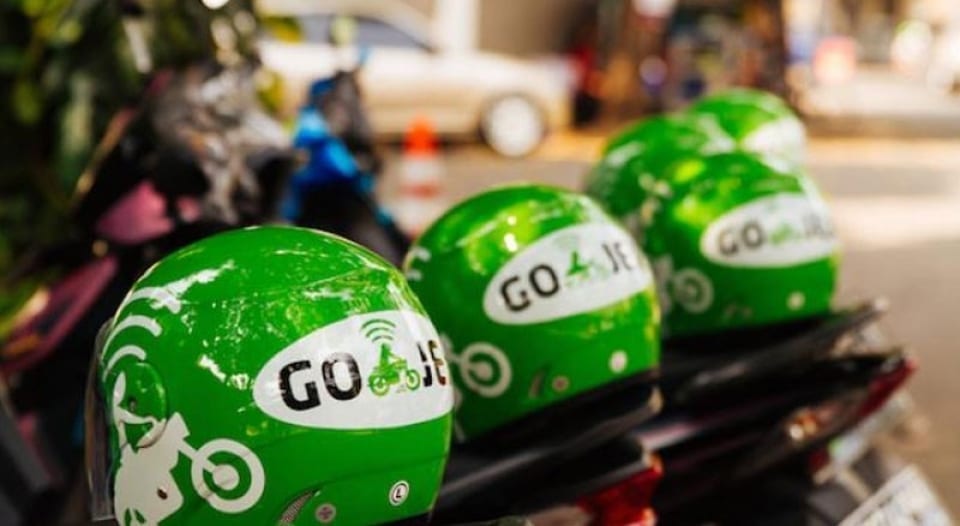
  • Gojek launches car service in HCMC

    Gojek launches car service in HCMC

    Gojek on Thursday debuted its four-wheel ride-hailing service GoCar, first prioritizing healthcare workers before expanding to the public later this year.

    The Indonesian ride-hailing company started the service with 50 vehicles in Ho Chi Minh City dedicated to serving healthcare workers from five hospitals and medical command centers.

    All driver-partners are required to test Covid-19 negative before their first trip and on a weekly basis after that.

    Gojek has arranged for drivers to stay at hotels from now until late September when the city’s social distancing campaign is set to end.

    “We have made all the necessary preparations to launch GoCar this year,” said Duc Phung, Gojek Vietnam general manager.

    “When the pandemic escalated in HCMC and social distancing regulations were put in place, we pivoted quickly, adjusting the service to focus on supporting healthcare workers.”

    GoCar is the latest addition to Gojek’s line-up of offerings in the Vietnamese market, which include on-demand services for motorbike-hailing (GoRide), parcel delivery (GoSend) and online food delivery (GoFood).

    Its competitors Grab and Be have been offering car services for years.

  • Starbucks plans to reduce food waste in Japan

    Starbucks plans to reduce food waste in Japan

    Starbucks today announced a new program to reduce food waste at select Starbucks stores across Japan.

    To ensure unsold food does not go to waste, participating stores have the option of marking down select bakery products by 20% several hours prior to closing.

    As part of Starbucks ongoing commitment to fight against hunger, the company will donate part of the revenue of these discounted sales to Musubie, a local non-profit which provides meals for children across Japan.

  • MG Motor India Partners With Microsoft And L&T For Data Security For New Astor SUV

    MG Motor India Partners With Microsoft And L&T For Data Security For New Astor SUV

    MG Motor India has announced a raft of features with the launch of the new compact SUV, the Astor, and one of the key aspects of the announcement has been the partnerships MG has closed with tech giants like Microsoft and L&T. Particularly with Microsoft, MG Motors has closed a deal for its Azure cloud computing service which has many local data centres in India – in cities like Mumbai and Noida. This means, MG’s cloud-connected features will not be pushing the data to its servers in China but will be localised.

    “With data playing such a critical part in enhancing the in-car experience, we are doing our best to ensure that it is safe and protected. All the data from the car systems that we are using to power these personalized services are securely stored on the Microsoft Azure cloud platform in India,” said MG Motor India MD, Rajeev Chaba.

    “MG Motors India is using our cloud computing service to store the data they collect from their customers within India itself. All customer driving data is stored on cloud servers which come with high levels of security so that you can rest easy,” said John Stenlake, Director, Automotive, Mobility and Transportation Industry, Microsoft, highlighting the security benefits.

    Apart from the obvious security benefits, this also is a performance boost for the cloud-connected features as they will be more responsive thanks to the geographic proximity of the servers as they are now in India which reduces latency.

    Microsoft Azure has the most localised cloud regions of any cloud computing service in the world. It has even more local regions than market leader and category inventor Amazon Web Services (AWS). Microsoft Azure trails AWS in overall global cloud compute market share but has been gaining market share over the last decade under the leadership of CEO Satya Nadella.

    Nadella was the man entrusted to start Azure in 2008 and its success propelled him to the top spot of the American giant when he replaced long time CEO Steve Ballmer in 2014. Nadella has made many partnerships in India with regards to Azure, including Flipkart.

    MG Motor India has also partnered with L&T Technology Services for the security and privacy of the data that’s parsed through the vehicles.  Chaba highlights that the best data privacy practices are being leveraged thanks to this partnership as the Astor generates troves of data.

    “In the connected world we live in, cybersecurity, privacy and data usage are questions that occur to each one of us. This also applies to connected cars. We at L&T Technology Services are happy and excited to collaborate with MG India to provide security auditing services for your vehicles. We also ensure that any communication that happens from and in-between, the vehicle, the network and the mobile app is secure,” said Nitin Jain, global head of digital products and services L&T Technology Services.

    Jain also highlighted that L&T technology services also ensure that MG Motor India complies with the latest security standards. The Astor gets level 2 autonomous driving capability and also gets a new virtual assistant which also leverages AI, apart from an assortment of unique services.

  • Twitter users can now report misleading tweets

    Twitter users can now report misleading tweets

    Twitter’s Twitter Safety account sprung to life on Tuesday to announce that starting yesterday, Twitter users in the U.S., South Korea, and Australia can flag a tweet as misleading. To do so, you need to click on “Report Tweet.” That can be found by tapping on the three-dot menu found to the right of the screen in the Twitter app.

    After tapping on “Report Tweet,” you’ll be asked to explain what is wrong with the tweet. You’ll select “It’s misleading.” You’ll then be asked if the misleading tweet is about one of three subjects: Politics, Health, or Something else.” When you pick one of the three, Twitter will ask you to take a deeper dive into the subject.

    For example, choose Politics and Twitter will ask you whether the tweet you find misleading contains Election information or Other political information. You will be able to report the tweet to Twitter and choose to unfollow, mute, or block the author of the tweet that you deem misleading.

    While the new feature is currently being tested, Twitter said that it might not respond and take action against all tweets reported as misleading. However, even if it doesn’t take action, reporting a tweet as misleading will help Twitter identify trends that are taking place on the social media app. “We’re assessing if this is an effective approach so we’re starting small,” Twitter wrote in a tweet. “We may not take action on and cannot respond to each report in the experiment, but your input will help us identify trends so that we can improve the speed and scale of our broader misinformation work.”

  • Vietnam leads globally in cryptocurrency adoption

    Vietnam leads globally in cryptocurrency adoption

    Vietnam leads globally in cryptocurrency adoption with 41 percent of respondents claiming to have bought Bitcoin and the like, according to a recent survey.

    Twenty percent of Vietnamese said they had purchased Bitcoin, the highest among 27 countries polled with 42,000 respondents, according to the survey by U.S. based financial consultancy Finder.

    “Remittance payments may have played a significant role in these numbers, with cryptocurrency an option for migrants who want to send money home and avoid exchange fees,” the report stated.

    Despite having the 53rd largest economy based on gross domestic product, Vietnam placed 13th in realized Bitcoin gains for 2020, according to Cointelegraph.

    Adoption was especially high in Asia, with 30 percent of respondents in Indonesia and India claiming to have bought cryptocurrency, the Finder’s survey found.

    In Malaysia and the Philippines, this proportion was 29 percent and 28 percent, respectively.

    There were between 1,160 and 2,511 respondents for each country covered in the study.

    Data from Statista in February showed Vietnam had the second-highest rate in terms of cryptocurrency use among 74 surveyed economies, driven by remittance payments.

    Bitcoin and other cryptocurrencies are not recognized as legitimate means of payment in Vietnam. The State Bank of Vietnam has warned that owning, trading and using cryptocurrencies are risky and not protected by law.

  • Ikea Sweden to sell sustainable energy to locals

    Ikea Sweden to sell sustainable energy to locals

    As of September this year, furniture giant Ikea will offer sustainably generated energy to Swedish households in a move to diversify its business and offer a green approach to power supply.

    The STRÖMMA offer will be made in partnership with local energy supplier Svea Solar, and will eventually brand out into other markets.

    “At Ikea, we want to become fully circular and climate positive by 2030, built on renewable energy and resources,” Ingka Group new retail business manager Jan Gardberg said in a statement.

    “We believe the future of energy is renewable and we want to make electricity from sustainable sources more accessible and affordable to all.”

    Through the STRÖMMA offer, customers that have already purchased solar panels from Ikea can connect the panels to an app to track their own generation, and sell back electricity they don’t use themselves, while customers without such panels can still use the app to track their energy usage.

    “We’re a home furnishing company, and we want to make it easier for people to live a more sustainable life at home,” Ikea Sweden sales manager Bojan Stupar said.

    “Today we offer smart and energy-efficient products and services that contribute to prolonging the life of products, reducing waste, saving water, and eating more healthily, as well as reducing electricity usage, [and] providing solar and wind power at a low price to more people feels like the natural next step on our sustainability journey.”

    Ikea started selling solar panels in Australia, and introduced over 30 global initiatives to reduce its carbon footprint and help customers lead more eco-friendly lives, in the past year.

  • JD launches online pet consultation services

    JD launches online pet consultation services

    JD.com launched its biggest ever 3,000-square-meter exhibition at the China Digital Entertainment Expo & Conference, a.k.a ChinaJoy2021, which is taking place from July 30 to August 2 in Shanghai.

    The exhibit is designed to showcase the latest gaming industry trends, what motivates China’s Gen-Z consumers, as well as the tremendous marketing opportunities arising from these developments, according to JD’s planning team for ChinaJoy.

    As China’s most well-known shopping platform particularly in the area of electronics products, JD will spotlight a number of new gaming products on site to bring a fresh experience for visitors. Beyond that, brands and products ranging from fashion and cosmetics to home appliances and furniture have also joined the bandwagon to introduce their co-branded offerings or tailored-made products in JD’s exhibit and via JD’s online platform.

    China’s e-sports market is expected to reach RMB 270 billion yuan by 2022, and will be an official event for the 2022 Asian Games in Hangzhou, China. In response, JD is ramping up efforts to tap the potential of this market and associated partners to incubate a wider industry ecosystem.

    During this year’s ChinaJoy, JD announced that it will update its JD Esports plan, which was launched at ChinaJoy 2020 in collaboration with device makers like Lenovo, gaming leaders like Tencent and livestreaming platforms like Huya, to develop a one-stop e-sports service platform encompassing hardware, software, content and events.

    As Gen-Z is driving much of the growth in this market, JD is also increasing its marketing outreach to younger consumers. A lineup of live shows, games and interactions with e-sport influencers will be rolled out during the three-day event to appeal to young visitors with interest in anime culture.

    Furthermore, JD’s efforts in cultivating the market have also included two gaming teams in recent years, both of which have gained wide popularity among young gamers and wider audiences: JD E-sports (JDE) for Peacekeeper Elite League (PEL) and JDG (JD Gaming) Intel e-Sports Club for League of Legends (LoL). The latter is one of the top-performing teams in the League of Legends Pro League (LPL). Plus, JD has organized the nationwide annual e-sports tournament JD Cup since 2014, in an effort to grow awareness of JD as a one-stop platform for everything related to e-sport, from gears, content to entertainment.

    Major Zhu, head of integrated marketing of JD Retail, said during the expo that JD will continue to deepen its investment in e-sports. Basing on the company’s strength in supply chain and big data, it can leverage its deep understanding in e-sports to bring partners together, presenting more high-quality products, services and entertainments for the growing e-sports fan base, and contributing to the development of China’s e-sports industry.

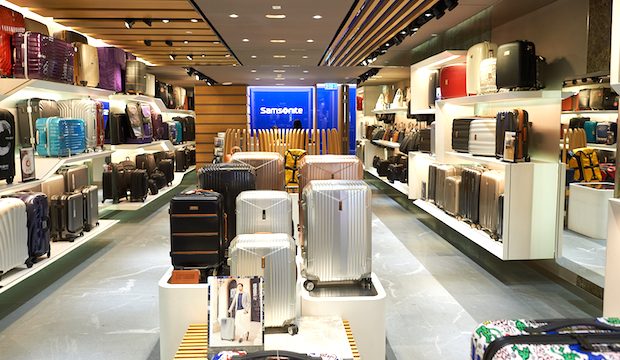
  • Samsonite pivots more backpack

    Samsonite pivots more backpack

    Samsonite International SA said it’s speeding up its shift toward the emerging non-travel segment as the coronavirus pandemic devastates the global luggage business.

    With expectations that travel won’t return to normal levels for more than a year, the world’s top luggage maker is relying on backpacks, business cases and women’s bags to cushion the blow. The segment now makes up close to half of the company’s sales, up from 40% a year ago.

    “What has Covid done? It has accelerated our portion of ‘Beyond Travel,’” Paul Melkebeke, the company’s newly appointed president for APAC & Middle East, said in an interview Monday. “These were old trends that were already underlying, but with Covid it just has gone a lot faster.”

    Samsonite, based in Mansfield, Massachusetts, is facing its worst year since listing on the Hong Kong exchange in 2011, as the pandemic has hit retailers and the airline industry particularly hard. The owner of brands ranging from Tumi to American Tourister saw revenue drop 58% for the first nine months of the year. Its shares have tumbled 28% in 2020.

    Samsonite has taken aggressive steps to streamline the organization. It has closed more than 10% of its company-owned stores this year through September, according to its quarterly statement.

    “We have been obliged to say goodbye to some of our people,” Melkebeke said. “But everything was there to focus on our management and make sure that we are strong enough to bring it to the other side.”

    While he remains “bullish” on the future of travel, Melkebeke said he’s “100% certain” the industry can’t return to normal levels by the end of next year. That will likely need to wait for the widespread deployment of vaccines to bring Covid-19 under control.

    In the quarter ended September, Samsonite’s core travel brands were down 67% compared with the previous year, while its non-travel brands such as Gregory, Speck, and eBags fell a more moderate 27%.

    With the social distancing restrictions in place, people are turning to more outdoor activities, benefiting Samsonite’s backpacking brands such as Gregory and High Sierra, Melkebeke said. Samsonite is also developing antiviral technologies for its products to address consumers’ concerns about the virus.

    “Don’t forget when you travel with the plane, there’s a moment when you give your luggage away, you collect it on the other side, and you have no idea what has happened with that,” said Melkebeke. “The hygiene factor might be something that will be there forever.”

  • How Do Online Casino Games Compare To the Real-Life Versions?

    How Do Online Casino Games Compare To the Real-Life Versions?

    Online casino games have become an integral part of today’s society, not just for recreation but also as a form of entertainment. However, with this huge influx of people looking for trouble at these online casinos comes a lot of scams and schemes. With so much information available on the internet and new players joining every day, there is simply no way for players to stay ahead.

    A close look reveals that the online casino games experience differs in key ways from the offline counterpart. To a great extent, both platforms do offer a certain number of games. The exact differences between the two could either make you win more or have different options for how you play.

    In general, online casinos are more advanced than brick-and-mortar casinos. Don’t take my word for it?  Here are a few things why you should think of playing online casino games.

    1) Online casino games accept different currencies as funds

    For example, Euro, Dollars and so on. Of course, every casino these days accepts both American and international credit cards for transactions. The main difference is that the online gambling platform allows you to cash your winnings in real-life currency (i.e. dollars or Euros), whereas it is not the case in the offline version.

    However, there is no legal requirement for an online casino to accept such currencies. Therefore, it is entirely up to you as a player to choose which currency you want to use for your winnings and a new online casino.

    2) Free money to practice casino games

    Many online casinos have free money offers to attract new players. No other gambling platform in the world can afford such a facility. The number of free chips offered by online casinos is often really high. Sometimes, they even give away entire bankrolls (in free money) to attract new players.

    The benefit of winning more from free money offers is that you can experience the real-life version of playing at the casino and winning big without having to spend a single dime.

    3) Complete freedom in the matter of time or place

    Online casinos have provided more and more options for scheduling your game sessions. These include:

    a. Start anywhere, anytime

    Many online casinos offer a feature called “start now,” where you can play the casino games (in the real-life version) whenever you want. There is no need to find a time that suits you the best when performing these casino games.

    b. Real-time gaming

    Online casinos have created an online platform where players can play their favorite casino games in their spare time. Thus, you can sit and play casino games anytime you want!

    c. 24/7 availability and accessibility

    All online casinos have provided an internet connection all the time without any restrictions imposed by the technicalities. Therefore, you do not have to be at a specific place to play casino games. You can play casino games from anywhere in the world, given that you have an active internet connection.

    d. Mobile gaming

    Some online casinos have provided mobile versions of their casino games so that you can play them on your smartphone if you are not at home or anywhere in between.

    e. A wide variety of casino games

    Online casinos offer a wider range of games than offline casinos do. These include but are not limited to online poker, live blackjack, online roulette, and craps. Online casino games are also available in multiple languages, with English being the most popular.

    4) It is easier to keep track of the budget

    Online casino software has been in the market for quite some time now. It is pretty common to see Facebook and Twitter screenshots of winning hands. For example, you can happily check your bankroll on Facebook or Twitter whenever you feel like changing it.

    Traditionally, casinos used to keep their information subtle and confidential, but they can no longer hide their success stories. Adding this to the fact that there is zero restriction on how much you can withdraw per day makes online gaming a preferred choice for most players instead of regular gambling.

    5) Greater customization of casino games

    Online casinos have given you more room than offline casinos have. This means that you can make multiple combinations of choosing how to play casino games. The number of options is much more. Online casinos have also offered a wider variety to gamers than offline casinos do. You can choose to play practically any game you want!

    6) Increased number of available casino games

    Online casinos have more games than their offline counterparts. They also offer a much better variety of them. Online casinos also have much more online slots than offline ones do. Online casinos offer more mobile games as well, especially for smartphone users. If you are interested in playing casino online with real money, don’t hesitate but go ahead and do it.

    7) Online casino games have different bonuses for newbies

    Every single online gambling site has some sort of incentive for new players. These include no deposit bonuses, welcome offers and more. You can also get free spins, cash backs and free play money. The benefits of these offers are endless. These could even go all the way up to giving you a full bankroll to start playing your favorite casino games.

    New players can also opt for signup packages in which they get special bonuses. For example, you could get 25 free spins if you join a casino through Facebook, Twitter, etc.

    8) Experience the real-life casino games

    Online casino games are just a representation of real-life casino games. You can have a good time playing this version (since you know what to expect) and win money in the process. All you need is to start playing with free chips and practice your skills till you become a pro. If you think this sounds like an impossible mission, consider an alternative–the probability of having money stolen from online casinos is high.

    9) Great casino games which are not available offline

    The number of casino games you can find online is far more than the ones you can find offline. These online versions are also much better and have added features that make them more interactive. Some of them even use advanced graphics, animation and sounds to make your gaming experience even better!

    10) More interactive environment than regular gambling

    Online casinos give you a more interactive environment to play casino games in. This is as compared to traditional gambling, which mostly focuses on luck. In this regard, online casino games rely on both luck as well as skill. You can put your skills to use to win more money from online casinos than you would from offline ones.

    Conclusion

    Although there are obvious risks in betting on online casinos, there are also many benefits. All players have to do now is to be prepared for the risks and take advantage of all opportunities available to enjoy a better gambling experience!

    Casino games do not require you to start with a large bankroll. It is even more advantageous if you first start playing with free chips and practice your skills at casino games so that you can get good at them before getting real money.