Author: Mei Ling Tan

  • Tiki raises $20 mln from Taiwanese investors

    Tiki raises $20 mln from Taiwanese investors

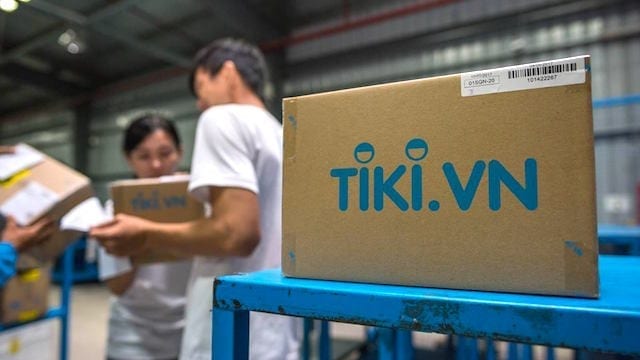
    E-commerce platform Tiki has raised $20 million from telecom operator Taiwan Mobile in return for a 2.7 percent stake in Tiki Global.

    The Series E funding deal values the Vietnamese company at $740 million, with Tiki having secured $94 million in the series within this month alone.

    Before the Series E, foreign investors held a 49.4 percent stake in Tiki. The biggest shareholder among them is Chinese e-commerce giant JD.com with a 18.2 percent stake.

    Tiki had recently raised VND1 trillion ($43.9 million) in bonds with a coupon rate of 13 percent a year.

    The company posted a loss of VND4 billion last year.

    As one of the fastest-growing digital economies in Southeast Asia, Vietnam’s e-commerce sector is expected to be worth $23 billion by 2025, according to the e-Conomy Southeast Asia 2019 report by Google, Temasek Holdings, and Bain & Company.

  • Users can disable Night mode feature with iOS 15

    Users can disable Night mode feature with iOS 15

    Apple is just weeks away from releasing iOS 15 and one of the new features will allow a user to turn Night mode off. If you’re not familiar with Night mode, it allows iPhone users to snap viewable photos even under low-light conditions. This feature is available with the iPhone 11 and iPhone 12 lines and automatically turns Night mode on in low-light environments.

    You can tell that Night mode is on when the icon at the top of the screen is yellow. When a photo is snapped with Night mode enabled, a number next to the icon will tell you how long the exposure will take. Tapping the icon allows you to control the time of a Night mode exposure using a slider. Depending on how dark it is outside when taking the photo, the Night mode photo might be quick or it might take several seconds.

    With the iPhone 12 series, Night mode selfies are supported as are Night mode portraits. Because it allows you to take photos under low-light conditions, no one would want to turn off Night mode under normal circumstances. Still, some people just might want to have the ability to turn off Night mode and this is happening in iOS 15. With iOS 15 installed, go to Settings > Camera > Preserve Settings and you’ll find a new toggle for Night mode.

    When that Night mode toggle is turned on, the iPhone will know to keep Night mode turned off if you’ve disabled it for a shot. If you need Night mode, you can still manually enable it in the camera app allowing you to decide whether to use it. Personally, having Night mode turn on automatically is a time saver. Allowing you to opt-out of Night mode is also a time-saver, but only if you’re not in a low-light environment.

    Remember, this new feature is coming in iOS 15 which will be heading your way very soon.

  • How Technology is Changing the Cricket Experience

    How Technology is Changing the Cricket Experience

    Technology is present in the development of many industries and sometimes, not everyone knows how much role it has in improving overall consumer and user experience. In the field of sports, many fans don’t even know how much technology has helped improve the gameplay of the players and data-gathering.

    Cricket is no stranger to the use of technology. Technological reform allowed positive changes in the sport. These changes kept the audience interested and glued to the matches and also made things easier for the players, coaches, commentators, and everyone else involved in the sports events.

    Fans now have the luxury of streaming the cricket matches live anywhere they are in the world. They can also easily access IPL 2021 and CPL 2021 odds on numerous betting sites. Technology simply made sports and cricket, in particular, a whole lot better for everyone.

    Changes in Cricket Tech Over the Years

    The technology used in today’s cricket matches is completely different from the previous era. Back then, tech companies were mainly focused on improving the broadcasting of sports events. They used to be focused on how to deliver the matches to more countries and audiences.

    From radio broadcast to television broadcasting – these used to be the technological advancements used in the cricket industry. Today, however, these are no longer problems to be solved anymore. The internet is now the go-to of sports fans to watch the matches uninterrupted and tech companies are now looking to keep on improving the broadcasting experience.

    Aside from broadcasting, tech companies are also now looking to make the games more credible. Cricket matches now make use of tech that could help them ensure the fairness of the games like the Decision Review System or the DRS.

    The DRS is to ensure that the umpires are not making the wrong decisions. If a team felt that the umpire wasn’t right, they can challenge the decision by heading to the third umpire. The third umpire will use technologies including the DRS to review the dispute. Different camera angles will be reviewed and a decision will be made on the dispute.

    Another tech used in cricket matches is the Snick-o-meter. This graphically shows if the ball touched the bat by monitoring sound waves. This is also something useful for the umpires to check if the batsman was able to catch the ball or not.

    The sound waves created by the impact are detected by a highly sensitive microphone and are measured by the oscilloscope. This is partnered with a high-speed camera that records the movement of the ball. Through the oscilloscope, the captured video of the ball hitting the bat can then be checked for sound waves.

    The use of Hotspot is also involved in cricket games today. It is a ball-tracking technique that utilizes infrared camera systems that could identify heat signatures that will only be visible by ball impact. This helps determine whether a batsman should be dismissed. It can also help determine if the ball hit a player, equipment, or the ground.

    The Hawk-Eye is another popular technology used in this sport. It’s even considered as one of the most important tech innovations used today. This could help determine if a player is LBW or not and it also helps the umpire to give an idea of whether the ball will hit the stumps or not.

    This has to be one of the more complex technologies used in cricket as the Hawk-Eye is made up of different processing techniques. 3-D modeling techniques are also used and to ensure accuracy, it also utilizes physics rules. These are all achieved with at least four high-speed cameras that are situated throughout the field.

    What’s to Come with the Latest Tech Advancements and Trends

    While cricket seems to already be doing great with the technologies used by different leagues, we can still expect that more changes will take place in future matches. Take for example how the Caribbean Premier League will make use of a Smart Ball in its upcoming season.

    This will be the first time that a professional cricket league will make use of such equipment called the Kookaburra Smart ball. Players shouldn’t feel any different when using this ball in the matches as it looks the same as a regular ball. However, it contains a microchip that can deliver useful information to the commentators and even to the fans.

    According to Kookaburra that is in partnership with Sportcor, the ball should be able to transmit information in real-time to commentators like the spend and spin of a ball at release and when it bounces and reaches the batsman. The fans can also get to see this graphically on the live broadcast.

    Many are excited to see how this could affect the cricket scene. This is just one of the new technologies that cricket leagues may also eventually adapt. There is a lot more to look forward to if you’re a tech geek cricket fan.

  • How Are Online Casino Review Sites Beneficial To The Players?   

    How Are Online Casino Review Sites Beneficial To The Players?  

    When you’re trying to decide whether or not to gamble online, you should read online casino reviews. If you’re new to online gambling, then the stakes might be a bit higher for you. But suppose this is your first time playing a casino online game on your computer at home. In that case, it’s best that you rely on people who have been there and done that — especially when they know what they are talking about (which is the whole point of an online casino review).

    Online casino reviews are a good way to figure out a new online casino’s terms and concerns. It will also help you decide whether or not it’s worth gambling on with a casino online that you have never heard of before, even if the reviews are good.

    So, here are the top benefits of keeping an eye on some good online casino review sites:

    1. Customer Service – Take it or Leave It!

    You can often find in online casino reviews whether or not the customer service is as good as they say it is. You can’t afford to waste your time on a site where customer support leaves much to be desired. Some people also spend as much time and energy online gambling as they do at their jobs, and they can’t afford to spend too much of it dealing with these kinds of problems.

    The reviews will tell you about how good it is with its customer service, which is really important for any casino. It shows how well they respond to emails, phone calls, and other communications sent by players. Needless to say, it’s a major part of the whole online gambling experience for players.

    2. Bonus and Promotions

    It also pays to know about the online casino bonuses before you start playing there. Some casinos offer generous bonuses with any sign-up bonus that you get, but other casinos may only pay you out when you make the first deposit. Make sure that you are aware of the maximum amount that will be paid to players before starting to gamble.

    You should also be aware of the minimum amount required to cash out any wins you have gotten. Many online casinos will offer an opportunity for players to double their money, but it shouldn’t have a high wagering requirement. A site may also offer a whole host of promotions, which also helps to draw players in. Make sure that you know as much as you can about the promotions before making the first deposit. 

    3. Player-Friendly and Secure Site – Take it or Leave It!

    You might also find online casino reviews that provide information on whether or not their sites are player-friendly or not. You need to be able to trust a website, and it should at least feel secure while you are on its site. Reviews will tell you if it’s a good site for you or not.

    It should also be easy to use. There are a lot of things that can go wrong when you first start using a site, and it needs to work properly from the very beginning. Make sure to run a virus scan on your computer before gambling online. This helps to get rid of problems that might arise while playing online casino games for real money.

    4. Software and Software Providers

    More and more online casinos are moving to software that is well-respected around the industry. It’s not just up to a few people to make a good online casino, but there’s also a lot of work involved in everything that happens with each site. You need to see software providers and see what they are saying about the sites they are working with.

    You want to make sure that you get the highest quality gameplay possible. It’s one thing to be able to have fun, but a good place for online casino players should have top-of-the-line software. Cheap, quality online casinos are not difficult to find. However, it’s just as easy for a casino to be cheap and bad as it is for one to be of high quality. A casino that has been around the block is usually going to be a better option for players. 

    5. Player Reviews

    The third benefit that you can glean from reading reviews is the feedback from other players. These people share what they know about the casino and how well it performs with other players and gamblers. They will give you a good idea about what you’re going to run into with certain online casinos. It also tells you about common concerns that other players have.

    Have a look at some of the best online casino reviews and see if they match up with the information that you uncovered on your own. Keep in mind that when trying to decide whether or not to play, this is equally as important as any other factor to consider. 

    6. Slot and Table Games

    Online casino reviews also tell you what the slot and table games are like there and how much money they take from players. One thing that you should know about online casinos is how their slot games are going to affect your bankroll. People who try to play slot machines for real money will be thrilled if they can get even one decent payout.

    Players who make it a habit of playing slots online could find themselves out of luck in the long run. There are some casinos that have an awful reputation for the slot machines and other games that they offer, though this doesn’t mean that you will always encounter them there. Reviews can help give you an idea of whether or not the casino is worth your time.

    You don’t want to waste your time on a site that will pay you back nothing or is really hard to win. Get a good idea of the minimum and maximum wagering requirements. The faster you can get a win, the happier you will be. You need to know how much money you’re going to have available so that you know when it’s time to collect your winnings. 

    7. RNG and Random Number Generators

    Online casino reviews will also help you discover the random number generators used by the casinos, which can help you maximize your chances of winning. This is especially important for high rollers that are hoping to set a lifetime gambling record with one particular game. If the casino has a problem with their RNGs, it’s probably your only chance to win.The RNGs use software that is designed to ensure that you will never get the same winning combinations twice in a row. This can be very important for players who don’t have a lot of time to play. If you find yourself getting the same lucky run that you did the last time, you may be more likely to start betting higher and higher.

    Conclusion

    Online casinos are all different, but you should be able to find an online casino review that tells you all about a certain casino before you start gambling there. Online casinos have made it very easy to gamble from home, and it’s a good play for people who don’t like long drives.

    However, you must know what you are doing before playing an online casino game. If you spend time on some other websites, there are a lot of important things that you will understand about online gambling.


  • Vietnam world’s third largest instant noodles market

    Vietnam world’s third largest instant noodles market

    Vietnam has become the world’s third-largest instant noodles market with over 7.03 billion servings consumed last year, up two places from a year before.

    This is an increase of 29 percent from 2019 and a new record for the country, according to data from the World Instant Noodles Association (WINA).

    The latest figure means that Vietnam accounted for around 6 percent of instant noodles servings in the world. Each Vietnamese consumed 55.6 servings last year.

    The country ran behind China and Indonesia with 46.35 billion and 12.64 billion servings, respectively.

    India and Japan make up the top five instant noodles consumers in the world.

    The surge in instant noodles consumption in Vietnam has happened as the country dealt with two major Covid-19 outbreaks last year, forcing people to stay at home under social distancing orders.

    Global consumption of instant noodles rose nearly 10 percent in 2020 to 116.56 billion servings, WINA data shows.

  • Disney+ may close gap with Netflix by 20 million subscribers this year

    Disney+ may close gap with Netflix by 20 million subscribers this year

    Ever since Disney+ got off to a strong start in November 2019, you might have noticed Netflix executives wearing more frowns than usual. While Netflix is the top provider of streaming video content on this planet, Disney+ has used its strong slate of Marvel-related programming and original Pixar titles to pick up ground on Netflix. Last week Disney reported that it had 116 million subscribers during the second quarter compared to the consensus expectations of 112.8 million.

    For the three months from April through June, 12.4 million new subscribers joined Disney+; compare that with the measly 1.5 million net new subscribers that joined Netflix during the same three-month period. During the previous quarter Netflix added 4 million net new subscribers and expects 3.5 million for the current quarter. If you’re wondering if Disney can surpass Netflix at the current rates, let’s look at the numbers.

    According to Rosenblatt analyst Mark Zgutowicz, Disney+ is approximately 90 million subscribers behind Netflix but should pick up 20 million new customers on Netflix this year. If this were to continue, Disney would jump over Netflix in five years.

    Many analysts never expected Disney+ to challenge Netflix as they considered the former to offer content mostly for children unlike the more varied categories of video streams that Netflix offers. The truth, however, is that Disney+ has content for subscribers of all ages from pre-schoolers to adults. The recent Marvel Cinematic Universe (MCU) based mini-series including WandaVision and Loki put up some huge ratings and Disney has already announced that Thor’s brother will star in another season of the show.

    Globally Netflix has 209 million paying subscribers with 74 million of these customers living in the U.S. and Canada. Including Hotstar, Disney’s high volume but low revenue service in India, Disney+ has 116 million users worldwide. If you add Hulu and ESPN, the grand total for Disney’s streaming services amounts to close to 174 million subscribers.

    If Netflix and Disney+ are considered numbers one and two when it comes to streaming video content, HBO Max might be a legitimate third place challenger. It has 67.5 million global subscribers with 47 million of them in the states. It also outperformed Netflix in Q2 by adding 3.6 million global subscribers and 2.8 million in the U.S. It’s ARPU weighs in at $11.90.

    One area where Netflix holds a huge lead over Disney+ is with the average revenue per user (ARPU). In the U.S. Netflix garners $14.54 per subscriber compared to the measly global ARPU of $4.16 that  Disney+ has been collecting. That figure has been hit hard by Hotstar’s strong growth. Disney CEO Bob Chapek has announced that November 12th will be “Disney+ Day” with the company using cross-promotion to bolster subscription numbers.

    Rivals to Disney+ and Netflix include Amazon Prime Video, but the $12.99 monthly cost of the service actually covers the free overnight shipping that Prime members are known to receive with Amazon’s streaming video inventory basically a free throw-in. More than 175 million Prime members streamed Amazon’s video content over the last year, but you cannot compare the service to Netflix or Disney+.

    NBCUniversal’s Peacock adds paid subscribers with free users to generate a metric it calls “sign-ups.” Thanks to the platform’s Olympics coverage, Peacock had 54 million sign-ups, up 12 million on a sequential basis. Viacom/CBS has various streaming services (Paramount+, CBS All Access, Showtime, and other smaller services) that add up to 42 million subscribers. That is up 6.1 million subscribers sequentially for a 17%  quarter vs. quarter hike.

  • End-to-end encryption now covers Messenger video and audio calls

    End-to-end encryption now covers Messenger video and audio calls

    In this era where privacy reigns, end-to-end encryption (E2EE) is an important feature because it keeps messages private and only the sender and the recipient know what it says. It prevents law enforcement, employees of the platform being used, and others from reading something that was not meant for their eyes. Facebook Messenger has offered end-to-end encryption for messages since 2016 and Facebook has announced in a blog post that it is now extending this privacy protection to both Messenger voice and video calls.

    As Facebook pointed out on Friday, 150 million video calls a day are handled by Messenger, and voice calls are now being added to this chat mode to protect both video and audio calls with the same encryption protection. Facebook states that “End-to-end encryption is already widely used by apps like WhatsApp to keep personal conversations safe from hackers and criminals. It’s becoming the industry standard and works like a lock and key, where just you and the people in the chat or call have access to the conversation.

    The content of your messages and calls in an end-to-end encrypted conversation is protected from the moment it leaves your device to the moment it reaches the receiver’s device. This means that nobody else, including Facebook, can see or listen to what’s sent or said. Keep in mind, you can report an end-to-end encrypted message to us if something’s wrong.”

    Facebook also announced that it updated its disappearing messages feature within its E2EE chats. With the newly updated controls, users will be given more options as to when they want their messages to disappear. The new range runs from just five seconds to as long as 24 hours. Not only will these messages be encrypted, they could also be set to fall off of the platform by the time five seconds can be counted.

    Over the next few weeks, Facebook will test end-to-end encrypted group chats and calls in Messenger. This includes both video and voice calls for family members that have an existing chat thread or are already connected. As noted by Facebook, “We’ll also begin a test for your delivery controls to work with your end-to-end encrypted chats. That way, you can prevent unwanted interactions by deciding who can reach your chats list, who goes to your requests folder, and who can’t message you at all.”

    Instagram users will also share in this bid to expand end-to-end encryption. In certain countries, adult Instagram users will be allowed to opt-in to end-to-end encrypted messages and calls for one-on-one conversations. You will need to have an existing chat or be following each other to start an encrypted DM (the same conditions needed to start an end-to-end encrypted voice or video call in Messenger).

    Facebook points out that you can always block someone that you don’t want to DM with. The option to make video and voice calls end-to-end encrypted on Messenger, along with updated controls for disappearing messages, will start rolling out today. “People expect their messaging apps to be secure and private, and with these new features, we’re giving them more control over how private they want their calls and chats to be,” Facebook says.
    The U.S. Justice Department under William Barr in 2020 issued a statement along with Australia, Canada, New Zealand, and the United Kingdom in favor of strong encryption. A statement issued by this group, called the Five Eyes, said that end-to-end encryption “plays a crucial role in protecting personal data, privacy, intellectual property, trade secrets and cybersecurity…and also serves a vital purpose in repressive states to protect journalists, human rights defenders and other vulnerable people.”

    Yet just the year before, the Trump administration reportedly weighed the idea of outlawing end-to-end encryption, and there was talk about the DOJ asking Apple to add a backdoor to the iPhone that would allow law enforcement to read certain messages related to investigations of drug trafficking, terrorism, and child pornography. Ironically, Apple itself plans on scanning iPhones seeking images that could be considered child abuse including child porn.

  • Gold producers want proposed new tax scrapped

    Gold producers want proposed new tax scrapped

    The Vietnam Gold Traders Association has called on the government to scrap its plan to impose a 2-percent export tax, warning it could hurt the country’s competitiveness.

    Vietnam already has low competitiveness compared to other countries and would cause official exports to fall and illegal exports to avoid the tax to surge, it said in a proposal to the Ministry of Finance.

    The VGTA said companies are not allowed to import gold to produce jewelry, but has to source them domestically even though prices are often VND6-8 million ($264-352) per kilogram higher.

    Countries like Thailand, Indonesia, Malaysia, and Singapore impose no import or export tax and have more advanced technology, it said.

    They encourage jewelry exports, which are worth $10 billion for Thailand, $8 billion for Singapore, and $6 billion for Indonesia.

    Vietnam’s exports were worth $2.6 billion last year.

    There is currently no tax for jewelry with gold content under 95 percent, but the Ministry of Finance has proposed taxing all uniformly, saying customs officials have difficulty in determining gold purity.

  • Jakarta’s malls reopen – but only to the vaccinated

    Jakarta’s malls reopen – but only to the vaccinated

    Indonesia’s capital Jakarta allowed retail malls to reopen last week to an exclusive crowd – shoppers vaccinated against coronavirus.

    With restrictions still in place in much of Indonesia, Jakarta’s malls are allowed to operate at 25-per-cent capacity to try to keep the economy moving, but customers must prove via a smartphone application that they’ve received at least one vaccination.

    That puts them in a select group, with just one in five Indonesians given a shot so far under a mass-immunization program that started in January.

    “This is a positive measure for the shopping mall. So that visitors can be assured that everyone who enters the mall has been scanned and considered safe and healthy,” said Eka Dewanto, GM of Pondok Indah Mall in north Jakarta.

    Indonesia is fighting to contain a long-running outbreak fuelled by the Delta variant, with more than 3.8 million cases and 115,000 deaths recorded overall, one of Asia’s worst epidemics.

    Like many countries in Asia, Indonesia has struggled to secure vaccines fast enough amid fierce global competition, heightened by the rapid spread of the Delta variant.

    Housewife Ilona Refita, 43, approves of the application used to enter the malls and just wants to get on with life.

    “It’s impossible for us to keep staying at home and not doing things that are supposed to be done, right? We should protect ourselves,” she said.

    Student Salsabilla, 23, said the application was good, but she was uncomfortable that her whereabouts were being recorded.

    “I did wonder why my location needs to be tracked,” she said. “That worries me.”

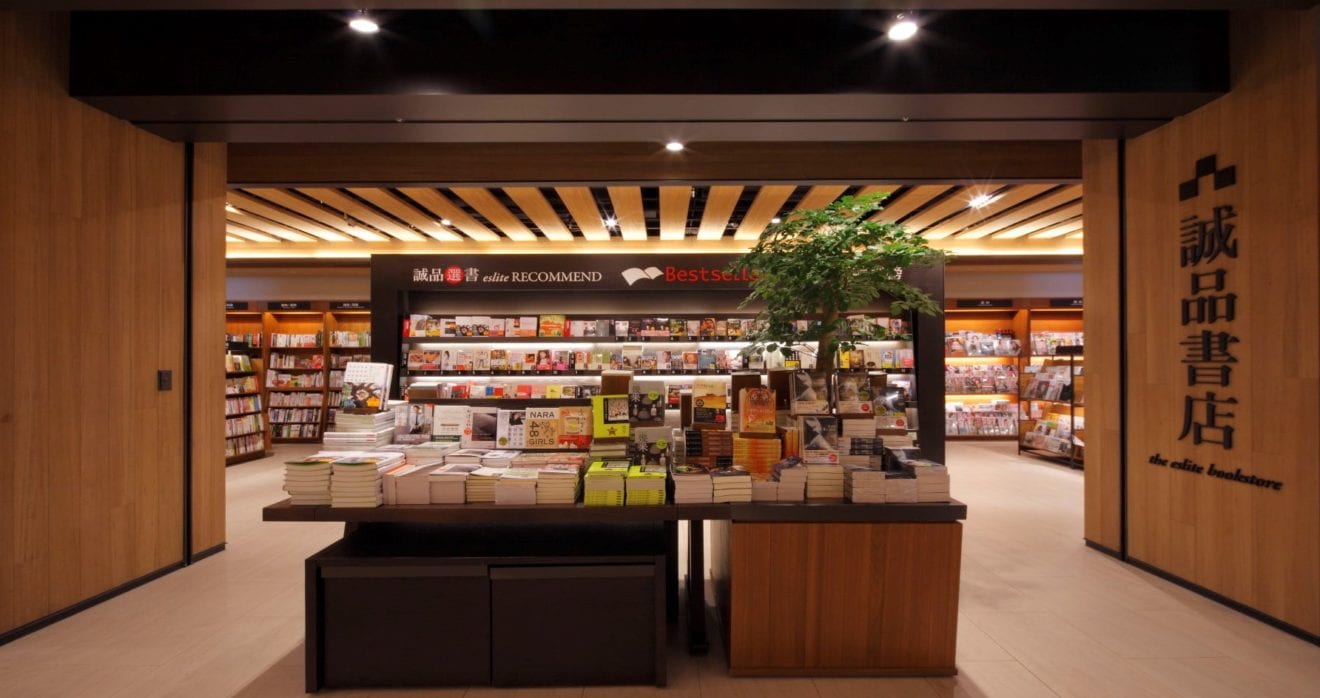
  • Eslite to open 100 small-format stores in Taiwan

    Eslite to open 100 small-format stores in Taiwan

    Taiwanese bookseller Eslite is shifting its focus into smaller community stores in its home market after struggling due to Covid-19 last year.

    According to Eslite’s chairwoman, Mercy Wu, 100 small-format stores will be rolled out within the next three years and one store is set to open in China in 2024. Eslite’s decision to change its focus from giant destination stores to smaller, corner-store style outlets follows a drop in tourists due to Covid-19 restrictions, which has made the large shops unviable.

    Meanwhile, small stores will help the bookstore chain to pick up customers in smaller communities it could not reach before.

    Eslite will continue to operate its largest store in the New Taipei City district of Xindian in late next year or early 2023.

    The brand closed nine outlets in Taiwan last year including its first 24-hour bookshop. Its mega store plan in Kuala Lumpur, which is set to open next year, has been delayed and is likely to launch in 2023 given the ongoing pandemic situation in Malaysia.

    Eslite’s stores outside Taiwan include outlets in Hong Kong, Tokyo and Suzhou.

  • Online only supermarket Geezy Go launches in Sydney

    Online only supermarket Geezy Go launches in Sydney

    Australia’s newest on demand ‘direct to your door’ food and grocery service launches in Sydney

    Get all of your essential items delivered in less than 20 minutes with Geezy Go, Australia’s newest ‘on demand’ food and grocery delivery service. Focused on delivering both local and big brand names in no time at all, this up-and-coming service is set to rival and conquer the giants, Woolworths and Coles.

    “We are redefining and revolutionising food and grocery shopping in Australia,” Geezy Go Vice President of Growth and Strategy, Dhruv Kohli said.

    “The big supermarket brands want you to spend more time in store, we want you to spend more time at home doing the things you love and we’ll deliver the groceries to your door.

    “After finding issues and opportunities in the grocery delivery service system as a whole, the team and I at Geezy Global decided to challenge the status quo by building Australia’s first 20 minute instant digital supermarket chain.”

    Avoiding the hassle of queues, forgotten items and slow delivery times, Geezy Go provides customers with their shopping essentials in 20 minutes or less, promising prices that are similar or lower than the supermarket chains.  Boasting a comprehensive range of food and grocery items including local content and produce as well as global brands, Geezy Go is quickly becoming a hit across Sydney with further sites being earmarked for roll out across Australia over the next six to 12 months.

    “Our average order delivery time is just 11 minutes, with no minimal spend and a delivery fee of only $3.99.  That’s $3.99 every day of the week no matter how urgently you want your groceries – you get them fast for a tiny fee every time,” Kohli said.

    “We employ our own drivers and this ensures are able to provide high quality reliable delivery services that know the local area and understand the needs of our customers.

    “Everyone is loving Geezy Go.  Our easy to use dynamic website can be used on desktop or mobile device. Ordering is simple, you just scroll through the categories and add items to your cart, check out and your groceries are on their way.

    “Our customers include working professionals, last minute shoppers, mums and others working from home and people who are looking at saving costs, but who don’t want to sacrifice the quality of their purchases.

    “With many people in lock down, Geezy Go is the ideal solution for anyone needing items that do not want to or can’t leave the house.

    “Our products are fresh, our prices competitive and our delivery is swift.  Hygiene and safety are at the forefront of everything we do and our goal is to make your life easy.


    “We have thousands of items to choose from at affordable prices and our super quick delivery time makes us unique and provides that almost instant gratification of getting your items delivered. Having our own employed drivers makes the process easier and more reliable.  At the moment we have a 99.7 percent satisfaction rating with the first few thousand orders we have fulfilled.”


    Geezy Go is currently servicing 60 plus suburbs in the CBD, inner west and upper north shore of Sydney with  plans to expand to 200 locations globally by the end of 2021.


    Part of a global company that is already present and successful in many countries including Australia, the new Geezy Go offering sits on top of an established  ecosystem of suppliers, customers and technological capabilities that makes its  immersion into the Australian market seamless.   Geezy Go falls under the Geezy Global brand, a technology start up that focuses on creating engaging brand to consumer experiences. Currently operating in five countries, including the US, UK, New Zealand, India and Australia, more expansions across other countries are on the horizon.


    Geezy Go is open 10am to 6pm every day of the week.   As the service expands, it will extend opening hours and locations.

  • Order Management – a lifeline for Asian retailers in a COVID-19 world

    Order Management – a lifeline for Asian retailers in a COVID-19 world

    The ongoing pandemic has changed the way that people purchase and acquire goods. Soaring demand for eCommerce and increased interest in new ways of collecting purchases, such as curb side pickup and click & collect, mean that Asian retailers are now faced with the challenge of recalibrating their business strategy to serve an increasingly complex omnichannel environment. Alongside various city and state lockdowns, many brands have had to get creative and accelerate their journey towards digital services over the last year. However, not all of them have successfully managed the transition.

    To assist, new business-to-consumer distribution models are coming to market, with a core focus on the importance of ‘living’ the omnichannel customer experience, rather than just talking about it. One such model is Order Management Systems (OMS), which integrate all sales and distribution channels into one place, bringing absolute transparency and making it easier for retailers to manage customer orders. An OMS helps retailers to see what inventory they have where, what’s been allocated, what is in transit, what’s been sold, what is available, what needs to be replenished and what’s being returned.

    Optimising order sourcing

    New demands being placed on retailers today have forced innovation to occur at an unprecedented pace. From adding drop-shipped items to websites to quickly beefing up sales, launching quick ‘on ramp’ digital solutions, or streamlining operations to maximise strained employee bandwidth, the need for innovation through technology has never been greater. In fact, in the latest Forrester Wave Report, it was revealed that 39% of retailers increased their investments in technology immediately after the pandemic began to disrupt supply chain operations.

    Without this necessary push towards efficiency-boosting technology, retailers would be left behind their competition. With innovations like OMS, retailers have even been able to review the rules of stock allocation, temporarily giving priority to in-store stock over warehouse stock, thus, freeing up any trapped inventory confined within closed stores. This comes as a great advantage to the many retailers whose physical stores were closed for long periods during lockdowns.

    Optimising order sourcing is a new focus for retailers, allowing brands to use the stock available in their entire network, wherever it is located. A smart OMS allows retailers to use the ‘pool’ of physical stores in large urban areas to offer same day, or next day delivery by couriers, whilst also favouring the warehouse stock for less immediate orders.

    Addressing multiple shipments

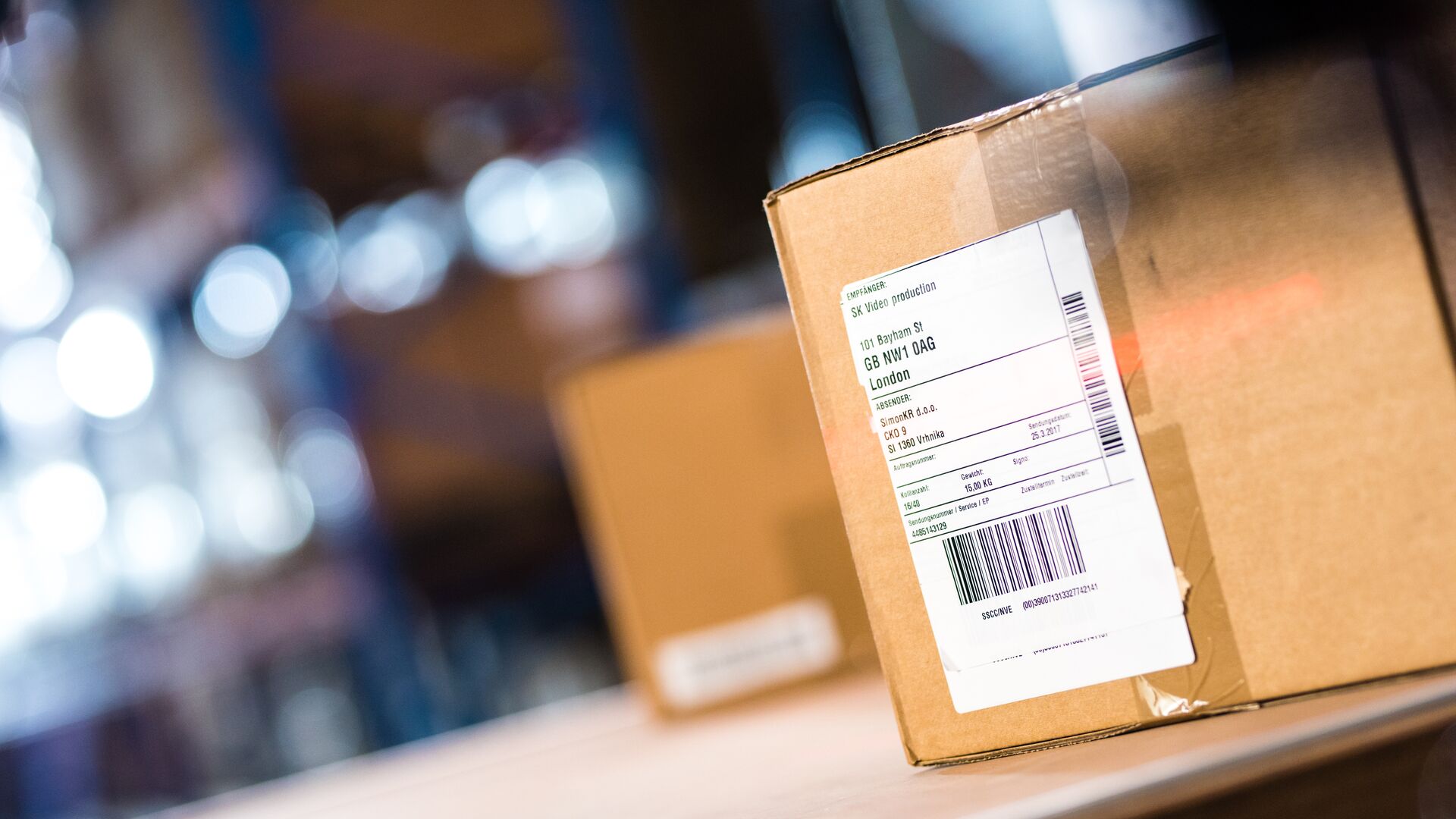
    Recent research undertaken by Manhattan Associates has shown that due to the ongoing impacts of the pandemic and its convenience, home delivery is now the preferred delivery option for 69% of online shoppers. Interestingly, 60% of consumers indicated they often receive their online order in multiple shipments and 81% of them said that they think this is an inefficient and unsustainable way of delivering goods. In fact, the same number (81%) also said they would prefer to receive their order at a later date if it meant that it would arrive in one consolidated delivery. These changing consumer preferences pose challenges for retailers and their supply chains to match their inventory and delivery capabilities against what customers actually want. 

    For those orders that have to be shipped in multiple deliveries, advanced OMS systems allow customers to view the status of all items within an order in a Digital Self-Service order tracking page. If an order is shipped in multiple packages, customers can view all tracking details, estimated time of arrival, and the delivery date of each package from a single page. If all items have not been shipped, the customer can view the status of all items, including items which are in in-process or cancelled. By providing customers with complete order transparency there is less uncertainty around an order’s status, working to substantially reduce customer call volumes to the contact centre to check where an order is.

    Cost-effective omnichannel offerings

     In a recent study, conducted by Manhattan Associates and IHL Group, it was revealed that retailers who optimised their digital customer journey saw their margins improve by three to eight points more than those who didn’t. Additionally, by enhancing the customer journey through the use of technology, retailers are equipped with the knowledge they need to understand what their consumers want, and in turn, they can clearly communicate their promises to consumers – such as delivery dates and returns processes – leading to a positive bump in overall margins.

    According to several independent studies, the conversion rate is said to increase up to 30% when a brand communicates a precise delivery date promise on a product page. However, 50% of consumers agree that they would in fact abandon a purchase if there was no delivery date indicated at the checkout. This is a good signal of the importance of offering total transparency to the customer regarding their order, as without it, consumers are left uneasy about not only the wait time for delivery, but the credibility of the brand itself.

    Turning returns into a positive customer experience

    Since the pandemic, the ability to promote a more efficient returns process for eCommerce purchases in-store has become an increasingly important all-round service for brands looking to maintain an adequate retailer-to-consumer relationship. Using an OMS in-store application, customer service teams can directly search for customers’ original orders and records of the returned items. Then, the products that are in return-worthy condition are immediately integrated into the global stock pool, making them available for sale online, even if the item was not originally listed at the point of sale.

    For consumers who are on-the-go, new QR code solutions exist which allow customers to drop a return item at a carrier location. The QR code can be made available to customers via email. This avoids situations where customers previously had issues printing a return label at home.

    More efficient returns processes enables faster refunds, improved order accuracy, and delivery transparency, develop a greater peace of mind for consumers, and ultimately, improve overall brand advocacy and loyalty – which comes as the biggest advantage to retailers in the long-term.

    Managing order cancellations

    With more online orders being placed, today’s consumers expect to have full visibility of their order’s progress, as well the flexibility to cancel their order if needed. With an advanced OMS, customers can cancel items that are being shipped to their address before the items have been packed, without having to reach out to the contact centre. Customers can view which items are eligible for cancellation, select items and reasons for cancellation, and preview their new order total before confirming the cancellation.

    Supporting order cancellations and changes as late as possible prevents the situation where a customer wants to cancel an item that has already reached the ‘point of no return’ in the fulfilment process. When these situations occur, it causes friction and frustration for the customer who has to receive and return the item, plus time and cost for the retailer who will often have to absorb the shipping and handling costs for both the shipment and the return.

    Order Management for future-proof retailing

    With the everchanging nature of the retail landscape, and the increasing demands and expectations of consumers, enhancing retail operations with innovative technology such as OMS will serve as a way for retailers to optimise their operations for the future, to withstand even the harshest fulfilment, delivery, and customer services challenges.

    By Richard Wright, Managing Director, SEA, at Manhattan Associates

    For more information on Order Management from Manhattan Associates, go to: https://www.manh.com/en-sg/products/order-management


  • Adidas sells Reebok to Authentic Brands

    Adidas sells Reebok to Authentic Brands

    Authentic Brands has cemented its position as a major player in American retail after what one analyst described as a “massive acquisition” – the successful $2.456 billion bid for Reebok.

    Adidas confirmed the sale overnight after six months of negotiations with prospective bidders.

    Neil Saunders, MD of GlobalData, said Authentic Brands has proven its ability to turn around struggling brands like Aéropostale and so it will be confident that it can achieve a similar result with Reebok.

    But he warned the new owner needs to take a different approach to ensure Reebok’s future success.

    “If, under Authentic Brands, Reebok focuses less on competing with Nike and more on developing a credible brand that can be offered via its various stores and other third-party retailers it should be able to build sales. However, the market remains extremely competitive so coming up with a differentiated offer that has clear customer focus and a strong distribution strategy will be key to future success.”

    Reports emerged in May that Authentic had lodged a bid for Reebok. At the time the New York Post said the $1 billion fell far short of the $3.8 billion Adidas paid for Reebok five years ago and the $2.4 billion Adidas was thought to be seeking.

    Adidas CEO Kasper Rorsted said he believed the change in ownership would position the brand well for long-term success.

    “As for Adidas, we will continue to focus our efforts on executing our ‘Own the Game’ strategy that will enable us to grow in an attractive industry, gain market share, and create sustainable value for all of our stakeholders,” he said.

    Adidas acquired Reebok back in 2006. Saunders said the German company originally saw it as a vehicle with which to take on the might of Nike, especially in the US.

    “While Adidas did manage to restore Reebok to profitability it was far less successful in building a brand that was able to steal share and capture the hearts and minds of consumers. Part of the issue was a lack of clarity around what Adidas wanted Reebok to be. As a result, it was neither seen as the go-to brand for sporting professionals nor for those looking for athleisure fashion and style,” said Saunders.

    Adidas’ sale of Reebok for less than it paid for it – and after years of difficulty and disappointment – underlines the degree to which the brand’s equity has been eroded, he said.

    “The decision to sell should not solely be chalked up to the pandemic. Indeed, the footwear and sports apparel market has performed extremely well over the past 18 or so months.

    “However, the market is becoming much more competitive, with Nike and others doubling down on direct-to-consumer sales, brands like Lululemon eating up large slices of growth, and retailers launching a multitude of sporting own labels,” said Saunders.

    Jamie Salter, founder, chairman and CEO of Authentic Brands Group described it as “an honour” to be carrying Reebok’s legacy forward.

    “This is an important milestone for ABG, and we are committed to preserving Reebok’s integrity, innovation, and values – including its presence in bricks and mortar. We look forward to working closely with the Reebok team to build on the brand’s success.”

    The closing of the transaction is subject to customary closing conditions and is expected to occur in the first quarter of next year. Adidas intends to share the majority of the cash proceeds from the sale with its shareholders.

    When Adidas bought Reebok in 2006, the brand came along with the Rockport, CCM Hockey and Greg Norman brands, which were subsequently divested for €400 million (US$470 million at today’s exchange rate).

    In 2016 Reebok initiated a turnaround plan called ‘Muscle Up’ which saw the label significantly improve its growth and profitability prospects, according to Adidas.

    In March of this year, Adidas unveiled its 2025 ‘Own the Game’ strategy designed to significantly increase sales and profitability and build market share. As part of the process of developing that strategy, the company assessed options for Reebok, which in February led the company to opt to divest Reebok, rather than dilute its focus across two brands.

  • UOB Investment Banker Joins Chinese Brokerage

    UOB Investment Banker Joins Chinese Brokerage

    The experienced equity brokerage and investment banker will head up Haitong Securities’ corporate finance team in Singapore.

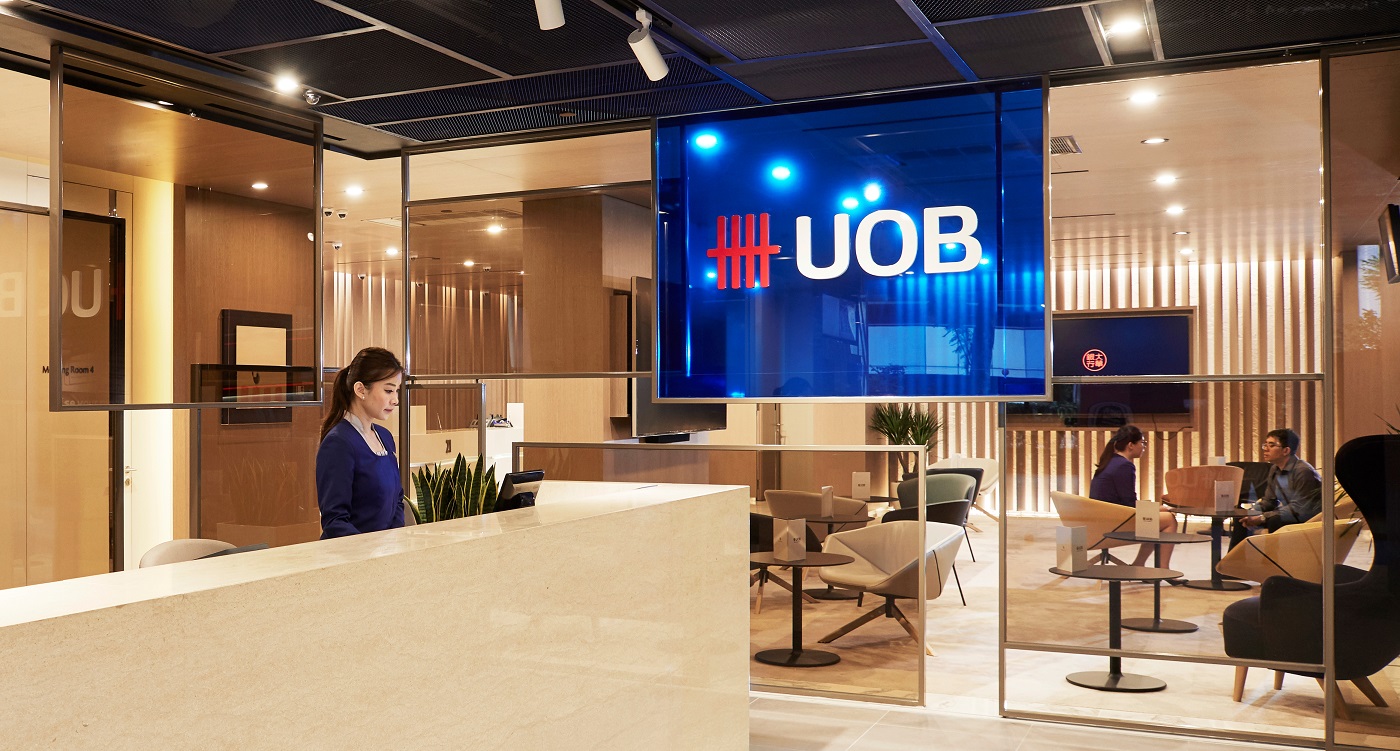
    UOB’s former head of equity capital markets (ECM) Jack Kang has joined Haitong International Securities (Singapore) as an executive director.

    Kang, who moved to Haitong in July, spent 11 years at UOB. He was previously ECM vice president at CIMB Securities, and ECM head at Phillip Securities.

    The publication noted the demand for investment bankers in Singapore, especially those with experience in the tech sector, amid a surge in deals, as well as a rapid expansion of Chinese firms in the city-state.

    We are expanding cautiously in line with business needs, Kang said.

  • Nokia trials AI technology in Melbourne to keep streets clean and safe

    Nokia trials AI technology in Melbourne to keep streets clean and safe

    Nokia the City of Melbourne have conducted a trial using Nokia Scene Analytics artificial intelligence (AI) technology to develop a deeper understanding of waste disposal behaviour. This will allow the city to tackle the issue of waste dumping more efficiently keep laneways – the busy and narrow city streets and pedestrian areas – even more clean, safe and free of garbage.

    To decrease the frequency of waste contractor visits to busy areas, the City of Melbourne has offered local residents and businesses subscription-based access to the large-capacity compactor facilities. With the compactor in place, Council then wanted to understand how the service was being utilised and how to mitigate illegal waste dumping, which can quickly create safety and hygiene issues in the area.

    Under its ‘emerging technology testbed’ initiative, the City of Melbourne worked with Nokia to leverage an existing network of installed cameras as internet of things (IoT) sensors to monitor one of the compactors. The Nokia Scene Analytics solution employed an AI-powered algorithm to filter and collate data from the cameras, while also combining other data sources, such as operational data on the compactor itself, to create real-time alerts and produce reports. Initial trial results demonstrate that Scene Analytics can support the City’s objectives for better, safer citizen experiences while simultaneously lowering maintenance and down time costs for waste management services.

    This innovative use of Scene Analytics has been recognized on a national stage as the partnership between Nokia and the City of Melbourne was shortlisted for the Communications Alliance’s ACOMMS awards in the Artificial Intelligence category.

    Lord Mayor Sally Capp, City of Melbourne, said:“This is a great example of using new technology to help remove illegal waste more quickly, make our city cleaner and protect the environment. Our partnership with Nokia is another way we are gathering data to make Melbourne a safer, smarter and more sustainable city. This innovative project will help to avoid hazards and make our streets even cleaner by allowing our waste services to better understand behavior trends related to the illegal and dangerous dumping of waste.”

    Rob Mccabe, Head of Enterprise of Australia and New Zealand,Nokia,said: “The City of Melbourne is using robust AI technology to offer its citizens, visitors and businesses a greener and more liveable community. In helping the City of Melbourne monitor and enhance services with real-time driven actions, Nokia Scene Analytics is supporting the safety, security and operational continuity of this city in a proactive and automated way.”