Author: Mei Ling Tan

  • ZTE’s BIERin6 multicast approved by IEFT

    ZTE’s BIERin6 multicast approved by IEFT

    ZTE Corporation announced that the BIERin6 (BIER in IPv6 Networks) multicast solution led by ZTE has been approved as Proposed Standard by the IETF(Internet Engineering Task Force).

    The approval indicates that the telecommunications industry has reached an agreement on the technical principles of BIERin6, which is a key step towards commercial applications.

    In the 5G era, large-bandwidth services, such as network live streaming, multi-party conference, and IPTV live broadcasting, are booming rapidly. A growing number of users bring enormous bandwidth pressure and challenges to the networks. However, most services adopt the unicast. Therefore, with the aim of networks optimization, the multicast has become an inevitable trend.

    Bit Index Explicit Replication (BIER), as a new type of multicast technology, provides simple deployment, stable network status and high service scalability, and allows operators’ IP networks to provide users with flexible and controllable multicast services. Currently, BIERin6 is the best option for BIER deployment in the IPv6 networks, and also paves the way for the operators’ future IP network architecture.

    ZTE has been taking the leading position in the field of BIER multicast. In October 2017, ZTE worked out the BIERin6 solution together with its partners. After extensive and in-depth discussions, by July 2019, more vendors had become supporters. In November 2020, ZTE released the white paper on BIER Multicast solution.

    In December 2020, ZTE and the Nanjing Purple Mountain Laboratories jointly completed the first BIER multicast field trial in China, and first deployed and tested BIER multicast services in the existing network.

    Moving forward, with the end-to-end service capability of BIER and BIERin6 multicast, ZTE will be committed to the network construction of its partners in the 5G era, and accelerating the commercialization of BIER and BIERin6 multicast.

  • Electric cars fail to get charged up without policy support

    Electric cars fail to get charged up without policy support

    A lack of policies promoting battery production and building a charging station network is preventing the electric car market in Vietnam from hitting the road running.

    At the end of March, automaker VinFast began accepting pre-orders for its first electric cars. More than 4,000 orders were placed on the very first day.

    The company has requested several incentives for electric vehicle development, including scrapping special consumption tax and registration fees on electric cars for five years.

    Some brands have imported electric and hybrid vehicles into Vietnam earlier.

    In August last year, Toyota started selling its first hybrid cars in Vietnam with low fuel consumption, giving 100 km for 4.6 liters of fuel.

    Mitsubishi also distributed its i-MiEV cars in Vietnam in 2017 and installed charging stations in some localities. However, after 10 years of making efforts to distribute them to many different markets, the company has stopped manufacturing the vehicles now.

    Last year, around 1,000 electric and hybrid vehicles were sold in Vietnam, with the latter accounting for 99 percent. The figure for gas powered vehicles was over 296,000 units.

    The Ministry of Industry and Trade said in a recent report to the government that there has not been real support policy for electric cars.

    Apart from VinFast which is manufacturing the vehicles, foreign brands like Honda, Toyota and Mitsubishi have mostly been importing electric vehicles without any concrete plan to make them in Vietnam.

    Experts say that the lack of a systemic policy to support the industry concerning the manufacturing of battery, the development charging infrastructure, prices and emission.

    “Batteries need to have high durability and have quick charge function, while the charging station network should be widespread. These factors are what missing in Vietnam’s electric car industry,” said an expert in the auto industry who asked not be identified.

    VinFast is set to tackle these challenges with plans to set up over 2,000 charging stations nationwide by the end of this year.

    The industry ministry report said that prices for electric vehicles are not enticing enough compared to fuel vehicles.

    A 15 percent special consumption tax on electric cars, compared to 30-50 percent on fuel cars, is not enough to bring electric car prices down to an attractive level to customers, it said.

    Another challenge is electric vehicles will still be using coal-fired and oil-fired electricity which has high emission, as renewable energy is not stable and has high price tag, the it added.

    Dau Anh Tuan, head of the Vietnam Chamber of Commerce and Industry’s legal department, proposed that cars be applied a special consumption tax based on how much carbon dioxide they release into the environment, which will help encourage people to switch to electric vehicles.

    Policies should focus on supporting Vietnamese companies to make electric vehicles, not foreign ones, he added.

  • Vietnam Embassy requests hastening nonstop Bamboo Airways flight to US

    Vietnam Embassy requests hastening nonstop Bamboo Airways flight to US

    The Vietnam Embassy in the U.S. expects further favorable conditions from US agencies for Bamboo Airways to operate its inaugural non-stop flight connecting Vietnam and the States.

    In the official dispatch on July 9, the embassy expresses its gratitude to the Department of Homeland Security, Department of State, and Federal Aviation Administration for supporting and facilitating flights to repatriate thousands of Vietnamese citizens stranded in the U.S. due to the Covid-19 pandemic.

    While international commercial flights remain suspended, Bamboo Airways has been granted permission to conduct charter flights to transport goods and passengers to the U.S., the foreign mission of Vietnam emphasized.

    Regarding the plan, the embassy requests continued support from all concerned parties. On Nov. 6, 2020, Bamboo Airways was licensed to conduct flights connecting the States and Vietnam by the U.S. Department of Transport. On June 23, 2021, the airline submitted the necessary documents to the Federal Aviation Administration of the U.S. to complete procedures for its first charter flight.

    “The embassy would appreciate it if the relevant U.S. agencies could consider all the submitted documents by the Bamboo Airways on June 23 at their earliest convenience,” the dispatch stated.

    In fact, Bamboo Airways was officially designated to exploit charter flights to the U.S. in May 2021. The airline has acquired slots to conduct regular non-stop flights from Ho Chi Minh City to San Francisco and Los Angeles.

    As of now, Bamboo Airways has fulfilled technical requirements to conduct non-stop charter flights to the U.S. with its wide-body Boeing 787-9 Dreamliner fleet, approved by the Civil Aviation Authority of Vietnam.

    The airline is rushing to establish a representative office in the U.S., in cooperation with San Francisco International Airport and Los Angeles International Airport.

    According to a Bamboo Airways representative, the carrier is working with U.S. agencies to complete procedures for its first non-stop flight to depart at the end of July or early August.

    Bamboo Airways has officially entered into cooperation with the International Air Transport Association (IATA) to pilot the digital health passport IATA Travel Pass, marking significant progress in the airline’s preparation for international routes reopening. Besides, the carrier is implementing Covid-19 vaccinations for all employees and related affiliates, creating perimeter protection for seamless operation. Bamboo Airways’s Covid-19 prevention process is considered the most comprehensive and effective, achieving an absolute level of 7/7.

  • Tesla Launches Subscription Service For Advanced Driver Assistance Software

    Tesla Launches Subscription Service For Advanced Driver Assistance Software

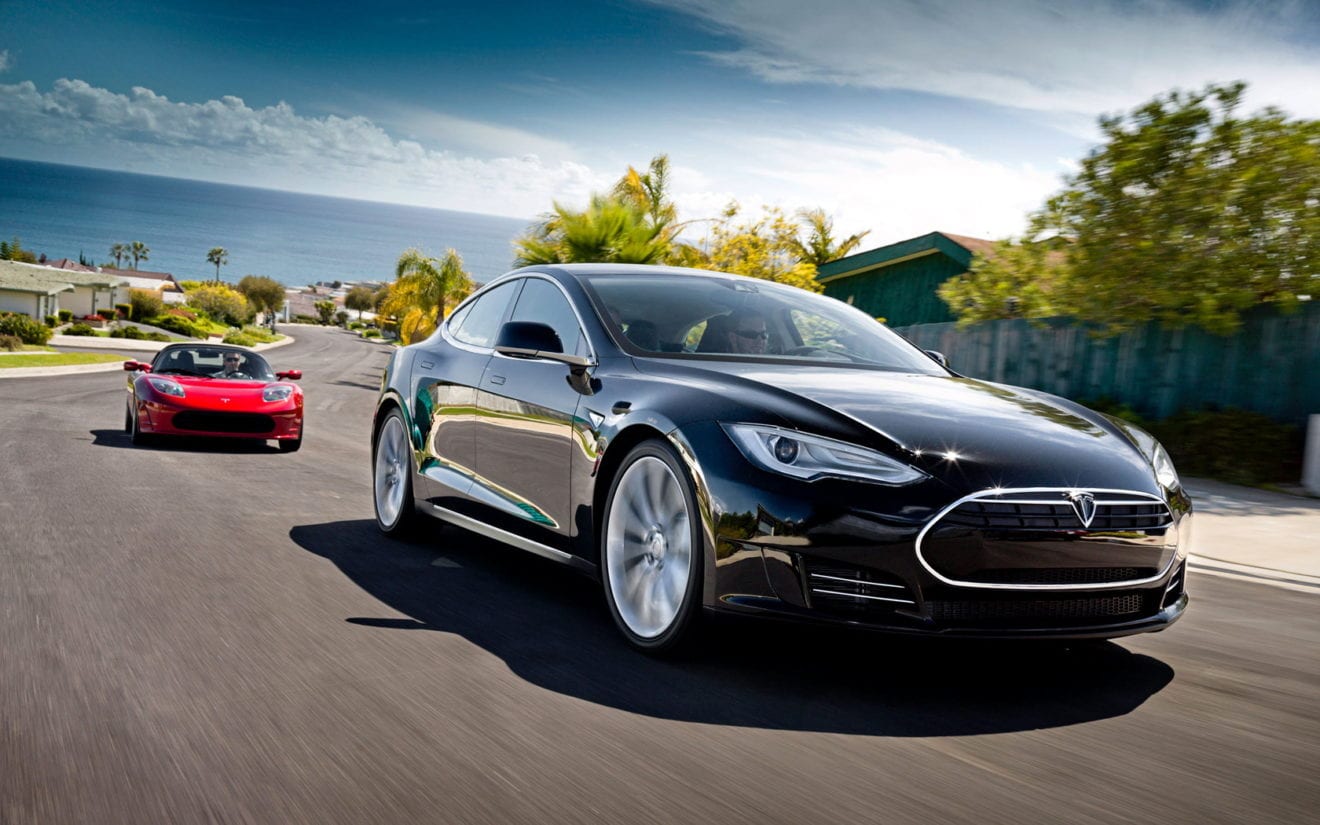
    Tesla Inc said on Saturday it has introduced an option for some customers to subscribe to its advanced driver assistance software, dubbed “Full Self-Driving capability”, for $199 per month, instead of paying $10,000 upfront. Tesla has previously said its subscription service would generate recurring revenue and expand the customer base for pricy features including lane changing on highways and parking assistance.

    But the U.S. electric carmaker reiterated on Saturday that the current features “do not make the vehicle autonomous,” adding they “require a fully attentive driver, who has their hands on the wheel.””FSD capability subscriptions are currently available to eligible vehicles in the United States. Check your Tesla app for updates on availability in other regions,” Tesla said on its website.

    Tesla’s CFO Zachary Kirkhorn said in April that its planned subscription service would generate recurring revenue for the company, although “there could be a period of time in which cash reduces in the near term.”

    “If … you look at the number of customers who did not purchase FSD upfront or on a lease and maybe want to experiment with FSD, this is a great option for them,” he said during an earnings call in April.

    Tesla said the subscription service is available in vehicles equipped with Full Self-Driving computer 3.0 or above. It told customers that upgrading to the new hardware will cost $1,500.

    Tesla Chief Executive Elon Musk forecast in 2019 that robotaxis with no human drivers would be available in some U.S. markets in 2020. In March, Tesla told a California regulator that it may not achieve full self-driving technology by the end of this year.

    Tesla has been testing its new semi-autonomous driving software for city streets and last week released “FSD Beta v9” to a limited number of customers.

  • Mapmaker TomTom Lowers Forecasts As Chips Shortage Weighs

    Mapmaker TomTom Lowers Forecasts As Chips Shortage Weighs

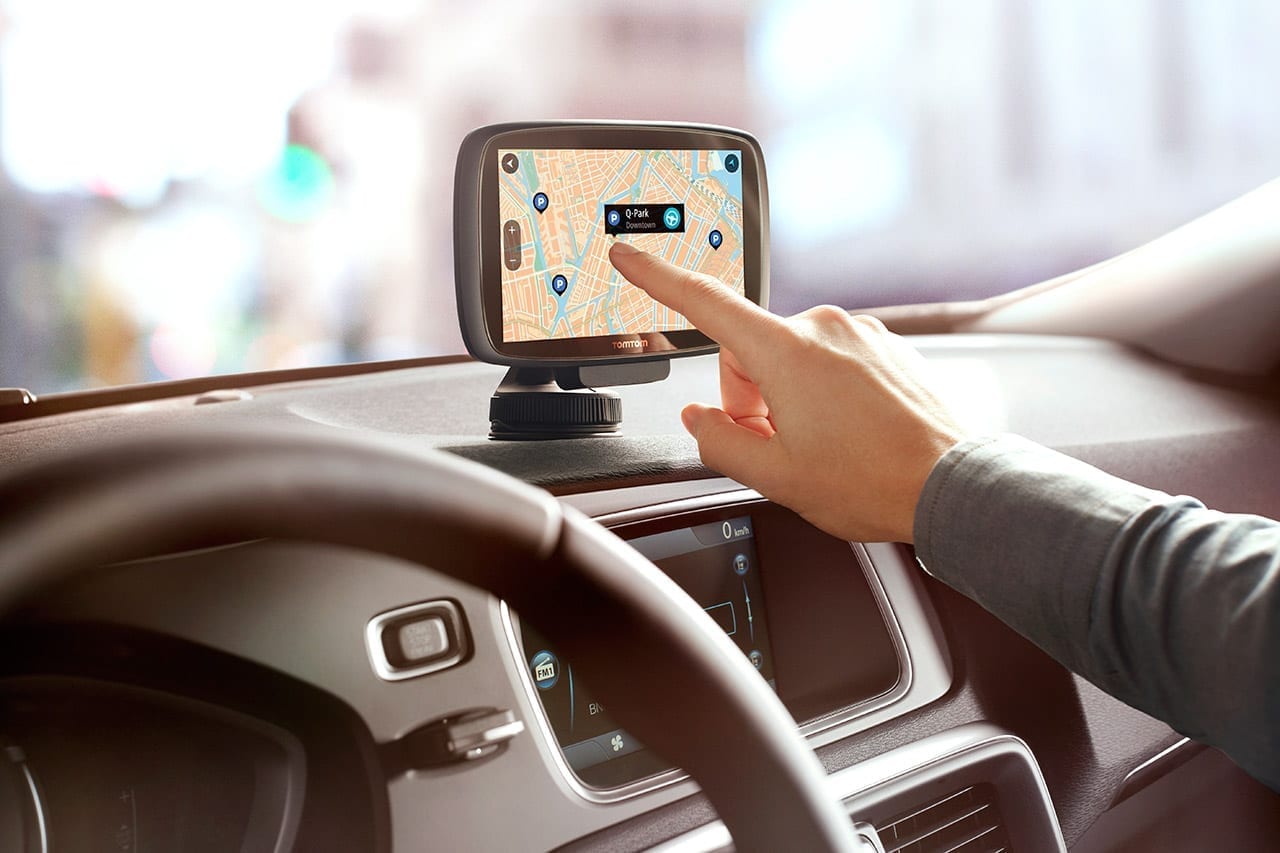
    Dutch navigation and digital mapping company TomTom on Thursday cut its 2021 outlook, amid a global shortage in semiconductor chips that has disrupted auto supply chains and could eat into its revenues from carmakers. TomTom now anticipates revenues of 500-530 million euros ($592-$627 million), compared to the 520-570 range it had previously guided, and cut its free cash flow guidance from around 6% to around 5%.

    The company, which has posted a quarterly net loss for the last two years, reported a loss of 23.6 million euros – deeper than the 15 million analysts had predicted.

    “When we gave our guidance early this year we knew the semiconductor shortage could have an effect, but it is very difficult to know when the worst part is over and we start to see recovery,” finance chief Taco Titulaer told Reuters in an interview.

    Titulaer now expects it will take until at least the end of the year for automotive supply chains to start normalizing, though the situation should improve from the third quarter.

    The shortage has had the twin effect of cutting car production, he added, and pushing manufacturers to prioritize simpler cars that use fewer chips.

    In the second quarter, TomTom nevertheless saw revenues from its automotive business jump 18% compared to last year, when the first wave of lockdowns shut down large parts of the industry.

    Major carmakers have again had to cut back production this year due to the coronavirus-sparked chips shortage – including major TomTom customers such as Stellantis.

    Titulaer said that though volumes of car sales were showing strong improvement on 2020, the previous year had been “quite dire”.

    With volumes still below 2019 levels, he said it could take a couple quarters for these to get back to normal.

  • HSBC sees challenges to Vietnam economy in H2

    HSBC sees challenges to Vietnam economy in H2

    HSBC expects Vietnam’s economy to face challenges related to foreign exchange and interest rates in the second half of this year.

    Ngo Dang Khoa, head of global markets at HSBC Vietnam, said recent outbreaks of Covid-19 have sparked worries about production being interrupted for a long time, which would affect the country’s recovery.

    “With many industrial parks being closed down and social distancing prolonging, growth momentum in the third quarter, in particular, will surely face many challenges.”

    Social distancing to prevent the disease from spreading has affected consumer outlook and the recovery of services and tourism, while the new coronavirus mutants and slow vaccination would delay the reopening of borders to foreign investors and tourists, he said.

    “It is necessary to adopt timely fiscal and monetary policies to safeguard the economy.”

    It would be difficult to maintain a stable dong-U.S. dollar exchange rate in the second half unlike in the first mainly because of Vietnam’s trade deficit, inflation worries and the possible rise in U.S. interest rates, he said.

    He predicted the exchange rate to be VND23,100 to the dollar by year-end.

    Asian countries including Vietnam have yet to see inflationary pressure, but if prices continue to increase, it might have to increase interest rates, he said. Vietnam should not increase interest rates too early or too quickly since its economy has been severely affected by the pandemic, he said.

    HSBC recently revised upward its forecast for Vietnam’s economic growth next year to 6.8 percent from the earlier 6.5 percent but lowered it to 6.1 percent from 6.6 percent for this year.

  • Singapore Firm Partners China’s The9 for Cloud Crypto Mining

    Singapore Firm Partners China’s The9 for Cloud Crypto Mining

    Singapore Myanmar Investco (SMI) will develop a cryptocurrency cloud-mining platform with The9, according to a memorandum of understanding signed by the two sides.

    The mining business is expected to be launched in the fourth quarter of the year, subject to regulatory approval, SMI said in an announcement on Friday.

    Operations will be hosted in a range of facilities across Canada, U.S., Central Asia and the ASEAN region, and will cover a basket of cryptocurrencies inclusive of bitcoin (BTC), filecoin (FIL) and chia (XCH). This move follows SMI’s entering into a subscription agreement with The9 for new shares in SMI, which was announced in June.

    SMI also said it reached an agreement with Chinese cloud mining software-as-a-service company Nhash for technical and support services for five years, as well as an option to purchase up to 4,000 crypto mining machines.

    SGX-listed SMI is an investment and management company focused on Myanmar. In June, it announced its intention to pivot to cryptocurrencies and to diversify its core business to include gaming, digital entertainment and robotics.

    Originally an online gaming firm, Nasdaq-listed The9 pivoted into mining in January and started operations the next month. However, it has been facing regulatory headwinds in China, where it operates. Like other miners, The9 has been looking to shift operations abroad.

  • Nike supplier halts production at three Vietnam plants due to Covid-19

    Nike supplier halts production at three Vietnam plants due to Covid-19

    Changshin Vietnam, a South Korean shoemaker, became the second major Nike supplier to suspend production in Vietnam as it shut three of its factories near HCMC on Thursday due to a coronavirus outbreak.

    The factories in Dong Nai province, which employ nearly 42,000 workers, will remain shut until July 20, the Vietnamese government said in a statement, adding many of the 177 infection cases detected in the province were from the factories.

    Nike did not respond for comment outside U.S. business hours, while calls to Changshin went unanswered.

    On Wednesday, Taiwan’s Pou Chen Corp, which makes footwear for Nike and Adidas, suspended operations at its plant in Ho Chi Minh City. The plant will be closed until July 23 for “health and safety considerations”, the company said, adding it did not expect a major financial impact.

    Vietnam had until recently successfully contained coronavirus outbreaks, with limited disruption to its crucial manufacturing sector. However, since late April, it has seen record cases on many days this month, most of those in the commercial hub Ho Chi Minh City and its neighboring industrial provinces of Dong Nai and Binh Duong.

    The country has recorded 38,200 infections and 138 deaths overall, a vast majority of those since May.

    Almost all of Nike’s footwear is manufactured outside the United States. The company has said contract factories in Vietnam produced about 50 percent of total Nike brand footwear in fiscal 2020, but did not specify the volumes that came from Changshin or Pou Chen.

    The latest resurgence in virus cases could signal another hiccup for the world’s largest sportswear chain in 2021, after container shortages and U.S. port congestion held up Nike’s inventory earlier in the year.

    “Having the factories shut for one or two weeks for Nike is going to cause a massive problem for its supply chain,” China Market Research Group analyst Shaun Rein said, adding the shutdown would lead to price hikes.

    Nike also saw its China sales take a hit after calls to boycott global brands for their comments around forced labor in Xinjiang.

    Eclat Textile Co, a Taiwan-based garment and fabric supplier, has suspended production at its Dong Nai plant until July 17, it told the Taipei stock exchange.

  • Vietnam Airlines plans cargo carrier in Covid-19 response

    Vietnam Airlines plans cargo carrier in Covid-19 response

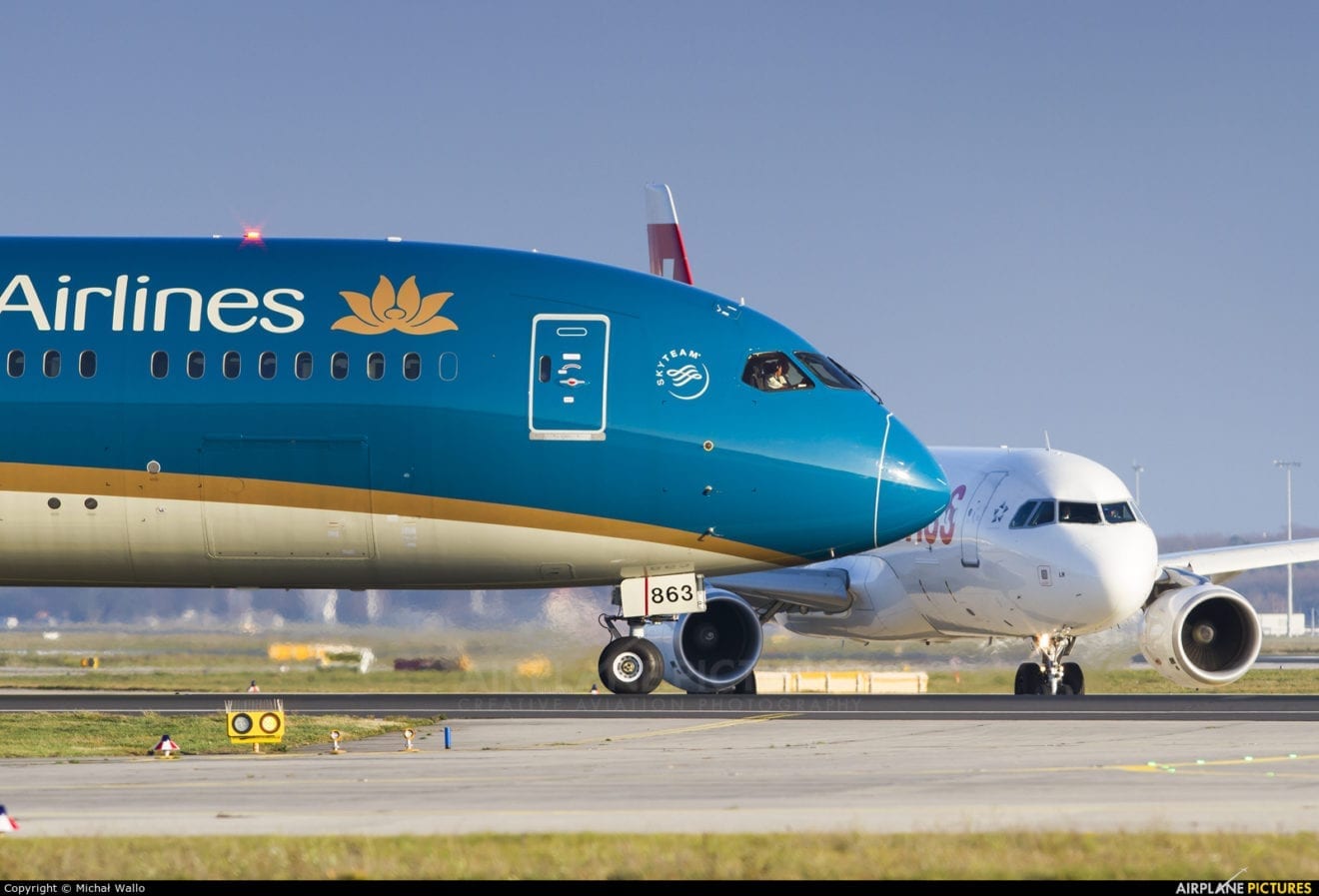
    National flag carrier Vietnam Airlines plans to form a cargo carrier as part of efforts to shore up its business that has been hard hit by Covid-19 outbreaks.

    The carrier has converted seven passenger planes into cargo carriers – five wide-bodied Airbus A350s and two narrow-bodied A321s, Vietnam Airlines chairman Dang Ngoc Hoa said at its annual shareholders’ meeting Wednesday.

    In June, its cargo transport revenue, which normally accounts for 10 percent of the total, surpassed that of passenger transport.

    According to Vietnam Airlines CEO Le Hong Ha, the airlines has considered establishing a cargo carrier for years, but the time was not considered opportune.

    Over the past two years, and especially in recent months, cargo transport has generated bigger revenues, so Vietnam Airlines is considering the plan more seriously, Ha said.

    Chairman of retail company Imex Pan Pacific Group, Johnathan Hanh Nguyen, has asked for permission to establish a cargo airline named IPP Air Cargo with an investment of $100 million, but the national aviation authority has informed the transport ministry that it will not recommend the establishment of any new carrier until 2022, given the pandemic situation.

    Budget airline Vietjet has re-configured 4 Airbus A321s to transport cargo.

    Meanwhile, foreign express delivery giants like DHL and UPS have increased flights and payloads to transport goods to Vietnam by air.

    According to a transport ministry report sent to the government, the proportion of cargo transport in local airlines’ total revenues in one year amid the Covid-19 outbreaks tripled against the pre-pandemic period.

    In the first half of this year, Vietnam Airlines racked up losses of some VND9.823 trillion (nearly $427.1 million). It has estimated consolidated losses of VND14.526 trillion this year, up nearly 30 percent against last year, and consolidated revenues of nearly VND37.4 trillion, down 11.6 percent.

  • Beyond Meat opens JD store, as Chinese remain wary of meat substitutes

    Beyond Meat opens JD store, as Chinese remain wary of meat substitutes

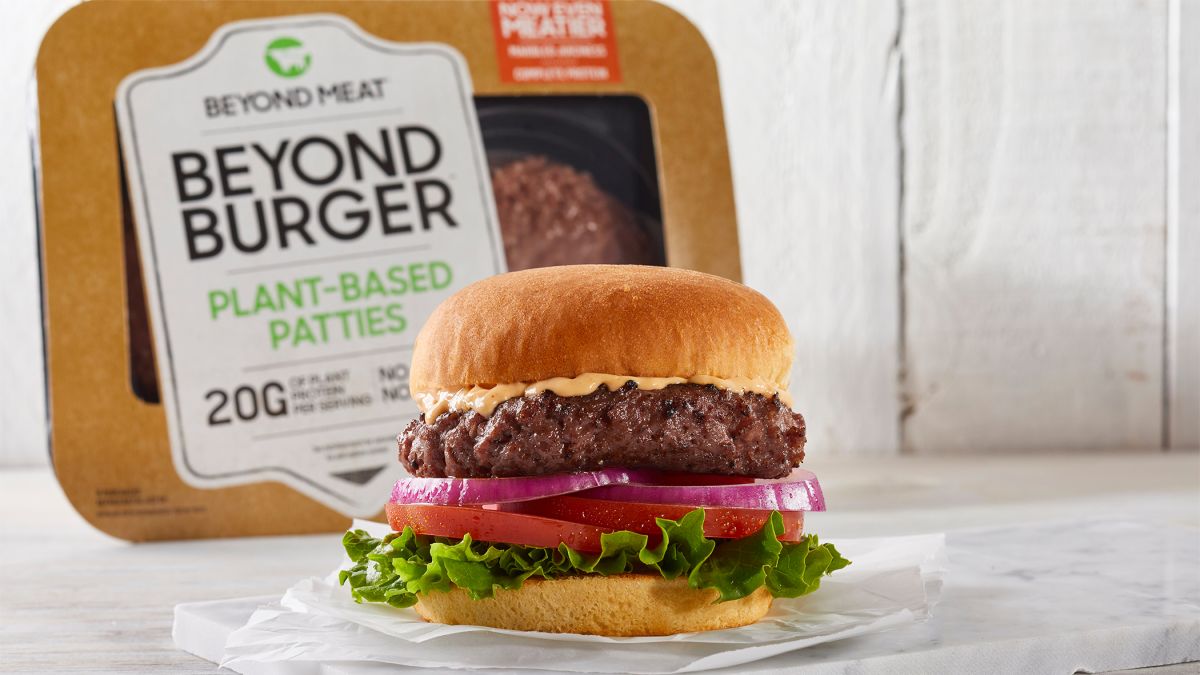
    Beyond Meat has launched an online store in China on e-commerce platform JD, as the plant-based meat maker aims to boost sales in the world’s biggest meat market, where consumer interest in meat alternatives is low.

    US-based Beyond Meat said the JD store will initially help expand the availability of its products in four major cities, including Beijing and Shanghai, and eventually in 300 cities across China.

    Its products are currently mainly available in China through its partnerships with Starbucks Corp, Yum China Holdings and Alibaba Group’s Freshippo markets.

    But expanding into the retail segment by selling on JD will help it reach a wider audience in the country, which is increasingly purchasing fresh food online.

    Online sales in China of fresh food, into which category Beyond Meat’s products fall, are expected to top US$46.4 billion this year, an increase of 18 percent from last year, according to consultancy iiMedia Research.

    Beyond Meat’s direct retail foray follows a similar move by Nestle in December, which launched a range of plant-based burgers, sausages, nuggets, and dishes suited to Chinese cooking.

    The push by global firms comes even as consumers in China are not exactly devouring plant-based meat.

    “Currently it is a solo dance by the manufacturers, the consumers are not joining the tango,” said Zhu Danpeng, an independent food industry analyst.

    A recent poll on Sina Weibo, China’s Twitter-like social media platform, found only 14 percent of 400 participants were willing to try plant-based meat.

    Chinese consumers are deterred by concerns over food safety as well as taste, said Zhu.

    Beyond Meat, which has set up its first manufacturing plant outside of the US in the eastern Chinese city of Jiaxing, near Shanghai, declined to comment on its sales in the market so far.

    A 454gm twin pack of plant-based beef will be sold at $32.50 on the company’s JD store. By comparison, 1kg of good quality domestic beef costs about $21.60 on JD’s fresh food platform.

    Beyond Meat is also adding Beyond Pork to its offering on JD, which has been created for the pork-loving Chinese market.

    It will also sell ingredients that are used in the cooking of local dishes such as stir-fry, dumplings, mapo tofu, zhajiang noodles and lion’s head meatballs to appeal to Chinese consumers.

  • TIDAL launches limited-time 3-month free trial offer

    TIDAL launches limited-time 3-month free trial offer

    One of the many popular music streaming services in the United States, TIDAL has just announced a limited-time 3-month free trial promotion. The offer is only available to new users starting today and through the end of August.

    After the three-month trial, customers will be able to continue their subscription at $9.99 per month for Premium and $19.99 per month for HiFi. TIDAL also offers discounts for students (-50%), military (-40%), first responders (-40%) and families (6 accounts for $14.99 Premium or $29.99 HiFi).

    Both Premium and HiFi services are available across platforms and devices such as Amazon Alexa, Apple TV, Android TV, CarPlay, Plex, Roku, Samsung Wearables, and direct control with Sonos.

    Currently, TIDAL’s Premium and HiFi tiers offer subscribers unlimited access to a massive catalog of over 70 million tracks across all genres, thousands of curated playlists by the service’s editorial team, and endless artist radio stations.

    Additionally, HiFi subscribers benefit from the best quality of sound available, including TIDAL Masters and immersive sound experiences from Dolby Atmos Music and Sony 360 Reality Audio.

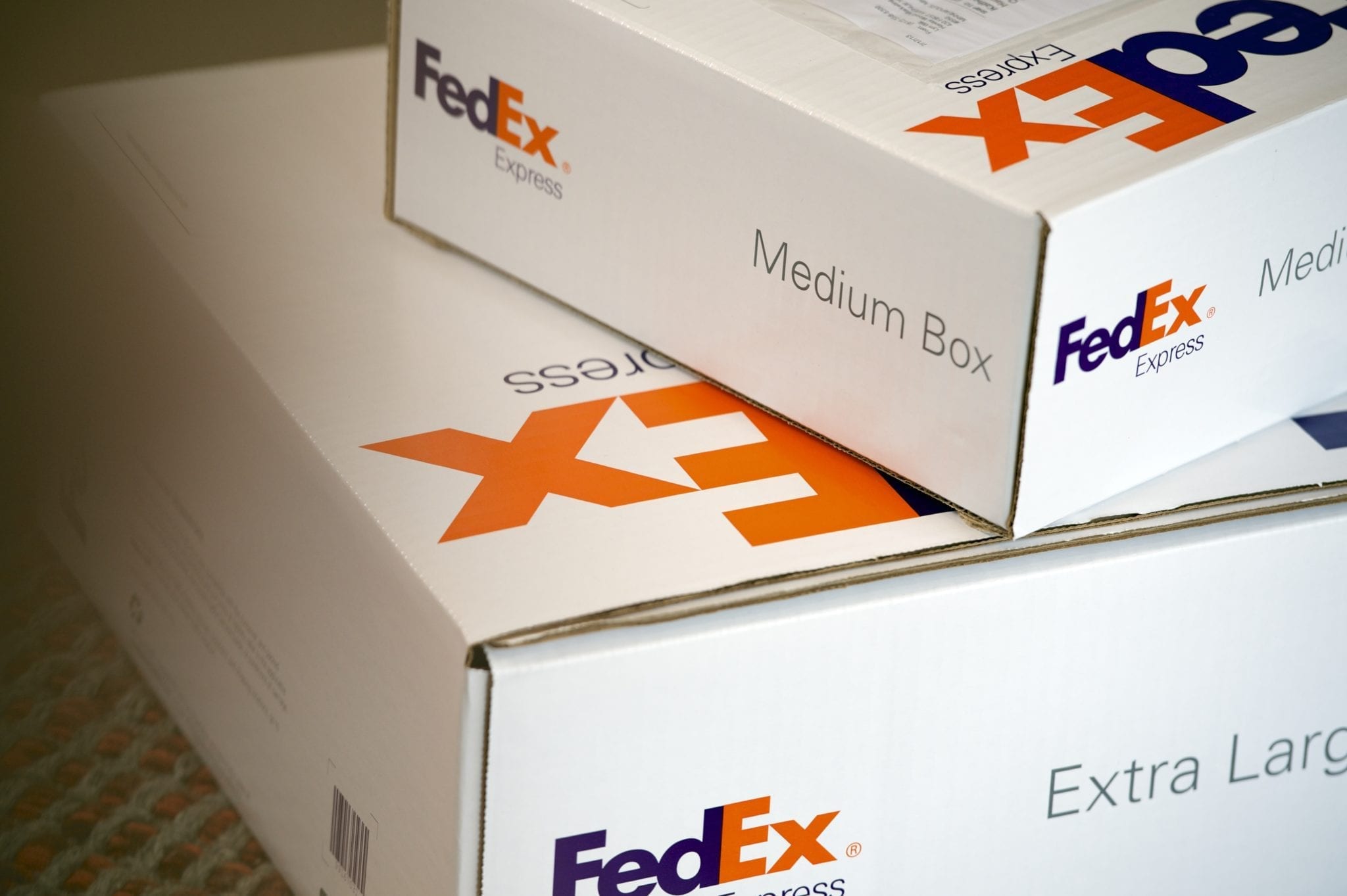
  • FedEx’s bot opens possibilities for on-demand, same-day delivery

    FedEx’s bot opens possibilities for on-demand, same-day delivery

    Roxo is an autonomous specialty delivery device, designed to travel on sidewalks and along roadsides, safely delivering smaller shipments to customers’ homes and businesses. Its features include pedestrian-safe technology, multiple cameras and LiDAR allowing the zero-emission, battery-powered bot to be aware of its surroundings. These features are coupled with machine-learning algorithms to detect and avoid obstacles, plot a safe path, and allow the bot to follow road and safety rules. Proprietary technology makes it highly capable, allowing it to navigate unpaved surfaces, curbs, and to even climb deep flights of steps for an extraordinary door-to-door delivery experience.

    Roxo is currently undergoing testing in the U.S. to generate data to ‘train’ the self-driving software and validate safe performance, in compliance with all applicable safety regulations and guidelines. There is significant opportunity in Japan to identify local, case-specific applications to make the best use of the technology to benefit FedEx customers.

    “We are thrilled to have Roxo in Japan, a country that is a global leader in robotics implementation. The FedEx SameDay Bot is truly an innovation opening new possibilities for on-demand, same day, hyper-localized delivery,” said Kawal Preet, president of the Asia Pacific, Middle East, and Africa (AMEA) region at FedEx Express. “As we sit at the intersection of physical and digital networks, Roxo brings a glimpse of the future of logistics, where customers can enjoy same day, contactless delivery services at their doorsteps. With businesses of all kinds embarking on digital transformation, we look forward to collaborating with future-ready companies to advance delivery services in Japan and elsewhere in Asia Pacific.”

    The bot is being developed in collaboration with DEKA Development & Research Corp., a prominent research and development company which also produced the Segway. The bot uses DEKA’s established iBOT electric wheelchair base, capable of negotiating rough terrain, traversing steps, and steep inclines. Its sensors maintain 360-degree awareness of its surroundings and uses artificial intelligence, or AI, to choose the safest path or course of action. With a tall profile it is easy for pedestrians and road users to see. It also uses signals, lights and a signaling screen that clearly communicate its directional intent.

    Roxo was unveiled in February 2019 and has been undergoing tests with major retailers in the U.S. U.S. cities where Roxo has been tested include Memphis, Tennessee; Manchester, New Hampshire; and Plano and Frisco, Texas. It made its first international appearance in Dubai, United Arab Emirates in October 2019 for an experimental project with local businesses including Dubai Airports.

  • Reduced Loan Provisions Boost Citi Profits

    Reduced Loan Provisions Boost Citi Profits

    Citigroup’s profits in the second quarter comfortably beat market estimates in part due to significantly reduced loan provisions driven by an outperforming global economic recovery.

    Citi posted $6.19 billion in net income for the second quarter, according to its latest results, marking a nearly six-fold increase compared to last year.

    Profits in the quarter exceeded the average analyst expectation of $4.26 billion, according to Refinitiv IBES data, though revenues fell 12 percent year-on-year to $17.5 billion.

    This was due in no small part to a $2.4 billion reduction in loan reserves for losses that did not occur. Last year, the bank added $5.9 billion to its loan reserves.

    By segment, the global consumer bank saw revenues shrink 7 percent due to decreased lending through cards resulting in $1.83 billion in income.

    The institutional business saw revenues fall 14 percent to $10.4 billion which led to $3.8 billion of income.

    Corporate and other divisions posted $532 million of income from $267 million of revenue, an 8 percent decrease.

    Within Asia, the consumer bank generated $171 million of income from $1.57 billion of net revenue.

    The investment bank posted $823 million of income from $2.24 billion of revenue.

    The pace of the global recovery is exceeding earlier expectations and with it, consumer and corporate confidence is rising, said Citi’s chief executive Jane Fraser in a statement.

  • NAB in Talks to Buy Citi’s Australia Consumer Unit

    NAB in Talks to Buy Citi’s Australia Consumer Unit

    The National Bank of Australia is the latest to join the hunt for Citi’s retail assets after it announced plans for a major consumer downsizing earlier this year.

    NAB is in talks to potentially but Citi’s consumer business in Australia, according to an exchange filing.

    Discussions are ongoing and no deal has been concluded.

    Numerous banks are eyeing opportunities to purchase consumer businesses from Citi’s 13-market exit.

    In Australia, NAB joins the likes of ANZ, ING Bank, Macquarie, Bank of Queensland and local insurer Suncorp. which have also reportedly expressed interest.

  • Instagram introduces new security feature against hackers

    Instagram introduces new security feature against hackers

    Instagram is taking a powerful new step to combat account hacking and malicious activity on their social media platform. If you yourself haven’t experienced your Instagram account getting compromised, you probably know at least a couple of friends who have. It’s a fairly widespread phenomenon, as unpleasant as it may sound, and it’s about time something is done about it.

    As of Tuesday, Instagram is introducing a new feature on the platform called Security Checkup, which is aimed to maximize account security and facilitate recovery for anyone whose personal account may be at risk.

    No matter whether they have already been compromised or are simply vulnerable in some way, Security Checkup will prompt users to go through all the necessary steps to secure their account, which includes updating necessary profile information and account settings.

    In a recent news post, Instagram announced that “Security Checkup will guide people, whose accounts may have been hacked, through the steps needed to secure them. This includes checking login activity, reviewing profile information, confirming the accounts that share login information and updating account recovery contact information such as phone number or email.”

    Even if you haven’t necessarily been hacked, Security Checkup will prompt you to take all the important measures to ensure there is an infinitesimal chance of that ever happening in the future.

    Instagram already strongly encourages you to have two-factor authentication, which drastically decreases the chances of that and can be easily set up by going to Profile > Settings > Security > Two-factor authentication.

    With 2FA enabled, anytime there is a login attempt from an unrecognized location, you’ll be immediately alerted with the option to approve or deny the request from your personal device. Instagram also keeps track of all devices which have recently logged into your Instagram, and which can be viewed by going to Settings > Security > Login Activity. From there, you can remotely log out of any devices you don’t recognize on the list.

    You should also make sure your e-mail and phone number are the ones you are using currently, as keeping that info up to date will ensure smooth verification should any suspicious activity be detected.

    Instagram also emphasizes that one of the most common ways in which malicious parties gain entry into personal accounts is through impersonating Instagram itself, and sending out DM’s pretending they are working for the platform.

    “They may tell you that your account is at risk of being banned, that you are violating our policies around intellectual property, or that your photos are being shared elsewhere,” the post warns. These are apparently fairly common tactics scammers use in an effort to bully people into sharing their login credentials.

    Instagram stresses that it will never, ever try to contact users of the platform via Direct Messages. This means that if you see such a message claiming it’s from Instagram or asking for any personal info, you should automatically know it is malicious and immediately report the message to Instagram and block the account.

    • To report an Instagram post, tap on the three dots appearing at the top right
    • To report a message, tap and hold on it until a menu appears
    • To report an account, go to the profile and tap on the three dots at the top right

    If Instagram ever needs to contact you for any reason, rather than DM-ing you, they can reach you through an “Emails from Instagram” tab in the app’s settings. That is “the only place you will find direct and authentic communication from Instagram on the app,” the company says.

    Thanks to some new updates to the Support Inbox on Instagram, you can now easily view the status of any and all messages, posts, or accounts you have reported, and find out whether or not Instagram has taken any action. You can also keep track of your own posts’ status, to see if they are breaking any rules—and if they are, you can directly repeal them from there.