Author: Mei Ling Tan

  • 10 Jobs in Retail You Can Do While Still in College

    10 Jobs in Retail You Can Do While Still in College

    According to a study by Georgetown University’s Center on Education and the Workforce, 70% of college students work while studying. Some are forced to do so to take care of their family and bills. In contrast, others do it to get some extra bucks other than pocket money and gain experience.

    However, they can all agree that juggling work and school is not the easiest experience. Things get worse in the case of formal employment since most of the employers give limited flexibility and not very rewarding salaries.

    Luckily, students can enjoy more flexibility with an array of jobs in retail that allow them to manage their time effectively.

    Even better, if you have a hard time balancing work and school due to assignments, you can entrust professional essay writers with your projects. This will allow you to manage all your tasks with ease.

    Boutique Sales Associate

    If fashion and design are your things, you should consider working in a boutique as a sales associate. This is a perfect option if you are studying a course in this niche. It gives you the perfect opportunity to practice as you wait to complete school and get into the real fashion world.

    Part-Time Sales Representative

    The retail sector is full of sales rep opportunities. With a good employer, you can choose your ideal schedule, and although the pay may not be the best, you will get the chance to interact with customers and perfect your sales skills. Everyone has to start from somewhere. Working as a retail sales representative may be your stepping stone to becoming a wholesale business owner in the future.

    Hardware Products Loader

    Tons of hardware stores out there are looking for part-time employees to help load heavy products and equipment into the customers’ vehicles.

    If you feel energetic and strong enough to carry loads from the store to the car, this is a great chance to work in a rewarding environment. Apart from being energetic, you should also be good at interacting with people and offer good customer service.

    Such jobs are mostly seasonal but require you to be available on weekends and holidays. This is definitely a suitable time for students. 

    Warehouse Worker

    You do not necessarily have to be a forklift guru to work in a warehouse. The e-commerce industry is rising continuously. This forces warehouses to work around the clock to offer speedy services. This makes them a perfect working station for college students since most warehouses are operating at night and on weekends.

    You can get a job as a warehouse representative during your ideal time. You could work for a few hours during the weekend for some extra cash. Some tasks to consider at the warehouse include sorting and packing, picking orders, and quality control.

    Work in the Food Sector

    Perhaps you have always wanted to work in a restaurant or set up your eatery after college. You don’t have to wait until graduation to fulfill your dream. You may even sell street food in the evening to exercise your passion.

    The good thing about working as a food service worker is you get extra income in the form of tips. Some duties of a food service worker include light food preparations, taking orders, and serving.

    On-Demand Staffing Job

    There are hundreds of on-demand staffing jobs available for part-time workers, and students are no exception.

    All you need to do to get into the mobile marketplace is to create an online profile and share your portfolio. You can then search for available jobs based on your preferred niche.

    It could be in beauty, fashion, and design, selling electronics, you name it.

    Pharmacy Technician

    If you are studying medicine, working as a pharmacy technician will prepare you for the real world. The job involves stocking shelves and data entry. You may also be tasked with printing labels and other light tasks to save the pharmacist’s time.

    The good thing with pharmacy technicians is that you can choose to only stock the shelves and print labels which will take you a few hours. Then you are off to school.

    Artisan

    If art is your thing, consider spending your free time making paintings, leather goods, or handwoven textiles. You may choose to sell them online or join a shop near you where you get paid for every piece sold. The job allows you to practice your passion and perfect your skills as you earn.

    Ice-Cream Shop Server

    Undoubtedly, there are many ice-cream shops around your school, and it would be very convenient to work as a server or cashier there.

    Ice-cream joints are busy in the afternoon hours when the temperature rises. If you don’t have classes around that time, you can rush to the shop and get back to school work in the evening. The salary is quite decent, and you only get to work for a few hours per day.

    Smoothie Maker

    Smoothies are another students’ favorite. You can take advantage of this to make extra funds right outside your school. You only need a reliable blender for a start, fruits, and a few cups, and you are ready to go. If you can, get a bench and watch how students and bypassers will flock to your station.

    You may also include some snacks on top of the smoothies to differentiate your business. 

    Final Thoughts

    Do not wait until you are out of college to collect your first paycheck. Working while in college gives you a sense of responsibility. It also makes you feel good earning extra cash to buy that one thing you have always wanted. Most importantly, working prepares you for life after school.

    The retail sector provides an opportunity for anyone regardless of their passion or skills. The best part is that most of the jobs do not demand any experience, so you can start any time. Check out the above jobs in retail, and select one that suits your passion.

     

  • Uniqlo takes over Superdry’s London flagship

    Uniqlo takes over Superdry’s London flagship

    The parent company of Uniqlo, Fast Retailing Group has signed a letting for the former Superdry store on Regent Street.

    The store is expected to sell a mixture of both Theory and Uniqlo clothing.

    The contemporary fashion brand Theory launched in New York in 1997 and at the end of February 2021, it holds 436 stores worldwide.

    The Japanese fashion retailer’s other brands, including US-based denim brand J Brand, could also be sold in the store, property sources said.

    The store is expected to open later this year although the exact date is not yet known.

    Last month Superdry closed the doors to its Regent Street flagship store, which first opened in 2011.

    The retailer is currently considering several locations in the capital, including Forever 21’s former flagship store on Oxford Street, which was forced to closed last year after the retailer filed for administration in the UK.

  • Naked Wines revenue grows 42 per cent as online booms

    Naked Wines revenue grows 42 per cent as online booms

    Online wine marketplace Naked Wines has seen success in Australia during the last year, as more and more Aussies spending online drove the business’ local sales up 42 percent to $84.2 million.

    Alicia Kennedy, managing director of Naked Wines Australia, said the results grew on an already landmark result the year prior.

    “As we continue to grow our market here in Australia, we also continue to grow and push our mission; to disrupt the wine industry through a strong direct-to-consumer model which is for the benefit of all wine drinkers and winemakers,” Kennedy said.

    “In the past year we’ve experienced first-hand the wave of customers flocking online to buy wine during the Covid-19 crisis.

    “But more importantly we have seen these purchasing behaviours endure post lockdown… we can see [our] strategy producing impressive customer retention figures.”

    According to Naked Wines, customer behaviour has shown a direct move toward supporting local wineries, and a greater understanding of how ‘big bottle’ retail conditions and major market forces impact smaller independent winemakers.

    Looking forward, the business is focusing on growing their customer base with a $10.1 million investment in customer acquisition.

    “Overall, our results show, the challenging environment has our businesses set up for the future, we have a bigger and better business than before, with customer growth and sales of the best independent Australian wine surging” said Kennedy.

  • StanChart Names Global Head of Transaction Banking FX

    StanChart Names Global Head of Transaction Banking FX

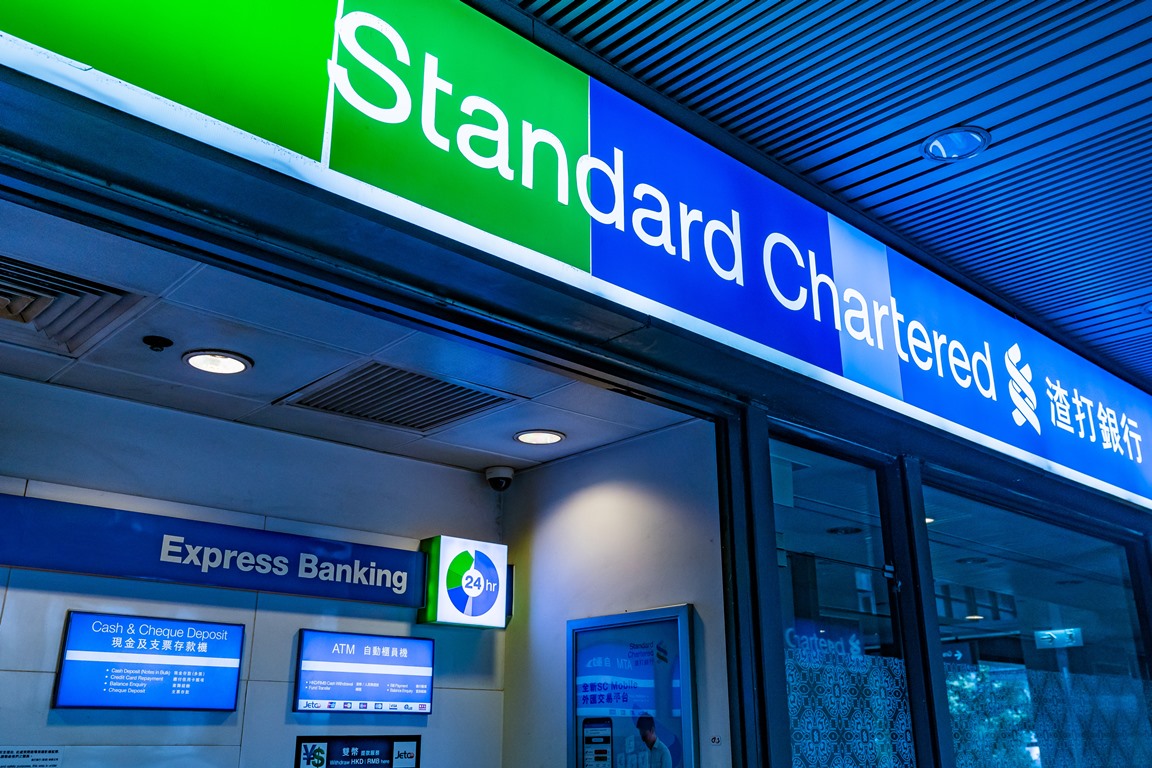
    Standard Chartered appoints its global head of transaction banking FX to further collaboration between transaction banking and markets.

    Jocelyn Tan has been named to the Singapore-based role, according to a report by efinancialcareers, which noted that she was an internal appointee though the role was advertised externally.

    Tan will be tasked with driving FX cross-selling by leveraging transaction banking flows across the corporate, commercial and institutional bank (CCIB).

    Tan has been with Standard Chartered since 2017 when she joined as an executive director for e-commerce sales. Previously, she spent over 10 years with Citi where she worked in Asian eFX sales.

  • Tesla Propels 95 Per Cent Increase In EV Sales In The US

    Tesla Propels 95 Per Cent Increase In EV Sales In The US

    Tesla is the world’s largest EV maker and it is also the largest EV player in the US, considering the states are its home turf. So it shouldn’t come as a surprise that Tesla has propelled 95 percent of the increase in EV sales in the US as per a report by Experian.

    While this is true, its market share is coming down as traditional automakers start to deploy their EV solutions which are increasingly becoming competitive with Tesla. In 2020, Tesla accounted for 79 percent of all the electric vehicles registered in the states. But in 2020, the US was hit hard by the pandemic and it only managed an 11 percent increase in EV adoption in the US. That’s changed dramatically in 2021 and we have barely crossed the halfway mark for the year.

    Tesla’s market share has dropped to 71 percent thanks to the introduction of new EVs like the Ford Mustang Mach-E, the Audi E-Tron and the Porsche Taycan. Some older EVs like the Hyundai Kona, Nissan Leaf, and Chevrolet Bolt EV are also seeing increased traction which is why Tesla’s market share has dipped, but overall, the sale of its Model Y and Model 3 is booming.

    Likely, with new avatars of the Model S and Model X just launched they will also see more traction. The top-selling EVs list is restricted to data from between January to April 2021.

    1. Tesla Model Y: 53,102
    2. Tesla Model 3: 35,468
    3. Chevrolet Bolt EV: 13,611
    4. Ford Mustang Mach-E: 6,104
    5. Nissan Leaf: 5,023
    6. Audi e-Tron: 4,321
    7. Porsche Taycan: 3,002
    8. Hyundai Kona: 2,192
    9. Tesla Model X: 1,730
    10. Tesla Model S: 1,633

  • RangeMe opens 200,000 suppliers to Australasian retailers

    RangeMe opens 200,000 suppliers to Australasian retailers

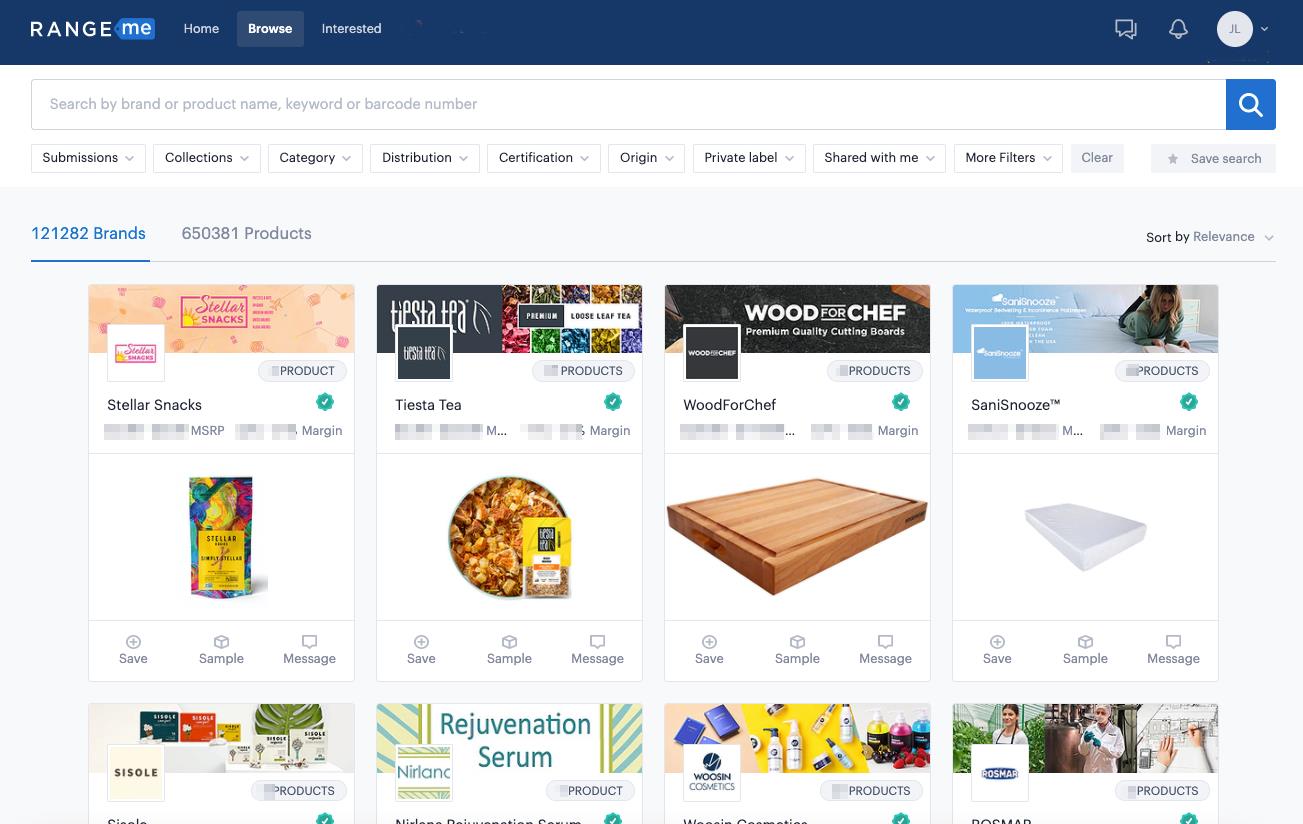
    Product discovery and sourcing platform RangeMe has fully launched its global service to retailers in Australia, New Zealand, and the wider APAC region, allowing businesses to access 200,000 international suppliers.

    A number of businesses are already using the service, such as Blooms the Chemist, Good Price Pharmacy Warehouse, Pet Circle and Pet Culture, and are now able to source new products at a time demand for a wider range of products is growing.

    “This will be a transformative experience for these retailers’ buyers,” said RangeMe chief executive Nicky Jackson.

    “Our mission has always been to empower retailers and suppliers to be productive and successful. The world has become a smaller place, but it remains distant for forging strong cross-border buyer and seller relationships

    “We built RangeMe to connect buyers and suppliers anywhere in the world.”

    RangeMe allows businesses to search and filter for products they want to sell, creating a more specific and intentional supplier relationship. The business is also open for Australian suppliers, which can sign up to be a part of the service and potentially gain new buyers from over 12,000 overseas clients – including Walmart, Sephora, Walgreens and Albertsons.

  • BoS Adds Sustainability to Investment Financing Framework

    BoS Adds Sustainability to Investment Financing Framework

    The bank will be incorporating environment, social and governance (ESG) factors when assessing loan financing, as part of its push for sustainable investing.

    The loan quantum for investment financing will be higher for mutual funds that are rated AAA or AA in the MSCI ESG Fund Ratings, Bank of Singapore (BoS) said in an announcement.

    Previously, financing against mutual funds was based on the volatility of the asset’s value, liquidity of the asset and the credibility of the fund manager. Now, the advance ratio – the maximum percentage amount of the market value of the collateral that could be extended as a loan – will be increased by 5 percentage points for such funds, the announcement said.

    BoS said that investment financing is commonly used by high-net worth individuals in growing wealth and enhancing investment returns. The private bank registered a compounded annual growth rate of close to 10 percent in the loans for investment financing from 2016 to 2020.

    By adding an ESG lens to our lending framework, we hope to create a direct and positive impact in the investment of highly rated ESG assets, starting with mutual funds, Alexandre Lotfi, BoS global chief risk officer, said.

  • HSBC Snags UBS Investment Management Specialist

    HSBC Snags UBS Investment Management Specialist

    He will lead HSBC’s investments and wealth solutions team in Asia, which covers global private banking and wealth and personal banking.

    HSBC has appointed Stefan Lecher as regional head of investments and wealth solutions (IWS), Asia Pacific, with effect from 3 October 2021, according to an announcement on Thursday. He will be based in Hong Kong, reporting to Lavanya Chari, global head IWS.

    Lecher joins from UBS, where he has held a number of senior roles in global wealth management and asset management over the past 17 years, most recently as APAC head CIO for global investment management.

    HSBC said the appointment is key to its Asia wealth strategy, which targets becoming a leading wealth manager in the next five years, with $3.5 billion in investment.

  • All That You Need To Know About Transactional Emails

    All That You Need To Know About Transactional Emails

    Customer relationship management is vital for the survival of all businesses. Keeping its importance in mind, companies look for ways to maintain communication with their customers. Transactional emails play an important role in this process.

    Companies use transactional emails to help their customers carry out a transaction in a smooth and hassle-free way. It helps businesses build a good relationship with customers.

    A transactional email encompasses several aspects. If you aren’t aware of it, keeping in mind the part it plays in creating a confident business relationship, you might want to know about it in detail as a business owner and customer.

    Read on to know more about these aspects in detail.

    What Are Transactional Emails?

    A transactional email is an email that a sender automatically receives from a company after completing an action on its website. It is an automated email that comes into the email inbox of a user shortly after either a transaction or any other activity performed by them on a website.

    As a transactional email involves communication through an email, some people associate it with a marketing email. But they are different from each other, despite the same source of origin (a website).

    A marketing email helps communicate important business information concerning a company’s offers, discounts, new products or services, and other such aspects. It plays an important role in email marketing. Typically, it has the same kind of message. Thus, companies send them in bulk to different email addresses at once.

    Transactional emails, in contrast, consist of specifics related to a recipient’s transaction or activity on a business website. This may range from a monetary transaction to resetting the password or information about an update or abandoned cart. As it is a personalized email that doesn’t come too frequently, a recipient, in most cases, expects it.

    Both forms of emails involve email personalization, albeit in different ways.

    Types of Transactional Emails

    Transactional emails are of different kinds; each varies from the other. The various forms of these emails include the following:

    1. Invoice emails

    An invoice email consists of a bill or an invoice related to a purchase made by a recipient. Businesses attach a digital bill to such emails with the necessary details to send the specific information about the product that a customer buys from a company.

    1. Legal update emails

    Though a company’s stated policies or terms of service remain more or less, it may change over time. Whenever there is a change in these aspects, business organizations feel obliged to inform their customers about it. For this purpose, a company uses a legal update email.

    1. Password reset emails

    Most companies necessitate users to create an account and log in to it to access their information. When a customer forgets their password, they consider resetting it by clicking on the option. A password reset email is a resulting email that a recipient receives after performing this action. It consists of a code or information about the steps to conclude the process of resetting a password.

    1. Double opt-in emails

    Companies use double opt-in emails to verify if a new subscriber is interested in receiving marketing or promotional emails. Also, it helps a company verify the authenticity of the email address of an account holder. Together, these aspects help a business firm with email hygiene and the prevention of spam for a good email reputation.

    1. Delivery confirmation emails

    A delivery confirmation email is an email that confirms the delivery of an ordered or purchased item to a customer. The rationale behind sending it is to communicate their order delivery. Suppose a customer receives such an email without product delivery. In that case, they can use the information to get in touch with the company representatives through the right channel.

    1. Shipping notification emails

    When a customer places an order for an item or makes a payment, a company sends a shipping notification email to inform them about product dispatch. This way, customers know that the ordered product is on the way for delivery.

    1. Order confirmation emails

    Order confirmation emails feature essential information about the transaction made by a customer to buy a product. Such emails may also have the details of the ordered product and its shipment.

    When Is Transactional Email Used?

    Depending on its purpose, a transactional email can be used for the following:

    • Explicit requests
    • Confirmations and receipts
    • Triggers linked to customer behavior
    • Alerts related notifications
    • Referrals and invitations
    • Digests and summaries
    • Notifications referring to a specific event
    • Information about feedback and support


    Conclusion

    A transactional email is essential post-purchase automation for the retention of existing customers. It has its importance in winning the trust and confidence of an existing customer so that they make subsequent purchases from a company.


    Transactional emails serve a wide range of purposes, ranging from explicit requests to feedback and support-related information. By sending the right kind of transactional email that corresponds to the purpose of a customer, you can convey your message to them with a touch of personalization.


  • Malaysia’s Industronics to launch online pre-owned watch platform

    Malaysia’s Industronics to launch online pre-owned watch platform

    Industronics Bhd is tapping on the US$17 billion pre-owned luxury watch market through Ecgo International Ltd, its wholly-owned subsidiary in Hong Kong.

    This follows the launch of Industronics’ luxury watch e-commerce platform, watch-exchanges.com.

    Executive director Datuk Chu Boon Tiong said based on data and overall market performance, the pre-owned luxury watch market showed promising growth prospects.

    “We are excited to capitalize on the growing trend with the launch of WatchExchange and aim to pave the way for a streamlined trading platform that will not only revolutionise the transactions of pre-owned luxury watches but drive further growth in this industry,” he said in a statement today.

    WatchExchange aims to be the first luxury watch e-commerce platform that issues authenticity certificates for pre-owned luxury watches in Malaysia and Asia Pacific.

    Some of the leading brands profiled are Audemars Piguet, Hublot, Patek Philippe, Tag Heuer, IWC, Omega, Jaeger LeCoultre, Panerai, Rolex and Breitling.

    Chu said pricing and demand for pre-owned luxury watches had been so strong over the last few years that even high-end watch brands were moving into the pre-owned market themselves.

    “However, the biggest challenge for the pre-owned luxury watch market lies in authenticating the watches.

    “Our role here is to ensure that the shoppers can safely purchase luxury watches on WatchExchange without having to worry about the security and authenticity of the pre-owned luxury watches,” he said.

    Industronics, with its team of professional and experienced watch appraisers, said it wanted to create a professional, safe trading environment that would elevate customers’ experience of purchasing pre-owned luxury watches to a new level.

    The company will set up offices in China, Hong Kong, Japan, Singapore, Malaysia, the United States, Canada and Europe, where sellers worldwide could visit for physical appraisals of their watch collections.

    The success of WatchExchange will depend on excellence in several key areas namely stability, sustainability, search engine optimization (SEO) and new media marketing.

    This will also require extensive funding to carry out both online advertising and offline promotional activities.

    Chu believes the competitive advantage for WatchExchange lies in the company’s ability to build a “unicorn” ecosystem around the region.

    “We do not think that the strength of the platform lies solely in the certification and authentication guarantees.

    “We intend to replicate the business models globally via partnerships with a locally listed company in the respective countries.

    “Among the markets that we are looking into are Malaysia, Singapore, Indonesia, Hong Kong, China and several emerging markets in Europe. Once our ecosystem matures, we will have so much more to offer to our customers, in terms of the variety of brands, models, and other services,” Chu said.

    According to a management consultancy firm Bain & Company, the global pre-owned luxury watch market was valued at US$17 billion in 2018.

    However, less than 20 per cent of that market is in the Asia Pacific region, while only 25 per cent of the total pre-owned luxury watch sales were online transactions.

    Euromonitor International, an independent strategic market research provider, estimates the value of retail sales of timepieces in Malaysia to grow by five per cent per annum between 2019 and 2022, to reach up to RM2.5 billion.

    Industronic is looking to set up a fund in Hong Kong to raise RM250 million from potential investors.

    Proceeds raised will be utilised to purchase different brands of luxury watches for resale on the company’s platform.

    Industronics aims to invest around RM25 million or 10 per cent of the total funding required, together with the Hong Kong Cyberport Fund, which will invest an equivalent amount or at a 1:1 ratio.

  • Thailand’s Tookdee speeding up expansion plan

    Thailand’s Tookdee speeding up expansion plan

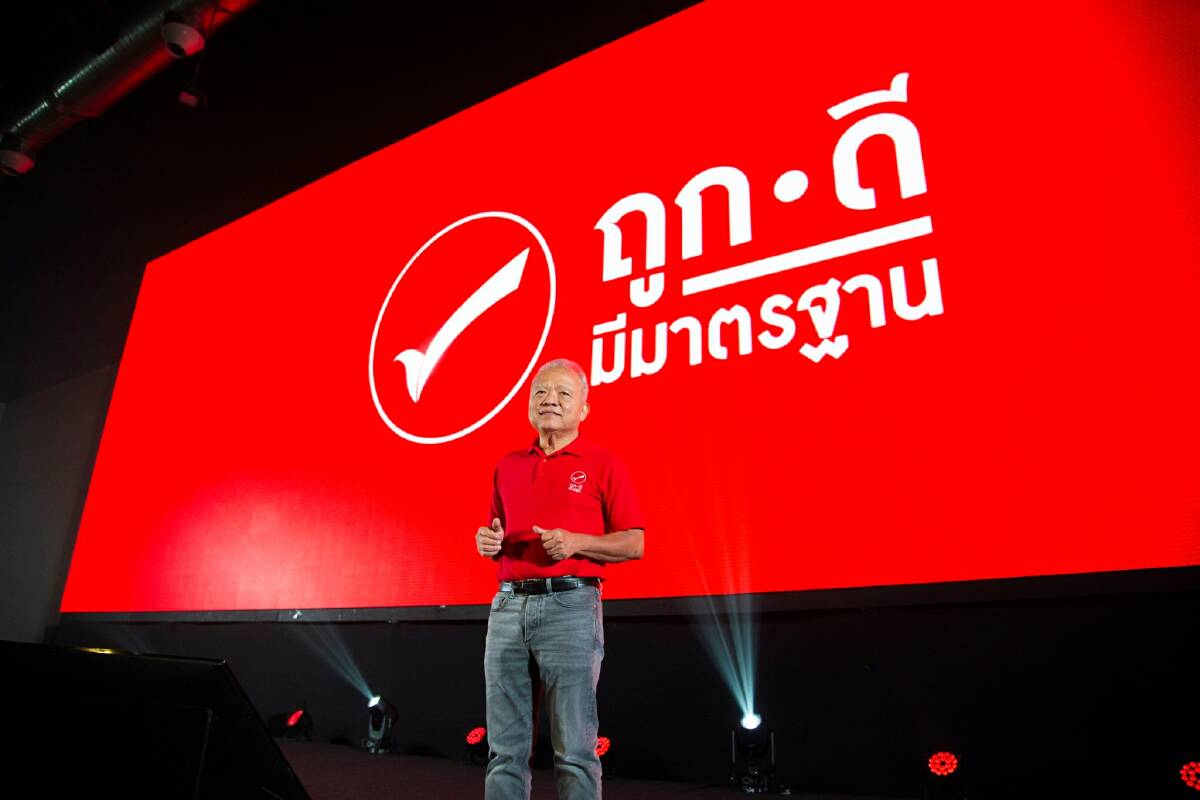
    Mr. Sathien Setthasit, Chairman of TD Tawandang, proprietor of TOOKDEE retail store, reveals that TOOKDEE brand aims to set new standard for convenience stores in local communities that are vital base of grassroots economy in Thailand. With elevated standard, knowledgeable operation and technology-based management, TOOKDEE is set to become the “community store by the community, for the community” that offers modern and friendly service to enhance living condition of the people in the communities.

    TOOKDEE’s business model allows for all benefit. Everyone can become part of the changing process to modernize local-style convenience stores and shake up the Thai retail industry, and ultimately create more business opportunity to local community businesses all over Thailand.

    Owners of local convenience stores and local business partners earn more income from sales. Local entrepreneurs have more distribution channels through TOOKDEE shops, while the consumers in the communities have access to good quality products at affordable prices. Most importantly, TOOKDEE shops created a lot of job opportunities and employment through its branch and warehouse expansion, encouraging purchase and creating economic flow from urban areas to rural communities that better and improve the lives of the local communities. TOOKDEE is another driving force for Thai economy to thrive and recover from the stalling economy caused by the COVID-19 pandemic that devastated the Thai economy, employment rate and citizens’ income. TOOKDEE is expected to elevate local trade and commerce and revitalize the country’s grassroots economy.

    Mr. Sathien states that the firm has developed the concept of TOOKDEE since 2019 with collaboration from convenience store entrepreneurs that contributed variety of products, equipment, know-how and technology to enhance the operation and beautify storefront. The company also works closely with various business partners to launch marketing activations and promotion advertisement at TOOKDEE stores to boost sales, strengthen local business, and create competitive edges to compete with big convenience store brands.

    TOOKDEE was first launched two years ago during the pilot period in Nakhon Pathom, Khon Kaen and Udon Thani, then on to the northern and central regions of Thailand. Immediately after the launch, the feedback was satisfactory. Income of local convenience stores went from 3,000-5,000 THB daily to more than 10,000 THB, allowing store owners to break through economic dead ends and build better lives for themselves. TOOKDEE is growing against the tide of economic trend that has been devasted by the COVID-19 pandemic thanks to the business model that caters specifically to the local demographic that allows TOOKDEE to thrive sustainably alongside business partners and store owners.

    TOOKDEE’s strengths include local ownership that best caters to the specific needs of the local demographic. TOOKDEE also carries local highlight products and indigenous goods of each locale to offer product diversity, boost sales and distinguish itself from other brands.

    Currently there are more than 1,000 TOOKDEE shops nationwide, with plans to expand to 8,000 shops in 2021 and 30,000 shops in 2022. Expansion will ensure accessibility even at the most remote villages, especially those that already have convenience or retail stores in place.

    To accommodate rapid expansion, TOOKDEE has established a provincial center to assist store owners in their new business venture, instill confidence and show readiness to accommodate local convenience store business in Thailand. The center allows potential store owners to immerse in TOOKDEE experience as buyer and seller, try out the equipment, browse through product selections, observe the interior design theme and test the POS system that will modernize and add efficiency to the operation. The center has dedicated TOOKDEE staff to assist and answer all questions to help store owner confidently land their first step in the TOOKDEE venture.

    TD Tawandang is offering business opportunity to store owners and interested partners all over Thailand to join TOOKDEE, the local community convenience store network, to modernize and raise the standard of the Thai retail industry to international level and better the lives of Thai communities.

  • Starbucks offerering BlackPink merchandise in Thailand

    Starbucks offerering BlackPink merchandise in Thailand

    Today, Starbucks announces a collaboration with the phenomenal K-pop Girl Group BLACKPINK, launching a new limited-edition merchandise collection on July 12 in select stores to Starbucks customers in Thailand.

    The Starbucks® x BLACKPINK ‘Spark in You’ collection features hearts on a dreamy starry background, with BLACKPINK’s iconic black and pink contrasting colors and sparkling star prints. The stylish collection of drinkware and lifestyle accessories is inspired by the courage and perseverance of youth who follow their heart and pursue their dreams with confidence, and the dynamic designs represent the unique personalities of BLACKPINK’s members.

    “Starbucks is very excited to offer a merchandise collection that celebrates young people’s talents and determination, as truly demonstrated by BLACKPINK,” said Nednapa Srisamai, Managing Director, Starbucks Thailand. “Starbucks merchandise collection has always created opportunities for customers to express their personal style. We are delighted to bring this special collection, inspired by BLACKPINK’s journey to stardom, to Starbucks customers in Thailand.”

  • Alibaba apps like Idle Fish help secondhand trading boom in China

    Alibaba apps like Idle Fish help secondhand trading boom in China

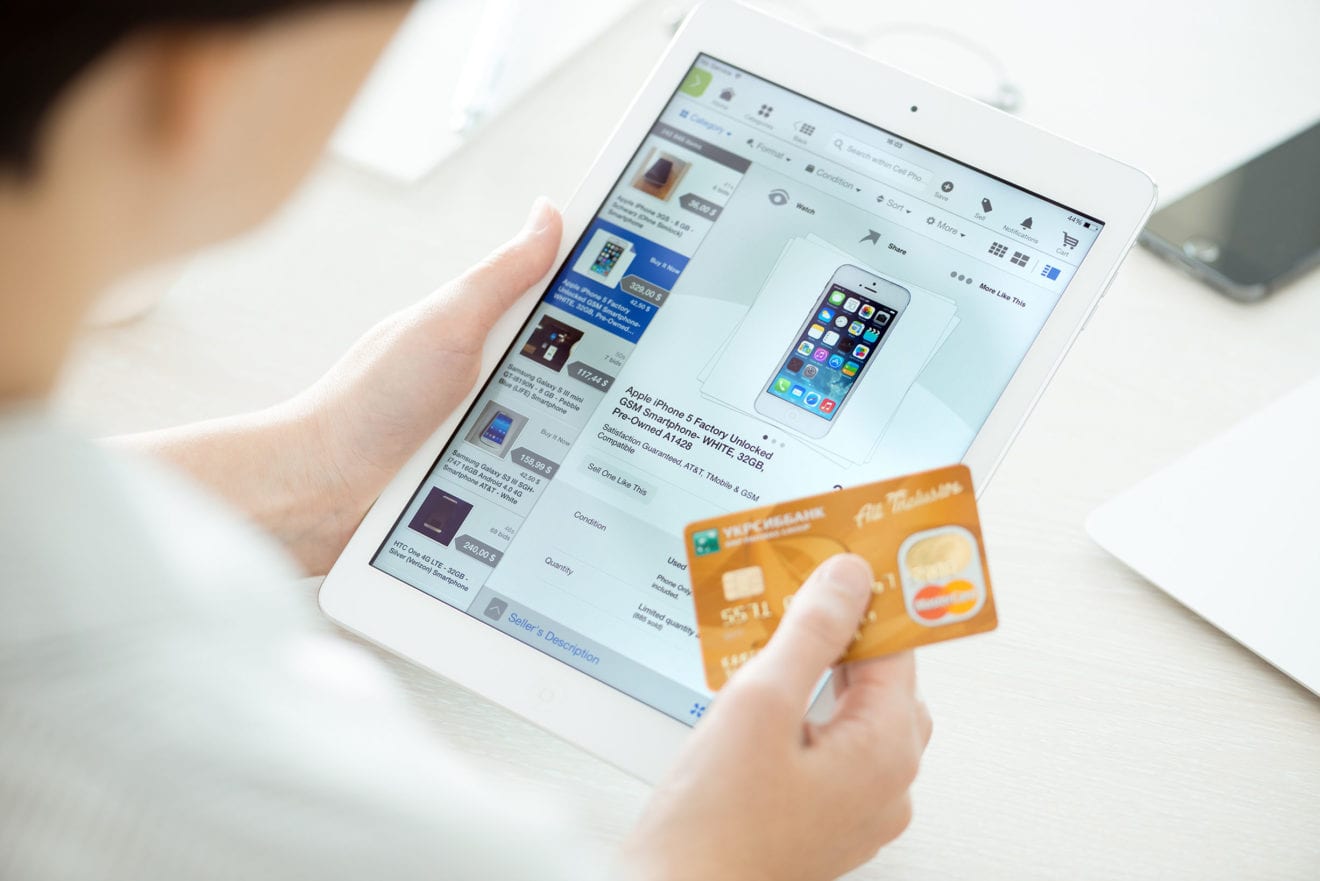
    Chinese e-commerce giant Alibaba is going to invest at least 100 million yuan (US$15.4 million) this year to develop a digital flea market on the mainland, Chinese media report. The firm launched a used-goods mobile app called Xianyu (Idle Fish) in June 2014 that has since attracted more than 100 million registered users, according to news website yicai.com.So far, about 170 million used goods have been traded through the smartphone app, the report said.

    CES Asia returns to Shanghai as Alibaba heats up China’s trade show market with new event.

    The firm is planning to invest 100 million yuan to introduce a flea market into 100 urban cities across the country, where users of Xianyu can trade second-hand products in local communities, according to the report.

    Shanghai-based data analysis agency CBNData said the used-goods trade market could reach 400 billion yuan in mainland China this year.

    Xianyu’s customers can use their smartphones to run their stores, taking and uploading product photos, creating catchy product descriptions, and adding promotional voice recordings.

    Both buyers and sellers can get a sense of belonging, and recognize and assess each other, which makes the app more akin to a social network than a shopping website, the company said.

    Users’ transactions are backed by e-payments provider Alipay, a third-party online payment platform that works like a “money remittance service” as Xianyu sellers are also rated by buyers and Taobao’s customer service centre fields consumer complaints.

    Alipay is owned and operated by Ant Financial Services Group, a company separately formed by Alibaba and various private investors. Alibaba also runs Taobao, China’s biggest online e-commerce platform.

    The trading online of second-hand goods has been booming in China recently, with Ganji.com offering classified advertisements, 58.com selling used cars and Dangdang second-hand books.

    Moreover, China is rapidly embracing the sharing economy since this was endorsed by the central authorities and included in the communique of the Fifth Plenary Session of the 18th Communist Party of China Central Committee.

    Typical in forms of car-pooling and home-rental services, sharing-economy platforms in China created a market worth 1.95 trillion yuan (US$298 billion) last year, according to a report released by the Internet Society of China in February.

  • Asos to sell Topshop apparel through Nordstrom US stores

    Asos to sell Topshop apparel through Nordstrom US stores

    Online fashion group Asos has partnered with US retailer Nordstrom in a joint venture that will see Topshop clothes sold in physical stores again for the first time since the brand collapsed last year.

    The deal sees Nordstrom, which first struck a deal with the former Arcadia brand nine years ago, buy a minority stake in the Topshop, Topman, Miss Selfridge and HIIT brands that were bought out of administration by Asos earlier this year. No financial terms were disclosed.

    Asos said: “The joint-venture will help drive the growth of these brands and paves the way for exploration of a new wider strategic partnership aimed at building greater awareness and engagement in the US and Canadian market.”

    It is the first time Asos, which sells fashion aimed at 20-somethings, has struck a deal with a retailer with physical stores, having always only traded online in the past.

    Nordstrom has 350 brick-and-mortar stores in North America and a strong online business, which Asos hopes to tap into, despite having a strong internet presence of its own in the region.

    Asos will retain operational and creative control but will collaborate on reaching a larger customer base. This includes “an edit of the best Asos brands launching across Nordstrom.com and in selected high-impact Nordstrom stores”.

    The move is a significant one for Asos and comes five months after it bought the brands from administrators for Sir Philip Green’s Arcadia empire for £330 million.

    But while the retailer bought the brands, it decided not to take on the 70 stores, including the flagship site at London’s Oxford Circus, affecting around 2,500 workers.

    Asos boss Nick Beighton said: “With its long-established connection to Topshop, extensive US consumer insight, and unparalleled reach right across North America, Nordstrom is the right partner to help Asos accelerate the growth of our Topshop and Asos brands in this key market.

    Nordstrom president and chief brand officer Pete Nordstrom said: “We could not have found a better partner in Asos, the world leader in fashion for the 20-something customer.”

    The deal will help Nordstrom improve its assortment and services for millennials and a growing cohort of Generation Z shoppers, he said in an interview.

    “There’s a big opportunity for us to be more meaningful to 20-something customers and to young customers,” Mr Nordstrom. It also makes sense, after a year of retail dislocation, to strike a deal with an online-only fashion company like Asos, he said.

    “Particularly with the pandemic, what we thought was going to happen with the online business overtime ended up happening very quickly because stores were shut down,”

    Topshop and Nordstrom first teamed up in 2012, with the brand selling a range of clothes in the retailer’s US stores. It was part of the UK fashion brand’s first foray into the United States and eventually led to several Topshop stores in US cities.

  • Supermarkets find customers hoarding goods to resell

    Supermarkets find customers hoarding goods to resell

    Some customers have taken undue advantage of its price stabilization program to buy large volumes of goods and resell them at higher prices, leading supermarket chain Saigon Co.op says.

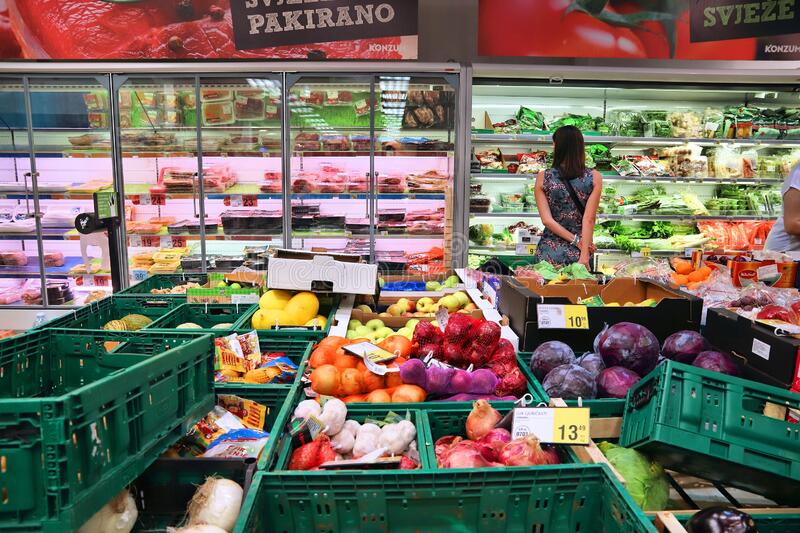
    The Saigon Union of Trading Cooperatives said the unethical hoarding has resulted in frequent shortages of some goods, especially chicken eggs. To deal with the problem, it has had to set limits for the number of eggs each customer can buy at a time.

    Similarly, supermarket chain MM Mega Market has set a maximum limit of 30 eggs per customer.

    Nguyen Nguyen Phuong, vice director of the HCMC Department of Industry and Trade, told reporters Monday that over the past few days, prices at supermarkets and convenience stores have been fairly stable, but some individuals have bought groceries in large volumes for stocking and alleged reselling.

    Relevant organizations have talked to the individuals about the hoarding, and if they continue their unfair practice, market management agencies would handle the issue, he said.

    According to Saigon Co.op, prices of vegetables, fruits, meat, eggs, milk, and rice in its supermarkets have remained unchanged, though those in the markets outside increased sharply.

    Regarding goods orders placed online, Saigon Co.op has delivered over 70 percent, and it is speeding up delivery.

    HCMC imposed its second 15-day citywide social distancing order starting last Friday as the current epicenter seeks to curb the spread of Covid-19.