Author: Mei Ling Tan

  • China stands out in tough LVMH first half year

    China stands out in tough LVMH first half year

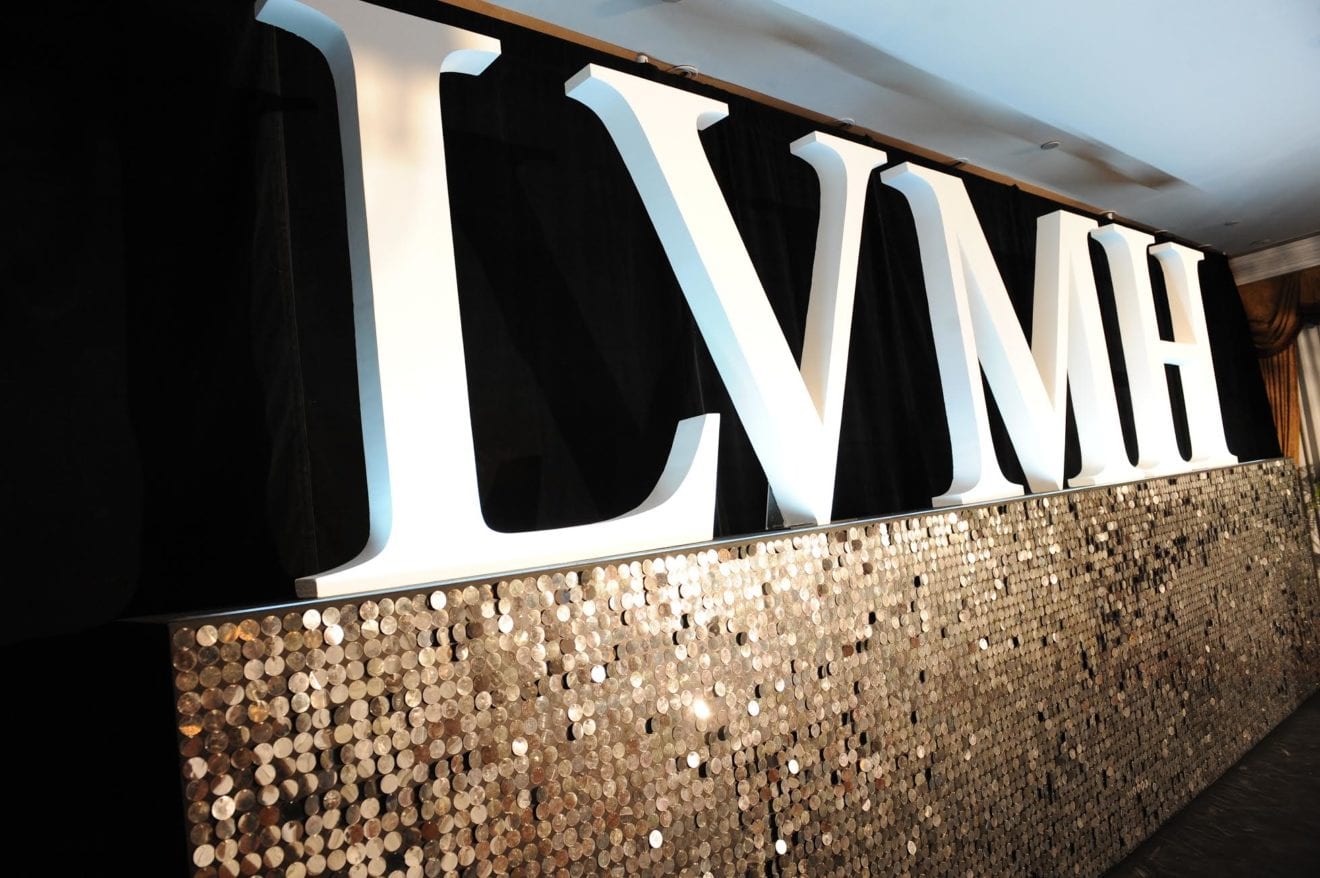
    China proved a standout market in every product category for luxury-goods retail group LVMH in the first half-year.

    While sales in Europe and the Americas suffered from long-drawn-out disruption due to Covid-19, there were signs of a recovery in Mainland China.

    LVMH group sales fell by 27 percent to €18.4 billion during the half and by 38 percent in the second quarter.

    “Asia has seen a marked improvement in trends, with a strong rebound in China in particular,” the company noted in its results filing, noting the trend was particularly notable in the second quarter.

    Profit from recurring operations amounted to €1.671 billion euros for the first half of 2020 and operating margin stood at 9 percent. “The profitability of Louis Vuitton, Christian Dior, and Moet Hennessy remained at a high level,” the company said.

    “LVMH showed exceptional resilience to the serious health crisis the world experienced in the first half of 2020,” added Bernard Arnault, LVMH’s chairman and CEO. “Our maisons have shown remarkable agility in implementing measures to adapt their costs and accelerate the growth of online sales.”

    LVMH’s flagship fashion & leather-goods business group reported a 24-per-cent decline in organic sales for the half-year, but China recorded “a very strong recovery in revenue in the second quarter”.

    Sales of perfumes & cosmetics fell by 29 percent, with the company’s larger brands showing good resistance despite an overall decline in the makeup market. In China, LVMH singled out the Fresh skincare brand as enjoying strong momentum.

    Sales of watches & jewelry fell by 39 percent in the first half of 2020. “Confronted in January with the decline of the Chinese market, then with the closure of other markets from mid-March, Bulgari quickly took advantage of the recovery in China in the second quarter,” the company reported.

    However, watch brands TAG Heuer and Hublot were hit by declining orders from retailers due to lockdowns.

    In the company’s selective retailing division, sales were down by 33 percent. Sephora showed good resistance during the pandemic, the brand growing market share in its main markets, in part due to a solid omnichannel strategy. However, the DFS travel-retail business saw sales decline in most destinations due to the suspension of international travel.

    The wines & spirits business group saw sales decline by 23 percent in the first half.

  • Spotify launches Group Session feature for Premium users

    Spotify launches Group Session feature for Premium users

    Spotify introduced two weeks ago a special premium plan for couples, which allows two users who reside at the same address to get similar benefits for just $12.99 per month. While the new plan does make sense for a certain category of customers, it’s limited by the fact that both users must have the same address to be eligible for the Spotify Premium Duo plan.

    Spotify announced a new feature that will allow multiple Premium users to share control of their listening sessions with others in real-time. Basically, Spotify Premium users will be able to listen together to their favorite tune, regardless of their location.

    Group Session, as Spotify calls it, enables groups of two to five people to use the feature by sharing a “join” link via messaging apps or social media with each other. Initially released in beta back in May, the new Group Session feature is only available to Premium users and lets both host and guests pause, skip, play, and select tracks in the queue.

    Also, Group Session includes the option to add in choices whenever the host or guests feel like. All changes are made instantaneously, so if you want to change add a new song to the list or skip the current one, these actions will be reflected on all participant devices immediately.

    Spotify Premium users can start taking advantage of the new feature by heading to the Connect menu and tapping on the “Start a group session” option. Then, they will be able to share the invite link they get with their friends or have them scan the Spotify code to join the session.

  • Elon Musk Hints At The Possibility Of A New Compact Electric Car

    Elon Musk Hints At The Possibility Of A New Compact Electric Car

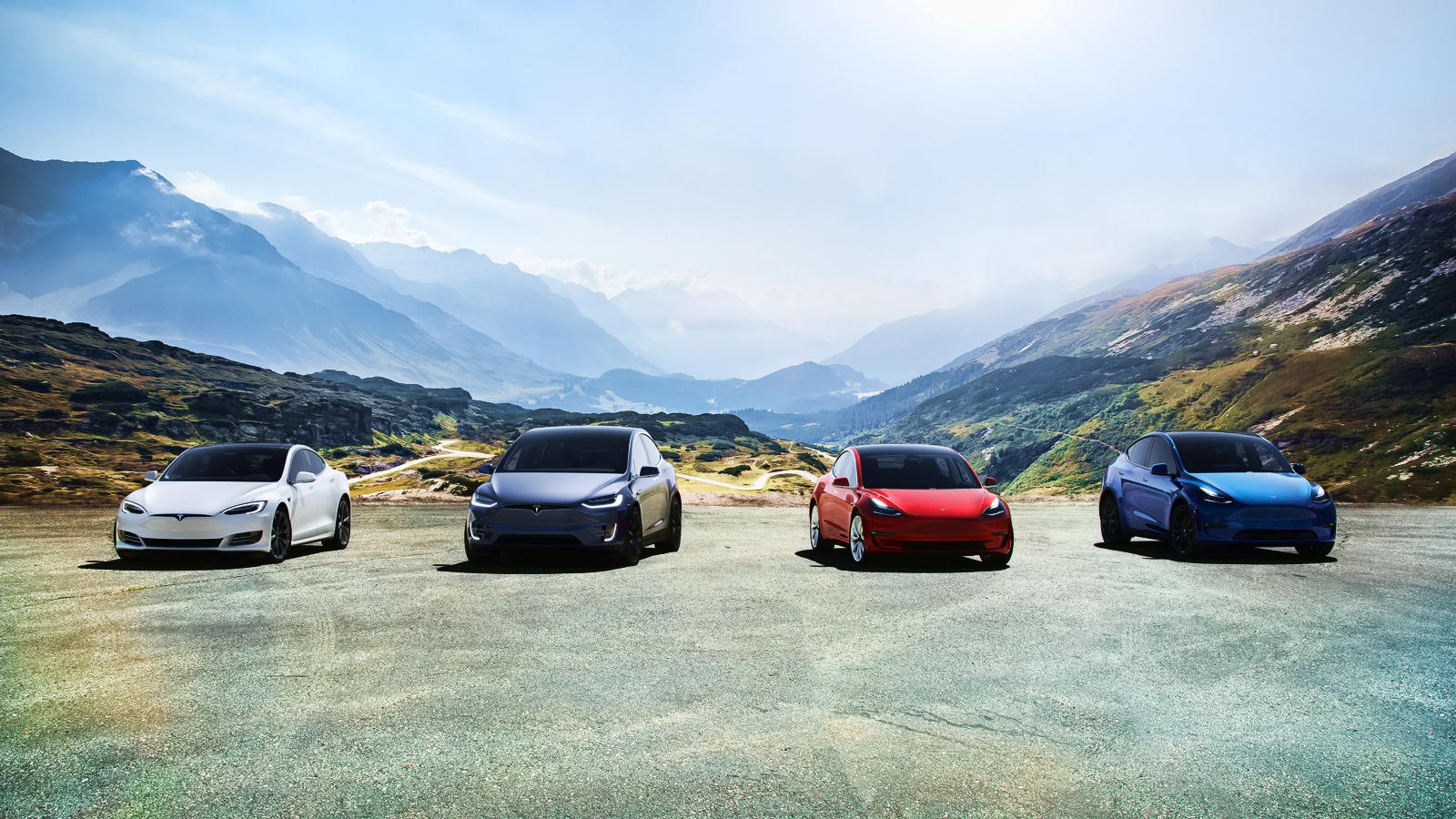
    American electric carmaker Tesla’s CEO, Elon Musk, hinted at the possibility of launching a new compact electric car that will be positioned below the Model 3. According to Business Insider, recently, while speaking to some analysts and investors, Musk expressed his opinion that Tesla cars are too expensive, stating his desire to offer a more affordable electric car. Currently, Tesla sells four electric vehicles, including the Model 3, Model S, Model Y and Model X. In the United States, Tesla’s most affordable offering right now is the Tesla Model 3 that starts at $37,990.

    Talking about making affordable electric cars, Musk said, “I think we will not succeed in our mission if we do not make cars affordable. Like the thing that bugs me the most about where we are right now is that our cars are not affordable enough. We need to fix that.” While he did not go into the specifics of the new compact electric car, he did say, “It would be reasonable to assume that we would make a compact vehicle of some kind and probably a higher capacity vehicle of some kind. These are likely things at some point. But I do think there’s a long way to go with 3 and Y and with Cybertruck and Semi. So, it’s a long way to go with those. I think we’ll do the obvious things.”

    However, it’s very much possible that the new compact electric car will not be made in the US nor in China, but rather in Germany. Earlier this month, replying to a Twitter user’s direct query about Tesla coming up with a European style hatchback, Musk hinted at the possibility of designing and developing such a car in Germany. Currently, the company is building its new vehicle manufacturing plant, better known as the Gigafactory, in Berlin.

    More recently, Tesla has finally zeroed in on the location for its second Gigafactory for the US, which will come up near Arizona, Texas. Tesla is making an investment of $1.1 billion in building the new plant, which is expected to create up to 5000 new jobs in the US state. The new factory will mainly serve the eastern part of the country and will manufacture the upcoming Cybertruck, along with the Model 3 and Model Y. Recently, Elon Musk also hinted at the possibility of coming up with a second Gigafactory for Asia, outside China, sometime in the future.

  • Casino operator RIC posts $2.3 mln loss

    Casino operator RIC posts $2.3 mln loss

    Royal International Corporation (RIC), which operates the largest casino in Quang Ninh Province, posted a loss of VND54 billion ($2.3 million) in the first half.

    The second quarter was the third consecutive quarter the HCMC Stock Exchange-listed company had reported a loss. Its accumulated loss by the end of June totaled VND282 billion ($12.2 million).

    Revenue in the first half fell 38 percent year-on-year to VND49 billion ($2.1 million) as its hotel and casino complex in travel hotspot Ha Long Town was closed most of April due to the coronavirus pandemic.

    The company has been cutting down staff and salaries in recent months to reduce costs. In the first six months, its employee numbers fell by 334 to 1,059. It had earlier forecast revenues of VND294 billion ($12.7 million) this year, of which 64 percent would be drawn from the casino and 36 percent from hospitality. Last year Royal International Corporation had posted a loss of VND72 billion ($3.1 million), blaming it on the increasing number of casinos in Ha Long.

  • Victoria Beckham Beauty range launched on Tmall Global

    Victoria Beckham Beauty range launched on Tmall Global

    Victoria Beckham Beauty has launched a flagship store on Alibaba’s Tmall Global platform, marking the brand’s debut in China.

    The Victoria Beckham Beauty online store features a wide range of skincare and makeup products, including the brand’s exclusive skincare line Power Glow Set, on Tmall Global platform.

    To celebrate the launch, the brand has signed up one of China’s biggest influencers, Viya, to Livestream on Tmall Global.

    “You can’t be a successful global brand without a solid China business – it’s just not possible these days,” said Sarah Creal, co-founder and CEO of Victoria Beckham Beauty. “So when we began to think about expanding to China, we knew that we wanted to partner with Tmall Global because it represents the best.

    “We’re focused on building a strategic luxury beauty brand that is very modern, forward-thinking and fresh, and this is the next key step to our growth strategy,” she said

    Sarah met Victoria Beckham during a makeup collaboration with Estee Lauder in 2016 and teamed up to create the cosmetics brand last year.

  • Sundae Kids launches line focusing on gender equality

    Sundae Kids launches line focusing on gender equality

    Thailand’s illustrator couple, Sundae Kids, has launched a fashion line contributing to gender equality. The collection was designed from a unisex perspective, focusing on a streetwear look for both men and women comprising 19 clothing and accessory items, and is sold on an e-commerce shopping space called Open/End.

    “We wanted to use the designs to show ways to be authentic to your true self, as well as how good it feels to be authentic,” Sundae Kids said in a statement. “…this opportunity allowed us to broaden our scope to a more diverse reach, and the designs are envisioned to suit anyone of any gender.”

    Open/End is a platform designed for young artists to express their individual voices through graphics and craftsmanship. Sundae Kids line is the first Open/End’s collaboration.

    “Through this collaboration, we have worked closely with Sundae Kids to establish original stories through comics to raise awareness of gender equality,” Open/End said on its website.

    Sundae Kids is a couple based in Bangkok, Thailand, with more than 550,000 global fans. Kavin serves as the pair’s art director, and Pratchaya is an illustrator.

  • Revenge shopping and getting personal

    Revenge shopping and getting personal

    Shanghainese women purchasing luxury goods in the post-Covid-19 era are making conscious choices in consumption – with a tendency towards revenge shopping amongst younger buyers.

    The insights were revealed in new research by local luxury intelligence agency Gusto Luxe. The firm’s latest report analyses trends in luxury shopping among Shanghai’s women, highlighting several factors with implications for how brands should position and communicate in the market.

    “It’s fascinating to understand the deep impact of the pandemic on Chinese luxury consumers, said Gusto Intelligence research director Lee Folland. “It also offers opportunities for brands to further explore how Chinese luxury consumers expect a specific category and brand to engage in this new environment.”

    For the survey, Gusto interviewed 20 women in Shanghai aged between 20 and 55 years old via LookLook Mobile Ethnography (a product of Spark Ideas), all qualified luxury buyers who spent a minimum of US$5000 on jewelry within the past year, of which more than $2000 was on a single item.

    According to the data, cooking classes, interior decoration, home improvements, and fragrances are top of mind among Shanghainese women in the luxury market. The women interviewed indicated a desire for more personalization on digital platforms and placed high importance on wellness, beauty and vitality. They have a heightened interest in what brands are doing to minimize environmental and social impacts and exhibit greater pride in Chinese Brands.

    For the time being, travel outside of China is not on the cards with the continuing impact of the pandemic.

    “From live streaming to the future of private events to how to leverage relationships with SAs, this study unveiled great clues into what luxury buyers truly desire, as seismic shifts are occurring in the luxury retail landscape,” said Spark Ideas founder & CEO Malinda Sanna.

  • Taco Bell Joins Hands with foodpanda to Beat Your Hunger

    Taco Bell Joins Hands with foodpanda to Beat Your Hunger

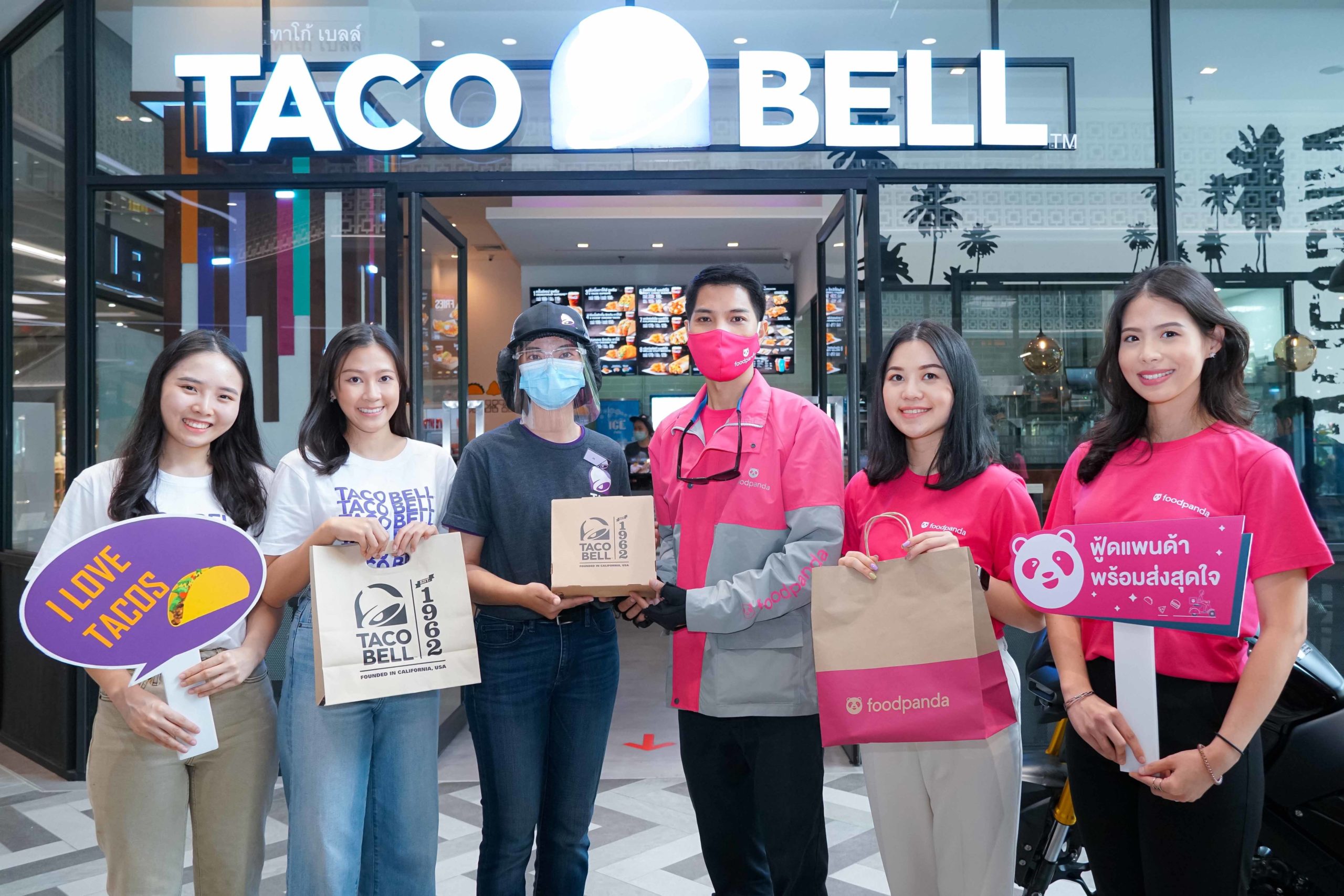
    Taco Bell, the world-famous Mexican food chain join hands with foodpanda, the first online food delivery service in Thailand, launched its exclusive “Beat Your Hunger” promotional campaign, offering a 20% discount for Taco Bell special bundle sets: Couple Set, Family Set and Party Set, starting from 5 August to 30 September 2020.

    Mr. Chalermchai Mahagitsiri, President and CEO of TTA and Director of Siam Taco Co., Ltd., said “Partnering with foodpanda combines both companies’ strengths and excellent service, which customers will perceive as valuable benefits.   The “Beat Your Hunger” promotional program will enable Taco Bell to attract new customers and encourage repeat orders from existing customers.  We believe that our customers will feel greater convenient to place order with foodpanda, thus, our sales volume from delivery order will be increased.”

    Come Reward Yourself with delicious Taco Menu from Taco Bell. Currently, Taco Bell operates 6 branches in Thailand: The Mercury Ville @Chidlom, Siam Paragon, Central Pinklao, Samyan Mitrtown, Central Westgate, and Sukhumvit Soi 11. Every store adheres strictly to safety measures in accordance with government policy and guidelines set by the Centre for the Administration of the Situation due to the Outbreak of the Communicable Disease Coronavirus 2019 (COVID-19). For further details on Taco Bell activities, news and promotions, please visit Facebook: facebook.com/TacoBellTH, IG: @TacoBellTH, Twitter: @TacoBellTH, and Line: @TacoBellTH.

  • UOB Asset Management Brings Robo-Adviser to Retail Clients

    UOB Asset Management Brings Robo-Adviser to Retail Clients

    Its UOBAM Invest service, previously available to corporate clients, is being launched in the form of a mobile app for individuals.

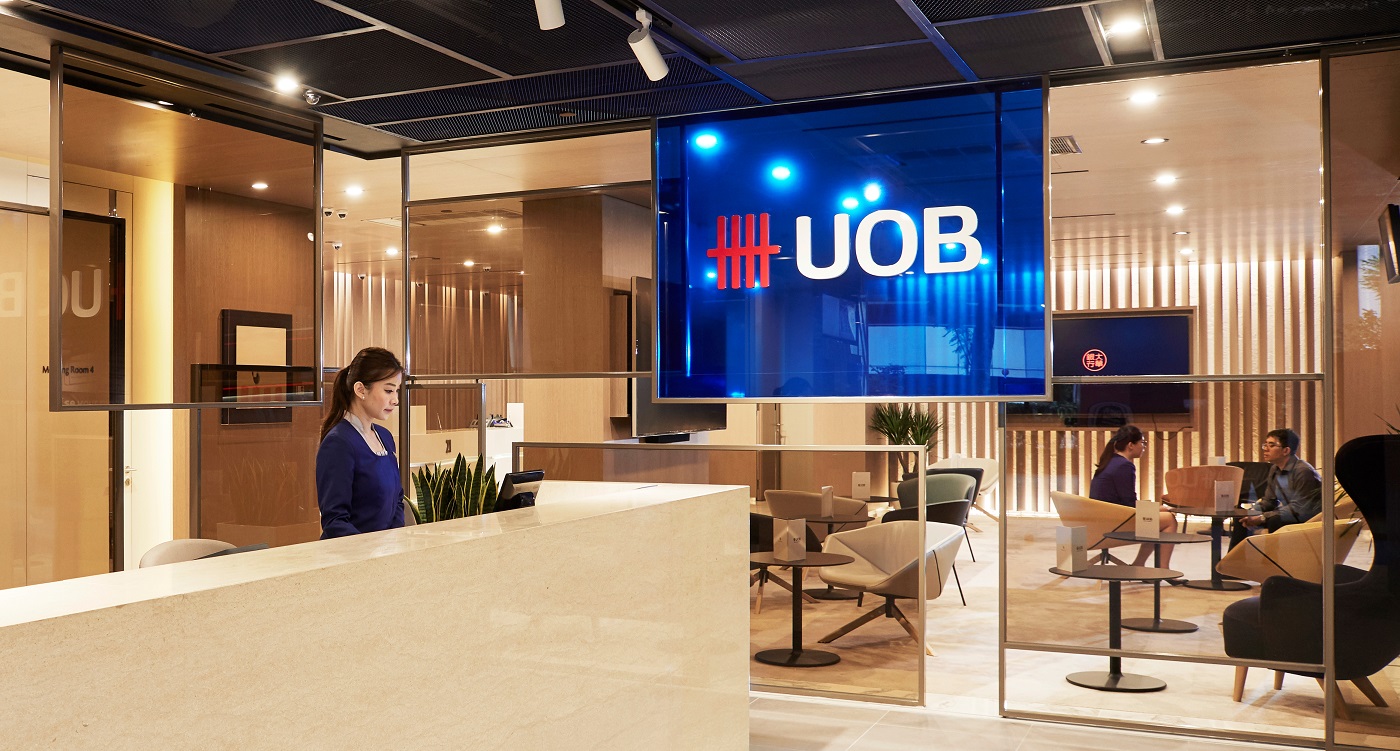
    UOB Asset Management, a wholly-owned subsidiary of UOB, has rolled out a retail version of its UOBAM Invest online portal, which was first launched in 2018 for corporate investors in Singapore.

    The platform offers retail investors in Singapore personalized, dynamic investment portfolios based on their risk profile, aggregate financial goals, and investment horizon. It also automates the shift in retail investors’ portfolio allocation from higher-risk assets to safer ones systematically and gradually, particularly towards the end of their investment period, balancing their need for long-term growth with their capacity for risk, the announcement said.

    The portfolio planer also incorporates risk-profiling and goal-setting tools so that the proposed investment portfolios offer the maximum possible returns to suit the needs of retail investors.

    UOBAM acknowledged the popularity of robo-advisors as a simpler and easier way to manage investments and hopes to leverage its brand name and track record to alleviate concerns about credibility, security and long-term viability users might have about such platforms.

    UOBAM is the first regional asset management firm to offer a robo-adviser with personalized portfolios for retail investors. We have an established track record in managing risks actively while optimizing returns, Thio Boon Kiat, CEO of UOBAM, said.

    Given the current market volatility from the impact of the COVID-19 pandemic, we want to bring the benefits of our risk-based approach – one that is trusted by institutional investors – to more retail investors through UOBAM Invest, Thio added.

    Robo-advisors promising retail investors low-cost, diversified, passive investing have proliferated in recent years. According to Statista, assets under management among robo-advisors in Singapore reached $4.5 billion in 2020 (49.2 percent growth year-on-year), with 265,000 users (39.6 percent growth year-on-year).

    However, competition in the digital investment advisory space is intense and has already resulted in Smartly, one of Singapore’s oldest and most well-established platforms shutting down earlier this year.

    Traditional banks have also joined the fray, with OCBC launching Roboinvest in 2018, and DBS rolling out its digiportfolio in 2019 for retail clients.

  • Huawei is retreating from a key market

    Huawei is retreating from a key market

    Troubles continue to mount for Huawei as India joins the US and Europe in banning Chinese firms over espionage fears. The company has reportedly slashed its revenue target in India by 50 percent for the current year and is also laying off up to 70 percent of its staff in the country. The manufacturer will apparently be retaining employees in research and development and the Global Service Centre.

    Tensions between the two countries have been rising ever since a border clash resulted in the death of 20 Indian soldiers. Consumer sentiment has turned sour against China and there all calls to boycott goods such as smartphones originating from the country.

    Another setback for Huawei’s 5G plans

    The Indian government has already stopped state-run carriers from getting equipment from Huawei and ZTE and is seemingly requesting private telecoms to do the same. They have supposedly been requested to phase out Chinese equipment gradually so that consumer services are not disrupted.

    Reliance Jio, the country’s largest mobile network, sourced components from Samsung for its 4G network. The other two dominant companies, Bharti Airtel and Vodafone Idea, got their equipment from various vendors including Huawei. According to research, the Chinese giant’s gear makes up 40 percent of Vodafone Idea’s network and around 33 percent of Bharti Airtel’s existing network.

    All of these telecom companies have submitted applications to carry out 5G tests with different manufacturers including Huawei.

    Whether Huawei will make the cut remains to be seen, but it seems highly unlikely. According to an insider, the company currently has no new projects in India and there is no clarity on any new business from carriers.

    Huawei was earlier expecting India to generate nearly $700-800 million in revenue in 2020, a far cry from sales of $1.2 billion posted in 2017. Now, it has revised those expectations and is only forecasting sales of around $350-500 million.

    As grim as the situation may sound, experts believe it would be an uphill task for India to disengage from China as the later’s influence in investments, trade, and technology has grown significantly over the years. Per an estimate, Huawei’s India unit employs nearly 700 people and this figure doesn’t include the hundreds of people working for the company through third-party firms.

    That said, telecommunication is one sector where alternatives are available and thus Huawei will probably not be included in India’s 5G rollout.

  • Hyundai Races To Electric As Tesla Takes Off

    Hyundai Races To Electric As Tesla Takes Off

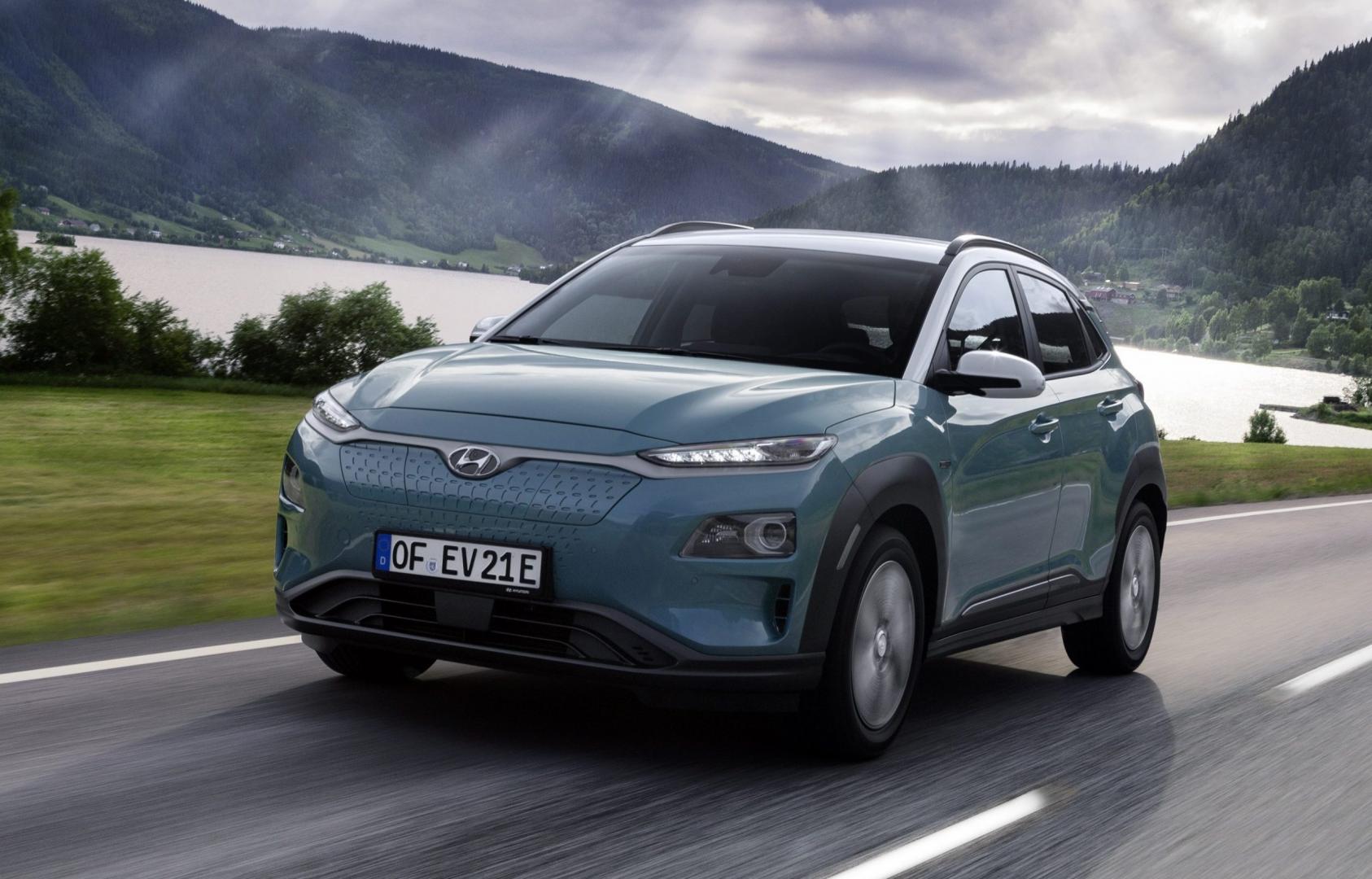
    Hyundai Motor, an early backer of hydrogen cars, has watched the electric rise of Tesla, including on its home turf. Now’s it’s going on the offensive in the battery-powered market led by its U.S. rival. The South Korean company plans to introduce two production lines dedicated to electric vehicles (EVs), one next year and another in 2024, according to an internal union newsletter seen by Reuters.

    Euisun Chung, leader of the Hyundai Motor Group conglomerate that also includes Kia Motors, has also held a series of meetings since May with his counterparts at Samsung, LG, and SK Group, which make batteries and electronic parts.

    The purpose of the talks, which were publicly announced, was for Hyundai to try to secure batteries at a time of tight supply as the race for EVs intensifies, according to several industry sources. Those manufacturers also supply the likes of Tesla, Volkswagen, and GM.

    Hyundai told Reuters it was collaborating with Korean battery suppliers “to scale up” its electric car production efficiently. It declined to comment on any plans to introduce dedicated production lines.

    The moves indicate the carmaker is moving aggressively to expand its electric capacity, days after Chung announced on July 14 that Hyundai Motor Group aimed to sell 1 million battery EVs a year and grab a global market share of over 10% by 2025.

    There’s some way to go; Hyundai Motor Group sold 86,434 battery EVs last year, according to data from industry consultant LMC Automotive. That was above the 73,278 sold by Volkswagen Group but behind the 367,500 delivered by Tesla.

    Hyundai, the world’s No.5 automaker together with Kia Motors, said its agility allowed it to lead the charge into EVs. “We are certain Hyundai is never going to fall behind,” it added.

    A senior Hyundai insider, who declined to be identified because of the sensitivity of the issue, said the company had not been concerned about Tesla when the Silicon Valley company was producing high-end cars.

    But it became more worried when Tesla brought out a cheaper Model 3 in 2017, according to the insider who described it as a “strategic victory”. No traditional automaker has been successful yet in catching up with Tesla, which retains an edge in battery and software technology.

    Hyundai could also face a roadblock from its powerful union, which is worried about job security as EVs require fewer components and workers than gasoline vehicles; at Hyundai, this is partly because the automaker makes a number of key components for conventional cars in-house, while many EV parts are outsourced at present.

    The union is pushing for the company to assemble key EV components, like battery packs and motors, in-house to offset any reduction in the workforce.

    “We are not opposed to EV business. Kodak went bankrupt because it stuck to film even as the industry was shifting to digital photography,” union spokesman Kwon Oh-kook said.

    “We just want to protect the jobs of our members,” he said. Hyundai said automakers and unions needed to accelerate change to remain viable in the long term.

    Back in 2010, Hyundai Motor Co made 230 electric cars for the government, but they ended up being mothballed at a research center outside Seoul due to a lack of charging infrastructure, according to Lee Hyun-soon, R&D chief at the time.

    In a 2014 book Lee, who developed South Korea’s first gasoline engines, said such electric vehicles were “not realistic”, also citing high battery costs, and that hydrogen cars – a rival clean technology – offered a “bright” future.

    Along with Toyota and Nikola, Hyundai was one of a few automakers to have backed hydrogen cars. It launched the industry’s first mass-produced hydrogen car, Tucson Fuel Cell, in 2013 and the NEXO in 2018.

    However the technology has not taken off; 7,707 hydrogen fuel cell cars were sold globally last year, compared with 1.68 million battery EVs, according to LMC Automotive.

    In Hyundai’s home market, Tesla had its best month in June, with its Model 3 beating Hyundai’s Kona EV, as well as premium models from BMW and Audi.

    “Hyundai did not expect Tesla to dominate the EV market so quickly,” another person familiar with the company’s thinking told Reuters.

    Hyundai Motor has a market capitalization of about 25.3 trillion won ($21.2 billion) – less than a tenth of that of Tesla, now the world’s most valuable automaker.

    While Hyundai promotes its hydrogen cars with K-pop boyband BTS, it only plans to introduce up to two hydrogen models by 2025, and 23 battery-powered models.

    Peter Hasenkamp, vice president at electric startup Lucid, who previously worked at Tesla and Ford, said established carmakers faced historical “inertia” to make the EV transition.

    “Part of the reason we’re based in Silicon Valley is to leverage both software and electrical engineering expertise,” Hasenkamp said.

    “You’ve got a couple of generations for the big car companies to learn really how to do t
  • Qualcomm unveils Quick Charge 5: batteries go from 0 to 50% in just five minutes

    Qualcomm unveils Quick Charge 5: batteries go from 0 to 50% in just five minutes

    Waiting too long for the battery powering your phone to charge? Qualcomm introduced Quick Charge 5. The technology will allow users to charge the batteries that power their phones from 0% to 50% in only five minutes. So let’s imagine that you need your phone for work. But you spent all night on Peacock streaming Law and Order episodes and now your battery is as alive as the clientele inside the nursing home down the street. In just five minutes you can have your battery at 50% which should keep you up and running while discussing a new contract with your biggest client. Wait an extra ten minutes (for a total of 15 minutes) and your handset will be fully charged. Quick Charge 5 supports charging at 100W and faster.

    Qualcomm says that its new fast-charging system “delivers unprecedented mobile phone charging speed and efficiency improvements compared to previous versions while enabling new battery technology, accessories, and safety features. The world’s first commercially viable fast charging platform to support more than 100W charging power in a smartphone, Quick Charge 5 is engineered to allow users to charge devices from 0 to 50 percent battery power in just five minutes – representing the fastest mobile phone charging capabilities available.” You might recall that last year Xiaomi introduced its 100W “Mi Charge Turbo” that will fully charge a 4000mAh battery in 17 minutes. Xiaomi’s quick charging technology is compatible with Qualcomm’s Quick Charge as are systems offered by Motorola (TurboPower), Samsung (Adaptive Fast Charging), ASUS (BoostMaster) and Vivo (Dual-Engine Fast Charging).

    Quick Charge 5 will also feature Qualcomm Battery Saver and the new Qualcomm Smart Identification of Adapter Capabilities technology. Both will increase the life cycle of a battery and make it more efficient. Qualcomm has come a long way since Quick Charge 1. Early in 2013, we pointed out that the technology was improving charging speeds by up to 40% on phones like the Droid DNA, the Lumia 920, and the Nexus 4. These phones would normally have taken over four hours to fully charge and Quick Charge 1 reduced that to under three hours. The new version of Quick Charge charges up to four times faster than the previous generation of the technology.

    Of course, charging times have been greatly reduced since then and Quick Charge 5 carries 10 times the power delivery carried in Quick Charge 1. It also is 70% more efficient than Quick Charge 4. Helping to drive the latest iteration of Quick Charge are the latest and next-generation management power management integrated circuits (PMIC), the Qualcomm SMB1396 and the Qualcomm SMB1398. Quick Charge, says Qualcomm, is available on more than 1,200 mobile devices, accessories, and controllers.

    Right now, Quick Charge 5 is being tested by Qualcomm customers and should start to appear on devices running the Snapdragon 865 and Snapdragon 865+ Mobile Platforms during the current quarter which runs through September. It also will work on future premium and high-end Snapdragon chipsets. Ev Roach, VP Product Management, Qualcomm Technologies, Inc. states,”Quick Charge 5, our fastest and most versatile charging solution, will enable consumers to enjoy their devices for longer periods of time, without worrying about the time required to recharge. We are proud to expand our technology portfolio and make accessible 100W+ charging a commercial reality. We work closely with manufacturers to create industry-leading devices that meet consumers’ demand for more immersive and accessible mobile experiences.”

    Battery life is improving as smartphone batteries get larger and larger. But that is only half of the story. Large capacity batteries are great and certain phones can go as long as three days on a single charge. But without a fast-charging system, they can take a long time to replenish the power inside the component. And that is where Qualcomm’s Quick Charge comes in, helping to improve a phone user’s overall experience.

  • Google Pay expands to 25 new banks in 14 countries

    Google Pay expands to 25 new banks in 14 countries

    Apple Pay and Google Pay compete with each other for world dominance, while other services like Samsung Pay and LG Pay struggle to keep up. If you’re using an Android or iOS smartphone in the US, the chance is your bank already supports either of the two big mobile payment systems. However, if you live in Europe, Apple Pay and Google Pay could offer more coverage than they do right now.

    However, both companies are making efforts to bring their mobile payment services to larger audiences. As of last week, Google Pay covers 25 new banks in 14 different countries.

    Here is the list of banks that now support Google Pay: Queensland Country Bank (Australia), Moorwand Limited, Lunar (Denmark), Moorwand Limited (Finland), Augsburger Aktienbank, Curve, Netbank, Penta (Germany), Flow S.p.A. Societa Benefit (Italy), Revolut Technologies Japan (Japan), Moorwand Limited, Lunar, Sparebanken Sogn og Fjordane (Norway), Idea Bank, SGB (Poland), Commercial Bank Garant-Invest Bank Joint Stock Company, Commercial Bank Sinko-Bank, Industrial Agricultural Bank, Joint Stock Commercial Bank IRS, Joint Stock Company First Investment Bank, JSC Kuban Trade Bank (Russia), Ceskoslovenska obchodna banka (Slovakia), Aplazame SL (Spain), Marginalen Bank, Moorwand Limited, Lunar, Volvofinans Bank AB (Sweden), Yapeal (Switzerland), Moorwand Limited, Weatherbys Bank, and Whim (United Kingdom).

    To start using Google Pay, you need to download the app from the Play Store if you don’t already have it on your phone. Then, follow the step-by-step guide to add your cards and start using Google Pay.

  • Nokia will build U.S. Cellular’s 5G network throughout 2020

    Nokia will build U.S. Cellular’s 5G network throughout 2020

    U.S. Cellular, one of the smaller carriers in the country, has teamed up with Nokia to enhance its 5G network. Since Huawei is no longer an option, there are very few choices that US carriers have at their disposal whenever they need to deploy 5G equipment or upgrade new ones.

    Nokia and Ericsson would be the most obvious choices, but both offer more expensive services than Huawei did. In any case, U.S. Cellular wants to extend the capabilities of its 5G mmWave network with the addition of 24 GHz and 28 GHz spectrum bands, which are absolutely needed for 5G.

    In that regard, Nokia will be deploying its AirScale radio solution to support U.S. Cellular’s customers with 5G and IoT services. The discussion can get very technical going forward, so let’s just summarize and say that U.S. Cellular hopes to start providing 5G services to its customers in 2021.

    Nokia will work throughout 2020 on making sure that U.S. Cellular’s 5G network will meet the demand capacity and speed required. Good things are coming to U.S. Cellular customers, just not this year.

  • Tesla Hiring In Shanghai As Production Ramps Up

    Tesla Hiring In Shanghai As Production Ramps Up

    Tesla has launched a hiring spree in Shanghai with plans to bring on designers at its China studio and about 1,000 factory workers, job posts show, as the U.S. electric vehicle maker ramps up production in the world’s biggest auto market.

    The posts on the Tesla human resources department’s official WeChat account mark the first time the California-based automaker has looked to hire designers in China. Tesla said in January it planned to open a design and research centre in China to make “Chinese-style” cars.

    The posts did not reveal how many designers Tesla planned to hire.

    The company also planned to hire 600 workers at stamping, bodywork, painting and assembly workshops in Shanghai, according to a separate job post by the Lingang local government. Another 150 workers were needed for quality checks, 200 for logistics work and 20 for security, it added.

    Two sources familiar with the matter said the recruitment drive was partly for the preparation of Model Y sport-utility vehicles at the Shanghai plant. Tesla is building manufacturing facilities for Model Ys in Shanghai from next year.

    Tesla did not immediately respond to a request for comment.

    The company delivered over 30,000 units in China in the past quarter, most of them locally made Model 3 sedans.

    In March it advertised for solar and energy storage project managers in China, as it moves to expand its energy business into the country.