Author: Mei Ling Tan

  • AuMake says Covid-19 fast-tracked digital and buy-now-pay-later plans

    AuMake says Covid-19 fast-tracked digital and buy-now-pay-later plans

    Daigou business AuMake said the closure of its physical stores fast-tracked the company’s online development, launching the Broadway Online platform which gained significant momentum during the quarter.

    The store closures, part of the government’s restrictions to help stem the spread of the coronavirus, has also given the company time to look into developing payment platforms that would support Chinese buy now pay later services to penetrate a younger Asian customer demographic.

    AuMake said since the launching of its Broadway Online platform in February, more than 10,000 unique Asian-based consumers have visited, with over 3,000 unique visitors in the last two weeks of June alone.

    The company said the growth of the Broadway Online platform, alongside a renewed focus on the promotion of new higher-margin products through the existing AuMake online platform, delivered an 87 percent and 21 percent increase in gross margin and gross profit respectively over the previous corresponding period.

    Broadway Online continues to grow with 6 percent unique visitor growth three weeks into July, the company said.

    According to AuMake, to improve its customer experience, its in-store and online payment platforms have been developed to support Chinese owned buy now pay later providers Alipay and Tencent.

    Customers can use Alipay’s buy now pay later Huabei feature which allows purchases to be paid using credit facilities, including interest-free or daily incurring interest loans. Huabei has over 190 million users, 93 percent are less than 35 years old.

    Tencent is also in the final stages of developing its “Fenfu” credit feature, which will offer similar credit facilities to Huabei, and can be used by its 1.1 billion customer base, AuMake said.

    “The buy now pay later option is revolutionizing the way consumers shop globally, including in China, and will be available to AuMake’s in-store customers as well as its growing 40,000 online customer database,” the daigou company said. “BNPL will assist AuMake to penetrate a younger Asian customer demographic, including the Free Independent Travellers segment which is anticipated to grow post-Covid-19.”

    For the quarter ending June 30, 2020, AuMake posted a 70 percent drop in total group revenue from the previous corresponding period to $4.0 million due to the impact of Covid-19 on temporary physical store closures and the drop of inbound tourism to Australia.

    Total group gross profit was at $0.73 million, down 63 percent from the previous corresponding period, delivering a gross profit margin of 18.3 percent, an increase of 25 percent on the same period last year.

    Online sales were up 21 percent on the previous corresponding period to $2.3 million with gross profit of $0.47 million, delivering a gross margin of 20.4 percent, an 87 percent increase from the same period last year.

    The company said its cash at the bank was $8.2 million with no debt.

    AuMake said its operational cash outflow was $1.3 million for the quarter, including significant investment in online growth and in-store customer experience on re-opening.

    “While Covid-19 has undoubtedly impacted the revenue profile of the business during the June quarter, AuMake has minimized this by materially reducing all non-core expenditure,” said AuMake executive chairman Keong Chan. “At the same time, we are increasing our investment in long term growth drivers, enhancing our online offering and in-store customer experience.”

    According to AuMake, its strong financial position allows the business to continue to invest in the acceleration of online growth and to modernize in-store customer experience with significant changes to store layout, presentation, and product category expansion.

    “The company will continue to focus on operational readiness ahead of the return of Asian students and tourists,” the company said.

    AuMake’s physical stores were closed temporarily at the end of March because of government restrictions related to the health crisis.

    The store closures resulted in the company reducing its workforce by 70 percent despite the company receiving support through JobKeeper and rent assistance.

    AuMake reopened its stores on May 11.
  • King Power Thailand sales axed 50 percent

    King Power Thailand sales axed 50 percent

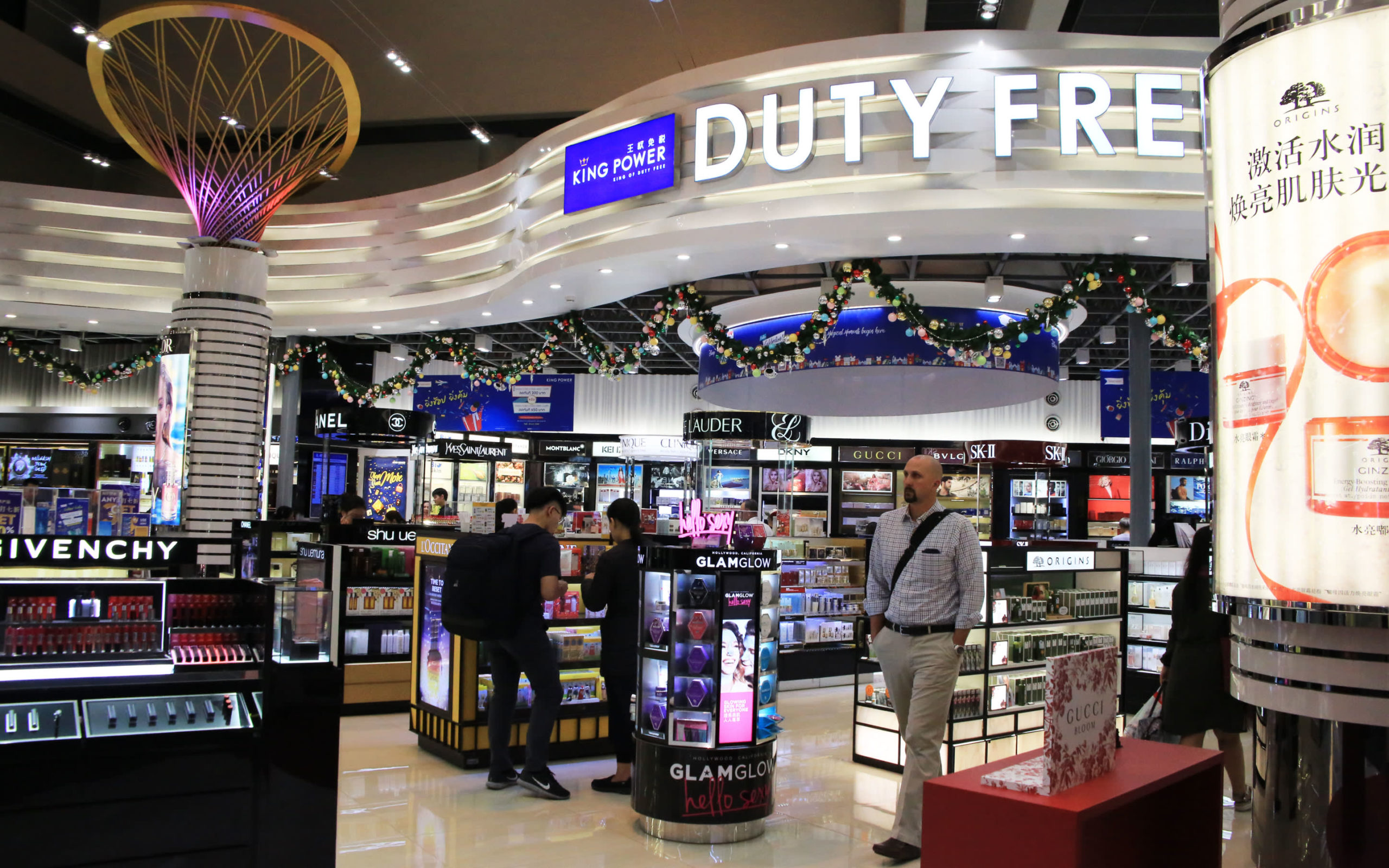
    Thai duty-free retailer King Power is anticipating a drop in sales revenues of 50 percent in the wake of the coronavirus pandemic.

    The firm has attempted to drum up business while international travel is largely frozen via an online sales strategy, but it has not been able to offset the steep fall in business with online revenues contributing just 10 percent of total business, far short of the hoped-for 20 percent.

    Just two King Power outlets out of 11 nationwide have reopened since the Covid-19 outbreak.

    “Despite the huge sales drop, we don’t have any plans to lay off any of our 11,000 staff,” said King Power CEO Aiyawatt Srivaddhanaprabha. “Instead, we assigned them to sell King Power products via their own social media accounts and via King Power online.”

    Aiyawatt is a participant in the Thai government’s Thailand Smiles with You campaign, promoting the nation’s image and economic prospects during global recovery via the English Premier League team Leicester City FC, which Aiyawatt chairs.

    “As Thais, we are proud to cooperate with the government in mitigating the adversity and supporting projects that will both, directly and indirectly, benefit our country’s economic and social wellbeing,” said Aiyawatt, “hoping that it will lead us through this crisis safe and sound”.

    The campaign will see the phrase “Thailand Smiles With You” on Leicester City football team jerseys and signboards throughout the 2020–21 season.

  • Malaysian jeweller looks online to boost sales

    Malaysian jeweller looks online to boost sales

    High-class Malaysian jeweler Aurora Italia International will extend its e-commerce efforts to build sales growth in the coming year.

    The firm, which recently listed on the Bursa Malaysia Securities Leap Market, will diversify its points of sale to expand its brand awareness and customer base via online channels. It will also boost strategic distribution alliances with strong marketing affiliates.

    Aurora’s product range is sold in Malaysia and Singapore, as well as the US, the UK, Indonesia, Hong Kong, and the Middle East via several channels, including own-branded physical stores and on online shopping platforms.

    “The Covid-19 pandemic has resulted in e-commerce business generating increased sales as people shift their spending habits towards online platforms,” said Aurora Italia MD Datin Wira Yvonne Lim. “We saw an increase in online shopping for products including jewelry products during the Movement Control Order.”

    Online sales performance within the industry is believed to be the reason why stores with e-commerce infrastructure operated continuously during the early months of 2020, according to Lim.

    The firm’s listing has seen the equivalent of US$729,000 in funding raised, more than half of which will be used to launch three new retail concept stores in China, Hong Kong, and Thailand.

  • Parkson to give up on full-scale stores in Vietnam

    Parkson to give up on full-scale stores in Vietnam

    Malaysian department-store operator Parkson is to quit operating full-scale stores in Vietnam after years of losses. At one stage the company had 10 stores in the country and was confident of long-term success given it was the first overseas department-store brand to enter the market.

    This week, Singapore-listed Parkson Retail Asia announced that subject to shareholder approval, it will sell the Parkson TD Plaza Shopping Centre it anchors in the northern port city of Haiphong for US$10 million, representing a $500,000 loss on book value, but a $500,000 premium on local valuation. Parkson’s Vietnam operations are owned by Parkson Haiphong, a wholly-owned subsidiary of Parkson Retail Asia, which is two-thirds owned by Parkson Holdings of Malaysia. The purchaser is local company Thuy Dong Construction Trading.

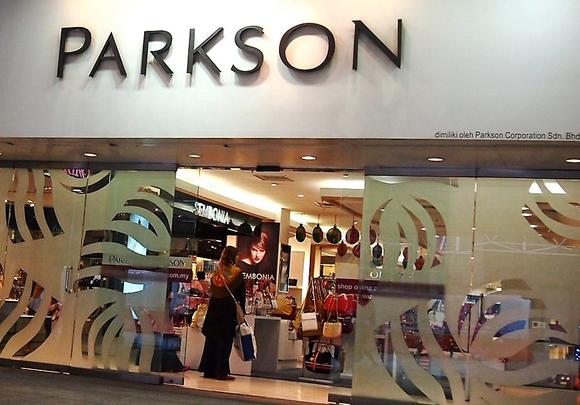
    The disposal leaves just one property remaining in downtown Ho Chi Minh City, (pictured above), which used to house the brand’s flagship in the country. A large part of that store has since been leased out to Uniqlo and another Japanese retailer, Muji, is believed to be currently fitting out at least part of the remaining space.

    “Following the completion of the disposal of the [Haiphong] property, Parkson Vietnam will only continue its business of operating and managing the store in Ho Chi Minh City, and will cease to operate any Parkson brand department store on the property.”

    The way this statement is worded, it suggests that the company will no longer operate a department store in Ho Chi Minh City and by converting such large parts of the building into space leased to other retailers, it would appear the strategy is to morph into a property manager.

    However, local Vietnamese media are reporting the store will reopen this Friday, July 31, but only take up the ground floor, a compact area which previously housed only a beauty zone and a large part of which has been taken over by Uniqlo.

    Parkson Vietnam began renovating its six-story Ho Chi Minh City store in the Saigon Tourist Plaza building in April of last year. In recent months, a billboard has been placed on the remaining front of part of the building saying it will reopen soon.

    At the time the refurbishment was announced, the company said the aim was to deliver a new shopping experience featuring modern facilities, and a higher standard of service for shoppers. But it appears as if almost all the categories it once sold will be stripped out leaving just a beauty offer.

    Parkson said the new store design concept “will turn the store into an all-in-one destination that offers a combination of shopping, food & beverage, and entertainment” (translated).

    It appears that Parkson has finally admitted defeat in a market where it moved rapidly into neighborhoods with relatively low incomes, selling products that could be obtained cheaper elsewhere, and with archaic customer-service systems. One example was if a customer wanted to buy a set of towels from one concession, they had to walk to the opposite end of the floor and pay for them before being allowed back to browse other items on an adjacent display. Buying multiple items – as customers of a department store often to – required an endless series of return route marches, escorted by store staff, to a cashier’s counter, multiple debit-card transactions and multiple shopping bags – yet all transactions were processed by Parkson itself who would later reimburse concessions for goods purchased.

    In October 2018, Parkson Vietnam announced its fifth store closure, in the affluent expatriate suburb of An Phu. Three more followed before this week’s Haiphong announcement.

  • DFS Group Partners with Orion Beer on Exclusive Summer Promotion

    DFS Group Partners with Orion Beer on Exclusive Summer Promotion

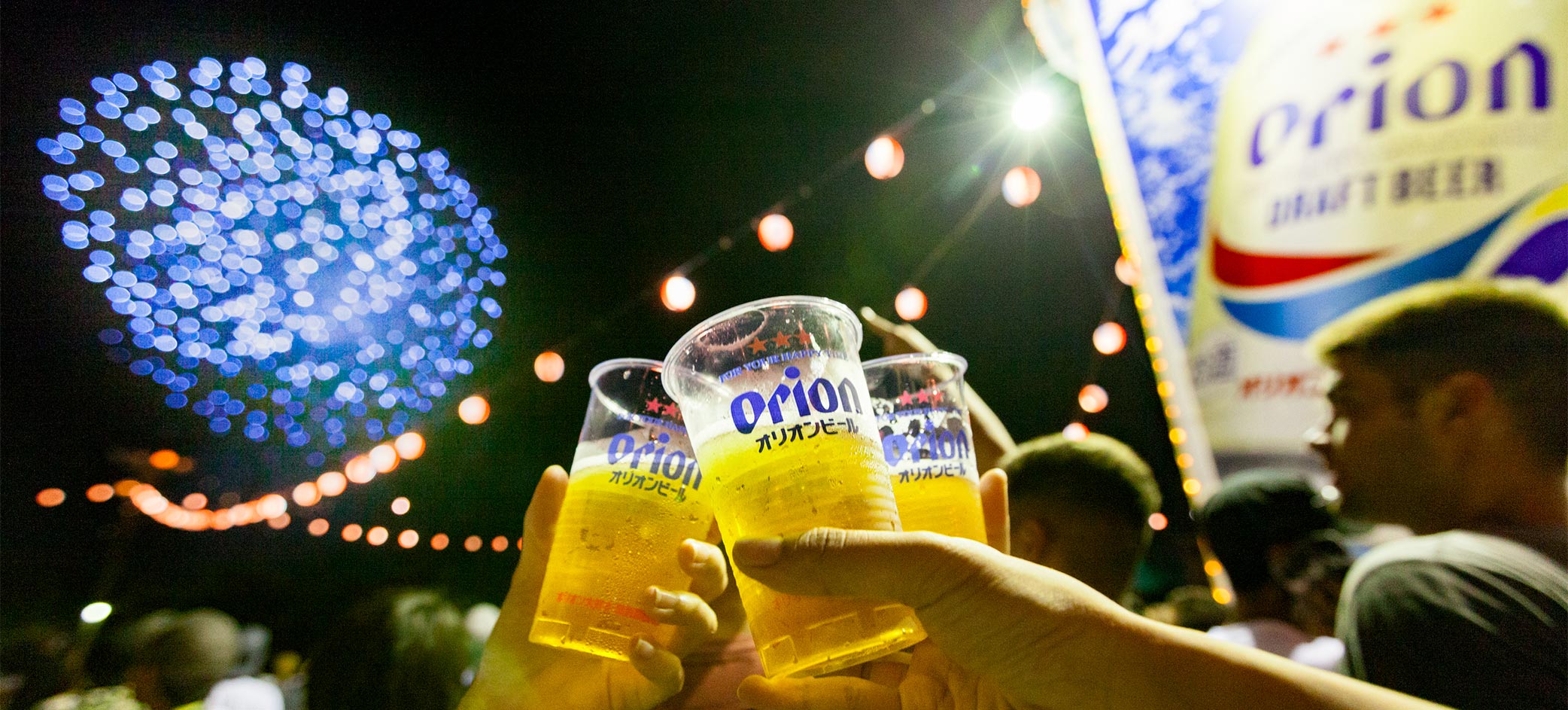
    DFS Group, the world’s leading luxury travel retailer, has partnered with leading Okinawan brewery Orion for the first time to offer customers a chance to receive a limited edition beer. Available exclusively at T Galleria by DFS, Okinawa from July 23 to August 16, customers are invited to visit the store to find clues and complete a scavenger hunt before getting a taste of the special brew.

    “We are delighted to partner with Orion, one of Okinawa’s best-known breweries, for the first time to give our customers a refreshing surprise this summer,” said Richard Gustafson, Managing Director Japan and Mid Pacific, DFS Group. “We hope visitors to our island will enjoy discovering the exciting array of luxurious items in our T Galleria by DFS, Okinawa store, as well as tasting a limited-edition beer from Orion.”

    Fans of DFS and Orion can scan the QR code in-store or visit the DFS Japan Official Instagram account (@DFSJapanOfficial) before stopping by T Galleria by DFS, Okinawa. Customers can search the store and ask DFS staff for hints and tips, and upon completing the scavenger hunt, simply present the confirmation message to the Main Reception to receive a Limited Edition Orion Beer. Customers who shop in-store can also receive a DFS water bottle upon any purchase.

  • Deliveroo Launches Breakfast Service and Makes Multi-million-dollar investment in Pickup Services

    Deliveroo Launches Breakfast Service and Makes Multi-million-dollar investment in Pickup Services

    With the government’s announcement to ban all dine-in services at restaurants beginning Wednesday, 29 July, Deliveroo is today redoubling its efforts to support both customers who want great food and restaurants who need to make sales with the launch of breakfast service. Early-morning risers who are working from home can now access a wide range of eats within their neighbourhood, while those still heading to the workplace can order directly to their desk or conveniently pick up a morning meal on their commute. The food delivery company also announces today that customers will continue to enjoy a 20% discount for all Pickup orders in selected restaurants for the next two weeks starting tomorrow (29 July). This follows the company’s recent announcement of reducing restaurant Pickup commission rates to 3% until the end of September, extended delivery until 11:30pm and activation of the “Here to Deliver” campaign.

    Customer demand for delivery and pickup meals is on the rise following the latest announcement from the Hong Kong Government that will ban all dining in restaurants as of Wednesday, 29 July. To support restaurant partners and hungry customers – across the city, many of whom are now once again working from home, Deliveroo has launched its breakfast service. Available from today, customers will now be able to order from 7:45am during weekdays and 9am at weekends on the Deliveroo platform, for both delivery and pickup. Participating restaurants are expected to increase total revenue by 10% with breakfast offering through Deliveroo’s platform.

    Deliveroo has recently made a 8-digit investment in its Pickup service to help more restaurant partners and consumers enjoy an affordable and convenient “grab and go” service that puts safety at the forefront. The service enables customers to order ahead for pickup and therefore avoid waiting times, skip the queue, and do their part to practice social distancing.

    In July, Deliveroo has worked with its restaurant partners to offer over 7,000 restaurant promotions to consumers, with an aim to help restaurants increase revenue and attract new customers. The food delivery company has also activated its “Here To Deliver” campaign, investing in a multi-channel mass marketing plan to help restaurants reach their target customers, helping them let customers know they are still operating for delivery and pickups.

    Over the next few weeks, customers will be able to find over 2,000 discount offers on the platform at any given time for both Pickup and delivery.

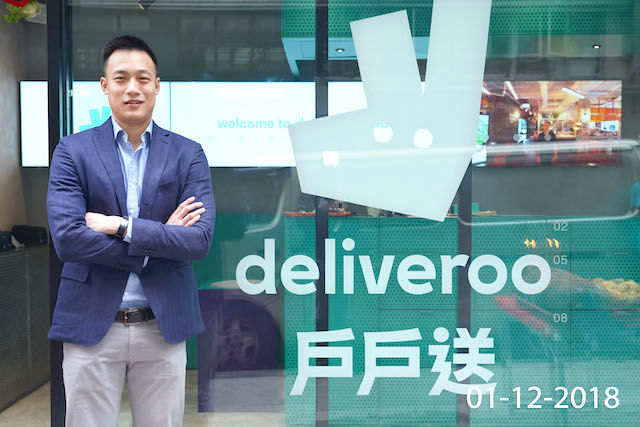
    Brian Lo, General Manager of Deliveroo Hong Kong said, “To say the past two weeks have been difficult for Hong Kongers would be an understatement; that’s why we’ve been working on new ways to support everyone – from our riders, to our restaurant partners, to all our Hong Kong customers. Deliveroo has opened up more work for riders to help meet rising demand due to work-from-home conditions and provide flexible work and attractive earnings at this difficult time for many. We’re supporting restaurant partners with relief measures for both deliveries and pickups during the Wave 3 outbreak. We continue to see higher and growing traffic on our platform, therefore we worked with our partners to extend the current discount to customers for both Pickup and delivery, hoping to offer more affordable food options with exciting discounts to encourage Hong Kongers to stay home and stay safe – from breakfast all the way until dinner.”

    Deliveroo Pickup service has already supported restaurants in Hong Kong to generate new revenue at a tough time for business. Deliveroo’s recent relief measure of providing a significant discount on all Pickup orders over the past few weeks helped restaurant partners to bring in over HK$50 million incremental sales.

    Susanna, Owner of KAIE Japanese Restaurant, said, “With the worrying situation of the recent Covid-19 local spike, this has been a very difficult time for us; especially with the further government policy on social distancing. We have to shift all of our efforts towards  food delivery and takeaway now, and thanks to Deliveroo’ s support especially over the past weeks, we have seen a 300% increase in Pickup orders.”

  • ShopBack users can now enjoy extra savings on all GrabFood orders

    ShopBack users can now enjoy extra savings on all GrabFood orders

    GrabFood has officially launched on ShopBack, enabling 1.5 million ShopBack users in Singapore to enjoy cashback on their GrabFood orders. Users can now save a little extra when they are placing a food delivery order from their favorite F&B outlets, including McDonalds, Playmade, and Din Tai Fung.

    • New GrabFood customers will get 8% cashback (capped at $1.50)

    • Existing GrabFood customers will get 2% cashback (capped at $0.40)

    To access these rewards, users have to first launch the ShopBack app, then type in “GrabFood” in the search bar or click on “GrabFood” under the New Stores on ShopBack section. This will redirect the user from the ShopBack app to the GrabFood app, allowing for the cashback to be tracked. The user should have the latest version of Grab installed.

    “We are thrilled to add GrabFood to our growing line-up of merchants. The pandemic has resulted in many preferring to consume their meals from the safety of home, and this partnership will help to facilitate the shift in consumer behavior from restaurant dine-in to pick up, takeaway, and delivery. We have also received many requests from our users to on-board GrabFood, and today, we are happy to be able to make this a reality and bring even more cashback options for our users,” said Joel Leong, Co-founder of ShopBack.

    A recent report by Facebook and Bain & Company found that there has been a shift to value-for-money purchasing across Southeast Asia as conservatism sets in, as 57% of survey respondents cited ‘value’ among their top-three purchasing considerations. This is more pronounced in Singapore, where around 70% cite ‘value’ as a top consideration.

    “Singaporeans are passionate about food and appreciate the convenience. Also, true to our kiasu nature, we never want to miss out on a good deal and we are constantly seeking out value. As such, this partnership with GrabFood has all the right ingredients for success,” added Leong.

    “As one of the leading digital lifestyle apps in Singapore, we are always finding new ways to create more value for our customers with every dollar they spend on our products and services. We are therefore pleased to be able to launch GrabFood on ShopBack. At a time when consumers increasingly seek out apps and platforms that empower their digital lifestyles, we are confident that this partnership can serve their evolving needs,” said Gillian Ang, Head of Marketing for Grab Singapore.

    ShopBack is available for download on the App Store and Google Play for free.

  • Ooredoo and Ericsson Reach a Record System Throughput of 4.2Gbps over a Bandwidth of 200MHzs

    Ooredoo and Ericsson Reach a Record System Throughput of 4.2Gbps over a Bandwidth of 200MHzs

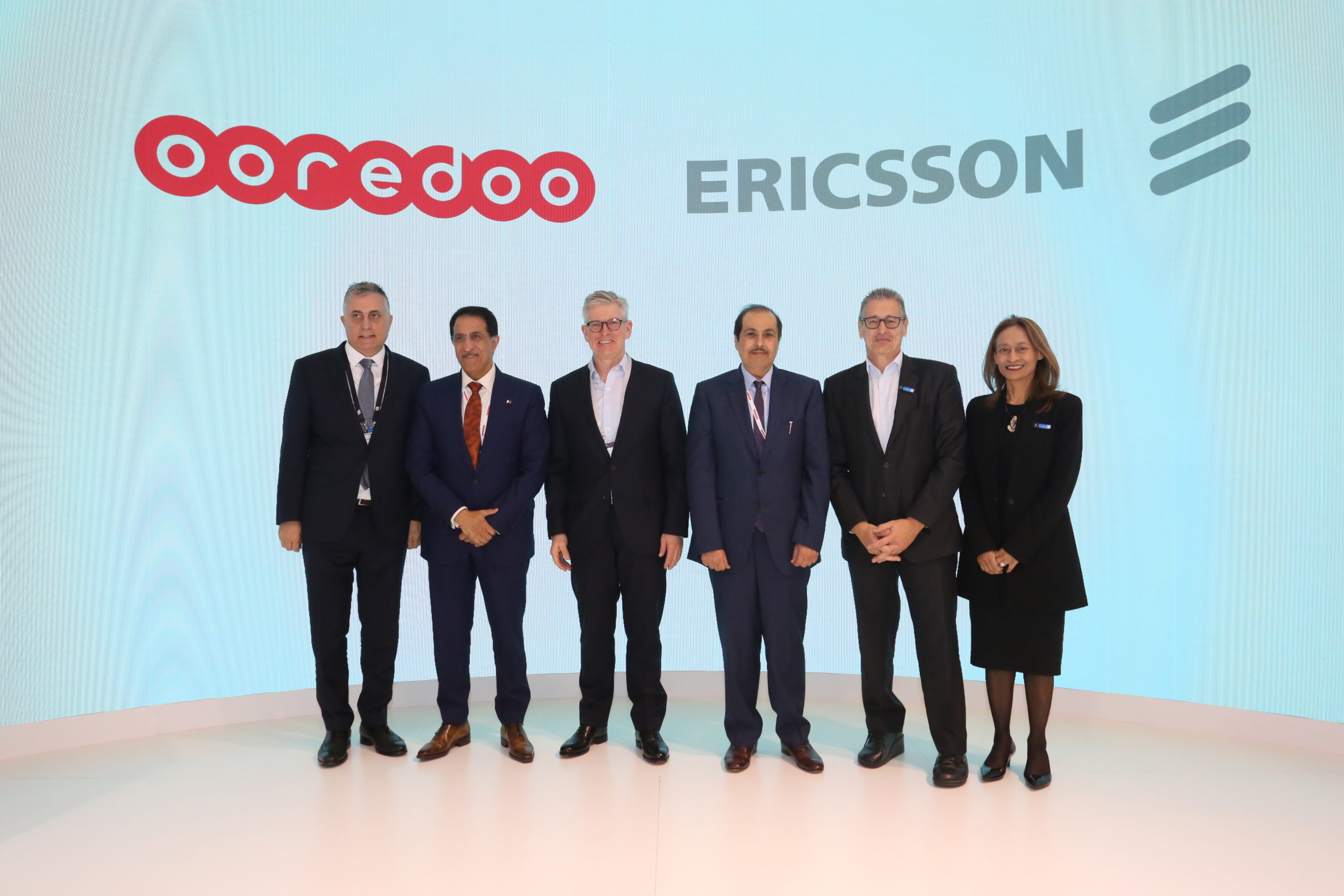
    Ooredoo Qatar, working with technology giant Ericsson, has successfully tested the 200MHz spectrum and achieved a record system throughput of 4.2Gbps, as part of the growing shift towards complete 5G delivery.

    The technology, deployed within Ooredoo’s network, uses advanced 5G and 4G carrier aggregation functionality, increasing the data rate per user by assigning multiple frequency blocks to the same user. This innovation is expected to play an important role in the build-up to achieving 90 percent 5G coverage throughout Qatar by the end of 2020.

    Increasingly, Ooredoo Qatar is positioned as a key digital enabler. With this recent breakthrough in both speed and delivery, customers will be able to maximize the benefits of streaming services, virtual learning environments, cloud gaming and augmented and/or virtual reality applications. Likewise, it will allow businesses to pursue new customer bases, while potentially streamlining their contribution to such endeavors as smart cities, telemedicine, and logistics.

    Sheikh Mohammed Bin Abdullah Al Thani, CEO at Ooredoo Qatar says: “5G is a phenomenal evolution that opens doors to a world of new possibilities — many of which we have already tested — and we are proud to be at the forefront of the 5G revolution amongst global telecom operators. Keeping our customers connected and enabling them to enjoy the best of the internet is at the core of what we do, and this partnership with Ericsson will enable us to achieve our strategic goals in network development and expansion. We are making use of the latest innovative technology to apply 5G in existing frequency bands and deploying the latest 5G radios to shift our subscriber experience to a whole new level; with the addition of 5G, we are committed to offering Qatar the best mobile digital infrastructure, which will result in enhanced user experience ahead of the major world sporting events set to be held in Qatar.”

    Fadi Pharaon, President of Ericsson Middle East & Africa, says: “We are pleased to be working with our long-standing partner Ooredoo Qatar helping them achieve the full potential of 5G. Today’s trial cements Ooredoo’s commitment to bring the latest technology and prepares its network for the new era of 5G use cases. This announcement highlights Ericsson’s 5G leadership enabling wider opportunities, innovative solutions, and applications that 5G will bring.”

    By reaching this milestone, Ooredoo Qatar is taking a crucial step forward for an efficient and seamless roll-out of the latest mobile technology, offering enhanced network performance.

  • Budget airline AirAsia’s future in ‘significant doubt’

    Budget airline AirAsia’s future in ‘significant doubt’

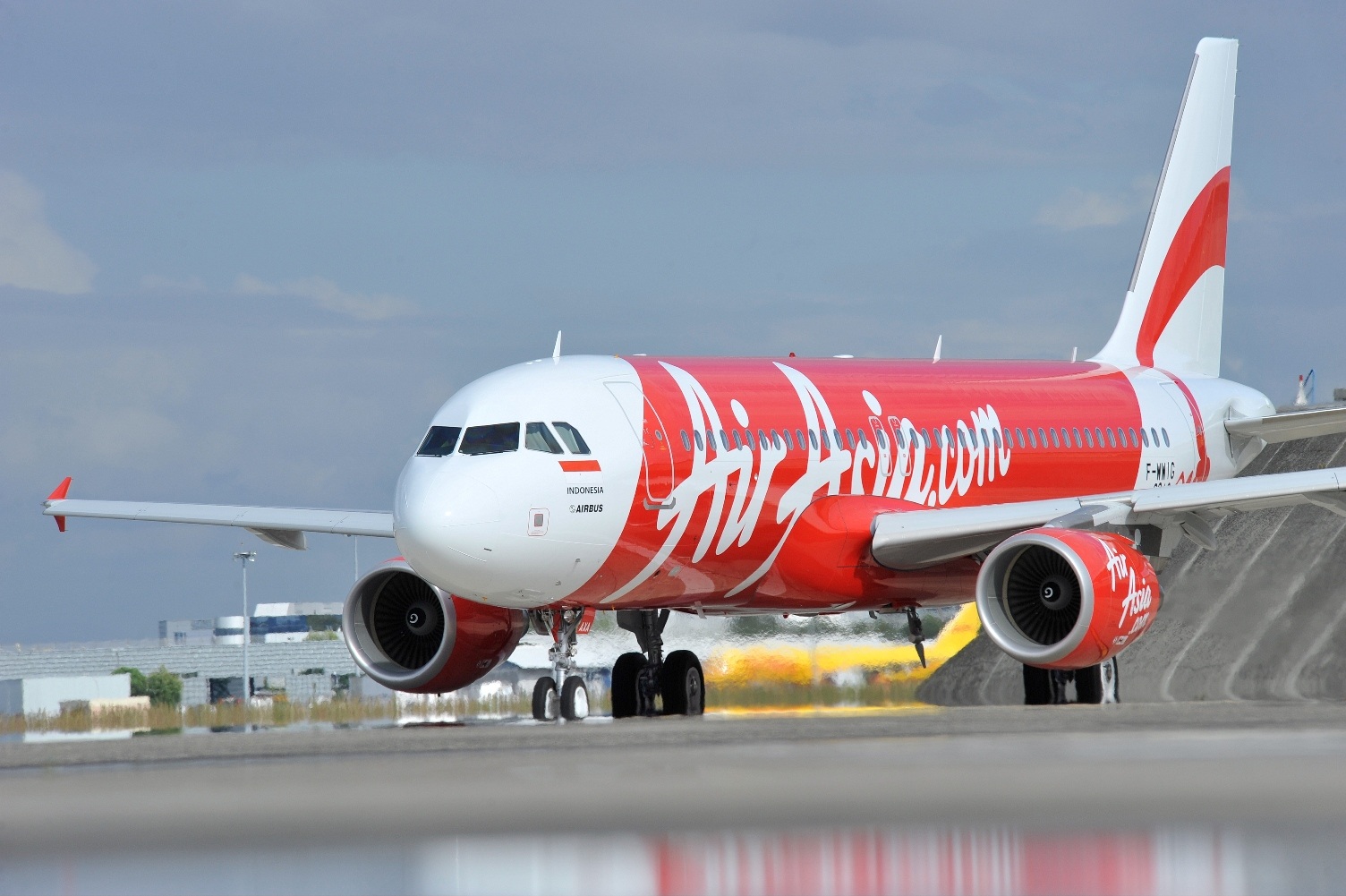
    The future of Asia’s biggest budget airline, AirAsia, is in “significant doubt”, auditor Ernst & Young has said. Shares in the Malaysian-based airline fell by more than 17% on Wednesday after being halted earlier in the day.

    The airline’s founder and chief executive is tycoon Tony Fernandes, who also co-owns Queens Park Rangers (QPR) football club in the UK.

    The world’s airlines have been hit hard by the sharp fall in passengers due to strict coronavirus travel restrictions.

    Ernst & Young highlighted the airline’s huge debts in a statement to the Kuala Lumpur stock exchange late on Tuesday.

    It said AirAsia’s current liabilities already exceeded its current assets by 1.84bn ringgit ($430m; £340m) at the end of 2019, before the start of the pandemic.

    The Asian carrier’s financial performance and cash flow have been further hit by the grounding of its planes amid tight travel curbs and lockdowns.

    This slump and AirAsia’s financial performance “indicate the existence of material uncertainties that may cast significant doubt on the Group’s and the Company’s ability to continue as a going concern,” Ernst & Young said in its unqualified audit opinion statement.

    On Monday, AirAsia reported a record quarterly loss of 803.8m ringgit. The budget airline started suspending flights in late March.

    “This is by far the biggest challenge we have faced since we began in 2001,” Mr Fernandes said in a statement.

    “Every crisis is an obstacle to overcome, and we have restructured the group into a leaner and tighter ship.”

    “We are positive in the strides we have made in bringing cash expenses down by at least 50% this year, and this will make us even stronger as the leading low-cost carrier in the region,” he added.

    AirAsia said it was in talks over joint ventures and collaborations that may result in additional investment. It has also applied for bank loans and is weighing proposals to raise additional capital.

  • Masan fails to buy out Vinacafe

    Masan fails to buy out Vinacafe

    Conglomerate Masan has not been able to buy out instant coffee producer Vinacafe Bien Hoa JSC due to unfavorable market conditions. Its subsidiary Masan Beverage Company Limited could only purchase a 0.3 percent stake in the coffee producer via order matching between June 17 and July 16, against a plan to purchase 1.51 percent to fully own the company.

    Masan Beverage owns 98.79 percent of Vinacafe, in which it has been buying stakes since 2011.The most recent transaction occurred in February 2018 when it bought nearly eight million shares for VND1.6 trillion ($69 million) to increase its holding to 98.49 percent. Ticker VCF of Vinacafe on Friday closed at VND208,000 ($9), up 16.8 percent from the start of the year.

    The company, established in 1968 and among the most popular instant coffee brands in Vietnam, targets net revenues and net profits this year of VND3.3 trillion ($142 million) and VND780 billion ($33 million), respectively.

  • Owndays partners with Wagyumafia to launch new eyewear range

    Owndays partners with Wagyumafia to launch new eyewear range

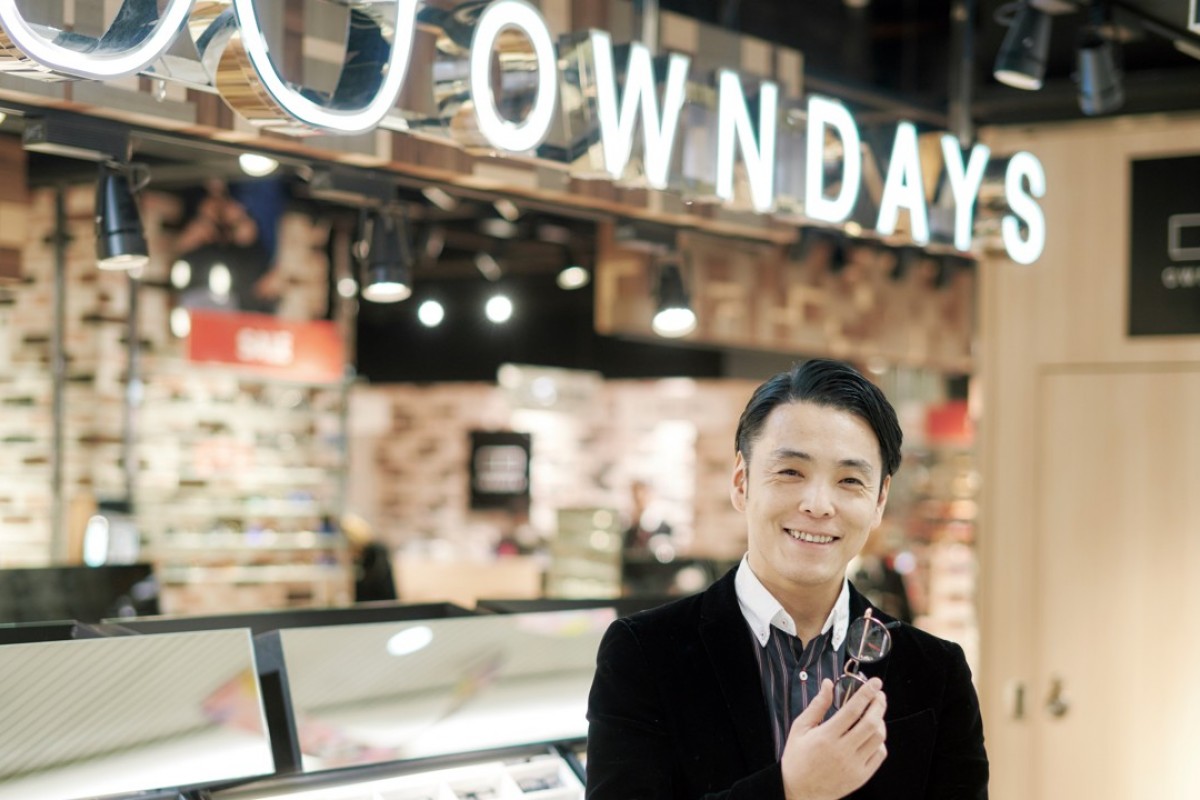
    Eyewear retailer Owndays has launched a new sunglass range branded Chateaubriand in collaboration with restaurant brand Wagyumafia.

    The collaboration model is all about portraying the theme handmade in Japan with simple and basic in mind, the company says.

    The Chateaubriand collection has two types of sunglasses, both with a bold “Chateaubriand” logo on the temple. The normal type features a heavy- duty acetate black frame made from thick fabric and transparent green lens. The sporty type has a light gray frame and a polarised lens.

    Meanwhile, the restaurant has created a special VIP set menu where customers can “enjoy this collaboration of sunglasses and a gorgeous meal” with Wagyumafia and Owndays.

    Wagyumafia is an exclusive restaurant brand set up by Takafumi Horie and Hisato Hamada. Wagyumafia operates eight restaurants around the world with its mission to educate consumers and the restaurant industry on the appropriate application of high-end Japanese Wagyu beef.

    Bookings are strictly limited.

  • Aston Martin Callum Vanquish 25 Production Model Revealed

    Aston Martin Callum Vanquish 25 Production Model Revealed

    Just nine months after announcing the project, the production iteration Aston Martin Callum Vanquish 25 by R-Reforged has been revealed alongside confirmation that customer car build will commence in September. Designer Ian Callum has evolved the concept shown in 2019 with a revised interior, more trim options and definitive chassis and powertrain set up. In fact, Callum talked about this venture even in our exclusive episode of Freewheeling With SVP and gave us a hint that the car is on the way.

    The Vanquish 25 now features over 350 engineerings, material, and design changes that transform the much-loved car into a more practical and relevant GT. Having covered over 32,000 kms of rigorous testing on UK’s broad range of road types and qualities, as well as multiple sessions on both the wet and dry tracks at Michelin’s Ladoux proving ground, engineers carefully determined a crisper set up to amplify the driving experience of a classic GT. Highly tuned rebound and compression of the Bilstein dampers provides composure with noticeably more agility and control. Careful bush selection, stiffer anti-roll bars, a 10mm lower ride height, up to 60mm wider track, and specific Michelin Pilot Sport tire compounds assure linearity in roll and composure without resorting to a rock-solid track feel that contemporary GTs often lean towards. Steering feel, aided by the fitting of a more slender wheel rim, lower seating position, and the suspension improvements, is sharper with more feedback to reward the enthusiast driver. The overall result is a more versatile GT eminently suitable for everyday use.

    Ian Callum, Founder, Callum Designs, said, “The designers, engineers, and craftspeople have poured all their energy into breathing new life into the car, pushing the boundaries of every detail: flawless surface finishes, tight shut lines and a crafted interior I believe you’ll enjoy spending time in. I’m particularly impressed with how it drives. From the lower, more sculpted, and cossetting seat, the crisper steering with enhanced feel to just the glorious way it sounds, I think we have created something quite special.”

    The Vanquish 25 by R-Reforged is offered with eight trim colors, three transmission variants – manual, auto and semi-automatic – as well as three bespoke 20-inch wheel choices. The car’s leather trim is provided by Bridge of Weir Leather Company, while Bremont’s removable pocket watch, an industry-first, remains prominent in the interior that now includes brushed or polished dark chrome details, and a walnut veneer option instead of carbon. Mulberry has developed the luggage to fit snugly in the rear of the cabin.

    R-Reforged has now also revealed revisions to the engine and the engineers have detailed the area with carbon and leather dressing alongside the bespoke carbon intake system and tuned equal length stainless steel primary collectors that create a sonorous V12 howl from the 580bhp engine. The car will be built starting September with initial cars destined for Europe and Latin America.

  • Covid-19 drives broad shift in shopping behaviour

    Covid-19 drives broad shift in shopping behaviour

    The coronavirus pandemic has had a lasting impact on the shopping behavior of global consumers, according to new research by Adobe.

    The figures show that despite the lifting of lockdown restrictions in many countries worldwide, customer shopping habits and brand interactions have not returned to pre-coronavirus norms.

    According to the survey, 67 percent of responding consumers remain concerned about the pandemic’s impact on personal health (73 percent), jobs (40 percent) and the economy (36 percent). Millennial consumers registered far greater levels of concern than any other respondent age group.

    “The outbreak of Covid-19 has accelerated a broad shift in APAC consumer behaviors and attitudes that have been in the making for some time,” said Adobe MD Southeast Asia Simon Dale. “It is clear from the results of the study that brands that are nimble in pivoting to this digital ‘new norm’ will be able to create deep and enduring brand resonance while helping their customers feel truly supported. Marketers will need to pay close attention to their customers and ensure that they adapt their CX strategy to address different groups with relevant messages, more so now than ever.”

    Close to 100 percent of consumers expressed patience with those restrictions that remain in place, while just 61 percent agree with full lockdown measures – Chinese consumers being notably content to wait things out.

    Other findings showed increasing consumer concern with the way businesses treat staff (77 percent), while just 54 percent of consumers think firms care for the wellbeing of their employees. A high proportion of consumers think it important for brands to mirror the state of the world in their marketing collaterals in response to Covid-19 and have a duty to proactively offer help or provide special offers to customers in this era.

    Despite a sharp growth in online shopping and widespread anticipation of a permanent shift in consumer behavior towards e-commerce adoption, 70 percent of consumers reported a preference for purchasing grocery items in person, particularly in Australia.

    To respond to these and other nuances in customer preference, the majority of organizations are transforming their long-term strategy in case this period lasts for more than a year (79 percent), and are also changing their approach to future marketing efforts (82 percent).

  • WhatsApp upcoming feature lets you use the same account on multiple devices

    WhatsApp upcoming feature lets you use the same account on multiple devices

    WhatsApp is testing new features all the time and we often learn about them before release. One of the important features that we hope to see coming to WhatsApp is the option to use the same account on multiple devices.

    A new report coming from WABetaInfo confirms WhatsApp is now testing this new feature that allows users to have the same WhatsApp account on up to four devices. In that regard, a new UI that will manage all linked devices is now in the works at WhatsApp.

    The new UI is meant to enable users to add new devices to their WhatsApp account or remove them if they need to. To add new devices to your WhatsApp account, you must use a code that will sent to you via SMS or WhatsApp Chat. The procedure hasn’t been finalized since the feature is still in the works, but it’s probably the easiest and most secure way at the moment.

    The new option to add multiple devices on the same WhatsApp account is not yet available in any of the beta versions of the app, but the new Linked Devices UI does show up in one of the beta iterations.

  • Apple is assembling a top-of-the-line iPhone in India for the first time

    Apple is assembling a top-of-the-line iPhone in India for the first time

    Two weeks ago we told you that Apple’s largest manufacturing partner Foxconn plans to invest the princely sum of $1 billion to increase the production of the iPhone in India. The latter is the second-largest smartphone market in the world after China, although it does remain a developing country. As a result, lower-priced phones sell the best including Xiaomi’s value for money handsets and Samsung’s Galaxy A series. The iPhone? It’s considered a luxury item in the country.

    By producing the iPhone in India, Apple avoids paying a hefty 22% import tax on units shipped into the country from China. And locally made iPhones fit in with Prime Minister Narendra Modi’s Make in India initiative that favors products made in, well, India. In the country, contract manufacturer Wistron assembles 2016’s iPhone 7 in Bengaluru while in Chennai, Foxconn makes the iPhone XR. By sticking with older models, Apple is able to sell iPhones to Indian consumers at a more affordable price.

    For some years there has been talk about Apple producing some of its higher-priced current models in India and India.com notes that on Friday, India’s Commerce and Industry Minister Piyush Goyal said that the tech giant has started to make the iPhone 11 at a Foxconn facility in India. While the phone is the lowest priced among Apple’s current flagship phones, Goyal proudly said in a tweet, “Significant boost to Make in India! Apple has started manufacturing iPhone 11 in India, bringing a top-of-the-line model for the first time in the country”

    In India, some iPhone 11 units that were produced in the country are available in retail stores. The lockdown that was ordered due to the coronavirus delayed these units from reaching store shelves but they are now slowly making their way there. However, the locally made iPhone 11 still has the same prohibitive (for Indians) manufacturer’s retail price listed as found on the units imported from China. Anonymous sources say that Apple has asked its supply chain in China to ship components to India for the iPhone SE (2020). The most affordable phone in the iPhone lineup, the device is tailor-made for Indian consumers who cannot afford any model in the iPhone 11 line.

    An import tax and the Phase One agreement signed by both countries saved Chinese manufacturers (and companies that assemble their phones in China-like Apple) from having to eat a tax or pass it on to their customers in the form of higher prices. While moving some production out of China was a subject that Apple reportedly had on the table for some time, last year there were some reports stating that the tech giant was looking to move 20% of handset production out of China. India would be the obvious choice although there are questions about whether Apple can put together a supply chain that can provide it with parts in the quantity and quality that Apple needs. The second-largest iPhone assembler, Pegatron, will join Foxconn and Wistron in India according to the latest rumors.

    There are over half-a-billion smartphone users in India, but the country had a Gross National Income per capita of $7,680 as of 2018 according to the World Bank; which compares to over $63,000 in the U.S. Thus, premium handset sales are far fewer in India. Apple is the leader in that category while Xiaomi is the top smartphone manufacturer in the country. During the second quarter, the top five smartphone vendors in India were Xiaomi, Vivo, Samsung, Oppo, and Realme. Because of the COVID-19 pandemic, the number of handsets delivered to the country declined almost in half from 33 million in the second quarter of 2019 to 17.3 million during this year’s quarter.