Author: Mei Ling Tan

  • DBS Launches Income Fund for Retiree Investors

    DBS Launches Income Fund for Retiree Investors

    The multi-asset Schroder Asia More+ fund includes a unique decumulation share class targeted at retiree investors.

    DBS Bank on Friday announced the launch of a new fund with Schroders that offers investors an income-generating solution with exposure to a range of investment growth themes across Asia, including technology, consumption, logistics and financial services.

    The fund is available in three share classes – accumulation, distribution, and decumulation – to cater for different investment objectives. The decumulation share class is designed for retirees and investors whose goals have shifted from accumulating wealth to drawing down from assets, and has an intended payout of 6.88 percent per annum, while drawing down from their capital over the long term.

    The concept of decumulation is still relatively new in Singapore, and we hope that this product will get more Singaporeans to think about managing retirement savings in their twilight years, Lim Soon Chong, regional head of investment products and advisory, DBS Consumer Banking and Wealth Management, said about the new fund.

    According to the announcement, the fund was developed using insights gained from the Schroders Global Investor Study, which revealed that Singapore investors have rising income expectations from their investment portfolios and that many are overly optimistic about how long their retirement savings will last.

    The embedded resilience features in this product will help it navigate through the current climate of uncertainty while generating income, through a combination of investing in new emerging growth drivers and income-generating assets, Lily Choh, deputy CEO, Singapore, and head of distribution, Southeast Asia, Schroders, said.

    Customers will be able to invest in Schroder Asia More+ from S$1,000 ($717). The dynamically managed fund has no lock-in period and low management costs, and is approved for investment using funds from the Central Provident Fund (CPF) Supplementary Retirement Scheme. Although primarily invested in Asia, it is weighted towards Singapore-based assets. Investors may choose to invest in  SGD, AUD, or USD.
  • Apple iPhone production in India shuts down due to dispute with China

    Apple iPhone production in India shuts down due to dispute with China

    Battles along the India-China border last month left 20 Indians dead, and as we told you at the time, negatively impacted iPhone production in and shipments to India. Indian authorities were blocking shipments from China into India. This left Apple iPhone components held up at Indian ports and a lobby group representing U.S. companies in India wrote the country’s commerce minister to state that holding up shipments from China could dissuade U.S. firms from doing business in the country.

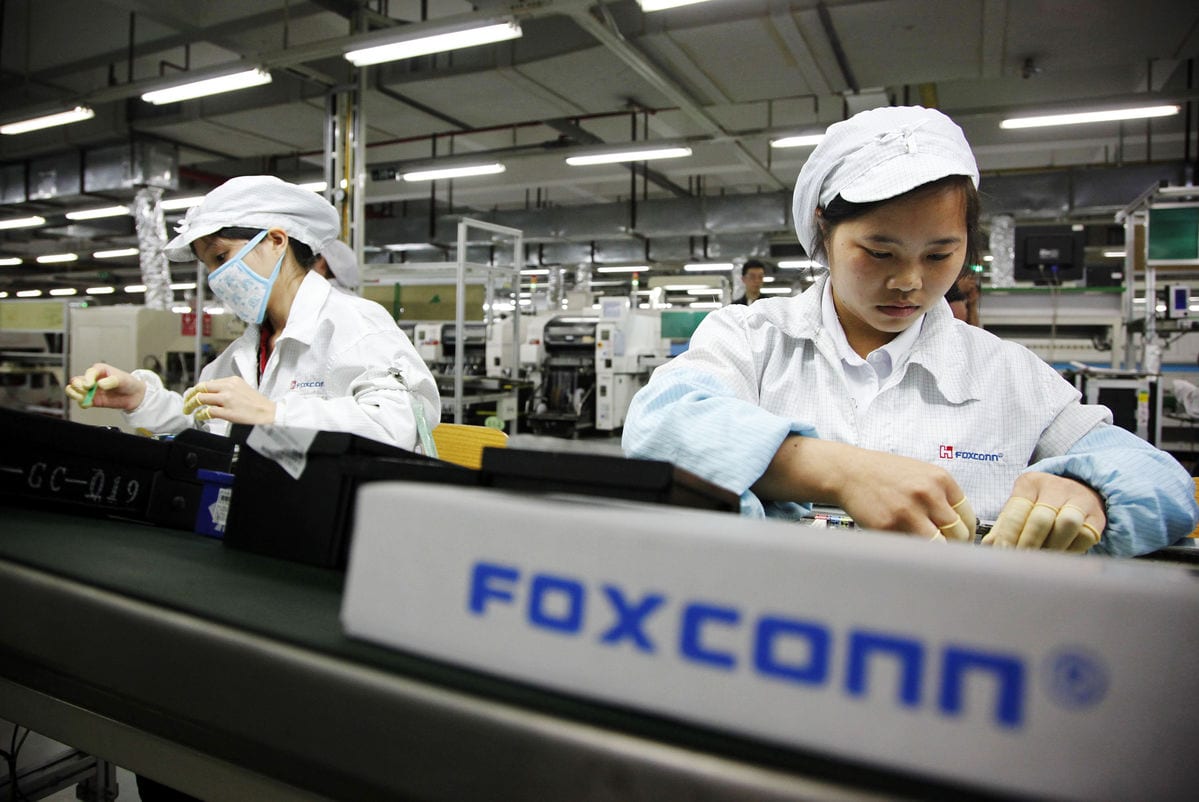
    India continues to make things difficult and is still blocking exports from China. Three sources inside India told Reuters that because Apple contract manufacturer Foxconn cannot receive supplies to its two factories in South India, hundreds of Foxconn employees had no work to do this week. Apple started manufacturing certain iPhone models in India starting with the OG iPhone SE. It now makes newer phones like the iPhone XR in India; by producing handsets in India, Apple is able to keep the country from imposing an import tax on them. Keeping the price of these phones down is important to the average Indian consumer; while it is the second-largest smartphone market in the world, India remains a developing country and for the most part, consumers there need to limit their phone purchases to low and mid-range models. Saving $100 to $200 by avoiding an import tax is a big deal to consumers in the market

    More than 150 shipments to Foxconn’s Indian facilities from its factories in China said to contain smartphones and other electronic parts, have been stuck at the port of Chennai and some are being cleared now. The manufacturer’s two plants in India are located in Tamil Nadu and Andhra Pradesh state. Besides assembling certain  Apple iPhone models in the country, the factories assemble some Xiaomi handsets; the latter’s value for money pricing plays very well in India. The plants have thousands of Indians on the payroll and many of them live in accommodations provided to them by Foxconn.

    One source discussing the matter with Reuters said, “Foxconn was in a very bad state … lots of workers stayed at the dormitory because there was no work.” Meanwhile, the Indian foreign ministry did not respond to a request by Reuters for comment. Two ministry officials did say that the extra scrutiny given all shipments imported into India are only temporary and will soon come to an end. One official in India said, “We cannot keep checking 100% of shipments forever … Shipments of non-Chinese companies being impacted will be cleared on priority.” Interestingly, customs has held back these shipments without a formal order.

    The delays to imports from China are hitting India at a time when the supply chain is still impacted by the coronavirus. U.S.-India lobby groups are asking the government to intervene. Today, China’s commerce ministry said that it hoped that India would stop its discriminatory action against Chinese companies ASAP. The country recently banned 59 Chinese apps including wildly popular short-form video app TikTok.

    As the planet’s second-largest smartphone market, the border battle between the two countries might have a negative impact on some of the top Chinese smartphone brands in India. Xiaomi’s 30% slice of the Indian smartphone phone might not be hurt that much because the brand delivers handsets at a good price and with good specs. Samsung could be the biggest beneficiary of this squabble since it is not a Chinese brand and the Galaxy A models feature viable cameras and long battery lives at a very reasonable price. The Samsung Galaxy A10 with 2GB of memory and 32GB of storage is priced at the equivalent of $109 USD.

    For now, production of iPhone models in India are held up by this dispute as Foxconn employees get an extended vacation.

  • Gap closing retail stores in Hong Kong

    Gap closing retail stores in Hong Kong

    Gap has become the latest retail victim of Covid-19 in Hong Kong, shutting its flagship store in Tsim Sha Tsui and at least one other store.

    The US apparel chain follows in the footsteps of fellow American retailer Victoria’s Secret, which abruptly closed its giant Causeway Bay flagship store last week.

    Gap has launched a clearance sale in Tsim Sha Tsui and its Hysan Place store in Causeway Bay, ahead of their closure sometime during the next few weeks. A notice outside the Tsim Sha Tsui store advises customers they will be able to shop at other stores or on the brand’s website.

    A staff member working at the Gap store reportedly leaked to local media that Gap Hong Kong will shut three more of its eight branches next month, including the recently-opened K11 Musea store. The three shops set to continue trading are at Queen’s Avenue in Central, V City in Tuen Mun and Citygate in Tung Chung.

    The US fashion brand was already struggling before the advent of the Covid-19 pandemic. Last year, Gap said it would close 230 stores worldwide within two years. Global sales recently recorded a 43-per-cent drop in the first quarter, worse than rival apparel retailers, in the wake of the pandemic crisis.

  • DBS Offers Framework for Sustainable Development

    DBS Offers Framework for Sustainable Development

    The bank said its new framework will help clients on their journeys to more sustainable business models while providing timely transition finance and increasing transparency for transactions and projects.

    DBS has launched the world’s first sustainable and transition finance framework and taxonomy and will offer transition financing as part of the bank’s efforts to help clients from key industries to transition to a low-carbon economy, the bank announced on Tuesday.

    The bank said the framework will form the bedrock for DBS to engage with clients who are furthering their sustainability agenda and serve as a reference to guide clients to adapt and build resilience in the face of climate change, resource scarcity, and address critical global issues such as social inequality.

    At the same time, the taxonomy outlines the way DBS manages transactions that are classified as Green, Transition and/or contributing to the United Nations Sustainable Development Goals (UN SDGs), and summarises eligible economic activities.

    DBS said it will take a prudent, scientific approach to evaluate the transitional qualities of the economic activities and whether clients have a strategy to adapt their businesses to meet the threat of climate change and to limit the global temperature increase to 1.5 degrees Celsius above pre-industrial levels.

    There are many interpretations of what constitutes transition finance. The bottom line is we cannot afford to dismiss clients who carry out activities which are less than dark-green but are nonetheless part of the mainstream economy instrumental to getting us below 1.5-degree temperature increase, Yulanda Chung, head of sustainability, institutional banking, said.

    Every transitional step towards reducing carbon footprint will make a significant, cumulative difference over time, Chung added.

  • Mastercard to Support Scottish Fintech’s APAC Expansion

    Mastercard to Support Scottish Fintech’s APAC Expansion

    Mastercard has announced an expanded strategic partnership with Eedenbull to cover the Asia Pacific as the Scottish fintech eyes a slice of the region’s business-to-business payments market.

    Building on its partnership in Europe, Eedenbull will leverage Mastercard’s advisory experience, commercial solutions, and network of customers and partners as it rolls out its new commercial cards platform to banks in the region, the announcement on Tuesday said.

    Based in Norway, Scotland, and Singapore, EedenBull is a technology-agnostic innovation company built by banking, payment, and technology professionals. It operates a spend management platform to digitize the slow and costly processing of checks and cash.

    «While payment products and services are now more user-friendly, product management is growing more complex and requires access to specialists in marketing, revenue management, IT, legal, regulatory, and many other areas,» Nicki Bull Bisgaard, CEO EedenBull, said in the statement.

  • HSBC Nets Southeast Asia Equities Duo from Deutsche Bank

    HSBC Nets Southeast Asia Equities Duo from Deutsche Bank

    HSBC bolsters its Southeast Asian equities unit in Singapore with two new hires from Deutsche Bank, furthering its Asia expansion amid a major overhaul. HSBC hires Edward Lee as regional head of equity capital markets and Joy Wang as the head of Southeast Asia equities research, according to a report.

    Lee had over 20 years of industry experience and was most recently with Deutsche Bank as its co-head of investment banking coverage and head of equity capital markets, Southeast Asia.

    Wang was also most recently with Deutsche Bank where she was last its co-head of APAC property equity research in addition to other roles.

    Lee and Wang become the third joiners in less than a year from Deutsche Bank to HSBC in Singapore. In September last year, HSBC named ex-Deutsche Bank regional vice chairman Philip Lee as its new Southeast Asia vice-chairman.

    Restructuring at both HSBC and Deutsche Bank has led to a flurry of talent movement between the two lenders across business divisions. Just last month, Deutsche Bank hired former HSBC private banker Chow Shang-Wei to become the Southeast Asia head of its wealth arm.

    And outside of Asia, HSBC reportedly hired Deutsche Bank’s former co-head of corporate finance for Europe, the Middle East, and Africa Adam Bagshaw as its global co-head of advisory and investment banking coverage.

  • YouTube TV outrageously raises monthly subscription prices

    YouTube TV outrageously raises monthly subscription prices

    It’s not the first time that Google decides to raise YouTube TV subscription prices whenever it felt that the portfolio was large enough to justify the price hikes. Unfortunately, this time it raised the monthly subscription costs by quite a lot and we’re quite sure that many customers will refuse to renew their subscriptions.

    The search giant announced earlier this week that YouTube TV monthly fees will increase from $50 to $65, so customers would have to pay about 30% more. The new price takes effect on June 30 for new subscribers, while existing subscribers will see the changes reflected in their next billing cycle on or after July 30.

    To justify the new price, Google reiterates that it added eight of ViacomCBS’s family channels – BET, CMT, Comedy Central, MTV, Nickelodeon, Paramount Network, TV Land and VH1, which will be available starting today. Six other channels will be added to YouTube TV at a later date, including BET Her, MTV2, MTV Classic, Nick Jr., Nick Toon, and TeenNick.

    According to Google, the price increase was necessary because most networks require that YouTube TV include not just some of their channels, but all of them. Perhaps adding one or more flexible plans to its portfolio might allow customers to choose what they want to watch and how much they want to pay.

    Customers who wish to pause or cancel their YouTube TV membership can do it anytime here. Otherwise, you’ll be forced to pay a lot more starting July 30.

  • Foxconn eyes development of $319 million workers housing

    Foxconn eyes development of $319 million workers housing

    Taiwan’s Foxconn wants to build housing for workers in northern Vietnam and has made a proposal to the government. The world’s largest contract manufacturer, a contractor for Apple and other global giants seeks to develop three housing projects at a cost of about VND7.4 trillion (nearly $319 million), and has apprised the Ministries of Construction and Planning and Investment of its interest.

    Foxconn wants to build them near industrial parks where it has its plants so that its own workers can also be housed in them.

    If approved by authorities, a project in Viet Yen District in Bac Giang Province will be the largest at 16.7 hectares and have the highest investment of VND3.42 trillion (about $147.4 million).

    Up to VND2.93 trillion ($126.3 million) will be invested in a 6.3-hectare project in Bac Ninh Province’s Que Vo District and the rest of the total investment will be poured into a 9.9-hectare project in Vinh Phuc Province.

    The company said besides apartments they would also have healthcare facilities, schools and shops.

    Since current policies pose certain hurdles, it plans to sell the houses to companies in the industrial zones for them to lease or sell to their employees.

    Foxconn came to Vietnam in 2007, and has been operating mainly in the northern provinces of Bac Ninh, Bac Giang and Vinh Phuc, manufacturing computers and other electronic products and car parts. Last year it expanded to the northern province of Quang Ninh.

    Last week it said for the first time that Vietnam is its largest manufacturing hub in Southeast Asia.

    This year Foxconn expects its exports from Vietnam to double to $6 billion.

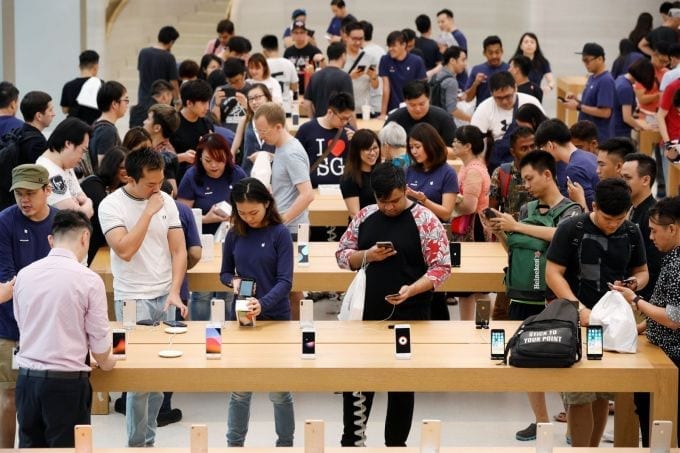
  • Apple closes 30 more U.S. Apple Stores including all locations in Florida

    Apple closes 30 more U.S. Apple Stores including all locations in Florida

    As the number of coronavirus cases reported daily in several states starts to shoot back up, Apple is beginning to close more of its physical Apple Stores. Just a week ago, we told you that Apple was temporarily turning the lights off in 14 additional locations in Florida. We posted that article on June 25th and two days later the state hit a peak of 9,585 new cases announced.

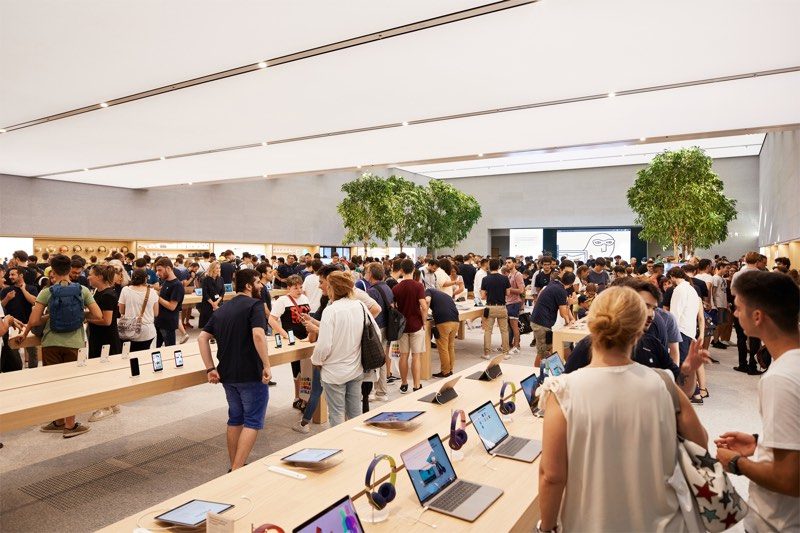
    Other states are hitting the pause button on reopening plans and today Apple said that 30 more brick and mortar stores in the U.S. will be closed. 77 Apple Stores have reclosed over the last few weeks. With the remaining two Florida-based Apple Stores turning the lights off and locking the doors today, all physical Apple Stores in the Sunshine State have now been shuttered.

    Besides the stores in Florida, locations near Los Angeles have also been closed. On Wednesday, the company said that Apple Stores in Florida, Mississippi, Texas, and Utah were closed immediately. Stores in other states such as Alabama, California, Georgia, Idaho, Louisiana, Nevada, and Oklahoma will close on Thursday. By tomorrow, 77 or 28% of the 271 U.S. Apple Stores in the country will not be open. An Apple spokesman says, “Due to current COVID-19 conditions in some of the communities we serve, we are temporarily closing stores in these areas. We take this step with an abundance of caution as we closely monitor the situation and we look forward to having our teams and customers back as soon as possible.”

    Apple is taking precautions even in stores that remain open. At some stores, all business is being conducted curbside while at other locations customers need to make an appointment to go inside. At the latter stores, when customers arrive for their appointment. they will have their temperature checked and will be forced to wear a mask; social distancing is practiced as each customer must be separated by at least six feet.

    The Apple Stores that closed today include St. Johns Town Center, University Town Center in Florida; Renaissance at Colony Park in Mississippi; Barton Creek, Domain Northside, La Cantera, North Star, Knox Street, Northpark Center, Galleria Dallas, Ciello Vista Mall, Southlake Town Square, University Park Village in Texas.

    The Apple Stores that will close Thursday include The Summit in Alabama; Glendale Galleria, Northridge, Pasadena, The Grove, Third St. Promenade, Century City, Manhattan Village, Beverly Center, Sherman Oaks, Topanga, Los Cerritos, The Americana at Brand, Valencia Town Center, Victoria Gardens, The Oaks, The Summit in California; Cumberland Mall, Perimeter, Lenox Square, Avalon, Mall of Georgia in Georgia; Boise Towne Square in Idaho; Baton Rouge, Lakeside Shopping Center in Louisiana; Fashion Show, The Forum Shops, Town Square, Summerlin in Nevada; Penn Square, Woodland Hills in Oklahoma.

    So what can a consumer expect when visiting an Apple Store in the U.S. that has been reopened and remains so? Apple explains that “Before you enter an Apple Store, we will take your temperature using a thermometer that does not touch the skin to ensure that it measures below 37.5° C (99.5° F). No data from this procedure will be recorded. Prior to your store visit, please ask yourself the following health-related questions: Do I currently have a fever, chills, muscle or body aches? Do I currently have a cough or am I experiencing any respiratory issues? Do I have a headache, sore throat, runny nose, or congestion? Am I experiencing any nausea, vomiting, or diarrhea? Have I been in contact with any suspected or confirmed cases of COVID-19 in the last 14 days? If you answered YES to any of these please visit at a later date. You can get all the same great products and services from our online store with free no-contact delivery, and one-on-one shopping help from a Specialist via Chat, or by calling 1‑800‑MY‑APPLE. Shop Apple Store online.”

    Overseas where the coronavirus isn’t making a comeback, Apple is able to keep its stores open in most countries.

  • Gold climbs to four-month high

    Gold climbs to four-month high

    Gold prices hit a four-month high of VND49.5 million ($2,137) per tael Wednesday as global prices surged due to a resurgence in coronavirus cases.

    Vietnam’s largest jewelry company DOJI sold its SJC gold at VND49.5 million per tael on Monday morning, up 0.4 percent from Monday. A tael equals 1.3 ounces.

    Saigon Jewelry Company Ltd also sold at VND49.5 million per tael, up 0.3 percent. SJC gold had reached an eight-year high of VND49.7 million ($2,146) in February.

    Global prices rose by 1.7 percent to $1,804 per ounce on Tuesday, the highest rate since November 2011. Analysts said the rising number of Covid-19 cases globally means investors are turning to gold as a safe haven.

  • Tesla Becomes Most Valuable Automaker In Latest Stock Rally

    Tesla Becomes Most Valuable Automaker In Latest Stock Rally

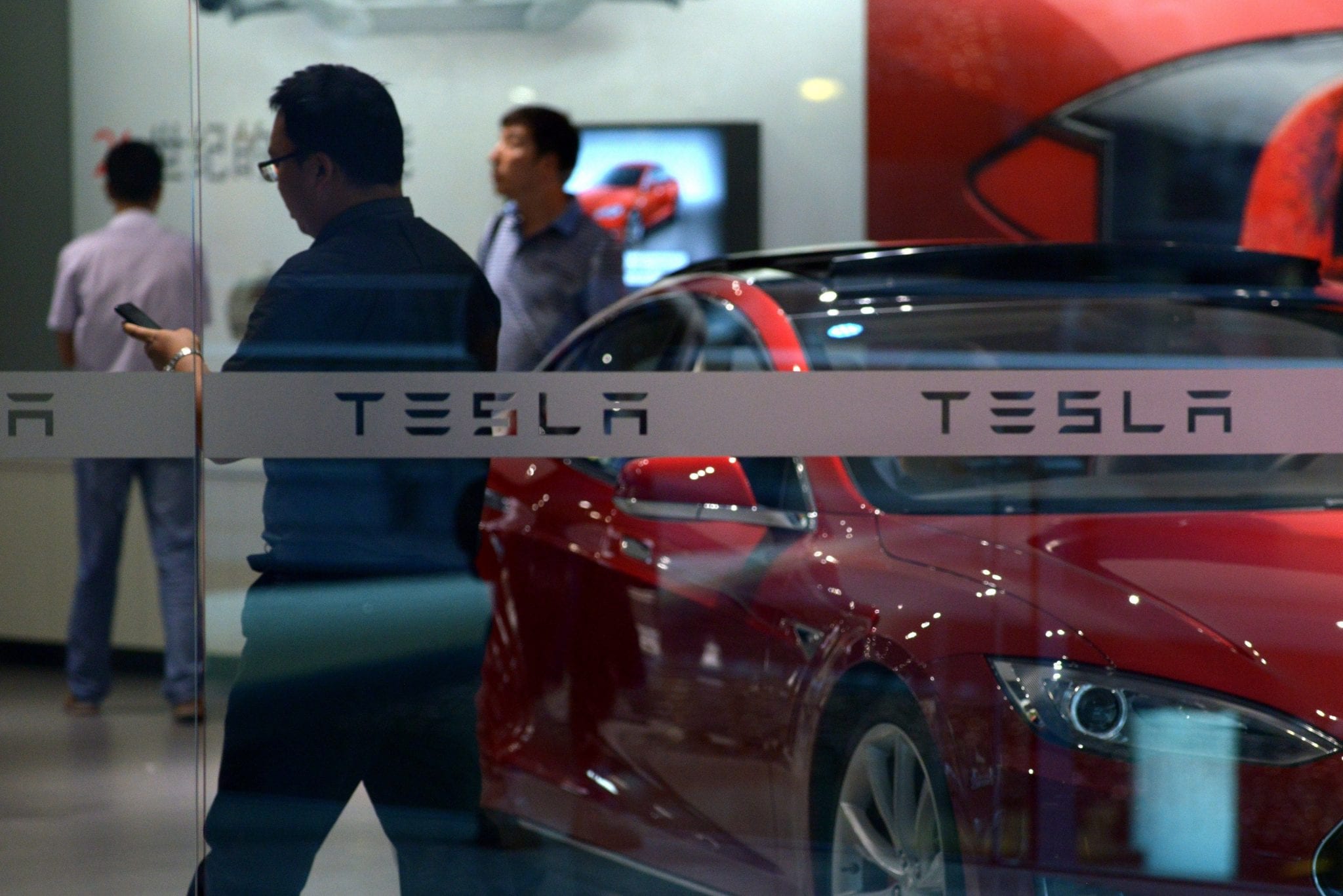
    Tesla Inc on Wednesday became the highest-valued automaker as its shares surged to record highs and the electric carmaker’s market capitalization overtook that of former front runner Toyota Motors Corp. Tesla shares gained 5% in early morning trade to a record of $1,133, boosting the company’s market cap to $209.47 billion – roughly $6 billion more than Toyota is currently valued by investors. Tesla is now worth more than triple the combined value of U.S. automakers General Motors Co and Ford Motor Co.

    The shares’ meteoric rise, up more than 163% since the start of 2020, highlight growing confidence among investors about the future of electric vehicles and Tesla’s shift from a niche carmaker into a global leader in cleaner cars.

    After several years of losses, Tesla has delivered three straight profitable quarters since the third quarter of 2019 and surprised investors with solid first-quarter deliveries despite the virus outbreak.

    Toyota, one of the world’s most profitable automakers, sold 10.46 million vehicles during its 2019 financial year, ending on March 31, 2020. It reported net revenues of 30,226 billion yen, or roughly $281.20 billion, during that time.

    Tesla, in comparison, ended 2019 with $24.6 billion in revenues, having delivered 367,200 vehicles last year. Chief Executive Elon Musk in the past said Tesla would deliver at least 500,000 vehicles in 2020, a forecast the company has not changed despite the coronavirus pandemic.

    Tesla is expected to report second-quarter delivery numbers this week.

  • Sharp to launch new solar power plant in central Vietnam

    Sharp to launch new solar power plant in central Vietnam

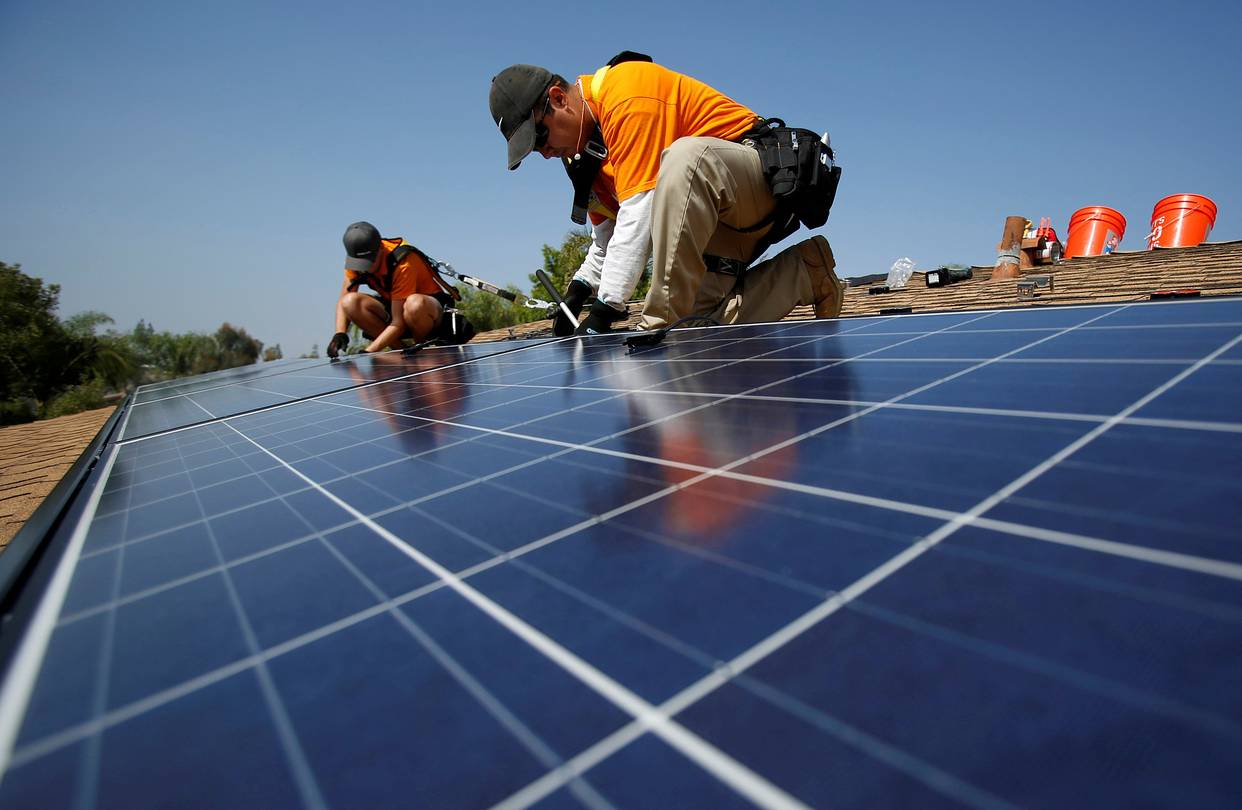
    Japanese electronics giant Sharp Corporation will begin operating a 45 MW solar power plant in the central province of Ninh Thuan in July. The plant is a joint venture between Sharp Energy Solutions Corp., a subsidiary of Sharp Corporation, Vietnam’s T&T Group JSC, and its affiliate Ninh Thuan Energy Industry JSC.

    The new solar plant is expected to generate 76,373 MWh of electricity per year, enough to meet the average annual demand of 40,500 Vietnamese households. It can offset the equivalent of 25,458 tons of carbon dioxide (CO2) emissions a year, Sharp said in a recent statement.

    Japanese news agency Kyodo News quoted a spokesman of the giant as saying that Sharp has been pushing its solar power business in Asia, having built plants in Thailand, Indonesia, and Mongolia, on the back of expected growth in consumption of electricity.

    Solar power currently accounts for 0.01 percent of Vietnam’s total power output, but the government plans to increase the ratio to 3.3 percent by 2030 and 20 percent by 2050.

    Vietnam currently relies largely on hydropower and thermal power for its electricity needs, but its hydropower potential is almost fully exploited and oil and gas reserves are running low.

    Under its energy development plan, Vietnam aims to have renewables, mainly solar and wind, account for 10.7 percent of total energy production by 2030.

  • VF Corporation to boost Greater China management ranks

    VF Corporation to boost Greater China management ranks

    Apparel, footwear and accessories firm VF Corporation is making a series of organizational changes it says will “strengthen and accelerate” its business strategy in Asia Pacific, with a particular focus on China.

    The company, which owns a portfolio of outdoor and activity-based lifestyle and workwear brands, including Vans, The North Face, Timberland, and Dickies, expects China to account for 80 percent of its global sales by 2024, up from 65 percent now.

    VF is establishing a new position of president, Greater China, expecting to make the appointment later this summer. The person will be responsible for operations in Mainland China, Hong Kong, and Taiwan.

    “When we introduced our new global business strategy in 2017, we declared our commitment to invest in our Apac region and accelerate growth for our brands, all with a particular emphasis on China,” said VF Corporation chairman, president and CEO Steve Rendle.

    “By creating the new position of president, Greater China, we’re leaning even further into the many opportunities we see to elevate our business and brands in this fast-moving, digitally-driven marketplace. We look forward to announcing our appointment later this summer.”

    VF Corporation’s current group president Asia Pacific Kevin Bailey (right) will continue in his role but relocate to Colorado, where he will add the firm’s Emerging Brands portfolio to his responsibilities.

  • Sands Shopping Carnival aims to revive Macau retail

    Sands Shopping Carnival aims to revive Macau retail

    Sands China is to launch the Sands Shopping Carnival at Venetian Macau next month to boost the local retail market.

    Co-organized by the Macau Chamber of Commerce, the promotion will feature some 500 free booths for local SMEs and Sands retailers to promote their products. Besides shopping, the Sands Shopping Carnival will also feature an international cuisine zone, shows, lucky draws and activities for children.

    “With this three-day, large-scale sale event, we hope to provide a free business platform for local SMEs and Sands retailers to gain more business opportunities,” said Wilfred Wong, president of Sands China.

    “I am convinced that by bringing together international retail brands and local SMEs in the same venue, we can create huge synergistic effects that will help foster domestic consumption, thereby contributing to the gradual recovery of Macao’s economy,” Wong said.

    The free-admission shopping event is scheduled to launch on August 7 with strict safety measures.

  • Maxim set to open 15 Shake Shacks in Southern China

    Maxim set to open 15 Shake Shacks in Southern China

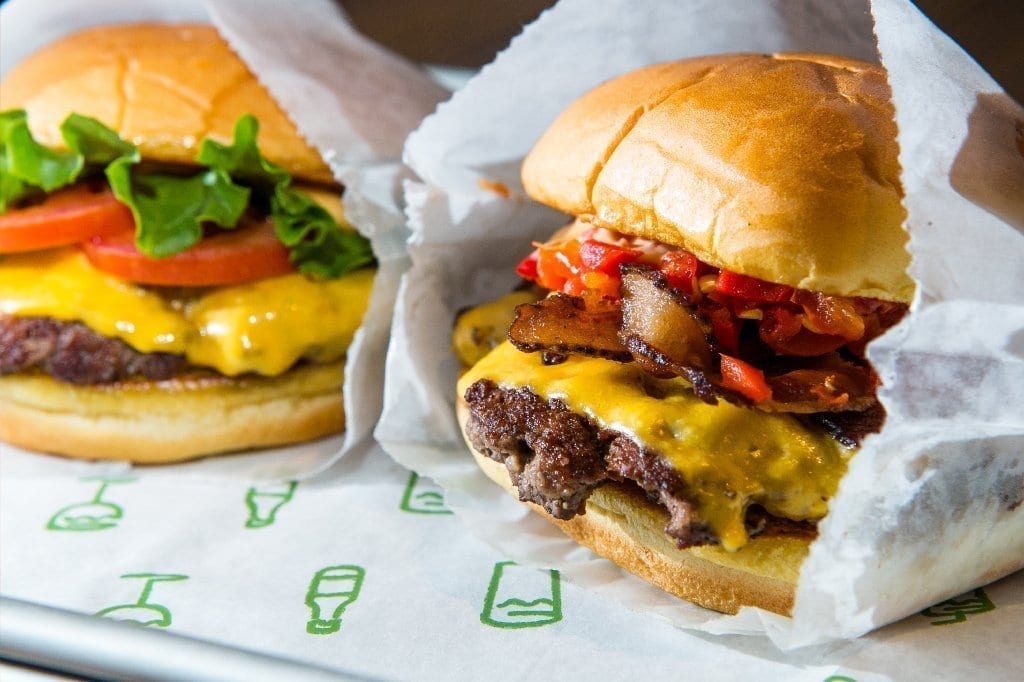
    American fast-casual restaurant chain Shake Shack is planning to open at least 15 new venues in South China by 2030.

    The chain, working through local licensee Maxim’s Caterers, a company controlled by Hong Kong’s Dairy Farm Group, will open restaurants in cities including Shenzhen, Guangzhou, Fuzhou, and Xiamen, with a goal of 55 Shake Shacks nationwide by 2030.

    Maxim’s currently operates Shake Shacks in Shanghai and Hong Kong, with Beijing and Macau under development and due to open later this year.

    “We remain humbled by our fans in China and continue to be encouraged by the performance of our Chinese business through this recovery,” said Shake Shack chief global licensing officer Michael Kark.

    “It’s a great time to deepen our roots in this market.”

    “Maxim’s partnership with Shake Shack has taken the brand on an exciting journey to Hong Kong in 2018 and Shanghai in 2019, with Beijing and Macau on the horizon,” said Maxim’s Caterers chairman and MD Michael Wu.

    “We look forward to bringing our boundless hospitality to more guests across South China in 2021 with our new expansion plans.”