Author: Mei Ling Tan

  • Asia a bright spot for cashed-up Ralph Lauren

    Asia a bright spot for cashed-up Ralph Lauren

    Luxury retailer Ralph Lauren saw online sales in Asia surge by 15 percent during the peak of Covid-19 lockdowns.  But the company’s early decision to close stores around the world saw overall sales drop by 15.4 percent, resulting in an operating loss of $284 million and a net loss of $249 million for the March quarter.

    Neil Saunders, MD of GlobalData Retail, says while the quarter ended before the peak of the pandemic in the US, the European market was hit hard with revenue down by 19.3 percent year on year and trade in North America down by 11.2 percent.

    “Unfortunately, digital channels did not completely pick up the slack from stores as Ralph Lauren temporarily suspended online operations in late March to enhance health and safety protocols. On a comparable basis, this pushed down sales by 7 percent in North America and 2 percent in Europe.”

    Saunders says that while Ralph Lauren’s loss may widen in the second quarter, the company has liquidity of more than $2 billion and a very strong balance sheet with minimal debt. “On top of this, actions to reduce expenditure in the near-term will help to minimize losses and preserve cash.”

    Saunders says the crisis came at an unfortunate time for the brand. “This quarter should have been one which capped a year of recovery for the group, which has been trying to improve its brand image and connect with new customers. In our view, while progress was patchy – especially in North America – there were signs that things were going in the right direction with steady growth in comparable sales and some stronger results from Asia and Europe.

    “Sadly, the severe downtick in trade has undone this advancement and for the full fiscal year the company will end up with a comparable sales decrease of 2 percent.”

    He believes that many Asian markets will see a reasonable bounce back in retail sales for the brand in the current quarter, but doubts the same will be true of Europe and especially not in the US.

    “The first issue in the US is that, even before the pandemic hit, the improvement in Ralph Lauren’s business was only partial. The company was moving in the right direction, but enhancements in marketing and assortments had not fully taken root and brand perception was only inching up by small increments.

    “For this reason, we do not believe that there will be a mass of customers clambering to get back to the brand once things fully reopen. This is even more so as some of what Ralph Lauren sells will, at least in the near-term, be much less relevant to consumers who are staying at home more and going out less.”

    Saunders says Ralph Lauren also faces challenges in its wholesale division, exposed to “some very unfavorable channels, especially department stores”.

    “The recovery in these locations will be weak and protracted so, although Ralph Lauren has been reducing its reliance on third-parties, it will be unduly affected. Some of the flagship stores will also suffer from a reduction in tourist numbers, which are an important component of their success. Both these structural challenges to the business will not abate before 2021.”

  • Renault Poised To Announce 15,000 Layoffs Worldwide

    Renault Poised To Announce 15,000 Layoffs Worldwide

    French carmaker Renault is poised to announce 15,000 layoffs worldwide on Friday as it unveils a plan to boost its profitability and cope with faltering sales, a representative for the CFDT union said after meeting with the company.

    Some 4,500 jobs would go in France, though largely through a voluntary departure plan and a retirement scheme, the CFDT’s Franck Daout told Reuters on Thursday.

    The overall cuts would affect just under 10% of Renault’s 180,000 global workforces. The firm has around 48,500 staff in France.

    “They’ve insisted on the fact everything will be negotiated,” Daout said, adding that unions and state bodies would be involved in talks over potential job losses in France.

    Renault declined to comment. The carmaker’s board signed off on the plans to launch its cost-savings program on Thursday, a source familiar with the matter said.

    Renault and Nissan have set out plans to revive their alliance as they battle a global slump in sales.

    The French group, which is 15% owned by the government, had earlier this year flagged a looming “no taboo” plan to cut 2 billion in costs after posting its first loss in a decade last year.

    That raised concern for some of its factories, including in France, although closures could be politically sensitive.

    The French government has already said it will not sign off on a planned 5 billion euro state loan for Renault – an aid measure linked to the coronavirus pandemic – until management and unions conclude talks over the carmaker’s French workforce and plants in France.

    Renault’s plans to invest in and extend operations in Morocco and Romania are likely to be frozen

    The coronavirus crisis has compounded the company’s problems, accentuating a slump in demand that was already hurting sales.

    Renault’s plans to invest in and extend operations in Morocco and Romania are likely to be frozen, Les Echos newspaper reported on Thursday, while its worldwide production capacity could be cut by 4 million vehicles to 3.3 million.

    The restructuring follows a retrenchment by Japanese partner Nissan, which is closing some plants and planning to become smaller and more efficient.

  • Starbucks merchandise in high demand as fans miss in-store experience

    Starbucks merchandise in high demand as fans miss in-store experience

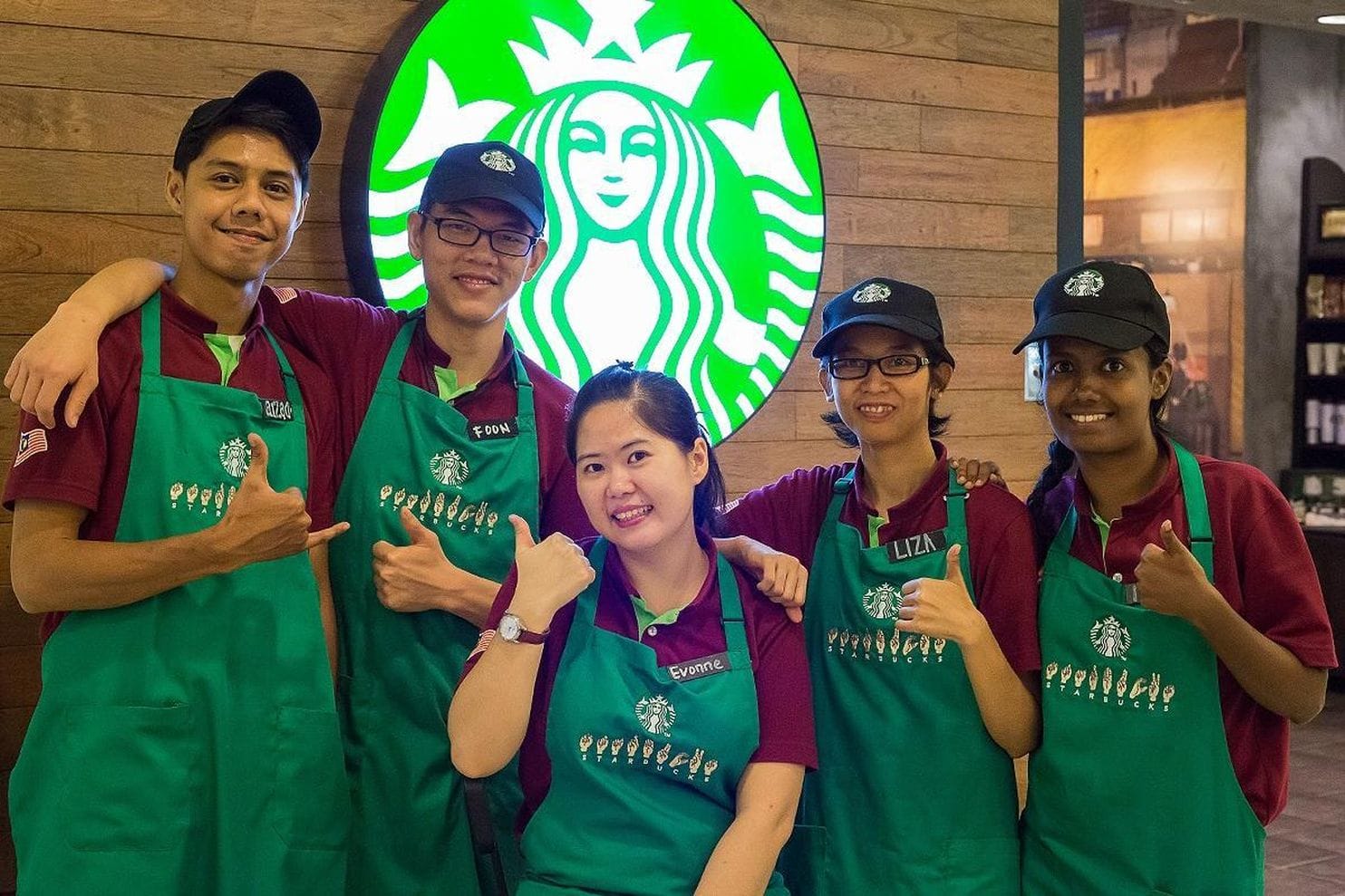
    Stuck in their homes, many US fans of Starbucks are apparently missing the experience of shopping or dining in a cafe – so they’re going online to pay huge premiums to buy the coffee brand’s merchandise.

    US high-end online reseller Poshmark has seen sales of Starbucks merchandise increase by more than 100 percent since the advent of the coronavirus pandemic.

    Buyers in search of Starbucks mugs, tumblers, earrings (yes, earrings), scarves, and almost anything bearing the famous siren logo have reportedly flooded sites such as Poshmark, hunting for bargains and rare collectibles.

    Poshmark CEO Manish Chandra suggested restrictions on movement brought on by the outbreak have triggered strong nostalgia for the coffee chain amongst patrons who regularly visit outlets. Starbucks is now the site’s top-trending brand.

    Starbucks merchandise is only available direct from its physical cafes after the company closed its online store three years ago, making it impossible for customers to browse new products in areas where lockdowns are in place.

    “People have been making their coffee at home and pouring it into their favorite Starbucks cups, or taking their Starbucks mugs to their Zoom meetings or now, virtual coffee meets,” Chandra told CNN.

    Starbucks has acknowledged the surge in demand for its merchandise on reseller sites but made no further comment.

  • JD invests US$100 million in Gome Retail

    JD invests US$100 million in Gome Retail

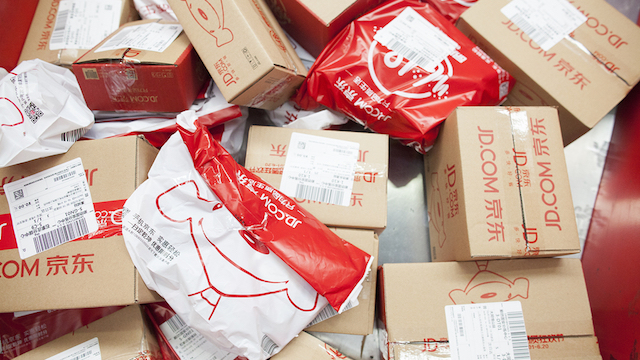
    Chinese e-commerce giant JD has made a strategic investment in Gome Retail, buying US$100 million of convertible bonds.

    Gome Retail is one of China’s largest electronic retailers. The company is in the midst of a major transition and restructure from a brick-and-mortar-dominated format into a multichannel digital business anchored around its online platform. It is also expanding its physical store network into low tier cities and rural locations across China.

    Gome had already opened a flagship store on the JD site and the two companies say the financial tie-up will strengthen the cooperation between them.

    In the next step of their alliance, JD and Gome Retail will look to use their respective online and offline strengths to achieve more synergies, including integrating their supply chains and sharing logistics and installation functions, and other business-related aspects such as financial services.

    During the last year or so, JD has invested in Five Star, D Phone, Lecoo and other businesses in the electronics retail space, creating diversified formats, such as JD E-Space, JD Computer, and Digital Products Stores and JD Home Appliance Experience Stores.

    “The strategic cooperation with Gome not only marks the acceleration of JD’s integration and opening up, but also represents the company’s commitment to promoting an ecosystem approach by relying on its infrastructure, including supply chain, logistics, and technology,” the company said in a statement.

    “It also represents JD’s commitment to work together with partners for more efficient and sustainable development.”

  • Abercrombie & Fitch sales tumble in SE Asia

    Abercrombie & Fitch sales tumble in SE Asia

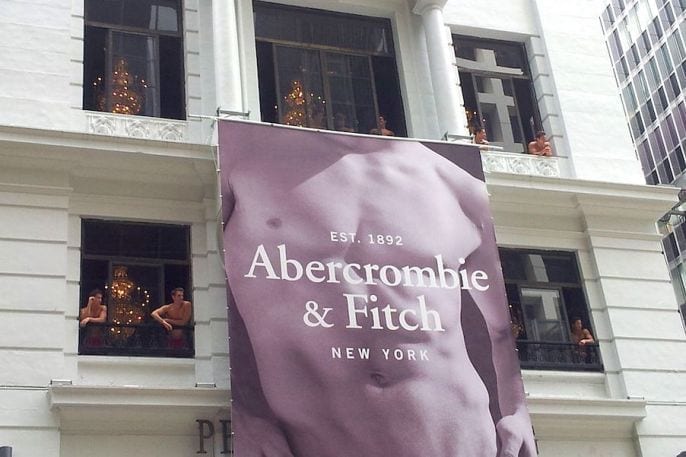
    US apparel retailer Abercrombie & Fitch suffered a 51-per-cent fall in sales in Asia Pacific in its first quarter as Covid-19 forced store closures across the region.

    Worldwide, the company suffered a 34-per-cent decline, but at least one analyst is impressed that the company’s sales did not fall further.

    “The group was one of the first to close its physical stores as this crisis broke and it is very heavily exposed to discretionary apparel categories that took a battering during the depths of the pandemic,” said GlobalData Retail MD Neil Saunders.

    “Compared to rivals, A&F has performed relatively well.”

    The loss of sales in physical stores was compensated for in part by a 25-per-cent rise online.

    “Over the period, A&F did a good job with digital marketing and kept customers regularly informed of various offers and deals,” said Saunders. “This both helped to keep the brand on the radar and stimulated some buying activity in a market that would otherwise have been very subdued.”

    In terms of sales across all channels, the company’s namesake brand performed the best, declining 30 percent worldwide. Sales at the surfwear concept Hollister declined by 36 percent. By geography, sales fell 31 percent in the Americas and by 35 percent in Europe, Middle East and Africa (EMEA).

    The soft sales saw the company record an operating loss of US$209 million and a net loss of $244 million.

    As at the end of May, Abercrombie & Fitch has reopened about half of its global store network in the wake of the Covid-19 crisis. Sales at those stores are running at about 80 percent of the levels of one year ago in North America, and 60 percent in EMEA.

    “This is not a bad initial come-back figure, especially as our data shows that where reopening has occurred, customer traffic and spend is gradually building which indicates the numbers will strengthen as time progresses,” says Saunders.

    “Nevertheless, the numbers show that trade is not coming back with a bang and given A&F is in a relatively good position in terms of brand and product mix, productivity levels will be significantly worse in other parts of the apparel market.”

  • Foodpanda in the Philippines expands into groceries delivery

    Foodpanda in the Philippines expands into groceries delivery

    Food-delivery service Foodpanda in the Philippines has expanded into grocery deliveries. Partnering with major retailers such as 7-Eleven, the company said it has introduced a “Shops” function on the Foodpanda app.

    “Shops provide Foodpanda users more options and upgrades so they will never have to run out of everyday essentials,” said Paolo Biondi Te, head of the grocery at Foodpanda in the Philippines.

    “With this newly added service, we are confident that this will bring delight and satisfaction to our customers who need easy access to their daily essentials while providing elevated experiences to Filipinos’ everyday lives,” he added.

    The “Shops” function works similarly to other grocery-delivery services which allow customers to place orders from a shop and track it through the Foodpanda app.

  • Starbucks expands Teavana in Korea

    Starbucks expands Teavana in Korea

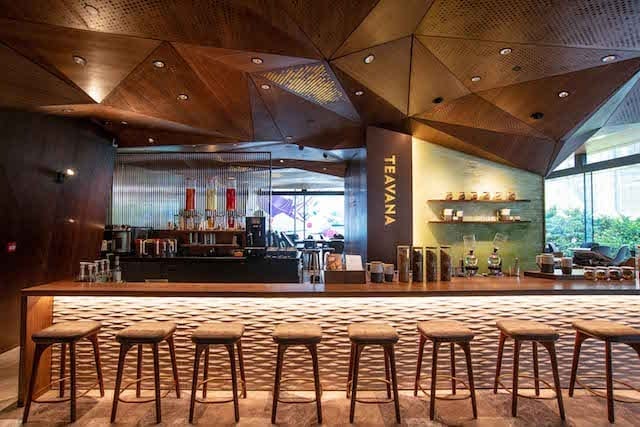
    Starbucks is expanding Teavana in South Korea. According to the Korea Herald, The number of Starbucks’ premium Reserve-branded coffee houses serving Teavana drinks has expanded from 13 to 52.

    The tea has grown in popularity within the territory since it was introduced in 2016, with Teavana sales growing 20 percent annually. One tea blend is now the chain’s third most frequently ordered beverage among younger customers, perhaps due to a heightened awareness of health consciousness in that demographic.

    During the first three months of this year, sales of green tea-based drinks rose 35 percent compared with the same period last year.

    Starbucks acquired US-based Teavana Holdings in December 2012, a “super-premium tea” product it said brought “exotic blends, great flavors, wellness and innovation” to customers globally. At that time it was a standalone retailer, however, Starbucks closed all of the stores and integrated the brand and its products into selected coffee stores.

  • Since Huawei can’t use the top video sharing service

    Since Huawei can’t use the top video sharing service

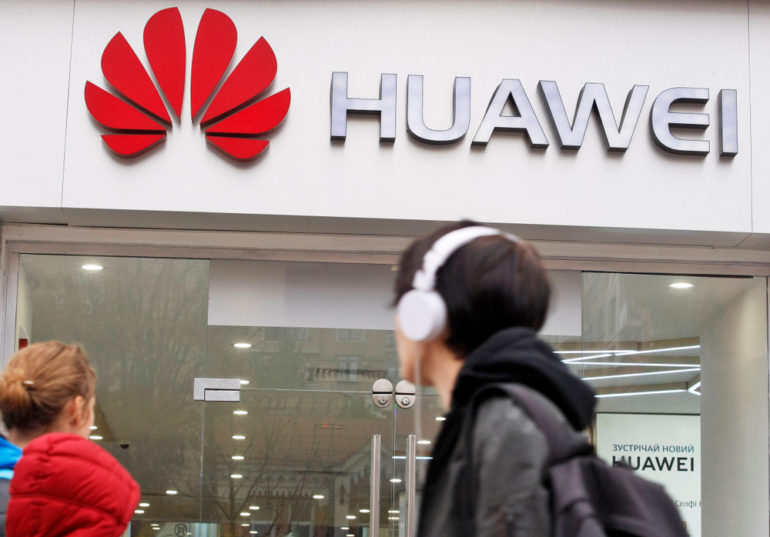
    A bit over a year ago, the U.S. Commerce Department placed Huawei on its Entity List preventing the company from accessing its U.S. supply chain. This prevents the manufacturer from licensing Google Mobile Services and installing core Google apps on its phones. The company also cannot install apps like the Play Store, Gmail, Search, Maps, and Drive. This doesn’t matter inside China where most of Google’s apps are banned anyway, but it could affect demand for the global versions of the company’s handsets.

    Huawei has been using an open-source version of Android and debuted its own Huawei Mobile Services with the recently released P40 series. HMS features Huawei’s own AppGallery app storefront which includes the Petal Search app. The latter has a cool feature that allows users to search for a particular app. If an app cannot be found in AppGallery, Petal Search will find a third-party app store that lists the app and provides a link to install it. This will also work with apps developed by U.S. companies such as Snapchat and Instagram giving owners of Huawei phones a way around the Commerce Department’s ban.

    Another one of Google’s popular apps that is not allowed to be installed on Huawei’s phones is YouTube. Google acquired the video streaming app in October 2006 for $1.65 billion in Google stock. As with everything else that the U.S. Commerce Department bans Huawei from, the Chinese manufacturer has been searching for a replacement that is out of reach of the Trump administration. The video-sharing tech platform located in France has signed a deal with Huawei Video. Through this new partnership, DailyMotion’s video player technology has been integrated with the Huawei Video app. Dailymotion, for those unaware, is the second-largest video sharing platform in the world behind YouTube.

    The technology package includes a robust white-label video player, a large volume of international and local video content via Dailymotion’s API as well as a strong monetization solution of the video inventory. In other words, Huawei users will have access to a large selection of videos that can be monetized by including ads with a video. The decision about monetizing content is up to Dailymotion’s video creators. Dailymotion says, “Committed to supporting renowned global publishers like Huawei Video, Dailymotion believes that its video technology solutions will continue to enrich the content of publishers, to expand their digital footprint and reach a global audience.”  It might not be the same content found on YouTube, but the Dailymotion app might include plenty of European content that should find favor among owners of the global variants of Huawei handsets.

    The international and local content available from Dailymotion is expected to broaden the audience for the Huawei Video app. Stéphane Godin, Dailymotion’s, Chief Content Officer said, “Thanks to all our premium partners, Dailymotion is able to distribute a large amount of videos and playlists to third-party publishers. We are proud to collaborate with Huawei to make all of our content catalog reach new premium audiences.” A Huawei executive also chimed in; Jervis Su, Vice President of Mobile Services, Huawei Consumer Business Group stated, “We’re pleased to offer our Huawei Video service so that people across the globe can easily explore thousands of videos and movies available from our partners, including Dailymotion, anywhere and anytime. We are committed to bringing more choice to consumers. We also hope it will bring some joy to all of their lives at this time.”

    The U.S. considers Huawei to be a national security threat due to a perceived tie to the communist Chinese government. Administration officials believe that Huawei’s gear contains backdoors that collect data from consumers and corporations and sends it to Beijing. Huawei has repeatedly denied these allegations.

  • Central Retail takes full control of FamilyMart Thailand

    Central Retail takes full control of FamilyMart Thailand

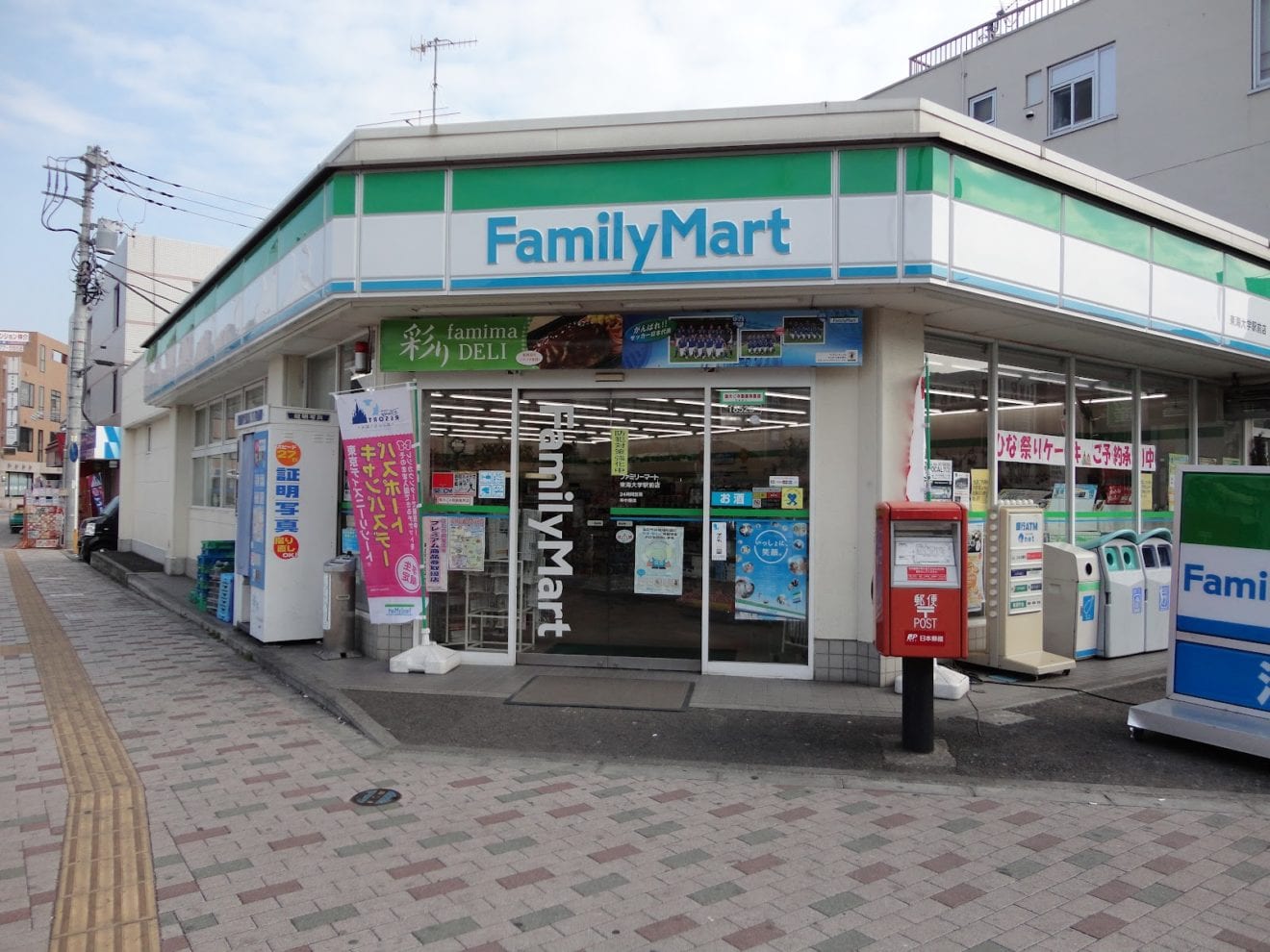
    Central Retail has taken full control of the FamilyMart Thailand business, a precursor to expanding the network in the country.  Currently, FamilyMart has just 1000 convenience stores, largely centered in the capital city of Bangkok. That’s a fraction of the 14,000-odd stores under CP All-owned rival 7-Eleven.

    “The acquisition of all the shares of FamilyMart is in line with Central Retail’s strategy to strengthen our Central Retail & Service Platform, reaffirming our leading position in the retail business, as well as to increase our potential in offering full-scale services through customer-centric omnichannel,” said Central Retail CEO Yol Phokasub.

    He said the company plans to continue expanding the FamilyMart Thailand store network but did not provide any further details.

    Central Retail has run the FamilyMart Thailand business in partnership with Japan FamilyMart Co since 2012, through a company called SFM Holdings. Central held 50.65 percent of the shares in SFM and its Robinsons department store division 0.35 percent. Yesterday, Central bought the remaining 49 percent from the Japanese company.

    Phokasub says the deal strengthens the power of Central’s food and convenience-store businesses at a time when Thailand’s food market is thriving.

    “Over the past eight years of operating FamilyMart convenience stores, CRC has always been committed to improving the business model and expanding stores to offer convenience to consumers through products and services, with unique selling points to meet the needs of consumers in all areas. It has become a lifestyle & food destination with ready-to-eat meals, beverages, Arigato fresh coffee, and open spaces for everyone to come mix and mingle 24 hours a day,” he said.

    Under Central Retail’s leadership, the FamilyMart Thailand concept has expanded into other areas of convenience, including installing 24/7 coin-operated washing machines in some stores.

    During the Covid-19 crisis the chain launched vending machines both inside and outside stores, serving ready-to-eat meals, beverages, and snacks.

    The company also recently partnered with delivery-service Grab to allow customers to purchase products from FamilyMart remotely

  • Macau retail sales down with 45 percent in first quarter

    Macau retail sales down with 45 percent in first quarter

    Macau retail sales plunged 45.1 percent in the first quarter of this year to around US$1.41 billion according to the territory’s Statistics and Census Service.

    The huge fall followed the effective closure of the border with Mainland China and the resulting the absence of people venturing to Macau for gambling, shopping and conventions due to the Covid-19 crisis.

    The worst-hit Macau retail category was watches and jewelry, down by 57.5 percent, with department-store sales down by 56.4 percent.

    Adult apparel sales fell by 52.9 percent and leather goods by 51 percent.

    The only retail category to increase sales during the quarter was supermarkets, which surged 14 percent, reflecting the trend towards people preparing food and eating at home to ensure social distancing.

    According to the service, the value of Macau retail sales during the March quarter dropped by 45.8 percent compared with the preceding three months.

    When gathering retail sales data the Macau government polls businesses on their expectation of trade for the future. After March’s experience, 80 percent of retailers said they expected a decrease in sales during the current June quarter and 13.3 percent expected sales to remain stable. Just 6.2 percent expected an increase.

  • Hidden code suggests a change in how Netflix will handle downloaded content on Android

    Hidden code suggests a change in how Netflix will handle downloaded content on Android

    Are you old enough to remember when Netflix’s business model revolved around subscribers receiving CDs by mail? The company’s hook was that it didn’t charge a late fee. And once smartphones started to rule the world, the Netflix app allowed mobile users to view movies and shows on the go. We can fondly remember installing the app on our Motorola DROID back in May 2011.

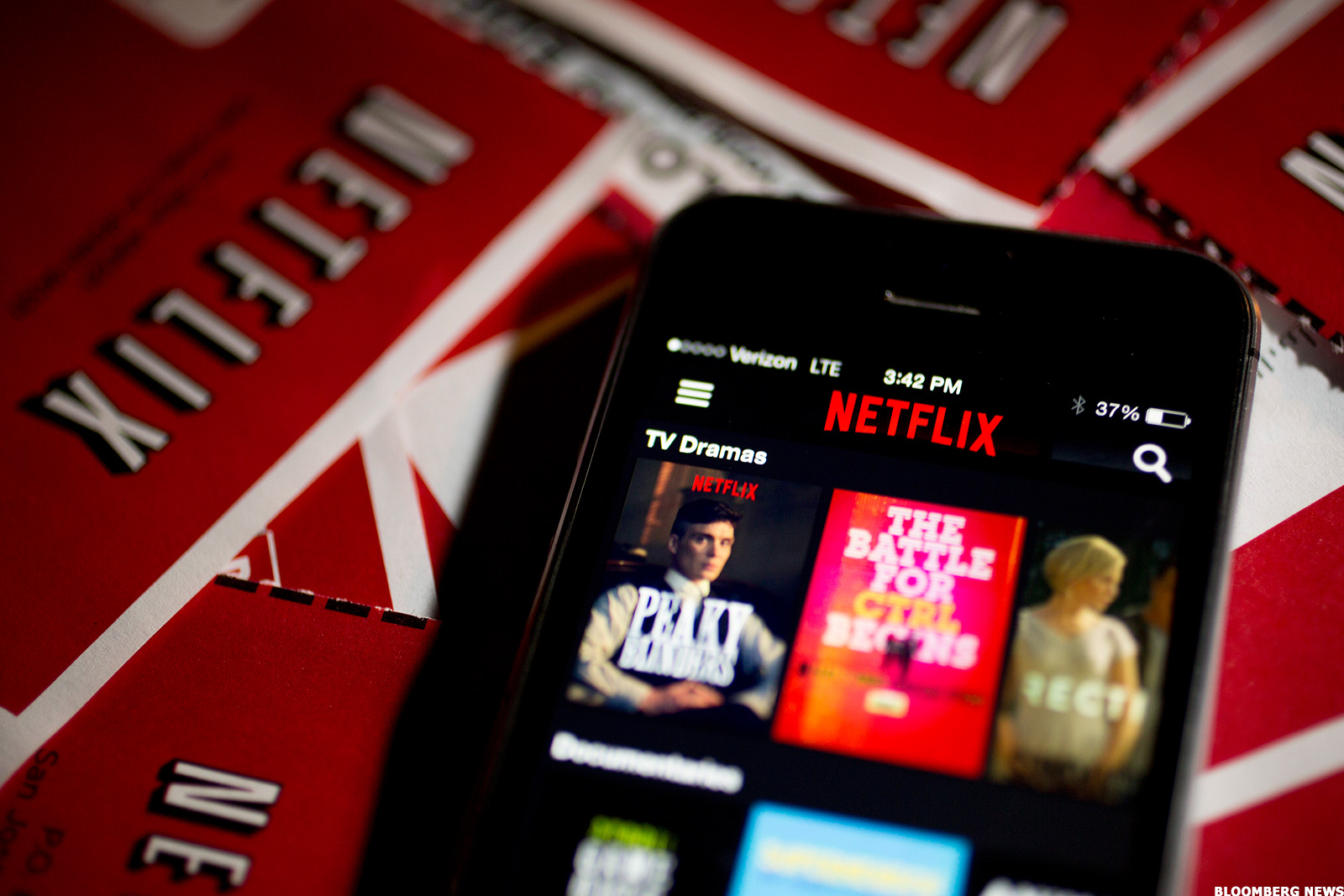
    By December 2016, Netflix started to allow both iOS and Android users to download certain shows and movies on their mobile devices so that they could be viewed later when the user is offline. This will also allow a Netflix user to download some content that he or she wants to view in Airplane Mode while traveling. There is one downside to downloading Netflix content; if you don’t complete downloading the entire video, it cannot be played. Eventually, when everyone is rocking a 5G phone, this won’t happen since downloading content would take no longer than a few seconds. But for now, such an activity can take several minutes over a 4G LTE network.

    If you’ve decided not to invest in a 5G phone yet, there could be some good news anyway. XDA found some hidden code in the latest version of the Netflix app (version 7.58.0) which suggests that a change is coming. The strings of code found by XDA suggest that Netflix will give users the ability to watch downloaded content even if it has been only partially downloaded. This will allow Netflix subscribers who run out of data or who can’t access their network for some reason in the middle of downloading content, to view at least the part of the movie or TV show they were able to install.

    We don’t know when or even if- this feature will be rolling out to Netflix users, but if it is and it will make your life easier, we know exactly whom to thank. Back in February, a Twitter user named Sanjay Pahuja (@sanjay31051986) suggested to Netflix that the video streamer allow content partially downloaded to be viewable by users. Netflix said that it would take the suggestion under consideration. Now it appears that the company has done more than just that and that the ability to view partially downloaded content is on the way.

    If you don’t have Netflix on your mobile device, you can find the app in both the App Store for iOS users and the Google Play Store for those with an Android device. After a free month of service, Netflix will cost you $8.99 per month for the Basic service that allows you to stream on one screen at a time. The Standard subscription costs $12.99 per month and offers streams to be viewed in HD with two screens able to use the subscription at the same time. For $15.99 per month, the Premium service allows streams to be viewed in HD and Ultra-HD with four screens able to view Netflix at the same time.

    Netflix has released some red hot original series and the second half of the fifth and final season of Fuller House will drop on June 2nd. This series is the sequel to ABC’s popular Full House which ran from 1987-1995 and put the Olson twins on the map. Ryan Murphy’s controversial eight-episode Hollywood series is a fictionalized look at Tinseltown using real-life characters. If you’ve ever watched one of Murphy’s shows, you know what to expect so you know not to let the kiddies view this. But if you’re like many, Hollywood is like a book that you just can’t put down and many have binge-watched the series in one night. The ensemble cast includes Big Bang Theory’s Jim Parsons and Patti Lupone (Evita). And if you’re in the mood for a dark comedy, the second season of Dead to Me is now available. Starring Christina Applegate (Kelly Bundy from Married with Children) and Linda Cardellini (ER), this is another Netflix original that you can’t get enough of.

  • Li & Fung completes delisting

    Li & Fung completes delisting

    Hong Kong-headquartered supply-chain solutions company Li & Fung formally delist this afternoon (May 27) ending a 28-year tenure as a public company.

    The family that founded the company 114 years ago will retain effective control of the business holding 60 percent of the voting shares. However Singapore-based warehousing and logistics company GLP will hold 100 percent of the non-voting shares, giving it an effective 67.67 percent financial ownership of the business.

    “We move forward with the next chapter of our transformation as a private business while maintaining our commitment to our staff, customers, suppliers, business partners, and the community of Hong Kong, who have together served as the foundation of Li & Fung for the past 114 years,” said Li & Fung group chairman Spencer Fung in a statement.

    Group CEO Spencer Fung described today as “the start of a new journey” for the company as it focuses on achieving a fundamental transformation of the business.

    “While there will be challenges to manage, Li & Fung will benefit greatly from our partnership with GLP. Our commitment to our retail and supply-chain partners remains as strong as ever.”

    He said the company would continue to transform the business, which operates a sourcing and production platform in 50 countries, to meet “ever-changing consumer demands in a complex global environment”.

    GLP co-founder and CEO Ming Mei said the two companies share a vision to create the digital supply chain of the future.

    “I am confident that with its commitment to long-term transformation, Li & Fung will build upon its position as the global retail supply chain leader. I also look forward to exploring the areas where we can deepen our partnership and develop shared opportunities between logistics networks and technology innovation for our customers.”

    The delisting formally occurs at 4pm Wednesday (May 27) and Li & Fung says checks to shareholders would be sent out on or before June 1.

    GLP, described as “a leading global investment manager and business builder in logistics, real estate, infrastructure, finance, and related technologies” operates in Brazil, China, Europe, China, INdia, Japan and the US with some US$89 billion in assets under management in real estate and private equity funds.

  • Nissan To Set Out Survival Plan After Expected Annual Loss

    Nissan To Set Out Survival Plan After Expected Annual Loss

    Nissan Motor will unveil its plan to become a smaller, more cost-efficient automaker on Thursday as it looks to recover from four years of tumbling profits which are set to culminate in its first annual operating loss in 11 years.

    The Japanese carmaker’s second recovery plan in less than a year will outline how it will slash fixed costs, streamline its products and shore up cash as it reels from a plunge in sales as the coronavirus pandemic hits demand for cars.

    Nissan said in April that it expected to post an annual operating loss of up to 45 billion yen (340.3 million pounds) when it announces its results for the year to March 31 at 0800GMT on Thursday, which would be its worst performance since 2008/09.

    The automaker sold 4.8 million vehicles in its latest financial year, the second decline in a row, and a fall of 13% from last year, knocking it off its perch as Japan’s second-biggest automaker to trail Toyota and Honda.

    Renault makes u-turn on Ghosn’s volume-inspired production model

    At a remote press conference, Renault CEO and of the alliance with Nissan and Mitsubishi, Jean-Dominique Senard, announces that the automobile group’s new strategy will focus “on efficiency and competitiveness rather than volume”.

    The plan will follow a new strategy announced by Nissan and its partners Renault SA and Mitsubishi Motors Corp on Wednesday to work more closely on developing and producing cars to reduce costs and ensure the group’s survival.

    Even before the spread of the coronavirus, Nissan’s sales and profits had been slumping, forcing it to row back on an aggressive expansion plan pursued by ousted leader Carlos Ghosn.

    The pandemic has only piled on the urgency and pressure to renew its efforts to downsize.

    Nissan’s operating profit has tumbled for four consecutive years as its pursuit of market share, particularly in the United States, led to overcapacity at its car plants, steep discounting and a cheapened brand.

    The three-year strategy will lay out a path to sustainable profitability and is the vision of Chief Executive Makoto Uchida and Chief Operating Officer Ashwani Gupta, who took over after months of internal turmoil following Ghosn’s arrest in 2018.

    Under the plan, Nissan will curb its ambitions for sales growth to target annual sales of about 5 million units, Reuters reported in April, a cut from a previous goal of 6 million cars outlined in July by then-CEO Hiroto Saikawa.

    Another top priority will be the preservation of cash. As of December, Nissan’s automotive operations had a negative free cash flow of 670.9 billion yen, a more than six-fold increase from a year ago.

  • Hong Kong’s Landmark mall launches ‘e-chat ’ retail initiative

    Hong Kong’s Landmark mall launches ‘e-chat ’ retail initiative

    Hong Kong’s Landmark mall has launched the city’s first luxury “e-chat shopping” service on its mobile app.

    The service is an enhancement of Landmark’s online shopping concierge that enables customers to select, reserve or purchase their favorite items online via WhatsApp, enabling one-on-one communication with in-store sales staff

    Users of the app can receive fashion advice, trend tips and other assistance via the online concierges while browsing more than 500 items available from more than 48 of Landmark’s luxury fashion and lifestyle tenants. Participating brands include Fendi, Bottega Veneta, Tory Burch, Chopard, De Beers, Roger Vivier and R Sanderson.

    Orders and payments can be made directly online, with purchases available for collection in-store or delivered directly to shoppers’ homes or choice of destination in Hong Kong within 48 hours.

  • Hublot opens its largest flagship in Tokyo

    Hublot opens its largest flagship in Tokyo

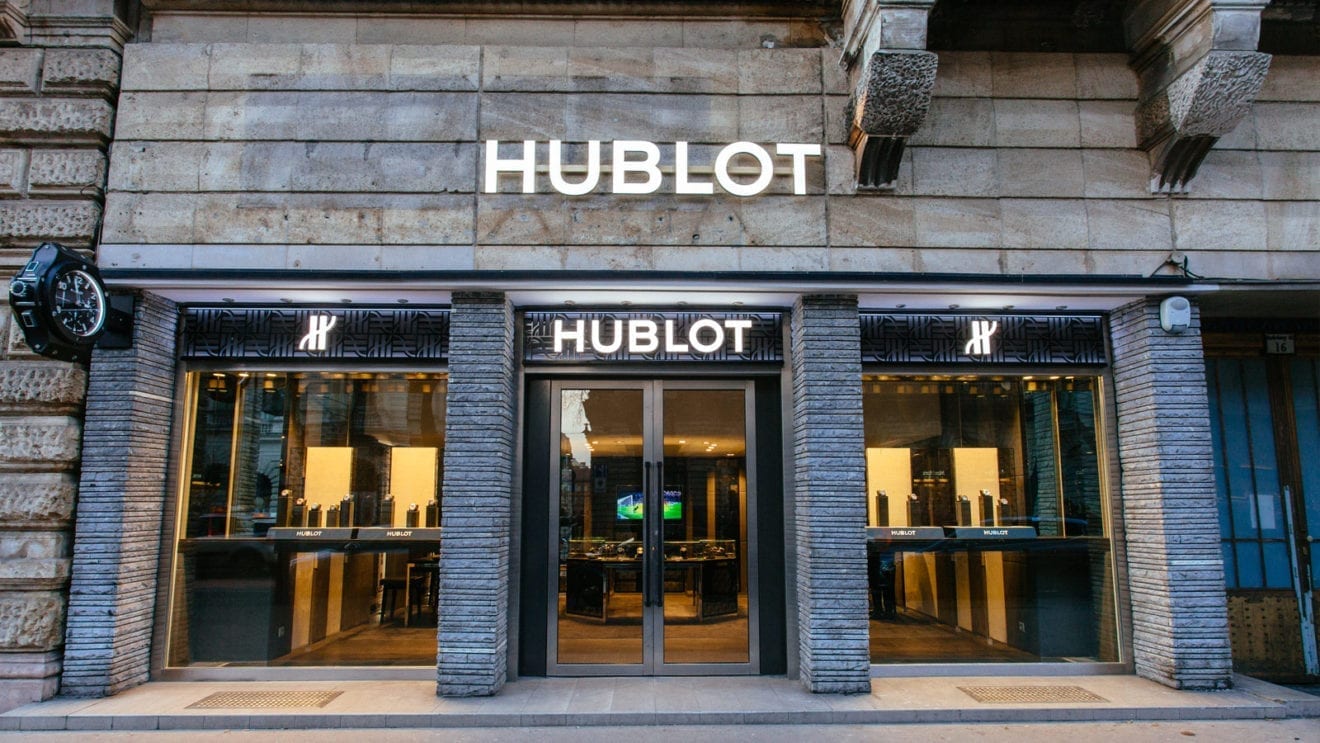
    LVMH-owned watchmaker Hublot has opened its largest flagship store yet in Tokyo’s Ginza shopping district in Japan.

    Called “Hublot Tower”, the new flagship features a 56-meter-high artistic facade with glass panels scattered with mirrored tiles.

    Located on Chuo-dori Street, Hublot’s Ginza store occupies a 300sqm space, spanning three floors. The store’s design was inspired by the cosmopolitan city, using different materials such as mirrors, glass, marble and metal to create a contemporary style.

    “In only 40 years, Hublot has seen many firsts and many successes, and today is again another milestone for our Maison,” said Ricardo Guadalupe, CEO at Hublot.

    “We have long had a presence on the most prestigious streets in the world’s metropolises and from today in Japan too, our number one market. Hublot Tower is a symbol of the fusion of modernity and tradition that we ardently pursue and uphold in all our actions.”

    All of Hublot’s collections, including the brand’s latest limited-edition Big Bang GMT All Black Yohji Yamamoto watch, can be founded on the store’s first floor. The second-floor houses a VIP experience room, and the third-floor exhibition space.