Author: Mei Ling Tan

  • Huawei announces a breakthrough in 5G antenna design

    Huawei announces a breakthrough in 5G antenna design

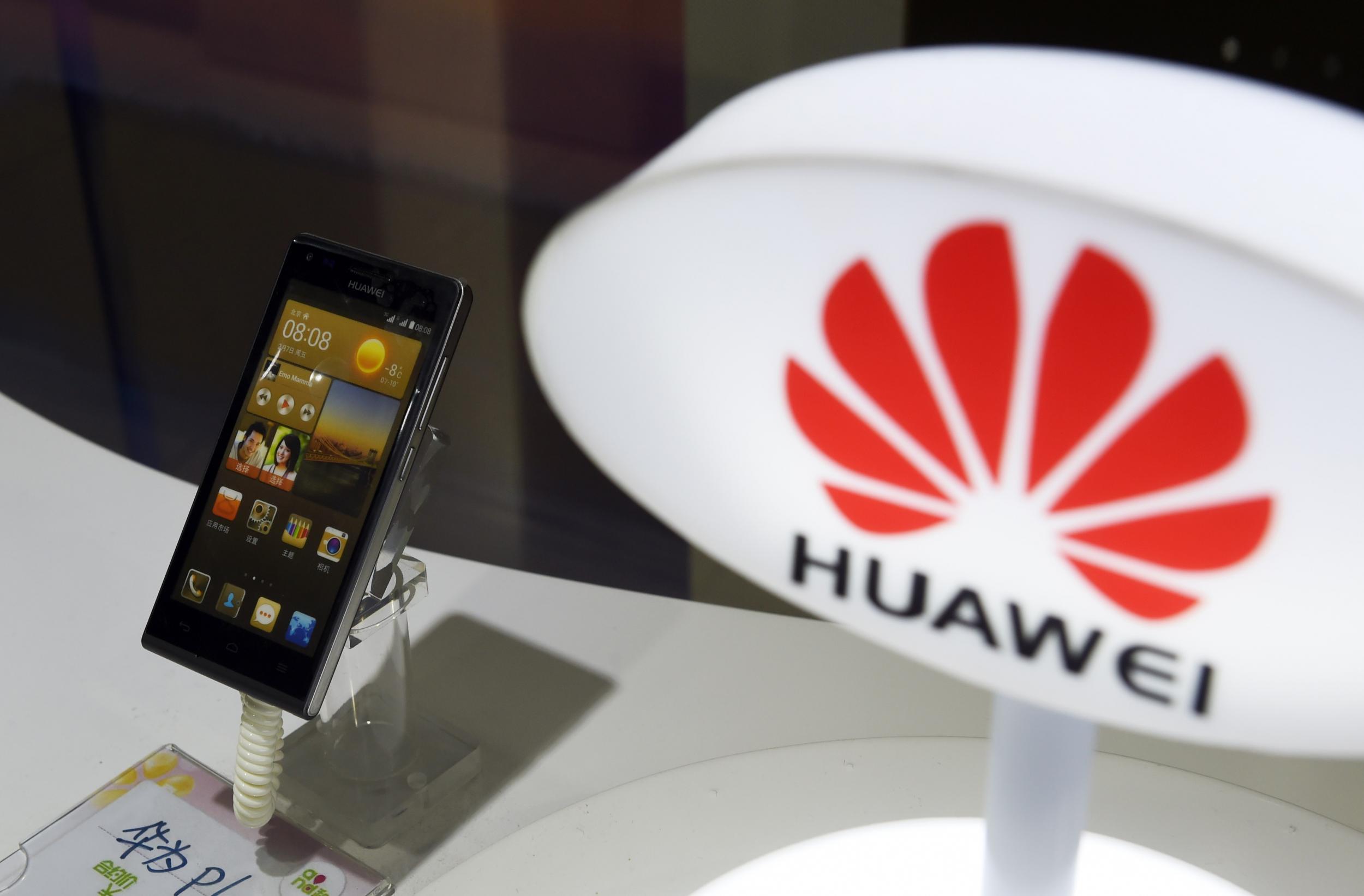
    While many of you know Huawei as the world’s second-largest smartphone manufacturer, it is also the leading provider of networking equipment on the planet. And no matter what you think of the company and its perceived ties to the communist Chinese government, Huawei does produce some outstanding handsets. Its networking gear is said to be 12 to 18 months ahead of the competition which includes companies like Nokia and Ericsson, and this technological superiority comes at a cheaper price.

    Over the weekend, Huawei announced a breakthrough in the design of 5G antennas. Called CableFree, the new design improves the capabilities of 5G base station antennas. With 5G, new bands have been introduced and more antenna connections are used. The new design improves high-band coverage for 5G. According to the company, “…high-band coverage is essential for ensuring 5G experience consistency. CableFree improves antenna radiation efficiency by approximately 20%, boosting high-quality coverage of the 5G era.”

    To support the higher capacity and additional antenna connections used for 5G, the antennas deployed must be able to work with 1 KW of power; previous generations of wireless connectivity required only 500 to 600 Watts. CableFree increases the antenna power capacity by more than 80% to meet these requirements. CableFree also reduces the weight of the antennas making them easier to install. A six-band antenna using CableFree is over 22 pounds lighter and by keeping the weight of multi-band antennas under 110 pounds, a crane is not required during installation. This not only saves time, but it also saves money as well.

    CableFree reduces the use of screws and soldering points by 80% reducing the chance of passive intermodulation, or signal distortion and interference caused by large metal objects. The reduction in the use of these components makes it easier to automate the production of antennas while keeping their quality consistent. Zhang Jiayi, President of Huawei Antenna Business Unit, said: “Antennas are crucial for 5G networks. Higher performance and integration are the main trends of antenna innovation in the 5G era. CableFree breaks the antenna design bottleneck, representing an inevitable trend of the antenna industry. Huawei always innovates based on customer requirements for 5G target networks to help customers build efficient and high-performance networks and achieve business success in the 5G era.”

    Huawei says that CableFree “features a number of revolutionary technologies and techniques” that will increase the integration of an antenna improving its performance. CableFree has been used with Huawei’s Munich Pro, Golden Mini, and London Pro series antennas, as well as 32T32R Massive MIMO products. MIMO (multiple-input and multiple-output) allows for multiple signals to be simultaneously sent over the same radio channel. This creates extra data-carrying capacity allowing signals to be sent at faster data rates.

    The bottom line is that Huawei says CableFree will help its customers build efficient and high-performance 5G networks to help their businesses succeed. While this all sounds promising, recently Huawei has had a slight set back. Conservative party members in the U.K. are asking for Huawei’s networking gear to be removed from 5G networks in the region due to national security threats. Reportedly, this would be done using a three-year plan that results in the removal of Huawei from 5G networks in the U.K. and all other networks by 2023. The Trump administration had been pressuring allies not to use the company’s gear in their 5G networks and while Japan and Australia heeded the warning, Germany and the U.K. originally did not. This past January the U.K. agreed to use Huawei’s parts for its 5G networks after Prime Minister Boris Johnson said that he felt that he had no choice. Originally, a U.K. spokesman said that Huawei’s parts would not be allowed near “sensitive functions.”
  • Jollibee Foods vows to make the most of Covid-19 virus opportunities

    Jollibee Foods vows to make the most of Covid-19 virus opportunities

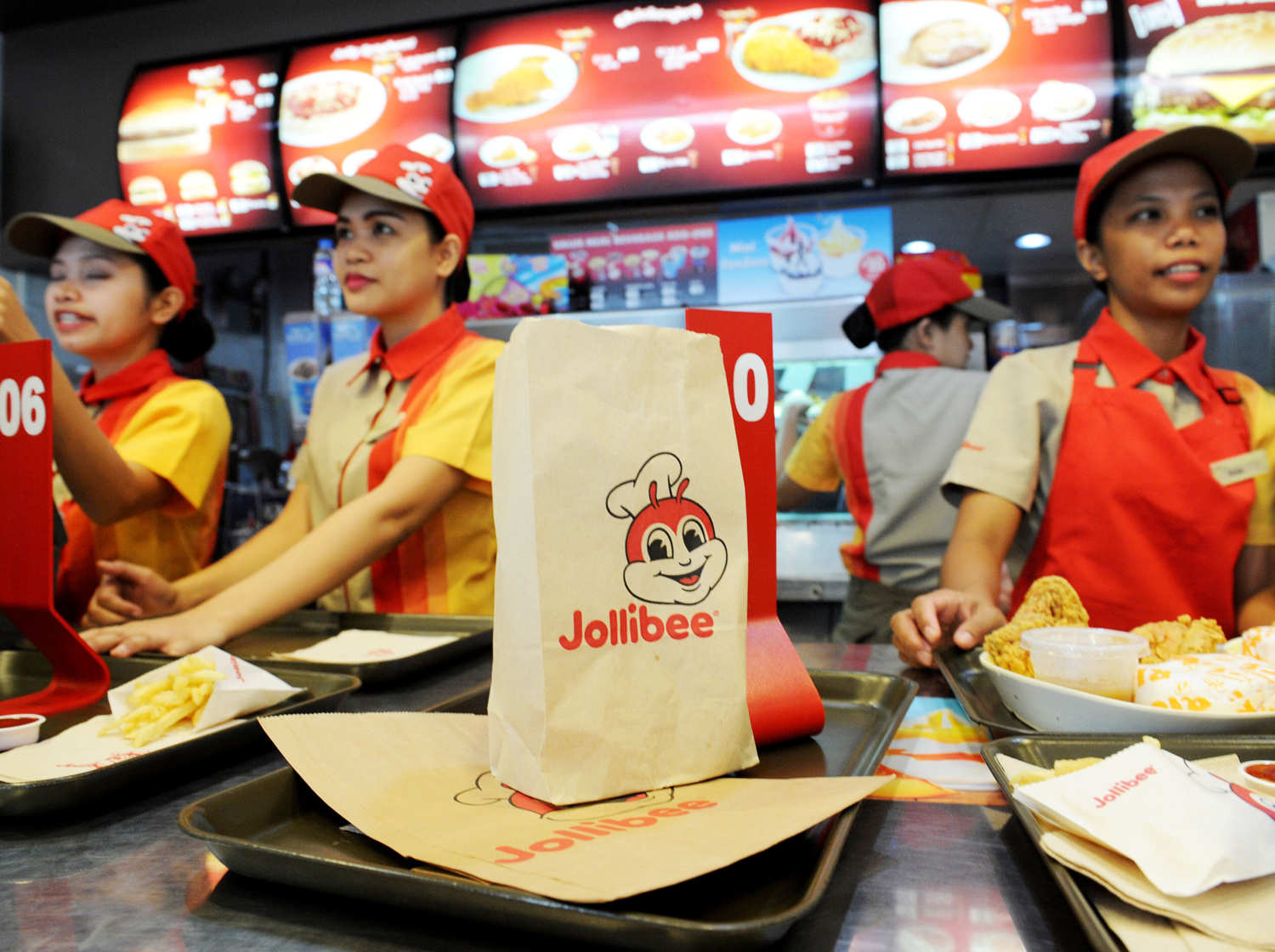
    Filipino restaurant operator Jollibee Foods is set to open 171 stores globally and renovate 96 outlets this year, aiming to capture prime locations made available in a weak economic climate brought on by the coronavirus pandemic.

    While that number of planned new stores is less than it predicted prior to the advent of Covid-19, the company still sees an opportunity to expand despite an extremely challenging start to the year globally.

    The firm will also spend US$137.9 million on a restructuring of its international business, which will include attention to non-performing stores, store network, supply chain facilities, and management and support group structure.

    Jollibee Foods will devote some resources to the establishment of new delivery and take-out services – including unmarked delivery outlets without dine-in facilities – in anticipation of a slow return to business-as-usual following the resolution of the pandemic.

    “2020 is an extremely challenging year for JFC as for most other businesses, but out of this transformation, we aim to emerge in 2021 as an even stronger business and organization,” said Jollibee chairman Tony Tan Caktiong.

    CFO Ysmael Baysa said the company expects its profit for 2020 will “not be good at all due to the overall economic environment. But like Caktiong, he put a positive spin on the crisis: “We are taking this opportunity to implement truly major changes in 2020 so that JFC will start 2021 in a much stronger position in terms of business model, operating efficiency, profitability and organization strength.

    “We will then resume strong and consistent profitable growth for the years ahead.”

    In January, Jollibee Foods reported a 14.4-per-cent drop in earnings after operating income fell by 25.1 percent.

    However a strong fourth quarter prevented a worse annual result, with operating income up 11.6 percent on a 23.2-per-cent boost on systemwide sales.

    “Practically all brands in the Philippines improved their same-store sales growth quarter on quarter, led by Jollibee, Red Ribbon, Greenwich and Burger King,” said a spokesperson then.

    Besides regional expansion across Vietnam, China and other Asian markets, the company is trying to restructure the troubled Coffee Bean business it bought last year and Smashburger, a year earlier. It is also looking to expand the Tim Ho Wan business in China and wants to open new restaurants under various banners in North America.

  • HSBC Digital Payment User Growth Surges

    HSBC Digital Payment User Growth Surges

    HSBC’s PayMe – Hong Kong’s largest e-wallet operator – reached 2 million users, fuelled in part by the city’s love for card and tile games.

    The 2 million users represented a 25 percent year-on-year increase as transactions in the broader e-wallet payment activity, run by 10 operators, tripled due to the Hong Kong Monetary Authority’s faster payment systems (FPS).

    According to HSBC’s managing director and head of PayMe Kerry Wong Chu Po-yin, the accelerated growth was driven by the ongoing pandemic and increasing bill settlements.

    We have seen above-average growth in registration and more active usage of PayMe over these few months of Covid-19 pandemic,” Wong said in an SCMP report. The increase is seen in settling of bills, including those related to online social games such as mahjong and poker.

    The ongoing coronavirus pandemic has caused significantly accelerated digital adoption in Asia across banks and client segments. It took PayMe 17 months to acquire its first million users but around eight months to achieve the second million.

    Need for digital access aside, the coronavirus pandemic has created a bankconstant demand for healthcare goods – some merchants with 15,000 to 40,000 transactions in a single day involving surgical face masks, according to Wong.

    «Our payment platform also helps start-ups and other businesses to accept payment easily,» she said. «Looking ahead, we will line up more big companies [such as utility providers].»

  • Lotte Shopping gearing up store-exit plan

    Lotte Shopping gearing up store-exit plan

    South Korean retail group Lotte Shopping will sell off 121 stores this year in an attempt to recover from the impact of the coronavirus pandemic on sales.

    The company says it will close five department stores, 16 discount stores, 75 supermarkets and 25 physical stores linked to its online mall LOHB within this year.

    The move accelerates Lotte’s existing plans to sell roughly 200 stores to refocus on e-commerce.

    A spokesperson from the firm indicated Lotte would move to quickly shake off its less-profitable assets in the interests of improving its financial health. Lotte Shopping’s first-quarter results, at a loss of US$35 million, represented a massive drop from the $88.2 million profit it achieved during the same period last year.

    Lotte Shopping has around 700 department stores, discount stores, and supermarkets.

  • Google tests useful Search related feature for Android YouTube app

    Google tests useful Search related feature for Android YouTube app

    It appears that Google is testing Google Search integration with the Android version of the YouTube app. An example posted by a Redditor shows YouTube search results for “open beer with knife,” a talent that could come in handy if you are living alone during the pandemic and your openers are all dirty. The results come back with some useful and not so useful videos to watch.

    Underneath the videos there is a section that says Result from the web which essentially is a result of Google Search. In this case, it brings up an article from Lifehacker titled “Open a Beer Bottle With a Butter Knife.” Underneath the title, there is a short description of the article. As Android Police points out, this integration isn’t listed in the “YouTube test features and experiments” page on the Google Support website. And a quick search showed that our Pixel 2 XL running Android 10 does not yet have this feature.

    As you know, Google owns YouTube and integrating Google Search into the Android YouTube app is a sure-fire way to generate more clicks and advertising revenue for the company. During the first quarter, which covers January through March 2020, Google Search generated $24.5 billion in revenue for a year-over-year gain of 11.6%. While the integration does help out Google financially, is there any benefit to users? Sure. Those interested enough to search for videos on a subject matter will be happy to find more information about it on Google Search.

    Although Google is currently testing this feature on the Android version of the YouTube app, there is no reason why Google Search integration can’t also be found on the iOS version of YouTube.

  • HSBC Ordered to Restart and Deepen Overhaul

    HSBC Ordered to Restart and Deepen Overhaul

    The economically crippling coronavirus pandemic has driven HSBC’s board to push the British lender not only to restart the original overhaul strategy but also further deepen cost cuts.

    The ongoing health crisis has prompted the board to review the HSBC’s recent reorganization, according to a «Financial Times» report citing unnamed sources from the bank, and consider more drastic measures.

    The bank has been undergoing restructuring changes while concurrently attempting to retain most jobs. After announcing its plan to cut 35,000 jobs, $4.5 billion in costs and $100 billion in risk-weighted assets, HSBC announced a pause most of the job cuts while proceeding with its original plan «wherever possible»

    Intensified restructuring could potentially include more job cuts or a possible sale of its U.S. business, its retail network in France and operations in smaller non-strategic markets, the report added.

    A spokesperson for HSBC declined to comment on the report.

    HSBC has been continuously facing a stampede of challenges after finally confirming its permanent chief executive Noel Quinn in March this year. Since then, the London-headquartered bank has faced social unrest in Hong Kong, a temporary pause to its plans to cut 35,000 jobs, a dividend cancellation fiasco and now a greater overhaul driven by the pandemic.

  • Le Saunda posts third consecutive loss

    Le Saunda posts third consecutive loss

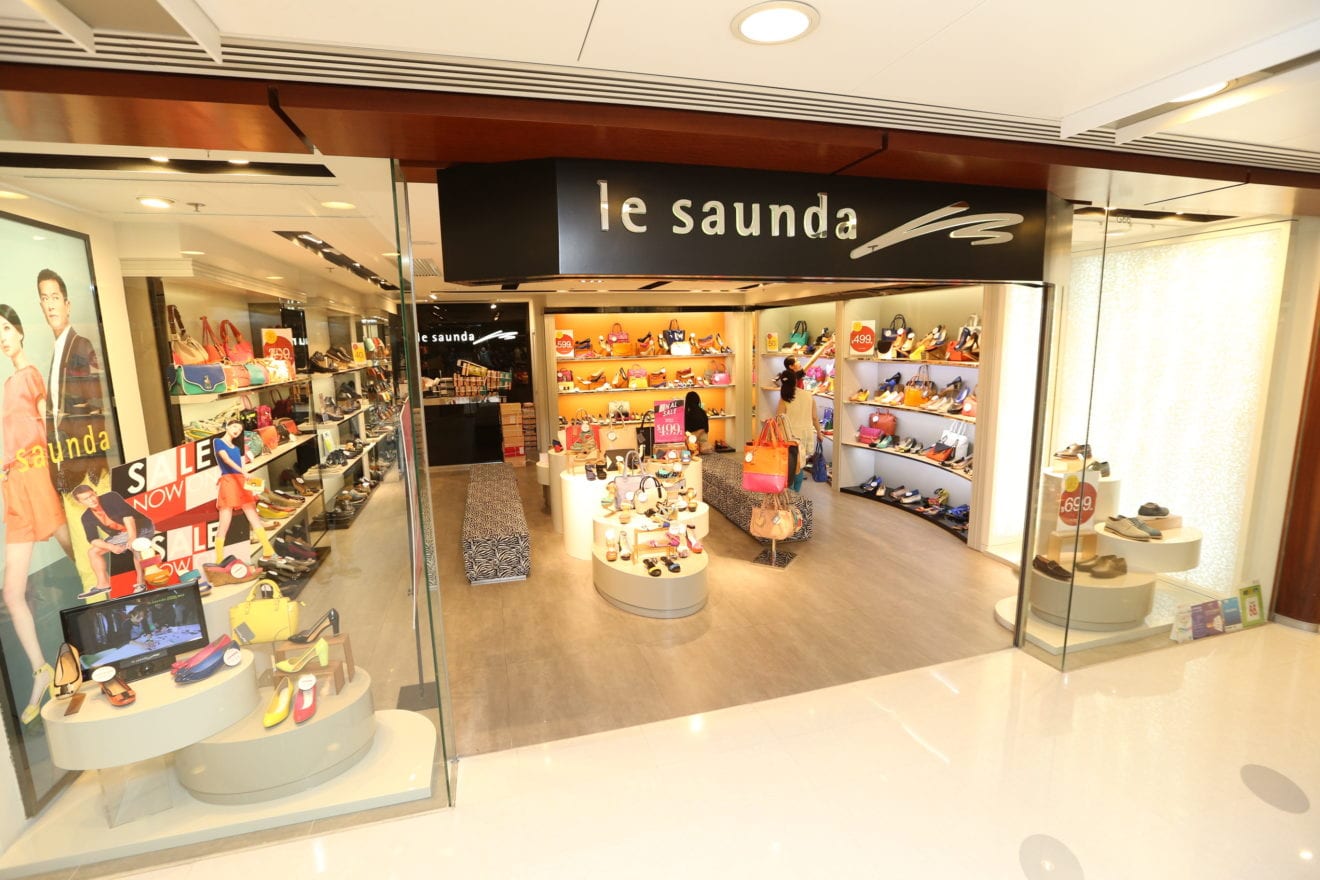
    Hong Kong shoe retailer Le Saunda has reported yet another annual loss – this time of US$4.28 million – as a “super-cold winter” hit Hong Kong’s retail sector.

    The loss followed last year’s $3.9 million, while in 2018 it lost $8.4 million. That adds up to a $16.6 million deficit for the last three years and given the tumult of the Greater China retail market in the wake of Covid-19, it is hard to see the beleaguered business returning to the black any time soon.

    The last time Le Saunda posted a profit was in the year to February 2017, of $10.5 million.

    Chairman James Ngai said in a results filing that the group’s total revenue in the year to February fell 19 percent to $103.26 million. The company, which trades under the brands Le Saunda, Linea Rosa, Pitti Donna and CNE, closed a net 85 stores during the year leaving its chain at 441. The majority of the closures were company-owned stores, the balance of 11 Mainland China franchised outlets.

    Ngai said the Sino-US trade conflict dampened consumer sentiment on the mainland, the major source of its revenue, and then the Covid-19 outbreak drove sales down further.

    “While the Hong Kong market was expecting that consumption would be stimulated during the traditional peak season of the Chinese New Year, there came the threat of the Covid-19 epidemic, worsening the already gloomy local market and pushing Hong Kong’s retail industry into a super-cold winter,” he said.

    Hit by the local social events, Covid-19 and the external economic uncertainties, sales in Hong Kong and Macau decreased by 46.8 percent to $4.3 million. Le Saunda now has just six stores left in Hong Kong and Macau, five fewer than at the end of the previous fiscal year, and Ngai said more will close “as appropriate” given Hong Kong landlords have not dropped rents in line with falling retail sales. Le Saunda will focus on accelerating the development of local online business and work to improve service and operating efficiency of those physical stores it retains.

    While the group managed to reduce its inventory by 16.1 percent year on year, because the decline in sales outweighed the change in stock levels, the inventory turnover days of finished goods stretched out by 43 days to 369 days.

    Subsequent to February 29, the group closed its factory at Shunde in Guangdong as it now outsources all footwear production to external subcontractors to better manage inventory and control costs. Space within the plant continues to be used as a warehouse and for offices.

  • AirAsia extends credits for 2 years

    AirAsia extends credits for 2 years

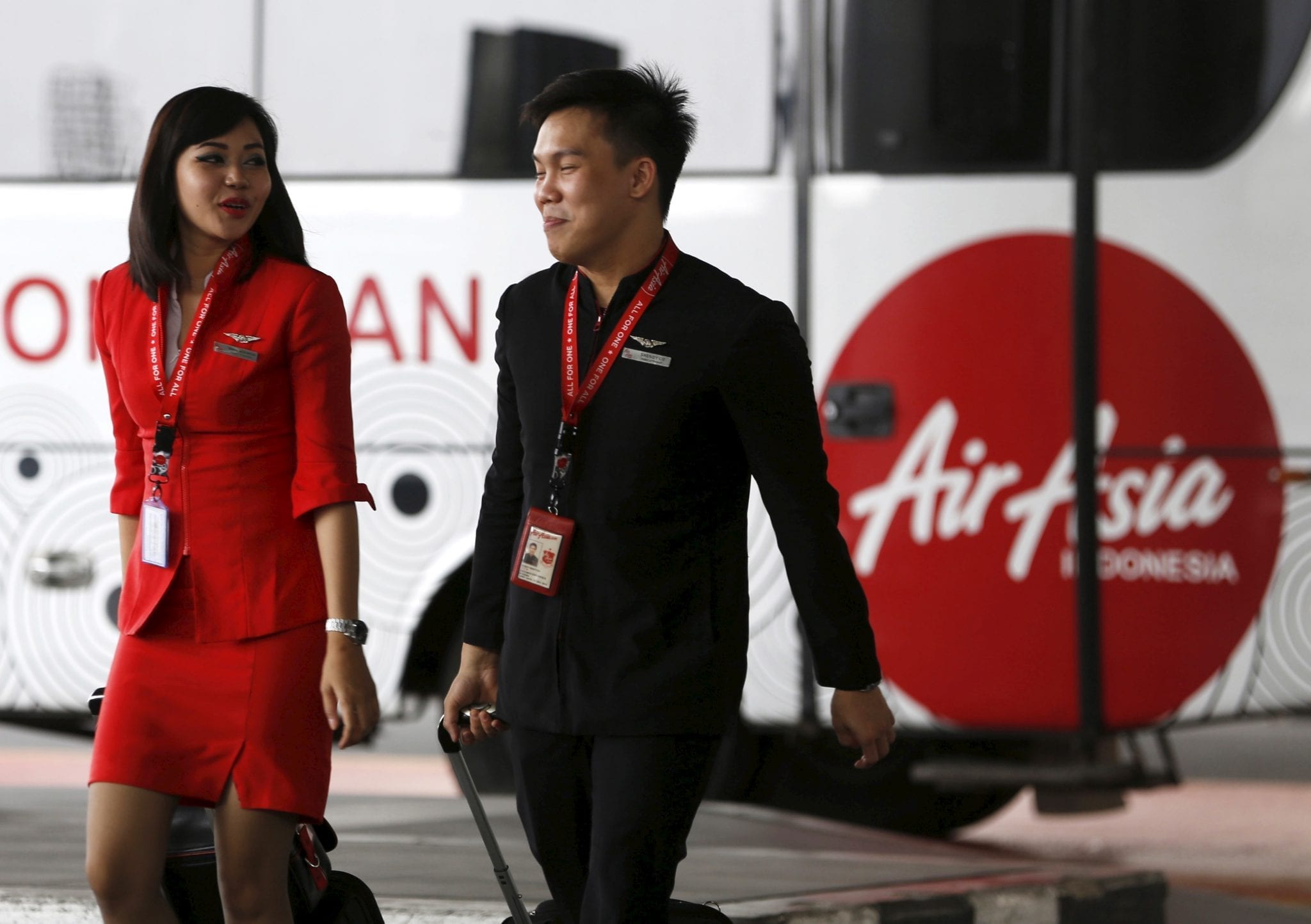
    AirAsia customers with flights that had been scheduled to depart between March 23 and July 31, 2020 can now choose between a credit with a 2-year validity, or unlimited changes for flights departing up to Oct 31, 2020.

    AirAsia has also extended all credits previously issued for COVID19 related disruptions with validity for up to 2 years.

    The unlimited flight changes option means that customers can change their booking to any new travel date before Oct 31, 2020, on the same route, for an unlimited number of times, without any additional cost, subject to seat availability.

    The credit can be redeemed within 730 calendar days from the issuance date. The travel date of the new booking can fall on any date within the published flight schedule on AirAsia’s website.

    The two options are only applicable for direct online bookings made via airasia.com.

  • CapitaLand kicked new e-commerce platforms off in Singapore

    CapitaLand kicked new e-commerce platforms off in Singapore

    CapitaLand has launched new e-commerce and food ordering platforms in Singapore.

    The new eCapitaMall and Capita3Eats services are aiming to drive sales for retailers at its shopping malls during Singapore’s Phase 1 safe reopening protocol, as the country starts pulling itself out of the coronavirus lockdown. Both platforms will be accessible via the firm’s CapitaStar app and mall websites from June 1.

    “The circuit breaker has brought to the fore the importance of an omnichannel, 24/7 strategy for Singapore’s retailers,” said CapitaLand Singapore MD Chris Chong. “As the operator of Singapore’s largest mall network, we want to help our retailers reach out to more consumers and online business opportunities by using the strong brand awareness of CapitaLand and the digital capabilities we have built up over the years. Retailers on our eCapitaMall and Capita3Eats platforms will get a leg up in the digital space by tapping the more than 1 million CapitaStar members in Singapore and marketing reach through our physical network.”

    Customers using the app will be able to buy goods from (predominantly) retail tenants at CapitaLand malls, opting for home delivery or in-store collection. The food app is Singapore’s first mall-operated food ordering platform offering consumers three ways to fulfil their food orders – by delivery, takeaway or dine-in.

  • Three Hyundai India Workers Test Positive For Coronavirus

    Three Hyundai India Workers Test Positive For Coronavirus

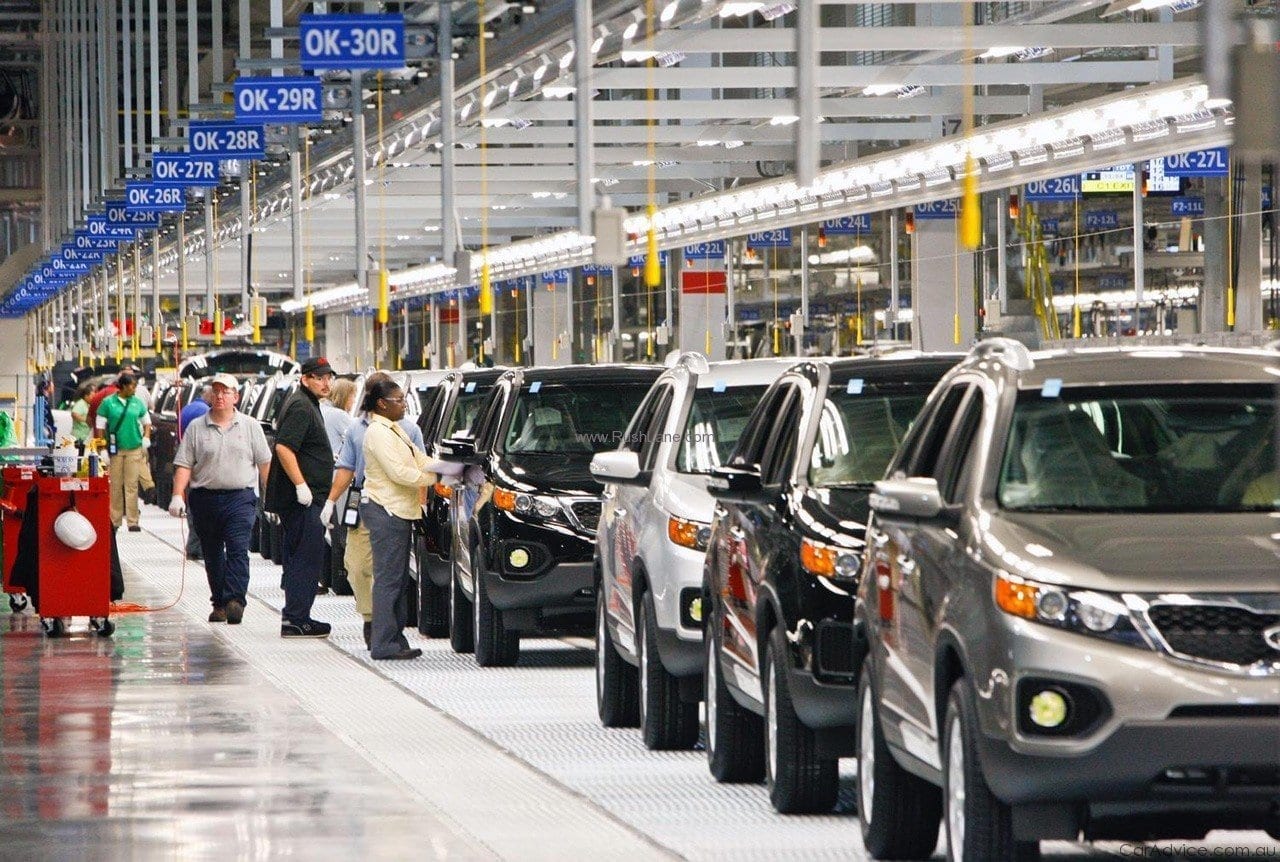
    Three employees at Hyundai Motor Co’s Indian plant have tested positive for the coronavirus, the company said on Sunday, days after the South Korean automaker resumed operations after a near two-month lockdown. Test results of sixteen more workers who possibly came into contact with the infected employees are expected over the next two days, a senior government official told Reuters.

    “The state’s policy is to not let the industry stall,” said P Ponniah, the top bureaucrat in the Kancheepuram district of southern India where Hyundai’s plant is located. “We will ensure the areas inside the plant visited by the COVID positive employees are sanitized,” he said, adding that until such time workers would be barred from working in those areas.

    Hyundai, which restarted operations at the plant on May 8, said the three employees started showing mild symptoms of coughs and colds in the first week of restarting and were tested positive. They are being treated, Hyundai’s India spokesman said in a statement.

    “All the necessary measures are being taken for contact tracing, self-isolation, and complete sanitation,” he said, adding the well-being of employees was a priority.

    The cases at Hyundai, India’s second-largest carmaker by market share, come as bigger rival Maruti Suzuki India said late on Saturday that one employee at its plant in the northern city of Manesar tested positive and there may be the possibility of a second case.

    0Comments

    The cases expose the risks and challenge Prime Minister Narendra Modi’s government faces in restarting automobile production in an effort to kickstart the economy after a near two-month lockdown to fight the spread of the novel coronavirus.

  • Alibaba GMV surpasses US$1 trillion

    Alibaba GMV surpasses US$1 trillion

    Chinese retail behemoth Alibaba Group shrugged off the impact of the Covid-19 crisis to report a 35-per-cent increase in sales in the year to March, and achieving its five-year-old goal of surpassing US$1 trillion in GMV.

    Revenue for the year reached $71.4 billion, as the company expanded its global customer base to 960 million active consumers.

    In the March quarter, when the Covid-19 crisis was at its peak, revenue was up 22 percent, to $16.1 billion, a rate lower than for the rest of the year, but driven by its mainland China online ventures which drew increased custom from people unable to visit physical stores.

    Adjusted earnings before tax grew 29 percent to $22.3 billion.

    Chairman and CEO Daniel Zhang said Covid-19 has “fundamentally altered consumer behavior and enterprise operations, making digital adoption and transformation a necessity”.

    “We are well-positioned and prepared to help large and small businesses across a wide spectrum of industries achieve the digital transformation they need to survive this difficult period and eventually prevail in the new normal. By focusing on the long term and investing in value creation for our consumers and business customers, we believe we will emerge from this crisis stronger and be ready to capture more growth in the future,” he said.

    CFO Maggie Wu added that while the pandemic negatively impacted most of Alibaba’s domestic core-commerce businesses starting in late January, a steady recovery has been evident since March.

    “Based on our current view of Chinese domestic consumption and enterprise digitization, we expect to generate over $91 billion in revenue in fiscal year 2021,” she said.

  • AirAsia India starts domestic flight bookings for 21 destinations

    AirAsia India starts domestic flight bookings for 21 destinations

    Low-cost carrier AirAsia India has started bookings for 21 destinations ahead of the resumption of domestic flights from Monday.

    In a release, the airline said it would strictly follow the SOPs (standard operating procedures) and guidelines laid out by the regulatory bodies to enable safe travel.

    AirAsia flights are open for booking for travel to all its 21 destinations where it flies to in the country, the release issued on Saturday said.

    “We are appreciative of the government working collaboratively with all stakeholders to define the new protocols to help open up domestic flying in a calibrated manner keeping the health and safety of passengers and the airline crew in focus.

    “The new SOPs and guidelines will pave the way for ensuring and instilling a sense of confidence amongst passengers,” Sunil Bhaskaran, AirAsia India Managing Director and Chief Executive Officer, said.

    Among other measures, the airline would facilitate regular disinfection procedures to control or kill infectious agents using the cleaning, sanitizing, and disinfecting products approved by the public health authority and aircraft manufacturer.

    According to the release, passengers would have to mandatorily web check-in, complete their self-declaration form, and download the Aarogya Setu app before they arrive at the airport. They have also been advised to report two to four hours prior to the departure time to allow enhanced health and safety processes to take place.

    Reverse zone boarding process starting from the rear of the aircraft would be followed, it added.

    Commercial flight services remain suspended since March 25 when the nationwide lockdown to prevent the spreading of coronavirus infections was imposed.

  • Taiwan’s Hung Rui Chen sandwich chain opening in Hong Kong

    Taiwan’s Hung Rui Chen sandwich chain opening in Hong Kong

    Local and tourist favorite sandwich maker Hung Rui Chen will be opening a flagship store in Hong Kong this August.

    Hung Rui Chen is a 73-year-old brand, known for its signature sandwiches and recognized as a national local delicacy for its soft bread and unique spread.

    After an incident of suspected food poisoning from counterfeit operators in Hong Kong and Taiwan, the real Hung Rui Chen company issued a statement on Facebook to clarify that its own brand will open its first official store in Hong Kong.

    The location has yet to be confirmed.

    Back in 2015, Hung Rui Chen sandwiches imported from Taiwan and sold in grocery stores and on the Groupon platform led to 46 Hongkongers contracting food poisoning. The brand was subsequently banned by the Centre for Food Safety.

  • DHL adapts mobile-first approach in new online platform

    DHL adapts mobile-first approach in new online platform

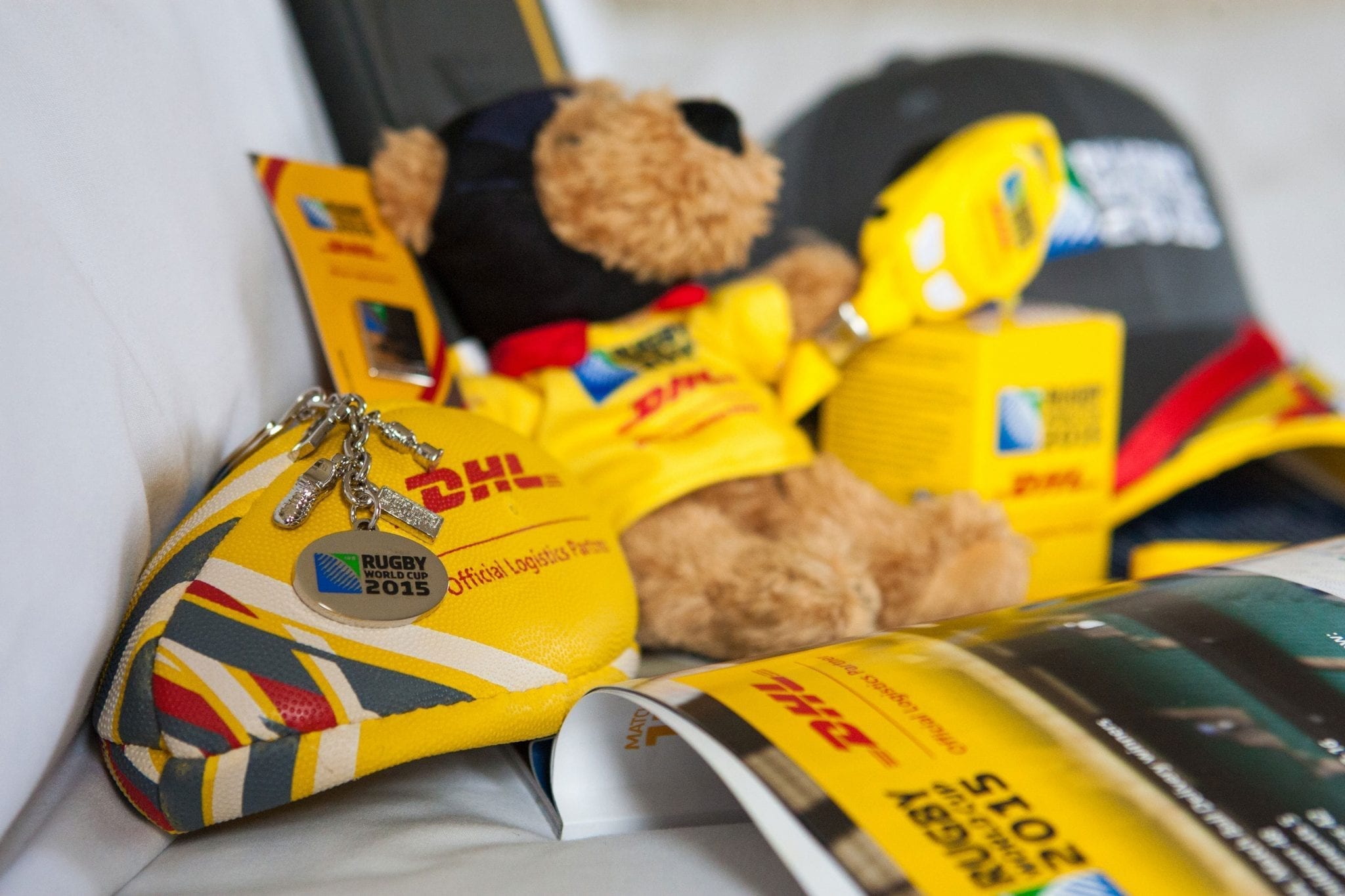
    DHL Global Forwarding has launched myDHLi, a fully integrated online platform for its freight forwarding customers. The platform merges existing online services like myDHLi Quote + Book and myDHLi Analytics with new services and features, and it can be accessed in all devices with a browser including tablets and smartphones.

    The launch begins with a pilot phase including selected customers from five continents (North America, Europe, Asia, Australia, Africa). myDHLi is being rolled out in waves to ensure a smooth region-by-region transition. Interested customers can register for onboarding to myDHLi. Regular updates based on customer feedback will be shared. The previous customer portal, DHLi, will be available until the myDHLi roll-out is complete.

    Mobile-first approach

    The designers adopted a mobile-first approach for seamless use on all devices. Built-in popular social media features like follow and share functions simplify communication along the supply chain by enabling customers to exchange information with colleagues, customers and suppliers. Furthermore, data can be easily analyzed and exported or directly integrated to own systems, based on a suite of APIs.

    “Despite accelerating digitalization and super-fast connectivity customers have a need for reduced complexity. And that is exactly what our tool does,” says Tim Scharwath, CEO DHL Global Forwarding, Freight. “We have created a one-stop customer portal that is tailored to the needs of our customers. By combining services like online quotation and booking with shipment tracking, document accessibility, and data analyses we are creating not only 360-degrees visibility, but also have laid the foundation for customers to manage their logistics — anytime and anywhere.”

    He added: “We strongly believe that digitalization bears the potential to ease and improve the daily business of shippers and freight forwarders simultaneously. This is even truer during unpredictable and challenging times such as those we are currently facing with COVID-19, and which might now act as an accelerator for digitizing the industry. That is what digitalization means to us and why we made it a cornerstone of our strategy 2025.”

    myDHLi’s highly intuitive user interface makes it easy to use and ensures that customers have all relevant information at hand. Reflecting already well-established social media functions like follow and share, relevant information can be easily accessed across organizations and trading partners. Completely transparent management of freight rates, offers, transport modes, carbon emissions, and all other relevant shipment data is readily available with just a few clicks and can be displayed in detailed analyses and reports. One of the most unique aspects is the benefit of full visibility and control over all shipping and transport modes, 24 hours a day, 7 days a week.

    Developed completely in-house, the platform’s new tracking service uses end-to-end information to make shipments across air and ocean visible nearly in real-time. This gives users complete control — from pick-up to final delivery.

    The service also offers raw data Excel extracts. Another new feature is myDHLi Documents, which offers quick and easy access to downloadable shipment documents. All documents — quotes, commercial invoice, packing list, house bill, invoice, proof of delivery, etc. — are stored in one place.

    myDHLi features a modular build-up. Users can individualize their portal by selecting the specific services they want. Thanks to the single sign-on registration process, all services are available from the beginning. No additional registration or sign-in processes are needed. myDHLi is free of charge for all DHL Global Forwarding customers.

  • Hong Konger Card Game Passions Drive Digital Payments at HSBC

    Hong Konger Card Game Passions Drive Digital Payments at HSBC

    HSBC’s PayMe – Hong Kong’s largest e-wallet operator – reached 2 million users, fuelled in part by the city’s love for card and tile games.

    The 2 million users represented a 25 percent year-on-year increase as transactions in the broader e-wallet payment activity, run by 10 operators, tripled due to the Hong Kong Monetary Authority’s faster payment systems (FPS).

    According to HSBC’s managing director and head of PayMe Kerry Wong Chu Po-yin, the accelerated growth was driven by the ongoing pandemic and increasing bill settlements.

    We have seen above-average growth in registration and more active usage of PayMe over these few months of Covid-19 pandemic,” Wong said in an SCMP report. The increase is seen in settling of bills, including those related to online social games such as mahjong and poker.

    The ongoing coronavirus pandemic has caused significantly accelerated digital adoption in Asia across banks and client segments. It took PayMe 17 months to acquire its first million users but around eight months to achieve the second million.

    Need for digital access aside, the coronavirus pandemic has created a constant demand for healthcare goods – some merchants with 15,000 to 40,000 transactions in a single day involving surgical face masks, according to Wong.

    Our payment platform also helps start-ups and other businesses to accept payment easily,» she said. «Looking ahead, we will line up more big companies such as utility providers.