Category: Automotive

Retail News Asia is committed to providing both local and global retailers with the latest Auto and Car news throughout the Asian market. This on a daily base.

  • Honda to cut Japanese production by a quarter as domestic sales stagnate

    Honda to cut Japanese production by a quarter as domestic sales stagnate

    Honda Motor plans to end production at its Sayama plant in Japan by 2022, cutting domestic capacity by around 24 percent as it shifts focus to electric cars (EVs) and other new technologies.

    The automaker has seen stagnant domestic sales and said on Wednesday it was streamlining its Japanese operations as it takes a more nimble approach to development and manufacturing in the face of fierce competition from carmakers and technology companies to make EVs and self-driving cars.

    “As we focus more on adopting electrification and other new technologies, we want to hone our vehicle manufacturing expertise in Japan and expand it globally,” CEO Takahiro Hachigo told a press conference.

    Hachigo has been trying to revive a culture of innovation at Japan’s No. 3 automaker, after a number of major product recalls in recent years as well as lackluster product offerings, partly because it focused so much on increasing volumes and profit.

    Honda said it would end production at the ageing Sayama plant in Saitama Prefecture north of Tokyo, consolidating output at its Yorii plant in the same prefecture by the end of the 2022 financial year. Most workers currently at Sayama would be transferred to the Yorii facility, it said.

    The move would cut overall domestic annual production capacity to around 810,000 units, the same as Honda’s current output levels, which are around 76 percent of its current production capacity of 1.06 million vehicles.

    “Domestic sales haven’t increased as much as we were expecting and it has become difficult to boost exports,” Hachigo said.

    Following consolidation, Honda said the Yorii plant will produce EVs and serve as a major center for developing manufacturing technology for electric cars. It will also produce other vehicles including larger-sized global models.

    While the automaker cuts capacity at home, it plans to open a new plant by 2019 in China, where it has seen explosive growth. Overall, global annual production would remain largely unchanged at around 5.06 million units, it said.

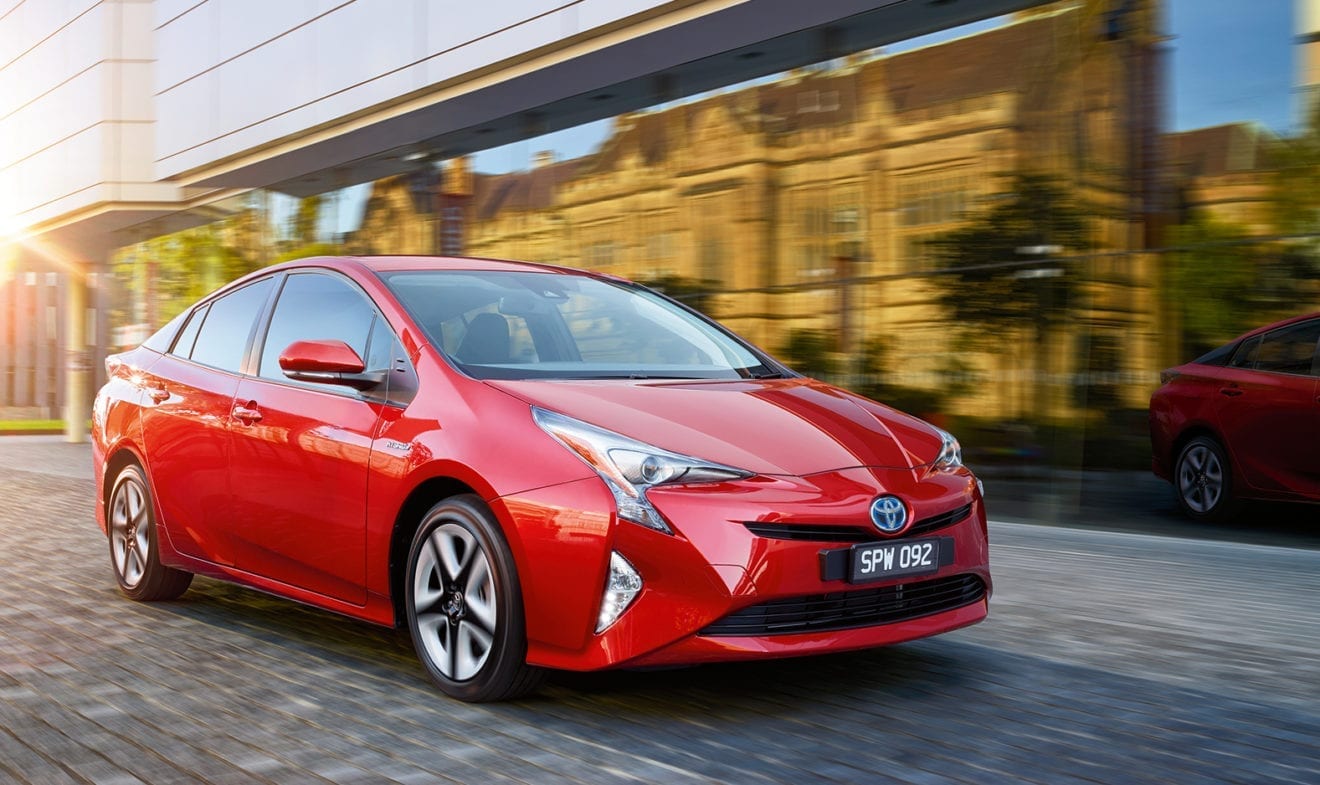
    Honda has struggled to expand sales at home in the past few years, facing stiff competition from popular offerings including Toyota Motor Corp’s (7203.T) Prius gasoline hybrid and Nissan Motor Co.’s (7201.T), Note compact hatchback.

    In the year ended March, it sold 668,000 units domestically, almost the same as in the previous year.

    With an annual production capacity of 250,000 units, the Sayama plant opened in 1964 and is one of Honda’s oldest plants, producing the Accord sedan, the CR-V SUV crossover and other models.

    The Yorii plant began production in 2013 and also has an annual production capacity of 250,000 units. Its output includes the Fit compact hatchback and the Civic sedan.

    Hachigo also said he was confident Honda was following proper procedures for final vehicle inspection for the Japanese market.

    He said the company was complying with a request from Japan’s transport ministry for inspection records after Nissan said on Monday it would recall 1.2 million vehicles due to procedural irregularities with its final inspection processes.

  • Australia new vehicle sales dip in September, commercial still strong

    Australia new vehicle sales dip in September, commercial still strong

    Australian new vehicle sales took a dip in September after a run of record months, though continued strength in the commercial sector augured well for business spending in the economy.

    The Australian Federal Chamber of Automotive Industries’ VFACTS report out on Wednesday showed 100,200 new vehicles were sold in September, down 2.4 percent on the same month last year. Both months had the same number of selling days.

    Sales for the year to date were still running 0.2 percent ahead of the same period in 2016.

    Sales of passenger cars extended their long decline with a fall of 9.3 percent in September, and even the red-hot sports utilities sector took a breather with a dip of 1.3 percent.

    Yet demand for commercial vehicles showed no signs of waning with the light sector up 8.1 percent and heavy vehicles jumping 15.4 percent on September last year.

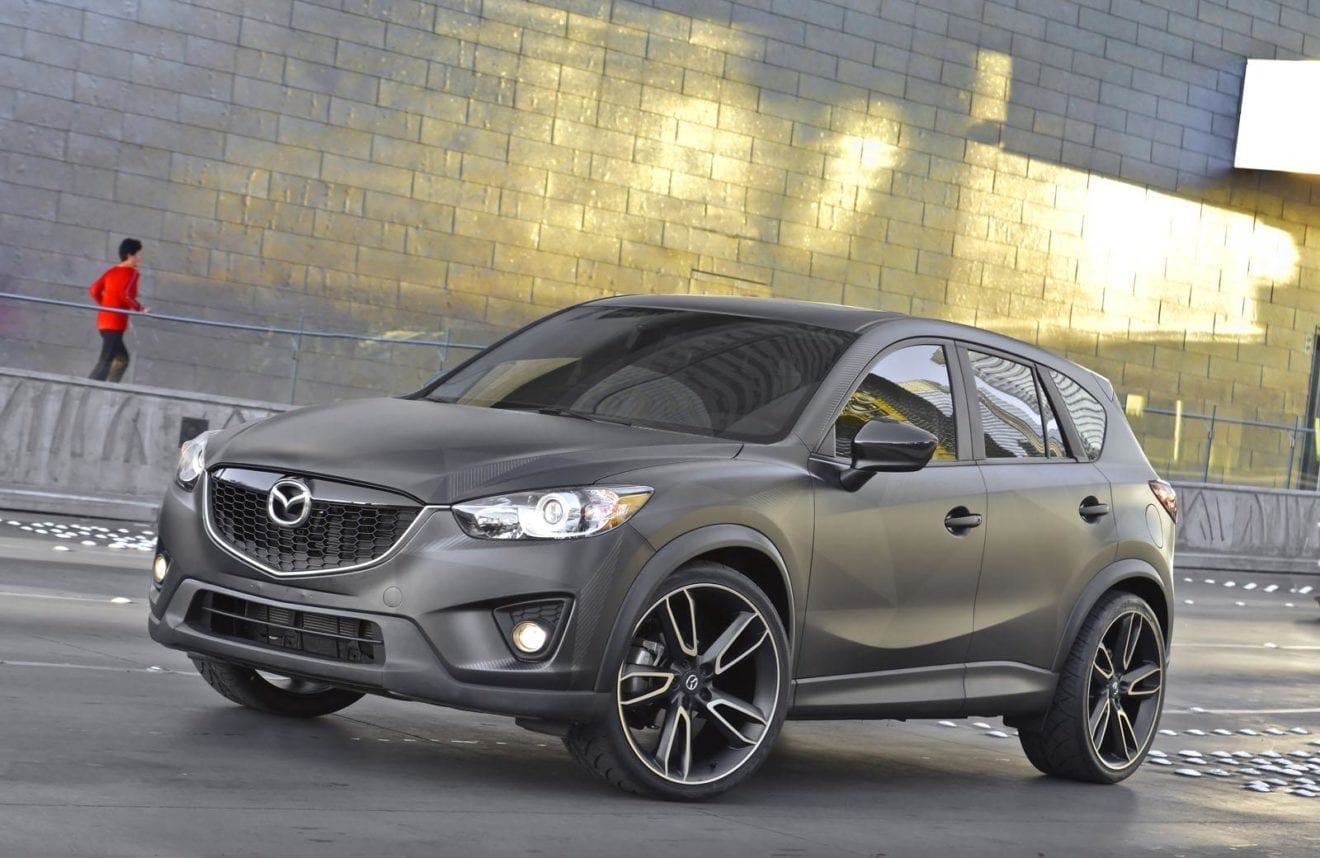
    Toyota Motor Corp retained first place on the sales ladder with a reduced share of 17.3 percent of the market, while Mazda Motor Corp made a strong showing by taking an unusually high 10.3 percent.

    Hyundai Motor held third spot with 8.1 percent, followed by Mitsubishi at 7.1 percent. The Holden unit of General Motors trailed with 6.9 percent, ahead of Ford at 6.8 percent.

  • Ford to cut costs $14 billion, invest in trucks, electric cars

    Ford to cut costs $14 billion, invest in trucks, electric cars

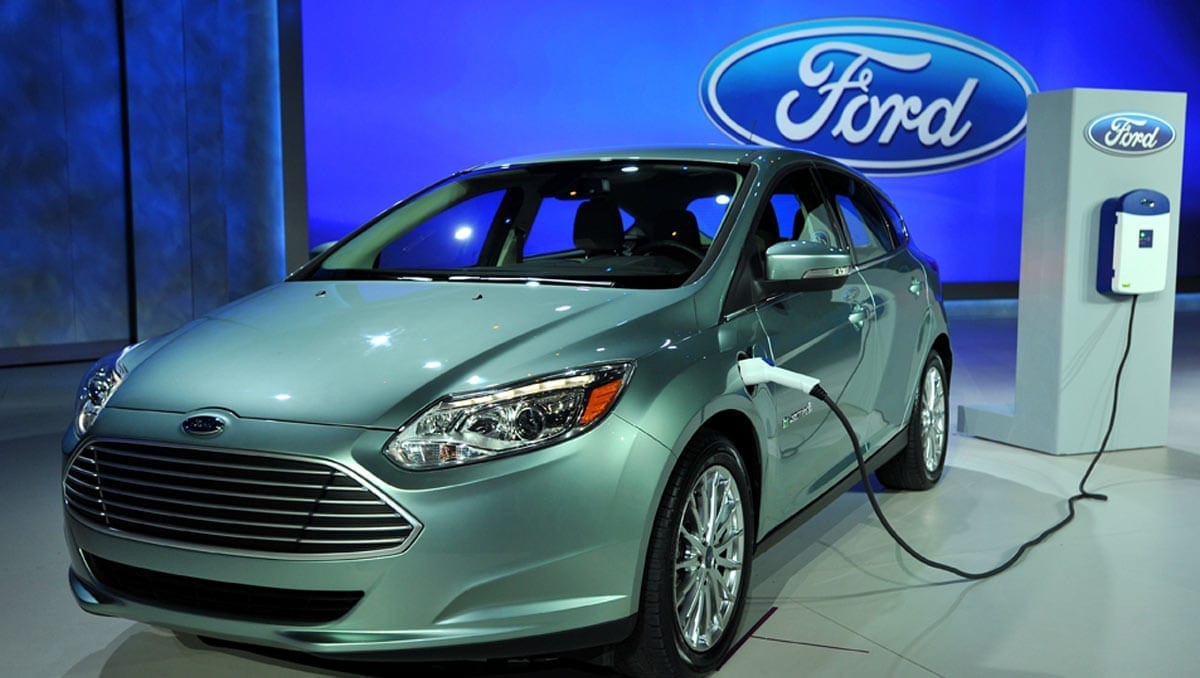
    Ford Motor plans to slash $14 billion in costs over the next five years, Chief Executive Officer Jim Hackett told investors on Tuesday, adding that the No. 2 U.S. automaker would shift capital investment away from sedans and internal combustion engines to develop more trucks and electric and hybrid cars.

    Most of those savings will not show up on Ford’s bottom line until 2019 and 2020, Hackett and other Ford executives said, reflecting the industry’s long product engineering lead times.

    Ford will be open to more partnerships to spread the costs and risks of simultaneously developing new technology and services while churning out profit from selling trucks and sport utility vehicles in North America, Hackett said during a nearly two-hour presentation. He cited a partnership with ride services company Lyft to deploy future Ford self-driving cars, an alliance with Indian automaker Mahindra and a potential alliance with Chinese electric vehicle maker Zotye.

    The automaker reaffirmed a goal of achieving 8 percent automotive operating margins and generating returns that exceed the cost of capital. Ford will provide a financial forecast for 2018 in January. Ford Chief Financial Officer Bob Shanks said it could take until 2020 or later to achieve the 8 percent margin goal.

    Other automakers have warned that shifting to all-electric vehicles could undercut profit margins. “I don’t think we should walk off a ledge where we destroy the earnings power of the company,” Hackett said, saying Ford is planning for a third of vehicles to still have internal combustion engines by 2030 – the year some European governments have proposed banning petroleum fueled cars.

    Hackett, former CEO of office furniture maker Steelcase, took the top post at Ford in May after his predecessor Mark Fields was pushed out. At the time, Hackett promised to tell investors after 100 days how he would improve the “fitness” of Ford to compete as the auto industry becomes more digital, more electric and less wedded to selling one vehicle at a time to individuals.

    Ford shares were little changed after hours as Hackett and other executives presented their outlook. Ford shares had risen 2.1 percent on Tuesday, up with other automotive stocks as the industry reported the highest sales pace in a dozen years. However, the company’s share price is down 30 percent since July 2014.

    Hackett has signed off on a series of moves, including a plan to shift production of Ford Focus compact cars from Michigan to China. He also hired a company outsider, Jason Luo, to lead Ford’s business in China, the world’s largest car market, where Ford is revamping operations and looking to expand partnerships in electric vehicles.

    Ford is playing catch up in some areas. By 2019, Ford plans to equip all U.S. models with built-in modems and to install mobile internet connections in 90 percent of global vehicles by 2020, Hackett said.

    Rival General Motors has been installing built-in mobile broadband connections in its U.S. vehicles since 2015 and now has about 7 million 4G LTE connected vehicles on the road globally, a spokesman said on Tuesday.

    Of Ford’s $14 billion in promised cost reductions over five years, $10 billion will come from material costs and $4 billion from reduced engineering costs, Hackett said.

    “We have too much cost across our business,” Hackett said.

    By 2022, Ford plans to cut spending on future internal combustion engines by a third, or about $500 million, putting that money instead into expanded electric and hybrid vehicle development, on top of $4.5 billion previously announced. Ford had already promised 13 new electric or hybrid vehicles within the next five years.

    Ford is “looking to build sustainably profitable BEV (battery electric vehicle) business” in segments where “we have a strong revenue presence,” Jim Farley, head of global markets, told investors.

    Farley also said Ford is looking “carefully” at marginally profitable or unprofitable operations in Europe and Latin America, and could look to partnerships in those markets.

    Electric vehicles will mean auto factories can have a final assembly area that is half the size, requires half the capital investment and 30 percent fewer labor hours per car, said Joe Hinrichs, president of global operations.

    GM on Monday said it planned to launch 20 new all-electric vehicles by 2023.

    One way to cut costs will be to offer fewer variations of Ford’s models, Hackett said. The slow-selling Ford Fusion midsize sedan can now be ordered in 35,000 combinations of features, colors and powertrain options. The future model will come in just 96 combinations, meaning fewer parts to design, produce and store in inventory, Ford showed in a presentation.

    He said Ford also will cut the time it takes to engineer a new car by 20 percent, and invest in “factories of the future” that will occupy less space and use more robots.

  • Panasonic to launch new auto battery line at ex-TV screen plant in Japan

    Panasonic to launch new auto battery line at ex-TV screen plant in Japan

    Japan’s Panasonic said on Friday it will start producing automotive batteries at its former television screen plant in Japan, accelerating its battery drive to meet anticipated demand for electric vehicles.

    Panasonic, the exclusive battery cell supplier for Tesla’s mass-market Model 3, is reinventing itself as a provider of advanced auto parts to escape the price competition of smartphones and other lower-margin consumer products.

    The new battery production will start at its LCD plant in Himeji, western Japan, in the financial year from April 2019, using space left vacant after it closed its unprofitable TV screen manufacturing business last year.

    The company declined to comment on the size of new investment or the production capacity of the new line.

    The Himeji plant currently produces screens for vehicle dashboards and medical equipment, but output has dropped significantly after it exited TV screen production.

    Panasonic sees batteries as a key driver for its plan to nearly double its automotive business revenue to 2.5 trillion yen ($22 billion) in the year through March 2022.

    Already one of the leading suppliers of automotive lithium ion batteries, it currently has five production sites in Japan.

    It started mass production of battery cells at Tesla’s Gigafactory in Nevada earlier this year and plans to follow suit at a new plant in Dalian, China.

  • China sets 2019 deadline for automakers to meet green-car sales targets

    China sets 2019 deadline for automakers to meet green-car sales targets

    China has set a deadline of 2019 to impose tough new sales targets for electric plug-in and hybrids vehicles, slightly relaxing an earlier plan to launch the rules from next year that had left global automakers worried about being able to comply.

    Car makers will need to amass credits for so-called new-energy vehicles (NEVs) equivalent to 10 percent of annual sales by 2019, China’s industry ministry said in a statement on Thursday. That level would rise to 12 percent for 2020.

    A single vehicle can generate multiple credits meaning the proportion by NEVs by volume would likely be lower.

    The targets, announced by the Ministry of Industry and Information Technology (MIIT), closely mirror previously announced plans, but remove an explicit 8 percent quota for 2018, in effect giving carmakers an extra year grace period.

    The quotas are a key part of a drive by China, the world’s largest auto market, to develop its own NEV market, with a long-term aim to ban the production and sale of cars that use traditional fuels announced earlier this month.

    Global automotive manufacturers, however, had urged a softening of the proposals for all-electric battery vehicles and electric plug-in hybrids.

    Under the rules, car makers will receive credits for new-energy vehicles including plug-in hybrids and fully electric cars that can be transferred or traded. Firms with annual sales volumes above 30,000 units will need to comply with the targets.

    These credits – which will vary depending on the range and performance of the vehicle – will be used to calculate if firms have met their quota, a system which would likely mean the actual proportion NEVs made up of total sales was lower.

    “The rules could result in the production of more than one million EVs annually in China by 2020, or about 4 percent of sales,” Simon Mui, a transport and energy exert at the U.S.-based Natural Resources Defense Council wrote in note.

    GREEN CAR ROLL-OUT

    Carmakers were in general positive about the move.

    “We welcome the Chinese auto industry’s shift towards greater adoption of NEVs and will comply with relevant regulations presented by authorities,” Ford Motor said in a statement responding to the announcement.

    General Motors said it would “strive to comply with the NEV mandatory requirements”, though it added “continued joint efforts by the government and companies are essential to build broad-based consumer acceptance for NEVs”.

    “GM has sufficient capacity to manufacture NEVs in China,” it said in a statement.

    Japan’s Honda Motor said it planned to launch an electric battery car in China next year and would “try to expand our lineup of new energy vehicles” to meet the quotas.

    China is keen to combat air pollution and close a competitive gap between its newer domestic automakers and global rivals. It wants to set goals for electric and plug-in hybrid cars to make up at least a fifth of Chinese auto sales by 2025.

    Reuters reported in August that China would delay the implementation of the NEV quotas until 2019, giving global automakers more time to prepare.

  • Ford, Lyft will partner to deploy self-driving cars

    Ford, Lyft will partner to deploy self-driving cars

    Ford said on Wednesday it will collaborate with Lyft to deploy Ford self-driving vehicles on the ride services company’s network in large numbers by 2021.

    Ford and Lyft teams will begin working together to design software to allow Ford vehicles to communicate with Lyft’s smartphone apps.

    Ford self-driving test vehicles will be connected to Lyft’s network, but at first, customers will not be able to use them, Sherif Marakby, Ford’s vice president for autonomous vehicles and electrification. Ford will put human-driven vehicles on Lyft’s network.

    He did not say when Ford and Lyft expect to offer the first rides in self-driving cars.

    “We’re not building prototypes for the sake of building prototypes,” Marakby said, adding Ford intends to ultimately put thousands of self-driving vehicles in use.

    Ford’s new Chief Executive Jim Hackett is scheduled to meet with investors on Tuesday to outline the Dearborn, Mich. automaker’s strategy for boosting profitability. Ford shares are down 1.65 percent so far this year, while Detroit rival General Motors shares have risen 15.6 percent, and Fiat Chrysler Automobiles NV shares are up 71 percent.

    Hackett’s plans to compete for revenue from mobility services, which include car sharing and ride-hailing, will be one area of focus for investors. The Lyft partnership fills in a piece of the puzzle.

    Ford also is testing delivery services using self-driving vehicles and a van shuttle service. The self-driving vehicles Ford will deploy through Lyft will use software developed by Argo AI, a company in which Ford is investing $1 billion over the next five years.

    The company has said it will invest $700 million in a factory in Flat Rock, Michigan, to make it capable of building electric and self driving vehicles.

    Lyft has said it will offer an open platform for companies to deploy self-driving vehicles on its network, and has partnerships with self driving vehicle technology startup Drive.ai and Alphabet’s Waymo self driving car unit.

    GM has a 9 percent stake in Lyft, acquired for $500 million in January 2016. “Our relationship with GM has always been a non-exclusive relationship,” Raj Kapoor, Lyft’s chief strategy officer.

    GM is also assembling the assets necessary to launch its own ride services using self-driving cars, building its Maven car-sharing unit and preparing to launch mass production of autonomous Chevrolet Bolt electric cars at a factory in suburban Detroit.

  • Zoomcar partners with AirAsia for seamless travel

    Zoomcar partners with AirAsia for seamless travel

    Zoomcar, a self-driving car rental portal, has partnered with AirAsia India to provide the latter’s customers an ease and convenience to book Zoomcar for their local and inter-city self-driven transport.

    According to a company press release, one can book for a Zoomcar on AirAsia’s website. The service is available across all metro cities in India and AirAsia guests can log on https://www.zoomcar.com/airasia to avail a Zoomcar.

    The company said that the Zoomcar airport service is gaining popularity especially among working professionals and customers looking for leisure and business travel.

    Customers will get a maximum discount of Rs 1,000 or 20 per cent on the booking. Zoomcar will charge a fully refundable security amount at the time of booking.

    Greg Moran, CEO & Cofounder, Zoomcar, said, “We are excited about the partnership which will further enable the AirAsia guests to experience Zoomcar accessibility at airports with an ease and flexibility.”

    Zoomcar is currently available in 26 cities across India, including metro and non-metro cities. Zoom Hop, one-way intercity travel, is an add-on to customers where a user can pick up a car from one city and drop it to another.

    Amar Abrol, MD & CEO, AirAsia India, said, “We have always believed in going an extra mile to provide the best-in-class customer service to our guests and we are confident that through this partnership, will be able to offer the best mobility to our flyers.”

    AirAsia India currently flies to 16 destinations with its hubs in Bengaluru, New Delhi and Kolkata covering Kochi, Goa, Jaipur, Chandigarh, Pune, Guwahati, Imphal, Vizag, Hyderabad, Srinagar, Bagdogra, Ranchi and Bhubaneswar.

  • Toyota Plans Major Expansion at Five U.S. Manufacturing Hubs

    Toyota Plans Major Expansion at Five U.S. Manufacturing Hubs

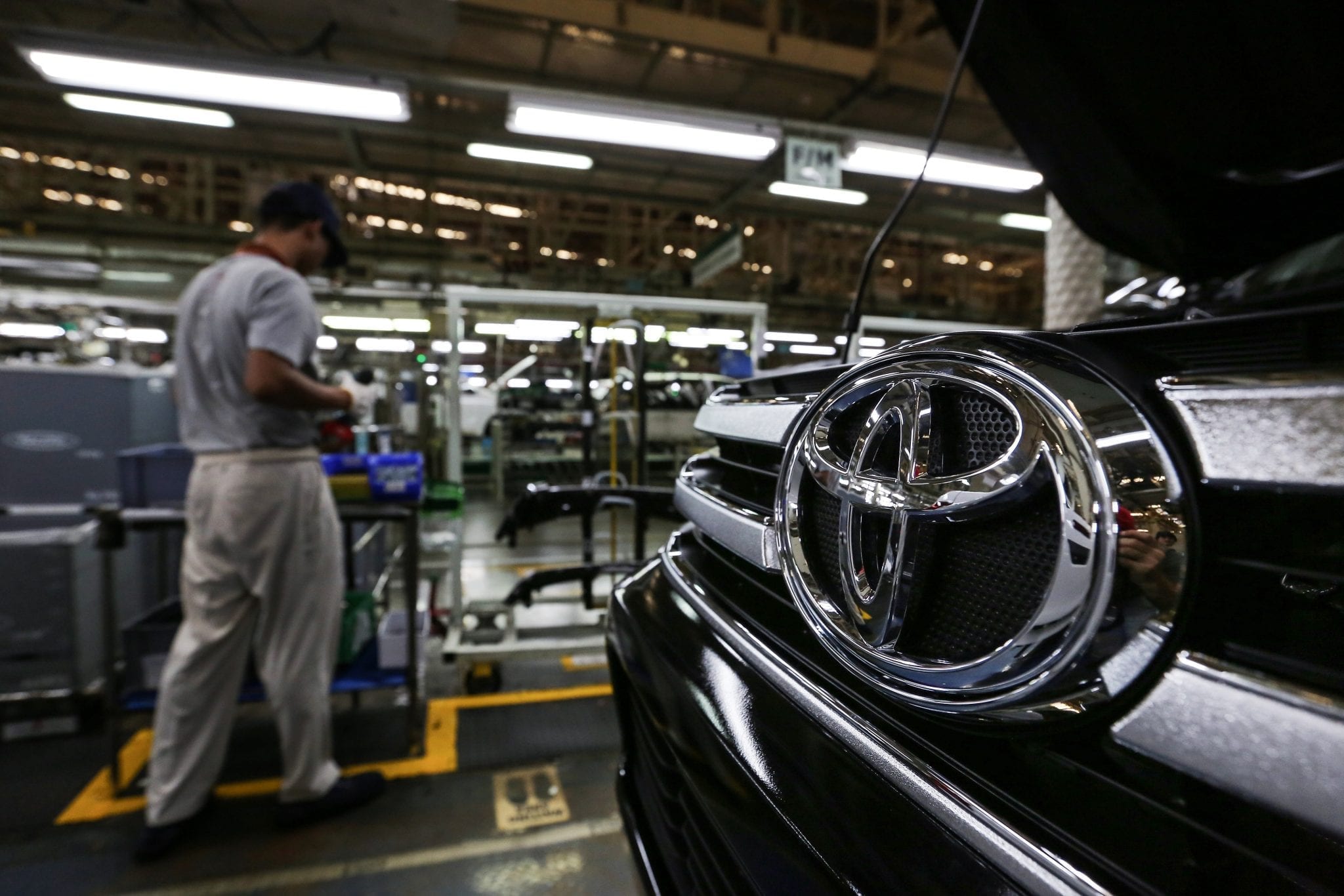
    Toyota plans a $373.8 million investment in five U.S. manufacturing plants that will support production of its first American-made hybrid powertrain and to implement its New Global Architecture at its plant in Alabama.

    The investments will include adding new production of hybrid transaxles (hybrid vehicle transmissions) at the Buffalo, West Virginia, manufacturing facility for $115,300,000; expanding 2.5-liter engine capacity at the Georgetown, Kentucky plant amounting to $120,960,000; increasing production of 2.5-liter cylinder heads at Bodine Aluminum’s Troy, Missouri plant for $17,050,000; and modifying the Bodine Jackson, Tennessee plant to accommodate production of hybrid transaxle cases and housings and 2.5-liter engine blocks for $14,500,000. The Huntsville, Alabama, plant will undergo a comprehensive upgrade to enable it to build engines that complement TNGA amounting to $106,000,000.

    Each of the projects is scheduled to begin this year and all should be operational by 2020.

    “This investment is part of our long-term commitment to build more vehicles and components in the markets in which we sell them,” said Jim Lentz, CEO, Toyota Motor North America. “This strategy is designed to better serve our customers and dealers, and positions our manufacturing operations to fulfill their needs well into the future.”

    The 2.5-liter engines manufactured in Kentucky and transaxles made in West Virginia will be used in hybrid vehicles built in North America such as the Highlander Hybrid manufactured in Princeton, Indiana.

    According to company officials, fifty new jobs will be created because of the investment at the Alabama plant. There will be no net gain of jobs at the Kentucky, West Virginia, or Bodine Aluminum facilities, but these investments will help to ensure the stability of the plants’ employment levels in the future.

    “This investment across five American plants expands capacity for our latest TNGA engines, and localizes production of hybrid powertrains, a core Toyota technology,” said Jeff Moore, Senior Vice President for Manufacturing. “It underscores Toyota’s confidence in the capability and global competitiveness of our North American manufacturing.”

    These projects, and others previously announced, move Toyota nearly halfway ($4.1 billion) toward its commitment to invest $10 billion in the U.S. as announced by CEO Akio Toyoda in January 2017.

  • BMW to build new 8 series at German Dingolfing plant from 2018

    BMW to build new 8 series at German Dingolfing plant from 2018

    Carmaker BMW plans to build its new 8 series model at its plant in the southern German town of Dingolfing from 2018, strengthening the site’s role in the production of premium models in addition to electric vehicle components.

    The plant currently makes BMW’s 3 to 7 series models and expects to beat its record annual output of 369,000 vehicles this year, BMW said in a statement on Saturday.

    It reiterated that its new electric, autonomous iNEXT model was to be built at Dingolfing from 2021, and that the plant will be involved in the supply of electric motor, components and a battery for the electric MINI to be built in Oxford.

    “And that is certainly not the end of it,” Andreas Wendt, head of the plant, said in a statement.

  • Indonesia overtakes Thailand to become Vietnam’s top car supplier in August

    Indonesia overtakes Thailand to become Vietnam’s top car supplier in August

    Tariff cuts under a regional trade deal are making cars from Southeast Asia more affordable in Vietnam. Indonesia dethroned Thailand to dominate Vietnam’s car market in August, with Toyota and Ford among the most popular brands, according to Vietnam Customs.

    Nearly 3,000 made-in-Indonesia cars flooded into Vietnam in August, compared to 438 units during the same period last year, official data showed. Most of the vehicles had nine seats and below.

    Thailand was the runner-up, exporting 2,000 cars to Vietnam, followed by China with 800 units.

    The import tariff on cars from Thailand and Indonesia was cut to 30 percent from 40 percent at the start of this year, according to tax authorities. As a result, many imported cars are now 7 percent cheaper, ranging from $18,000-19,000.

    Vietnam’s car imports in August soared 13 percent from the previous month to about 7,800 units worth $190 million, customs data shows.

    However, Thailand still leads the way so far this year, followed by Indonesia and China.

    Vietnam imported at total of 65,485 cars in the first eight months, down 5 percent on-year. Over 60 percent of those came from Thailand and Indonesia.

    The surge in imports from Southeast Asian countries is expected to continue when the import tariff on cars is abolished at the start of 2018 under the ASEAN Trade in Goods Agreement.

  • Tesla working with AMD to develop chip for self-driving car

    Tesla working with AMD to develop chip for self-driving car

    Electric carmaker Tesla is working with Advanced Micro Devices to develop its own artificial intelligence chip for self-driving cars, citing a source familiar with the matter.

    AMD spin-off GlobalFoundries Inc Chief Executive Sanjay Jha said his company is working directly with Tesla. GlobalFoundries, which fabricates chips, has a wafer supply agreement in place with AMD.

    Tesla isn’t completely going it alone in chip development, according to the source, and will build on top of AMD intellectual property.

    More than 50 people are working on the project under Jim Keller, a longtime chip architect and the head of Autopilot hardware and software of Tesla, according to the report.

    AMD shares were up 2.2 percent in extended trading.

    Tesla, AMD, and GlobalFoundries did not immediately respond to requests for comment.

  • BYD chief expects all vehicles to be electric in China by 2030

    BYD chief expects all vehicles to be electric in China by 2030

    The head of Chinese automaker expects all vehicles in the country to be electric or hybrid by 2030, a more aggressive timeframe than even Europe, as Beijing pushes ahead on a longer-term plan to shift away from petrol-engine cars.

    Earlier this month, a senior Chinese official said the world’s largest auto market had begun studying when to ban the production and sale of cars using traditional fuels, without giving a timeframe from the shift.

    The United Kingdom and France have said they will ban new petrol and diesel cars from 2040.

    “We are very confident about all the timetables (to eliminate fossil fuel cars) and we think it will happen earlier than expected,” said Wang Chuanfu, chairman and president at Shenzhen-based carmaker BYD, which has invested heavily in battery electric and plug-in hybrid vehicles.

    “Various governments have announced timetables to end the sale of fossil fuel cars and this is putting pressure on everyone else,” Wang told reporters in Shenzhen on Thursday.

    China has set goals for electric and plug-in hybrid cars to make up at least a fifth of its auto sales by 2025 in a bid to combat air pollution and close a competitive gap between its newer domestic automakers and their global rivals.

    However, China is also phasing out subsidies for the electric-vehicle market that have supported makers of new-energy vehicles like BYD. BYD, which is backed by U.S. investor Warren Buffett, has seen its profits fall sharply this year.

    Wang added that 20 cities in China would begin building BYD sky rail transport systems next year, amid a push by the firm to diversify away from cars alone.

    BYD’s first sky rail project was launched in China’s northwestern city of Yinchuan at the beginning of this month.


  • GM, China JV to recall over 2.5 million vehicles over airbags

    GM, China JV to recall over 2.5 million vehicles over airbags

    General Motors and its joint venture in China, Shanghai GM, will recall more than 2.5 million vehicles due to faulty airbag inflators, China’s top quality watchdog as said.

    The vehicles are equipped with airbag inflators produced by troubled Japanese manufacturer Takata, according to the General Administration of Quality Supervision, Inspection and Quarantine.

    From Oct. 29, the companies will recall 13,492 imported Saab and Opel vehicles, and from Dec. 29 another recall will start that involves more than 2.51 million Chevrolet and Buick cars.

    The recall, announced by the administration on Friday, followed a similar recall last week by Volkswagen AG and its Chinese joint ventures involving 4.86 million vehicles in China due to potential issues with Takata air bags.

    State news agency Xinhua quoted the quality watchdog as saying the faulty airbag inflator involved 37 car manufacturers and more than 20 million vehicles, of which 24 carmakers had recalled 10.59 million vehicles by the end of June.

    Takata air bags have been linked to at least 16 deaths and 180 injuries globally. The air bags have the potential to explode with too much force and spray shrapnel. The defect led to the biggest recall in automotive history and the eventual bankruptcy of the Japanese maker.

  • Rickshaws to jump start India’s all-electric drive

    Rickshaws to jump start India’s all-electric drive

    India, one of the world’s most polluted nations, has one of the most ambitious plans to kick its fossil fuel addiction. India will roll out nearly 100,000 battery-powered buses and autorickshaws onto its sulphurous city streets in the coming weeks, setting it on the bumpy road to making new vehicle sales all-electric by 2030.

    Analysts say the target is “daunting”.

    Transport is a major source of India’s carbon emissions and the Greenpeace group blames at least 1.2 million deaths a year in the country on pollution.

    Getting off diesel and petrol would improve the nation’s health and bolster India’s bid to meet the bold climate change targets it pledged in Paris in 2015.

    India is not alone in wanting all-electric cars, though it is aiming to go faster than others.

    Britain and France have said they want to end the sale of fossil fuel cars by 2040.

    But electric and hybrid models make up just three percent of all cars on the road worldwide, say London-based consultancy firm PwC.

    That figure is even lower in India, underscoring the enormity of Prime Minister Narendra Modi’s electric challenge.

    On top of gradually bringing in electric rickshaws and buses in New Delhi, the government has issued a tender to auto makers for 10,000 cars to replace pollution producers at four government ministries.

    “To go all electric is a daunting task,” said PwC partner Abdul Majeed.

    “Electric vehicles have a few huge challenges to deal with before they can take off in a big way.”

    Low-cost solutions

    The government does not want to pay for a network of charging stations for millions of future green motorists to power up depleted car batteries.

    Instead it hopes private energy companies will invest in “swapping bays”, where drivers can exchange empty batteries for fresh ones, Ashok Jhunjhunwala, principal advisor to the power minister and the official spearheading the efforts, told AFP.

    It plans to lease batteries separately for public transport and taxi fleets. It also wants more work on smaller, easier to use batteries.

    Amara Raja Batteries, an Indian battery manufacturer, would be part of the “swapping model”, said its chief executive S. Vijayanand.

    “The headache of managing and charging the battery will not be with the driver then,” he said.

    Other ideas include setting tougher efficiency standards so new vehicles use less power.

    “The idea is to keep it as low-cost as possible,” Jhunjhunwala said. “Vehicles and chargers must happen without subsidies and must make business sense.”

    Mahesh Babu, chief executive at Indian conglomerate Mahindra, said it was an exciting project but government efficiency targets are “idealistic and might lead to compromise on consumer needs and safety.”

    Others are more optimistic.

    Reductions in the size and cost of electric vehicles, coupled with rapid technological advances, mean India’s ambitions were “very feasible”, said Bill Hare, chief executive of the Berlin-based Climate Analytics consultancy.

    ‘India’s challenges’

    Foreign car majors are not ready to bring their electric offerings to India.

    Mercedes said it needs a reasonable timeline and improved incentives for motorists — currently a tiny sum that could be withdrawn at any time — to bring in electric cars.

    Tesla boss Elon Musk — who in July launched Model 3, a mass-market version of Tesla’s pricier cars — has postponed entry to the Indian market.

    But at $35,000, even the cheapest Tesla is out of reach for most Indians. Most of the three million new cars added to India’s roads every year are far cheaper, compact vehicles.

    Nissan Motor is test driving its Leaf model to see how it performs on Indian roads and copes with pollution and extreme weather conditions.

    That leaves the field wide open for Mahindra, currently the only company selling electric cars in India.

    Its hatchback, sedan and van sell in Delhi from $11,000 to $15,000, after a subsidy of $2,300.

    The company hopes to sell up to 5,000 units this year, including autorickshaws.

    So far it has tied up with cab firms in a handful of cities, logistics firms and start-ups that offer a sharing system of self-driving cars.

    “We want to meet India’s challenges,” Babu said.

  • Mazda to make all models hybrid, electric by early 2030s

    Mazda to make all models hybrid, electric by early 2030s

    Mazda Motor plans to make all of its vehicles electric-based, including petrol hybrids, by the early 2030s, Japanese media reported on Friday, as more automakers shift strategies to meet tightening global emission regulations.

    The Japanese automaker plans to use electric motors in all of its models by that time, Kyodo News reported, without citing sources. A Mazda spokeswoman declined to comment on the report.

    At the moment, Mazda’s line-up does not include any all-battery electric vehicles, though it sells one hybrid model, a version of its Mazda3.

    The company has said it will introduce electric powertrain technologies including electronic vehicles (EVs) from 2019.

    To catch up with other larger automakers including Nissan Motor, which already market electric cars, Mazda has partnered with Toyota Motor Corp to develop technology.

    Meanwhile, it has also developed an ultra-efficient petrol engine, which can be used in hybrids, and plans to incorporate that into its cars from 2019.

    Unveiling the new technology last month, Mazda CEO Masamichi Kogai said its gasoline, diesel and electric vehicle technologies would “co-exist” in the future.

    The automaker, which also specialises in highly-efficient diesel engines, on Thursday launched a new CX-8 model in Japan, which is only available as a diesel model at the moment.

    Other global automakers are planning to shift away from internal combustion engines towards electrification in the coming years.

    Volvo Car Group in July said that all of its new models from 2019 would use electric motors, while Volkswagen earlier this week said it would launch 80 new electric cars across its brands by 2025.