Category: Automotive

Retail News Asia is committed to providing both local and global retailers with the latest Auto and Car news throughout the Asian market. This on a daily base.

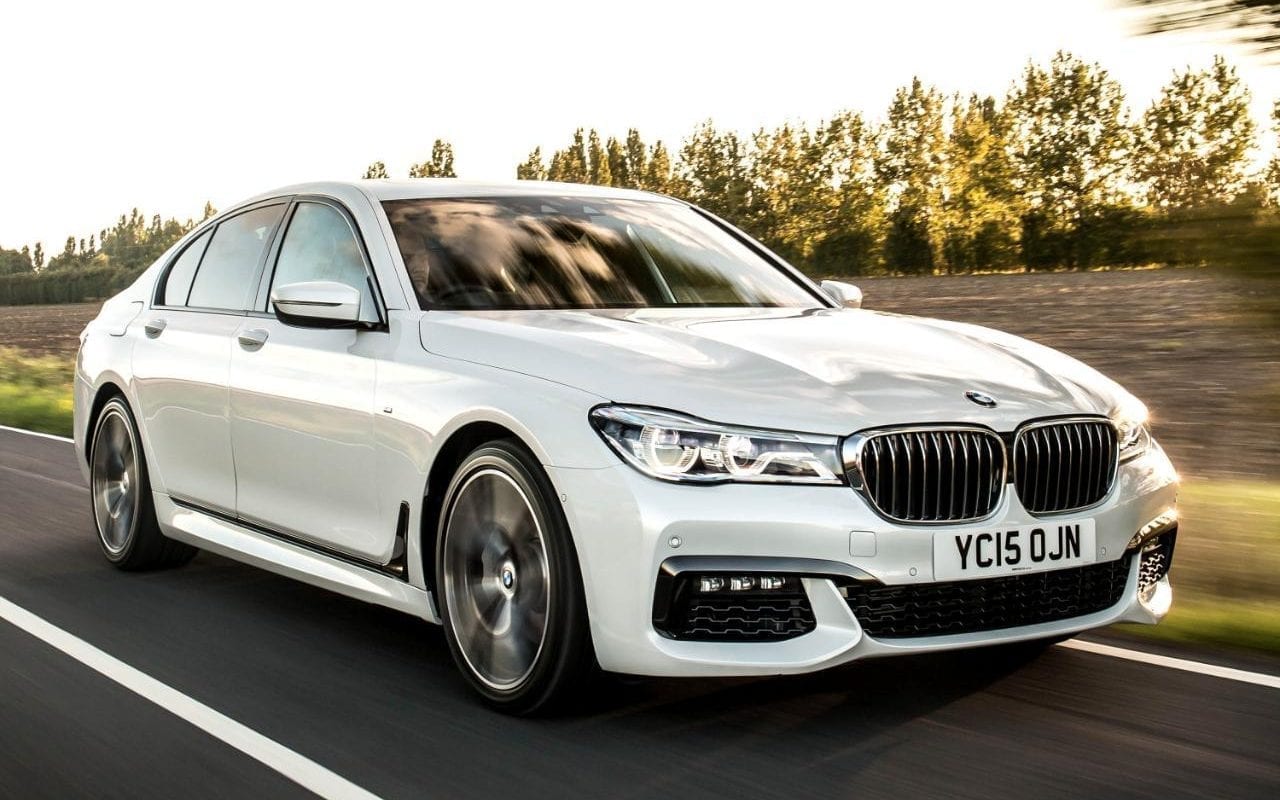
  • BMW’s 5-series launch helps drive forecast-beating second quarter profit

    BMW’s 5-series launch helps drive forecast-beating second quarter profit

    German luxury carmaker BMW posted a forecast-beating 7.5 percent rise in second-quarter profits as sales of its new 5-series helped to offset slowing demand for luxury cars in the United States.

    Earnings before interest and tax (EBIT) rose to 2.92 billion euros ($3.46 billion), compared with an average forecast for 2.82 billion in a Reuters poll of banks and brokerages.

    BMW affirmed its guidance for a slight increase in full-year group pretax profit and an operating margin of 8 to 10 percent at its automotive business, which posted a second-quarter margin of 9.7 percent, up from 9.5 percent a year earlier.

    BMW said it now forecasts a solid increase in automotive segment revenues for the full year.

  • Japan’s Subaru posts higher profit as car sales jump

    Japan’s Subaru posts higher profit as car sales jump

    Subaru on Thursday posted a better-than-expected rise in its quarterly operating profit, buoyed by higher sales in the United States, its biggest market, where other Japanese automakers are struggling with slower demand.

    Operating profit at Japan’s No.6 automaker came in at 119.3 billion yen ($1.08 billion) in the first quarter ended June, up 17.5 percent from a year ago and exceeding the average forecast for 114.8 billion yen from seven analysts polled by Thomson Reuters I/B/E/S.

    Most Japanese automakers have been hit by both an overall slowdown in the U.S. market and a growing preference for bigger car models, versus the sedan.

    Subaru has, however, managed to buck this trend, reporting a 12.3 percent jump in sales in the world’s No.2 auto market after China, with models such a revamped version of its Impreza sedan, along with the Forester SUV and Outback SUV crossover.

    Subaru raised production capacity last year at its plant in Indiana and was able to deliver more units over the quarter in the United States, which accounts for around 60 percent of its global sales volume.

    The automaker’s U.S. marketing strategy has focused mainly on affluent and liberal-minded consumers, with advertisements featuring slogans such as love and inclusion.

    It has won over consumers living largely on the west and east coasts – a concentration that has allowed it to leverage its production capabilities, which are a fraction of those of Toyota Motor and other bigger rivals like Nissan Motor Co.

    Toyota is expected to announce a 16 percent drop in its quarterly operating profit, according to analysts surveyed by Thomson Reuters I/B/E/S, while Nissan last week posted an almost 13 percent slide in profit, dragged by rising incentives to sell its cars in the United States.

  • Tesla begins to deliver model for the masses

    Tesla begins to deliver model for the masses

    Analysts have predicted that Tesla may be reshaping the future of the auto industry, like Apple did with the iPhone. Tesla began delivering on a dream to make an electric car for the masses, rolling out the first of its keenly-awaited “Model 3” cars, aiming to disrupt a world accustomed to automobiles powered by pollution-spewing fossil fuel.

    An initial batch of the ‘Model 3’ cars that rolled out of the Tesla plant in Fremont, California late Friday were given to customers, most of whom were employees of the company.

    Tesla founder and chief Elon Musk proclaimed it a great day for the company, saying the goal was to make a terrific electric car “that everyone can buy.” Musk starred in a ceremony at the plant delivering the first batch to their owners.

    “It’s the best car for its cost, either electric or gasoline,” he said.

    Production of the electric car aimed at the broader market — with a starting price of $35,000 — will ramp up quickly, according to Musk, with 100 in August and 1,500 or more in September.

    Tesla aims to produce 5,000 units of the Model 3 a week this year, and 10,000 units a week in 2018.

    Tesla already sells “S” and “X” model electric cars, but with a starting price of $80,000 they have been seen as wheels for the wealthy.

    The Model 3 silhouette resembles that of the Model S, but the new electric ride is smaller with a simpler design.

    The vehicle’s battery was designed to keep it going for “at least 215 miles” (345 kilometers) before needing to be recharged, according to Tesla. A battery with a longer range is available for more money.

    Musk has mentioned in Tesla earnings calls that while early models were packed with innovative engineering, they caused vexation on the assembly line.

    The Model 3, he said, was designed from the outset with mass production in mind to push down cost and crank cars out quickly.

    ‘Crucial step’

    More than a half-million customers have placed deposits to get on the waiting list for the Model 3, and anyone wanting one will have to wait at least until 2018.

    “Demand is not a challenge there,” Musk said, noting that most of the orders have been in the US.

    A big question for Tesla is whether it can ramp up production to meet demand and whether rivals will cut into the electric vehicle market.

    Like its predecessors, the Model 3 is fully electric and on-board computers can handle some driving tasks.

    Tesla referred to the arrival of the Model 3 as a “crucial step” in the company’s mission to speed the transition to renewable energy.

    Not long after Tesla was founded in 2003, Musk said the plan was to use money from high-end electric vehicles to create more affordable offerings to make the technology the new automotive norm.

    Cars powered by green energy are consistent with a concern for the environment seen in Musk’s other enterprises.

    Musk runs solar energy firm SolarCity, and is building rechargeable batteries to power homes as well as cars.

    His Boring Company is part of a vision for near-supersonic rail travel through low-pressure tubes that he laid out in a Hyperloop white paper he made open to other entrepreneurs.

    Combined sales of Model S and Model X vehicles in the first half of this year were estimated to tally from 47,000 to 50,000.

    With the Model 3, Tesla hopes to start cranking out hundreds of thousands of cars annually.

    The iPhone of cars?

    Success of the Model 3 could put in the rear-view mirror concerns about Tesla’s prospects for growth.

    So far, Musk’s strategy has paid off. Even though most major car makers sell electric vehicles, Tesla practically defines the category.

    The rush of pre-orders allowed Tesla to recently become the biggest US car company in terms of market capitalization, despite the fact that General Motors (GM) and Ford produce millions of cars per year and Tesla has yet to make a profit.

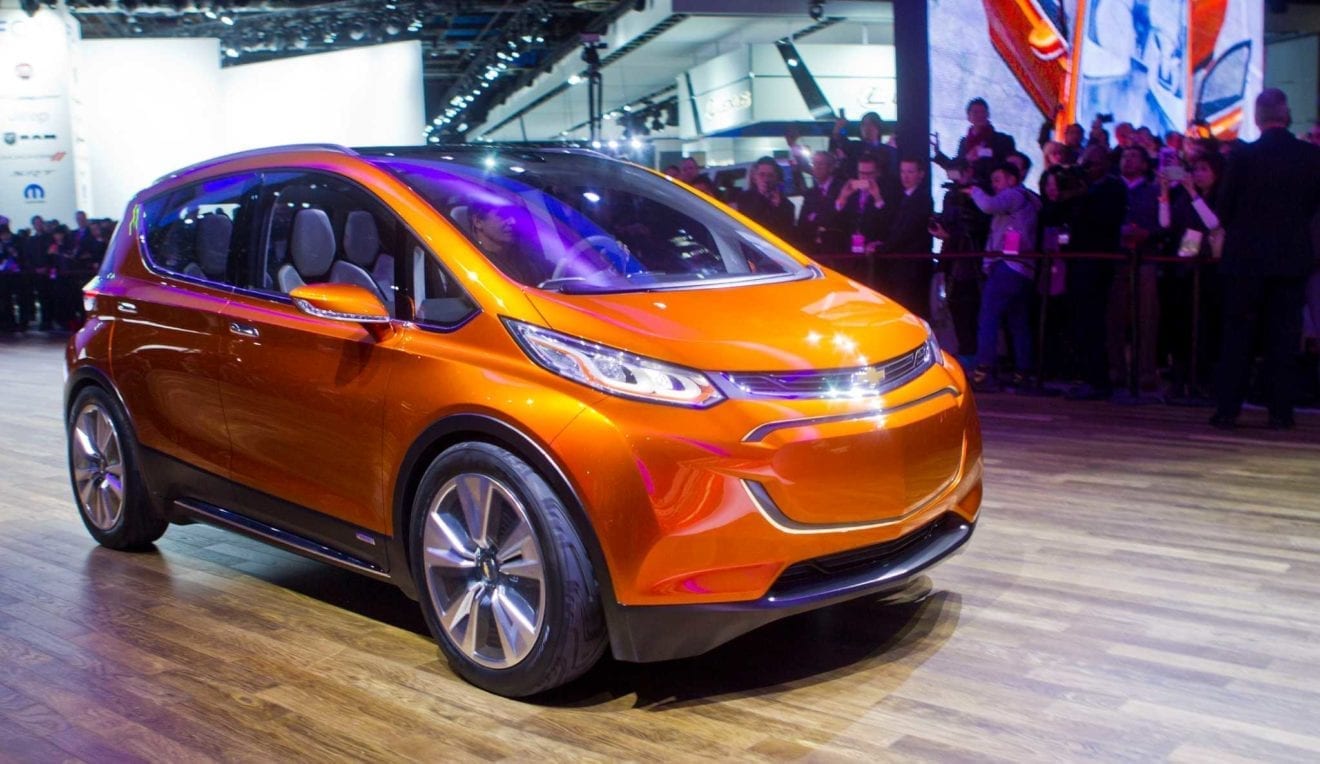
    While Tesla is scrambling to meet Model 3 demand, GM has temporarily halted production of its ‘Bolt’ electric car to eas ease inventories.

    Some analysts say that with the launch, Tesla may be reshaping the future of the auto industry. Gene Munster, analyst with the research firm Loup Ventures, argues that Tesla may do for the auto sector what Apple did for smartphones and electronics.

    “We believe we will eventually look back at the launch of the Model 3 and compare it to the iPhone, which proved to be the catalyst for the shift to mobile computing,” Munster said in a recent research note.

    Munster says Tesla will play a central role in “paradigm shifts” to electric and autonomous vehicles that could transform the sector.

  • VW sale of Ducati, Renk units lacks board support

    VW sale of Ducati, Renk units lacks board support

    Volkswagen’s planned sale of motorcycle brand Ducati and transmissions maker Renk has currently no majority backing on the carmaker’s supervisory board, with opponents to asset sales feeling invigorated by the group’s strong results.

    Europe’s largest automaker has tasked banks to evaluate options for Ducati and Renk including divesting the two divisions as it aims to streamline operations to help fund a post-dieselgate strategic overhaul.

    Volkswagen has been reviewing its portfolio of assets and brands since announcing in June 2016 a multi-billion-euro shift to electric cars and new mobility services as part of its so-called Strategy 2025.

    Five bidders have been shortlisted to buy Ducati, including Italy’s Benetton family, with offers received valuing the brand at 1.3 billion-1.5 billion euros ($1.76 billion), a source said on Saturday.

    But VW’s labour leaders, occupying half the seats on the 20-member supervisory board which decides on asset sales, resist a sale of Ducati and Renk without compelling financial reasons.

    “The employee representatives on Volkswagen’s supervisory board will neither approve a sale of Ducati, nor one of Renk or MAN Diesel & Turbo,” a spokesman for VW group’s works council told Reuters late on Saturday.

    “Everyone who can read the VW half-year results should know: We don’t need money and our subsidiaries are not up for grabs by bargain hunters.”

    Six-month operating profit at VW group jumped 19 percent to 8.9 billion euros, the carmaker said on Thursday, as cost cuts and R&D improvements at the core namesake brand earned VW a respite from the billions of euros in costs for fines, vehicle refits and compensation related to its dieselgate scandal.

    One source at VW said that given strong union opposition, VW is now reviewing the plan to sell Ducati as it doesn’t want to risk working with labour on implementing a hard-fought turnaround plan for the VW brand, seen as crucial by investors.

    Though Ducati is owned by VW’s luxury brand Audi, the VW group’s supervisory board has to approve a possible sale. Audi declined comment.

    The billionaire Porsche and Piech families, controlling 52 percent of voting shares in VW and holding four supervisory board seats, do not support selling Ducati or Renk, two other sources at VW group said.

    A spokesman for Porsche SE, the family’s holding company, declined comment.

    With 20 percent of voting rights in VW, Lower Saxony, where the carmaker employs more than 100,000 staff at six plants, can veto decisions such as factory closures.

    Holding two board seats, Lower Saxony traditionally teams up with VW’s worker representatives for the sake of protecting jobs and projects. A spokeswoman declined comment when asked whether the state government would back a sale of Ducati or other assets.

    “The management board has not even asked the supervisory board of Volkswagen, where such sales have to be ratified, for its approval,” the works council spokesman said. “Therefore we advise all supposedly interested parties: Save your time to check any books. A sale will not happen.”

    The five bidders shortlisted to buy Ducati will be given access to the company’s books after the summer, the first source said.

    With most of Audi’s executives away for a three-week summer break, a decision on whether management will stick to the planned sale will not be taken until September or October, a source close to Audi said. Audi declined comment.

    VW finance chief Frank Witter, speaking on Thursday’s earnings call, declined any comment on “speculation” surrounding VW’s asset sales plans.

  • Audi targets 10 billion euros in cost cuts to fund electric-car push

    Audi targets 10 billion euros in cost cuts to fund electric-car push

    Audi aims to cut costs by 10 billion euros by 2022 to help fund a shift to electric cars as it seeks to move on after the emissions scandal, sources close to the carmaker said.

    Audi, Volkswagen’s main profit driver, plans to bring five new all-electric models to market in coming years, starting with the e-tron sport-utility vehicle (SUV) to be assembled from 2018 in Brussels.

    Despite run-up costs for its electric-car programme, the luxury automaker wants to keep its operating profit margin at 8 percent a year at least, two sources close to Audi said. Its profit margin in the first half of this year was 8.9 percent.

    The bulk of the 10 billion cost savings would come from cutting research and development costs, the sources said.

    A spokesman at Audi’s headquarters in Ingolstadt, Germany, declined comment. German business daily Handelsblatt reported the cost-savings target and profitability plans earlier on Sunday.

    Audi also aims to free up funds for investments in zero-emission technology by developing a new production platform with Porsche, allowing both VW premium brands to save money by sharing components and modules.

    Audi is grappling with car recalls, prosecutor investigations and persistent criticism from unions and managers over the diesel emissions scandal and its strategy post-dieselgate.

    Sources told Reuters on Friday that four of the brand’s seven top executives are earmarked for dismissal in the near future. On Sunday, sources said the dismissals were discussed by supervisory board members last Thursday but a formal decision has yet to be taken.

  • Germany recalls Porsche Cayenne models over emissions software

    Germany recalls Porsche Cayenne models over emissions software

    German Transport Minister Alexander Dobrindt on Thursday announced a recall of Porsche Cayenne models equipped with 3-litre diesel engines after finding potentially illegal emissions controlling software in the vehicles.

    Dobrindt told he was withdrawing certification for the vehicles, which will need to undergo a software update.

    Sports car maker Porsche AG is owned by Volkswagen, which in 2015 admitted to systematic manipulation of engine management software to cheat emissions tests.

    Porsche on Thursday said it had discovered “irregular” engine management software during an internal probe into emissions. Porsche also said it had agreed to recall the vehicles to fix the problem.

    “The producer will of course bear 100 percent of the costs,” Dobrindt said. “There is no explanation why this software was in this vehicle,” Dobrindt said.

    The minister said: “We have examined Porsche Cayenne vehicles of the 3 liter TDI Euro 6 Mark – during tests these vehicles deploy a so-called defense strategy, which isn’t activated in real traffic.”

    “In our view that is a kind of test recognition, which we regard as an impermissible deactivation strategy.”

    “Even if there is a modern exhaust gas cleaning system in these vehicles, if this software is nonetheless there it is illegal, does not meet the legal requirements and needs to be removed,” Dobrindt said.

    He also said that Porsche would quickly be in a position to bring the software into conformity with the law.

    Dobrindt also said there were some 7,500 vehicles of this type certified in Germany and some 22,000 certified in Europe. “We don’t know how many are with dealers. These are the cars that fall under the certification ban.”

    The Porsche Cayenne model shares components with a sister model, the Volkswagen Touareg.

    Asked about Volkswagen’s Touareg model, Dobrindt said: “On the technical question, it is assumed that this vehicle has a similar parameter set but identical construction does not mean that the same software was used in it but it is assumed that the same software was used.”

    He said the Transport Ministry was, however, checking that and a hearing with Volkswagen would show whether that was the case or not, adding: “The probability is high.”

    Volkswagen CFO Frank Witter had no immediate comment about the Porsche recall on a VW earnings call also held on Thursday.

    Stuttgart prosecutors have been investigating Porsche AG after some models were fitted with 3 liter diesel engines supplied by Audi.

    Audi, another premium brand owned by Volkswagen is also being probed by prosecutors in Munich who are separately investigating Audi about its role in designing the 3 liter diesel engine.

  • Tesla climbs as Musk prepares to hand over first Model 3 cars

    Tesla climbs as Musk prepares to hand over first Model 3 cars

    Shares of Tesla rose nearly 1 percent on Friday ahead of a handover to customers of its first Model 3 sedans, the electric cars that Chief Executive Officer Elon Musk is betting will propel his company into the mass market.

    Tesla is counting on the Model 3 to help turn the cash-losing company into a profitable one, and its event later on Friday at its factory in Fremont, California comes as the car maker’s stock trades down 12 percent from a record high set in June.

    Fueled by expectations that Tesla will become a carbon-free energy and transportation heavyweight, Tesla’s stock remains up 58 percent year to date, but it is also a favorite among short sellers.

    Shorts sellers have about $8.5 billion bet against Tesla, equivalent to about 20 percent of the company’s float, according to Astec Analytics.

    The $35,000 Model 3 is designed for easy production, with output targeted to reach 20,000 per month by December. The Silicon Valley car company aims to quickly ramp up its factory to reach a production target of 500,000 cars per year in 2018.

    Tesla’s last launch was the luxury Model X SUV in 2015, which had a number of production issues.

    Tesla reports its second-quarter results on Wednesday, and investors are keen for an update on how quickly its output is expanding after deliveries for the first half of 2017 came in at the low end of the company’s own forecast.

    “This evening’s event will keep investors focused on the Model 3 ramp, and less on the upcoming quarter,” Barclays analyst Brian Johnson wrote in a note to clients. Johnson has a an “underweight” rating on Tesla.

    Skeptics believe Tesla’s growth targets are unrealistic and that it is at risk of being overtaken by General Motors , BMW and other deep-pocketed manufacturers that are ramping up their own electric-vehicle offerings.

  • Maruti, Hyundai rule passenger vehicle sales in June

    Maruti, Hyundai rule passenger vehicle sales in June

    Country’s top two carmakers Maruti Suzuki India and Hyundai Motor India dominated the Indian passenger vehicle sales segment last month with their models occupying all the slots in the top ten list.

    While car market leader Maruti has seven of its models in the list, rival Hyundai Motor India has three of its models in the top ten selling list of last month.

    Toyota Kirloskar Motor’s Innova and Renault Kwid which were there in the June 2016 list have failed to find place in this year’s top ten list.

    According to the latest data from Society of Indian Automobile Manufacturers (SIAM), Maruti’s Alto retained the top position in June with 14,856 units, as against 15,750 units in June last year.

    Hyundai’s compact car Grand i10 stood at second position with 12,317 units. It was at third position in June 2016, with 12,678 unit sales.

    Maruti’s compact sedan Dzire occupied the third position with sale of 12,050 units as compared with 15,560 units in June last year.

    The car market leader’s compact hatchback Wagon R stood at fourth position with sale of 10,668 units during the last month.

    Hyundai’s Elite i20 stood at fifth position last month with 10,609 units. The company had sold 8,990 units of the vehicle in the same period last year.

    Maruti’s Swift retained sixth position with 9,902 units in June. It had sold 9,033 units in the same month of the last year.

    The carmaker’s premium hatchback Baleno stood at seventh position with sale of 9,057 units last month, while compact SUV Vitara Brezza with sale of 8,293 units took eighth position in June.

    Hyundai’s Creta retained ninth position with sale of 6,436 units in June. It sold 7,700 units in the same month last year.

    Maruti’s hatchback Celerio stood at tenth place with sale of 6,375 units.

  • Peugeot sets new profitability record on pricing gains

    Peugeot sets new profitability record on pricing gains

    PSA Group increased sales and profit in the first half, the maker of Peugeots and Citroens said, beating analyst expectations with a new profitability record at its core manufacturing division.

    Net income rose 3.6 percent to 1.26 billion euros ($1.46 billion) on a 5 percent increase in revenue to 29.17 billion, the French carmaker said on Wednesday, as stronger pricing more than made up for weaker sales volumes in Europe and China.

    The core automotive operating margin jumped from 6.8 percent to 7.3 percent, setting a “new historic high” for the carmaker, Chief Financial Officer Jean-Baptiste de Chatillon said on a conference call with reporters.

    The Paris-based carmaker rebounded from near-bankruptcy and a government-backed bailout in 2014 to a 6 percent automotive operating margin last year on the strength of cost-cutting, a pared-down lineup and determined efforts to lift prices.

    Weaker first-half vehicle sales in Europe and a sharper slowdown in China had sparked concerns about the pace of PSA’s recovery just as it prepares to acquire Opel from General Motors , in a deal closing later this year.

    But the first-half numbers squarely beat analyst expectations of 28.92 billion euros in sales, 1.3 billion in automotive profit and a 1.06 billion-euro net profit, based on the median of nine estimates polled for Reuters.

    PSA also raised its full-year European auto-market growth forecast to 3 percent from one percent and its Latin American and Russian growth forecasts to 5 percent from 2 percent and flat, respectively.

  • Britain launches fund to boost electric battery technology

    Britain launches fund to boost electric battery technology

    Britain launched a 246 million-pound ($320 million) fund on Monday to boost the development and manufacturing of electric batteries, a major growth area for the car and energy sectors.

    The scheme, which allows those in business and academia to apply for government funds to work on a range of possible electric battery schemes, is part of Britain’s industrial strategy which Prime Minister Theresa May published in January.

    It is designed to take a more hands-on approach to developing key industries to help protect the economy as Britain leaves the European Union.

    Automakers are racing to build greener vehicles and improve charge times in a bid to meet rising customer demand and meet air quality targets but Britain lacks sufficient manufacturing capacity, an area ministers are keen to build up.

    The first tranche comprises a 45 million-pound pot of money which will help to establish a ‘Battery Institute’ for research to help improve the affordability of the technology, which needs to bolster charge and use times, reduce storage sizes and boost capacity.

    Business minister Greg Clark also wants to establish a “National Battery Manufacturing Development facility” which would support the building of electric batteries for the automotive sector.

    “Joining together the research, development, application and manufacture of energy storage technologies – and specifically battery storage – is a huge opportunity for the energy sector and the automotive sector alike,” Clark said in a speech in Birmingham.

    In May, representatives from politics, academia and business in the central English city of Coventry pitched plans to receive part of the funds for a “National Battery Prototyping Centre” which would focus on research and development and testing.

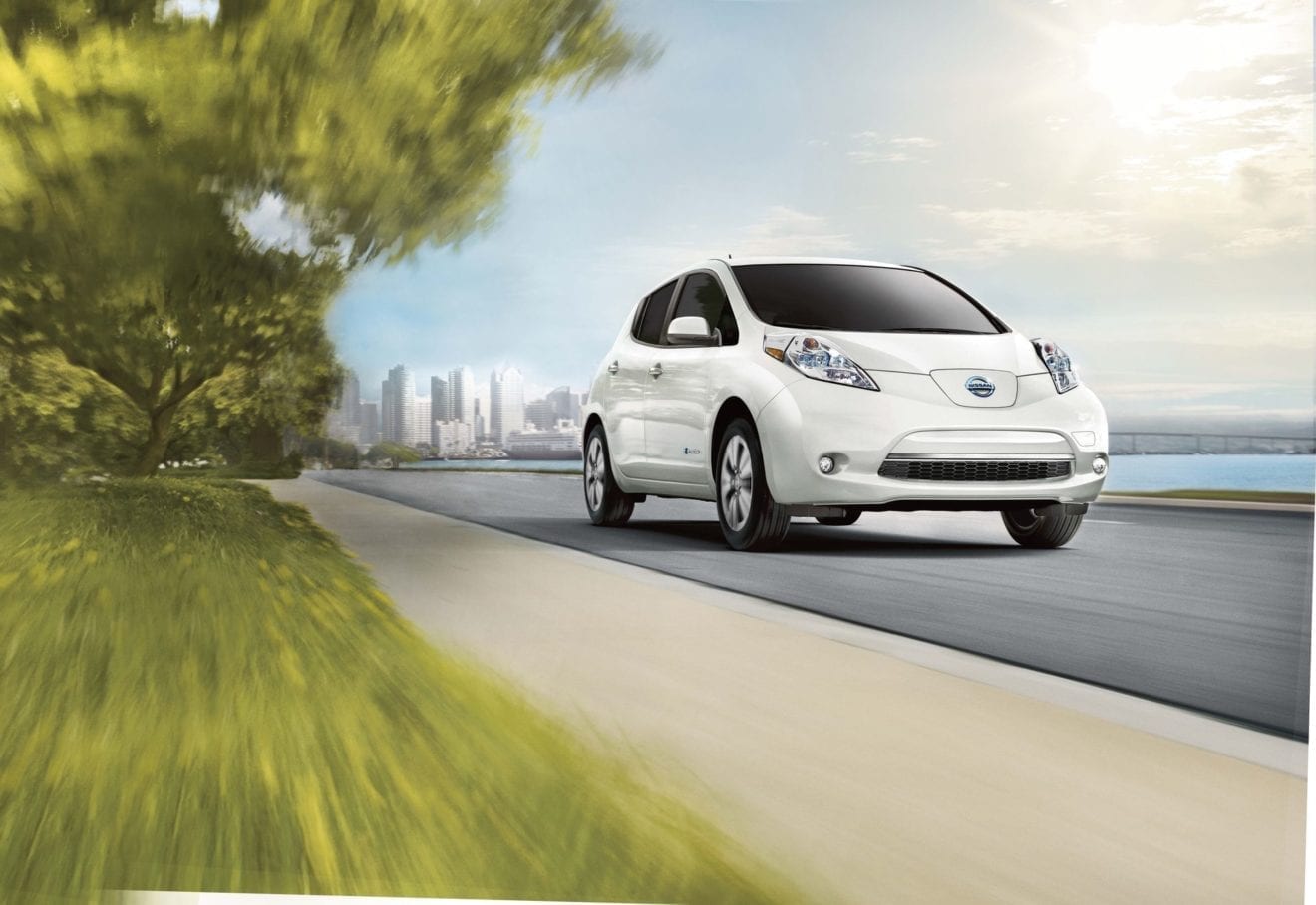
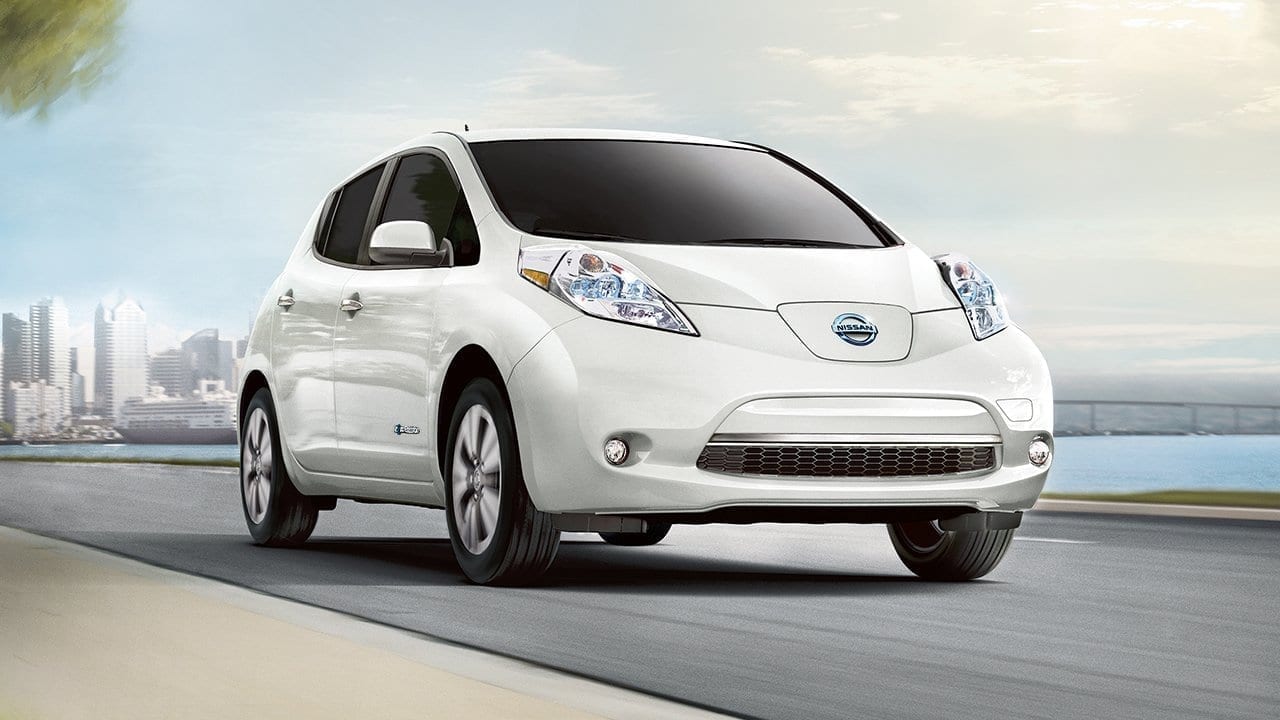
    Japan’s Nissan already builds its electric Leaf at its north of England plant but Britain’s biggest carmaker Jaguar Land Rover is building its first low-emissions model in Austria.

    Its chief executive told Reuters last year that a number of factors needed to be put in place before JLR would build electric models in Britain, including pilot testing and support from science.

    Germany’s BMW favors building its first electric model at its Oxford plant, two sources told Reuters last week, in a decision which is due to be announced in September.

    Clark also said that up to 40 billion pounds could be saved by 2050 with a range of measures designed to better manage energy use, including allowing users to control their appliances from their smartphones.

    But businesses have become more cautious about future investment in Britain ahead of Brexit, worried that the country may lose unfettered and free trade with its biggest export partner at the end of two-year divorce talks in March 2019.

    Many companies have urged the government to push the European Union to agree to a clear and lengthy transitional arrangement to help them make investment decisions.

    Asked on Monday when the government would set out the kind of transitional arrangement it would be seeking, Clark said:

    “During the autumn… and as the negotiations move forward, we hope from their initial discussion, then that’s the time to say more about that.”

  • BMW denies collusion on diesel emissions

    BMW denies collusion on diesel emissions

    BMW said that none of its models had been ‘manipulated’ or violated industry regulations. German luxury carmaker BMW on Sunday denied any collusion with industry rivals on emissions from its diesel engines, saying none of its models had been “manipulated” or violated industry regulations.

    As revelations about polluting exhaust continue to buffet Germany’s all-important auto sector, the Munich-based giant sought to distance itself from what it called the “scandaliation of diesel motors”.

    “The fact is that automobiles from the BMW group are not manipulated and comply with the relevant legal requirements,” the company said in a statement.

    “This of course also applies to diesel automobiles. This is confirmed by the relevant results from tests by national and international authorities.”

    Der Spiegel magazine had reported Friday that German carmakers Volkswagen, Audi, Porsche, BMW and Daimler had secretly worked together from the 1990s onwards on issues including polluting emissions from diesel vehicles.

    Volkswagen, which is facing tens of billions of dollars in compensation and fines after admitting in 2015 to cheating on diesel emissions, had reported the cartel to German competition authorities in a letter seen by the weekly, as did Mercedes-Benz maker Daimler.

    According to the report, carmakers held “innumerable meetings” from 2006 onwards about diesel exhaust processing systems designed to reduce emissions of harmful nitrogen oxides (NOx).

    Carmakers agreed to install only small tanks of a treatment solution, AdBlue, used to convert the gases into harmless water and nitrogen, as larger tanks would have been more expensive.

    The size of the AdBlue tanks agreed on was too small to clean exhaust gases by the necessary amount — “laying the foundations for the diesel scandal,” Spiegel reported.

    However BMW said it “firmly dismissed the accusation” that its AdBlue tanks were insufficient, meaning that any “recall or retrofitting for the Euro 6 diesel cars is unnecessary”.

    Volkswagen admitted in September 2015 to installing software in 11 million cars worldwide that reduced NOx emissions when it detected that cars were undergoing regulatory tests.

    More recently, authorities’ suspicion fell on Mercedes-Benz and Smart maker Daimler, with investigators raiding sites belonging to the group in late May.

    The firm recalled some three million cars last week for a software update designed to reduce emissions.

    Meanwhile, VW subsidiary Audi on Friday recalled up to 850,000 cars fitted with its diesel engines for a similar software update.

  • Toyota set to sell long-range, fast-charging electric cars in 2022

    Toyota set to sell long-range, fast-charging electric cars in 2022

    Toyota Motor is working on an electric car powered by a new type of battery that significantly increases driving range and reduces charging time, aiming to begin sales in 2022, the Chunichi Shimbun daily reported on Tuesday.

    Toyota’s new electric car, to be built on an all-new platform, will use all-solid-state batteries, allowing it to be recharged in just a few minutes, the newspaper said, without citing sources.

    By contrast, current electric vehicles (EVs), which use lithium-ion batteries, need 20-30 minutes to recharge even with fast chargers and typically have a range of just 300-400 kilometers (185-250 miles).

    Toyota has decided to sell the new model in Japan as early as 2022, the paper said.

    Toyota spokeswoman Kayo Doi said the company would not comment on specific product plans but added that it aimed to commercialize all-solid-state batteries by the early 2020s.

    Japan’s biggest automaker is looking to close the gap with EV leaders such as Nissan Motor Co and Tesla Inc as battery-powered cars gain traction around the globe as a viable emission-free alternative to conventional cars.

    Whether Toyota will be able to leapfrog its rivals remains to be seen, however, as mass production requires a far more stringent level of quality control and reliability.

    “There’s a pretty long distance between the lab bench and manufacturing,” said CLSA auto analyst Christopher Richter. “2022 is ages away, and a lot can change in the meantime.” How quickly the new EVs will catch on would also depend largely on battery costs.

    Having long touted hydrogen fuel-cell vehicles and plug-in hybrids as the most sensible technology to make cars greener, Toyota last year said it wanted to add long-range EVs to its line-up, and set up a new in-house unit, headed by President Akio Toyoda, to develop and market EVs.

    Toyota is reportedly planning to begin mass-producing EVs in China, the world’s biggest auto market, as early as in 2019, although that model would be based on the existing C-HR sport utility vehicle and use lithium-ion batteries.

    Other automakers such as BMW are also working on developing all-solid-state batteries, eyeing mass production in the next 10 years.

    Solid-state batteries use solid electrolytes rather than liquid ones, making them safer than lithium-ion batteries currently on the market.

  • Ford to petition to avoid recall of 2.5 million vehicles

    Ford to petition to avoid recall of 2.5 million vehicles

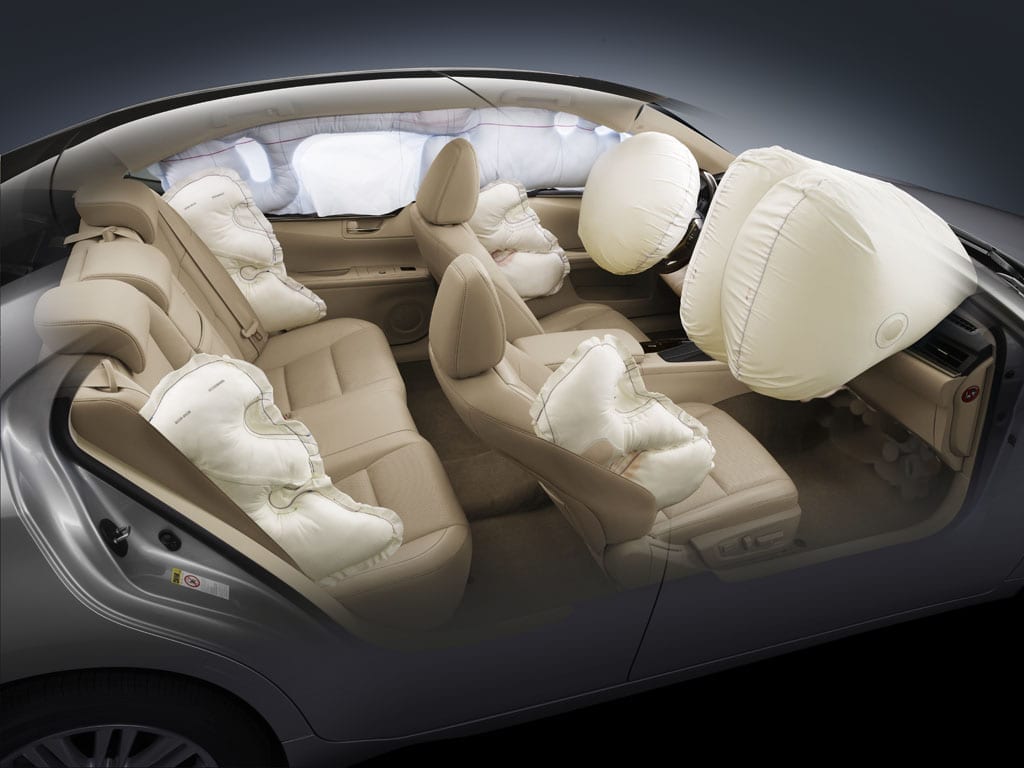
    Ford Motor will petition to avoid a U.S. recall of about 2.5 million vehicles with Takata air-bag inflators that the Japanese auto supplier declared defective last week, U.S. regulators and the automaker said on Friday.

    Separately, the National Highway Traffic Safety Administration said Nissan Motor agreed to recall 515,394 2007-2011 Versa cars after Takata declared 2.7 million vehicles to have potentially defective inflators.

    Ford spokesman John Cangany said the automaker will file a petition requesting “to continue testing and analyzing our inflators.” The NHTSA said the petition will seek an exemption from the recall because Ford believes the issue is inconsequential.

    Ford said the issue covers 2.5 million vehicles, including the 2007-11 Ranger, 2006-12 Fusion and Lincoln MKZ, 2006-11 Mercury Milan, and 2007-10 Ford Edge and Lincoln MKX. Ford previously said it covered about 2.2 million vehicles.

    Last week, the NHTSA said that new testing prompted Takata to declare inflators defective in Ford, Nissan and Mazda Motor vehicles in some driver-side air bags built from 2012 through 2015.

    The NHTSA said in a statement on Friday that “testing data shows that the propellant in this inflator is degrading and on the path towards potential ruptures in the future. There are no reported ruptures in the real-world or in testing.”

    Takata air bag inflators are already linked to 17 deaths and more than 180 injuries worldwide, and the recalls will eventually cover about 125 million inflators.

    Nissan said last week it would recall 627,000 Versa cars from the 2007-12 model years, including 515,000 in the United States “out of an abundance of caution.”

    Nissan said testing of 895 inflators showed no ruptures, while one “exhibited an elevated internal pressure.” Takata said the inflators potentially could rupture “after several years of exposure to high absolute humidity.”

    Mazda said last week the issue impacts just 6,000 of 2007-09 B-series trucks that were built under a previous Ford partnership. The company said on Friday that it also plans to file a petition to avoid a recall.

    Ford shares fell 1.5 percent on Friday to close at $11.53.

    The automakers have 30 days to submit their petitions, and the NHTSA will then take public comment before making a decision.

    More than 65 percent of 46.2 million previously recalled Takata airbag inflators in the United States have not been repaired. The issue is the largest-ever auto-safety recall, covering 17 automakers.

    Takata filed for bankruptcy protection in June.

  • Valeo profit up 20 pct on LED lights, thermal systems

    Valeo profit up 20 pct on LED lights, thermal systems

    French car parts maker Valeo said first-half profit rose 20 percent as demand for LED lighting and fuel-efficient engine systems helped sales to outpace global auto markets.

    Net income rose to 506 million euros ($588 million) from 422 million a year earlier, the company said in a statement on Thursday.

    Revenue increased 16 percent to 9.464 billion euros, shy of the 9.558 billion expected by analysts, based on the median of nine estimates in an Inquiry Financial poll for Reuters.

    Stripping out the effects of acquisitions and currency fluctuations, the like-for-like sales gain was 9 percent, six percentage points ahead of global auto market growth.

    The results “confirm the growth and profitability potential of our innovations portfolio”, Valeo Chief Executive Jacques Aschenbroich said in the statement.

    Under Aschenbroich, Paris-based Valeo is positioned to benefit from a widespread regulatory emissions crackdown thanks to its push into electric-car and other fuel-saving technologies. It has also become a major supplier of autonomous driving systems in partnership with Israel’s Mobileye.

    Lighting and thermal systems both recorded 11 percent sales growth in like-for-like terms. Comfort and driving assistance posted 7 percent sales growth, with powertrain up 6 percent.

    Order intake – which drives future sales – rose 16 percent to 14.9 billion euros, the company said. That excludes 3 billion euros already booked by its new eAutomotive electric-car venture with Germany’s Siemens, created last December.

    Valeo reiterated full-year goals, including sales exceeding global auto demand growth by five percentage points and a slight increase in the group’s operating margin.

  • Britain’s Jaguar Land Rover opens first overseas engine plant

    Britain’s Jaguar Land Rover opens first overseas engine plant

    Jaguar Land Rover opened its first overseas engine plant on Friday, picking China for the investment a week after saying it would build a global model entirely outside Britain for the first time.

    Britain’s biggest carmaker, which already operates a plant in China as part of a partnership with Chery, said the new facility was part of a 10.9 billion yuan ($1.6 billion) investment with the Chinese automaker.

    “The new engine plant demonstrates Jaguar Land Rover’s long-term commitment to the Chinese market, providing customers with an exciting range of vehicles and powertrain options, as well as to its joint venture,” JLR said in a statement.

    The site will make the new Ingenium 2.0-litre four-cylinder petrol engine. China was JLR’s fastest growing market in 2016, accounting for 20 percent of global sales.

    JLR, owned by India’s Tata Motors, is rapidly expanding its production levels and model line-up and decided in 2015 to build a major new plant in Slovakia, rather than expand its operations in Britain.

    Earlier this month, the automaker said it would build its new E-PACE compact sport utility vehicle in Austria and China, the first car made for global sale to be built outside of Britain.

    Like much of the British car industry, JLR is worried that Brexit could leave its car exports facing lengthy customs delays and tariffs of up to 10 percent, jeopardising the viability of production in Britain.