Category: Automotive

Retail News Asia is committed to providing both local and global retailers with the latest Auto and Car news throughout the Asian market. This on a daily base.

  • Automaker McLaren opens first showroom in Vietnam

    Automaker McLaren opens first showroom in Vietnam

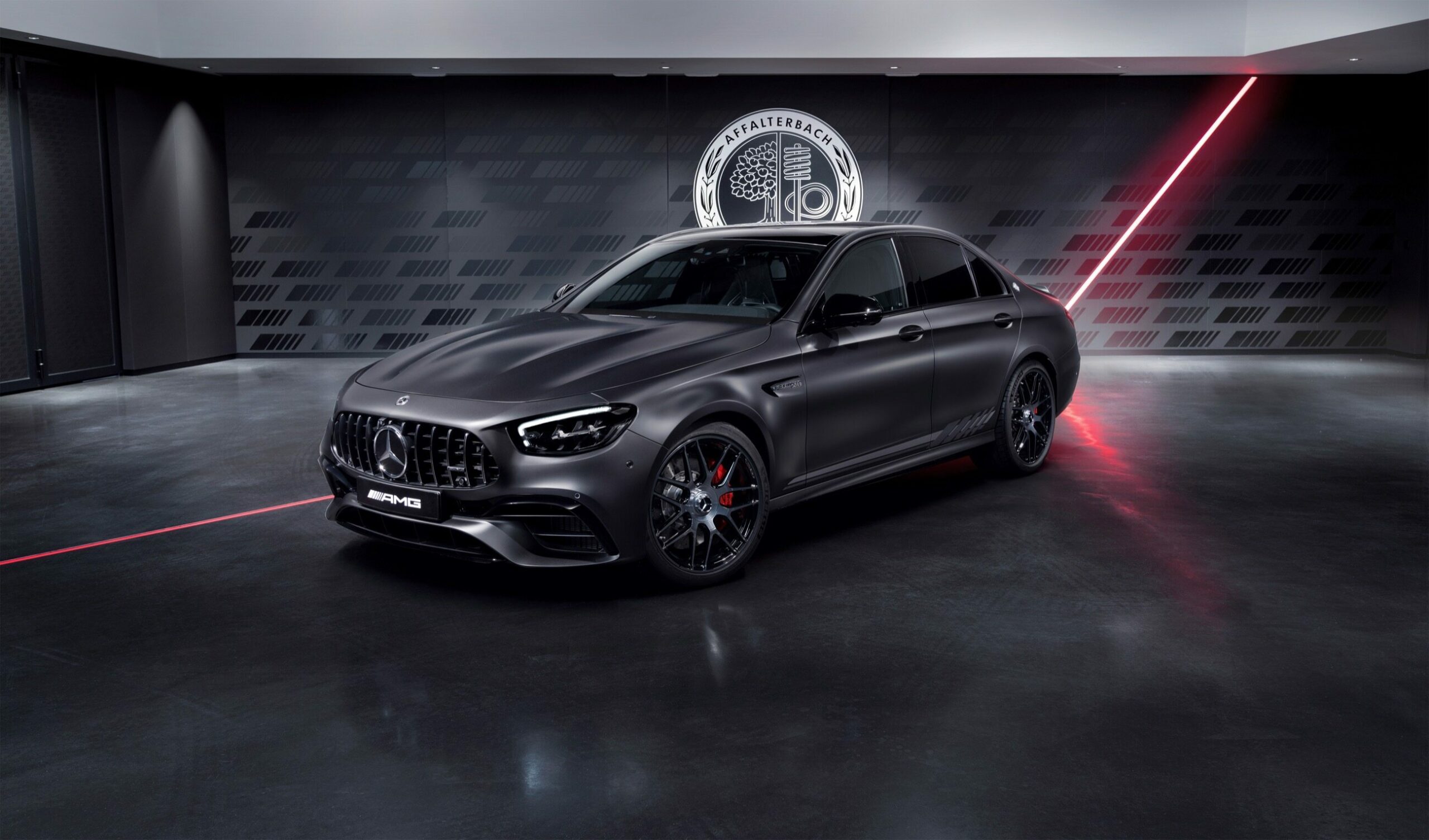
    British automaker McLaren opened its first official Vietnamese showroom in HCMC on Thursday. The McLaren HCM reseller, located at the Deutsches Haus building in HCMC’s District 1, is invested and run by S&S Group. With an authorized reseller in Vietnam, McLaren said it would deliver the newest supercars for the Vietnamese elite class.

    At the opening ceremony for the showroom, Charlotte Dickson, head of Asia Pacific at McLaren, said Vietnam is the firm’s 41st market.

    Nguyen Thuy Huong, co-founder of S&S, said HCMC was chosen as the location for McLaren’s first showroom as it is deemed an ideal destination with much potential for brand development.

    Through its authorized reseller, McLaren is expected to introduce to the Vietnamese market with several types of supercars, including the 765LT. Besides the showroom, S&S Group would also provide car repair and maintenance services.

    McLaren, founded in 2010, is a subsidiary owned by the wider McLaren Group. Its headquarters and manual assembly plant are in Woking, Surrey County, England.

    Besides the main product of supercars, the company also makes sports cars with more affordable price tags.

  • Tesla Achieves New Sales Milestone In China For September 2022

    Tesla Achieves New Sales Milestone In China For September 2022

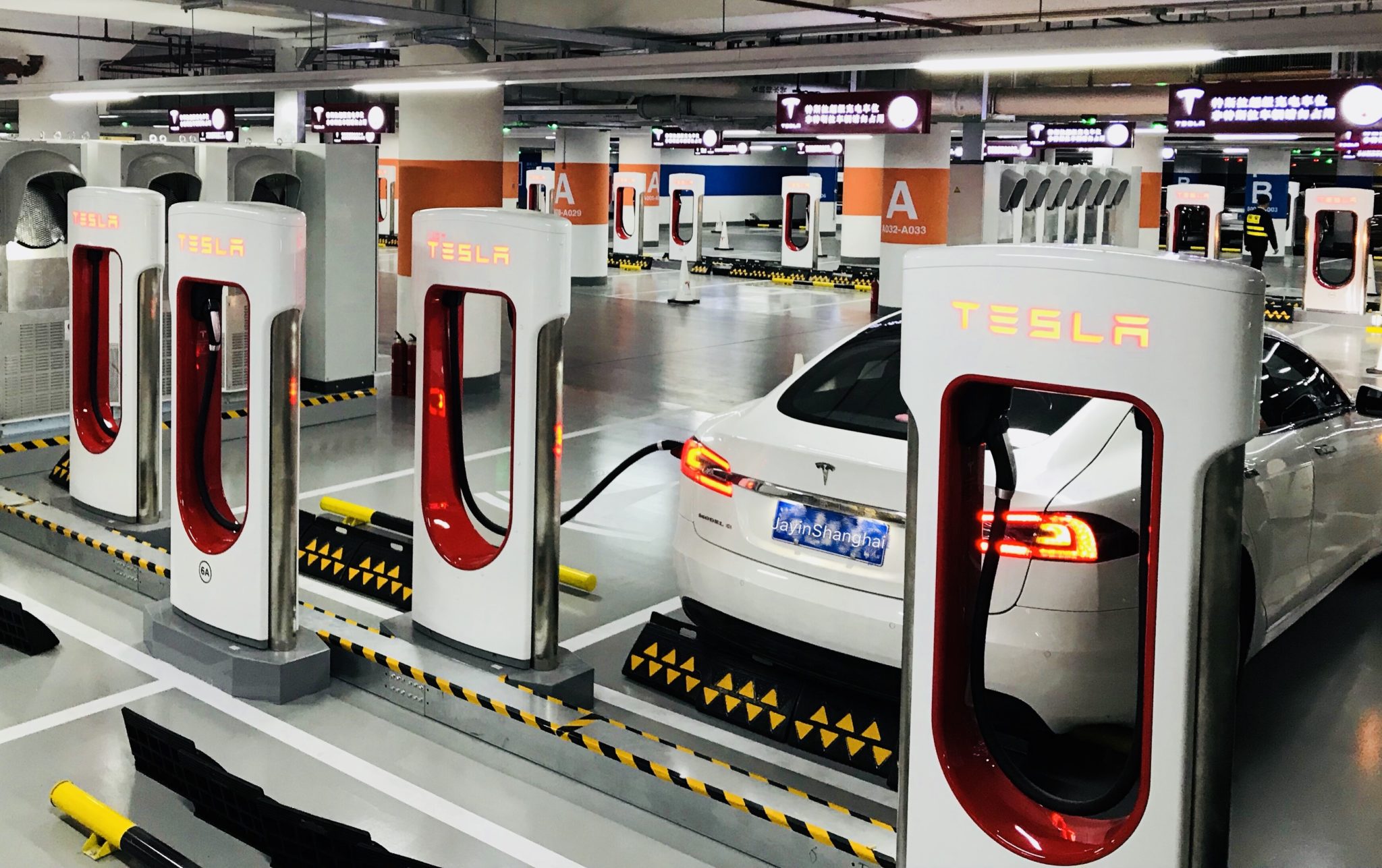
    Tesla sold 83,135 China-made vehicles wholesale in September 2022, smashing its record of monthly sales in China, the China Passenger Car Association reported. The number marks an 8 per cent increase from August 2022 and outpaced more than the 5 per cent month-over-month growth of all wholesale electric vehicle sales in China, according to CPCA data. It set a record for Tesla’s Shanghai factory since production began in December 2019, and topped the prior sales record of 78,906 in June, as the U.S. carmaker continues to invest in China production.

    Globally, Tesla, last week said it delivered 343,830 electric vehicles in the third quarter, a record for the world’s most valuable automaker, but less than the 359,162 analysts on average had expected, according to Refinitiv. Tesla quickened its China deliveries after suspending most production at the Shanghai plant in July for an upgrade, which aimed to bring the factory’s weekly output to around 22,000 units compared with levels of around 17,000 in June, Reuters previously reported.

    The plant, which manufactures Model 3s and Model Ys, reopened on April 19, 2022, after a COVID lockdown, but only resumed full production in mid-June. Production accelerated despite heatwaves and COVID curbs that hit its suppliers in the southwest region of the country.

    China’s BYD continued to lead the domestic EV market with 200,973 wholesale sales in September, a nearly 15 per cent jump from August, as CPCA said higher oil prices and government subsidies continue to encourage more consumers to choose electric vehicles.

  • Mercedes’s largest dealer hits full-year profit target

    Mercedes’s largest dealer hits full-year profit target

    Hang Xanh Motors Service Joint Stock Company, a major Mercedes-Benz car dealer, reported pre-tax profits of more than VND240 billion (US$10 million) in the first nine months, exceeding its full-year target.

    Consolidated revenues were up 50 percent year-on-year at VND5.17 trillion. In the third quarter they rose 2.7 times to VND2 trillion ($83.1 million).

    Haxaco’s short-term debts increased by more than 60% to VND563 billion, while long-term debts, mainly in the form of convertible bonds, were around VND180 billion.

    Vietnam has three authorized Mercedes-Benz dealers, Andu and Vietnam Star being the others, and Haxaco has the largest market share.

    It has five sales agents in Ho Chi Minh City, Hanoi and Can Tho.

  • BMW Has Partnered With AirConsole To Deliver Games On Its EV Infotainment Systems

    BMW Has Partnered With AirConsole To Deliver Games On Its EV Infotainment Systems

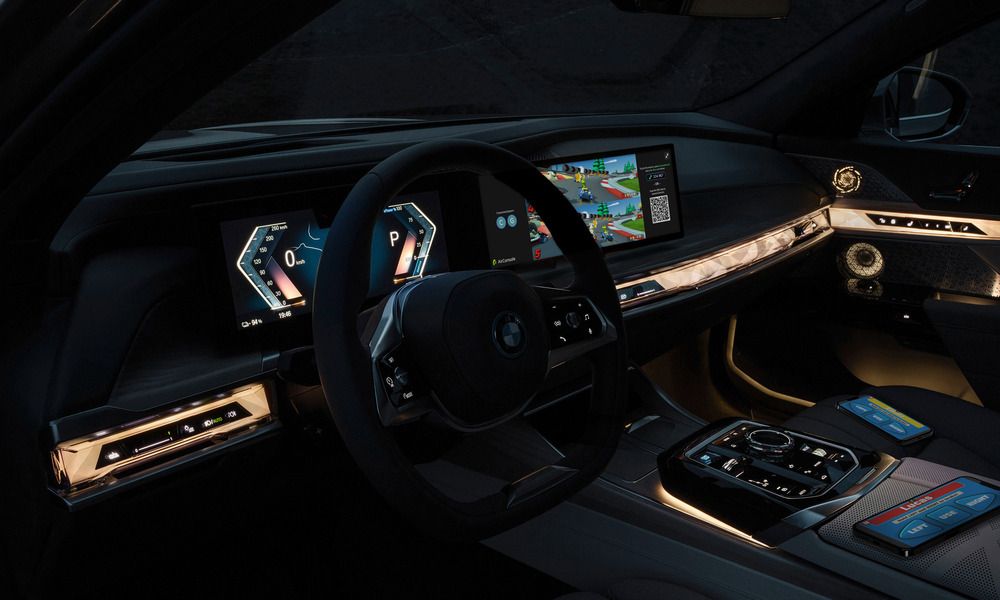
    BMW has partnered with AirConsole which will enable the implementation of causal video games on infotainment systems of electric BWMs. Drivers and passengers of BMW vehicles can access the games. The partnership has happened via the BMW Startup Garage Program which works as a venture client unit for early stage startups. The BWM startup garage program takes startups that have graduated from accelerator programs and help them validate their prototypes.

    New games will be added to BMW vehicles via over-the-air updates. The games will be available on BMW vehicles that have curved screens and its EVs. Drivers will only need their smartphone to use as a controller and they can connect to the system by scanning a QR code.

    “With AirConsole we will leverage innovative technologies combined with a broad variety of fun and multiplayer games. This will make every waiting situation inside the vehicle, such as charging, an enjoyable moment,” said Senior VP, Stephan Durach, who leads the connected company at BMW.

    BMW is looking to offer cordless console experiences to its customers in a bid to emulate what Tesla has achieved with its infotainment system.

    “We are extremely proud to spearhead gaming inside vehicles with BMW and are excited to create new games for in-car entertainment. Our ingenious architecture coupled with the ease of access of our platform will change the way people get entertained in their vehicles,” said Anthony Cliquot, the CEO of N-Dream.

    No word has been shared on to which games will be available at launch. AirConsole will share more information near the launch in 2023.

  • September auto sales up 8.5%

    September auto sales up 8.5%

    Auto sales rose by 8.5% in September to 33,463 units as the market slowly recovered amid tightening global spending. September marked a third straight month of increase in sales, according to the Vietnam Automobile Manufacturers Association (VAMA), which excludes the TC Group (which makes Hyundai cars) and VinFast.

    It represented a 247% rise year-on-year, admittedly from a low base as Covid-19 raged at this time last year.

    But it was far below this year’s peak in May when over 43,800 units were sold.

    In the first nine months sales rose 157% year-on-year to 296,403 units. Truong Hai Auto Corporation (Thaco) led with 101,614 units as sales rose by 54%.

    It was followed by Toyota (64,130 units) and Mitsubishi (30,296). Honda and Ford rounded off the top five. TC Group reported sales of 56,320 units, but VinFast has not released numbers.

  • Nissan Exits Russian Market

    Nissan Exits Russian Market

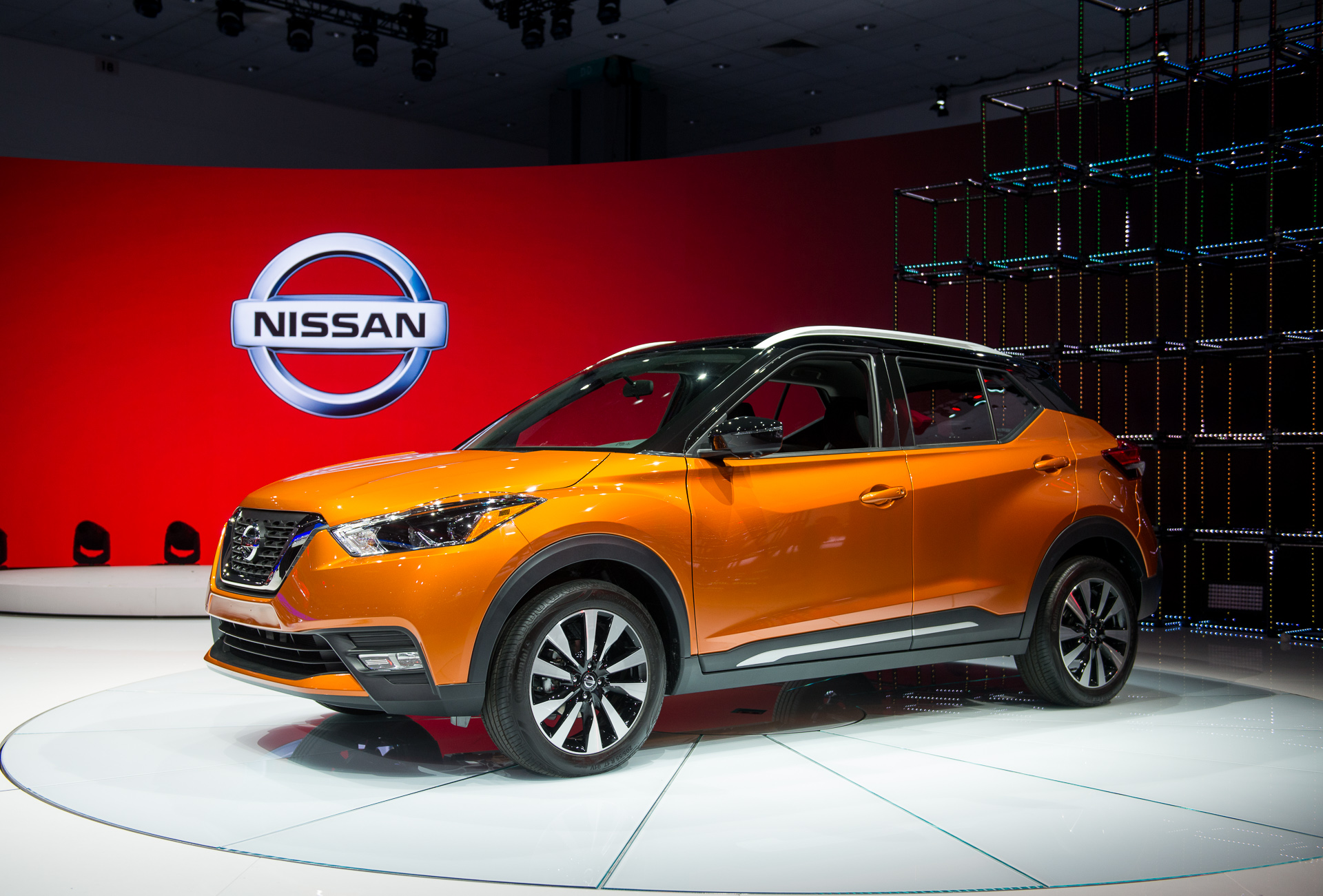
    Japanese auto giant Nissan has announced its exit from the Russian market. The automaker’s Executive Committee approved the sale of its Russian operations to the state-owned NAMI, the Central Research and Development Automobile and Engine Institute. Nissan had stopped operations in Russia in March this year, following the invasion of Ukraine. It then ceased operations at the company’s St. Petersburg plan later the same month citing parts shortages. Nissan said it will book a loss of 100 billion Yen (around $686.2 million) with the sale of its local unit in Russia. The sale will be formalised in a couple of weeks following approvals from local authorities.

    The sale transfer will include all of Nissan’s Russian operations under the Nissan Manufacturing Russia LLC (NMGR) legal entity to NAMI for future passenger vehicle projects. This includes the manufacturing and R&D facilities in St. Petersburg, and Sales & Marketing centre in Moscow, which will operate under a new name. The company further said that all of Nissan employees will receive employment protection of 12 months. The terms of sale allow Nissan with the option to buy back the entity and operations within the next six years.

    Speaking about the exit from Russia, Makoto Uchida, President and CEO – Nissan, said, “On behalf of Nissan, I thank our Russian colleagues for their contribution to the business over many years. While we cannot continue operating in the market, we have found the best possible solution to support our people.”

    The automaker said it will maintain its full-year guidance. More details on the exit will be reported after further assessment during the second quarter results in November 2022.

  • TC Motor to sell Skoda cars from next year

    TC Motor to sell Skoda cars from next year

    TC Motor, a distributor and assembler of South Korean Hyundai vehicles in Vietnam, will start selling the popular Czech Skoda cars next year.

    Under a deal it signed with Skoda Auto in Hanoi on Oct. 7, TC will start by distributing imported Skoda cars first before assembling them.

    The two firms plan to build a plant in the northern province of Quang Ninh, with the first vehicles expected to roll out of it late next year at the earliest.

    Vietnam is the first Southeast Asian country where Skoda will build a factory. It plans to export vehicles assembled in Vietnam to other countries in the region.

    Skoda makes 11 models, with the Octavia being its bestseller, but the two companies have not revealed which model will be sold first in Vietnam.

    Last year, the Czech firm sold nearly 900,000 vehicles in some 100 markets around the world, with Germany and Russia being the biggest.

  • Tesla’s Logistical Challenges Overshadow Record Deliveries

    Tesla’s Logistical Challenges Overshadow Record Deliveries

    Tesla Inc on Sunday announced lower-than-expected  electric vehicle deliveries in the third quarter, as logistical challenges overshadowed its record deliveries.

    The top electric car maker said “it is becoming increasingly challenging to secure vehicle transportation capacity and at a reasonable cost,” but some analysts were also concerned about demand for high-ticket items due to the weakening global economy.

    “The economy around the edges is still hurting Tesla that’s mostly logistical. But that I think there is some demand (issues) sprinkled in there,” Wedbush Securities analyst Dan Ives said after the delivery results.

    “There is a dark cloud over the auto sector. And Tesla is not immune.”

    Ford Motor said last month inflation-related costs would be $1 billion more than expected in the third quarter and that parts shortages had delayed deliveries.

    Apple Inc. is backing off plans to increase production of its new iPhones this year after an anticipated surge in demand failed to materialize, Bloomberg reported last month, citing people familiar with the matter.

    “I think that EVs are in for probably a little bit of a rough patch, just because people are probably going to be a little bit hesitant and less urgent to buy something new,” OANDA senior market analyst Ed Moya said.

    Tesla delivered 343,830 electric vehicles, a record for the world’s most valuable automaker, but less than the 359,162 analysts on average had expected, according to Refinitiv. A year earlier Tesla delivered 241,300 units.

    The latest deliveries fell short of Tesla’s production of 365,923 vehicles, which is rare for the automaker which has seen its deliveries higher or similar to production in many of recent quarters.

    “As our production volumes continue to grow, it is becoming increasingly challenging to secure vehicle transportation capacity and at a reasonable cost during these peak logistics weeks,” Tesla said in a statement on Sunday.

    Tesla CEO Elon Musk said on Sunday “Smoothing out crazy end of quarter delivery wave to reduce expedite costs & relieve stress on Tesla team.”

    Last year,  he said Tesla is having a “crazy wave” of deliveries at the end of each quarter, because its Shanghai factory makes cars for exports to Europe and other countries in the first half of a quarter and then cars to be sold in China.

    Tesla again asked employees to help deliver “a very high volume of vehicles to eagerly waiting customers during the final days of Q3” in California, according to an email seen by Reuters.

    Tesla on Sunday said it has “began transitioning to a more even regional mix of vehicle builds each week, which led to an increase in cars in transit at the end of the quarter.”

    Tesla set an ambitious target to produce almost 495,000 Model Y and Model 3s in the fourth quarter of this year, internal plans reviewed by Reuters show.

    The company’s production ambitions come against the backdrop of increasingly gloomy outlook for global growth, with Musk himself telling top managers in June he had a “super bad feeling” about the economy and planned to cut staff.

    During a conference call in July, Musk said at first that macroeconomic uncertainty might have some impact on demand for its electric vehicles, but when pressed for details by an analyst, he said the company did not have a demand problem but a production problem.

    The automaker expanded production capacity in Shanghai after a resurgence in COVID-19 cases forced a suspension at the plant and fueled the first dip in deliveries after a nearly two-year-long record run.

    In September, Tesla’s vehicle order backlog fell, especially in China, Troy Teslike, a Tesla data tracker tweeted.

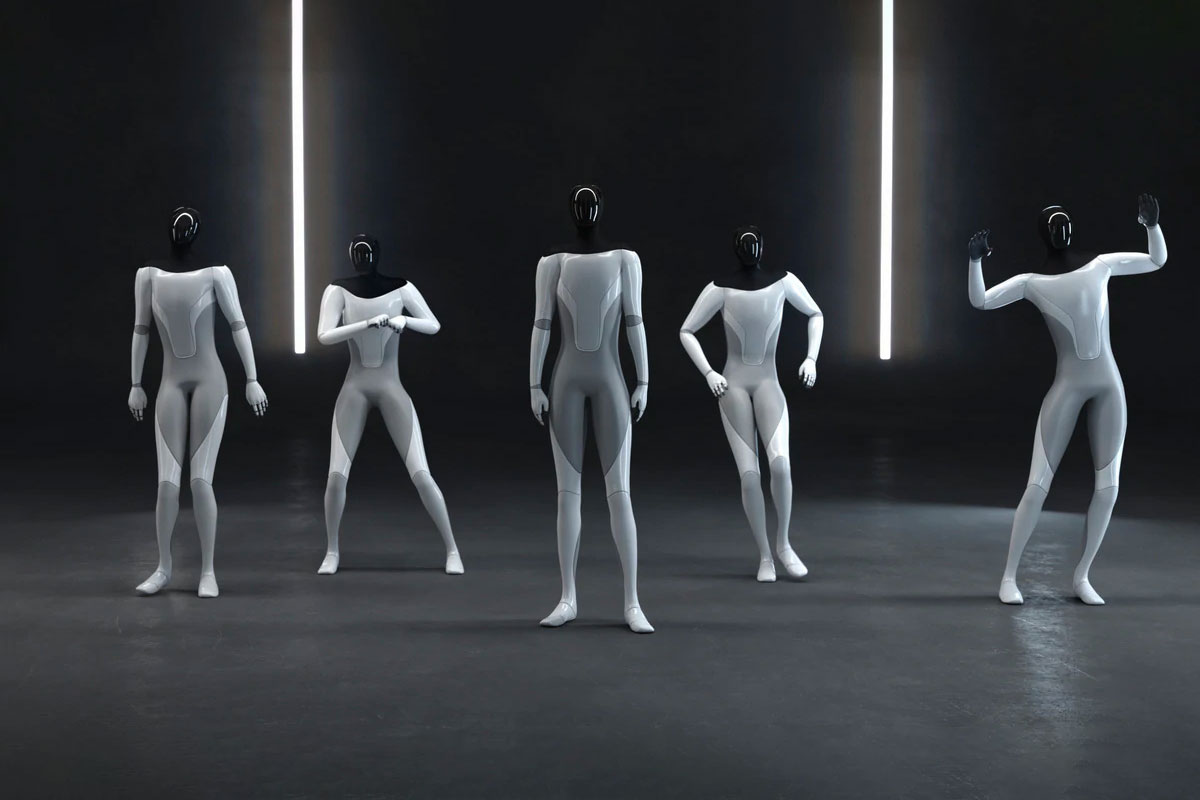
    Tesla said it delivered 325,158 Model 3 compact cars and Model Y sport-utility vehicle, as well as 18,672 of its Model S and Model X premium vehicles to customers during the quarter.       Meanwhile, Musk on Friday showed off a prototype of its humanoid robot ‘Optimus,’ predicting the electric vehicle maker would be able to produce millions and sell them for under $20,000 – less than a third of the price of a Model Y.

    Experts were impressed by the speed of development of Tesla’s humanoid robots, but they agreed with Musk, who said “there’s still a lot of work to be done to refine Optimus and prove it.”

  • Tesla Weighs Reset For China Retail Strategy Even As Sales Boom

    Tesla Weighs Reset For China Retail Strategy Even As Sales Boom

    Tesla is reevaluating the way it sells electric cars in China, its second-largest market, and considering closing some showrooms in flashy malls in cities like Beijing where traffic plunged during COVID restrictions, two people with knowledge of the plans said.

    The shift would put more emphasis on stores in less-costly suburban locations that can also provide repairs as the company works to meet Elon Musk’s goal of improving service for existing customers, many of whom have complained of long delays, they said.

    As part of that push, Tesla is looking to ramp up hiring of technicians and other staff for service jobs in China, one of the people said. Tesla’s China recruitment website showed more than 300 openings for service jobs as of Thursday.

    Musk said last week on Twitter, in response to a Tesla owner in Texas who complained that he had been waiting a month to get his vehicle fixed, that he had made “advancing Tesla service to make it awesome” a top priority.

    Unlike mainstream automakers, Tesla owns all of its own stores, rather than relying on dealers. It also sells its cars online. That has allowed it more leeway to adjust a retail strategy that had been initially modeled on Apple’s stores.

    Tesla didn’t immediately response to a request for comment.

    The U.S. automaker sold 400,000 China-made Model 3 and Model Y cars in the first eight months of the year, with 60% of them sold locally, according to the China Passenger Car Association. That was 67% more than a year ago.

    The change in Tesla’s approach in China, where it has become the second-largest EV brand behind BYD , would reflect a recognition that it has to build customer loyalty now that it has established its brand in the world’s largest car market, one analyst said.

    “It’s not necessary to open showrooms in expensive shopping malls, especially when the repair business has become lucrative,” said Yale Zhang, managing director at Shanghai-based consultancy Automotive Foresight.

    “It makes better sense to keep only one or two showrooms downtown to keep the brand positioning but move more to suburbs.”

    Tesla opened its first store in central Beijing in 2013 and now has over 200 outlets across the country that display models and arrange test drives for potential buyers.

    More than half of the stores, however, do not offer maintenance service since they are in high-rent locations where space is limited. That includes Tesla’s first store in Beijing and its first store in Shanghai.

    More than half of Tesla’s showrooms in seven of China’s biggest cities, including Shenzhen and Chengdu, are now in downtown areas, according to a Reuters count based on Tesla’s China website.

    Like other companies, Tesla has seen traffic in its stores heavily disrupted by China’s tough approach to containing COVID-19, which has involved lockdowns of varying scope and duration, including in Shanghai where it has a factory.

    Reuters could not determine how many urban showrooms Tesla was considering closing, how many new locations in fast-growing suburbs could be opened or what the cost of that shift would be.

    The carmaker has been the target of a series of customer complaints and lawsuits in China, including a well-known case last year which saw an unhappy owner clamber atop a Tesla at the Shanghai auto show to protest the company’s handling of her complaints about malfunctioning brakes.

    The incident received significant attention in China and prompted state media outlets to criticise the company.

    Tesla later apologised to Chinese consumers for not addressing the complaints in a timely manner and pledged to review its service operations.

    Tesla’s EV rivals in China have taken a mixed approach to retail distribution. Apart from self-run stores, BYD and Xpeng also rely on third-party dealers.

    Nio, like Tesla, has a network of high profile urban stores in China. It has also invested in door-to-door service, dispatching workers, many of whom were hired from the hotel industry, to pick up cars for repairs and drop them off when work is complete.

  • Elon Musk Faces Skeptics As Tesla Gets Ready To Unveil ‘Optimus’ Robot

    Elon Musk Faces Skeptics As Tesla Gets Ready To Unveil ‘Optimus’ Robot

    Tesla Chief Executive Elon Musk blamed overreliance on factory robots for sending the electric carmaker to “production hell” four years ago, saying humans were better at certain jobs.

    My, how times have changed.

    Musk’s Texas company now is floating ambitious plans to deploy thousands of humanoid robots, known as Tesla Bot or Optimus, within its factories, expanding eventually to millions around the world, according to job postings. Buzz is building within the company as Tesla is having more internal meetings on robots, a person familiar with the matter said.

    Longer term, Musk said at a TED Talk robots could be used in homes, making dinner, mowing the lawn and caring for the elderly people, and even becoming a “buddy” or a “catgirl” sex partner.

    The robot business eventually may be worth more than Tesla’s car revenue, according to Musk, who is now touting a vision for the company that goes well beyond making self-driving electric vehicles.

    At its “AI Day” on Sept. 30, Tesla will unveil a prototype from its project Optimus, an allusion to the powerful and benevolent leader of the Autobots in the Transformers series. Production could start next year, Musk said.

    Tesla faces skepticism that it can show technological advances that would justify the expense of “general purpose” robots in factories, homes and elsewhere, according to robotics experts, investors and analysts interviewed by Reuters.

    Tesla already employs hundreds of robots designed for specific jobs for production of its cars.

    Humanoid robots have been in development for decades by Honda Motor Co and Hyundai Motor Co’s Boston Dynamics unit. Like self-driving cars, the robots have trouble with unpredictable situations.

    “Self-driving cars weren’t really proved to be as easy as anyone thought. And it’s the same way with humanoid robots to some extent,” the lead of NASA’s Dexterous Robotics Team, Shaun Azimi said.

    “If something unexpected happens, being flexible and robust to those kinds of changes is very difficult.”

    At an “Autonomy” event in 2019, Musk promised 1 million robotaxis by 2020 but has yet to deliver such a car.

    Musk’s robots may be able to demonstrate basic capabilities at the event, but it would be hard for them to impress public expectations of robots that are as capable as humans, experts say.

    To succeed, Tesla will need to show robots doing multiple, unscripted actions, said Nancy Cooke, a professor in human systems engineering at Arizona State University. Such proof could boost Tesla stock, which is down 25% from its 2021 peak.

    “If he just gets the robot to walk around, or he gets the robots to dance, that’s already been done. That’s not that impressive,” she said.

    Tesla did not respond to Reuters’ request for comments, but Musk in the past proved skeptics wrong, jump-starting the electric car market and building a rocket company, SpaceX, although some product launches were behind schedule.

    Initially, Optimus will perform boring or dangerous jobs, including moving parts around its factories, according to Musk.

    Musk acknowledged that humanoid robots do not have enough intelligence to navigate the real world without being explicitly instructed.

    But he said Tesla can leverage its expertise in AI and key components to develop and produce smart, yet less expensive, humanoid robots at scale.

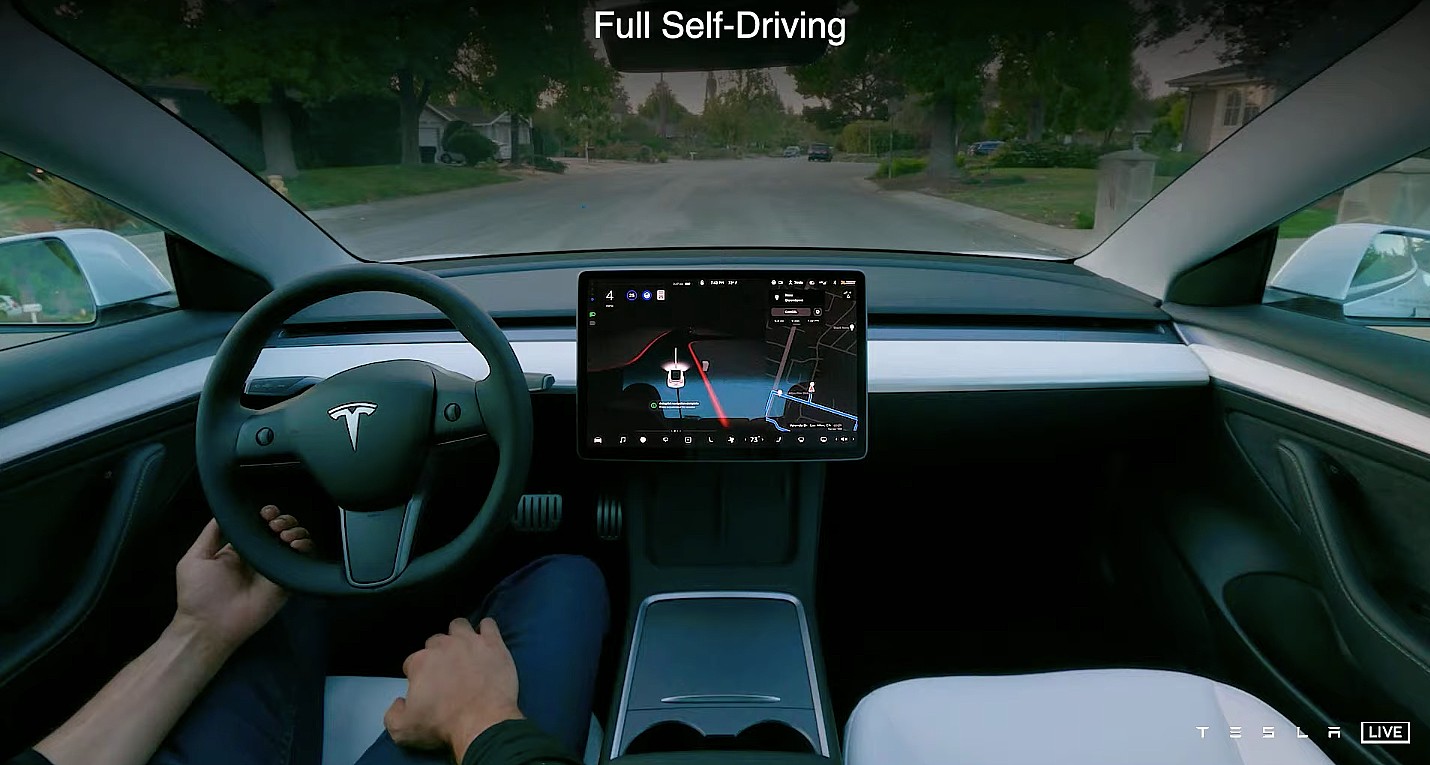
    He tweeted on Monday that its Autopilot team is also working on its Optimus robot, when asked about fixes of what it calls Full Self-Driving beta – a test version of its new automated driving software.

    Tesla is on hiring spree for people to work on humanoid bi-pedal robots, with about 20 job postings on “Tesla Bot” including jobs for designing key robot parts like “actuators”.

    “The code you will write will at term run in millions of humanoid robots across the world, and will therefore be held to high quality standards,” one of the job postings said.

    Tesla has over 2 million vehicles on the road.

    Jonathan Hurst, chief technology officer at Agility Robotics, a humanoid robot firm founded in 2015 said the technology “is right now starting to turn the corner.”

    “Certainly, an important measure of success is do they make money from it,” he told Reuters, referring to Tesla’s humanoid robot efforts.

    Analysts see more pageant than product. “It’s all part of distracting people and giving them the next shiny object to chase after,” Guidehouse Insights analyst Sam Abuelsamid said.

    “Investors are not excited about Optimus,” said Gene Munster, managing partner at venture capital firm Loup Ventures, which holds Tesla stocks. “It’s just such a low probability that it works at scale,” he said, saying it is “infinitely harder than self-driving cars.”

    And then there is Musk’s own experience with robots in the factory.

    During the 2018 production hell, Musk specifically noted the problems of the “fluff bot,” an assembly robot that failed to perform simple tasks that human hands can do – picking up pieces of “fluff” and placing them on batteries.

    He said the cost of having technicians maintain the complicated robot far exceeded that of hiring someone to do the assembly.

    The fluff bot is “a funny example but drives home the point that autonomy often doesn’t generalize well, and so handling soft fluffy material that isn’t as predictable as a rigid part was causing a huge problem,” Aaron Johnson, a mechanical engineering professor at Carnegie Mellon University, said.

    “Human hands are way better at doing that,” Musk said.

  • Tesla Weighs Reset For China Retail Strategy Even As Sales Boom

    Tesla Weighs Reset For China Retail Strategy Even As Sales Boom

    Tesla is reevaluating the way it sells electric cars in China, its second-largest market, and considering closing some showrooms in flashy malls in cities like Beijing where traffic plunged during COVID restrictions, two people with knowledge of the plans said.

    The shift would put more emphasis on stores in less-costly suburban locations that can also provide repairs as the company works to meet Elon Musk’s goal of improving service for existing customers, many of whom have complained of long delays, they said.

    As part of that push, Tesla is looking to ramp up hiring of technicians and other staff for service jobs in China, one of the people said. Tesla’s China recruitment website showed more than 300 openings for service jobs as of Thursday.

    Musk said last week on Twitter, in response to a Tesla owner in Texas who complained that he had been waiting a month to get his vehicle fixed, that he had made “advancing Tesla service to make it awesome” a top priority.

    Unlike mainstream automakers, Tesla owns all of its own stores, rather than relying on dealers. It also sells its cars online. That has allowed it more leeway to adjust a retail strategy that had been initially modeled on Apple’s stores.

    Tesla didn’t immediately response to a request for comment.

    The U.S. automaker sold 400,000 China-made Model 3 and Model Y cars in the first eight months of the year, with 60% of them sold locally, according to the China Passenger Car Association. That was 67% more than a year ago.

    The change in Tesla’s approach in China, where it has become the second-largest EV brand behind BYD , would reflect a recognition that it has to build customer loyalty now that it has established its brand in the world’s largest car market, one analyst said.

    “It’s not necessary to open showrooms in expensive shopping malls, especially when the repair business has become lucrative,” said Yale Zhang, managing director at Shanghai-based consultancy Automotive Foresight.

    “It makes better sense to keep only one or two showrooms downtown to keep the brand positioning but move more to suburbs.”

    Tesla opened its first store in central Beijing in 2013 and now has over 200 outlets across the country that display models and arrange test drives for potential buyers.

    More than half of the stores, however, do not offer maintenance service since they are in high-rent locations where space is limited. That includes Tesla’s first store in Beijing and its first store in Shanghai.

    More than half of Tesla’s showrooms in seven of China’s biggest cities, including Shenzhen and Chengdu, are now in downtown areas, according to a Reuters count based on Tesla’s China website.

    Like other companies, Tesla has seen traffic in its stores heavily disrupted by China’s tough approach to containing COVID-19, which has involved lockdowns of varying scope and duration, including in Shanghai where it has a factory.

    Reuters could not determine how many urban showrooms Tesla was considering closing, how many new locations in fast-growing suburbs could be opened or what the cost of that shift would be.

    The carmaker has been the target of a series of customer complaints and lawsuits in China, including a well-known case last year which saw an unhappy owner clamber atop a Tesla at the Shanghai auto show to protest the company’s handling of her complaints about malfunctioning brakes.

    The incident received significant attention in China and prompted state media outlets to criticise the company.

    Tesla later apologised to Chinese consumers for not addressing the complaints in a timely manner and pledged to review its service operations.

    Tesla’s EV rivals in China have taken a mixed approach to retail distribution. Apart from self-run stores, BYD and Xpeng also rely on third-party dealers.

    Nio, like Tesla, has a network of high profile urban stores in China. It has also invested in door-to-door service, dispatching workers, many of whom were hired from the hotel industry, to pick up cars for repairs and drop them off when work is complete.

  • Mercedes-Benz India To Consider Accelerating Localisation And Launch Plans Of EVs

    Mercedes-Benz India To Consider Accelerating Localisation And Launch Plans Of EVs

    On August 25, Mercedes-Benz India recorded 2,46,000 views on its Twitter handle for the Mercedes-AMG EQS 4 MATIC+ launch live stream. And ever since it stepped in the Indian luxury EV space with the EQC electric SUV, the brand has observed a steady rise in interest around its electric models through its customer-engaging activities. Now that is confidence-inspiring for the German brand to expedite its plans for launching new electric vehicles in India and considering their local production. It is planning to introduce them as completely knocked down (CKD) products in a bid to keep their ex-showroom prices in check.

    The response that the EQS got shows that the public in ready to be interested in the vehicle and it shows that there is potential in the market. Not every one of the 2,46,000 viewers on Twitter that we had during our live launch will purchase the car, but it shows that the time is right. It’s ready to move into the electric vehicle space, and it gives us a lot of confidence going forward, also with the locally produced car which we’re launching now. The story of EVs is a story of accelerations and deceleration not only in India, but it has also happened globally. We think that things will happen in a couple of years, but they will happen faster than the original plans were. In that sense, I am very confident based on the pipeline Mercedes has built globally. And we’ll also relook on what to do in India based on based on the feedback we’re getting. The EQC gave us good feedback and the EQS is a very strong local product, the EQB which will come later in the year will also see a very different segment. From what we see, what will happen in the next six months will certainly influence our outlook in terms of localization and in terms of products.”

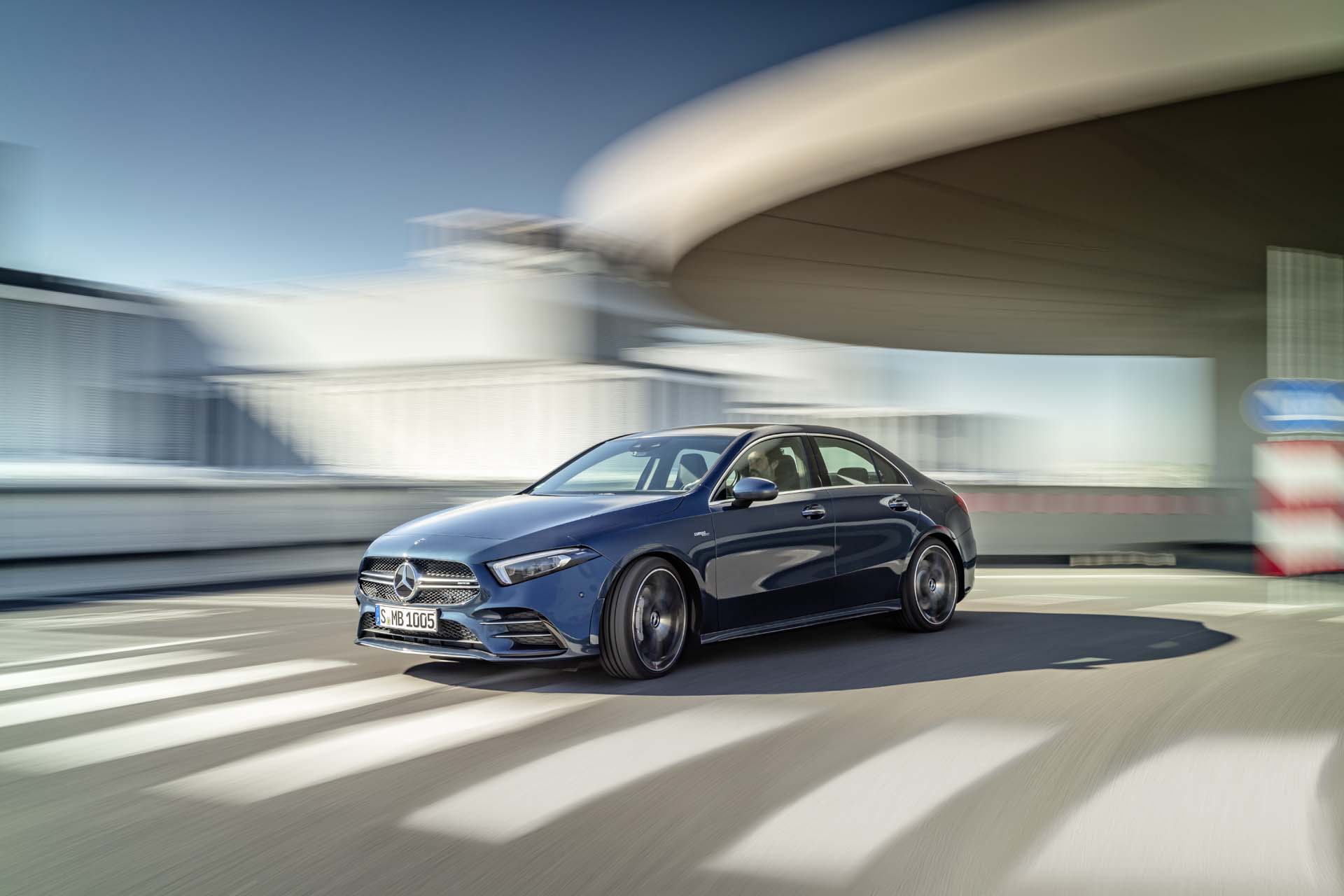
    The next Mercedes-Benz launch in the Indian EV space will be the locally manufactured EQS electric sedan which will roll out of the Chakan plant on September 30. By the end of this year, the German carmaker will also introduce the EQB electric SUV in our market, which is likely to take the CKD route as well. So by 2023 Mercedes will already have four electric offerings in our market across multiple segments. We also know that models like the Vision EQXX and G-Wagon based EQG electric concepts are under development at the Stuttgart headquarters. So if the company continues to observe a growing interest in its electric offerings, it is likely that it will consider introducing these models sooner and as locally manufactured products.

    Well, the overall luxury car market is still roughly around 1.8 per cent in India with EVs having an even miniscule share. But according to a Mordor Intelligence study, the Indian luxury car market is expected to reach a value of over $ 1.54 billion from $ 1.06 billion by 2027 with a CAGR of more than 6.4 per cent during the forecast period 2022-2027. The study further states that with majority luxury car brands aggressively balancing their line-up with EV models, the electric segment is likely to dominate the luxury car space which is reassuring.

  • Inside Tesla’s Drive To Keep Musk’s Battery Promise

    Inside Tesla’s Drive To Keep Musk’s Battery Promise

    The secret behind Elon Musk’s goal of selling 20 million Tesla’s a year by 2030 lies in its pioneering battery technology.

    The good news is that by using bigger cells and a new process to dry-coat electrodes, Tesla could halve the cost of a Model Y battery, saving more than 8% of the car’s U.S. starting price, battery experts with ties to the company said.

    The bad news is that it’s only halfway there, according to 12 experts close to Tesla or familiar with its new technology.

    That’s because the dry-coating technique used to produce the bigger cells in Tesla’s 4680 battery is so new and unproven the company is having trouble scaling up manufacturing to the point where the big cost savings kick in, the experts told Reuters.

    “They just aren’t ready for mass production,” said one of the experts close to Tesla.

    Still, the gains Tesla has already made in cutting battery production costs in the past two years could help boost profits and extend its lead over most electric vehicle (EV) rivals.

    Musk’s promised improvements in battery cost and performance are seen by investors as critical to Tesla’s quest to usher in an era where it can sell a $25,000 EV for a profit – and stand a better chance of hitting its 2030 targets.

    Battery systems are the most expensive single element in most EVs, so making lower-cost, high-performance packs is key to producing affordable electric cars that can go toe to toe with combustion-engine rivals on sticker prices.

    Tesla is one of only a handful of major automakers that produce their own EV batteries and by manufacturing Model Y cells at U.S. plants, the SUV will remain eligible for U.S. tax credits when many rival EVs may no longer qualify.

    Among the 12 battery experts Reuters spoke with, nine have close ties to Tesla and three of the nine have examined Tesla’s new and old battery technology inside and out through teardowns.

    Tesla did not respond to requests for comment.

    ‘HE WILL SOLVE IT’

    The sources predict that Tesla will find it difficult to fully implement the new dry-coating manufacturing process before the end of this year, and perhaps not until 2023.

    Stan Whittingham, a co-inventor of lithium-ion batteries and a 2019 Nobel laureate, believes Tesla Chief Executive Elon Musk has been overly optimistic on the time frame for commercializing the new technique.

    “I think he will solve it, but it won’t be as quick as he likes. It’s going to take some time to really test it,” he said.

    In August, Musk told shareholders Tesla would be producing high volumes of 4680 batteries by the end of 2022.

    According to the experts, Tesla has only been able to cut the Model Y’s battery cost by between $2,000 and $3,000 so far, about half the savings Tesla had planned for the 4680 battery, which it unveiled two years ago.

    But those savings have come mainly from the design of the new 4680 cells, which are bigger than those in Tesla’s current 2170 battery, they said.

    But the heart of the drive to push down costs is the dry-coating technology, which Musk has described as revolutionary but difficult to execute.

    According to the sources, it should deliver as much as half of the $5,500 cost savings Tesla hopes to achieve, by slashing manufacturing costs and one-time capital spending.

    Tesla acquired the know-how in 2019 when it paid over $200 million for Maxwell Technologies, a company in San Diego making ultracapacitors, which store energy for devices that need quick bursts of electricity, such as camera flashes.

    Building on Maxwell’s technology, Tesla began making 4680 dry cells this year, first in a pilot near its Fremont, California plant and more recently at its new global headquarters in Austin, Texas.

    ‘BEST IN CLASS’

    The technology allows Tesla to ditch the older, more complex and costly wet-coating process. It’s expensive because it needs a substantial amount of electricity, machinery, factory space, time, and a large labour force.

    To coat electrodes in the wet process, battery producers mix the materials with toxic binder solvents. Once coated, the electrodes are dried in massive ovens, with the toxic solvents that evaporate in the process being recovered, treated and recycled – all adding to the cost.

    With the new technology, electrodes are coated using different binders with little use of liquids, so they don’t need to be dried. That means it’s cheaper, faster and also less environmentally damaging.

    Because of its simplicity, the process allows Tesla to cut capital spending by a third and slash both the footprint of a factory and its energy consumption to a 10th of what would be needed for the wet process, Tesla has said.

    But the company has had trouble commercializing the process, the sources said.

    Maxwell developed its dry-coat process for ultracapacitors, but the challenge with coating electrodes for EV batteries is that they are much larger and thicker, which makes it hard to coat them with consistent quality at mass-production speeds.

    “They can produce in small volume, but when they started big volume production, Tesla ended up with many rejects, too many,” one of the sources with ties to Tesla told Reuters.

    Production yields were so low that all the anticipated cost savings from the new process were lost, the source said.

    If all the potential efficiencies from dry-coating and the bigger cells are realised, the manufacturing cost for the Model Y’s 4680 battery pack should fall to $5,000 to $5,500 – roughly half the cost of the 2170 pack, according to the sources.

    The rising cost of battery materials and energy pose a risk to those forecasts, however, and Tesla has not yet been able to significantly improve the new battery’s energy density or the amount of power it packs, as Musk has promised.

    Still, despite those factors, the savings Tesla is expected to achieve will end up making the 4680 battery the industry’s “best in class” for the foreseeable future, one source said.

    BULKING UP

    Much of the $2,000 to $3,000 cost savings achieved with the 4680 battery so far has come from other improvements, and using bigger cells has proven particularly potent, the experts said.

    The 4680 cells are 5.5 times the size of the 2170 cells by volume. The older cylindrical cells measure 21mm in diameter and 70mm in height, hence the name. The 4680 cells have a 46mm diameter and are 80mm high.

    With the older technology, Tesla needs about 4,400 cells to power the Model Y and there are 17,600 points that need to be welded – four per cell – to create a pack that can be integrated into the car, the sources said.

    The 4680 battery pack only needs 830 cells and Tesla has changed the design so that there are only two weld points per cell, slashing the welding to 1,660 points and leading to significant cost savings.

    The simpler design also means there are fewer connectors and other components, which has allowed Tesla to save further on labour costs and machine time.

    Another source of efficiency has been the larger cell’s far sturdier outer case. Tesla can now bond the cells together with adhesive into a rigid honeycomb-like pack which is then connected directly to the inner body structure of the Model Y.

    This eliminates the intermediate step of bundling cells into larger modules which are then installed in a traditional battery pack, the sources said.

    By shifting to this “cell to vehicle” design, Tesla can reduce the weight of a traditional 1,200-pound battery pack by 55 pounds or more – saving about $500 to $600 per pack, one of the sources said.

    But mastering the dry-coating technique remains the holy grail.

    “Bulking up the battery cell helped a lot in boosting efficiency, but pushing for 50% cost savings for the cell as a whole is another matter,” one source said.

    “That will depend on whether Tesla can deploy the dry-coating process successfully in a factory.”
  • Bridgestone India Launches New ‘Sturdo’ Range Of Passenger Vehicle Tyres

    Bridgestone India Launches New ‘Sturdo’ Range Of Passenger Vehicle Tyres

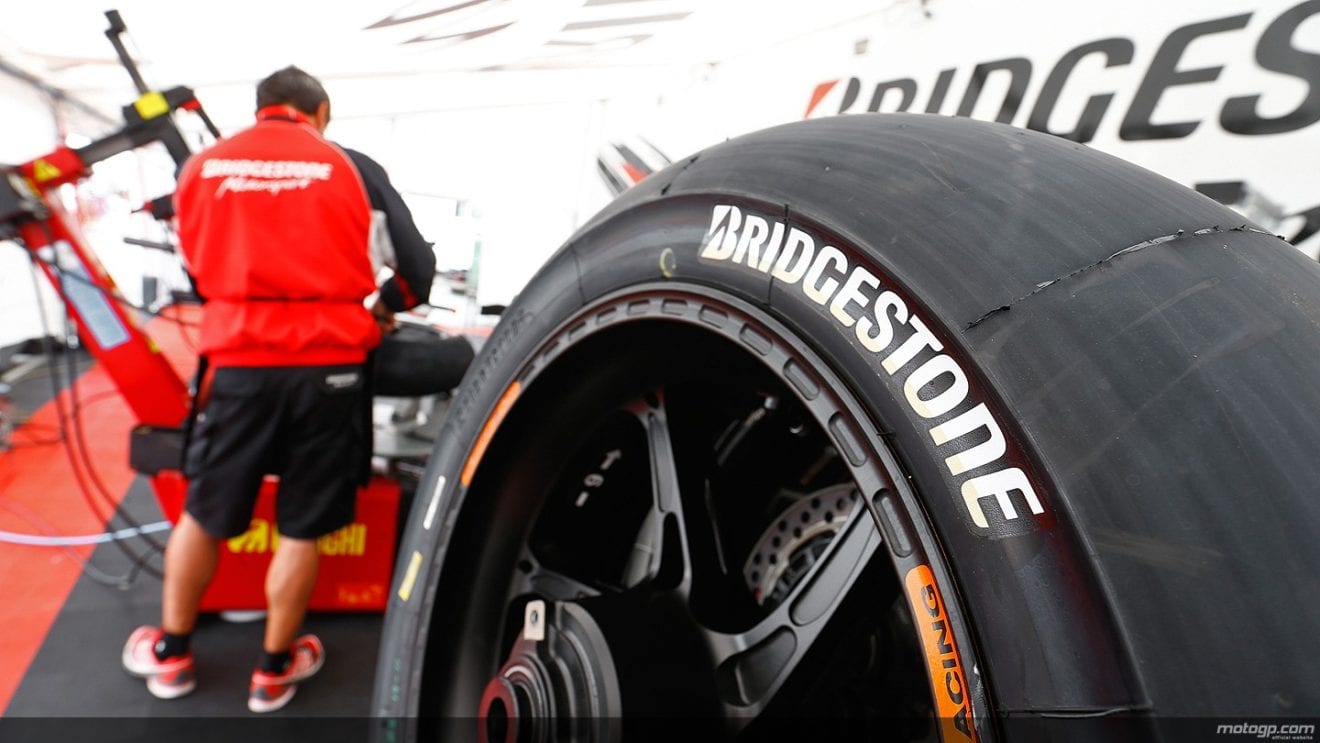
    Bridgestone India launched its new range of passenger vehicle tyres called ‘Sturdo’ in the country. The company says that the Sturdo range of tyres have a special tread compound that extends the life of the tyre by up to 29 per cent and improves ride quality on bad roads. Bridgestone will make the Sturdo available in 27 sizes ranging from 12-inch to 16-inch with multiple variants. It is specially designed for Indian roads and will cater to hatchbacks, compact and subcompact sedans along with compact and subcompact SUVs in the market.

    The special tread compound with strong reinforcement used in the tyre increases wear resistant properties which results in longer tyre life. Having large centre-blocks with 3D tread grooves, Bridgestone claims that the tyre delivers good grip for safe driving even on the roads with less grip.

    “Bridgestone has globally been on the forefront of tyre technology, and this is now showcased in India through our new offering in the passenger car segment- Bridgestone STURDO. Sturdo has up to 29% longer tyre life and is beneficial to the end user from perspective of economics of owing the tyres.  Bridgestone currently holds a leading stance in the market, and we are confident that this latest offering will further boost our positioning.” Said Parag Satpute, Managing Director, Bridgestone India.”

    The ‘Sturdo’ range is meant for the aftermarket sector and prices are likely to start from Rs. 3,000 and go up to Rs. 12,000 per tyre. The new range of tyres will be available at over 3,000 dealerships and sub-dealers across India. There are no plans to export the Sturdo range of tyres as it is an India-specific product.

    The name is directly derived from the benefits it offers to the end user- i.e. Sturdiness and Durability. Bridgestone says that the product is a result of careful research and analysis and combines a solution for the most prominent need of Indian consumers: longevity of the product.

  • Auto sales rise 3rd month in a row

    Auto sales rise 3rd month in a row

    Auto sales in Vietnam went up for the third month in a row with 30,846 units sold in August, up 247% from the low base in the same month last year. Sales were highest since May when over 43,800 units were sold, according to data from Vietnam Automobile Manufacturers Association (VAMA).

    But it rose only 2% month-on-month, against 20% in July.

    The most popular car sold in August was the MPV Mitsubishi Xpander at 2,842 units.

    For the first eight months, 262,940 cars were sold in Vietnam, up 49.9% year-on-year.

    Truong Hai Auto Corporation (Thaco) led in sales in the period at 93,347 units, up 54% year-on-year.

    The three following brands, Toyota, Mitsubishi and Honda, all posted double-digit growth in sales.

    Ford ranked fifth with a sales decline of 6.7%.