Category: Automotive

Retail News Asia is committed to providing both local and global retailers with the latest Auto and Car news throughout the Asian market. This on a daily base.

  • Tesla Braces For Earnings Hit, But EV Delivery Outlook Is Key

    Tesla Braces For Earnings Hit, But EV Delivery Outlook Is Key

    Tesla Inc’s second-quarter results on Wednesday are expected to show the strains of China’s COVID-19 lockdown and protracted startups of new factories. Investors want to know if the end of the year will be much better.

    Tesla has started layoffs, following through on a plan by Chief Executive Elon Musk, who said he had “a super bad feeling about the economy” in June. He also has said Tesla’s new factories in Austin, Texas, and Berlin are “gigantic money furnaces” which are losing billions of dollars.

    Add to that concerns about growing competition from electric vehicle makers and COVID-19 in Shanghai, home of Tesla’s China factory and its suppliers.

    “The expectations are very low for the quarter. The key to this is what they’re going to say going forward because expectations for the second half of this year are very strong for this company,” Curzio Research CEO Frank Curzio said.

    Analysts expect the electric vehicle market leader to report second-quarter revenue of $17.23 billion, an 8% decline from a record high achieved the previous quarter. Analysts also expect an adjusted profit of $1.86 per share, a 42% slump from a quarter ago, according to Refinitiv data.

    Musk in April said Tesla could raise deliveries 60% this year, which would translate into nearly 1.5 million vehicles, although Wedbush analyst Daniel Ives said many analysts expect closer to 1.4 million deliveries and will want to hear whether Musk is still bullish about demand amid recession fears.

    Tesla delivered 564,743 vehicles in the first half. It delivered 17.9% fewer EVs in the second quarter from the previous quarter as China’s COVID 19-related shutdown hit its factory and supply chain.

    Tesla navigated supply-chain challenges better than rivals early in the pandemic, and Deutsche Bank analyst Emmanuel Rosner said high prices and cost-cutting could help Tesla pleasantly surprise investors.

    The price of Tesla’s Model Y long-range version, now $65,990, has risen more than 30% since the start of 2021.

    The production outlook for the second half will depend much on the factory in Shanghai, which has just emerged from a two-month lockdown and is again scrambling to contain a resurgence of COVID-19.

    The competitive landscape is also heating up.

    Volkswagen AG’s CEO, Herbert Diess, sees a strong second half of 2022 and expects progress in catching up with Tesla due to easing chip shortages. Meanwhile, Musk tweeted in June that “Hyundai is doing pretty well,” referring to the South Korean automaker that has been gaining U.S. market share.

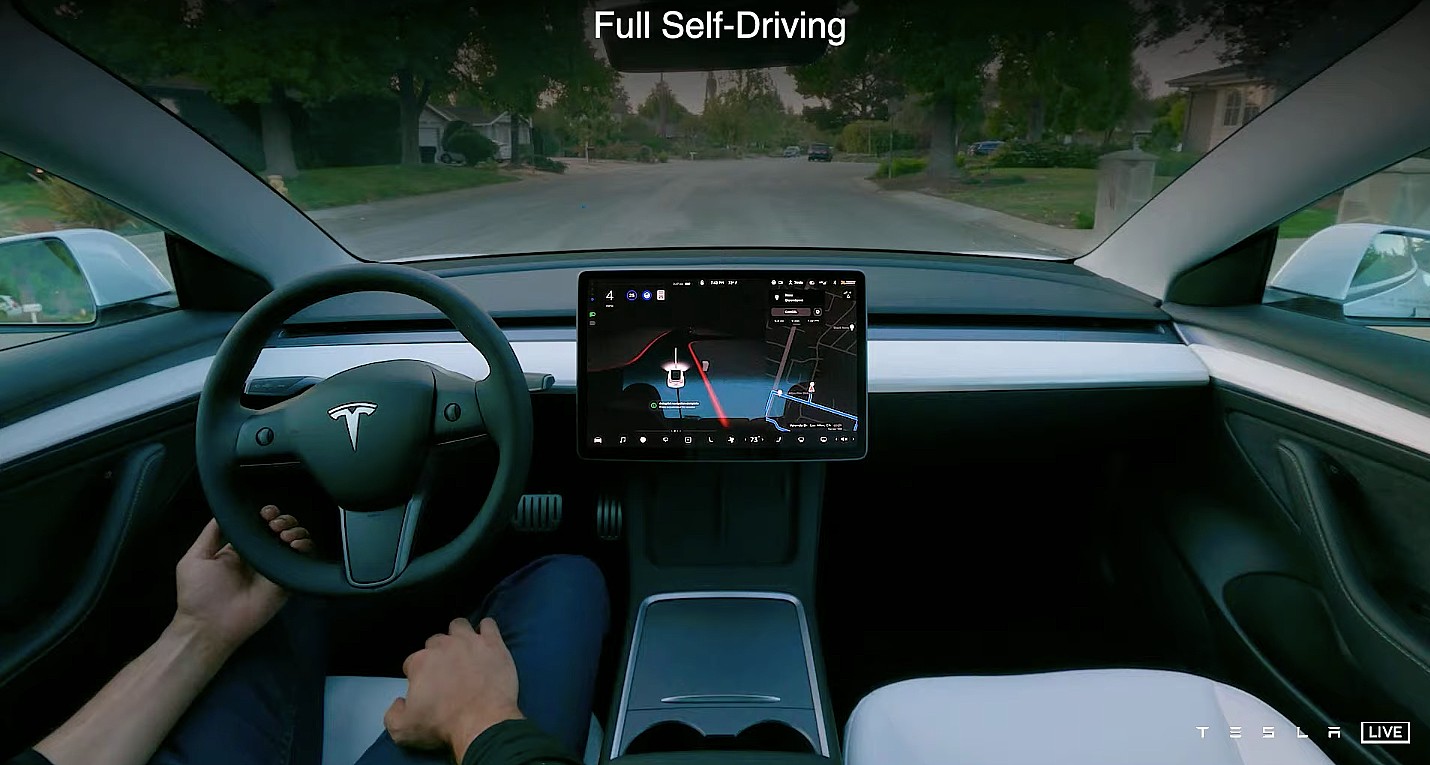
    Musk may also need to talk about issues beyond production and demand, including his effort to escape from a deal to buy Twitter Inc. Other issues include progress on Tesla’s plan to achieve full self-driving following the resignation of a high-profile executive, and progress on Tesla’s new batteries needed to boost production at its Texas factory.

    The value of Tesla’s bitcoin holdings has declined and will lead to impairment charges of hundreds of millions of dollars, according analysts’ estimates.
  • Indonesia Says Mitsubishi Motors To Invest About $667 Million Over Next 3 Years

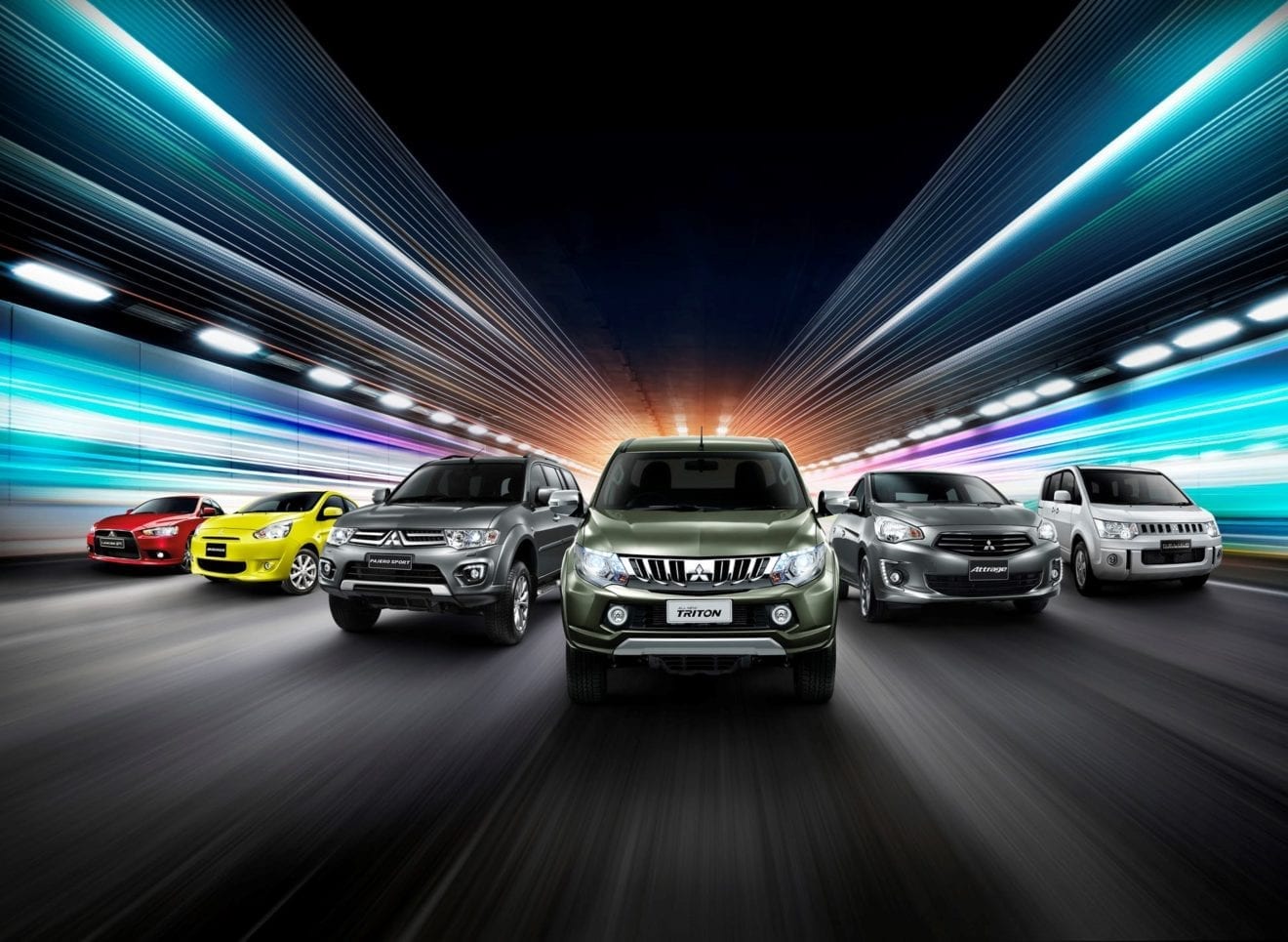
    Indonesia Says Mitsubishi Motors To Invest About $667 Million Over Next 3 Years

    Mitsubishi Motors plans to invest about 10 trillion rupiah ($666.89 million) in Indonesia between 2022 and 2025, the country’s chief economics minister said on Tuesday.

    Airlangga Hartarto in a statement said the Japanese company had invested 11.3 trillion rupiah up to 2021 and was planning to expand its production in the Southeast Asian country.

    The statement quoted Mitsubishi Motors CEO Takao Kato as saying the company planned to produce hybrid electric vehicles and battery electric vehicles in Indonesia.

    He said Mitsubishi was aiming to increase its export capacity from Indonesia to 72,000 units this year and to 98,000 units in 2024, from 42,000 units in 2021.

    Airlangga met Mitsubishi’s executives during a visit in Tokyo, where they also discussed potential fiscal incentives for the company’s exported products.

    “Indonesia’s tax rate is actually competitive compared to other countries such as Thailand,” Airlangga said.

    “However, there are different regional taxes which make taxes seems bigger in Indonesia, this is what we are reviewing at the central government,” he said, without elaborating.

    Indonesian President Joko Widodo was due to visit Japan later this week.

  • Yamaha Dealerships To Be Converted To Blue Square Format By 2025

    Yamaha Dealerships To Be Converted To Blue Square Format By 2025

    India Yamaha Motor is rapidly expanding its Blue Square dealership chain, a new premium dealership which will eventually have all Yamaha products under one roof. Currently, Yamaha offers the Aerox 155 and the R15 V4 MotoGP colour option models exclusively at the Blue Square dealerships. Apart from Yamaha’s motorcycle and scooter range, these Blue Square dealerships also have official Yamaha merchandise, including riding gear, apparel and accessories. ‘Blue Square’ is designed to define the legacy of Yamaha’s role in global motorsports with ‘Blue’ characterising the brand’s racing DNA and ‘Square’ defining an entry into the world of Yamaha, an official statement said.

    Eishin Chihana, Chairman, Yamaha Motor India Group of Companies said, “Through these Blue Square showrooms, we want every customer to attain a sense of belonging to Yamaha’s rich heritage in international motorsports. These premium outlets will enable our customers to interact with the brand, acquire product information, and check out the range of Yamaha accessories and apparels, providing them with a unique buying and ownership experience.”

    In total, the premium Blue Square showroom footprint across India stands at over 70 outlets, with showrooms in Tamil Nadu, Karnataka, West Bengal, Jharkhand, Orissa, Assam, Madhya Pradesh, Telangana, Andhra Pradesh, Maharashtra, Jammu & Kashmir, Chhattisgarh, Bihar, Delhi, and other North-Eastern States. The showrooms also serve as a platform for customers to be a part of Blue Streaks rider community, through which they can engage with fellow Yamaha riders and experience their Yamaha machines together.

  • VinFast stops accepting orders for gasoline cars

    VinFast stops accepting orders for gasoline cars

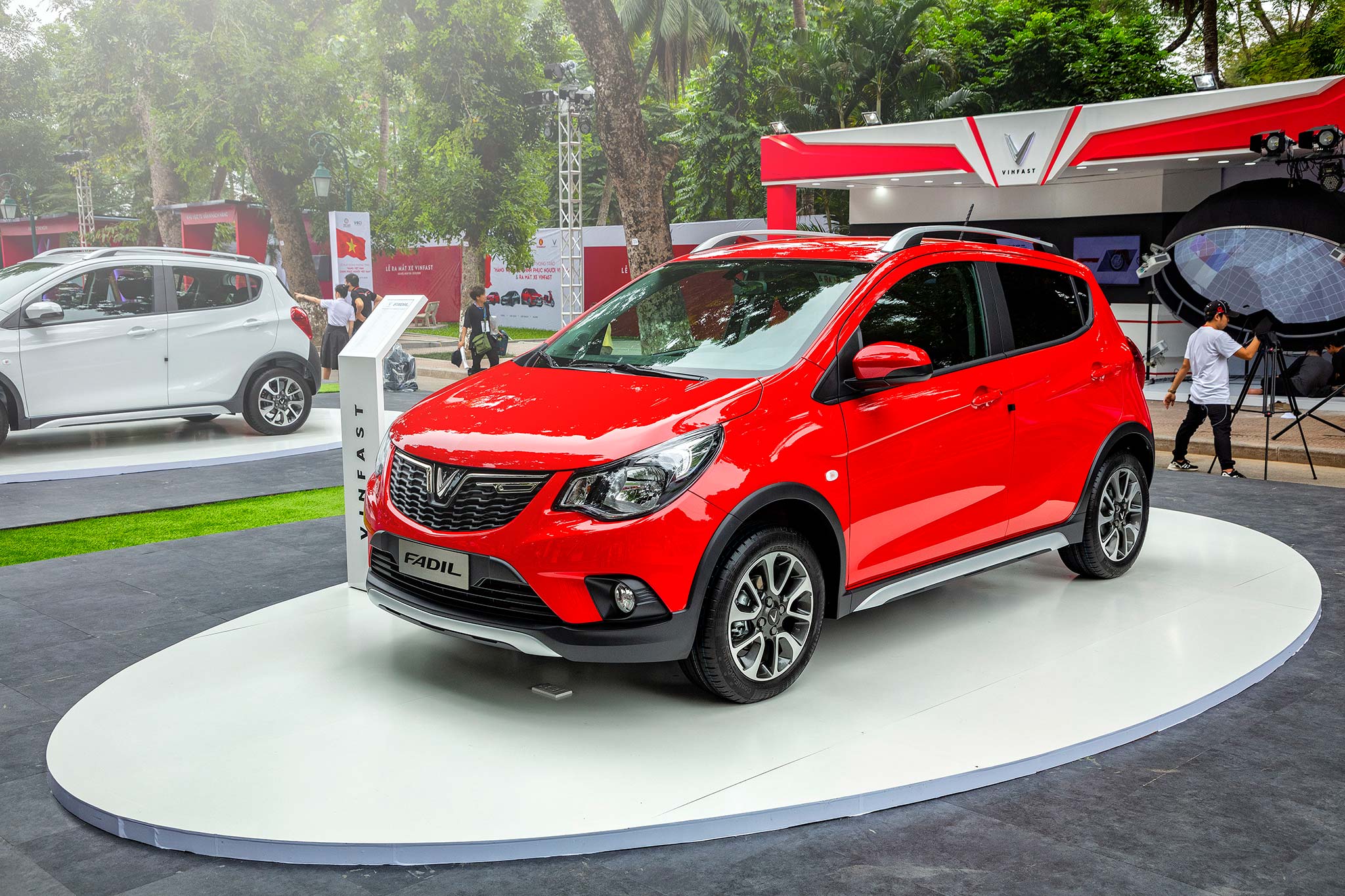
    Automaker VinFast has stopped accepting new orders for gasoline-powered cars four months earlier than announced as it seeks to become a major global player in electronic vehicles.

    It has received a huge number of orders for its Lux SUV and sedan and Fadil hatchback, and plans to keep the production line going until it fulfills them, it said in a statement Friday.

    It said it would continue to service them for another 10 years to ensure the cars can be maintained through their life cycle.

    The country’s first indigenous automaker announced in January it would completely transition to electric vehicles this year and is eyeing the U.S. and Europe as its first global markets.

    It has so far received 73,000 orders for electric vehicles.

    It started delivering them at the end of last year and had sold over 2,200 VF e34 cars by the end of June.

    VinFast plans to have 150,000 charging stations around the country by this year.

  • Mercedes distributor posts major profit jump

    Mercedes distributor posts major profit jump

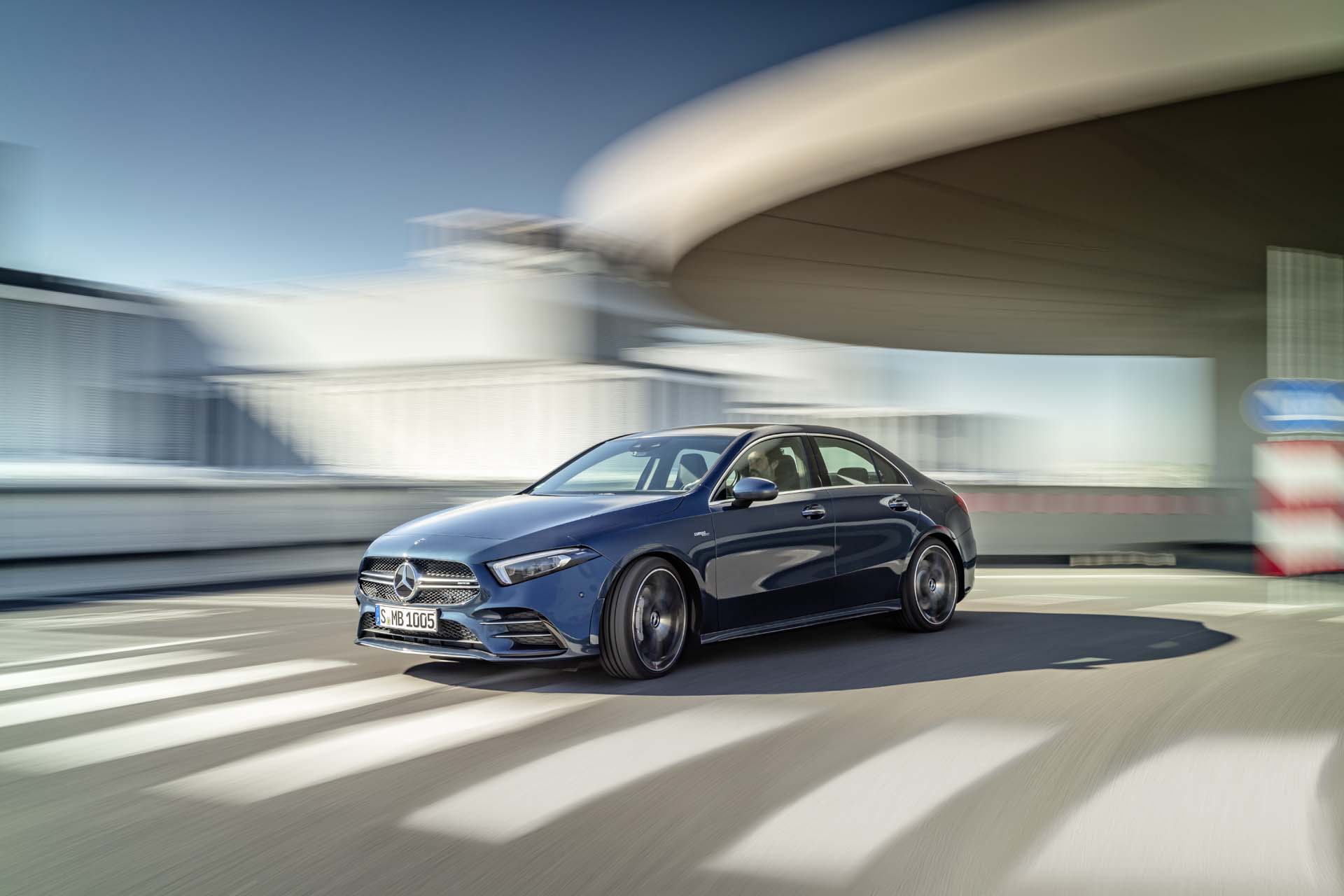
    Vietnam’s biggest Mercedes distributor Haxaco posted a pre-tax profit of VND102 billion ($7.36 million) in the second quarter, up 12.6 times year-on-year.

    Its profit for the first six months was VND172 billion, or 80 percent of its target for the year.

    The company said the government’s 50 percent discount on registration fees of cars assembled locally has helped push sales and increase its profit margin.

    “Haxaco’s profit rose because demand for luxury cars surged after the pandemic.”

    It also received incentive interests from banks and saw its loan expenses drop 41 percent year-on-year in the first six months.

    Haxaco is the biggest Mercedes distributor in Vietnam, followed by Andu and Vietnam Star.

    It has four dealerships in Vietnam, with two each in Hanoi and Ho Chi Minh City. It plans to open a new one in the southern city of Can Tho by the end of this month.

    Mercedes first assembled its cars in Vietnam in 1996. Vietnam is the first country apart from Germany that assembles its luxurious lineup S-Class.


  • Toyota stops selling Hilux truck in Vietnam over fuel quality

    Toyota stops selling Hilux truck in Vietnam over fuel quality

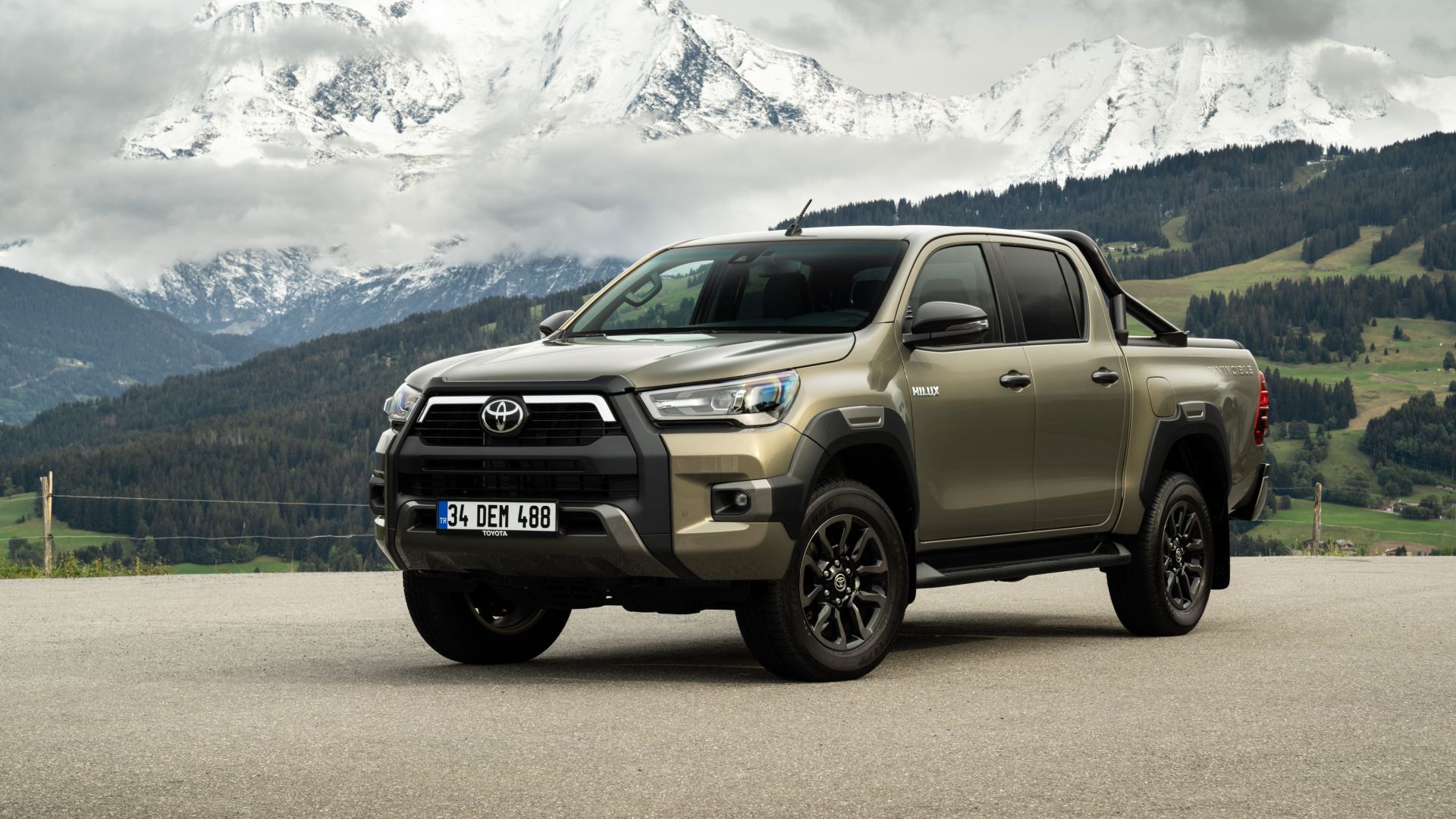
    Toyota has called a halt to the import of its 2022 Hilux pickup into Vietnam over a lack of diesel supply meeting Euro 5 standards.

    Using low-quality diesel could damage the Hilux’s engine, and supply of Euro 5 diesel (DO-V) outside Ho Chi Minh City and Hanoi is limited, a spokesperson for the Japanese automaker said.

    It is unclear when Toyota plans to sell the vehicle again.

    Many dealers have stopped accepting deposits for the truck, while some have scheduled delivery for the beginning of 2023.

    In the first five months only 10 units were sold, all 2021 models with engines that only meet Euro 4 standards.

    The Hilux is imported from Thailand.

    There are around 1,100 gas stations, or only 6.5 percent of the total number, that supply DO-V in Vietnam, according to the Vietnam Petroleum Association.

    In 2011 the government had instructed that by 2022 all vehicles assembled in and imported into Vietnam must meet the Level 5 emission standards (equivalent to the Euro 5 standards).

  • Mercedes-Benz Expects Supply Chain Constraints To Continue In 2022

    Mercedes-Benz Expects Supply Chain Constraints To Continue In 2022

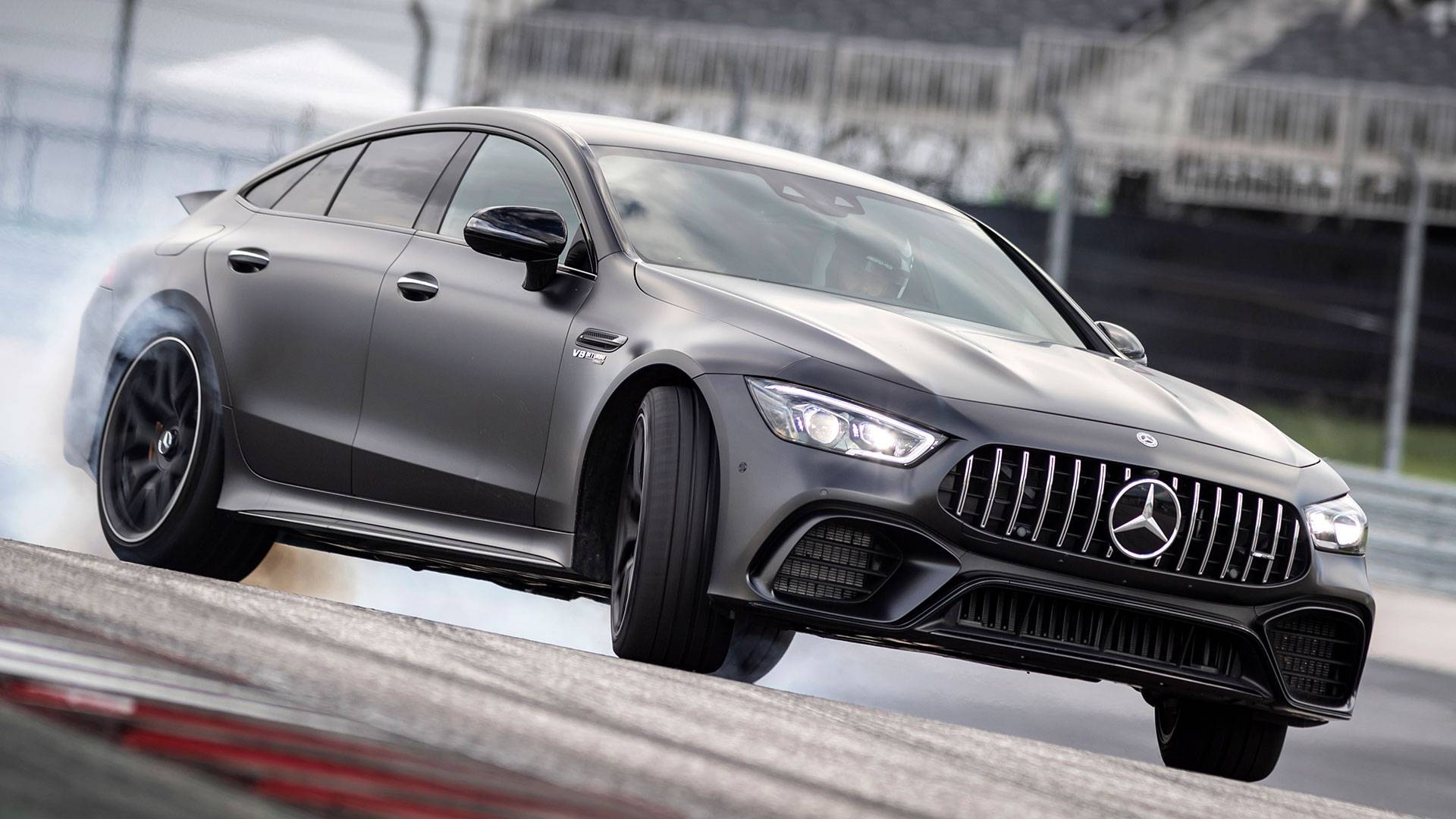
    Mercedes-Benz is still feeling the effects of the global semiconductor shortage that hit the auto industry as well as supply chain constraints. As per a report by PTI, the carmaker is not expecting the situation to improve in 2022 while also saying that it was hard to predict how it would change in the future.

    Speaking to PTI, Martin Schwenk, Managing Director and CEO of Mercedes-Benz India said that the company was dealing with not just semiconductor shortages but also with congestion in shipping. He added that the company was facing significant supply constraints placing a limit on the number of cars it could produce and deliver causing longer waiting period for its customers. Schwenk also revealed that the global economic uncertainties and go-political tensions seemed to have worsened over the past few months with a lot of questions being raised across markets regarding the economic situations in the short-to-medium terms.

    Schwenk however said that while the brand was facing uncertainty over its production levels, the global economic uncertainties and geopolitical crisis was yet to affect consumer sentiment in India. The carmaker said that it has over 5,000 pending orders on its hands currently in the country with the number of bookings continuing to increase.

    He however said that the company in the past few months had been forced to hiked prices on several occasions owing to rising input costs and the company was continuing to monitor topics such as inflation and pricing.

    Mercedes has some big launches lined up for India in the coming months including its all-electric flagship, the EQS luxury sedan and the EQB electric SUV. The carmaker at the start of the year had revealed its plans to launch 10 new models in India in 2022 which has till now included the new Mercedes-Maybach S-Class and the new-gen C-Class.

  • Apple Eyes Fuel Purchases From Dashboard As It Revs Up Car Software

    Apple Eyes Fuel Purchases From Dashboard As It Revs Up Car Software

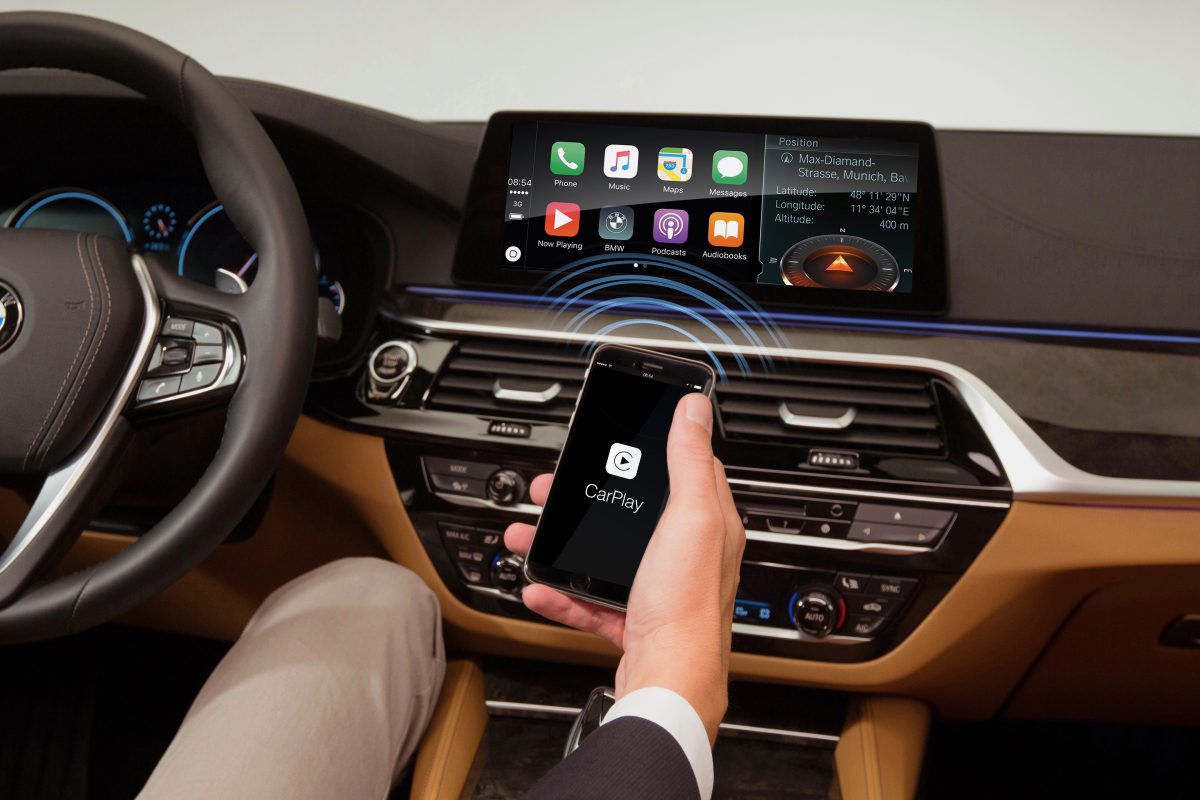
    Apple Inc wants you to start buying gas directly from your car dashboard as early as this fall, when the newest version of its CarPlay software rolls out, accelerating the company’s push to turn your vehicle into a store for goods and services.

    A new feature quietly unveiled at Apple’s developer conference this month will allow CarPlay users to tap an app to navigate to a pump and buy gas straight from a screen in the car, skipping the usual process of inserting or tapping a credit card. Details of Apple’s demo for developers have not previously been reported.

    But Dallas-based HF Sinclair, which markets its gasoline at 1,600 stations in the United States, told Reuters that it plans to use the new CarPlay technology and will announce details in coming months.

    “We are excited by the idea that consumers could navigate to a Sinclair station and purchase fuel from their vehicle navigation screen,” said Jack Barger, the company’s senior vice president of marketing.

    Fuel apps are just the latest in a sustained push by Apple to make it possible to tap to buy from the navigation screen. It has already opened up CarPlay to apps for parking, electric vehicle charging and ordering food, and it also is adding driving task apps such as logging mileage on business trips.

    Fuel is a major expense for car owners. The U.S. Energy Information Administration estimated in April that the average U.S. household will spend about $2,945 on gasoline in 2022, or about $455 more than last year.

    Apple currently does not charge automakers, developers or users for CarPlay; the business interest is putting Apple at the forefront as cars transform into rolling computers, said Horace Dediu, an analyst with Asymco and founder of Micromobility Industries. The new feature will hit hundreds of car models already compatible with CarPlay when Apple releases software updates this fall.

    “Forget about Apple Car – Apple CarPlay is a bigger deal,” Dediu said. “It’s very likely to scale to millions and millions of cars, if not hundreds of millions.”

    To use the new CarPlay feature this fall, iPhone users will need to download a fuel company’s app to their phone and enter payment credentials to set up the app. After the app is set up, users will be able to tap on their navigation screen to activate a pump and pay.

    “It’s a massive marketplace, and consumers really want to take friction out of payments,” said Donald Frieden, chief executive officer of Houston-based P97 Networks, which makes the digital plumbing that many fuel companies will use to connect their apps to cars.

    Frieden said he has fielded calls from oil companies that are interested to make their apps work with CarPlay. BP, Shell and Chevron Corp did not respond to requests for comment about whether they plan to make their iPhone apps work with CarPlay.

    Apple’s latest move is likely to increase tensions with automakers that have their own ambitions for commerce in the car.

    For example, vehicle makers have tried – and failed – to popularize gasoline purchasing from the car before. General Motors Co rolled out a system for doing so in 2017, but shuttered it earlier this year “due to a supplier exiting the business,” GM told Reuters in a statement.

    Beyond apps for fuel and other purchases, Apple is also seeking to expand CarPlay further into the car’s driving systems by accessing speed and fuel gauge data.

    But automakers are not likely to hand over that data to Apple without making demands of their own in talks that analysts  believe are likely already under way.

    Speaking at the Reuters Automotive Europe conference in Munich on Wednesday, Mercedes Benz CEO Ola Kaellenius said the company’s goal “is to have a complete, holistic, Mercedes experience.”

    Kallenius said Mercedes would not seek to reinvent every category of app, but that “when interacting with companies that are in this digital domain … anything and everything that crosses into product liability relevance, we would be very cautious.”

  • Mercedes Readies Plants To Produce Electric Vehicles

    Mercedes Readies Plants To Produce Electric Vehicles

    Mercedes-Benz is adjusting its network of plants to  manufacture a new range of luxury electric vehicles as it prepares to switch to electric by the end of the decade.

    Mercedes aims to halve CO2 emissions per passenger car over the life cycle by the end of this decade compared to 2020.

    “We are ready for the rapid scaling of electric vehicle volumes,” said Joerg Burzer, board member for production and supply chain, adding the new setup followed talks between management and worker representatives.

    Plants in Sindelfingen, Bremen, Rastatt – all in Germany – and Kecskemet, in Hungary, will start production of new models in the top end luxury, core luxury and entry luxury segments from the middle of the decade, said Mercedes.

    Battery systems will be supplied by a production network with factories in three continents, it said.

    “The local production of battery systems is a key success factor for the Mercedes-Benz electric ramp-up and a decisive component in being able to meet the global demand for electric vehicles flexibly and efficiently,” it said in a statement.

  • Tesla Worker Rejects $15 Million Payout In Race Bias Lawsuit

    Tesla Worker Rejects $15 Million Payout In Race Bias Lawsuit

    A Black former elevator operator at Tesla Inc’s flagship California assembly plant on Tuesday rejected a $15 million award in his lawsuit alleging racial abuse by coworkers, opening the door for a new trial after a judge slashed a $137 million jury verdict. Lawyers for Owen Diaz, who had sued Tesla in 2017, turned down the judge’s award in a brief filing in federal court in San Francisco.

    They said in a statement that the award was unjust and would not deter future misconduct by Tesla. “In rejecting the court’s excessive reduction by asking for a new trial, Mr. Diaz is again asking a jury of his peers to evaluate what Tesla did to him and to provide just compensation for the torrent of racist slurs that was directed at him,” his lawyers said.

    Tesla did not immediately respond to a request for comment.

    U.S. District Judge William Orrick lowered the jury award, which was one of the largest of its kind in a discrimination lawsuit, to $15 million in April. He had also denied Tesla’s motion for a new trial, conditioned on Diaz’s acceptance of the lower award.

    Earlier this month the judge denied Diaz’s motion for permission to appeal that ruling and gave him two weeks to accept the lower award or agree to a new trial.

    Recently, Tesla shareholder filed a lawsuit accusing the company’s chief executive, Elon Musk, and board of directors of neglecting worker complaints and fostering a toxic workplace culture

    Tesla is facing a series of lawsuits involving alleged widespread race discrimination and sexual harassment at its Fremont, California factory, including one by a California civil rights agency.

    Last week, a Tesla shareholder filed a lawsuit accusing the company’s chief executive, Elon Musk, and board of directors of neglecting worker complaints and fostering a toxic workplace culture.

    Tesla has denied wrongdoing and says it has policies in place to prevent and address workplace misconduct.

    Diaz alleged that his colleagues and a supervisor subjected him to a hostile work environment that included slurs, caricatures and swastikas in his nine months working at the Fremont plant in 2015 and 2016.

    A jury had awarded Diaz $6.9 million of compensatory damages and $130 million of punitive damages last October, but Orrick in April said those numbers were excessive.

    Diaz’s lawyers in their statement on Tuesday said Orrick’s decision highlighted systemic bias that federal judges have against juries, which in turn violates the constitutional rights plaintiffs have to a trial by jury.

  • Yamaha Motor Establishes $100 Million Sustainability Investment Fund

    Yamaha Motor Establishes $100 Million Sustainability Investment Fund

    Japanese motorcycle giant Yamaha Motor Co Ltd has announced that it has established the Yamaha Motor Sustainability Fund, that will look to invest in companies working to address problems with the environment. The aim of the Sustainability Fund is to combine carbon offsetting with an actual reduction in the carbon footprint of Yamaha’s existing businesses. In total, the Fund has $100 million of investment value, and will be run for a period of 15 years, a statement from the company announced.

    Yamaha Motor’s corporate mission is to “offer new excitement and a more fulfilling life for people all over the world,” and eco-focused initiatives are among the most important themes for achieving this mission. “Through this fund, Yamaha Motor intends to foster collaborative relationships with the numerous companies striving to solve environmental issues and to contribute as a like-minded partner toward creating a better world while mutually enhancing each company’s own pursuits,” a company statement said.

    Yamaha Motor has made strengthening its efforts for sustainability a central theme in addition to the growth strategies and reinforcement of management foundations that the Company has pushed to date. The Company is exploring new technologies and business models that contribute to sustainability in order to accelerate the carbon offsetting efforts necessary to achieve its carbon neutrality goals.

  • Norton To Begin Developing Electric Motorcycles In UK

    Norton To Begin Developing Electric Motorcycles In UK

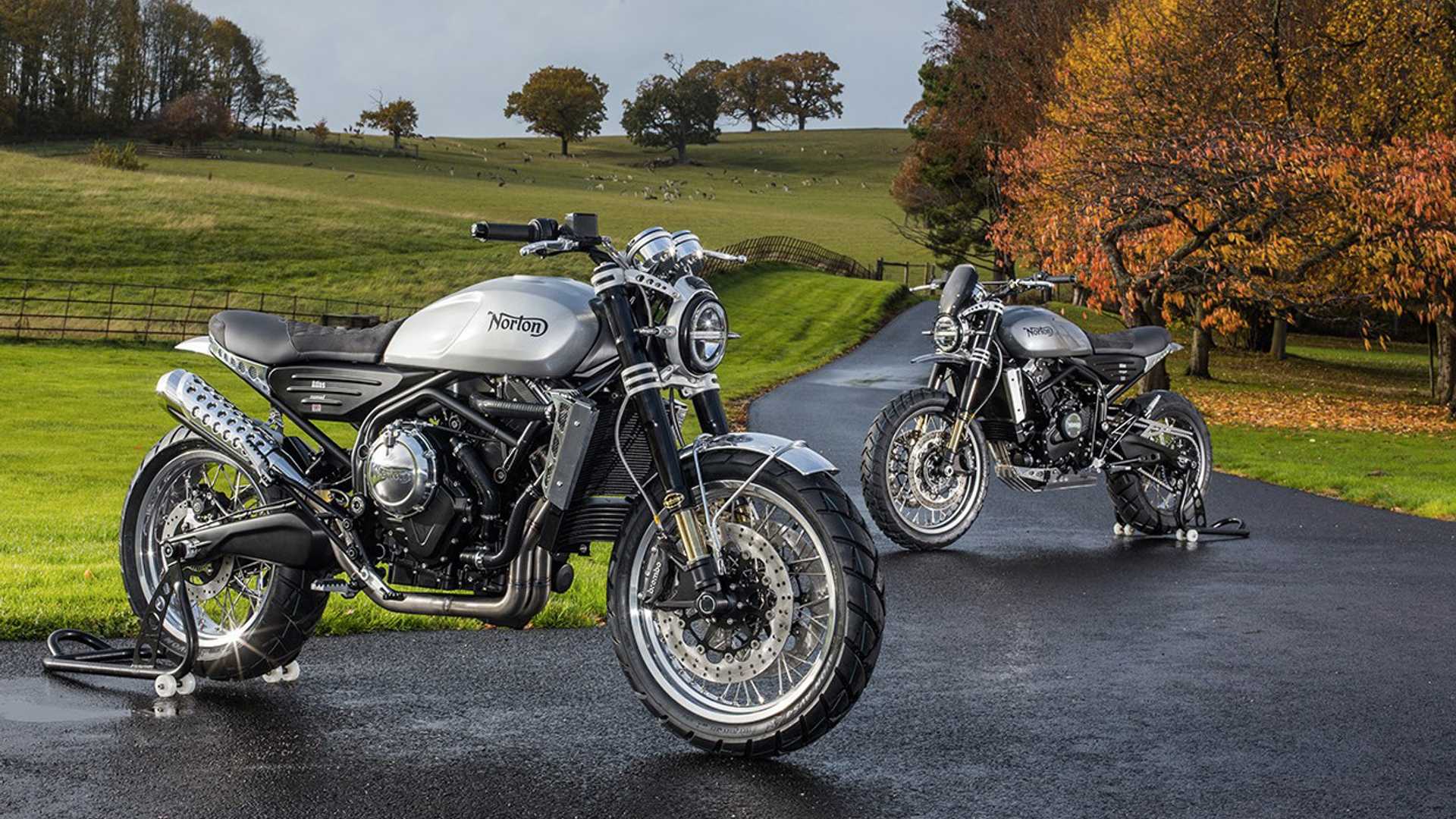
    UK based Norton Motorcycles, owned by TVS Motor Company, has announced plans for designing and developing electric motorcycles at its UK plant, after it received funding from Advanced Propulsion Centre 19 (APC), a government scheme which looks to assist companies in the automotive sector to invest in, design and manufacture low-carbon mobility options, that is electric vehicles. The team at Norton says that it will refine the traditional Norton motorcycle design DNA but offer a hint of modernity by way of innovations and digital solutions on the new electric motorcycle.

    Norton wants to manufacture an electric motorcycle that will look unmistakably like a Norton and offer exceptional performance and touring range. Norton says that the design of the new EV will not be compromised by the weight and the size of battery.

    Norton has also onboarded specialist partners for the R&D on this project. The team encompasses Delta Cosworth, HiSpeed Limited, Formaplex Technologies, M&I Materials, INDRA and academic partner WMG (The University of Warwick). Norton will work alongside these partners to develop world-class technology and products that will enhance the UK supply chain for all the critical components in electric vehicle (EV) technology including batteries, motors, chassis, cooling oils and vehicle to home chargers.

    Each partner on the project will have a specialist part to play in project Zero Emission Norton. Delta Cosworth will design the battery pack, while HiSpeed Limited bring motor design and manufacturing skills. Formaplex Technologies have expertise in precision composites manufacturing and M&I Materials will support on applications of dielectric cooling oils. INDRA specialise in vehicle to home charging technology and WMG (The University of Warwick) major on battery technology, modelling and toolchain development.

  • Tesla Sued By Former Employees Over ‘Mass Layoff’

    Tesla Sued By Former Employees Over ‘Mass Layoff’

    Former Tesla Inc employees have filed a lawsuit against the U.S. electric car company alleging its decision to carry out a “mass layoff” violated federal law as the company did not provide advance notice of the job cuts.

    The lawsuit was filed late Sunday in Texas by two workers who said they were terminated from Tesla’s gigafactory plant in Sparks, Nevada in June. According to the suit, more than 500 employees were terminated at the Nevada factory.

    The workers allege the company failed to adhere to federal laws on mass layoffs that require a 60-day notification period under the Worker Adjustment and Retraining Notification Act, according to the lawsuit.

    They are seeking class action status for all former Tesla employees throughout the United States who were laid off in May or June without advance notice.

    “Tesla has simply notified the employees that their terminations would be effective immediately,” the complaint said.

    Tesla, which has not commented on numbers of layoffs, did not immediately respond to requests for comment about the lawsuit.

    Musk, the world’s richest person, said earlier this month he had a “super bad feeling” about the economy and that Tesla needed to cut staff by about 10%.

    More than 20 people identifying themselves as Tesla employees said they were laid off, let go or had positions terminated this month, according to online postings and interviews with Reuters.

    The action filed by John Lynch and Daxton Hartsfield, who were fired on June 10 and June 15 respectively, seeks pay and benefits for the 60-day notification period.

    “It’s pretty shocking that Tesla would just blatantly violate federal labor law by laying off so many workers without providing the required notice,” Shannon Liss-Riordan, an attorney representing the workers told Reuters.

    She said Tesla is offering some employees only one week of severance, adding that she is preparing an emergency motion with a court to try to block Tesla from trying to get releases from employees in exchange for just one week of severance.

    The suit was filed in the U.S. District Court, Western District of Texas.

  • Baidu’s Electric Vehicle Firm Jidu Unveils First ‘Robot’ Car

    Baidu’s Electric Vehicle Firm Jidu Unveils First ‘Robot’ Car

    The concept car, which is free of door handles and can be fully controlled via voice recognition, was launched through an online press conference held on Baidu’s metaverse-themed app Xirang.

    Jidu, an EV venture controlled by Baidu and co-funded by Chinese automaker Geely, plans to mass produce the model, which would be 90% similar to the concept car, in 2023.

    The ‘robot’ EVs will possess autonomous Level 4 capabilities that need no human intervention as well as utilize Qualcomm’s 8295 chips, which will enable users to access voice assistance offline when internet connection is poor.

    Baidu’s EV-making plan comes as tech companies around the world race to develop smart cars after Tesla’s success in commercializing electric vehicles.

    Besides equipping the vehicle with autonomous driving software technology powered by Baidu, Jidu will also build two lidars and 12 cameras alongside the car. Lidars are detection systems, similar to radars, which use pulsed laser light rather than radio waves.

    “The Jidu robocar aims to meet users’ needs for intelligent travel … and intelligent cabin in the new era,” said Joe Xia Yiping, Jidu chief executive, adding “the ultimate goal is to realize a fully driverless transportation experience.”

    Jidu cars will target users who like cutting-edge technologies, Luo Gang, head of operations at Jidu, told Reuters in an interview on Wednesday.

    The EVs will be manufactured in Hangzhou Bay in China’s eastern city of Ningbo, where Geely has several plants.

    Jidu has hired ex-Cadillac designer Frank Wu as its head of design, and Wang Weibao, a former member of Apple Inc’s EV initiative Project Titan, as its head of intelligent driving.

    Jidu’s first model will be priced above 200,000 yuan ($29,914.59), Baidu chief executive Robin Li said on a conference call last month.

    Smartphone maker Xiaomi Corp and Didi Global are among other Chinese tech giants who are pursuing auto-making ambitions.

  • Tesla Sold 32,165 China-Made Vehicles In May

    Tesla Sold 32,165 China-Made Vehicles In May

    U.S. electric vehicle maker Tesla sold 32,165 China-made vehicles in May, including 22,340 for export, the China Passenger Car Association (CPCA) said on Thursday.

    That compares with 1,152 vehicles sold and none exported in April. The Tesla factory halted work for 22 days beginning late March to comply with a city-wide lockdown in Shanghai.

    The plant, which manufactures Model 3s and Model Ys, reopened on April 19 and resumed exports on May 11 but has struggled to get production back to pre-lockdown levels.

    Tesla’s Shanghai factory produced 33,544 vehicles in May, up 212% from April, the association added.

    China’s BYD delivered 114,183 cars in May. Electric vehicle maker Li Auto delivered 11,496 and Xpeng Inc 10,125.

    CPCA also said passenger car sales in May in China had totalled 1.37 million, down 17.3% from a year earlier.

    June sales should be 10% to 20% higher than a year earlier, CPCA secretary general Cui Dongshu told reporters. Demand from earlier months, suppressed by lockdowns that have now eased, would support June sales, Cui said.

    The world’s biggest auto market is recovering from its worst monthly drop since March 2020 after China’s efforts to stamp out COVID-19 outbreaks across multiple cities disrupted supply chains and dampened demand.