Category: Automotive

Retail News Asia is committed to providing both local and global retailers with the latest Auto and Car news throughout the Asian market. This on a daily base.

  • Tesla Cut From S&P 500 ESG Index, And Elon Musk Tweets His Fury

    Tesla Cut From S&P 500 ESG Index, And Elon Musk Tweets His Fury

    An S&P Dow Jones Indices executive told Reuters on Wednesday it has removed electric carmaker Tesla Inc from the widely followed S&P 500 ESG Index because of issues including claims of racial discrimination and crashes linked to its autopilot vehicles, and Tesla CEO Elon Musk responded with harsh tweets including that “ESG is a scam”.

    In it changes, effective May 2, the sustainability index also added soon-to-be-Musk-controlled Twitter Inc and oil refiner Phillips 66 while dropping Delta Air Lines and Chevron Corp, according to an announcement.

    The back-and-forth over the index changes reflects a wider debate about the metrics used to judge corporate performance on environmental, social and governance (ESG) issues, a growing area of investing.

    Tesla has become the most valuable auto industry company by pioneering EVs and expanding into battery storage for electric grids and solar-power systems.

    Factors contributing to its departure from the index included Tesla’s lack of published details related to its low carbon strategy or business conduct codes, said Margaret Dorn, S&P Dow Jones Indices’ head of ESG indices for North America, in an interview.

    Even though Tesla’s products help cut planet-warming emissions, Dorn said, its other issues and lack of disclosures relative to industry peers should raise concerns for investors looking to judge the company across environmental, social and governance (ESG) criteria.

    “You can’t just take a company’s mission statement at face value, you have to look at their practices across all those key dimensions,” she said.

    Tesla representatives did not immediately respond to questions. The company has previously called ESG methodologies “fundamentally flawed.”

    Musk tweeted that “Exxon is rated top ten best in world for the environment, social & governance (ESG) by S&P 500, while Tesla didn’t make the list! ESG is a scam. It has been weaponized by phony social justice warriors.”

    Asked about the tweet, a representative for the index provider said Musk may have been referring to a list on a company blog post of the largest 10 constituents by market cap of the S&P 500 ESG Index after the removal of Tesla and others. The list is “not a ranking of best companies by ESG score,” the representative said.

    GROWING CONCERNS

    Investors concerned about issues like diversity and climate change have poured billions of dollars into funds using ESG criteria to pick stocks, prompting debate about how effectively the funds promote change or whether they push companies too much on issues that should be settled by government policy.

    S&P Dow Jones Indices is majority-owned by S&P Global Inc. Musk and others have complained the firm and its rivals conflate too many issues by bundling ESG concerns into one total score.

    For instance a fund based on the S&P 500 ESG Index, the SPDR S&P 500 ESG ETF, received the low rating “D” by climate activist research group As You Sow, which noted despite its title and sustainability mandate, fossil fuel stocks make up 6.5% of fund assets.

    In the company blog post reviewing changes from April 22, S&P’s Dorn said the index aims to keep industries weighted the same as they are in the regular S&P 500 index “while enhancing the overall sustainability profile of the index.” In practice that means it can keep oil companies while leaving out big players like Facebook parent Meta Platforms and Wells Fargo & Co.

    Dorn said Tesla’s ESG score had declined slightly from the “22” it received last year. At the same time the average score among other automakers improved, pushing Tesla out of the ESG index because of a rule against including lowest-quartile performers.

    Dorn and others did not immediately describe other details such as the reasons Twitter or Phillips 66 were added or other companies dropped.

    Among other big ESG ratings agencies, MSCI Inc gives Tesla an “average” ESG rating, while the Sustainalytics unit of Morningstar Inc gives Tesla a “medium risk” rating, according to the firms’ websites.

    On Wednesday a U.S. safety regulator opened a special crash investigation into a Tesla crash this month in California, among more than 30 crashes under investigation involving advanced driver assistance systems.

    In February, a California state agency sued Tesla over allegations by Black workers that the company tolerated racial discrimination at an assembly plant, adding to claims made in several other lawsuits.
  • Tesla To Host Second Artificial Intelligence Day In August

    Tesla To Host Second Artificial Intelligence Day In August

    Tesla Inc top boss Elon Musk said on Tuesday the electric-car maker will host its second artificial intelligence day on Aug. 19, with the company likely to expand on plans to fine-tune its self-driving technology.

    “The purpose of AI Day is to convince great AI/software/chip talent to join Tesla,” the billionaire said in a tweet.

    The use of AI in self-driven cars has stirred up debate around safety issues, but Musk has often contended that such vehicles are far safer than those driven by humans.

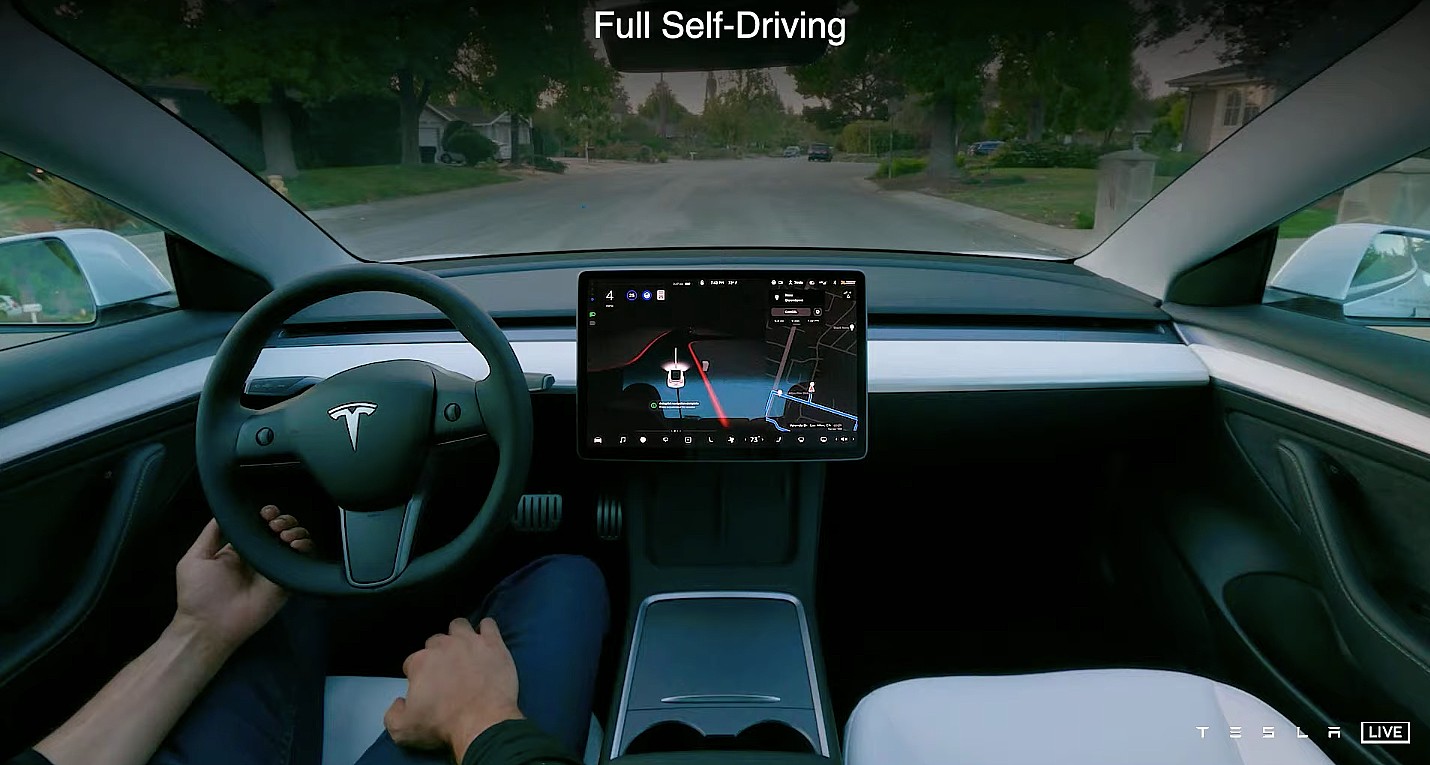
    Tesla is developing software for its cars to drive without human intervention or oversight, but its full self-driving (FSD) system currently requires human monitoring and is not intended to work without a driver behind the wheel.

    The company held its first AI day in August last year and a Battery Day in September 2020, where it talked about the future of battery technology.

    “Tesla AI Day #2 on Aug 19. So many cool updates!,” Musk said in a tweet.

    Investors and analysts closely watch tech-focused events where companies dive deeper into their projects and usually provide concrete updates on targets and timelines of rollouts.

  • Ford Appeals For 100 Per Cent All-Electric Vehicle Sales In Europe By 2035

    Ford Appeals For 100 Per Cent All-Electric Vehicle Sales In Europe By 2035

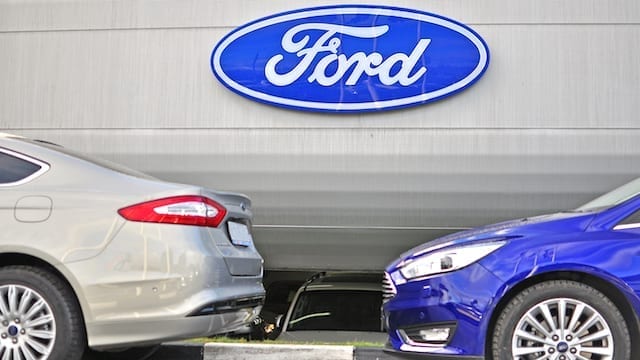
    Ford Europe together with 27 companies has joined an appeal to the European Union (EU) to ensure all new cars and vans in Europe are zero-emission from 2035 and to establish mandatory targets for charging infrastructure. The appeal insists that removing fossil fuel-burning vehicles from the road is imperative for Europe to reach its goal of net-zero emissions by 2050, and to help avoid the worst impacts of climate change on people and the planet. This includes enacting legislation that establishes standards and a clear timeline for the industry and suppliers to follow, to ensure the transition to electric vehicles.

    The EU decision-makers are currently deciding on new clean car rules, following a proposal by the EU Commission supported by the companies making the appeal that only zero-emission new cars and vans can be sold EU-wide from 2035. The European Parliament and EU governments will decide their positions in June, with the final law expected to be adopted in autumn.

    For Ford Europe, the road towards zero-emission vehicles is being paved by a new generation of seven, all-electric, fully connected passenger vehicles, and vans, coming to Europe by 2024. Leading the charge are the Mustang Mach-E, which last year achieved maximum safety and green ratings from Euro NCAP and Green NCAP, and the E-Transit, which received the Gold Award from Euro NCAP for its advanced driver assistance systems.

    All the electricity sourced at the company’s manufacturing sites in Europe is already 100 per cent renewable. The planned production of electric vehicles in Cologne, Germany, is now expected to be 1.2 million vehicles over six years, with a total product investment of $2 billion, helping to bring more electric vehicles to customers in Europe. Ford’s BlueOval charging network has over 3 lakh charge points in Europe, while for Ford employees, 1,000 charging stations will be added to the company’s European sites by 2023.

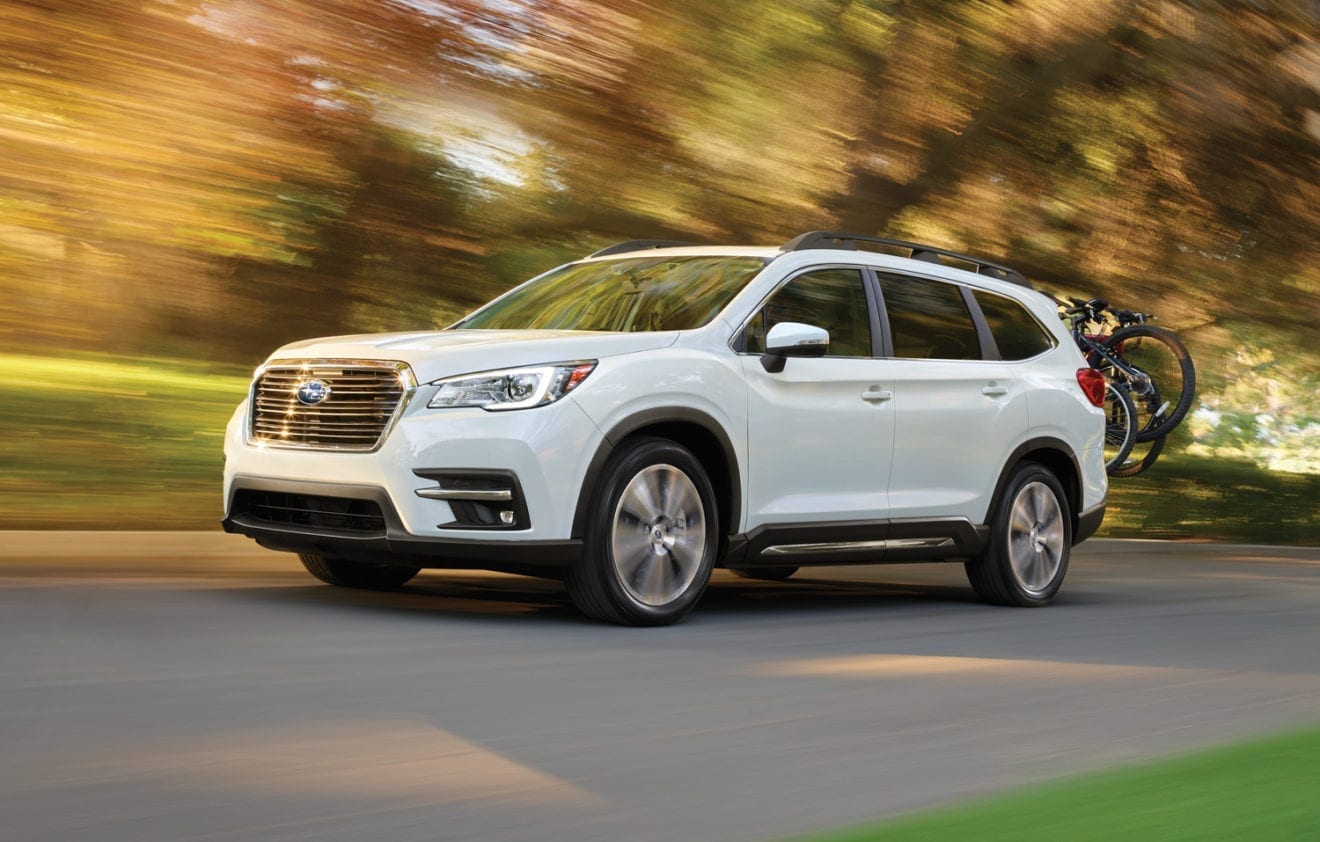
  • Subaru Is Building A Dedicated EV Plant In Japan

    Subaru Is Building A Dedicated EV Plant In Japan

    Subaru is another Japanese automotive player which is suddenly turning turtle and announcing massive investments in electric powertrains. It has announced plans to build a dedicated EV assembly plant in 2027 as a part of a multi-billion dollar investment toward electrification in the next 5 years. Its CEO Tomomi Nakamura has outlined a plan which was announced on May 12 when it announced its earnings.

    Its 2023 Solterra EV will be made at Toyota’s Motomachi assembly plant in Japan which is the same plant where Toyota is making its first EV the bZ4X. But in the future, the plan for Subaru is to make its EVs in-house.

    Nakamura has said that initially, Subaru will make its EVs in a mixed production scenario with internal combustion engine vehicles in its Yajima plant in Japan in the mid-2020s. But from 2027, the EVs will be made at a dedicated factory on the site of the Oizumi plant which is currently making engines and transmissions.

    “Two or three years ago, U.S. retailers were not asking about EVs at all. But in this last year, it’s suddenly increased,” said Nakamura indicating that this transformation is being driven by the US market.

    Subaru has announced an investment of $2.05 billion. It expects 40 per cent of its global sales to come from EVs and hybrids by 2030. The Solterra EV will be the first model which starts at $44,995 in the US and will also be eligible for the $7,500 tax credit and other state incentives.

  • Hyundai Opening An EV Factory In Georgia

    Hyundai Opening An EV Factory In Georgia

    Hyundai has been outlined as one of the greatest threats to Tesla’s dominance in EVs. Its Ioniq 5 not only won the world car of the year award this year but it also forms the basis for cars like the Kia EV6 and the Genesis GV60. The Kia EV6 is even coming to India as Tesla is shelving its plans on entering the market. Now, doubling down on its focus on electric vehicles, Hyundai is committing to a new EV first factory in the US which the rumour mill points towards being in the state of Georgia.

    Already, the South Korean giant has started production of the GV70 by Genesis in its factory in Alabama. Genesis is its premium luxury brand. Overall, Hyundai has announced an investment of $7.4 billion with a focus on electrification. A new EV factory has been on the cards for a while.

    Hyundai was negotiating incentive packages with the various governments of states. Georgia was already mentioned to be one of these states as Hyundai and Kia both have manufacturing facilities in the state.

    “We are excited to announce a new EV plant plan in the United States soon, but we do not have details to share at this stage,” said a Hyundai spokesperson confirming the new facility.

    Hyundai is said to be in an advanced stage of discussions with officials in Georgia for the dedicated electric car factory. So far in the case of the Ioniq 5, it is only being produced in South Korea and Indonesia. It will also be manufacturing the Ioniq 5 in India. Localizing the car in the US will make it more competitive with Tesla.

    Already the car has received a great response in the US. It is sold out for up to a year in some regions of North America. There are plans for bringing more cars under the Ioniq brand and even the Kia EV6 is doing quite well.

  • Auto sales extends growth

    Auto sales extends growth

    Vietnam’s auto sales reached 42,359 units in April, with most major brands posting double-digit to triple-digit growth, according to the Vietnam Automobile Manufacturers Association (VAMA).

    This figure marked a 40 percent increase from the same period last year and brought four-month sales to 123,931 units, up 33 percent, said VAMA, which does not incorporate data of VinFast and TC Motor (assembler of Hyundai cars).

    Most top-selling brands posted a double-digit increase in sales compared to March last year.

    Truong Hai auto remained the top seller with 14,569 units, up 41.5 percent year on year.

    It was followed by Toyota with a 55.3 percent growth to 8,694 units.

    Honda and Suzuki saw a tripling in their sales, with the former rising by 216 percent to 6,100 units, and the latter by 173 percent to 1,111.

    Ford’s sales bucked the trend with a 25 percent drop to 1,933 units.

    With data from all brands included, the sedan Honda City was the top-selling model in Vietnam last month at 3,013 units. It was followed by the sedan Toyota Vios and the SUV Toyota Corolla Cross.

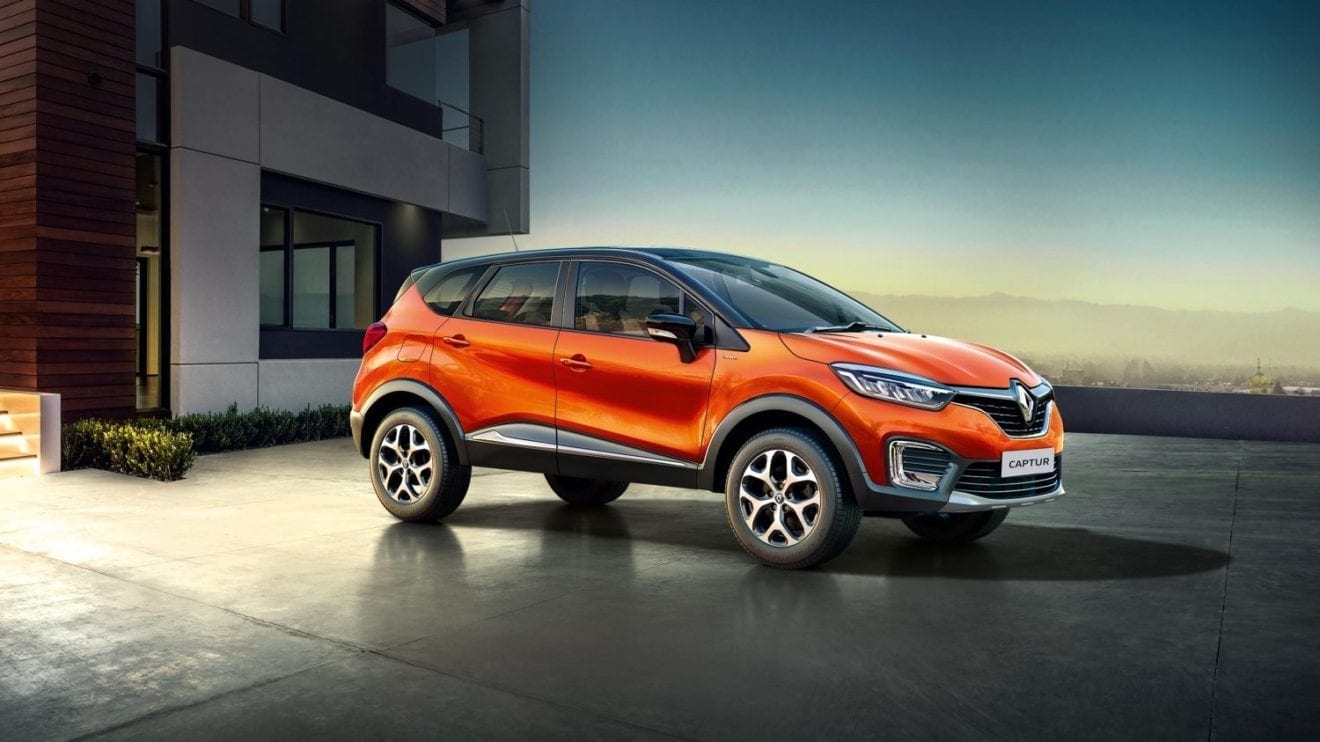
  • Renault Group Signs Agreement To Sell Russia Operations, Avtovaz Stake

    Renault Group Signs Agreement To Sell Russia Operations, Avtovaz Stake

    Renault has announced that it has signed an agreement to sell its entire 100 percent stake in Renault Russia along with its controlling stake in Russian firm Avtovaz. The company said that Renault Russia would be turned over to Moscow City entity while its entire stake in Avtovaz would be turned over to NAMI (Russia’s Central Research and Development Automobile and Engine Institute).

    “The closing of these transactions is not subject to any conditions, and all required approvals have been obtained,” the company said in a statement.

    “Today, we have taken a difficult but necessary decision; and we are making a responsible choice towards our 45,000 employees in Russia, while preserving the Group’s performance and our ability to return to the country in the future, in a different context. I am confident in the Renault Group’s ability to further accelerate its transformation and exceed its mid-term targets,” said Luca de Meo, CEO Renault Group.

    While Renault has given away its entire stake in its Russian operations, the company has retained the option to buy back its 67.69 percent stake in Avtovaz. The company says that the buyback is exercisable at certain times over the next 6 years.

    Renault said that in line with its decision from March 23, the company would record a non-cash adjustment charge amounting to the accounting value of its entire Russian operation including assets, equipment, and goodwill in its financial results for the first half of 2022. The company’s Russian operations would then be deconsolidated in the Group’s consolidated financial statements for the period ending June 30.

    The entirety of Renault’s Russian operations was valued at 2,195 million euros as on December 31, 2021.

  • Ford Shelves Plans To Manufacture EVs In India

    Ford Shelves Plans To Manufacture EVs In India

    Ford India has shelved its plans to manufacture EVs in India. The carmaker had as part of its ongoing business restructuring applied for the Indian Government’s Product Linked Incentive (PLI) scheme. Under the PLI scheme, Ford had considered utilizing one of its two manufacturing facilities to manufacture EVs for exports and domestic markets though it has now announced that it is no longer pursuing that avenue.

    In a statement, the company said, “After careful review, we have decided to no longer pursue EV manufacturing for exports from any of the Indian plants. We remain grateful to the Government for approving our proposal under the Production-Linked Incentives and for being supportive while we continued our exploration.”

    Ford India had announced a halt to its domestic car manufacturing operations in September last year, with manufacturing for export markets ending by the end of the calendar year. The company though had carried on manufacturing engines for export markets which too are set to close this quarter (Q2 2022).

    Coming to how this would affect its manufacturing facilities in India Ford commented, “Ford India’s previously announced business restructuring continues as planned, including exploring other alternatives for our manufacturing facilities. We continue to work closely with unions and other stakeholders to deliver an equitable and balanced plan to mitigate the impacts of restructuring.”

    Ford’s current restructuring plans involve moving to a CBU only line-up for the Indian market with models such as the Mustang and the all-electric Mach-e expected to be on the card for India with other models from its global range also likely to be considered. The company is also looking to sell its existing manufacturing facilities in the country with Tata Motors and Hyundai reportedly interested in acquiring the plants.

  • Honda runs out of motorcycle parts, buyers take hit

    Honda runs out of motorcycle parts, buyers take hit

    Honda, which has an 80 percent share of the motorbike market in Vietnam, faces a shortage of parts. After years of using a semi-automatic motorcycle, Huy Manh of Hanoi decided to buy an automatic one, a Honda Vision listed at VND32-35 million (US$1,400-1,530).

    But the price quoted at HEADs (Honda Exclusive Authorized Dealers) was VND44 million, and he has to wait for two or three weeks for delivery.

    The production shortage and long queues in HCMC mean many showrooms have stopped taking deposits since they cannot guarantee delivery in time. It used to take buyers only around two or three days, and up to two weeks in case of special options, to get a Honda bike delivered. The waiting time is now two weeks to a month.

    Honda blamed it on a global disruption in the supply of parts and materials. Its locally assembled models like Vision, Lead and SH Mode are the worst affected. It is impossible to know when supply would return to normal levels, it said, adding it is trying its best to ensure supply to dealers.

    Buyers have to pay 20-30 percent more than the listed prices for a motorbike. They had been hiked by 1-5 percent only last month.

    Honda sold two million vehicles last year, or 80 percent of the market share, according to the Vietnam Association of Motorbike Manufacturers, whose members include all major companies.

    Supply is more stable for other producers, but their shares are too small to satisfy the market.

    Honda’s shortage not only affects its own sales but also related businesses such as accessories, painting and maintenance.

  • Finance ministry seeks tax delay for auto industry

    Finance ministry seeks tax delay for auto industry

    The Ministry of Finance wants special consumption tax payable by auto companies to be deferred by up to four months to help them recover from the impact of Covid-19.

    The tax for June-September, worth a total of VND20 trillion ($871 million), can be paid on November 20.

    If the government approves the ministry proposal, auto manufacturers will get extra time to pay the tax for a third straight year.

    The ministry said last year auto manufacturers saw sales plunge due to social distancing restrictions and also struggled with a shortage of semiconductors.

    Though the tax delay goes against Vietnam’s international commitments, the ministry said it is needed to help businesses overcome difficulties.

    Many countries have done the same to help their manufacturers recover, and Vietnam is unlikely to be sued for it, the ministry added.

    Auto sales in Vietnam last year dropped 3 percent from 2020 to 383,444 units, according to data from data from the Vietnam Automobile Manufacturers Association (VAMA), TC Motor and VinFast.

  • Tesla Halts Production At Shanghai Plant Due To Supply Issues – Report

    Tesla Halts Production At Shanghai Plant Due To Supply Issues – Report

    Tesla Inc halted production at its Shanghai plant on Monday due to issues with securing parts for its electric vehicles, two people familiar with the matter said, the latest in a series of difficulties for the factory.

    Shanghai is in its sixth week of an intensifying COVID-19 lockdown that has tested the ability of manufacturers to operate amid hard restrictions on the movement of people and materials.

    Tesla had planned as late as last week to increase output to pre-lockdown levels by next week.

    It was not immediately clear when the current supply issues can be resolved and when Tesla would be able to resume production, said the people, who asked not to be identified because the production plans are private.

    Tesla did not immediately respond to a query for comment.

    China Passenger Car Association is scheduled to release April sales for Tesla, China’s second-largest EV maker behind BYD, on Tuesday.

    Another auto association said last week it estimated overall auto sales in China dropped 48% in April as zero-COVID lockdowns shut factories, limited traffic to showrooms and put the brakes on spending.

    Aptiv, Tesla’s main supplier of wire harnesses, stopped shipping from a Shanghai plant that supplies Tesla and General Motors Co after COVID-19 infections were found among its workers, two people familiar with the matter told Reuters on Monday.

    Tesla’s Shanghai plant, also known as the Gigafactory 3, produces the Model 3 sedan and Model Y crossover for the China market and for export.

    Tesla partially resumed production at the Shanghai plant on April 19 following a 22-day closure caused by the city’s COVID-19 lockdown.

    Tesla had been aiming to increase output at its Shanghai plant to 2,600 cars a day from May 16, Reuters reported previously.

    Shanghai authorities have tightened a city-wide lockdown imposed more than a month ago on the commercial hub with a population of 25 million, a move that could extend curbs on movement through the month.

  • Tata Motors Takes A Frugal Road Less Travelled

    Tata Motors Takes A Frugal Road Less Travelled

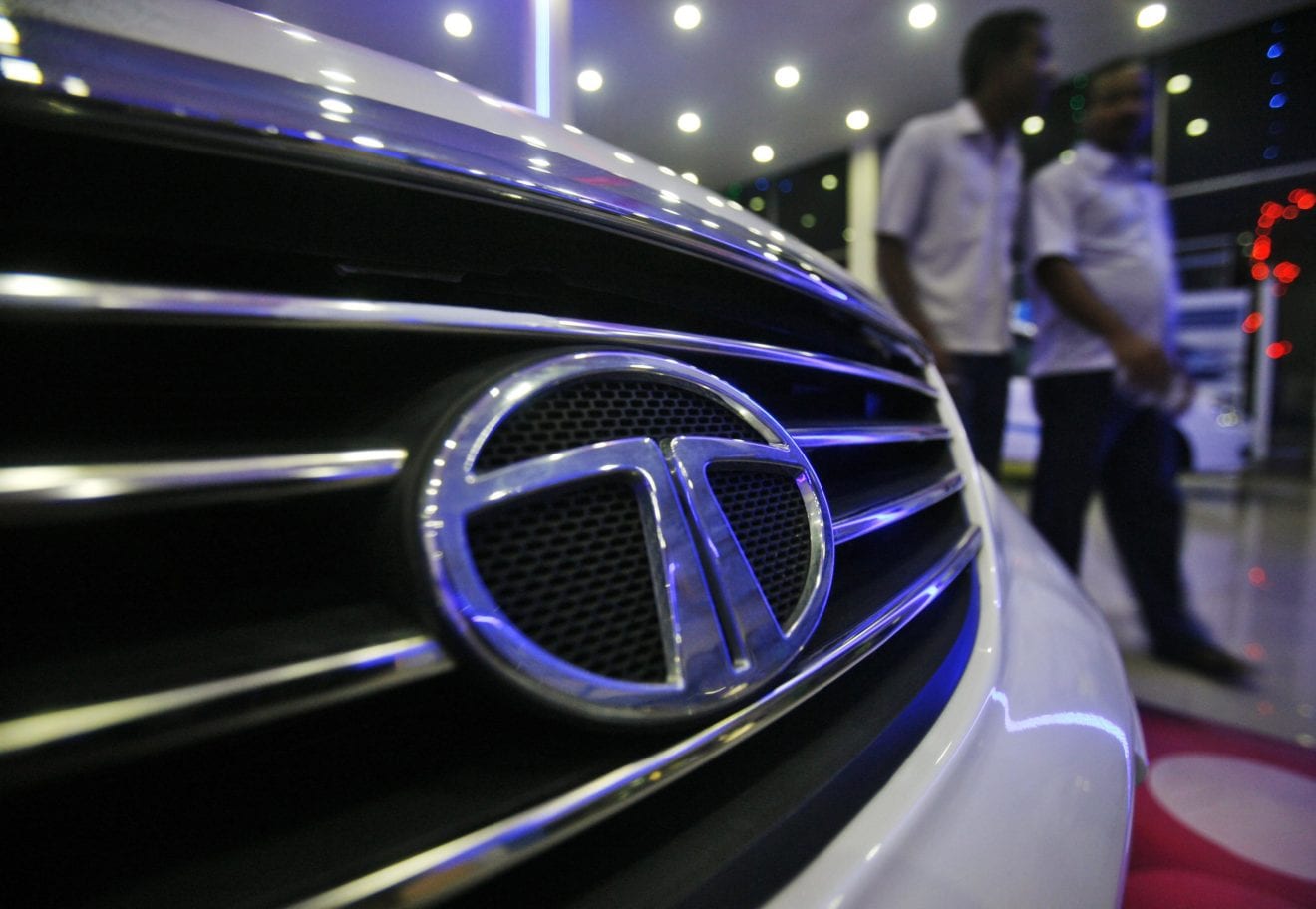
    To make its first electric vehicle for the consumer market, India’s Tata Motors Ltd repurposed an unused shop floor at its flagship plant. Here, there’s no fancy assembly line – Nexon SUV bodies designed for gasoline models are wired and fitted with battery packs by hand.

    The area, which could be mistaken for a prototype lab, initially made just eight SUVs a day. But demand has shot up over the two years since the Nexon EV’s launch. Tata now makes more than 100 a day though much of that is now handled at another plant nearby.

    Even with this humble start, which draws on India’s tradition of ‘jugaad’ – a word referring to frugal DIY innovation and workarounds, Tata dominates the country’s fledgling electric car market.

    That contrasts sharply with other major automakers which have poured billions of dollars into EV tooling and technology from the get-go, though Tata’s success also owes much to government subsidies and high tariffs that keep out imports from rivals like Tesla Inc.

    Going into India’s untried market for EVs, Tata knew it had to make an affordable car for an extremely cost-conscious population. Instead of building an EV plant or line which would be expensive and take time, it decided to pick an existing successful model and work on outfitting it with a battery pack.

    An EV plant for a nascent market would have been “a huge amount of investment sitting on the potential of emerging volumes. We didn’t want to do that,” Anand Kulkarni, vice president of product line and operations at Tata Passenger Electric Mobility, told Reuters.

    Tata also limited upfront investment by relying on Tata group companies for a range of EV components and infrastructure, and by choosing a cheaper battery chemistry type.

    That enabled it to price the Nexon EV around $19,000 – not necessarily cheap in India but affordable for the upper-middle class and not much more expensive than the top version of the Nexon gasoline model.

    With just the Nexon EV and one other model for fleet sales, Tata commands 90% of India’s electric car sales, giving it an all-important first-mover advantage even if EVs account for only 1% of the overall auto market.

    Last June, Tata outlined aggressive plans to launch 10 electric models by March 2026. This financial year alone, it wants to quadruple EV production to 80,000 cars, sources have said.

    Those ambitions attracted $1 billion in investment from U.S. private equity firm TPG, valuing its EV business at $9 billion – far below some EV startups but equivalent to 40% of Tata Motors’ market value.

    “This has definitely given us a significant head-start. It now gives us a force multiplier to aggressively move on EVs,” said Shailesh Chandra, managing director of Tata Motors Passenger Vehicles and the EV subsidiary.

    Tata has also earmarked $1 billion of its own money to fund its EV plans and by 2025 Chandra expects electric models to make up a quarter of its sales.

    Longer-term, Tata is working on an EV-specific car platform and wants its first car using that architecture to launch in 2025. The company is also evaluating the need for a dedicated EV plant, Kulkarni said.

    In the meantime, it plans to modify combustion engine platforms to build EVs with bigger batteries and longer driving ranges. Those models are likely to hit the market in about two years.

    The Nexon EV has a relatively modest real-world driving range of around 200 km per charge.

    The range is, however, sufficient for most potential Indian buyers, a Tata survey of consumers showed, prompting it to choose a 30 kilowatt hour iron-based battery from China’s Gotion High Tech Co which is cheaper than other lithium-ion batteries. Tata has also judged it safer for India’s tropical weather conditions, Kulkarni said.

    Gotion is working with Tata AutoComp Systems on assembling the battery packs and on the battery management system.

    Tata AutoComp, which sources most of the EV parts, is one of several Tata conglomerate firms that Tata Motors leans on – a huge advantage at a time when many automakers are ploughing funds into becoming more vertically integrated and less reliant on suppliers.

    Tata Power Company Ltd is setting up charging stations, Jaguar Land Rover contributes to design while Tata Chemicals Ltd has plans for battery recycling and local cell manufacturing.

    When Tata began EV production in 2020, most parts were imported. Today, Tata AutoComp produces around 50% of the components in-house, its CEO, Arvind Goel, told Reuters.

    “Our plan is to localise everything,” he said.

    All of the motor’s parts except the magnet are due to be produced locally over the next couple of years. Excluding the cells, the battery will be made in-house and the company is working on its own battery management system, Goel added.

    Tata’s EV business is, however, set to face challenges. The government wants 30% of all cars sold in the country to be electric by 2030 and while that goal may look optimistic, competition is on its way.

    South Korea’s Hyundai Motor and Kia Motors plan to start selling EVs in India this year although their models are set to be bigger and pricier. Expectations are also high for some rivals to launch gasoline-electric hybrids.

    “The major threat will come when competitors like Hyundai launch EV models in a similar price band and as Toyota and Suzuki’s hybrid cars come into the market,” said Gaurav Vangaal, associate director at S&P Global Mobility.

    And like other automakers, Tata is struggling to source semiconductors amid a global shortage that has become its biggest challenge in ramping up production and has caused a 5 month backlog in EV orders.

    That said, Tata intends to make the most of its enviable lead in India’s EV market. It has accrued a trove of data from monitoring the 25,000 EVs it has on the road – particularly relevant for developing electric cars in hot climates, says Kulkarni.

    “India has several hotspots which make it a challenge for electrification. Developing EVs in this market provides us with rich data, information which can flow back into our development process. I can’t tell you the kind of head start this gives us,” he said.

  • Toyota recalls hundreds of Raize SUVs over bad weld

    Toyota recalls hundreds of Raize SUVs over bad weld

    Toyota is recalling 191 Raize SUVs in Vietnam to fix poor welding in front shock absorbers, which could even cause the undercarriage to fall apart.

    The units were made in Indonesia between March 29 and October 8 last year and all of them have been sold, according to the Vietnam Register.

    The recall was issued after problems were found in front fender apron connections, which caused rattling sounds when the car drove over bumps and potholes.

    In the worst case, the welded part can detach and potentially cause a major accident, though no mishaps have been reported so far.

    The automaker has also recalled nearly 15,000 Raize SUVs in Indonesia, and Lexus, its luxury division, recalled 4,200 NX SUVs in the U.S. for the same defects.

    Toyota topped auto sales in the first quarter with 18,615 units, according to data from the Vietnam Automobile Manufacturers Association. It sold 1,671 Raize SUVs in Q1, marginally more than its closest competitor Kia Sonet (1,651 units).

  • New Bentley To Debut on May 10

    New Bentley To Debut on May 10

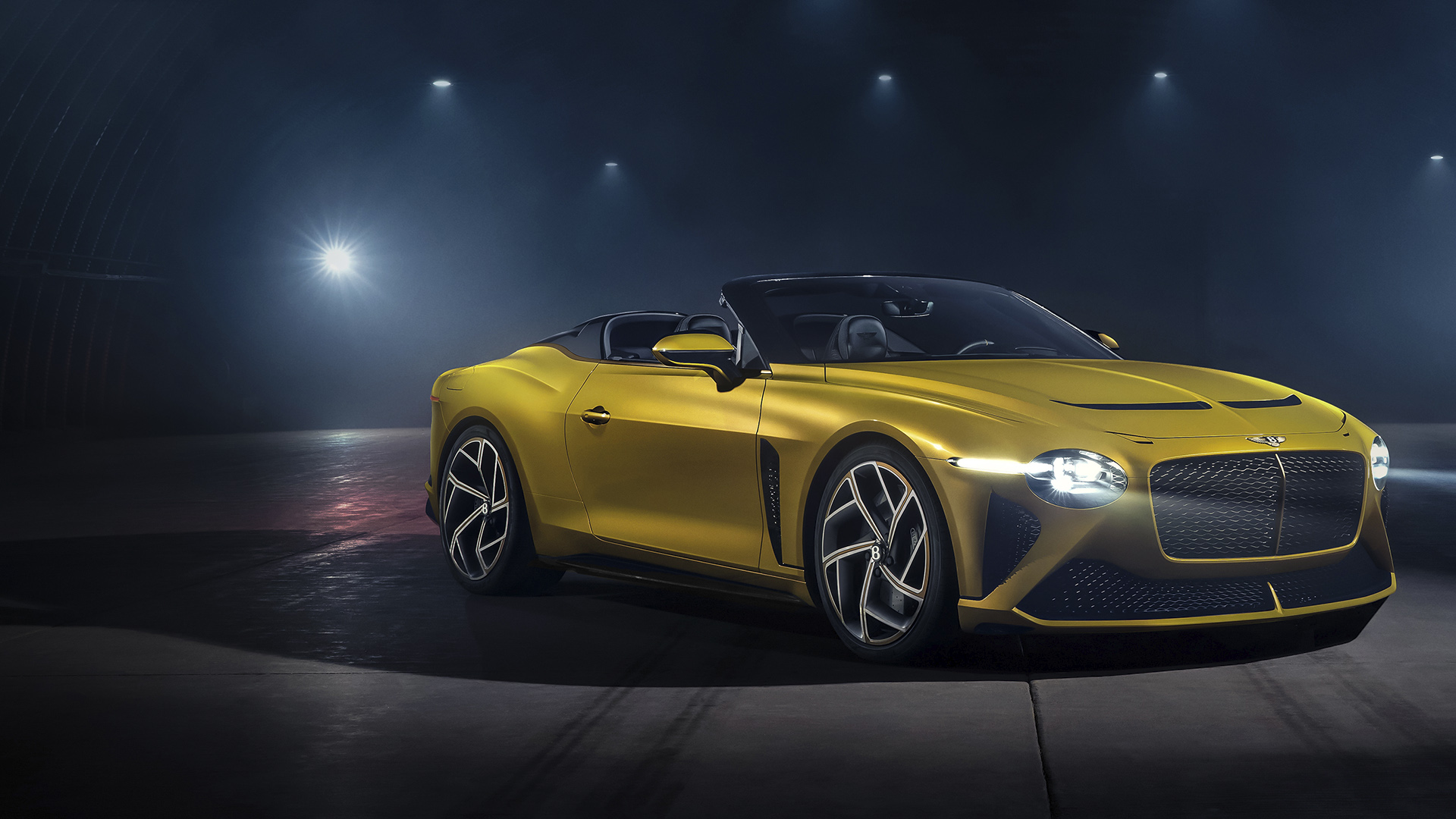
    Bentley has shared a teaser for a fifth model in its line-up ahead of its debut on May 10. The teaser gives little away as to what the car could be showing what looks to be the door panel of the upcoming model. The teaser reveals a LED light strip atop the door card with illuminated diamond-like patterning on what looks to be the fabric insert on the door and what looks to be an illuminated bottle holder at the base of the door. While details remain scarce, reports have suggested that the new model teased could be a long-wheelbase derivative of the Bentayga.

    Bentley has been testing a new variant to the Bentayga on international roads recently with the test car appearing to be longer than the Bentayga already on sale. However, there is no confirmation if this teaser previews the long-wheelbase derivative of Bentley’s SUV.

    In a statement accompanying the teaser Bentley said, “With an extra dimension of onboard wellness, the new model will sit in sumptuous comfort at the pinnacle of its range and deliver a breadth of capabilities beyond anything previously offered.”

    The wording “an extra dimension of onboard wellness” could hint at the new model is a long-wheelbase derivative. Additionally, the word “pinnacle of its range” could hint at the upcoming model is based on one of its existing cars.

    The company has also said that it has “gone to new lengths to combine luxury, technology and performance” suggesting that this new model will be both luxurious and comfortable without impeding on the car’s performance.

  • Renault To Produce New Alpine Model At Dieppe Site

    Renault To Produce New Alpine Model At Dieppe Site

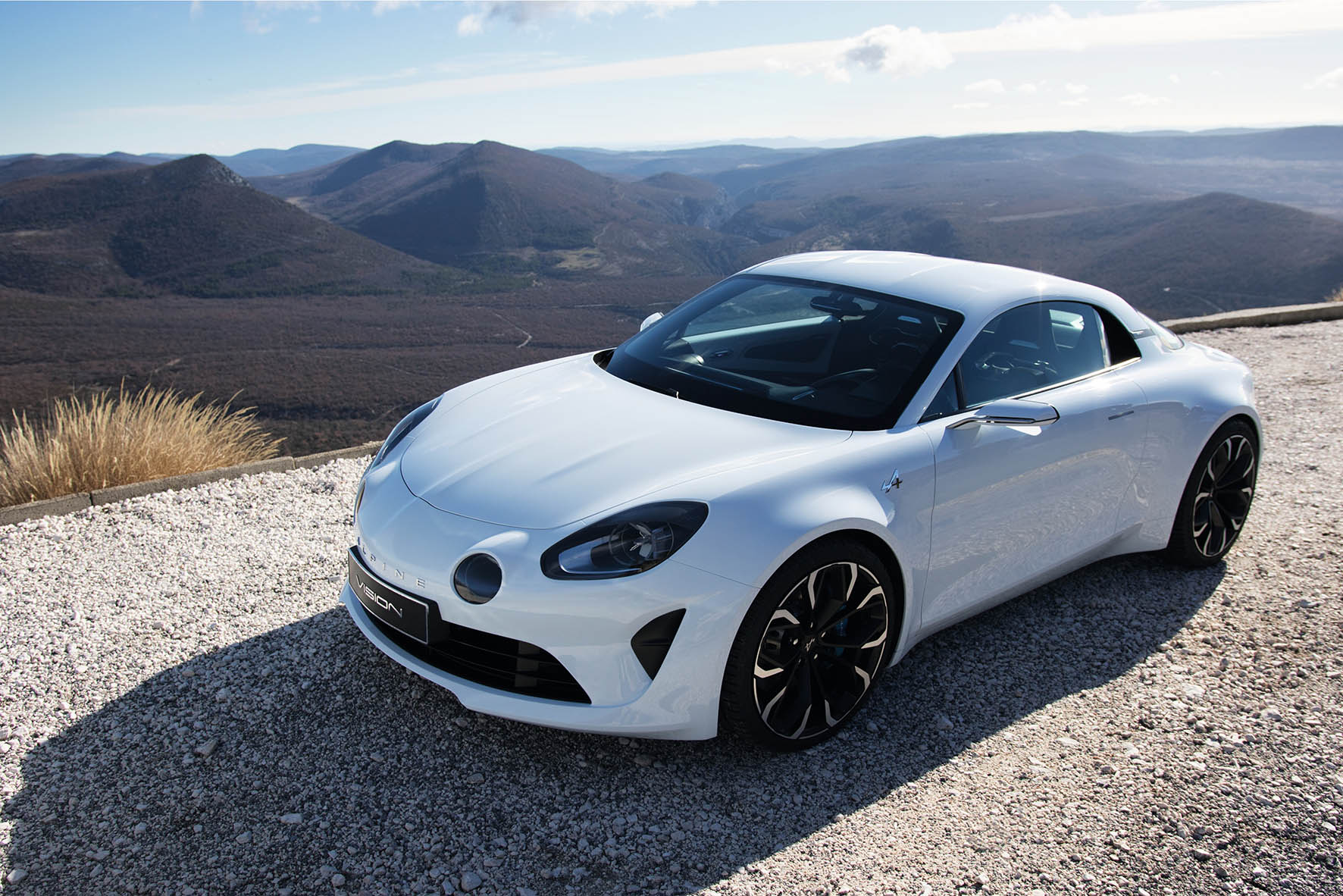
    French carmaker Renault will produce the new electric model of its Alpine brand at its Dieppe site in northern France, Chairman Jean-Dominique Senard said on Friday.

    “There was uncertainty over the future of that plant a few years ago and now thanks to the work of Renault’s teams…we will be able to really secure the future of that plant,” Senard said.

    Renault, Nissan, and Mitsubishi Motors on Thursday said they planned to deepen cooperation in electric vehicle (EV) production as their two-decade-old alliance positions itself to compete as auto markets switch to EVs.

    Senard also told France Inter radio that Renault hoped to hire a further 2,500 staff for its French factories.