Category: Automotive

Retail News Asia is committed to providing both local and global retailers with the latest Auto and Car news throughout the Asian market. This on a daily base.

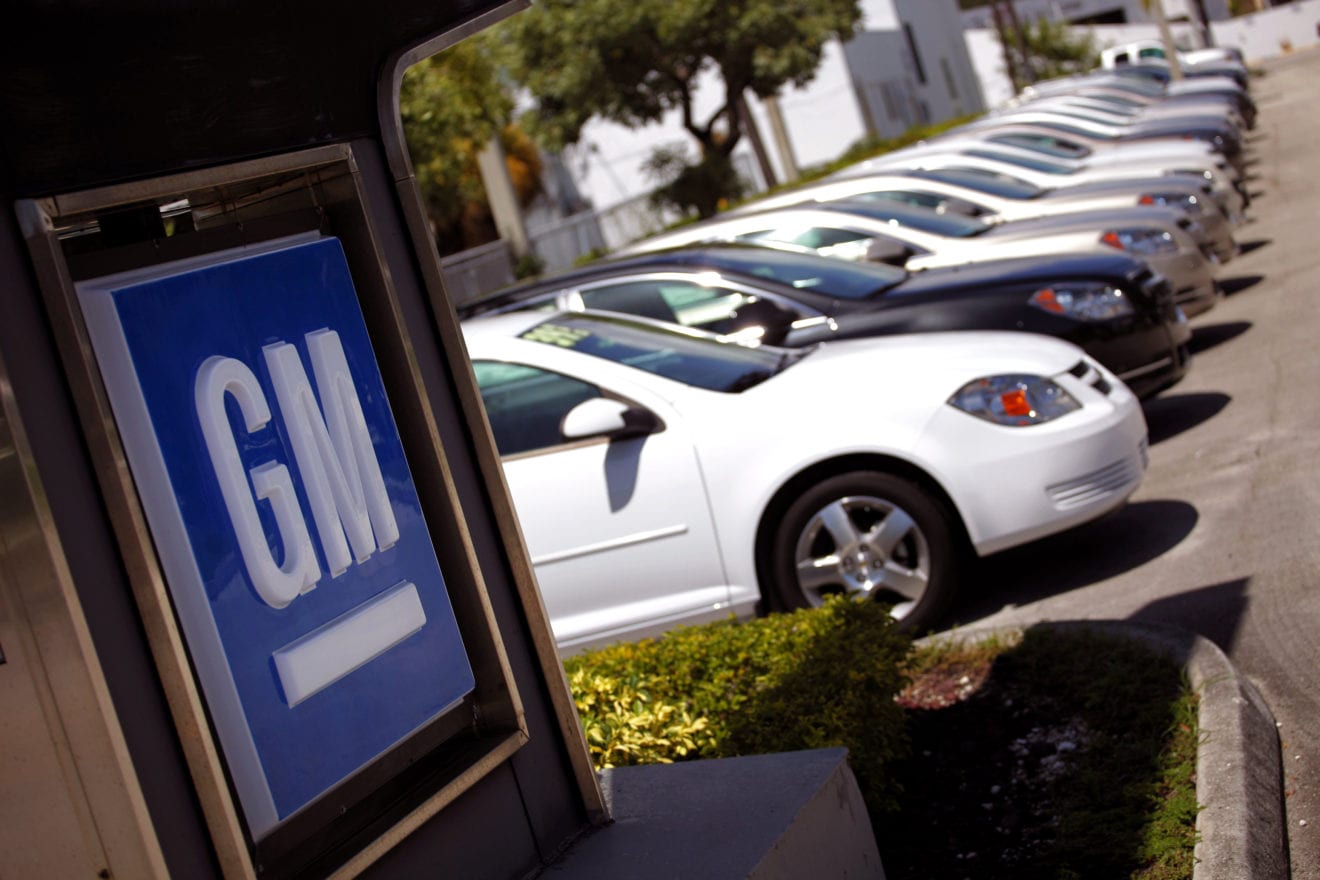
  • GM and Honda To Produce ‘Attainable EVs’ In Bid To Surpass Tesla Sales

    GM and Honda To Produce ‘Attainable EVs’ In Bid To Surpass Tesla Sales

    General Motors and Honda Motor Co said on Tuesday they will develop a series of lower-priced electric vehicles based on a new joint platform, producing potentially millions of cars from 2027 in a bid to beat Tesla in sales.

    The announcement expands on plans for GM to begin building two electric SUVs for Honda starting in 2024 – the Honda Prologue and an Acura model.

    The automakers said the new deal is for “affordable” EVs, including compact crossover vehicles, built using GM’s Ultium battery technology. The compact crossover is the biggest selling auto sector in the world with annual volumes of more than 13 million vehicles, the companies said.

    The companies declined to say how much they are investing as part of the new collaboration.

    GM Chief Executive Mary Barra said Tuesday at an Axios event the pricing will come in below the $30,000 price tag planned for the electric Chevrolet Equinox SUV. She said the new lower-priced vehicles would be “attainable EVs.”

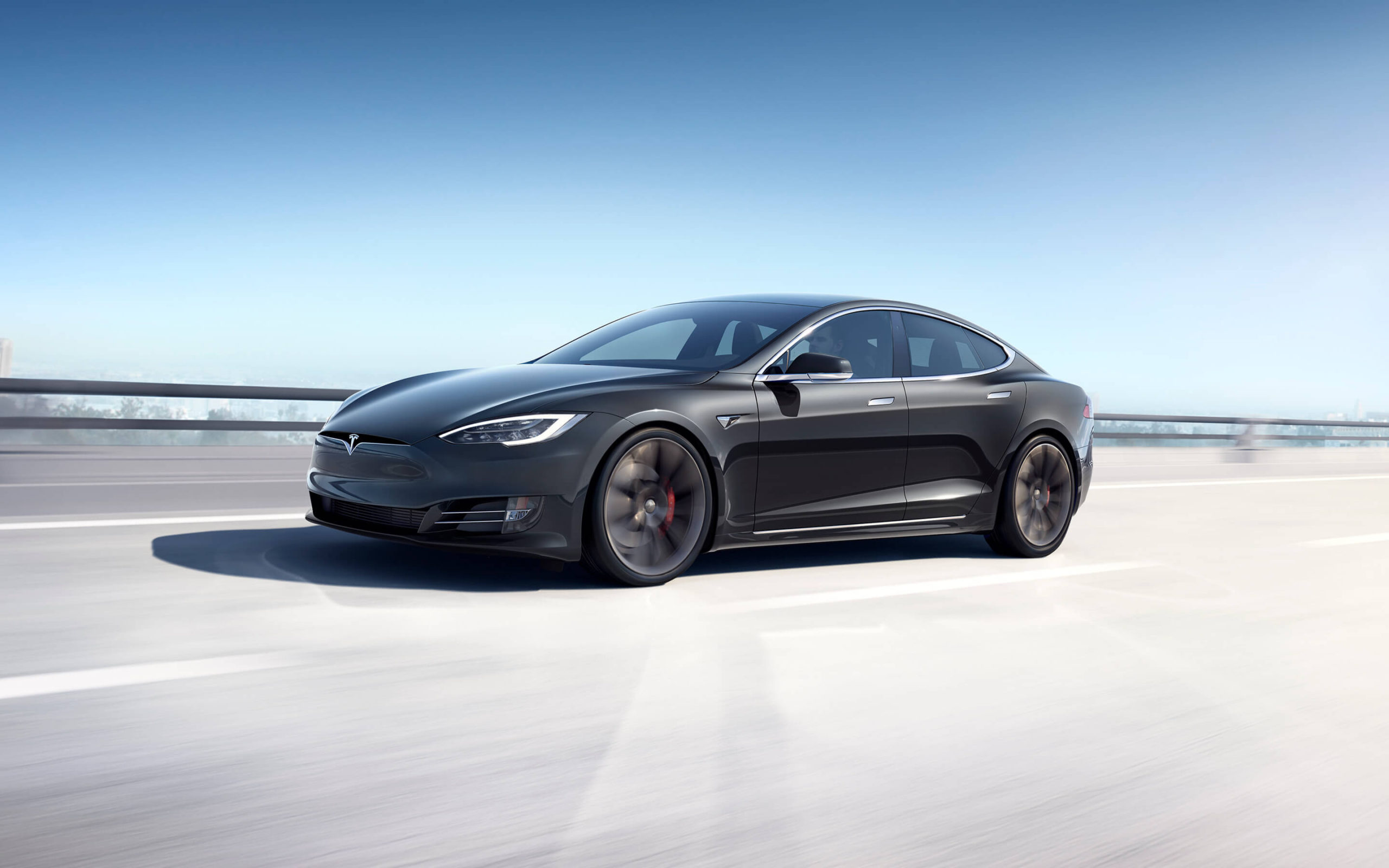
    She said the new vehicle is part of GM’s plan to surpass Tesla in EV sales.

    “We have a very important goal… that by mid-decade, by 2025, we’ll sell more EVs in the U.S. than anyone else and to do that, you need to have a portfolio of vehicles,” Barra said, noting GM plans a wide range of small to large EVs. “We definitely can scale and can do it quickly.”

    The companies said they will also discuss future battery technology collaboration for electric vehicles in a push to drive down costs.

    The deal is part of GM’s push to achieve carbon neutrality in its global products and operations by 2040 and eliminate tailpipe emissions from light-duty vehicles in the United States by 2035.

    Honda has said it aims to reach carbon neutrality on a global basis by 2050.

    The Japanese carmaker owns a stake in GM’s Cruise self-driving car subsidiary and the carmakers are co-developing the Cruise Origin autonomous EV. The companies also have a joint venture to develop and produce hydrogen fuel-cell systems at a plant in Brownstown, Michigan.

    “Honda and GM will build on our successful technology collaboration to help achieve a dramatic expansion in the sales of electric vehicles,” Honda CEO Toshihiro Mibe said.
  • Chip Undersupply To Last Until 2024, Says Volkswagen CFO Boersen-Zeitung

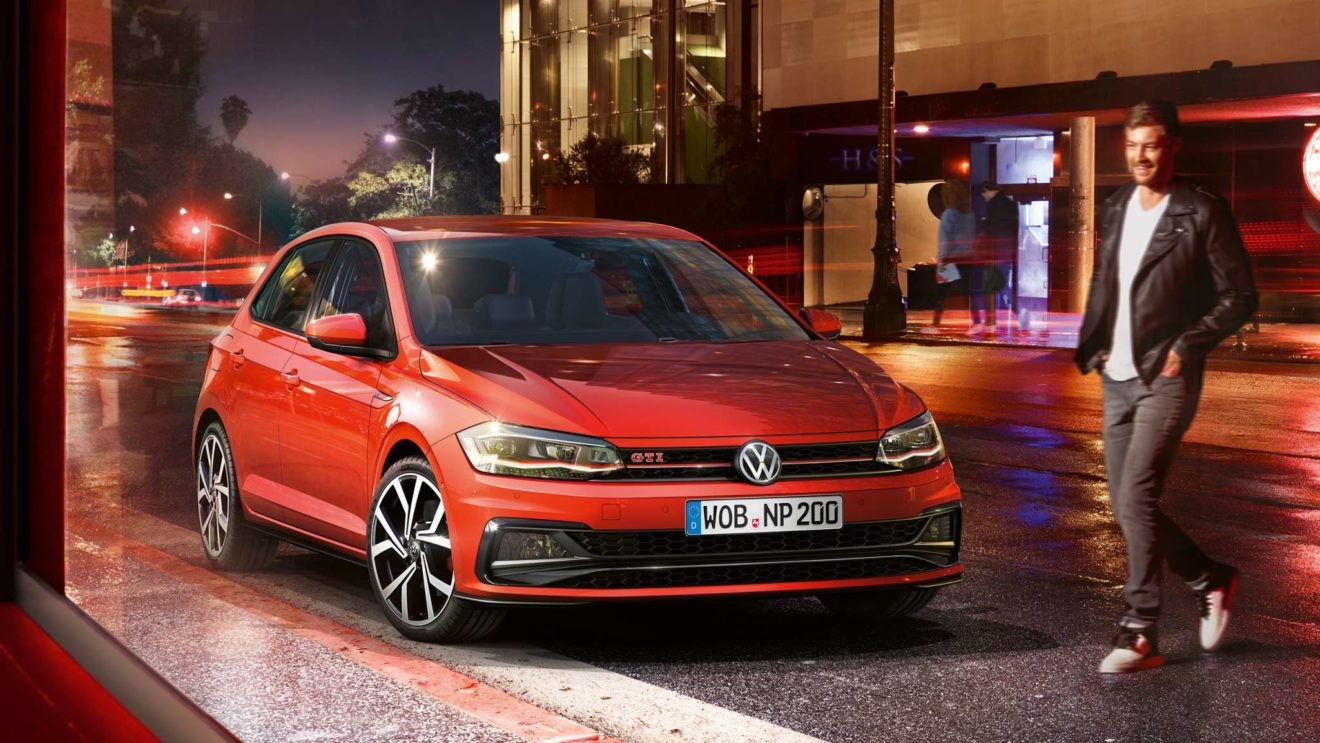
    Chip Undersupply To Last Until 2024, Says Volkswagen CFO Boersen-Zeitung

    Semiconductor chip supply is unlikely to be enough to completely satisfy demand again until 2024, Volkswagen Chief Financial Officer (CFO) Arno Antlitz said in an interview with German daily Boersen-Zeitung on Saturday.

    He said that although bottlenecks would likely begin to ease towards the end of this year, with production returning to 2019 levels next year, this would not be enough to meet heightened demand for the chips.

    “The structural undersupply will likely only resolve itself in 2024,” Antlitz said.

    A lack of wire harnesses from Ukraine was also still causing some shifts to be canceled, Antlitz said, even as the company was establishing new supplier relationships to source the component from other countries.

    Asked about how funds from a possible IPO of Porsche AG, planned for the end of the year, could be used to bolster Volkswagen’s finances, Antlitz said the money could help fund the carmaker’s software unit and its battery production plans.

    “Only those who can map out their battery supply chain have the advantage at scaling in electromobility. Securing the supply chain comes with that. A Porsche IPO could give us a lot more flexibility in financing this,” Antlitz said.

  • Toyota Joins Tesla In Developing Self-Driving Tech With Low-Cost Cameras

    Toyota Joins Tesla In Developing Self-Driving Tech With Low-Cost Cameras

    Toyota Motor unit Woven Planet has joined Tesla Inc in trying to advance self-driving technology without expensive sensors such as lidars.

    Woven Planet told Reuters it is able to use low-cost cameras to collect data and effectively train its self-driving system, a “breakthrough” that it hopes will help drive down costs and scale up the technology.

    Gathering diverse driving data using a massive fleet of cars is critical to developing a robust self-driving car system, but it is costly and not scalable to test autonomous vehicles with expensive sensors, it said.

    Tesla has been betting on cameras to collect data from over 1 million vehicles on the road to develop its automated driving technology, while Alphabet’s Waymo and other self-driving car firms added expensive sensors like lidars to a small number of vehicles.

    “We need a lot of data. And it’s not sufficient to just have a small amount of data that can be collected from a small fleet of very expensive autonomous vehicles,” Michael Benisch, vice president of Engineering at Woven Planet, said in an interview with Reuters.

    “Rather, we’re trying to demonstrate that we can unlock the advantage that Toyota and a large automaker would have, which is access to a huge corpus of data, but with a much lower fidelity,” said Benisch, a former engineering director at Lyft’s self-driving division, which Toyota acquired last year.

    Woven Planet uses cameras that are 90% cheaper than sensors that it used before and can be easily installed in fleets of passenger cars.

    Woven Planet says it uses cameras that are 90% cheaper than sensors it used previously.

    It said using a majority of data coming from low-cost cameras increased its system’s performance to a level similar to when the system was trained exclusively on high-cost sensor data.

    He said, however, Toyota would still use multiple sensors such as lidars and radars for robotaxis and other autonomous vehicles to be deployed on the road, as this currently seemed to be the best, safest approach to developing robotaxis.

    “But in many, many years, it’s entirely possible that camera type technology can catch up and overtake some of the more advanced sensors,” he said.

    “The question may be more about when and how long it will take to reach a level of safety and reliability. I don’t believe we know that yet.”

    Tesla’s CEO Elon Musk said it can achieve full autonomy with cameras this year after missing his previous targets several times.

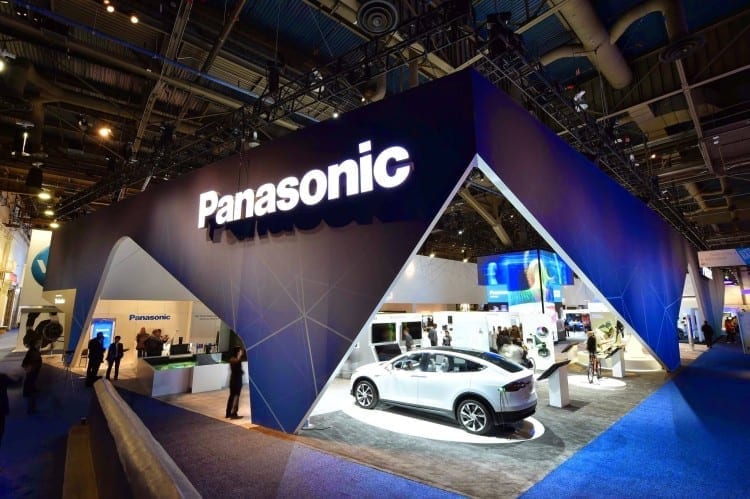
  • Panasonic Makes $5 Billion Investment For EV Batteries & Management Software

    Panasonic Makes $5 Billion Investment For EV Batteries & Management Software

    After flailing through the 2000s as a consumer electronics giant and missing out on the mobile boom, Panasonic found itself a new life with electric cars taking off when Elon Musk and Tesla made the bold and audacious bet on the industry in the mid-2000s. Now, to complete its reinvention it has announced an investment of $4.9 billion which is for batteries and supply chain software as this industry becomes central to Panasonic.

    Panasonic is not betting the farm on electric cars as a big chunk of this investment is also on hydrogen fuel cell-based solutions. Panasonic is targeting an overall operating revenue of $12.2 billion in the next three years.

    Panasonic is a 104-year-old company that used to be one of the top consumer electronics players alongside the likes of Sony but in the 2000s its star started to fade. Its new CEO Yuki Kusuma has pivoted Panasonic towards electric car batteries. In fact, he backed the project behind Tesla’s tab-less battery cells that are now being deployed by the world’s most valuable automaker.

    It is in talks for a site for manufacturing these batteries in the US and chances are the multi-billion dollar plant. While doing this, it is also doubling down on supply chain software and battery management tools. It acquired Blue Yonder in 2021 for $7.1 billion which will now be deeply embedded in Panasonic’s hardware.

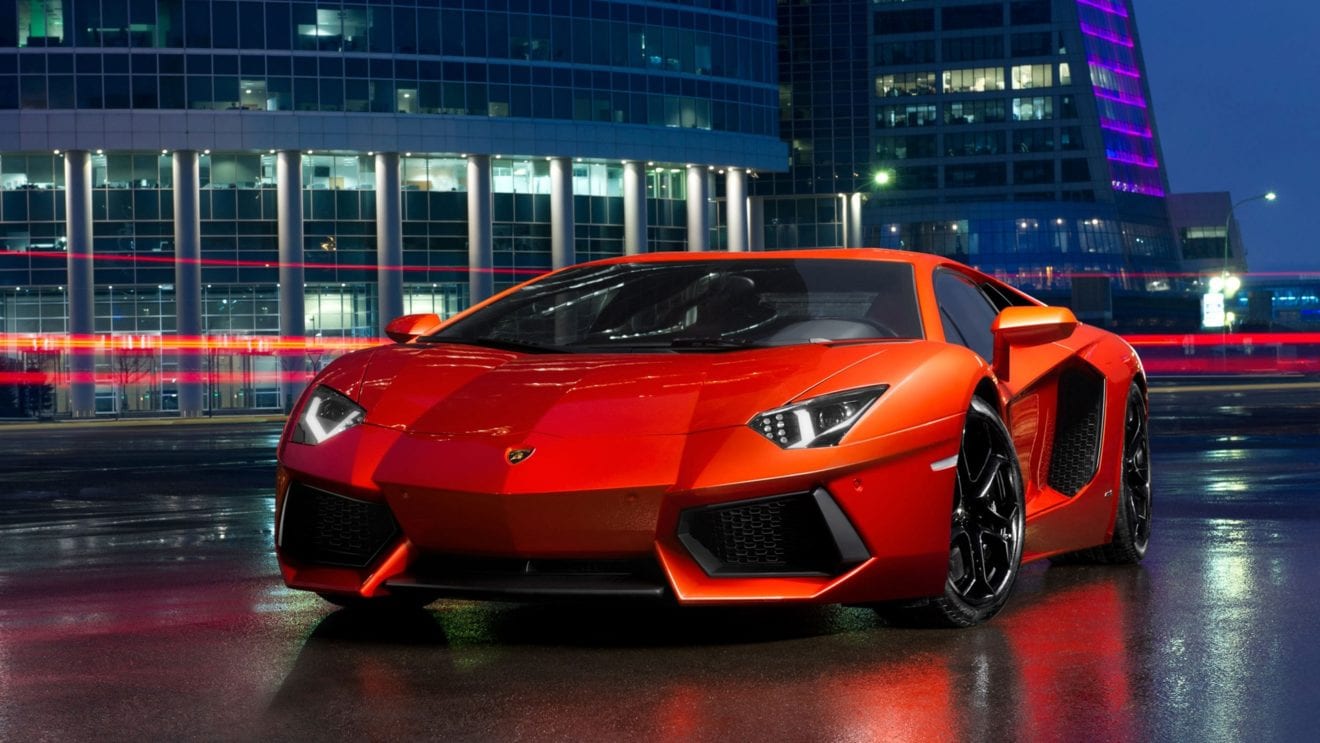
  • Lamborghini returns to Vietnam

    Lamborghini returns to Vietnam

    Luxury car brand Lamborghini is set to return to Vietnam in the second quarter after disappearing for over a year.

    The Italian company has selected S&S Automotive as its new distributor in Vietnam to replace CT Wearnes. It did not state why the partnership with CT Wearnes ended.

    S&S Automotive, which also distributes luxury brands Rolls-Royce and McLaren, said the new Lamborghini showroom is being constructed and will begin operation in the second quarter.

    The showroom will be in District 1, Ho Chi Minh City, where the other two brands Rolls-Royce and McLaren are available.

    S&S Automotive has also put into operation a new maintenance facility in Tan Binh District for both Lamborghini and Rolls-Royce cars.

    Lamborghini was considered the first luxury car brand to enter Vietnam when it launched a showroom in Hanoi, which was open until 2018.

    The brand then opened a new showroom in District 7, HCMC, by the end of 2020 via CT Wearnes.

    As most car import activities shut down early last year, CT Wearnes showrooms in District 7 stopped displaying cars of French brand Renault and Lamborghini.

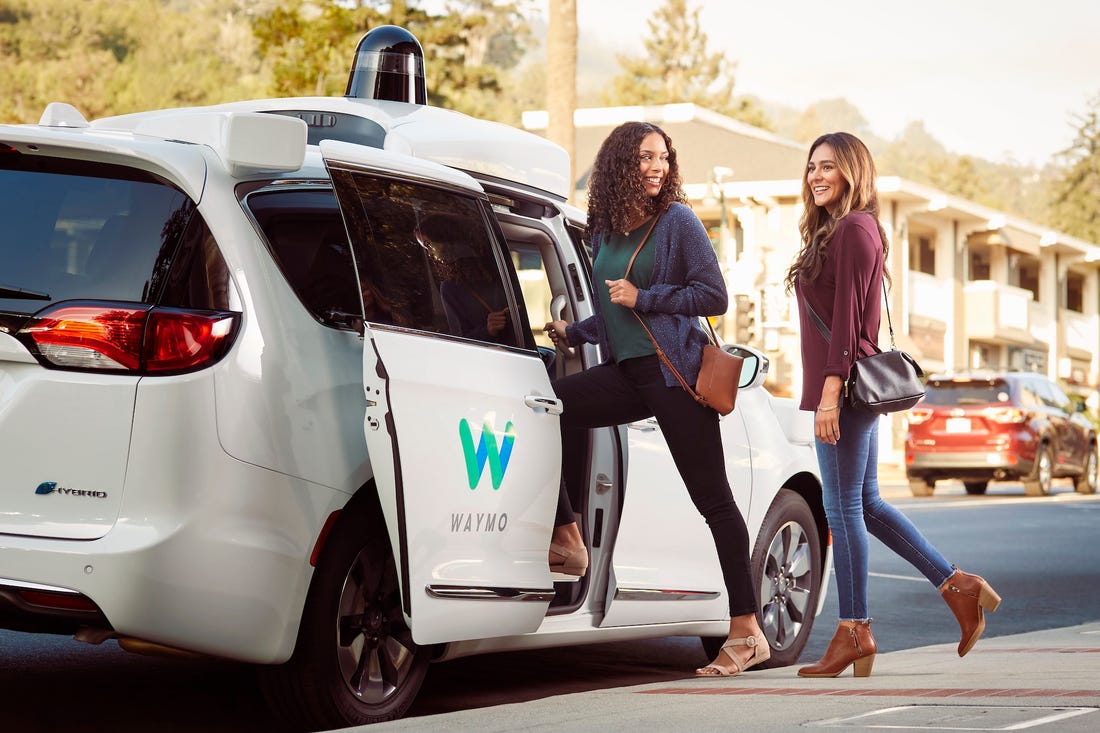
  • Waymo Offers Driverless Rides To San Francisco Employees, Expands In Phoenix

    Waymo Offers Driverless Rides To San Francisco Employees, Expands In Phoenix

    Alphabet Inc unit Waymo said on Wednesday it has started offering driverless rides to employees in San Francisco, accelerating a race with General Motors Co-backed rival Cruise to commercialize the technology in the dense city.

    Waymo also introduced autonomous rides to employees in downtown Phoenix with safety drivers behind the wheel, with a goal to open it to public testing.

    “Operating fully autonomously in multiple markets – in addition to Waymo’s growing trucking operations – is a critical validator of the scalability of Waymo’s operations and technology,” it said in a statement.

    A self-driving technology pioneer, Waymo started the first U.S. driverless taxi service in 2020, over a decade after it was born in 2009 as a project inside Google. While it gives paid rides to hundreds of people a week using Chrysler minivans, Waymo’s service has not expanded beyond suburban Phoenix areas that cover about 50 square miles (129.5 square kilometers).

    Waymo in August started giving autonomous rides free of charge to a limited number of people in San Francisco with safety drivers on board, using its Jaguar electric vehicles equipped with sensors such as spinning lidars on the top.

    Waymo needs to receive at least two more permits from the California Department of Motor Vehicles (DMV) and the California Public Utilities Commission (CPUC) to start charging passengers for driverless rides in San Francisco.

    Waymo declined to comment on whether it had applied for the permits.

    Cruise already is giving fully driverless rides to employees and members of the public free of charge in San Francisco. The company is seeking CPUC approval for commercial driverless service, with a goal to get permitted this year.

    Self-driving technology firms, which have attracted billions of dollars of investments, face challenges of scaling up their technology, after missing their earlier targets to launch commercial services.

  • Thais Turn To EVs At Motor Show As Petrol Prices Soar

    Thais Turn To EVs At Motor Show As Petrol Prices Soar

    Thousands attended the Bangkok International Motor Show this week where electric vehicles (EVs) were in the spotlight due to rising petrol prices and a government subsidy taking 15% off the price of some EV cars.

    Thailand, along with most other countries in Southeast Asia, has been slow off the blocks to embrace EVs, but demand is starting to gain momentum with Chinese carmakers, in particular, producing cheaper models and increasingly targeting the region.

    “I can’t handle paying for the price of gas anymore, so I’m here looking to buy an electric car,” said Natnicha Srimuang, who purchased an EV at the motor show. Thai gasoline prices are around 40 baht ($1.20) per litre, up 50% from last year.

    Some see a switch to EVs as a way to save money longer-term.

    “I (want) to invest my money in a good electric car that fits my lifestyle,” said Patricia Duangcham, who said she expects to save thousands of baht a month from the purchase.

    The combination of energy price concerns and more affordable models will help spur EV adoption, said Michael Chong, general manager of Great Wall Motor Thailand.

    This year’s motor show was also the first since government subsidies for EV buyers were introduced.

    While many global car makers displayed EVs, there were long queues to take a peek inside Great Wall Motor’s competitively priced ‘ORA Good Cat’ model.

    Domestic demand for EVs is a crucial part of a Thai government strategy to preserve its status as a major regional automaker. The government is targeting production of 725,000 EV units a year, or 30% of total vehicle output, by 2030.

    Thailand is Asia’s fourth-largest auto assembly and export hub for companies like Toyota Motor Corp and Honda Motor Co Ltd.

    State-owned energy firm PTT Pcl has teamed up with Taiwan’s Foxconn to produce EVs in Thailand by 2024.

    China’s Great Wall Motor also plans to produce EVs in Thailand in two years’ time.

    The demand for EVs has been picking up in Thailand, though from a low base. Last year, the number of registered fully electric cars doubled to about 4,000, though that still pales in comparison with total domestic car sales of 759,119 last year.

    Despite the hype around EVs, some attending the motor show intend to stick to combustion engines due to concerns about the new technology.

    “(The) EV car is only starting, and no one knows what kind of problems are going to happen,” said Ponchai Lertlai, 59.

  • Swiss Re, Baidu Team Up In Autonomous Driving Business

    Swiss Re, Baidu Team Up In Autonomous Driving Business

    Swiss Re and Chinese tech group Baidu are teaming up to help advance autonomous driving, the Swiss reinsurer said on Friday.

    Swiss Re will provide risk management expertise and insurance products for Baidu’s autonomous driving business, it said without giving any financial terms.

    “This partnership will advance risk management research and insurance protection for autonomous vehicles, representing an important step forward in building a comprehensive ecosystem of mobility services,” Swiss Re said in a statement.

  • Tesla, Lucid Supplier LGES Plans To Build $1.4 Billion Battery Factory In Arizona

    Tesla, Lucid Supplier LGES Plans To Build $1.4 Billion Battery Factory In Arizona

    LG Energy Solution (LGES), a supplier for electric car makers Tesla and Lucid, said on Thursday in Korea it plans to invest 1.7 trillion Korean won ($1.4 billion) to build a battery factory in Arizona by 2024 to meet demand from “prominent startups” and other North American customers.

    This will be its first U.S. factory to make cylindrical cells, a type of battery that has been used in Tesla and Lucid vehicles, LGES said. Construction will begin in the second quarter of 2022, with mass production to start in 2024 with production capacity of 11 gigawatt hours, LGES said in a statement.

    Earlier, Reuters reported that potential customers would include EV makers Tesla, Lucid and Proterra and Philip Morris, maker of IQOS heated-tobacco sticks, among others. The report cited people familiar with the matter.

    LGES said in a statement that it plans to consider securing additional production capacity at its Arizona factory in the future.

    “The Arizona factory could add further production capacity in the future as we are seeing growing demand for cylindrical batteries from various customers, including automakers and power tool makers,” said an official at LGES.

    On Tuesday, Tesla Chief Executive Officer Elon Musk said battery production would be “the limiting factor” for vehicle production in two to three years. He has called on suppliers to raise production, while Tesla starts making cells itself.

    Tesla, Lucid and Proterra did not immediately respond to requests for comment. Philip Morris declined to comment.

    Japan’s Panasonic Corp, a Tesla supplier, along with Contemporary Amperex Technology Co Ltd, is also looking to invest billions of dollars to build a factory to make a new type of electric vehicle (EV) battery for Tesla, public broadcaster NHK reported this month.

    Panasonic is looking at building the factory in either Oklahoma or Kansas, not far from Tesla’s new Texas vehicle plant, NHK reported.

    Lucid Chief Financial Officer Sherry House told Reuters last month the company, which has a car factory in Arizona, had signed multi-year supply agreements with two battery suppliers, and the agreement “does have some capacity coming from state-side cell lines.”

    She did not identify the companies. Lucid sources batteries from LGES and Samsung SDI.

    LGES, which raised more than $10 billion in its initial public offering in Korea in January, has announced a flurry of battery joint ventures with GM and Stellantis in the United States and Canada.

    In August, U.S. President Joe Biden signed an executive order aimed at making half of all new vehicles sold in 2030 electric.

  • VW To Give Its Green Light For Audi, Porsche To Enter F1

    VW To Give Its Green Light For Audi, Porsche To Enter F1

    Audi and Porsche owner Volkswagen is likely to give the green light for the two brands to make their entry into motor racing’s Formula One at a meeting next week, two sources familiar with the matter said on Thursday.

    “We will hopefully be able to communicate our intention to enter into Formula One then,” one of the sources said, with the second adding there was a “good chance” of a positive decision.

    Volkswagen declined to comment. The news was first reported by Business Insider.

    There has long been a talk of Audi and Porsche forming partnerships with existing Formula One teams, their most likely method of entry into the highest class of international racing.

    Audi and McLaren denied reports last year that a partnership between the two brands had already been formed but said that it was under discussion, with a decision to be expected this year.

    Audi will offer around 500 million euros ($556.30 million) for McLaren, one source said, while Porsche intends to establish a long-term partnership with racing team Red Bull starting in several years’ time.

    Volkswagen has not previously been involved in Formula One but has worked with Red Bull, notably in the world rally championship. McLaren and Red Bull were not immediately available to comment.

    A source told Reuters in November that Volkswagen’s ultimate decision will rest on whether Formula One follows through on its plans to switch to synthetic fuels by 2026, and on McLaren’s progress regarding electrification of its vehicles.

    Volkswagen has invested the most of any global carmaker by far in electric vehicle production and batteries in an attempt to clean up its image from the Dieselgate emissions scandal and remain in line with governmental carbon reduction targets.

    The decision comes as Volkswagen grapples with the uncertainty of the impact of the Ukraine war on its finances, which will also be discussed at next Thursday’s meeting.

  • VinFast to build $2-bln electric auto plant in US

    VinFast to build $2-bln electric auto plant in US

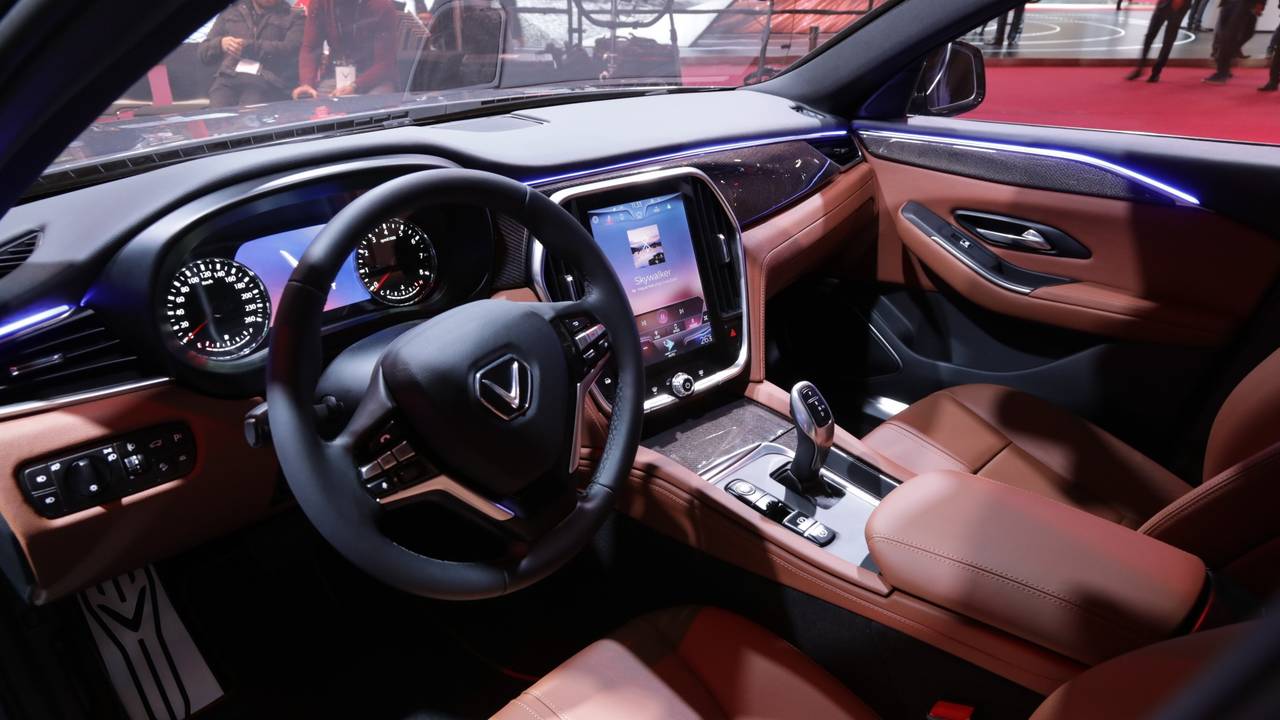
    Automaker VinFast has signed a deal with North Carolina state in the U.S. to build a $2-billion plant to make electric buses, cars, and auto batteries. It is set to finish by July 2024, when it will have a capacity of 150,000 units a year, VinFast said in a statement Wednesday. Investment in the plant will eventually double to $4 billion.

    U.S. President Joe Biden claimed in a statement Tuesday that the plant, which will create more than 7,000 jobs and hundreds of thousands of electric vehicles and batteries, is the latest example of his economic strategy at work.

    “Our efforts to build a clean energy economy are driving companies to make more in America, rebuild our supply chains here at home, and ultimately bring down costs”.

    The announcement is the latest move by VinFast, a subsidiary of Vietnam’s biggest private company, Vingroup, in its efforts to become a global electric vehicle manufacturer.

    It is targeting sales of 42,000 this year after starting to deliver cars in the U.S., Canada, France, Germany, and the Netherlands in late 2022.

    Outside of North America, it is looking to set up a plant in Germany, the company had said in January.

    VinFast’s VF8 and VF9 electric SUVs cost from $41,000 to $61,000 in the U.S. By comparison, a Tesla SUV sells for around $63,000.

    The company became Vietnam’s first indigenous car manufacturer in 2019 and plans to transition completely to electric vehicles this year.

  • Australian Researchers To Study How Tesla Car Batteries Can Power Grid

    Australian Researchers To Study How Tesla Car Batteries Can Power Grid

    Australia’s University of Queensland (UQ) on Wednesday said it would recruit Tesla Inc car owners around the world to analyze if the vehicle’s spare battery capacity could support the energy grid and even power homes in the future. The university has partnered with analytics platform Teslascope for the research project, which it said would be a world-first trial that would check how owners of electric vehicles (EV) currently drive and charge their vehicles. For the first phase of the study, Tesla owners in Australia, the United States, Canada, Norway, Sweden, Germany, and Britain can apply. The program could be expanded later to include other electric vehicle companies.

    With increasing numbers of electric vehicles globally, scientists are looking to find how the batteries can provide other cleaner energy services besides helping lower emissions in the transport industry. Researchers at UQ said most EVs are driven only one-eighth of their daily driving range of 400 km (249 miles), providing opportunities to store energy and export power to the grid using vehicle-to-grid (V2G) chargers. “(The study) will not only help to inform EV policy internationally but importantly assess the feasibility of using EVs as batteries-on-wheels,” Jake Whitehead, Research Fellow at UQ, told Reuters.

    V2G technology is a connection between the EV and the grid through which power can flow from the grid to the vehicle and vice-versa. That potentially enables car owners to sell energy to the network, while utilities could use electric cars as a backstop during peak demand periods. The study, which aims to initially recruit 500 Tesla owners, will collect usage data through the vehicle’s software interface and in return users will be offered a free premium subscription to Teslascope for a year. Australia last week pledged A$178 million ($132 million) to ramp up the rollout of charging stations for electric vehicles but did not set targets to phase out petrol cars.

  • Geely Unit Lotus Tech Aims To Raise Up To $500 Million In Funds

    Geely Unit Lotus Tech Aims To Raise Up To $500 Million In Funds

    Lotus Technology, a new unit of China’s Geely set up to develop the technology to power Lotus sports cars, is planning to raise $400 million to $500 million before the end of this year, its chief financial officer told Reuters.

    Lotus Technology, part of Group Lotus which is in turn owned jointly by the Chinese automaker and Malaysia’s Etika Automotive, intends to kick off the funding round before Christmas, Alexious Lee said in an interview.

    That will give Lotus Technology a post-money valuation – the value of a company after a round of financing from external investors – of $5 billion to $6 billion, Lee added. Lee said the firm will launch its first product – an electric sports utility vehicle – in the first quarter of next year and aims to have three models within the next five years.

    “We have gotten a lot of traction, especially from international investors, because wow, this is Lotus,” said Lee, adding that the company was looking to sell a 10% to 15% stake.

    The company will spend more than half the new funds on research, and 30%-40% on marketing with the remainder going to working capital. Lee said Lotus Technology remained on track for a potential initial public offering as soon as 2023, likely in New York or Hong Kong. Lotus Cars, the maker of the Lotus Esprit, famously driven by James Bond in 1977’s “The Spy Who Loved Me”, positions its vehicles in a segment similar to rival Porsche. It is set to open a new factory in Wuhan, China next year.

    “We are an asset light business because we don’t own our own manufacturing. It’s owned by our parents,” said Lee.

    Premium and luxury car sales are growing in China as coronavirus pandemic travel restrictions leave consumers in the world’s biggest car market with more money to spend. Lotus Tech’s investors include Nio Capital, an investment firm founded by the CEO of Chinese electric vehicle maker Nio Inc, which valued the unit at 15 billion yuan in September.

  • Swiss Set To Drop Criminal Probe Of VW Emissions Scandal

    Swiss Set To Drop Criminal Probe Of VW Emissions Scandal

    Swiss federal prosecutors are set to drop a nearly five-year criminal investigation into Volkswagen’s diesel emissions scandal after concluding they did not have a strong enough case to file charges, they said on Tuesday.

    The Office of the Attorney General said it had informed the German carmaker and its Swiss dealership arm this month “that it considers the investigation to be complete and intends to drop the case,” it said in a statement, confirming a report by broadcaster SRF.

    The defendants and private plaintiffs can still review the case file and submit more evidence before the case is closed officially, it said.

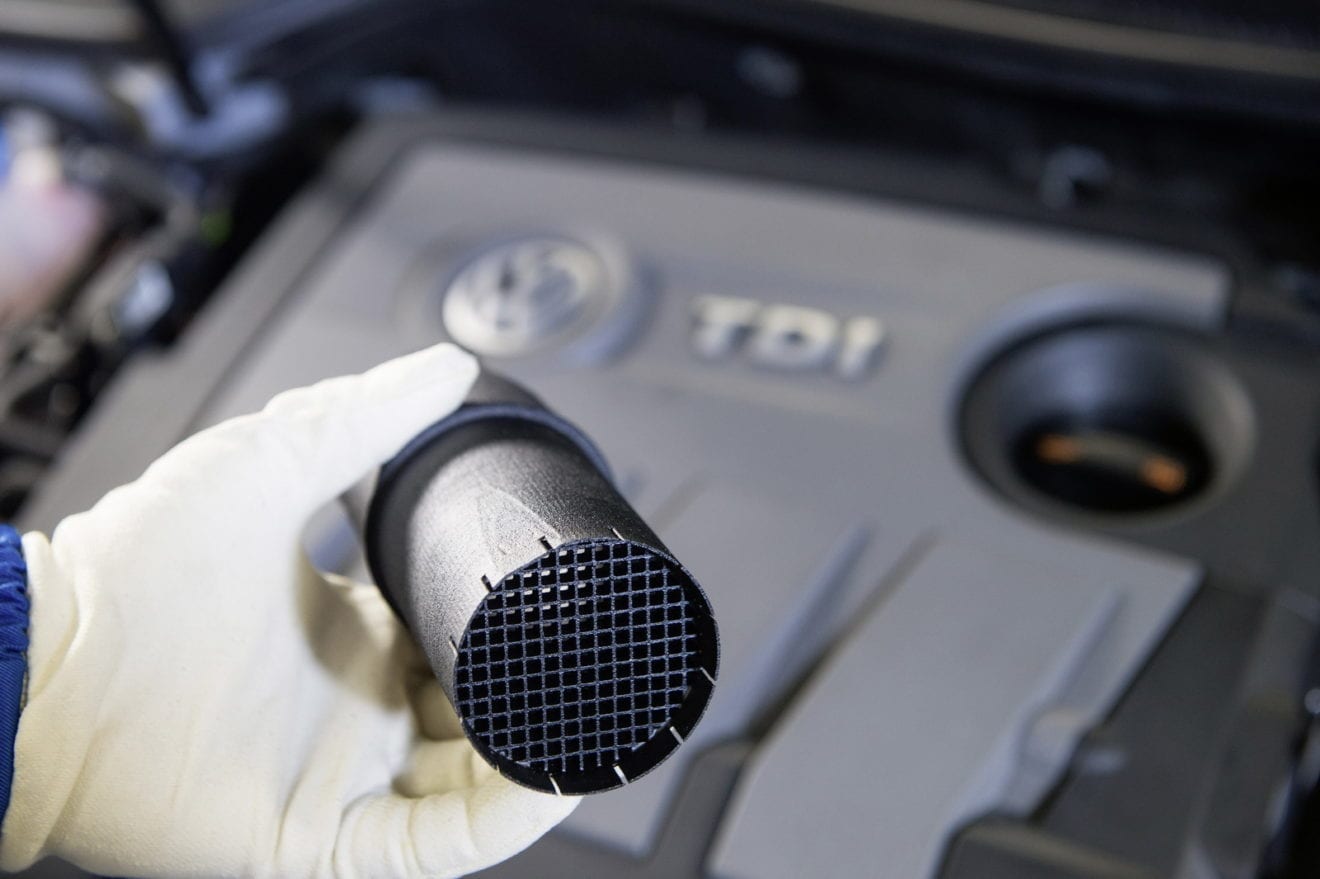
    VW admitted in September 2015 it had installed secret software in hundreds of thousands of U.S. diesel cars to cheat exhaust emissions tests and make the cars appear cleaner than they were, and that as many as 11 million vehicles could have similar software installed worldwide.

    SRF said Swiss plaintiffs could still claim damages through civil law, noting VW has already paid out billions abroad.

    Swiss prosecutors opened criminal proceedings after a court ruled they must conduct their own investigation into hundreds of complaints lodged in Switzerland.

    The case centred on the potential damage to around 175,000 customers who bought or leased VW group vehicles with diesel motors that at least some VW officials must have known had been manipulated.

    SRF said Swiss plaintiffs could still claim damages through civil law, noting VW has already paid out billions abroad. “But without official culprits, such proceedings in Switzerland are very costly and difficult for individuals,” it added.

    Contacted by Reuters on Tuesday, VW had no immediate comment.

  • China EV Maker Nio Says It Has No Plans To Raise Prices In Short Term

    China EV Maker Nio Says It Has No Plans To Raise Prices In Short Term

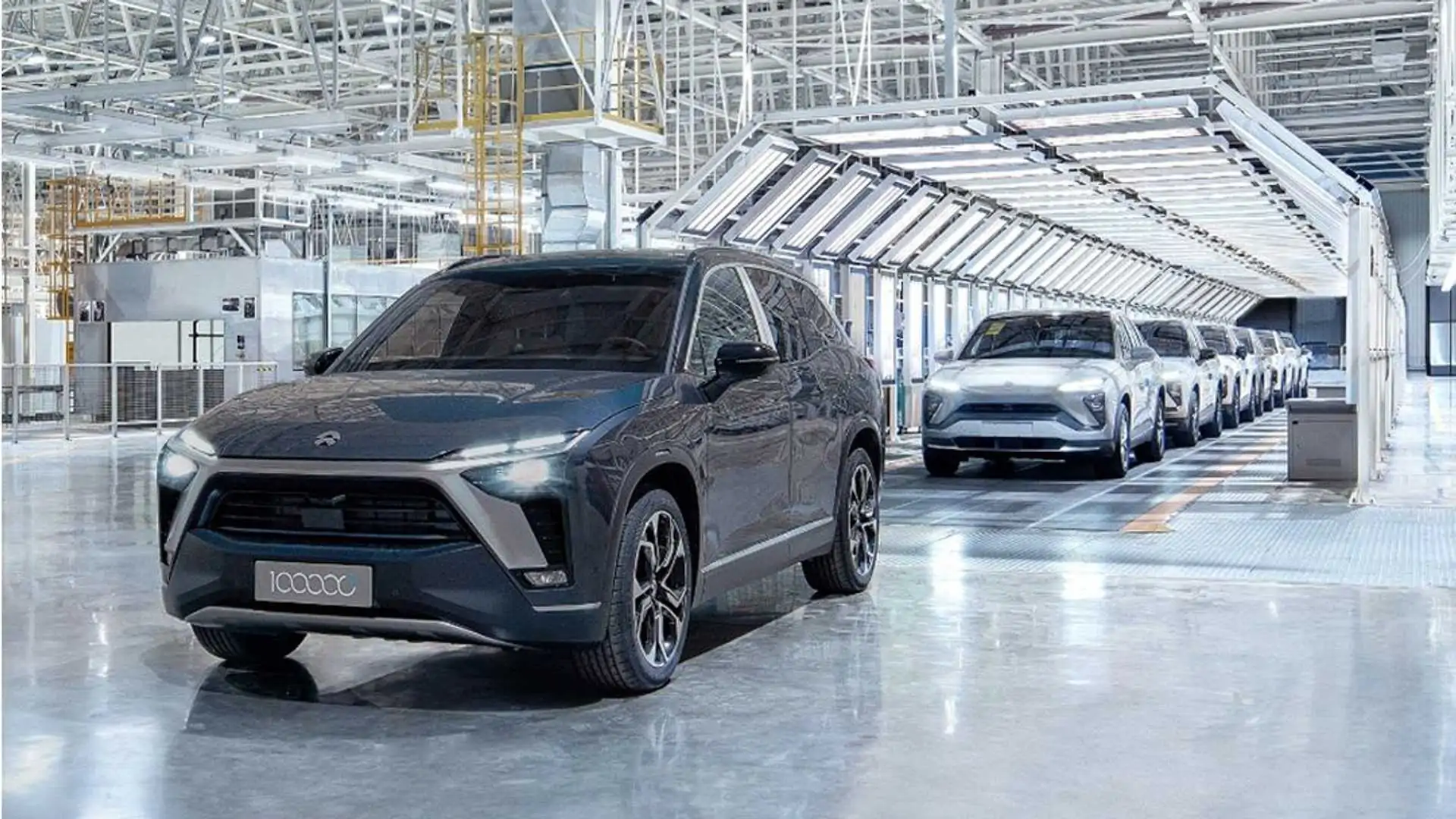
    Chinese electric vehicle (EV) manufacturer Nio said on Monday that it had no intentions to raise prices in the short term, but that it would be flexible on its decision making given evolving circumstances.

    Nio said in a statement that raw material prices and chip supply and demand were causing large changes to supply chain costs.