Category: Automotive

Retail News Asia is committed to providing both local and global retailers with the latest Auto and Car news throughout the Asian market. This on a daily base.

  • Ford Says European Production Hit By Chip Shortage, Ukraine Conflict

    Ford Says European Production Hit By Chip Shortage, Ukraine Conflict

    Ford Motor said on Monday vehicle production and orders in Europe have been hit by the global semiconductor shortage as well as the conflict in Ukraine.

    The U.S. automaker said it will idle its German plants in Saarlouis and Cologne, mostly due to the global chip shortage. That also led it to stop taking new orders for the S-Max and Galaxy vehicles built in Valencia, Spain. Ford said it has orders for both products that take it beyond September and that existing orders will be fulfilled.

    Russia’s invasion of Ukraine also has caused parts shortages at a Volkswagen plant in Poland that builds Ford’s Tourneo Connect vehicle, leading to a temporary halt of production, Ford said.

    “We continue to monitor the situation on a daily basis in conjunction with our partners at VW and will have more to say on this at a later date,” Ford said in a statement.

    The Ukraine conflict has also led to supply issues that have forced Ford to offer consumers the Focus car with a smaller, 8-inch dashboard screen, instead of the 13.2-inch SYNC4 screen that was part of the updated vehicle’s introduction, the company said, without providing details.

  • Chinese Automakers See Thailand EV Boost From Government Incentives

    Chinese Automakers See Thailand EV Boost From Government Incentives

    Chinese automaker Great Wall Motor has signed an agreement with Thailand’s government to slash retail prices of its electric vehicles, an executive said on Tuesday, a move aimed at boosting domestic EV sales and production.

    The agreement, which involves a government subsidy and reduction in value-added tax, could save customers up to 160,000 baht ($4,779) per unit, Michael Chong, General Manager of Great Wall Motor Thailand told Reuters.

    That would apply to vehicles typically priced 1 million baht, representing a saving of about 13-15%.

    “This is very beneficial for our customer because this price is more affordable,” he said at the annual Bangkok International Motor Show.

    A similar agreement has also been signed with the rival automaker, SAIC-CP Motor, the Thai unit of SAIC Motor Corp, the finance ministry said on Monday.

    Those come as Thailand tries to incentivize EV use and preserve its status as a major regional automaker. The government is targeting the production of 725,000 EV units a year, or 30% of the output by 2030.

    Chong said other factors like rising energy prices were also driving EV demand.

    “Oil prices keep increasing, so people who buy ICE (internal combustible engine) will feel it’s more expensive,” Chong said, adding that EVs would help make air cleaner, something Thailand’s capital has struggled with.

    Great Wall Motor in 2020 took over the General Motors plant in Thailand, Asia’s fourth-largest auto assembly and export hub.

    Auto manufacturing accounts for about 10% of Thai gross domestic product and manufacturing jobs.

    This year the firm plans to sell 20,000 units in Thailand between its two brands, the BEV Ora Good Cat and Haval SUVs, Chong added. It plans to locally produce EVs in 2024.

    But the transition will take time, however, with less than 4,000 fully-electric vehicles registered in Thailand last year, and manufacturing investments still being made in conventional engines.

    These include U.S. automaker Ford, which invested $900 million to upgrade its Thai factories to build its Ranger pickup truck and Everest SUV.

    “ICE is going to be around for a while,” said Andrea Cavallaro, Ford Operations Director, International Market Group, adding EV technology and infrastructure has yet to be adopted across Southeast Asia.

  • Elon Musk Giving ‘Serious Thought’ To Build A New Social Media Platform

    Elon Musk Giving ‘Serious Thought’ To Build A New Social Media Platform

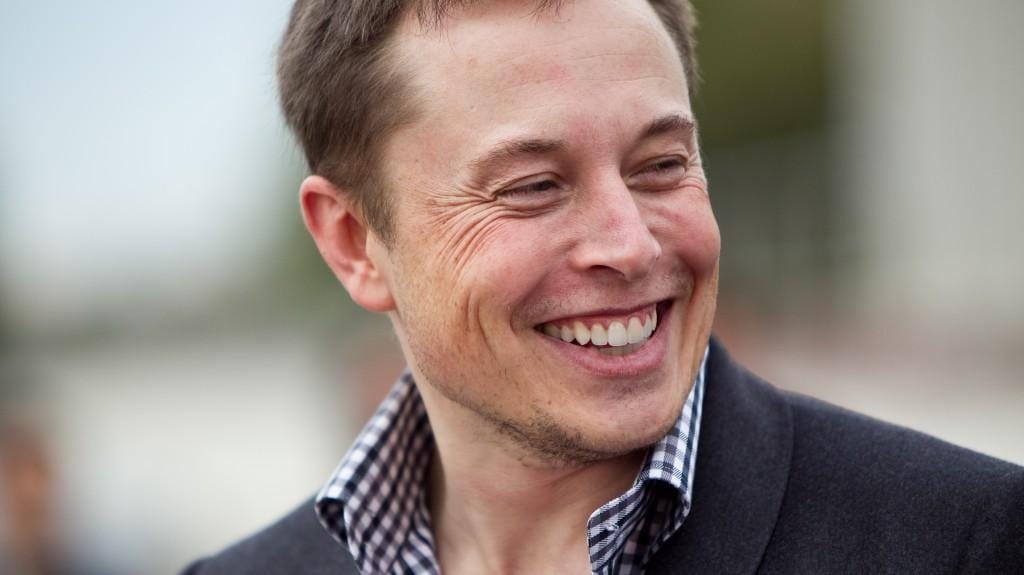
    Tesla Inc Chief Executive Officer Elon Musk is giving “serious thought” to building a new social media platform, the billionaire said in a tweet on Saturday.

    Musk was responding to a Twitter user’s question on whether he would consider building a social media platform consisting of an open-source algorithm and one that would prioritize free speech, and where propaganda was minimal.

    Musk, a prolific user of Twitter himself, has been critical of the social media platform and its policies of late. He has said the company is undermining democracy by failing to adhere to free speech principles.

    His tweet comes a day after he put out a Twitter poll asking users if they believed Twitter adheres to the principle of free speech, to which over 70% voted “no”.

    “The consequences of this poll will be important. Please vote carefully,” he said on Friday.

    If Musk decides to go ahead with creating a new platform, he would be joining a growing portfolio of technology companies that are positioning themselves as champions of free speech and which hope to draw users who feel their views are suppressed on platforms such as Twitter, Meta Platform’s Facebook and Alphabet-owned Google’s YouTube.

    None of the companies, including Donald Trump’s Truth Social, Twitter competitors Gettr and Parler and video site Rumble, have come close to matching the reach and popularity of the mainstream platforms so far.

  • Ferrari Drops First Official Teaser For Purosangue SUV

    Ferrari Drops First Official Teaser For Purosangue SUV

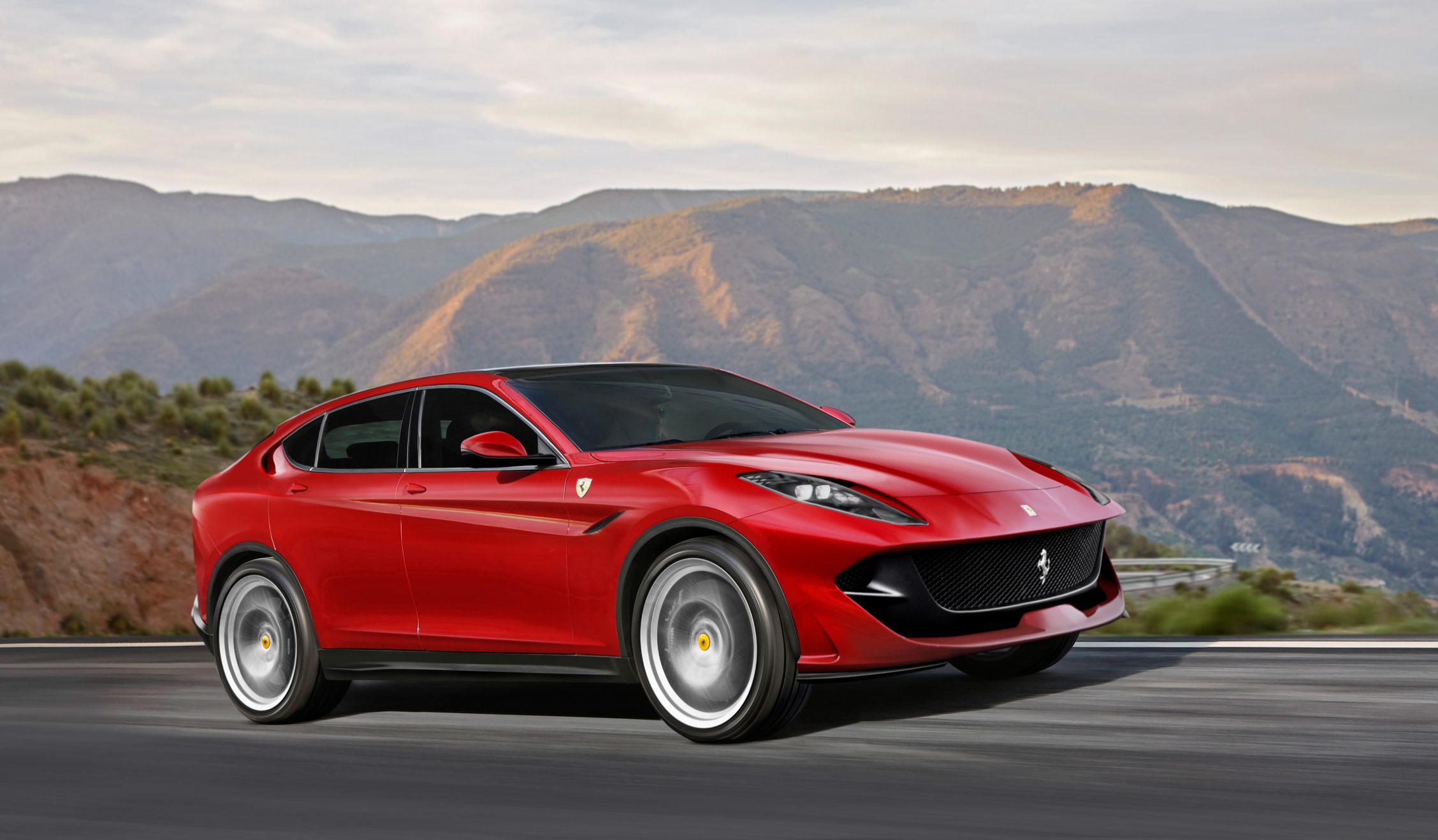
    Italian marque Ferrari has dropped the first official teaser for its first-ever SUV, the Purosangue. The hotly-anticipated model has been a part of the folklore much before Ferrari officially announced its intention to build one and has been at the receiving end of some polarising opinions over the years. While some have been calling it blasphemous for straying too far from the brand’s origins, the others see it as an evolutionary tale of changing times and customer needs. Either way, the Ferrari Purosangue will be the four-door SUV and it will make its public debut sometime later this year, going by the brand’s Instagram post.

    The teaser image offers a shadowed look at the front profile but little tweaks that include turning the brightness all the way up gives a clearer look at some of the design details. The split headlamp design has been borrowed from the SF90 and the F8 Tributo supercars. There’s more muscle though and a slightly more heft in the design.

    There’s no word on the powertrain yet but the Purosangue is expected to draw power from a twin-turbo V8 engine that could make about 700 bhp. A smaller V6 hybrid cannot be ruled out either. Power will be sent to all four wheels via a dual-clutch transmission. A V12 is less likely but maybe that’s the redemption key that would turn naysayers into fans of the “FUV.”

    More details on the upcoming Ferrari Purosangue will be available later in the year. And you can expect more teasers to follow. Production will begin in 2022 while deliveries are likely to begin sometime in 2023. Can the Purosangue replicate the Lamborghini Urus’ success? We’ll find out soon enough.

  • Elon Musk Claims Master Plan 3 Will Scale Tesla To Extreme Size

    Elon Musk Claims Master Plan 3 Will Scale Tesla To Extreme Size

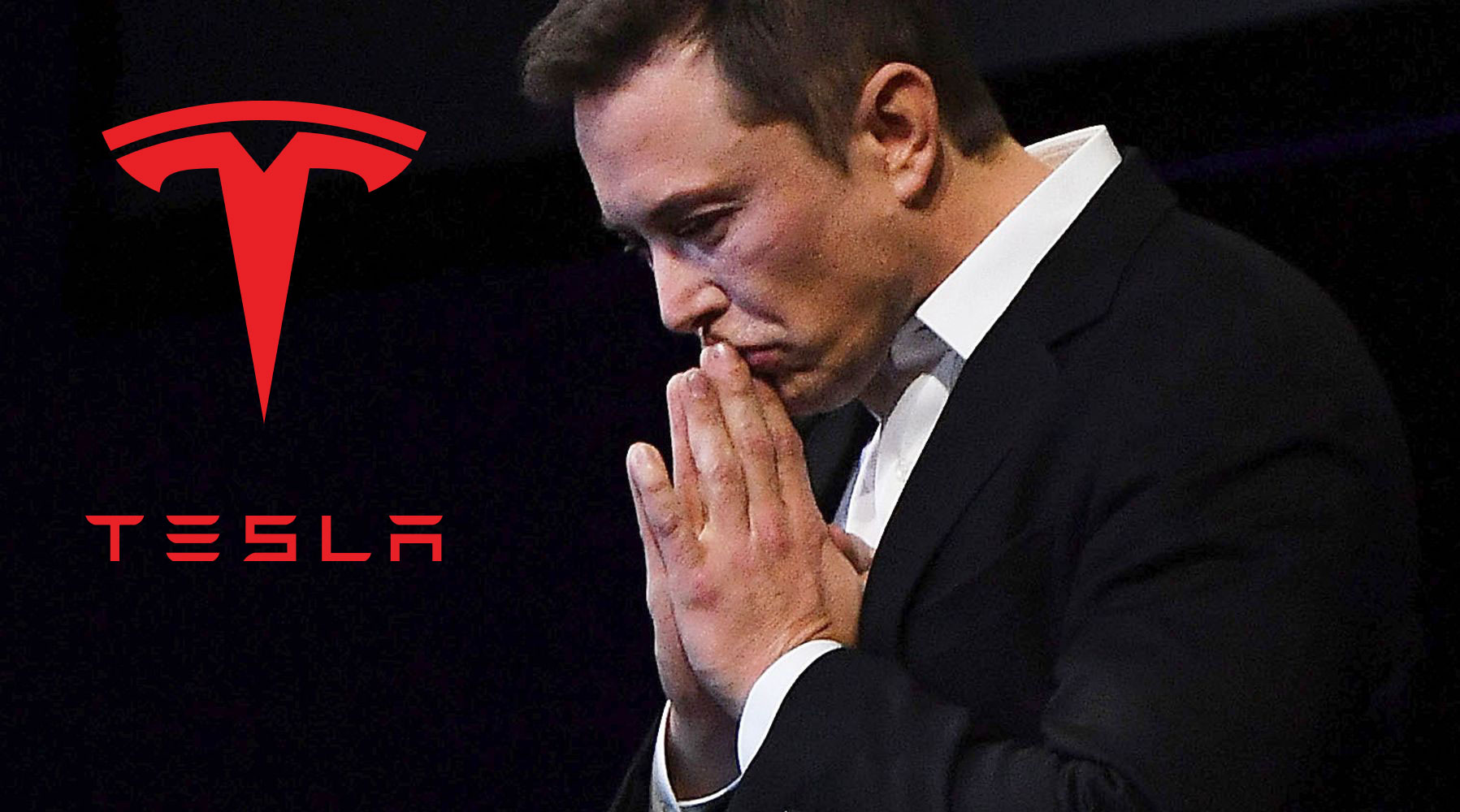
    As Tesla opened its Berlin gigafactory, its CEO (techno king) Elon Musk who is the world’s wealthiest human, revealed that his electric car company will scale to an extreme size thanks to the third iteration of his master plan.

    Musk revealed that master plan 1 and 2 were stepping stones in Tesla’s journey towards becoming the preeminent electric car maker in the world, but now master plan 3 is coming. On Twitter, the South African revealed that he would be working towards scaling Tesla towards an extreme size.

    “Main Tesla subjects will be scaling to extreme size, which is needed to shift humanity away from fossil fuels, and AI,” he tweeted.

    Tesla’s aim is achieve a production capacity of 20 million vehicles by 2030 that’s than double of what the Volkswagen group and Toyota produce currently. Volkswagen and Toyota are around 10 million units per year right now and in eight years, Musk wants Tesla to double this number.

    Musk wants to get control of Tesla’s supply chain and manufacturing so that it can scale to these levels; since the global supply chain has been fractured thanks to a combination of the pandemic and geopolitical issues.

    As a part of this master plan, Musk will include his other ventures which are SpaceX and the Boring Company.

    Master plan 2 involved the acquisition of SolarCity which was another company that Musk had founded. Musk could be pondering the creation of a holding company called “X” that would be an umbrella organization under which SpaceX, Tesla, Boring Company all operate — much like the formation of Alphabet by the founders of Google.

    2022 for Tesla is all about scaling production and delivering. There will be no new product launches as global supply chain issues and the semiconductor shortage have nuked Tesla’s plans of launching the Cybertruck, the new Roadster and Musk even said currently it doesn’t have the bandwidth to work on the sub $25,000 hatchback that he had announced in September 2020.

  • BMW Teases All-Electric iX1 SUV Ahead Of Debut

    BMW Teases All-Electric iX1 SUV Ahead Of Debut

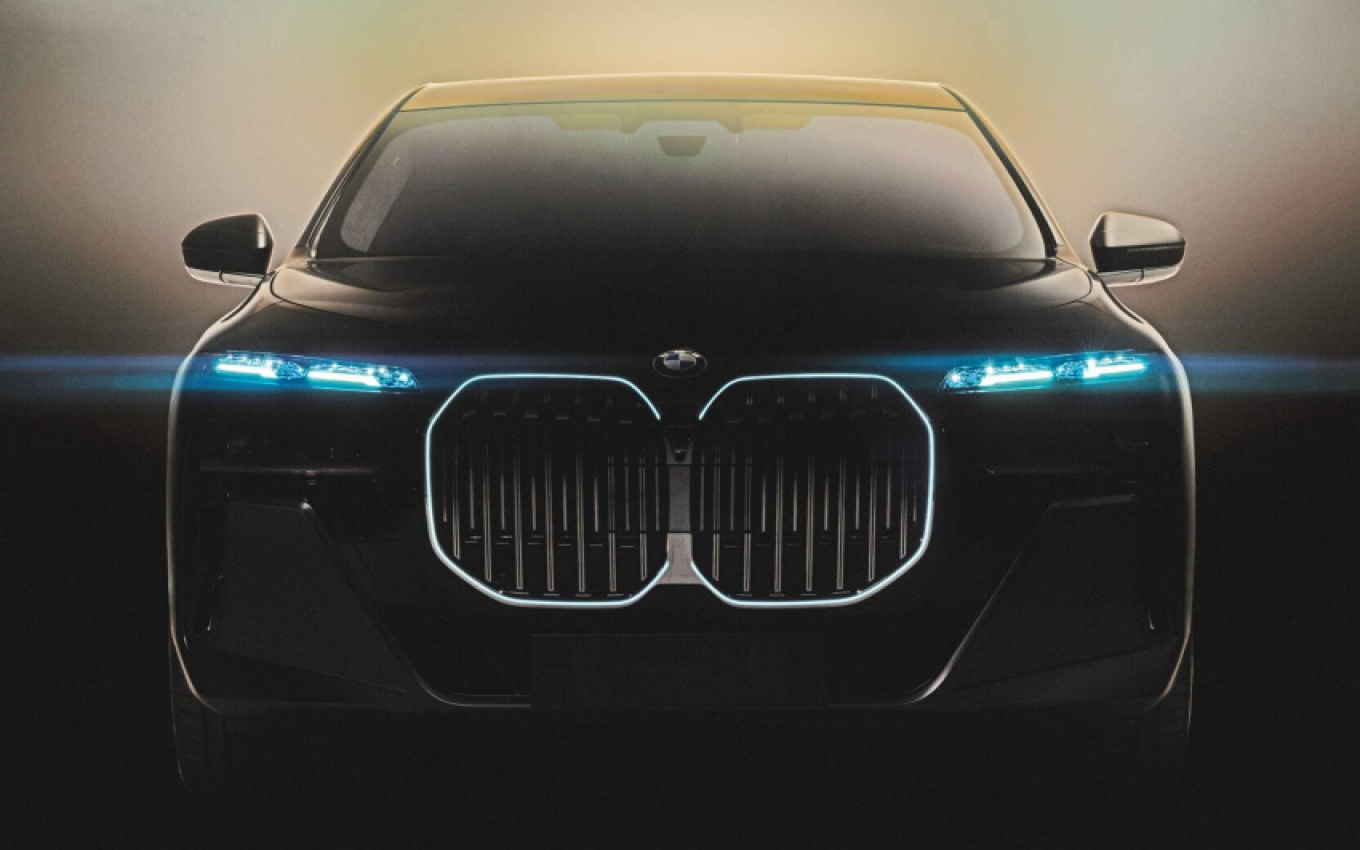
    BMW has confirmed that it will be debuting an all-electric version of the upcoming new X1 before the end of the year. BMW revealed that the new iX1 will debut shortly after the new X1 which is due for a full model change this year. BMW previewed its upcoming compact EV in a teaser image revealing some styling details of the SUV front fascia. Speaking at BMW’s recently held annual conference Oliver Zipse, Chairman of the Board of Management of BMW AG said, “Starting at the end of the year, the new iX1 will be our fully electric offer to customers in the high-volume premium compact segment. The X1 also highlights the potential of modern, flexible BMW architectures with its diversity of different drivetrains – just as you have experienced with iX and i4.”

    Unlike the born-electric iX which gets its own unique design, the iX1 gets a more familial design closer to the likes of the current iX3. The teaser previews an SUV with upright proportions, a prominent kidney grille, inverted L shaped DRLs for the headlamps and large vents on the bumper. Like with the iX3 expect the signature kidney grille to be closed off owing to the lack of a conventional combustion engine under the bonnet. Other EV-specific details are expected to include unique wheel designs and the blue highlights seen on the teaser.

    The iX1 otherwise isn’t expected to stray far from the standard X1 sitting with much of the body paneling and interior to be common between the two.

    For the cabin, the iX1 could follow a similar design as the new 2 Series Active Tourer based on test mules caught on international roads.
    BMW hasn’t confirmed exact powertrain details though it has said that the EV will feature its latest eDrive technology with a range of up to 438km on a single charge. Aside from the all-electric variant, the new X1 will also get conventional petrol and diesel powertrain options including plug-in hybrid technology.

    BMW has also confirmed that the iX1 and X1 will pack in the latest tech including BMW’s latest iDrive with OS8 (Operating System 8).

  • Buying A Land Rover Can Net You A Space Flight

    Buying A Land Rover Can Net You A Space Flight

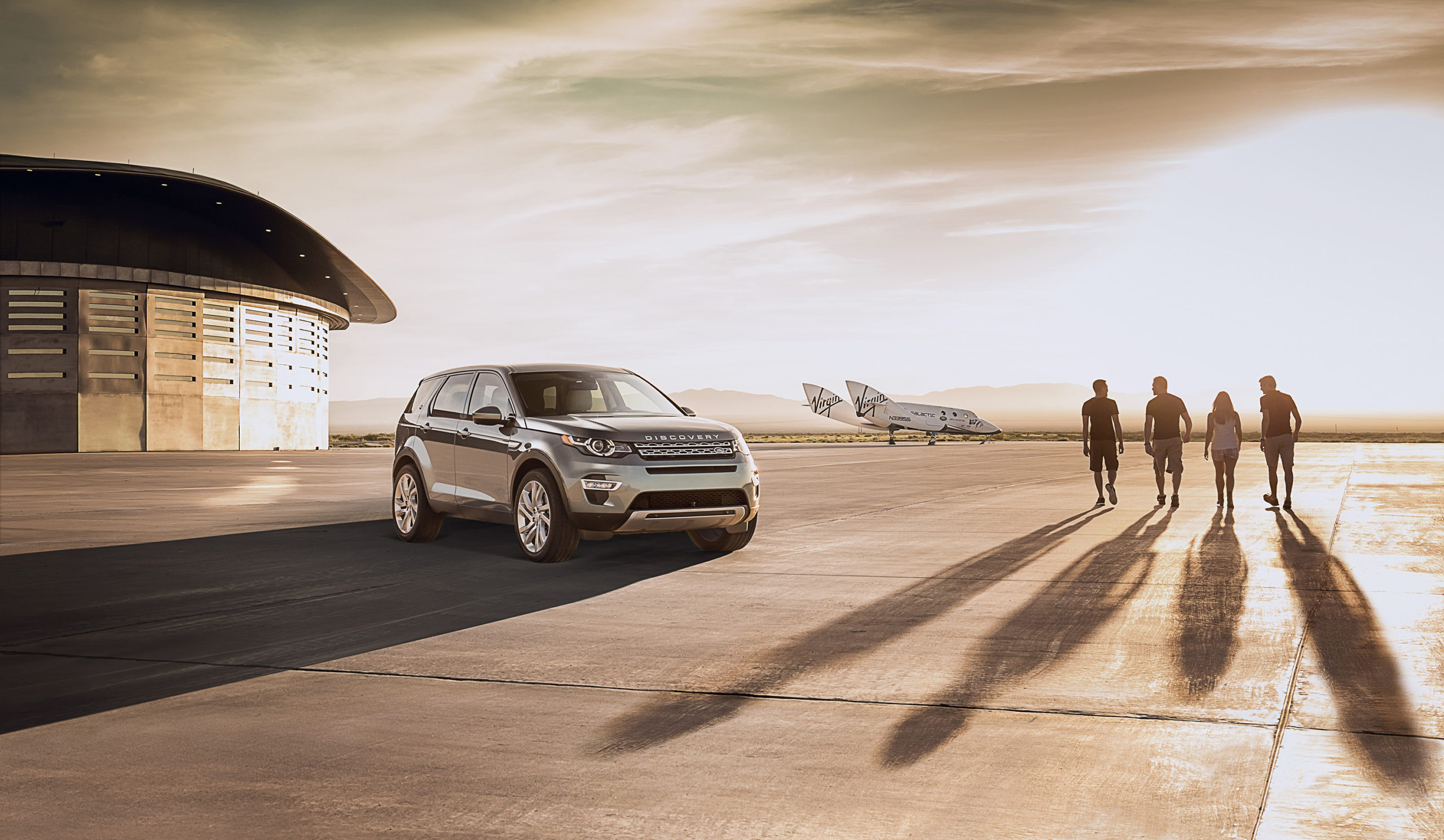
    Land Rover is offering one lucky buyer a once-in-a-lifetime chance for a free space flight with Virgin Galactic. Land Rover has had close ties with Virgin Galactic dating back to 2014. The car manufacturer has provided its vehicles to the latter for use as transport and even as the towing vehicle for Virgin Galactic’s spaceship. The two brands extended their partnership in early 2021 with Virgin Galactic logging its first successful fully-manned flight into space a few months later.

    The carmaker in partnership with Virgin Galactic has launched an ‘Adventure of a Lifetime’ sweepstake in the United States. While lower prizes from the sweepstakes include a drive at Land Rover’s experience center, branded merchandise, and more it’s the grand prize that is true ‘out of this world’. One lucky Land Rover owner will get an all-expenses-paid trip to space aboard the Virgin Galactic spacecraft through the date of the space flight has not been revealed.

    However, there is a catch. The ‘Adventure of a Lifetime’ sweepstakes is only applicable to legal residents of the United States over the age of 18. People wanting to enter must either own a Land Rover and register on the sweepstakes webpage (single entry) or place an order (you earn 50 entries) or buy a Land Rover (you earn 100 entries) by June 20, 2022.

    Virgin’s space flight lasts for a duration of 90 mins with the space ship briefly touching the edge of space to offer flyers a zero-G experience before re-entering the atmosphere to land. Virgin Galactic has actually commenced offering tickets for manned space flights aboard its spacecraft with the total cost of the reservation being an eye-watering $450,000 ( ₹ 3.44 crore approx).

  • Oil Price Benchmarks Fall Below $100, First Time In Weeks

    Oil Price Benchmarks Fall Below $100, First Time In Weeks

    Oil prices tumbled more than 6% on Tuesday to their lowest in almost three weeks, as Russia suggested it would allow a revival of the Iran nuclear deal to go forward and as traders worried growing pandemic lockdowns in China could dent demand. Both Brent and U.S. crude futures benchmarks settled below $100 per barrel for the first time since late February. Since reaching 14-year highs on March 7, Brent has slid nearly $40 and WTI more than $30. Trading has been extremely volatile since Russia invaded Ukraine more than two weeks ago.

    During the session, Brent futures plummeted $6.99, or 6.5%, to settle at $99.91 a barrel. U.S. West Texas Intermediate (WTI) crude fell $6.57, or 6.4%, to settle at $96.44 a barrel. Brent fell as low as $97.44 and WTI hit $93.53, their lowest since Feb. 25.

    On technical charts, both contracts moved the closest to oversold territory since December. They had been in overbought conditions during early March. Brent at one point topped $139 a barrel.

    Russia is the world’s largest exporter of crude and fuels. Numerous buyers have shunned Russian barrels since the invasion, sparking fears of a disruption of millions barrels of daily crude supply. Those fears now look overdone.

    On Tuesday a Ukrainian negotiator said talks with Russia over a ceasefire and withdrawal of Russian troops from Ukraine are ongoing. The ensuing sell-off drove prices lower but many expect volatility to continue.

    “Whilst reports of promising talks are to be welcomed, it is hard to see how either side at this stage would be prepared to make concessions that would be acceptable to any party,” said a research note from Kpler. “In this current situation, it is hard to see how crude oil prices are not being under-priced.”

    Also on Tuesday, Russia said it has written guarantees it can carry out its work as a party to the Iran nuclear deal, suggesting Moscow would allow a revival of the tattered 2015 pact to go ahead.

    The talks to revive the nuclear accord could lead to the lifting of sanctions on Iran’s oil sector and allow Tehran to resume crude exports. They had stalled because of Russian demands.

    In the fallout from Russia’s invasion, which it calls a “special operation,” Western sanctions have failed to deter China and India from buying Russian crude.

    The Organization of the Petroleum Exporting Countries said oil demand in 2022 faced challenges from the invasion and rising inflation as crude prices soar, increasing the likelihood of reductions to its forecast for robust demand this year.

    China saw a steep jump in daily COVID-19 infections, which could slow the current pace of consumption as that nation shifts to lockdowns.

    “It is estimated that a severe lockdown in China could put 0.5 million bpd of oil consumption at risk, which would be further compounded by fuel shortages due to inflated energy prices,” said Louise Dickson, senior oil market analyst for Rystad Energy.

    The U.S. Federal Reserve is widely expected to raise interest rates by 25 basis points on Wednesday for the first time in four years to fight soaring inflation. This could strengthen the U.S. dollar and dampen demand for oil and other commodities priced in greenbacks.

    Preliminary data from the American Petroleum Institute showed U.S. crude inventories rose by 3.8 million barrels for the week ended March 11 while gasoline inventories fell by 3.8 million barrels and distillate stocks rose by 888,000 barrels, according to sources, who spoke on condition of anonymity. [API/S]

    Official U.S. government inventory data is due on Wednesday.

  • Ford Doubles Down On Electric Vehicle Push In Europe

    Ford Doubles Down On Electric Vehicle Push In Europe

    U.S. carmaker Ford on Monday unveiled plans for seven new electric models in Europe, a battery-assembly site in Germany and a nickel cell manufacturing joint venture in Turkey as part of a major electric vehicle (EV) push on the continent. “Our march toward an all-electric future is an absolute necessity for Ford to meet the mobility needs of customers across a transforming Europe,” said Stuart Rowley, chair of Ford of Europe. Ford said it would introduce three new electric passenger vehicles and four new electric commercial vehicles in Europe by 2024, adding it plans to sell more than 600,000 EVs in the region by 2026.

    This, Ford said, would help it reach its global goal of selling more than 2 million EVs a year and achieving an adjusted operating profit margin of 10% by 2026.

    The strategy update for Europe comes shortly after Ford announced a $50 billion investment push to kick-start electrification that also includes running its EV unit separately from the group’s legacy combustion engine business.

    As part of its push, Ford deepened its existing partnership with Volkswagen under which the U.S. carmaker will produce a second electric vehicle for the European market based on its German rival’s platform.

    Ford will as a result double its planned volume of vehicles to be produced based on Volkswagen’s modular electric-drive platform, known as MEB, to 1.2 million units over a six-year timeframe.

    This will include investments of $2 billion at Ford’s Cologne site in Germany as well as a new battery assembly facility scheduled to start operations in 2024.

    Ford also said it has signed a non-binding memorandum of understanding with SK On Co, a unit of South Korea’s SK Innovation, and Turkey’s Koc Holding for a joint venture to manufacture high nickel NMC cells for assembly into battery array modules.

    Under the strategy update, Ford Otosan, Ford’s joint venture with Koc Holding, will buy the U.S. carmaker’s plant in Craiova, Romania for 575 million euros ($630 million) to further boost electric and commercial vehicle capacity.

  • Tesla Raises Prices For Second Time In Days On Rising Costs

    Tesla Raises Prices For Second Time In Days On Rising Costs

    Tesla raised its prices in China and the United States for the second time in less than a week, after CEO Elon Musk said the U.S. electric carmaker was facing significant inflationary pressure in raw materials and logistics. The increases come as costs of raw materials are surging, exacerbated by supply chain disruptions following Russia’s invasion of Ukraine.

    Prices of metals used in cars have soared, including aluminum that is used in the bodywork, palladium used in catalytic converters, and nickel and lithium that power electric vehicle (EV) batteries. The costs have raised concerns about EV economics, as legacy automakers and startups prepare to launch new cars on the back of a long semiconductor supply crunch that is still knocking production at companies including Toyota and Volkswagen.

    Tesla, which has a diversified supply chain, has bought “millions of euros worth of aluminum” from Russian aluminium giant Rusal, CNBC reported on Monday, citing internal documents.

    Rusal’s billionaire founder Oleg Deripaska has been sanctioned by Britain.

    Tesla bought Rusal aluminum for casting parts at its new vehicle assembly plant outside of Berlin for the Tesla Model Y, among other things, CNBC said.

    Tesla received a conditional go-ahead for its 5 billion euro ($5.5 billion) German gigafactory earlier this month after months of delay.

    Tesla and Rusal did not immediately respond to emails seeking comment.

    “Tesla & SpaceX are seeing significant recent inflation pressure in raw materials & logistics,” Musk tweeted on Monday, referring to his rocket company. “And we are not alone,” he said.

    Tesla raised prices on Tuesday for all its models in the United States by 5%-10%, its website showed. In China, it raised prices of some China-made Model 3 and Model Y products by about 5%.

    Last week, the company increased prices of its U.S. Model Y SUVs and Model 3 Long Range sedans and some China-made Model 3 and Model Y vehicles.

  • Panasonic Plans New Massive Battery Plant In U.S. To Supply Tesla – NHK

    Panasonic Plans New Massive Battery Plant In U.S. To Supply Tesla – NHK

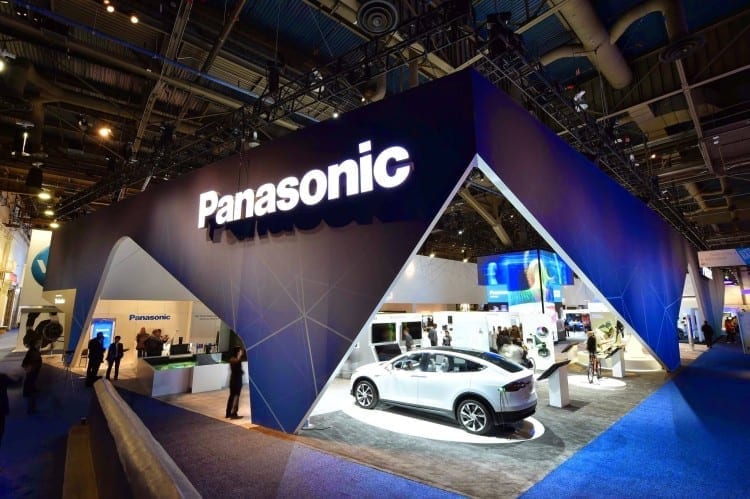
    Japan’s Panasonic Corp is looking to purchase land in the United States for a mega-factory to make a new type of electric vehicle (EV) battery for Tesla Inc, public broadcaster NHK reported on Friday. Panasonic is looking at building the factory, to cost several billion dollars, in either Oklahoma or Kansas close to Texas, where Tesla is preparing a new EV plant, NHK reported. NHK gave no timeline for Panasonic’s U.S. project. NHK did not cite the source of its information. Panasonic said the reported plan was not something it announced.

    A long-time supplier for Tesla, Panasonic has said it plans to begin mass-producing the new type of lithium-ion battery for Tesla before the end of March 2024 with two new production lines at its western Japanese plant in Wakayama.

    The 4680 format (46 millimetres wide and 80 millimetres tall) battery is about five times bigger than those currently supplied to Tesla, meaning the U.S. car maker will be able to lower production costs and improve vehicle range.

    Panasonic’s relationship with Tesla stretches back more than a decade when Tesla signed an agreement that made the Japanese company its key battery supplier.

    Since then, Tesla has ramped up production and diversified its supply chain to other firms, including Chinese manufacturers of cheaper lithium iron phosphate (LFP) powerpacks such as Contemporary Amperex Technology Co (CATL).

    South Korea LG Energy Solution Ltd also plans to make 4680 batteries, sources told Reuters last year.

    Shares of Panasonic were down 3% in morning trade in Tokyo compared with a 2.5% decline for the broader Nikkei 225 index.

  • Tesla’s Long-Delayed German Gigafactory Gets Conditional Green Light

    Tesla’s Long-Delayed German Gigafactory Gets Conditional Green Light

    Tesla Inc received a conditional go-ahead for its German gigafactory near Berlin on Friday, the state of Brandenburg said, ending months of delay for the 5 billion euro ($5.5 billion) landmark plant. The gigafactory, which is crucial to Tesla Chief Executive Elon Musk’s ambitions to vanquish European market leader Volkswagen, was initially supposed to open last summer. Germany’s largest automaker has the upper hand in Europe, with a 25% share of electric vehicle (EV) sales to Tesla’s 13%.

    First Counsellor of the Oder-Spree district Sascha Gehm, Brandenburg Economy Minister Joerg Steinbach, Brandenburg State Premier Dietmar Woidke, Brandenburg Environment Minister Axel Vogel, and Gruenheide Mayor Arne Christiani attend a news conference following a court hearing on the Tesla car plant, in Potsdam, Germany

    Brandenburg state premier Dietmar Woidke told a news briefing that the development marked “a big step into the future”, adding that the Tesla plant would be a major industrial and technological driver for Germany and the region.

    Around 2,600 of the plant’s expected 12,000 workers have been hired so far, unions said last month, and Tesla is in talks with numerous parts suppliers in the region to source as much as possible locally, lowering waiting times and costs.

    Underlining the intense competition facing Tesla, Volkswagen said on Friday it would spend about 2 billion euros on a new factory near its Wolfsburg headquarters to make the Trinity, the first of a new generation of electric vehicles for the German carmaker, with construction due to start next year.

    Friday’s 536-page conditional building permit for Tesla does not mean the U.S.-based EV pioneer can start production right away. It must first prove that it fulfils numerous conditions, including in water use and air pollution control.

    Only then will Tesla get its long-awaited operating permit and actually start rolling out the 500,000 battery-powered vehicles it wants to produce each year at the new plant, located in the small community of Gruenheide.

    Another hurdle to secure the site’s water supply emerged late on Friday, when a Frankfurt Oder administrative court sided with environmental groups who had challenged a licence given to a local water utility to supply the Tesla site.

    But the court said the procedural errors made in the licencing decision could be remedied by the water utility, leaving open the door for the water supply arrangement to be salvaged.

    Kickstarting production in Germany would mean Tesla can deliver its Model Y cars to European customers faster and more cheaply, after meeting orders in Europe from its Shanghai factory in recent months as it awaited approval for the site.

    Tesla plans to show that it meets the imposed conditions within the next two weeks, Brandenburg’s environment minister Axel Vogel said, while objections can be filed over the next month.

    Tesla’s next challenge will be to scale up production as quickly as possible, which Musk said at a fair on-site in October would take longer than building the factory.

    Local environmental groups have long feared that the plant will negatively impact local habitat. Numerous public consultations, focusing primarily on that aspect, delayed the process, with Musk expressing irritation on multiple occasions over German bureaucracy.

    The factory, which Tesla has begun constructing under pre-approval permits, will also include a battery plant capable of generating more than 50 gigawatt hours (GWh) per year – outstripping European competitors.

    Batteries for cars produced on-site will initially come from China, Musk said, but he intends to reach volume production at the German battery plant by the end of next year.
  • Renault To Produce New Alpine Model At Dieppe Site

    Renault To Produce New Alpine Model At Dieppe Site

    French carmaker Renault will produce the new electric model of its Alpine brand at its Dieppe site in northern France, Chairman Jean-Dominique Senard said on Friday.

    “There was uncertainty over the future of that plant a few years ago and now thanks to the work of Renault’s teams…we will be able to really secure the future of that plant,” Senard told France Inter radio.

    Renault, Nissan and Mitsubishi Motors on Thursday said they planned to deepen co-operation in electric vehicle (EV) production as their two-decade-old alliance positions itself to compete as auto markets switch to EVs.

    Senard also told France Inter radio that Renault hoped to hire a further 2,500 staff for its French factories.

  • Toyota Gears Up Its First EV With Safer, Longer-lasting Battery

    Toyota Gears Up Its First EV With Safer, Longer-lasting Battery

    Toyota Motor Corp, a late-comer to the battery electric vehicle (BEV) market, is weaving in all efforts to make sure its first mass-market model is safer and lasts longer than rivals’ products when it goes on sale later this year.

    BEVs have grown in popularity globally, but some consumers have been put off by EV battery-related fire risks and rapid degradation.

    General Motors and Hyundai Motor were forced last year to recall EVs, carrying batteries manufactured by LG Energy Solution, after reports of fires.

    “We focused on balancing three factors: cruising range, battery degradation, and charging speed,” Masaya Yamamoto, a project manager at Toyota, said at a test-drive event for the bZ4X sport utility vehicle (SUV) prototype last week.

    BEVs typically take hours to charge and using quick-charging methods often causes the battery’s cells to heat up, leading to degradation. That, in turn, reduces cruising range over time, hurting a vehicle’s resale value.

    Toyota said its batteries, developed with Panasonic Corp, contain a special coolant that does not conduct electricity easily. Battery packs are also structured to keep the cells and coolant separated in case of a leak.

    This and other innovations mean the new BEV series’ batteries would retain more than 90% of their capacity after a decade, Toyota said.

    For consumers in Japan, where EVs have been slow to take off, Toyota is considering offering the EVs only through “subscription” – a bid to address worries over battery life and resale value. The subscription fee would cover the cost of maintenance and battery replacement among other features.

    Toyota has said it would start selling the SUV model in Japan and other major markets in mid-2022.

    Toyota has set a goal of selling 3.5 million BEVs annually by 2030 through an 8 trillion yen ($70 billion) investment to electrify its vehicles.

  • Car imports fall in January

    Car imports fall in January

    Vietnam’s auto imports fell by 70 percent last month to 4,524 units, but the industry dismissed it as a normal January phenomenon after a surge in imports in December.

    The passenger car segment saw a 53 percent decline to 4,008.

    Though down by more than half from December, Thailand remained the largest seller, shipping 2,488 units.

    Indonesia followed with 472 vehicles.

    Truck imports plunged by 93.5 percent to 260, almost all of it from China and Thailand.

    Auto companies said companies usually import large numbers of vehicles in December to prepare for the New Year and Tet shopping season, and so numbers fall in January before recovering again in February and March.

    Imports of car parts and equipment fell by 7.8 percent to $395 million.

    South Korea, China and Thailand were the biggest exporters.