Category: Automotive

Retail News Asia is committed to providing both local and global retailers with the latest Auto and Car news throughout the Asian market. This on a daily base.

  • EV Battery Giant LG Energy Solution Sees Demand Rising As Chip Shortage Eases

    EV Battery Giant LG Energy Solution Sees Demand Rising As Chip Shortage Eases

    Battery maker LG Energy Solution Ltd (LGES) said on Tuesday it aims to boost sales by about 8% in 2022, forecasting a pick-up in demand for electric vehicle (EV) batteries as a global chip shortage eases later this year. The newly listed South Korean firm, which accounts for a fifth of the global EV battery market, swung to profit in the October-December quarter, even as the chip shortage affecting automakers led to weaker than expected demand for batteries.

    LGES, which became South Korea’s second-largest listed firm last month in the country’s biggest ever IPO, posted an operating profit of 76 billion won ($63.5 million) for the fourth quarter, it said in its maiden earnings report. That compares with a 150 billion won profit estimate by two analysts polled by Refinitiv and a loss of 479 billion won in the same period a year earlier.

    Analysts noted that the global chip shortage has affected demand from automakers, with LGES rivals SK On and Samsung SDI Co Ltd reporting a similar impact on battery demand in the fourth quarter.

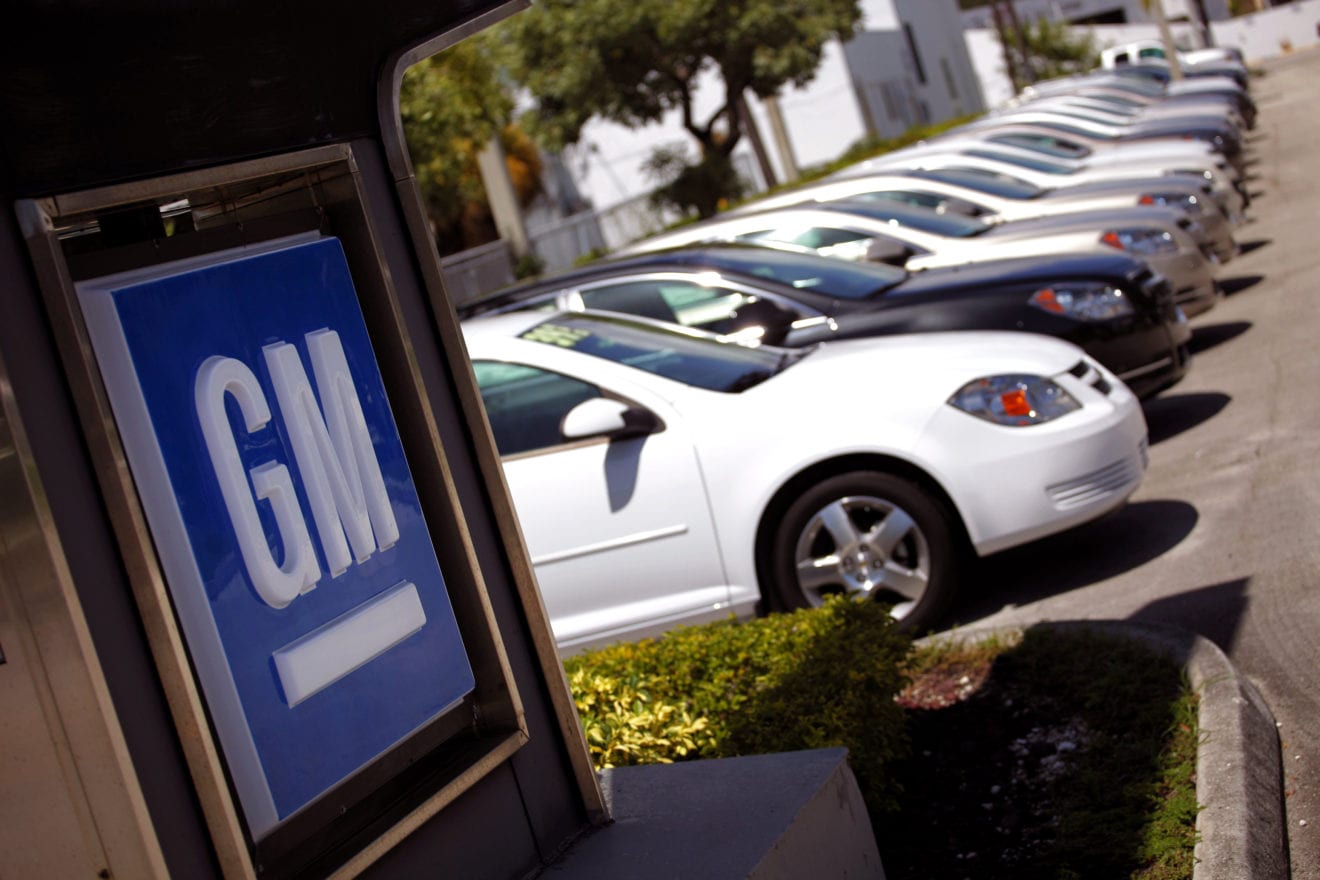
    Revenue at LGES, which supplies Tesla Inc and General Motors Co among others, rose 2% to 4.4 trillion won from a year earlier. The company said it has set this year’s capital expenditure budget at 6.3 trillion won, up 58% from a year earlier, to finance capacity expansion at its global manufacturing facilities to meet demand for batteries.

    “LGES will continue to move forward with bold investment plans needed in the long run. We are confident our business model of preparing for the future will definitely help us lead the industry,” LGES chief executive officer Youngsoo Kwon said in a statement.

    LGES made a stellar market debut in late January, surging to a market capitalisation of about $98 billion, second only to Samsung Electronics Co Ltd on the local bourse, reflecting upbeat prospects for EV battery industry. The company’s shares have since risen 8.5% and added a further 2.2% on Tuesday, ahead of a 0.8% rise in the broader market KOSPI. Asked during an analyst conference call about more battery joint ventures with automakers, LGES said it had held working-level discussions with Japan’s Honda Motor Co Ltd about a potential joint venture, but there was no concrete agreement on a deal.

    Revenue at LGES, which supplies Tesla Inc and General Motors Co among others, rose 2% to 4.4 trillion won from a year earlier

    In January, a South Korean local newspaper reported that LGES planned to build a battery joint venture with Honda in the United States. LGES said in late January that it plans to invest a total of $2.6 billion with GM to build their third joint battery plant in the United States, aiming to secure an annual capacity of about 50 gigawatt hours (GWh) of batteries by 2025, enough to power about 700,000 EVs. The two companies are already building two joint battery plants in Ohio and Tennessee.

    Global EV sales, estimated at 2.5 million vehicles in 2020, are forecast to grow more than 12-fold to 31.1 million by 2030 and account for nearly a third of new vehicle sales, according to consulting firm Deloitte.
  • Aptiv, Audi Invest $285 Million In Software Company TTTech

    Aptiv, Audi Invest $285 Million In Software Company TTTech

    Auto technology supplier Aptiv PLC and Volkswagen AG’s Audi brand are investing a combined $285 million in vehicle software company TTTech Auto, giving the Austrian firm a valuation of $1 billion, the companies said. TTTech Auto designs software that auto manufacturers can use to manage data flowing from sensors and safety systems used to automate driving. The company’s Motionwise software also helps engineers develop new automated driving and safety software more quickly.

    Aptiv will invest $228 million in TTTech Auto, while Audi is investing $57 million, the companies said in a statement.

    Established auto manufacturers such as Volkswagen are racing to secure more software expertise via acquisitions, hiring drives, and equity investments as they try to catch up with electric vehicle leader Tesla Inc’s ability to rapidly improve vehicles using software upgrades.

    TTTech Auto was formed in 2018 by aerospace firm TTTech Group, South Korean technology company Samsung, Audi, and chipmaker Infineon.

    “We want to provide aerospace safety at automotive cost,” TTTech Auto chief executive Georg Kopetz said in an interview.

    Aptiv, with annual revenue of $15 billion, is working to expand its business by supplying hardware and software for electric vehicles and automated driving systems. Aptiv, Audi, and TTTech Auto collaborated to develop the central driver assistance controller for automated driving used in Audi vehicles.

    With the fresh capital, Kopetz said TTTech Auto plans to expand in Asia, look for potential acquisitions and invest in the development of the Motionwise software, which is currently used in about 2 million vehicles.

  • Tesla Recalls 817,000 Vehicles In U.S. Over Seat Belt Reminder Alert

    Tesla Recalls 817,000 Vehicles In U.S. Over Seat Belt Reminder Alert

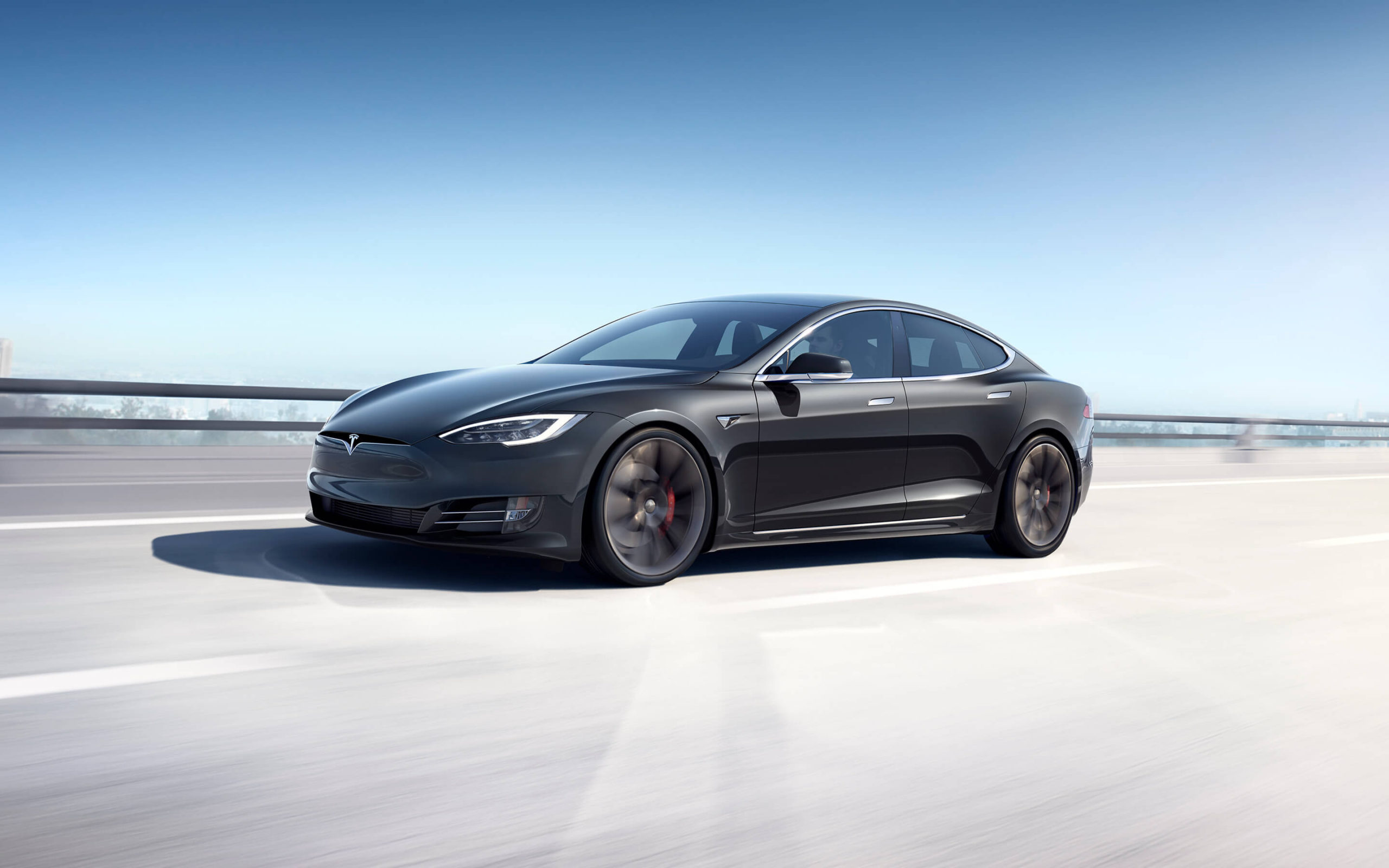
    Tesl is recalling more than 817,000 vehicles in the United States because an audible alert may not activate when a vehicle starts and the driver has not buckled the seat belt, a U.S. auto safety regulator said. The National Highway Traffic Safety Administration (NHTSA) said on Thursday the vehicles, 2021-2022 Model S and Model X, 2017-2022 Model 3, and 2020-2022 Model Y fail to comply with a federal motor vehicle safety standard on “Occupant Crash Protection” because the chime does not activate. Tesla will perform an over-the-air (OTA) software update to address the issue.

    Tesla told NHTSA that as of Jan. 31 it was unaware of any crashes or injuries related to the issue. Tesla said in a document filed with NHTSA, the South Korea Automobile Testing & Research Institute (KATRI) on Jan. 6 brought the condition to Tesla’s attention. Tesla said on the recalled vehicles a software error may prevent the chime from activating upon vehicle start under certain circumstances.

    The automaker said the issue was limited to circumstances where the chime was interrupted in the preceding drive cycle and the seat belt was not buckled after that interruption. Tesla added the issue does not affect the audible seat belt reminder chime from activating when the vehicle exceeds 22 km/h and the driver seat belt is not detected as buckled. The condition does not impact the accuracy of the accompanying visual seat belt reminder. Tesla has come under increasing scrutiny from U.S. regulators and issued several recalls in recent months.

    On Tuesday, Tesla said it was recalling 53,822 U.S. vehicles with the company’s Full Self-Driving (Beta) software that may allow some models to conduct “rolling stops” and not come to a complete stop at intersections posing a safety risk. Tesla will perform an over-the-air software update that disables the “rolling stop” functionality, NHTSA said.

  • Royal Enfield Classic 350 Launched In Australia, New Zealand

    Royal Enfield Classic 350 Launched In Australia, New Zealand

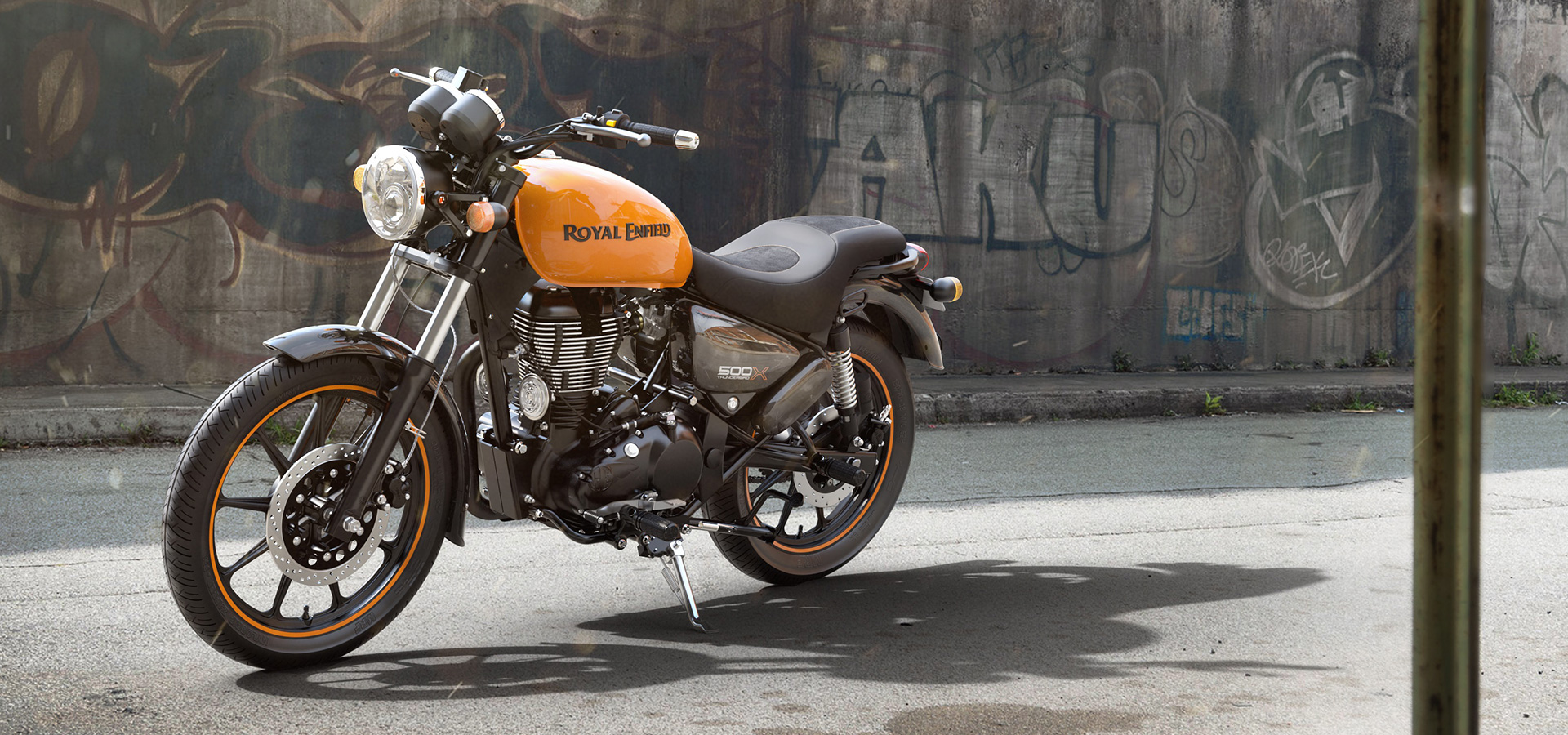
    Royal Enfield is expanding the presence of the new Classic 350 across the world, and the Asia Pacific region, and has now launched the all-new Classic 350 in Australia and New Zealand. The new model will be available in four variants, the Halcyon, Classic Signals, Classic Dark and Classic Chrome, each offering unique color options and styling options. In recent days, the Classic 350 has been launched in the UK, and the Philippines, and now the company has launched its most popular model in Australia and New Zealand.

    Pricing for the 2022 Royal Enfield Classic 350 range will start at AUD 7,990 (approximately ₹ 4.21 lakh) in Australia for the Halcyon series. The Signals series has been priced at AUD 8,290 (approximately ₹ 4.37 lakh), while the Dark Series and Chrome Series will be priced at AUD 8,690 (approximately ₹ 4.58 lakh) and AUD 8,790 (approximately ₹ 4.63 lakh) respectively.

    The all-new Classic 350 is the second model to be based on the same platform as the Meteor 350, with the two models sharing quite a few components, including the new J-series Royal Enfield 350 cc single-cylinder engine. The new-generation Classic 350 was launched in India last year, and gets a complete makeover, with a new, more modern engine, new chassis, updated suspension, new wheels, and brakes.

    The 349 cc, the single-cylinder engine makes 20.2 bhp at 6,100 rpm, and 27 Nm at 4,000 rpm. The compression ratio has changed to 9.5:1 on the new 350 cc SOHC engine from 8.5:1 on the UCE 350 engine. The cam gears have been replaced with a timing chain, along with the SOHC system, which results in less noise and more efficient valve timings. The chain primary drive has been replaced with gear primary drive, which reduces transmission losses, and the primary balancer shaft reduces vibrations on the engine.

    The legacy of the Classic dates back to 1948 with the Royal Enfield Model G2, the first to have swinging arm rear suspension on a full production motorcycle. The Model G2 served as a strong design inspiration for the hugely popular Classic 500 and Classic 350 launched in 2008. The Classic 350, in fact, went on to become the highest-selling Royal Enfield model since then, accounting for 70-80 percent of the brand’s sales over the past decade or so. Even now, the Classic 350 accounts for 60-70 percent of the brand’s overall sales, but so far, these numbers have been limited to the domestic market of India.

    In the 12 years since the modern Royal Enfield Classic was first launched, it has built a legacy of its own, selling over 3 million (30 lakh) motorcycles. The Classic has also emerged as the motorcycle that redefined the middleweight motorcycling space and spawned the revival of Royal Enfield. And this time around, with the new Classic 350, Royal Enfield is positioning it as a global product, hoping to repeat some of its commercial success around the world.

  • Google fixes the issue of Android Auto not displaying messages

    Google fixes the issue of Android Auto not displaying messages

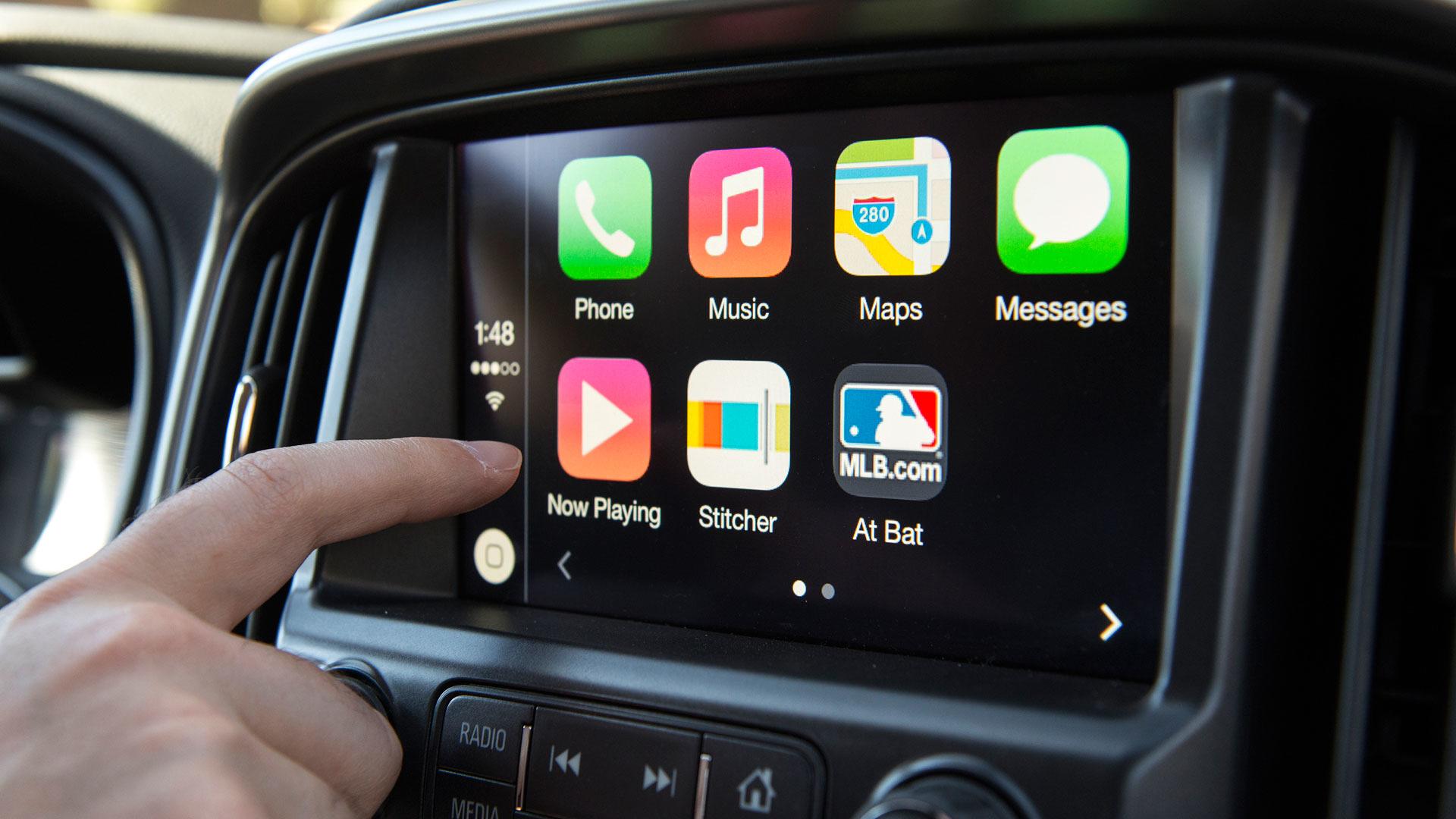
    Google has fixed an issue preventing Android Auto from displaying messages on a car’s screen. To receive the fix, you need to update your Android Auto and Messages app to the latest versions. Google did not explain what the cause of the problem was.

    Google’s fix comes in response to several customer complaints on Android Auto’s support page. Several users reported that after updating their phones to Android 12, their cars stopped showing the received messages.

    A user shared in a post: “For the past three weeks, Android Auto has stopped showing new text or other messages. If music is playing and a new message comes in, the music is turned down briefly as if to allow the new message notification to sound, but no sound and no message comes to the auto display, even though new messages have arrived on the phone.”

    Not showing received messages isn’t the only issue Android Auto users have encountered recently. As we previously reported, users who had updated their Android Auto app encountered a problem with Google Maps not appearing on their cars’ screens when they had their phones connected to their vehicles. Although the issue has been reported, it still remains for Google to roll out a fix for that problem too.

  • Apple Makes Easy Escape From Supply Crisis, But Others Like Tesla May Have To Wait

    Apple Makes Easy Escape From Supply Crisis, But Others Like Tesla May Have To Wait

    Apple Inc’s triumph over the global chips supply-chain shortage has signaled good news amid troubled markets around the world. Not so fast, say analysts. The iPhone maker, which had warned three months ago that supply issues would dent its holiday-quarter revenue, on Thursday posted record results largely boosted by sales of its premium phones. It sees an improving situation, if some remaining shortages.

    “Most of the supply-constrained issues are over for Apple, but not necessarily for everybody else,” said Bob O’Donnell, chief analyst at TECHnalysis Research.

    Companies from electric automaker Tesla Inc to wafer fabrication equipment supplier Lam Research have warned again that supply chain issues, which crippled several industries, would continue to limit production this year.

    Semiconductor companies tend to give priority to bigger players such as Apple, for its massive buying power, huge demand for its products, and the company’s ability to place custom orders for components used in its products. And Apple’s high-end chips are costly, an attraction for the chip makers.

    This essentially means Apple has an advantage and can procure components relatively faster than rivals.

    Still, while Apple got better service for more sophisticated chips, like many others, it faced troubles with some of the older technology chips, Daiwa Capital Markets analyst Lou Miscioscia said.

    Chips used in Apple iPads, which saw a 14% drop in revenue, use chips with older technology, and supplies of those older chips were particularly tight, Apple Chief Executive Tim Cook told analysts.

    Cook said the constraints on the older chips, or nodes, were very significant in the holiday quarter. “Overall, we do see an improvement in the March quarter in terms of the constraints going down versus what they were in the December quarter,” he said.

    Tesla CEO Elon Musk this week said supply chain woes would limit manufacturing output in all company factories. “So the chip shortage, while better than last year, is still an issue,” he told analysts.

    Semiconductor equipment maker Lam Research noted new supply challenges, with the Omicron surge adding more disruption to freight and logistics operations. The company said it was seeing scarcity of certain components and parts, including semiconductors, a few weeks into 2022.

    Analysts and market leaders in the semiconductor space held out hopes that supply issues would ease later this year.

    “That’s going to remain a concern for the industry, but Apple may be the exception to the rule,” said Romeo Alvarez, technology analyst at William O’Neil + Co.

  • GM Boss Mary Barra Felt Surrel In Cruise Robotaxi

    GM Boss Mary Barra Felt Surrel In Cruise Robotaxi

    GM’s CEO Mary Barra recently took her first ride in a self-driving car which was shown off in a YouTube video on Cruise’s official channel. Of course, Cruise is owned by GM and is its self-driving car service which also operates a robotaxi service in limited parts of the US. “Last week our friends from Detroit took a midnight ride straight over the moon,” said the message on the video.

    Barra was visibly impressed by the flawless nature of the ride which was her first one. The ride took place in San Francisco, not Detroit which is the home of GM as Cruise operates its service right now in California. Barra rode is. Chevrolet Bolt EV named Tostada with Cruise Co-founder, interim CEO, and CTO Kyle Vogt.

    Both rode in the back seat of the car with the vehicle driving itself. Barra noted while she knew this was always going to happen, experiencing it for the first time felt surreal. In another Bolt EV, GM’s President Mark Reuss called the ride mind-blowing as he was a combined by GM’s Vice President of communications Craig Buchholz.

    Cruise is one of the pioneers of autonomous car technology alongside Waymo. It is closely working with GM towards developing a commercial autonomous vehicle for personal use which GM estimates will launch by the end of the decade.

  • Japan Urges More Chip Tie-Ups With Taiwan At Trade Talks

    Japan Urges More Chip Tie-Ups With Taiwan At Trade Talks

    Japan called for greater collaboration with Taiwan on semiconductors at a bilateral economic and trade meeting on Tuesday. Japan-Taiwan Exchange Association Chairman Mitsuo Ohashi praised Taiwan Semiconductor Manufacturing Co Ltd (TSMC)’s plans to expand in Japan, saying, “I hope these collaborations can continue to expand, and positively impact the resilience of both Taiwan and Japan’s supply chains.”

    “Currently, even though the pandemic has blocked exchanges between Japan and Taiwan, the economic and trade relationships between Japan and Taiwan have continued to deepen,” Ohashi added via video.

    Although Chinese-claimed Taiwan and Japan do not have formal diplomatic ties, they have close unofficial relations. Both share concerns about China, especially its increased military activities near the two. The Taiwan-Japan Economic and Trade Conference has typically been held in Taiwan or Japan each year, but because of the pandemic, the two sides met virtually this week.

    TSMC, the world’s largest contract chipmaker, announced last year that it would set up a research and development in Japan, as well as a $7 billion chip plant with Sony Group. Tech powerhouse Taiwan is at the forefront of efforts to resolve a shortage of chips that has hampered auto production lines and affected consumer electronics makers around the world.

    Chiou I-jen, chairman of the Taiwan-Japan Relations Association, thanked Japan for supporting Taiwan’s bid in September to join the Comprehensive and Progressive Agreement for Trans-Pacific Partnership (CPTPP). He said Taiwan hoped both sides could start a “constructive dialogue” on Taiwan joining the trade pact as soon as possible. “Taiwan is of crucial importance to the world’s supply chain, economy and trade,” Chiou said, speaking at a Japanese hotel in Taipei. “If (Taiwan) can join the CPTPP, it will greatly increase the importance and visibility of this pact in the global economy.”

    Taiwan’s bid angered China, which views the island as one of its provinces with no right to the trappings of a state. Taiwan says it is an independent country and has vowed to defend its freedom and democracy.

  • Harley-Davidson Announces 8 New Models For 2022

    Harley-Davidson Announces 8 New Models For 2022

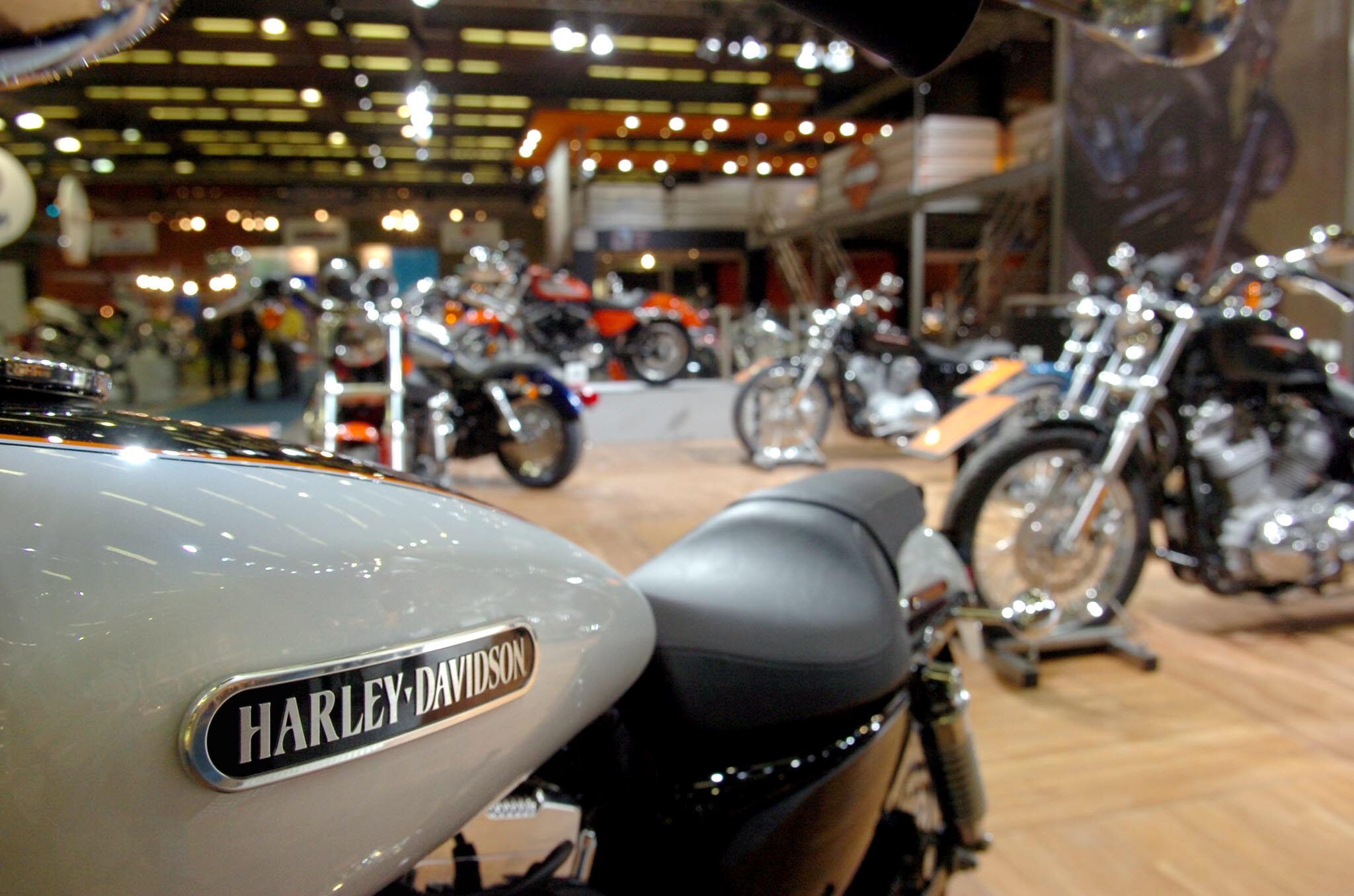
    Harley-Davidson has announced seven new bikes for its 2022 line-up, including a trike, and all these are powered by the Milwaukee Eight 117 engine, with 1,920 cc displacement and 170 Nm of peak torque. The new models feature two new baggers, two new Low Riders, and four updated models in the brand’s Custom Vehicle Operations (CVO) range which includes a trike. The new models for 2002 are the Street Glide ST, Road Glide ST, Low Rider S, Low Rider ST, and three CVO bikes and one CVO trike. As the names suggest, all bikes are evolutions of existing models, with significant updates.

    “As part of our focus on stronghold segments, including Grand American Touring and Cruiser, the 2022 product line is designed for power and performance,” said Jochen Zeitz, Chairman, President, and CEO, Harley-Davidson. “Each of these new models features the unrivaled power of the Milwaukee-Eight 117 for those riders who want nothing but the biggest and the best, building on our position as the most desirable motorcycle brand in the world.”

    The Low Rider S and Low Rider ST both have styling reminiscent of earlier Harleys, but have the more powerful and bigger engines. Suspension duties on both the Low Rider models are handled by a 43 mm upside-down fork and a longer rear mono-shock, and also added rear-wheel travel. The Low Rider ST looks like the most distinctly new model, with a fairing that looks like a neo-retro job, and with hard-case panniers. The Low Rider S also gets the same Milwaukee Eight 117 engine but employs a more stripped-down design.

    The Street Glide ST and Road Glide ST have the same engine but are equipped with Reflex linked Brembo brakes with ABS, Boom! Box GTS infotainment system with color touchscreen and navigation, cruise control, and Daymaker LED headlamps. Harley-Davidson’s Cornering Rider Safety Enhancements are optional, offering cornering traction control with ride modes, cornering ABS with linked braking, hill-hold control and tire pressure monitoring.

    The Street Glide ST and Road Glide ST are new additions in the range, which will sit along with the 2022 Street Glide and Street Glide Special, and the Road Glide and Road Glide Special.

    The 2022 CVO models include a CVO Street Glide, CVO Road Glide, CVO Road Glide Limited, and CVO Tri Glide, which is the trike. All the CVO models come with exclusive hand-crafted paint schemes, premium audio systems and Harley’s Cornering Rider Safety Enhancements as standard. The most touring-oriented model in the 2022 CVO range is the CVO Road Glide Limited. At this point of time, it’s unclear if Harley-Davidson will introduce all of the 2022 range in India, but at least the Low Ride and Street Glide ST and Road Glide ST can be expected to be introduced in limited numbers for India.

  • Tesla Countersues JP Morgan, Claims Bank Sought ‘Windfall’ After Musk Tweet

    Tesla Countersues JP Morgan, Claims Bank Sought ‘Windfall’ After Musk Tweet

    Tesla Inc on Monday fought back against JPMorgan Chase & Co over a disputed bond contract, countersuing the bank for seeking a “windfall” following Elon Musk’s notorious 2018 tweet that he might take his electric car company private.

    In a filing in Manhattan federal court, Tesla accused JPMorgan of “bad faith and avarice” for demanding $162.2 million after the bank had unilaterally changed the terms of warrants it received when Tesla sold convertible bonds in 2014.

    “JP Morgan pressed its exorbitant demand as an act of retaliation against Tesla both for it having passed over JPMorgan in major business deals and out of senior JPMorgan executives’ animus toward Mr. Musk,” Tesla said.

    By changing the terms of the warrants, JPMorgan “dealt itself a pure windfall” after receiving a “multibillion-dollar payout” from Tesla’s soaring share price, Tesla added.

    Musk is Tesla’s chief executive, and according to Forbes, is the world’s richest person.

    JPMorgan spokesman Brian Marchiony said in an email: “There is no merit to their claim. This comes down to fulfilling contractual obligations.”

    The countersuit escalates the battle between the largest U.S. bank and world’s most valuable car company, which have done little business with each other since the disputed contract.

    Warrants give holders the right to buy company stock at a set “strike” price and date.

    In its Nov. 15 lawsuit, JPMorgan said the Tesla warrants let it lower the strike price to counteract any economic impact from “significant corporate transactions” involving that company.

    JPMorgan said Musk’s Aug. 7, 2018 tweet that he might take Tesla private and had “funding secured,” followed by his reversing course 17 days later, was such a transaction because it made Tesla’s share price more volatile.

    The bank accused Tesla of defaulting because it failed to hand over shares or cash when the warrants expired in June and July 2021, by which time Tesla’s share price had risen about 10-fold.

    Musk’s tweets resulted in a U.S. Securities and Exchange Commission civil lawsuit. It ended with Musk giving up Tesla’s chairmanship, and he and Tesla each being fined $20 million.

    Tesla’s lawsuit seeks unspecified damages.

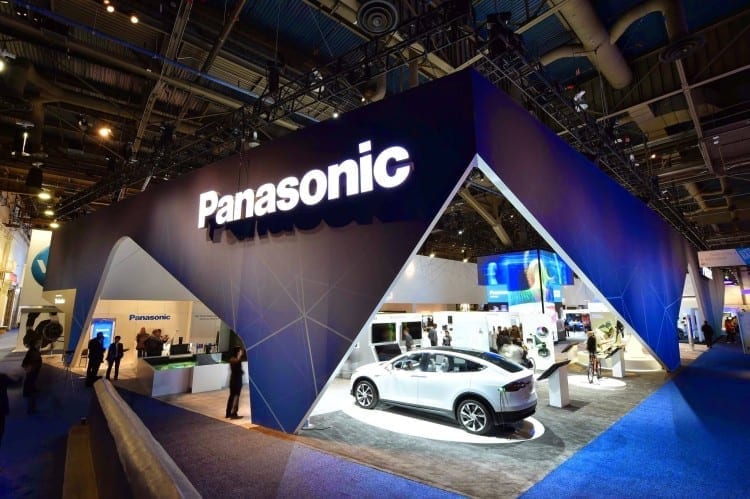
  • Panasonic To Invest $700 Million To Produce Tesla EV Battery

    Panasonic To Invest $700 Million To Produce Tesla EV Battery

    Japan’s Panasonic will begin producing its new lithium-ion battery for Tesla from as early as 2023, with plans to invest about 80 billion yen ($705 million) in production facilities in Japan, the Nikkei reported on Monday. The powerpack could help make electric vehicles (EVs) more attractive to motorists by extending cruising range by about a fifth, the Nikkei reported, without saying where it obtained the information.

    “We are studying various options for mass production, including a test production line we are establishing this business year. We don’t, however, have anything to announce at this time,” Panasonic said in a statement sent to Reuters.

    Panasonic unveiled the 4680 format (46 millimetres wide and 80 millimetres tall) battery in October. At around five times as big as batteries it currently supplies to Tesla, it is also expected to help the U.S. electric vehicle maker lower production costs.

    Panasonic will make the 4680 batteries at a plant in Wakayama prefecture in Western Japan, with output of less than 10 gigawatt hours a year, equivalent to around 150,000 vehicles, the Nikkei said.

    Panasonic is the sole maker of the more advanced Tesla battery, ensuring it remains a key supplier to the U.S. company, at least for its pricier models, even as the EV maker seeks out battery suppliers in China and elsewhere.

  • Moody’s Expects Tesla To Stay At EV Leader Spot, Upgrades To ‘Ba1’

    Moody’s Expects Tesla To Stay At EV Leader Spot, Upgrades To ‘Ba1’

    Moody’s upgraded Tesla Inc’s debt rating by two notches to “Ba1” from “Ba3” on Monday, reflecting the ratings agency’s expectations that the Elon Musk-led company will maintain its position as the leading battery electric vehicle manufacturer. Moody’s affirmed in a note that Tesla’s outlook remains positive and the company will continue to increase its scale rapidly and improve its profitability notably.

    Tesla’s financial policy is likely to be prudent and liquidity would remain very good, Moody’s said, adding that a more competitive offering of battery electric vehicles by other automakers could start to exert some pressure on the company’s margins in 2023.

    In January, Tesla reported record quarterly deliveries that far exceeded Wall Street estimates, riding out global chip shortages as it ramped up China production. It was the sixth consecutive quarter that the world’s most valuable automaker posted record deliveries.

    The ratings agency also anticipated that Tesla will deliver nearly 1.4 million vehicles in 2022, up from about 936,000 in 2021.

  • Another Apple Car engineer quits, this time, joining Meta

    Another Apple Car engineer quits, this time, joining Meta

    Okay, so far, we’ve had a lot of information about the reported turnover at Apple’s mysterious project for self-driving vehicles. Many engineers have reportedly left the project to join other firms. Now, AppleInsider reports about yet another Apple Car engineer leaving the company, and this time, he will be joining Meta (former Facebook).

    The long-rumored project for a self-driving car from Apple seems to be having a lot of setbacks recently, mainly due to losing engineering managers and other key staff and an overall quite consistent employee turnover.

    It seems this pattern is continuing in 2022. This time, it’s the head of software engineering of Apple Car, Joe Bass, who has reportedly left Cupertino to go join Meta. Joe Bass was the Lead Engineering Program Manager for Autonomous Systems over at Apple since the beginning of 2015. According to his LinkedIn profile, he has now left Apple for a new start.

    His new position is Director of Technical Program Management, Mixed Reality Technologies over at Meta (formerly Facebook). The departure of Bass comes after several other engineers did the same back in December, with a majority of them seemingly going to air-taxi startup Archer Aviation, and another similar company, Joby Aviation.

    Keep in mind that the Apple Car project is still just rumored, and has not had an official announcement. The most recent news about it is the report that the company is looking to announce its key partners for the project sometime this year. This information is coming from South Korean sources: it seems Cupertino has been looking into South Korean carmakers to possibly strike a deal with them for Apple Car components.

    This information seems to indicate Apple has plans to ship an Apple Car by 2025. The possible announcement of the partnerships could give us more information about the time frame in which we expect to see this ever-so-mysterious self-driving car. And from this high level of turnover, one can not help but assume things aren’t going exactly according to plan for the Apple Car.

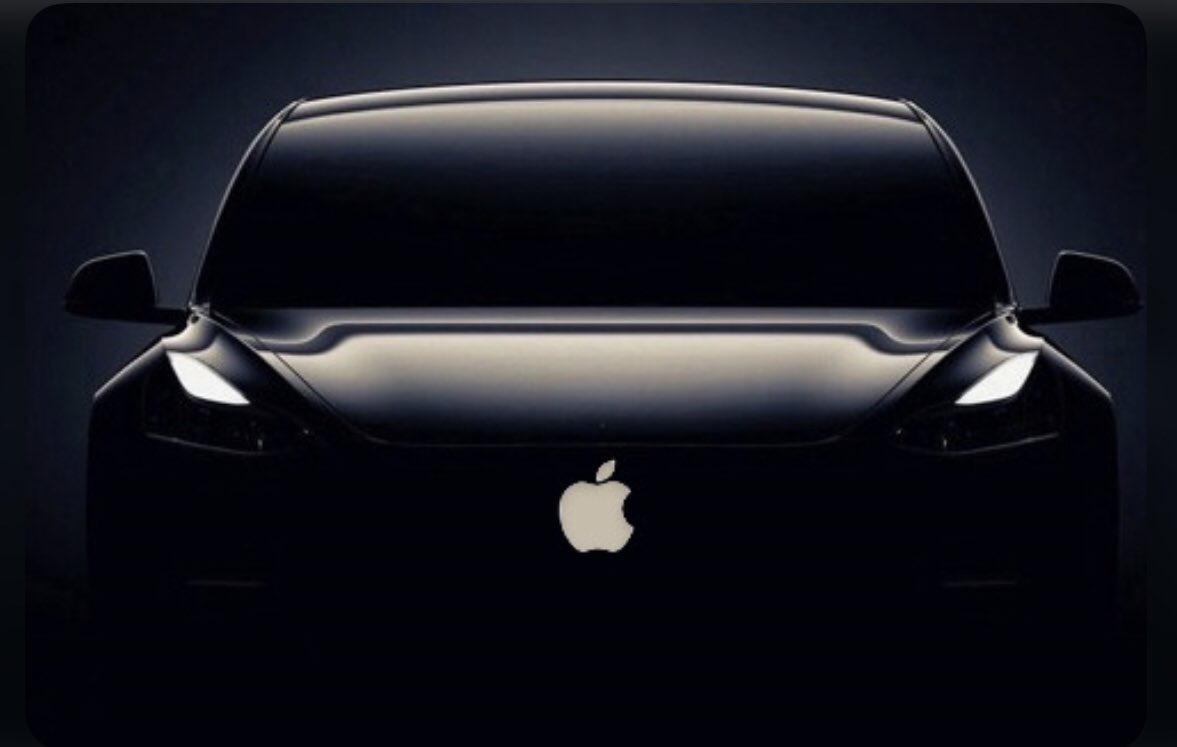
    This image is a part of the newly-created Apple Car renders that we reported on earlier, coming from British car leasing firm Vanarama, and of course, they are based on patents filed by Apple plus previously released Apple devices.

    It is, indeed, a very early stage to know for sure if the Apple Car will look anything like the image shown above, but it looks cool, don’t you agree?

    There have been many people leaving and joining the supposed Apple Car project in recent months, especially in November and December of last year. Some of its key engineers have been leaving to join air taxi startup companies, while other ex-Tesla engineers have joined to take their place.

    Just to name a few, Eric Rogers, who was Apple’s chief engineer for radar systems for the project for the self-driving vehicle has left to go join Joby Aviation Inc, a flying taxi startup. Alex Clarabut, who was an engineering manager for the team’s battery systems group, has now joined Archer Aviation, another company working on air taxis.

    The third person who recently left Apple is Stephen Spiteri, who was a hardware engineering manager, and he has also gone ahead and joined Archer. The two flying taxis companies have confirmed the appointments.

    All these staff changes serve to show how many challenges the Cupertino tech giant is facing as it is expanding into an entirely new industry. Of course, building and selling a self-driving car represents a massive new sales opportunity, one of its famous “next big thing”. We will see how Apple will face the challenges coming with it.

  • Production Ready Tesla Cybertruck Leaked

    Production Ready Tesla Cybertruck Leaked

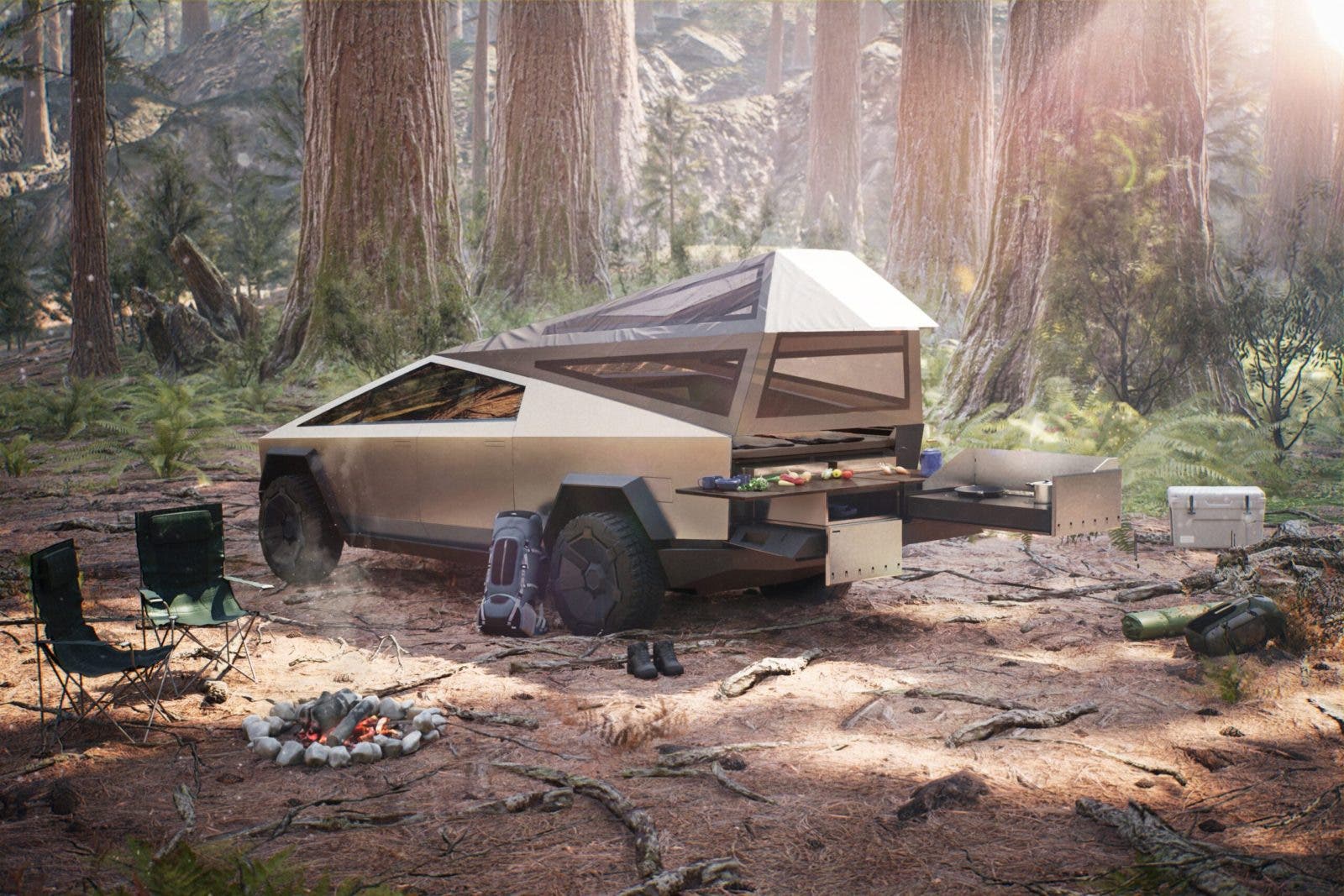
    Tesla is about to share some more details around the launch of the Cybertruck with many expecting deliveries to start either at the end of the year or early next year. However, now it has been more than two years since Elon Musk showcased the car and after teasing many updates to the car since that unveil, we finally get a glimpse into what changes have happened to the car behind the scenes thanks to a leaked image of a prototype snapped by a Tesla employee which looks ready for mass production.

    Now, there is a single windscreen wiper that is resting vertically and is placed next to the A-pillar. There are two traditional side-view mirrors that were missing in the original unveil and Musk was hoping that cameras would do. There are no door handles and the wheels seem to be inspired by the aero set that was there on the Model 3. There have been reports that there could be a smaller model of the car and by the looks of it, the image showcased is representative of that fact.

    There is also a larger opening on the front bumper and appears to be a bit bigger and lower than before. This probably helps with its aero credentials but perhaps it comes with a trade-off towards its 4×4 capabilities. Musk had also said that this model will come with an updated camera system and an updated self-driving chipset which could be on this prototype.

  • Mercedes To Use Luminar’s LiDAR’s With New Deal

    Mercedes To Use Luminar’s LiDAR’s With New Deal

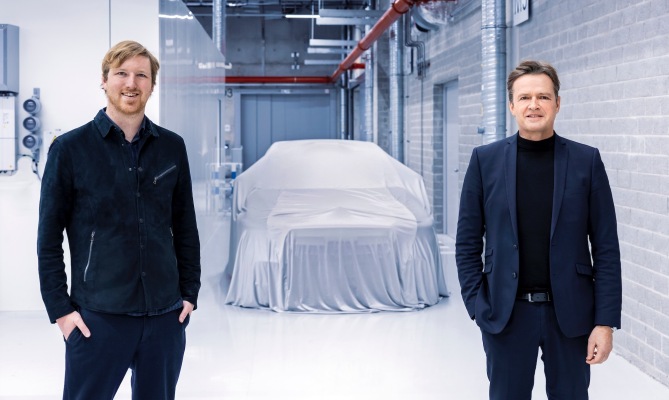
    Mercedes has announced that it has inked a deal with LiDAR maker Luminar whose devices will be incorporated in its vehicles in the future. Mercedes has also taken a small stake in the company with the acquisition of 1.5 million shares. As a part of the deal, Luminar will also be sharing data with the luxury carmaker.

    Luminar in particular has closed a deal with Daimler North America which is the parent of Mercedes in the US. Daimler will also share data from development and production vehicles for the continuous development of the systems.

    “A landmark moment in the industry that will demonstrate how substantially increased safety and autonomous driving functions on consumer vehicles are going from sci-fi to mainstream,” said Luminar founder and CEO Austin Russell.

    Currently, both companies haven’t revealed when the first Mercedes car will be revealed which will have a Luminar LiDAR. LiDAR is critical for autonomous driving – more importantly, sophisticated autonomous systems which aim for self-driving capabilities, something Mercedes currently lacks in its vehicles.

    Luminar already has announced a deal with Volvo and will be integrating its LiDAR and software in its cars. Volvo will also unveil an electric SUV later this year which will feature Luminar’s technology.

    However, Luminar’s deal with Daimler is also about the development of its Iris LiDAR system. This is not the first time Daimler has invested in Luminar its trucking division also invested in the LiDAR maker for its Blade system.