Category: Automotive

Retail News Asia is committed to providing both local and global retailers with the latest Auto and Car news throughout the Asian market. This on a daily base.

  • Volkswagen & Bosch Form JV For European Battery Production

    Volkswagen & Bosch Form JV For European Battery Production

    Volkswagen and Bosch have signed a memorandum of understanding to explore a joint venture dedicated to providing the European market with battery equipment solutions. The two, together, plan on selling integrated battery solutions with on-site ramp-up and maintenance support for battery cell and system manufacturers. This joint venture has also been designed with the goal of enabling Volkswagen to achieve its goal of building six battery cell factories by 2030 which will also be available to third-party customers.

    The idea for both Bosch and Volkswagen is to be self-sustaining for electric cars in terms of the supply chain. Volkswagen is building on top of its JV with NorthVolt with which it has planned its first facility in Salzgitter in Germany.

    “Europe has the unique chance to become a global battery powerhouse in the years to come,” said Thomas Schmall, a VW board member responsible for the automaker’s battery plans, in a statement.

    “There is a strong and growing demand for all aspects of battery production, including the equipment of new gigafactories. Volkswagen and Bosch will explore opportunities to develop and shape this novel, multi-billion-euro industry in Europe,” he added.

    “Our decision to actively engage in the vertical integration of the battery-making value chain will tap considerable new profit pools. Setting out to establish a fully localized European supply chain for e-mobility made in Europe certainly marks a rare opportunity in business history,” Schmall explained.

    The European battery alliance has already said that a third of the global batteries need to be manufactured in Europe by the end of the decade to cut dependence on South Korean and Chinese suppliers.
  • Self-Driving Sensor Maker Luminar Shares Rally On Mercedes-Benz Tie-Up

    Self-Driving Sensor Maker Luminar Shares Rally On Mercedes-Benz Tie-Up

    Luxury carmaker Mercedes-Benz will partner with self-driving sensor maker Luminar Technologies Inc to enable fully automated driving on highways for its next-generation vehicles, Luminar’s founder said.

    Luminar shares surged 18% at $15.89 on Thursday. Luminar said Mercedes-Benz will have 1.5 million shares in Luminar, which will vest over time when certain milestones are met.

    Vehicle autonomy “is really going mainstream with Mercedes,” Luminar CEO Austin Russell told Reuters on Wednesday, without disclosing a timeframe for putting the technology in Mercedes’ vehicles.

    He said the two would develop “true” autonomy capabilities to keep drivers out of the loop, while improving safety capabilities such as automatic braking.

    Automakers from Tesla to General Motors Co and Volvo have set their eyes on introducing autonomous vehicles for consumers, although regulatory and technological challenges remain.

    Luminar said Mercedes-Benz will have 1.5 million shares in Luminar, which will vest over time when certain milestones are met.

    Tech firms such as Alphabet’s Waymo and Cruise also are developing self-driving taxis or trucks for commercial use such as ride-hailing and delivery services.

    General Motors is working with its majority-owned Cruise self-driving unit to introduce a personal autonomous vehicle by as early as mid-decade, Chief Executive Mary Barra said this month.

    “If you want to be able to get to truly autonomous capabilities in a consumer vehicle, and you have to industrialize hardware, software, all of these systems that come into play. That by the way, is completely different than the work that the robo-taxi companies have been working on,” Russell said.

    He said it is a challenge to mass-produce lidars and make sure they are robust enough to meet stringent requirements from automakers.

    “It is a completely different kind of business of going from a science and technology business to an automotive corporation.”

    Tech firms such as Alphabet’s Waymo and Cruise also are developing self-driving taxis or trucks for commercial use such as ride-hailing and delivery services.

    Lidars, which use laser light pulses to measure the distance between the sensor and the target object, are widely seen as essential to achieving full autonomous driving. But Tesla has shunned the sensor, saying it is expensive and unnecessary.

    Volvo Cars and Luminar said earlier this month that they will put a hands-free driving system in an upcoming electric sport utility vehicle.

  • Qualcomm Inks Car Chip Deals With Volvo, Honda And Renault

    Qualcomm Inks Car Chip Deals With Volvo, Honda And Renault

    Qualcomm Corp on Tuesday announced deals to supply chips to automakers Volvo Group, Honda Motor Co Ltd and Renault SA, accelerating its push to partner with legacy automotive firms digitizing their product lines.

    The San Diego, California, company once known for its mobile phone chips has created a range of automotive offerings, from self-driving car brains to chips that operate digital dashboards and infotainment systems. But the chips are all aimed at the same goal of helping automakers transform their vehicles into rolling computers that can be updated over the air with paid upgrades that generate revenue for carmakers long after a vehicle has left dealer lots, a business model pioneered by Tesla Inc.

    At the Consumer Electronics Show in Las Vegas, Qualcomm said it has reached a deal with Geely Holding-backed brands Volvo and Polestar to use Qualcomm’s “Snapdragon Cockpit” chips and an operating system from Alphabet Inc’s Google in vehicles starting later this year.

    The deal will allow Volvo’s electric SUV to tap into hands-free use of Google Assistant and navigation with Google Maps

    The deal will allow Volvo’s electric SUV, which is to begin production this year, to tap into hands-free use of Google Assistant and navigation with Google Maps. The companies said that future upgrades will be sent out over the air.

    Qualcomm also said that Honda will start using its “cockpit” chips in vehicles that will hit roads in 2023. Qualcomm also said Renault has agreed to use its automotive technology, but did not give specifics of which chips or when vehicles using them would arrive.Qualcomm said on Tuesday that it has created a new chip and system for computer vision, which uses cameras on the car and artificial intelligence to help with safety functions like automatic lane control. The new “Snapdragon Ride Vision System” uses software from Arriver, which was part of Qualcomm’s $4.5 billion purchase of automotive technology firm Veoneer Inc last year.

  • This Is The World’s Fastest All-Electric Aircraft

    This Is The World’s Fastest All-Electric Aircraft

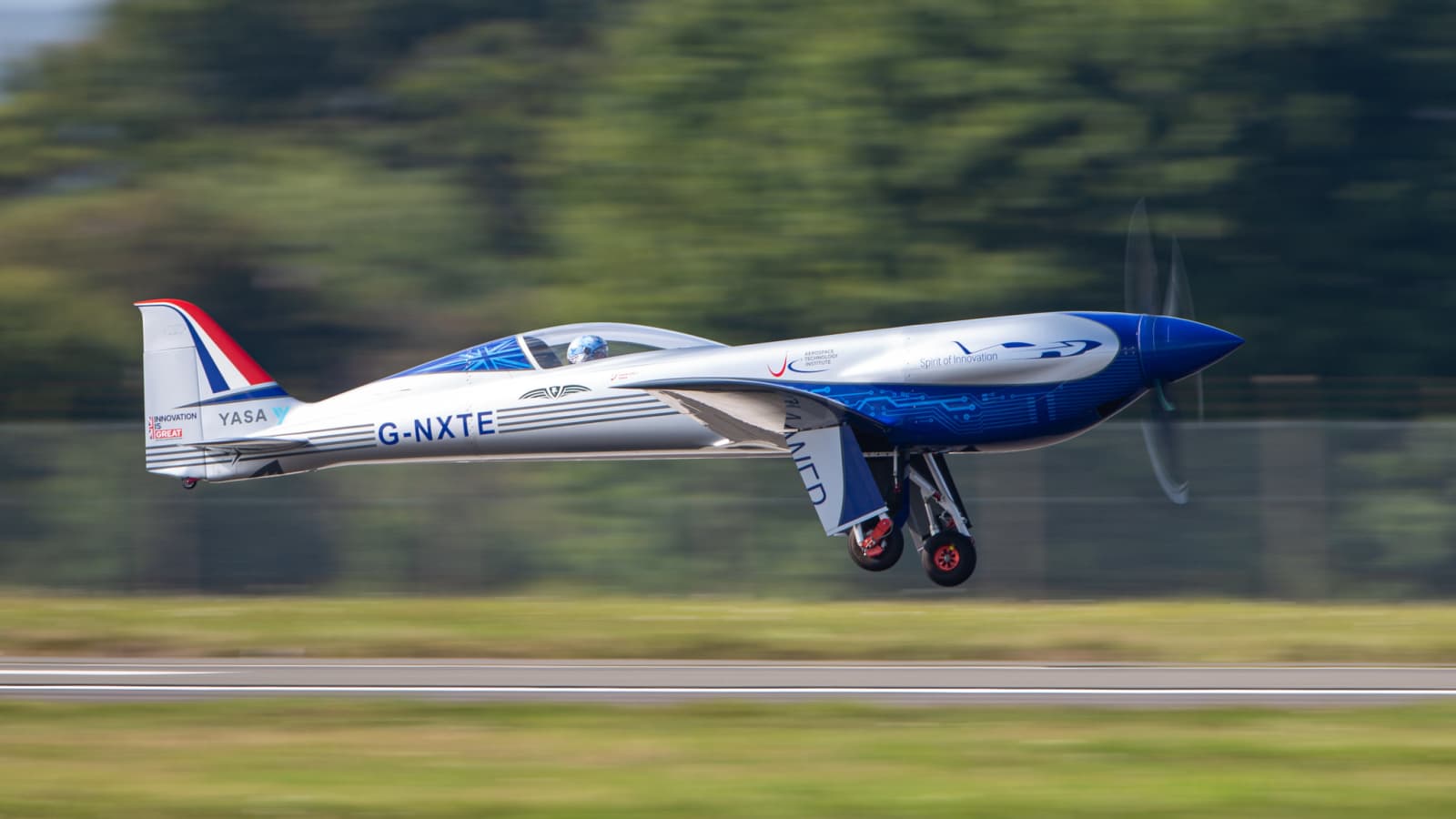
    Rolls-Royce’s all-electric ‘Spirit of Innovation’ aircraft is officially the world’s fastest all-electric aircraft, having set two new world records which have now been independently confirmed. The aircraft reached a top speed of 555.9 kmph over 3 kilometers, smashing the existing record by 213.04 kmph. In further runs at the UK Ministry of Defence’s Boscombe Down experimental aircraft testing site, the aircraft achieved 532.1 kmph over 15 km – 292.8 kmph faster than the previous record. The aircraft was propelled on its record-breaking runs by 400kW electric powertrain and the most power-dense propulsion battery pack ever assembled in aerospace.

    Both records have been officially verified by the Fédération Aéronautique Internationale (FAI), the World Air Sports Federation that controls and certifies world aeronautical and astronautical records. During its record-breaking runs, the aircraft, which is part of the UK Government-backed ACCEL or ‘Accelerating the Electrification of Flight’ project, also clocked up a maximum top speed of 623kmph making it the world’s fastest all-electric vehicle.

    Warren East, CEO, Rolls-Royce, said: “The advanced battery and propulsion technology developed for this program has exciting applications for the Advanced Air Mobility market. This is another milestone that will help make ‘jet zero’ a reality and supports our ambitions to deliver the technology breakthroughs society needs to decarbonize transport across air, land, and sea.”

  • Former SpaceX Engineers Are Making Electric & Self-Driving Railway Vehicles

    Former SpaceX Engineers Are Making Electric & Self-Driving Railway Vehicles

    Tesla is not the only company that’s run by Elon Musk. In fact, Musk used some of the money he made with SpaceX to invest in Tesla to eventually gain control of the electric car maker. And SpaceX has also been categorized by Musk as some of the most important work he is doing in his life. But as it happens some of his former SpaceX engineers have quit and formed a startup that’s looking to reinvent the railway industry.

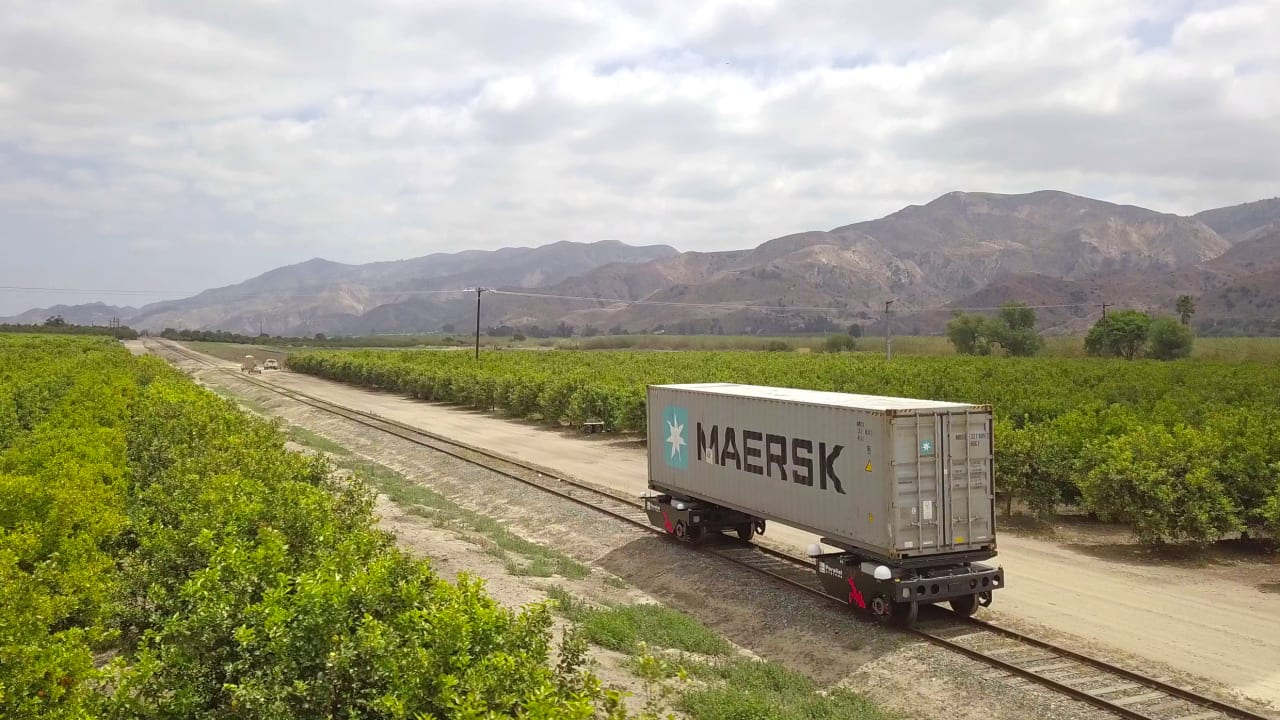
    Parallel Systems, founded by former SpaceX engineer, Matt Soule who partnered with a bunch of his former SpaceX colleagues, intends to disrupt the railway industry with electric powertrains and autonomous vehicle technology that’s taking over the consumer automotive space. The company has received $50 million in a Series A funding round and only recently came out of stealth

    Their idea is to create a small autonomous electric-powered rail vehicle. The idea is for a cargo vehicle that enables one to drop the cargo on a Parallel Systems vehicle and have it move without the need for the entire train to be unloaded. Each container can do individually move 800 km or band together to be even more efficient.

    This would allow smaller railroads to be reopened and new ones to be built to deliver cargo closer to customers and take some market away from trucks. These vehicles in question can also take in an impressive payload of 128,000 pounds which is twice the capacity of a semi-truck. So far though, their prototype vehicle can only do 80 km.

  • Baidu’s JiDu Teases Level 4 Self Driving Car

    Baidu’s JiDu Teases Level 4 Self Driving Car

    Self-driving cars were invented by Google and the Google of China, Baidu, isn’t behind its American counterpart. It has created a new brand called JiDU which has announced plans for launching a self-driving car by 2023. They are calling it the robocar which will be fully unveiled at the Beijing auto show in April.

    “JiDU has completed the visual and functional design of the Robocar concept car, which will make its debut in April as planned. Let’s set off towards an infinitely possible future together,” said Yiping Xia, CEO of JiDu.

    In the teaser, one can easily see that the car is riddled with sensors that come out of its hood, almost like small turrets and they are retractable and hidden by flaps. The car also seems to have frameless doors that open outward.

    The robocar maker has also revealed that it has specifically designed a new logo called the Pixel J which it claims is the first logo that has been designed specifically for an autonomous vehicle.

    In China, autonomous cars are taking off as are robotaxi services. Already there is the Xpeng P5 which boasts some serious autonomous capabilities as it has become the world’s first production car with a LiDAR and has some advanced autonomous capabilities.

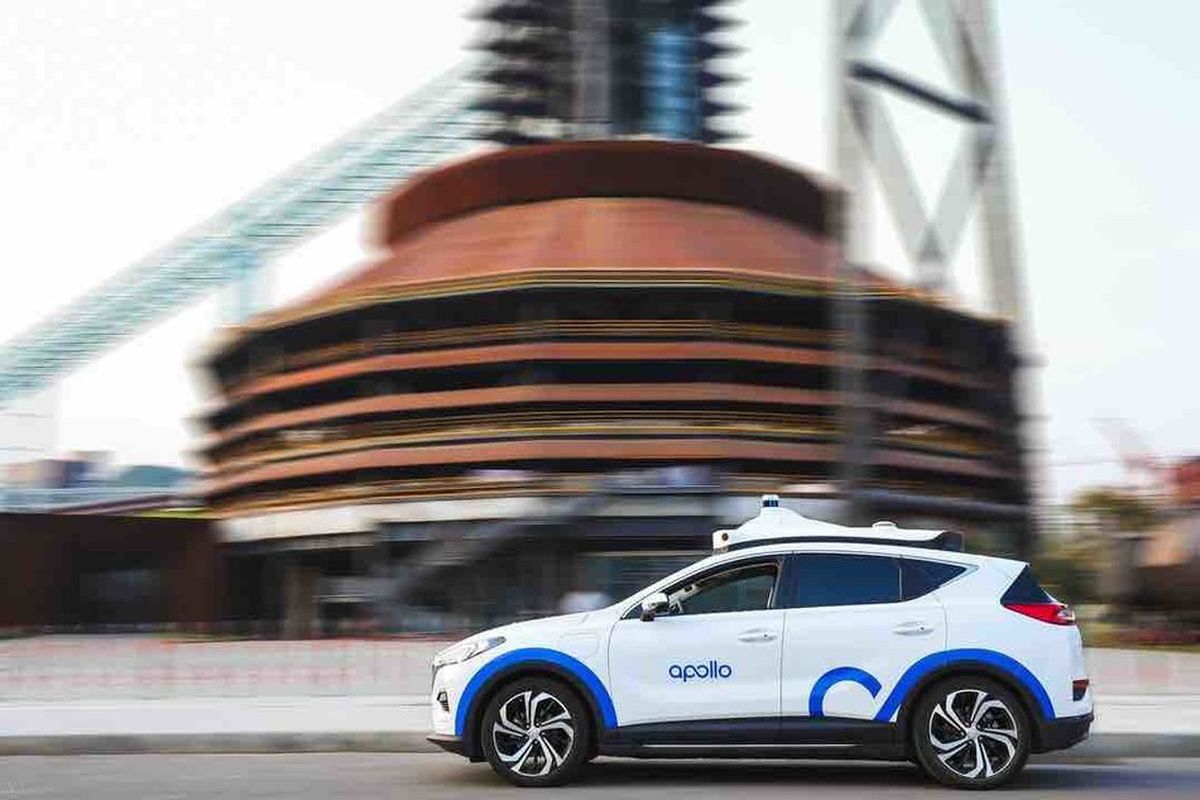
    Apart from JiDu, Baidu also has the Apollo robotaxis which leverages the QNX operating system.

  • Apple To Expand CarKey With Hyundai Partnership

    Apple To Expand CarKey With Hyundai Partnership

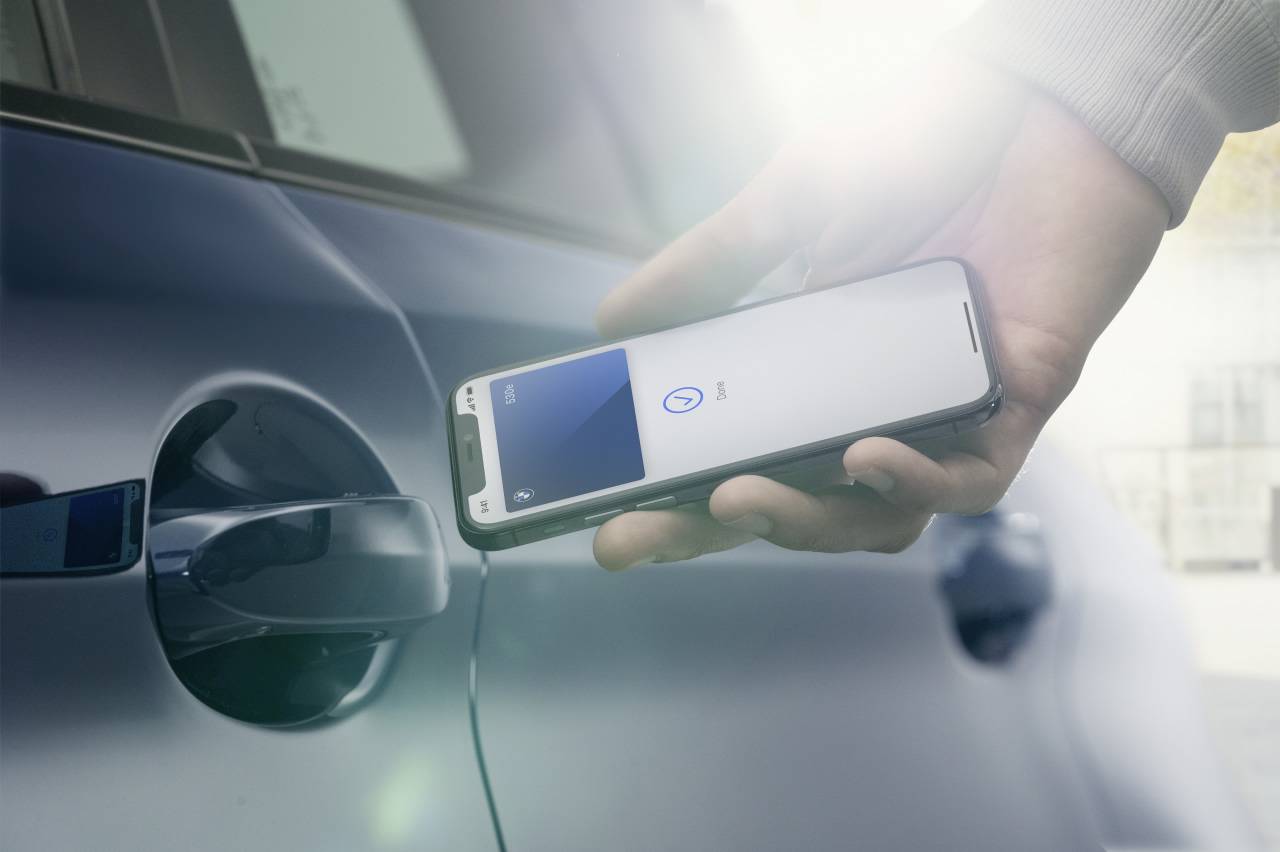
    Apple is preparing to expand its CarKey feature which was first announced at WWDC 2020. The feature, two years into its unveil, has been relegated to select BMW models in limited countries but now according to famed Apple watcher Mark Gurman, the feature could be coming to Hyundai vehicles and cars from its premium luxury brand Genesis. The feature is expected to roll out by summer 2022, and likely will be announced at Apple’s 2022 WWDC conference which could happen in June.

    This is interesting as Apple and Hyundai have become strange bedfellows after Hyundai revealed that it was in talks with the Cupertino-based gadget maker for the manufacturing of the Apple Car project which has been in limbo for a long time. Apple is said to have pulled back from any engagement after Hyundai made unsolicited disclosures.

    But this expansion of CarKey is crucial as Google has made more headway with Android Auto and a similar feature that was announced last year at Google I/O. On top of this Google has also managed to onboard several key manufacturers for Android Automotive – like Volvo and Ford – which is its operating system for the car infotainment system. Google of course is also the pioneer of self-driving technology as Waymo spawned out of its skunkworks Google X unit and has since been the flag bearer of autonomous cars.

    Google, Apple’s prime rival in the modern computing rival has had the leg up on the in-car experience and Apple has to make moves to catch up. Luckily, Apple has been building towards an expanded CarKey rollout as codebase leaks in iOS 15 have also suggested the same, though this could happen with iOS 16 which is around the corner.

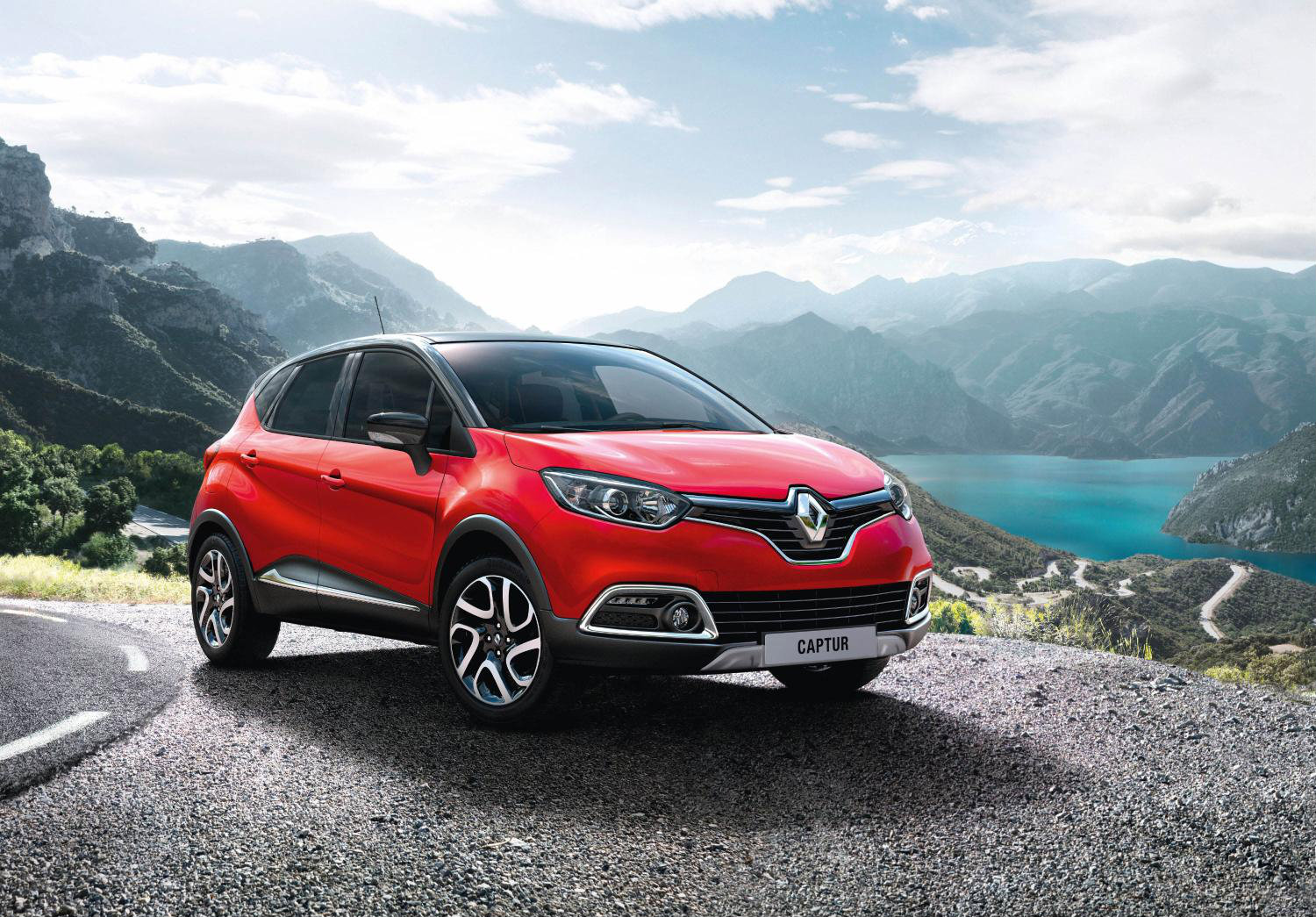
  • Renault Relatively Confident For 2022 Despite Some Chip Supply Worries

    Renault Relatively Confident For 2022 Despite Some Chip Supply Worries

    Renault is “relatively confident” about its business year but still sees some problems over chips supplies which it expects to be felt mostly in the first half of 2022, the French carmaker’s Chief Executive Officer said on Thursday.

    “We are relatively confident for 2022 but we know that it’s a volatile and uncertain world,” CEO Luca de Meo told journalists at a company event, adding that the carmaker’s restructuring efforts were running ahead of their schedule.

    Shares in Renault edged up after the publication of the comments midday on Wednesday and traded 3.9 % higher at 1231 GMT, topping France’s bluechip CAC40 index which was down 0.55%.

    Renault’s finance chief at the same event said that the carmaker was hoping to pay back as soon as possible the remainder of a 3 billion euros ($3.44 billion) loan backed by the French state, Renault’s biggest shareholder.

    0Comments

    The company also said it would step up the ambitions to shift its core Renault brand towards e-mobility, targeting to produce a “100 % electric” fleet by 2030, from 90% previously announced.

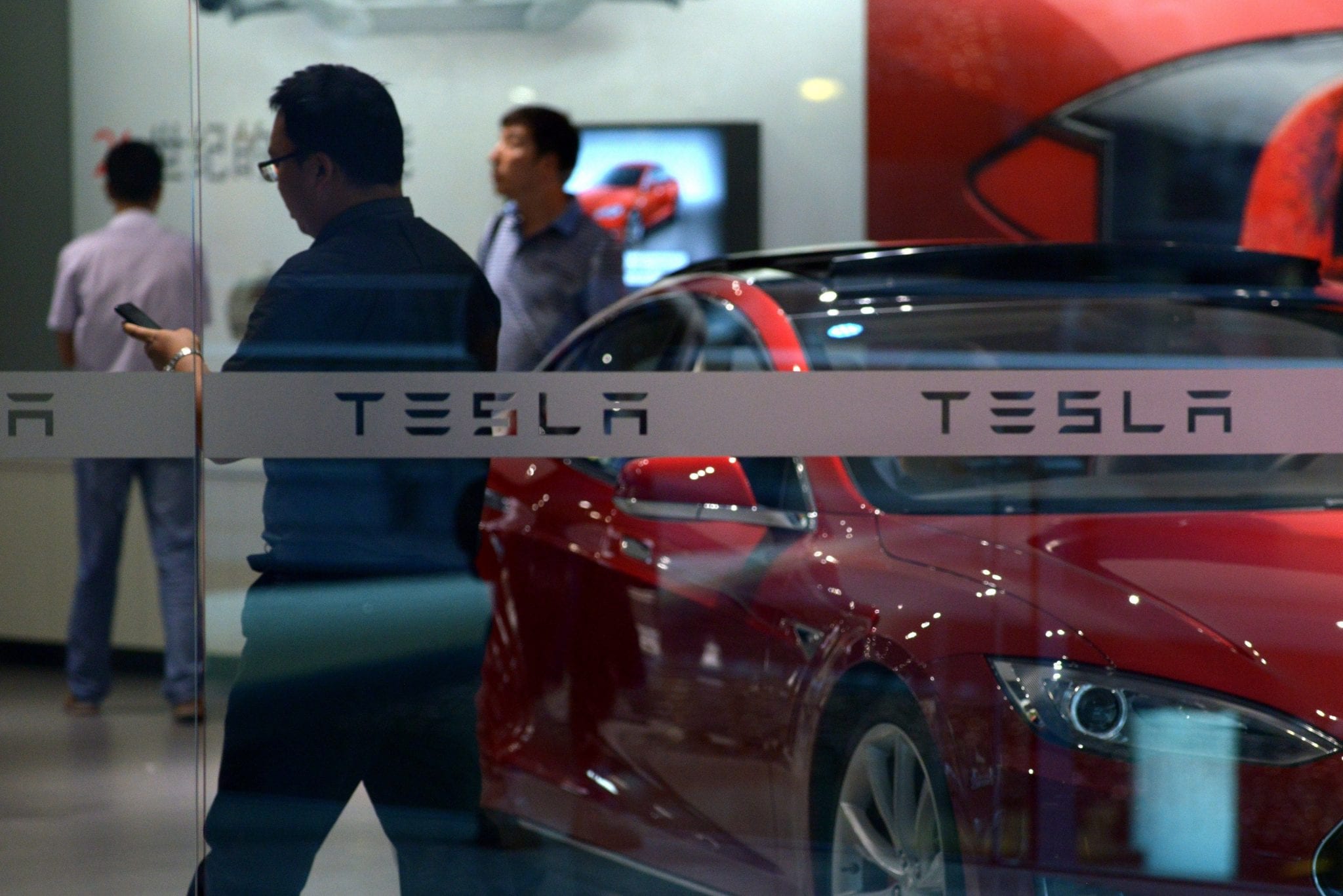
  • Tesla To Reveal CyberTruck Production Roadmap On Jan 26

    Tesla To Reveal CyberTruck Production Roadmap On Jan 26

    If 2021 was the year of Tesla scaling its product portfolio across the world, 2022, certainly is the year of the CyberTruck which the world’s most valuable automaker revealed just before the pandemic. During its Q4 2021, earnings call, Elon Musk, its techno king, revealed that there will be a separate briefing for the roadmap of the CyberTruck which the company has said will be delivered to customers starting later this year.

    “Tesla will post its financial results for the fourth quarter and full-year ended December 31, 2021, after market close on Wednesday, January 26, 2022. At that time, Tesla will issue a brief advisory containing a link to the Q4 and full-year 2021 update, which will be available on Tesla’s Investor Relations website. Tesla management will hold a live question and answer webcast that day at 4:30 p.m. Central Time (5:30 p.m. Eastern Time) to discuss the Company’s financial and business results and outlook,” said Tesla in a release.

    Elon Musk has said that he will be attending the product roadmap briefing in the call on January 26. Recently, Tesla had removed the specs of the Cybertruck from its website and now will give an update on the new trims and specs that have evolved over the 2 odd years since its original unveiling. Tesla had also tweaked the design of the car from the original.

    Tesla is also expected to give an update on the Semi electric truck. The semi-truck has already entered low volume production in the Nevada gigafactory.

  • Auto sales down 3 pct in 2021

    Auto sales in Vietnam last year dropped 3 percent from 2020 to 383,444 units as the fourth Covid-19 wave forced dealers to shut down.

    The sales figure is a combination of data from the Vietnam Automobile Manufacturers Association (VAMA), TC Motor, and VinFast.

    VAMA, which includes Truong Hai Auto Corporation (Thaco), Toyota, and Honda, saw 277,203 units sold, down 2 percent from the previous year.

    TC Motor, which distributes Hyundai cars, saw sales declining 13.3 percent to 70,518 units.

    VinFast posted a growth of 21.2 percent to 35,723 units.

    In the third quarter last year, most auto units in the south were shut down as the Delta variant spread.

    But a 50 percent reduction in the registration fee, which came into effect in December and will last until the end of May this year, pushed up sales.

    VAMA members sold 43,526 units in December alone, the highest last year. December was the fourth month in a row that auto sales rose.

    Most media representatives of auto brands in Vietnam expect a recovery in sales this year as the Covid-19 pandemic seems to be under control.

  • Vietnam cut excise duty on battery electric car

    Vietnam cut excise duty on battery electric car

    The National Assembly Tuesday voted to cut excise on battery-run electric cars to 3 percent for a period of five years.

    With effect from March 1, the tax on various types of battery electric vehicles (BEVs) will be reduced by 3-12 percentage points from current levels and be valid until Feb. 28, 2027.

    In 2027, they will revert to current levels of 5-15 percent.

    The National Assembly’s Standing Committee said the introduction of incentives to attract investors earlier than other Southeast Asian countries would create great opportunities for Vietnamese companies to produce BEVs for both domestic and foreign markets.

    A number of companies are preparing to begin the production of BEVs.

    “Electric cars are both environment-friendly and suitable for practical use,” Vu Hong Thanh, chairman of the House Economic Committee, said.

    Automaker VinFast has tied up with a Chinese company to research and manufacture electric car batteries as part of its vision to become a global brand.

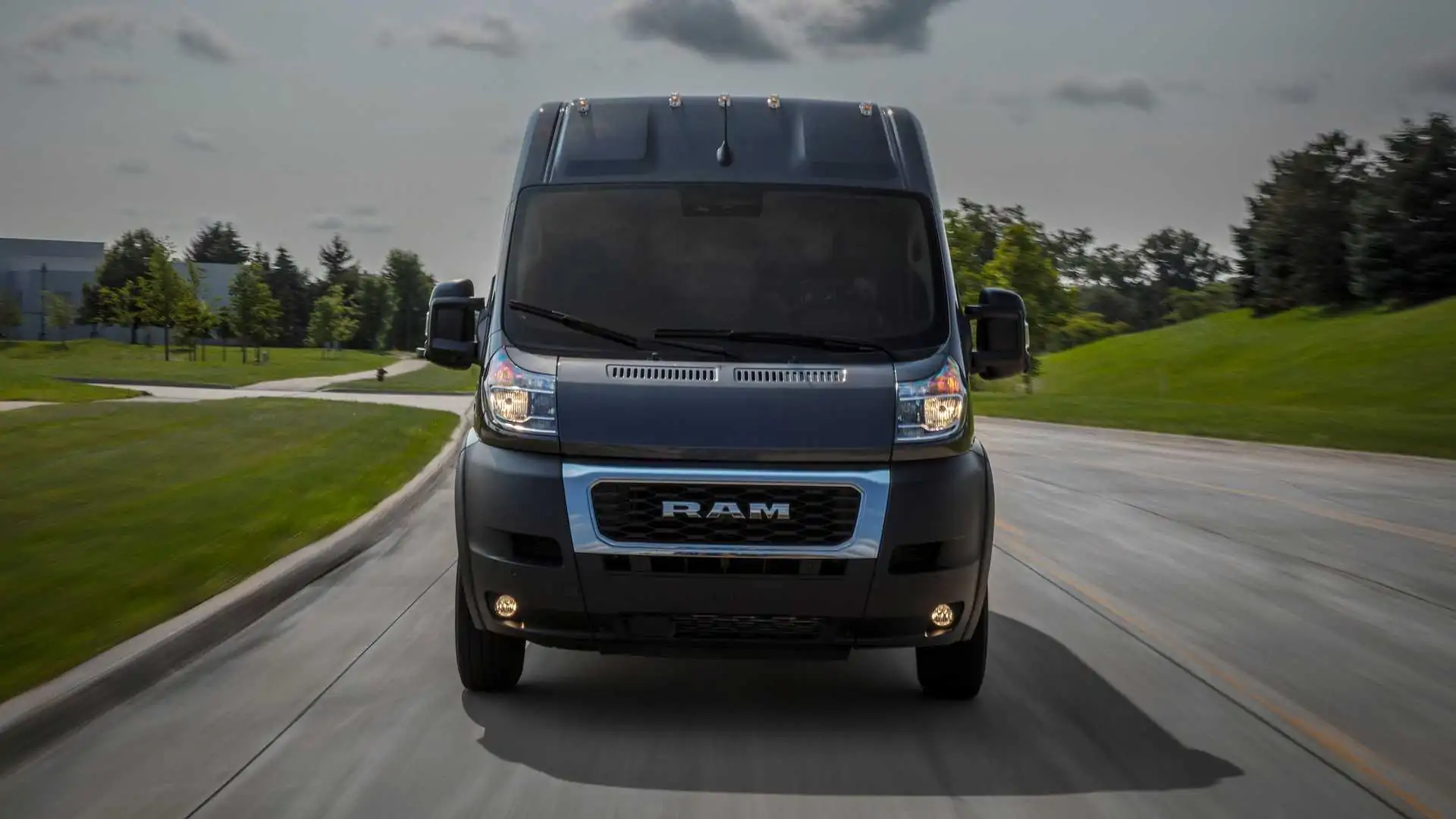
  • Amazon Will Be The First Customer For The RAM ProMaster EV

    Amazon Will Be The First Customer For The RAM ProMaster EV

    Stellantis owned RAM is also slated to go EV first sometime by the end of the decade. Stellantis announced a bunch of partnerships at CES especially big ones with Amazon, but hidden within them was a footnote around RAM’s upcoming ProMaster electric van which will launch in 2023.  Amazon will become its first commercial customer. Notably, this news comes after it was revealed that Rivian’s exclusivity its for its order of 100,000 electric vans ends in 2023 and it will be free to sell its electric van to third parties. This is notable because Amazon is also a major investor in Rivian.

    Rivian expects to ship the first 10,000 units in 2022 and has already started delivering its electric van to Amazon which has already been spotted in the wild. Amazon reportedly has ordered thousands of ProMaster EVs as the e-commerce giant attempts to clean up its carbon footprint on the logistics side of its business.

    This is not the first time Stellantis has partnered with Amazon. Amazon in the past has had separate relationships with RAM, Fiat, Peugeot, and Citroen. Interestingly, Fiat and RAM are part of FCA which merged with PSA which includes Peugeot and Citroen to form Stellantis.

    The RAM ProMaster EV is being billed as a competitor to the Ford E-Transit. “We always knew that our ambitious sustainability goals in our last mile operations would require multiple electric delivery van providers. We continue to be excited about our relationship with Rivian, and this doesn’t change anything about our investment, collaboration, or order size and timing,” said an Amazon spokesperson.

    FCA was owned by Exor, the holding company of the Agnelli family which also owns Ferrari separately. After the merger with PSA, Exor continues to have a major holding in Stellantis with John Elkan being on its board. Ferrari in the last couple of years has become very close to Amazon for AWS.  Amazon is also working with Stellantis for AWS and STLA.

    In fact, Rivian, whose 20 percent stake is owned by Amazon has also released a statement on the deal – and said it is good for the industry. “Large fleets focused on electrification and carbon neutrality represent a win for the mission of both companies. Amazon’s scale is globally unprecedented, and we expect them to purchase vehicles from many providers – our own partnership with them is intact, thriving, and growing,” said Rivian on the announcement of the partnership between Amazon and RAM.

  • Google’s Ripple Could Bring Tiny Radars To Cars

    Google’s Ripple Could Bring Tiny Radars To Cars

    Google has been building radars for a while. Remember the ill-fated Pixel 4 smartphone which came with the project soli radar that was used for an advanced face unlocking system? That phone was ill-fated as it couldn’t be launched in many countries like India where the 60Ghz mmWav frequency spectrum was not available for public use. In fact, even before 2019’s failure with the Soli radar, Google had been building miniature radar chipsets since 2015. And now, it has its latest effort which isn’t in hardware form but a software platform called Ripple which is fundamentally an application programming interface (API) that allows the use of this technology outside of Google’s device ecosystem.

    Notably, Google is partnering with Ford with whom it already has a relationship for the use of the Android Automotive platform. Ripple was showcased behind the scenes at CES. Ripple will unlock helpful innovation that benefits everyone. General-purpose radar is a key emerging technology for solving critical use cases in a privacy-respecting way,” said Ivan Poupyrev, who was part of Google’s ATAP unit that developed the Soli radar as well.

    Ripple’s libraries have been added to GitHub and is also a rebranding of its Standard Radar API. Soli’s technology could be theoretically repurposed inside a car where it provides privacy benefits – as it can detect whether someone is present, nearby, or telling a device to do something without the need of a microphone or camera. Ford which has joined Google on this initiative hasn’t revealed its plans but has revealed it is looking at an internal radar.

    “We are researching how to use interior radar as a sensor source to enhance various customer experiences beyond our leading Ford Co-Pilot360 driver-assist technologies that use advanced exterior radars today. A standard API, with semiconductor industry participation, will allow us to develop software independent of the hardware sourcing and give the software teams latitude to innovate across multiple radar platforms,” Jim Buczkowski, the head of Research and Advanced Engineering at Ford.

  • Vietnam car maker VinFast to build US battery factory as it goes all-electric

    Vietnam car maker VinFast to build US battery factory as it goes all-electric

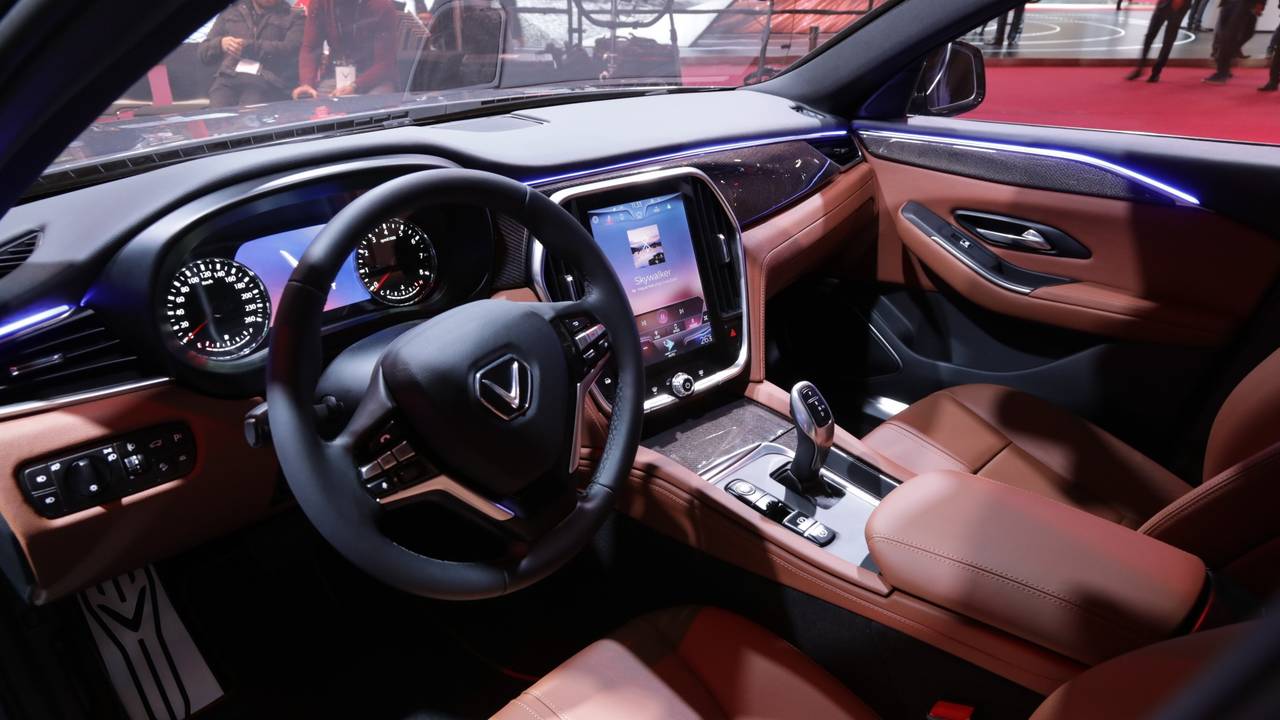
    Vietnam’s VinFast plans to build electric vehicle battery cells and packs in a new U.S. manufacturing complex, its global chief executive told Reuters, as the company pledged to transform itself into an all-electric automaker by the end of this year.

    VinFast, part of Vingroup JSC, the largest conglomerate in the country, became the country’s first full-fledged domestic car maker when gasoline-powered models built under its own badge hit the streets in 2019.

    The company, which began selling electric vehicles (EVs) in Vietnam at the end of 2021, said in a statement on Thursday it planned to become what it said would be the first car company to cease making gasoline-powered cars and transition to all-electric vehicle production from late 2022.

    VinFast is betting big on the U.S. market, where it hopes its electric SUVs and a battery leasing model will be enough to tempt consumers away from the likes of Tesla and General Motors.

    “We will build our gigafactory in the U.S. as well,” Le Thi Thu Thuy, Vingroup vice chair and VinFast Global CEO said, referring to the new battery facility in an interview during her U.S. visit to attend the Consumer Electronics Show in Las Vegas.

    The company will continue to source batteries from its suppliers, she added. Thuy said VinFast will initially assemble battery packs with cells sourced from its supplier at its U.S. complex before starting its own production there.

    “We have narrowed down from I think, over 50 sites to about three sites,” she said.

    She will visit some sites during her trip before making a decision this year, adding that the “mega site” would also include an electric bus factory.

    In December, Vingroup said it had started building a battery cell plant in Vietnam. The company is looking to initially produce 100,000 battery packs per year, with $174 million in investment, and then upgrade capacity to one million.

    VinFast previously said it had plans to start producing electric cars in the U.S. in the late 2024. The company said that on Thursday it was seeking to establish an EV plant in Germany.

    “The era of shipping cars around the world is over, especially since Covid-19. You must have the factory close to the market in order to win over your customers,” VinFast said in a statement.

    VinFast said prices for its VF8 sport utility vehicle (SUV) started from $41,000 in the United States, and that it would apply blockchain technology to record orders and confirm ownership. By comparison, a Tesla SUV sells for around $50,000. Vingroup said it was targeting global electric vehicle sales of 42,000 in 2022. Shares of Vingroup rose as much as 5.8 percent on Thursday after it revealed VinFast’s EVs line-up and the plans to go all-el

  • Volkswagen Brings Back The Microbus Together With A Battery

    Volkswagen Brings Back The Microbus Together With A Battery

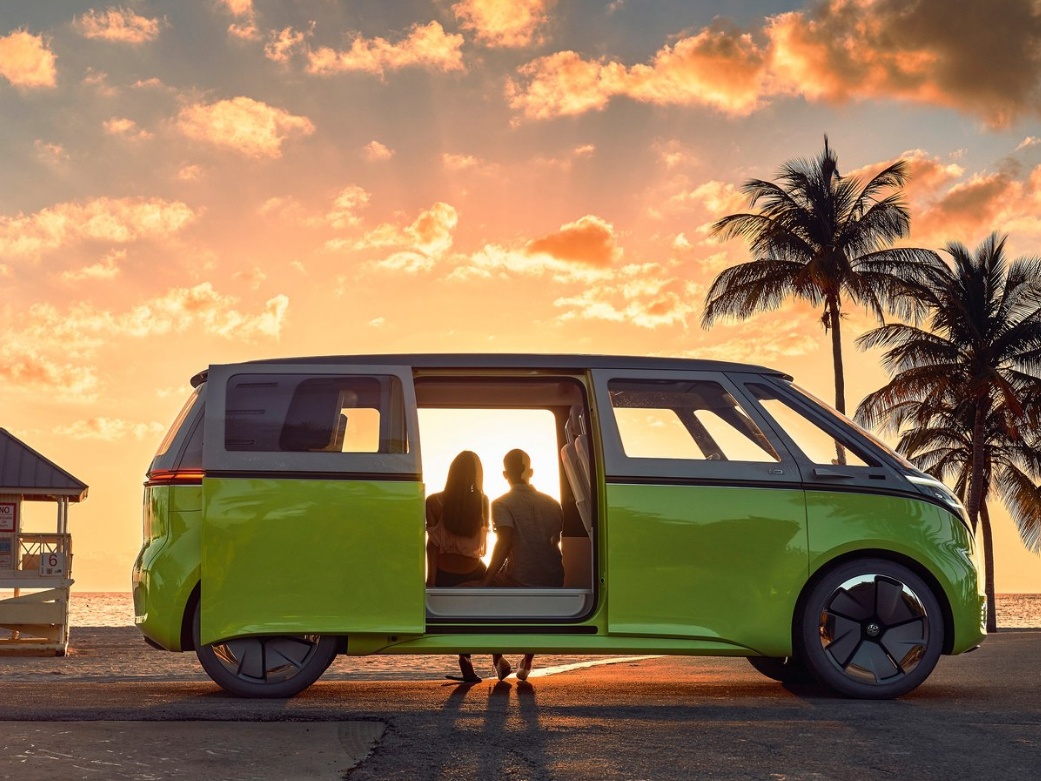
    Volkswagen will show a production version of its long-awaited ID.Buzz, an electric reincarnation of its beloved Microbus or Kombi, on March 9 and plans to launch it in the United States in late 2023, the company said on Friday.

    The ID.Buzz is one of “the most anticipated and most hyped” models anticipated from the Volkswagen brand since the company launched its new Beetle in the late 1990s, Scott Keogh, head of Volkswagen’s North American operations said during a media call.

    Volkswagen Chief Executive Herbert Diess tweeted on Thursday “The legend returns on 03/09/22!” The tweet contained a sketch of the profile of the ID.Buzz van.

    Volkswagen has shown a series of prototypes for a new Microbus over the past decade. But those prior show vans – the Budd.E and the Bulli – never made it to production, to the frustration of fans of the vehicle.

    Keogh said that a three-row version of the ID.Buzz will launch in the United States, where the original microbus became an icon of the counterculture, in late 2023 or early 2024. Volkswagen will launch a two-row version in Europe.

    “You want to get to 100,000 units before you localize,” Keogh said.

    Volkswagen will ramp up production of its ID.4 electric SUV at Chattanooga this year.

    Earlier Friday, Volkswagen said U.S. sales of its VW brand vehicles rose 15% in 2021, driven largely by strong sales of gasoline-fueled SUVs such as the Atlas and Tiguan.

    Shortages of vehicles caused by chip supply chain problems will continue to limit vehicle production and sales in the United States through 2022, Keogh said.

    He said he believes as many as two million potential car buyers did not buy a vehicle in 2021 because of the lack of supply, creating pent up demand for this year and beyond.