Category: Automotive

Retail News Asia is committed to providing both local and global retailers with the latest Auto and Car news throughout the Asian market. This on a daily base.

  • US Regulator Keeps Eyes on Musk

    US Regulator Keeps Eyes on Musk

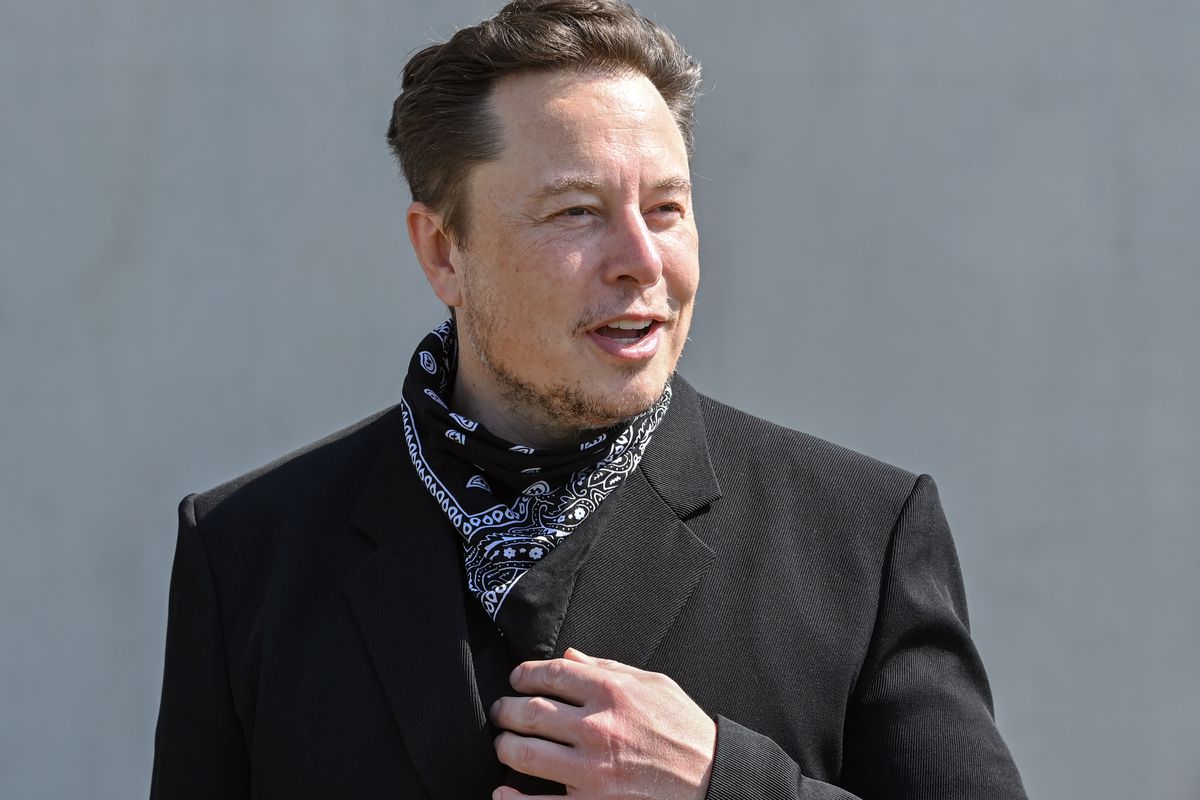
    The US regulators are investigating Elon Musk and his brother Kimbal in connection to insider trading.

    The Securities and Exchange Commission (SEC) is enquiring whether Tesla CEO Elon Musk told his brother Kimbal in advance about a Twitter poll, which caused the carmaker’s shares to fall, according to the Wall Street Journal.

    Tesla shares fell immediately after its CEO asked the public in a Twitter poll in November last year whether he should divest a chunk of his shares to pay taxes.

    Kimbal sold 88,500 Tesla shares valued at $108 million a day before the online poll was announced, leaving him with 511,240 shares after the sale, the report says.

    In an email sent to the Financial Times Elon Musk denied passing information that could have influenced Tesla’s stock price to Kimbal.

    The idea that I would care about whether my brother might sell shares for a few million dollars less when my Twitter poll caused my own share sale to be over a billion dollars less is utterly absurd, Musk said.

    In an apparent reference to the SEC’s Steven Buchholz, Musk added the investigation was simply more evidence of Stevie grinding his very tiny axe yet again.

    Musk’s lawyers have recently accused the SEC of mounting a harassment campaign against him.

  • Skoda to build plant in Vietnam

    Skoda to build plant in Vietnam

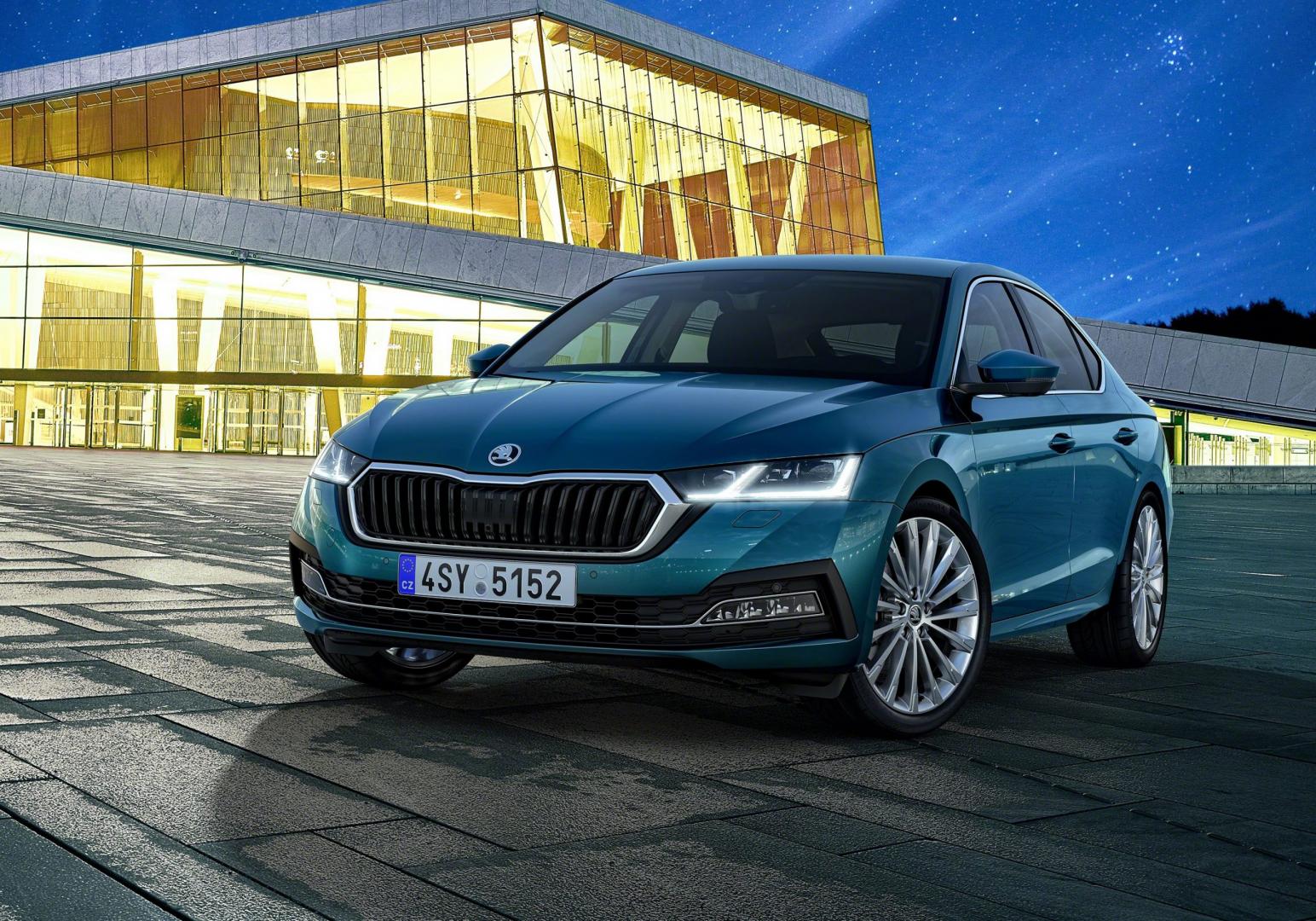
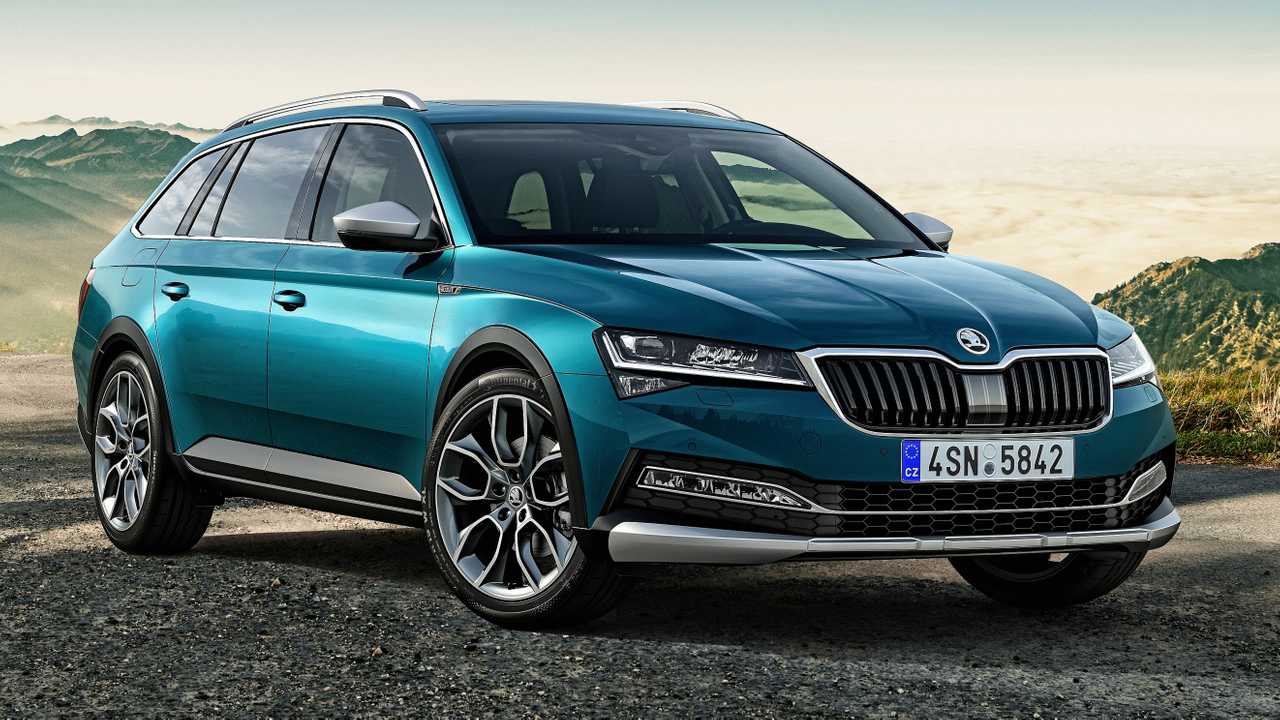
    Czech automaker Skoda is set to build a plant in the northern province of Quang Ninh and expects to begin production and exports of vehicles by 2023.
    Leaders of the company have worked with representatives of the Ministry of Industry and Trade on the plan of building the factory.

    Martin Jahn, a director of Skoda Auto, said the Vietnamese car market is relatively small but very promising.

    “The political and trade ties between the two countries represent extensive opportunities for cooperation.”

    There are 44 Czech projects in Vietnam with a total investment of $91 million, according to the Ministry of Planning and Investment.

    Mercedes-Benz and Peugeot are two European carmakers with plants in Vietnam, while BMW’s factory is expected to be completed this year.

    Skoda manufactured around 900,000 cars last year and sold nearly half in Western Europe.

    Established in 1925, it is a subsidiary of German auto giant Volkswagen.

  • Insurance Policy For Electric Scooters In India

    Insurance Policy For Electric Scooters In India

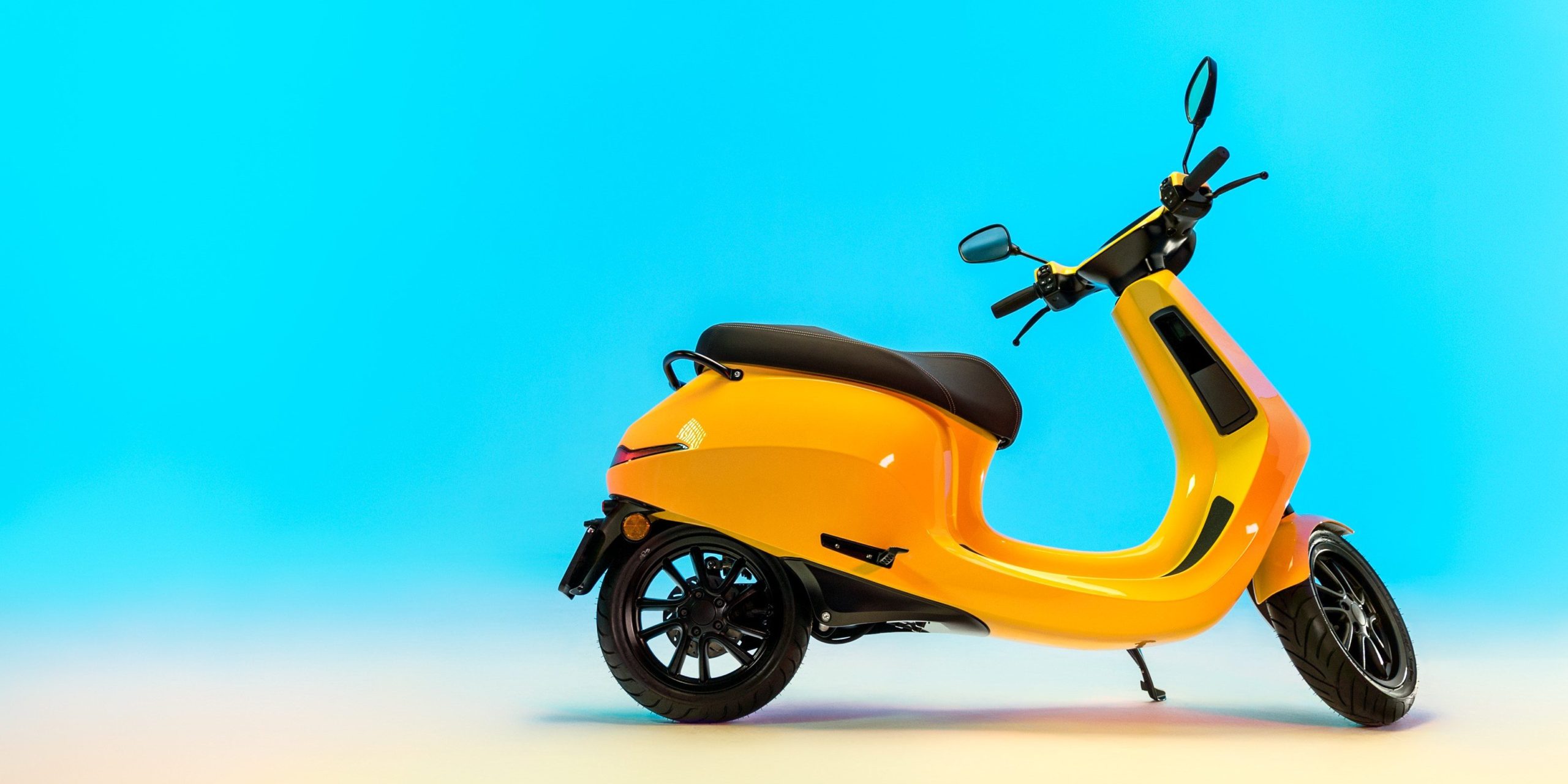
    The government of our country recently created a goal of going “completely electric” to limit the spread of pollution. India is one of the first five countries globally which use conventional fuels. Due to this, the environment faces a grave threat, which is why electric scooters are being promoted more and more these days. Having proper insurance if you have an electric scooter is important as well because your scooter is an asset. When you claim the insurance in case of damage, you get reimbursed.

    Some of the main benefits of getting your electric scooter insured include:

    • Getting insurance for your electric scooter complies with the government’s law. The government requires every vehicle to be registered and insured.
    • It helps you financially in case of accidents and mishaps. The components of electric scooters are very expensive and therefore, having insurance to cover the costs is very important.
    • Even if your electric scooter malfunctions or breaks down, the money will get reimbursed. Thus, an insurance policy saves you from spending money out of your pocket in case of accidents.
    • Go for a policy that offers full coverage at a reasonable price.
    • Prioritize going for digital-based insurance companies since they can be quickly acquired and easily claimed.
    • Compare the pros and cons of numerous policies before locking in on one.
    • Ensure that you are legally ready and responsible.
    • Read the fine print stating the terms and conditions thoroughly before making the purchase.

    DOCUMENTS NEEDED:

    • Proof of Identification – Voter’s ID Card, Aadhaar
    • Proof of Address – Passport, Driver’s License, Aadhaar
    • Recently-Captured Passport-Sized Photographs

    TYPES OF INSURANCES:

    There are generally two variants of electric scooter insurance in India. They are:

    • Third-Party Liability Insurance – Considered to be the main type of insurance, the third-party liability insurance protects the insured vehicle from any sort of financial as well as legal liability caused as a result of accidental damages.
    • Comprehensive Two Wheelers Insurance – This kind of insurance offers an extra layer of security and safety. This policy provides protects the insured vehicle from numerous natural as well as man-made disasters.

    WHY PURCHASE AN INSURANCE POLICY?

    There are two main reasons why you should get your electric scooter insured as soon as possible. They are:

    • Electric Scooters sport a heavy price tag and therefore, they should be insured to save money in case an accident takes place.
    • Electric scooters have high maintenance charges. They are quite powerful and therefore, need as much protection as they can get. An insurance policy guarantees that.

    Getting your electric scooter insured is both a logical and a sensible thing to do if you wish to save money in the long run. There are many insurance companies out there that offer electric scooter insurance. Do proper research and compare the plans before locking on a particular one.

  • Elon Musk Leaves $200-Billion-Club Empty

    Elon Musk Leaves $200-Billion-Club Empty

    Geopolitical tensions affecting global stock markets have also cut into the fortunes of the world’s wealthiest.

    The richest man on the planet has lost a large chunk of his wealth after Tesla shares fell 13 percent on Wednesday.

    Until yesterday, Tesla CEO Elon Musk was the only person whose wealth exceeded $200 billion, leaving the club-of-the-over-$200-billionaires empty. In the past, Amazon founder Jeff Bezos’ wealth also reached the $200 billion thresholds, the report says.

    Musk’s wealth reached a record $340.4 billion in November last year, after which he sold over $16 billion worth of stock and donated $5.7 billion to charity.

  • Volkswagen Virtus Name Confirmed For Upcoming Compact Sedan, Debut In March

    Volkswagen Virtus Name Confirmed For Upcoming Compact Sedan, Debut In March

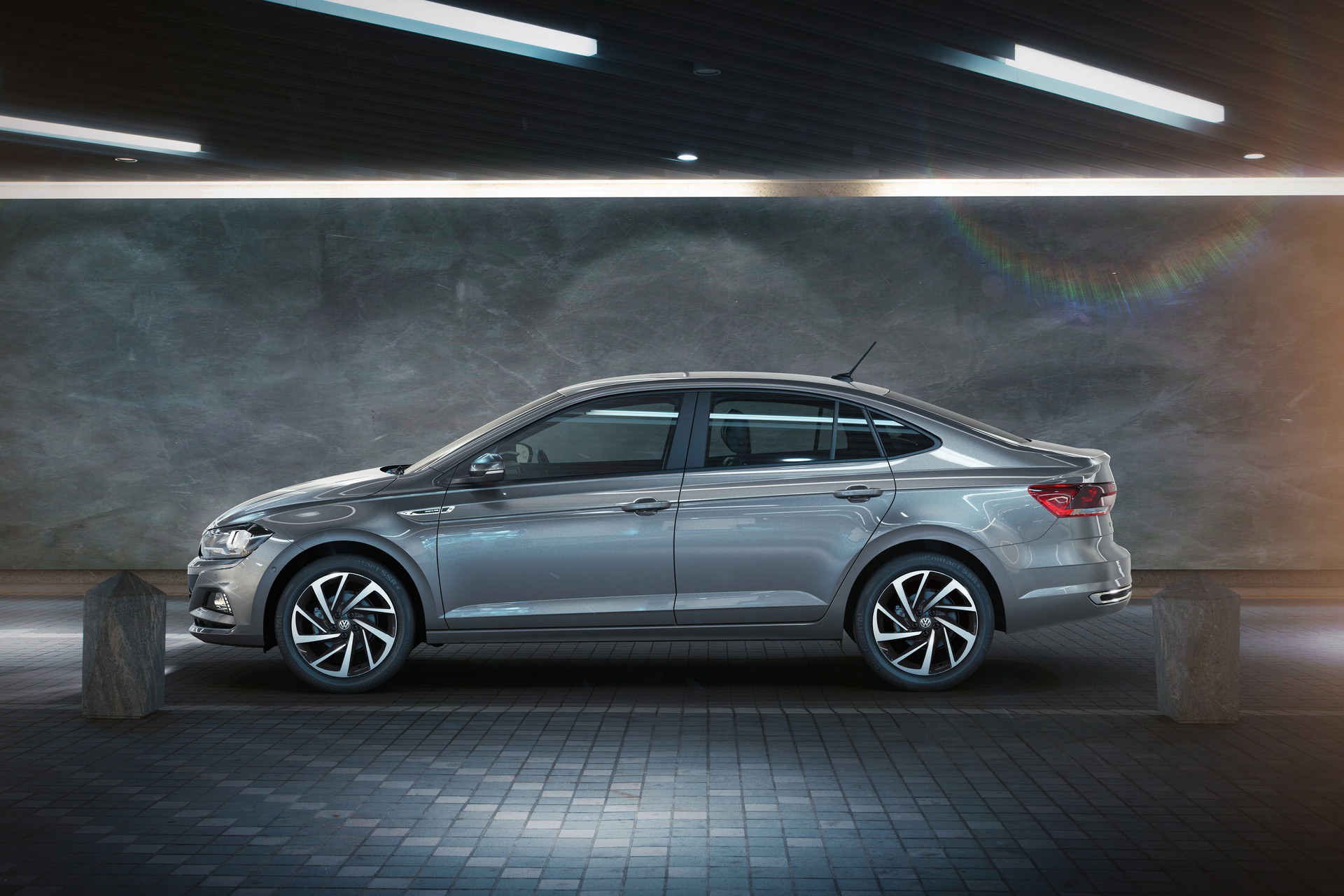
    Volkswagen India has announced the name of its upcoming compact sedan, and the model will be christened as ‘Virtus’ upon launch. The Volkswagen Virtus will be the second offering from the German automaker to be based on the MQB A0 IN platform after the Taigun and will replace the Volkswagen Vento in the company’s portfolio.

    Speaking about the Virtus name, Ashish Gupta, Brand Director, Volkswagen Passenger Cars India, said, “The new Volkswagen Virtus invigorates and impresses with its dynamic and emotional design language. The global sedan represents dynamism in its appeal and confidence in its character while retaining the core DNA of the brand. The Virtus is a perfect illustration of a sedan that meets the aspirations of customers in India with a truly global outlook.”

    Volkswagen says the name Virtus is a combination of the words ‘Virtuoso’ and ‘Virtues’ that signify “excellence, finesse, energy, and brilliance.” The upcoming sedan has been designed and developed for those who seek experiences, says the company. What we do know is that the VW Virtus would be a step above the Vento in every way. The car promises to be wider, longer, and well-appointed while bringing in a host of creature comforts. Going by the Taigun, we won’t be surprised to see feature-laden variants right from the entry-level trims.

    The Volkswagen Virtus for India is scheduled for debut on March 8, 2022, and the sedan is expected to arrive in two turbocharged petrol engine options and three transmission choices. The model will go on sale later in the year.

  • Bosch To Invest Additional 250 Million Euros In Chip Production Capacity

    Bosch To Invest Additional 250 Million Euros In Chip Production Capacity

    Bosch is investing an additional 250 million euros ($282.50 million) in extending chip production facilities at its Reutlingen plant in Germany, the company said on Tuesday.

    The Reutlingen site had previously been earmarked for 50 million euros of a total of 400 million that the supplier set aside last year for spending on chip production in 2022 across Reutlingen, Dresden and a testing facility in Penang, Malaysia.

    The largest part of that budget was allocated to expanding its 1-billion-euro Dresden factory producing 300-millimeter wafers, which the group inaugurated in June.

    The extra capacity at Reutlingen will come into force in 2025, Bosch said in a statement.

  • Skoda to build plant in Vietnam

    Skoda to build plant in Vietnam

    Czech automaker Skoda is set to build a plant in the northern province of Quang Ninh and expects to begin production and exports of vehicles by 2023. Leaders of the company have worked with representatives of the Ministry of Industry and Trade on the plan of building the factory.

    Martin Jahn, a director of Skoda Auto, said the Vietnamese car market is relatively small but very promising.

    “The political and trade ties between the two countries represent extensive opportunities for cooperation.”

    There are 44 Czech projects in Vietnam with a total investment of $91 million, according to the Ministry of Planning and Investment. Mercedes-Benz and Peugeot are two European carmakers with plants in Vietnam, while BMW’s factory is expected to be completed this year.

    Skoda manufactured around 900,000 cars last year and sold nearly half in Western Europe.

    Established in 1925, it is a subsidiary of German auto giant Volkswagen.

  • India Will Not Give Tesla Any Tax Breaks

    India Will Not Give Tesla Any Tax Breaks

    Any special concessions and tax breaks for the world’s most valuable carmaker and electric car pioneer Tesla have been ruled out by the Indian government. In a report by ETAuto, it has been revealed that the government’s plans for local manufacturing have received an overwhelming response that could generate revenues of over Rs 2.3 lakh crore. Arun Goel, the heavy industries secretary, has revealed companies who have submitted proposals for localization have committed investments in India that go beyond the government’s projections.

    “We have received fresh investment proposals beyond the targeted INR 42,500 crore. The response has been overwhelming and the larger industry has been appreciative of our plan, which explains the robust investment commitment,” Goel said.

    But when asked about potential concessions to facilitate the entry of Tesla in India, he ruled out that possibility. “The concession plan is uniform (for the industry). We are a democracy,” he added.

    Transport minister Nitin Gadkari had also expressed concerns around Tesla’s proposed entry into India where it would start by selling imported vehicles made in its Shanghai Gigafactory.

    “The company (Tesla) wants workers from China and the market of India. This is not possible under the Modi government. Our government’s policy is that if the Indian market has to be used, job opportunities will also have to be given to Indians,” said Minister of State for heavy industries Krishan Pal Gujjar in the Lok Sabha opposing Tesla’s plans for entering India.

    Tesla’s predicament in India is a tricky one – it wants to leverage what will be the third-largest automobile market in the world, but its products aren’t viable for the market. Its cheapest models are vastly more expensive than the cost of the average sedan, which in turn is further hobbled by a potential 100 percent tax duty. Then there is the lack of local charging infrastructure which has been Tesla’s secret sauce.

    India doesn’t want to give Tesla tax breaks for numerous reasons. It has already secured investments from automotive giants like Hyundai and Mercedes who are making their top-tier EVs in India. It will need to extend the tax breaks to every car maker if exceptions were made for Tesla.

    Then there is the issue of Tesla likely importing its cars from China, a country with which India has had strained relations. On top of this, Prime Minister Narendra Modi’s government has championed localized manufacturing with its “Make in India” scheme so Tesla’s plans are at odds with what the Indian government wants.

  • Carsome Unveils Southeast Asia’s Largest State-of-the-Art Car

    Carsome Unveils Southeast Asia’s Largest State-of-the-Art Car

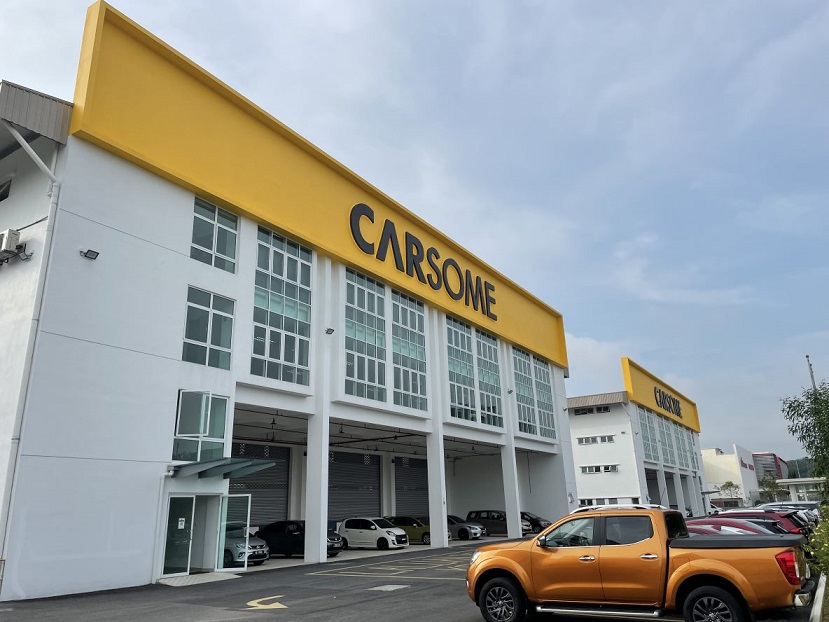
    Southeast Asia’s largest car e-commerce platform, Carsome, officially launched Carsome Certified Lab, the largest car refurbishment facility in the region.

    Spanning over 185,000 square feet, the fully-functional Lab is a state-of-the-art facility that transforms a pre-owned car to be as good as new. It is able to refurbish up to 2,000 Carsome Certified cars per month, an unprecedented scale across Southeast Asia.

    Carsome Certified CEO Mei Han said that Carsome Certified Lab plays an integral part in supporting the company’s pursuit of delivering peace of mind to consumers. “Carsome Certified exists to give consumers the options of pre-owned cars that are more superior. All our cars go through world-class refurbishment at Carsome Certified Lab, so that our customers can choose their dream car from our largest selection of best-in-class, quality-assured cars. This is our continuous effort in eliminating consumer and industry pain points,” Mei added.

    Carsome relentlessly refurbishes each Carsome Certified car, which are carefully selected through a stringent 175-point inspection to ensure that it is free from fire, flood and major accident damages. The bulk of the investment is spent on mechanical and general repair, body and paint, as well as car detailing.

    The works in Carsome Certified Lab cover all parts of the car, including internal, external, engine, transmission, suspension, steering, electrical and electronic. Each process is performed by skilled and experienced technical specialists while adhering to global safety standards. All these efforts ensure that all Carsome Certified cars are safe, comfortable and look as good as new.

    Carsome plans to open additional Carsome Certified Labs in the next 12 months across Malaysia, Indonesia and Thailand to continue offering the widest and largest selection of pre-owned cars for consumers to choose from.

    The company currently lists more than 1,000 cars on its website, where it offers a hassle-free, digital experience to consumers who wish to buy a quality car. Consumers can expect to browse for cars online with 360o view, purchase one with minimal paperwork and have their cars home-delivered for maximum convenience.

    All Carsome Certified cars come with the Carsome Promise, which ensures that the cars have passed a stringent 175-point inspection and includes a one-year warranty, five-day money-back guarantee, and fixed price with no hidden fees.

  • Nvidia’s CEO Believes Autonomous Vehicles Will Be All Over The World

    Nvidia’s CEO Believes Autonomous Vehicles Will Be All Over The World

    Nvidia’s founder and CEO Jensen Huang have revealed in a wide-ranging interview that autonomous vehicles will be prevalent all over the world. He believes 2022 is the inflection point for the development of autonomous vehicles and their adoption and by 2025, Nvidia will also be deploying its software at scale. By 2025, Nvidia will start monetizing its software by gathering licensing with revenue-sharing agreements with car companies.

    “I am certain that we will have autonomous vehicles all over the world. They all have their operating domains. And some of that is just within the boundaries of a very large warehouse. They call them AMRs, autonomous moving robots. You could have them inside walled factories, and so they could be moving goods and inventory around,” Huang told the Venturebeat.

    The Nvidia CEO’s comments come on the sidelines of its failed attempt to acquire ARM from SoftBank after the proposed deal faced universal negative pushback from regulatory authorities across the world. ARM, which designs chipsets and licenses its designs to countless companies across the world, is perhaps the last fabless and neutral chip design firm in the world. Its importance is so crucial because its designs are used nearly in everything from connected cars, autonomous cars, smartphones, tablets, PCs, IoT products to wearables.

    Huang believed that the failed ARM bid hadn’t impacted Nvidia one bit and from a long-term perspective he believed its autonomous division would be one of its biggest businesses. He added that Nvidia would continue to use ARM’s designs thanks to its 20-year license and it would utilize it across its product portfolio with new CPU designs already in development.

    “This will be a big year for us. And then next year, it’ll be even bigger next year. And in 2025, that’s when we deploy our own software where we do revenue sharing with the car companies. And so if the license was $10,000, we shared 50-50. If it’s a subscription base of $1,000 or $100 a month, we share 50-50. I think I’m pretty certain now that autonomous vehicles will be one of our largest businesses,” he added.

    Recently, Nvidia announced a wide-ranging deal with Jaguar Land Rover where it will be helping the iconic British automakers to develop autonomous cars and unique in-car experiences. The deal also entails Jaguar Land Rover leveraging Nvidia’s server-grade DGX GPUs.

  • Thailand Approves Incentives To Promote EV Shift

    Thailand Approves Incentives To Promote EV Shift

    Thailand’s cabinet on Tuesday approved a package of incentives including tax cuts and subsidies to promote a shift to electric vehicles (EVs) in Southeast Asia’s major auto production base, a government spokesperson said.

    The package for 2022-2025 is in line with a zero-emission vehicle policy plus a goal to ensure 30 per cent of Thailand’s total auto production are EVs by 2030, Thanakorn Wangboonkongchana told a news conference.

    In the first two years, the measures will focus on encouraging widespread domestic use of EVs by providing tax breaks and subsidies for imported models and those made locally, he said.

    In the last years of the package, the support will mainly be on promoting domestically produced EVs, while canceling some benefits for imported models, Thanakorn said.

    “This is to encourage operators to accelerate the production of electric vehicles in the country to meet increasing demand,” he said.

    Thailand last year produced 1.7 million regular vehicles, for firms that include Toyota, Honda, and Mitsubishi.

    Thanakorn did not give further details on the incentives, which he said would need to be worked out with the energy ministry.

    According to earlier media reports, the package will help reduce the price of each EV by between 70,000 baht ($2,165) and 150,000 baht ($4,638).

  • TSMC To Expand New Japan Chip Factory, Denso Takes Stake

    TSMC To Expand New Japan Chip Factory, Denso Takes Stake

    Taiwan Semiconductor Manufacturing Co (TSMC) said on Tuesday that the chip plant it is building in Japan with Sony Group will expand, with an extra $1.6 billion in spending, while auto supplier Denso Corp will take a 10% stake. TSMC, which is the world’s largest contract chipmaker, announced the $7 billion factories in southern Japan in November and construction is scheduled to start this year, with production beginning by the end of 2024. That announcement was welcomed by the Japanese government which wants TSMC to build plants to supply essential chips to Japan’s electronic device makers and auto companies as trade friction between the United States and China threatens to disrupt supply chains and demand for the component grows.

    TSMC said in a statement on Tuesday that to meet market demand, it had decided to enhance the plant’s capabilities and increase monthly production capacity to 55,000 12-inch wafers, putting the new total cost at around $8.6 billion. It was originally due to have a monthly production capacity of 45,000 12-inch wafers. The company, which is also a major Apple supplier and produces some of the world’s most advanced semiconductors, said that Denso would invest $350 million for a more than 10% equity stake in the Japanese plant.

    Automakers have been particularly badly hit by the global chip shortage, which have seen some production lines halted. “Through this partnership, we contribute to the stable supply of semiconductors over the medium to long term and thus to the automotive industry,” Denso’s CEO Koji Arima was quoted as saying in the TSMC statement.

    Taiwan, home to chip makers such as TSMC, has become front and center of efforts to resolve the chip shortage. TSMC last year pledged to spend $100 billion over the next three years to expand chip capacity and is building a $12 billion chip fabrication plant in the U.S. state of Arizona.

  • Tesla Software Updates Allow Quick Fixes

    Tesla Software Updates Allow Quick Fixes

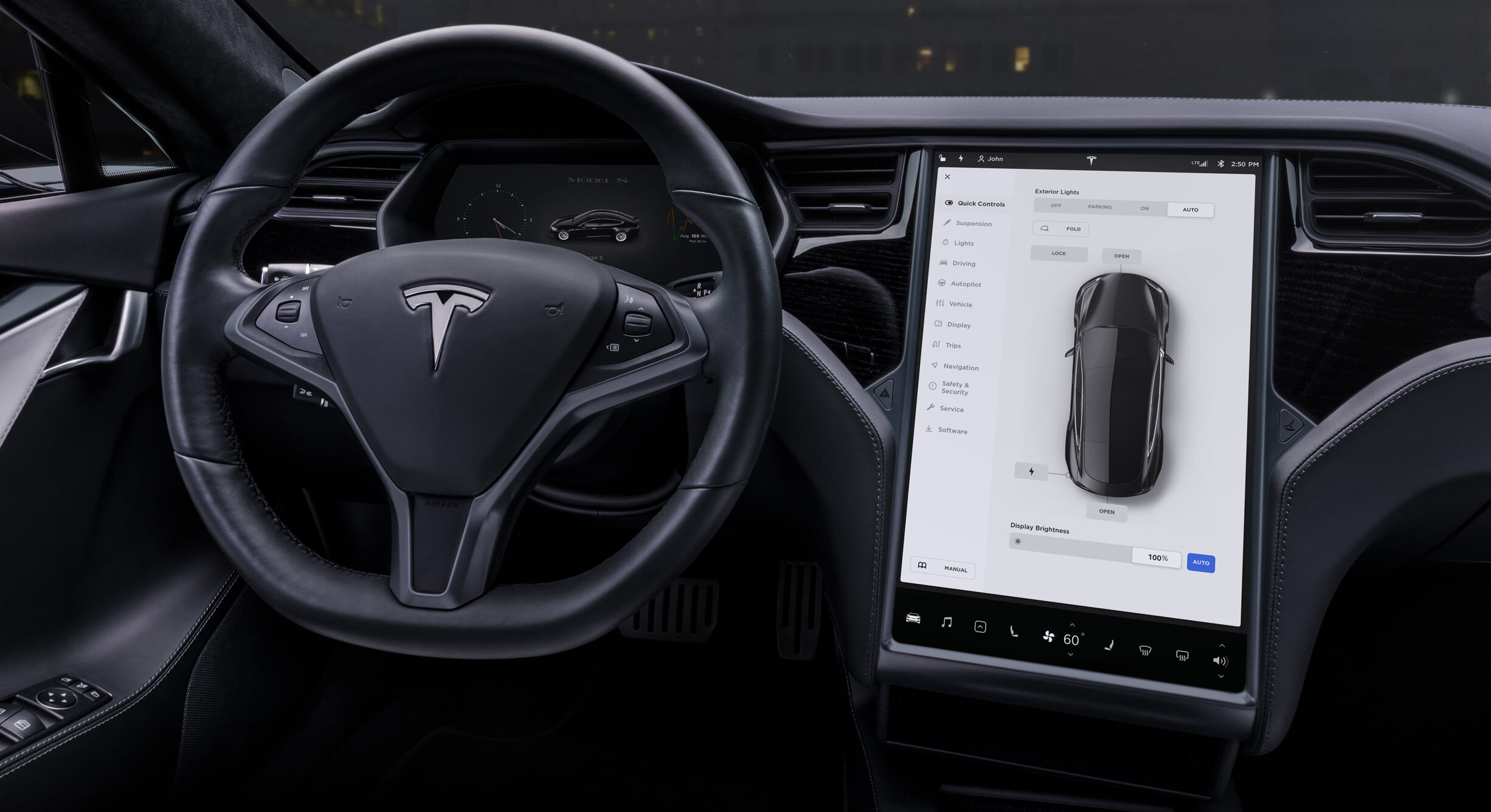
    Tesla Inc’s ability to quickly issue safety patches via remote software updates is an approach other automakers eye enviously, but that also carries risk as cars become more like rolling computers. Investors have awarded Tesla’s leadership on in-car software with a market value of $905 billion that dwarfs traditional carmakers, many of which are now scrambling to roll out their own ability to offer over-the-air software updates. However, Tesla’s risk-friendly culture and its desire to quickly release cutting-edge technology have also put it on a collision course with U.S. safety regulators, which have launched a string of recalls and investigations into the carmaker in recent months. The latest included the opening of a formal probe on Thursday into reports of unexpected brake activation.

    “There’s definitely the mindset that you can fix fast so you can take a higher risk,” Florian Rohde, a former Tesla validation manager who is now a consultant, said about the electric carmaker’s ability to issue remote updates. That behavior was illustrated earlier this month when the National Highway Traffic Safety Administration (NHTSA) ordered Tesla to issue a recall to prevent some of its vehicles from making “rolling stops” instead of coming to a complete halt at some intersections. That feature violated state laws and was a safety risk, the agency said.

    Tesla Chief Executive Elon Musk, who has a long history of clashing with U.S. safety officials, denied there was a safety issue with the function. “The car simply slowed to 2 mph & continued forward if a clear view with no cars or pedestrians,” Musk wrote on Twitter.

    But the carmaker nevertheless issued a software update to disable the function. NHTSA officials on Thursday said they would push for recalls if they feel safety risks may exist in any vehicles.

    Tesla has said it develops almost all its software to allow for regular over-the-air updates. The carmaker has issued software updates that control vehicle performance, braking, battery charging and infotainment functions.

    Tesla has led the auto industry in over-the-air recall updates. While nearly all recalls issued by NHTSA since 2020 required physical fixes, seven of Tesla’s 19 recalls since January 2020, or 37%, were addressed with over-the-air software updates, an analysis of public data showed.

    Unlike traditional recalls that require a trip to the dealership, remote updates are cheaper and can ensure that all vehicles receive the required fix. Traditional recalls have shown an average compliance rate of around 70%, with that rate falling to less than 50% for older cars, according to NHTSA data.

    With other automakers racing to offer the same upgrades as Tesla, safety experts are concerned wider over-the-air updates could open the door to carmakers lowering their safety thresholds by rushing out immature updates.

    “Over-the-air software updates come with promise and they come with peril,” said William Wallace, manager of safety policy at Consumer Reports. “Companies need to be really responsible.”

    The dispute over Tesla recalls comes as the automaker faces increasing scrutiny by several U.S. agencies over its conduct and CEO Elon Musk’s personal behavior. Musk’s attorney on Thursday accused the U.S. Securities and Exchange Commission of an “endless” investigation to punish him for criticism of the U.S. government.

    Tesla did not respond to a request for comment, but it has criticized the agency for “anachronistic regulations”. Analysts wonder whether the company’s fast-moving, technology-centered culture could lead to issues.

    “The problem is, when you try to apply the Silicon Valley mindset to automobiles, it’s a very different situation,” said Guidehouse Insights analyst Sam Abuelsamid, a former automotive software engineer. He added Tesla should do more internal testing before releasing updates.

    But the software shift also raises new challenges for regulators, with some experts questioning whether NHTSA has the expertise to validate modern technology.

    “I haven’t seen any evidence that NHTSA has people with the experience and expertise to deal with software issues right now,” said Don Slavik, a Colorado-based lawyer who has served as a consultant in automotive technology lawsuits, including many against Tesla.

    NHTSA’s recent investigations into Tesla have centered around the carmaker’s driver assistance system Autopilot and what Tesla calls its Full Self-Driving (Beta) software – technology that allows about 60,000 Tesla users in the United States to test the company’s autonomous technology on public roads.

    While the aggressive approach allows Tesla to deploy software updates faster than the competition, “it puts untrained drivers in the position of having to compensate for potential software defects,” said Philip Koopman, a Carnegie Mellon University professor working on autonomous vehicle safety.

    Safety advocates warn Tesla vehicles potentially affect everyone on public roads.

    “A two-ton vehicle is not the same as a desktop computer or your laptop crashing,” Consumer Reports’ Wallace said. “Automakers and their suppliers need to treat software that relates to safety like it’s a life-and-death issue.”
  • Czech Car Production Falls 11% In January As Chip Shortage Weighs

    Czech Car Production Falls 11% In January As Chip Shortage Weighs

    Czech passenger car production fell by 11.4% year-on-year to 92,657 vehicles in January, posting its lowest result for that month since 2010 as the chip shortage continued to weigh, the Czech Automotive Industry Association (AutoSAP) said on its website on Thursday.

    AutoSAP said, though, it expected the situation to stabilize in 2022 and show a rebound in full-year figures.

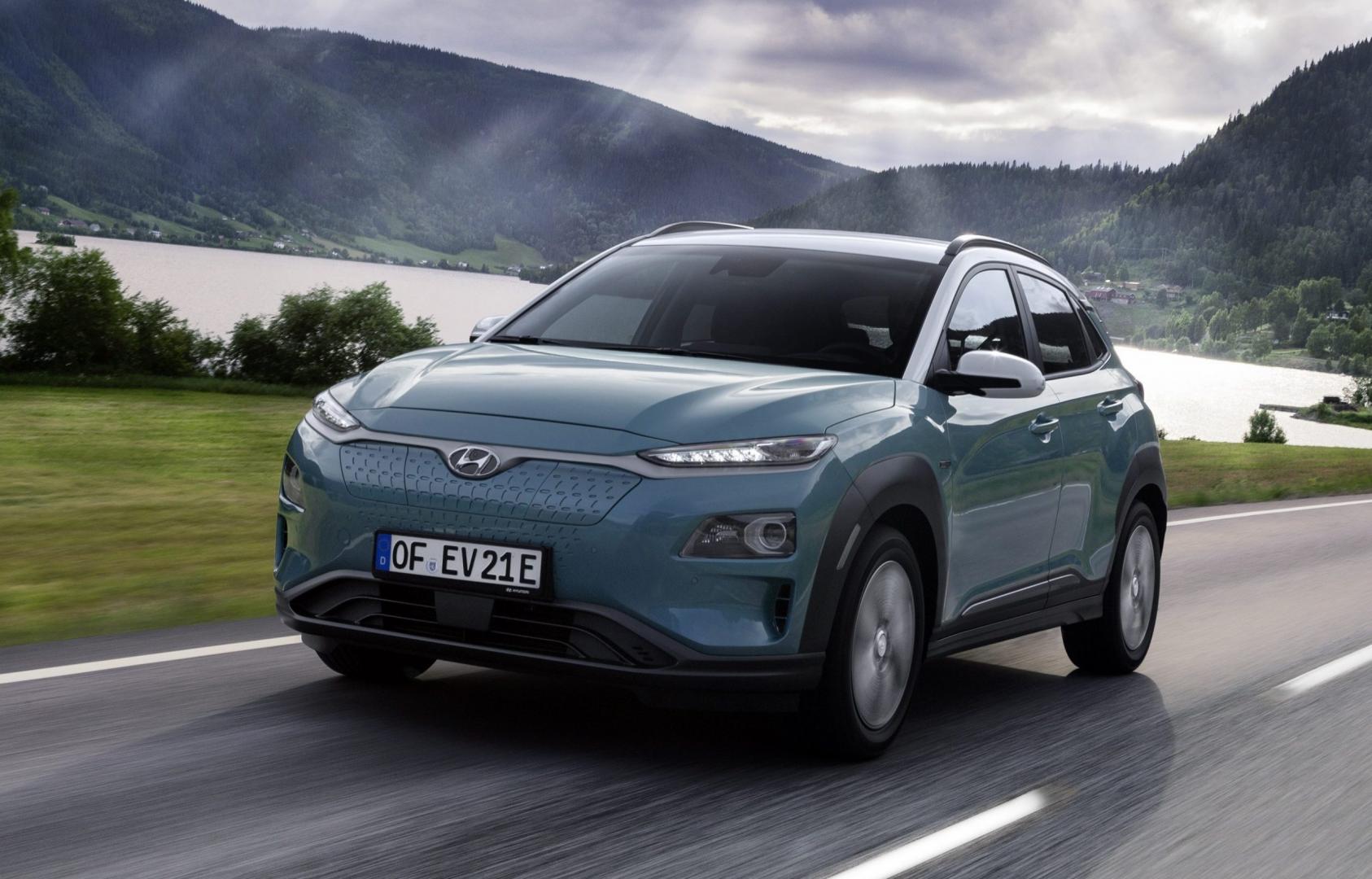
  • Vietnamese customers continue to love Korean cars

    Vietnamese customers continue to love Korean cars

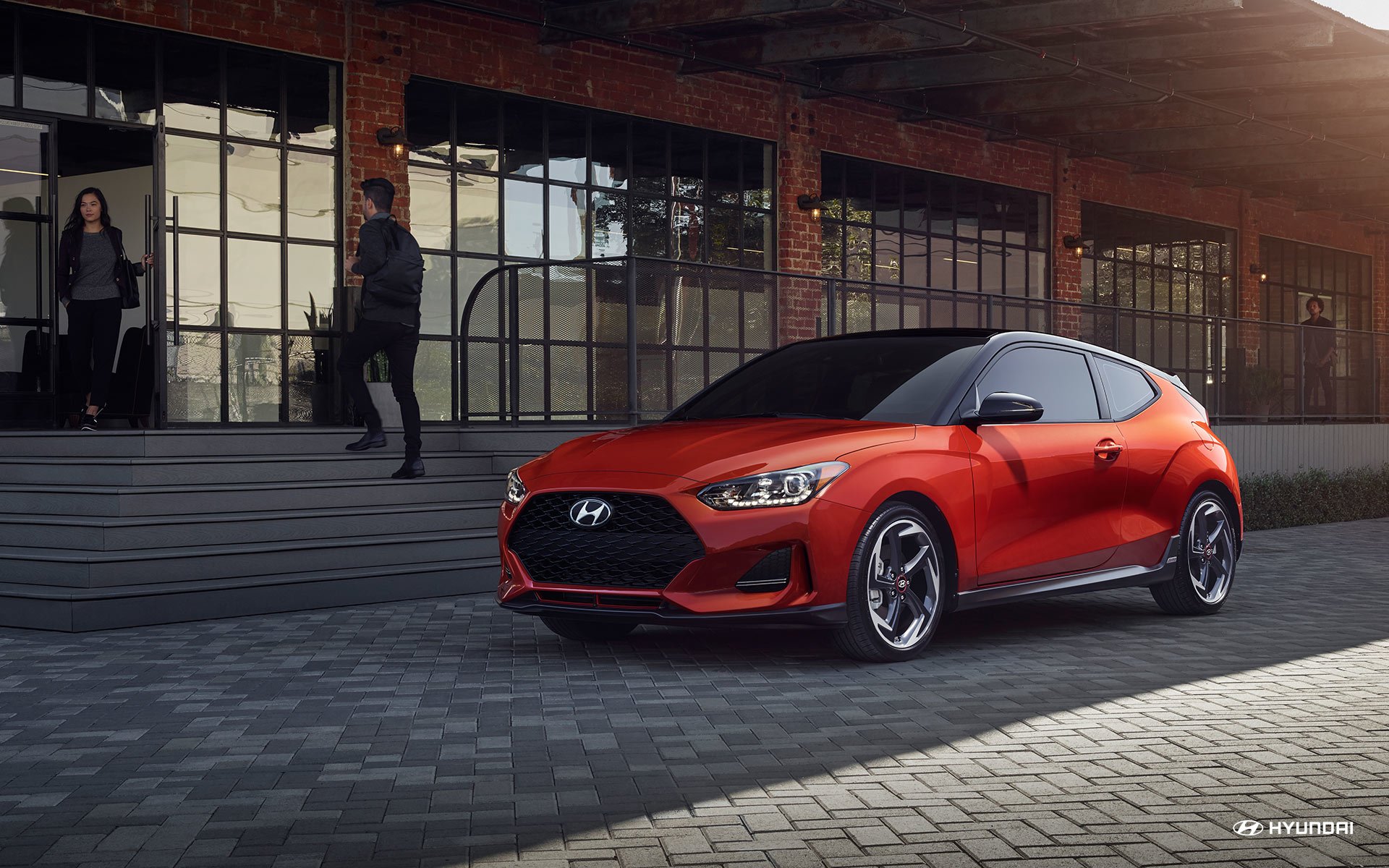
    The market share of Korean auto brands Hyundai and its subsidiary Kia increased from 18 percent in 2017 to over 30 percent last year.

    Hyundai continued to lead the market with sales of 70,518 units, though down 13.3 percent from the previous year.

    Japan’s Toyota followed with 67,339 units, down 4.7 percent, and Kia was third with 45,532 units, up 16.2 percent.

    For a third consecutive year the two Korean brands were among the top three, and they had a combined 30.2 percent share, almost the same as in 2020.

    With sales of 116,110 units, Vietnam was far and away the most important market for Korean automakers in Southeast Asia.

    To put numbers in perspective, their sales in Vietnam was four times higher than the combined sales in five other markets in the region: Thailand, Indonesia, Malaysia, the Philippines, and Singapore.

    Competitive pricing compared to Japanese brands and a wide of options have helped Korean become popular in Vietnam.

    Hyundai and Kia cars are assembled by Thaco and TC Motors respectively in the northern province of Ninh Binh and central province of Quang Nam.